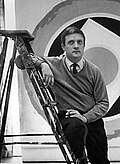
Kenneth Noland
Artist Spotlight
Kenneth Noland: Color Alive and Singing
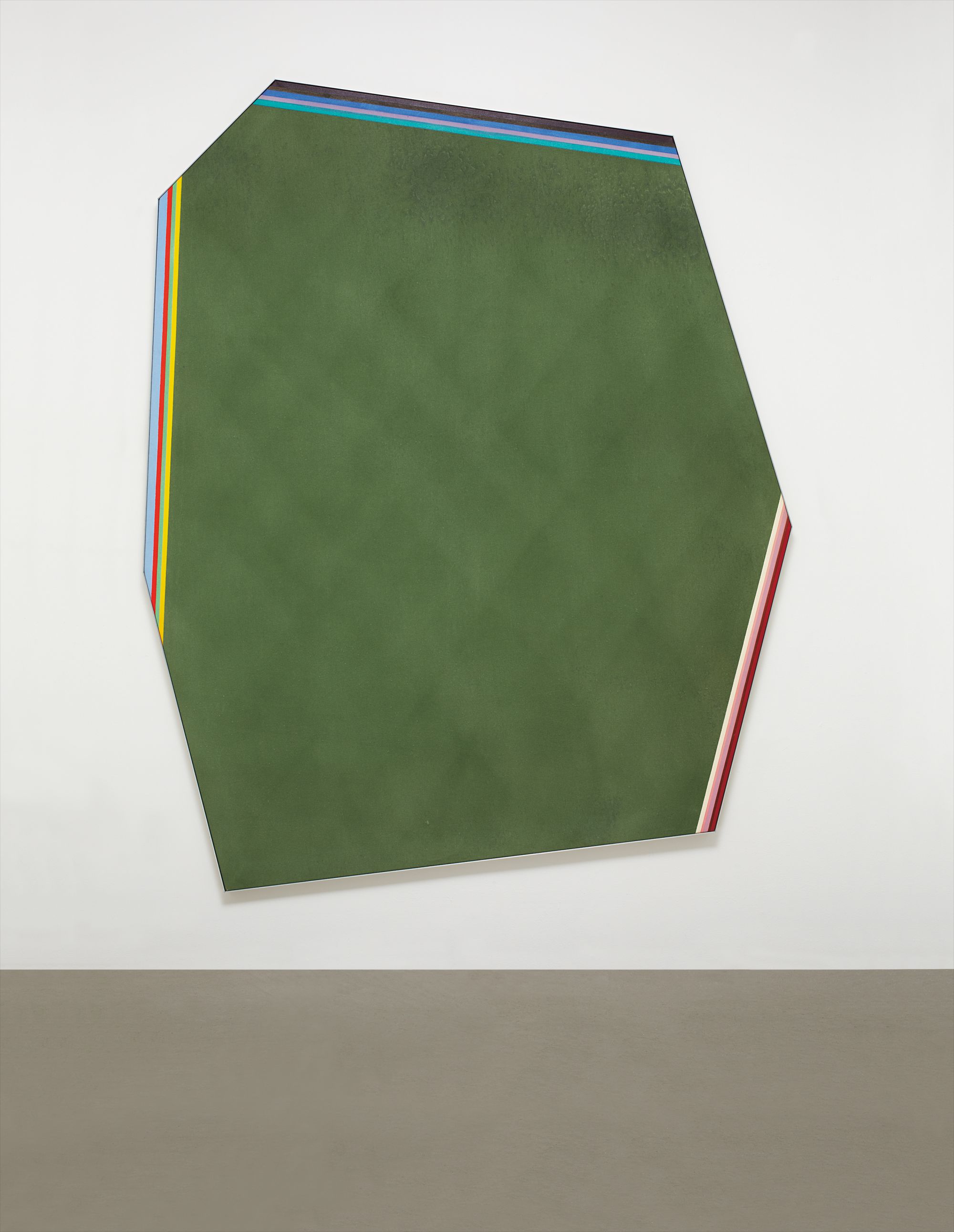
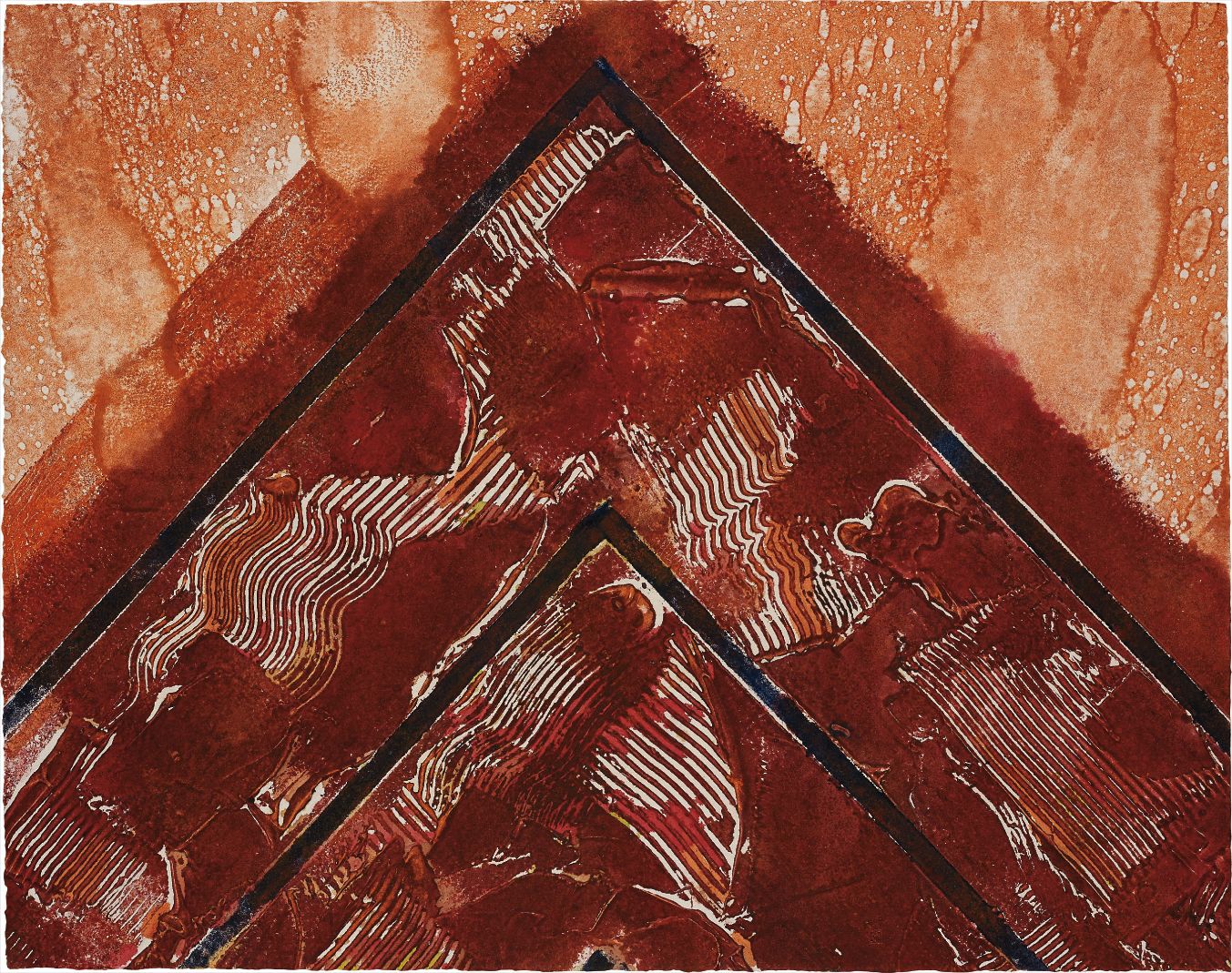
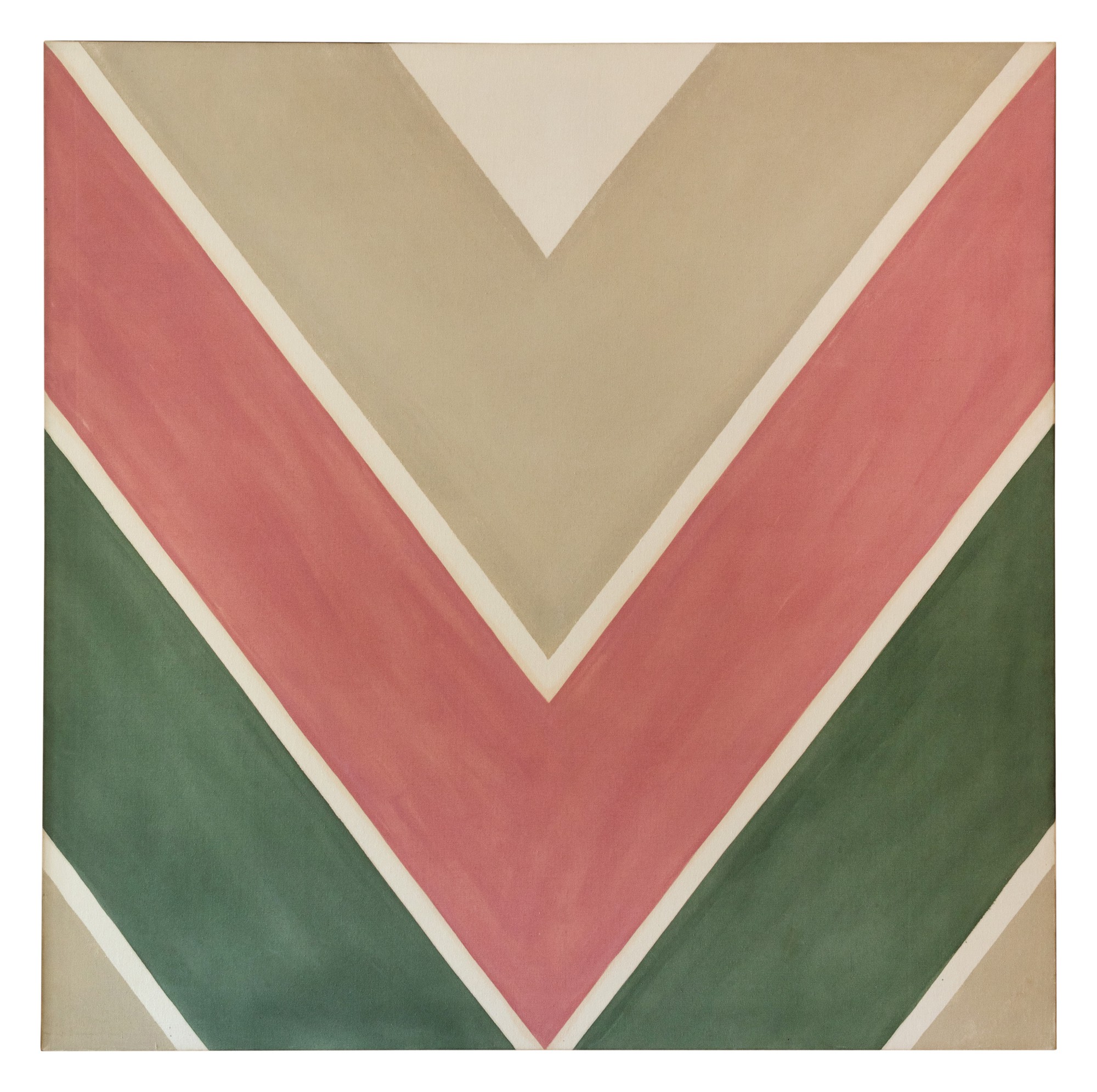
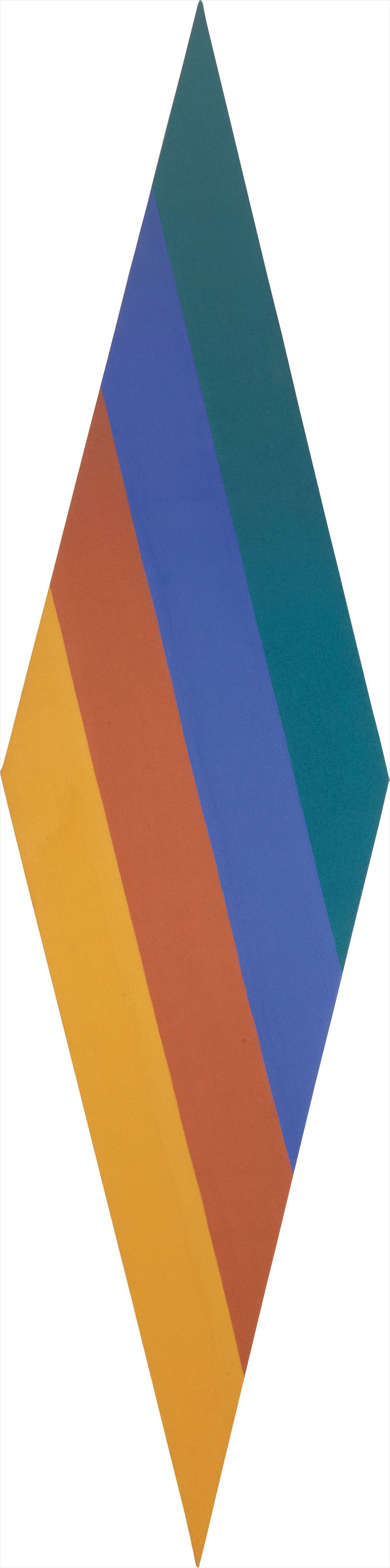
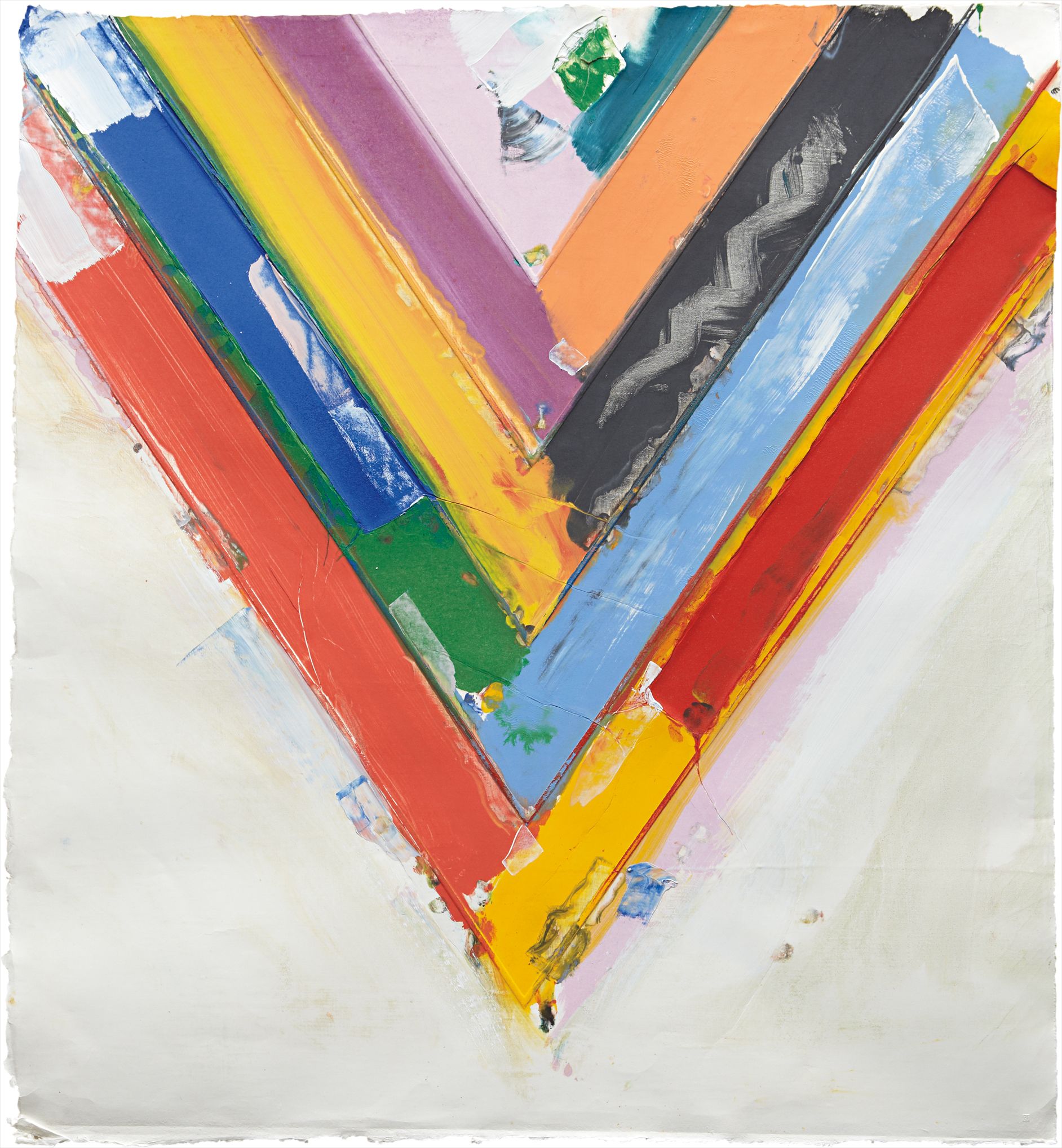
In the spring of 2024, the art world was reminded once again of Kenneth Noland's enduring magnetism when a major survey of postwar American abstraction at the Smithsonian American Art Museum placed his chevron paintings at the very center of the story. Critics and collectors who had grown up with these works found themselves stopped cold, struck by how fresh the canvases looked, how insistently the color demanded something of the eye. This is the particular power of Noland's achievement: paintings made decades ago that refuse to settle into history, that continue to hum and vibrate as though… Continue reading
Artists in conversation
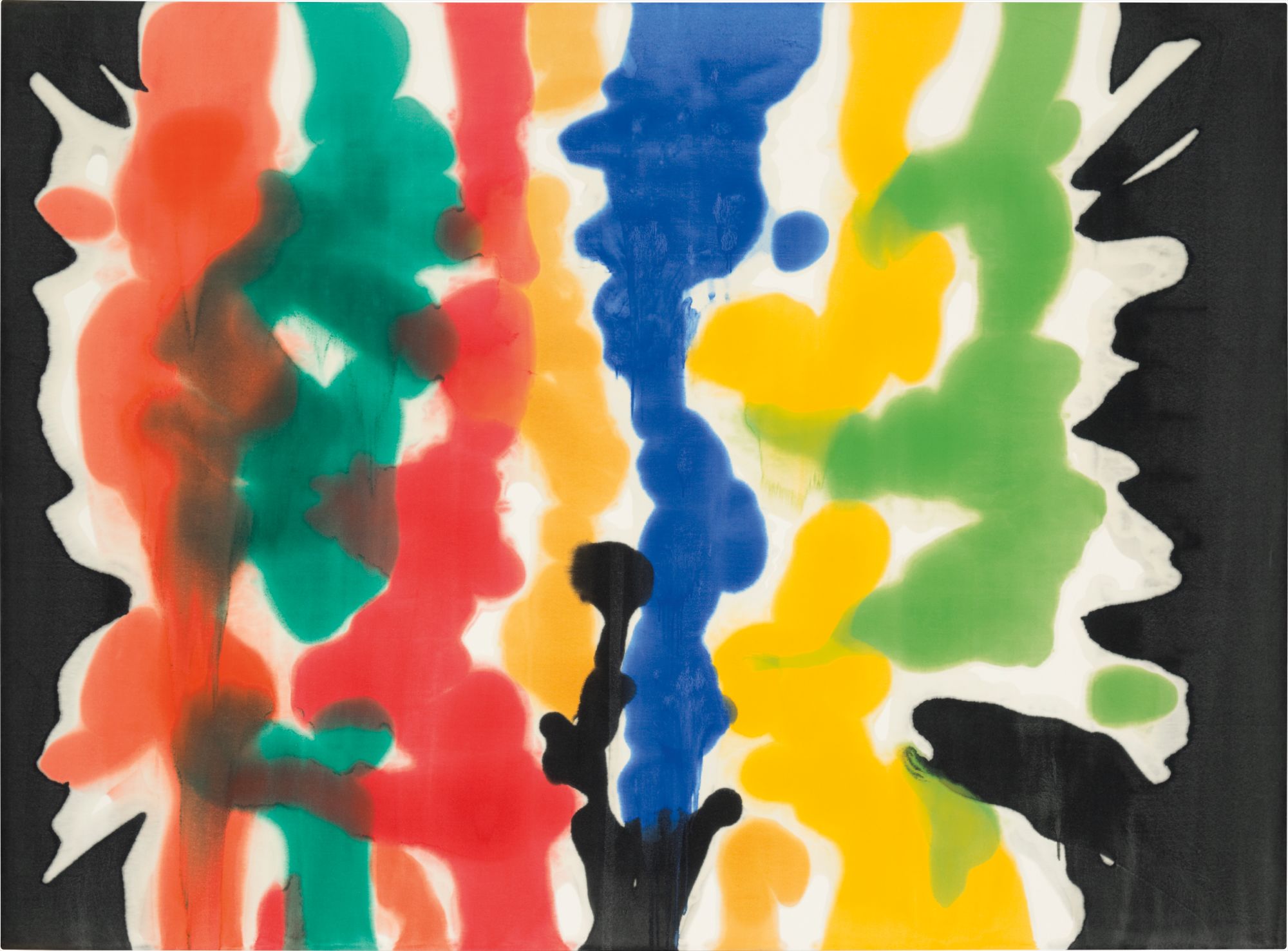
Morris Louis
Louis was a fellow Washington Color School painter who shared Noland's devotion to Color Field abstraction and the expressive potential of acrylic poured and stained directly onto unprimed canvas. Both artists pursued a rigorous reduction of painting to pure color relationships without representational content.
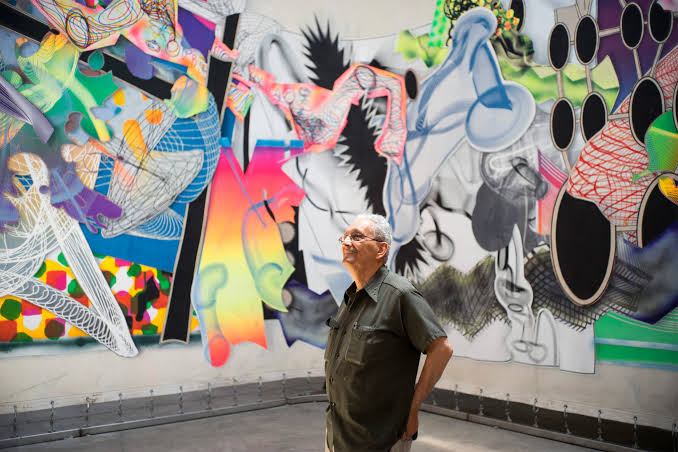
Frank Stella
Stella's systematic use of geometric patterns, shaped canvases, and hard edge compositions parallels Noland's chevrons and concentric circle works. Both painters pursued a formalist language in which the structure of the canvas and the internal logic of the composition were inseparable.
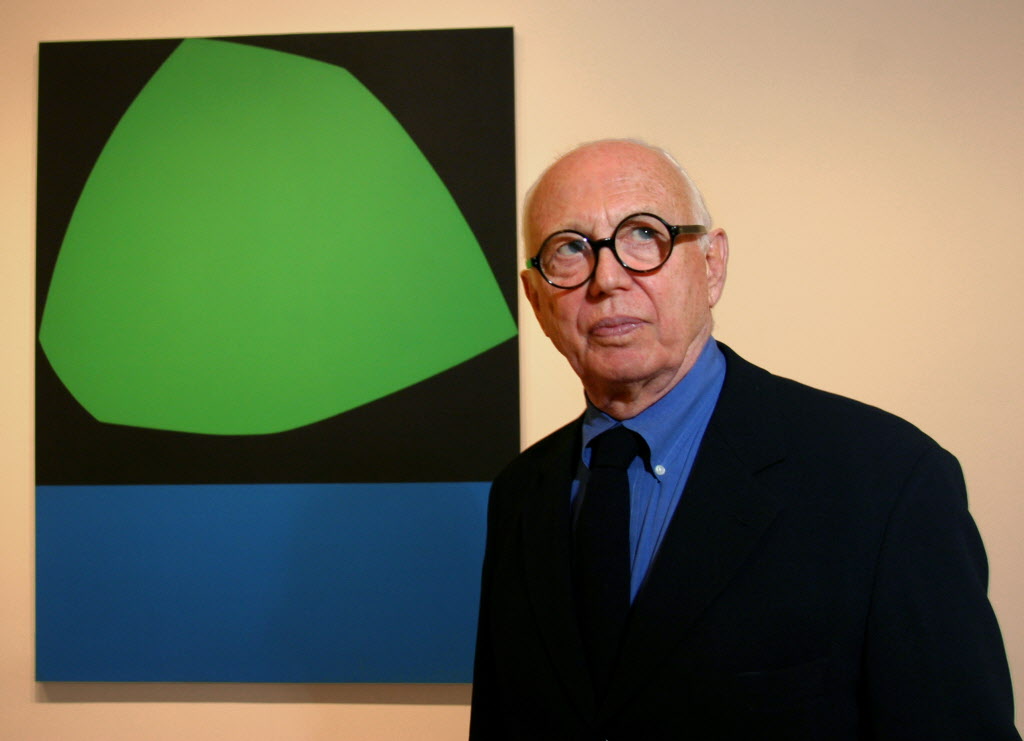
Ellsworth Kelly
Kelly shared Noland's commitment to hard edge geometry and boldly contrasted color as the primary carriers of meaning. Both artists worked with shaped canvases and stripped painting down to elemental color and form without narrative or gestural expression.
Artists who inspired them
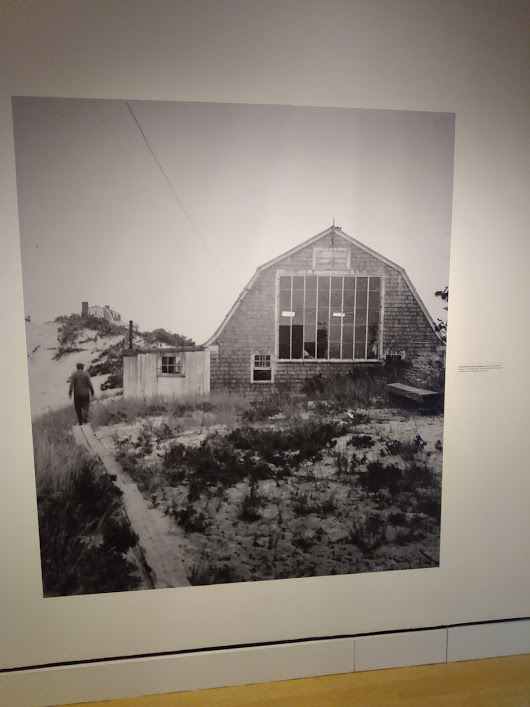
Hans Hofmann
Noland studied under Hofmann and absorbed his foundational theories about the dynamic interaction of color planes and the push and pull of chromatic relationships on a flat surface. Hofmann's emphasis on color as a structuring force directly shaped Noland's lifelong investigation of color relationships.
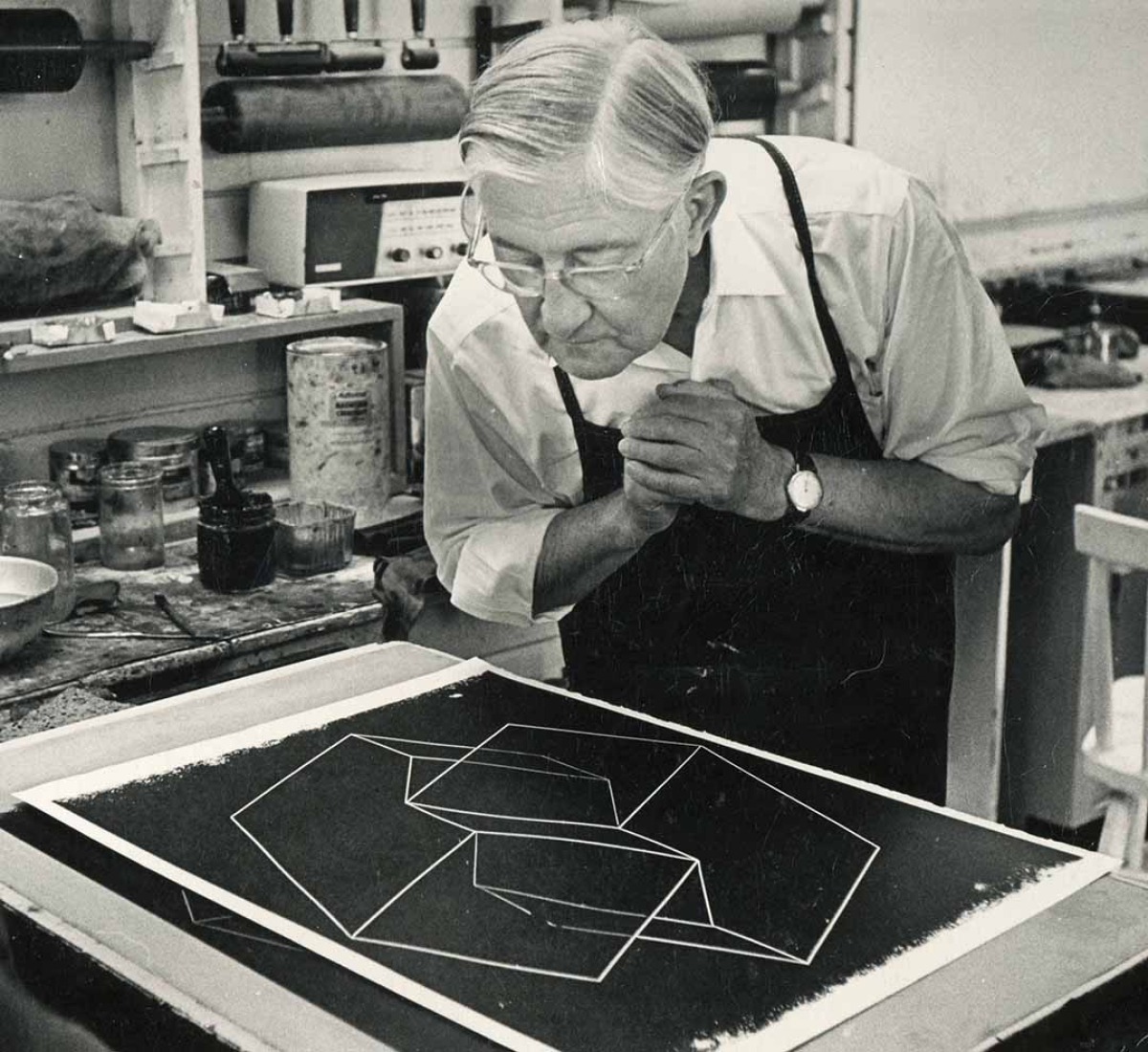
Josef Albers
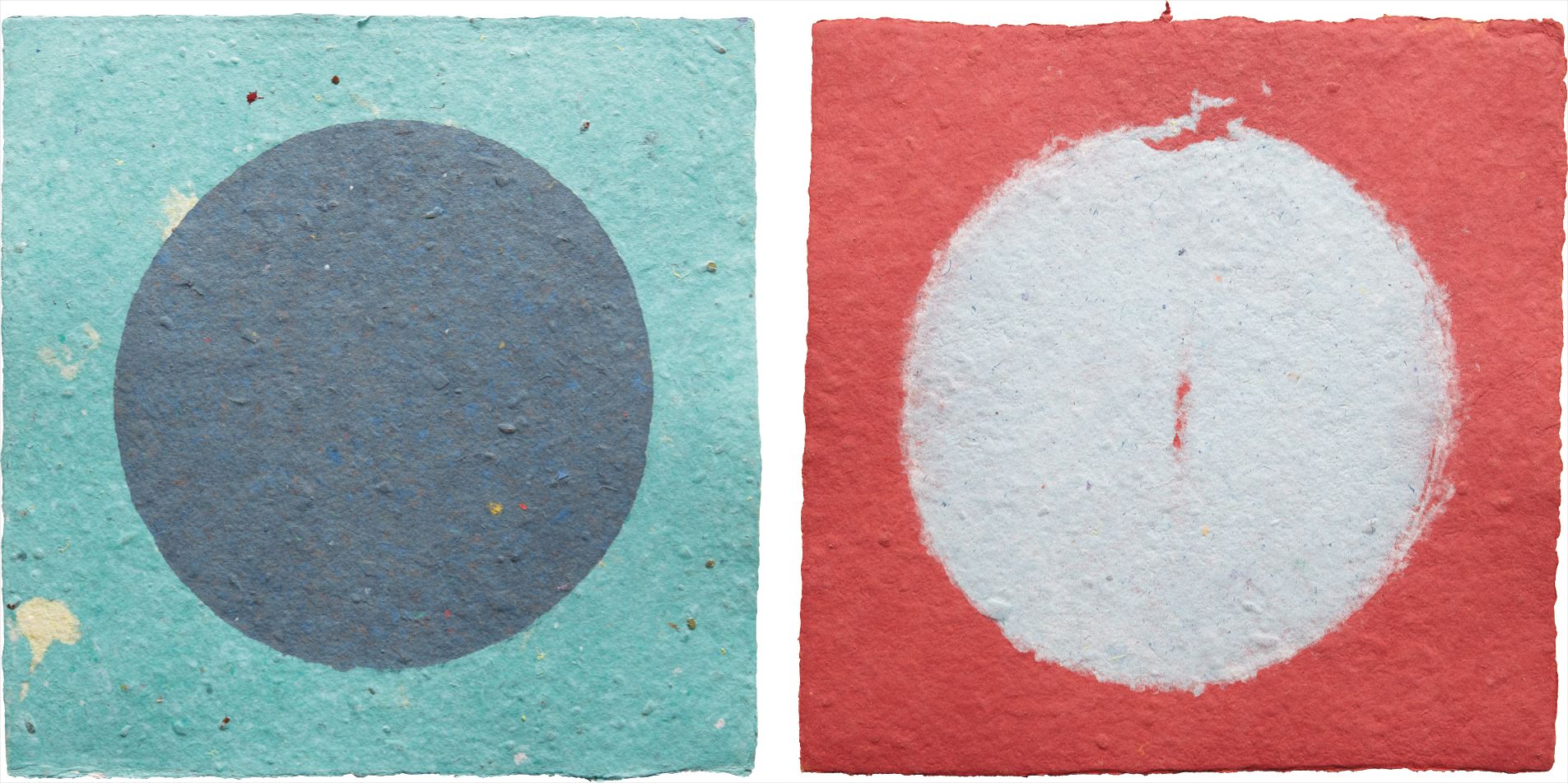
Noland studied at Black Mountain College where Albers taught and developed his rigorous systematic inquiry into how colors affect and transform one another when placed in proximity. Albers's nested square format and his scientific yet sensory approach to color interaction are clear predecessors to Noland's concentric circle paintings.
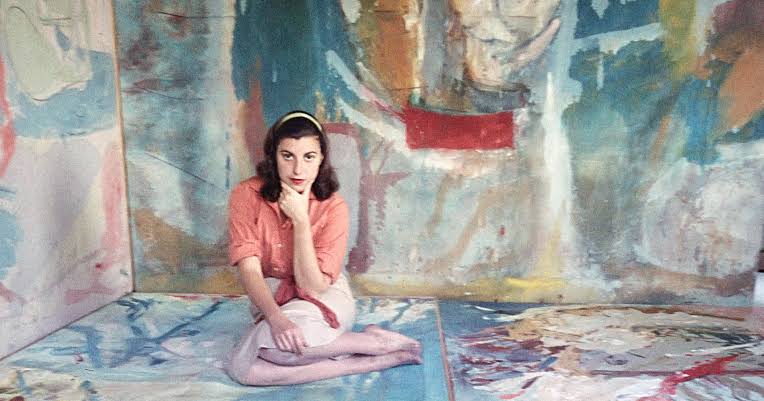
Helen Frankenthaler
Frankenthaler's pioneering stain painting technique of soaking thinned paint into unprimed canvas was a critical technical breakthrough that Noland and Morris Louis adopted and developed into their own Color Field vocabulary. Her work demonstrated that color could be atmospheric and luminous without relying on gestural brushwork.
Artists they inspired
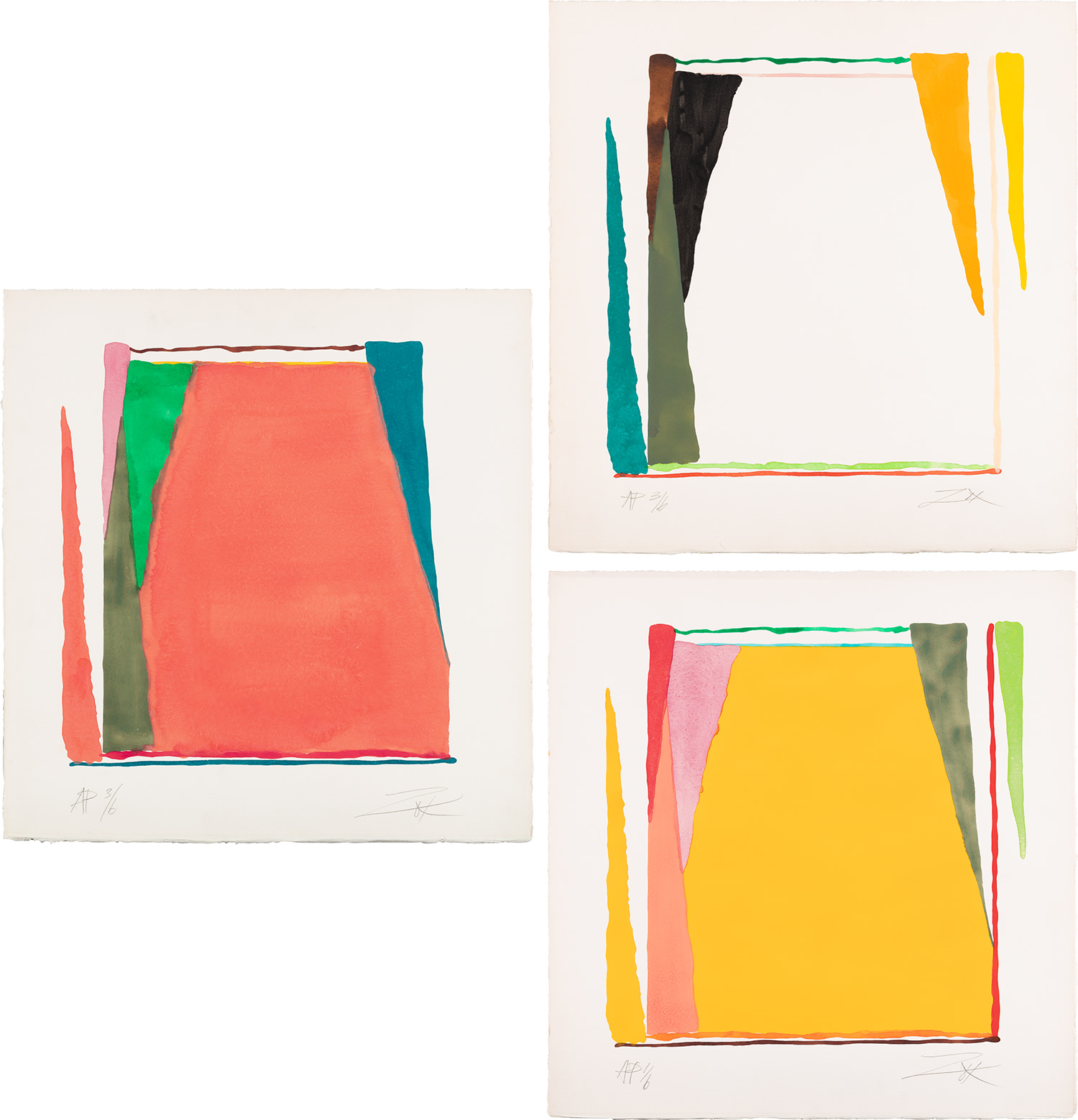
Larry Zox
Zox developed a geometric hard edge abstraction rooted in Color Field principles that closely reflects the influence of Noland's systematic color organization and shaped canvas investigations. His work demonstrates a clear lineage from Noland's reduction of painting to pure color and geometry.
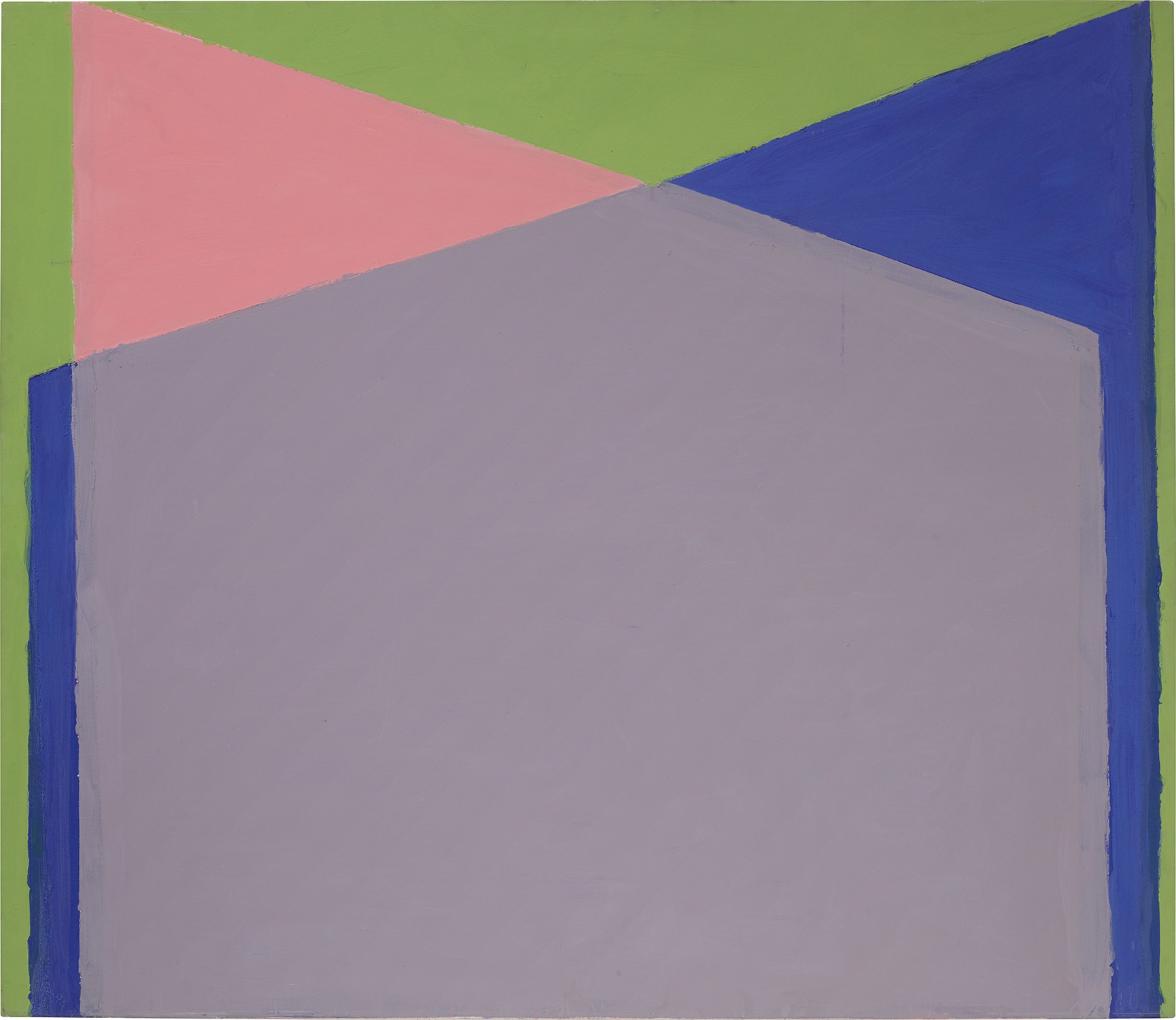
Thornton Willis
Willis built upon the Color Field tradition established by Noland by working with geometric configurations and intensely saturated color relationships across large scale canvases. His sustained engagement with color interaction and abstract geometry reflects Noland's enduring impact on subsequent generations of American abstract painters.