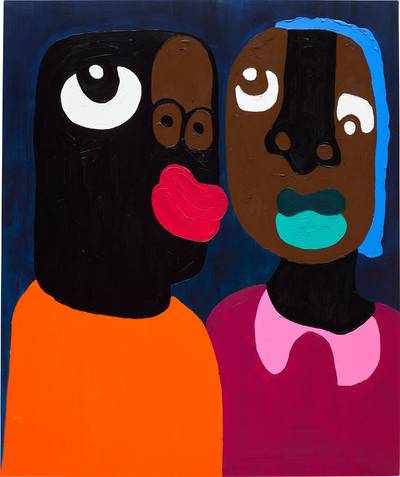
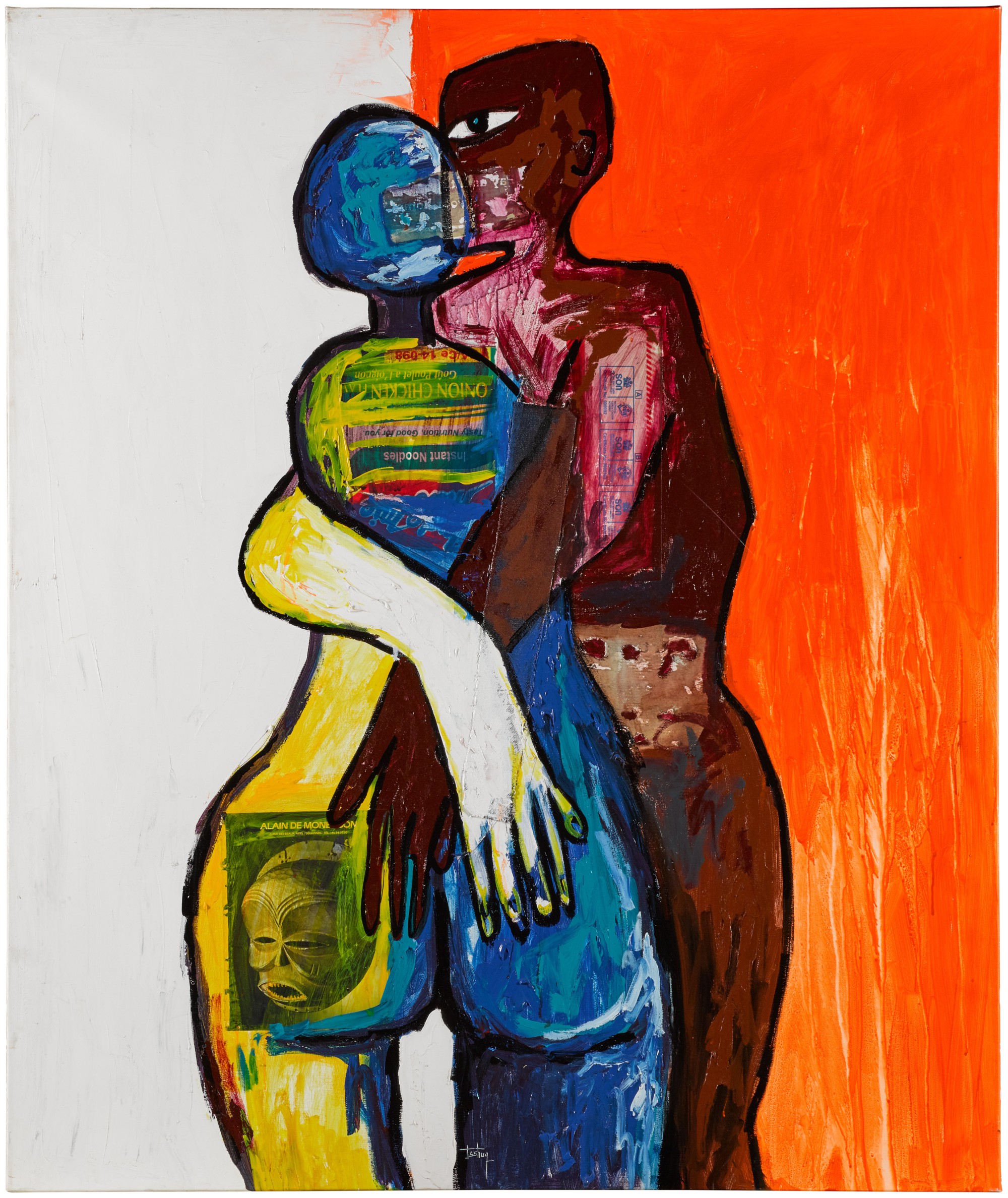
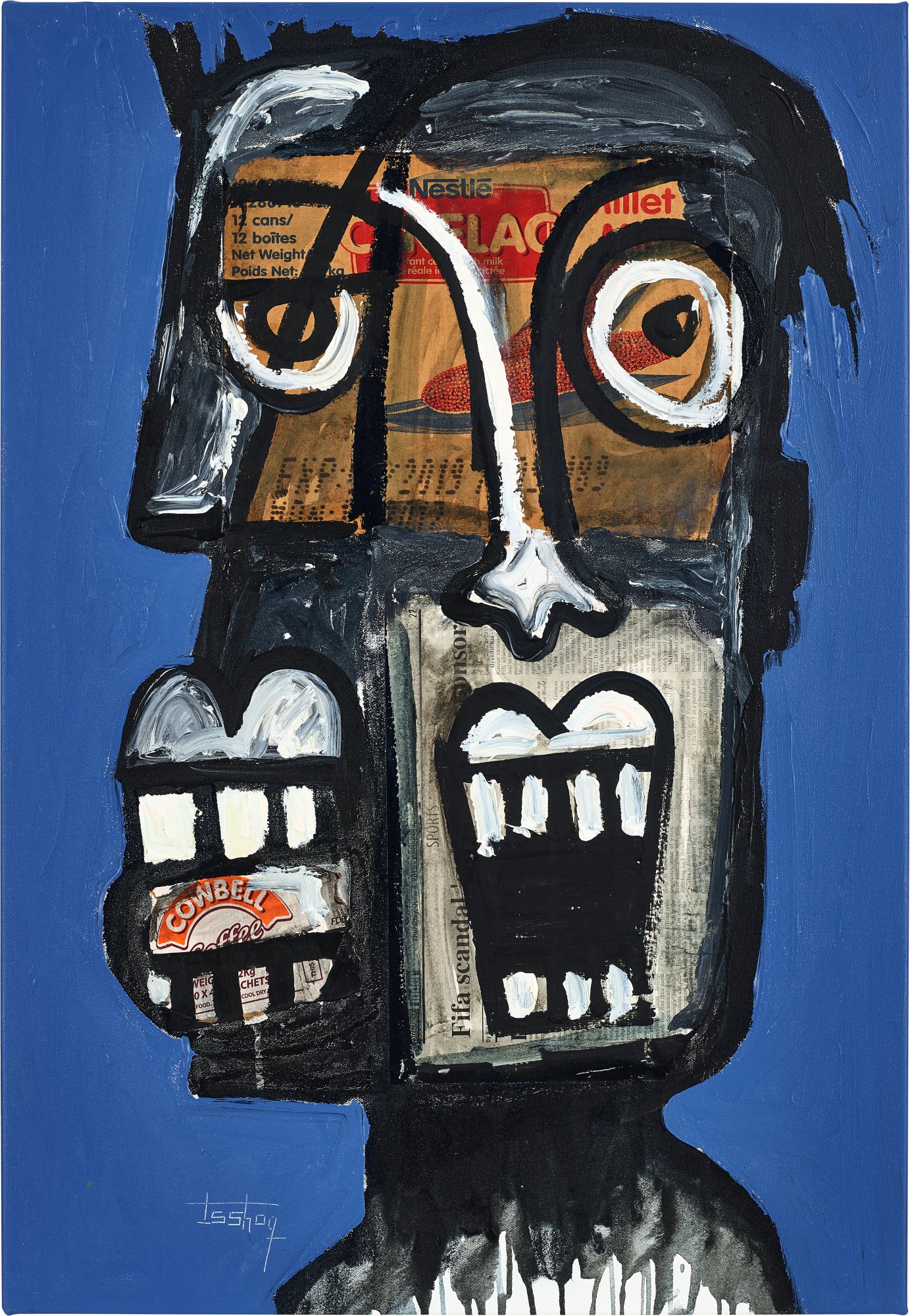
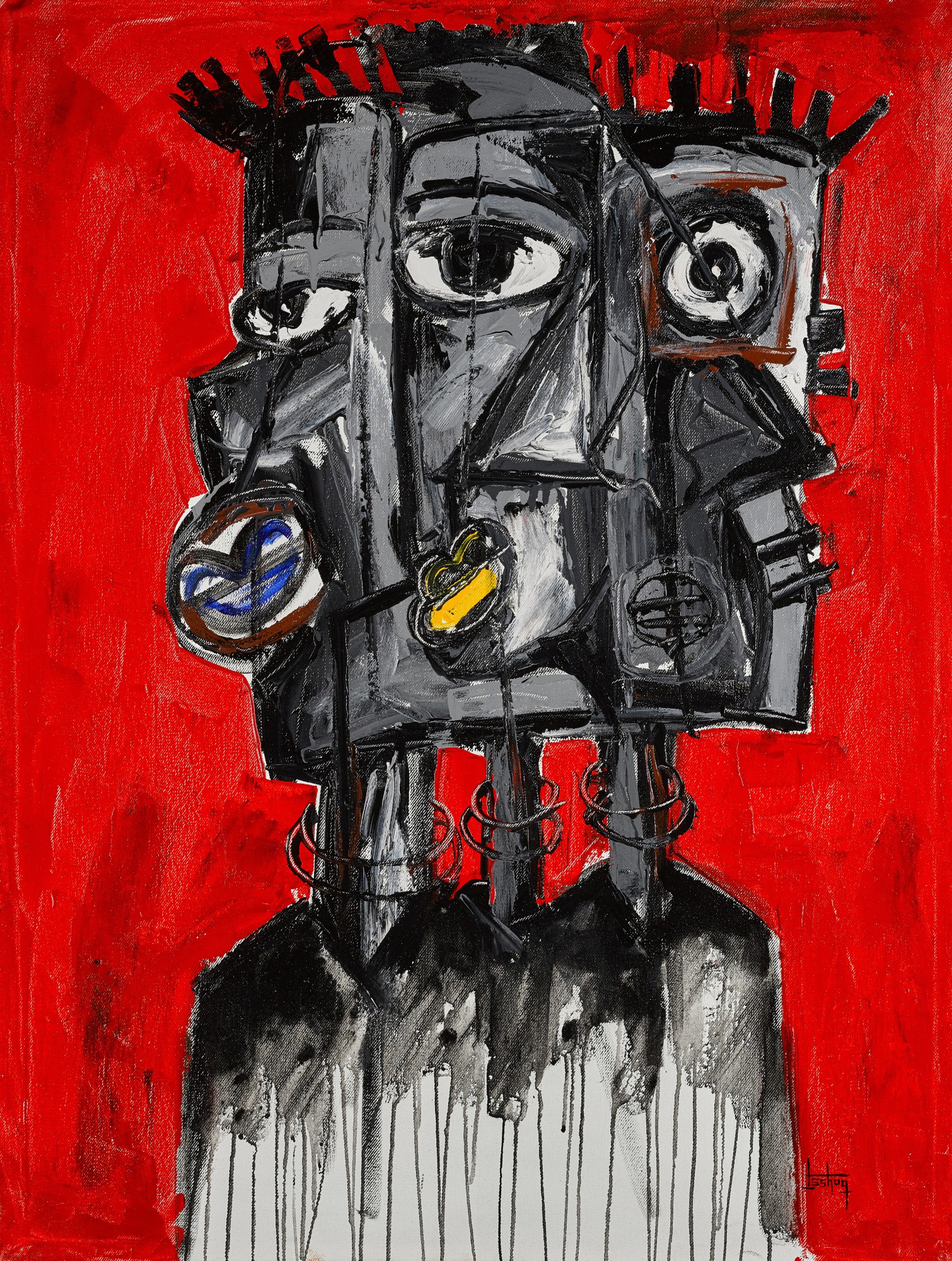
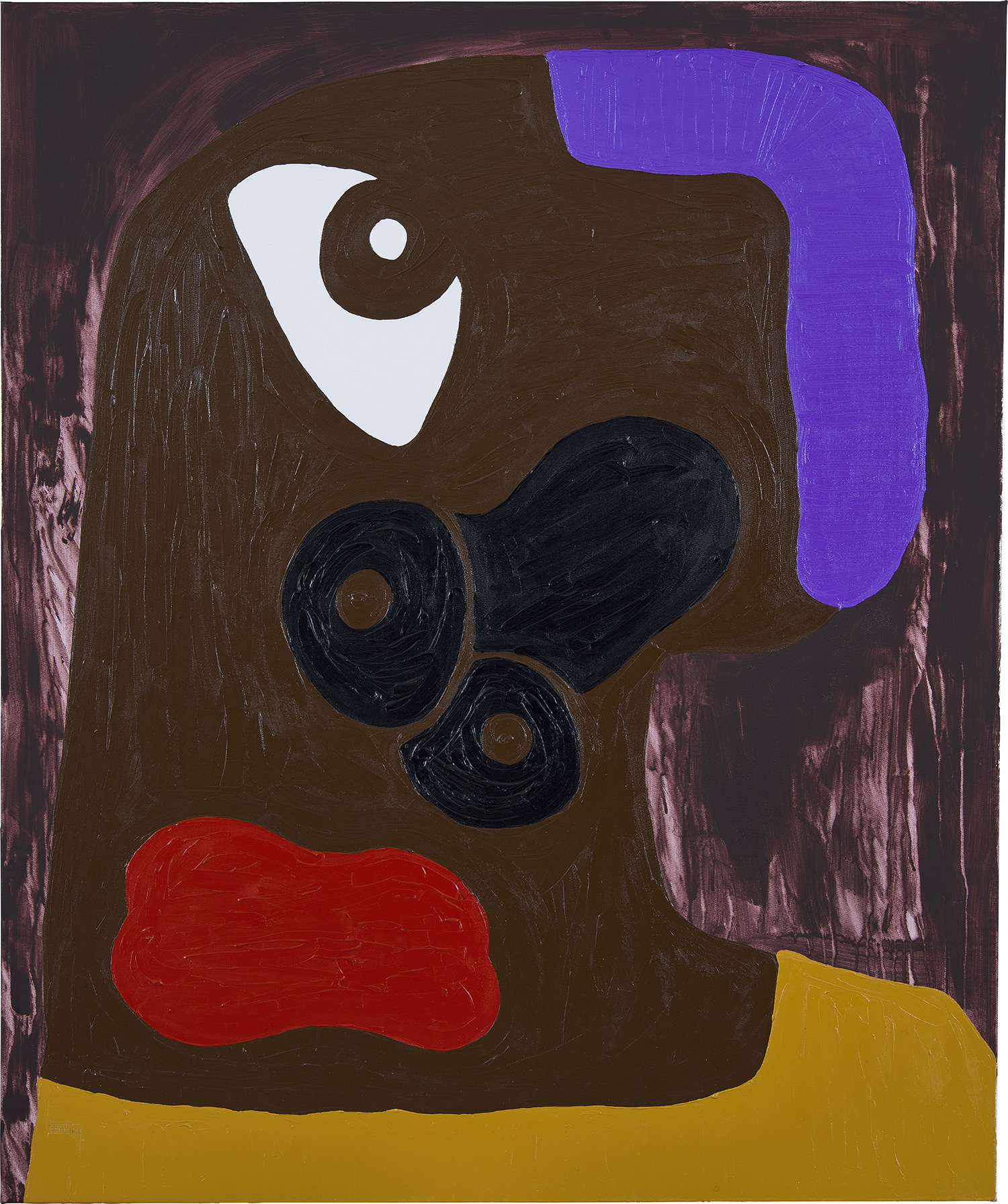
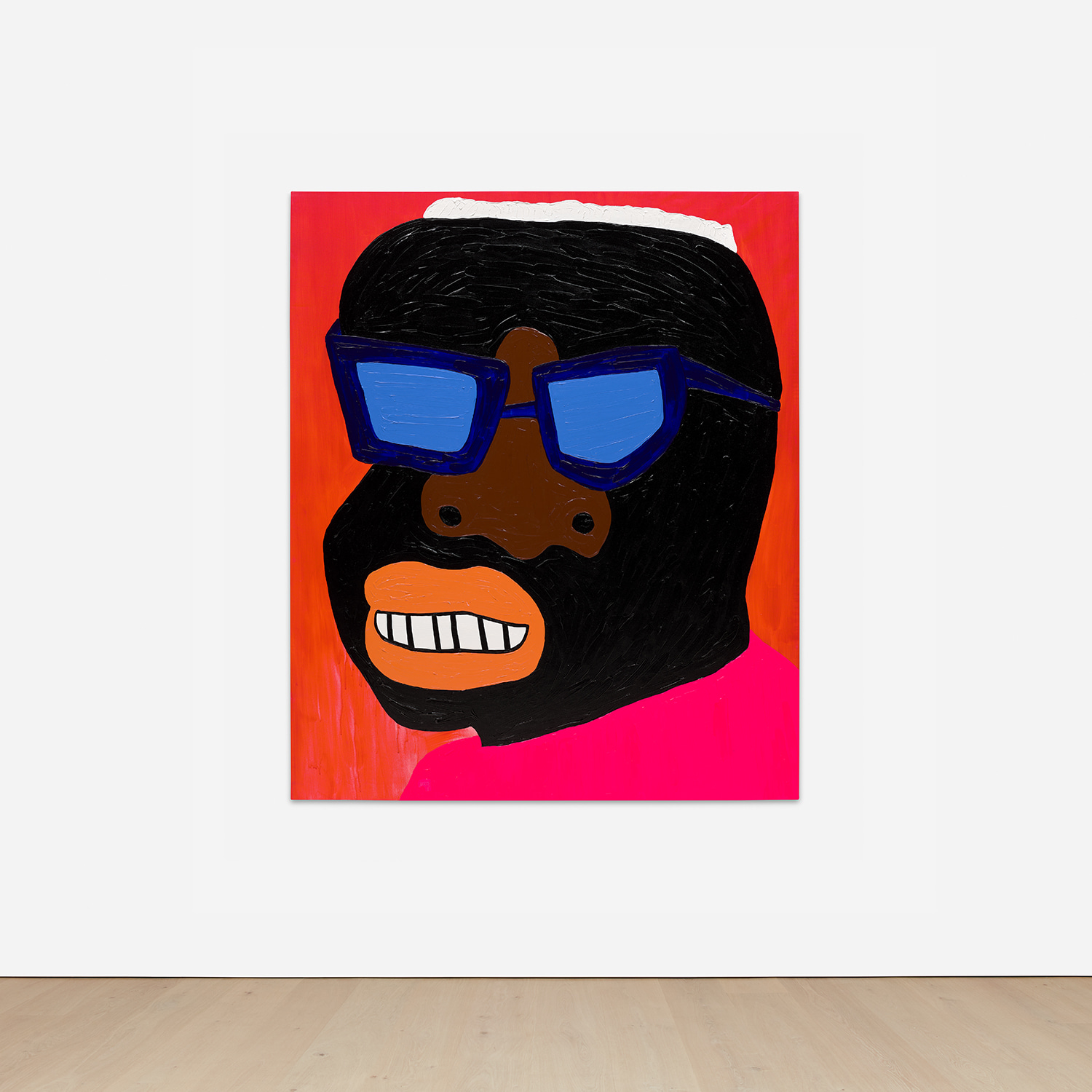
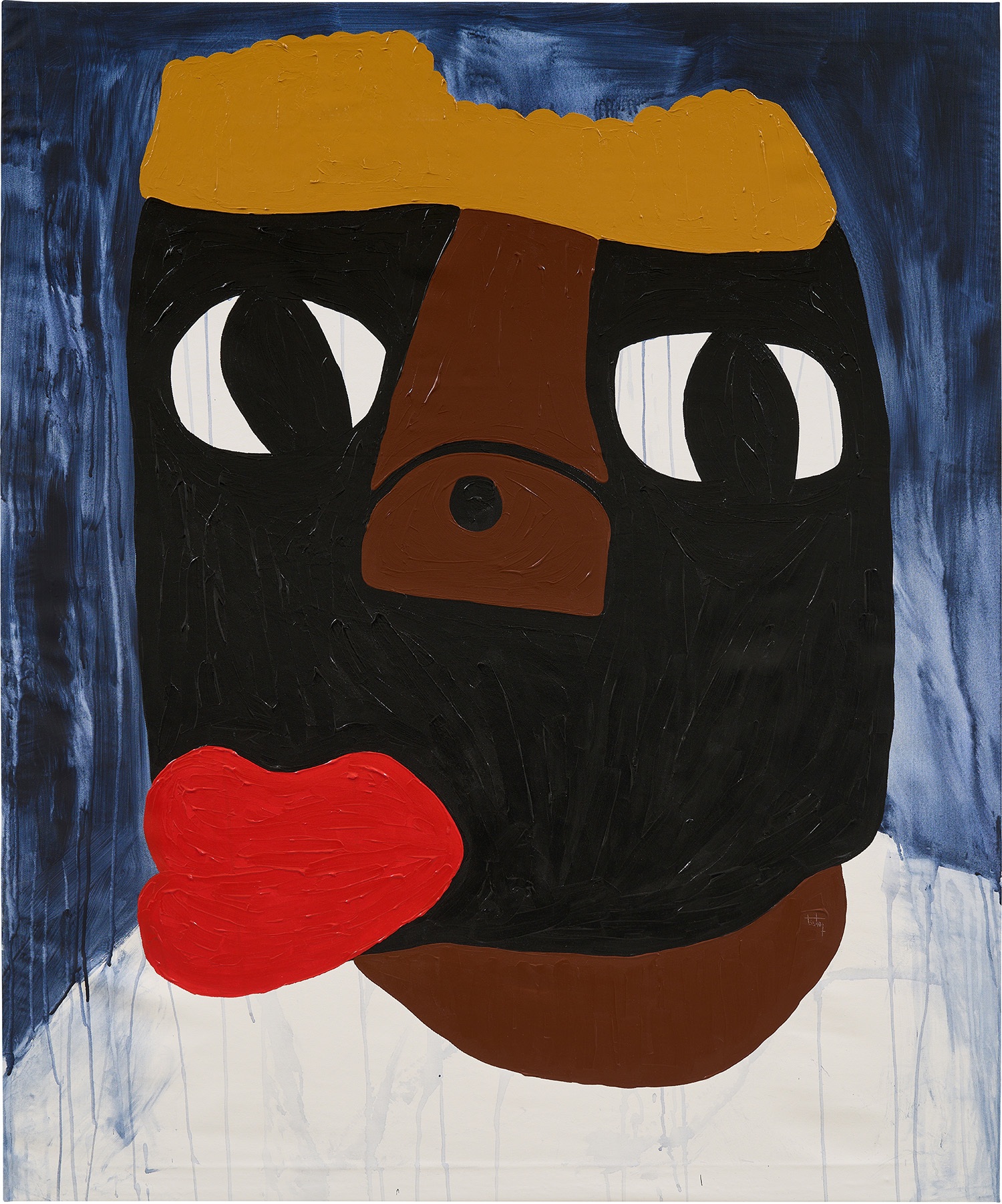
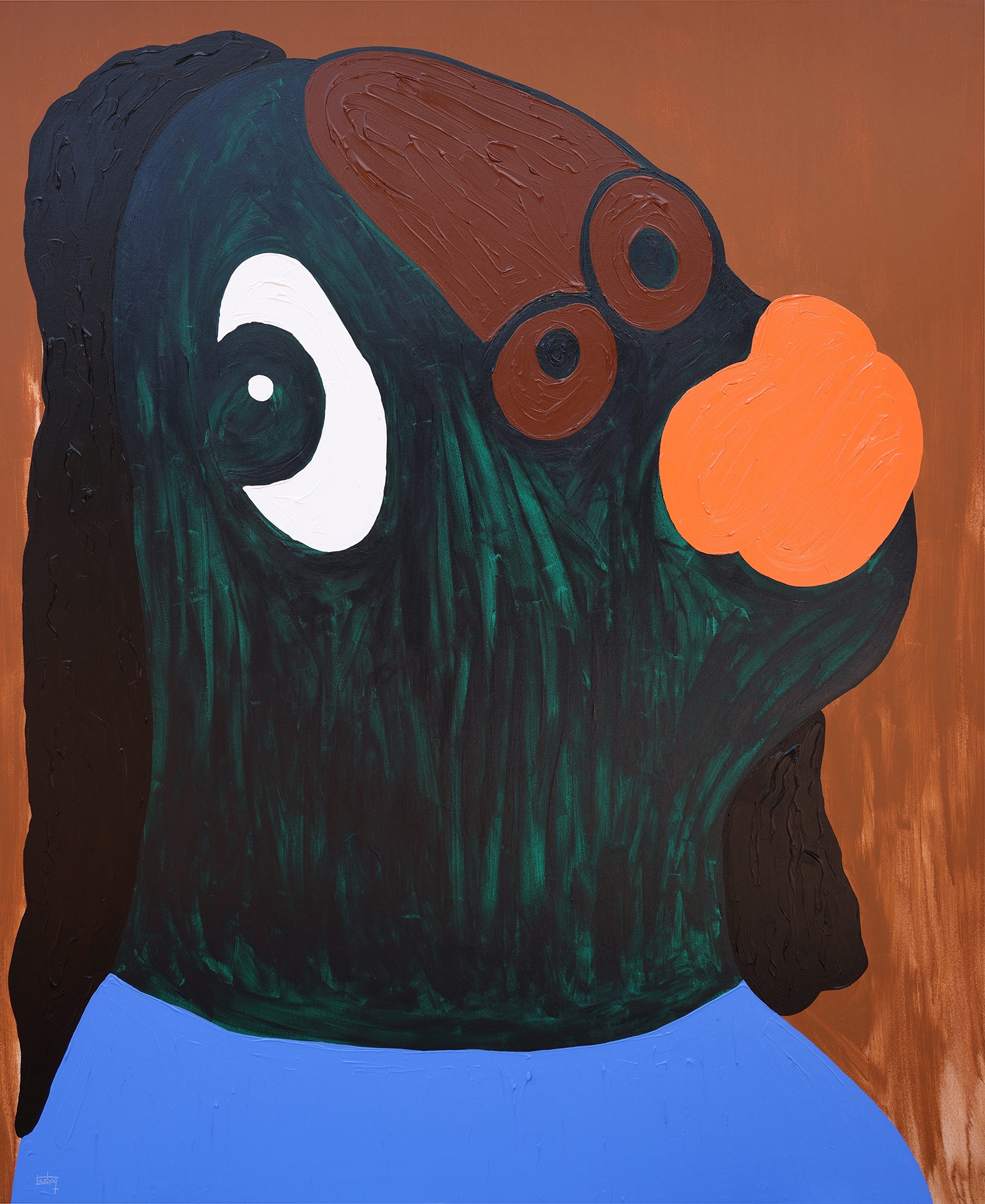
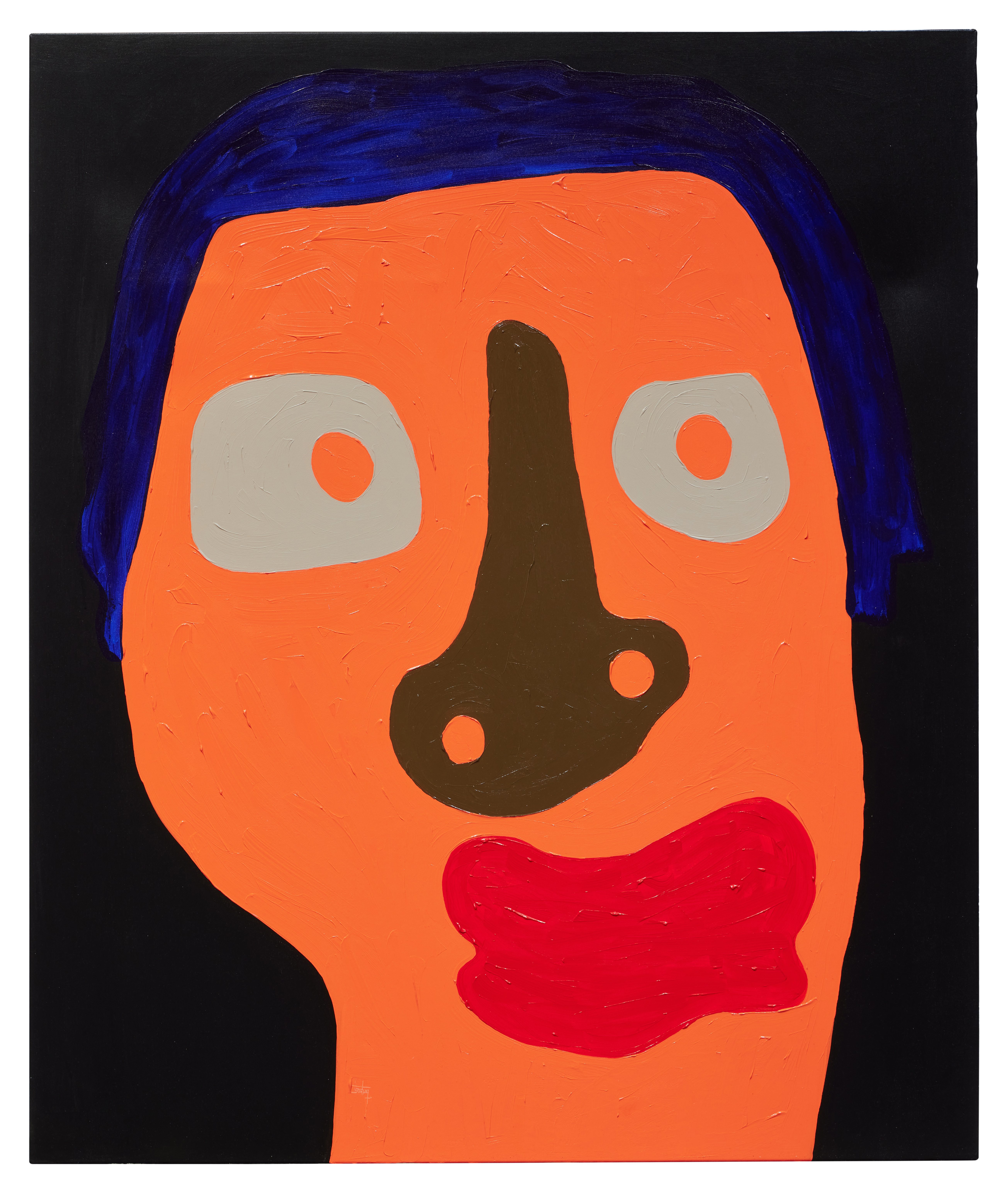
In the span of just a few years, Isshaq Ismail has moved from the studios of Accra to the walls of some of the most attentive collections in the world. Born in 1993, the Ghanaian painter arrived at international visibility at a moment when the art world was finally, meaningfully turning its gaze toward a generation of West African figurative artists whose ambitions had always outpaced the attention paid to them. Ismail belongs to that generation not merely by circumstance but by the force and originality of his vision, a vision expressed in paint so alive it seems to breathe. Ghana has long been a country of extraordinary cultural richness, and Accra in particular carries a creative energy that is impossible to separate from the art made there. Ismail grew up shaped by the textures of West African communal life, by the way people gather, move through shared space, and hold one another in community. These observations were not merely incidental to his upbringing. They became the foundational grammar of his painting. The figures in his canvases are not isolated subjects but participants in something larger, caught in the act of existing together, which is to say caught in the most human act of all. His development as a painter reflects a disciplined curiosity about the possibilities of acrylic paint on canvas, and occasionally on unconventional surfaces like denim, a material choice that speaks to his interest in the everyday as a site of meaning. Early works such as "Unknown Faces No. 1" from 2018 and "Self 3" from the same year, painted on denim, show an artist already confident enough to interrogate both his medium and his subject simultaneously. The self portrait as a form recurs in these early years, suggesting an artist using the mirror not out of vanity but out of necessity, testing the instrument before turning it outward to the world. By 2019, something in Ismail's work had clarified and deepened. Works from that year, including "Self 6," "Blue Face 2," and "Nkabom 1," demonstrate a painter who had found his voice at full volume. The title "Nkabom" is a Twi word meaning unity or togetherness, and it encapsulates a recurring preoccupation in his practice. His figures are rendered with bold, expressive brushwork that carries the mark of each decision, each stroke an act of commitment. The palette is vivid without being decorative, warm without being sentimental. Color in Ismail's hands is always doing emotional work. The years 2020 and 2021 represent a period of remarkable productivity and refinement. "Consolidation 2" from 2020 and "Head 13" from the same year show an artist deepening his engagement with portraiture as a form of social documentation. "Zubair," also from 2020, reflects the intimacy that Ismail brings to his subjects, a sense that the person depicted is known and cared for rather than merely observed. In 2021, works such as "Sentiments 14" and "Solace 3" suggest an artist responding to the particular emotional atmosphere of that period with characteristic generosity, finding in paint a language adequate to comfort and resilience. These are paintings that hold their viewers rather than challenge them to keep up. For collectors, Ismail presents a compelling combination of artistic seriousness and emotional accessibility. His works operate on multiple registers at once: they are beautiful as objects, rigorous as painting, and meaningful as cultural documents. The decision to collect Ismail is not only an aesthetic one but an acknowledgment that the story of contemporary figurative painting cannot be told without voices from West Africa at its center. Collectors who have moved into his work early have done so with the intuition that his trajectory is one of long term significance, and the secondary market attention his paintings have attracted at auction confirms that intuition is widely shared. Ismail's practice sits in conversation with a broader movement of African painters who are collectively reshaping how figuration is understood in contemporary art. Artists such as Amoako Boafo, also Ghanaian, and Otis Kwame Kye Quaicoe have helped create a critical and commercial context in which Ismail's work is received with the seriousness it deserves. At the same time, his painting has its own distinct character, less concerned with the glamour of surfaces than with the weight and warmth of presence. Where some figurative painters of his generation foreground style, Ismail foregrounds feeling. The result is work that rewards sustained attention in ways that trend driven painting rarely does. What Isshaq Ismail ultimately offers is a portrait of a world that is full rather than diminished, communal rather than isolated, and alive with the particularity of lived experience. His paintings do not make arguments so much as they bear witness, and bearing witness with this much care and skill is its own form of advocacy. As institutions continue to expand their understanding of where contemporary art is being made and why it matters, Ismail's work stands as evidence that some of the most important painting of this era is emerging from Accra, shaped by traditions and communities that have always known their own value. To collect him now is to participate in a history that is still being written, and to do so with confidence.