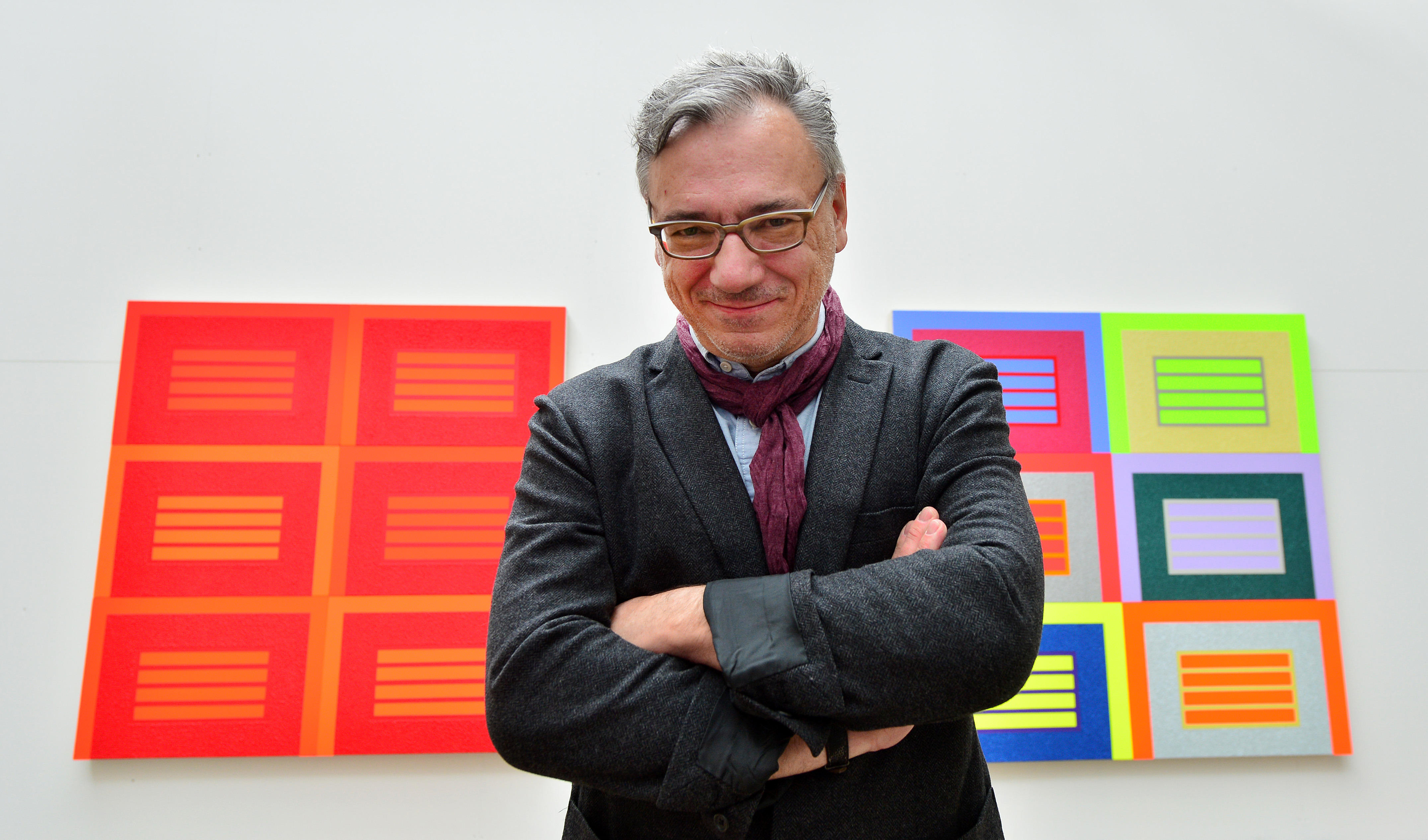
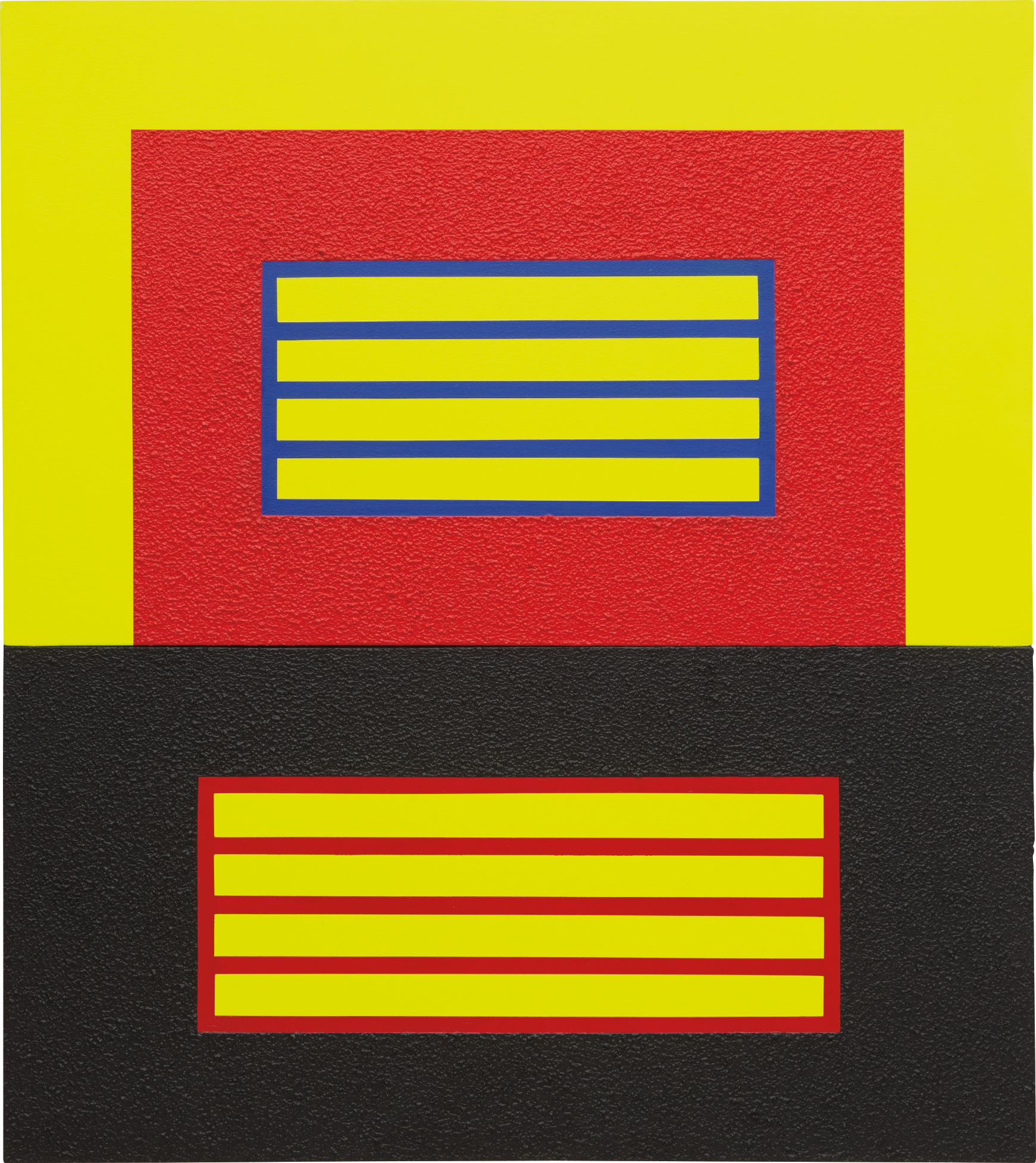
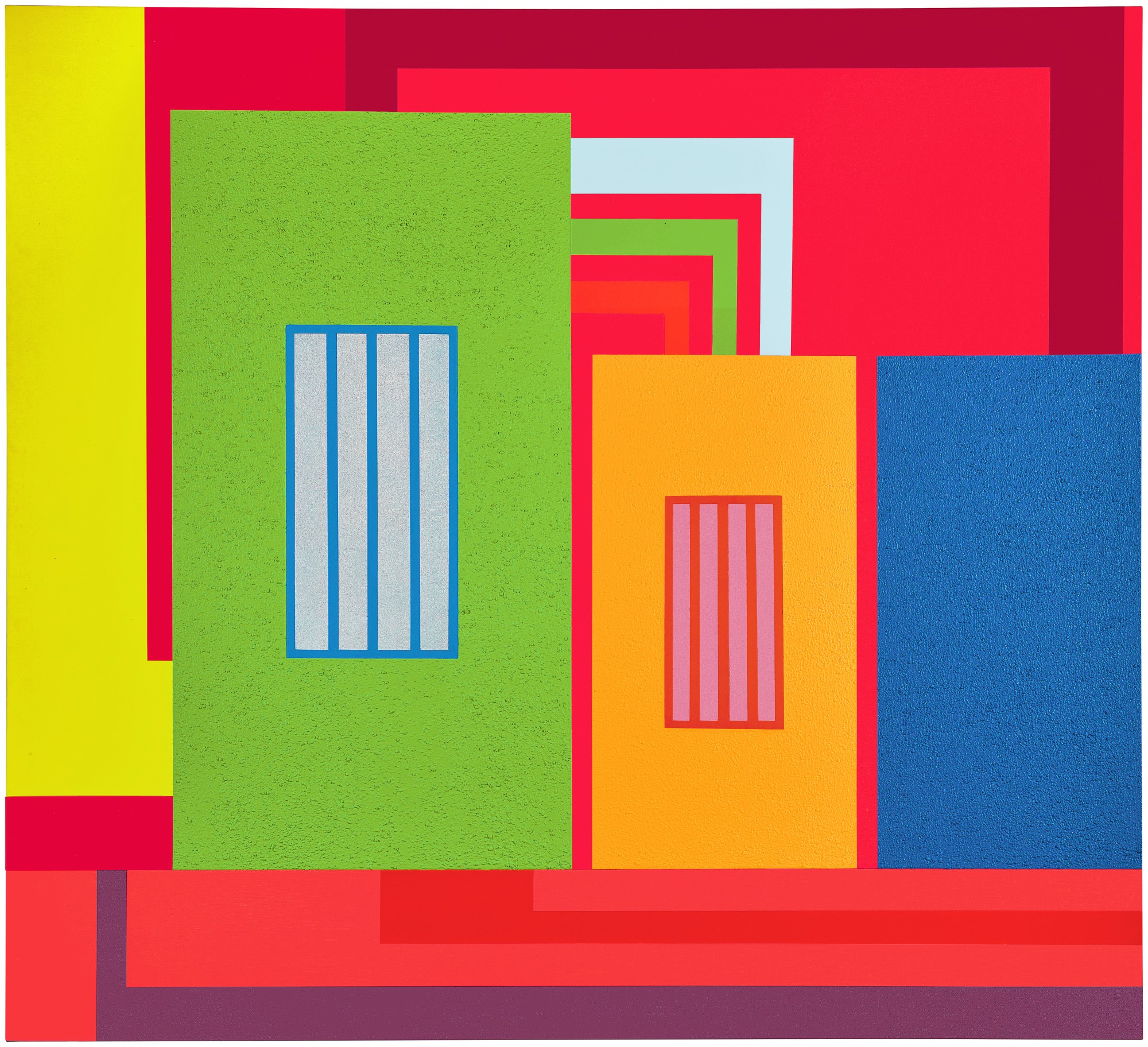
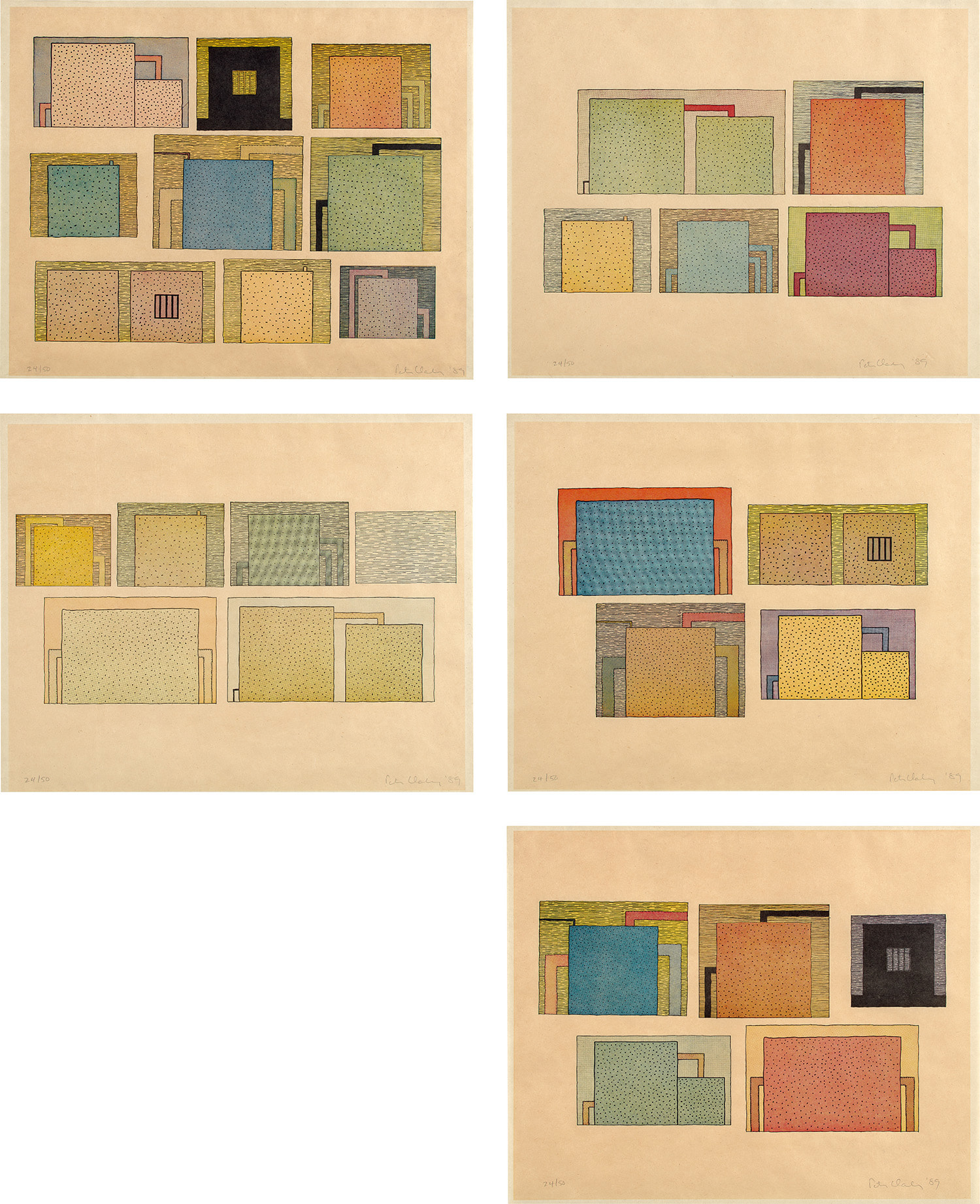
Peter Halley
62
Works
Spotted by

Artists in conversation
Ashley Bickerton
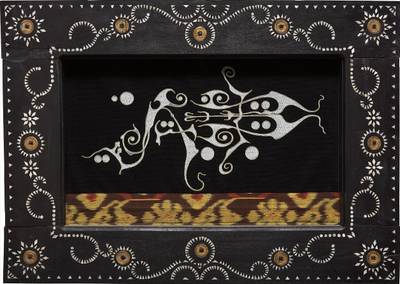
Bickerton emerged alongside Halley in the 1980s Neo-Geo movement, sharing an interest in highly constructed, artificially colored geometric forms that interrogate consumer culture and systems of exchange. Both artists used synthetic materials and saturated surfaces to critique postmodern commodity culture.
Haim Steinbach
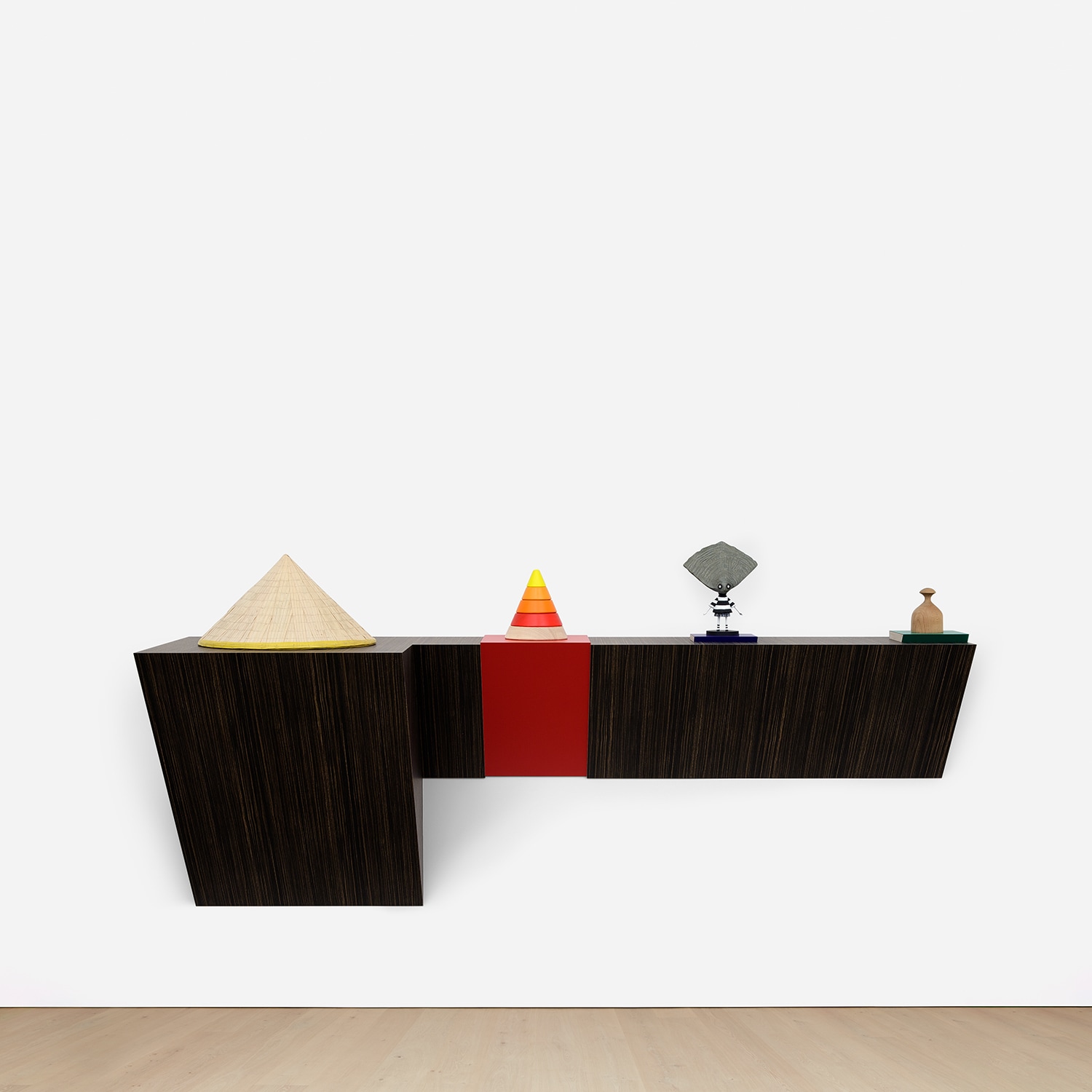
Steinbach was a close peer of Halley within the Neo-Geo and Simulationist circles of the 1980s, using commodity objects and shelf arrangements to explore the same social geometry and coded systems that Halley addressed through painting. A collector drawn to Halley's critique of social structures would find Steinbach's work a natural companion.
Jeff Koons
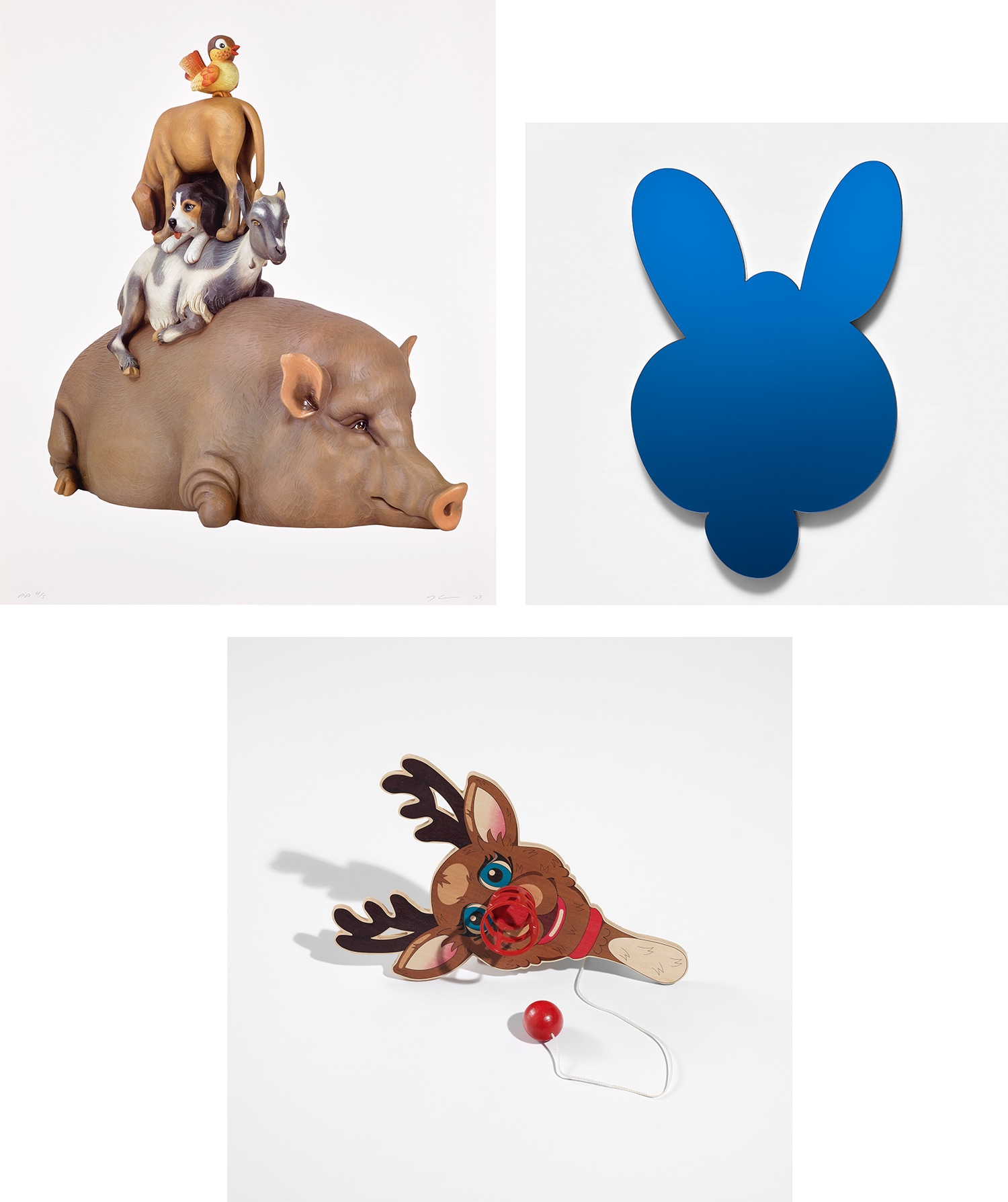
Koons shared gallery space and critical discourse with Halley during the 1980s Simulationist moment, both using hyper saturated, artificial surfaces and appropriated visual languages to expose the seductive logic of consumer society. A Halley collector would recognize the same embrace of kitsch and commodified aesthetics in Koons's sculptures.
Artists who inspired them
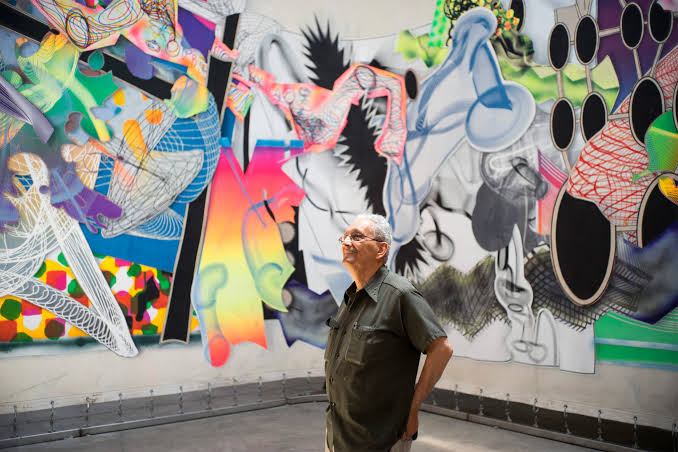
Frank Stella
Halley directly engaged with and reinterpreted Stella's hard edge geometric abstraction, treating Stella's formal vocabulary as a cultural code to be decoded rather than a purely optical exercise. Stella's insistence on the painting as object and his use of shaped geometric fields provided essential structural precedents for Halley's cells and conduits.
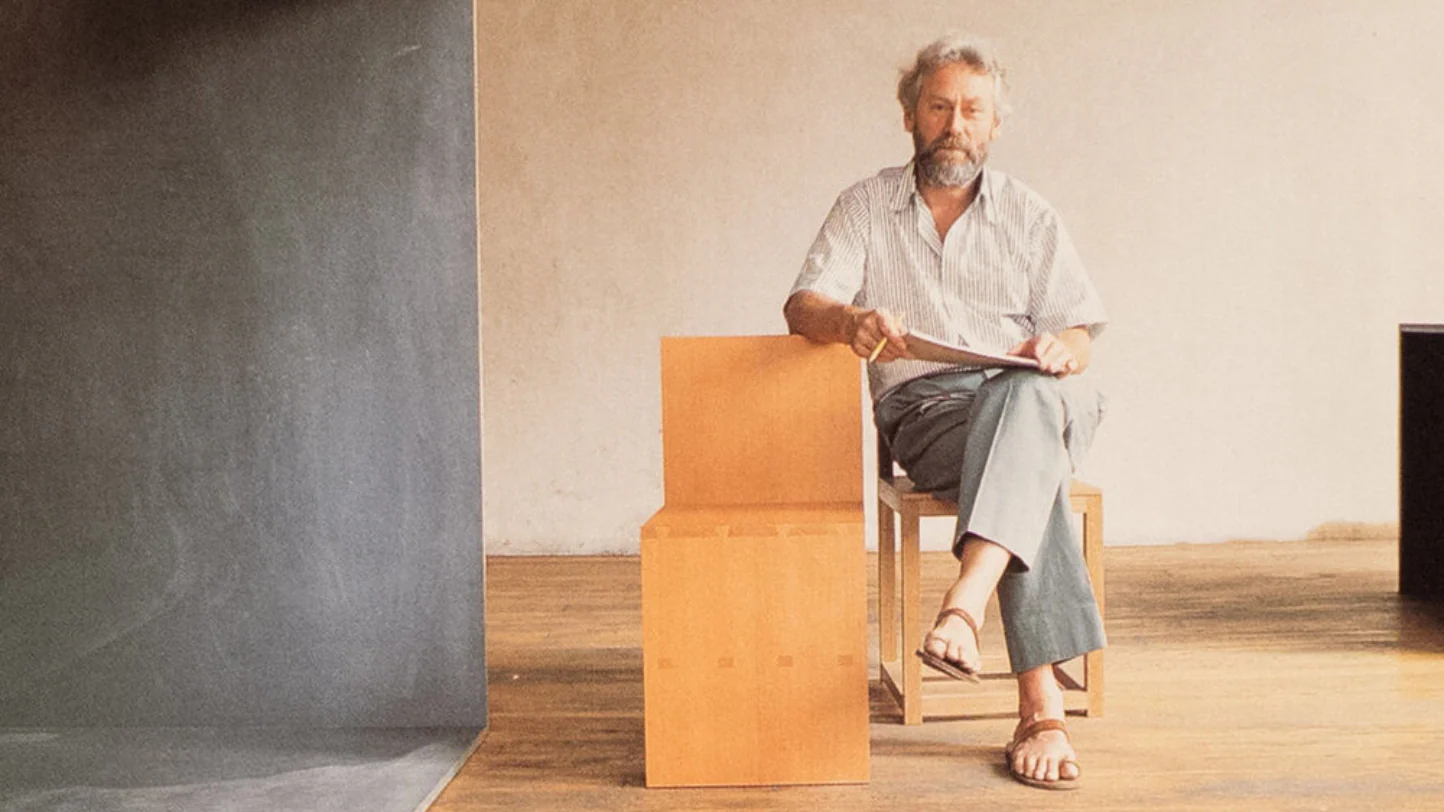
Donald Judd
Judd's Minimalist reduction of form to simple geometric units and his use of industrial materials and colors were a primary target of Halley's critical reinterpretation, with Halley arguing that Minimalism's neutral geometries were in fact laden with social meaning. Halley took Judd's formal syntax and reloaded it with ideological content about modern technological society.