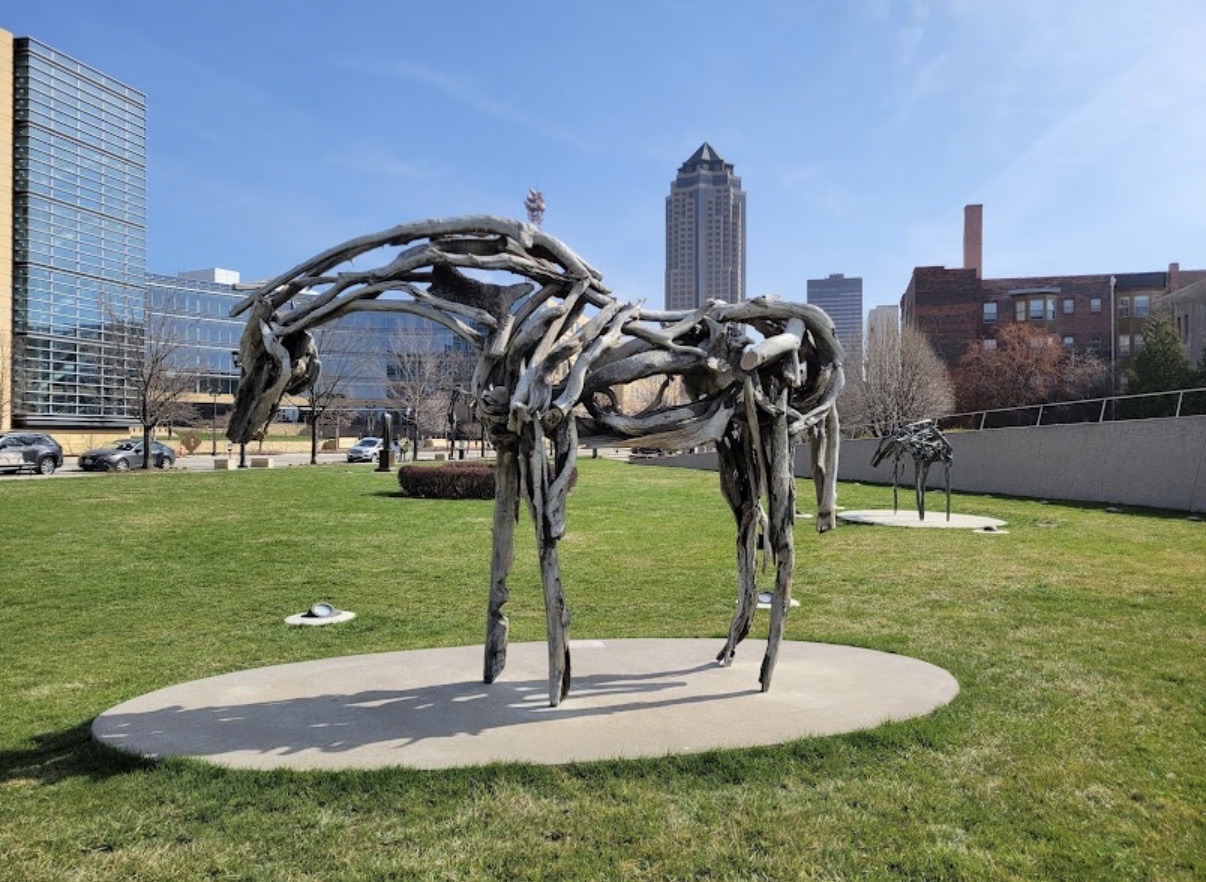
Juno
1989
Juno is a monumental horse sculpture by Deborah Butterfield constructed from interlocking pieces of driftwood cast into bronze, resulting in a richly textured organic form that evokes both strength and fragility. The work stands on a circular concrete plinth in an outdoor setting with a downtown urban skyline visible in the background. Butterfield has devoted much of her career to the horse as subject, and Juno exemplifies her signature method of assembling found natural materials to suggest the animal's anatomy without literal representation. The piece is part of the Pappajohn Sculpture Park in Des Moines, Iowa, a celebrated free public outdoor collection donated to the city in 2009 and continually expanded.
- Medium
- Wood (driftwood) and bronze
- Spotted At
- Public Space · Pappajohn Sculpture Park
Notes
The social media post references John and Mary Pappajohn donating 24 sculptures to Des Moines in 2009; Deborah Butterfield is explicitly named as one of the artists in the collection. The sculpture in the artwork photo is consistent with Butterfield's known driftwood and bronze horse works. A second smaller Butterfield horse sculpture is visible in the background of the photo.
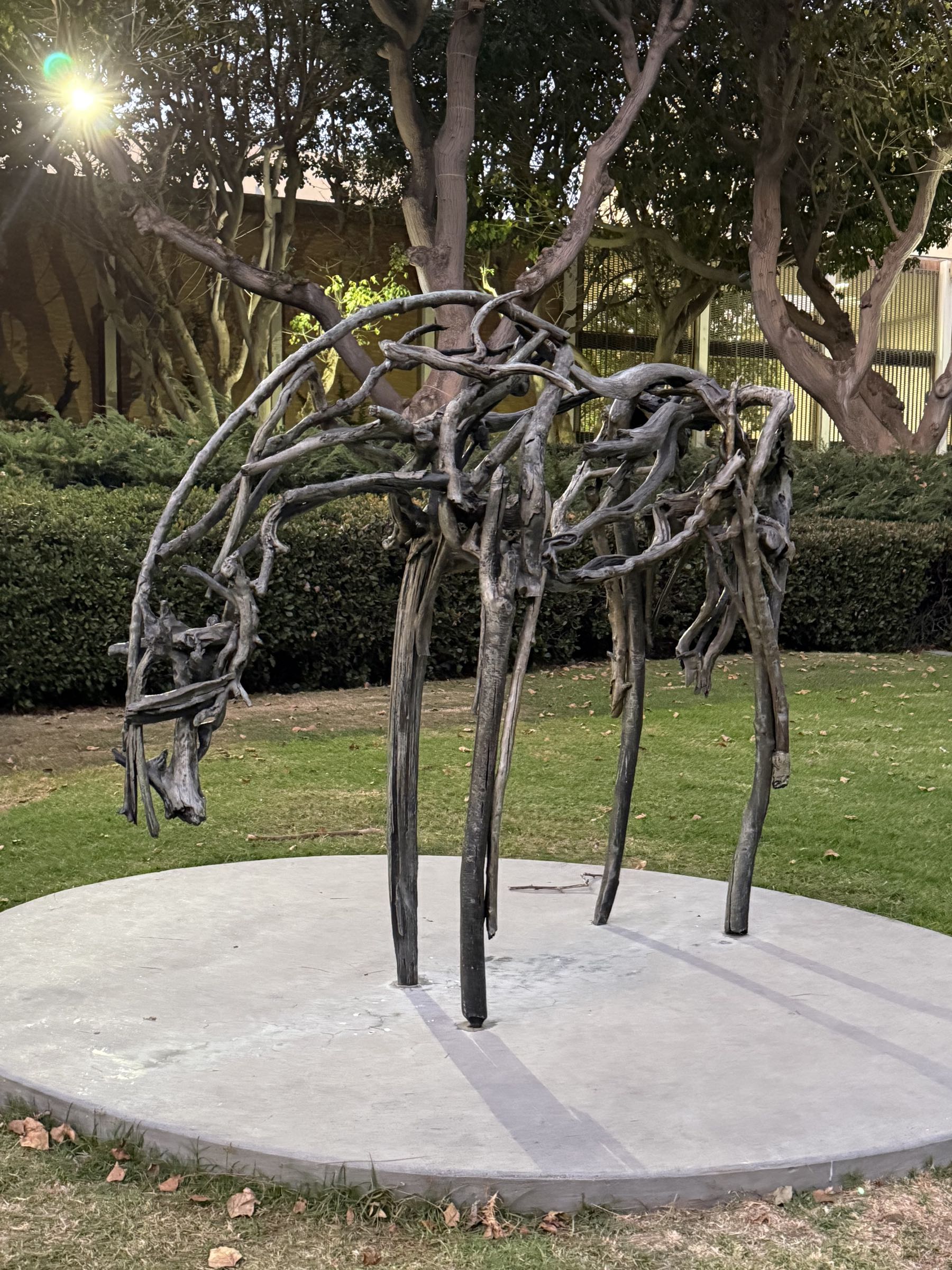
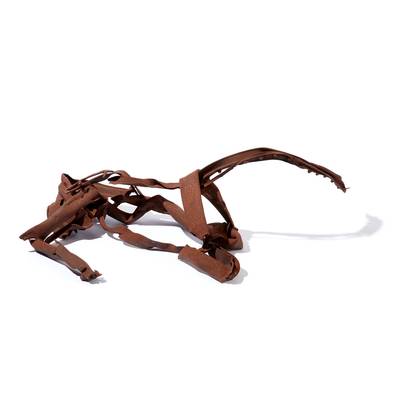
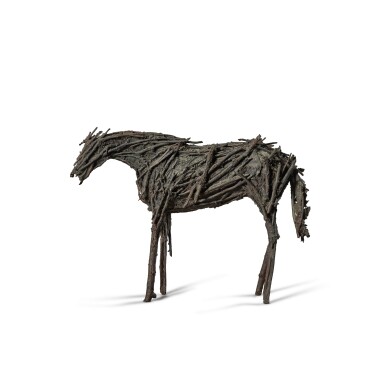
Spotted works by Deborah Butterfield
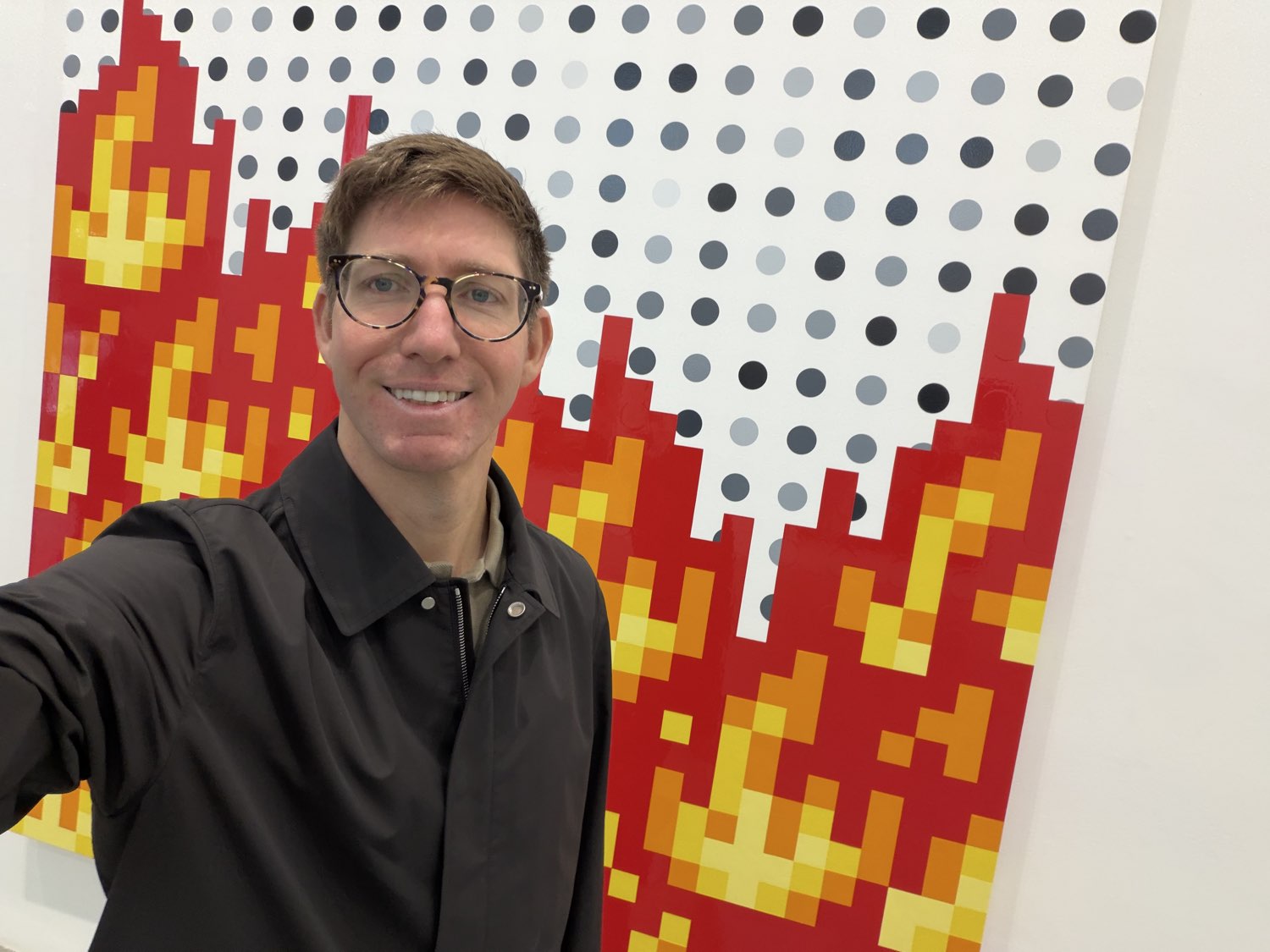
Artists in conversation
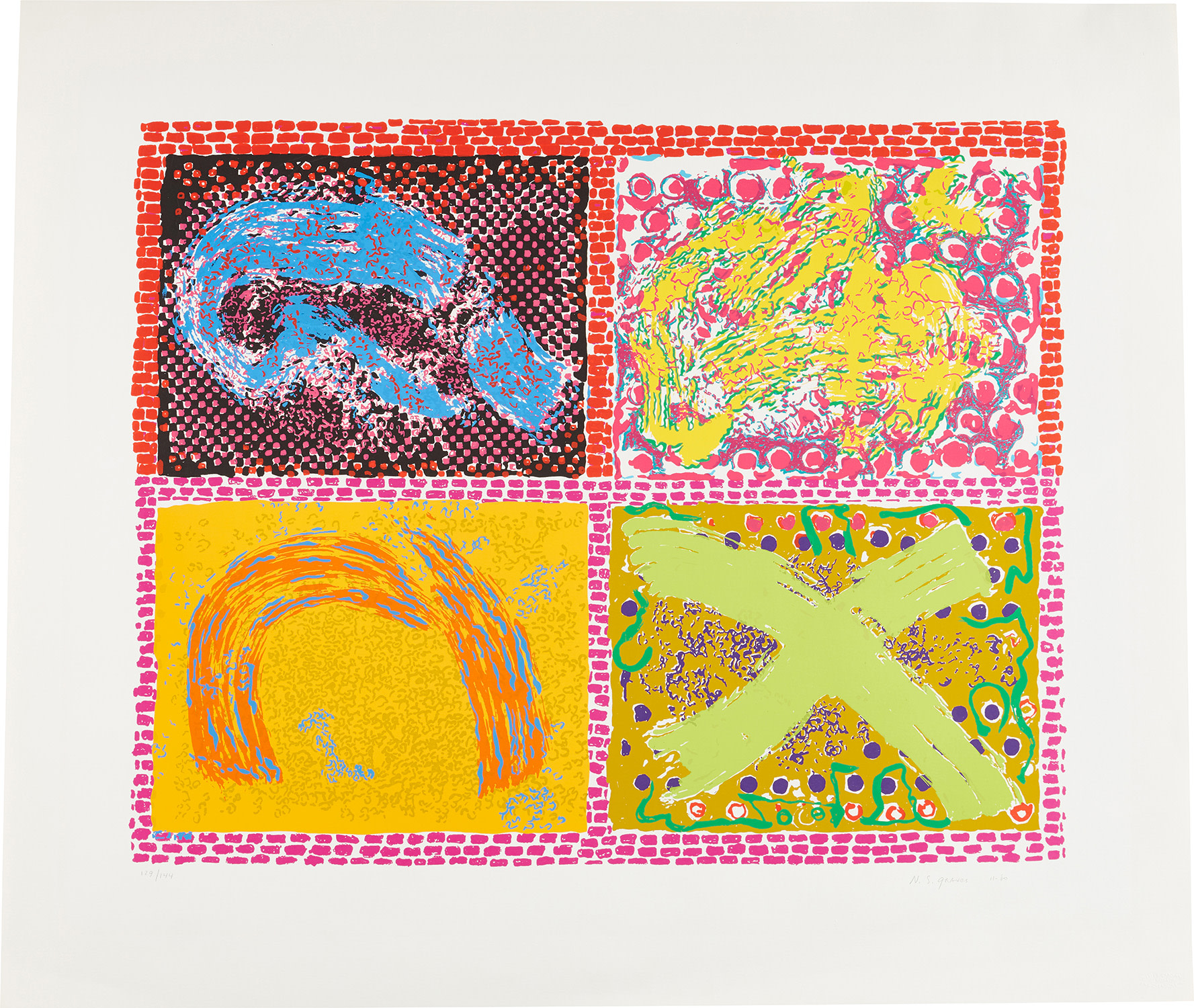
Nancy Graves
American · b. 1939
Graves similarly used found and natural materials to construct large scale figurative animal sculptures, most famously her camel series, blending abstraction with recognizable animal forms in a way that closely parallels Butterfield's approach.
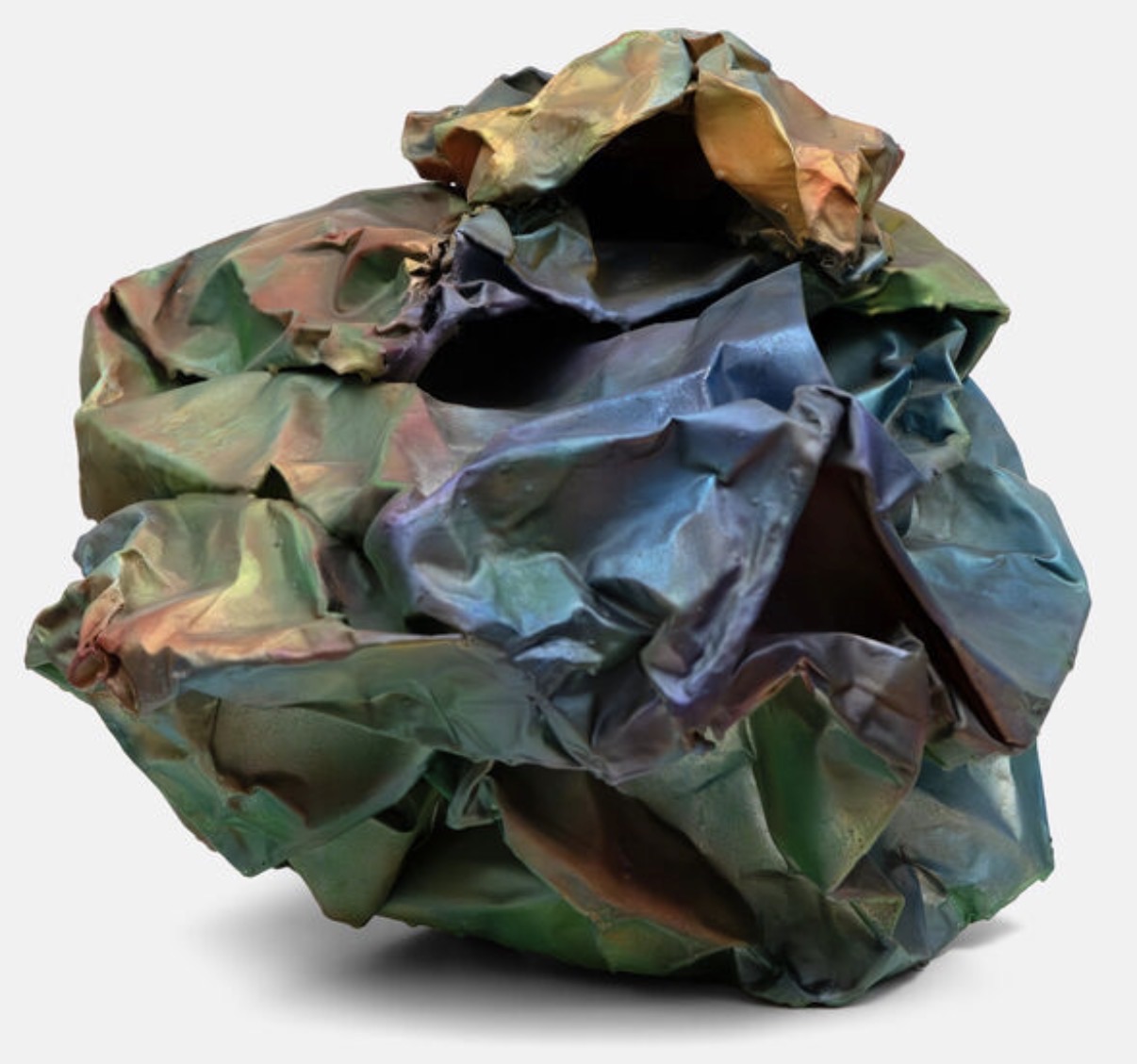
John Chamberlain
American · b. 1927
Chamberlain assembled crushed and found scrap metal into expressive sculptural forms, sharing Butterfield's interest in transforming industrial detritus into gestural, emotionally resonant three dimensional works.
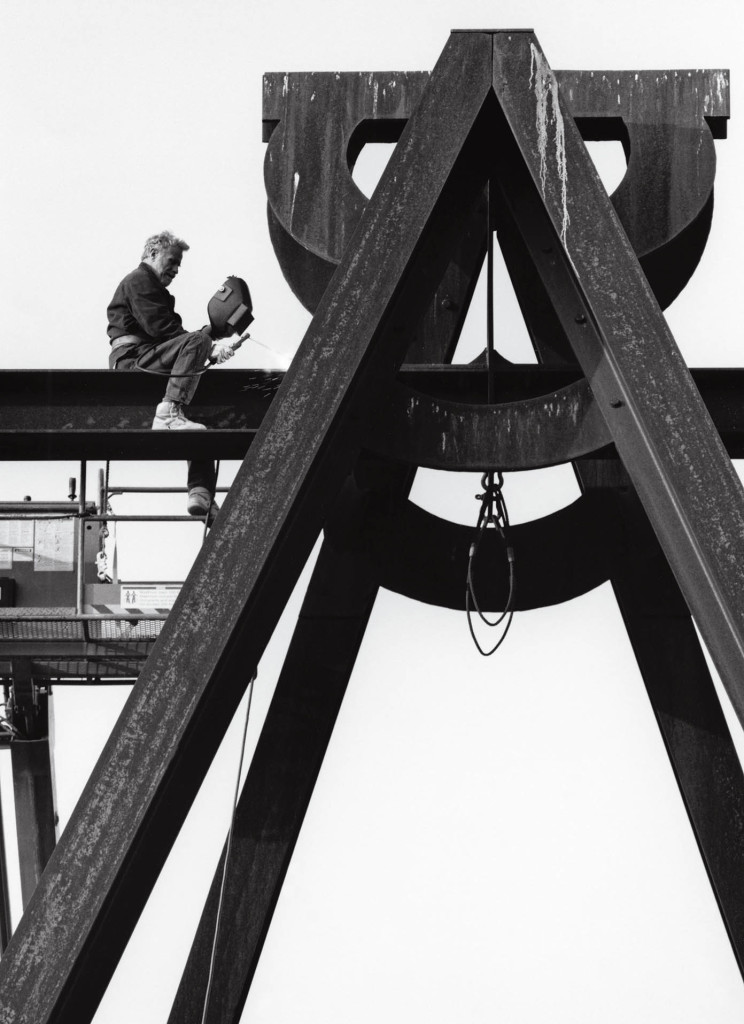
Mark di Suvero
American · b. 1933
Di Suvero constructs large scale figurative and abstract sculptures from salvaged industrial materials including steel beams and wood, reflecting a similar commitment to found material assemblage and gestural physical presence.
Start the Discussion
Request access to join the discussion