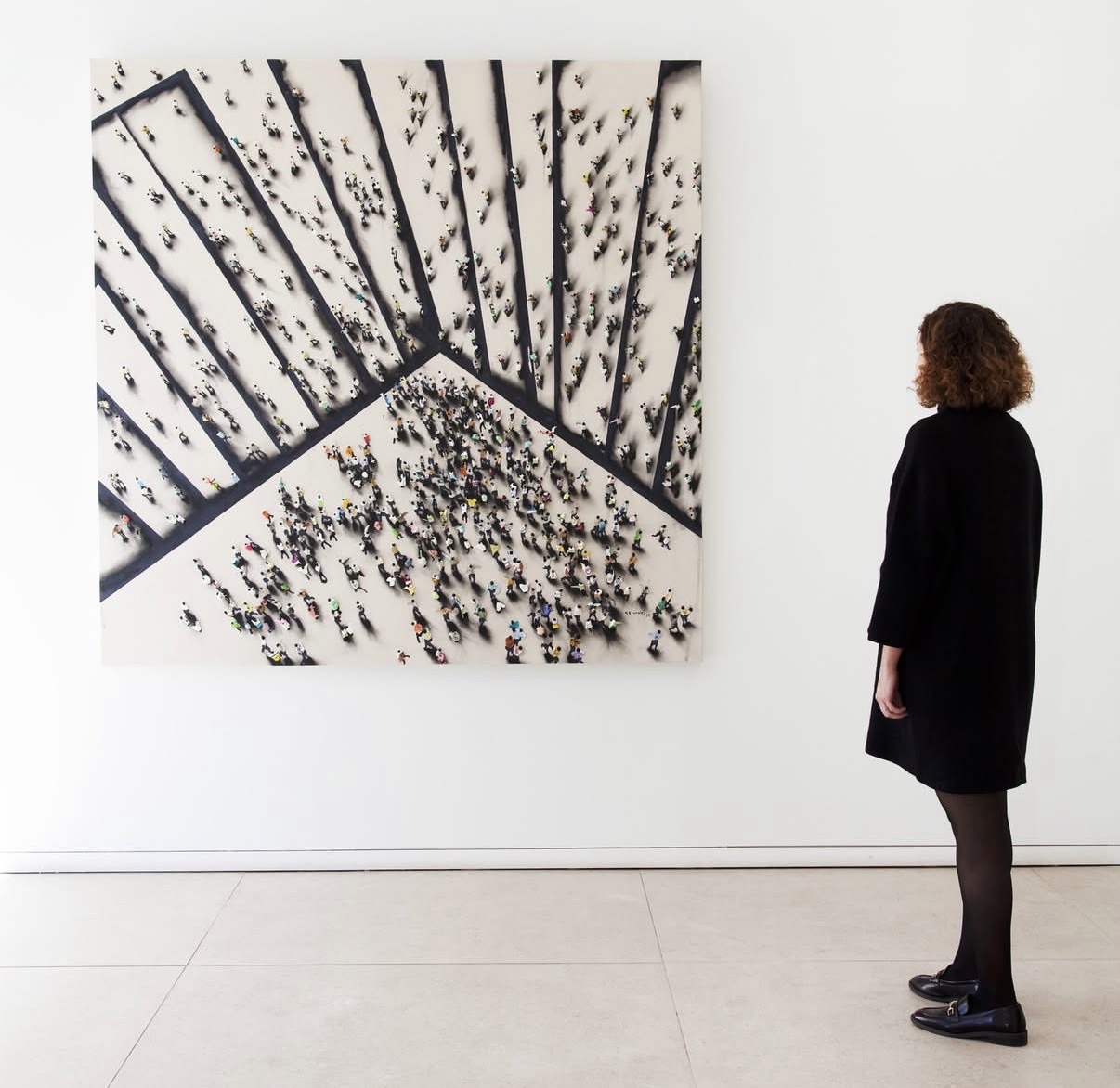
Abstraction
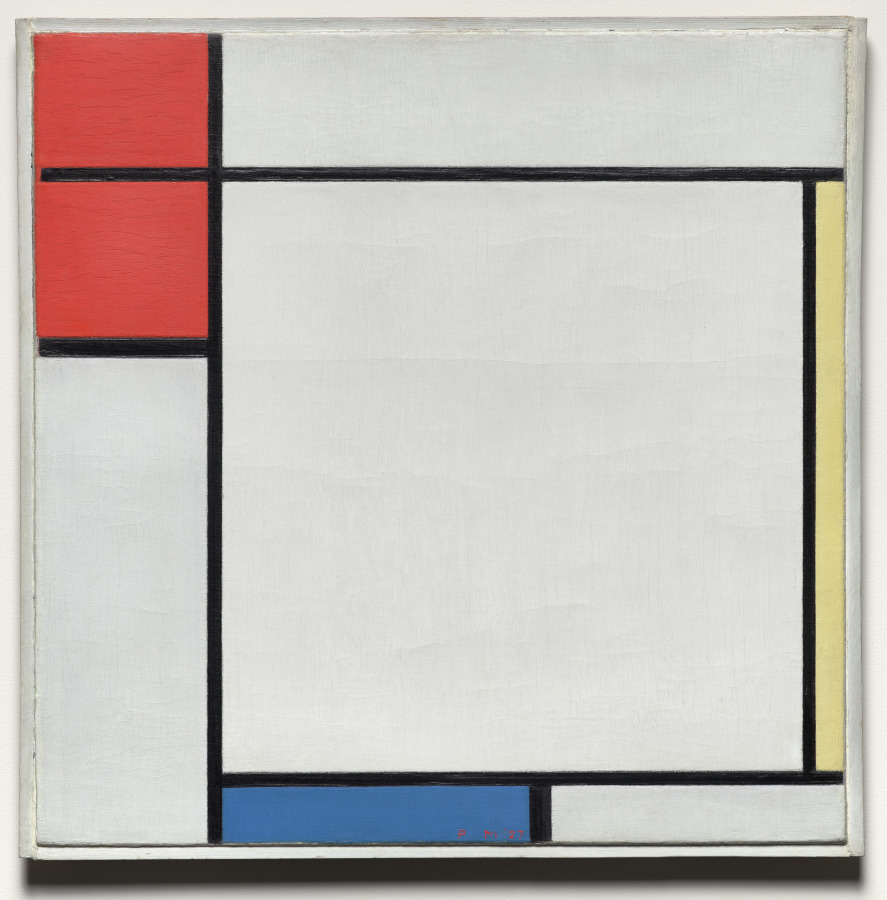
Piet Mondrian
Composition with Red, Yellow, and Blue, 1927


Abstraction Is Not Done With Us Yet
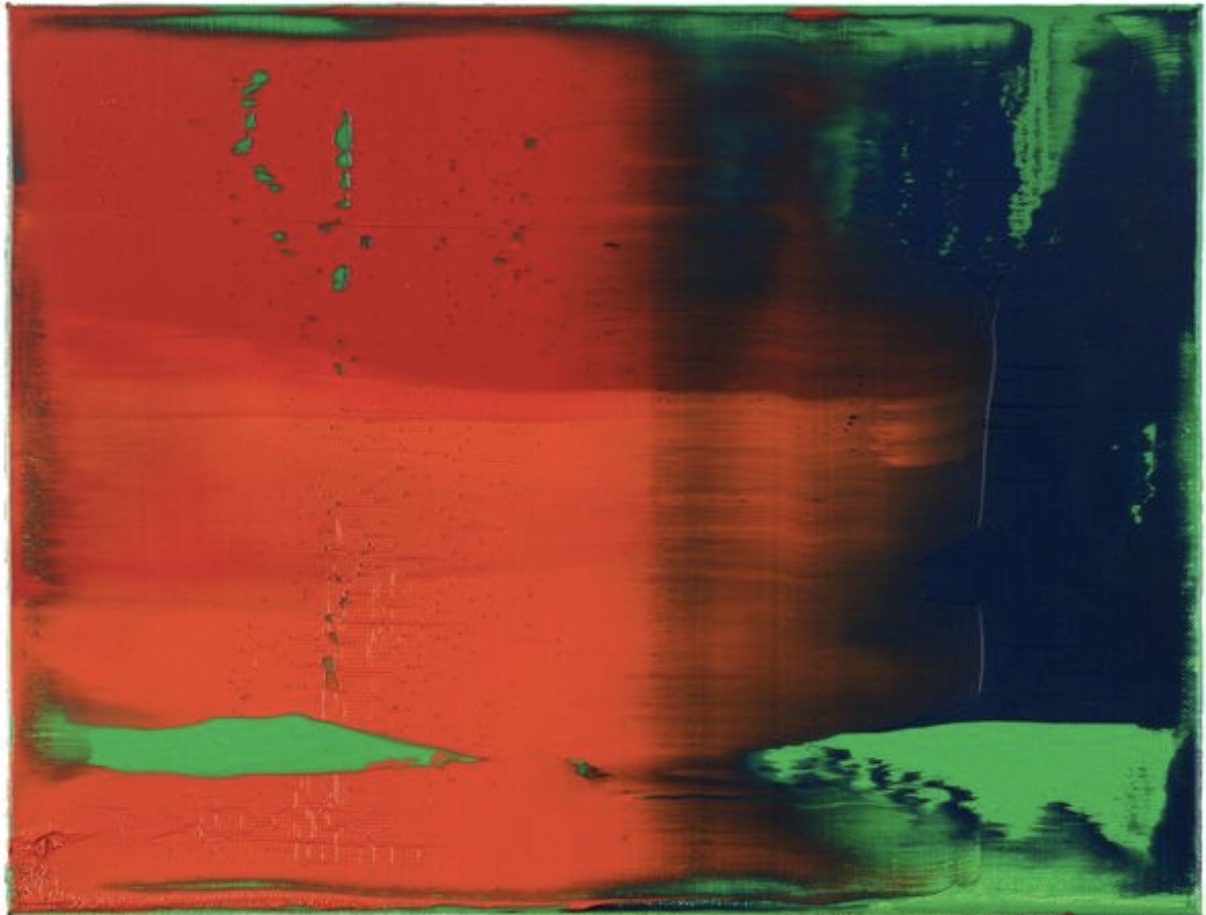
When Gerhard Richter's 'Abstraktes Bild' sold at Sotheby's London for over 30 million pounds in 2012, setting a record for a living artist at auction at the time, it sent a signal that the market had not merely tolerated abstraction but was genuinely hungry for it. That hunger has not abated. If anything, the intervening decade has sharpened it, as collectors and institutions alike have returned to abstract work with a seriousness that goes beyond cyclical fashion. Something more durable is at play.
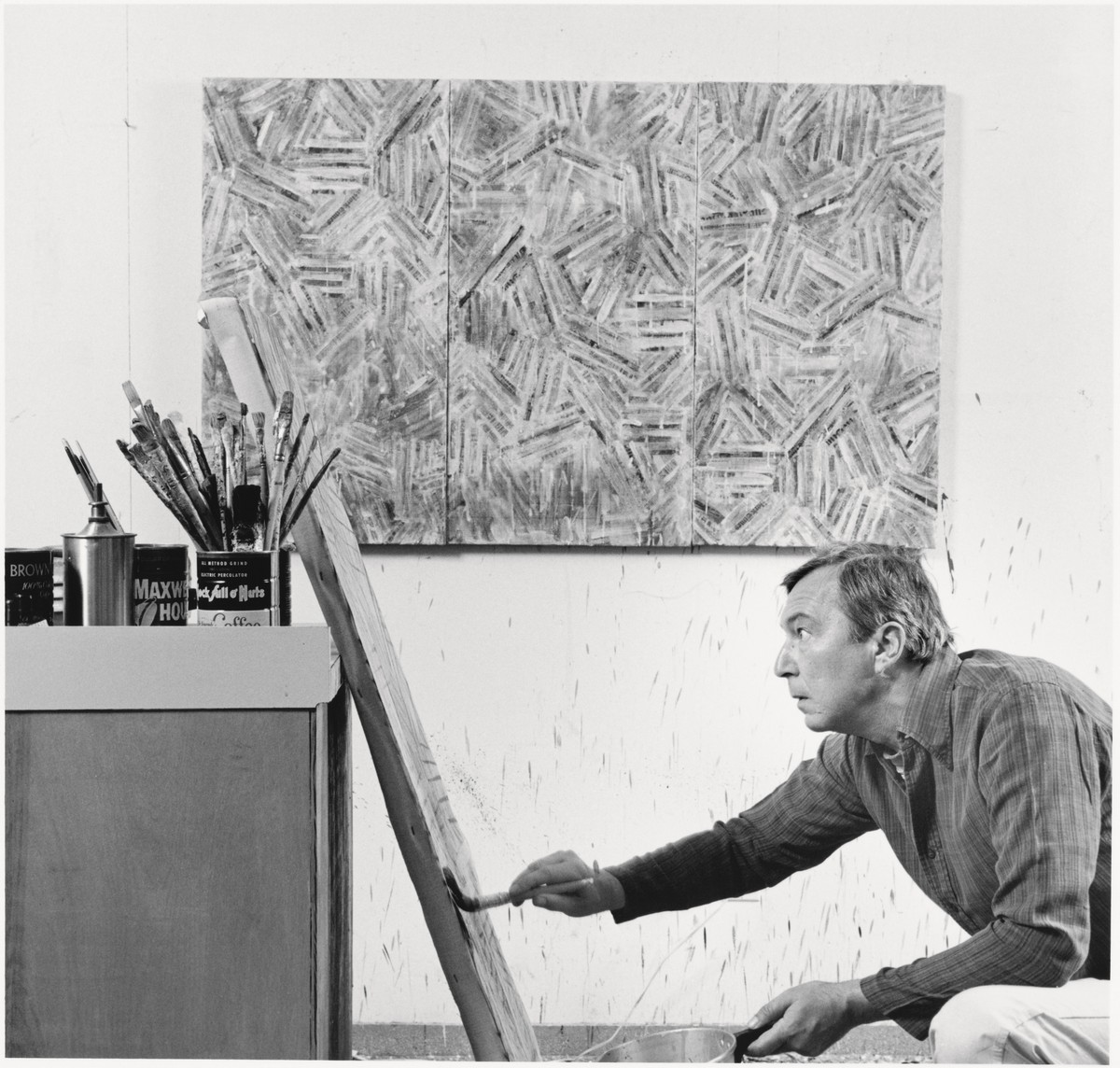
The question worth asking now is not whether abstraction matters, but why it continues to matter in ways that feel urgent rather than archival. The recent critical rehabilitation of Hans Hofmann offers one useful lens. For years Hofmann occupied an honored but slightly dusty corner of postwar American art, celebrated in survey texts and given respectful wall space but rarely generating the kind of institutional electricity that surrounds a Jasper Johns retrospective or a Philip Guston reassessment. That changed perceptibly when the Tate Modern and the Whitney Museum each reexamined Abstract Expressionism's broader ecology in the 2010s, restoring figures like Hofmann and Robert Motherwell to the center of the conversation rather than its edges.
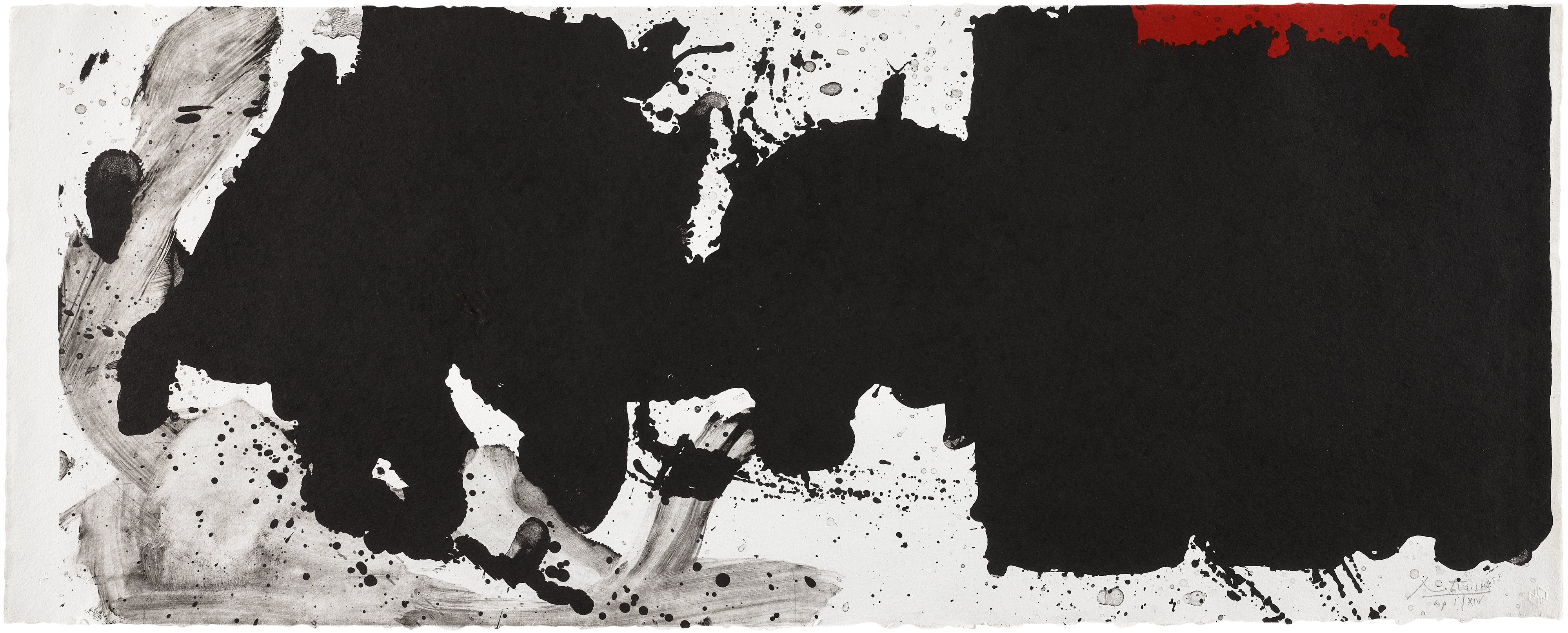
Robert Motherwell
Black with No Way Out
Collectors paying attention to those curatorial moves early found themselves ahead of a market correction that is still working itself out. Both artists are well represented on The Collection, and for good reason. The Guston story is instructive in a different way. The decision by the National Gallery of Art, the Tate Modern, the Museum of Fine Arts Houston, and the Museum of Fine Arts Boston to postpone their major Guston retrospective in 2020, citing concerns about his Ku Klux Klan imagery, sparked one of the most consequential critical debates abstraction has seen in years.
When the show finally opened in 2022, it was met with the kind of sustained engagement that few retrospectives generate. Reviewers in Artforum, the New York Times, and the Burlington Magazine wrestled not just with Guston's late figurative turn but with the entire question of what abstraction protects us from and what it refuses to hide. That debate is ongoing, and it has made collectors look harder at the three Guston works on The Collection with fresh eyes. At the highest end of the market, the numbers tell their own story.
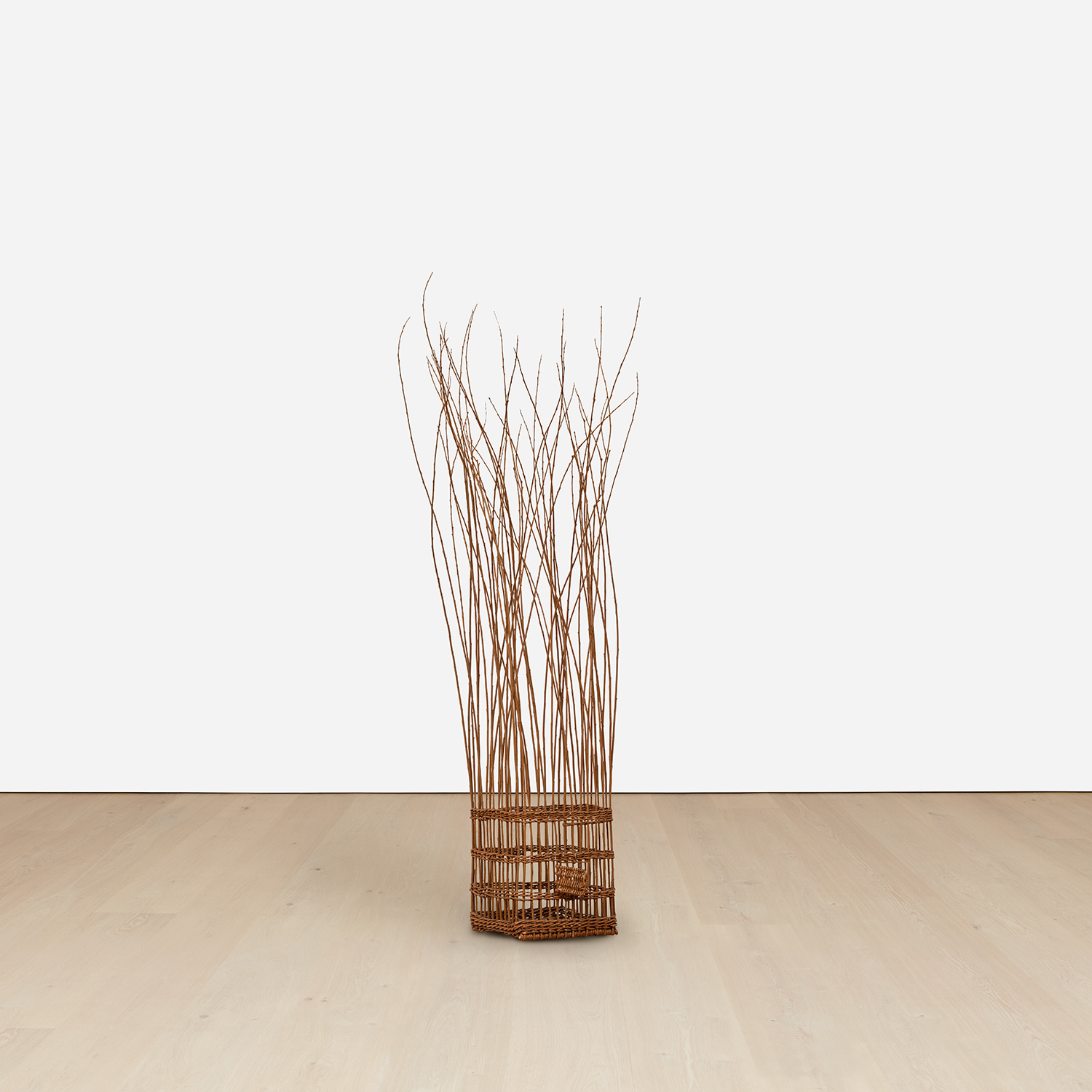
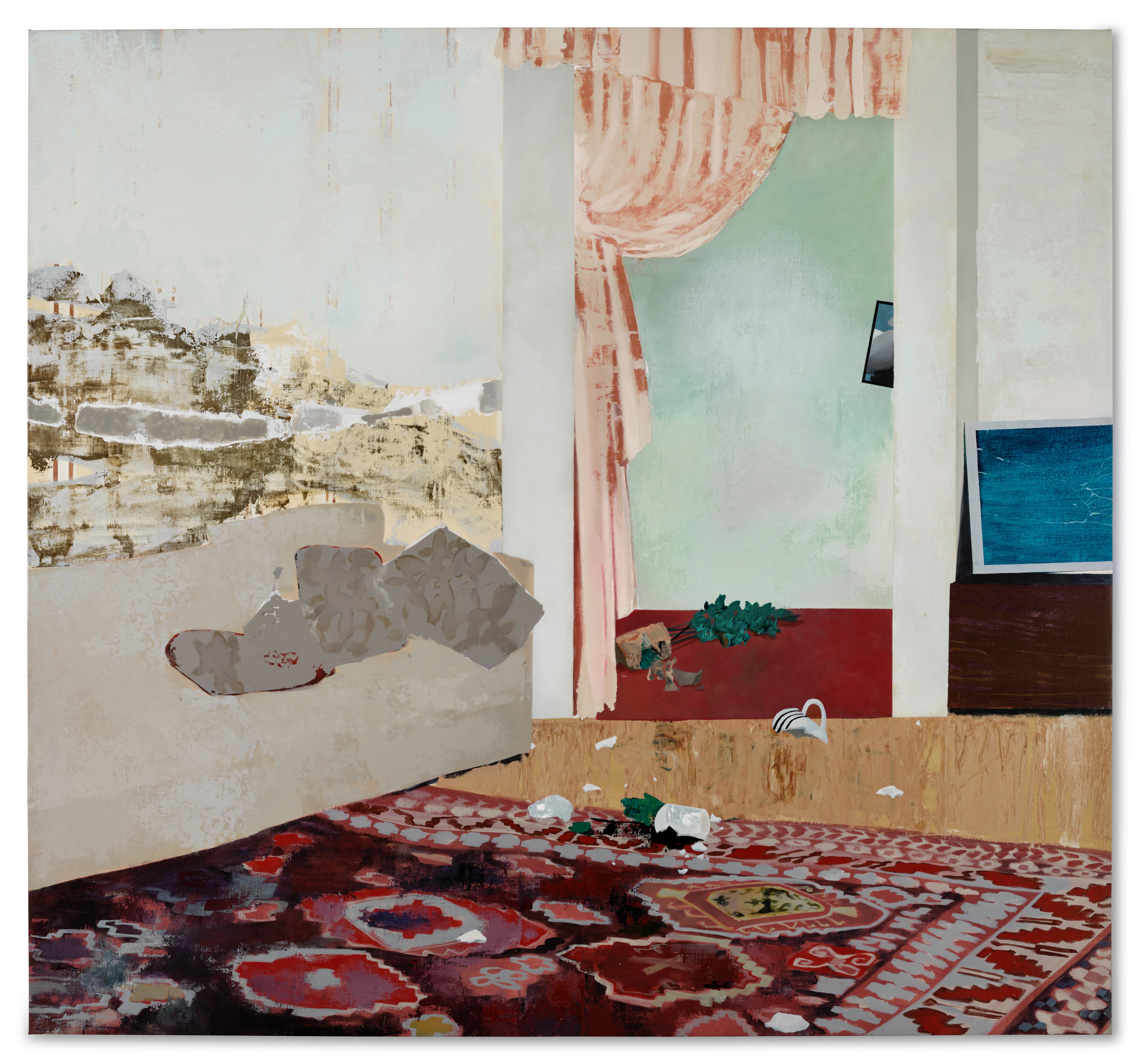
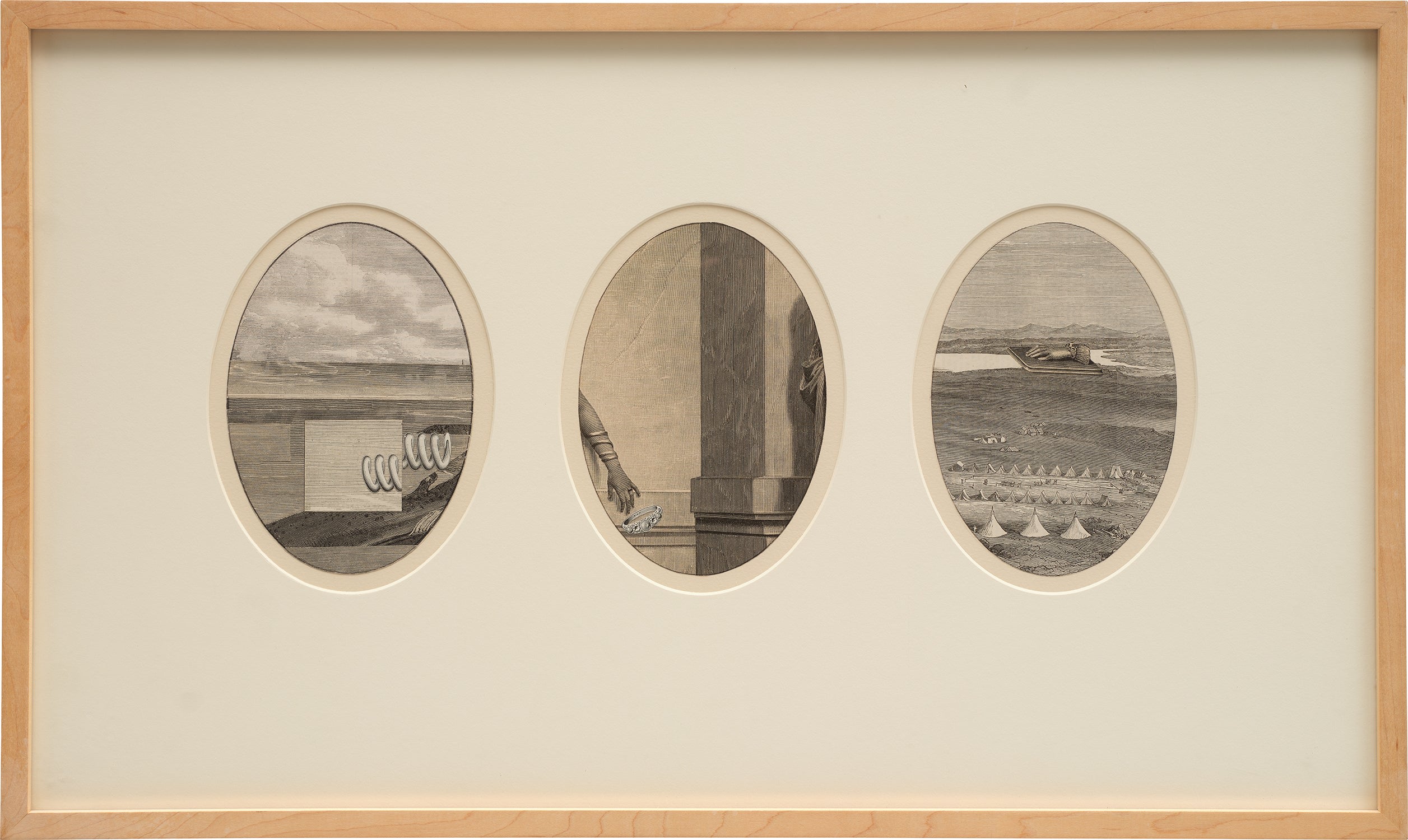
Mona Hatoum
willow, 2002
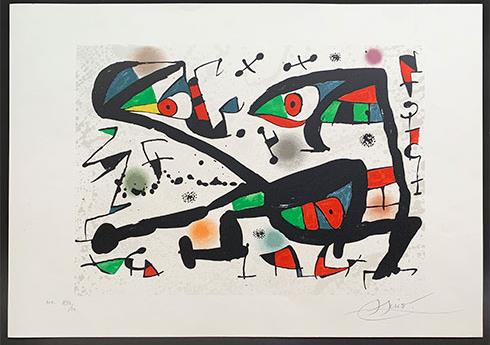
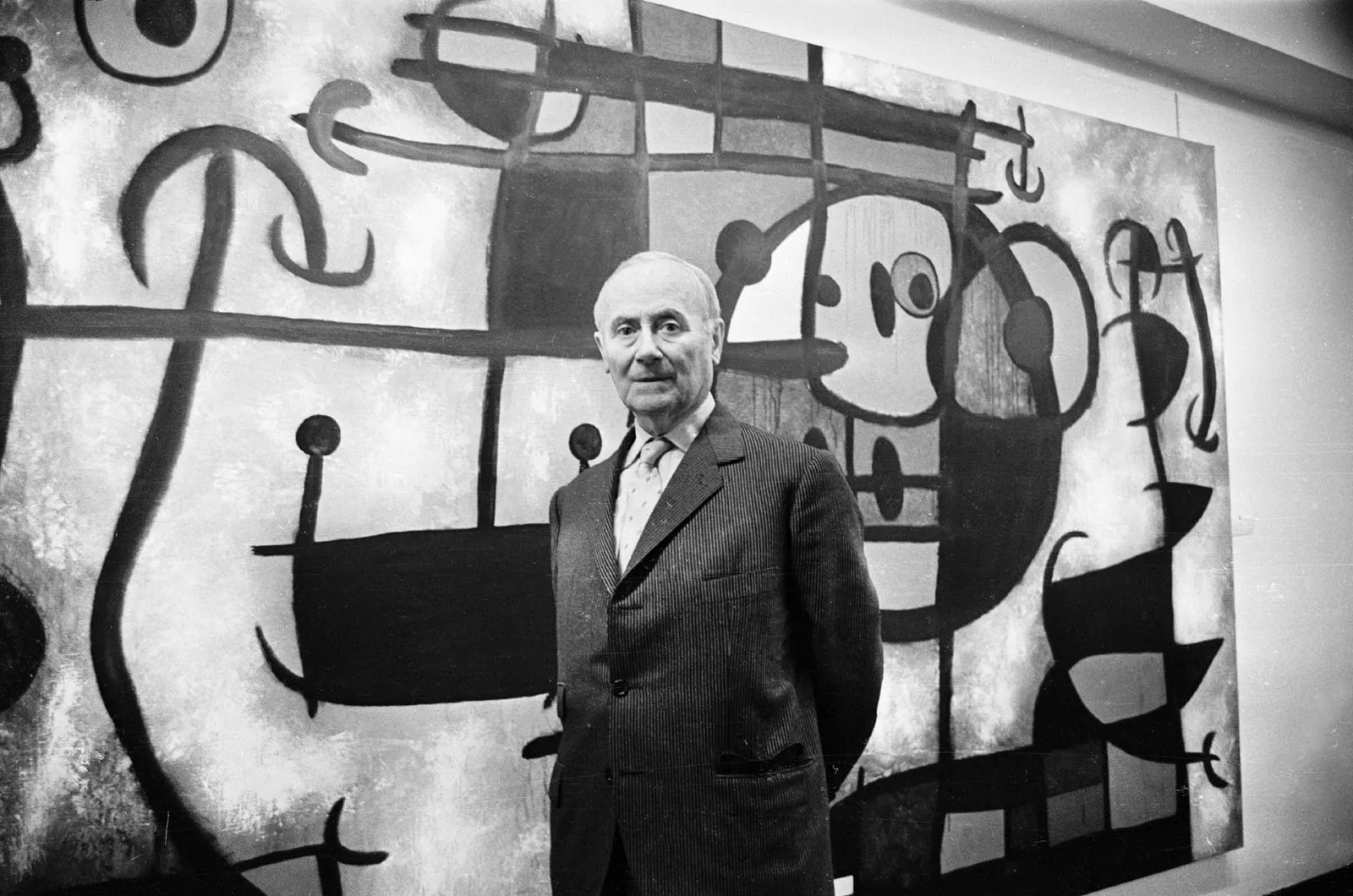
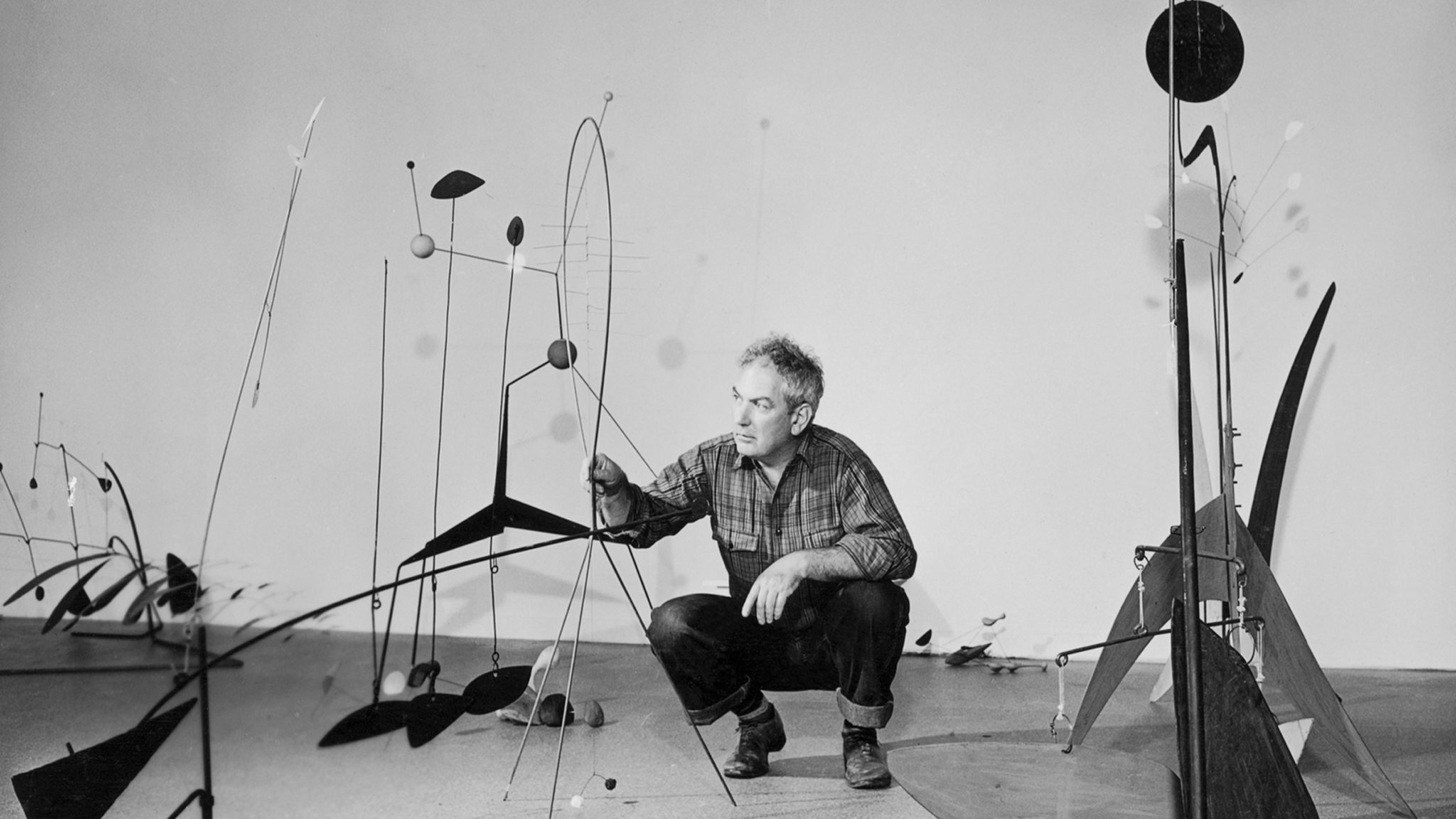
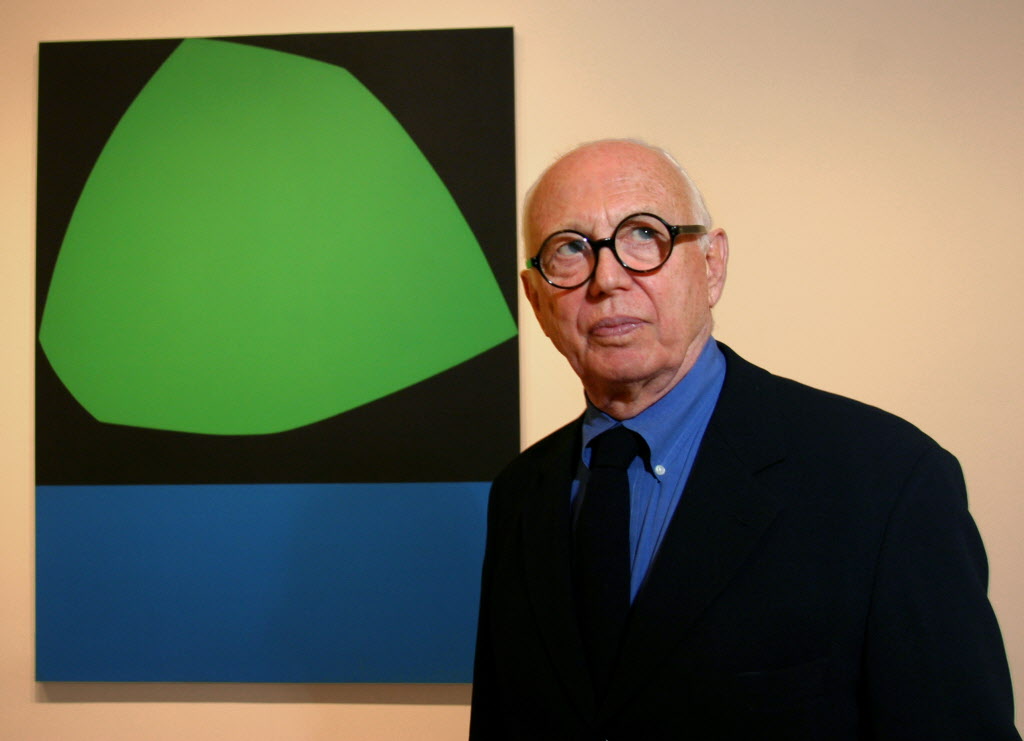
Richter remains the benchmark for living abstract painters, but Alexander Calder's mobiles and stabiles have seen remarkable auction performance across Christie's and Sotheby's in recent years, with major works clearing well above estimate. Joan Miró, deeply embedded in the surrealist tradition but always pulling toward pure form and color, continues to attract serious institutional and private buyers. The Fundació Joan Miró in Barcelona remains one of the great single artist museums in the world, and its programming consistently refreshes the critical frame around his work. Similarly, Ellsworth Kelly's late shaped canvases and color panels have benefited from the retrospective at the Museum of Modern Art that accompanied his death in 2015, a show that reminded everyone how radical pure color can still feel.
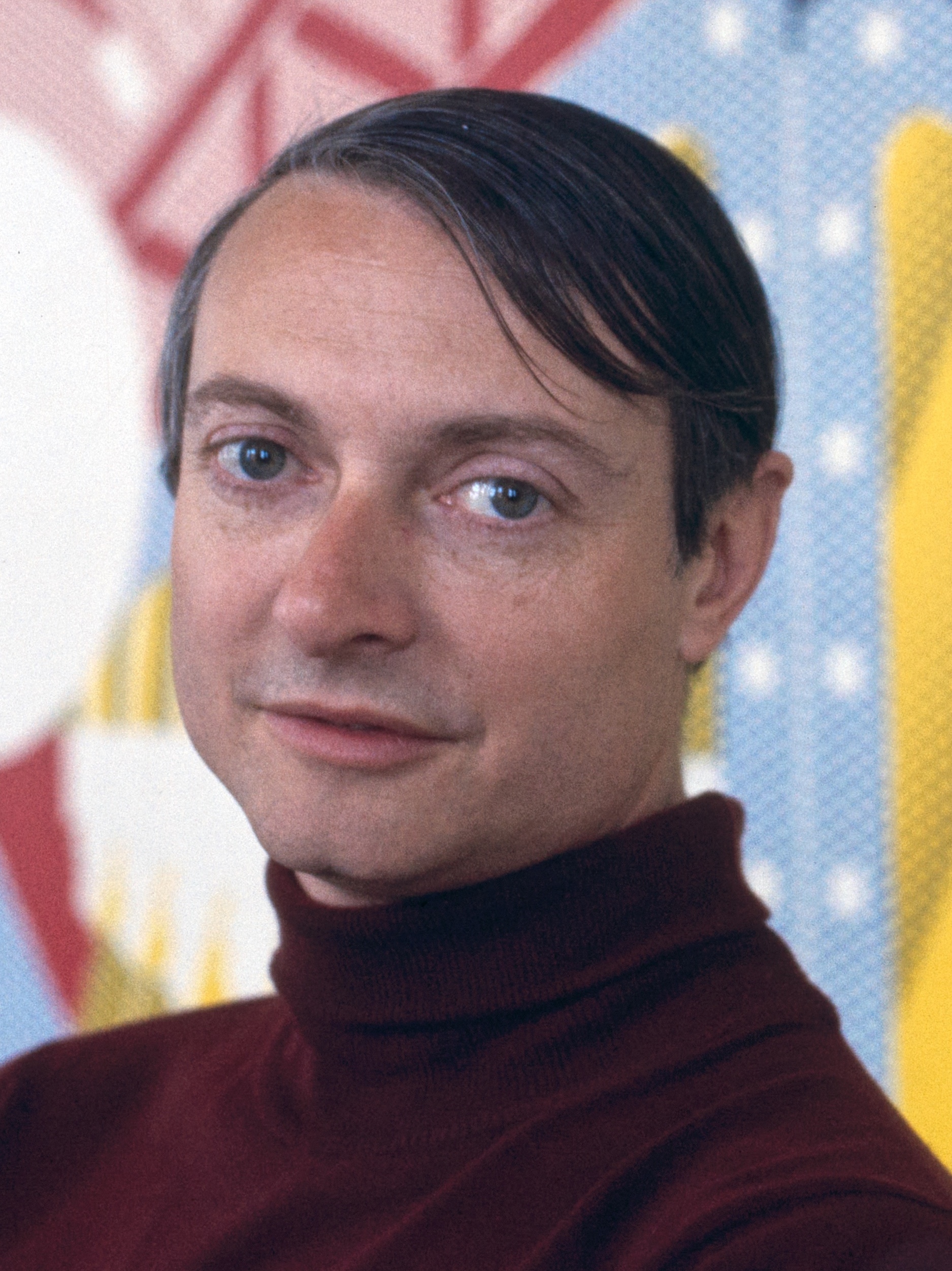
What the auction data reveals, when you look across the full landscape rather than at individual records, is a bifurcation in the market. At one pole there is established abstraction, the Richters and Calders and Kellys, where prices are high, provenance is scrutinized, and buyers are often institutions or their equivalents in private collecting. At the other pole there is something more restless, more generational. Artists like Sterling Ruby and Shara Hughes are working in modes that absorb the history of abstraction without being imprisoned by it.
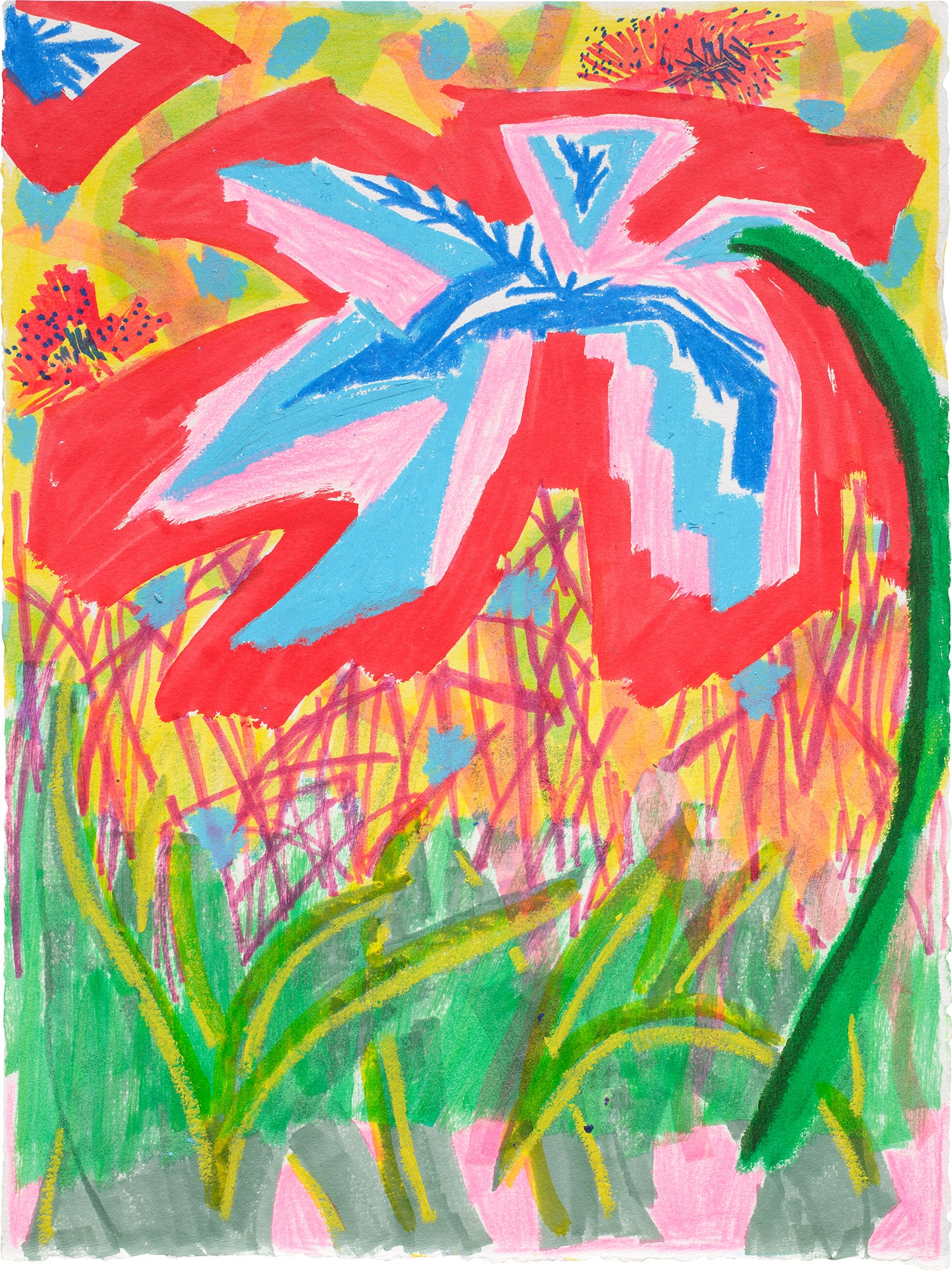
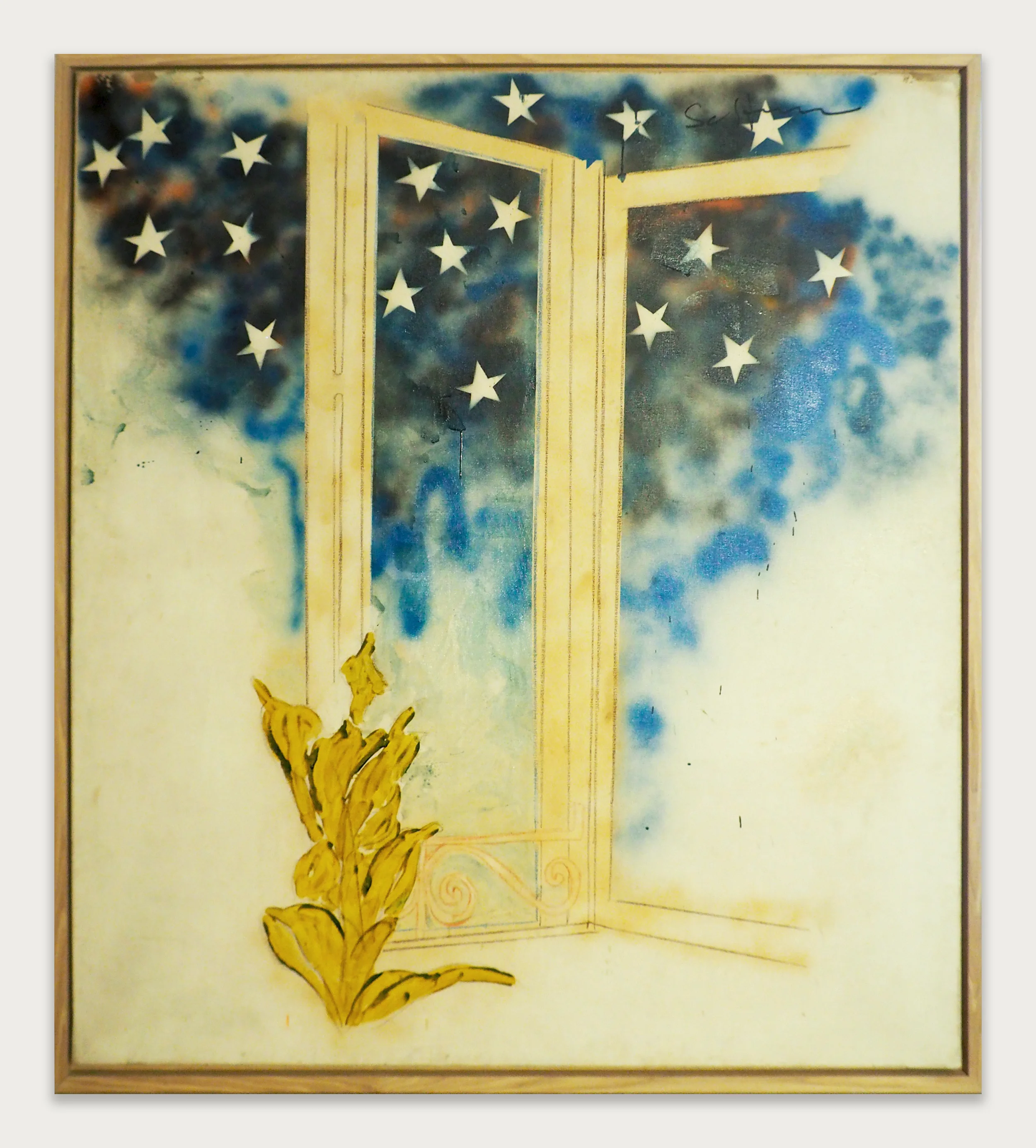
Shara Hughes
Bright and Positive, 2020
Hughes in particular has attracted serious attention from museum curators, with shows at institutions including the Kunstmuseum Wolfsburg and the Contemporary Arts Center in Cincinnati, and her paintings bring an almost atmospheric wildness that younger collectors find genuinely exciting. Both artists appear on The Collection, and they represent the places where the energy feels most alive right now. The critical conversation around abstraction has also been shaped by a renewed interest in its global dimensions. Zao Wou Ki, the Chinese French painter who spent decades in Paris and whose lyrical canvases synthesize ink painting traditions with the gestural freedoms of Western abstraction, has seen extraordinary market appreciation over the past decade.
His triptychs have achieved auction results that place him among the most valuable abstract artists of the twentieth century, and institutions across Asia and Europe have mounted significant retrospectives. This is not simply a story about Asian buyer demand, though that is part of it. It is a story about abstraction's capacity to absorb multiple visual languages at once, a capacity that curators like Christine Macel and writers like T.J.
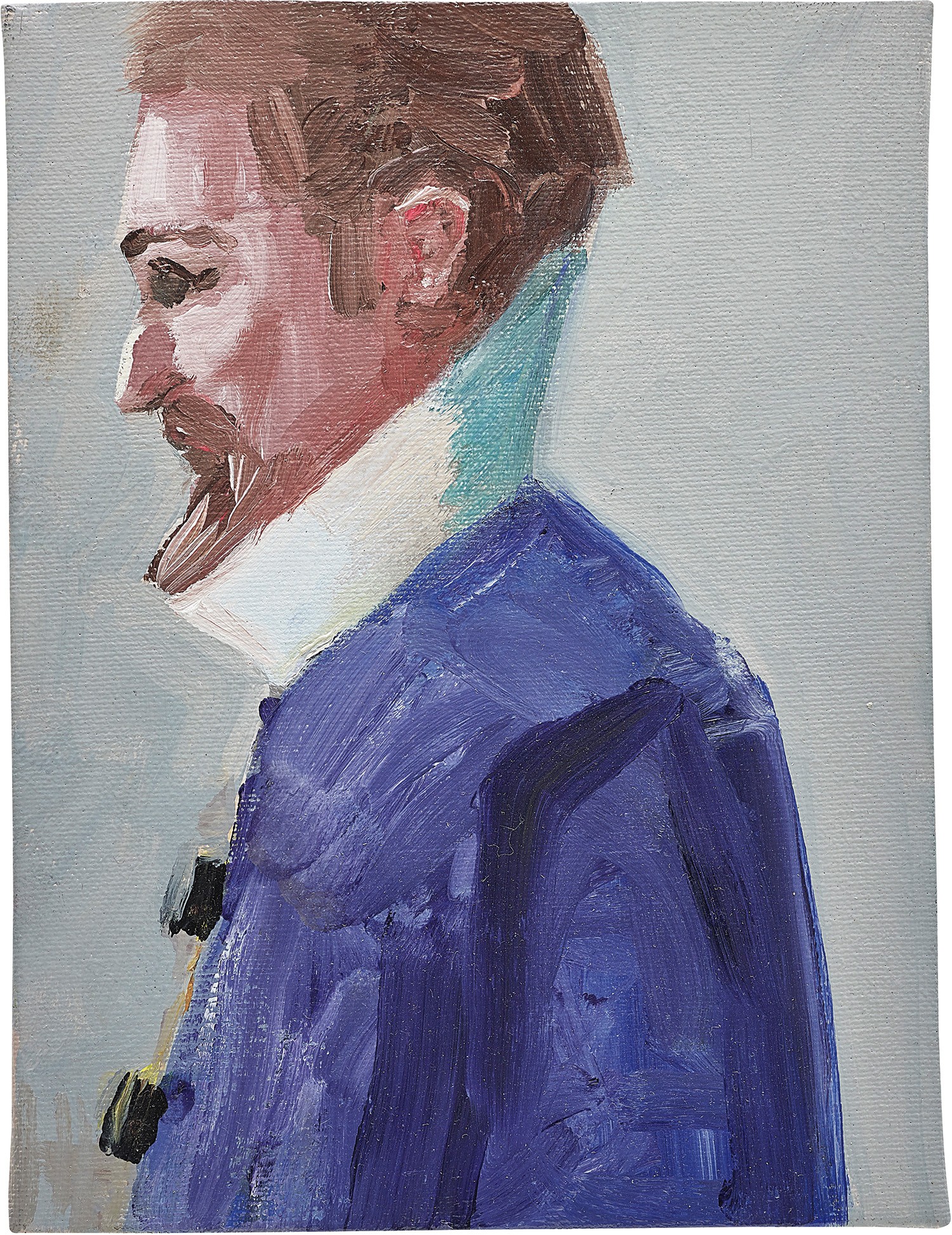
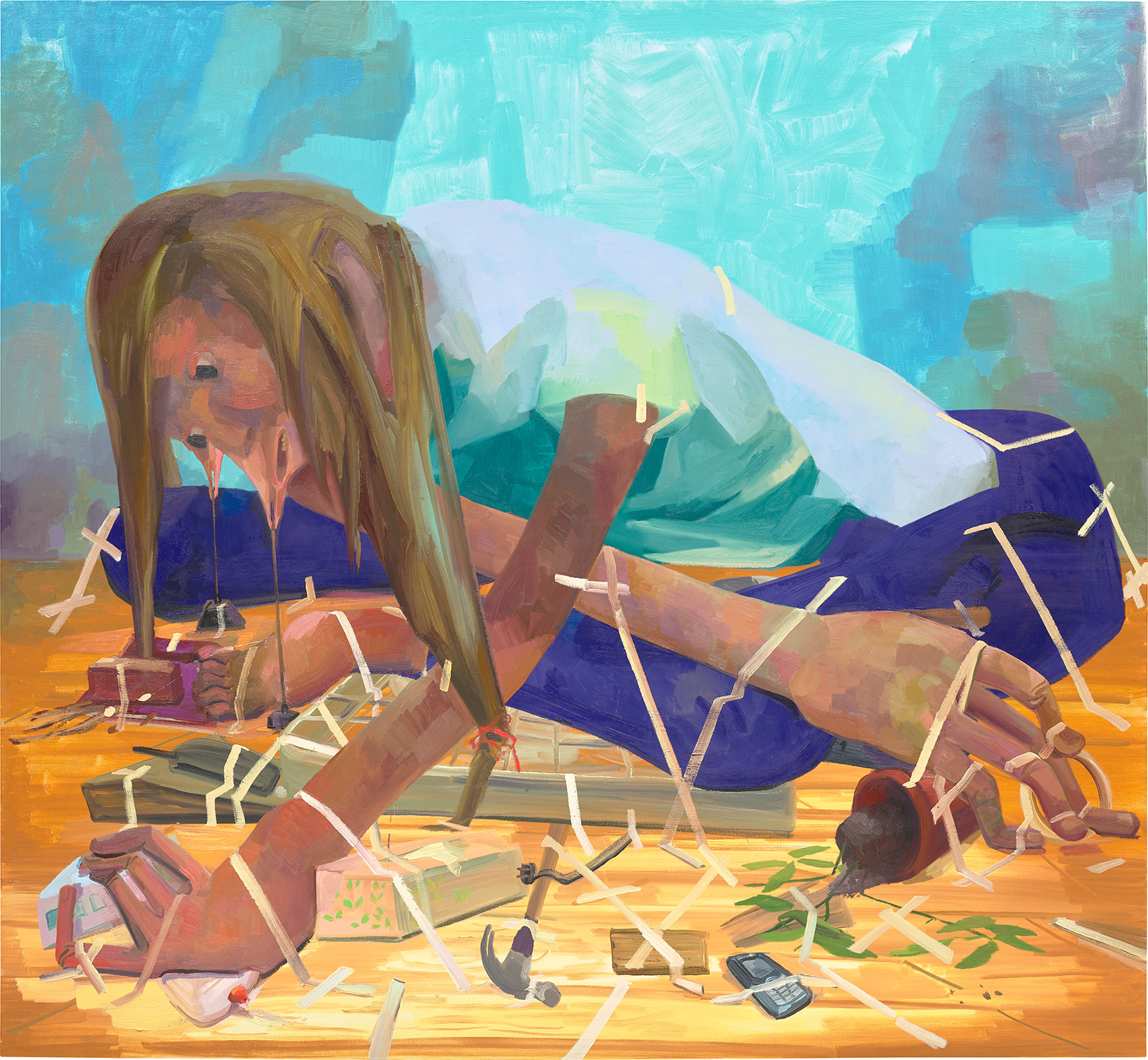
George Condo
The Franciscan, 2004
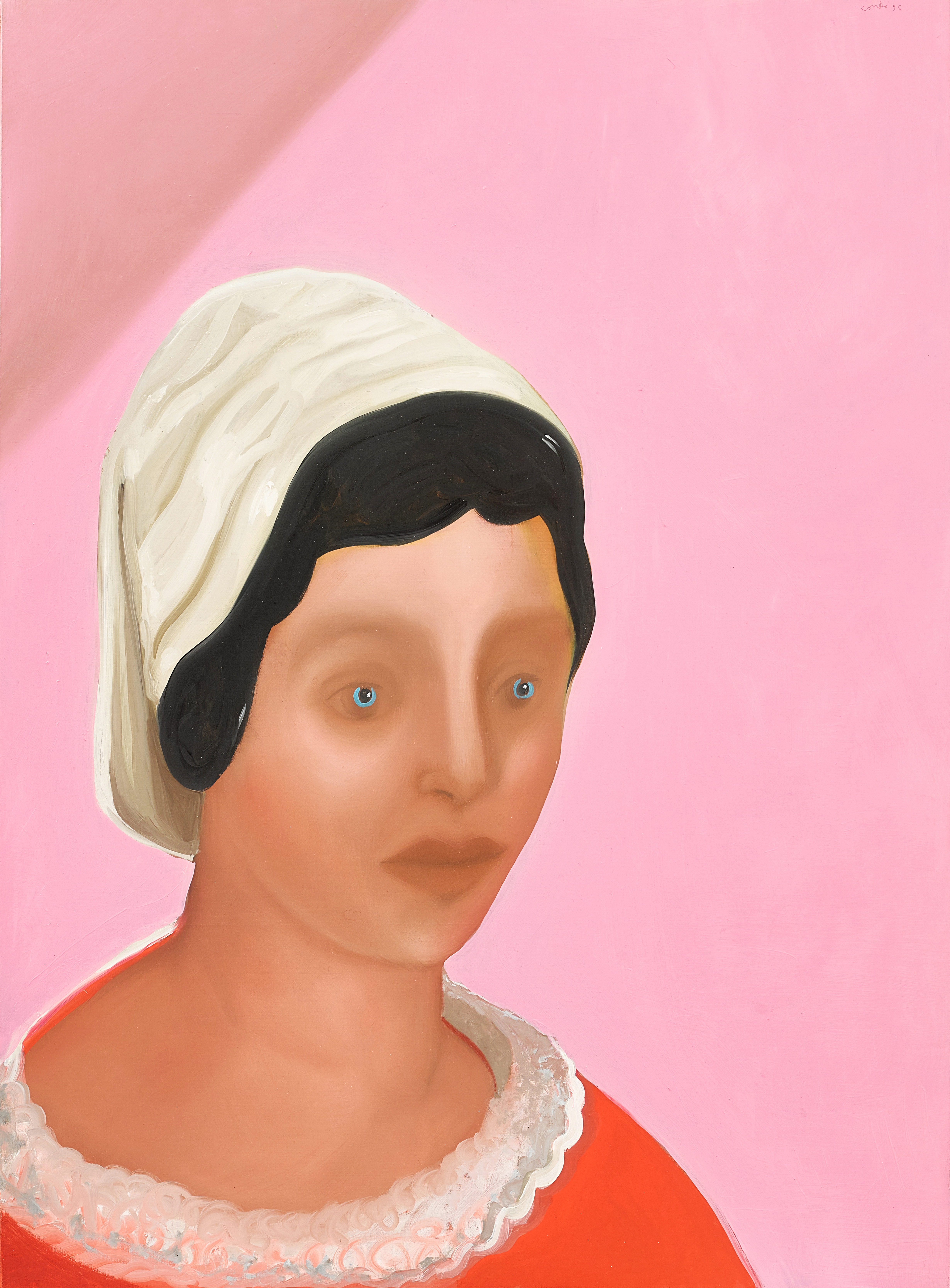
Clark have consistently argued is its greatest intellectual achievement. The institutions doing the most interesting collecting in abstraction right now are often not the obvious suspects. The Broad in Los Angeles, the Pizzuti Collection in Columbus, and the Glenstone Museum in Maryland have each built holdings that treat abstraction not as a historical category to be preserved but as a living set of questions to be extended. They are collecting alongside artists like George Condo, Carroll Dunham, and Georg Baselitz, painters who were never purely abstract but who have always kept abstraction's freedoms close at hand.
Frank Stella's late relief paintings, which pushed so hard against the flat picture plane that they became almost sculptural, point toward the same productive border territory. Where does this leave the thoughtful collector today. The settled ground is well mapped: the blue chip names, the postwar Americans, the European masters. But abstraction's most interesting current chapter is being written at the margins of those categories, by artists who refuse the comfort of a clean stylistic address.
The works on The Collection reflect that breadth, from Miró's constellation paintings to Sterling Ruby's scorched ceramics and textile works, from Motherwell's elegies to Shara Hughes's electric botanical fever dreams. The collector who approaches these works not as trophies but as arguments in an ongoing conversation will find abstraction as alive and as demanding as it has ever been. That is, perhaps, the only honest conclusion: abstraction does not resolve. It continues.