Organic Forms
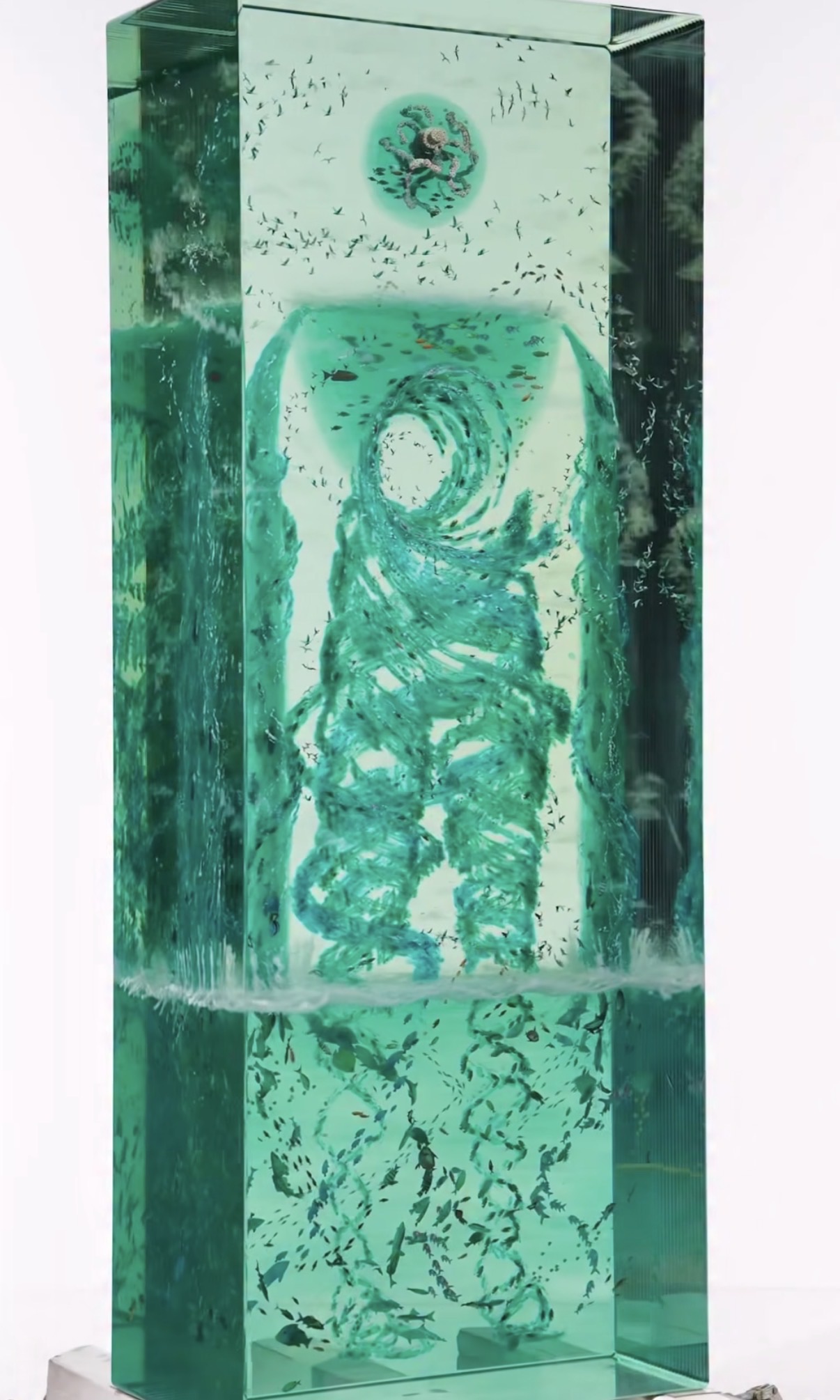
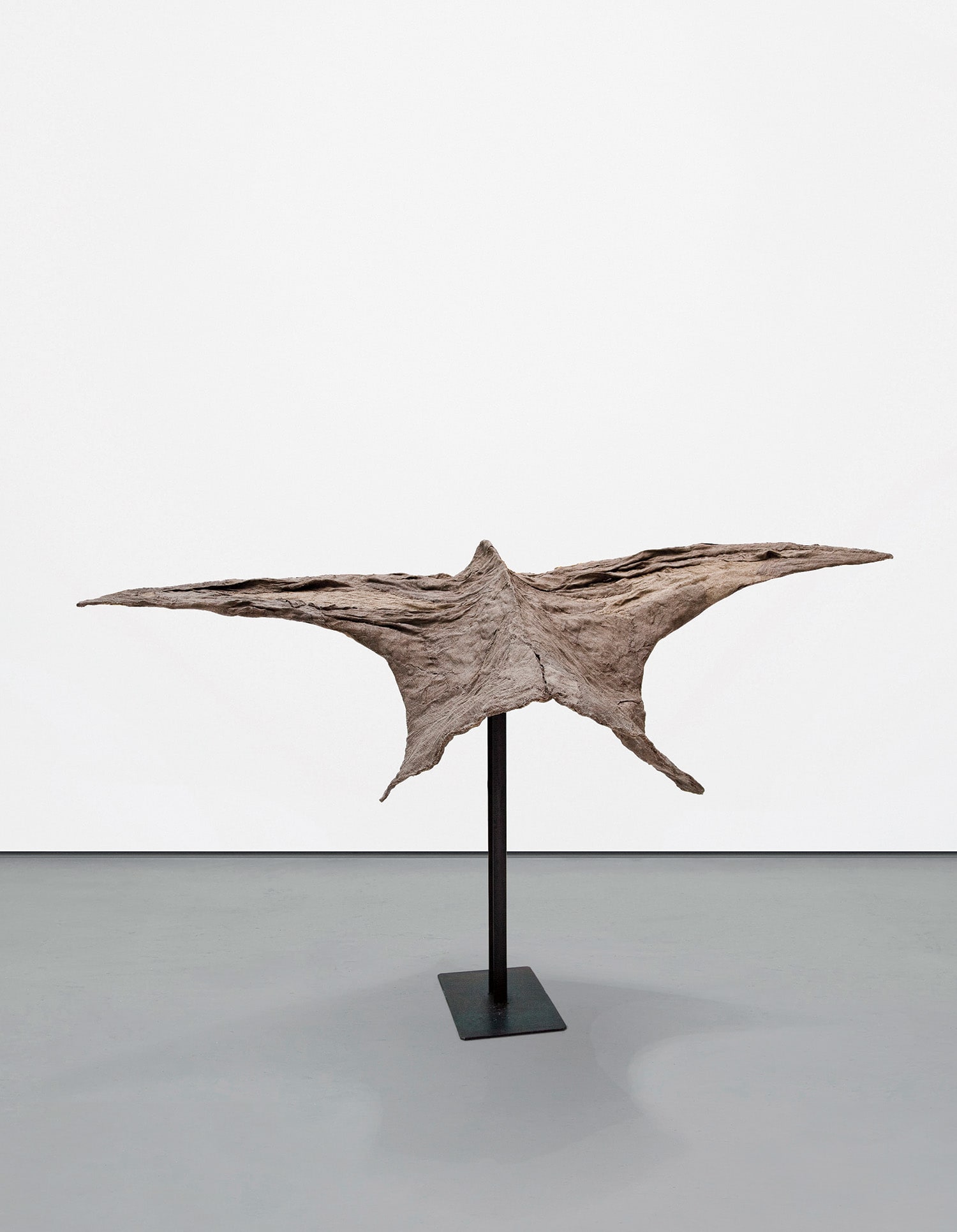
Dustin Yellin
Cephaloproteus Riverhead III, 2026

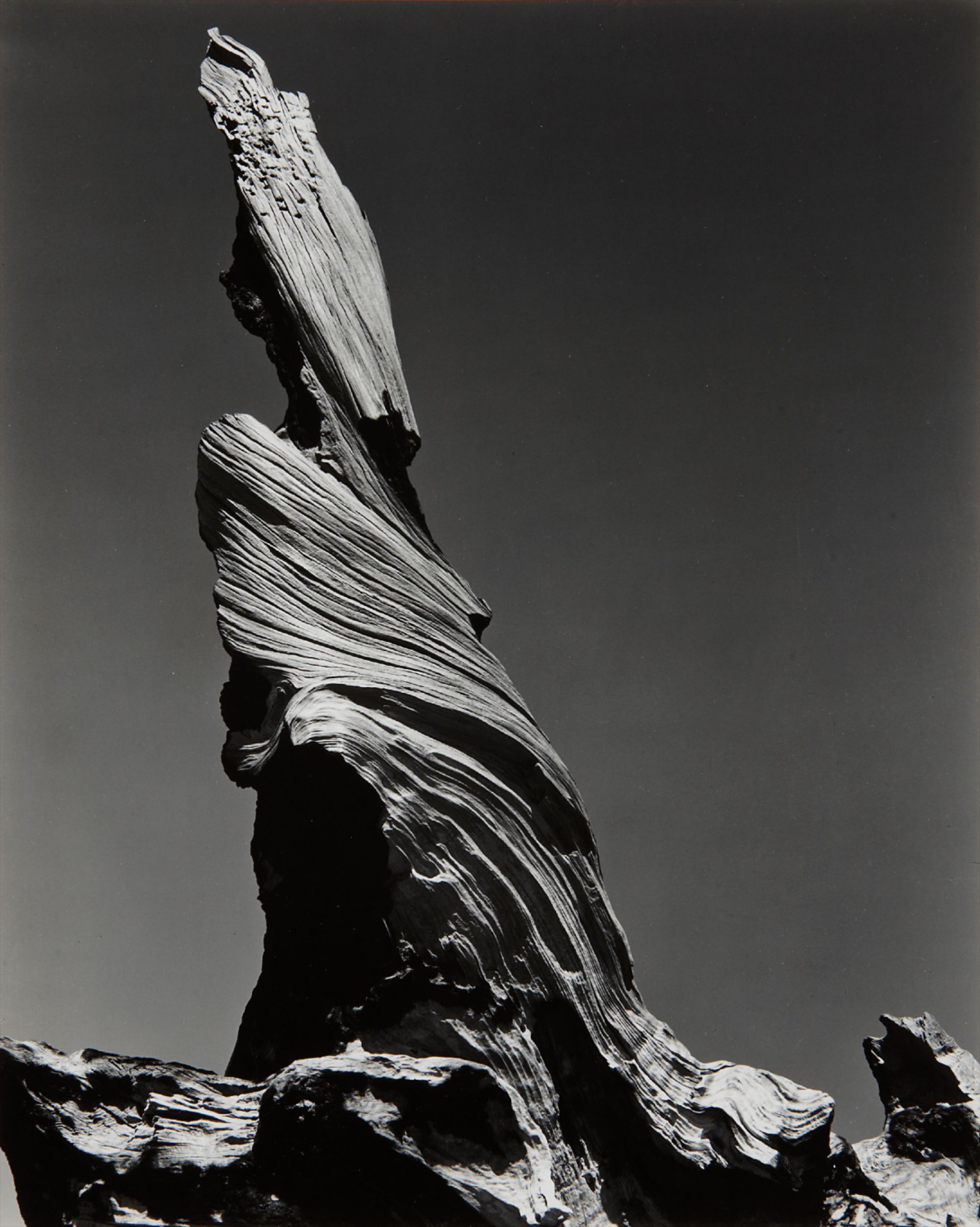
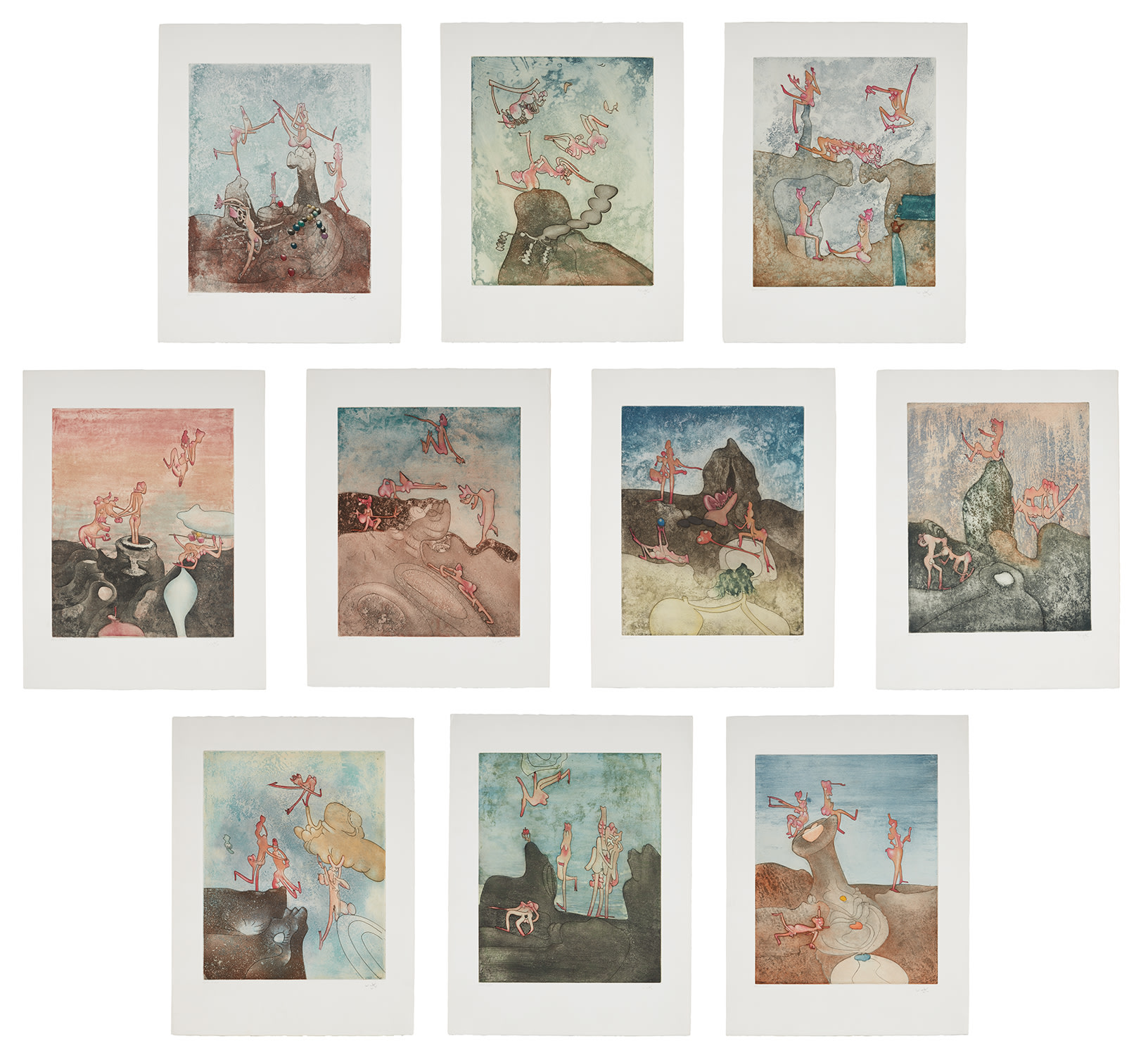
The Living Shape: Collecting Art That Breathes
There is something almost primal about the pull of organic form. Collectors who find themselves drawn to works that curve, swell, hollow out, and reach tend to describe the experience less as an aesthetic preference and more as a physical one. These are objects that seem to hold breath, to suggest a body or a seed or a stone worn smooth by water. Living with them is different from living with geometric abstraction or figurative painting.
They ask something quieter of you, and they reward patience in ways that more declarative works simply do not. The market for organic form sits at an interesting crossroads right now. It encompasses biomorphic sculpture and painting from the mid twentieth century, the more recent material explorations of artists working with unconventional substances, and a generation of practitioners who are using digital and AI tools to push the vocabulary of natural form into genuinely new territory. For collectors, this breadth is both an opportunity and a challenge.
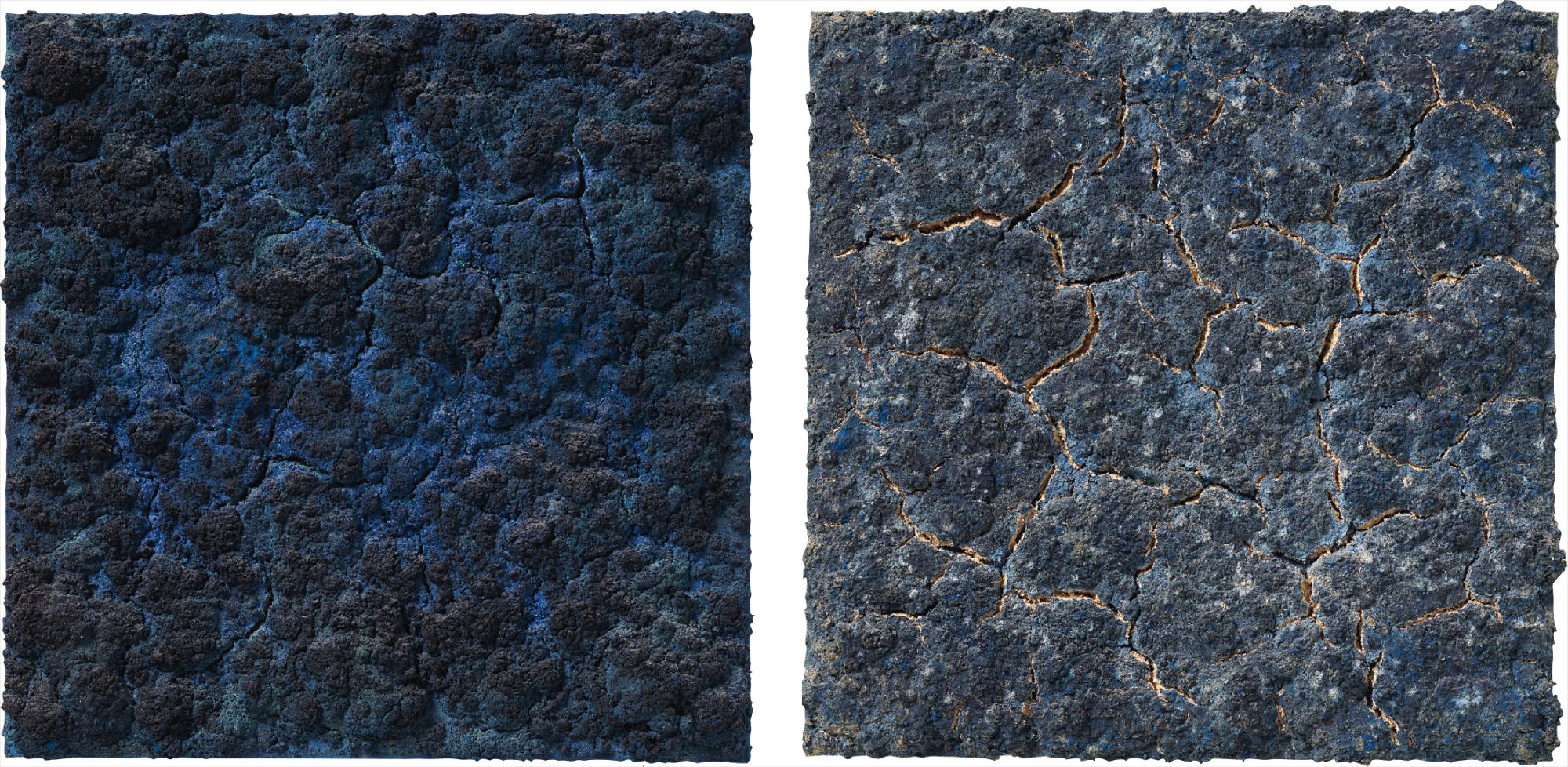
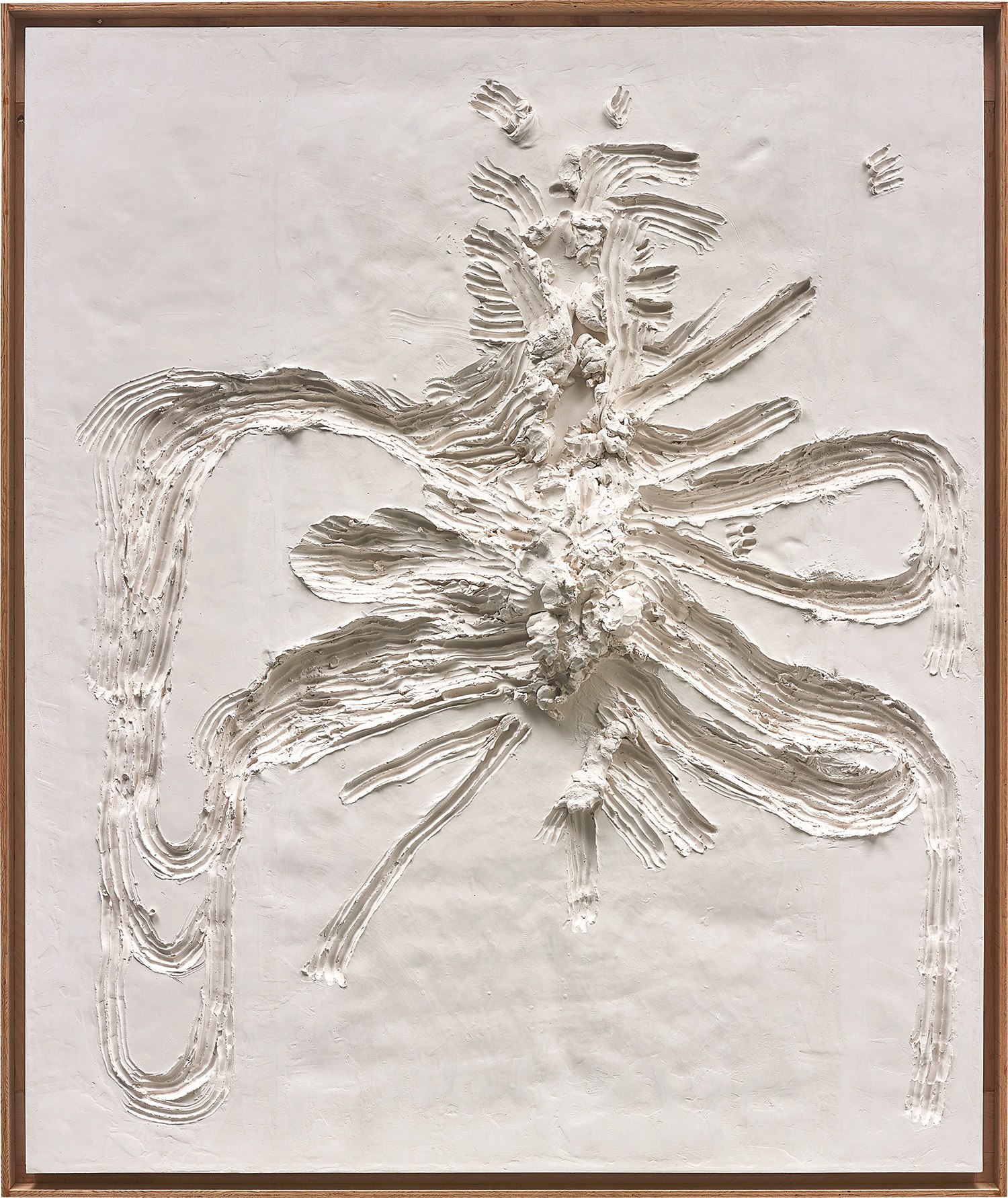
Bosco Sodi
Two works: Organic Work
The emotional register of these works is consistent, but the materials, markets, and trajectories vary enormously depending on where you look. When thinking about what separates a good work in this category from a truly great one, the answer almost always comes down to conviction. Organic form can slide into mere decoration with surprising ease. A sculpture that only looks like something found in nature without carrying any conceptual or psychological weight is ultimately a sophisticated ornament.
The works that endure in collections and at auction are those where the form feels inevitable, where you sense that the artist could not have arrived at any other shape. Henry Moore understood this completely. His reclining figures and two piece sculptures from the 1960s and onward have a sense of internal necessity that distinguishes them from superficially similar work. The voids in his sculptures are not absences but presences, and that distinction is everything.
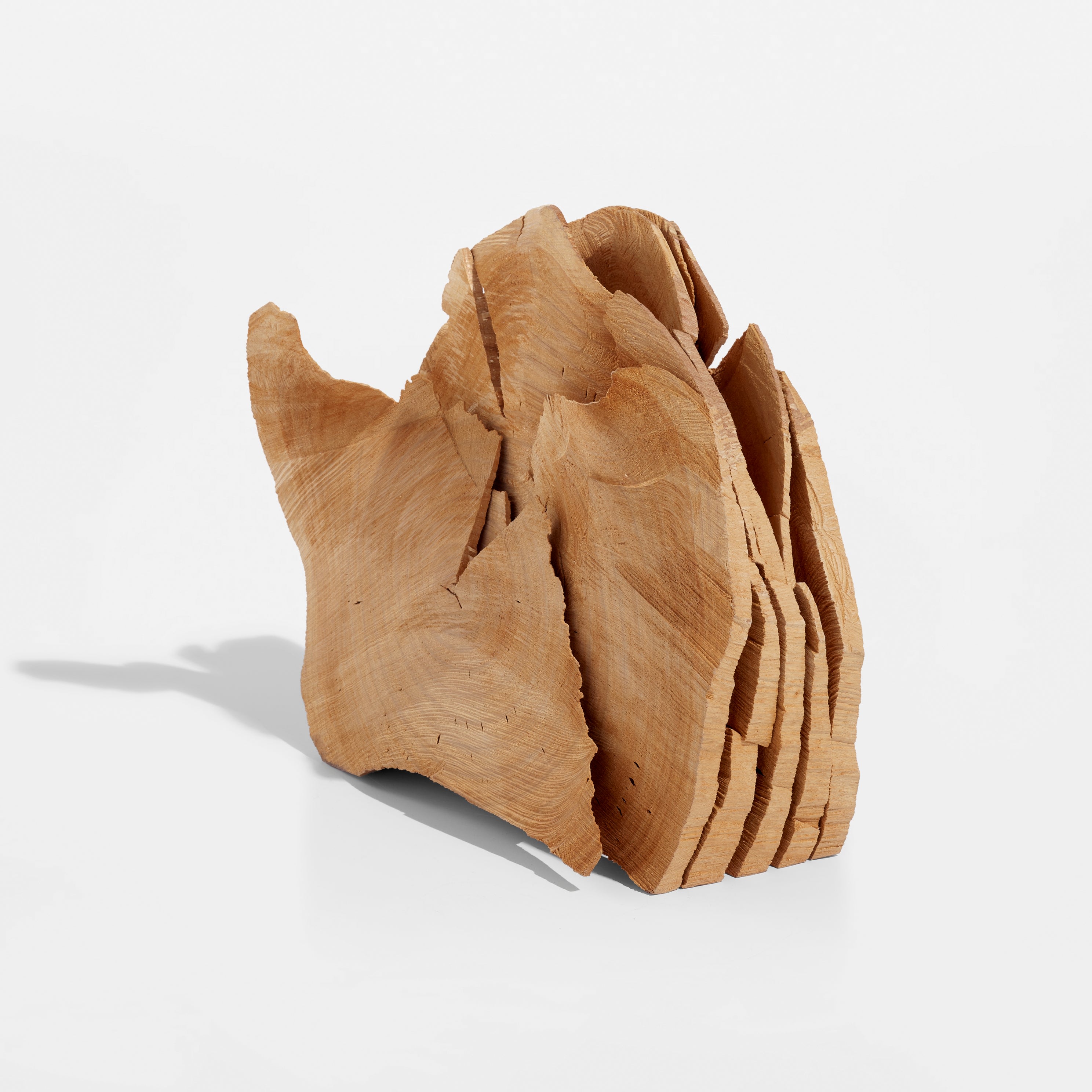
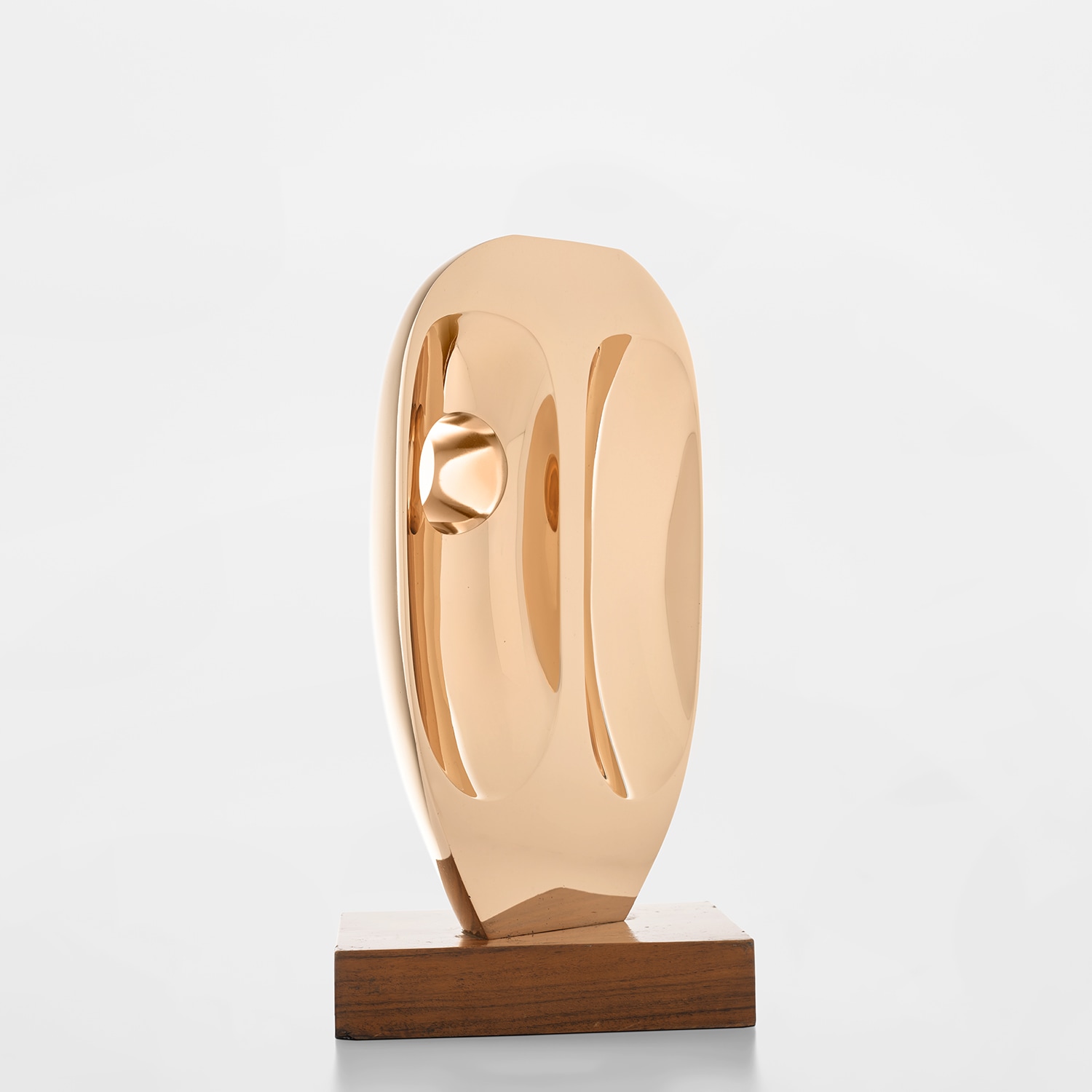
Barbara Hepworth
Interlocking Forms, 1957
Jean Arp, whose work is well represented on The Collection, is another artist where the quality differential is stark and instructive. Arp made hundreds of reliefs and sculptures, but the finest examples have a particular tautness, a quality of compressed energy beneath a surface of complete serenity. When assessing his work, pay close attention to the condition of bronze patinas, which on genuinely early casts carry an unmistakable warmth, and to provenance. Edition position matters with Arp, as it does with Moore and Barbara Hepworth, whose carved works command a consistent premium over her bronzes in current market conditions.
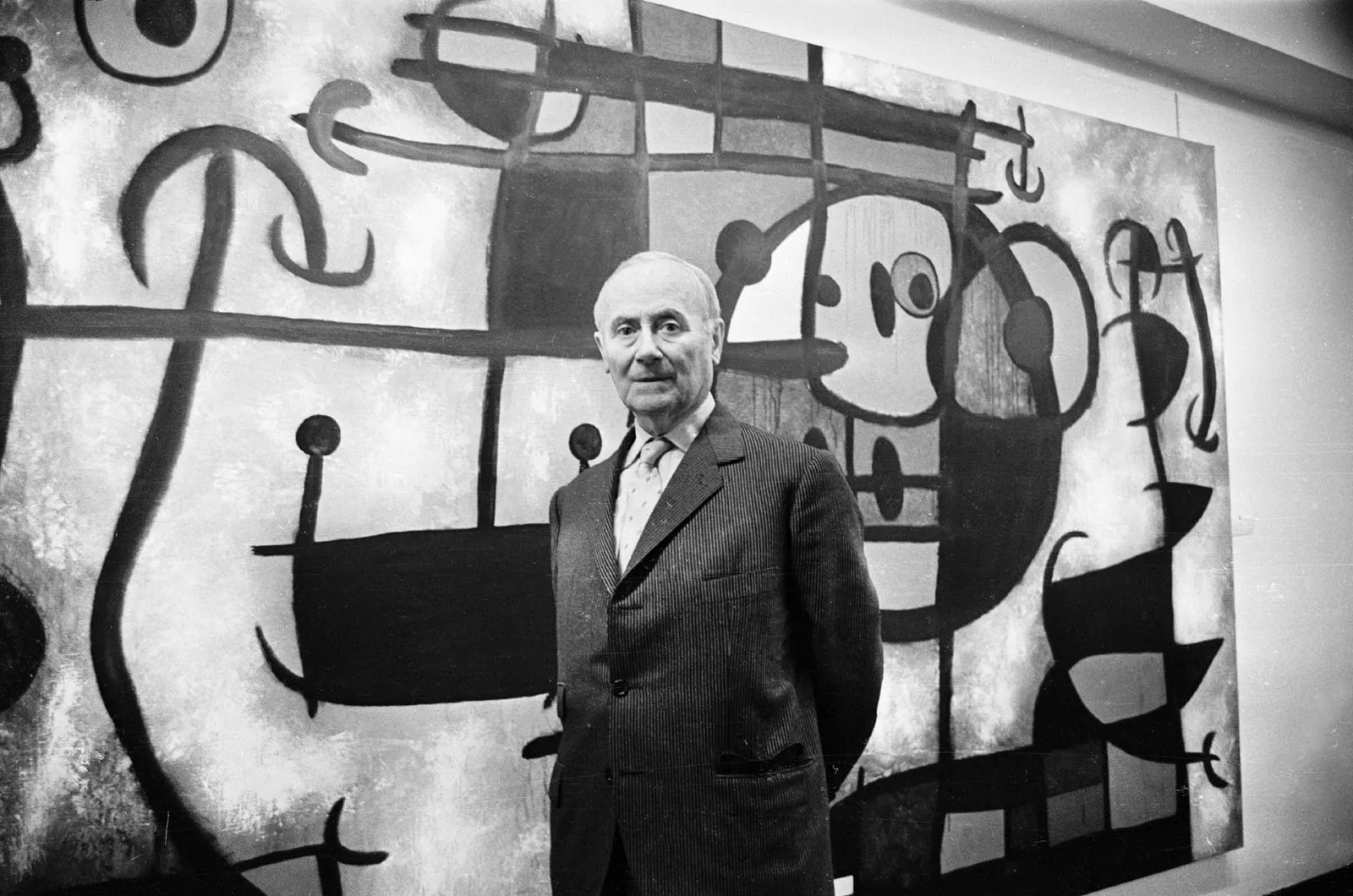
Hepworth's direct carvings in marble and wood, produced throughout the 1950s and 60s, represent some of the most emotionally concentrated objects in postwar British art. For collectors seeking strong value within the organic form category, the case for Joan Miró is compelling and perhaps underappreciated in this specific context. Miró is often framed as a Surrealist painter, but his sculpture and ceramics, and his works on paper where biomorphic signs float in fields of luminous color, represent one of the most sustained and inventive engagements with organic vocabulary in modern art. His prices, while significant for major paintings, remain more accessible in works on paper, and the range of work on The Collection offers genuine entry points for collectors at multiple levels.
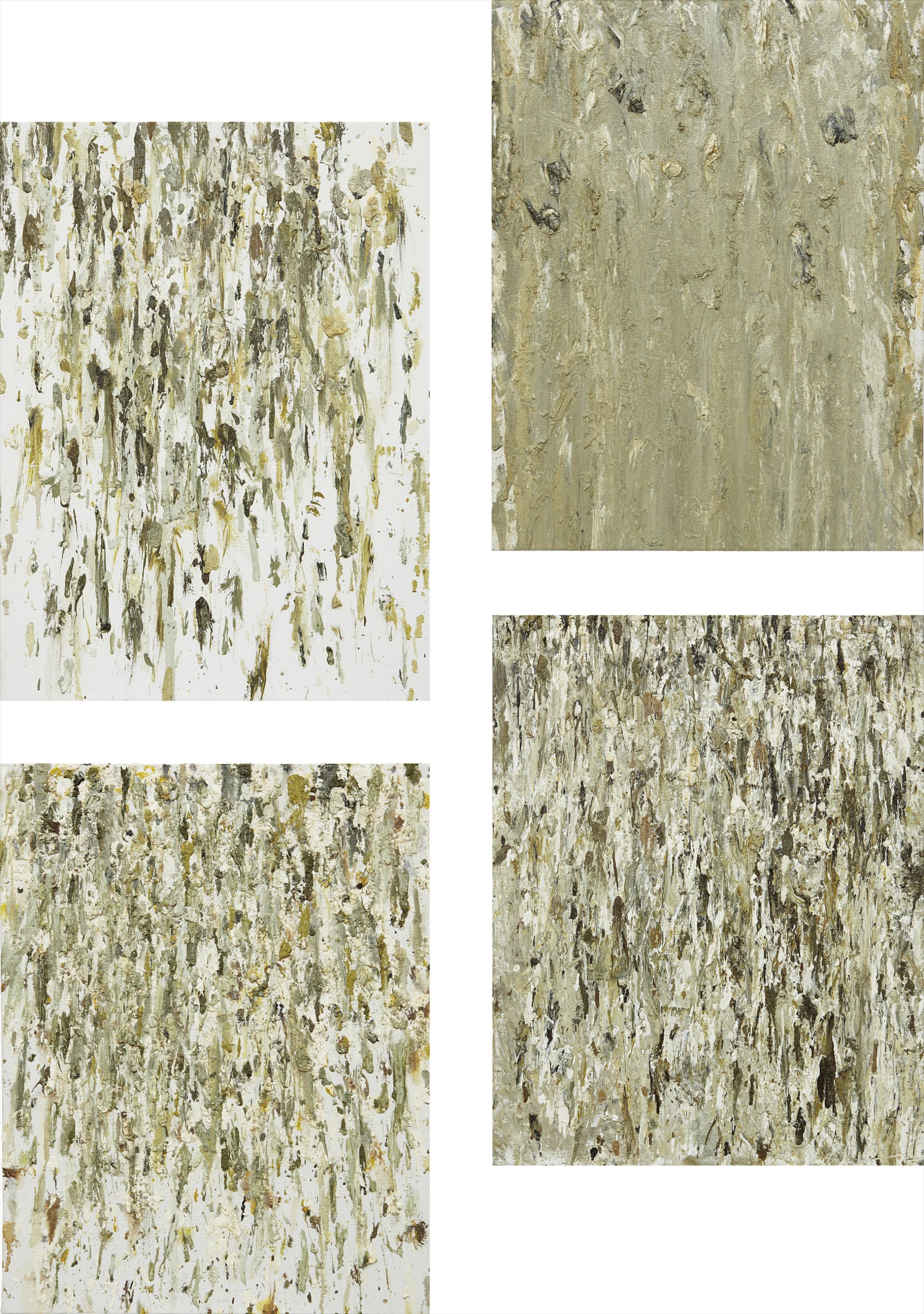
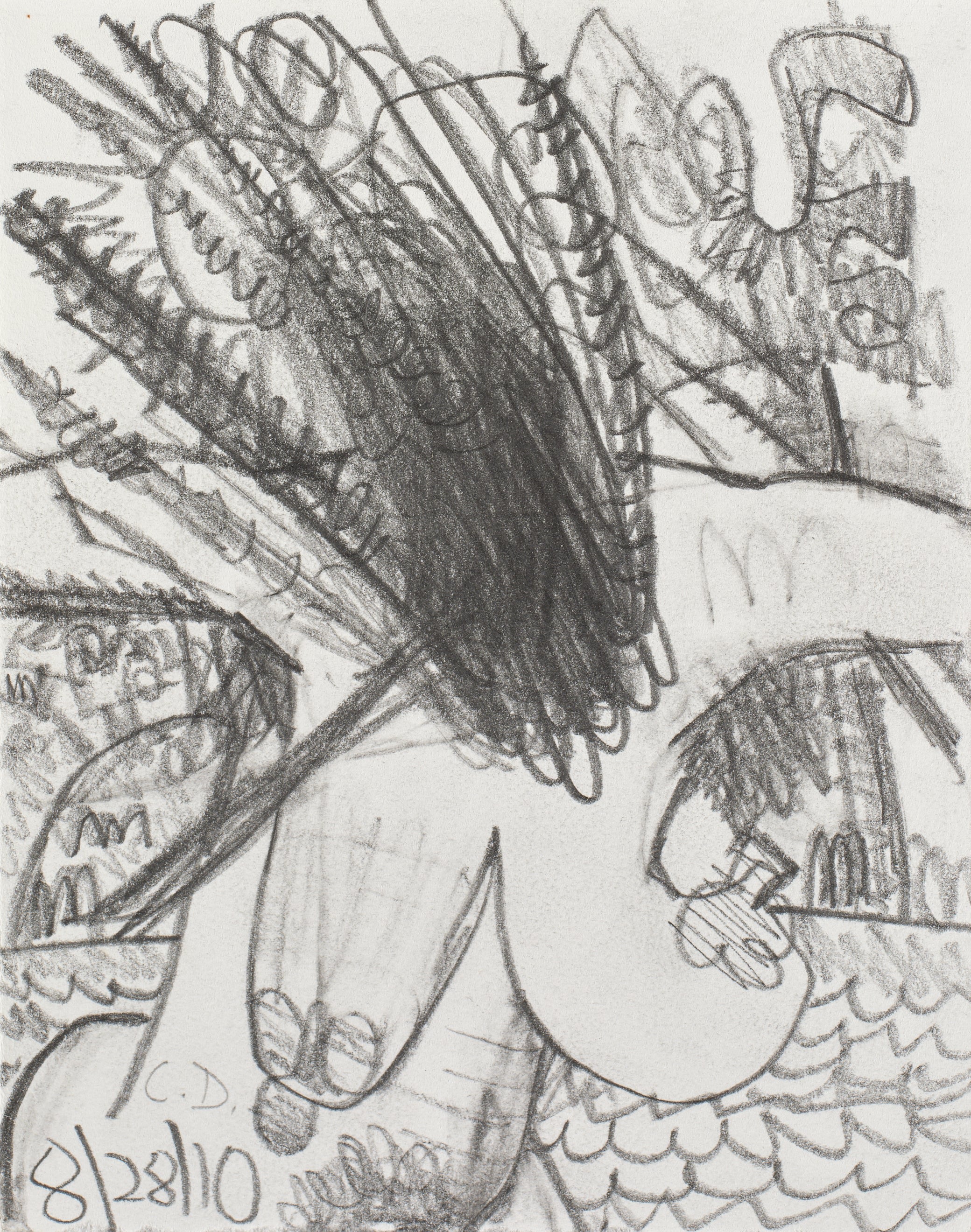
Dan Colen
‘I kind of threw paint at in different ways so they end up looking like they are made of bird shit. They vary in size, touch and colour. Some of them look like Pollocks, some look very realistic, others are painterly, some are dumb, some are elegant, some are beautiful.’ (Dan Colen, ‘My Paintings Look Like Shit’,
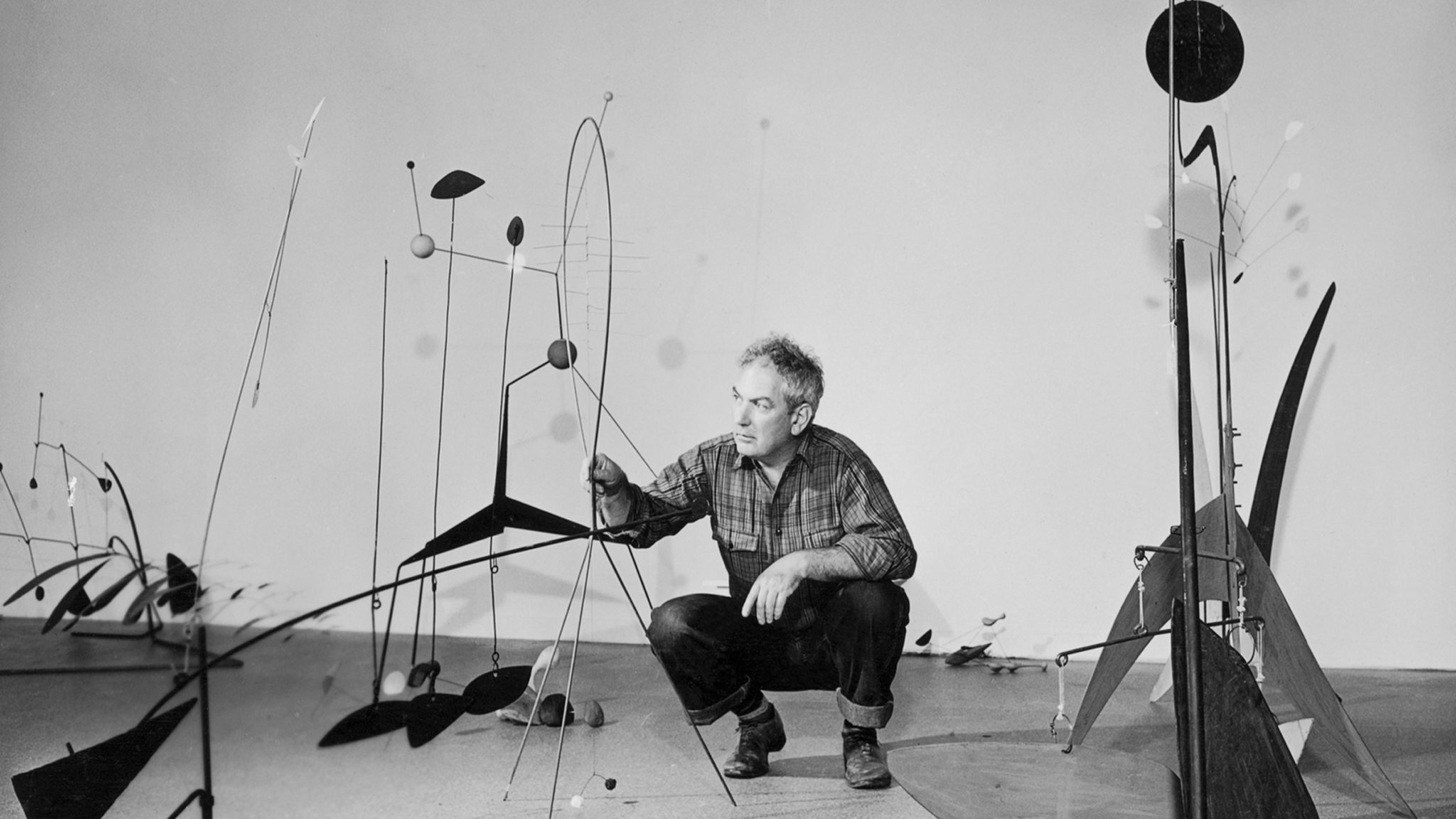
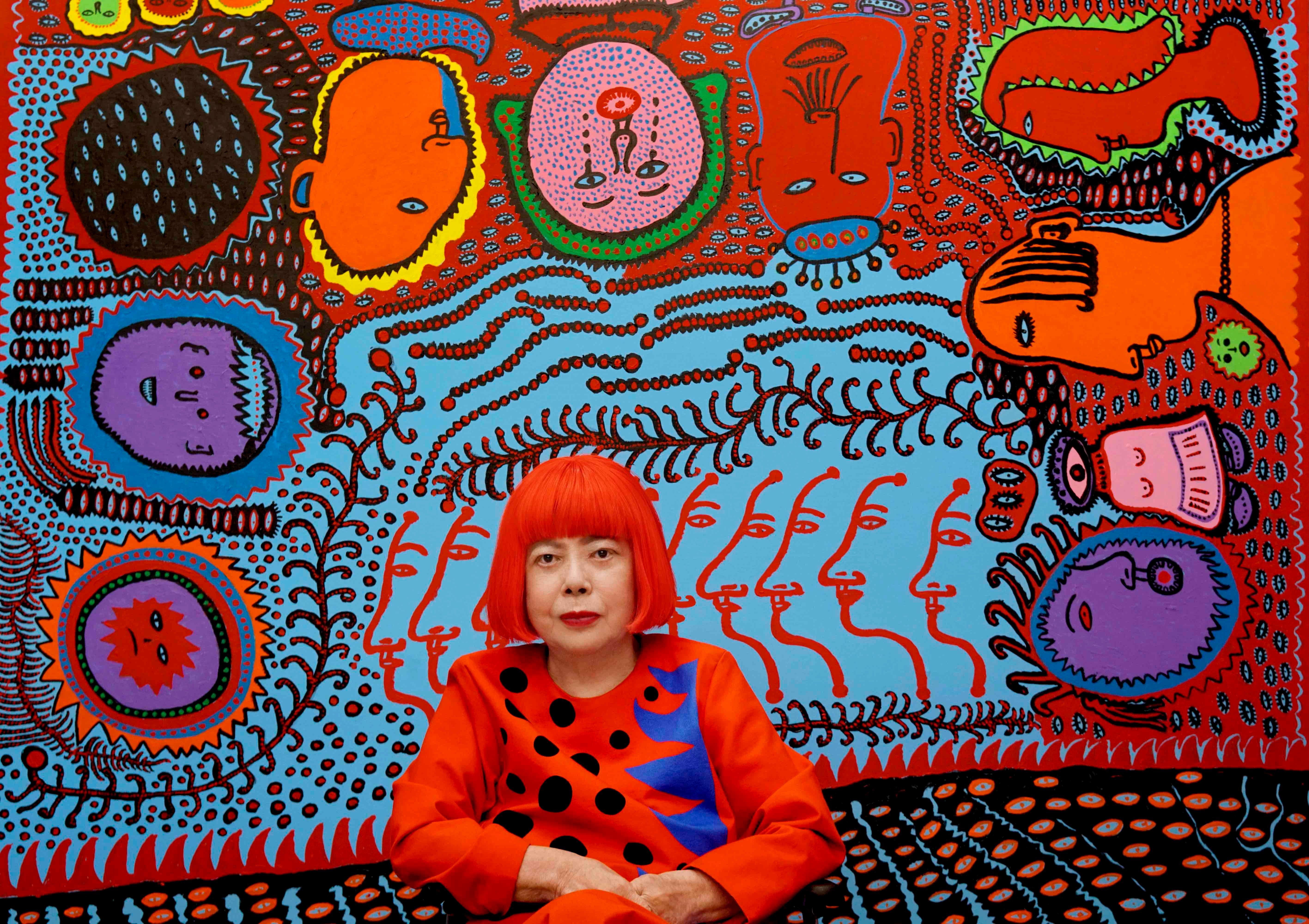
Alexander Calder is similarly essential. His mobiles are the definitive expression of organic form in motion, and the secondary market for his gouaches and smaller sculptures has shown remarkable consistency over the past decade, making them among the more reliable acquisitions in this space. Yayoi Kusama occupies a fascinating position. Her infinity nets and pumpkin works clearly belong to a different visual logic than Moore or Arp, but the obsessive proliferation of organic units, the dot, the gourd, the cellular cluster, places her squarely within this conversation.
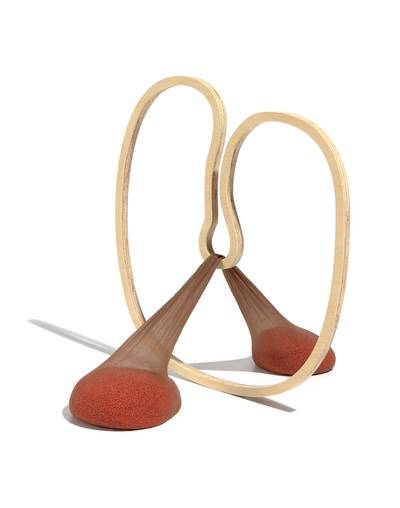
Her market has been extraordinary, though it rewards careful navigation. Prints and multiples have become very crowded, and condition and edition verification are essential before any acquisition. The more compelling long term value may lie with artists like Ernesto Neto, whose soft hanging sculptures made from fabric and organic materials like turmeric and cloves create genuinely immersive experiences that photograph poorly and reward physical encounter enormously. Neto represents the kind of artist whose institutional footprint is already substantial but whose market has not yet fully reflected that standing.

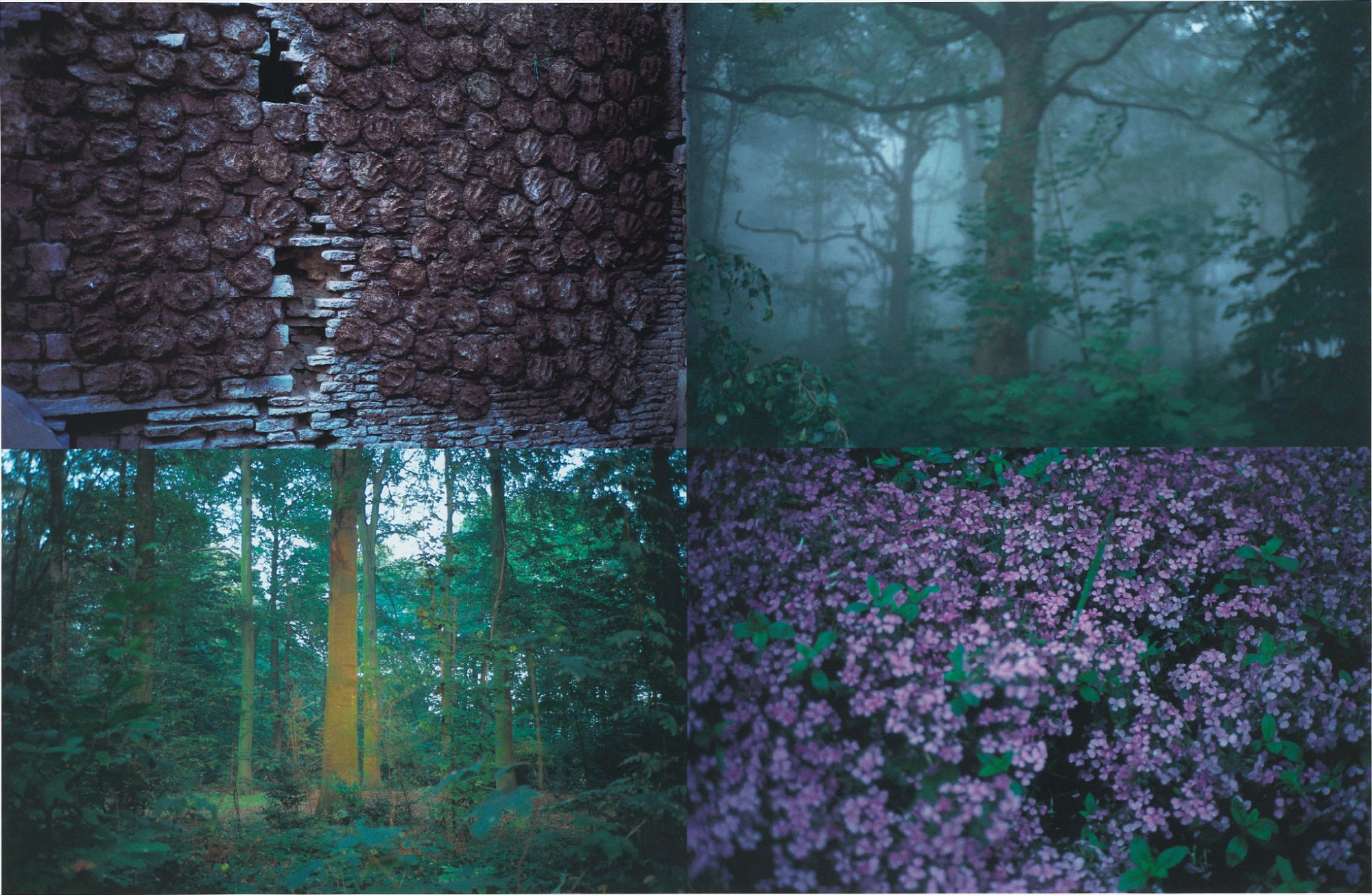
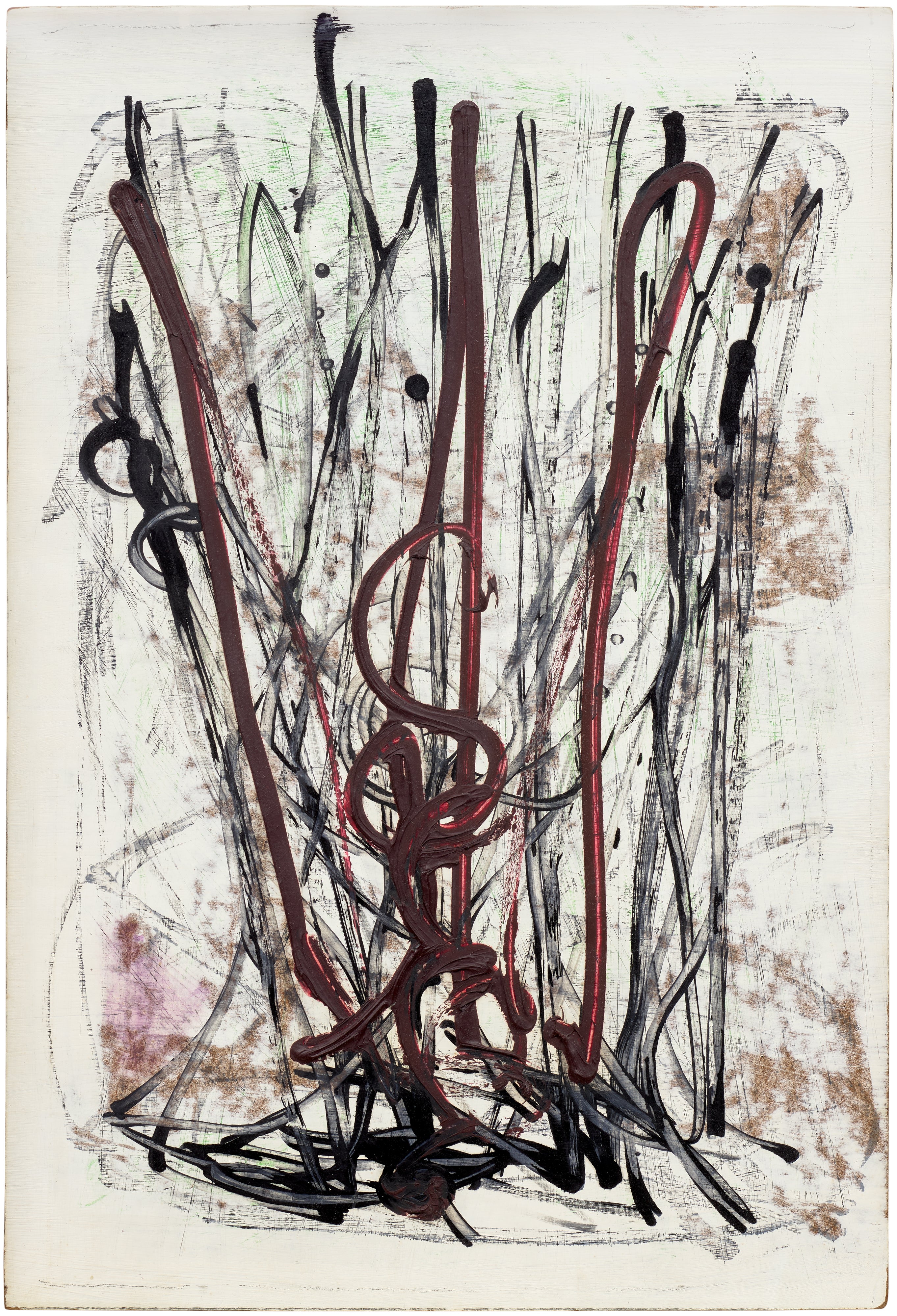
Arshile Gorky
Young Cherry Trees Secured Against Hares, 1945
At auction, works in this category tend to perform best when they combine strong material presence with clear art historical positioning. A Calder mobile with a good exhibition history and clean ownership record will consistently outperform estimates. Moore bronzes from major editions, when fresh to market and in excellent condition, remain among the most reliable blue chip categories in postwar sculpture. What has become less predictable is the secondary market for artists whose primary market was aggressively managed during periods of speculative enthusiasm.
Collectors should look carefully at price histories across multiple auction houses rather than relying on single sale results, which can be misleading. Practically speaking, organic form works present some specific challenges worth knowing before you commit. Outdoor bronzes require maintenance, and any work that has been displayed in coastal or humid environments should be examined carefully by a conservator before purchase. For works in unusual materials like Neto's fabric sculptures or Claude Lalanne's electroplated bronze, ask the gallery directly about long term care protocols and whether the artist's studio offers any conservation guidance.
When it comes to editions versus unique works, the calculus is not straightforward. A unique work by a secondary figure may carry more risk than a well documented edition from a major artist, but it also carries the possibility of a different kind of significance. Ask your gallery for complete edition information in writing, including the total size of the edition, whether artist proofs exist and how many, and where other examples from the same edition are currently held. These are reasonable questions, and any reputable gallery will answer them without hesitation.