Monumental
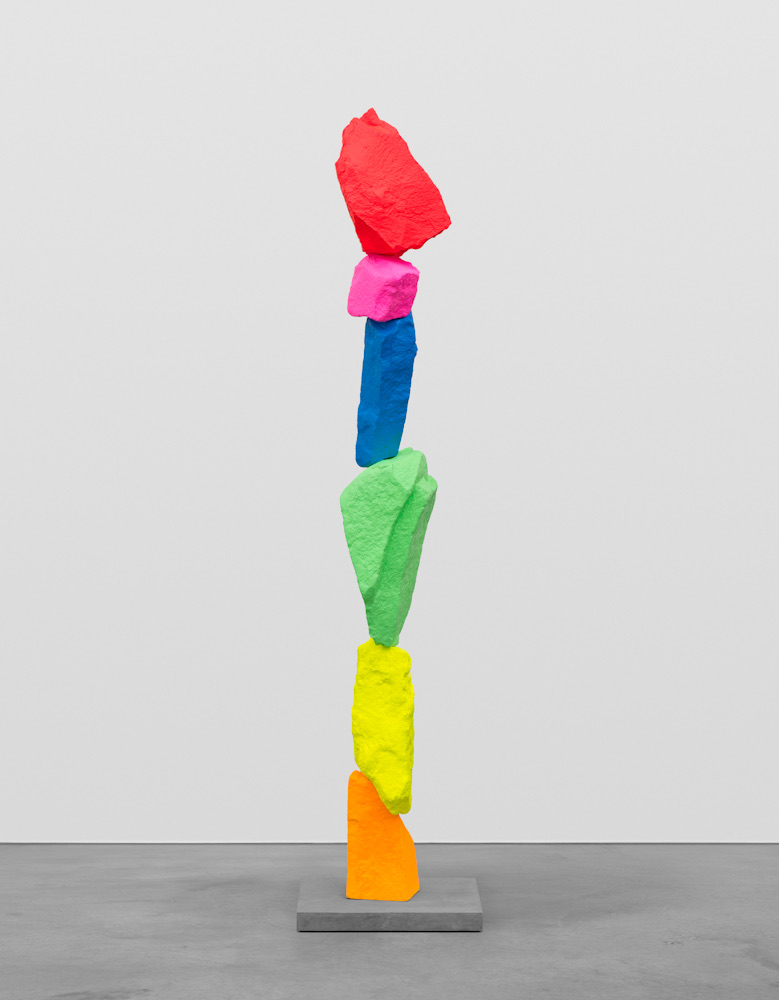
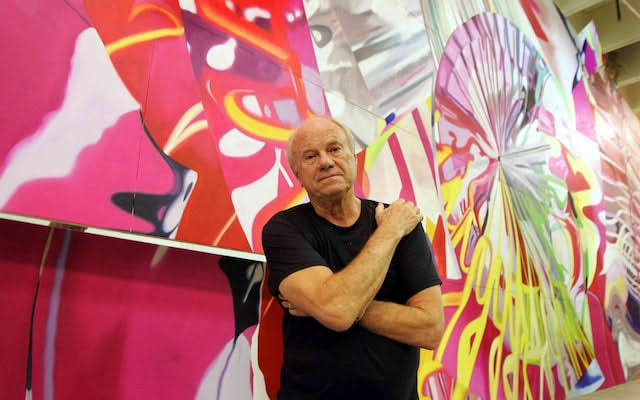
Ugo Rondinone
Large Orange Yellow Blue Red, 2021, 2021




Scale Changes Everything. So Does Owning It.
There is a particular moment that collectors describe when they first acquire a monumental work. It is not the transaction, not even the installation. It is the morning after, when you walk into the room or turn the corner in the garden and the piece is simply there, occupying space with a kind of authority that smaller works cannot manufacture. Scale does something to the nervous system.
It reorganizes how you move through a space, how you think about the walls, the light, the ground beneath your feet. This is why collectors who enter the world of monumental art rarely leave it. The experience of living with large scale work is fundamentally different from any other form of collecting, and that difference becomes addictive. What draws serious collectors to this category is precisely what makes it demanding.
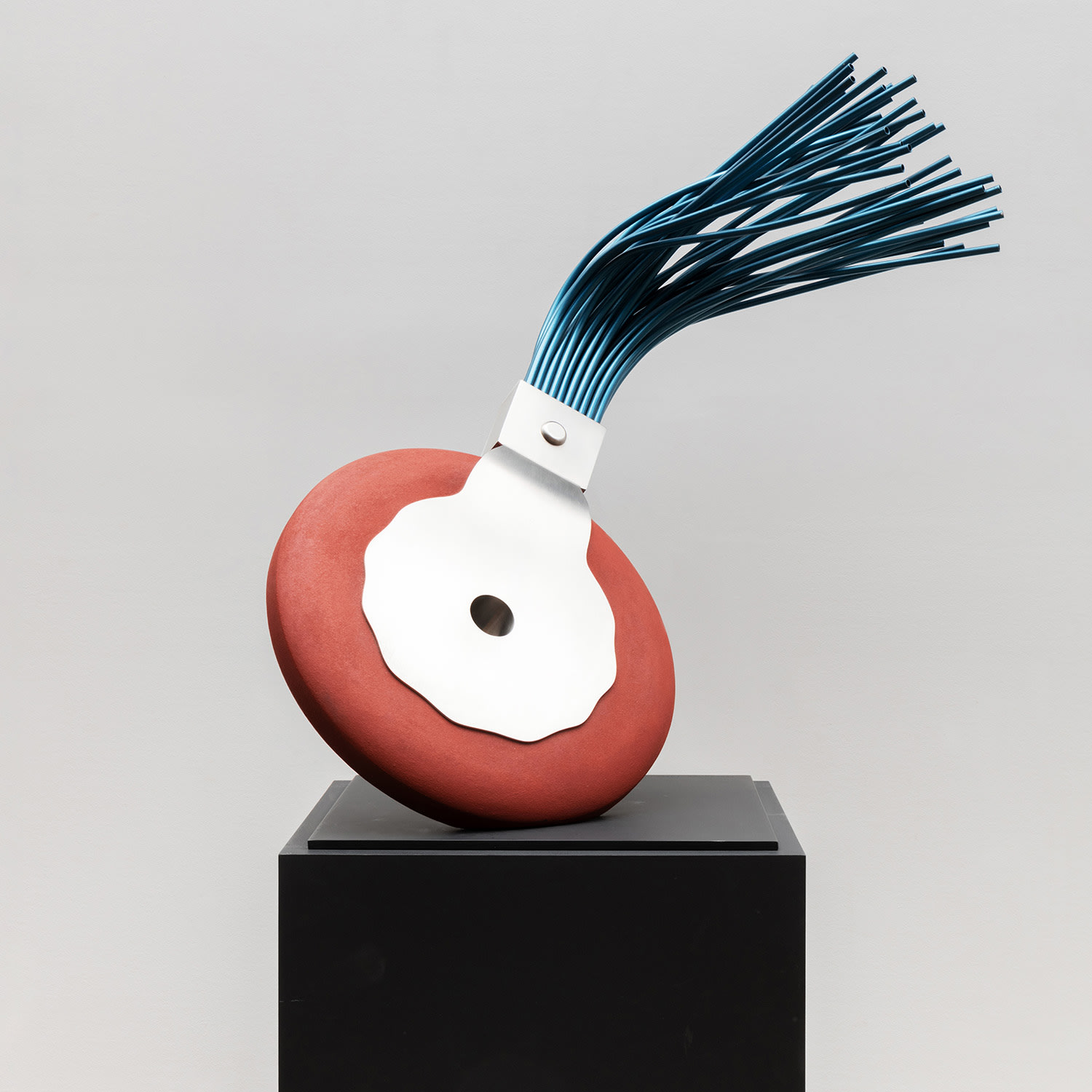
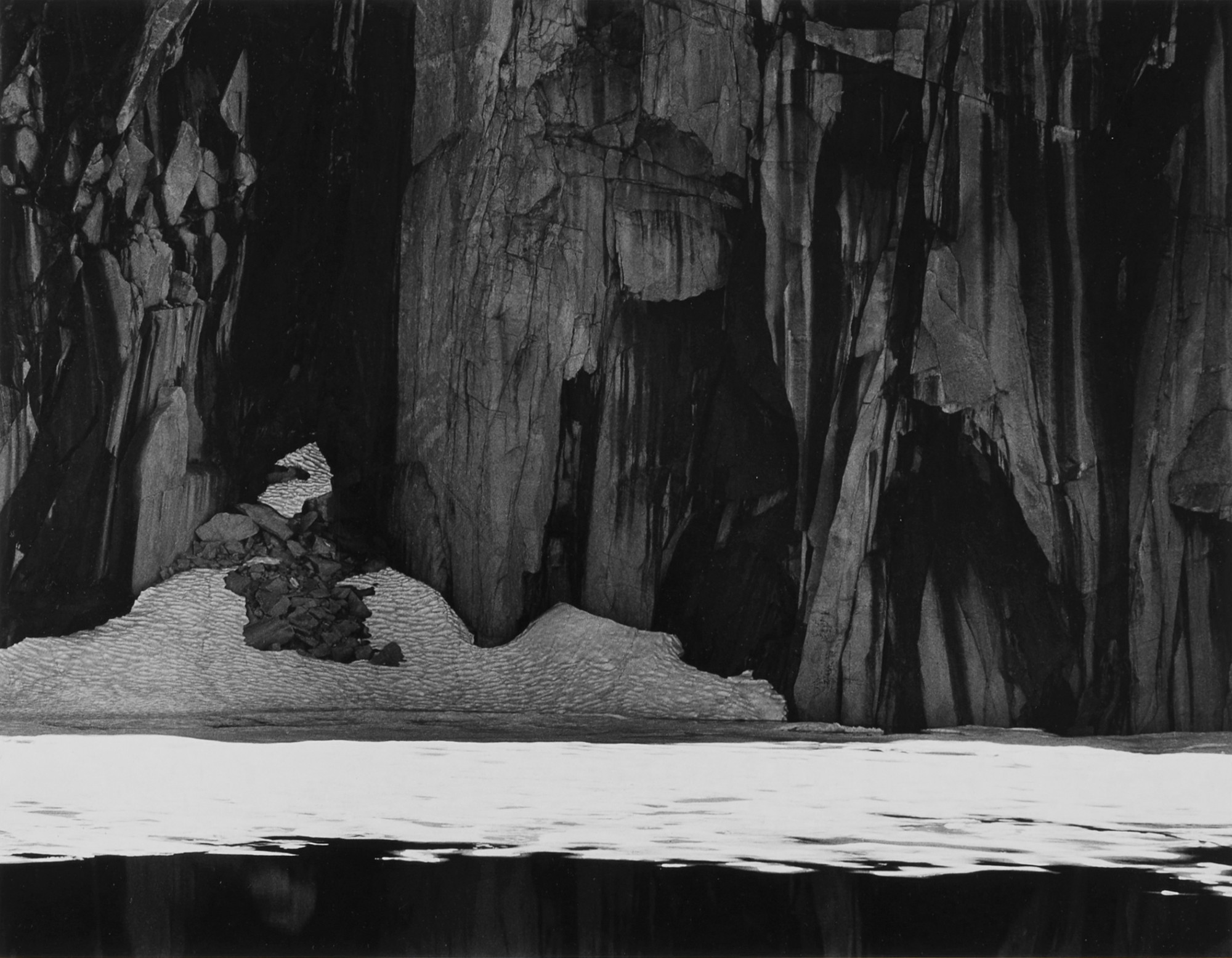
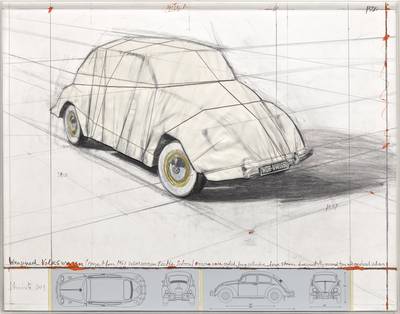
Claes Oldenburg
Typewriter Eraser, 1977
Monumental works require commitment in a way that a framed canvas on a hook does not. You are not simply buying an object; you are entering into a relationship with space itself. The best collectors understand this instinctively. They do not ask whether a work will fit the room.
They ask whether they are prepared to let the work define the room, or the courtyard, or the landscape. This is the foundational question, and how a collector answers it tends to reveal a great deal about their seriousness and their taste. Separating good from great in this category comes down to a few specific qualities that reward careful looking. Presence is the obvious criterion, but presence is not the same as size.
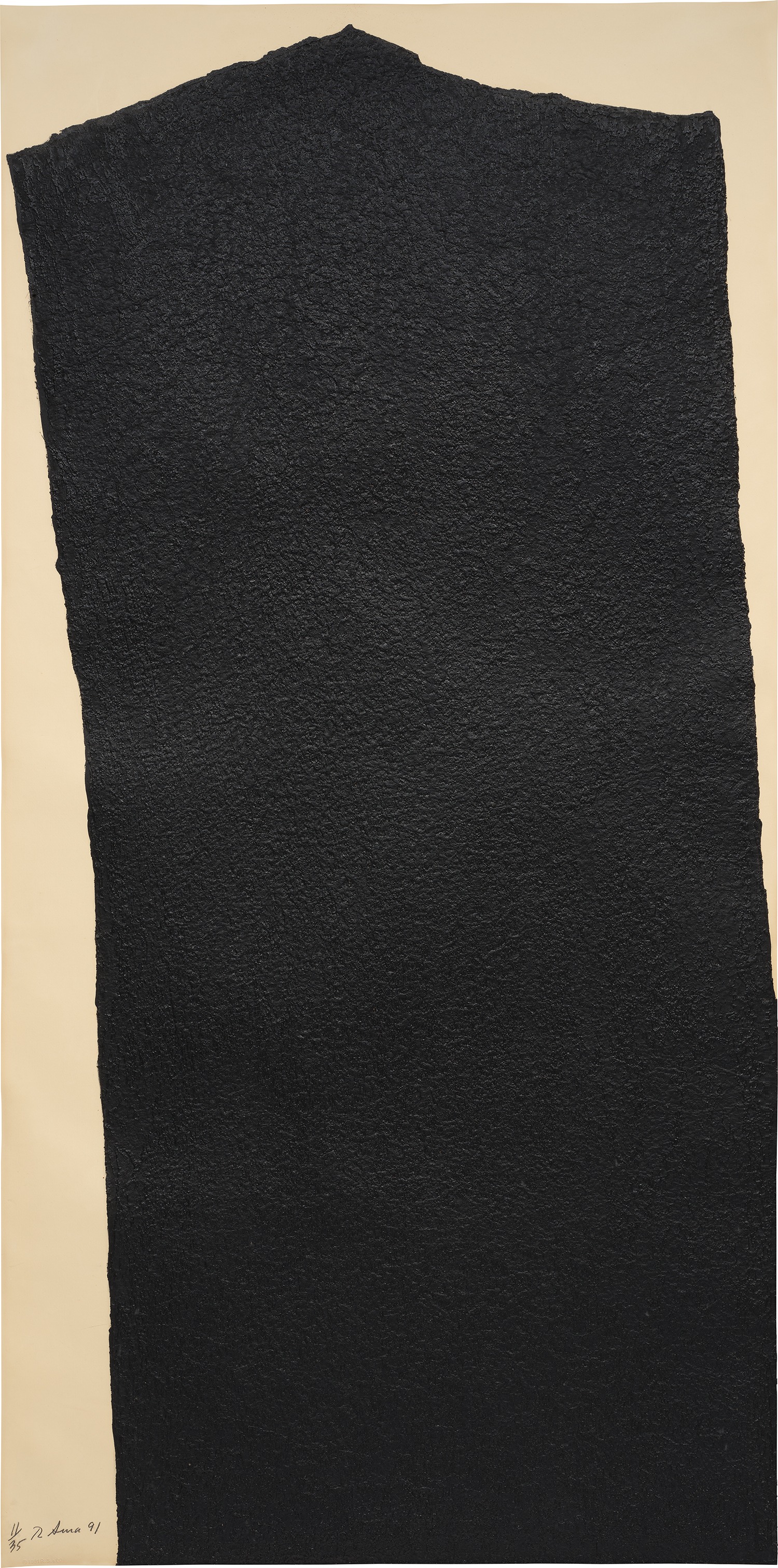
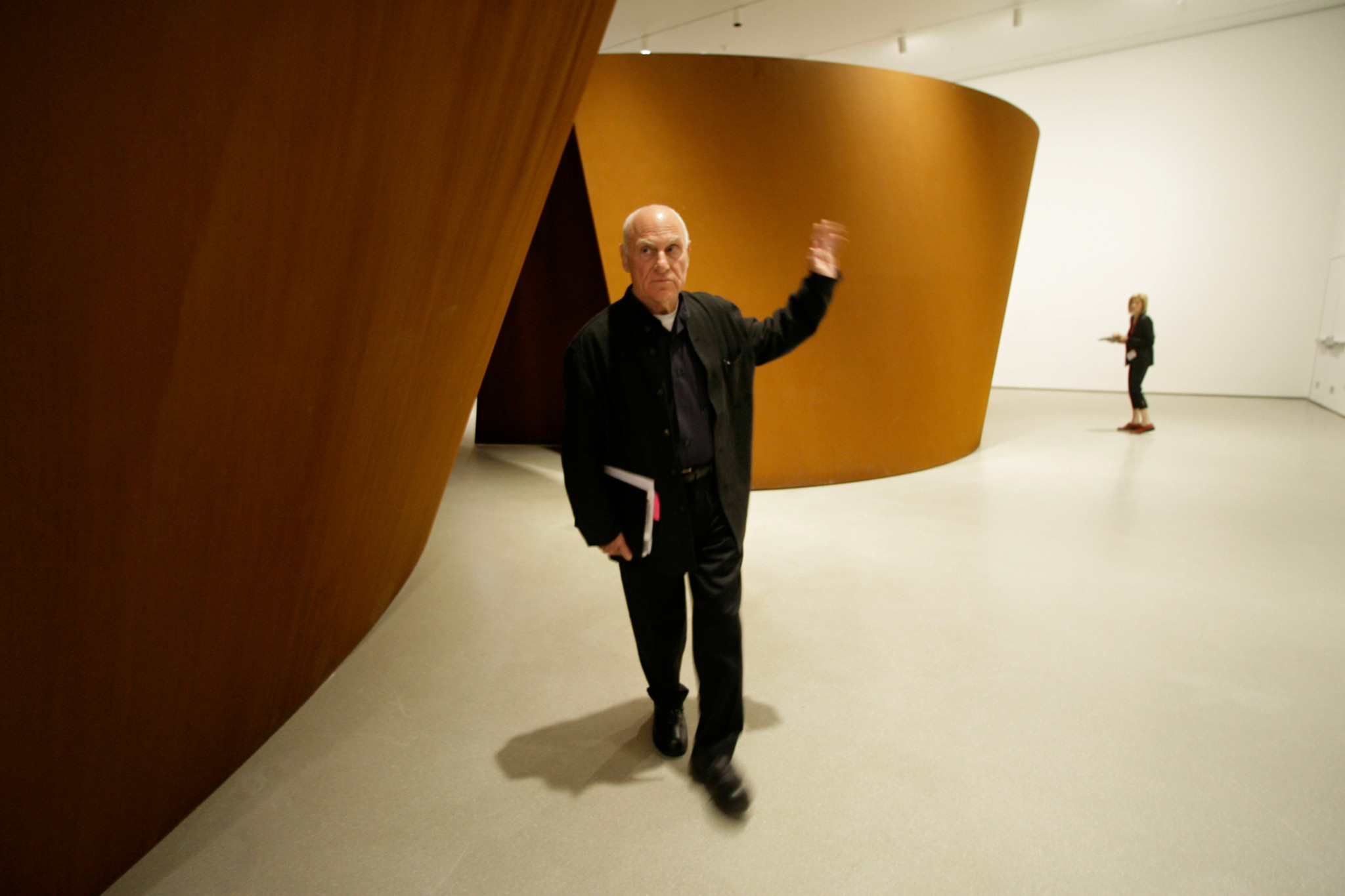
Richard Serra
Vesturey III (G. 1553)
A genuinely great monumental work generates what you might call a gravitational field. It pulls your attention even when you are not looking directly at it. Richard Serra understood this better than almost anyone working in the twentieth century. His weathered steel planes do not merely occupy space; they define new spatial experiences, forcing the viewer to move through and around them in ways that are almost choreographic.
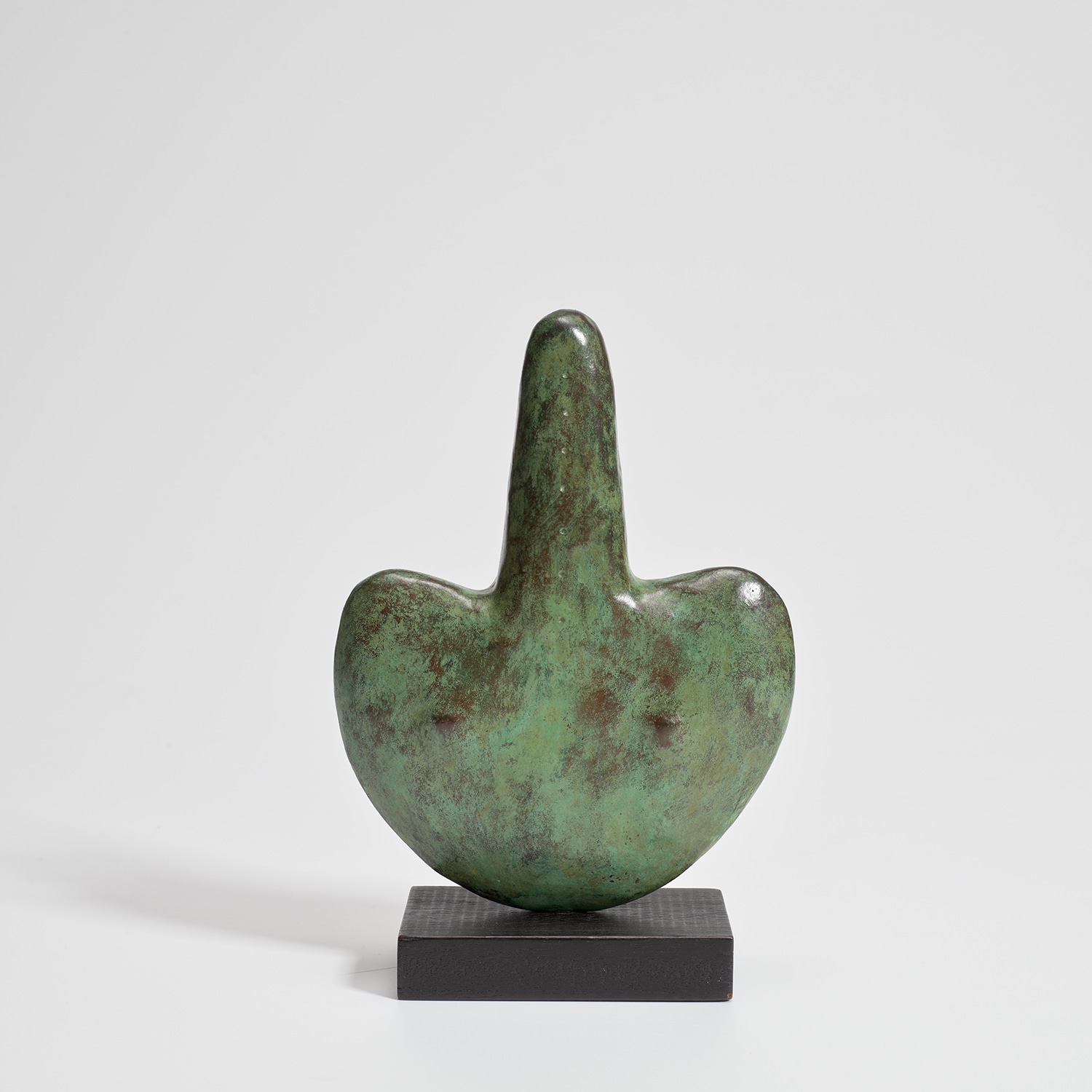
When considering a monumental acquisition, ask yourself whether the work commands attention at every scale of approach, from across the garden to arm's reach. Works that only read from a distance are rarely worth the investment. Material integrity and structural coherence are equally important. Henry Moore, whose output across decades of bronze casting represents one of the most consistently collected bodies of monumental sculpture in the world, understood that a work at large scale must have an internal logic that justifies its size.
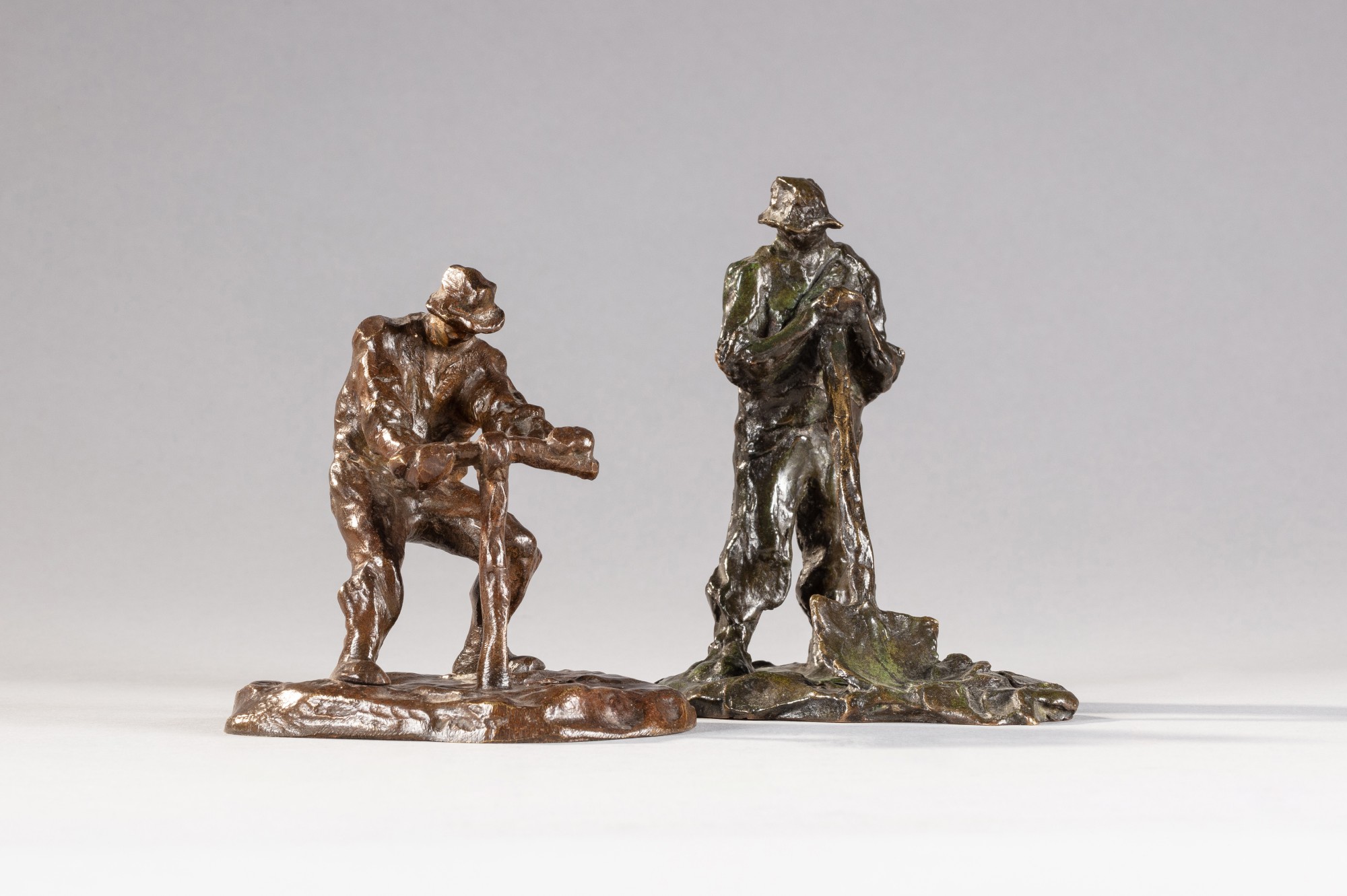
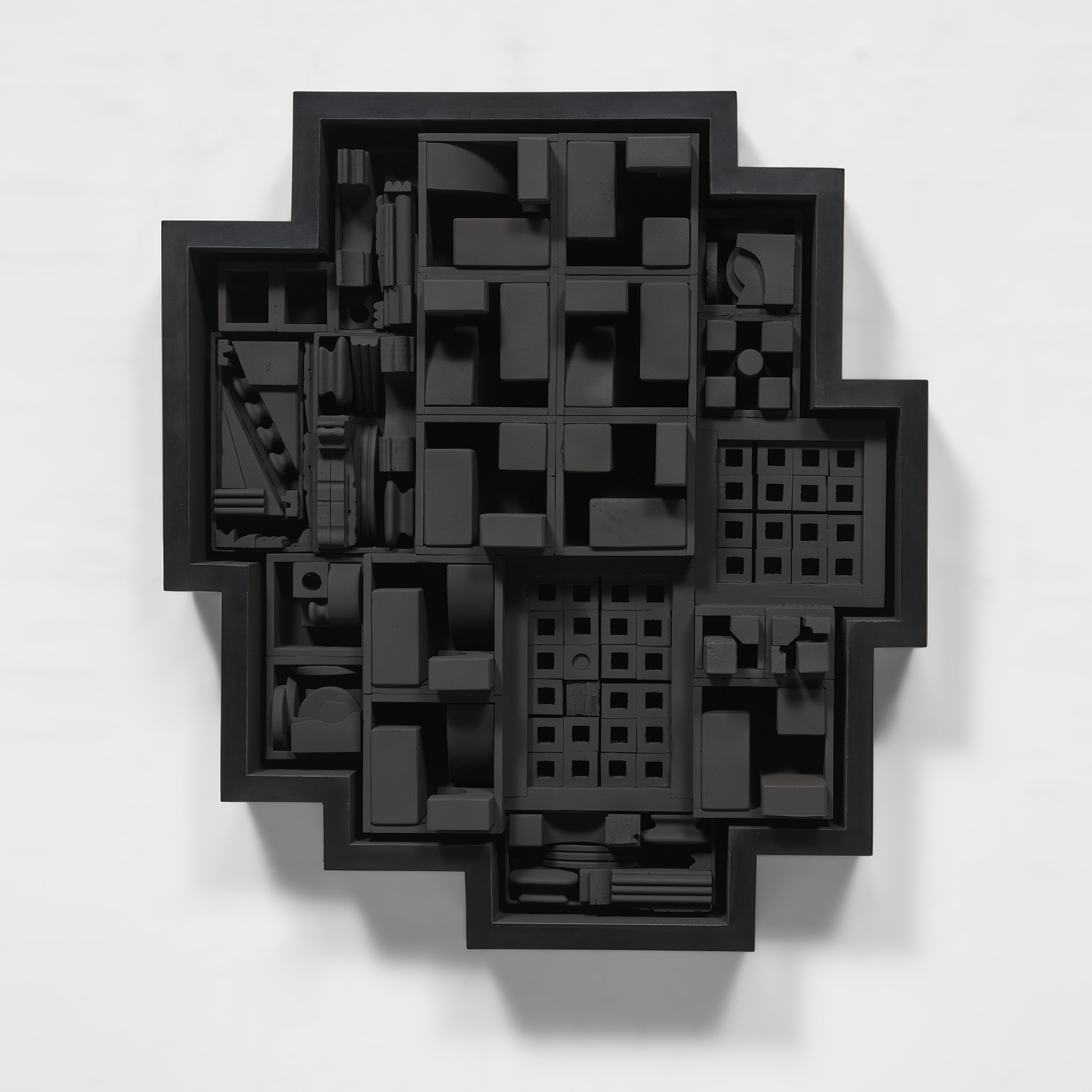
Victor Joseph Ghislain Demanet
Fontainier et Terrassier
His reclining figures and abstract organic forms do not simply enlarge a maquette; they discover something new at scale that could not exist in the smaller version. This is the test worth applying. Similarly, Alexander Calder's mobiles and stabiles, even when encountered in institutional settings, demonstrate how a rigorous formal intelligence translates directly into physical presence. For a collector with outdoor space, a Calder stabile is among the most livable and intellectually satisfying acquisitions one can make.
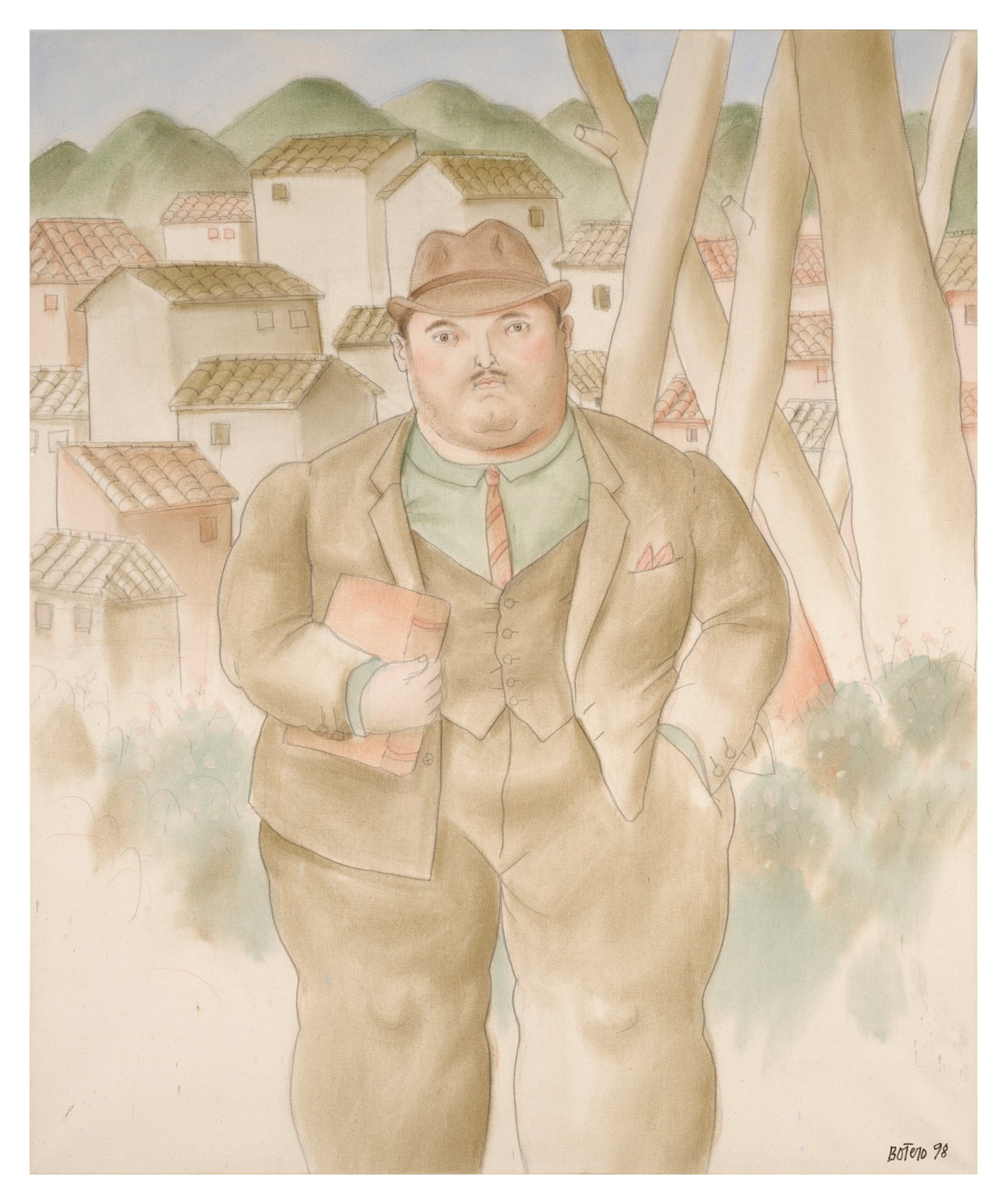
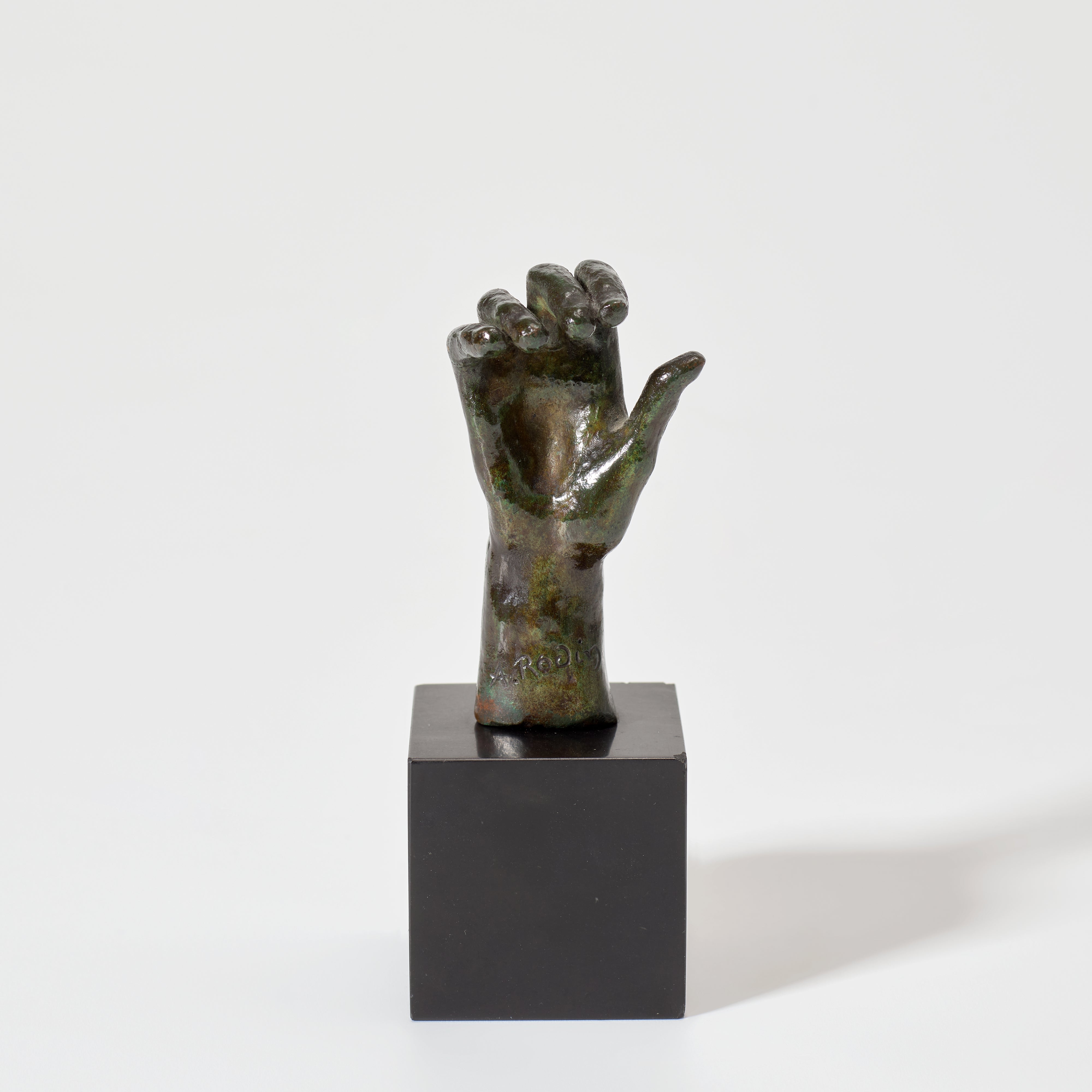
In terms of market performance, the monumental category has demonstrated extraordinary resilience over the past two decades, particularly for artists with strong institutional backing. Works by Auguste Rodin continue to set records at auction, driven by the combination of historical prestige, worldwide museum presence, and a relatively limited supply of high quality bronzes outside estate and institutional hands. Fernando Botero's inflated figures have built a devoted secondary market across continents, particularly in Latin America and increasingly in Asia, where the work's formal clarity translates across cultural contexts. Jeff Koons remains a lightning rod for debate, but his major editions consistently perform at the top of the contemporary market.
Ugo Rondinone
Large Orange Yellow Blue Red, 2021, 2021
Collectors should note that provenance and exhibition history carry outsized weight in this category; a work that has been shown at a significant institution commands a premium that can be substantial. For collectors willing to look beyond the canonical names, there are genuinely compelling opportunities in this space. Ugo Rondinone's work has moved steadily from gallery darling to museum fixture, and his large scale stone stacking sculptures and neon figures occupy a rare position where critical respect and market appetite converge. Manolo Valdés, the Spanish artist who came to prominence after his years with Equipo Crónica, creates monumental heads and figures that engage seriously with art history while maintaining a distinctly personal visual language.
His work is well represented on The Collection and remains undervalued relative to comparable figures in the contemporary sculpture market. Mark di Suvero is another artist whose secondary market has historically lagged behind his critical reputation; collectors with the space and patience to acquire and hold his welded steel structures are likely to be rewarded. Editions versus unique works is a conversation worth having carefully before any significant acquisition in this category. Many of the most recognized monumental sculptors worked extensively in editions, and the bronze foundry tradition means that authorized casts from an artist's lifetime can carry essentially the same artistic and financial weight as unique works.
The critical factors are the size of the edition, the cast number, and the quality of the surface finish and patina. For works by Rodin, Maillol, or Aristide Maillol, always request documentation of the cast number and confirmation of authorization through a recognized catalogue raisonné. For more recent artists working in fabricated materials, condition reports should include information about the manufacturer, any known structural issues, and the availability of conservation expertise. Installation is a subject that first time buyers of monumental work consistently underestimate.
Engineering assessments for outdoor placement, foundation requirements, insurance riders, and ongoing maintenance schedules are not optional considerations; they are part of the acquisition. A responsible gallery or auction house will provide detailed installation documentation, and if they do not, ask for it explicitly. The conversation with your gallery should also cover the artist's direct involvement in siting decisions, where applicable, and whether the work has been shown outdoors previously. Condition on a work that has lived outside for ten years is a very different subject than condition on a studio piece.
Ask to see photographs of the work in its previous installation context. The best acquisitions in this category are made by collectors who do their operational homework as carefully as their aesthetic homework. The reward, that particular morning when you turn a corner and the work is simply there, is entirely worth it.