Hilla Becher
0
Works
Hilla Becher, working collaboratively with Bernd Becher, pioneered typological photography documenting disappearing industrial structures with systematic precision. Their neutral, frontal compositions influenced generations of artists including Andreas Gursky, Thomas Ruff, and Thomas Struth. They received the Golden Lion at the Venice Biennale and their work is held in major international museums.
No public artworks yet
Artists in conversation
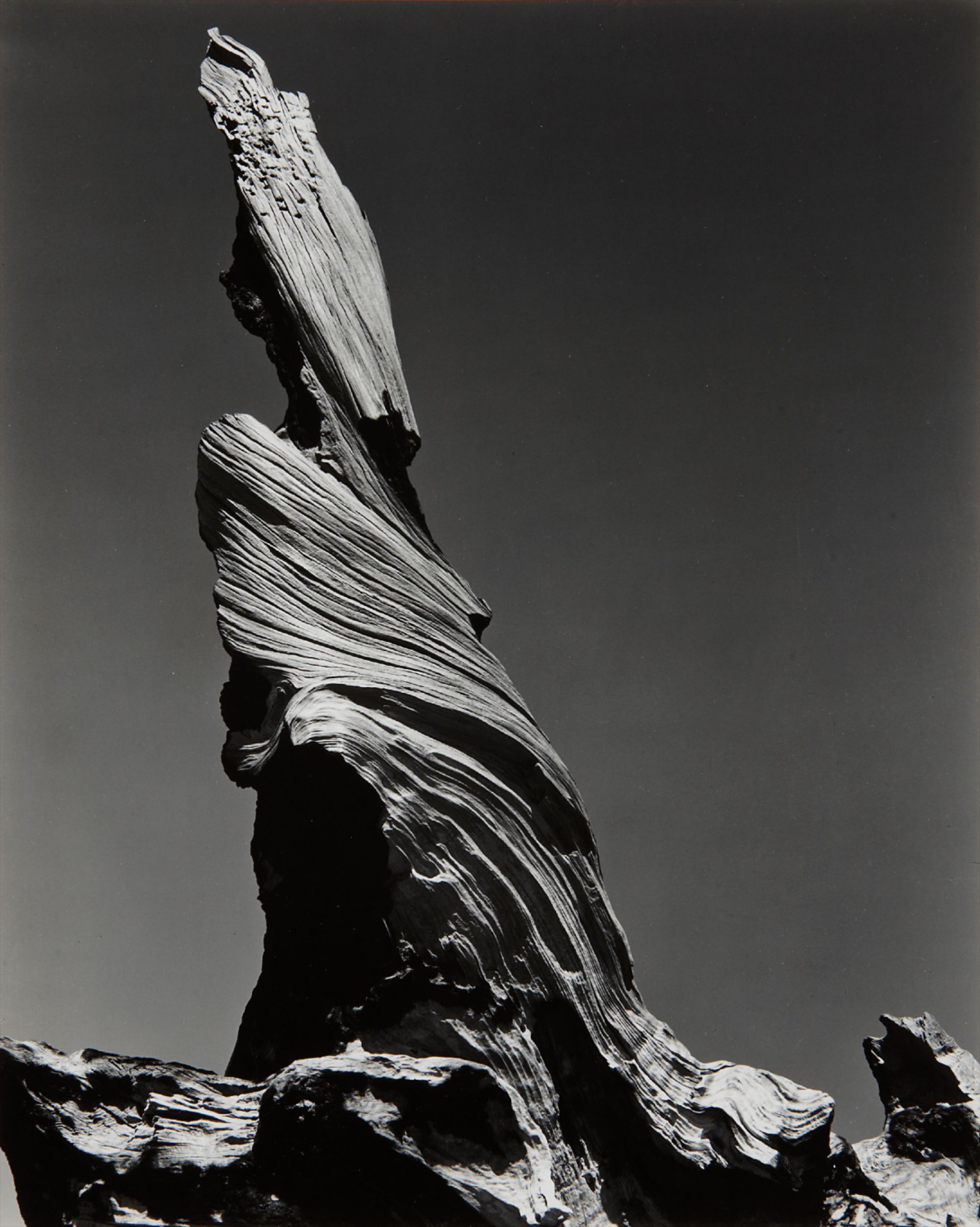
Edward Weston
Weston pursued a similarly precise and formalist approach to photography, emphasizing clarity, sharp focus, and the intrinsic form of his subjects. His disciplined compositional neutrality parallels the Bechers' systematic visual methodology.
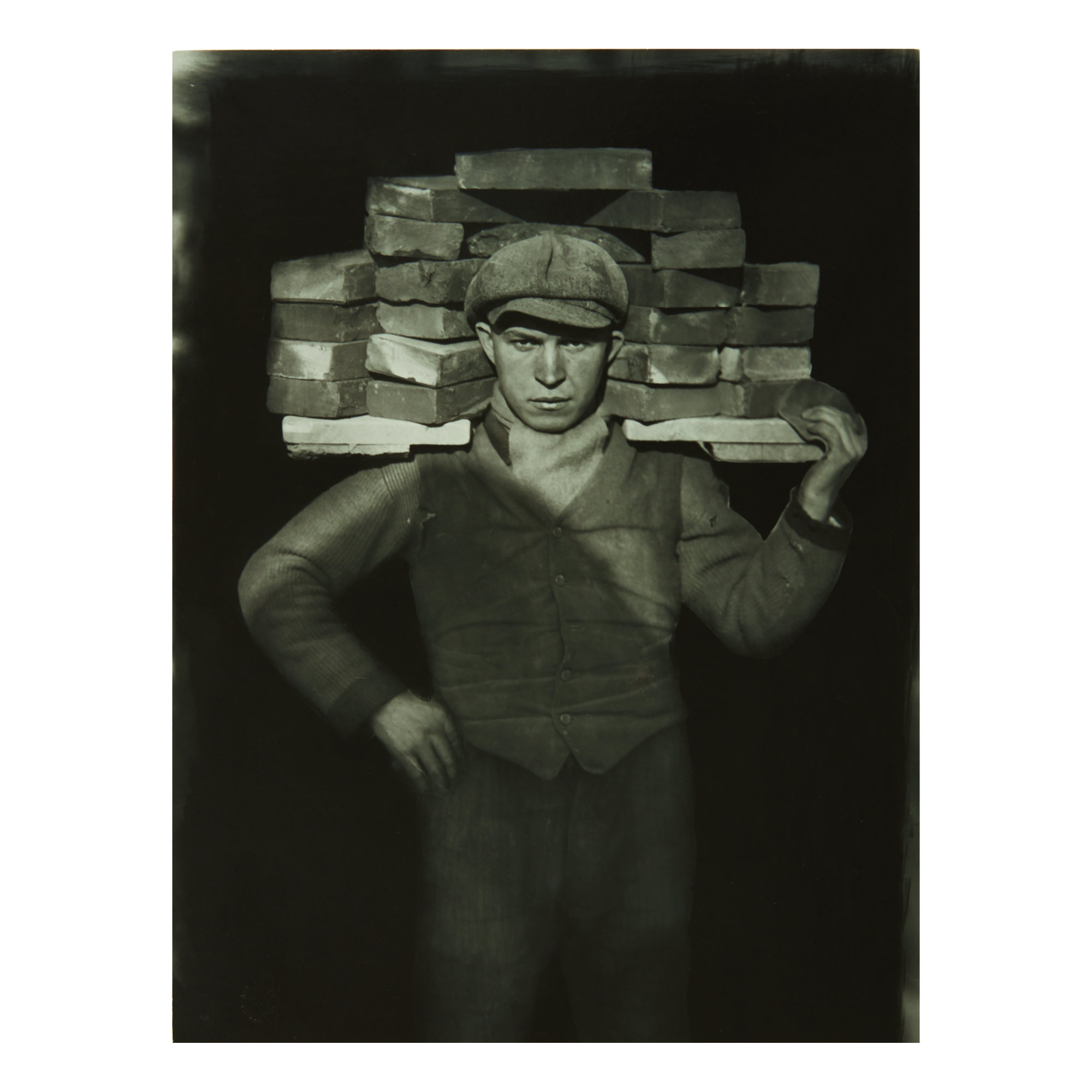
August Sander
Sander created a vast typological photographic survey of German society using consistent frontal compositions and neutral lighting across hundreds of portraits. This taxonomic impulse to catalogue human types mirrors the Bechers' systematic documentation of industrial typologies.
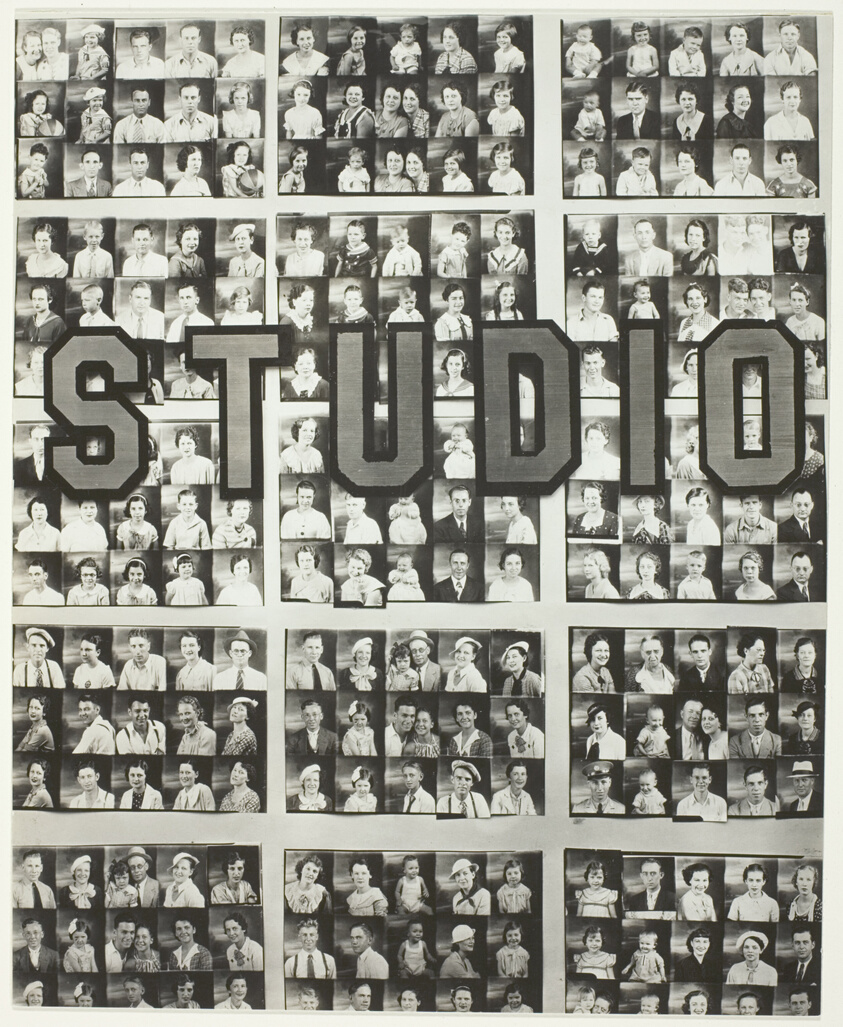
Walker Evans
Evans documented American vernacular architecture and industrial structures with a detached, frontal precision that strongly resembles the Bechers' clinical objectivity. His interest in the documentary potential of photography as a tool for cultural preservation aligns closely with their project.
Artists who inspired them
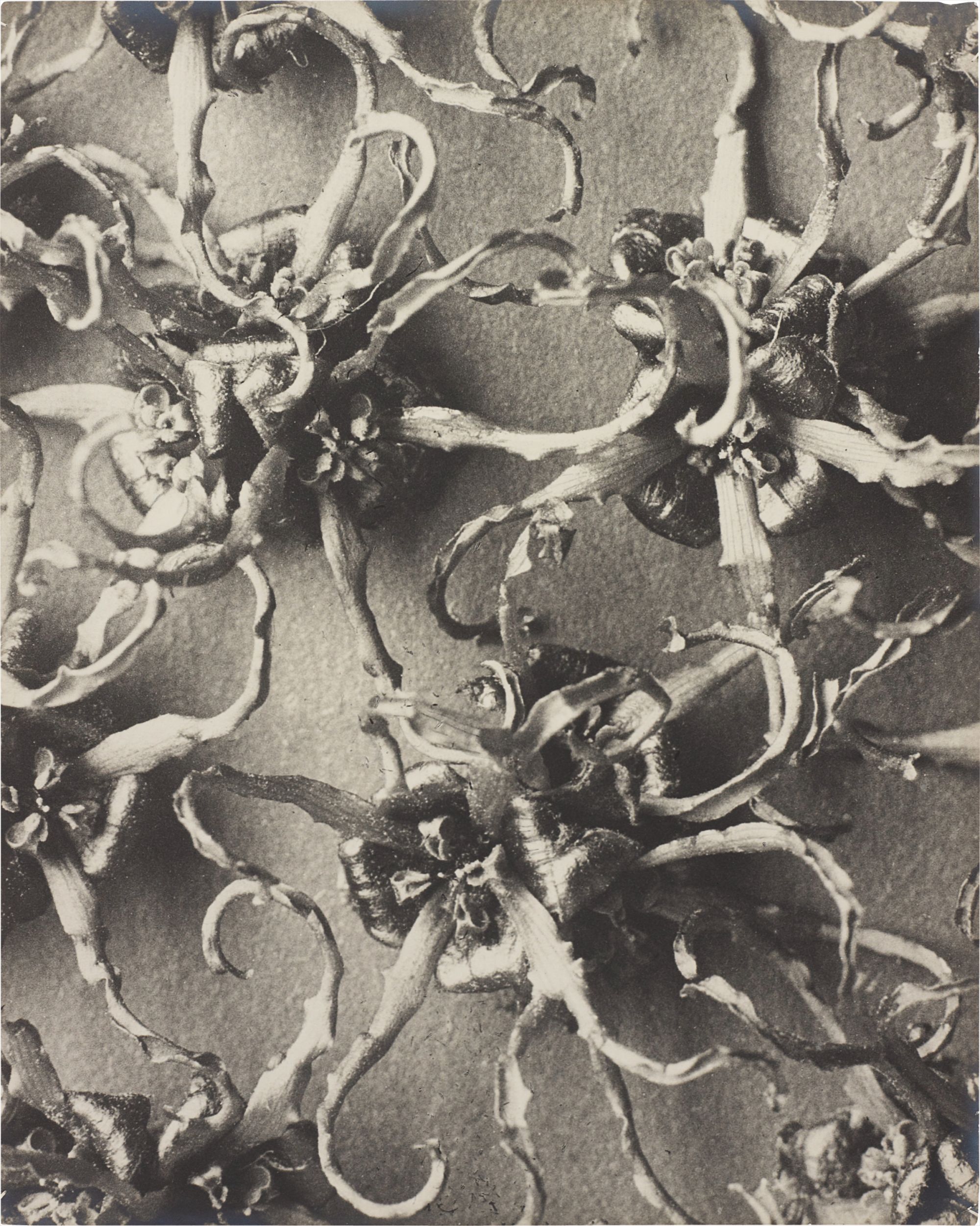
Karl Blossfeldt
Blossfeldt photographed plant forms in strict frontal close ups against neutral backgrounds to reveal structural archetypes, a typological method the Bechers directly acknowledged as a precedent for their own industrial surveys. His systematic botanical series established a template for photographic taxonomies.
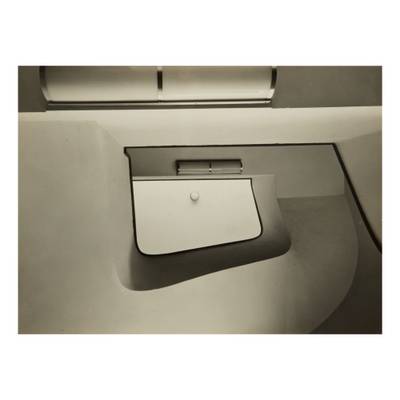
Albert Renger Patzsch
Renger Patzsch was a central figure in the Neue Sachlichkeit movement and championed an objective, unsentimental photographic gaze toward industrial and natural subjects. His insistence on photographic straightforwardness and material clarity was a formative influence on the Bechers' aesthetic outlook.
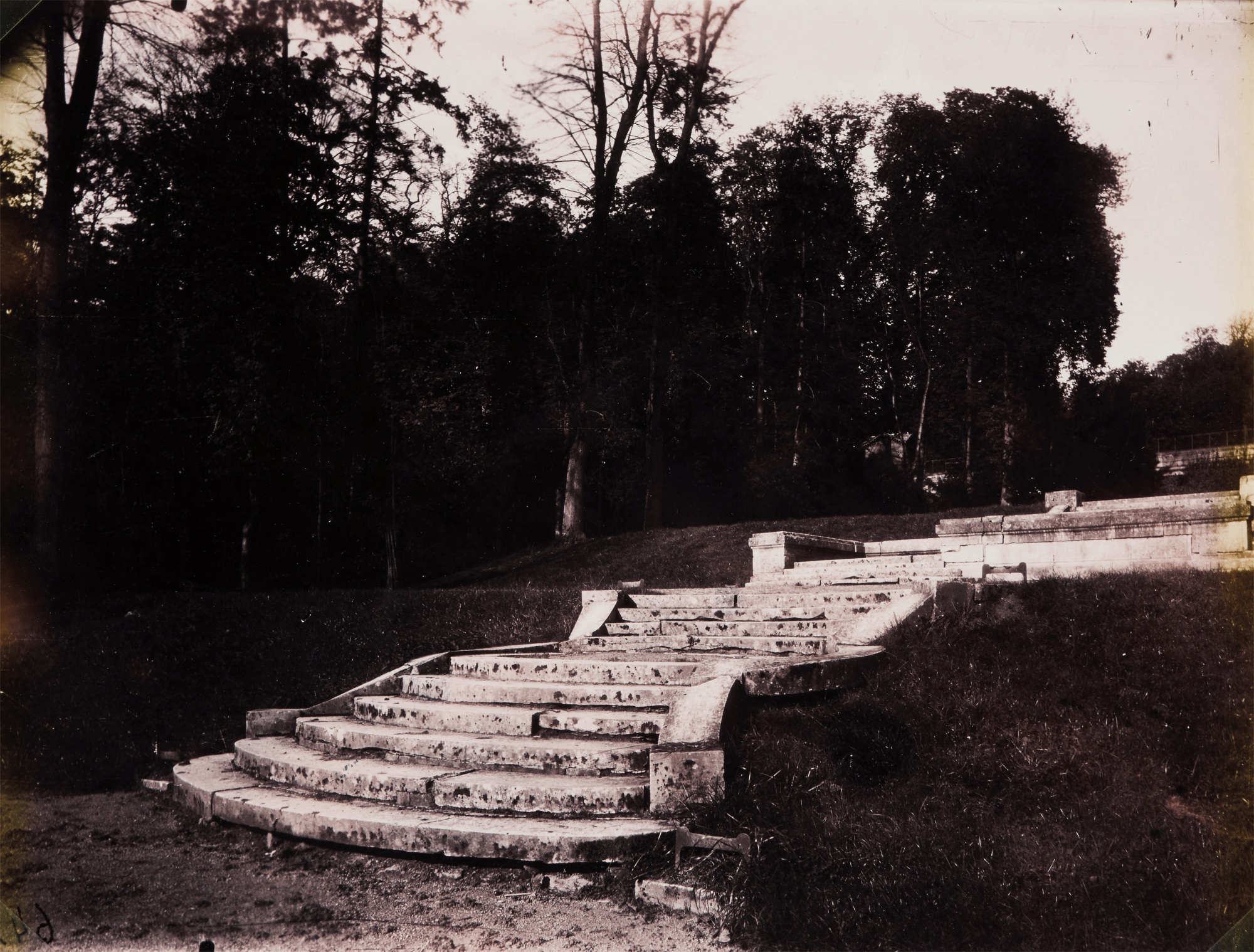
Eugene Atget
Atget spent decades systematically photographing the disappearing streets and architecture of old Paris, creating an archival record of vanishing urban structures. This documentary preservation impulse directly resonates with the Bechers' mission to record industrial buildings before demolition.
Artists they inspired
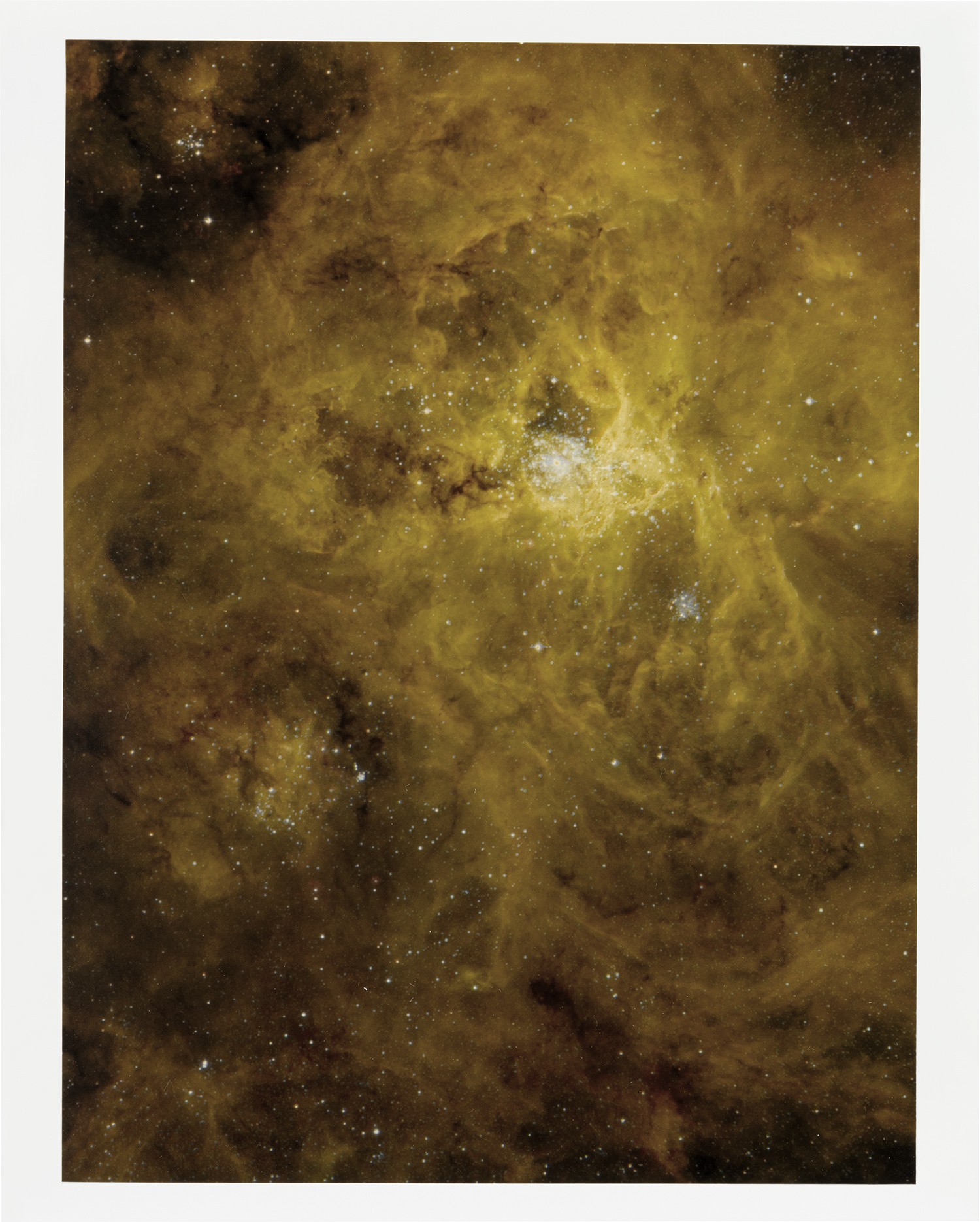
Andreas Gursky
Gursky studied directly under Bernd and Hilla Becher at the Kunstakademie Düsseldorf and absorbed their frontal large format approach and interest in seriality and industrial scale. He extended their typological sensibility into large scale color photography of global capitalism and mass production.
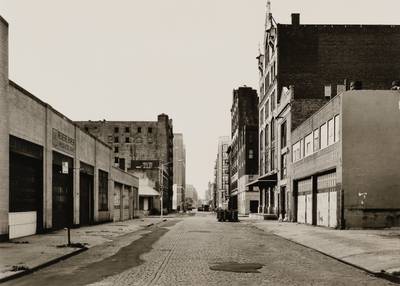
Thomas Struth
Struth was a foundational student in the Bechers' class at Düsseldorf and carried forward their commitment to rigorous compositional neutrality and large format documentary photography. His systematic series on urban streetscapes and museum audiences reflect the Bechers' typological and archival logic.

Thomas Ruff
Ruff trained under the Bechers at Düsseldorf and began his career with deadpan frontal portrait series that owe a clear debt to their objective systematic methodology. He went on to interrogate the nature of photographic representation in ways that build critically on the conceptual foundations the Bechers established.