German
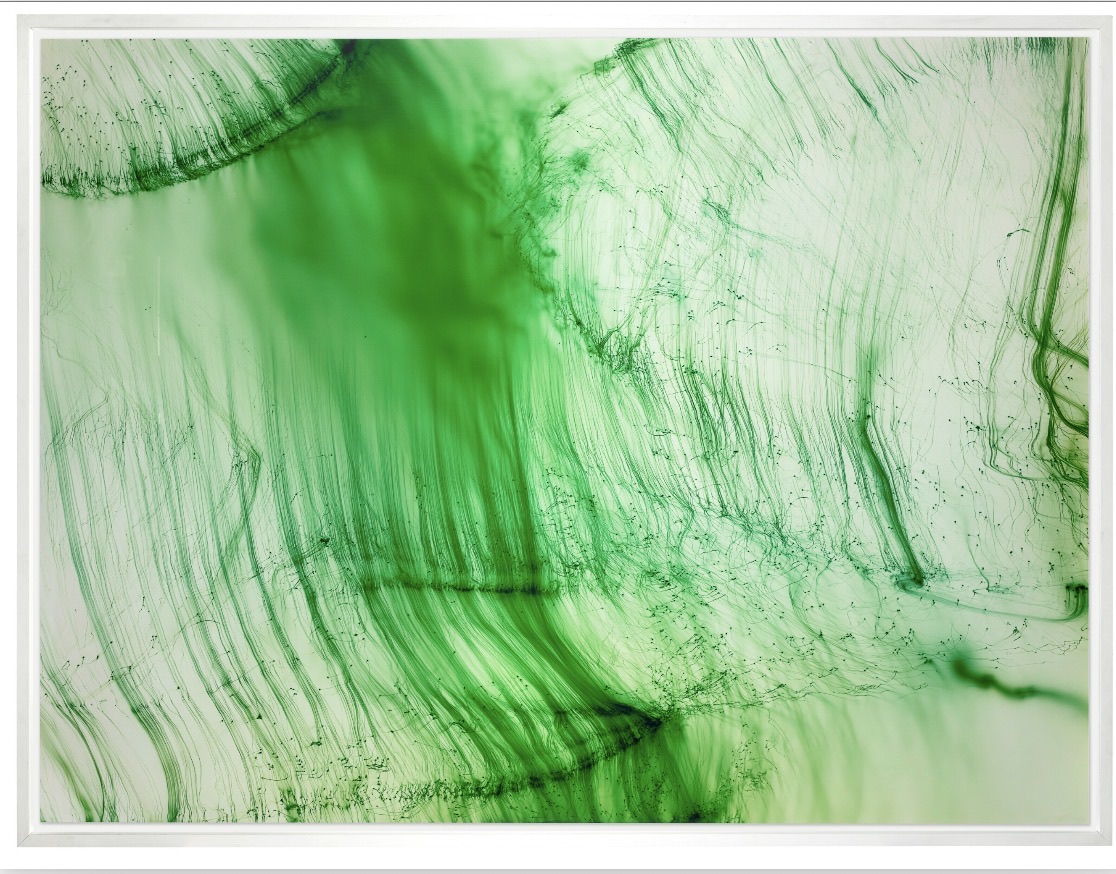
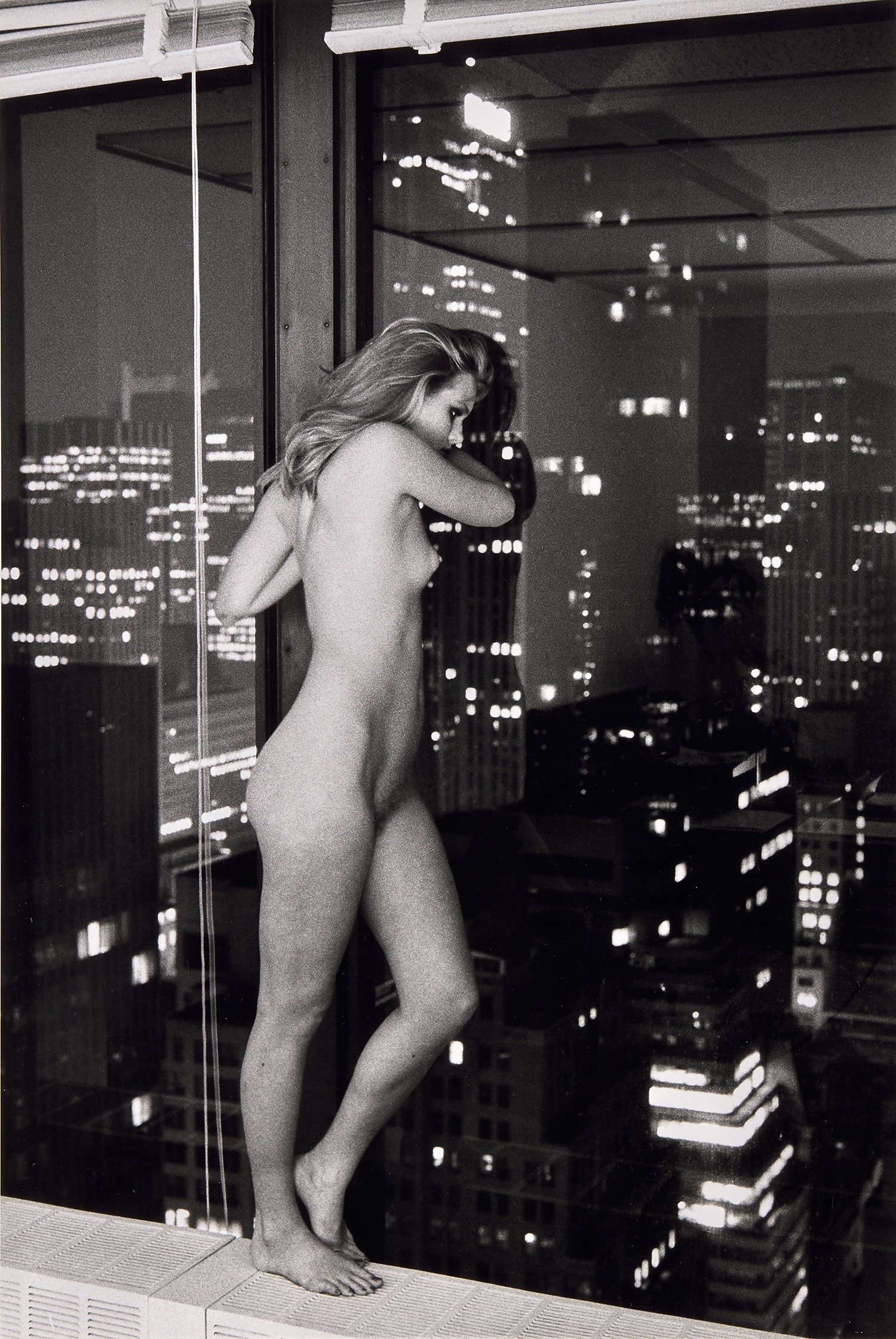
Wolfgang Tillmans
Freischwimmer 39, 2004

The German Genius: Art That Refuses to Behave
There is something in the German artistic tradition that resists comfort. From the tortured expressionism of the early twentieth century to the conceptual provocations of the postwar decades, German art has consistently refused the decorative, the merely pleasing, the socially convenient. It is an art that insists on meaning, even when meaning is painful, even when it arrives wrapped in irony or buried beneath layers of material ambiguity. To collect German art is to collect a particular kind of seriousness, one that never quite lets you off the hook.
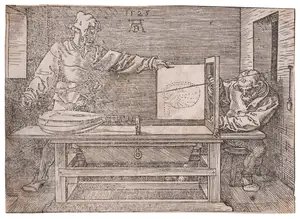
The roots of this seriousness run deep. Albrecht Dürer, working in Nuremberg at the turn of the sixteenth century, brought a northern European precision and philosophical weight to the Renaissance project that his Italian contemporaries rarely attempted. His engravings and woodcuts were not simply virtuosic demonstrations of technical skill, though they were certainly that. They were meditations on mortality, knowledge, faith, and the human condition.
Albrecht Dürer
The Draughtsman of the Lute
The works by Dürer on The Collection offer a window into this founding sensibility, the idea that art carries an obligation to grapple with the world honestly. By the early twentieth century, that obligation had become urgent in a way Dürer could never have anticipated. Ernst Ludwig Kirchner and the artists of Die Brücke, formed in Dresden in 1905, used color and line as instruments of psychological exposure. Around the same time, Georg Grosz and Otto Dix were developing a savage pictorial language to describe the wreckage of World War One and the corruption of Weimar society.
Dix's war paintings remain among the most harrowing documents of human violence in the entire Western canon. Max Beckmann, in his monumental triptychs, moved between allegory and autobiography in ways that still feel genuinely strange and irreducible. These were artists for whom beauty without conscience was simply not an option. Max Ernst, though he spent much of his life in France and later America, brought distinctly German philosophical and literary currents into Surrealism.
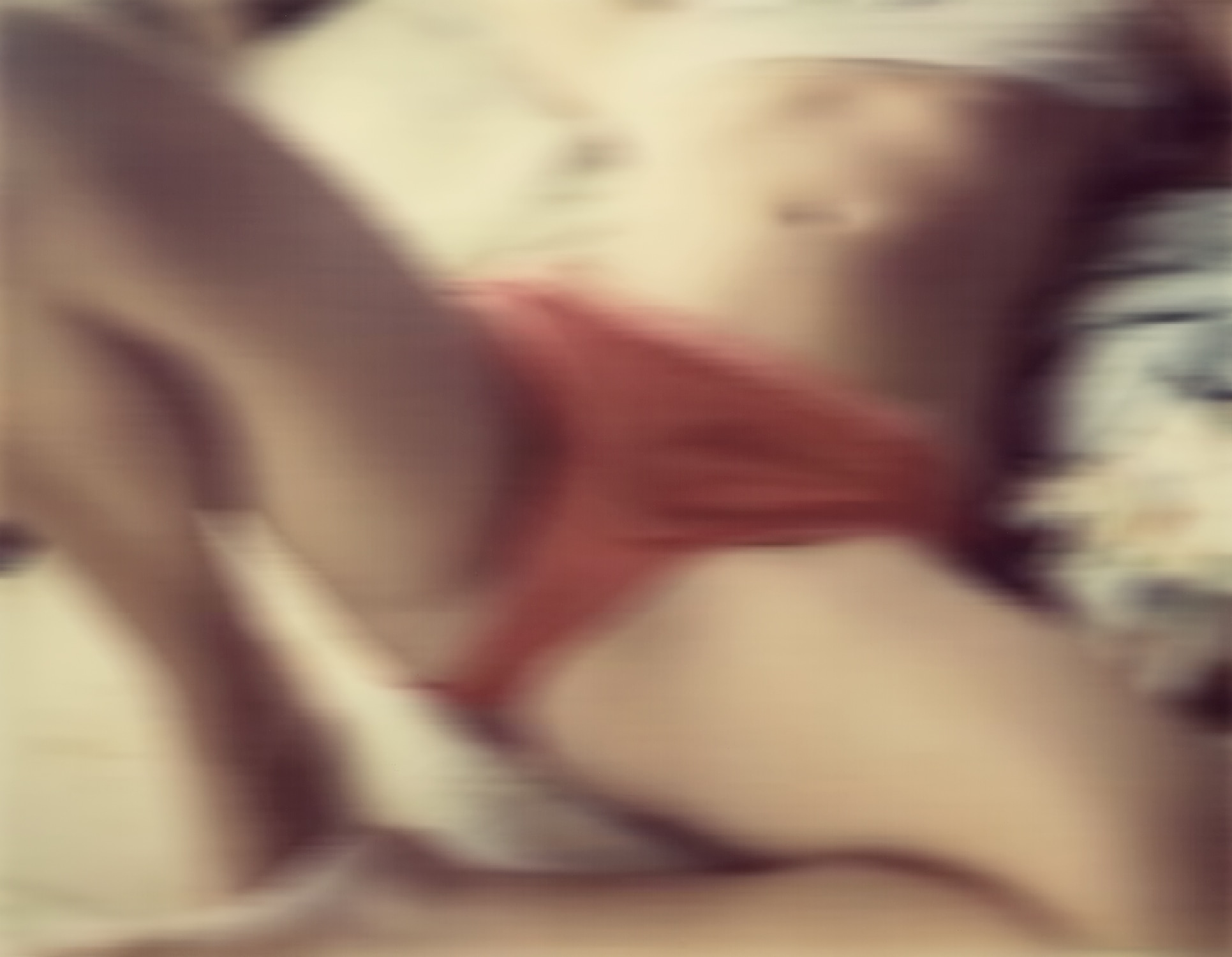
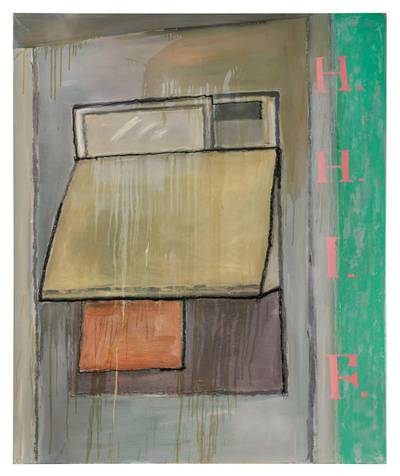
Anton Henning
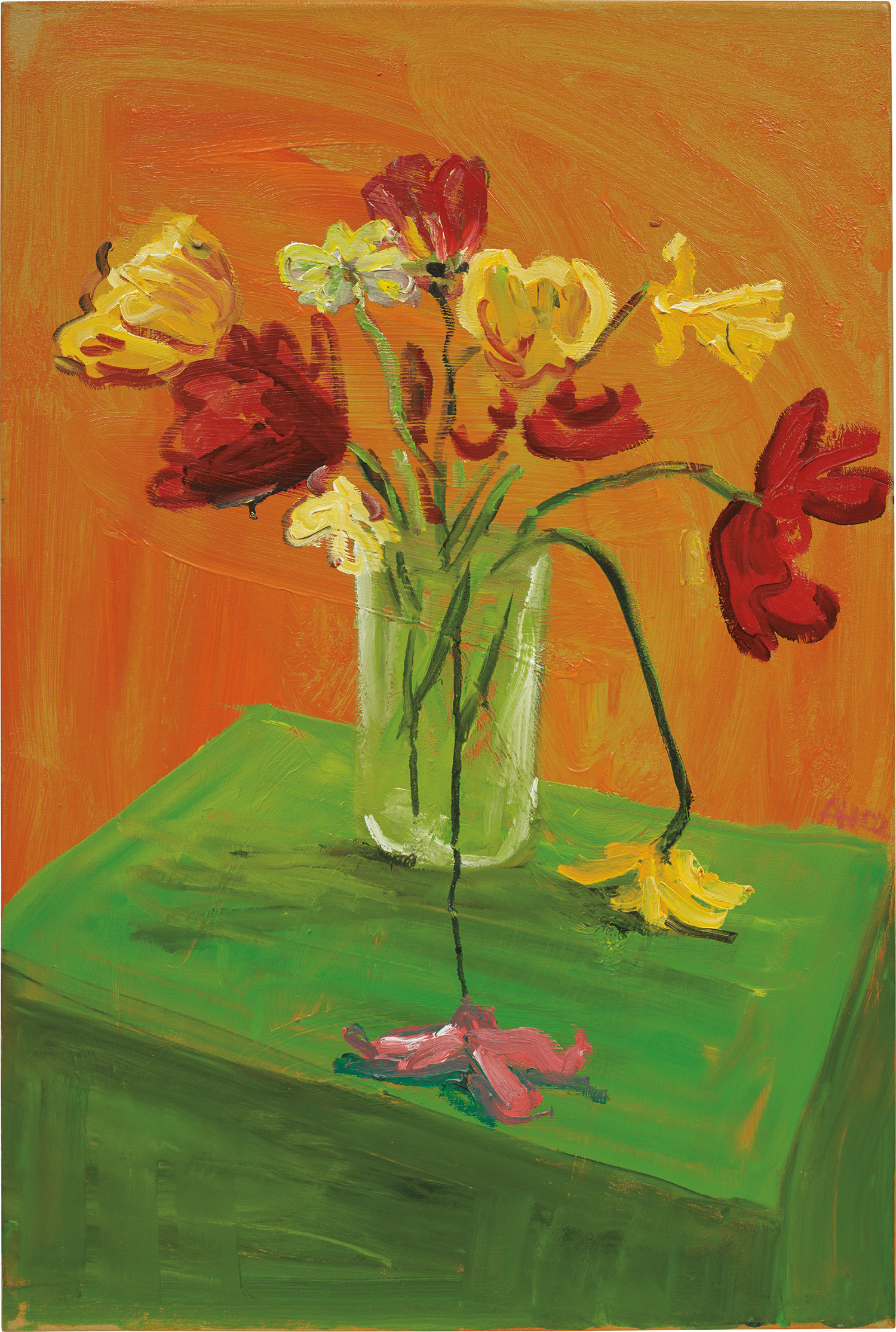
Blumenstilleben No. 120, 2002
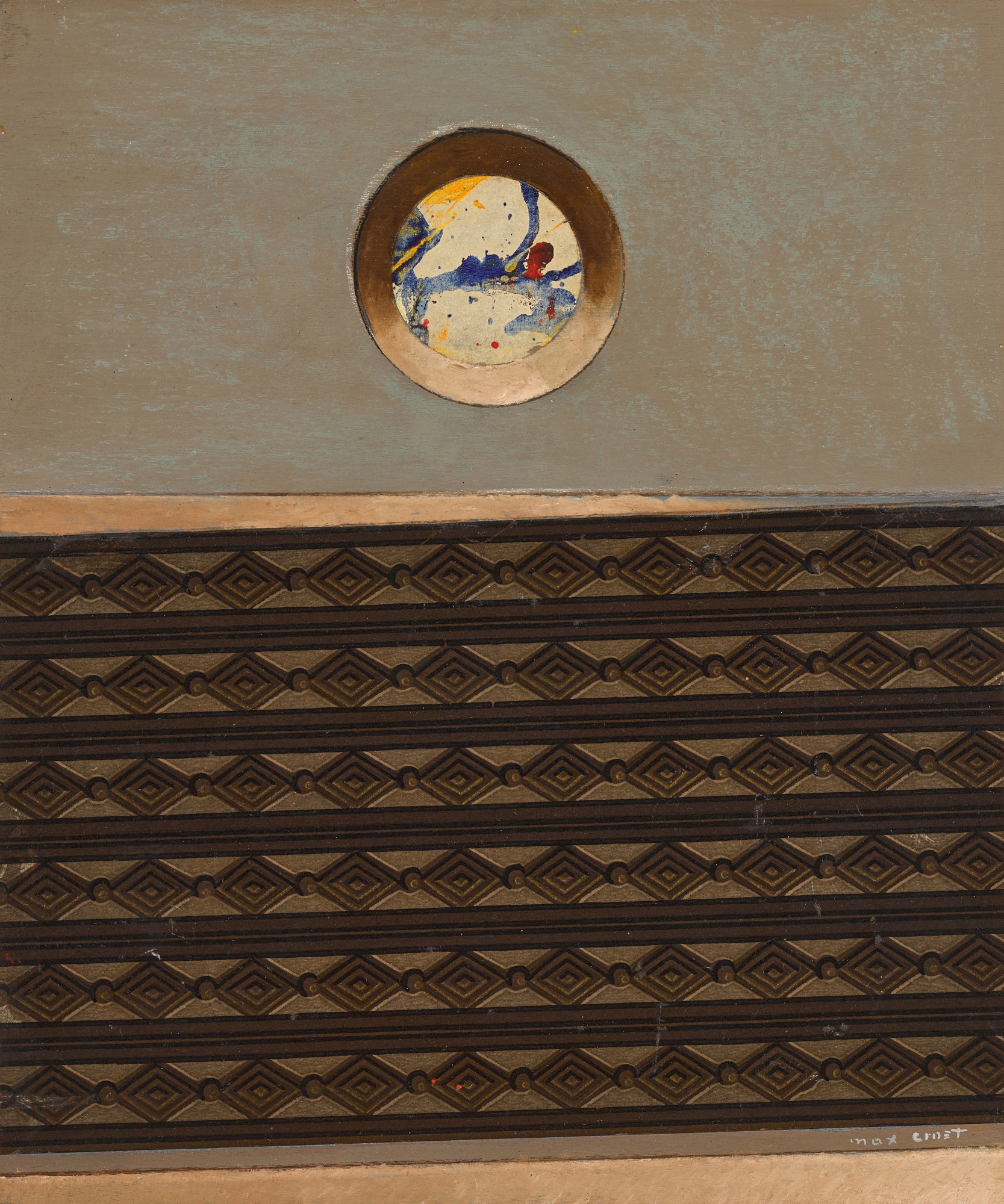
His collage novels and frottage works carry a darkness and intellectual density that set them apart from the more playful registers of some of his Parisian colleagues. Max Klinger, working somewhat earlier, had already pushed printmaking into psychologically unsettling territory, anticipating the Surrealist project by several decades. Hans Hartung, who fled Nazi Germany and eventually settled in France, developed a gestural abstraction that was deeply personal and yet broadly influential across European art in the postwar period. The most seismic shift in German art came after 1945, in the long, difficult reckoning with catastrophe and complicity.
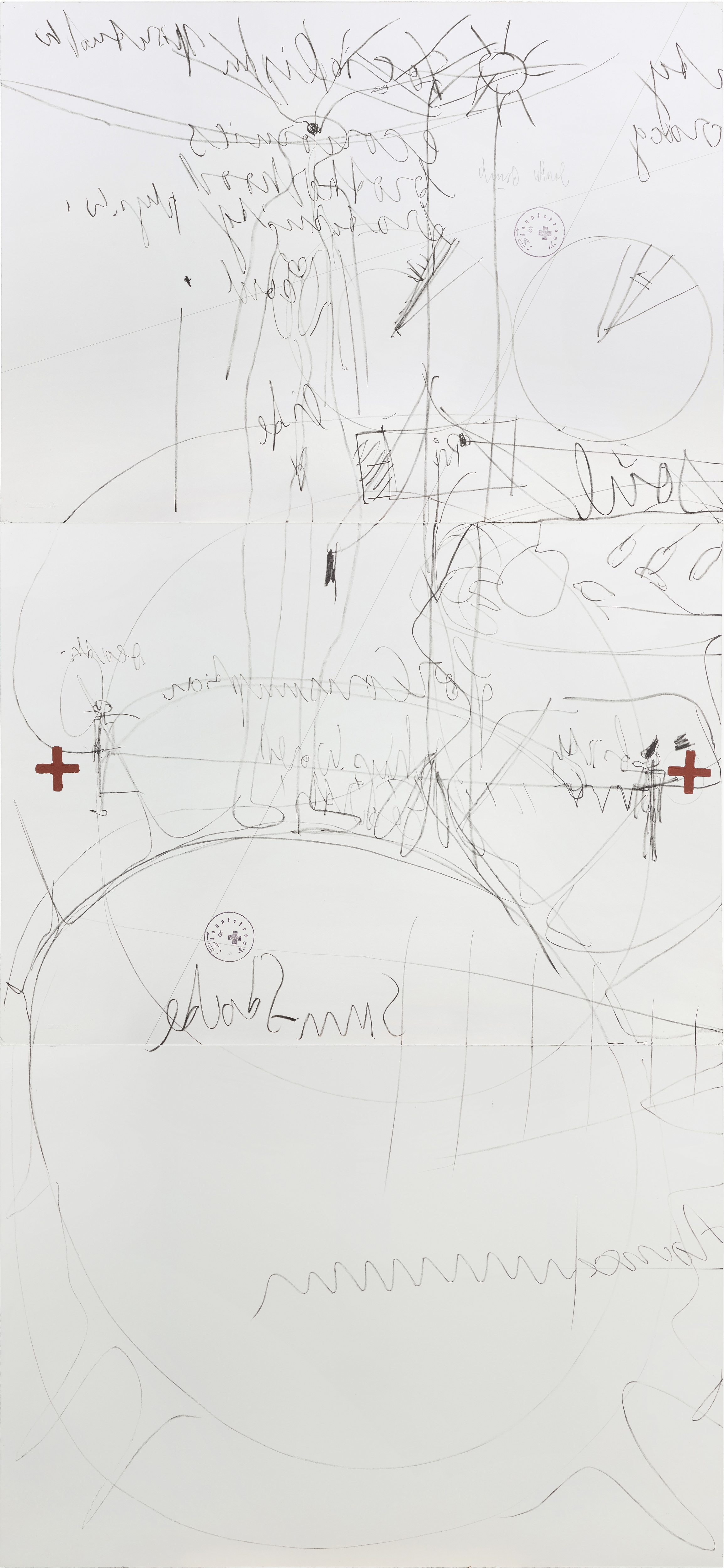
Joseph Beuys became the central figure of this reckoning, not because he provided answers but because he transformed the very nature of what art could do and be. His concept of social sculpture, the idea that every human being is an artist and that society itself can be shaped as a creative act, emerged from his own traumatic wartime experience and his study of Rudolf Steiner's anthroposophy. The works by Beuys on The Collection carry this expansive, almost shamanic sense of purpose. Felt, fat, copper, and blackboard all became loaded materials in his hands, objects dense with symbolic and political charge.
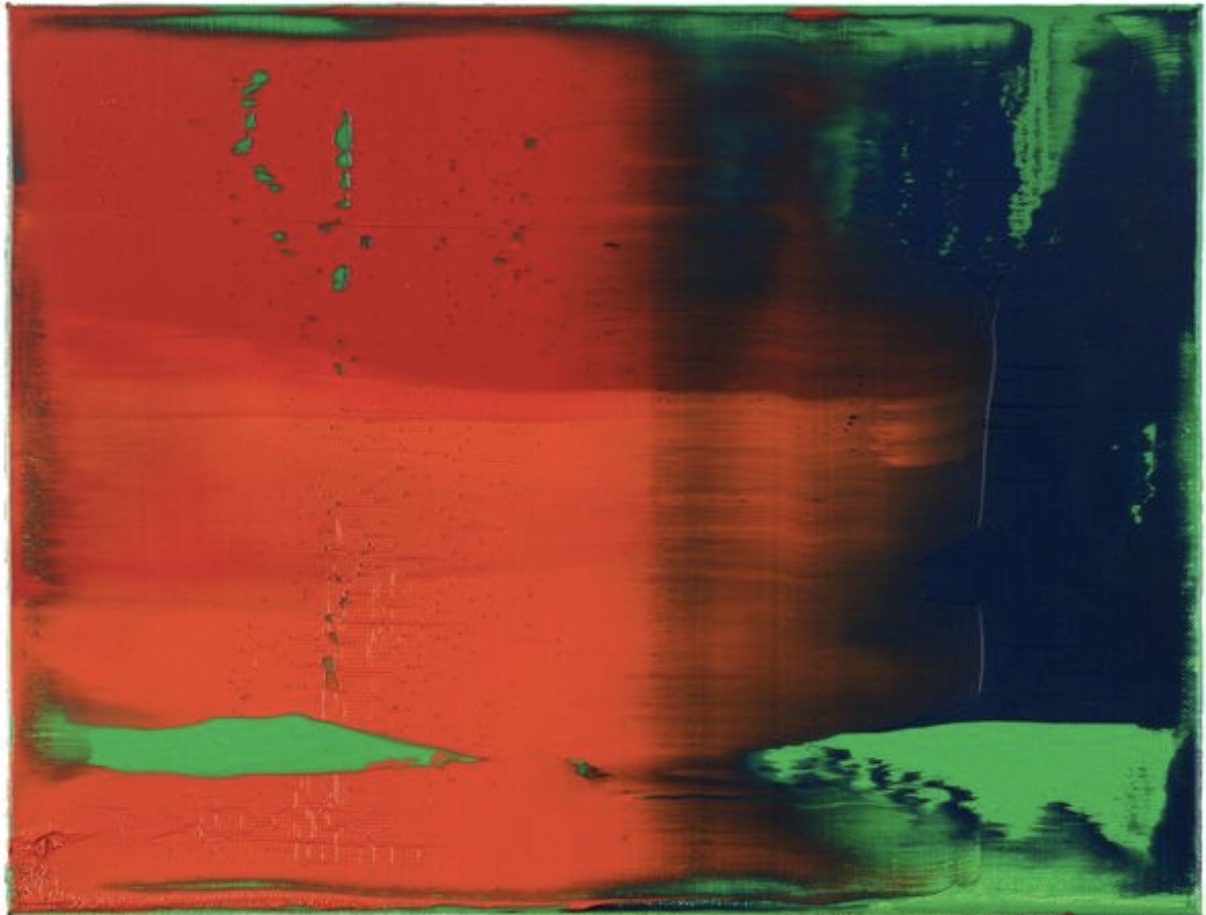
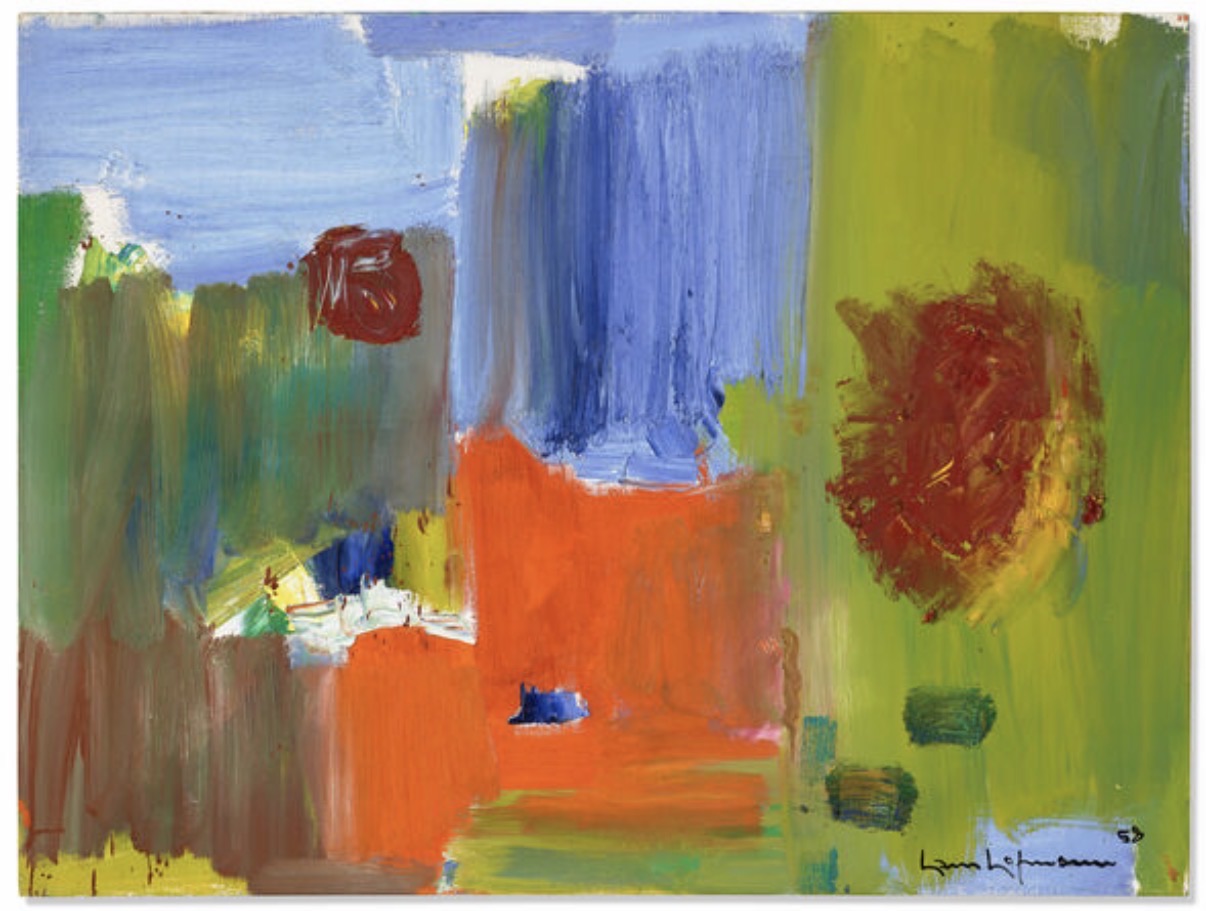
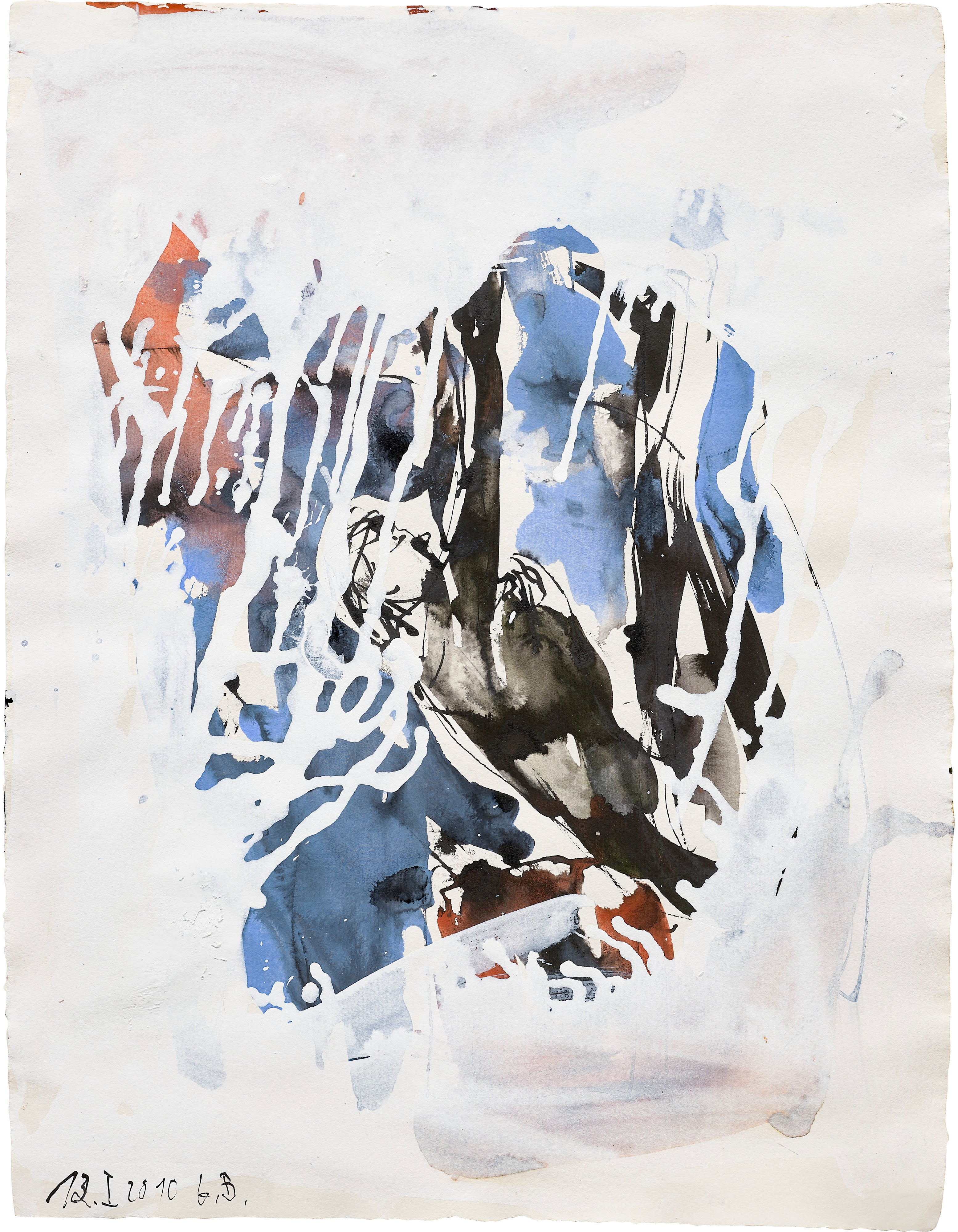
Gerhard Richter
Grün - Blau - Rot Zu 789 (D.H.), 1993
The generation that followed Beuys had to find their own relationship to his enormous shadow, and to the broader shadow of German history. Gerhard Richter did so through an approach of almost radical ambiguity, moving between photorealistic painting, gestural abstraction, and the glass works that reflect the viewer back into the space of the image. His photo paintings of the 1960s and 1970s, derived from press photographs and family snapshots, raised profound questions about memory, representation, and the reliability of the image itself. Sigmar Polke pursued a similarly slippery strategy, layering pop references, alchemical materials, and political commentary in works that seemed to mock any single interpretive framework.
Anselm Kiefer, by contrast, confronted German mythology and history head on, using lead, ash, straw, and shellac to build paintings of overwhelming physical and moral weight. Georg Baselitz chose provocation as his primary mode, painting his figures upside down from 1969 onward to insist on the painting as a physical object rather than a window onto illusion. Martin Kippenberger brought a chaotic, self destructive energy to the question of what a painter could be in the late twentieth century, producing work that was simultaneously brilliant and deliberately infuriating. Albert Oehlen continued in a vein that was similarly irreverent, pushing painting through advertising, computation, and sheer formal disorder.
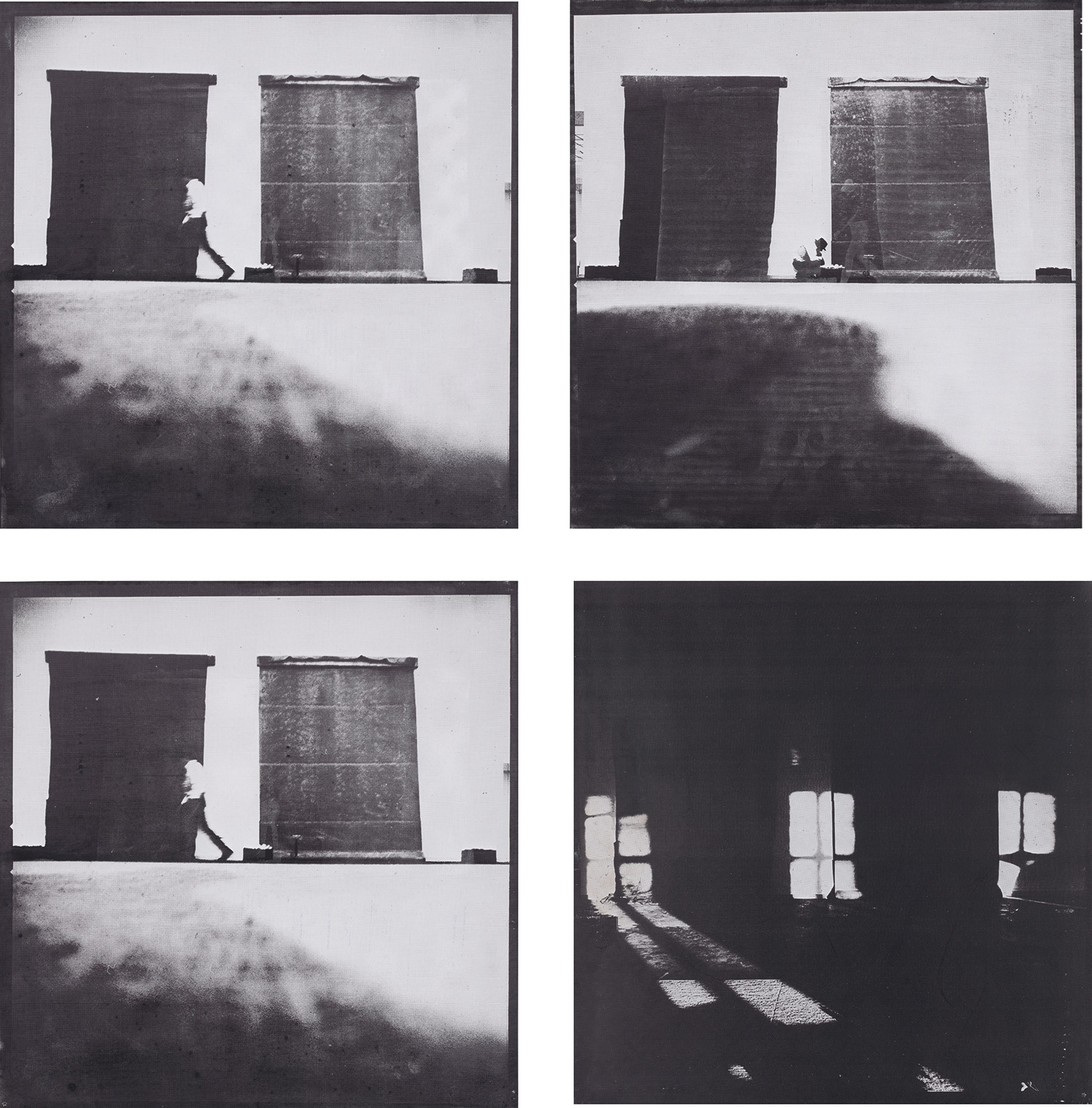
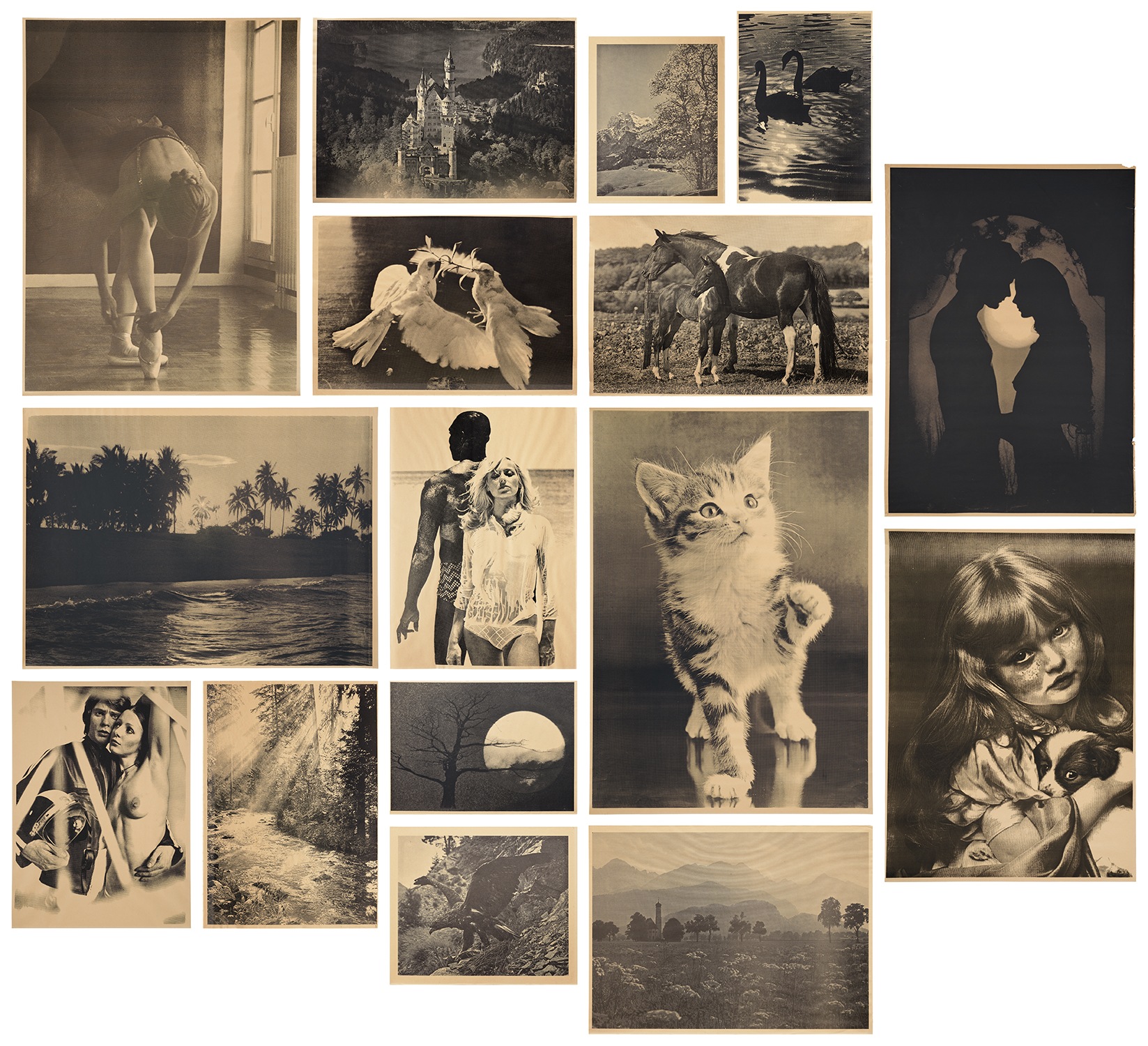
Joseph Beuys
3 Tonnen Edition (3 Ton Edition) (S. 74)
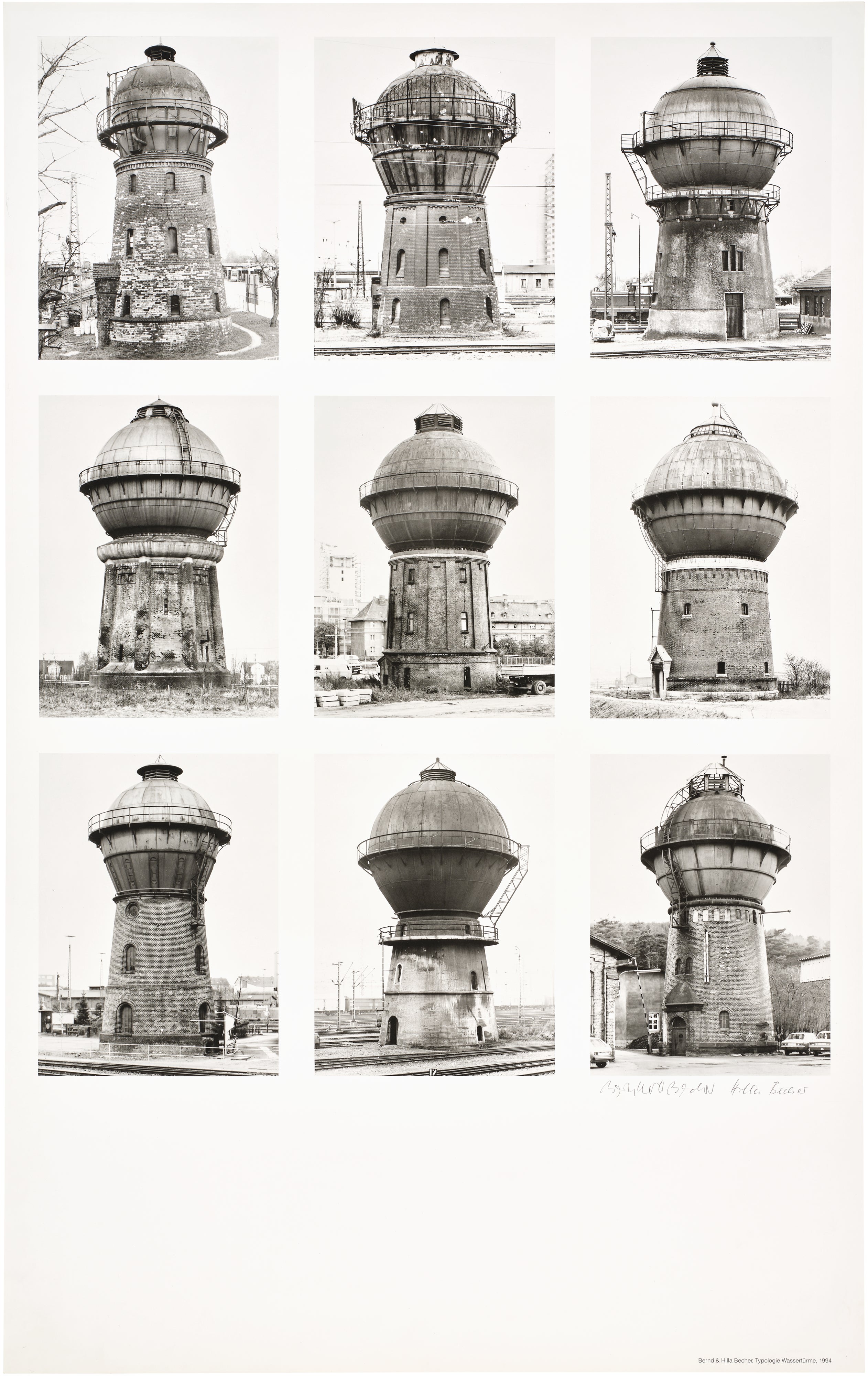
Imi Knoebel, rooted in his studies with Beuys at the Düsseldorf Kunstakademie, pursued a far quieter path toward abstraction, working with color and geometric form in ways that echo Malevich but arrive somewhere entirely his own. The Düsseldorf photography school deserves particular attention as one of the most influential developments in late twentieth century art. Bernd and Hilla Becher spent decades systematically photographing industrial structures, water towers, blast furnaces, and coal bunkers, treating vernacular architecture with the taxonomic rigor of natural scientists. Their approach shaped an entire generation of students at the Kunstakademie, including Andreas Gursky, Thomas Struth, Thomas Ruff, and Candida Höfer, each of whom took the Bechers' conceptual discipline and pushed it in a radically different direction.
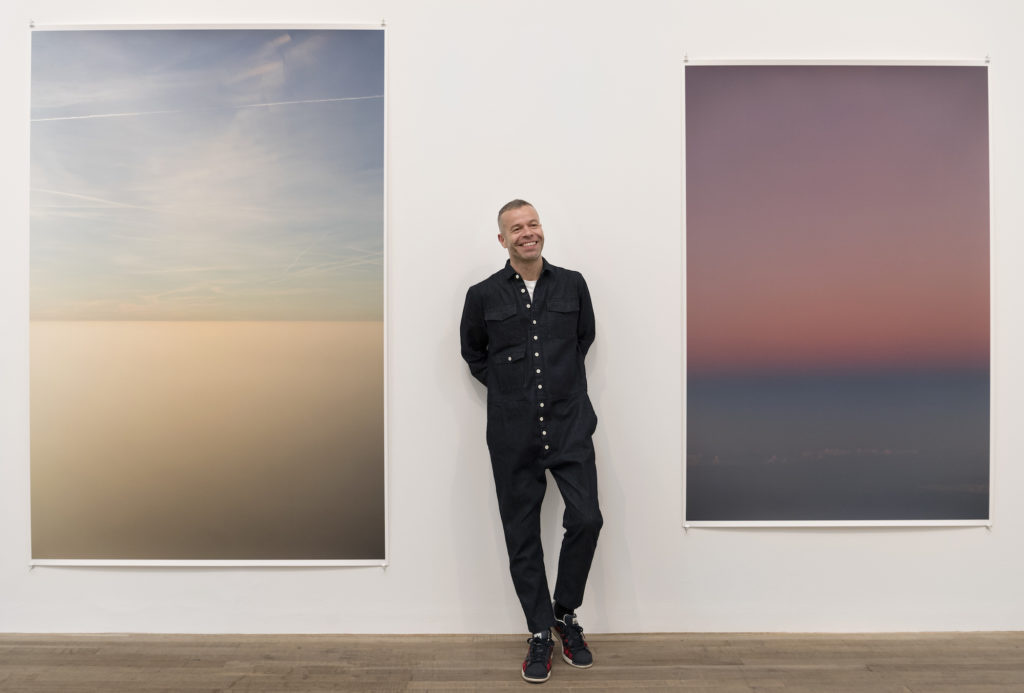
Gursky's vast, digitally manipulated landscapes of global capitalism and Höfer's eerily unpopulated institutional interiors could hardly be more different in feeling, yet both descend from the same rigorous photographic inheritance. Wolfgang Tillmans brought something altogether warmer and more intimate to the tradition, a queer subjectivity and genuine tenderness that expanded what photography was permitted to care about. Elger Esser extended the landscape tradition in a more painterly direction, using long exposures and antique printing processes to produce images that seem to exist at the threshold between photography and memory. Helmut Newton, though working primarily in fashion, turned his lens into an instrument of power analysis, photographing desire and dominance in ways that remain genuinely controversial and genuinely fascinating.
Stephan Balkenhol carves his ordinary figures from single blocks of wood with a directness that refers back to medieval German sculpture while feeling entirely contemporary. Thierry Noir, painting directly onto the Berlin Wall from 1984 onward, turned a border of terror into a surface of color and defiance. What holds all of this together, across five centuries and wildly divergent sensibilities, is a conviction that art matters beyond the gallery wall. German artists, at their best, have always understood that making something beautiful or strange or difficult is an act with consequences in the world.
That conviction feels more necessary than ever, and it is precisely why a collection built around German art rewards sustained attention and close looking.