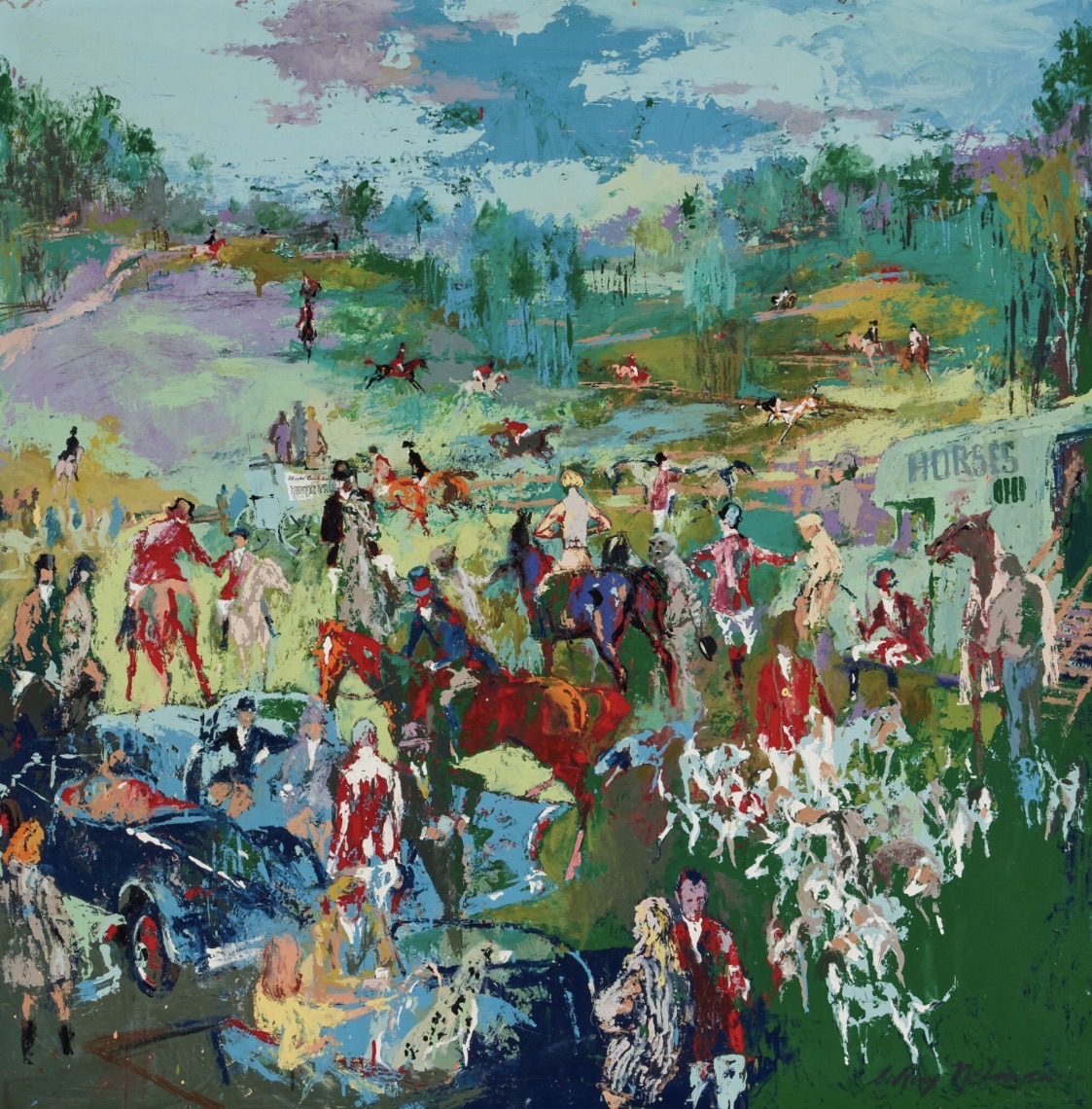
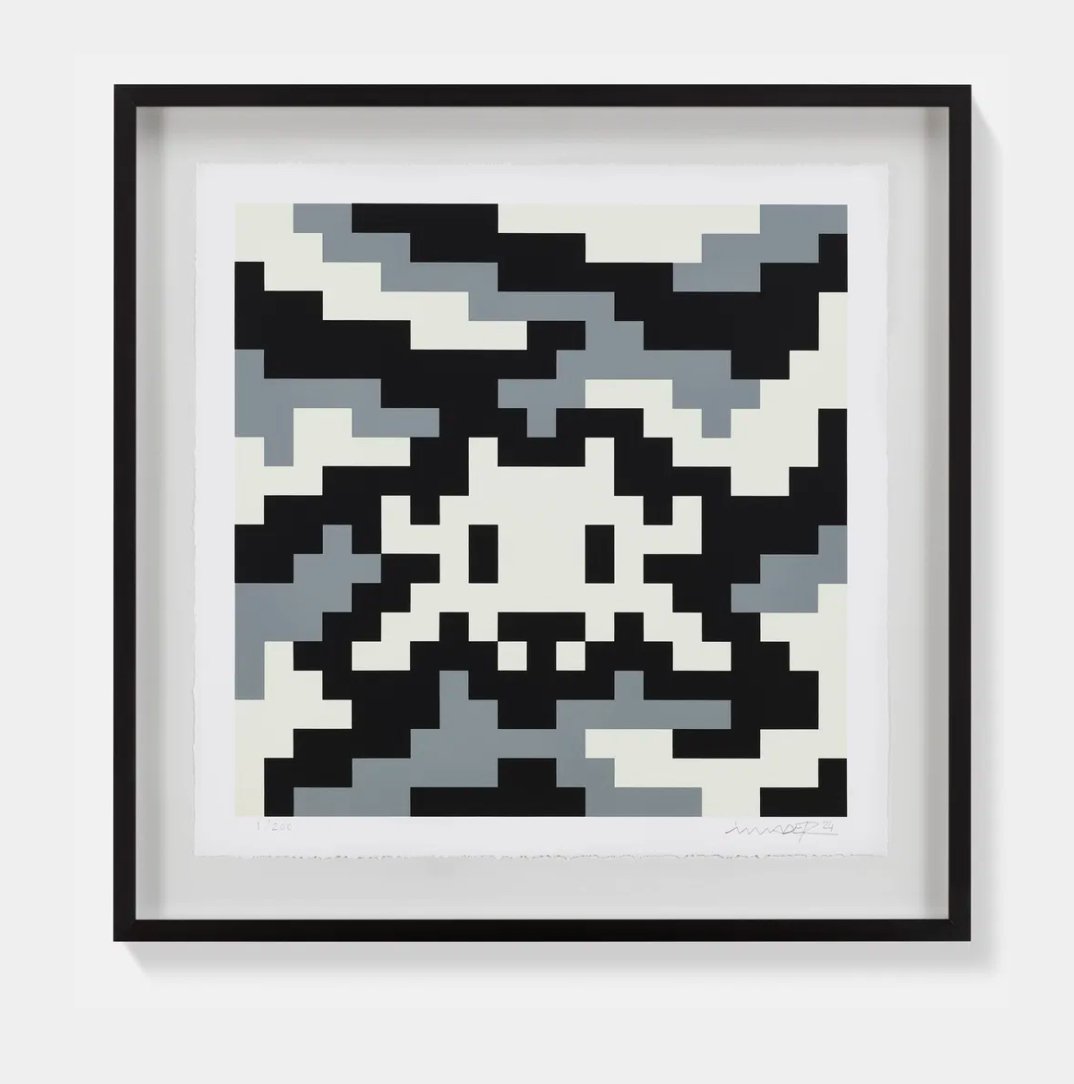
Chromogenic Print
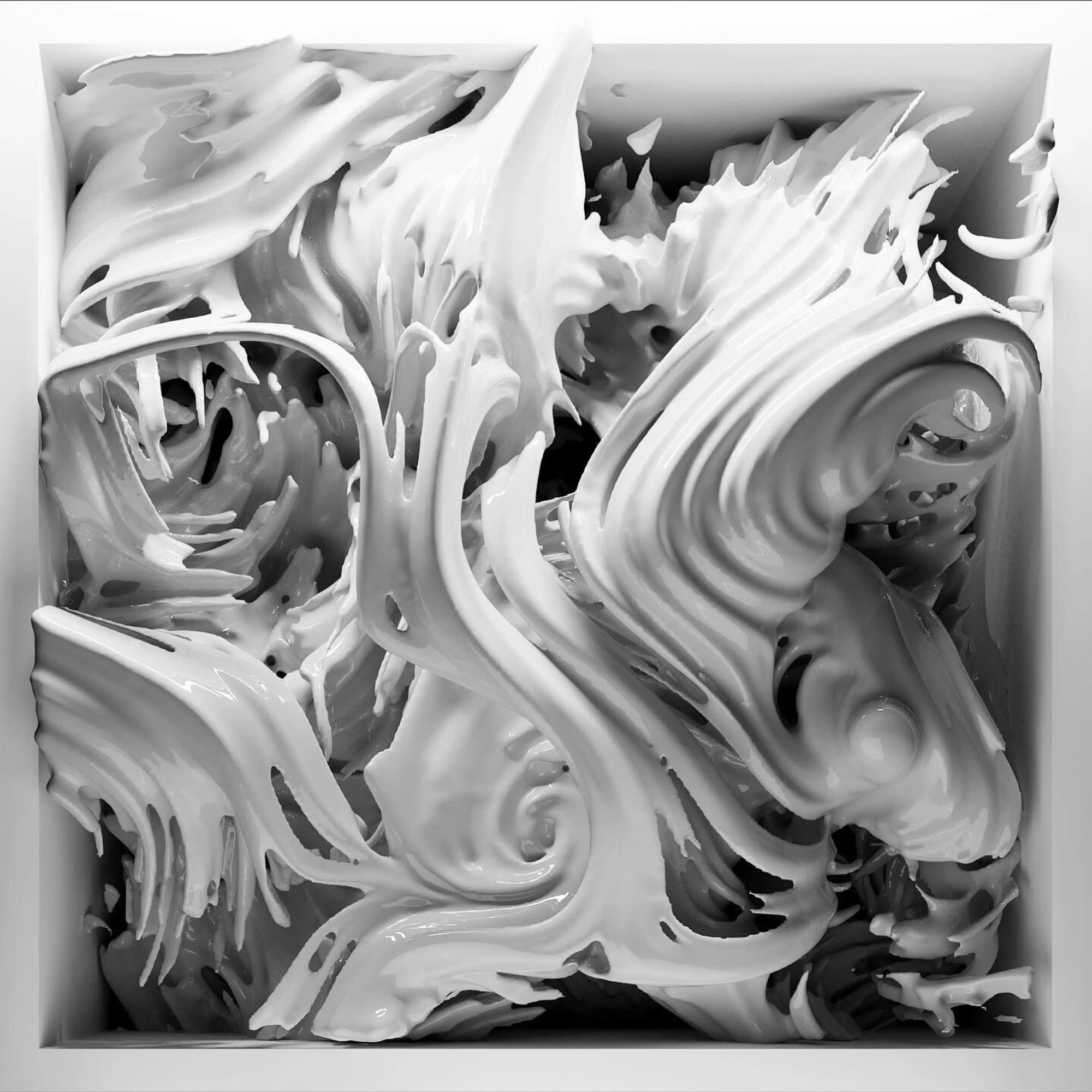
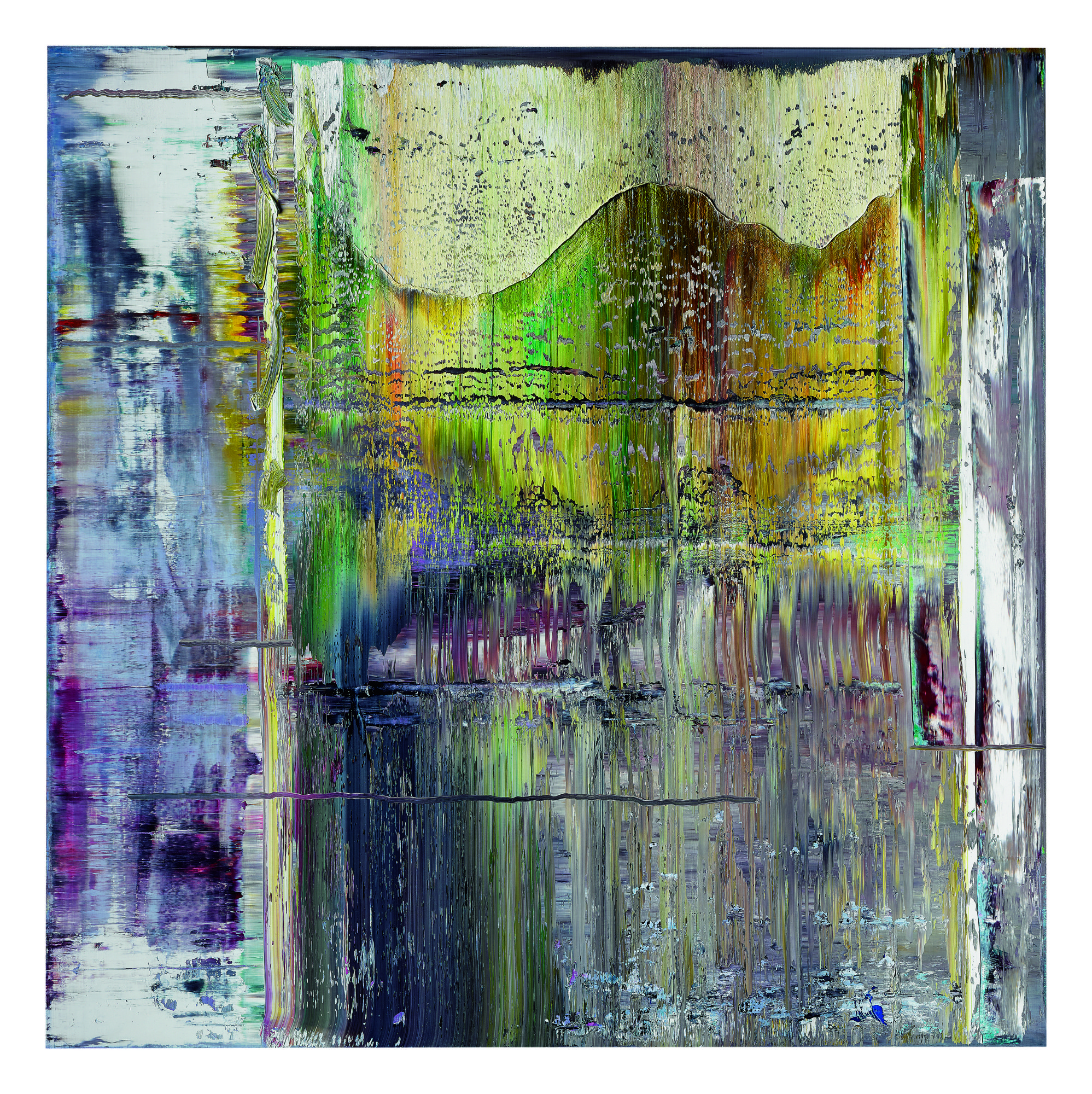
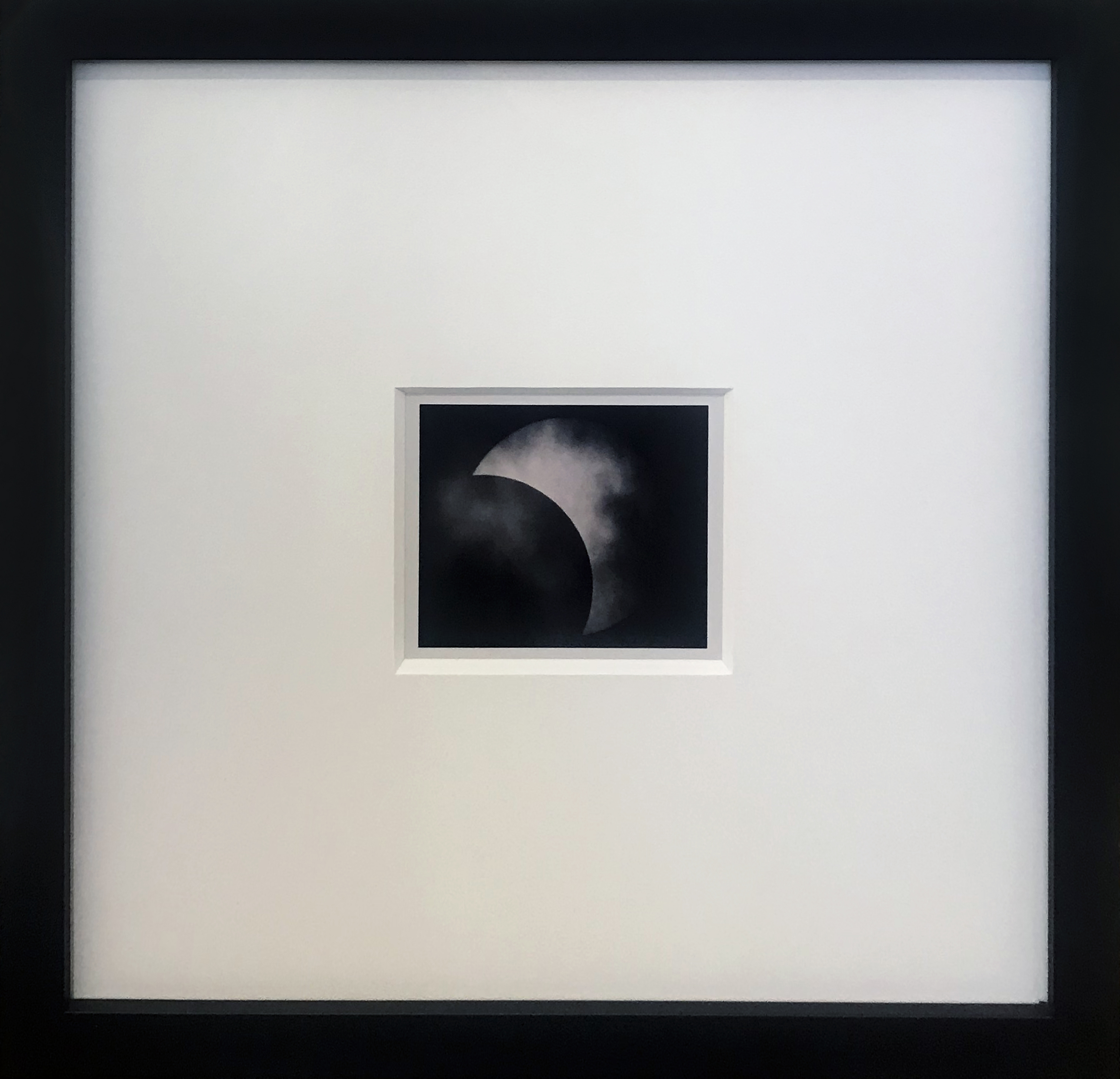
Refik Anadol
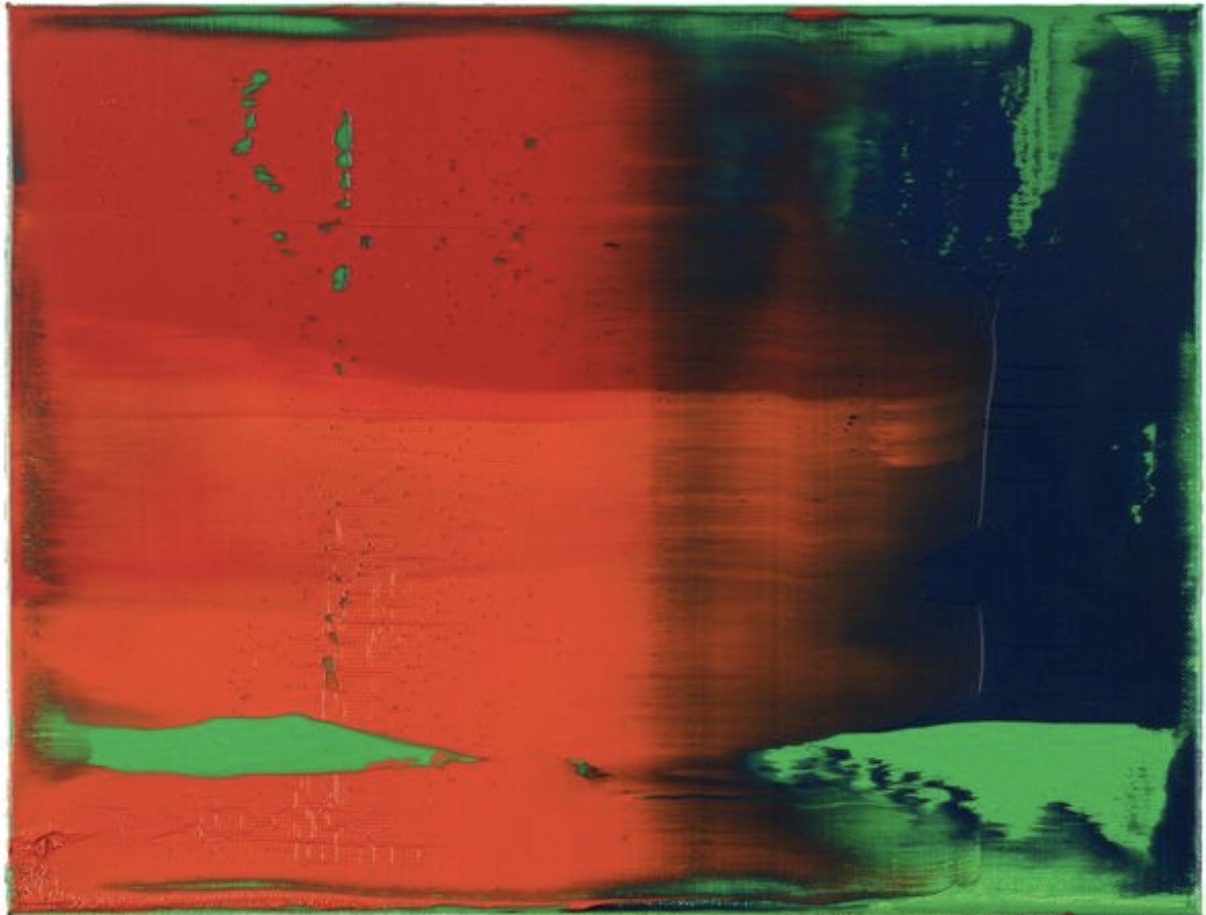
Quantum Memories: Noise A, B and C, 2020




Color, Light, and the Photograph You Cannot Forget
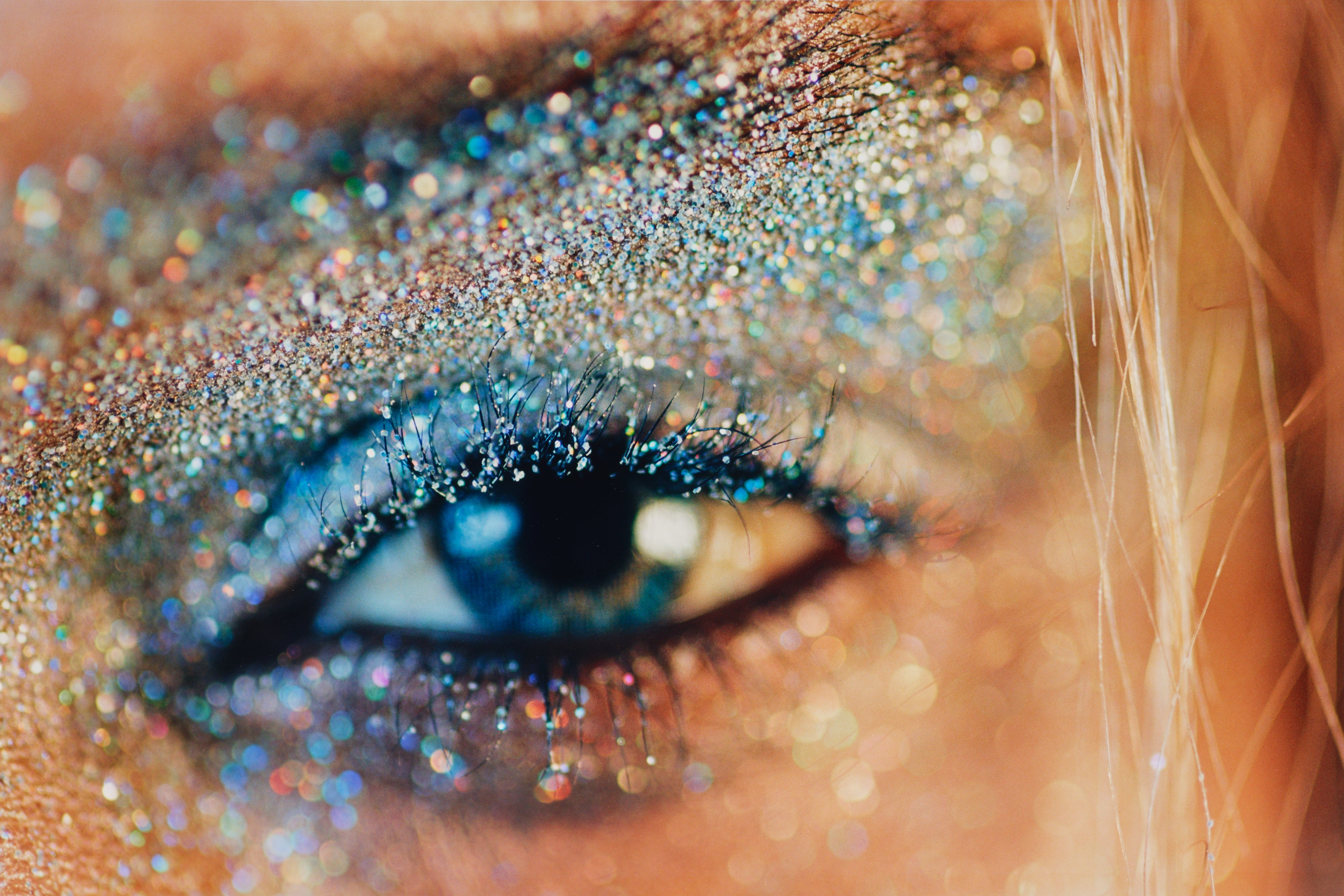
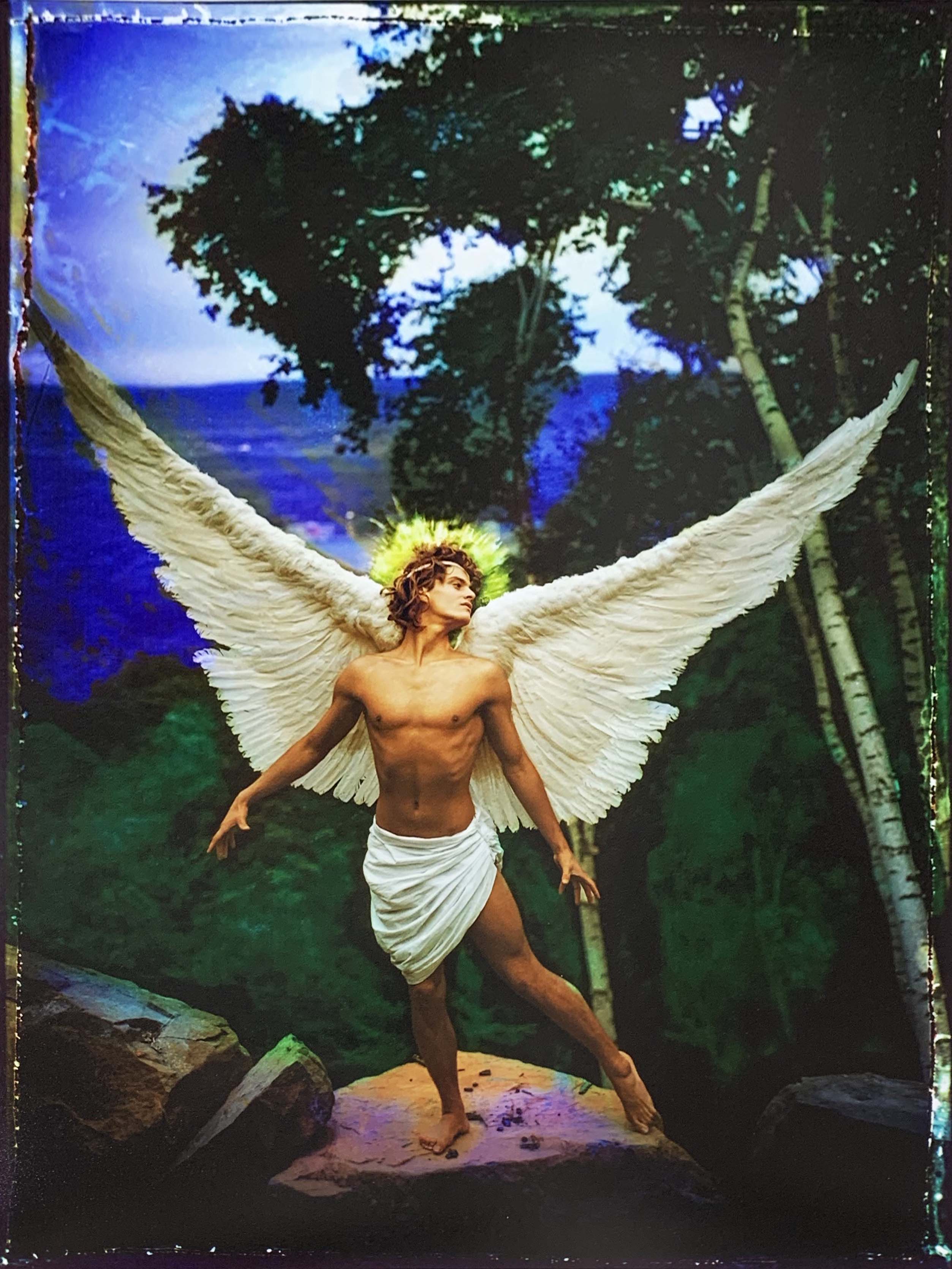
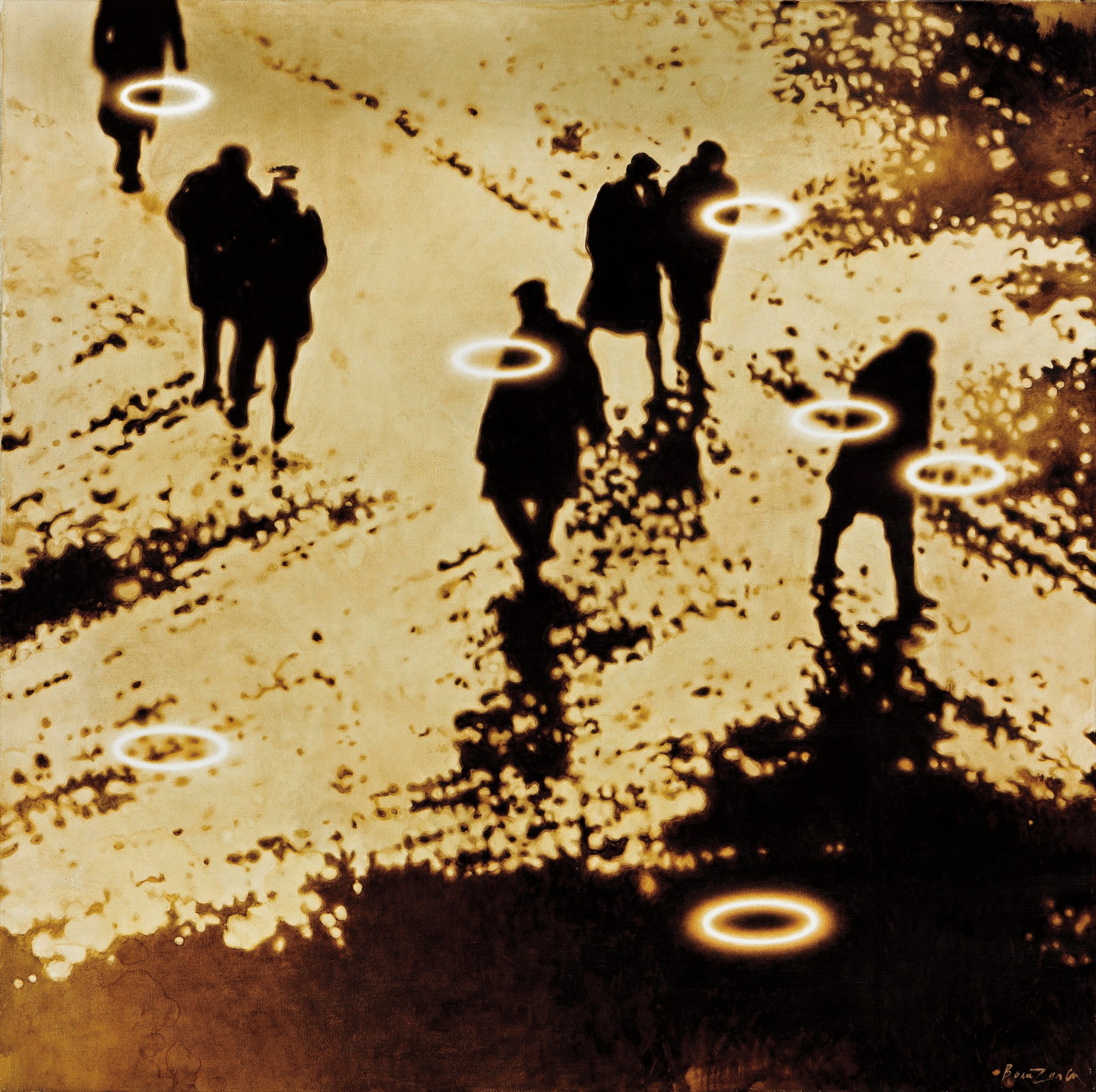
There is something particular about living with a chromogenic print. Unlike ink on paper or paint on canvas, it holds light differently depending on the hour, the season, the angle of a lamp moved two feet to the left. Collectors who come to this medium often describe a similar experience: the work keeps changing on them, keeps offering something new. That quality, the sense that the image is somehow alive within its own surface, is part of what makes chromogenic prints so rewarding to acquire and so difficult to let go of once you have started.
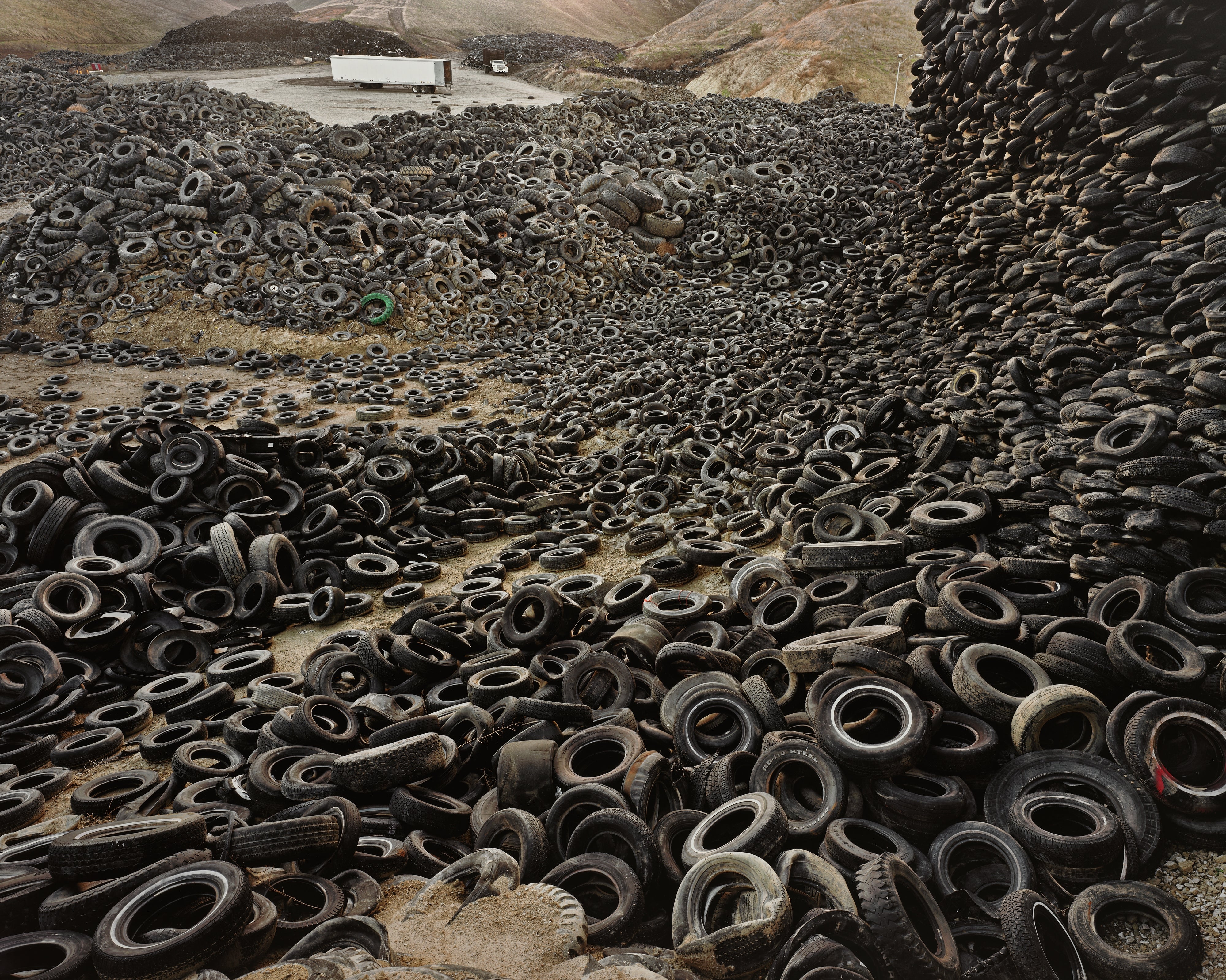
The medium arrived at the right moment in art history. By the late 1970s and through the 1980s, a generation of artists was pushing photography toward the scale and ambition of painting, and the chromogenic process, which builds color through layers of silver halide emulsions and chemical dye couplers exposed to light, was the material that made that ambition legible. The resulting surfaces carry a depth and luminosity that reproduction simply cannot communicate. Standing in front of a large format chromogenic print by Andreas Gursky or Edward Burtynsky, you understand immediately why collectors respond to these works on a physical level before they even begin thinking about content or context.
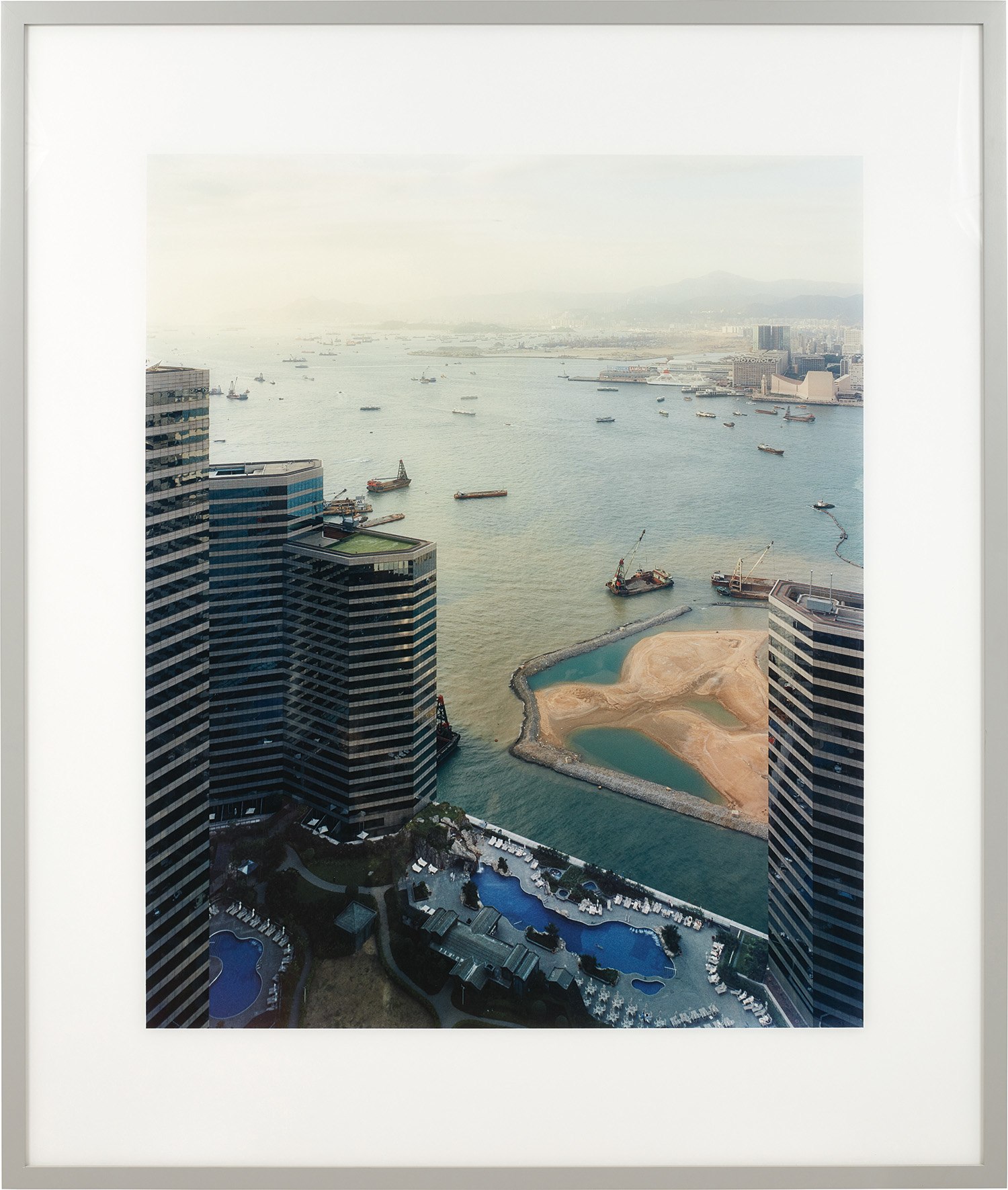
Andreas Gursky
Hong Kong, Hafen (Hong Kong Port), 1994
When it comes to separating a good chromogenic print from a great one, condition is everything and provenance is nearly as important. Fading and color shift are the persistent concerns with this medium, particularly with works printed before archival processes became standard practice in the 1990s. A great work will have been stored away from ultraviolet light, kept at stable humidity and temperature, and ideally accompanied by documentation from the gallery or printer that confirms its handling history. But beyond condition, what elevates a chromogenic print into something genuinely significant is the specificity of the artist's vision at the moment the image was made.
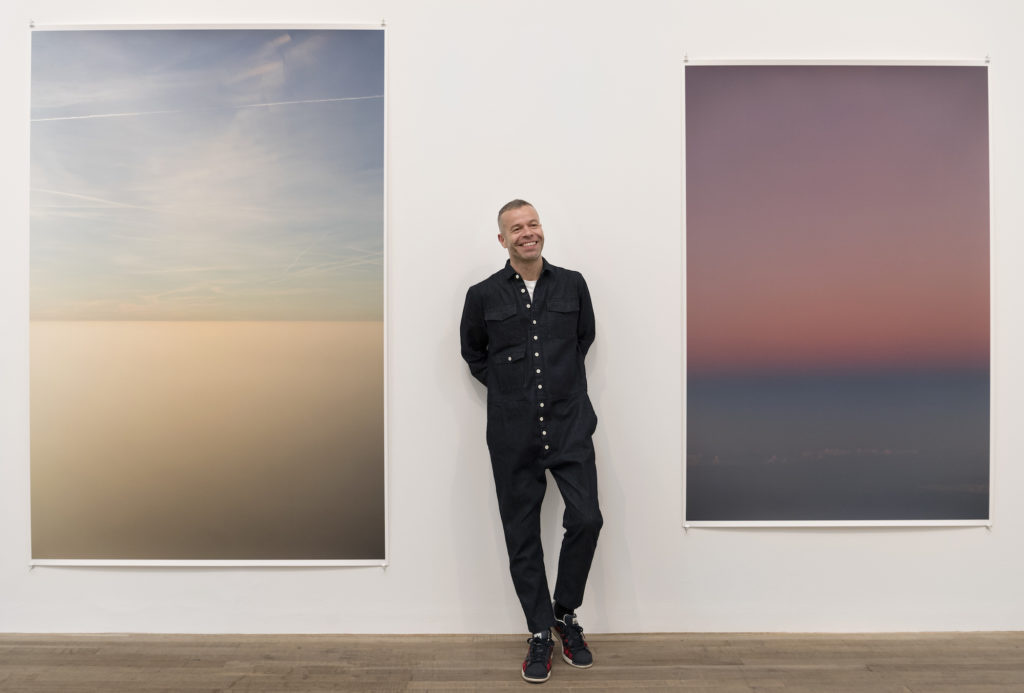
The best works in this medium feel irreducible. You cannot imagine them existing in any other form. Within the market, certain artists have proven their staying power with a consistency that gives collectors real confidence. Wolfgang Tillmans, whose relationship with the chromogenic process is almost philosophical, treats the print as both subject and object.
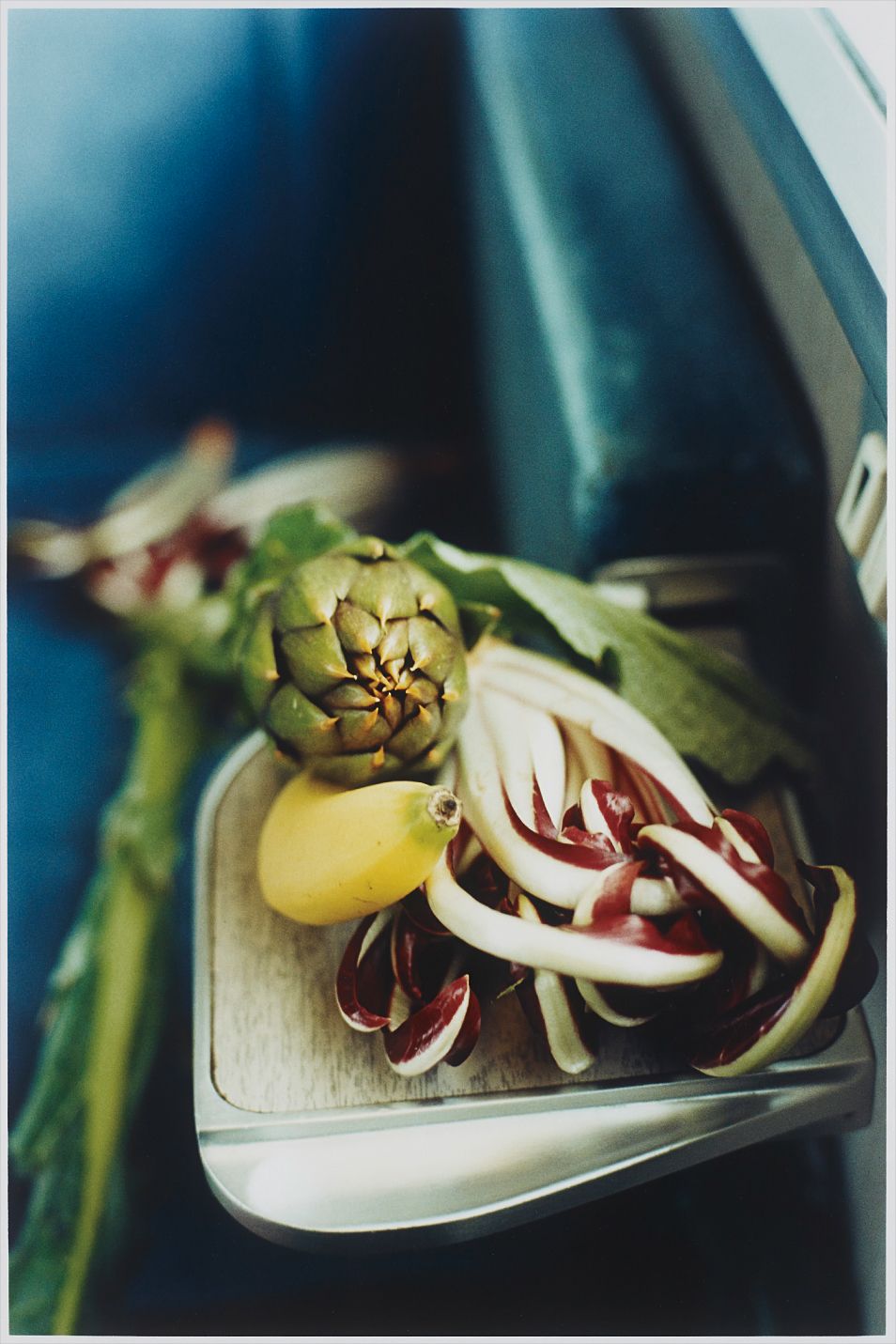
Wolfgang Tillmans
Carciofo
His works explore what the photographic surface can do when pushed beyond straightforward representation, and the secondary market has rewarded that conceptual rigor steadily. Thomas Ruff and Thomas Struth, central figures in the Düsseldorf School tradition, command strong auction results because their works exist at the intersection of photography and conceptual art, a positioning that appeals to collectors who might otherwise focus entirely on painting. Cindy Sherman's chromogenic portraits occupy a similar critical territory, and her market remains one of the most resilient in photography. Stephen Shore and William Eggleston remain essential for collectors drawn to the American vernacular tradition, and both artists have benefited from renewed institutional interest in color photography's theoretical foundations over the past decade.
For collectors willing to look at slightly less established terrain, the rewards can be considerable. Elad Lassry's formally rigorous works, which treat photography as a sculptural and conceptual proposition, have attracted serious museum attention and feel undervalued given the depth of his practice. Anne Collier operates in a similarly intelligent space, working with found photographic imagery in ways that reframe what a chromogenic print can mean as an object. Roe Ethridge occupies a fascinating position between commercial photography and fine art, and that deliberate ambiguity has made his work increasingly interesting to institutions and serious private collections.
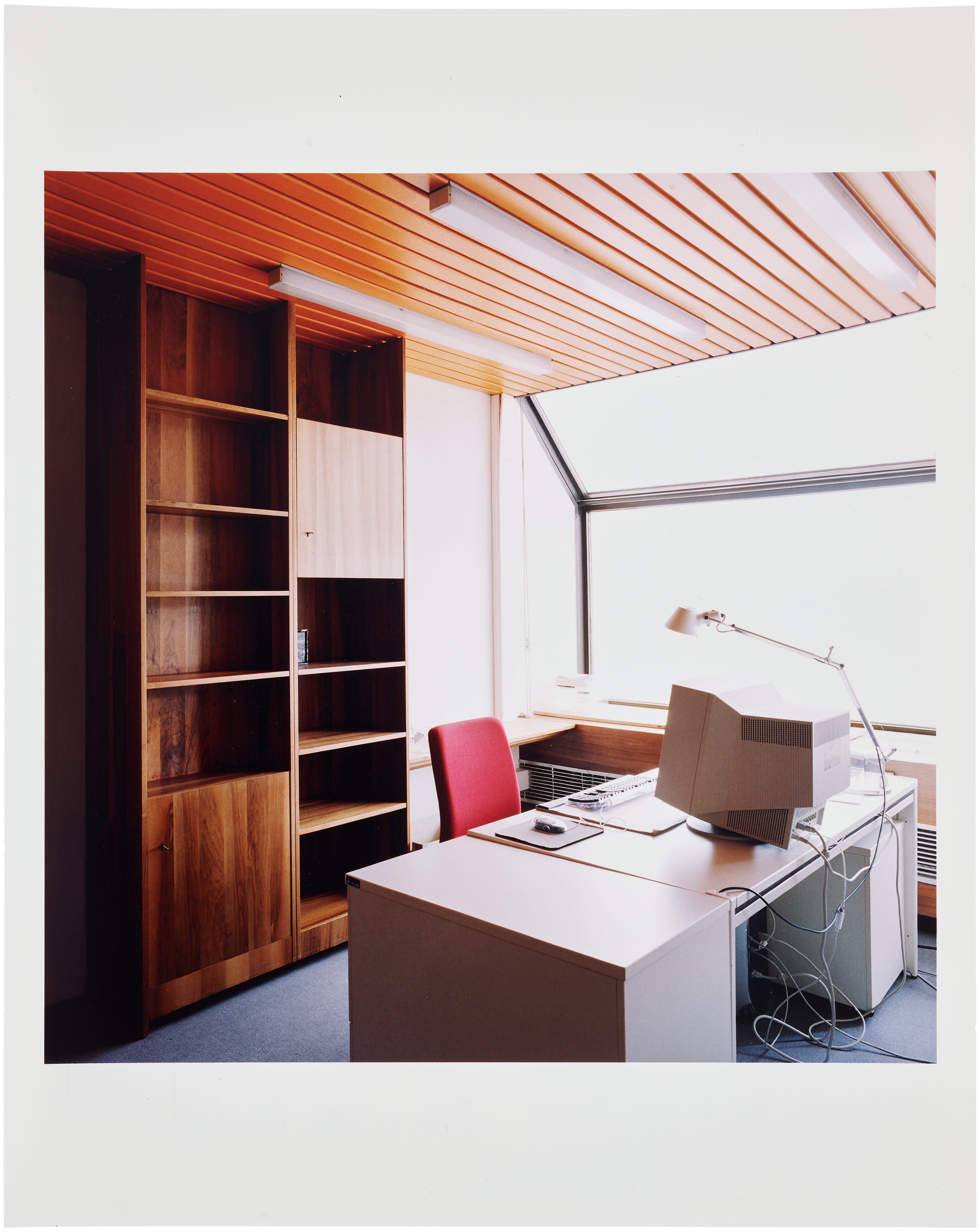
Candida Höfer
Berlin Wilhelmstrasse 44
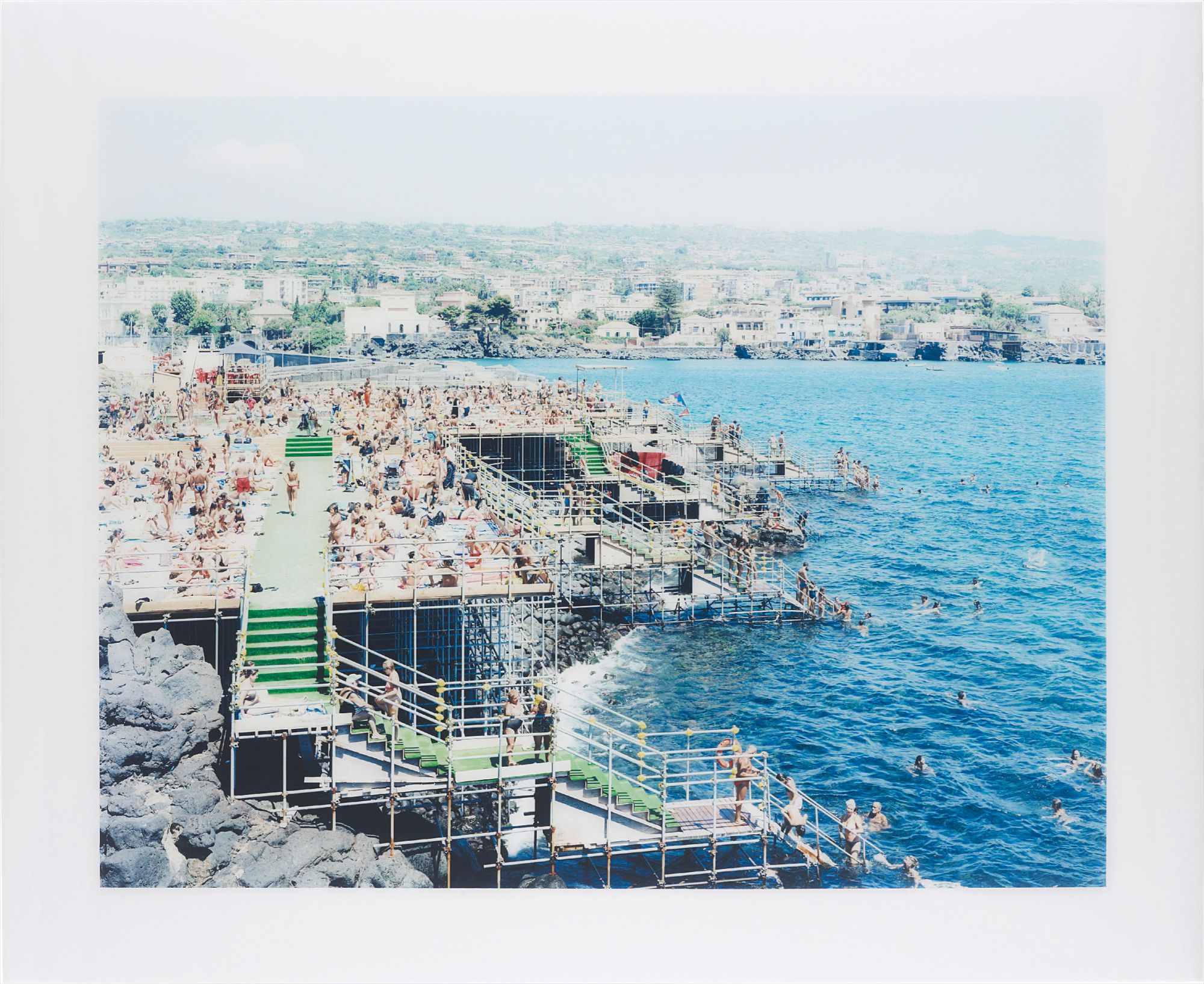
Pieter Hugo's large format portraits carry an emotional and political weight that connects them to a much broader conversation about representation and dignity, and his market has been building steadily in ways that suggest long term significance. At auction, chromogenic prints have performed with relative strength over the past fifteen years, particularly at the upper end of the market where established names are concerned. Gursky's works have set records at Christie's and Sotheby's that few photographers approach, but the more interesting story for most collectors is the mid market, where artists like Massimo Vitali, Robert Polidori, and Candida Höfer offer serious work at prices that still feel accessible relative to their institutional standing. Vitali's beach panoramas and Höfer's monumental interiors are the kinds of works that appear in significant private collections and public institutions simultaneously, a signal that the market has not yet fully priced in their importance.
Polidori's documentation of Versailles and post Katrina New Orleans sits at a rare intersection of aesthetic beauty and historical urgency. Practically speaking, display decisions matter enormously with chromogenic prints. UV filtering glazing is not optional, it is essential, and any work displayed without it is being slowly compromised regardless of how beautiful the light in the room might be. When speaking with a gallery, ask specifically about the printing facility used, whether the work was printed under the artist's direct supervision, and how the edition is structured.

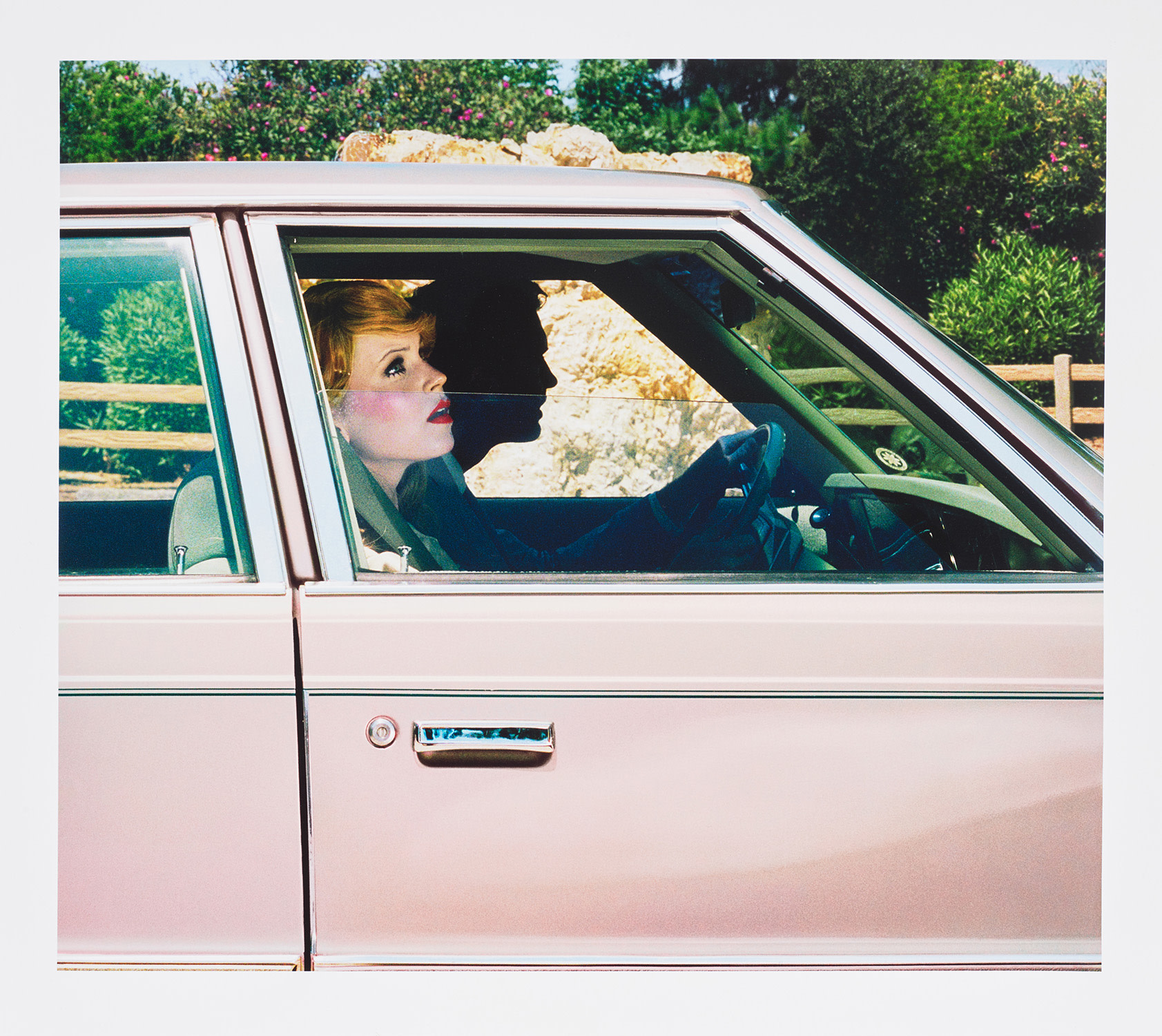
Mary McCartney
Kate In Boots
The edition size and positioning within that edition can affect resale value meaningfully. A work from an early run of a small edition carries different weight than a later print, and the documentation confirming that positioning should be part of any acquisition. Ask also about whether the artist has a history of reprinting or reissuing works in different sizes, as this can affect the coherence of a collection and the integrity of individual pieces over time. Ultimately, collecting chromogenic prints is collecting a particular quality of attention.
The artists working in this medium at the highest level are thinking about what color does to meaning, what scale does to the body of the viewer, what the chemical and physical properties of light sensitive materials reveal about the act of looking itself. Those are not small questions. They are the questions that have driven the most serious art of the past fifty years, and the chromogenic print remains one of the most compelling places to encounter them.