Late 20th Century

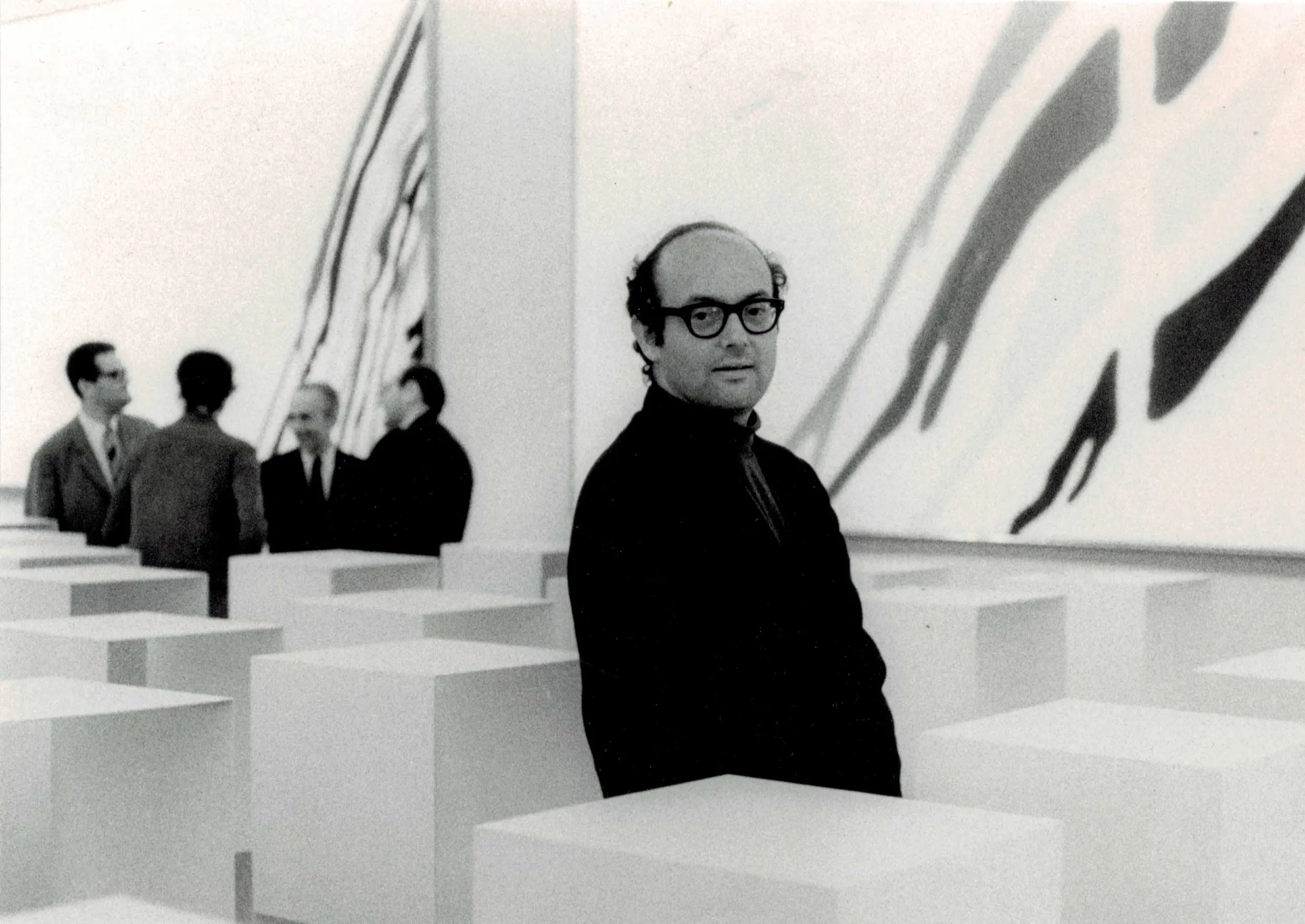
Sol LeWitt
Steps





The Decade That Refused to Settle Down
When a single Gerhard Richter abstract painting crossed the forty million dollar threshold at Christie's New York a few years back, the room went quiet in that particular way that signals something beyond commerce. It was not just a record. It was a confirmation that the late twentieth century had become the axis around which the entire contemporary art market now rotates. That period, roughly spanning the late 1970s through the late 1990s, produced a density of ideas, movements, and countermovements that no subsequent decade has managed to match for sheer creative turbulence.
The market knows this. Institutions know this. And increasingly, a new generation of collectors is arriving at the same conclusion. The auction results from the past several years tell a story that is almost too coherent to be accidental.
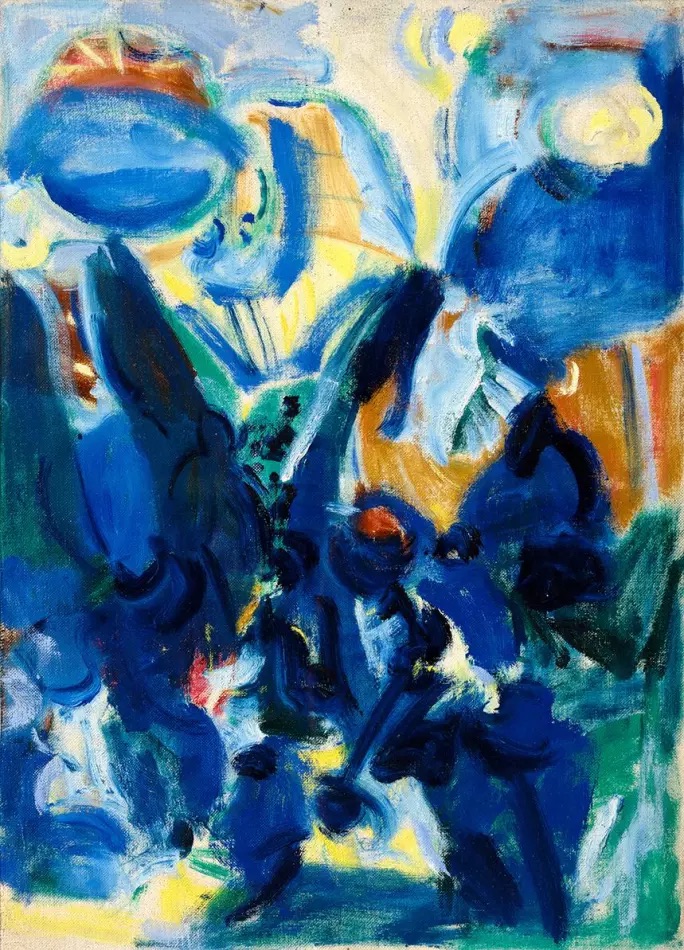
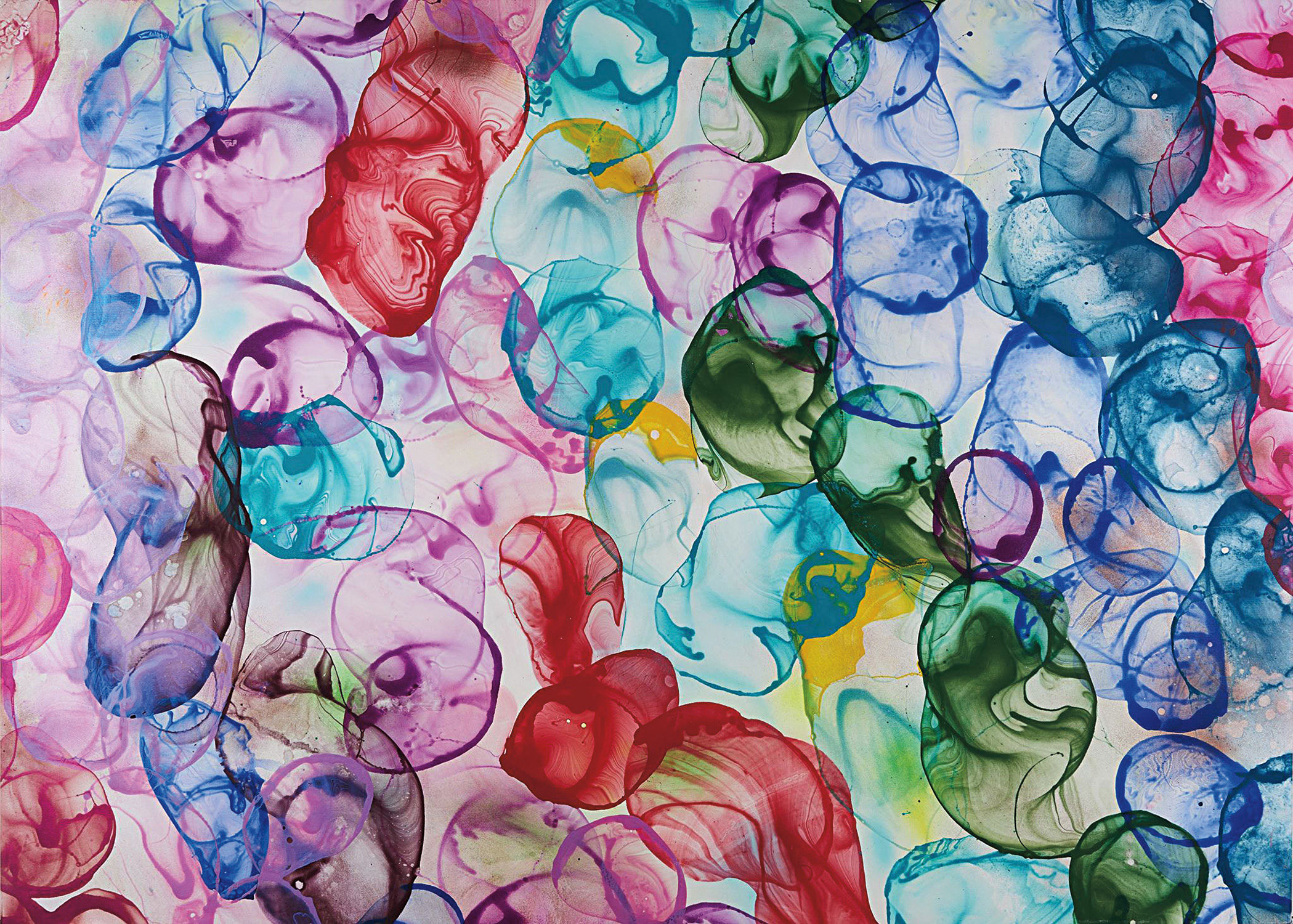
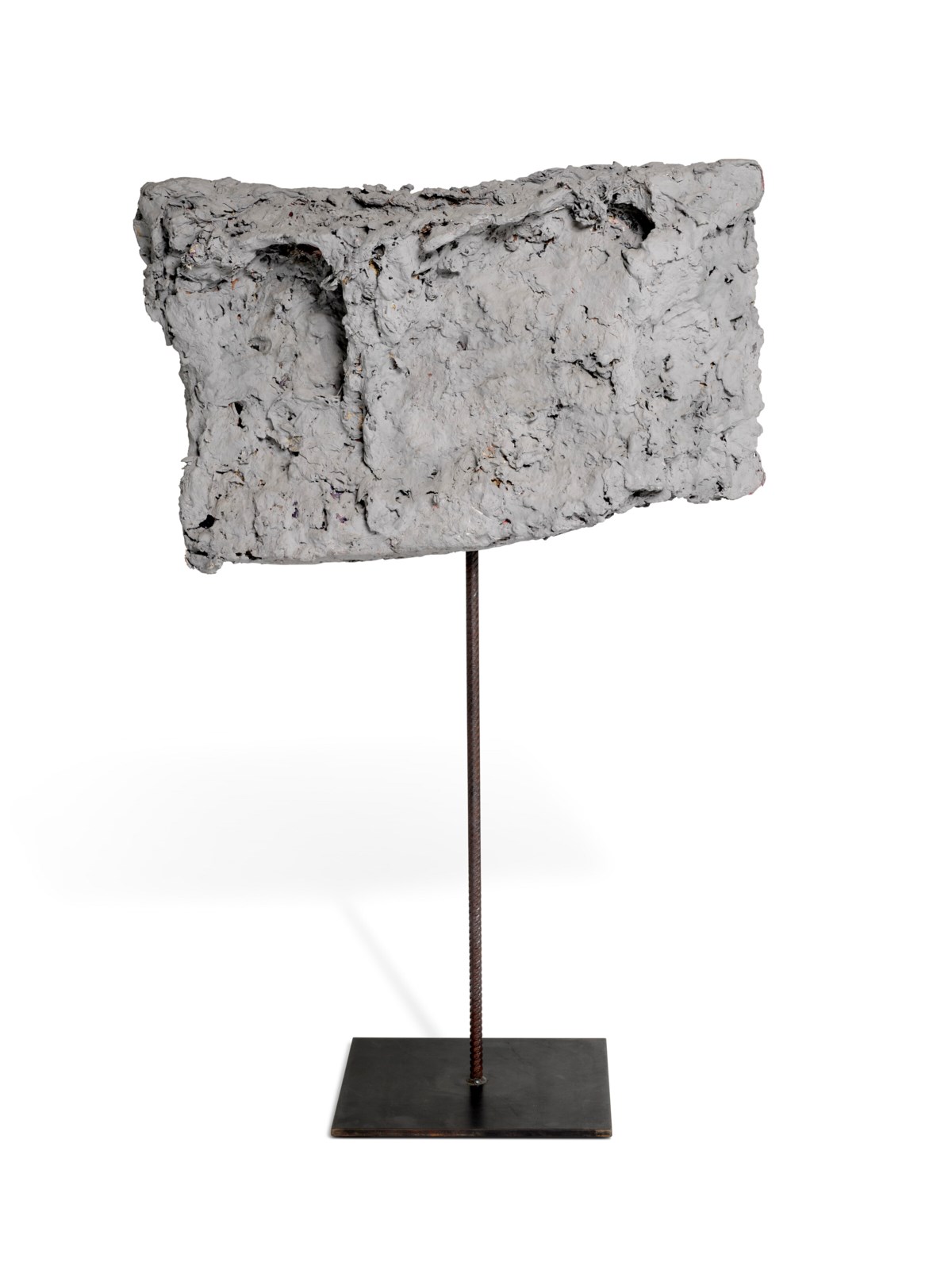
Wu Dayu
Untitled-19, 1980
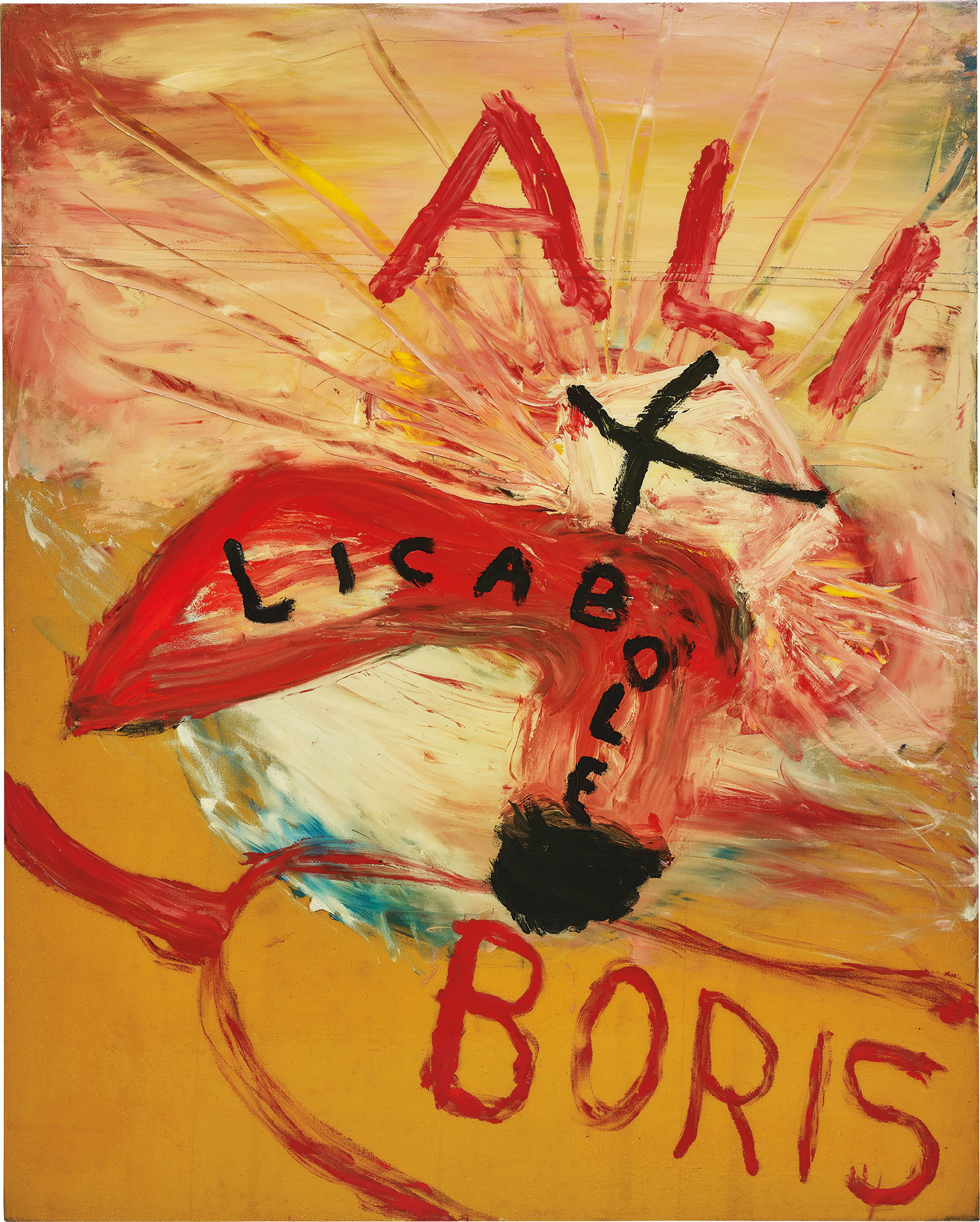
Richter, whose photo paintings and squeegee abstractions command prices that place him among the most valuable living artists anywhere, anchors one end of the market. But the appetite extends far deeper into the roster. Works by Cindy Sherman from her Untitled Film Stills series, completed between 1977 and 1980, now routinely exceed estimates by significant margins. Jean Michel Basquiat, whose career was compressed into barely a decade before his death in 1988, has become a true blue chip commodity, with major works regularly appearing among the top lots of any given season.
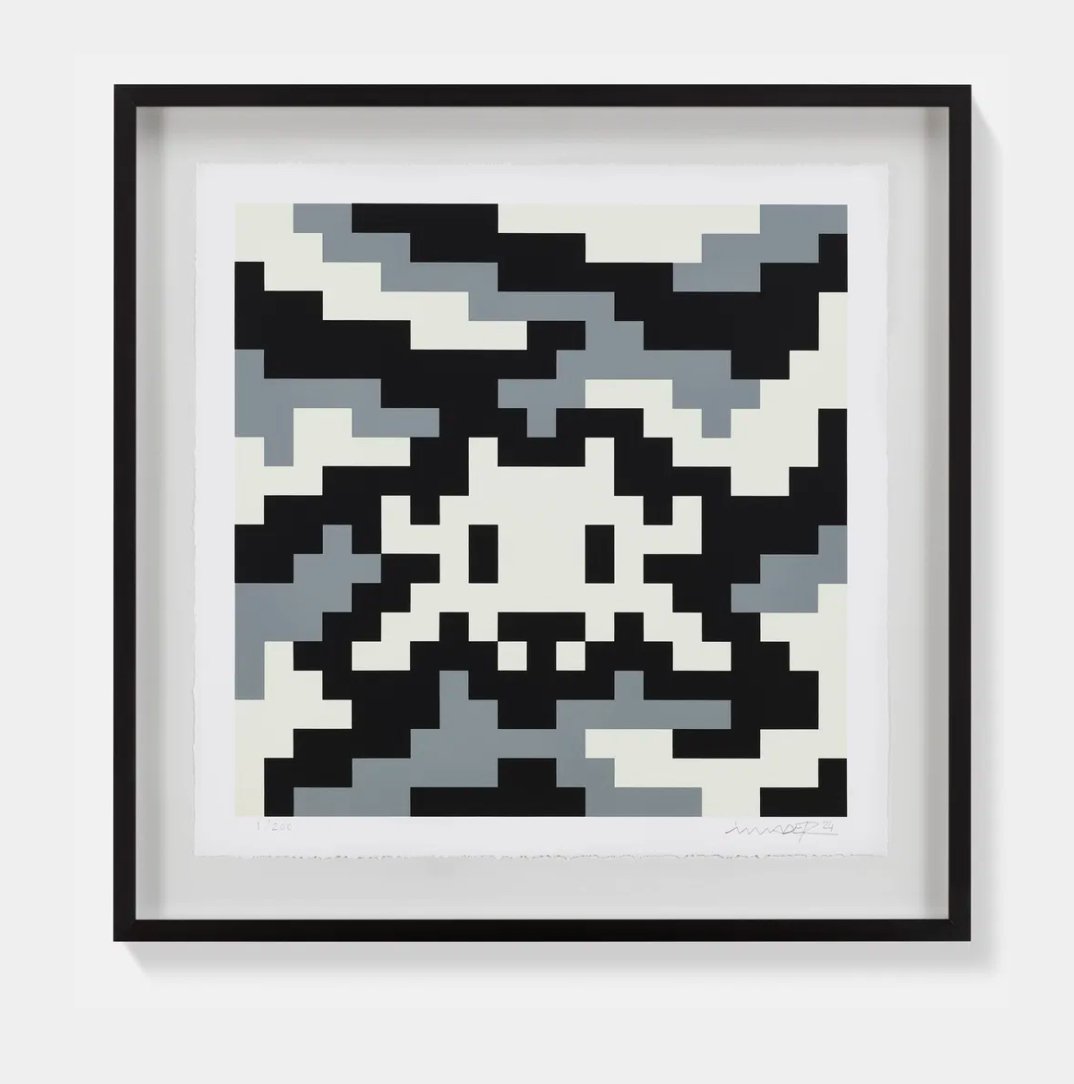
What unites these results is not style or medium but a shared cultural density. Each of these artists was grappling with something urgent, and the market has decided that urgency has only appreciated in value. The exhibition history of the period has been remarkably active. The Museum of Modern Art's 2010 retrospective of Hirst's mentor and foil, as well as the major Sol LeWitt surveys that traveled internationally in the mid 2000s, reminded audiences that the late twentieth century was not one movement but a series of overlapping arguments about what art could or should do.
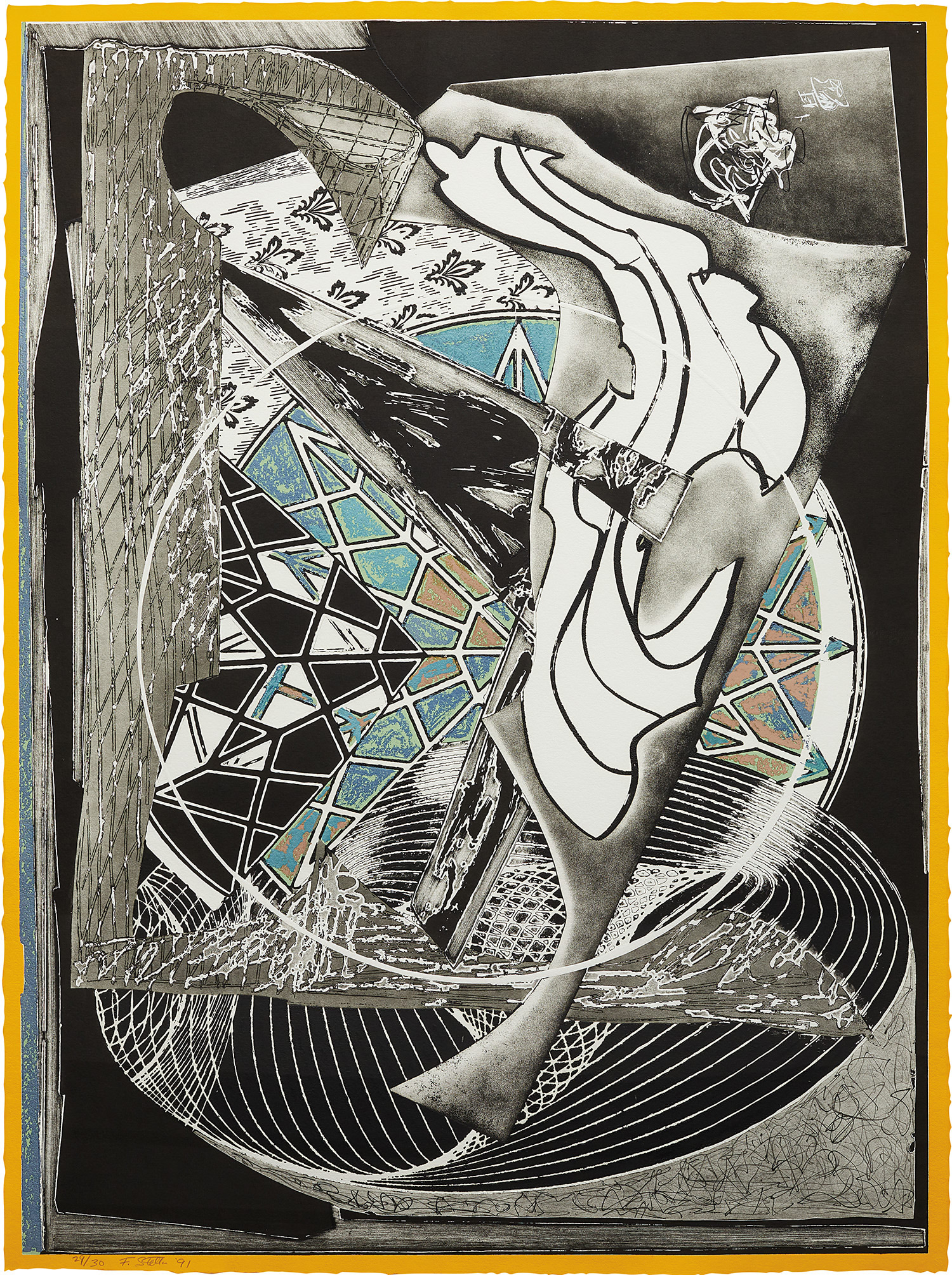
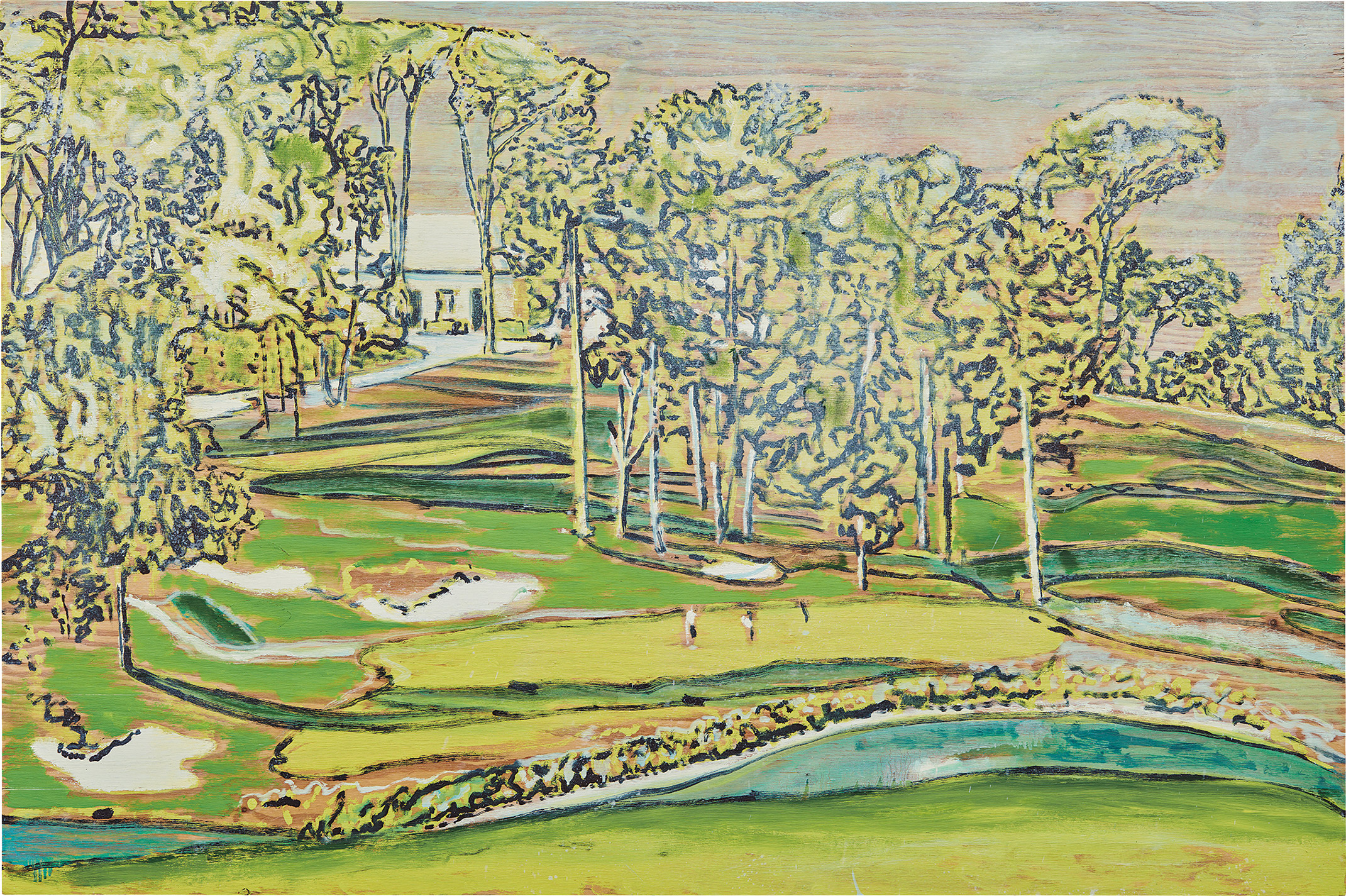
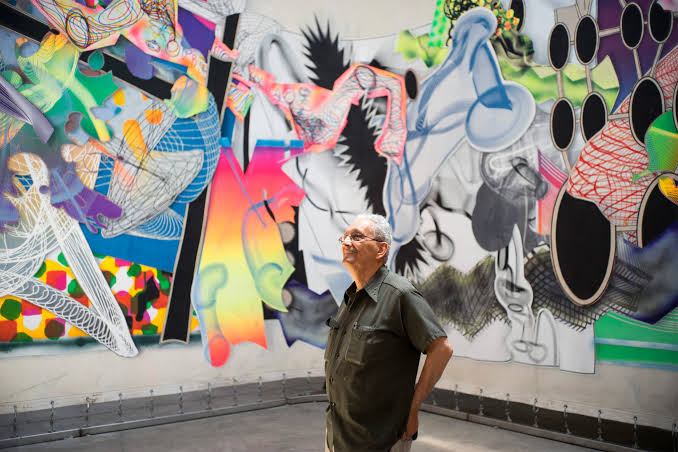
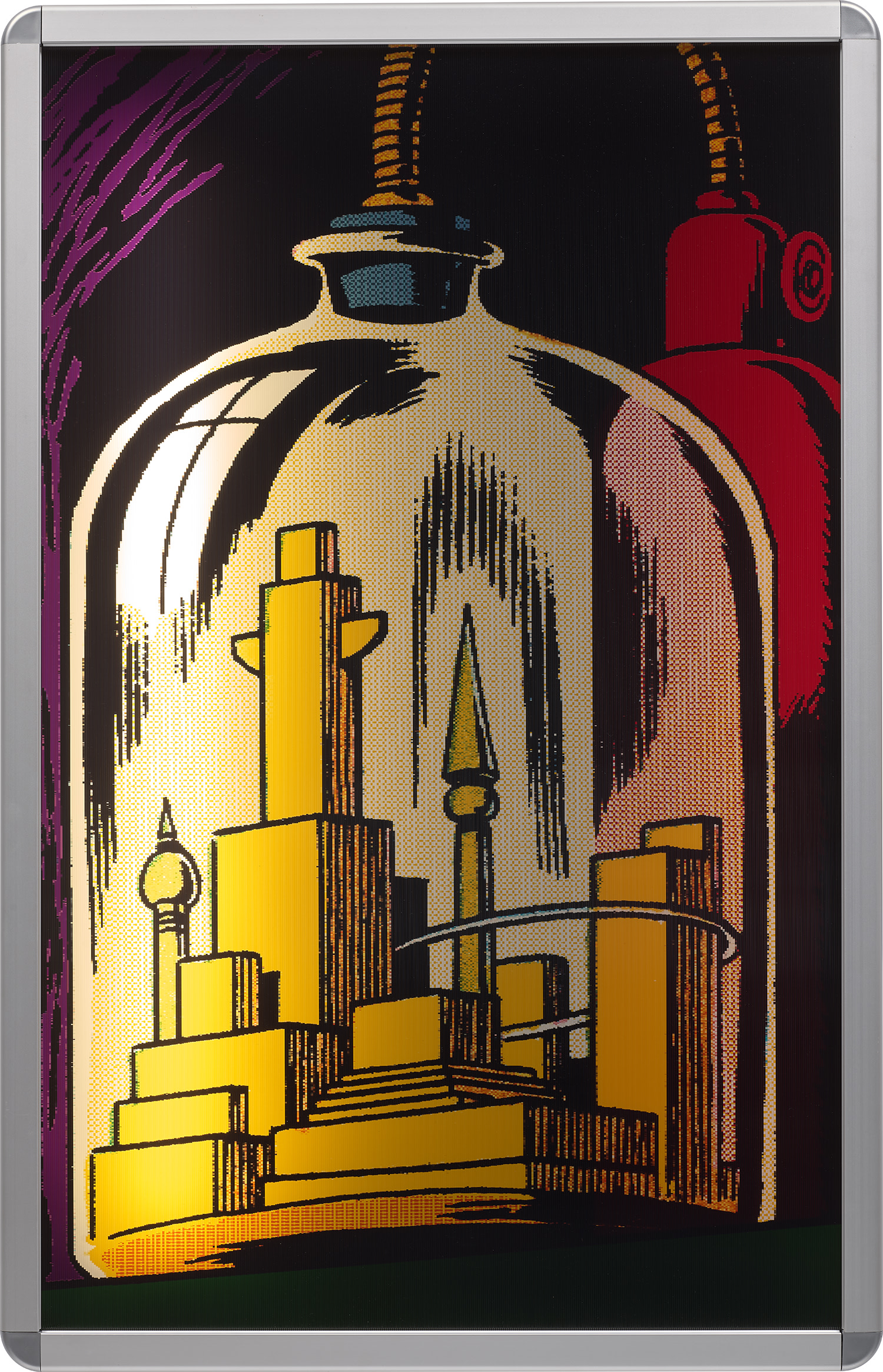
Frank Stella
Jonah Historically Regarded, from Moby Dick Engravings
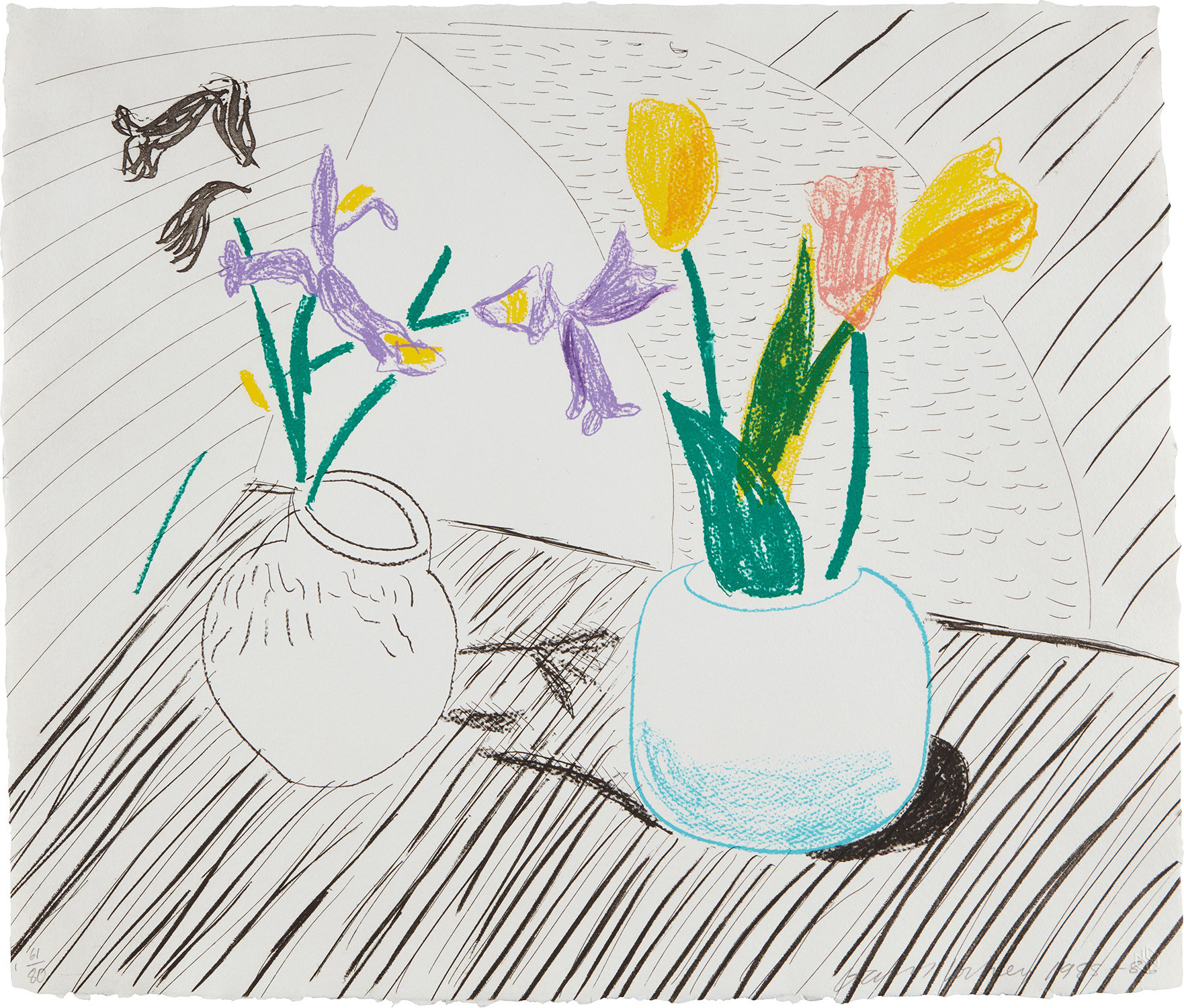
The Whitney Biennial has repeatedly returned to this period as a point of reference, and the Stedelijk Museum in Amsterdam has been particularly rigorous in its scholarship around figures like Brice Marden and Frank Stella. Tate Modern's programming has continued to foreground artists such as Howard Hodgkin and Robert Rauschenberg as essential rather than historical. The distinction matters. Essential means there is still something to learn from the work.
Historical means it has been filed away. Institutional collecting patterns reveal where the field is heading. The Broad in Los Angeles, founded on a collection anchored in exactly this period, has signaled that late twentieth century work is not a niche but a foundation. The Rubell Museum in Miami, with its deep holdings in artists like Mike Kelley, Keith Haring, and Raymond Pettibon, has made a persuasive argument that the rawer, more subcultural energies of this era deserve the same institutional seriousness as the canonical movements that preceded them.
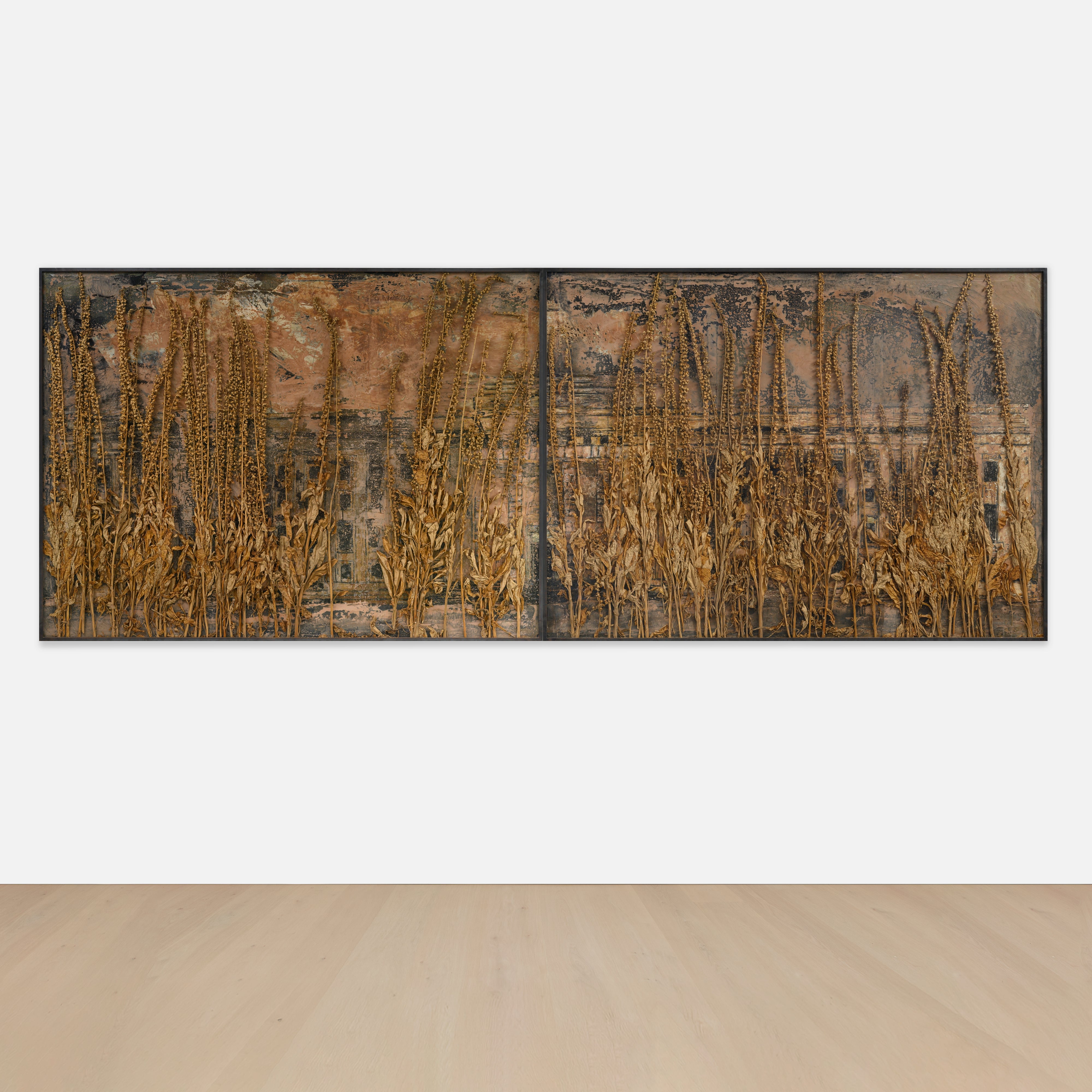
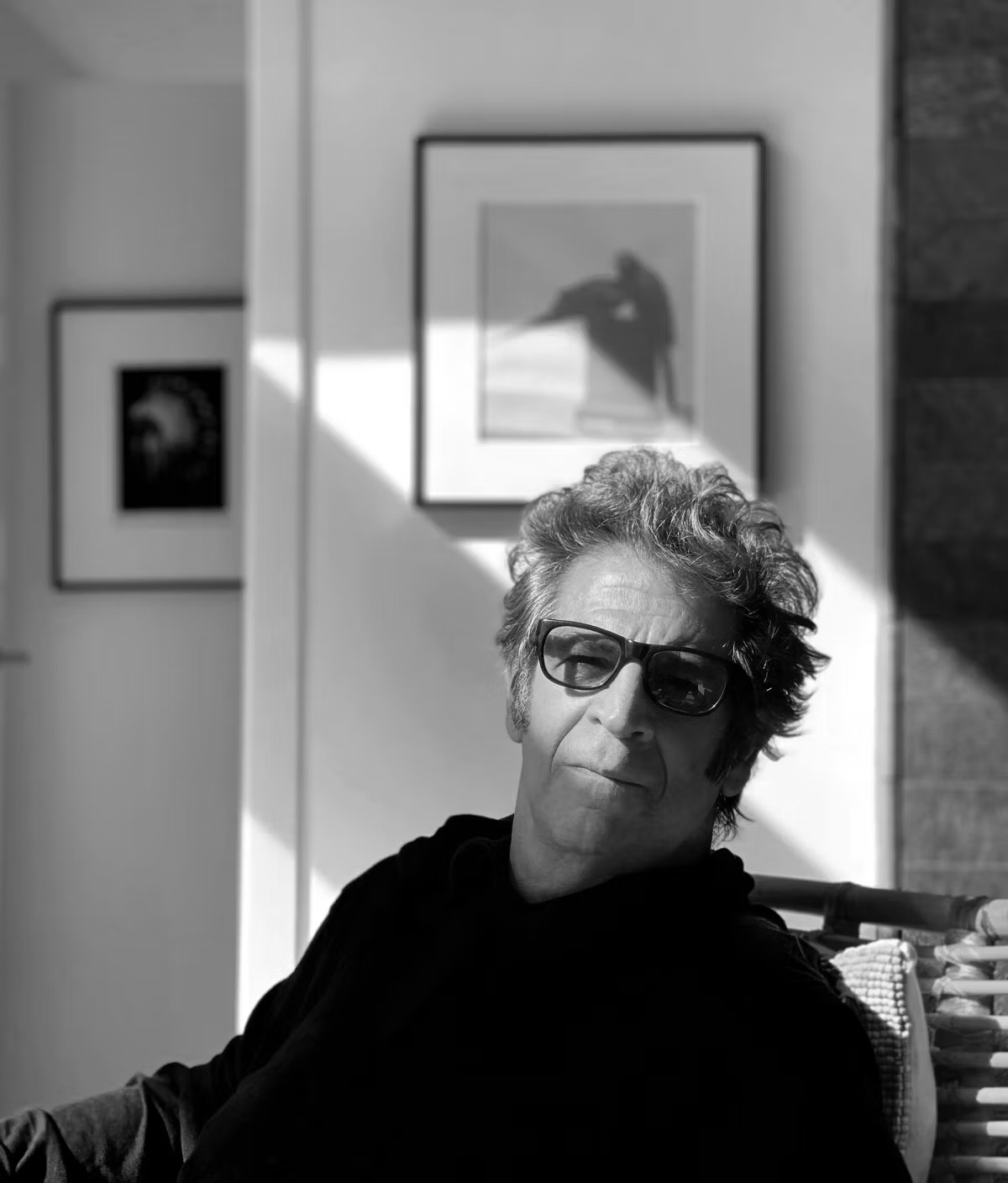
Anselm Kiefer
Right wing, left wing, 1991
European institutions, particularly the Museum Ludwig in Cologne and the Fondation Beyeler in Basel, have been quietly deepening their holdings in German painters like Anselm Kiefer and Martin Kippenberger, recognizing that these figures are still underestimated relative to their historical importance. When museums buy, they are placing long bets. These bets suggest confidence in a period that shows no sign of losing its grip on the critical imagination. The critical conversation around the late twentieth century has become genuinely interesting again, partly because the principals are still alive and willing to speak.
Thomas Struth and Thomas Ruff have given extensive interviews in recent years that reframe the Dusseldorf photography school not as a tidy movement but as a productive disagreement among colleagues. Richard Prince's legal and conceptual provocations have generated renewed scholarly attention, with writers in Artforum and October revisiting his appropriation strategies in light of contemporary debates about originality and authorship. Alex Katz, long treated as a kind of genial outlier, has been recast by younger critics as a foundational influence on the flat, poster bright painting that dominates art fairs today. John Baldessari, who passed away in 2020, has been the subject of several important reassessments that position his CalArts pedagogy as one of the most consequential curatorial acts of the entire period.
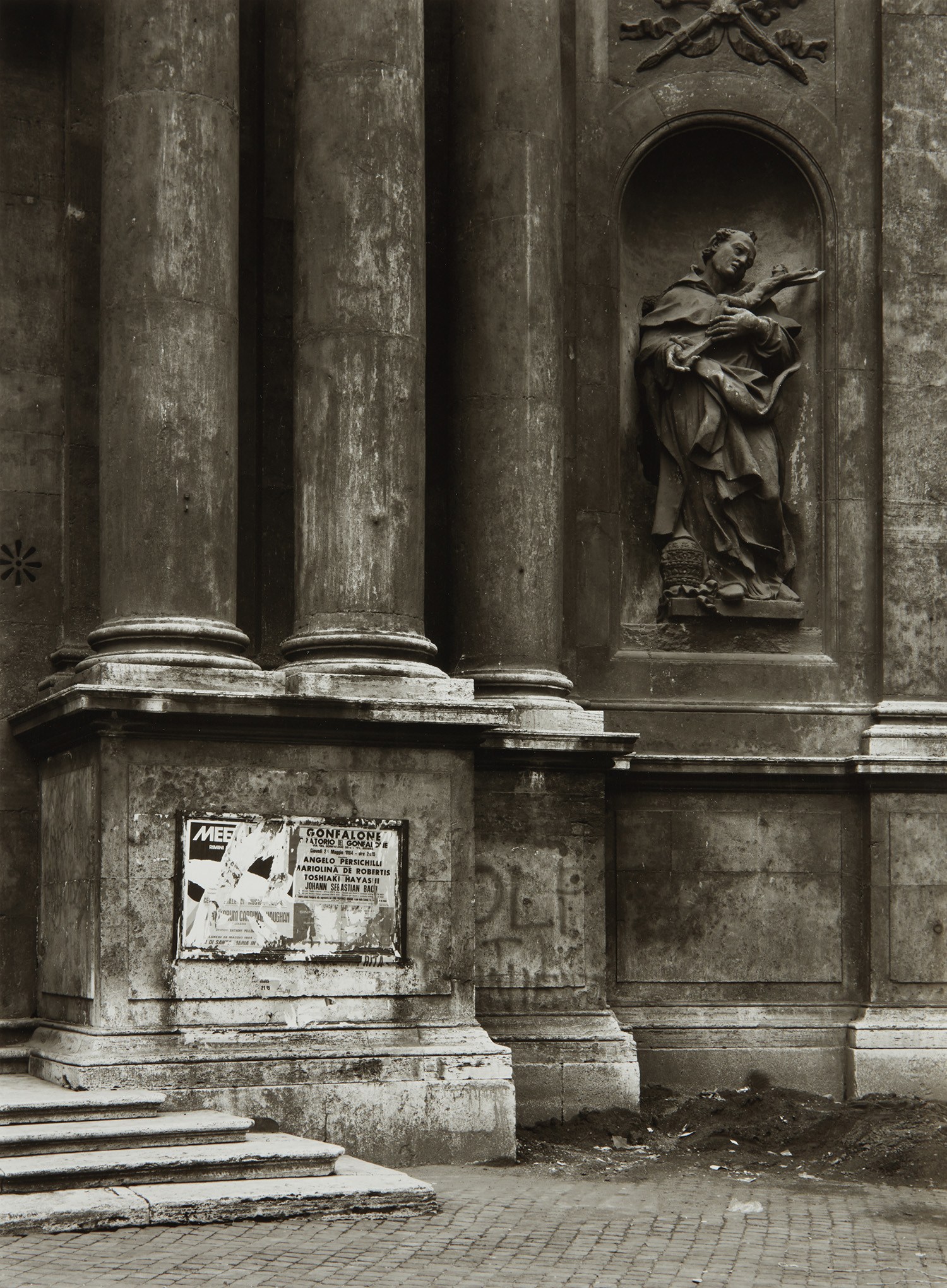
Thomas Struth
Piazza San Marcello, Rome
The critics and curators doing this work are not simply adding footnotes. They are rewriting the chapter headings. What feels alive right now is the work that was once considered too difficult, too abrasive, or too specific to travel well. Nan Goldin's photographs, which have always been emotionally precise and politically charged, have taken on new dimensions in the context of her activism around the opioid crisis and the Sackler family.
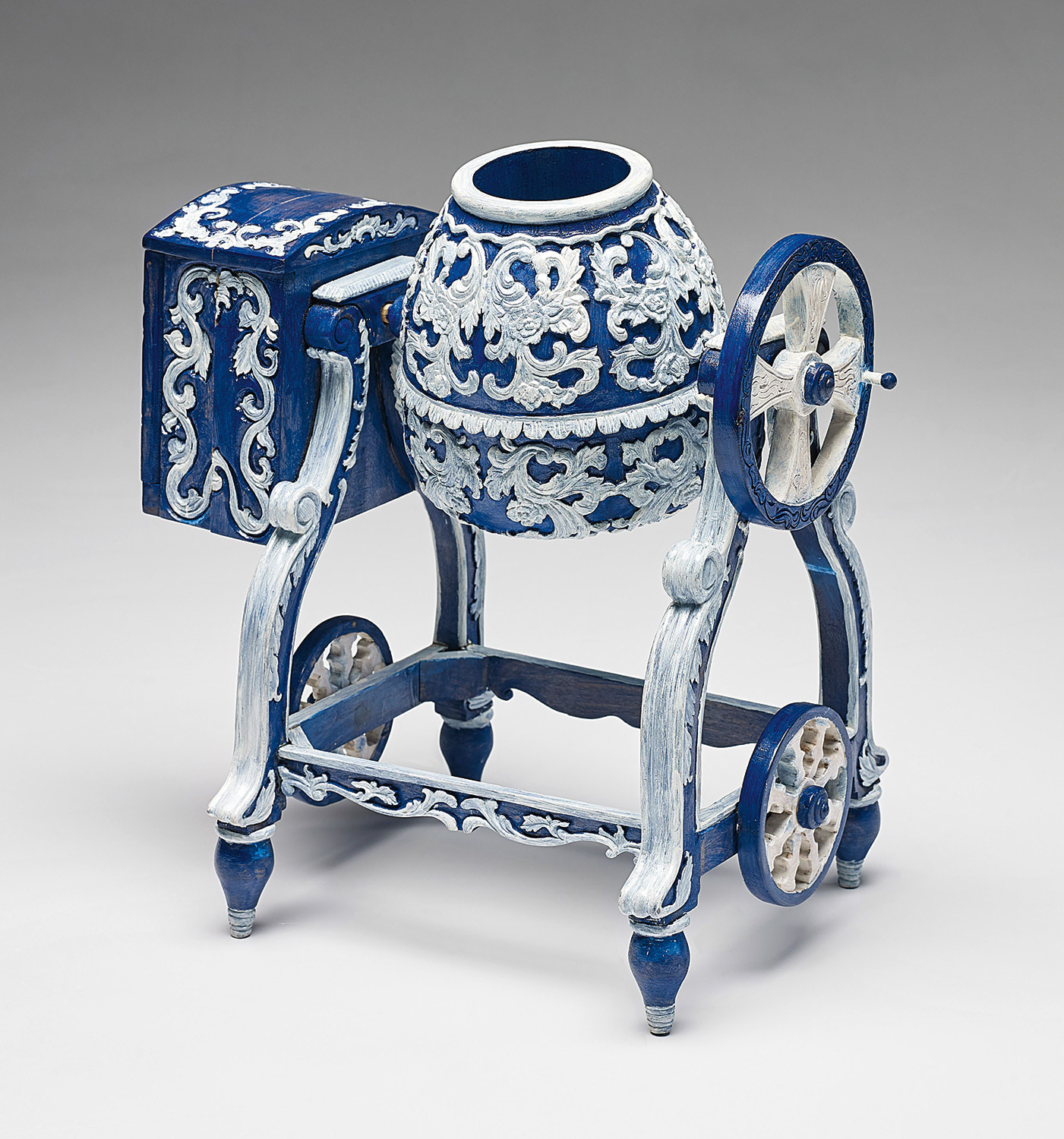
Vik Muniz, whose reproductions and material transformations now read as prescient commentaries on image culture, has attracted renewed attention from collectors who came of age on Instagram. Franz West's sculptural furniture and social objects, which were always more interested in use than contemplation, feel newly relevant to conversations about participation and accessibility in art spaces. Christopher Wool's word paintings, once filed under cynical postmodernism, now look like they were written for this particular cultural moment. The late twentieth century, it turns out, was not finished when the century ended.
It simply went underground for a while, and it is surfacing again with considerable force. For collectors approaching this period now, the question is not whether to engage but where to focus attention. The canonical figures, Richter, Basquiat, Sherman, are priced at levels that require institutional scale resources. But the second tier, which is really not a second tier at all, remains accessible and in several cases significantly undervalued.
Günther Förg, whose paintings and photographs are well represented on The Collection, continues to trade below where serious scholarship would place him. Donald Baechler's work, rooted in a dialogue between graffiti, folk art, and high modernism, is starting to attract the kind of sustained curatorial attention that precedes market correction. Peter Halley's neo geo abstractions, once dismissed as overly theoretical, are being revisited by a generation that has lived inside the grid structures he was diagramming in the 1980s. The late twentieth century rewards patience and curiosity in roughly equal measure.
It also rewards getting there slightly before everyone else does.