Thomas Struth
Thomas Struth Sees the World Clearly
Artist Spotlight · The Collection Editorial
“I want the photographs to be an experience, not just information.”
Thomas Struth, interview with the Museum of Contemporary Art, Chicago
When the Kunstmuseum Düsseldorf mounted a substantial survey of Thomas Struth's work, it confirmed what collectors and curators had long understood: here is a photographer whose sustained, methodical gaze has quietly transformed how we think about cities, culture, and the act of looking itself. Struth has spent five decades building one of the most intellectually coherent bodies of work in contemporary photography, a practice rooted in deep curiosity about human systems and the spaces we inhabit together. His reputation continues to grow in step with a broader critical reassessment of photography's place in the art historical canon, and his presence in major institutional collections from New York to Tokyo reflects just how thoroughly his vision has permeated the culture. Struth was born in Geldern, Germany in 1954, and came of age in the postwar moment that shaped so much of contemporary German art.
Thomas Struth
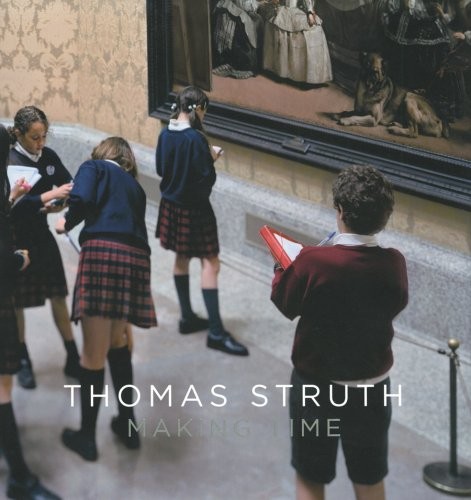
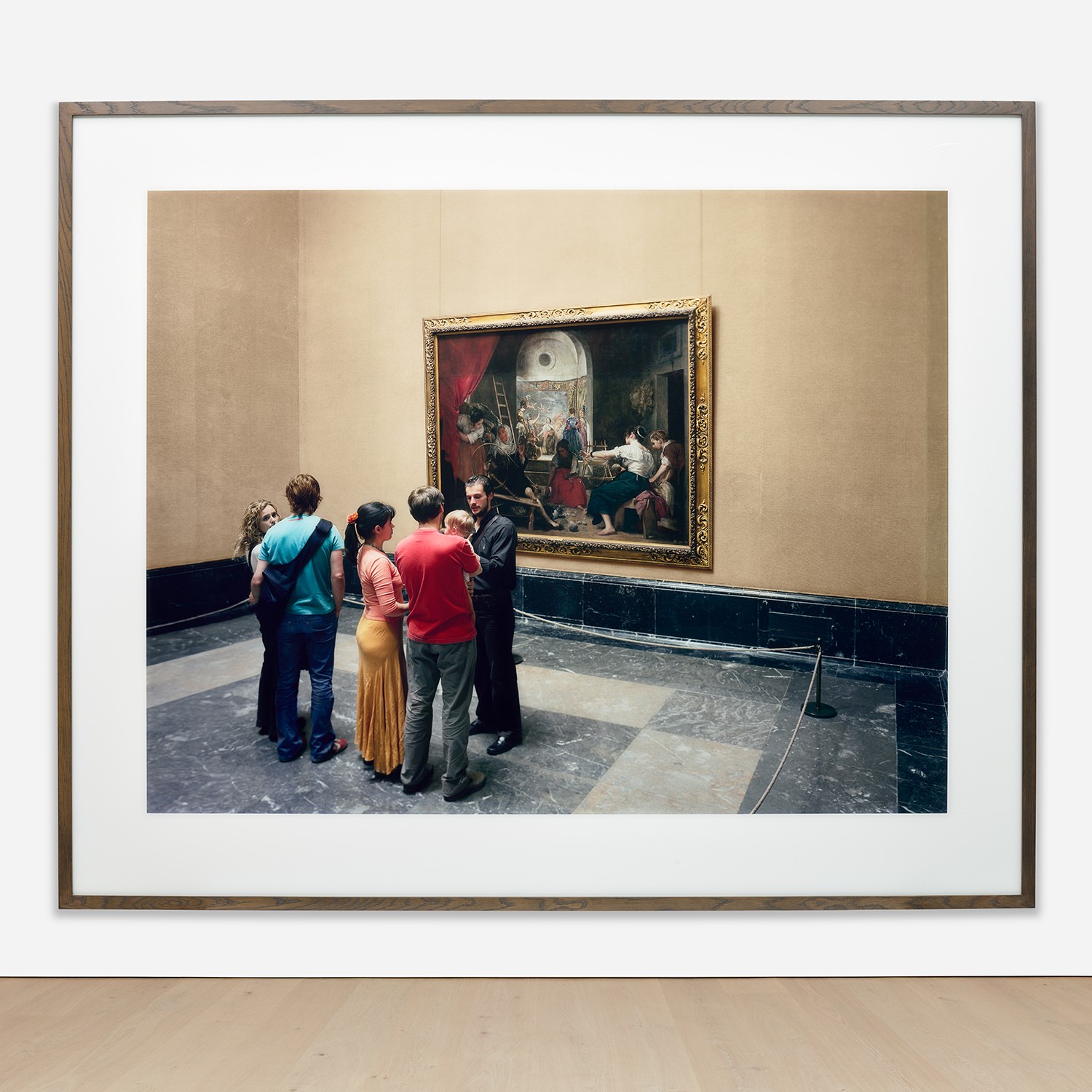
Museo del Prado 3, 2005
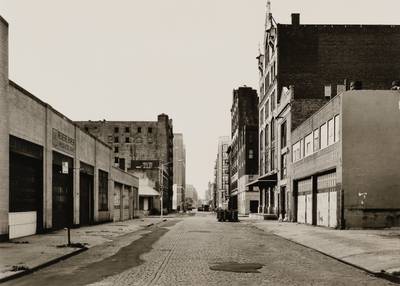
He first studied painting at the Kunstakademie Düsseldorf before making the pivotal decision to join the photography class run by Bernd and Hilla Becher, the legendary conceptual duo whose systematic documentation of industrial structures would reshape the medium entirely. The Bechers taught a generation including Andreas Gursky, Candida Höfer, and Axel Hütte to treat the photograph as a form of rigorous, almost scientific inquiry rather than a vehicle for personal expression or romantic subjectivity. For Struth, this was not a constraint but a liberation, offering a framework precise enough to support genuinely ambitious ideas. Struth's earliest mature series, begun in the late 1970s, focused on city streets photographed in deserted, early morning stillness.
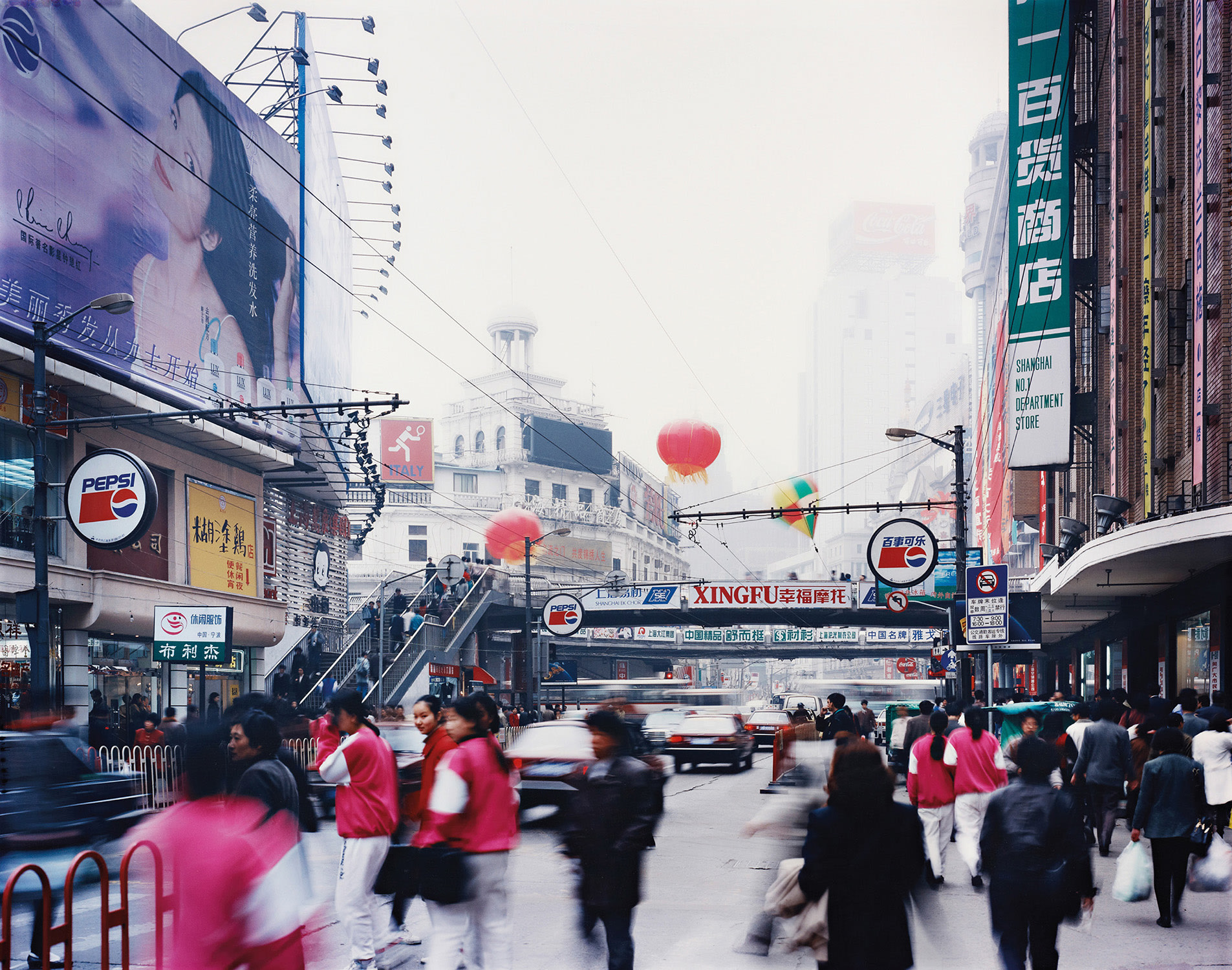
Works like 'Panorama 2, Beaugrenelle, Paris, 1979' exemplify this period: large format black and white images presenting urban facades with an almost uncanny calm, stripped of the noise and movement that ordinarily characterizes city life. These photographs ask us to see the built environment as a kind of unconscious self portrait of the societies that produced it, each street carrying traces of planning decisions, historical pressures, and collective aspirations. When Struth extended this approach to cities across Asia, including the landmark 'Nanjing Xi Lu, Shanghai' from 1997, the work gained a cross cultural dimension that felt genuinely global in scope at a moment when the art world was beginning to reckon seriously with its own geographic limitations. The series that brought Struth to widespread international attention was the 'Museum Photographs', begun in the late 1980s and continued across subsequent decades.
Thomas Struth
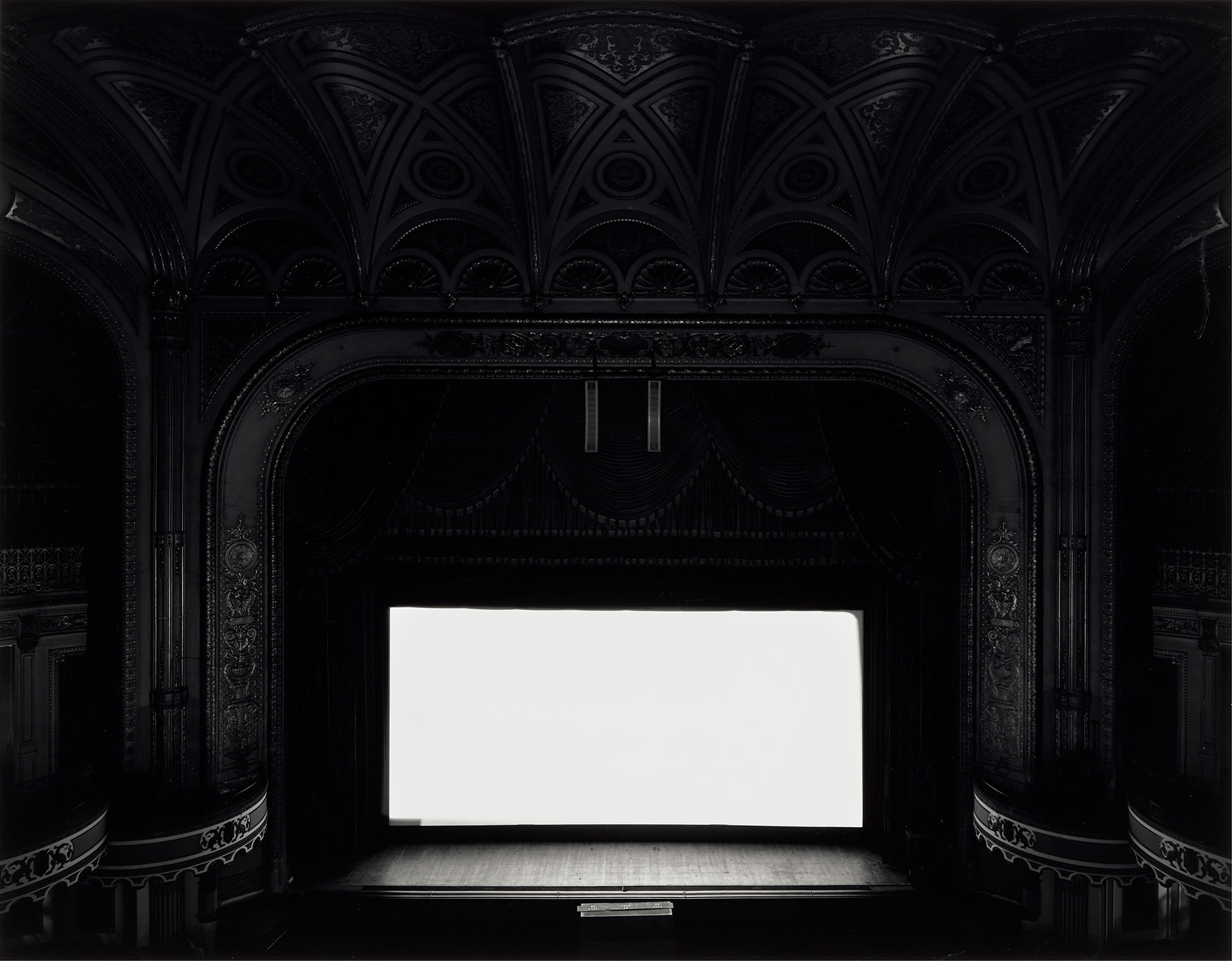
Paradise 25, Yuquehy/ Brazil
These large format color images depict visitors standing before canonical paintings in the great museums of Europe and beyond, institutions like the Museo del Prado in Madrid, the Galleria dell'Accademia in Florence, and the Louvre in Paris. Works such as 'Museo del Prado 3' and 'Museo del Prado 5', both from 2005, and 'Audience 2 (Galleria Dell'Accademia), Florenz' place the viewer in a wonderfully recursive position: we look at people looking at art, and in doing so we become acutely aware of our own looking. The photographs are neither satirical nor sentimental about their subjects. They observe with a respect and attentiveness that feels almost devotional, transforming the act of museum going into something charged with meaning and worthy of serious study.
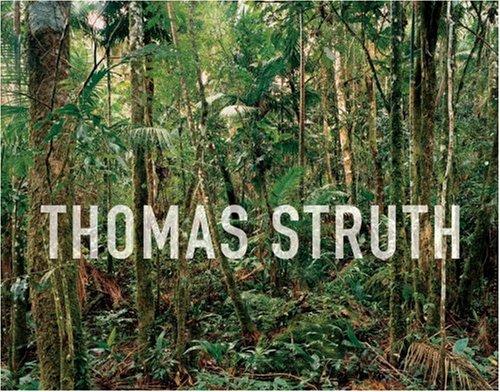
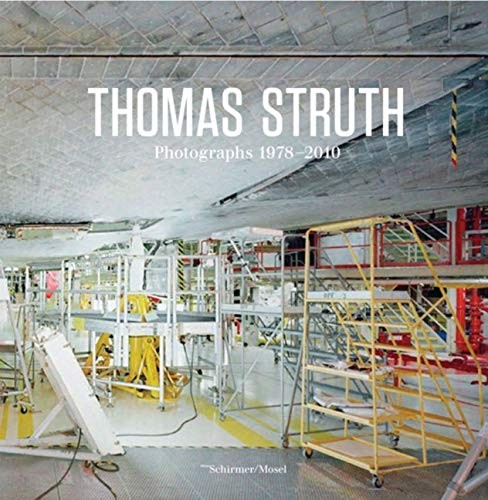
Struth's practice has never stood still. His 'Paradise' series, featuring dense, almost overwhelming images of jungle vegetation photographed in locations including Brazil, where 'Paradise 25, Yuquehy' was made, marked a striking turn toward the natural world and away from the human built environment. The jungle photographs carry an entirely different mood: lush, abundant, and slightly vertiginous, they invite prolonged meditation on ecological complexity and the relationship between human consciousness and the nonhuman world. Later, Struth turned his lens on advanced scientific and technological facilities, producing images of NASA control rooms, shipyards, and research laboratories including 'String Handling, Solarworld, Freiberg', which depicts solar energy manufacturing with the same careful respect he brought to old master galleries.
Thomas Struth
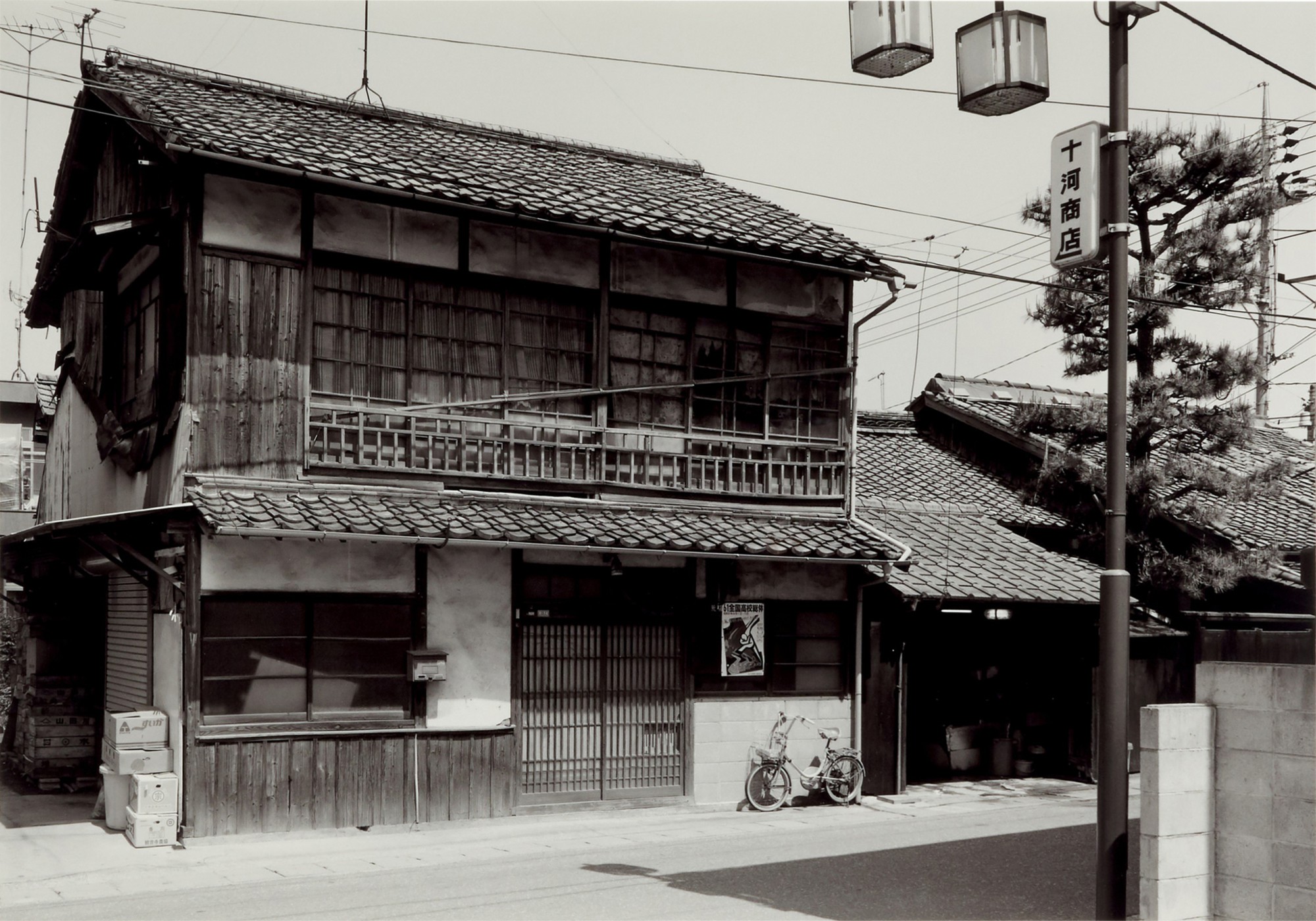
Woodhouse with Lanterns, Yamaguchi
These works reflect a genuine intellectual fascination with how human knowledge organizes itself into physical space and specialized practice. For collectors, Struth's work offers a combination of qualities that is genuinely rare in the contemporary market. His photographs are technically impeccable, produced as large format chromogenic prints and c prints that reward close attention and hold their presence magnificently on the wall. Many works are face mounted, giving them the pristine, luminous quality that has become a hallmark of the Düsseldorf school.
Editions tend to be relatively limited and are published with care: the 'String Handling, Solarworld, Freiberg' print published by Whitechapel Gallery in London, for instance, carries the kind of institutional provenance that anchors long term value. Struth's gallery relationship with Marian Goodman, one of the most respected platforms for serious contemporary art in New York and Paris, further attests to the caliber of his standing. Works on paper and smaller format prints offer accessible entry points, while the monumental large format pieces represent cornerstone acquisitions for committed collectors. Struth belongs to a generation of German photographers whose collective achievement has been one of the great art historical stories of the past half century.
Thomas Struth
Nanjing Xi Lu, Shanghai, 1997
His peers from the Becher circle, including Gursky, whose auction records have made global headlines, and Höfer, whose intimate interiors share Struth's fascination with institutional space, provide a useful framework for understanding his place in the tradition. But Struth is not reducible to any school or movement. His interest in the social and psychological dimensions of looking, in the way photographs can make visible the invisible structures of human life, places him in dialogue with artists as varied as Walker Evans, whose American street photography clearly informed the early urban work, and conceptual artists who understood the image as a form of rigorous thinking. What makes Struth's legacy feel urgent today is precisely its refusal to be merely fashionable.
At a moment when images proliferate with bewildering speed and photographs are consumed in fractions of a second, his work insists on duration and attention. Standing before a large Struth print, whether it depicts a Shanghai boulevard, a crowd of tourists in the Prado, or a tangle of Brazilian rainforest canopy, one is reminded that photography at its most ambitious is not about capturing a moment but about building a sustained, searching encounter with the world. That is a rare and genuinely valuable thing, and it is why Thomas Struth's photographs belong not just in collections but in conversations about what art is capable of doing.
Explore books about Thomas Struth