Limited Edition





The Edition Is the Message Now
When a print by Takashi Murakami sold at Phillips London in 2023 for more than ten times its low estimate, it was not a fluke or a feeding frenzy. It was confirmation of something collectors have quietly understood for years: the limited edition has become one of the most dynamic, contested, and intellectually serious categories in the market. The edition is no longer a consolation prize for those who cannot afford a unique work. It is, for many artists and many institutions, the primary vehicle through which ideas travel.
The case for editions begins with what they do structurally. They allow an artist to make a decision about distribution, about who gets to live with their work, about how meaning spreads through culture. When Keith Haring worked with printmakers in the 1980s, he was not simply merchandising his imagery. He was extending a democratic visual project that had begun on the walls of the New York subway.
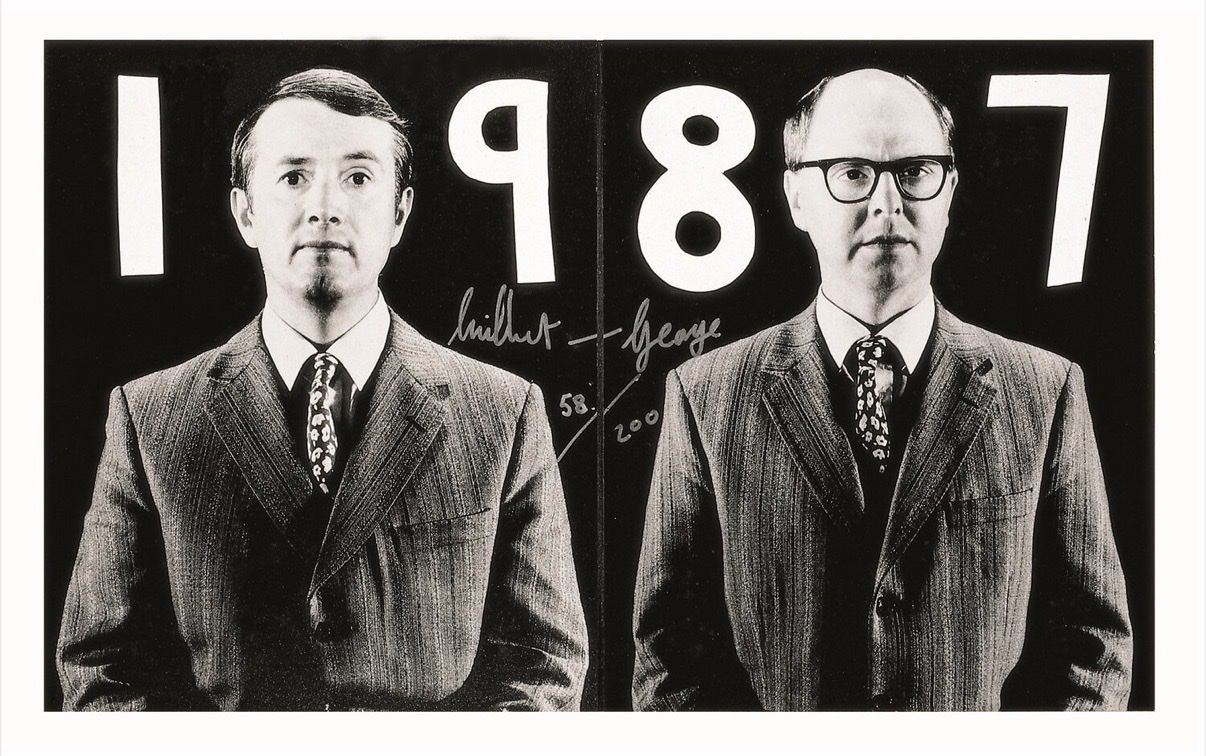
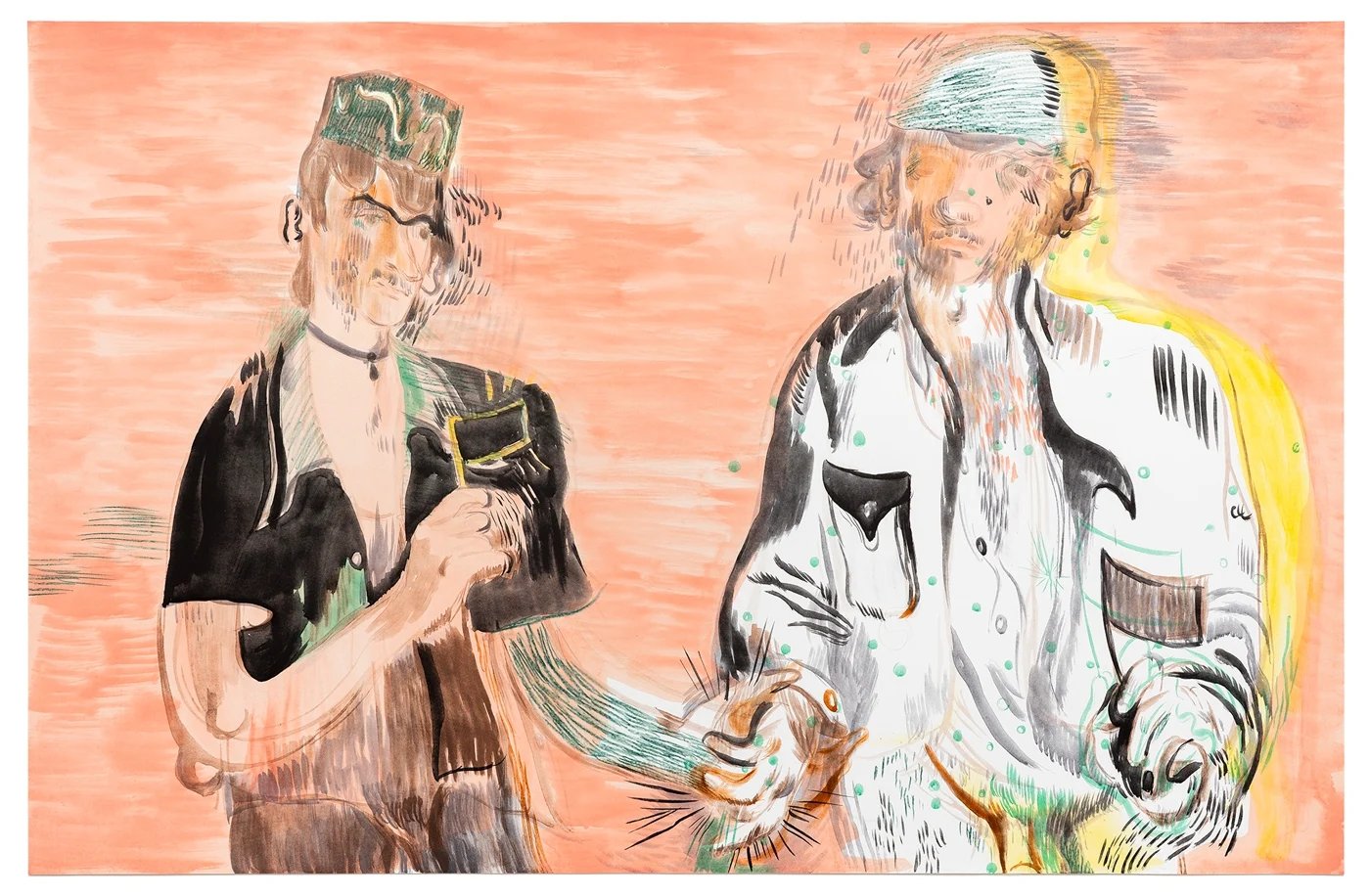
Gilbert & George
Parkett Edition No. 14, 1987
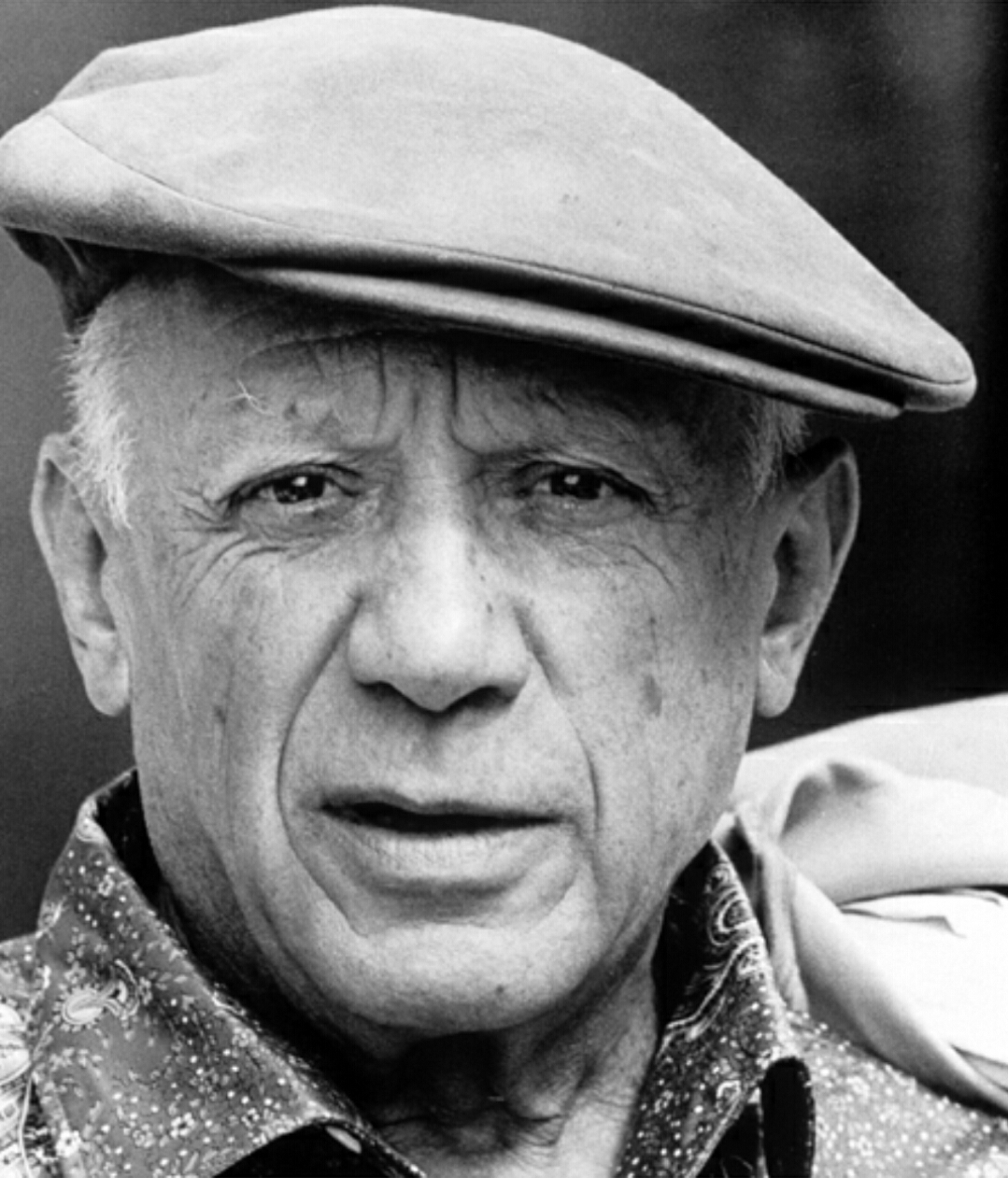
The edition was the logical continuation of that impulse, not a departure from it. The same is true of Ed Ruscha, whose screenprints have been argued over seriously in Los Angeles and internationally for decades now, prized not as lesser versions of his paintings but as works that do something the paintings cannot do, something to do with repetition, language, and the strange flatness of California light reproduced through ink. The auction market has rewarded this seriousness handsomely. Works on paper and editions by Pablo Picasso have long commanded seven figure sums at Christie's and Sotheby's, particularly the linocuts from the late 1950s and early 1960s, which represented a genuine technical obsession on his part.
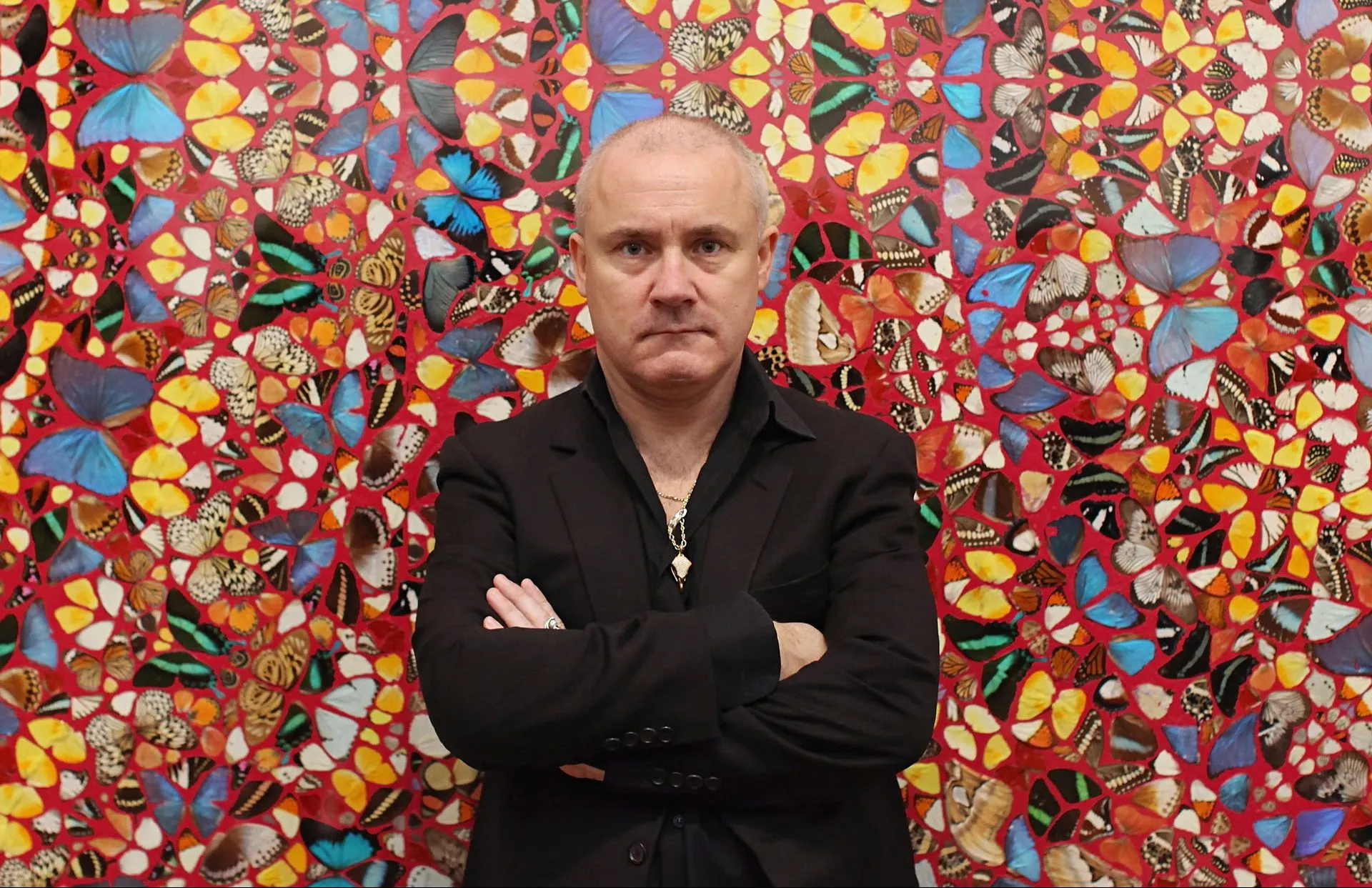
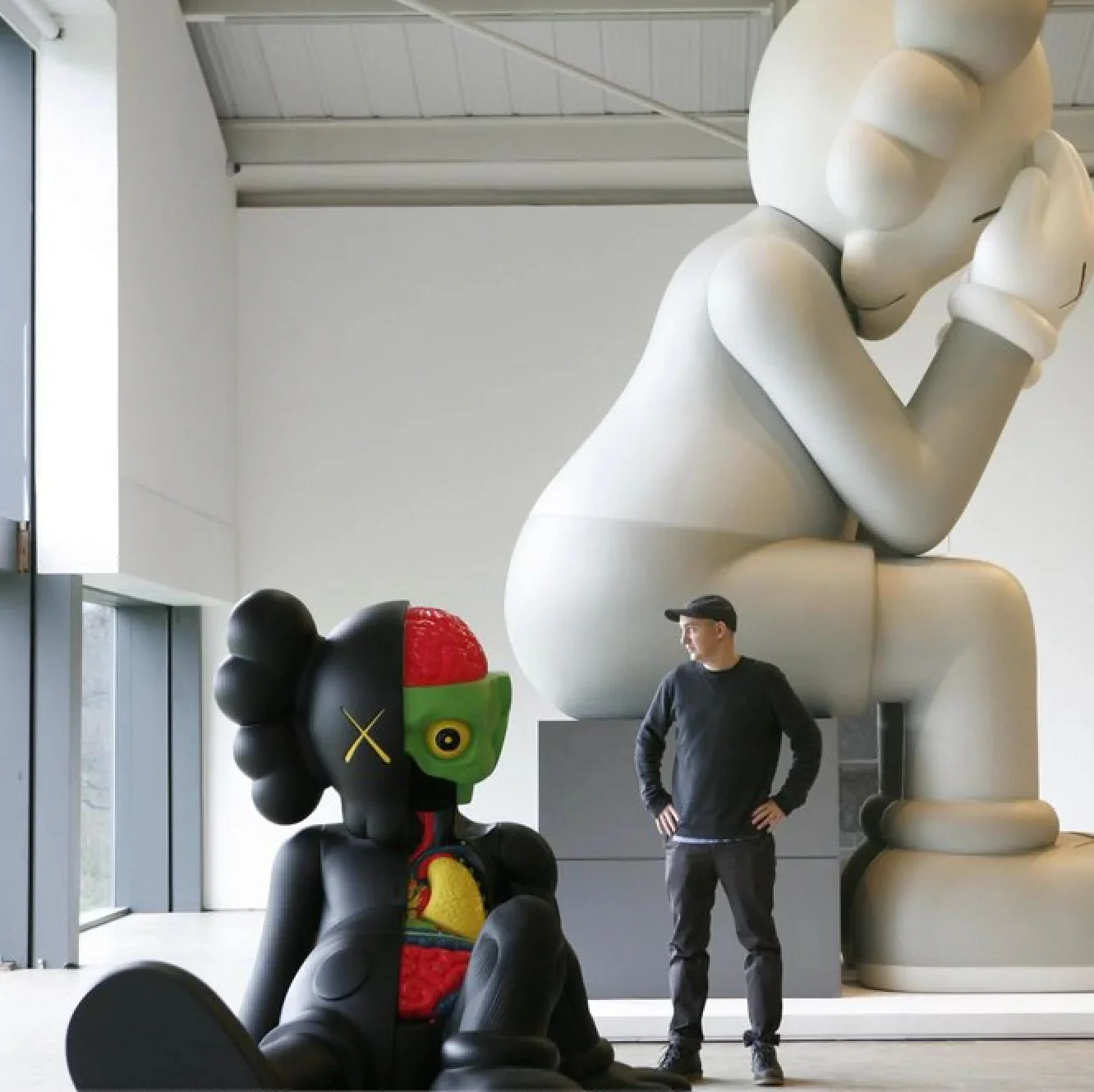
Damien Hirst's spot print series has been through waves of market enthusiasm and skepticism, but the best examples continue to find strong homes. KAWS has become one of the most closely watched edition artists of the current moment, with his screenprints and sculptural multiples achieving results that surprised even experienced dealers when they first appeared at auction. What the numbers reveal, when you look at them collectively, is that the market no longer distinguishes as sharply as it once did between unique works and editions. It distinguishes between quality and intent.
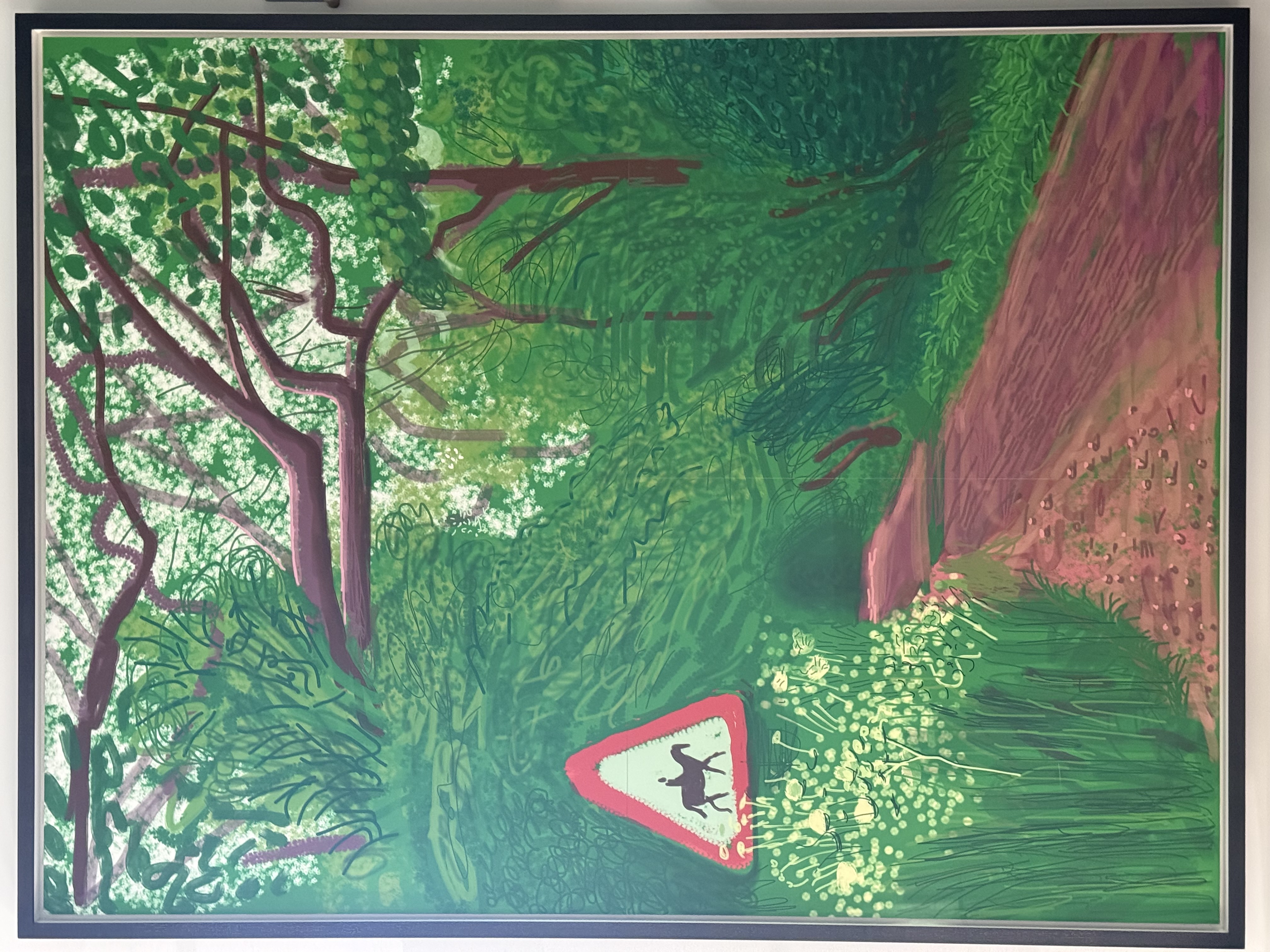
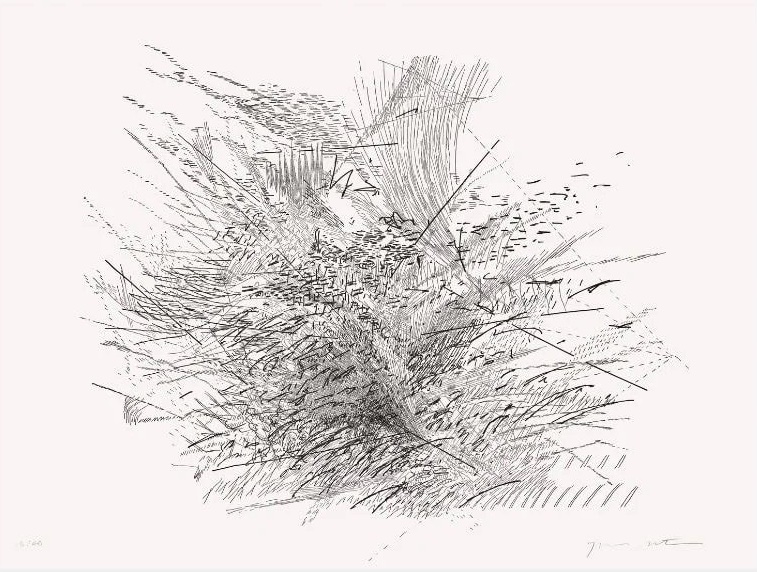
David Hockney
The arrival of spring in Woldgate, East Yorkshire in 2011, 2011
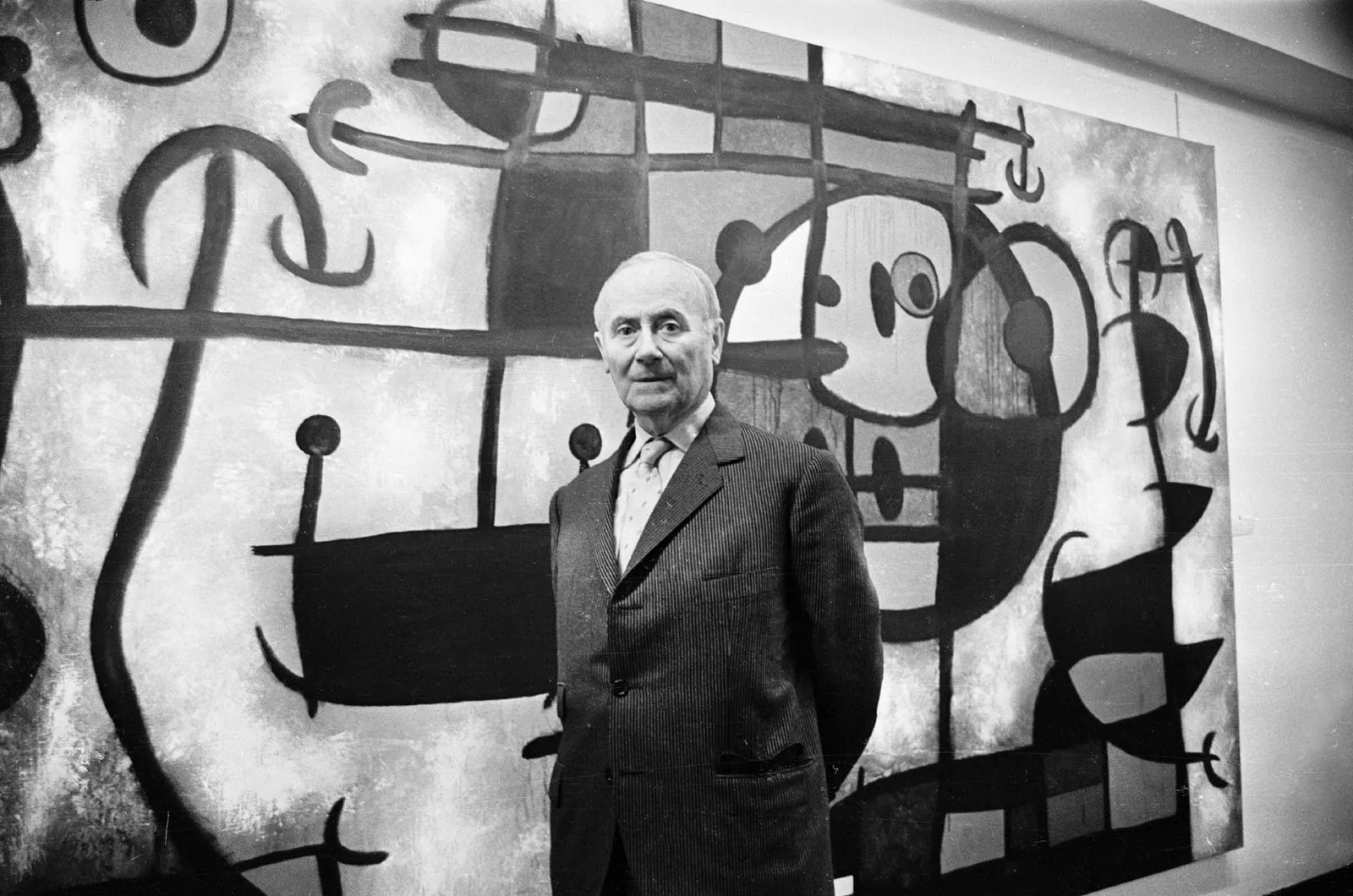
Institutions have been sending signals in the same direction. MoMA's department of prints and illustrated books has been one of the most intellectually rigorous spaces in New York for thinking about editions, and its collecting activity over the past two decades reflects a broadening of the category to include artists who work across disciplines. The Tate Modern's approach to artists like Joseph Beuys, whose multiples are among the most philosophically loaded objects of the twentieth century, and Joan Miró, whose printmaking practice was central rather than peripheral to his artistic output, suggests that curators now treat the edition as a primary source rather than an archival supplement. When the British Museum organized substantial exhibitions around artists working in print, the attendance figures made the case that general audiences were more than ready for this conversation.
Grayson Perry has been one of the most publicly articulate voices about what the edition means in the contemporary moment, both through his own practice and through the writing and broadcasting he has done around it. His tapestries exist as unique works, but his prints and editions are crafted with equal deliberateness and are sold with a transparency about edition size and process that sets a tone others have followed. Peter Blake, whose career bridges Pop art and a very particular strain of English folk surrealism, has made editions that function as complete artistic statements, not afterthoughts. The critical writing in publications like Print Quarterly, alongside the more mainstream coverage in Frieze and the Art Newspaper, has gradually built a framework that takes these works seriously on their own terms rather than measuring them against painting.
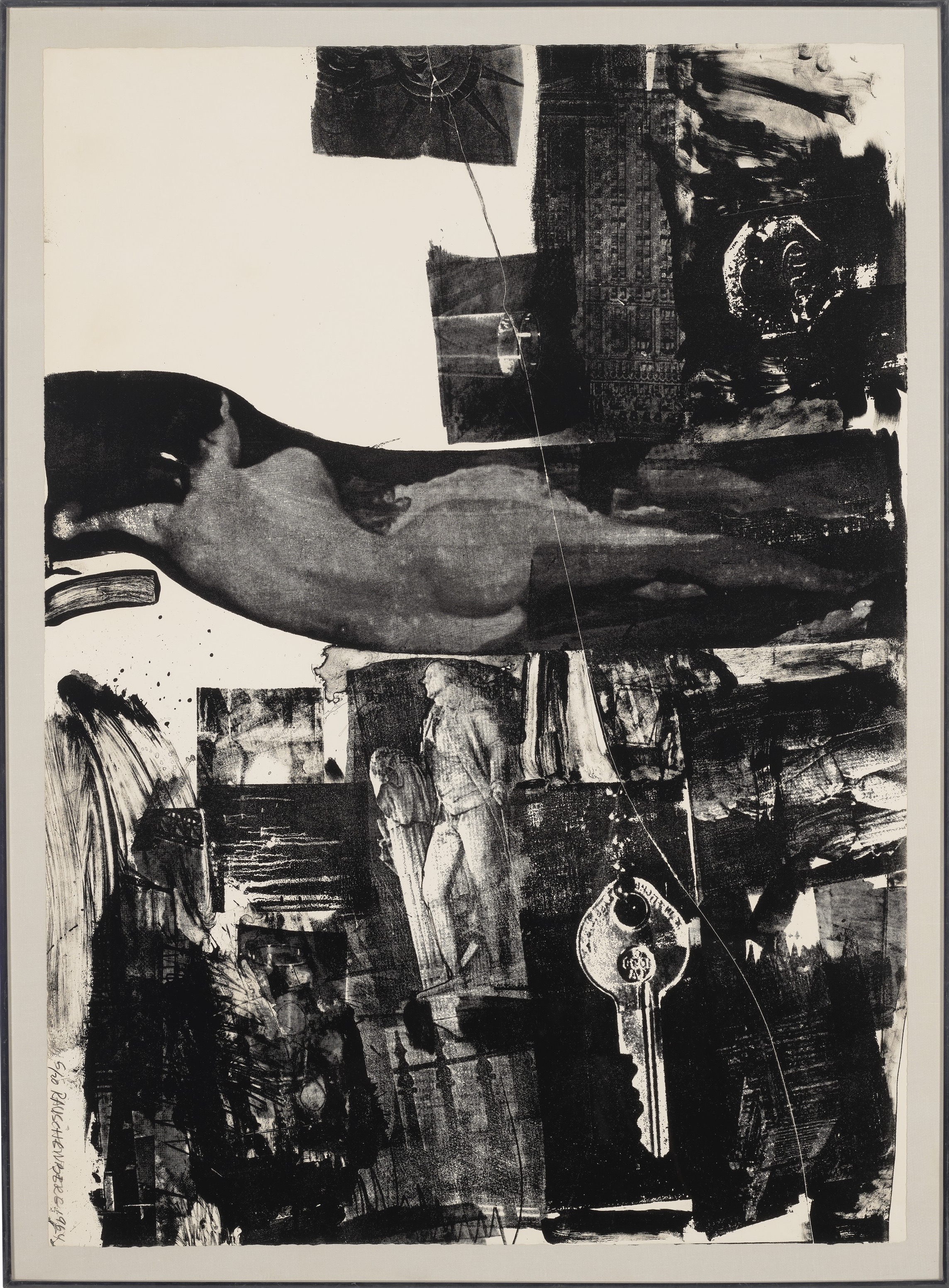
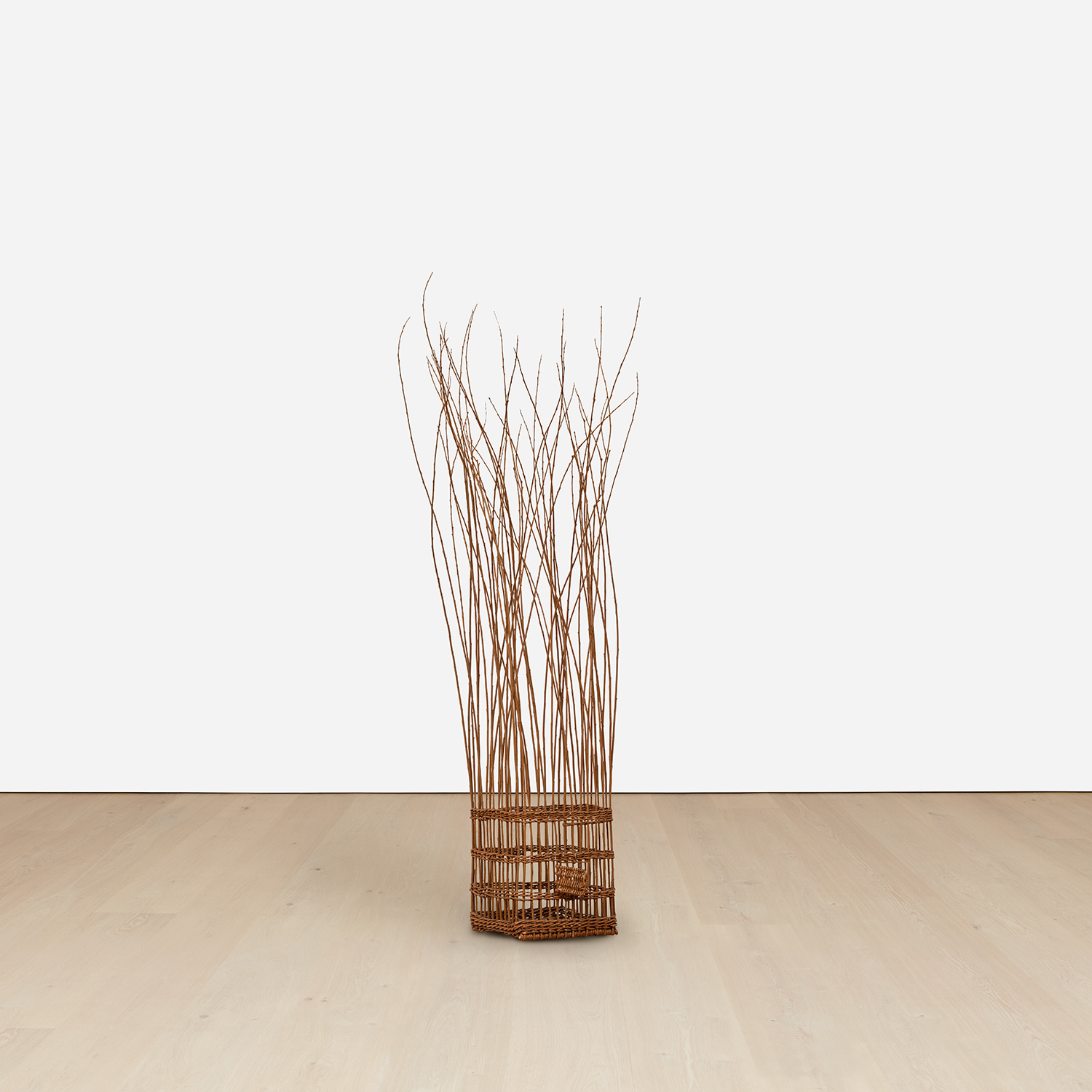
Robert Rauschenberg
Breakthrough I, 1964
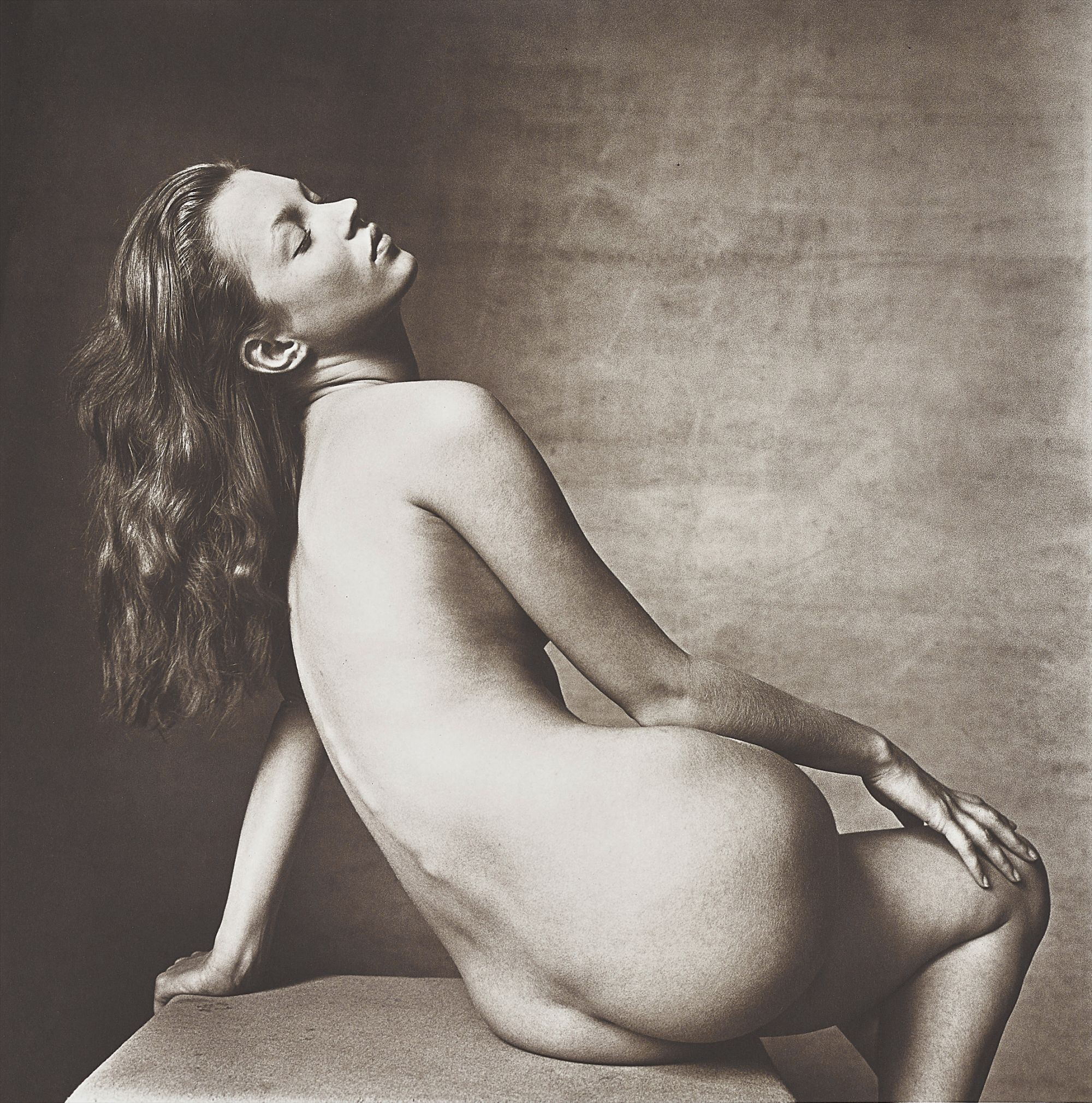
The photography world has its own version of this conversation. Irving Penn's prints, particularly those produced in his own darkroom and signed with the precision he brought to everything, have been reappraised substantially over the past decade. The edition in photography raises different questions than the edition in printmaking, questions about what constitutes the original and whether the concept of originality is even useful. Penn navigated these questions with a directness that has made his work increasingly valued both at auction and in museum collections.
The same careful attention to provenance and process that surrounds unique photographic works now surrounds Penn's editions, because the field has matured enough to demand it. What feels alive right now is the intersection of edition culture with artists whose practices developed partly through streetwear, gaming, and graphic culture. Yoshitomo Nara and KAWS represent different points on this particular arc, as does the work of artists loosely associated with the post Pop moment, but all of them have forced a reassessment of what counts as a serious print market. Banksy remains the most contentious figure in this space, commercially successful in a way that makes some critics uncomfortable, but undeniably capable of generating the kind of cultural conversation that serious art is supposed to generate.
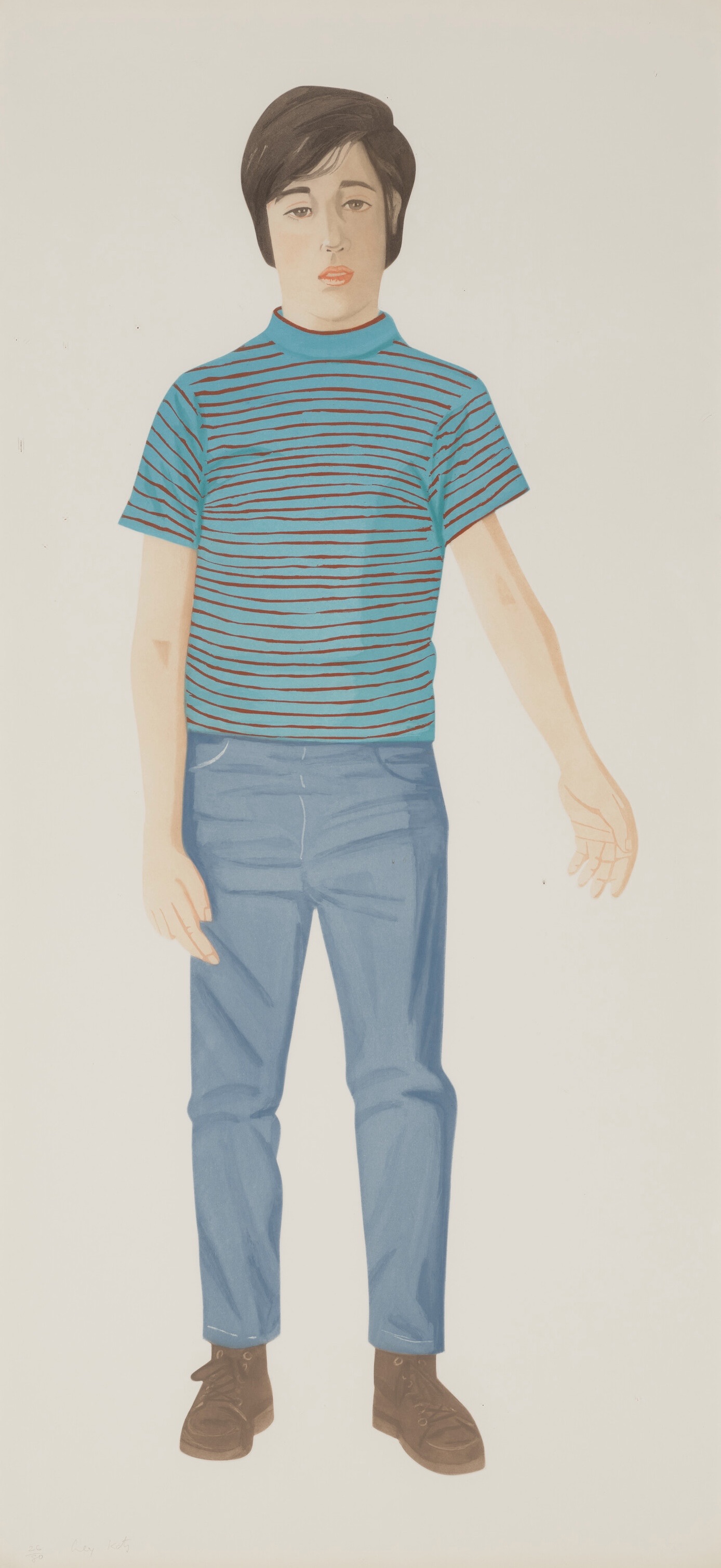
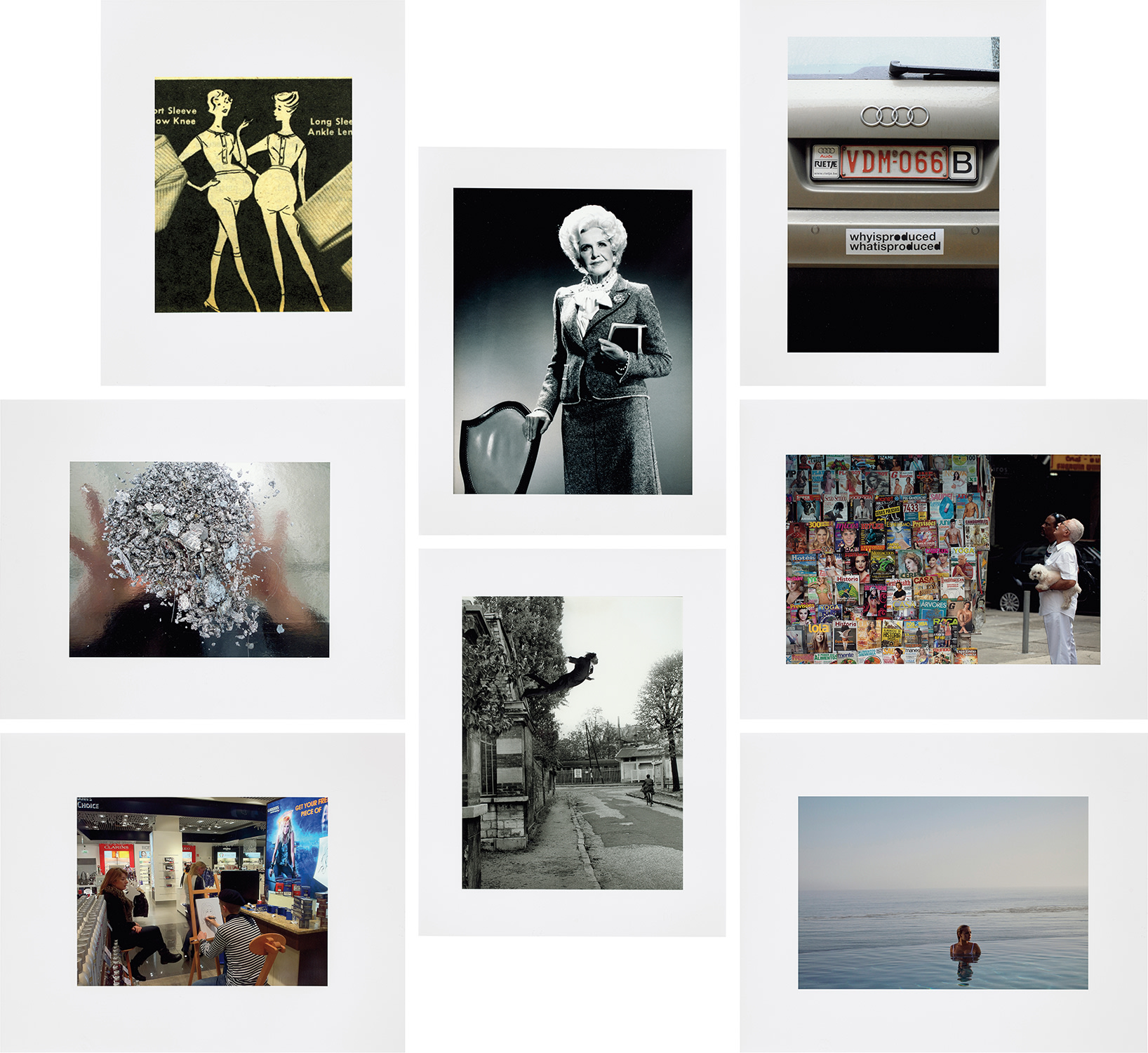
Alex Katz
The Striped Shirt, 1980
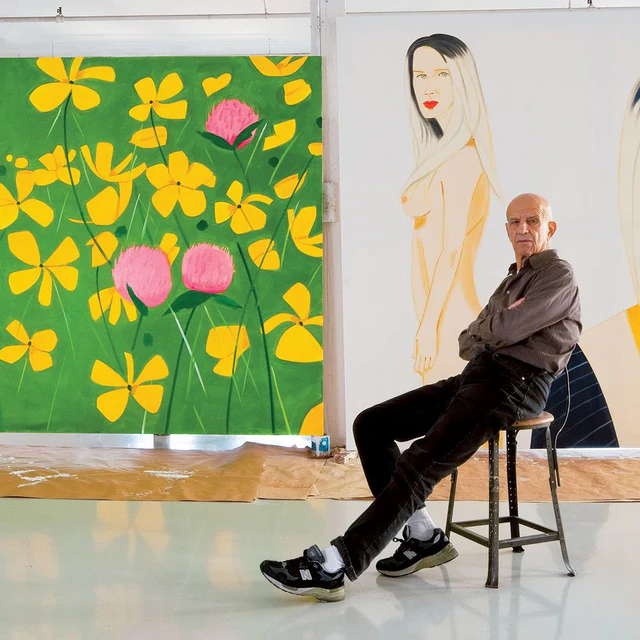
The debates around Banksy are ultimately debates about the edition itself, about authenticity, about what it means to make something available to many people simultaneously. The energy among younger collectors on platforms like The Collection reflects all of this in real time. Artists like Jonas Wood and Alex Katz, whose editions distill the formal concerns of their painting practices into something that feels freshly considered rather than reduced, are drawing serious attention alongside the established figures. Sol LeWitt, whose instructions for wall drawings were themselves a kind of edition logic applied to space, feels newly relevant to a generation thinking about generative and algorithmic art.
Where the surprises are coming is harder to say, but the pattern is consistent: whenever an artist treats the edition as a genuine artistic problem rather than a revenue strategy, the work rewards the attention. That has always been true. The market is simply faster now at finding it.