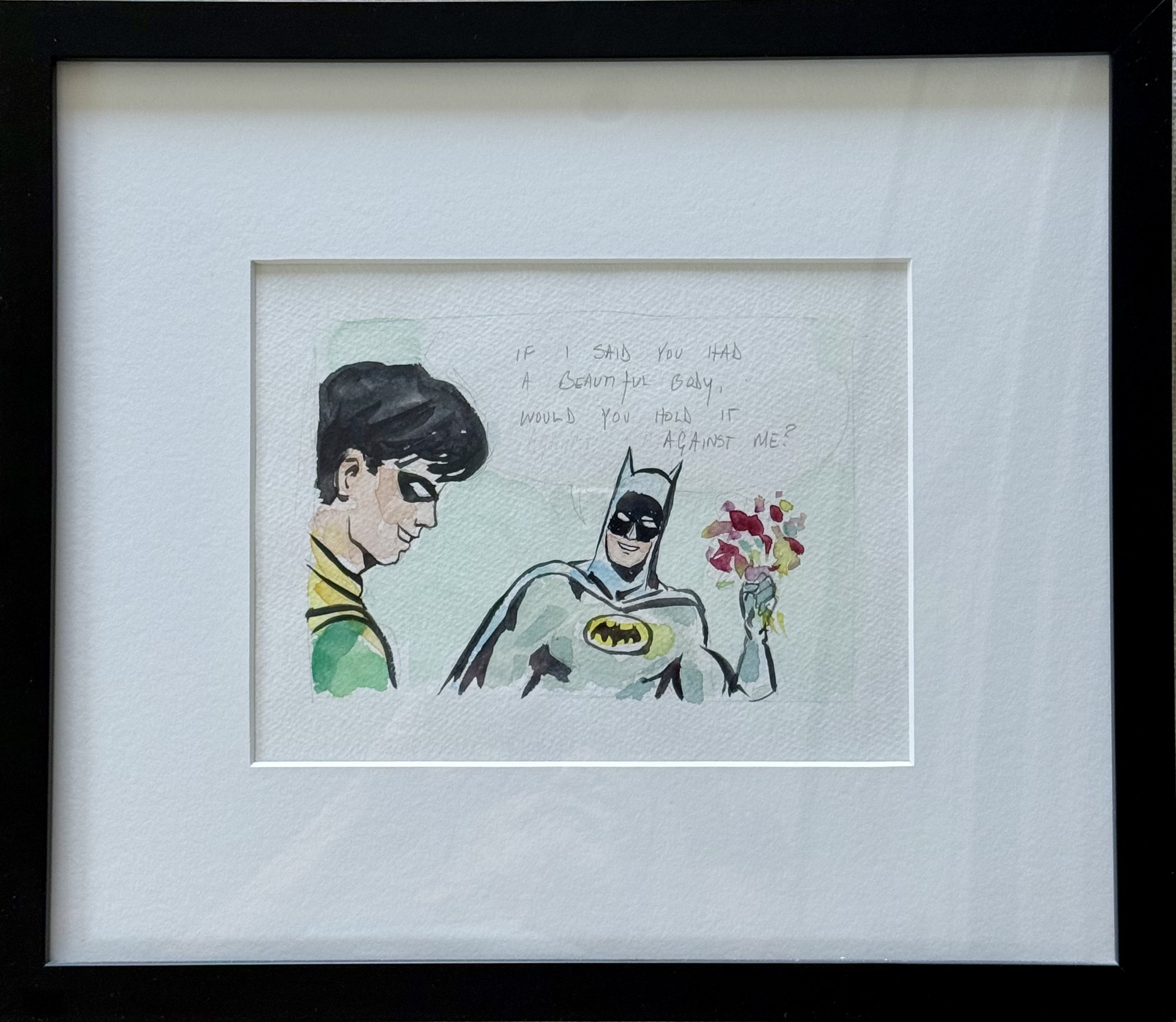
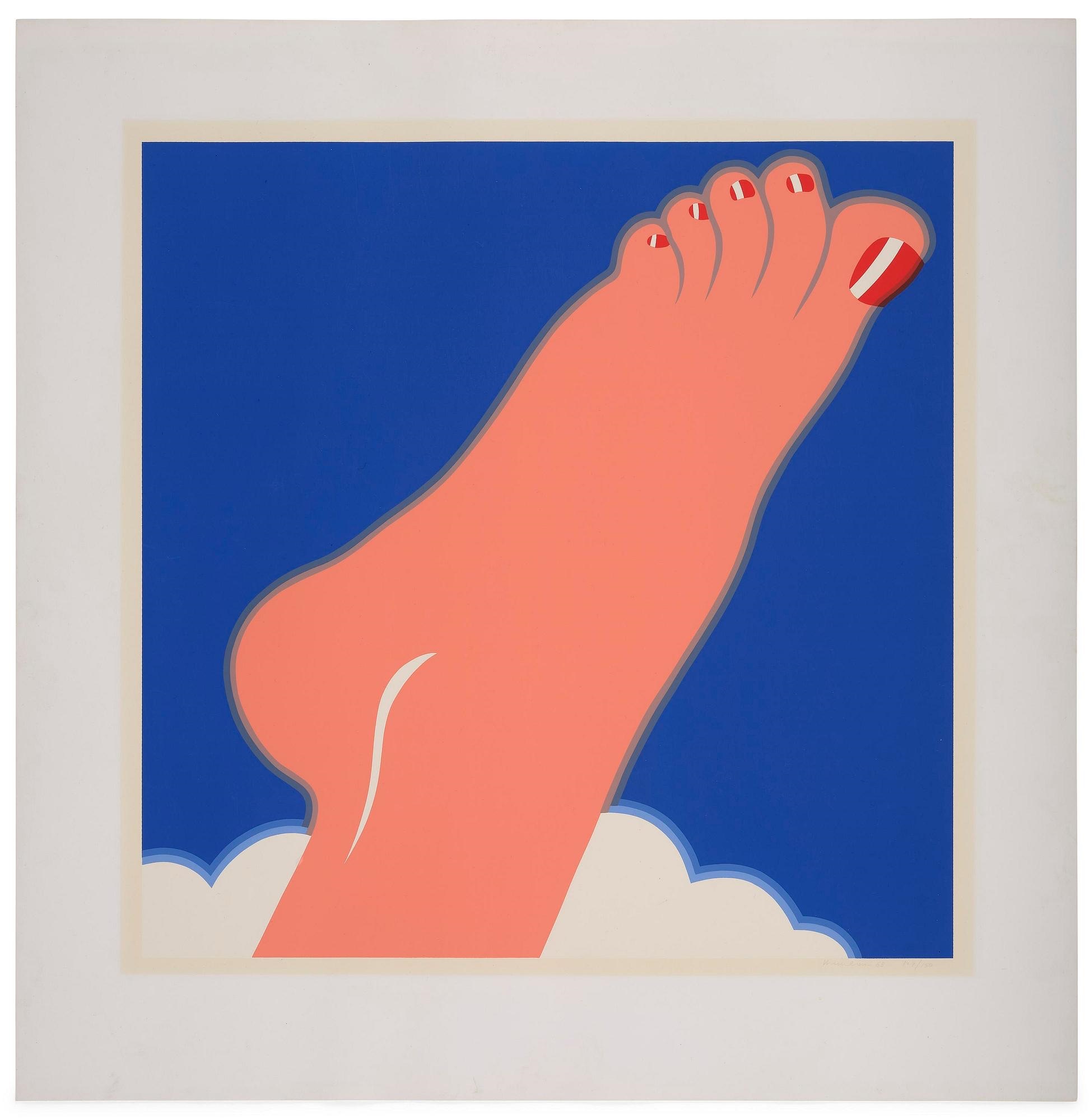
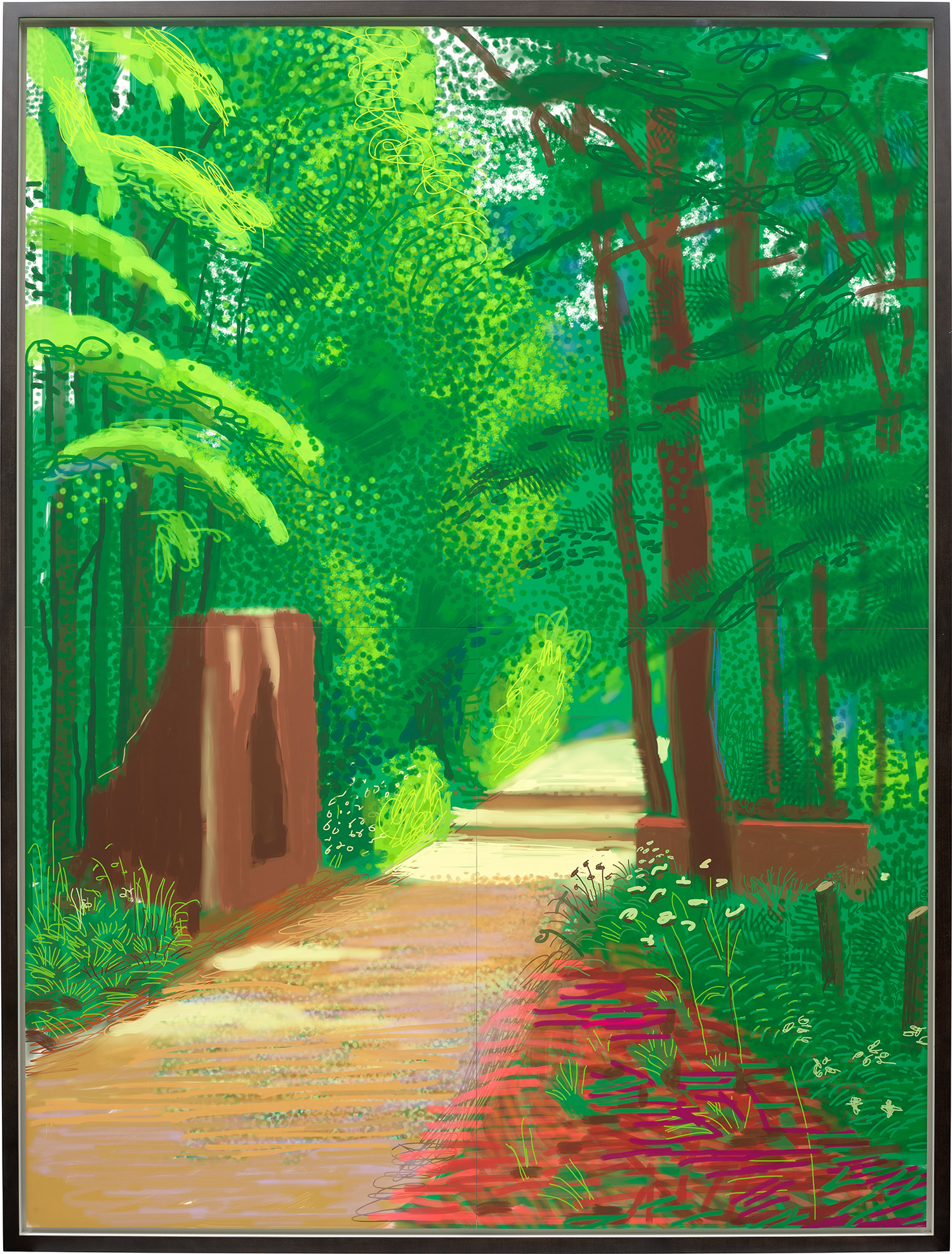
Watercolor
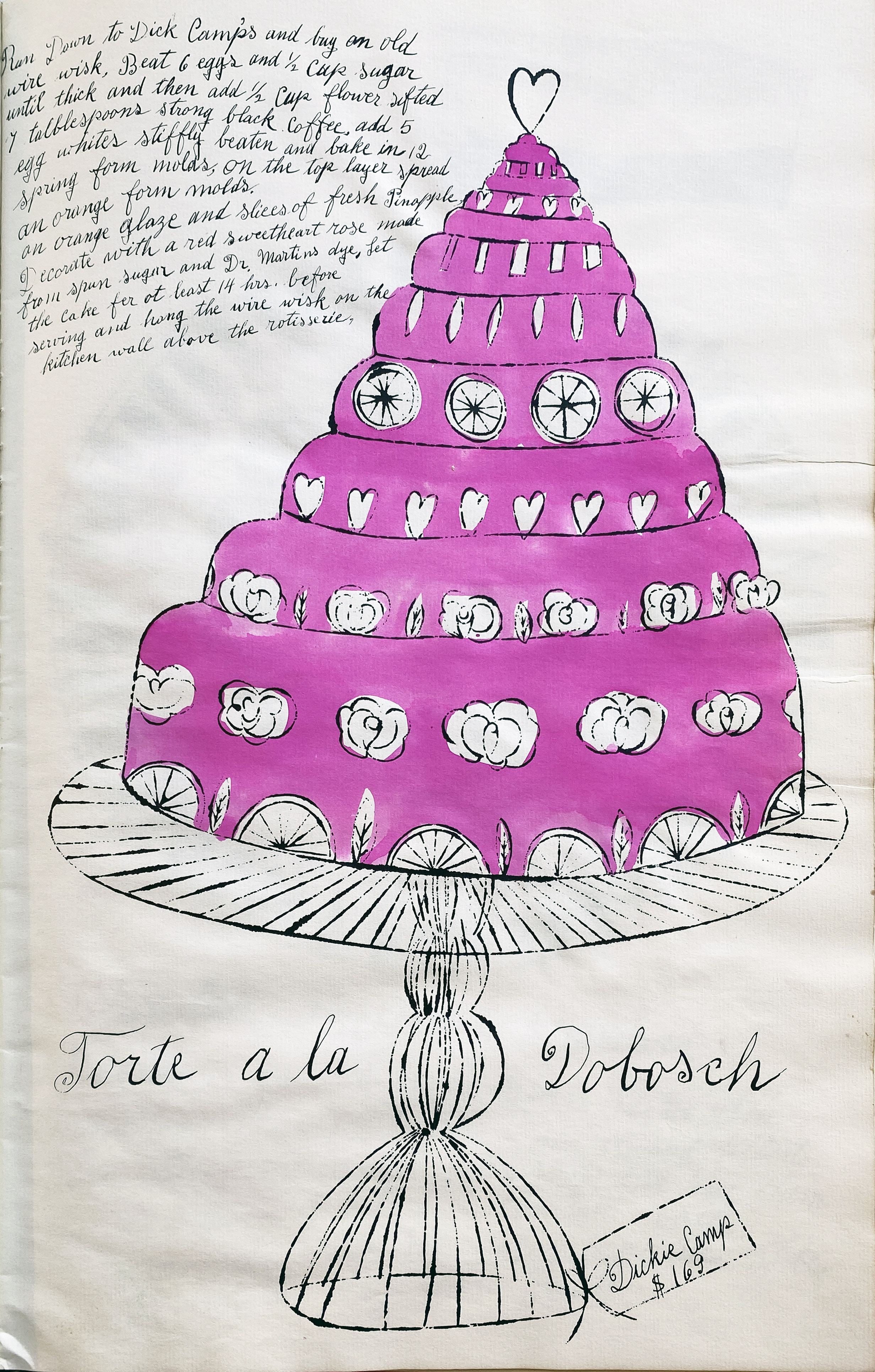
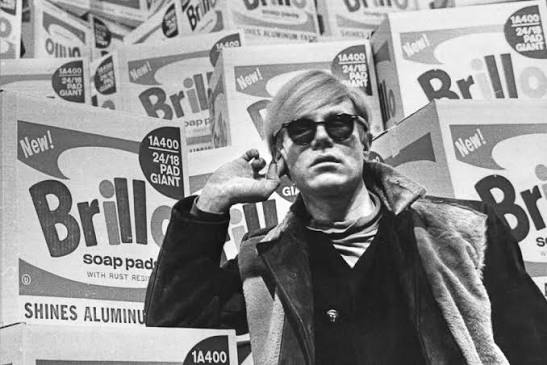
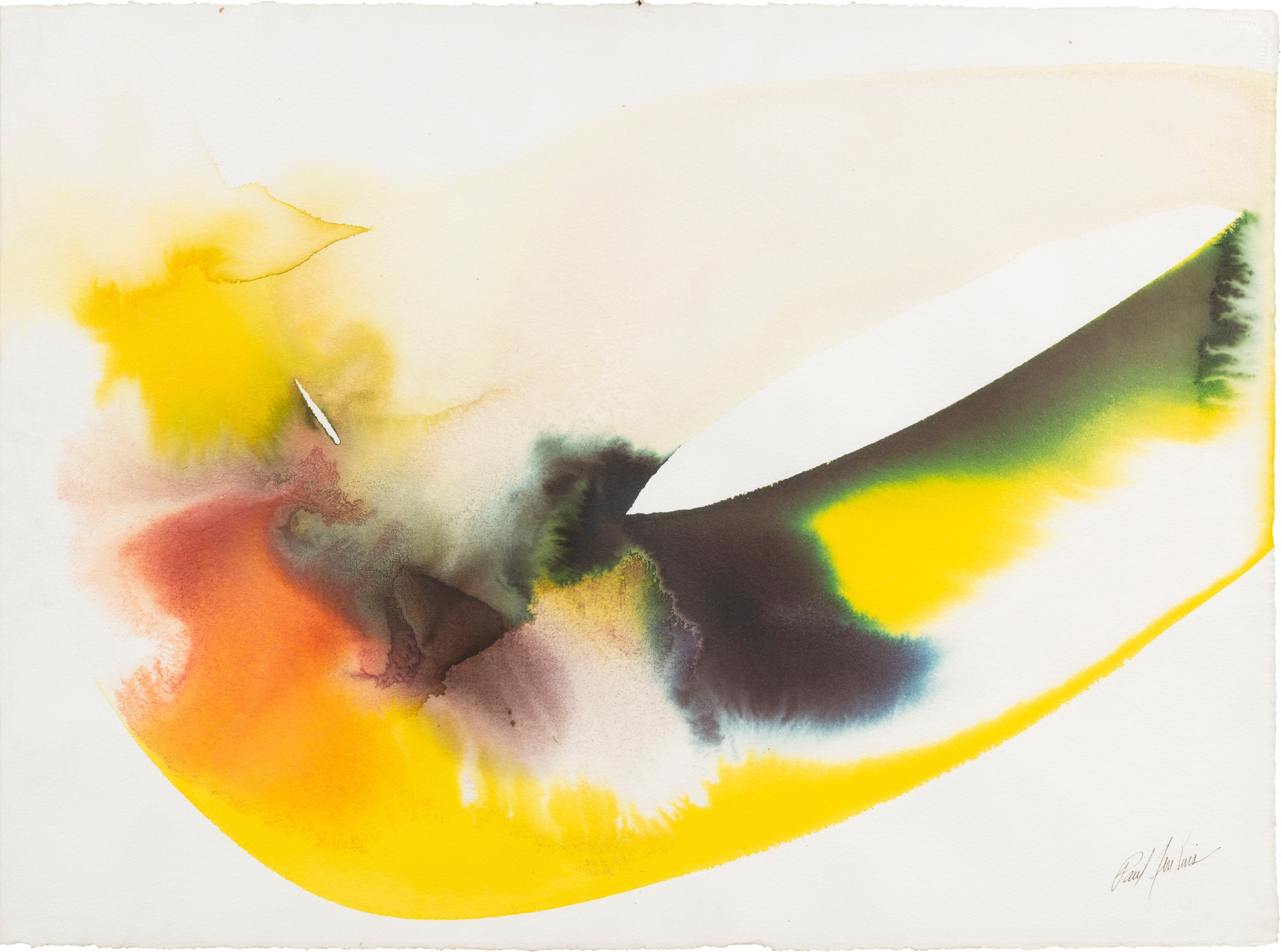
Andy Warhol
Wild Raspberries IV.130A, 1959
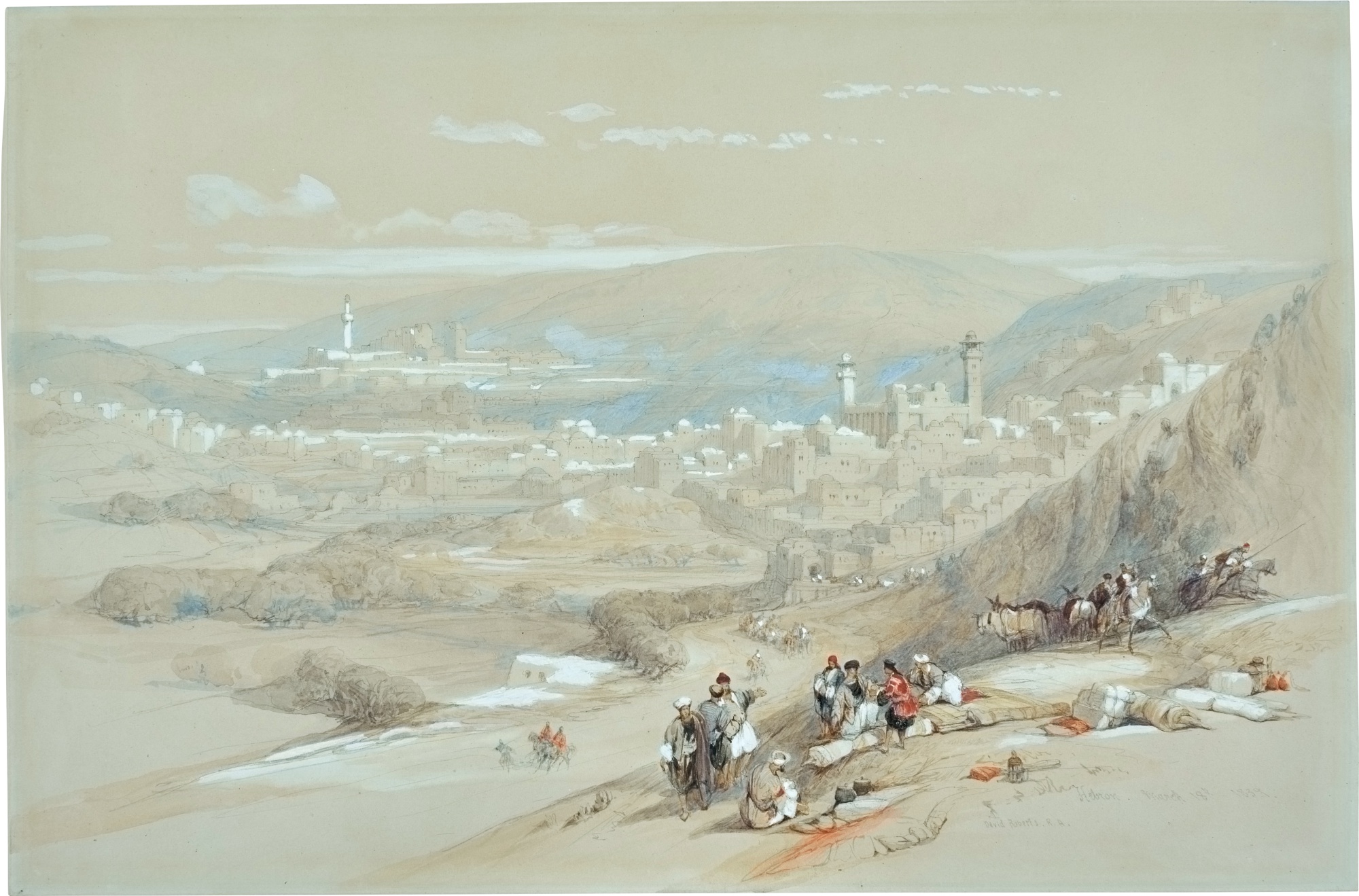

The Medium That Collectors Keep Underestimating
There is something almost irrational about how watercolor gets under the skin. Collectors who arrive at the medium through a single purchase often describe a similar experience: the work changes throughout the day, shifting with the light, revealing passages they had not noticed before. It breathes in a way that oil paint simply does not. Living with a great watercolor is less like owning an object and more like sharing a room with something alive, which may be the most compelling reason to collect in this space.
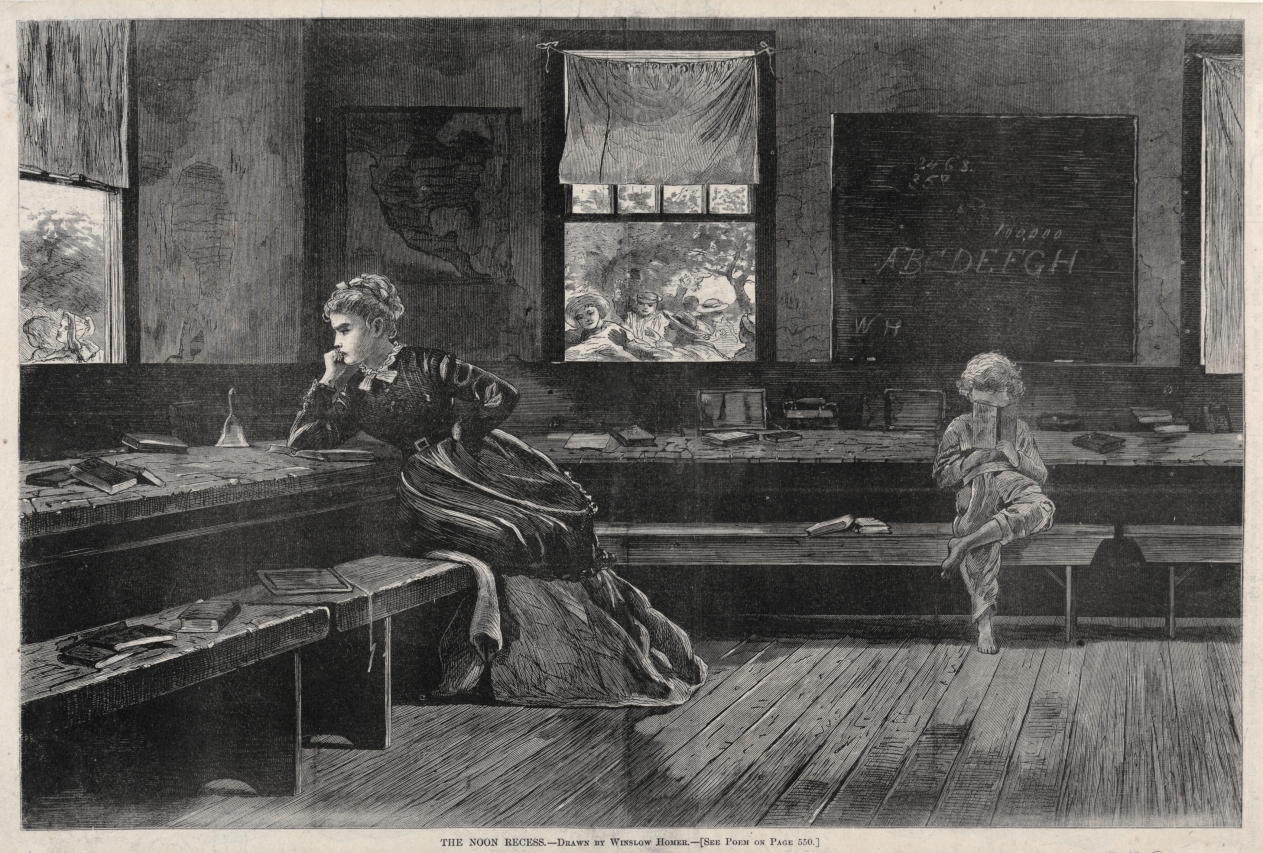
The intimacy of the format matters enormously. Watercolors were historically made in the field, in sketchbooks, on journeys, in stolen hours. That directness is encoded in the surface. A collector who brings a fine Winslow Homer sheet into their home is not just acquiring an image but a specific afternoon, a particular quality of coastal light, the pressure of a decision made and not revised.
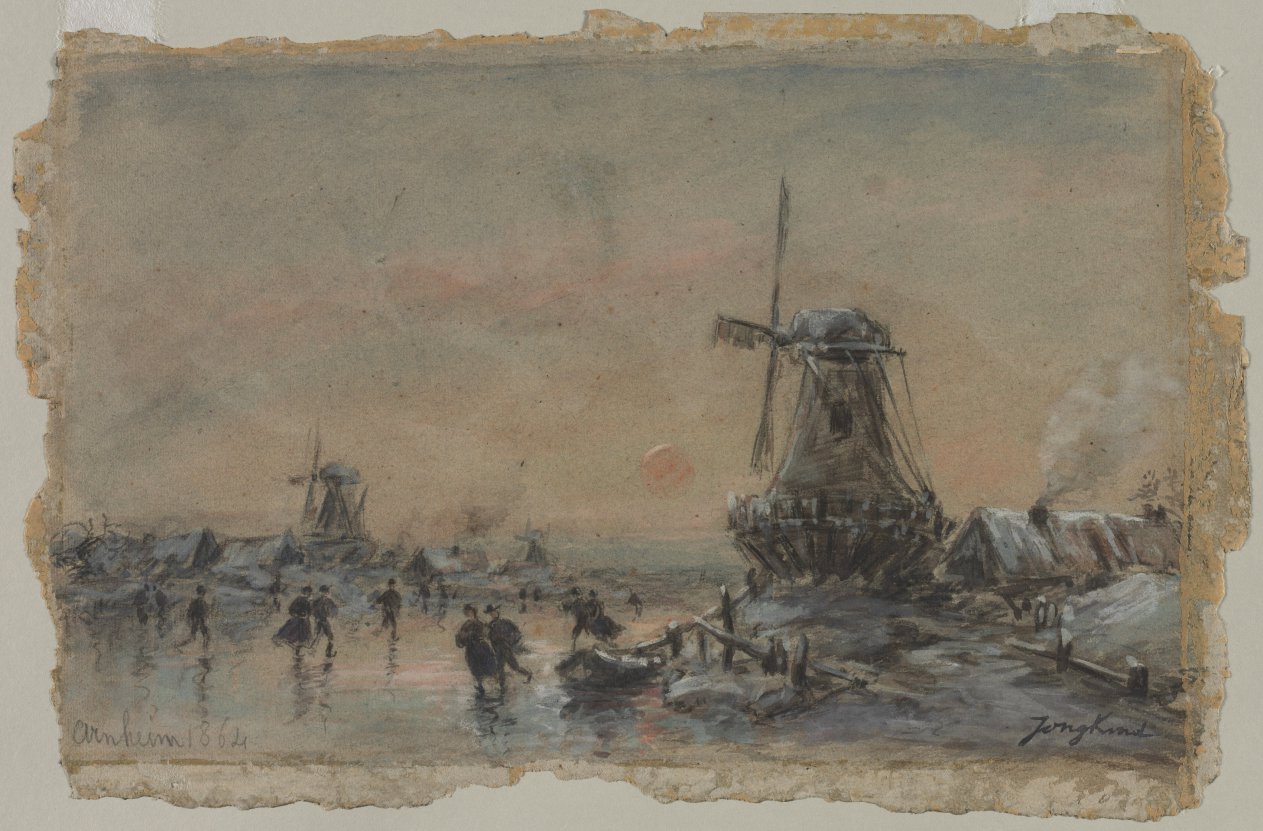
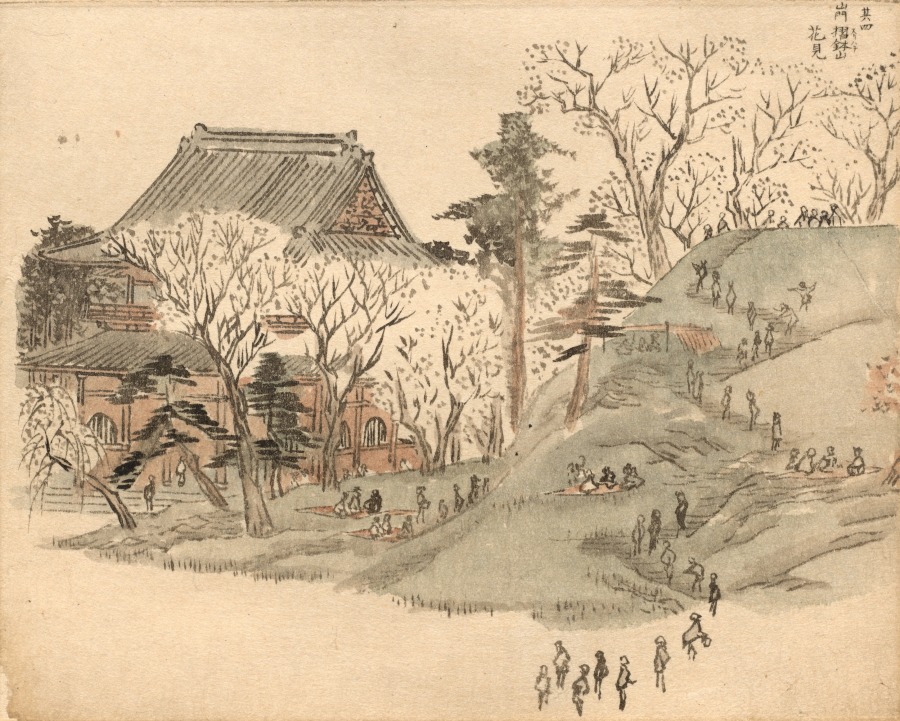
Johan Barthold Jongkind
View of Arnheim (recto), 1864
This is not a medium that forgives hesitation or overworking. The best examples carry an irreversible confidence that can be almost thrilling to stand in front of. What separates a good work from a great one is often a question of conviction and restraint working together. The white of the paper is never passive in a masterful watercolor.
It functions as a color, as light itself, and the most sophisticated collectors learn to read how an artist has preserved and deployed those untouched areas. Look at the edges of forms, where the pigment blooms or pulls back. Look at whether the washes sit luminously or have gone muddy through overhandling. A dull, overworked surface is the most common sign that a work has been labored into mediocrity.
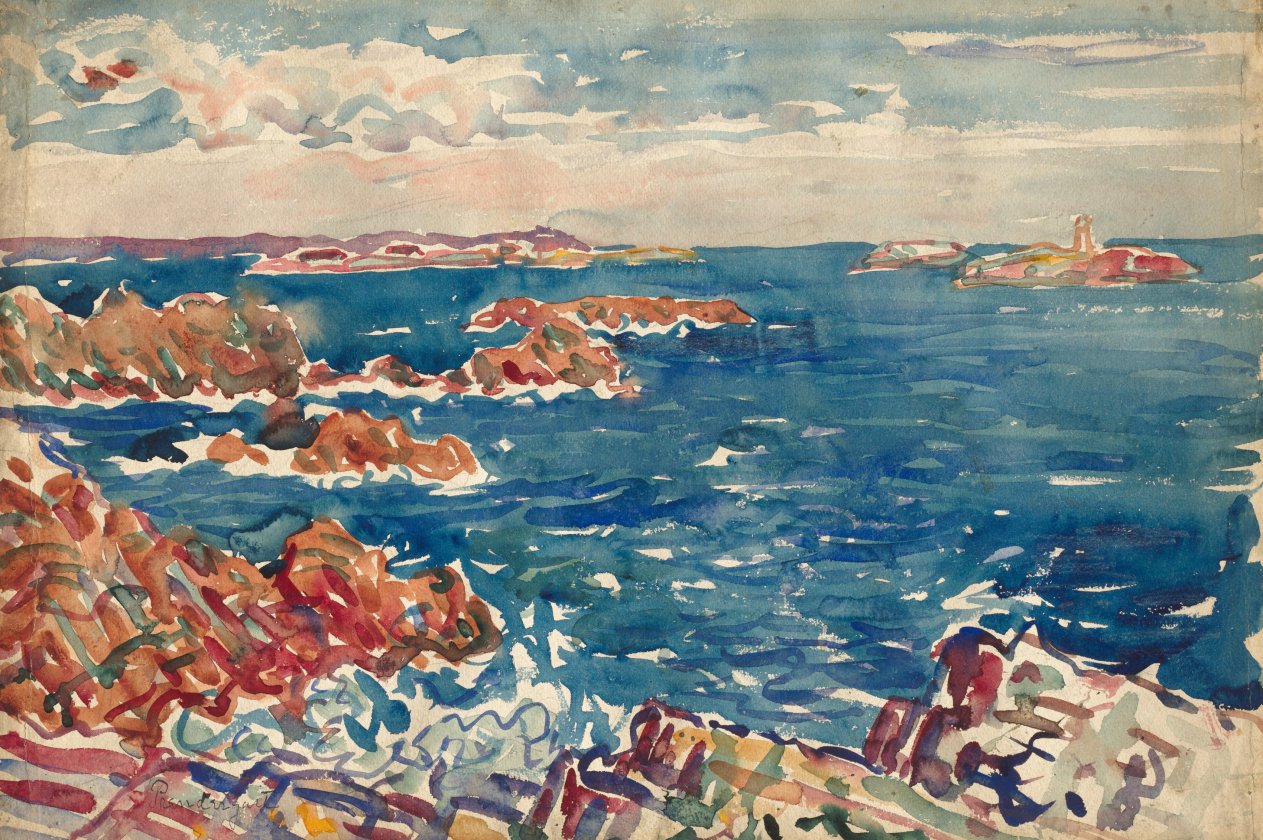
Maurice Prendergast
The Rocky Seashore, 1907
The great ones look unconquerable, as though the artist made no effort at all. Among the artists well represented on The Collection, Maurice Prendergast stands as one of the most rewarding cases for serious watercolor collectors. His mosaic like surfaces, built from hundreds of discrete dabs of color, reward prolonged looking in a way that reproductions entirely fail to capture. His work was championed by the Armory Show in 1913, which cemented his reputation among American modernists, and yet his prices on the secondary market have historically lagged behind his significance.
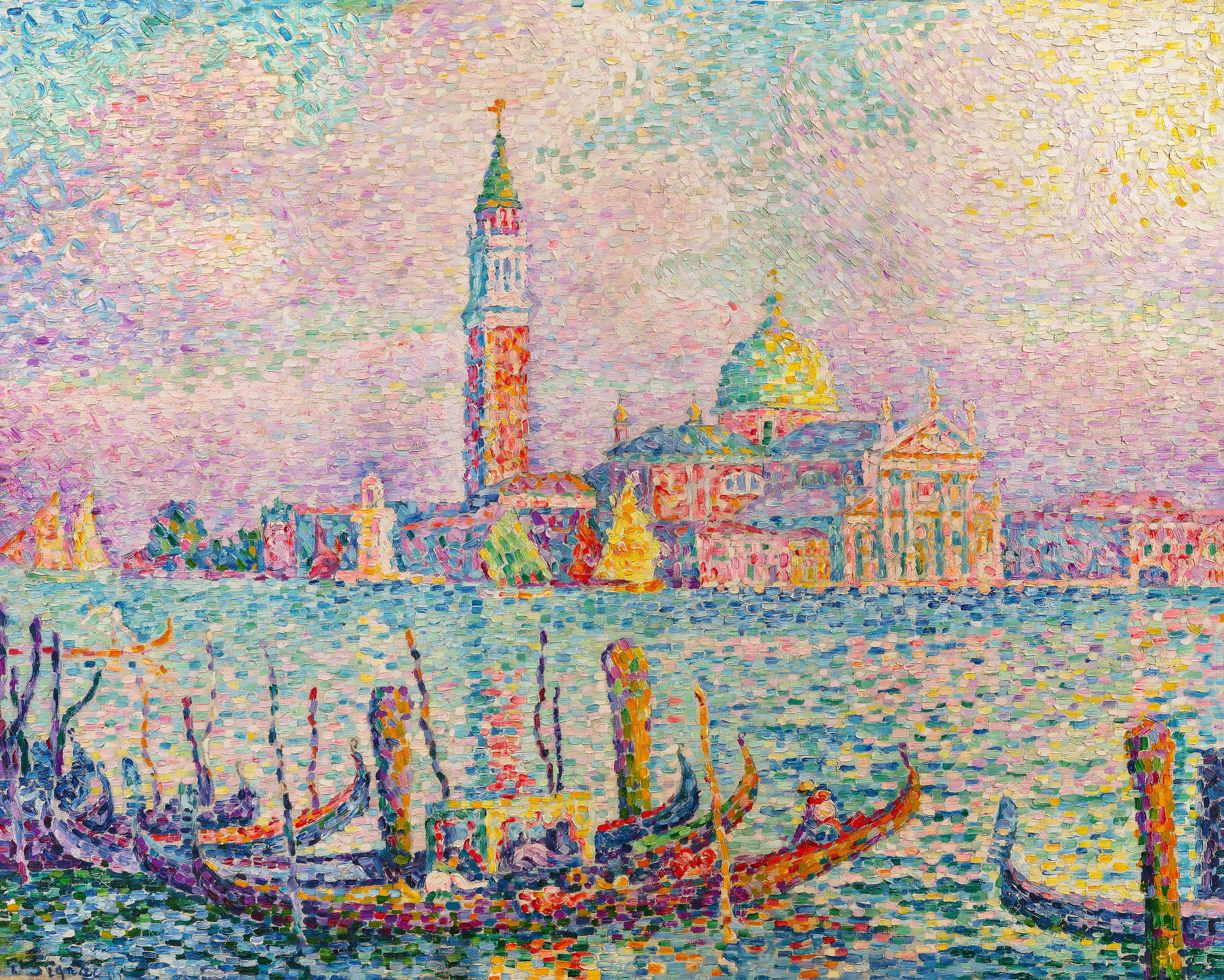
That gap has been narrowing. Similarly, Winslow Homer's watercolors, particularly his Adirondack and Bahamas series from the 1880s and 1890s, now command serious attention at auction, representing a different kind of American directness. John Marin, whose work sits beautifully alongside both Homer and Prendergast in any serious American watercolor collection, brought a fractured, proto expressionist energy to the medium that still reads as startlingly contemporary. For collectors drawn toward European modernism, the watercolors of Paul Signac reveal a side of his practice that his celebrated pointillist oils sometimes overshadow.
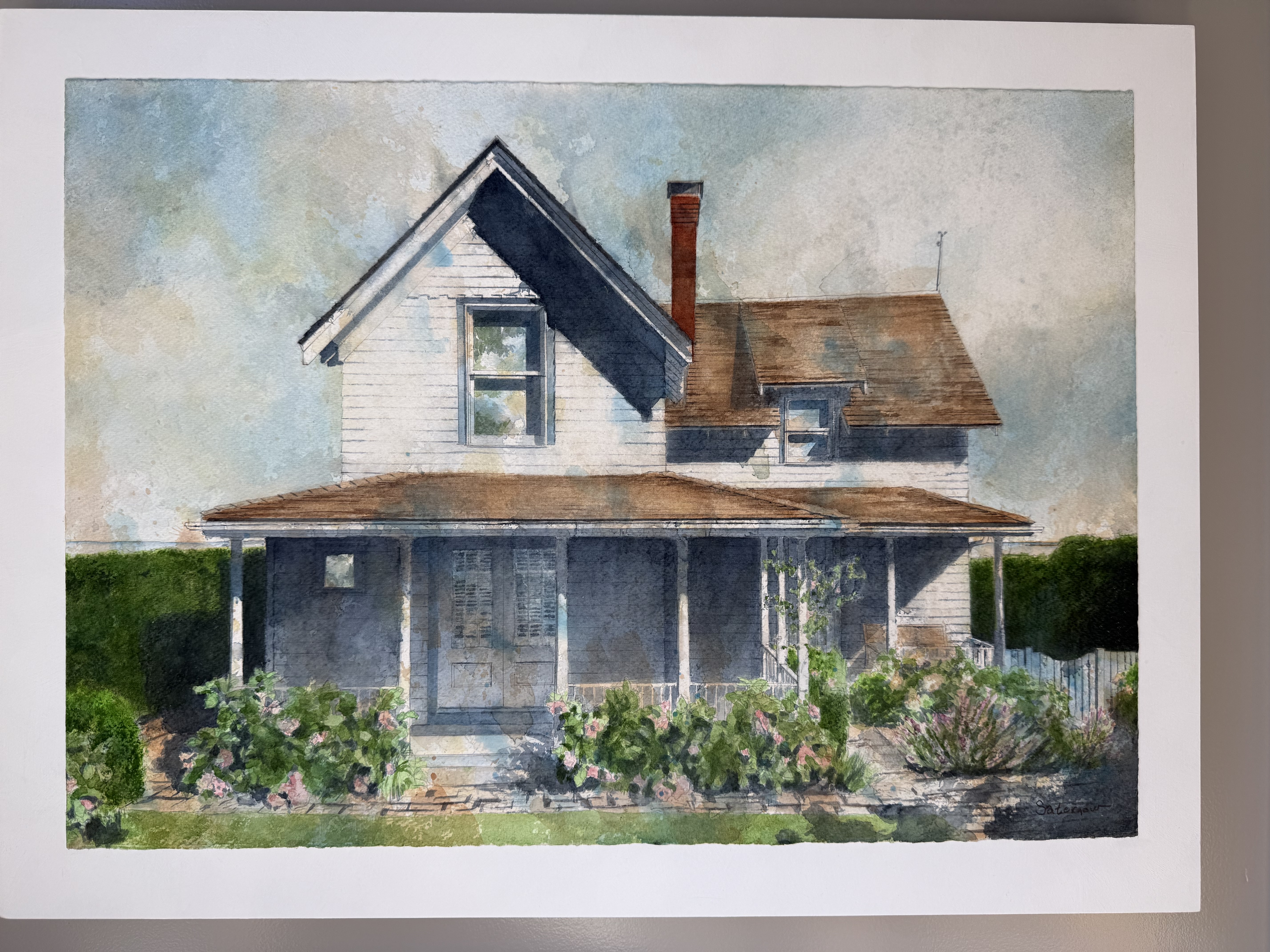
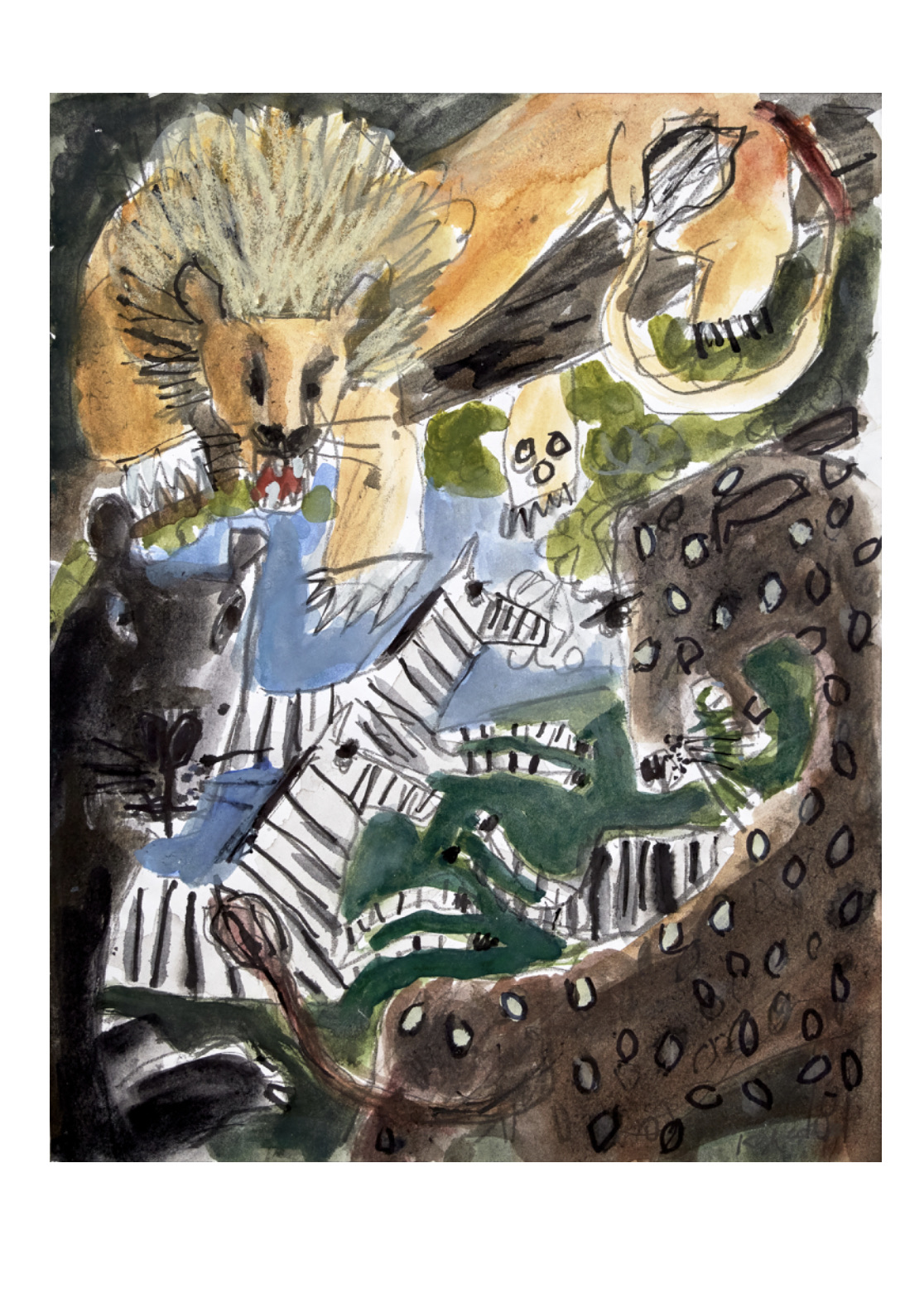
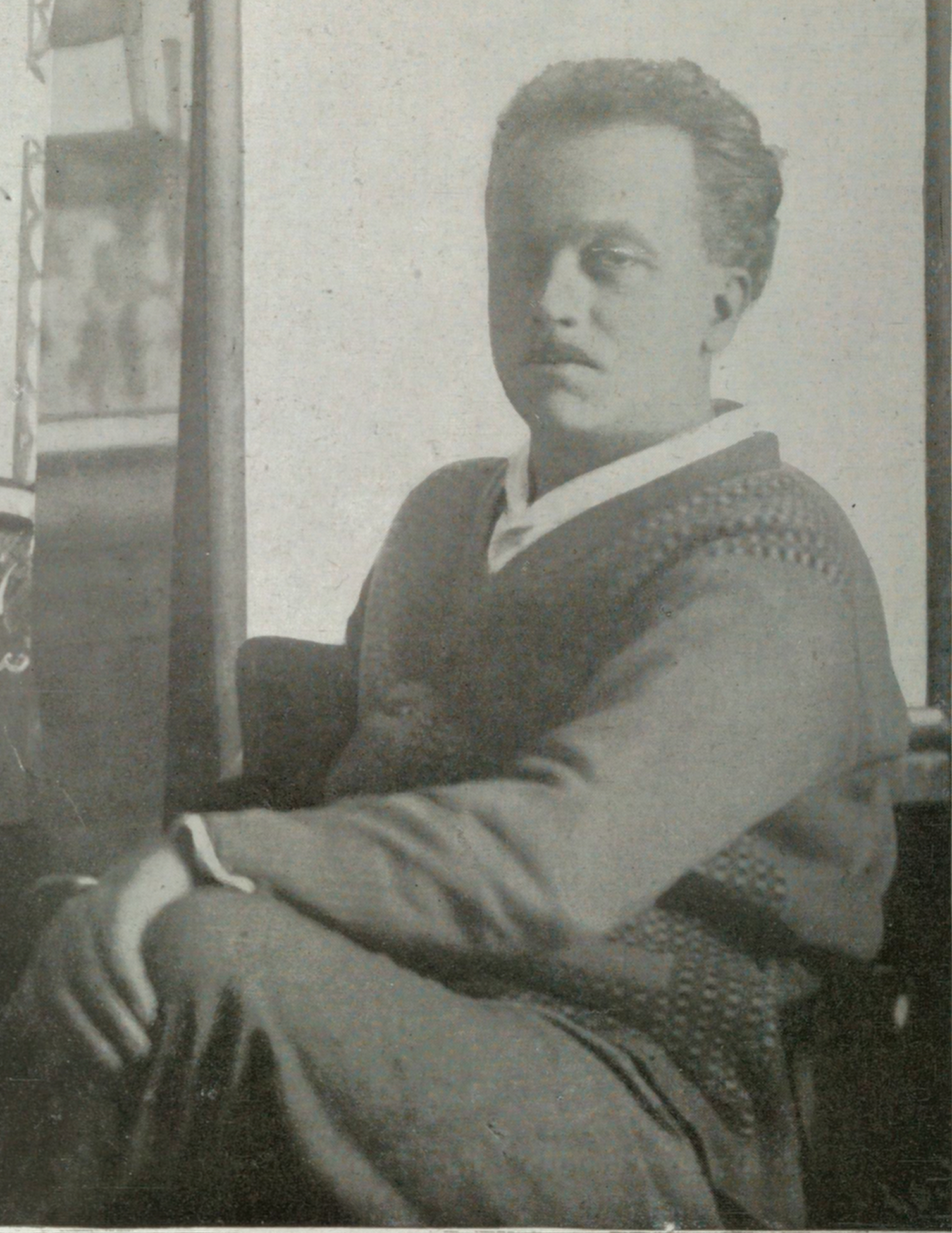
Tim Sharenow
479 COMMERCIAL ST.
His harbor scenes and Mediterranean views in watercolor are looser, more spontaneous, and they offer an entry point into a major figure at a price that reflects the market's persistent preference for oil on canvas. Paul Klee is another case worth understanding carefully. His works on paper occupy a peculiar category where the line between drawing and watercolor dissolves entirely, and the market for his works has remained consistently strong precisely because collectors recognize that paper was not secondary for Klee but central. Raoul Dufy's watercolors, joyful and architecturally precise at once, have a decorative intelligence that makes them genuinely pleasurable to live with and they hold value reliably across market cycles.
The more interesting conversation for forward thinking collectors involves artists working now or in the recent past whose watercolor practice has not yet been fully absorbed by the market. María Berrío, whose large scale works incorporate collage and watercolor in ways that feel genuinely new, has built a serious institutional following. Her works carry a narrative density and a botanical sensibility that photographs of them cannot communicate. Cauleen Smith brings a conceptual rigor to works on paper that positions her practice at an intersection of image making and political thought, and collectors who have been paying attention to her work know that institutional support has been building steadily.
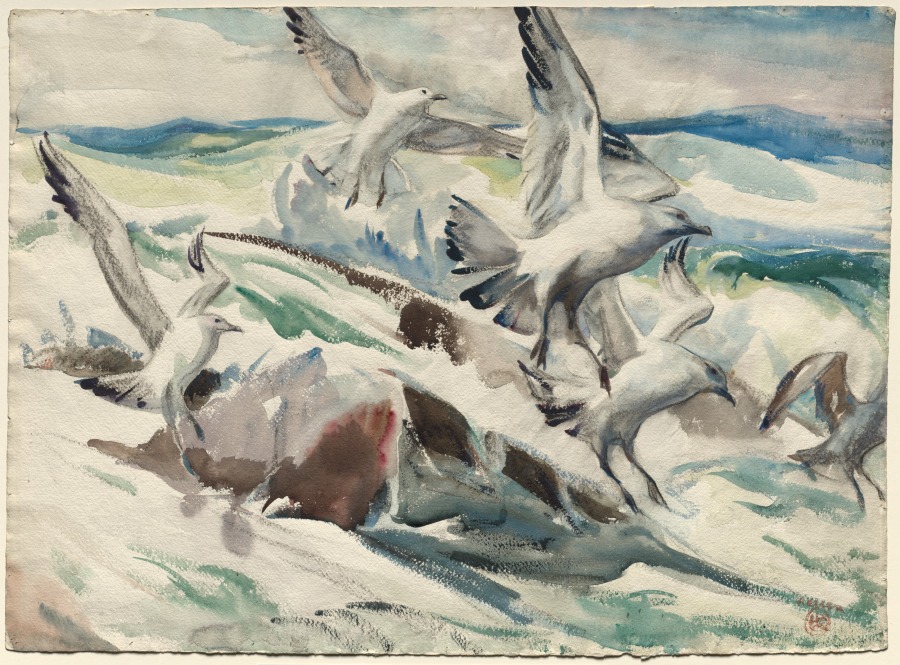
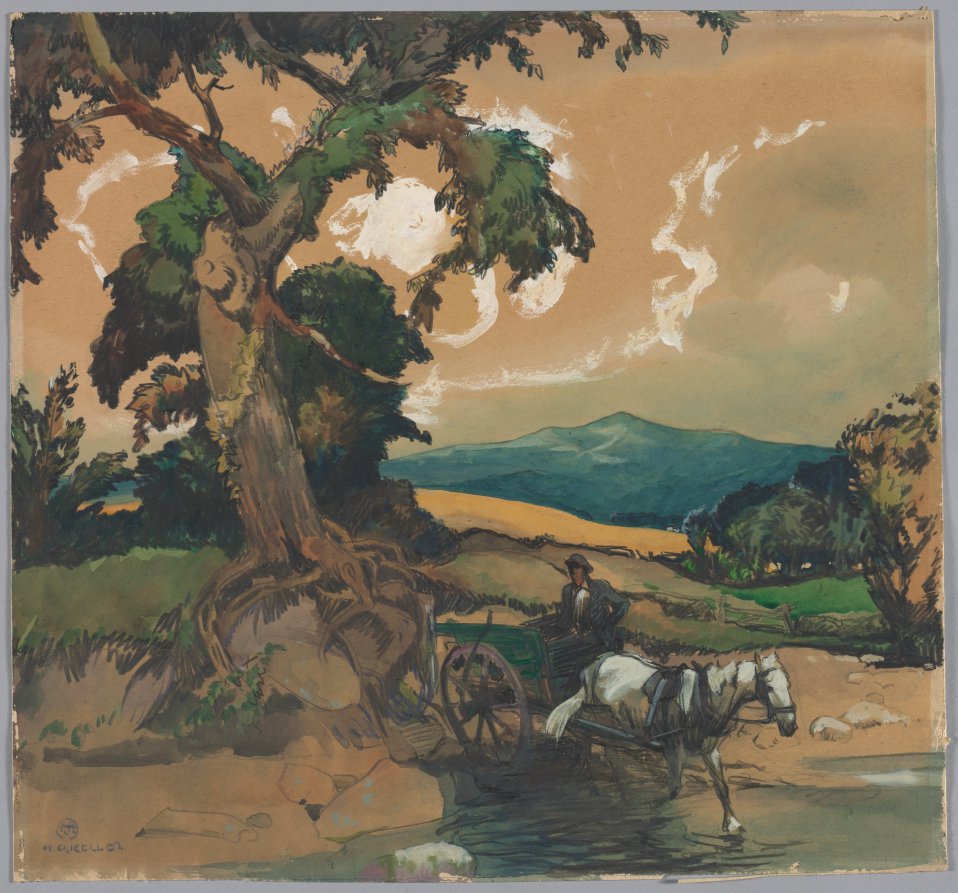
Henry Keller
Gulls Feeding, 1927
These are artists whose watercolor and works on paper represent not just aesthetic pleasure but genuine collecting intelligence. At auction, watercolors present specific dynamics that collectors should understand before bidding. Works by American masters like Homer and Prendergast have historically sold well at the major houses, with condition playing an outsized role in final prices compared to other media. Fading is the central concern.
Watercolor pigments are vulnerable to sustained light exposure, and a work that has hung in direct sunlight for decades may have lost a significant portion of its original chromatic range. This is not always visible in catalogue photographs, which is why condition reports and in person inspection before bidding are not optional courtesies but essential steps. A discolored or faded sheet can trade at a fraction of the value of a fresh example by the same artist. Practical advice for collectors entering or deepening a watercolor focus: always ask about provenance and exhibition history, which in this medium can offer meaningful insight into storage and display conditions over time.
Ask whether a work has been framed behind UV protective glazing, and when it was last examined by a conservator. For works on paper, the quality of the mount and backing matters more than many buyers realize since acidic materials degrade paper from behind over years. Unique watercolors will always carry more market energy than prints or works in editions, but do not dismiss works on paper by artists like Romare Bearden, whose collage works incorporate watercolor elements and whose unique pieces represent genuinely different propositions than his print editions. The deepest pleasure in watercolor collecting is the discovery that the medium rewards patience in the same way it rewards the artist who knows when to stop.
A collection built thoughtfully in this space, mixing the canonical names with the sharper contemporary bets, offers both the stability of proven historical value and the particular satisfaction of having seen something before the market caught up. That combination is rarer than it sounds, and watercolor remains one of the few areas where it is still genuinely possible.