Systematic Composition
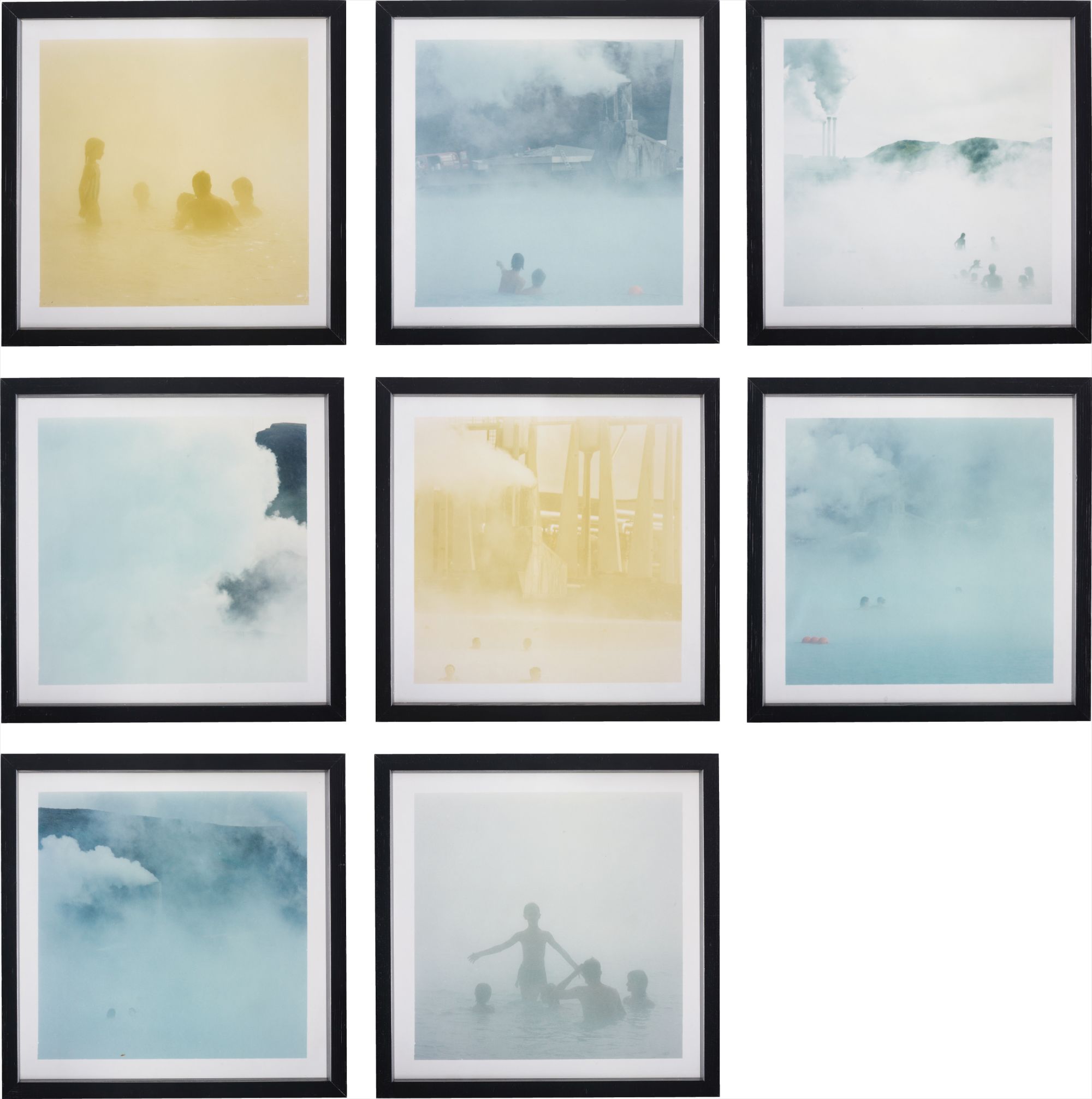
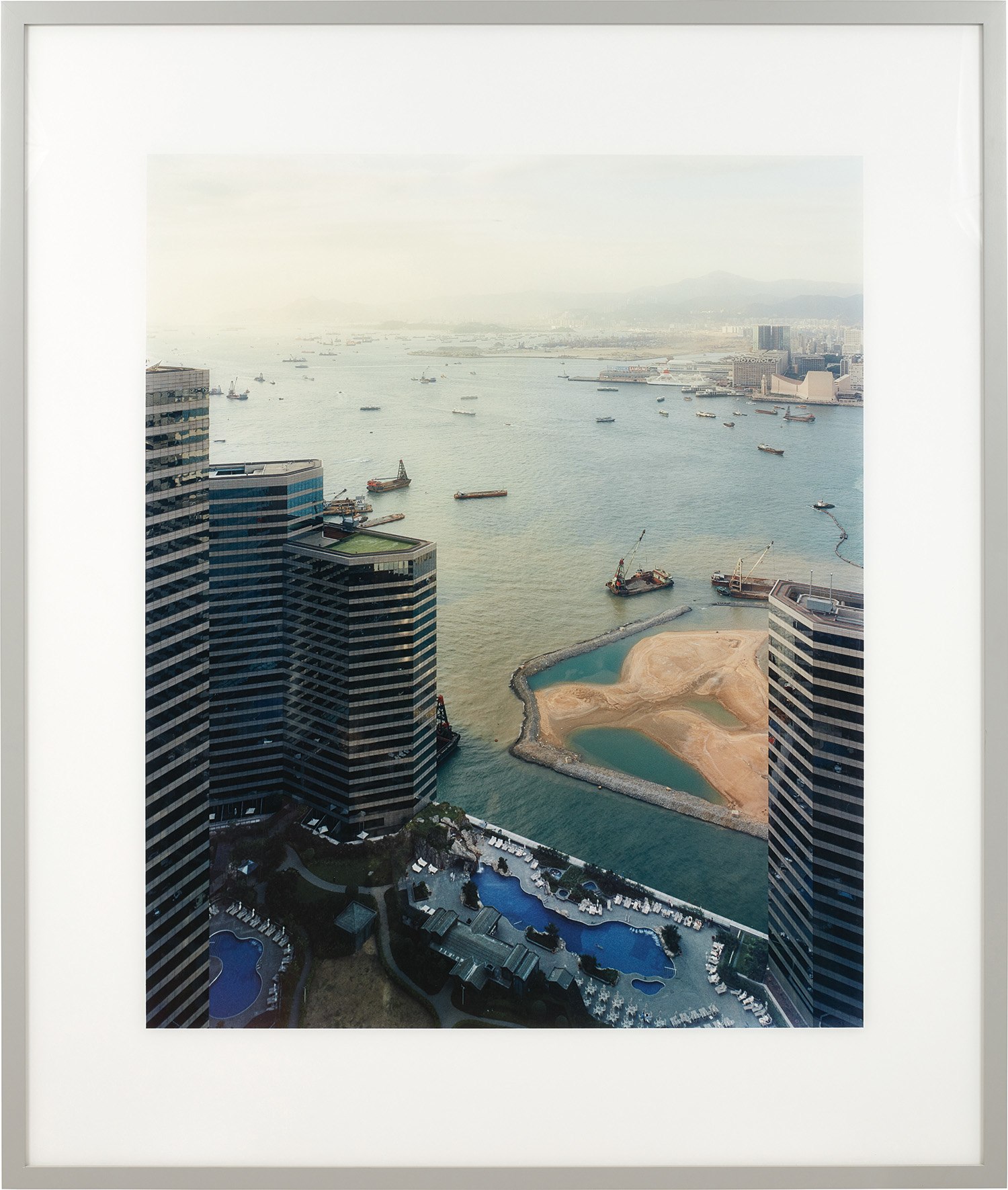
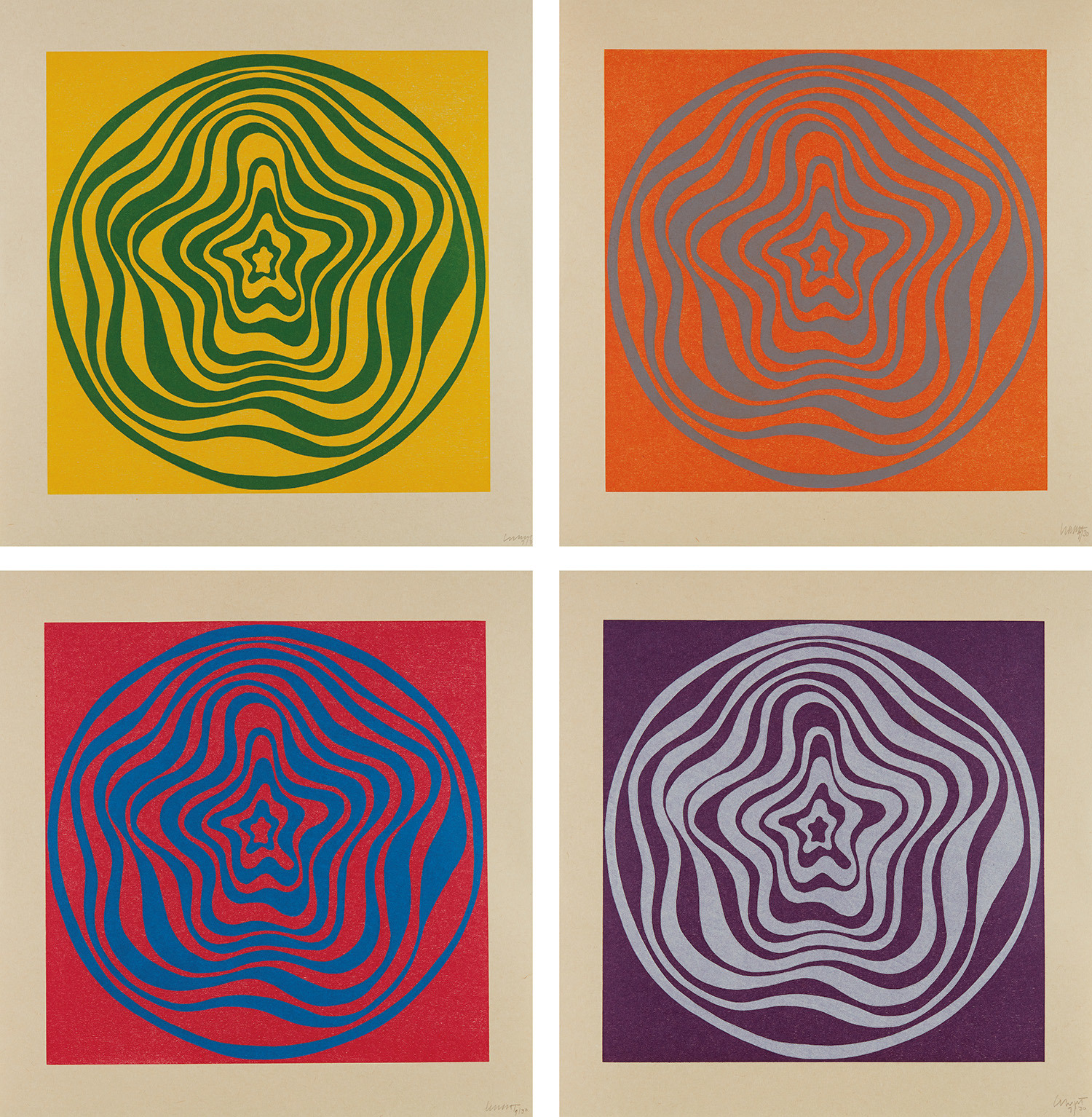
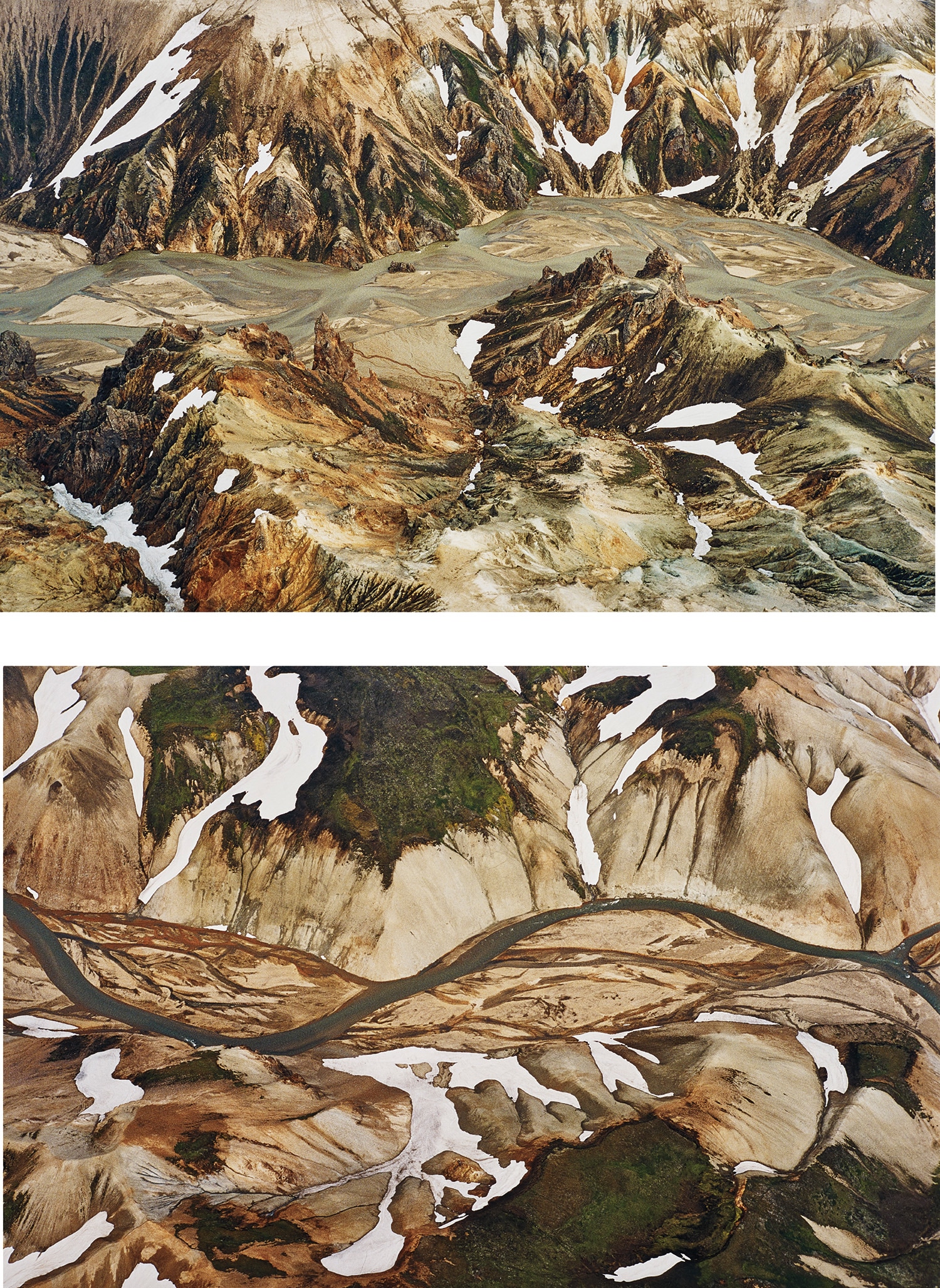
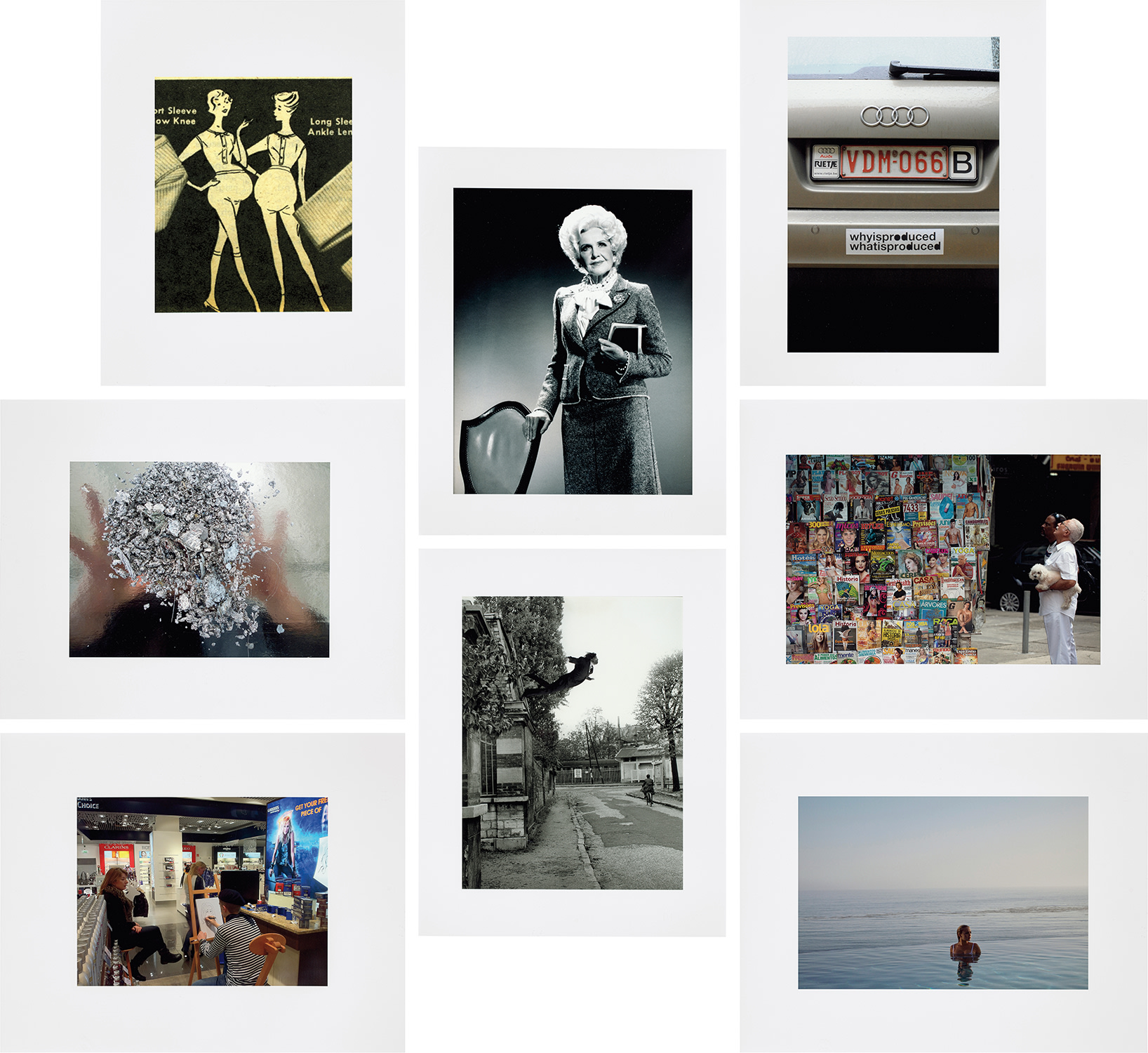
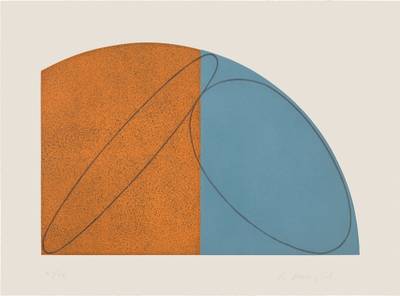
Ólafur Elíasson
The Chinese Series (set of 8)
Order, Obsession, and the Rules We Make
When Christie's brought a major Sol LeWitt wall drawing certificate to auction in 2023, the room paid attention in a particular way. Not just because the final price cleared seven figures, but because of what it said about how the market now values the idea itself, the set of instructions, the logic behind the mark. Systematic composition, long the domain of the museum curator and the philosophy seminar, has become one of the most contested and energized categories in the collecting world. The question is no longer whether rule based art belongs in major collections.
The question is which voices within that tradition will define the next chapter. The critical rehabilitation of this territory has been building steadily since the late 2000s, but it accelerated meaningfully around 2018 and 2019 when a cluster of major institutional shows began treating systematic and algorithmic approaches not as a footnote to Minimalism but as a living methodology. MoMA's sustained attention to its LeWitt holdings, combined with retrospectives at Dia and the Art Institute of Chicago, reframed the conversation. What had sometimes been dismissed as cold or cerebral started to look, in a low certainty political climate, like something almost generous: art that commits to its own terms and delivers on them completely.
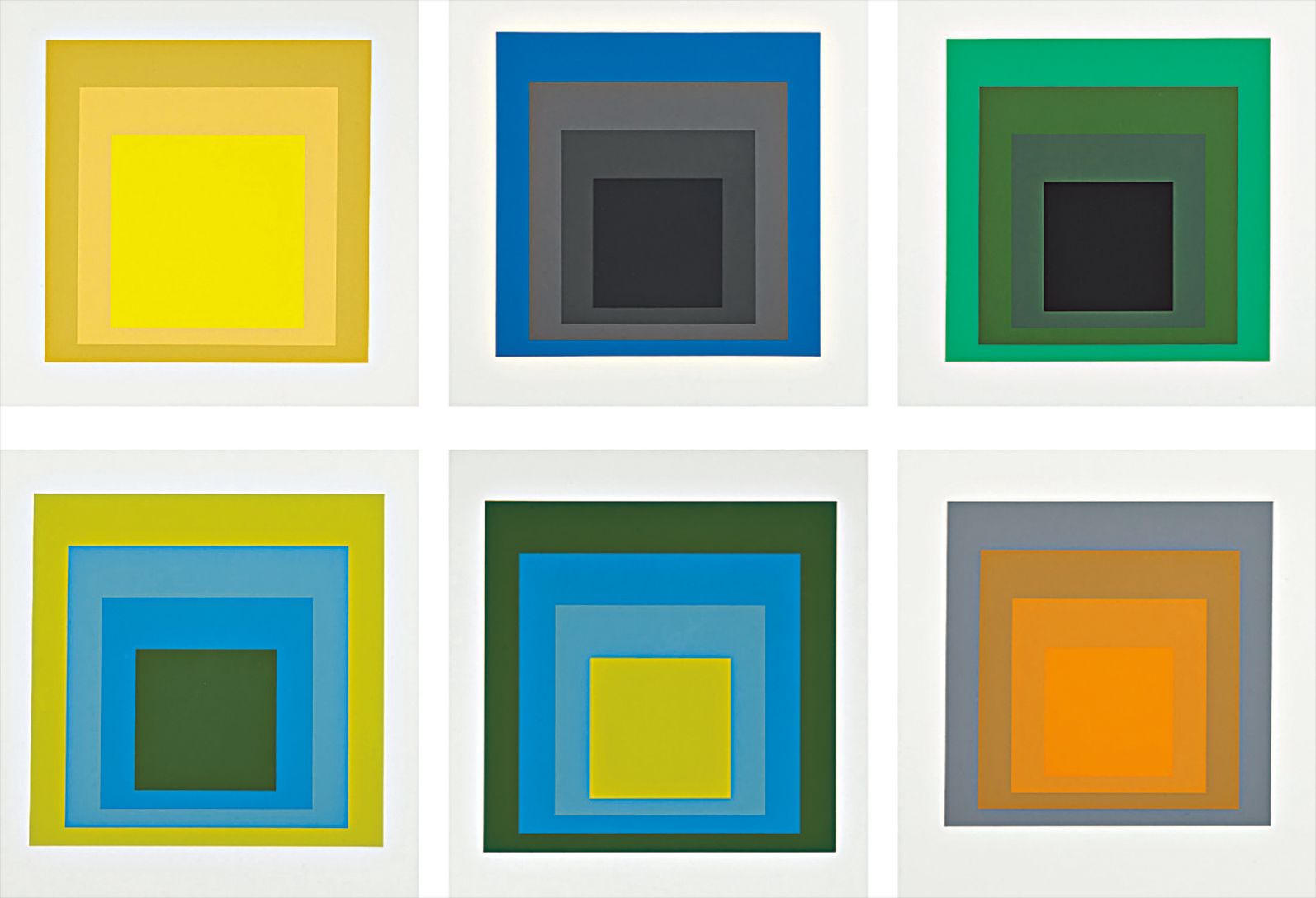
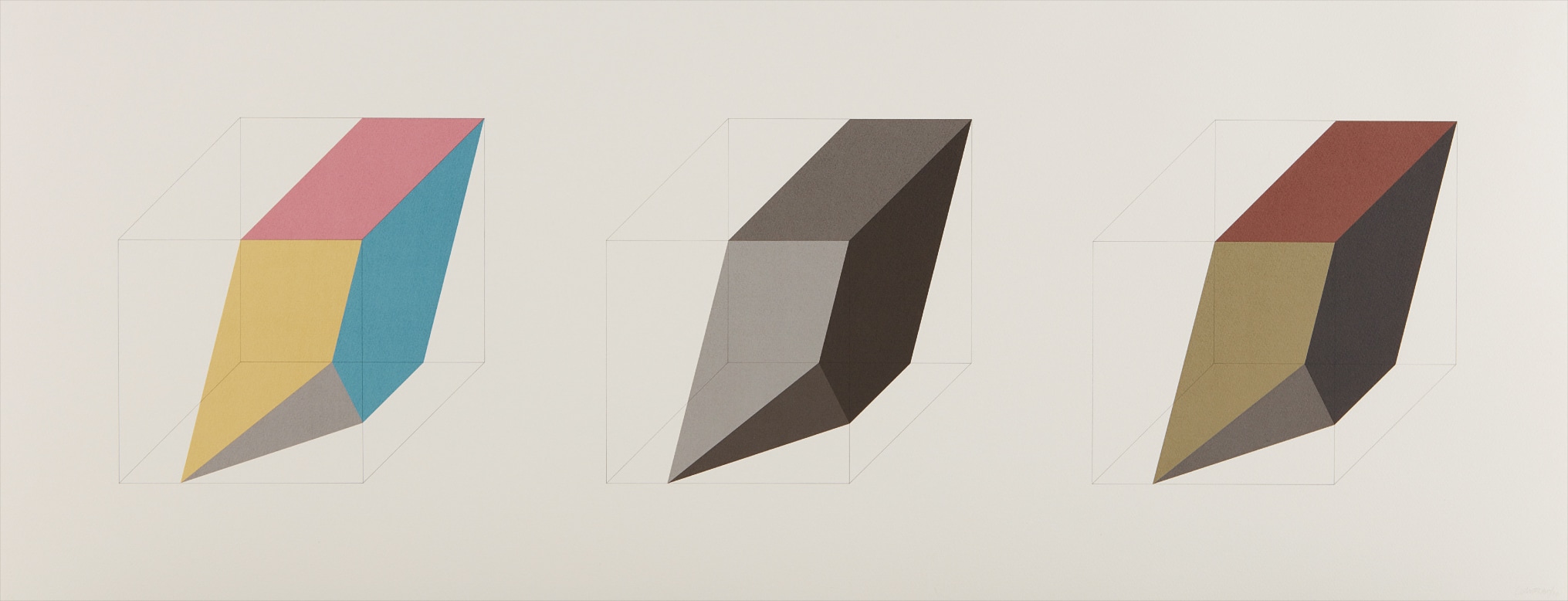
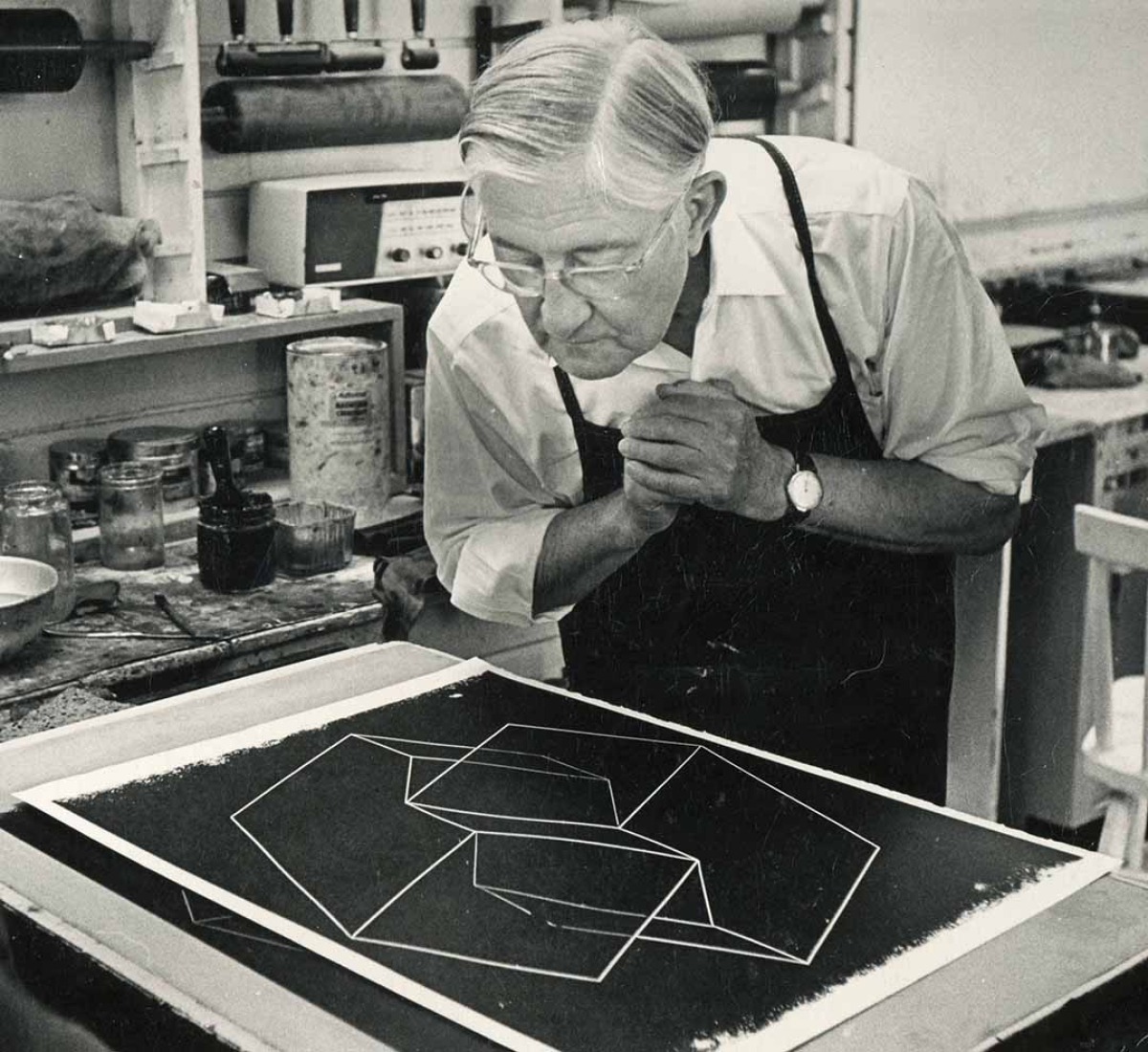
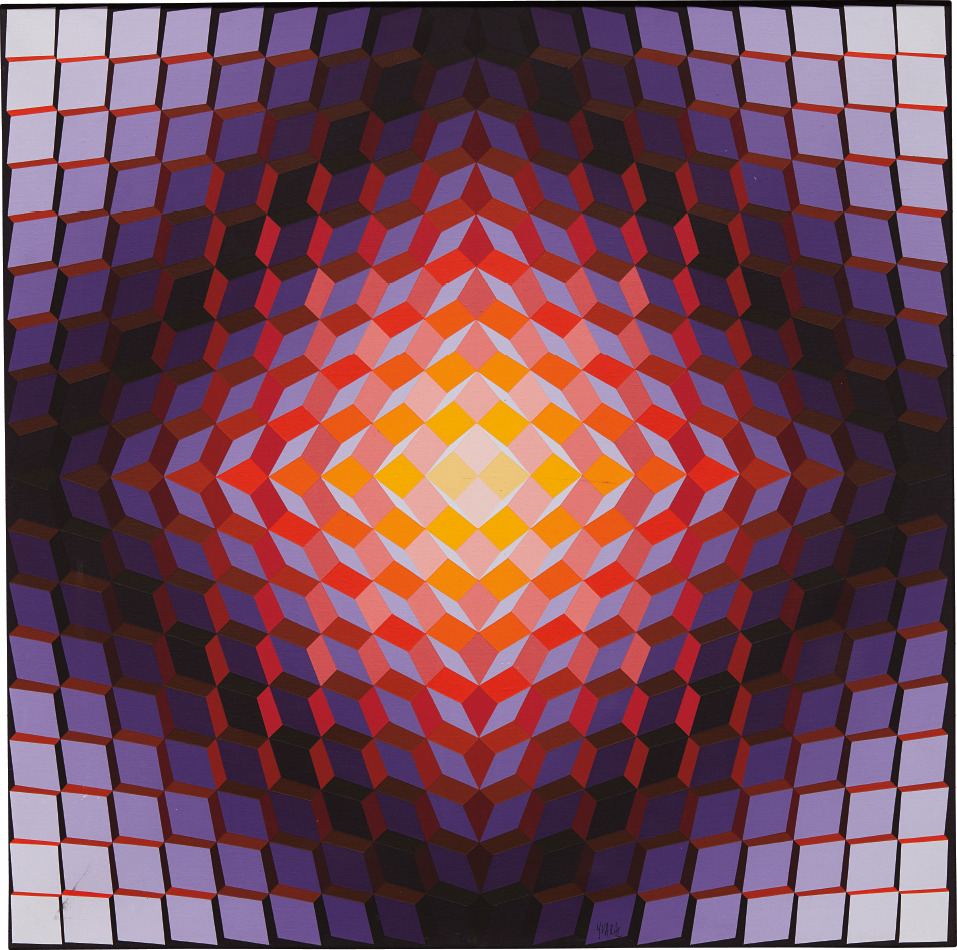
Josef Albers
Formulation Articulation I & II
Josef Albers remains the connective tissue in this conversation, the artist whose patient, lifetime investigation of color interaction and perceptual response still reads as foundational rather than historical. When Albers works surface at auction, which they do with reliable frequency at Christie's, Sotheby's, and Phillips, they tend to perform with quiet authority. The Homage to the Square series carries prices that reflect not just art historical status but active market demand from collectors who appreciate work that teaches you something every time you look at it. The Albers Foundation continues to shape scholarship in this space, and its influence on how collectors frame the entire systematic tradition remains significant.
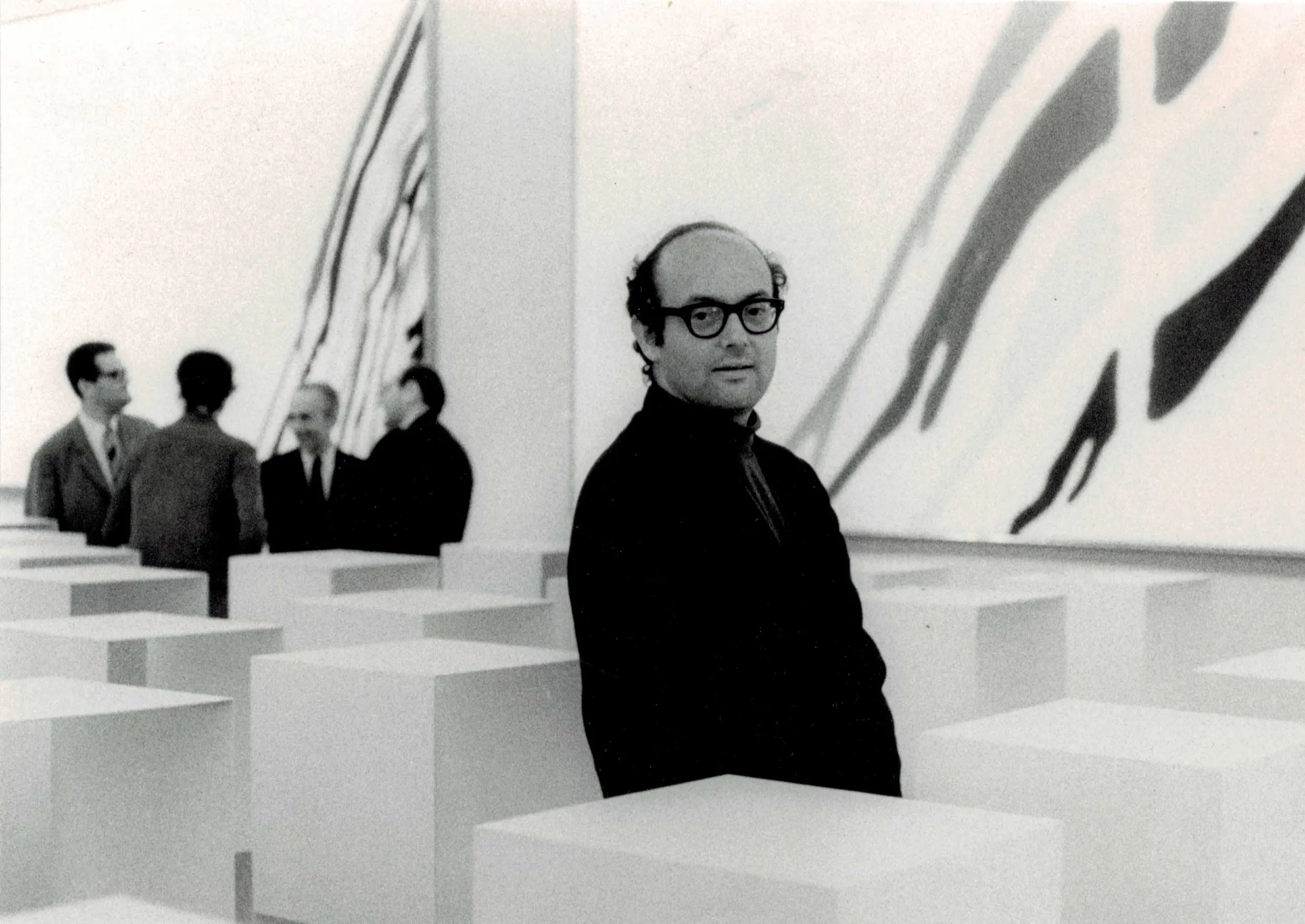
Works from Albers well represented on The Collection speak to a collector base that understands this lineage deeply. Sol LeWitt's presence on the market operates differently from almost anyone else in the category. The certificate structure of his wall drawings creates a philosophical and legal situation that still fascinates collectors and institutions alike: you own instructions, and the work is remade. Major institutions including the San Francisco Museum of Modern Art, the Tate, and the Centre Pompidou have invested heavily in LeWitt, and the secondary market for his works on paper and sculptures has strengthened considerably.
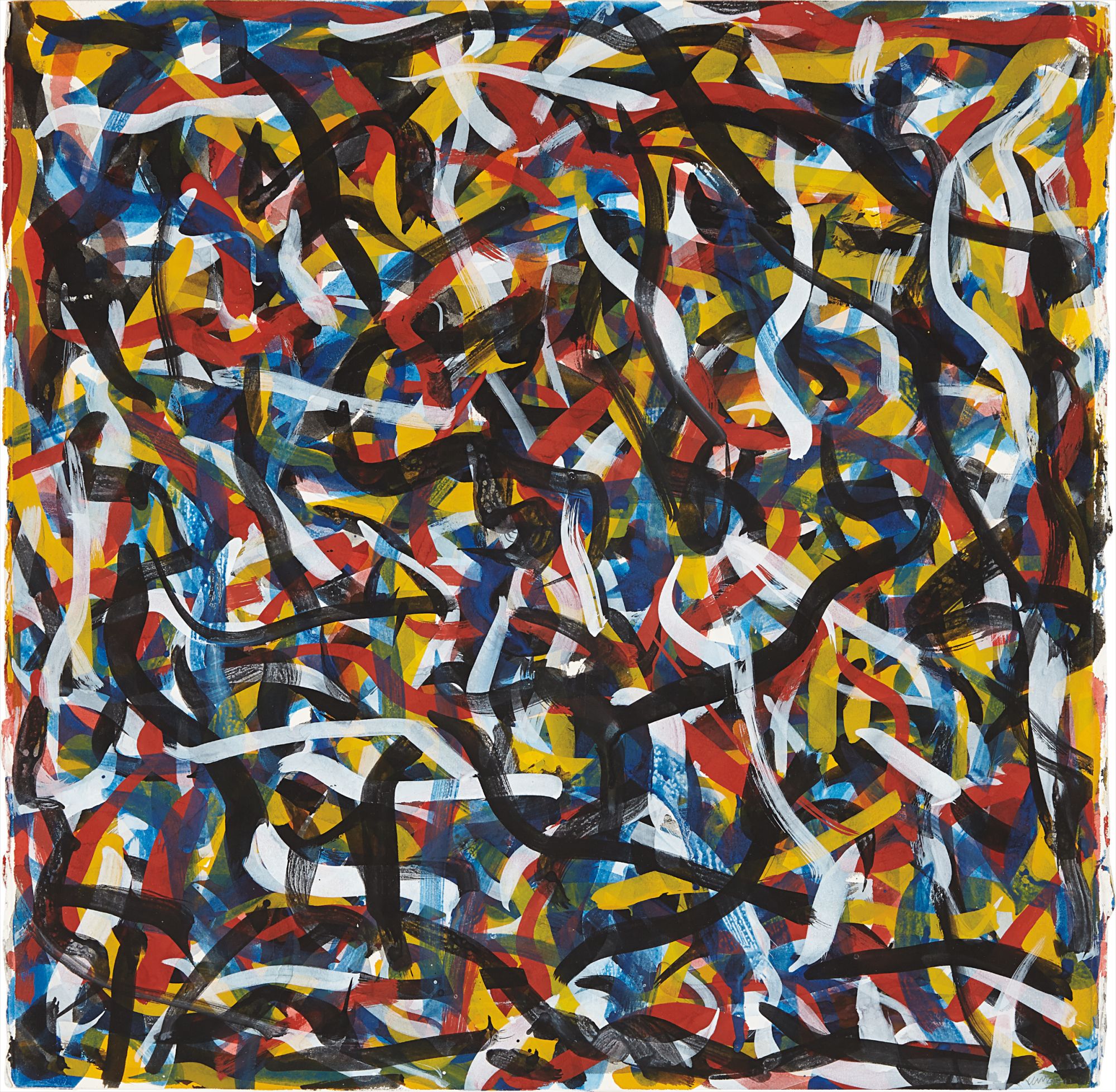
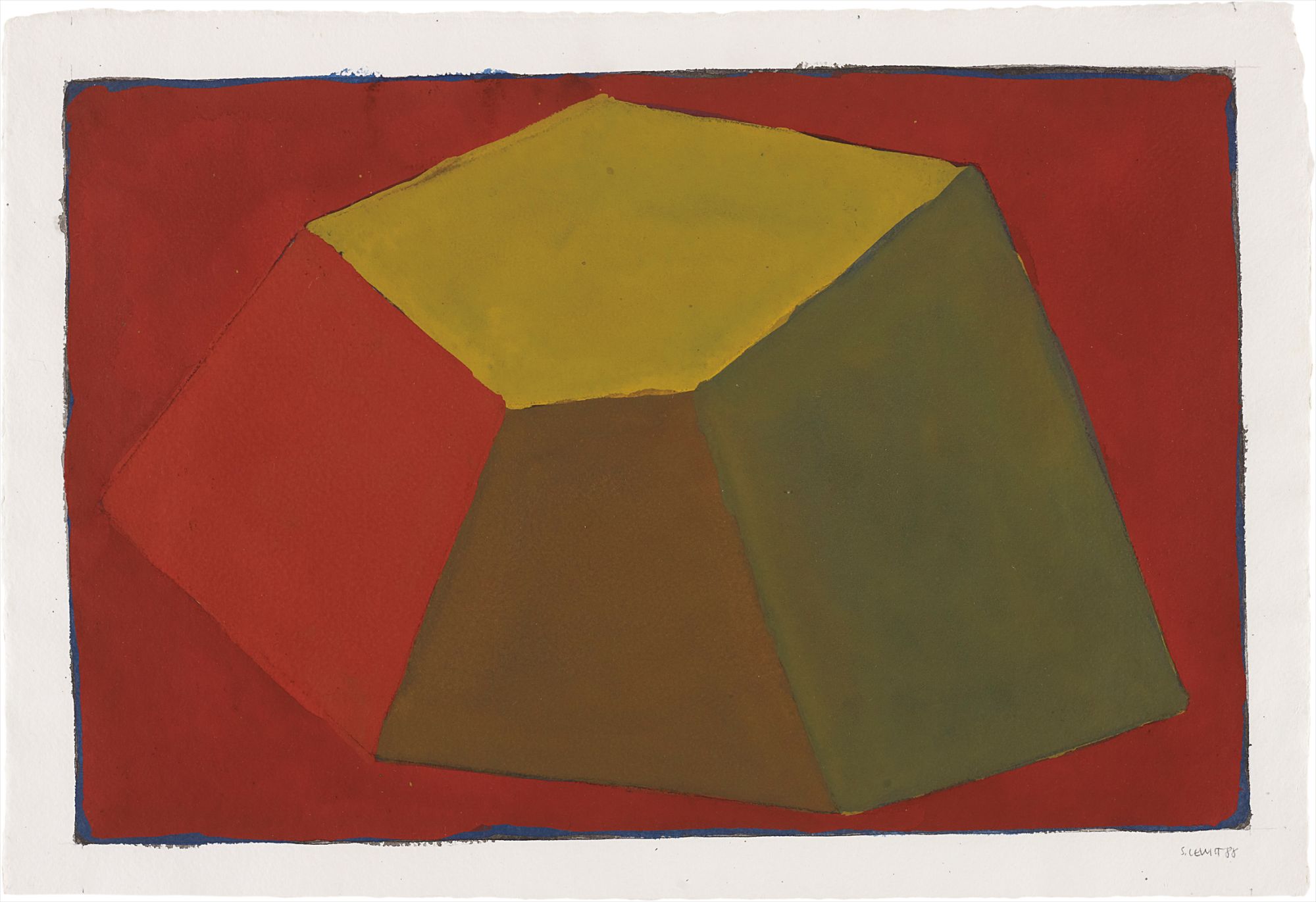
Sol LeWitt
Not Straight Brushstrokes In All Directions
What the auction results reveal is a bifurcated appetite: collectors want either the intimate, works on paper side of LeWitt or the monumental institutional statement. There is very little middle ground, and that gap creates interesting opportunities. The works on The Collection reflect this range and reward careful study. Beyond the canonical names, the market has grown genuinely curious about figures who operated at the edges of the systematic tradition.
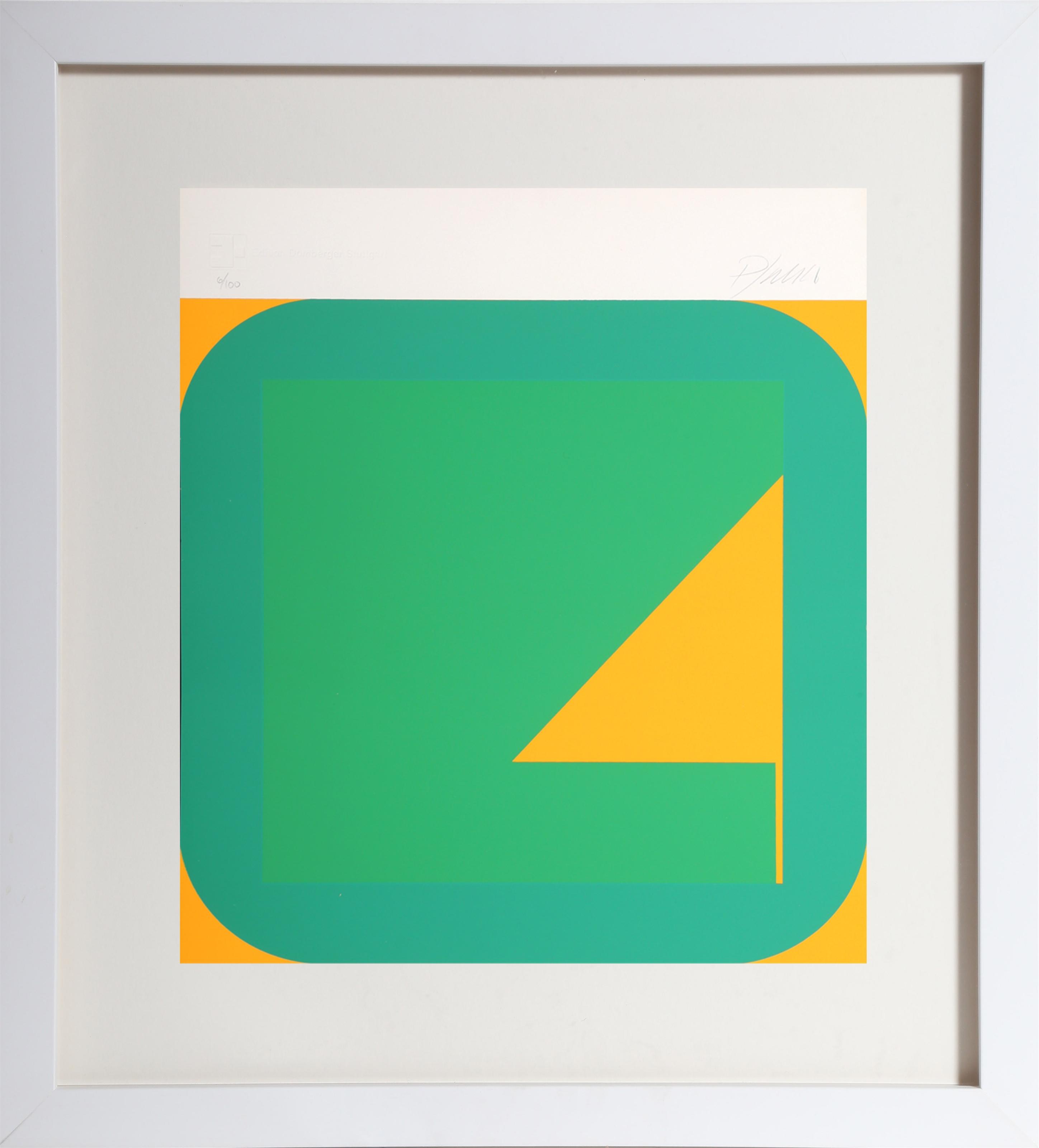
Richard Paul Lohse, the Swiss Concrete artist whose modular color progressions predate much of what American Minimalism would later claim for itself, has attracted new institutional attention particularly in Europe. Georg Karl Pfahler, whose hard edge work connects German postwar abstraction to the systematic impulse, remains somewhat undervalued relative to his importance. Alighiero Boetti's embroidered maps, which encode geopolitical information through delegated making, represent a different flavor of the systematic: one laced with irony, geography, and political awareness. These artists reward the collector willing to read across the tradition rather than staying with the established hierarchy.
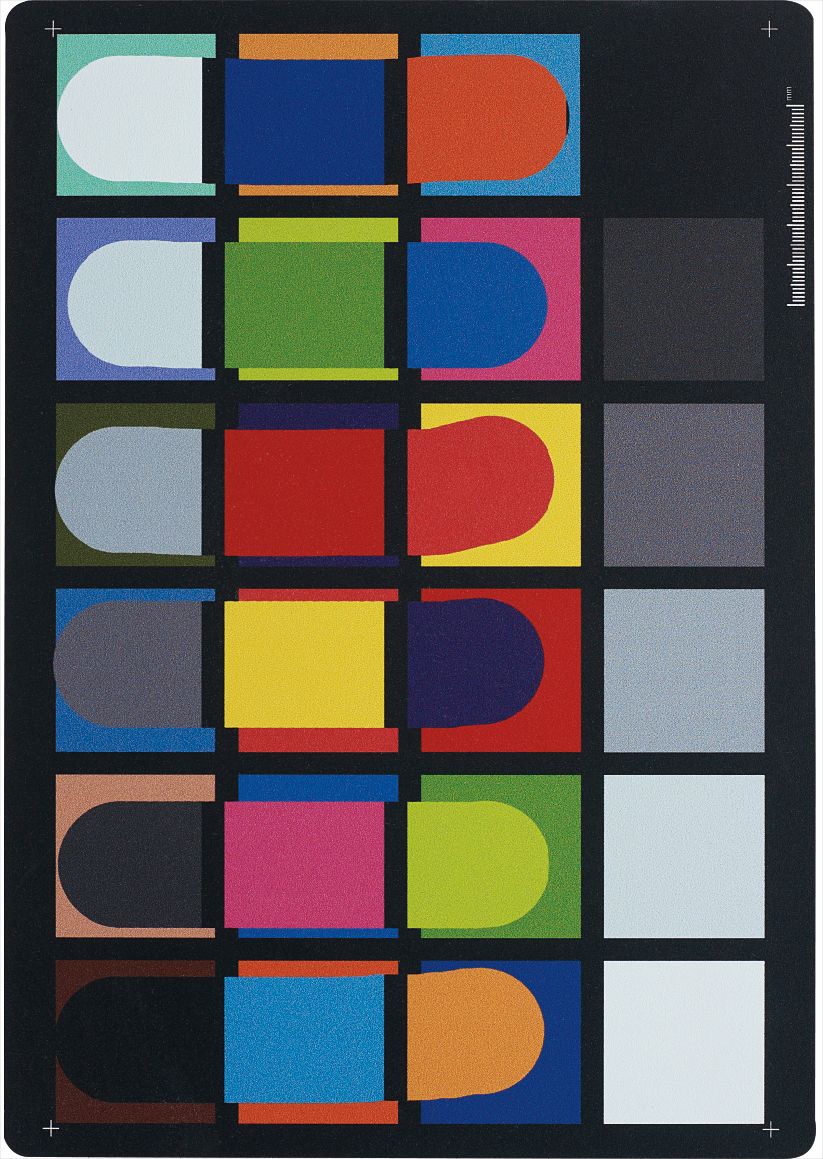
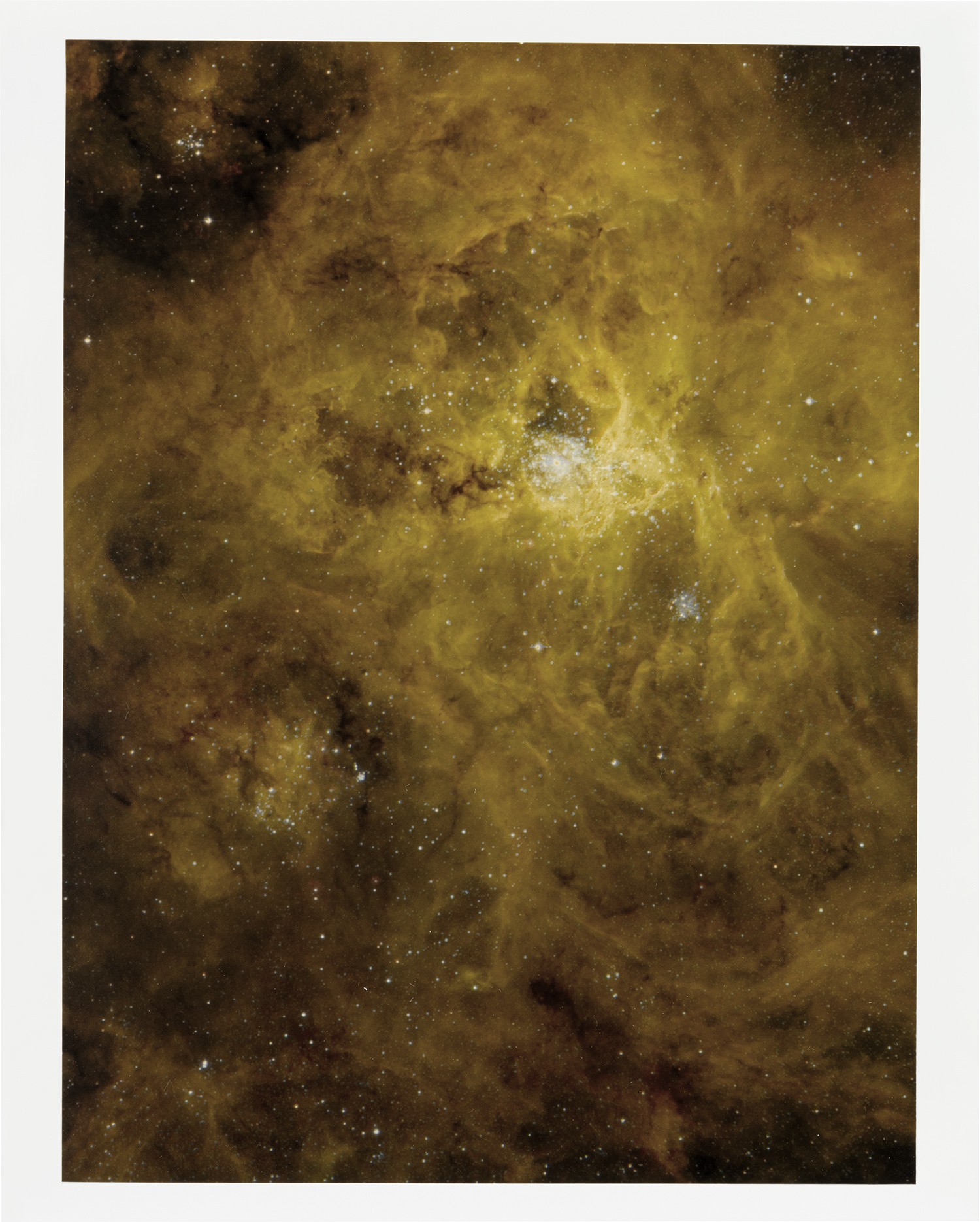
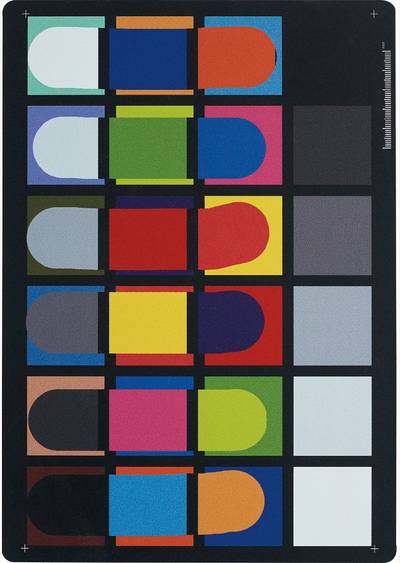
Artie Vierkant
Color Rendition Chart Thursday 28 March 2013 2:44PM, 2013
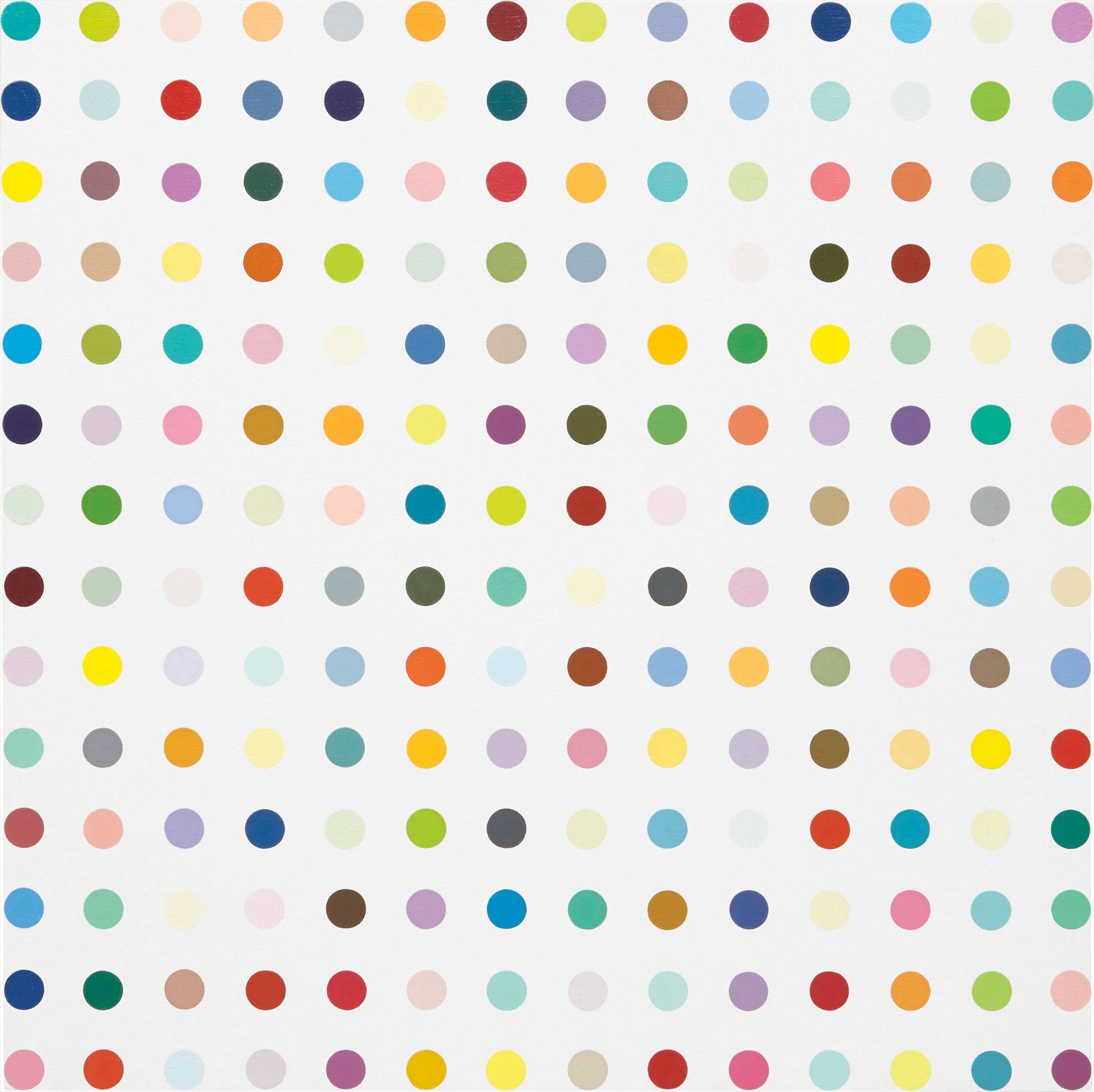
The critical conversation shaping this territory right now draws from several directions at once. Writings by Briony Fer, whose work on LeWitt and seriality remains essential, continue to frame how curators present this material. Hal Foster's ongoing engagement with the relationship between systems and subjectivity offers a counterweight to readings that treat systematic art as purely formal. Publications including Artforum, October, and the Burlington Magazine have all run significant pieces in recent years on artists like Gerhard Richter, whose Color Charts occupy a fascinating position between systematic procedure and painterly accident, and on the algorithmic generation work of Artie Vierkant, who pushes the conversation into digital territory.
The dialogue between historical systems based work and contemporary computational practice is one of the genuinely live arguments in criticism right now. The institutional collecting picture tells its own story. Alongside MoMA and the Tate, the Kunstmuseum Basel has made systematic and Concrete art a defining strength. The Chinati Foundation in Marfa, associated permanently with Donald Judd, continues to shape pilgrimage collecting behavior, meaning that serious collectors travel to encounter the work in situ before buying.
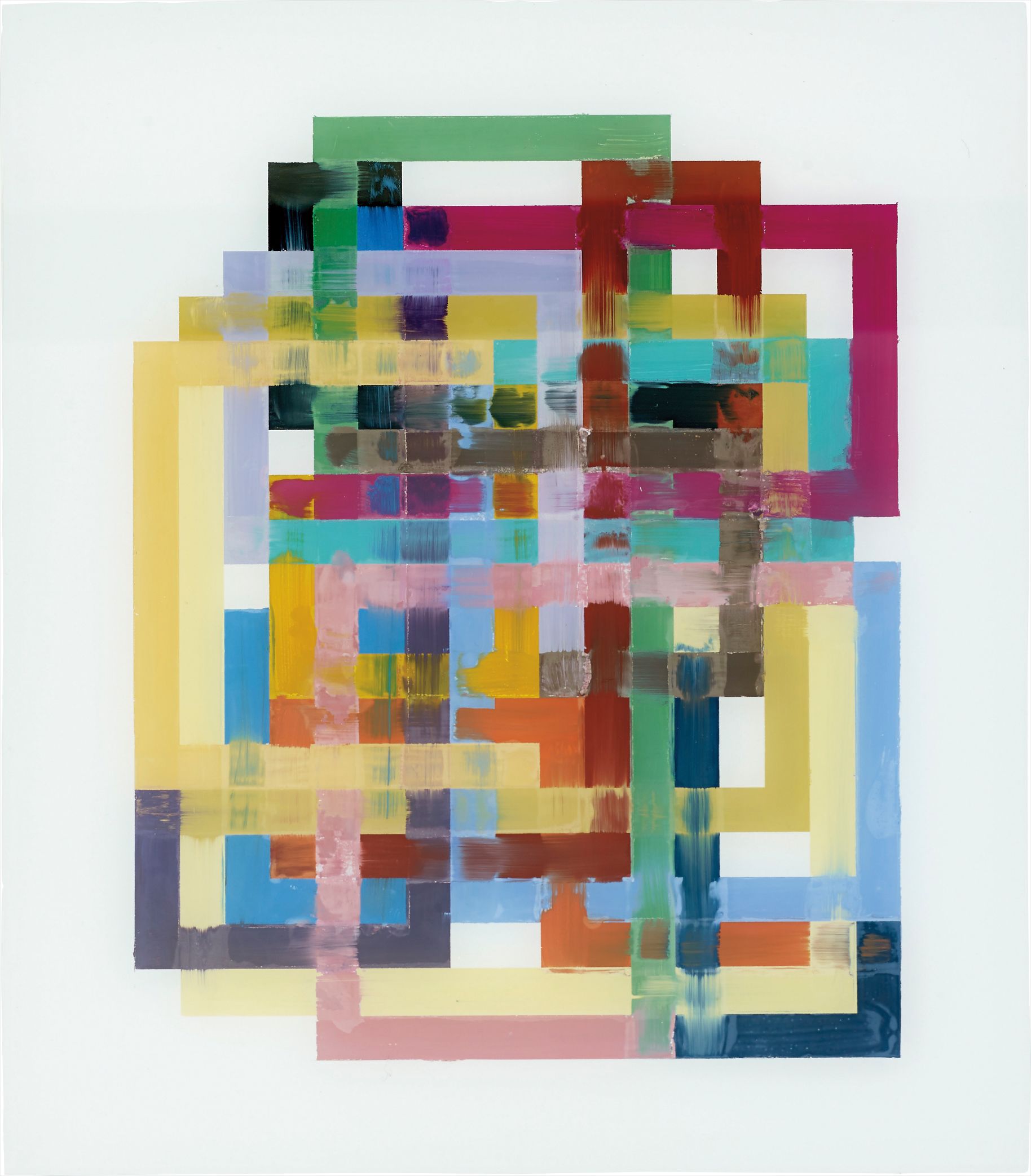
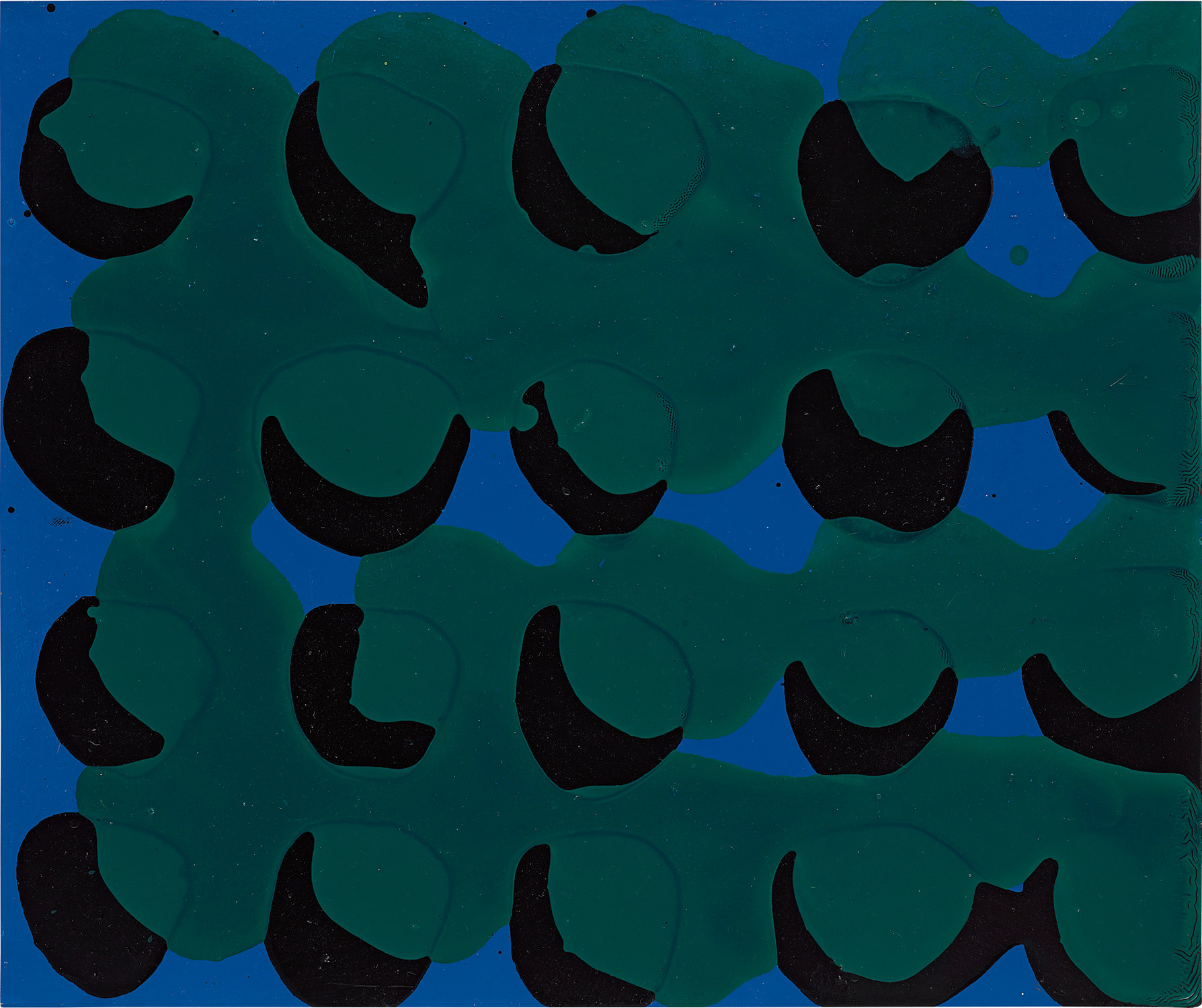
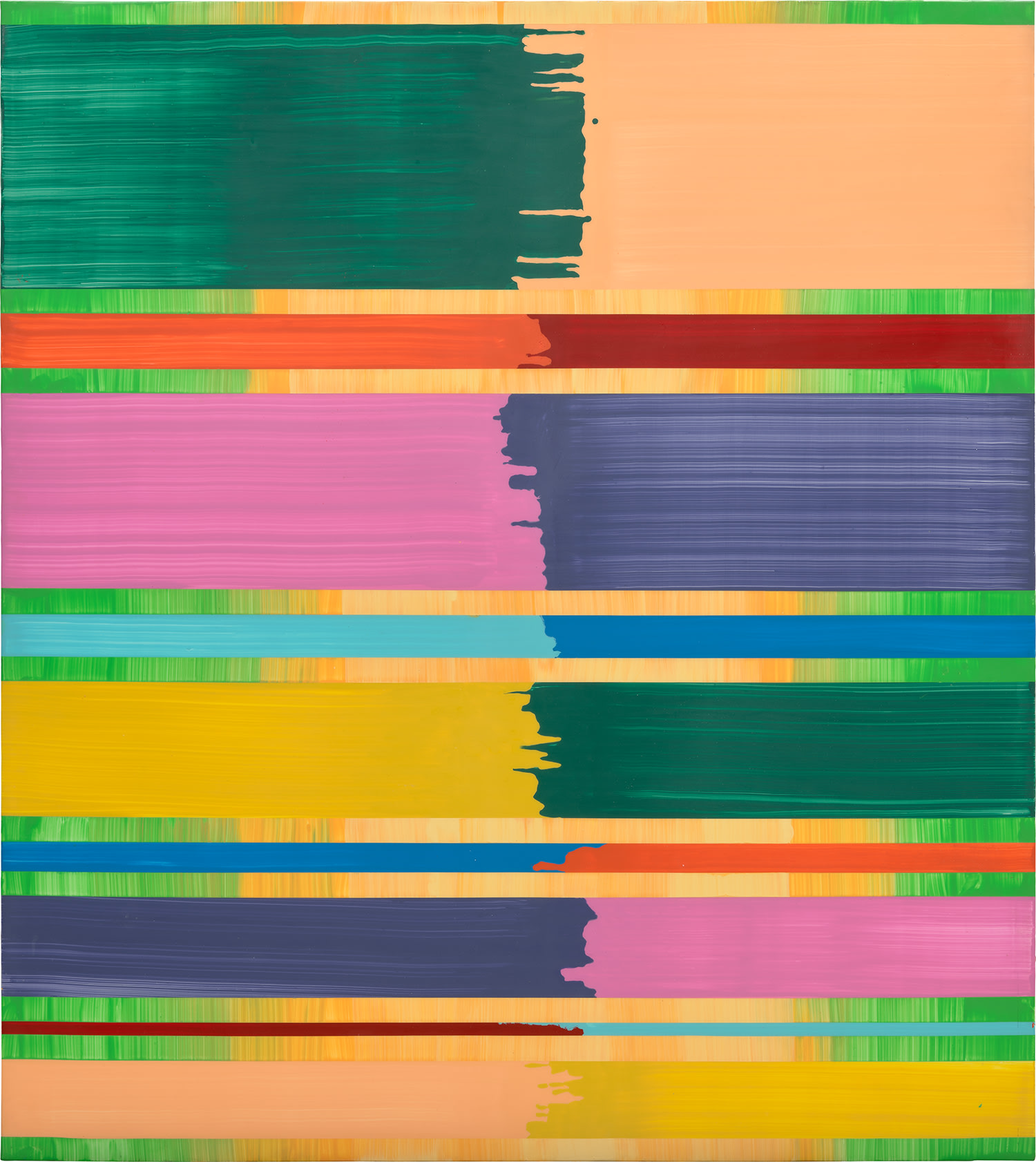
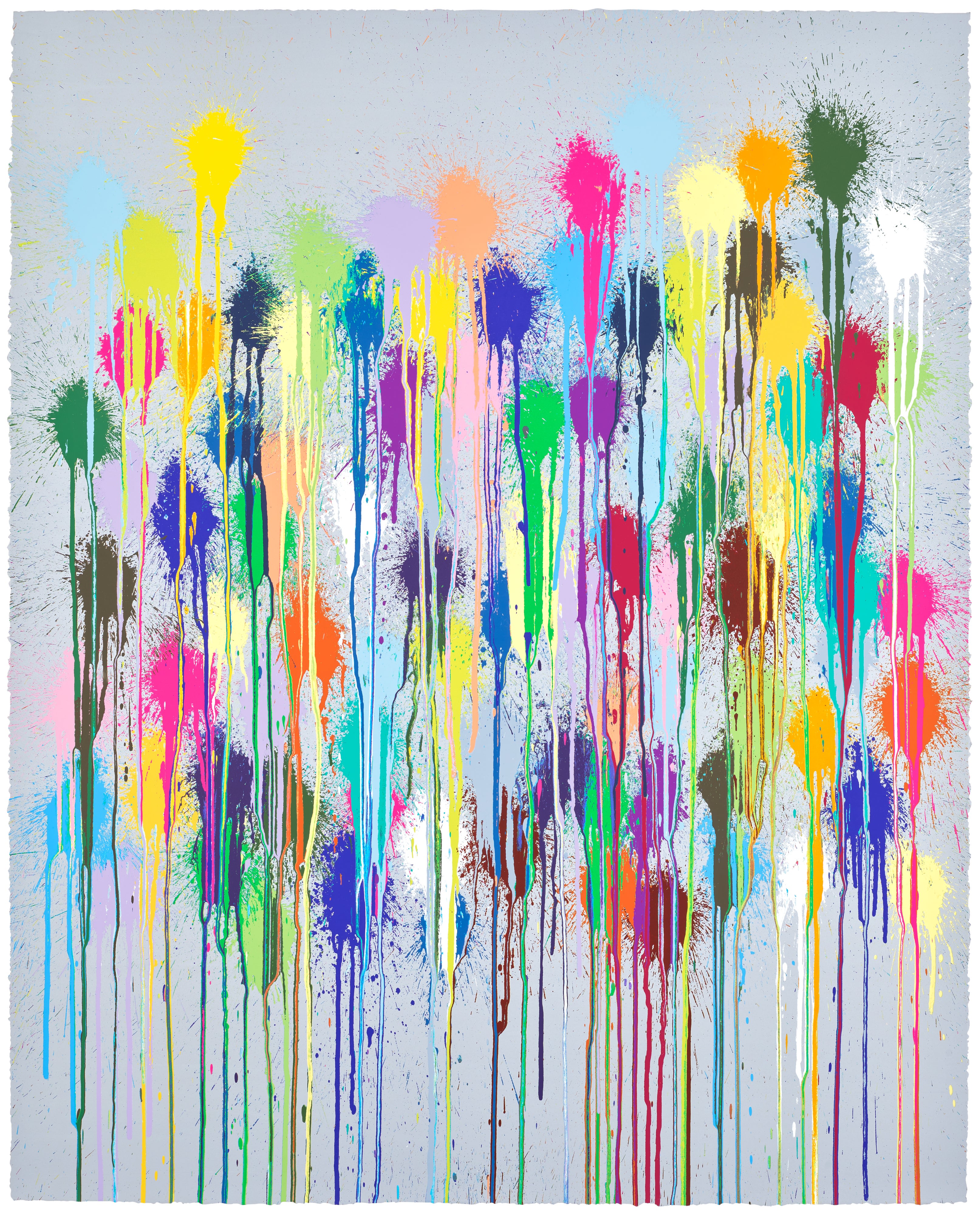
Bernard Frize
Juillet 15, 2008
Ólafur Elíasson's institutional presence, through his studio's large scale commissions and his work with the Tate Turbine Hall, has brought an environmental and participatory dimension to the systematic tradition that broadens its audience considerably. When a major museum acquires Ian Davenport's poured line paintings or a Jorinde Voigt scored composition, they are asserting that the systematic impulse is not finished, not nostalgic, but genuinely ongoing. What feels alive right now is the intersection of systematic methodology with questions of authorship and labor. Bernard Frize's procedural paintings, where the process is the painting and the artist constrains the decision making to the setup of the system, feel newly relevant in an era when AI tools ask similar questions about who or what is making the mark.
Mel Bochner's measurement works, Victor Vasarely and his son Yvaral's optical investigations, and Carl Andre's grid based floor pieces all circulate in a market that is reappraising them with fresh eyes. The surprise that is coming, and it is already visible in the prices for younger artists working in this vein, is that systematic composition is about to shed the last of its reputation for austerity. It turns out that when you follow a rule to its absolute conclusion, the result is often something surprisingly warm.