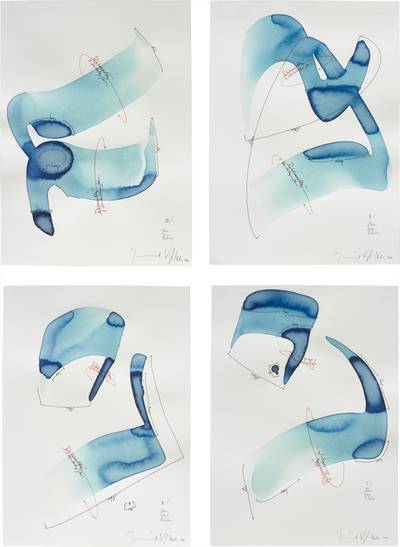
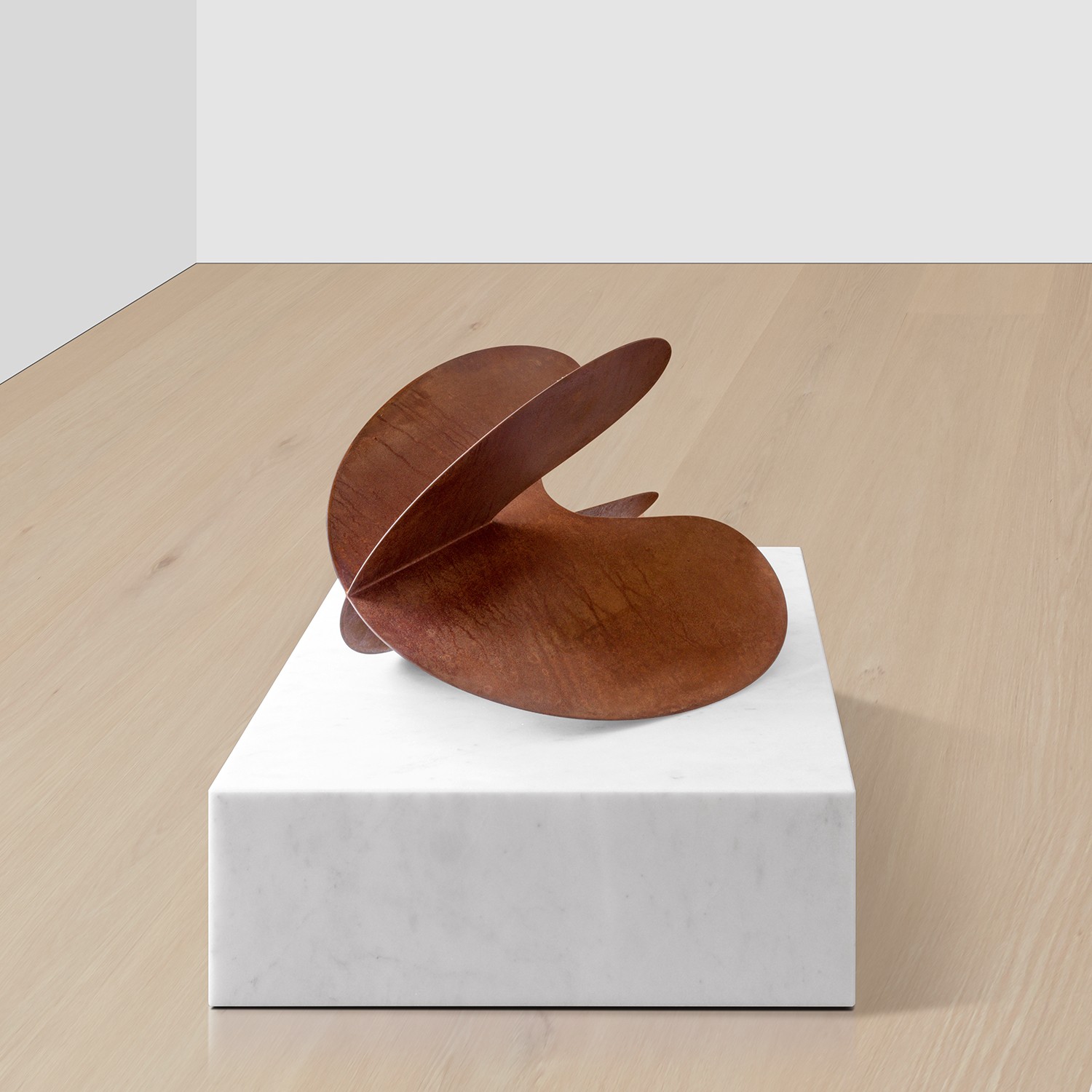
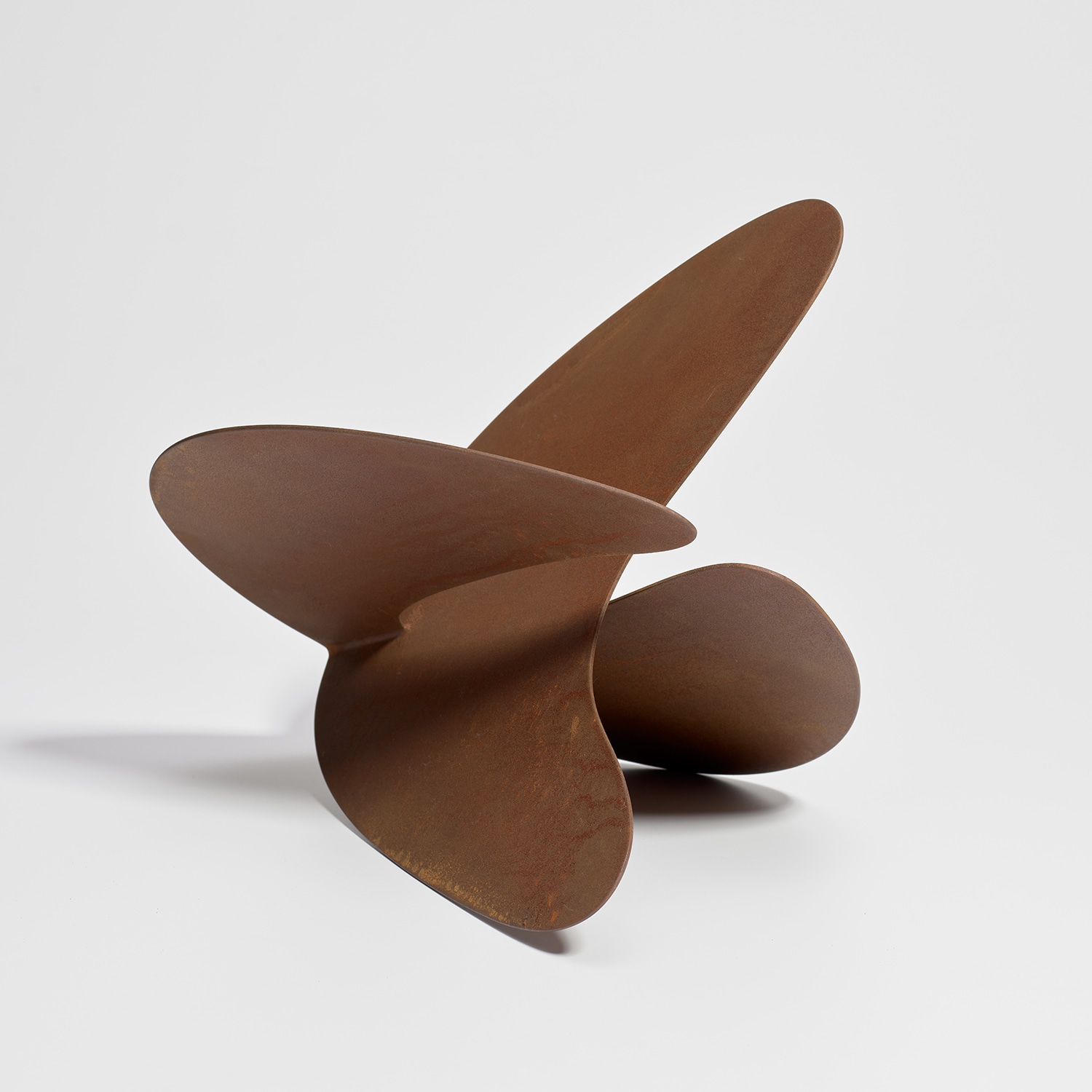
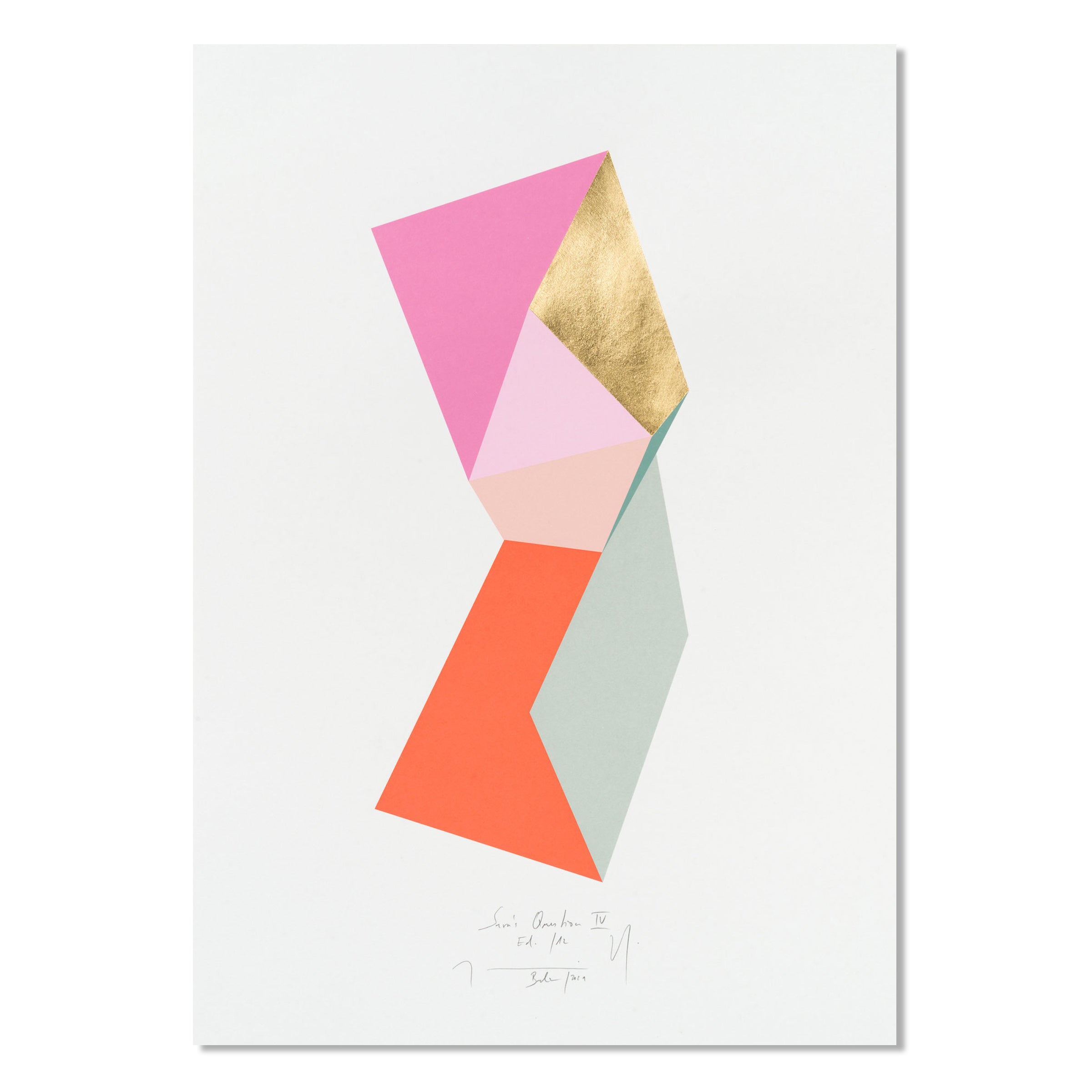
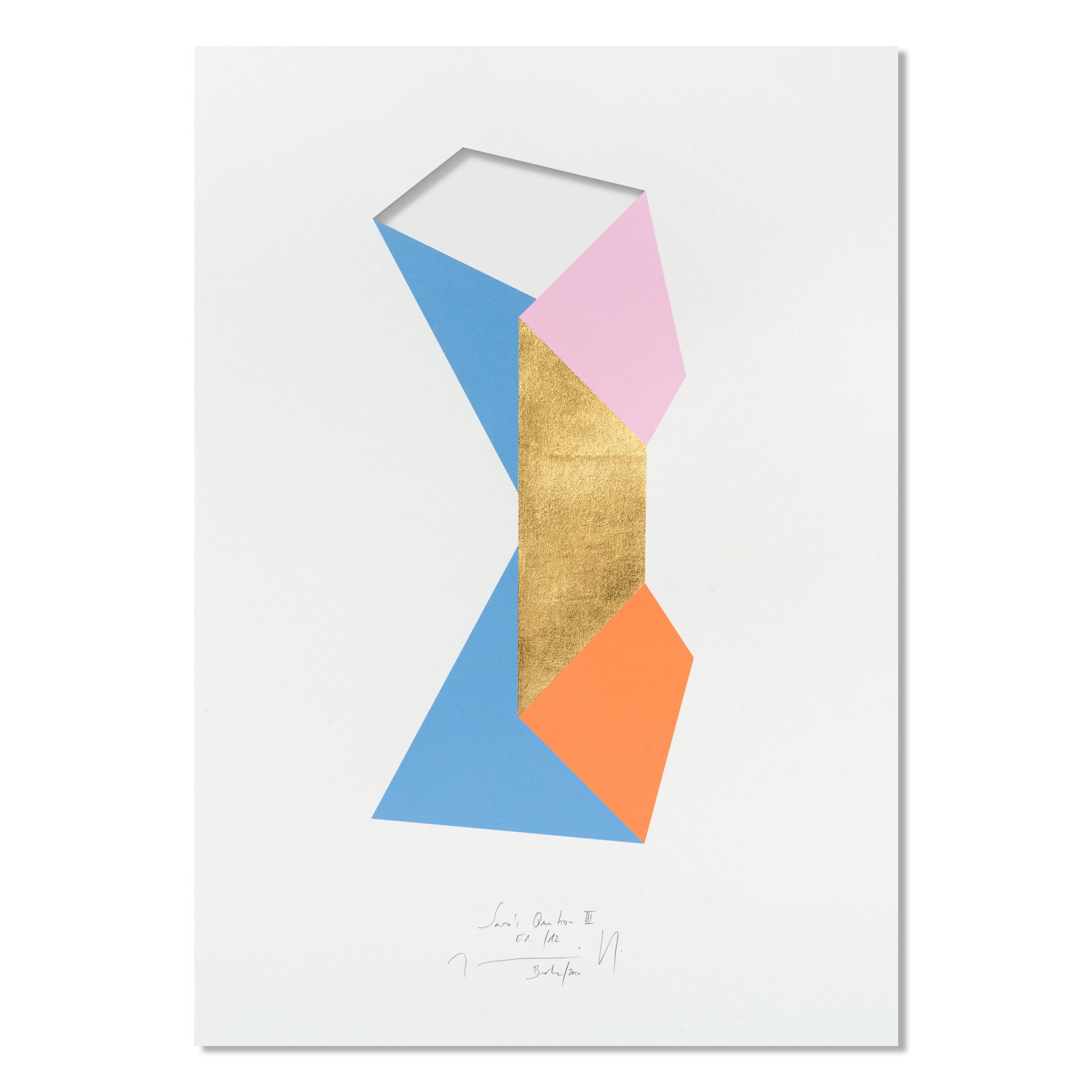
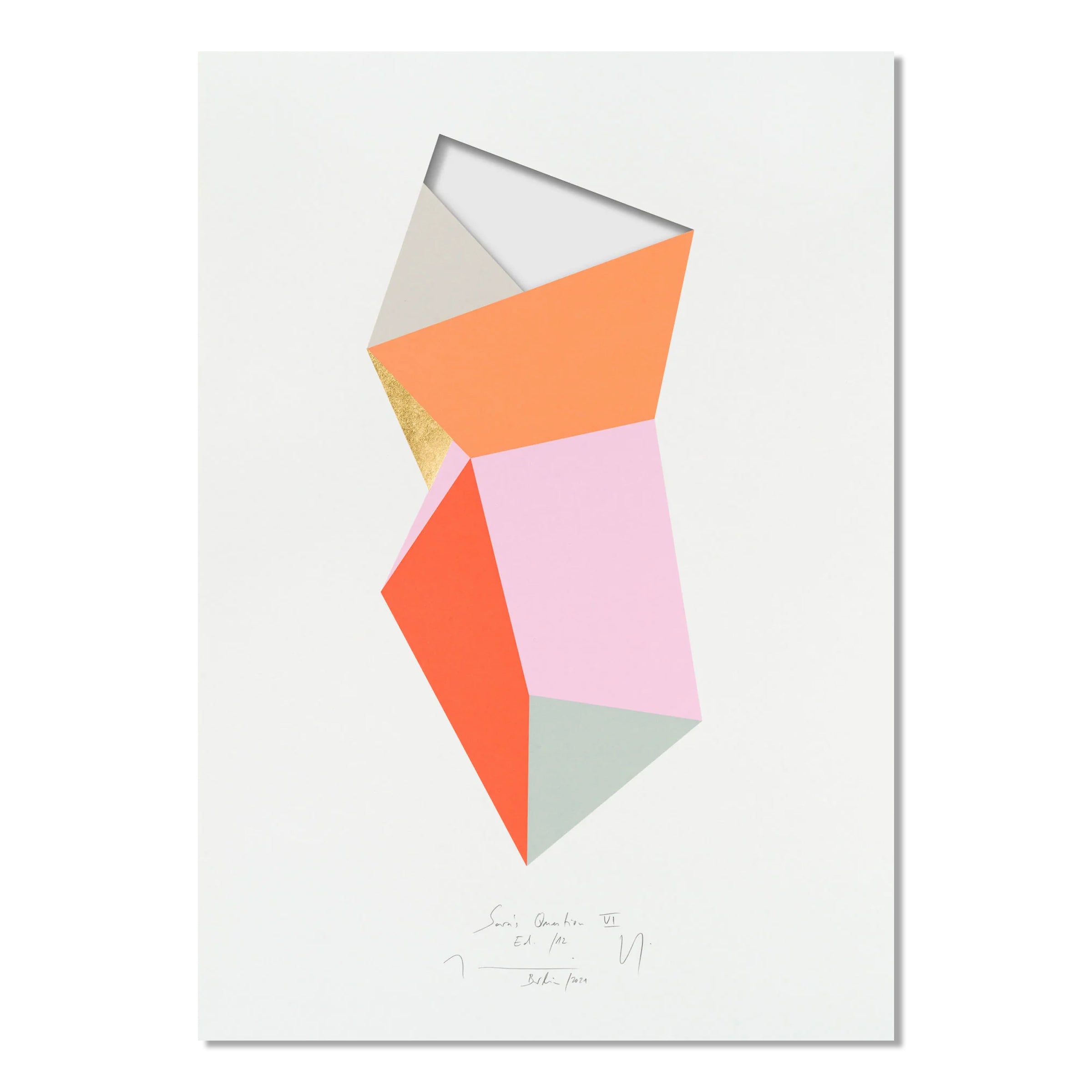
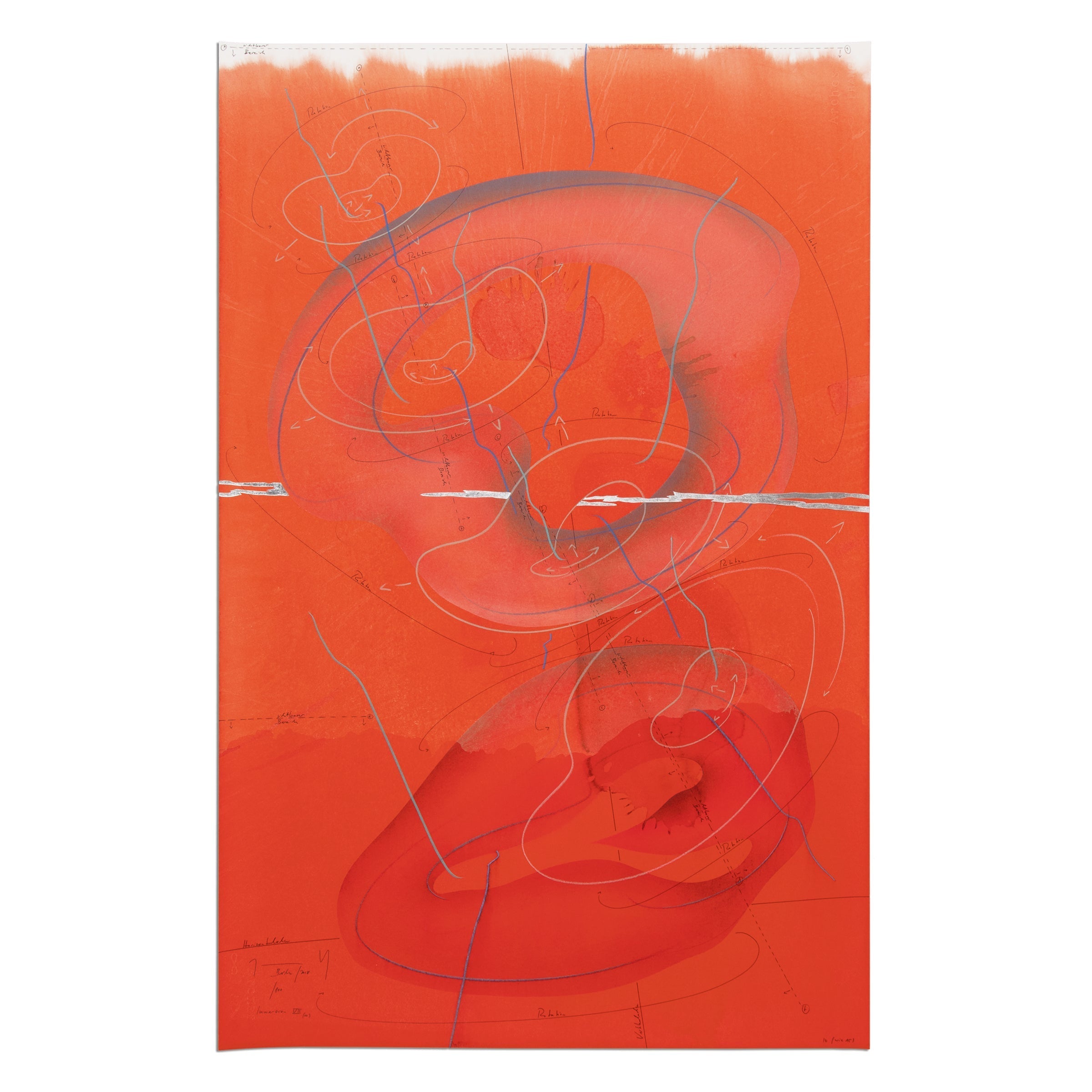
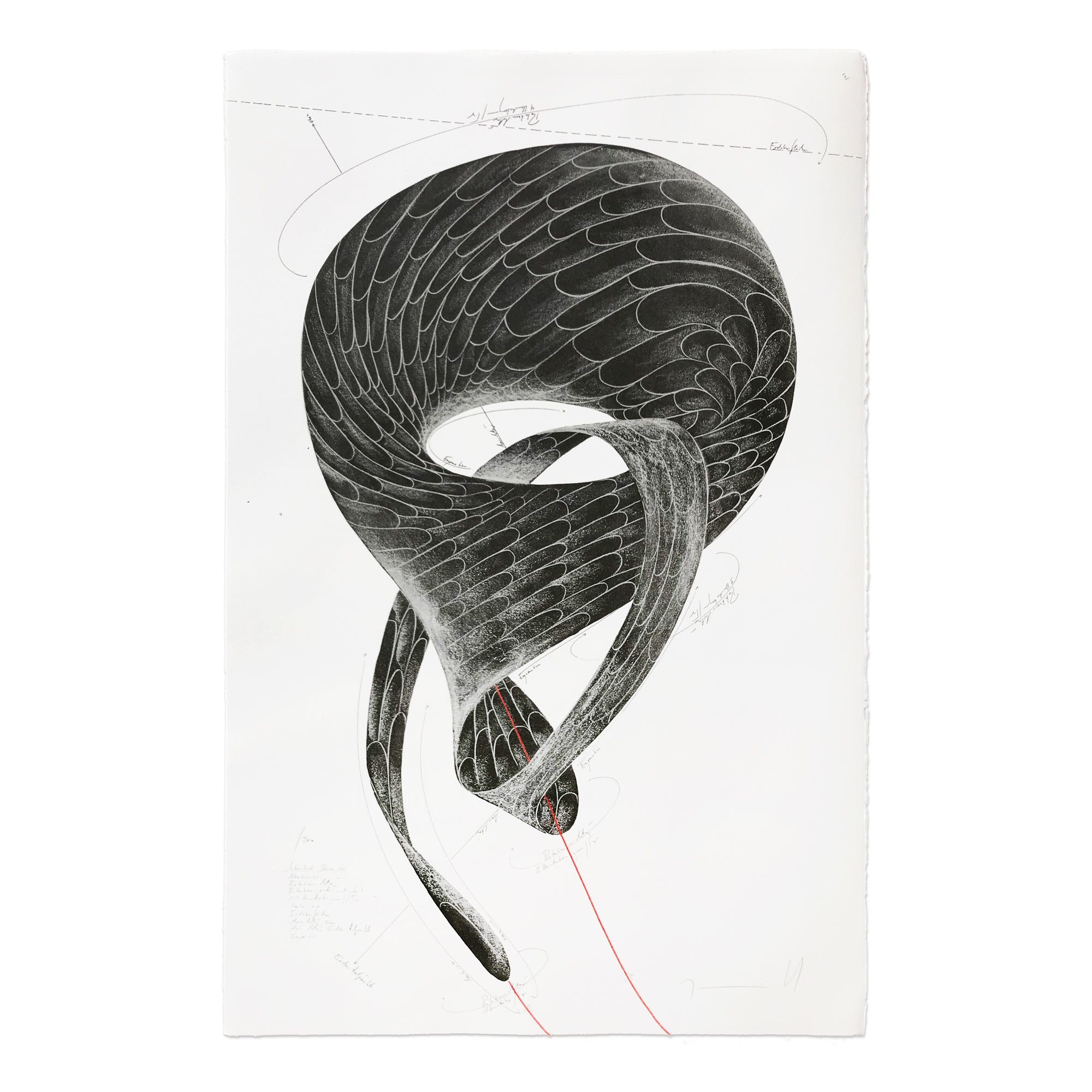
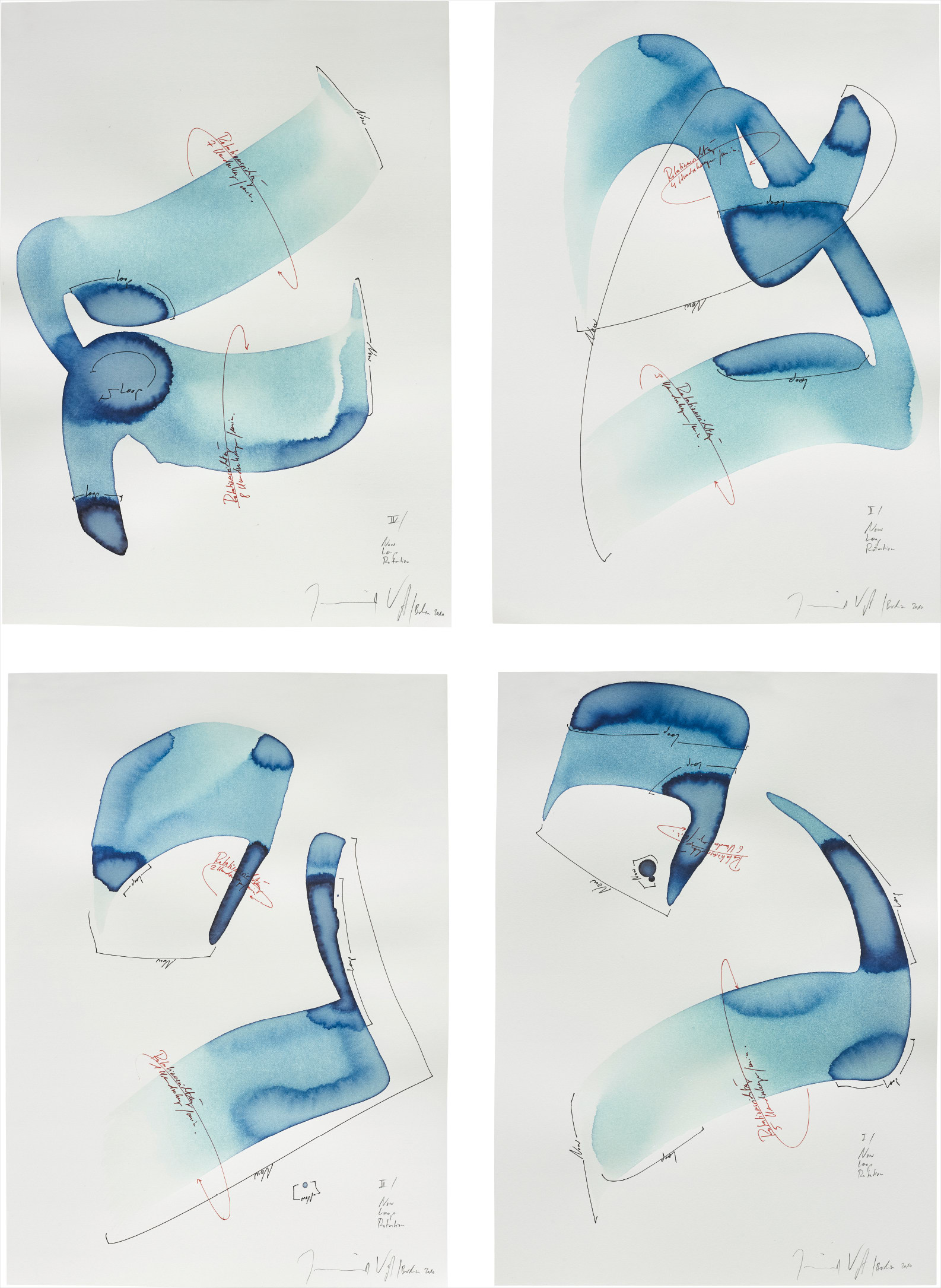
There is a particular kind of attention that Jorinde Voigt demands of the viewer, and in the best possible way. Her large scale drawings arrive not as pictures but as propositions, intricate visual arguments that unfold across paper like the score of a symphony no one has yet performed. In recent years, her presence in major European and American institutions has grown steadily, with exhibitions at the König Galerie in Berlin and presentations at art fairs that consistently draw serious collectors seeking work that rewards sustained looking. The critical consensus has only deepened: Voigt is among the most intellectually rigorous and visually commanding artists working in drawing today. Born in Frankfurt in 1977, Voigt came of age in a Germany still processing its own reunification, a cultural moment that placed enormous weight on questions of systems, language, and the mapping of experience. She studied at the Hochschule für bildende Künste Hamburg before completing her education at the Universität der Künste in Berlin, where she worked under the influence of professors who took drawing seriously as a primary mode of inquiry rather than a preparatory step toward painting or sculpture. Berlin became and has remained her home, and the city's particular energy, its layering of history, its restless intellectual culture, permeates everything she makes. Her early works, produced in the first decade of the 2000s, established the vocabulary she would develop with increasing ambition. Ink, pencil, and pen on paper became her primary materials, and she used them to construct what might be described as notational landscapes. These were not landscapes in the traditional sense but rather diagrams of perception itself, works that tracked the movement of birds, the rotation of the earth, the arc of musical compositions, and the passage of time, all rendered with a precision that felt simultaneously scientific and deeply personal. A work like "8 er Deklination (Rhythmusmaschine / Raumabtastung)" from 2008, executed across eight sheets in ink, pen, and pencil, exemplifies this early ambition: it operates as both a visual system and an emotional experience, demanding that the viewer move along its surface the way one might read a musical phrase. The years around 2010 brought some of her most celebrated pieces. "Berlin (Now, Loop, Rotation)," a four part work in ink and pencil from that year, distills the essential tension in her practice: the desire to hold a single moment, the word Now, against the relentless logic of cycles and orbits. The work is at once intimate and cosmological, a meditation on what it means to be present in a city that is itself perpetually looping through reinvention. By this point Voigt had attracted serious institutional attention, and her drawings were being collected by museums and private collectors across Europe and the United States. She was understood not as an outsider working in a marginal medium but as a central figure in a renewed critical conversation about drawing as a form capable of carrying the full weight of philosophical and perceptual inquiry. Her more recent series show a practice that has grown more emotionally layered without losing any of its systematic rigor. The "Sara's Question" prints from 2021 and the "Shadow" and "Dyade" works from 2022 introduce a quality of tenderness that complements the intellectual framework. The title "Sara's Question" suggests a conversation, a voice from outside the artist's own solitary system of notation, and the works carry that quality of dialogue. The "Shadow" and "Dyade" works explore duality and resonance, two forms in proximity, each affecting the other's outline and presence. These are works about relationship as much as they are about geometry, and they speak directly to a collector drawn to art that holds multiple registers of meaning at once. "Immersion VII" from 2018, part of a print series, extends this sense of immersion quite literally, inviting the eye to enter a layered field and lose itself there before finding its way back to the surface. The "Inherited Desire" print from the same year introduces an autobiographical dimension that feels both personal and universal, pointing toward the way longing and aspiration are passed between generations, between teachers and students, between cultures and individual lives. Across all these works, Voigt's line is unmistakable: precise but never cold, systematic but never mechanical, always animated by a sense that the artist herself is genuinely curious about what the next mark will reveal. For collectors, Voigt represents a compelling proposition. Her works on paper, particularly the large scale multi part drawings, are among the most sophisticated examples of that medium in the current market. Drawings have historically been undervalued relative to paintings, but the past decade has seen serious collectors recognize that the greatest works on paper carry no less conceptual or aesthetic authority. Voigt's work fits within a lineage that includes Agnes Martin's meditative grids, On Kawara's date paintings, and the notation based practices of artists like Hanne Darboven, yet it never feels derivative. It occupies its own clearly defined territory. Collectors who have committed early to her multi part works have found them to be among the most discussed pieces in any private collection, works that generate genuine conversation rather than simply commanding admiration. In the broader context of art history, Voigt belongs to a generation of artists who returned to drawing not as a concession but as a conviction. She shares with artists such as Julie Mehretu and Matthew Ritchie an interest in dense, layered mark making that encodes systems of knowledge, though her sensibility is distinctly quieter, more invested in the intimate encounter between a single viewer and a carefully constructed visual field. Her German roots connect her to a rich tradition of Conceptual and Process art, from Joseph Beuys through Hanne Darboven, but her work feels forward looking rather than historically bound. She is making drawings that will matter to the next generation of artists in the same way that the best work of the 1960s and 1970s mattered to hers. What Jorinde Voigt ultimately offers is something rare in contemporary art: a practice built on genuine intellectual commitment that never sacrifices beauty or emotional resonance. Her drawings invite the viewer into a private universe of thought and sensation, one constructed with extraordinary care and guided by an intelligence that takes both art and the world seriously. To live with one of her works is to have a permanent interlocutor, something on your wall that will continue to ask questions long after you have stopped asking them yourself.