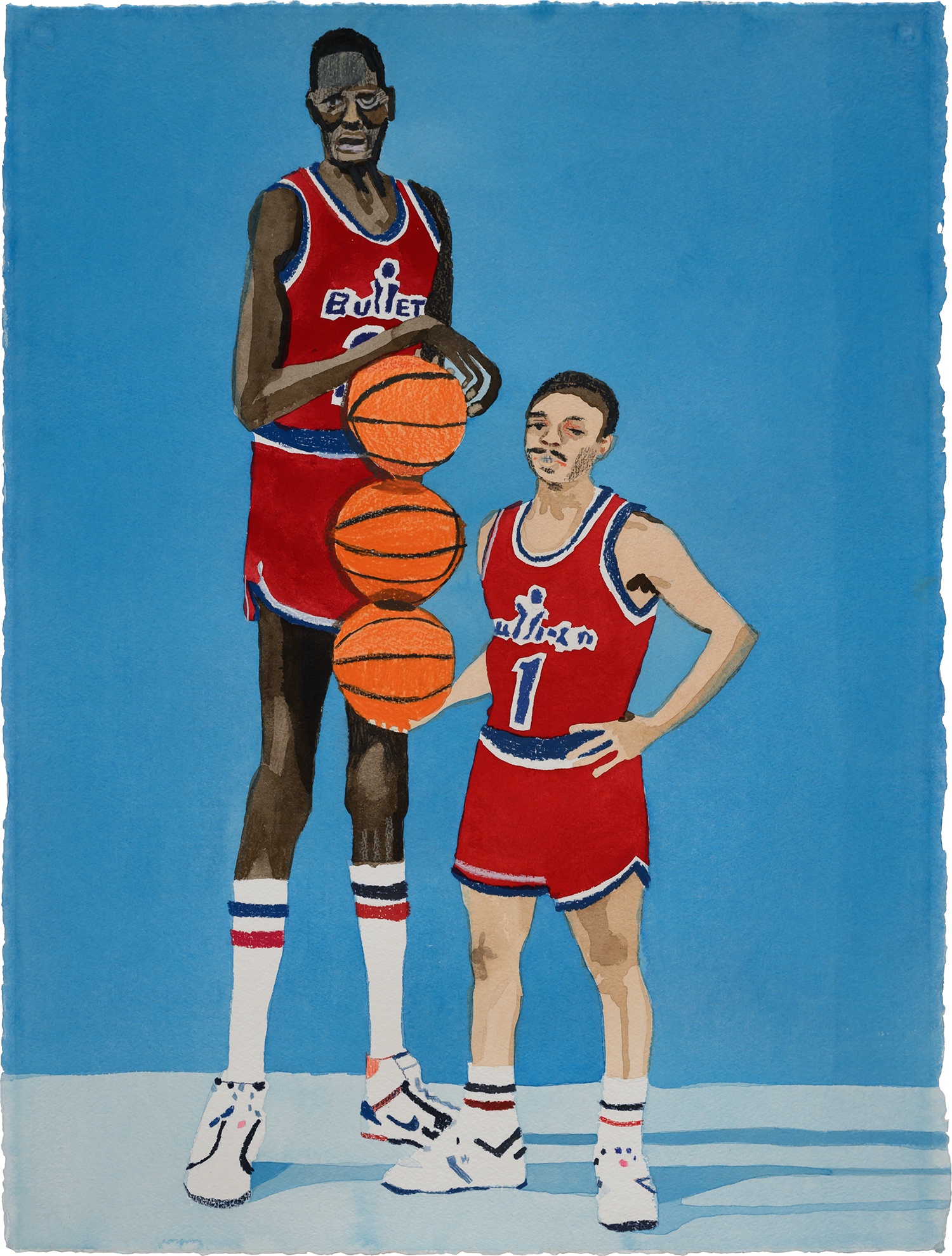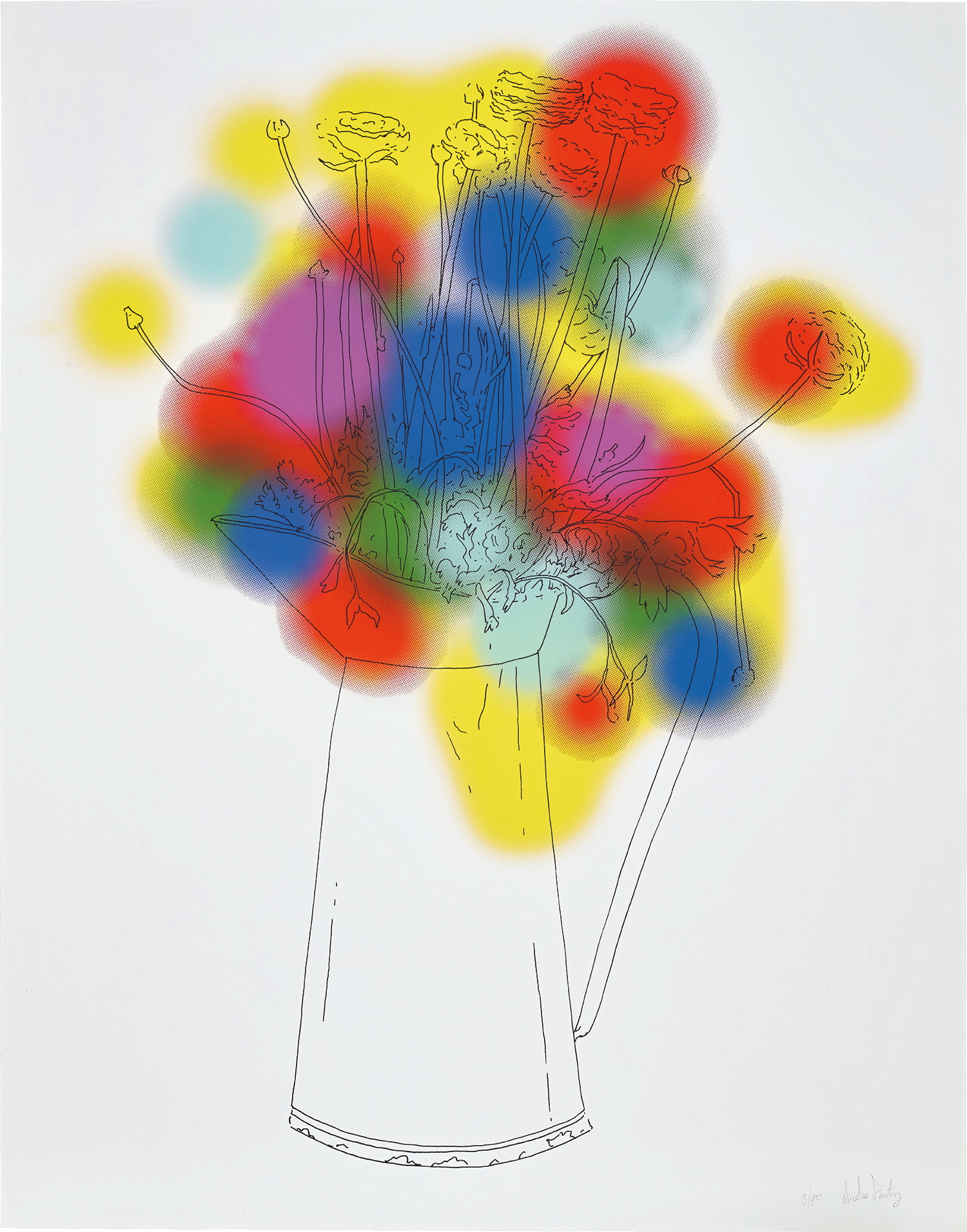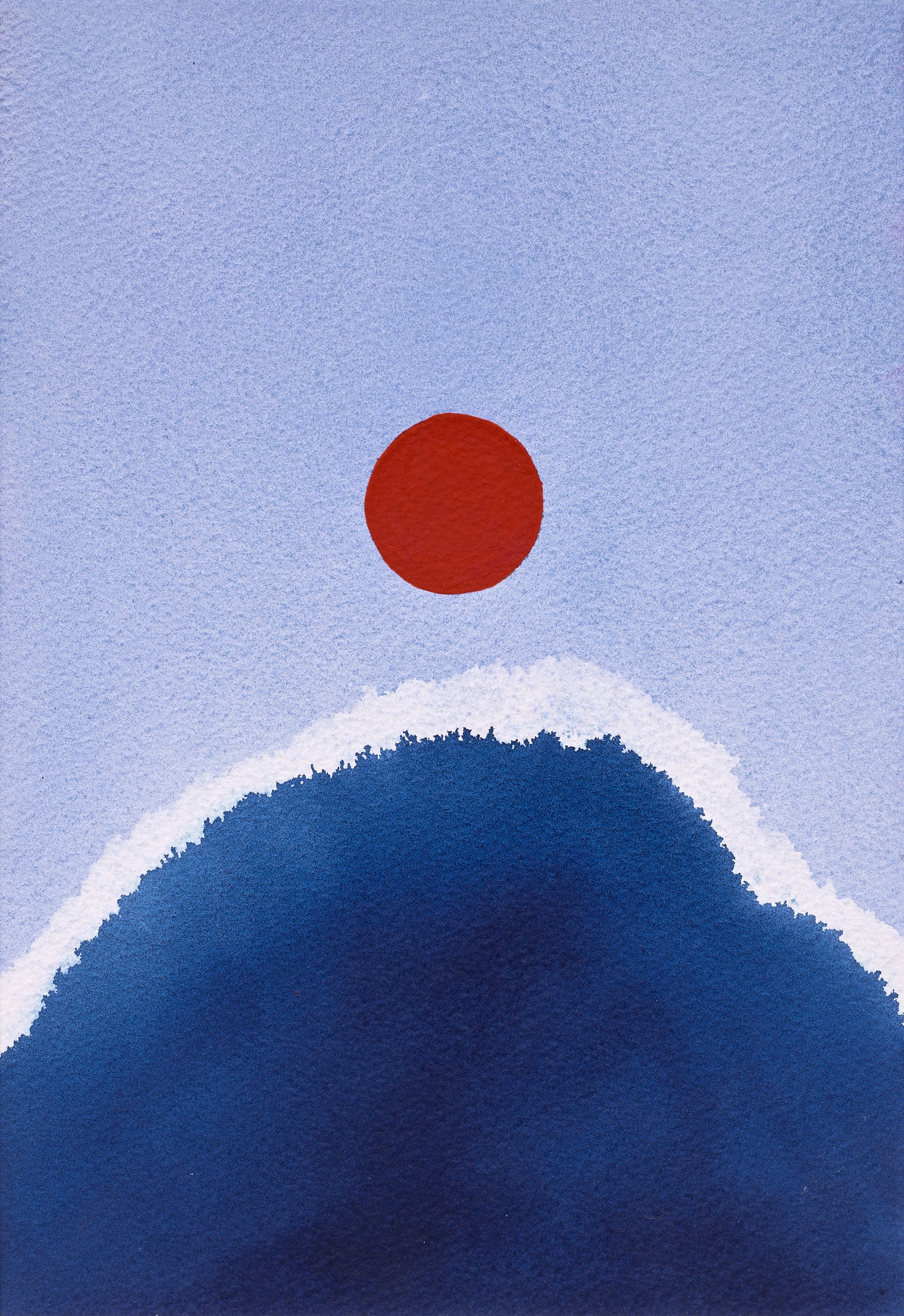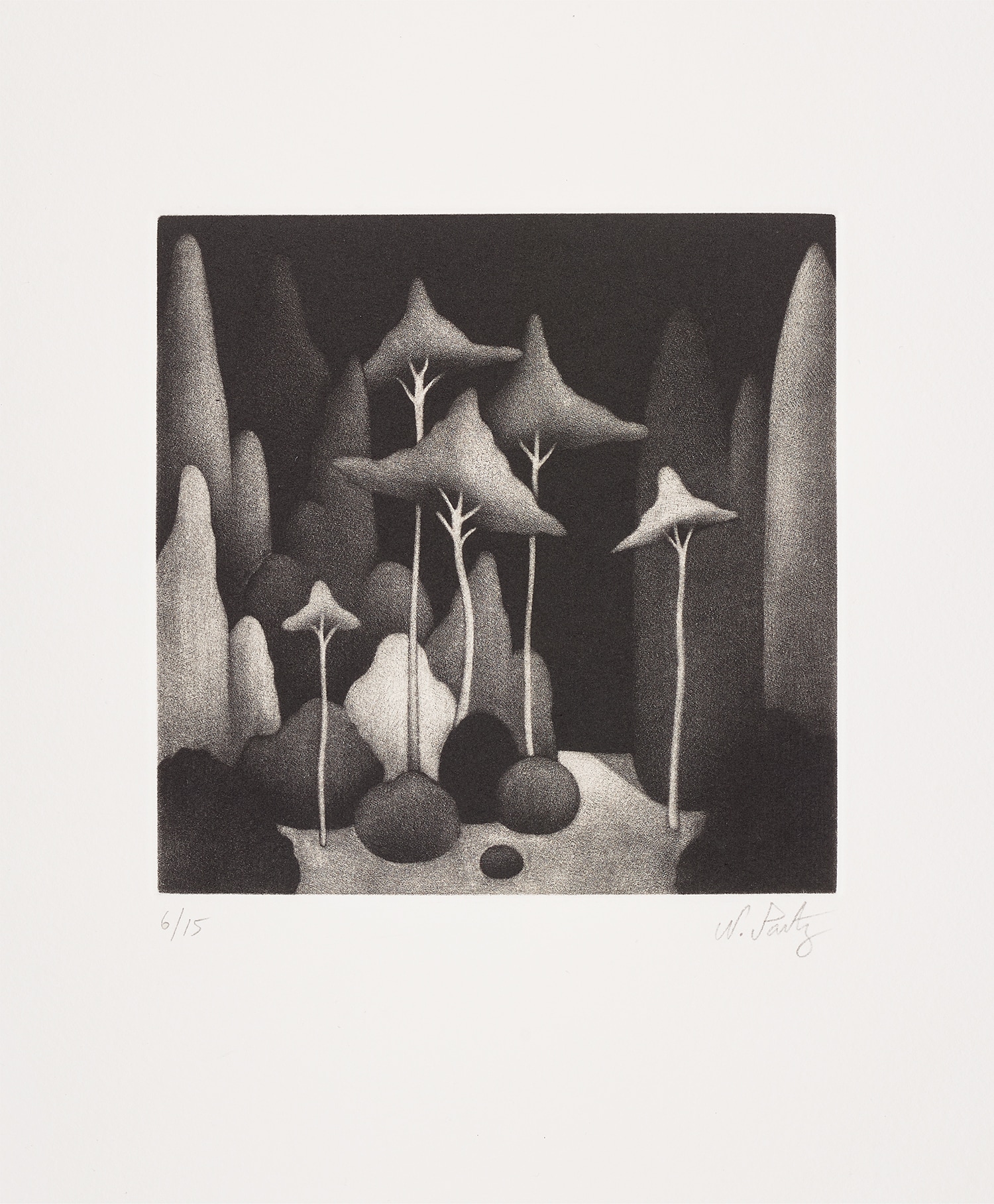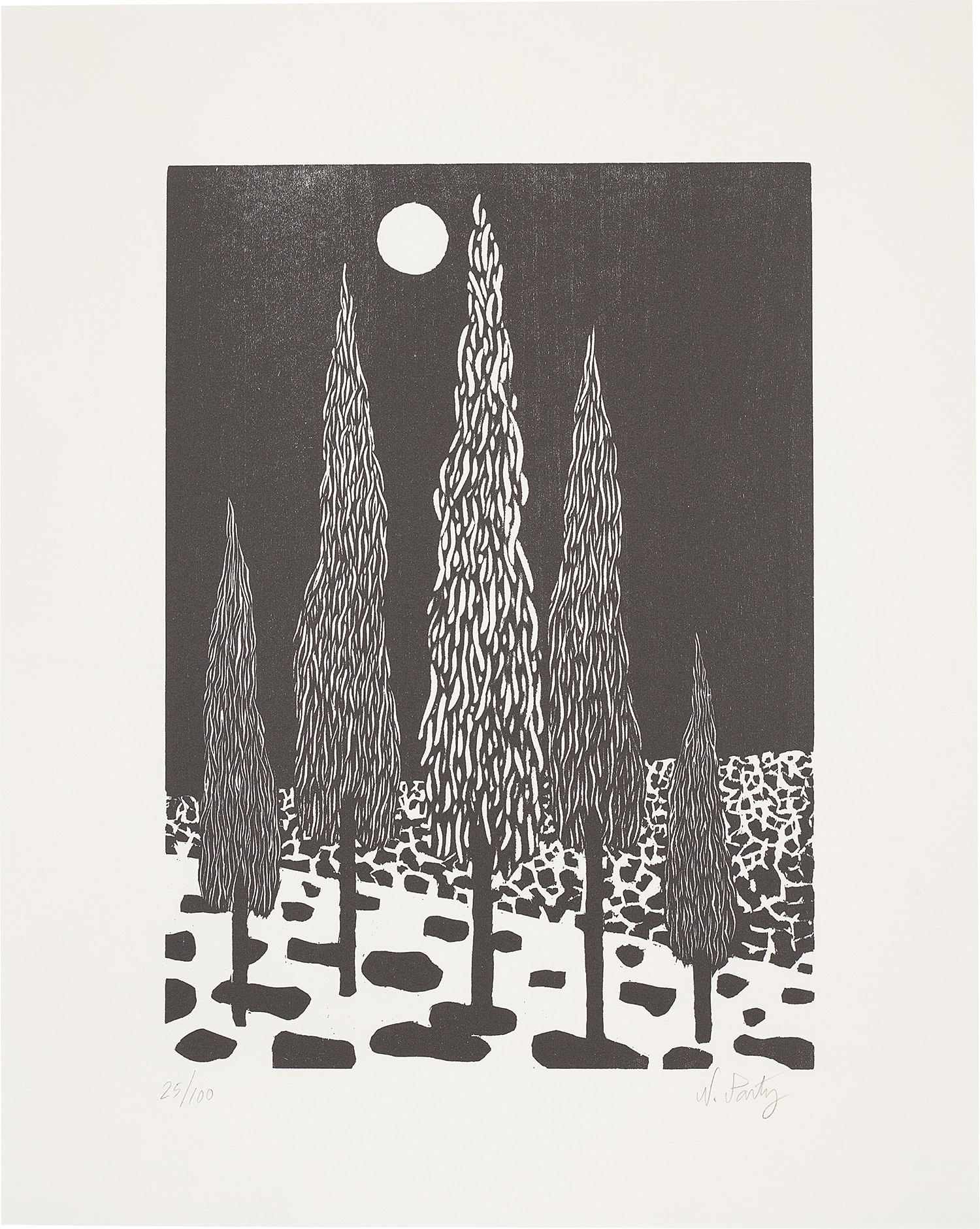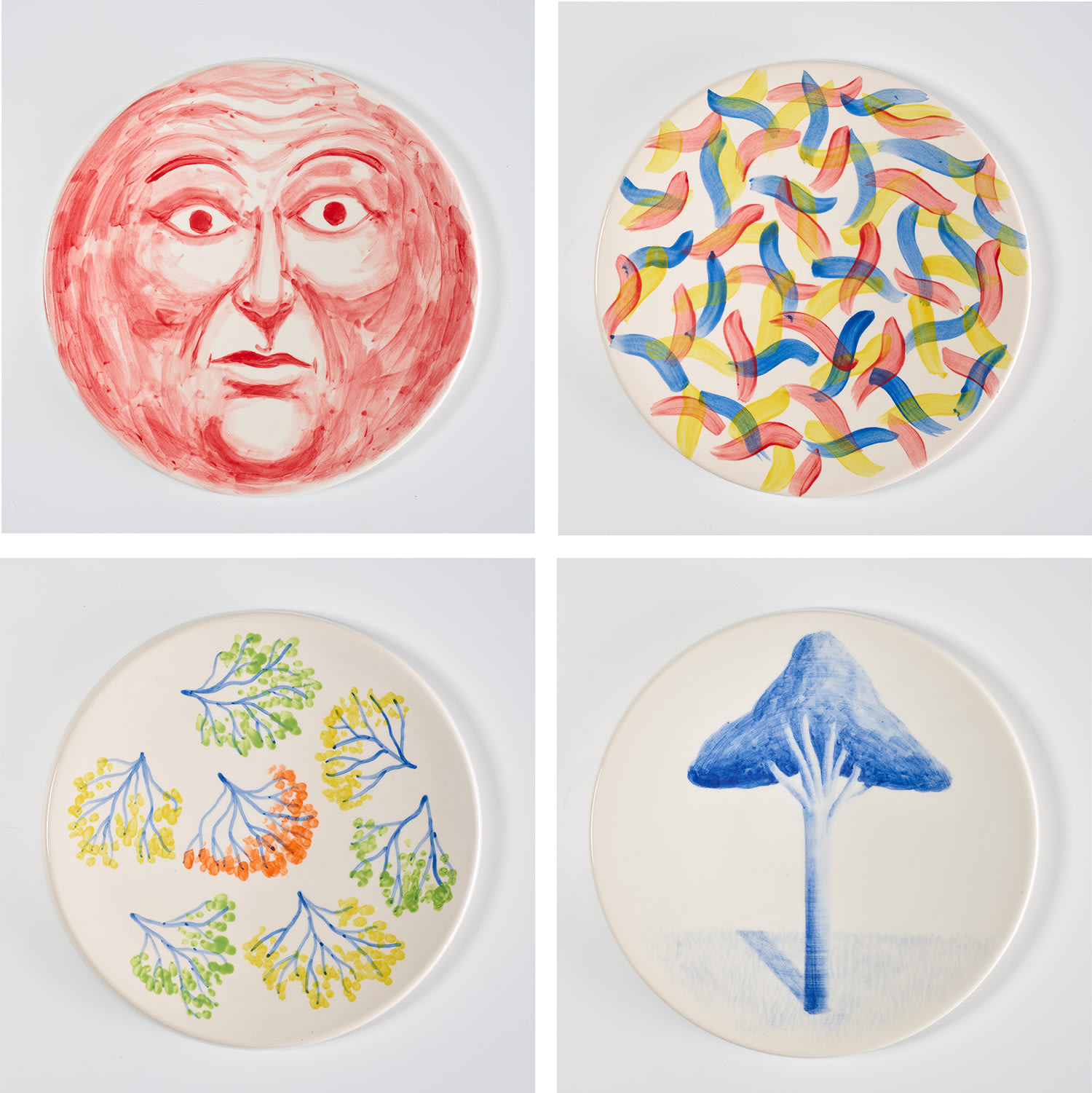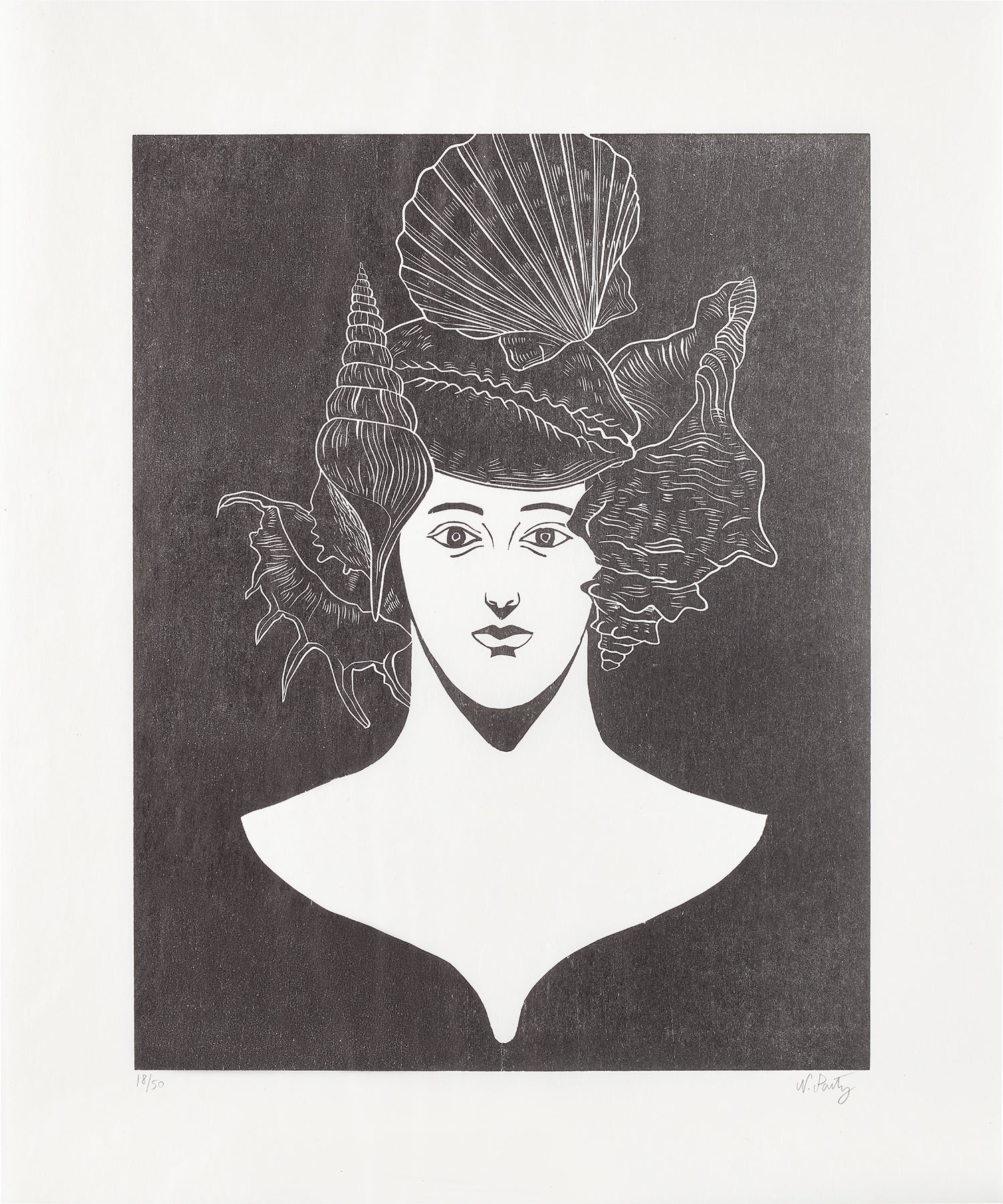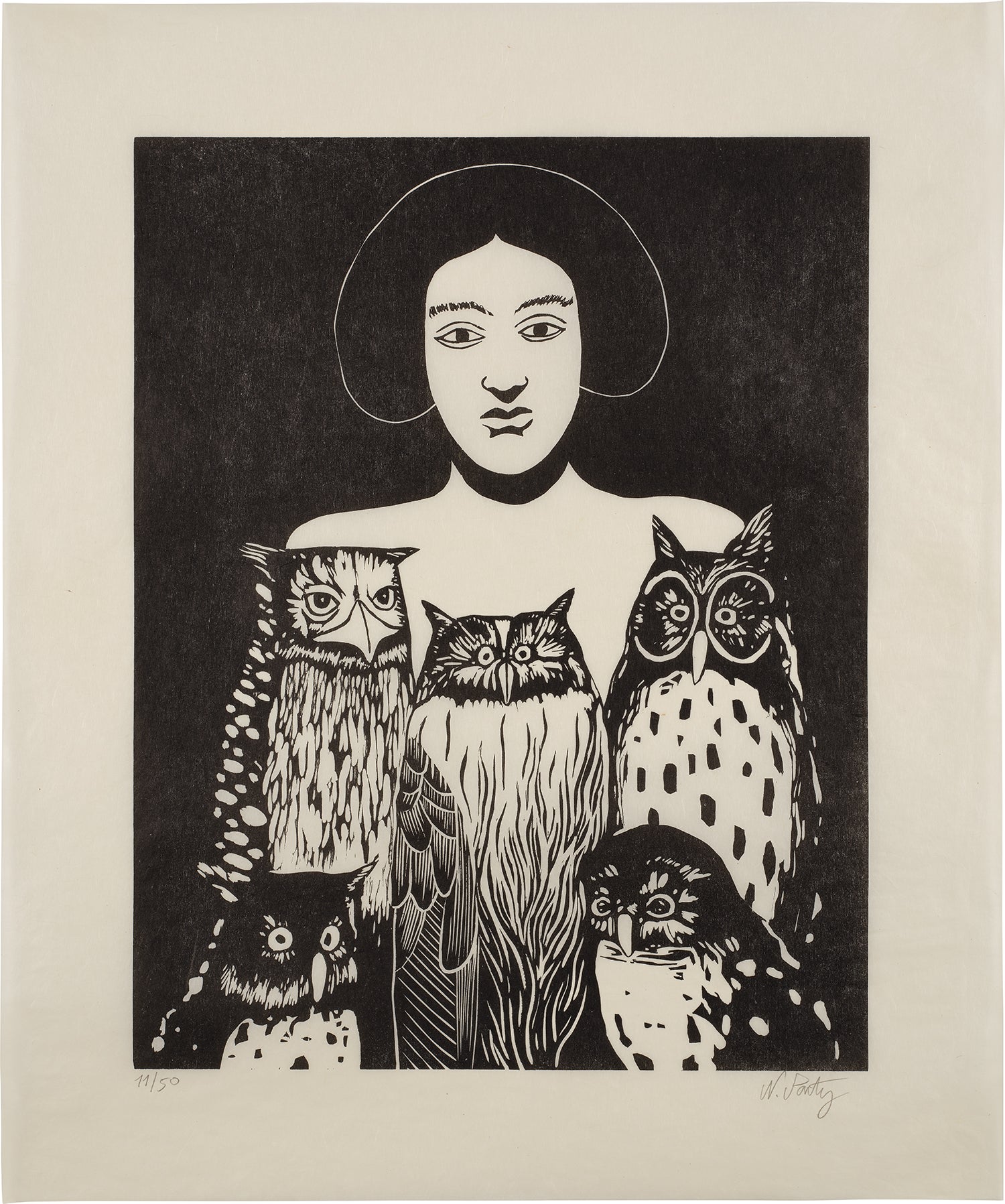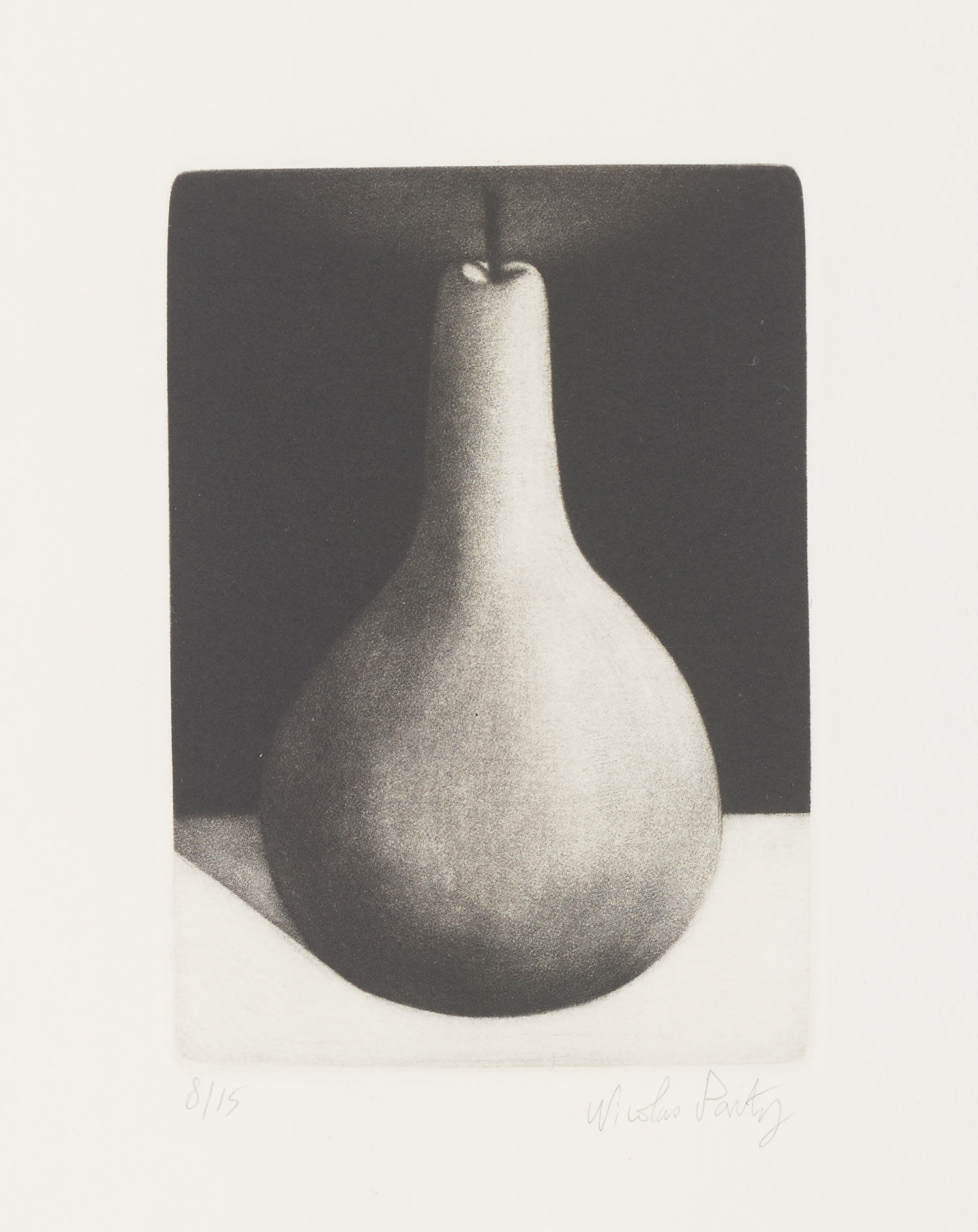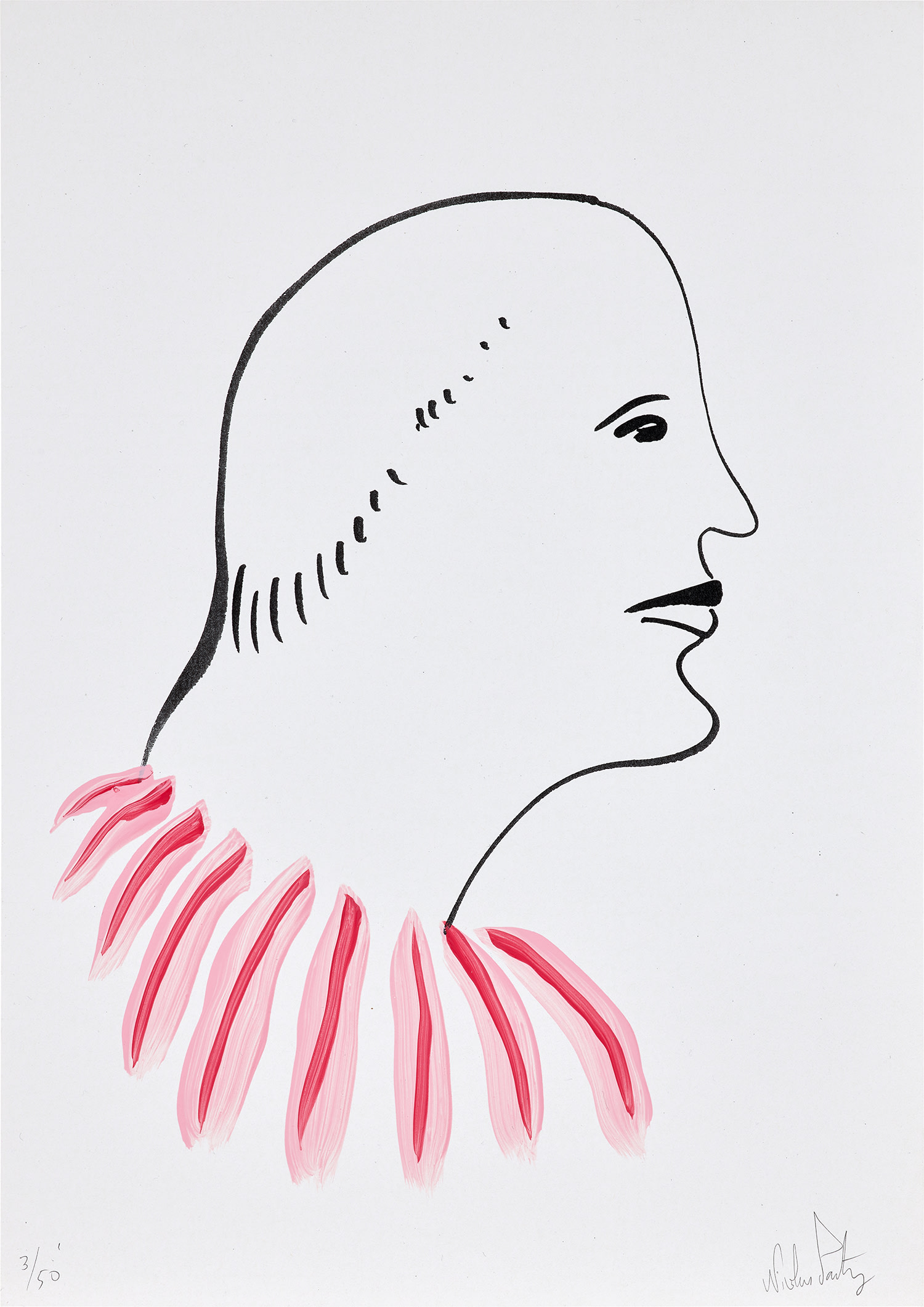
When the Hirshhorn Museum and Sculpture Garden in Washington, D.C. opened its walls to Nicolas Party, it was a signal moment for a generation of collectors and curators who had long sensed that something quietly revolutionary was happening in this Swiss artist's studio. Party's immersive installations, with their floor to ceiling murals blooming in chalky tangerine and jade and lilac, transformed institutional spaces into something closer to dreaming. The art world took notice in the way it rarely does for a painter working in a medium as unfashionable as pastel, and yet that is precisely the point. Nicolas Party has made the unlikely feel inevitable. Born in 1980 in Geneva, Switzerland, Party grew up in a country whose cultural landscape sits at a crossroads of European modernism, precision craft, and a certain Alpine sensibility toward light and space. He studied at the École Cantonale d'Art de Lausanne before moving to Glasgow, where he completed his postgraduate work at the Glasgow School of Art. Glasgow proved formative in ways that still echo through his practice. The city's vibrant print culture, its community of artists, and the rigorous attention to materials instilled in him a commitment to craft that runs beneath even his most otherworldly compositions. His early editions, produced with the Glasgow Print Studio, remain among the most collectible works of his career. Party's development as an artist unfolded with a kind of patient confidence that is itself unusual. He did not chase movements or pivot toward abstraction when figuration felt unfashionable. Instead he doubled down, finding in portraiture, still life, and landscape a set of containers generous enough to hold everything he wanted to say about color, time, and the strangeness of the visible world. His breakthrough came through his devoted revival of pastel as a primary medium, a choice that connected him to a long lineage of European draughtsmen while simultaneously positioning him as something entirely new. Pastel, with its powdery impermanence and its capacity for luminous, almost otherworldly pigment, became his signature language. The works that define his reputation share a quality that is easier to feel than to describe. Portraits rendered in soft, flattened tones stare out from the canvas with an uncanny calm, their features simplified into something between icon and hallucination. Still lifes pile lemons and pears and gourds against backgrounds of impossible color, somewhere between Cézanne's structural honesty and the decorative fever of Art Nouveau. His landscapes dissolve the familiar into pools of gradient light that recall both the Symbolist painters and the flat expanses of Japanese woodblock prints. Works like Panorama and Landscape II demonstrate how Party uses the genre not as description but as atmosphere, inviting the viewer into a state of suspended attention. Among the most celebrated works available to collectors are pieces that reveal the full range of his practice. Portrait with Owls, rendered as a woodcut on delicate Gampi shi paper, pairs his characteristic facial typology with zoological symbolism in a way that feels both ancient and contemporary. Dinner for 24 Animals, the 2016 acrylic on wood, shows his wit alongside his formal control. Blakam's Stone, in which he applies acrylic directly to a natural stone surface, is one of the more poetic gestures in his output, a reminder that for Party the support is never incidental but always part of the conversation. His Portraits screenprint from 2018, presented in three parts, demonstrates how naturally his vision translates across media without losing its essential warmth. From a collecting perspective, Party occupies an increasingly enviable position in the contemporary market. Works produced in the earlier part of his career, particularly the limited editions from Glasgow Print Studio, have appreciated steadily as institutional recognition has grown. His gallerist relationships with Almine Rech, with whom he has exhibited extensively, have brought his work before serious international collectors across Europe, the United States, and Asia. The Dallas Museum of Art and the Hirshhorn are among the public institutions that have embraced his practice, lending institutional weight that invariably lifts the secondary market. Collectors drawn to post war figurative traditions, to the colorist lineage running from Matisse through Hockney, find in Party a living heir to that sensibility who is still very much building his story. To place Party within art history is to trace a line through several seemingly incompatible traditions and find that he holds them together with surprising ease. The simplified facial structures of his portraits nod to African masks and the radical flatness of Modigliani. His still lifes speak to Chardin's silent gravity and to the acid cheerfulness of early twentieth century decorative painters. His murals recall the social ambition of Mexican muralism while remaining resolutely intimate in feeling. Contemporaries such as Cecily Brown and Lynette Yiadom Boakye share his commitment to figuration and his belief that painting can sustain genuine emotional weight, but Party's palette and his installation practice give him a distinctive register all his own. What makes Nicolas Party matter today, beyond the market signals and the institutional accolades, is something harder to quantify. He has reminded a generation of artists and viewers that slowness is not weakness, that beauty is not naivety, and that the oldest genres in Western painting still have unexplored rooms waiting inside them. His colors do not shout but they persist, staying with you the way a piece of music stays, hovering at the edge of the ordinary and the otherworldly. For collectors, owning a work by Party is less like acquiring an object and more like keeping a particular quality of light in the room. That is a rare thing to be able to offer, and it is precisely why his place in the story of contemporary art feels not just deserved but necessary.