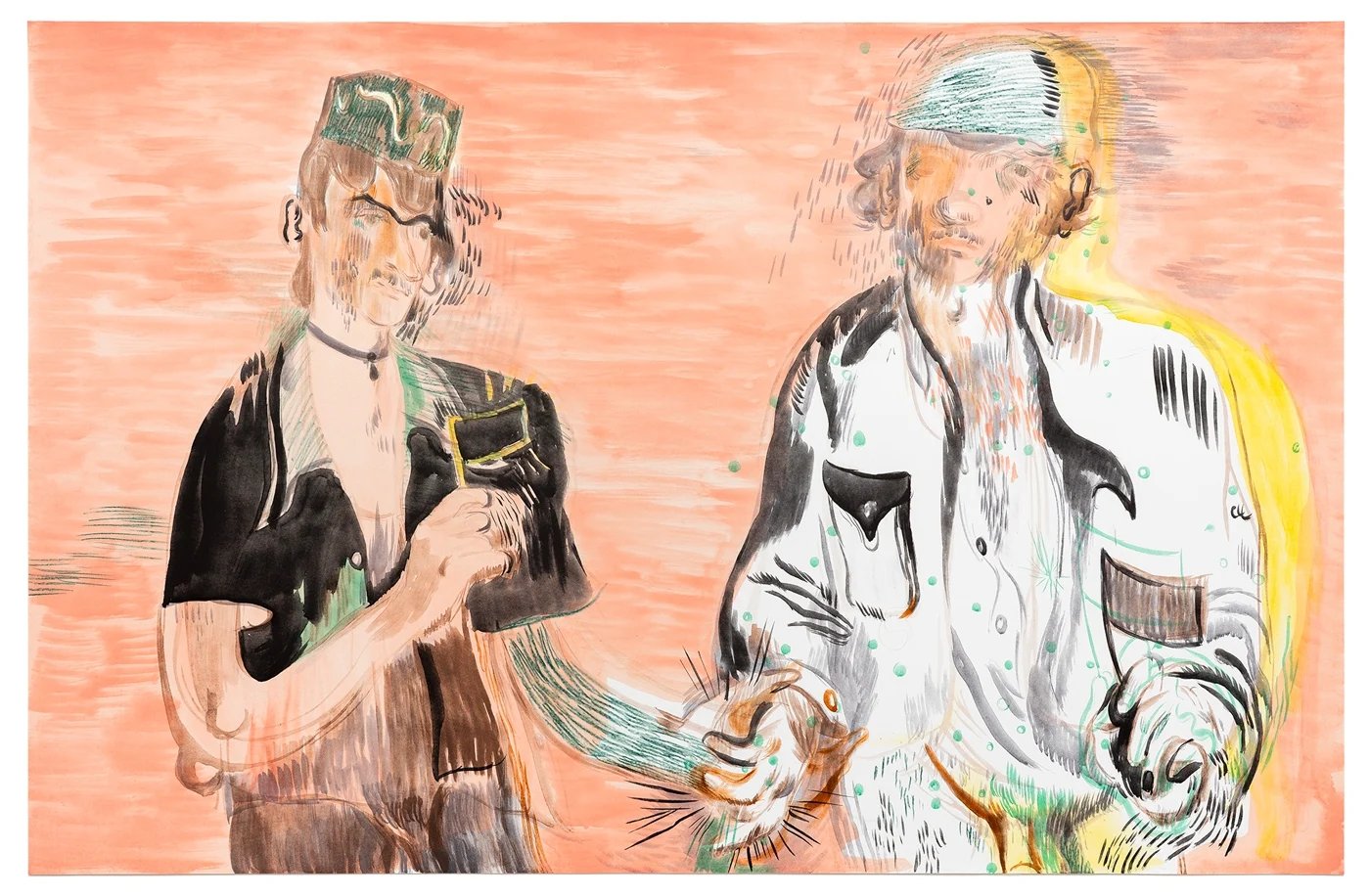
Spanish
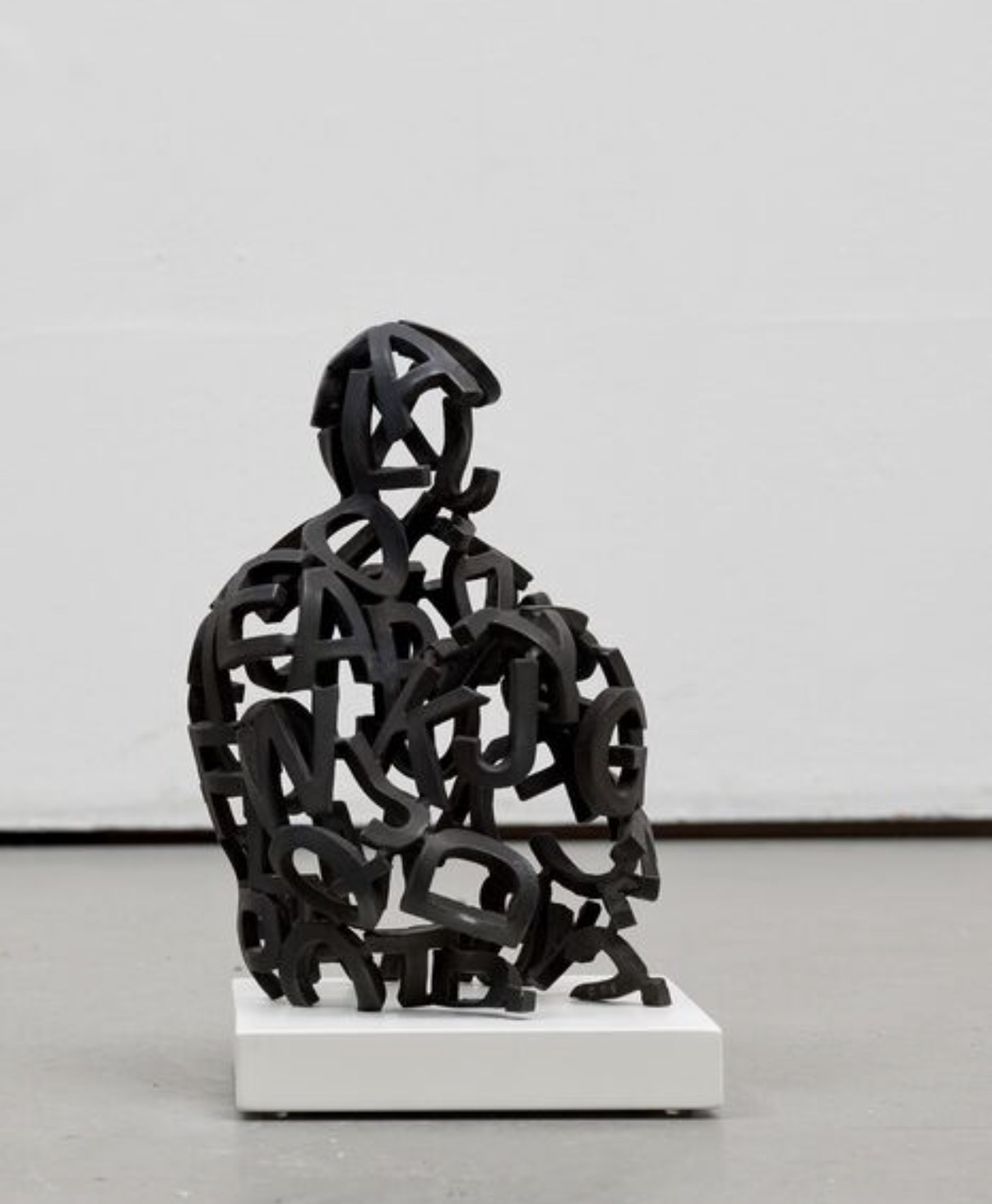
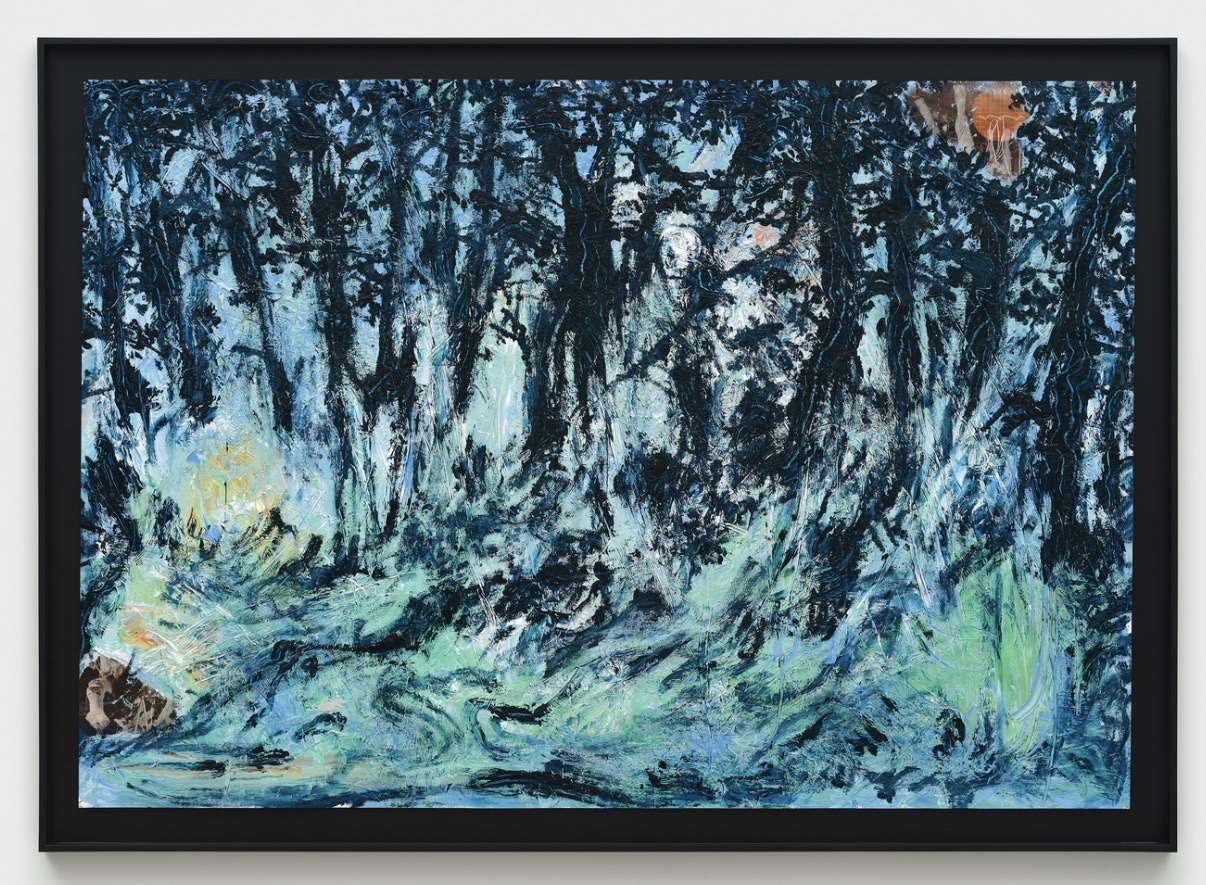
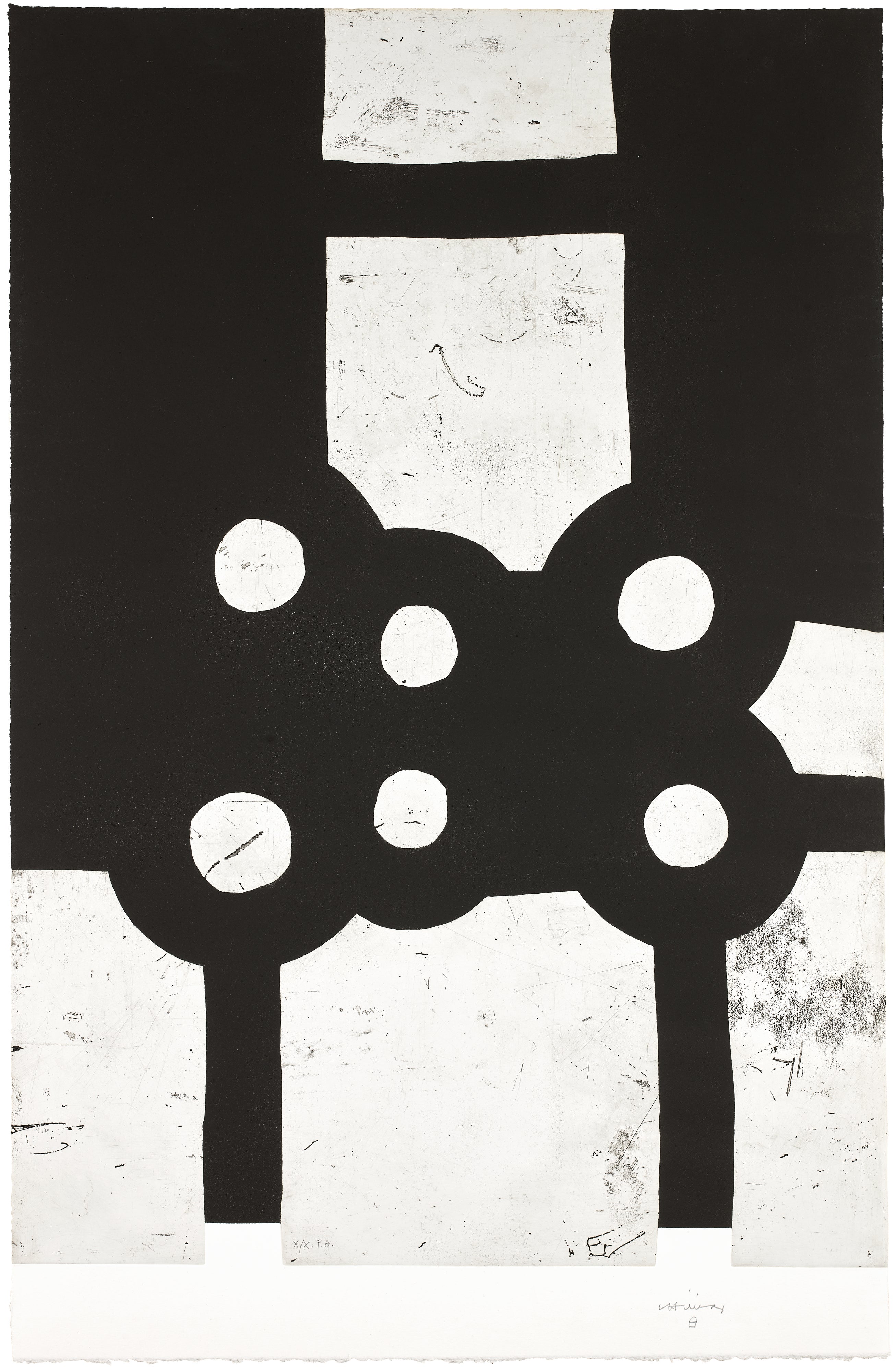
Jaume Plensa
To R.M. Rilke, 2010

Spanish Art Is Having Its Global Moment
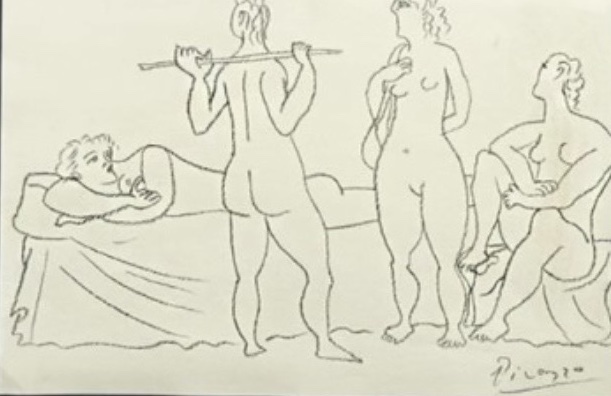
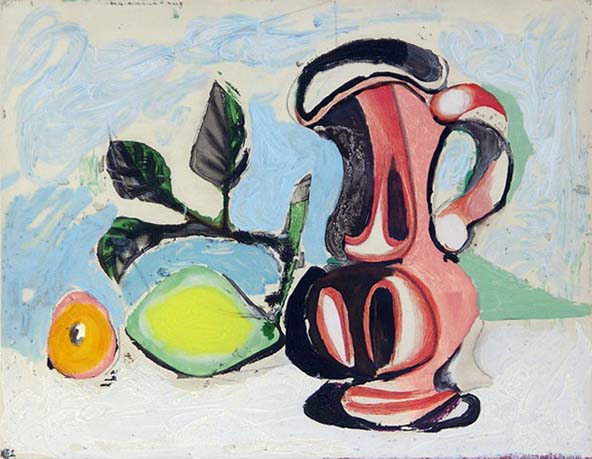
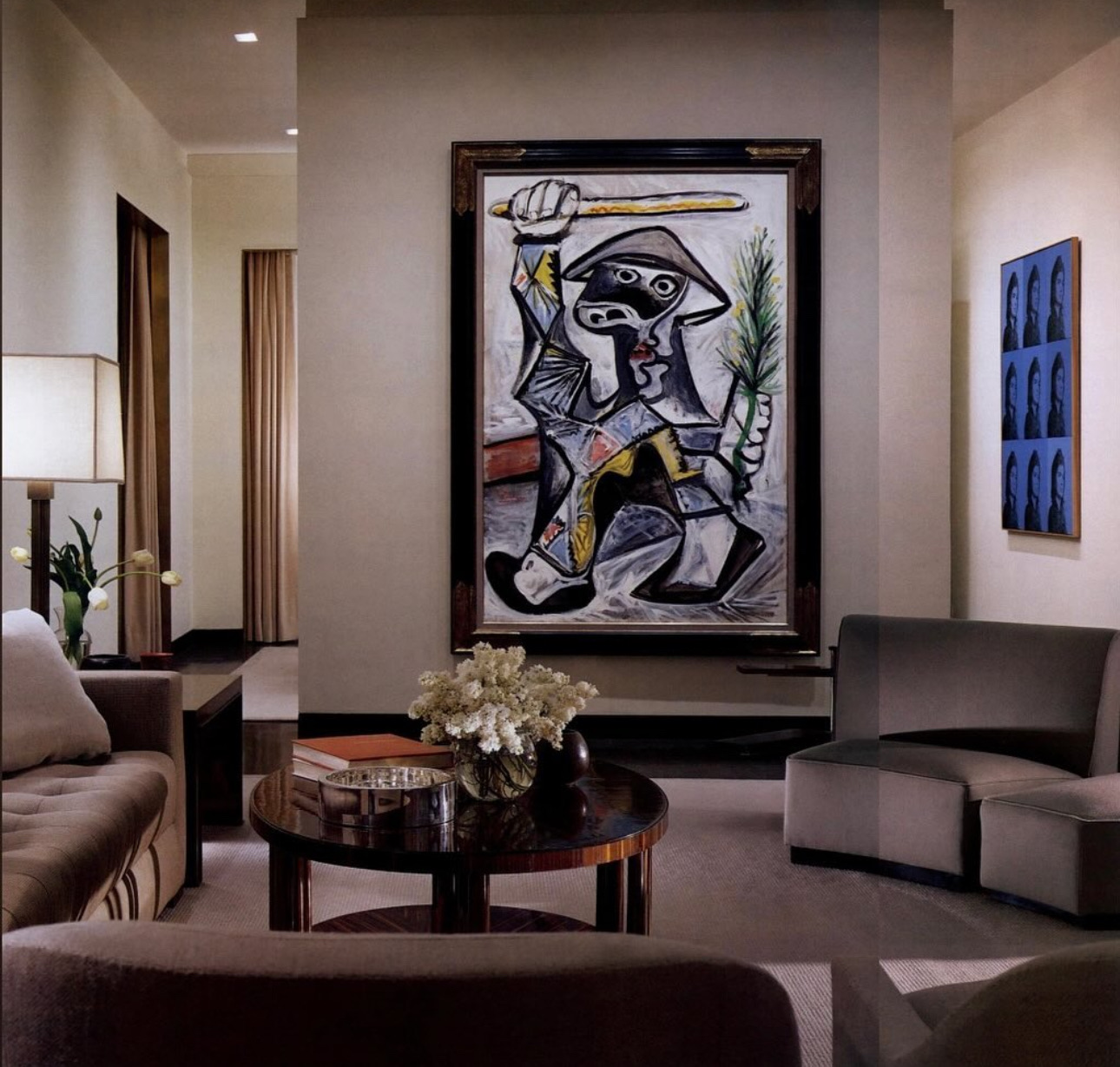
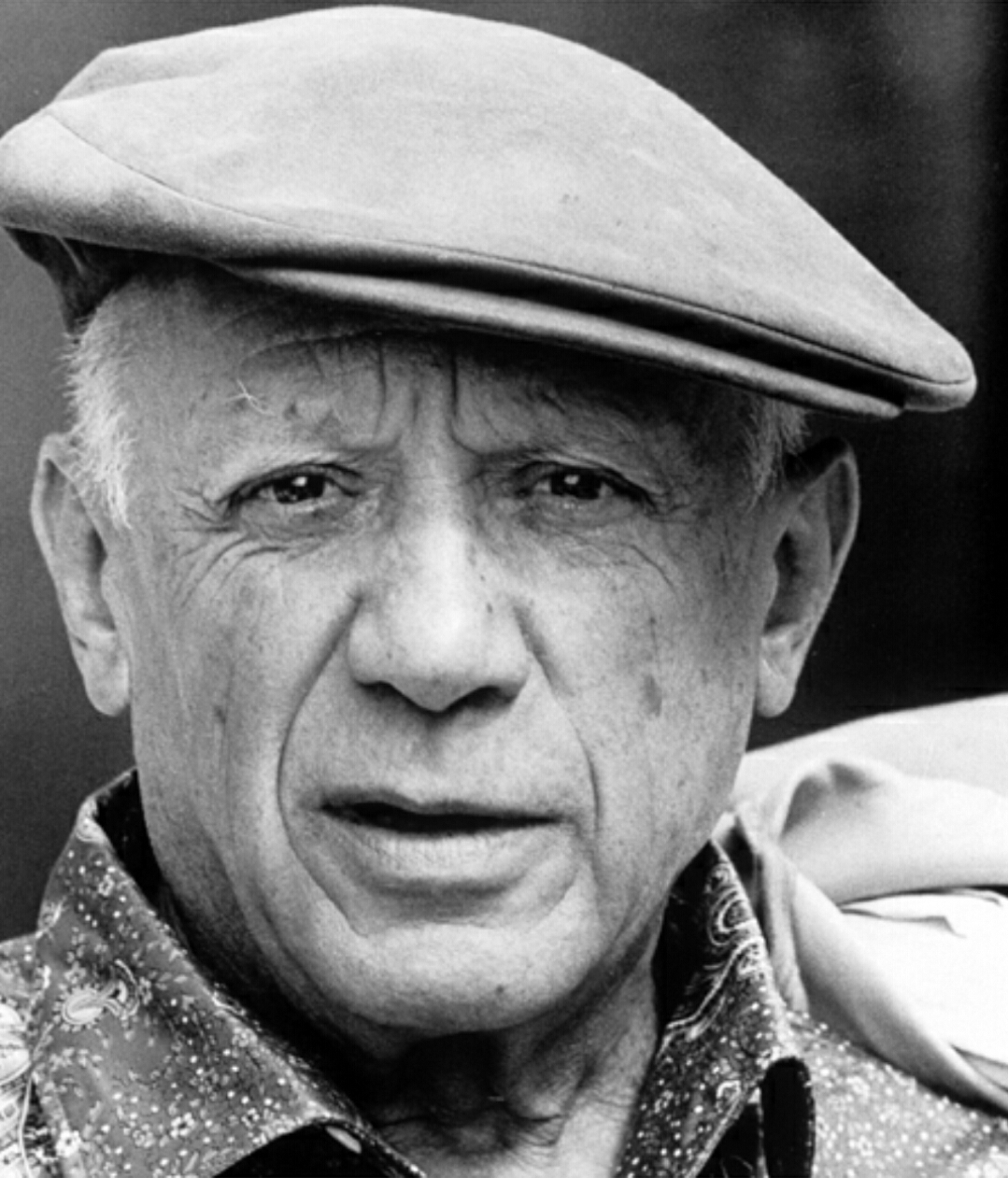
When Christie's brought a major Pablo Picasso work to auction in recent years, the room did what it always does: held its breath. But something has shifted in how the broader conversation around Spanish art is being framed. It is no longer just about Picasso as a singular genius who escaped Spain and conquered Paris. Collectors, curators, and critics are increasingly asking a different question: what does it mean to think about Spanish art as a living, continuous tradition rather than a series of isolated monuments?
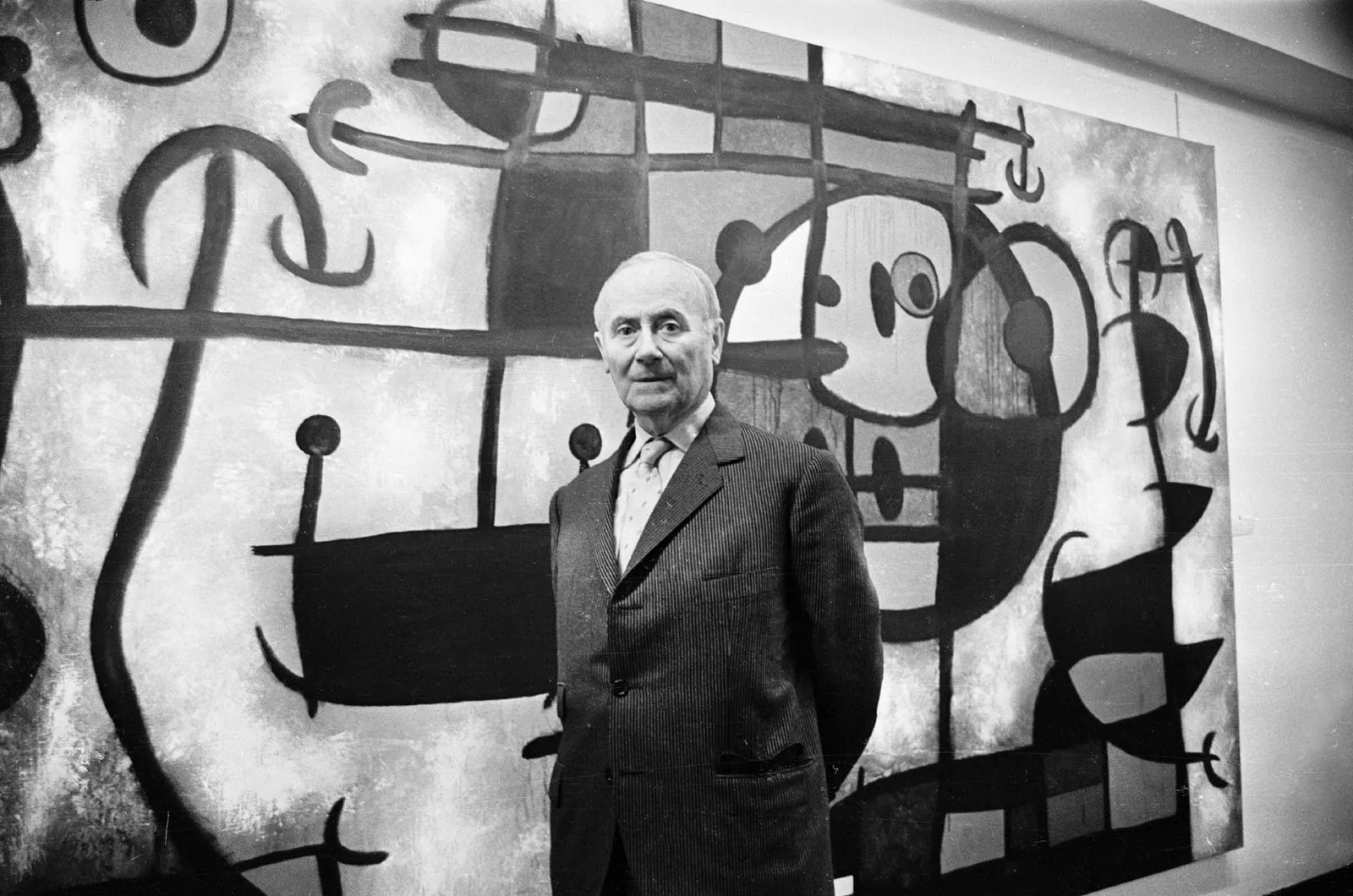
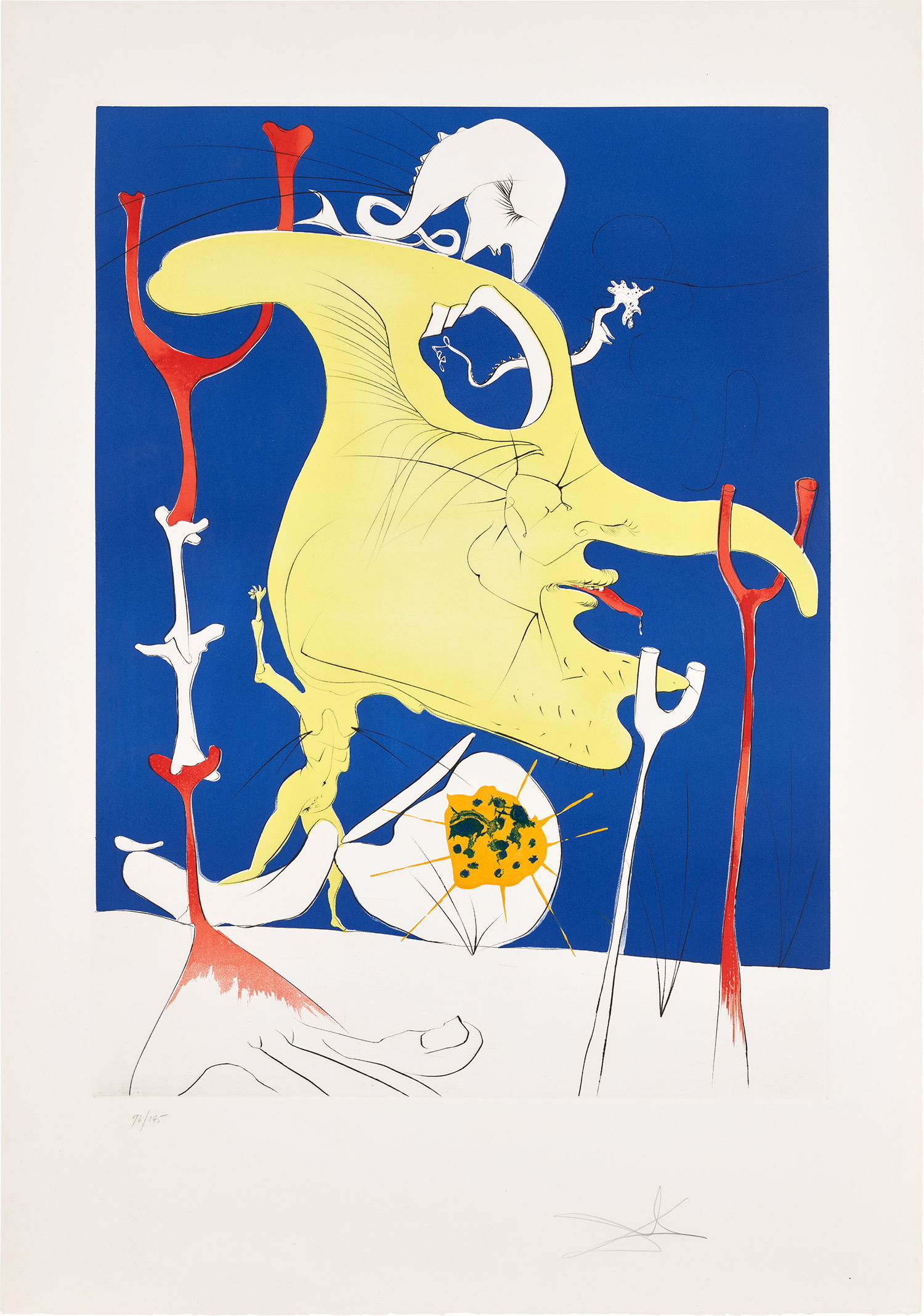
The appetite is real and it is broad. Picasso remains the gravitational center of any serious conversation about Spanish modernism, and The Collection reflects that weight with one of the most substantial holdings of his work available on any private platform. But the most interesting thing happening in the market right now is the energy flowing outward from that center. Joan Miró has seen sustained institutional attention and strong secondary market results, particularly for works that demonstrate his most lyrical engagement with Catalan landscape and mythology.
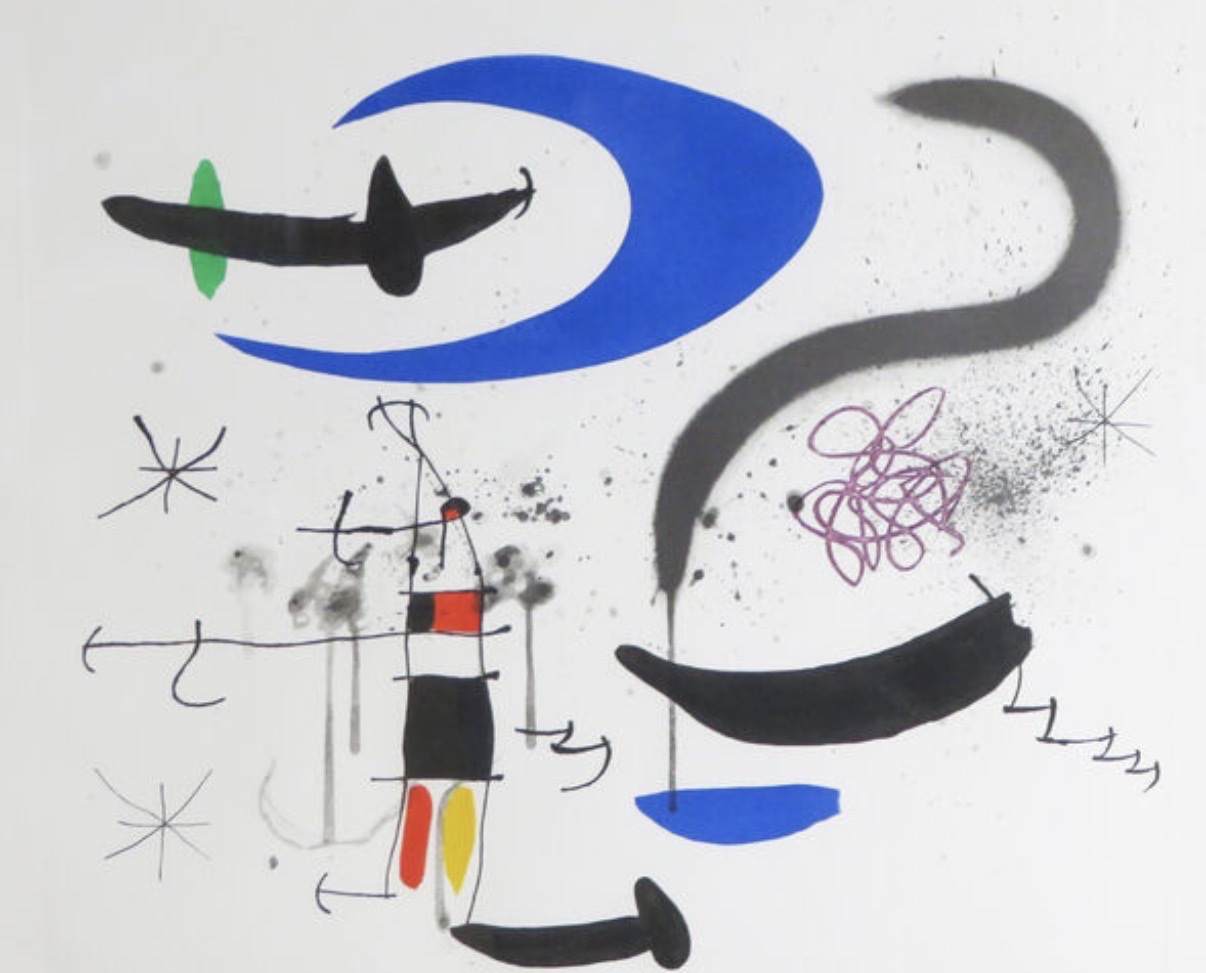
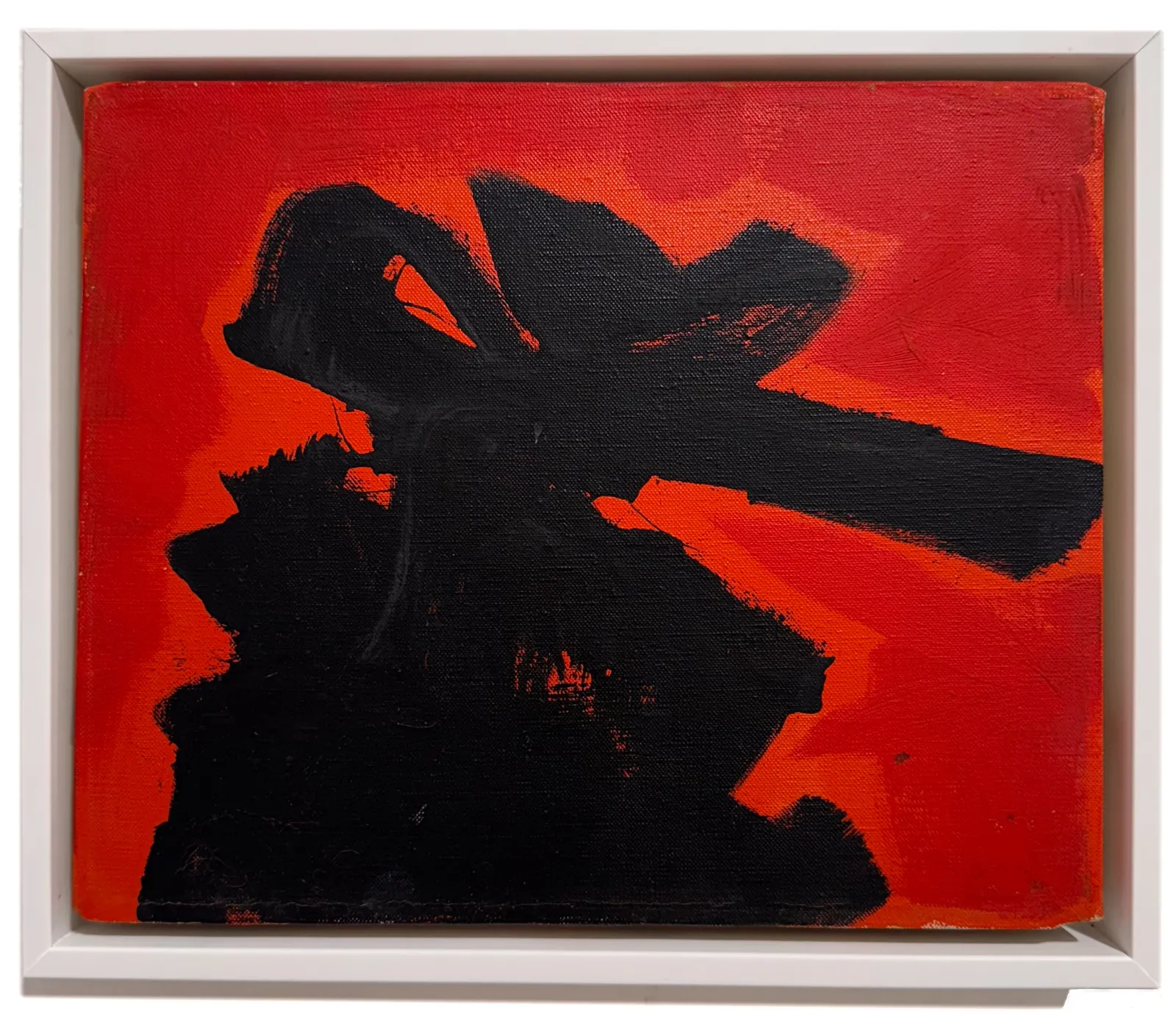
Joan Miró
Escalier de la Nuit, 1970
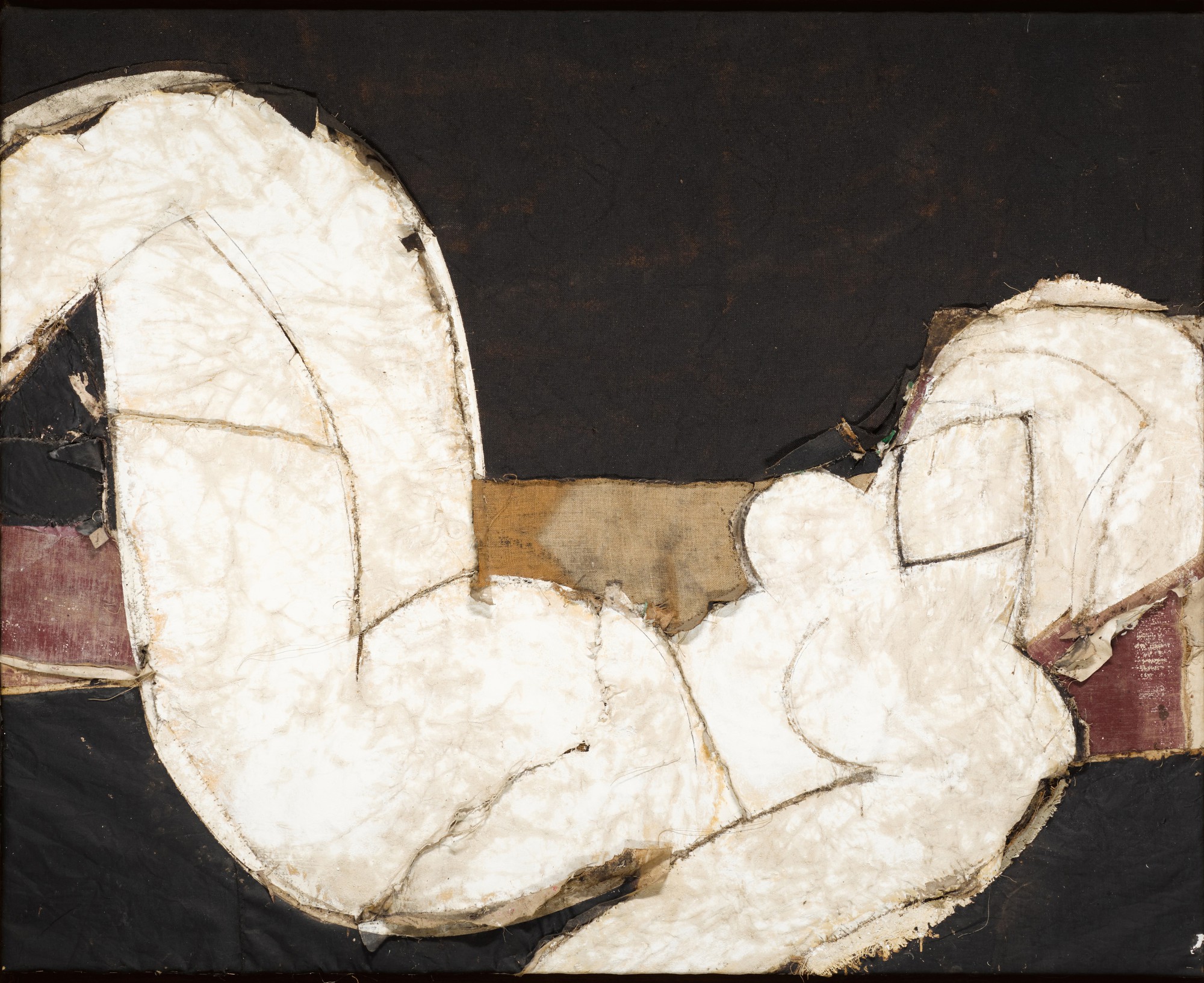
Salvador Dalí, long treated as a slightly embarrassing relative at the modernist dinner table, has been quietly rehabilitated by a generation of curators willing to take his conceptual ambitions seriously on their own terms. Among the exhibitions that have genuinely moved the conversation, the Reina Sofía in Madrid continues to set the standard. Its permanent collection, anchored by Picasso's Guernica, functions as a kind of argument about what Spanish art history means in political and cultural terms. In recent years the museum has been increasingly adventurous in how it contextualizes its canonical holdings, placing artists like Julio González and Manolo Millares in dialogue with contemporary voices in ways that feel generative rather than merely archival.
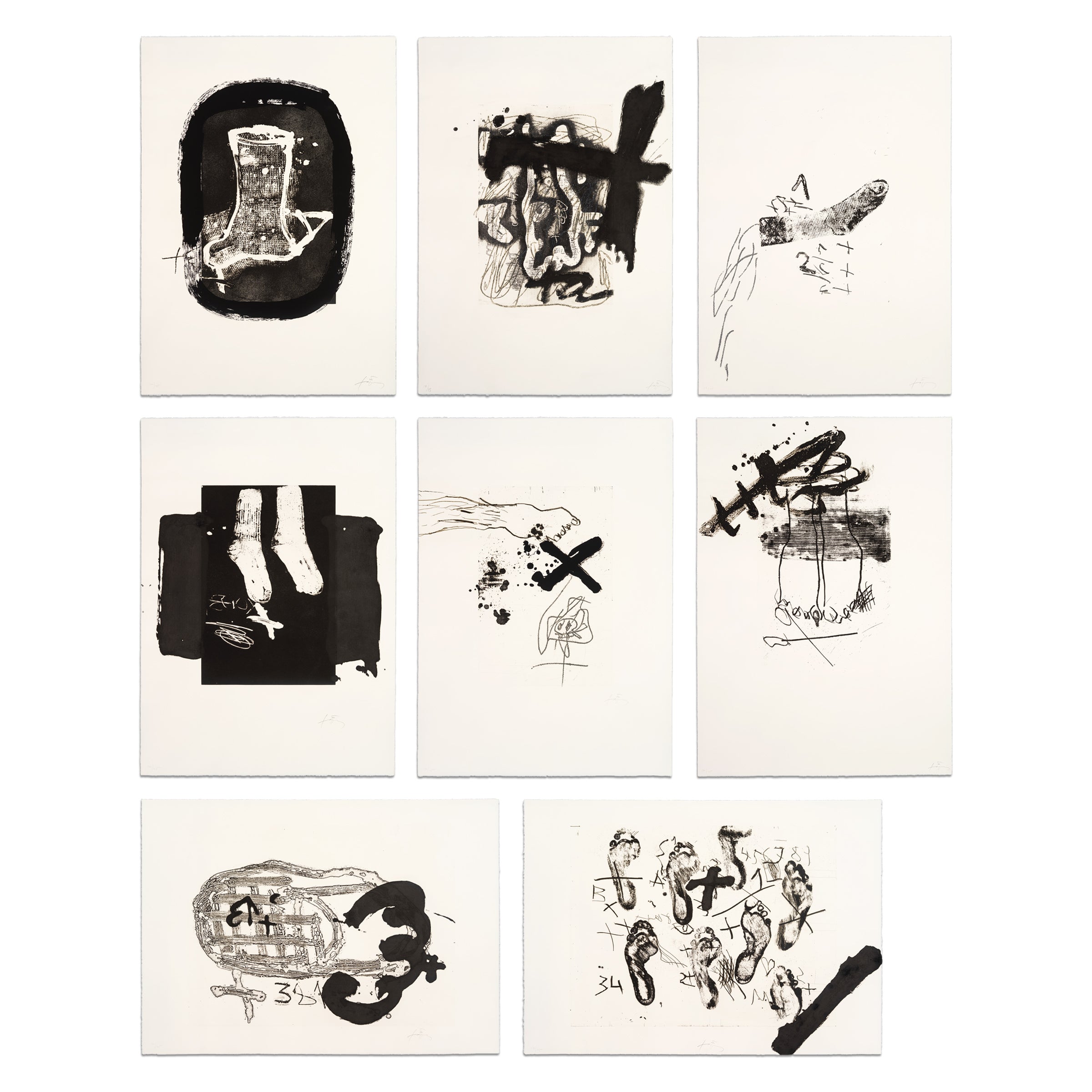
The Miró Foundation in Barcelona and the Dalí Theatre Museum in Figueres both draw enormous international attendance, but it is the smaller institutional gestures, a focused Tàpies retrospective, a careful survey of María Blanchard's relationship to Cubism, that tend to produce the most durable critical effects. The auction results tell a story about which artists have crossed into the global tier and which are still building their international audiences. Picasso and Miró operate at the very top of the market, where major works trade in the tens of millions and occasionally well beyond that threshold. Eduardo Chillida has seen growing recognition outside Spain, particularly among collectors drawn to the intersection of sculpture and landscape, and institutions from North America to Japan have been acquiring his work with genuine seriousness.
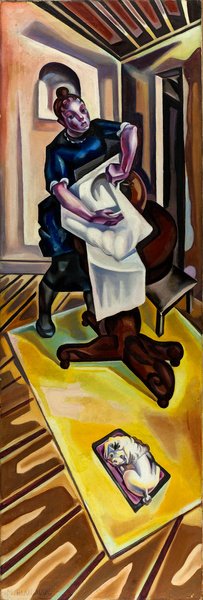
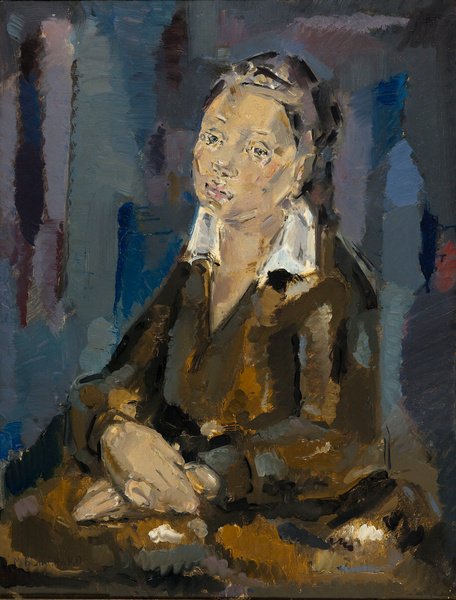
María Blanchard
La lessive, 1921
Francisco de Goya occupies a category unto himself: Old Master prices, museum level demand, and a critical stature that only deepens the longer scholars engage with the darkness and psychological complexity of his late work. The so called Black Paintings have influenced generations of artists, and that influence continues to be legible in the work of painters working today. At the contemporary end of the market, Javier Calleja has built an international following with remarkable speed. His work, tender and slightly melancholic beneath its cartoon surface, has connected with collectors across Europe and Asia who respond to its emotional directness.
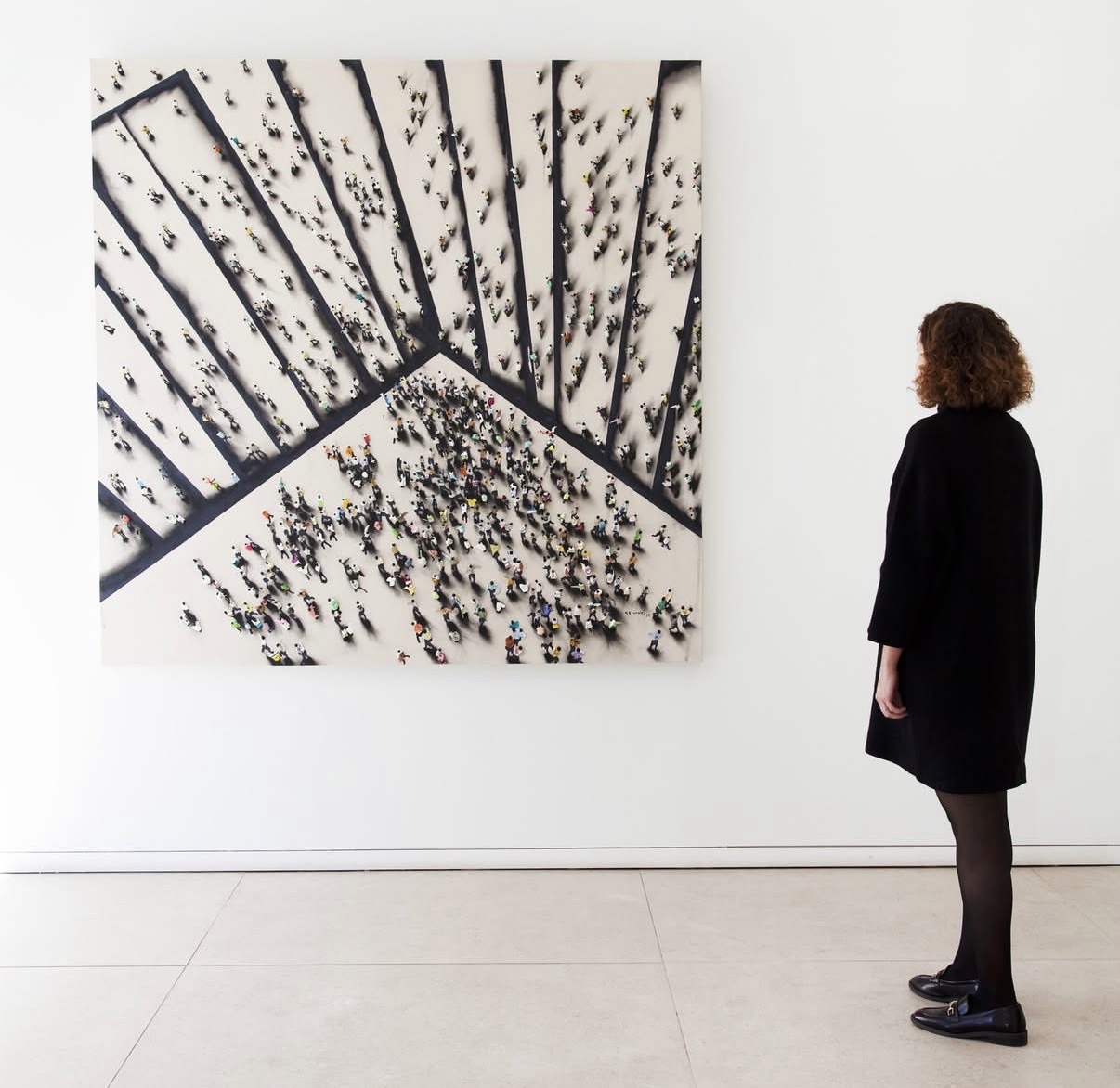
Manolo Valdés brings a different kind of historical consciousness to his practice, quoting Velázquez and Goya with a lightness that never feels academic. Juan Muñoz, who died in 2001 at the height of his powers, is increasingly understood as one of the essential sculptors of the late twentieth century, and museum acquisitions of his work continue to reflect that reassessment. Jaume Plensa has become genuinely global in his reach, with major public commissions and museum shows confirming a reputation built over decades of serious work. The critical infrastructure around Spanish art has strengthened considerably.
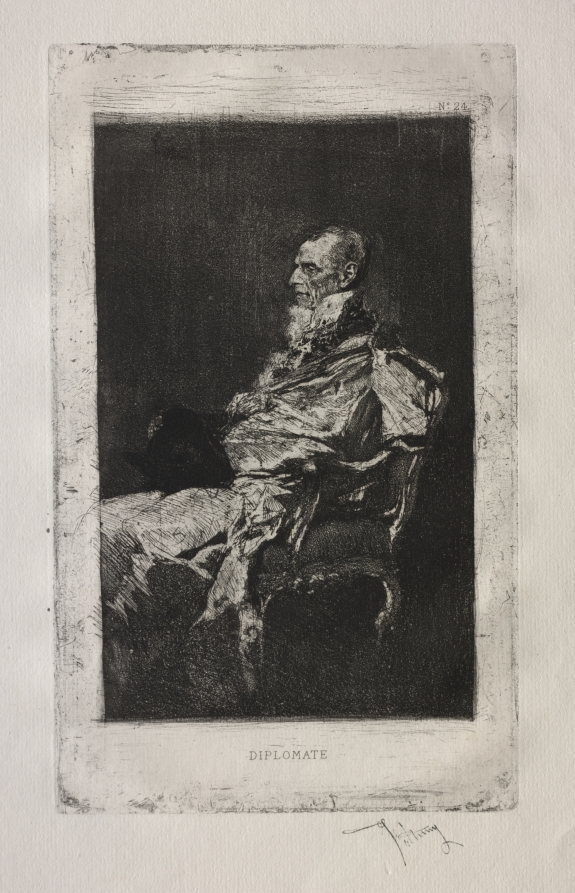
Jaume Plensa
To R.M. Rilke, 2010
Publications like Artforum and Frieze have given sustained attention to figures like Antoni Tàpies, whose materialist philosophy and engagement with Catalan identity feel urgently relevant to contemporary debates about abstraction and politics. Scholars including T.J. Clark and Rosalind Krauss have written about Picasso in ways that keep his work alive to new readings rather than settling into canonization.
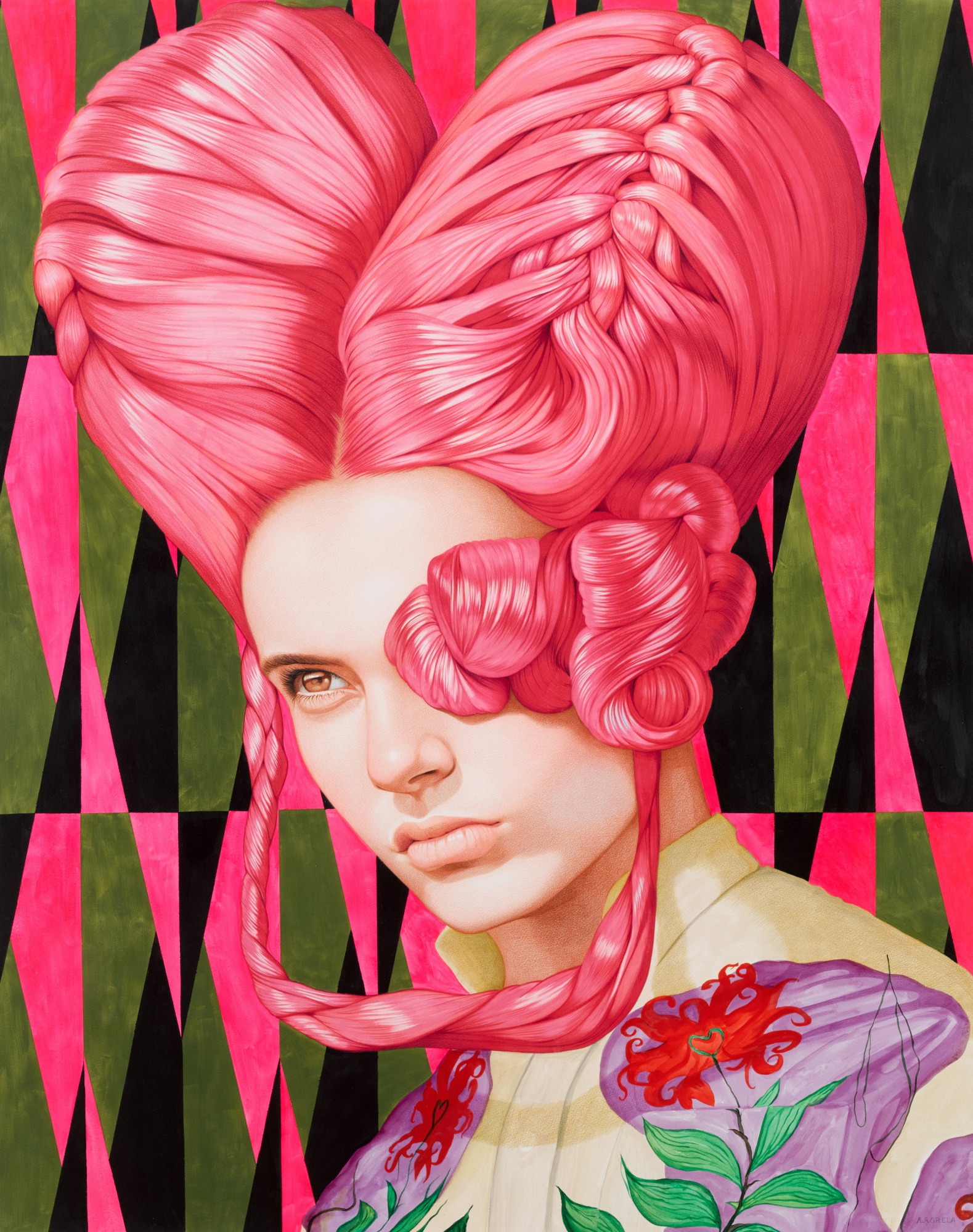
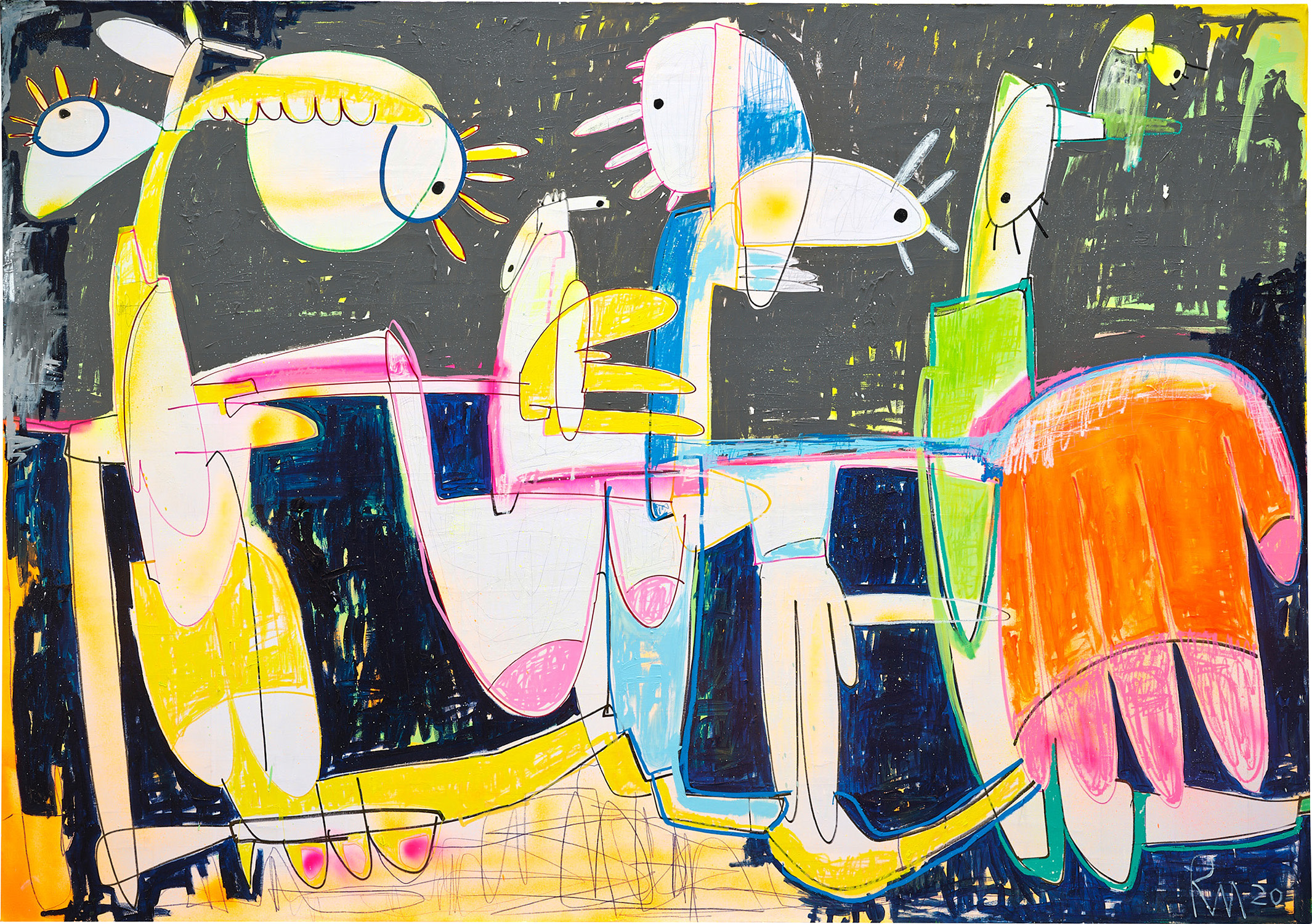
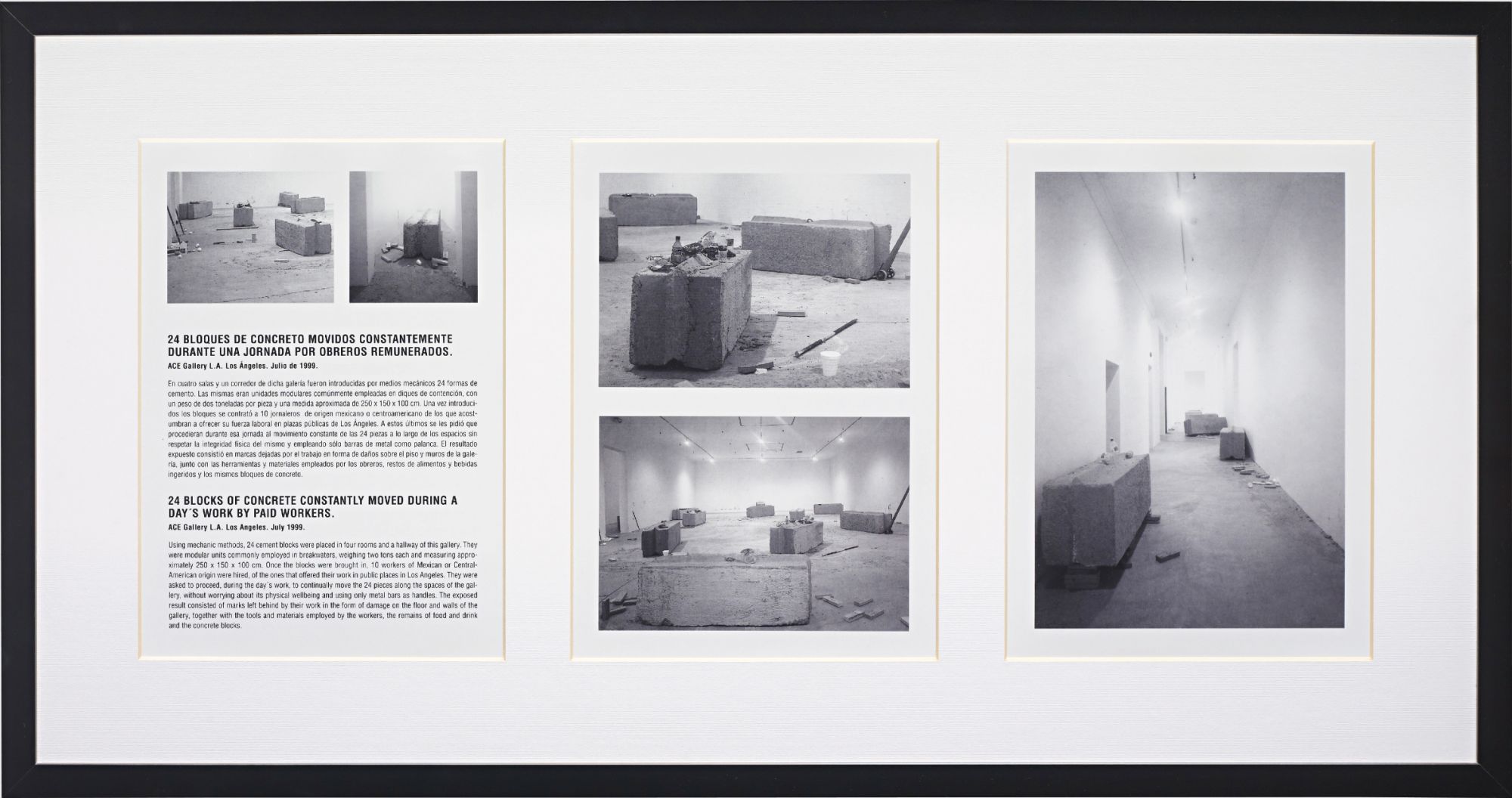
In Spain, critics and curators associated with the Reina Sofía have been particularly effective at situating the country's artistic production within broader European and Latin American contexts, resisting the kind of nationalist framing that once made the story feel smaller than it actually is. What feels genuinely alive right now is the work of artists like Miquel Barceló and Juan Uslé, whose painting practices engage with materiality, memory, and landscape in ways that feel continuous with the best of the Spanish tradition while remaining resolutely contemporary. Rafa Macarrón brings an urban sensibility and a mastery of figuration that has attracted serious collector attention, and his work feels like it belongs to a longer conversation about Spanish portraiture that runs from Goya through Picasso and beyond. Santiago Sierra continues to generate discomfort and debate with conceptual work that is among the most politically uncompromising being made anywhere in the world today.

Santiago Sierra
Door Plate, 2006
The surprise, if you are watching closely, is how much remains to be discovered. María Blanchard deserves far more international attention than she receives: her Cubist period work is extraordinary, and the reasons she was sidelined in the canonical accounts of early modernism have everything to do with gender and nothing to do with quality. Fernando Zóbel, who founded the Museum of Abstract Art in Cuenca, made paintings of remarkable subtlety that have barely registered outside Spain. The Collection holds works by both artists, and for collectors willing to look beyond the established names, the opportunity is significant.
Spanish art is not just a story about a few giants. It is a tradition of enormous depth, and the best of the collecting happening right now reflects exactly that understanding.