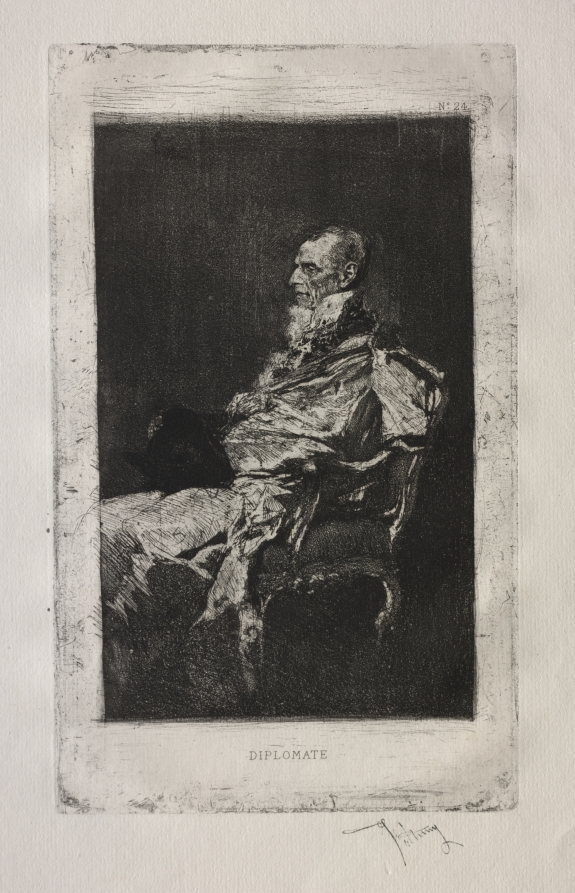
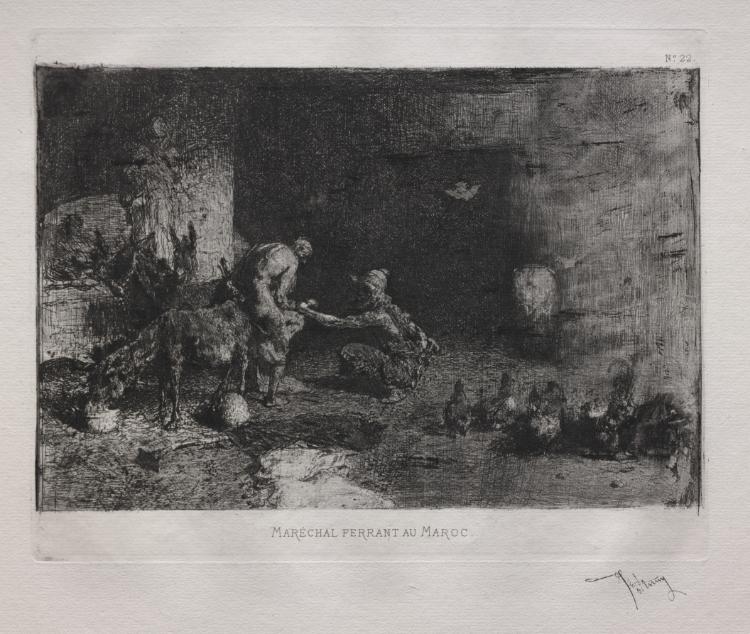
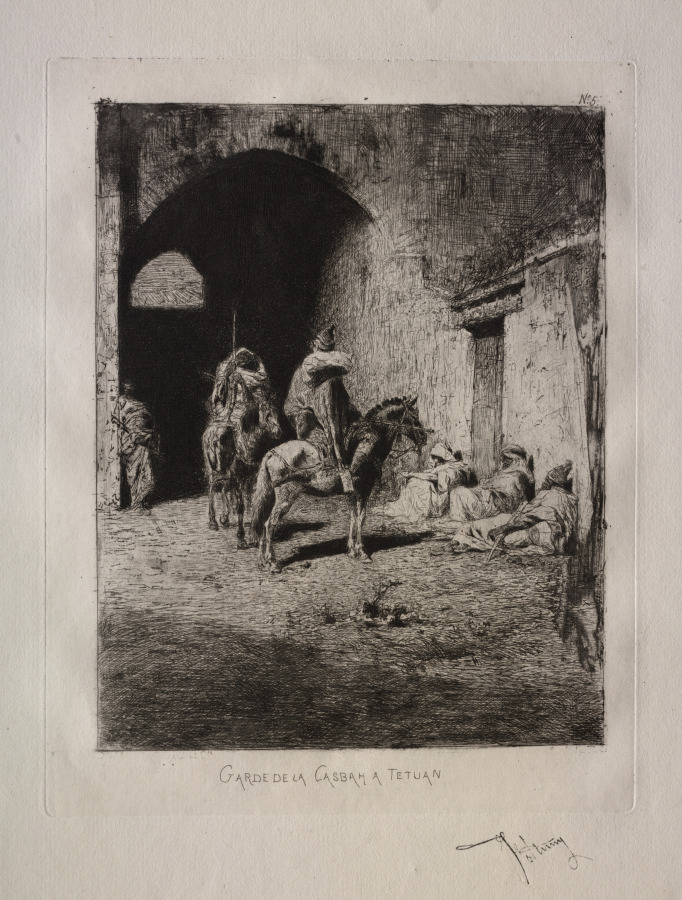
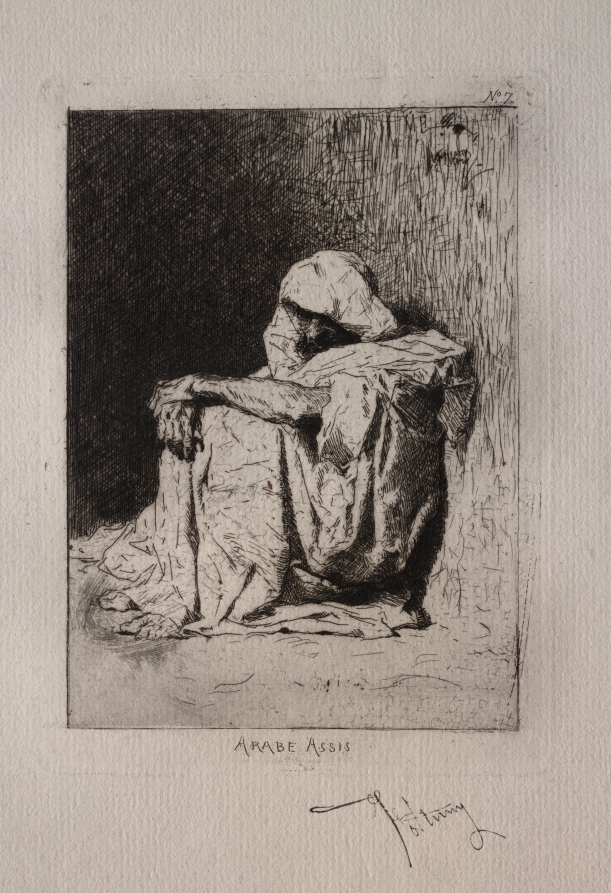
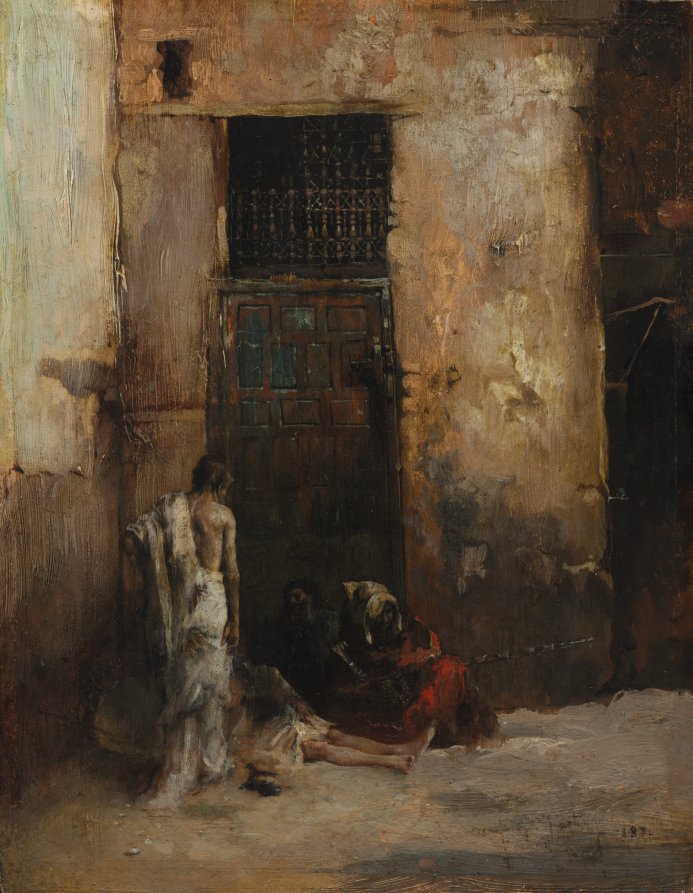
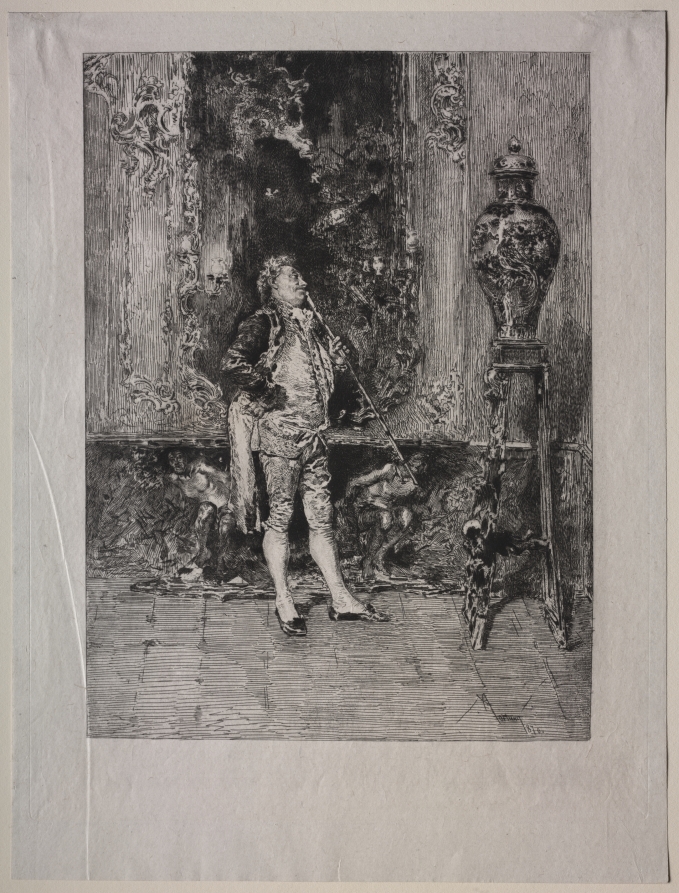
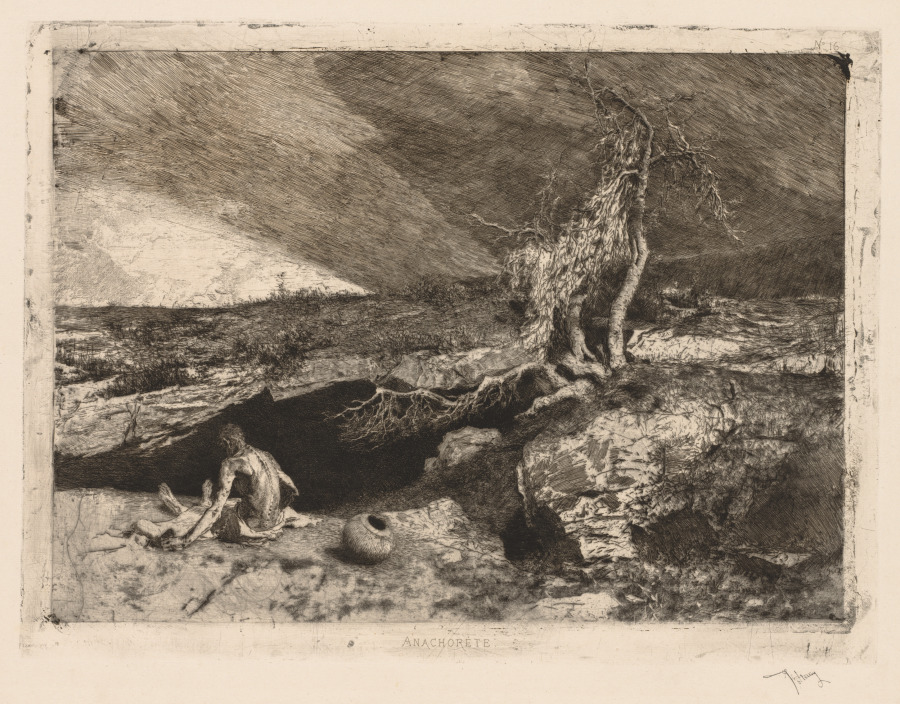
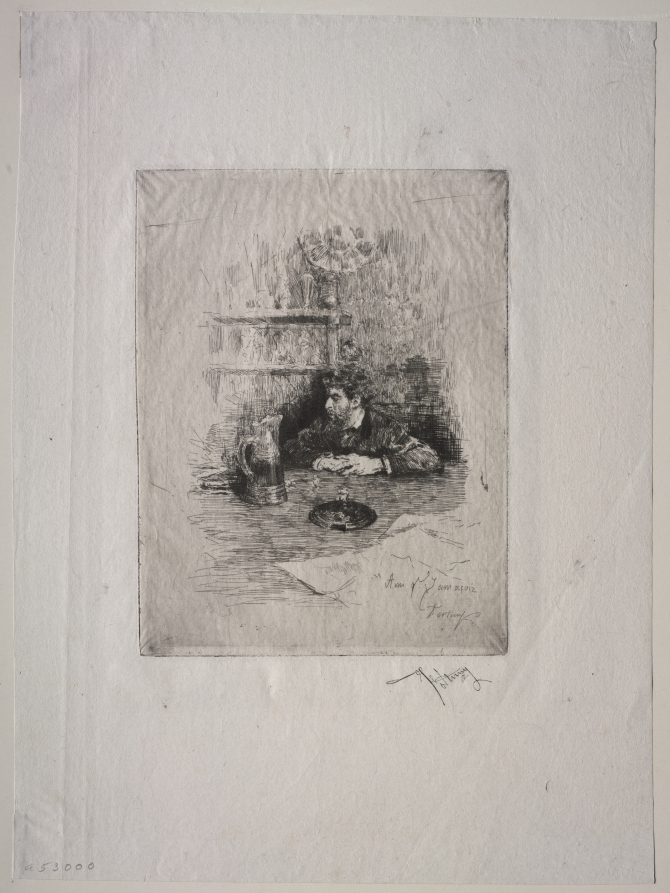
There is a particular kind of genius that refuses to be contained by a single discipline, and Mariano Fortuny y Madrazo embodied this restless, luminous creativity across nearly eight decades of life. Born in Granada in 1871 and raised between the artistic capitals of Europe, Fortuny became one of the most quietly extraordinary figures of the modern era, a man who moved between painting, printmaking, photography, textile design, and theatrical lighting with the same effortless authority. Today, as museums and private collectors continue to rediscover the full breadth of his vision, his works on paper and canvas feel remarkably alive, charged with an observational intelligence that places him firmly among the great visual minds of his time. Fortunate in his inheritance and extraordinary in his formation, Fortuny was born into a world already saturated with art. His father was Mariano Fortuny y Marsal, the celebrated Spanish painter whose orientalist canvases had electrified the European art market in the 1860s and early 1870s. When his father died in 1874, just three years after Fortuny y Madrazo was born, the young Mariano was left with an almost mythological legacy to reckon with. Raised partly in Rome and later in Paris, he absorbed the lessons of the great European academies while also developing a deeply personal curiosity about light, fabric, antiquity, and the ancient cultures of the Mediterranean world. Venice, where he eventually settled, would become the city that shaped him most profoundly, offering him a theater of beauty in which to conduct his lifelong experiments. As a visual artist, Fortuny worked most confidently in printmaking, and his etchings reveal a sensibility that is both classical in its discipline and deeply romantic in its emotional register. The works he produced across the 1860s and 1870s, many of them depicting figures encountered during his father's celebrated travels through Morocco and Spain, carry an intimacy that separates them from the more theatrical orientalism fashionable among his contemporaries. His etching technique was precise but never cold, capable of rendering the weight of robes, the texture of aged plaster, and the quality of southern light falling across a courtyard with equal confidence. Works such as Seated Arab from 1873, executed in etching and aquatint, demonstrate his ability to fuse technical mastery with genuine human curiosity about the people and places he observed. Among the works that most clearly define his printmaking practice are the portraits and genre scenes that populate his etchings of the 1860s. Two Cardinals from 1860 and Diplomat from 1868 speak to his fascination with ceremony, costume, and social theatre, the way that dress and posture perform identity in ways that paint alone cannot always capture. His Moroccan subjects, including Moroccan Family from 1862 and the quietly affecting Beggar from the same year, show a genuine warmth toward his subjects rather than the exoticizing distance that mars so much orientalist work of the period. Beggars by a Door from 1870, rendered in oil on panel, demonstrates that his sensitivity to light and human presence translated equally well across media, and it remains one of the most compelling small paintings associated with his name. For collectors, the appeal of Fortuny's work on paper is both aesthetic and historical. His etchings exist at a fascinating intersection between the academic traditions of nineteenth century European art and a more modern, observational mode of image making that anticipates the documentary sensibility of the twentieth century. Works from this period of his production are comparatively rare on the open market, and their combination of technical refinement and subject matter richness makes them genuinely desirable for collections focused on works on paper, Spanish art history, or the broader tradition of orientalist and genre printmaking. Collectors drawn to the work of artists such as Francisco Goya, whose mastery of etching as an expressive medium casts a long shadow over the entire Spanish printmaking tradition, will find in Fortuny a figure who absorbed that inheritance and pushed it in new and personal directions. In the broader context of art history, Fortuny occupies a position that rewards careful attention. His father's generation had established Spanish painting as a major force in European collecting, and the younger Fortuny inherited both the prestige and the burden of that achievement. His response was to diversify radically, eventually becoming as celebrated for his revolutionary pleated silk Delphos gowns and his Fortuny fabrics as for anything he produced on paper or canvas. This expansion into design and textile arts placed him in dialogue with the arts and crafts movement and with the emerging world of modernist design, connecting him to figures such as Leon Bakst and the broader revolution in decorative arts that swept Europe in the early twentieth century. His theatrical work, particularly his innovations in stage lighting and scenic design, brought him into contact with the most adventurous directors and performers of his era. What makes Fortuny so compelling for collectors and scholars today is precisely this refusal of boundaries. He was a painter who understood photography, a printmaker who understood cloth, a designer who understood antiquity. The Museo Fortuny in Venice, housed in his former palazzo on the Campo San Beneto, preserves the full atmosphere of his practice, and it remains one of the most extraordinary artist's museums anywhere in the world, offering visitors a sense of how completely and beautifully he inhabited his own creative universe. Exhibitions there and at institutions across Europe continue to introduce new audiences to the full scope of his achievement, ensuring that his reputation grows steadily rather than fading with time. The enduring lesson of Fortuny's life and work is that genuine curiosity, pursued with discipline and love, produces something that transcends category. His etchings reward close looking with the same patient generosity they have always offered, and in an art market that increasingly values works of intellectual and historical depth alongside pure aesthetic pleasure, they represent exactly the kind of acquisition that grows more meaningful with each passing year. To collect Fortuny is to invest in one of the genuinely singular minds of European modernism, a figure whose best work belongs not to one era or discipline but to the long, luminous conversation of art itself.