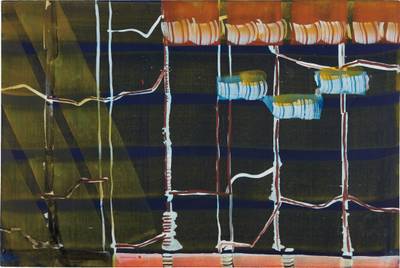
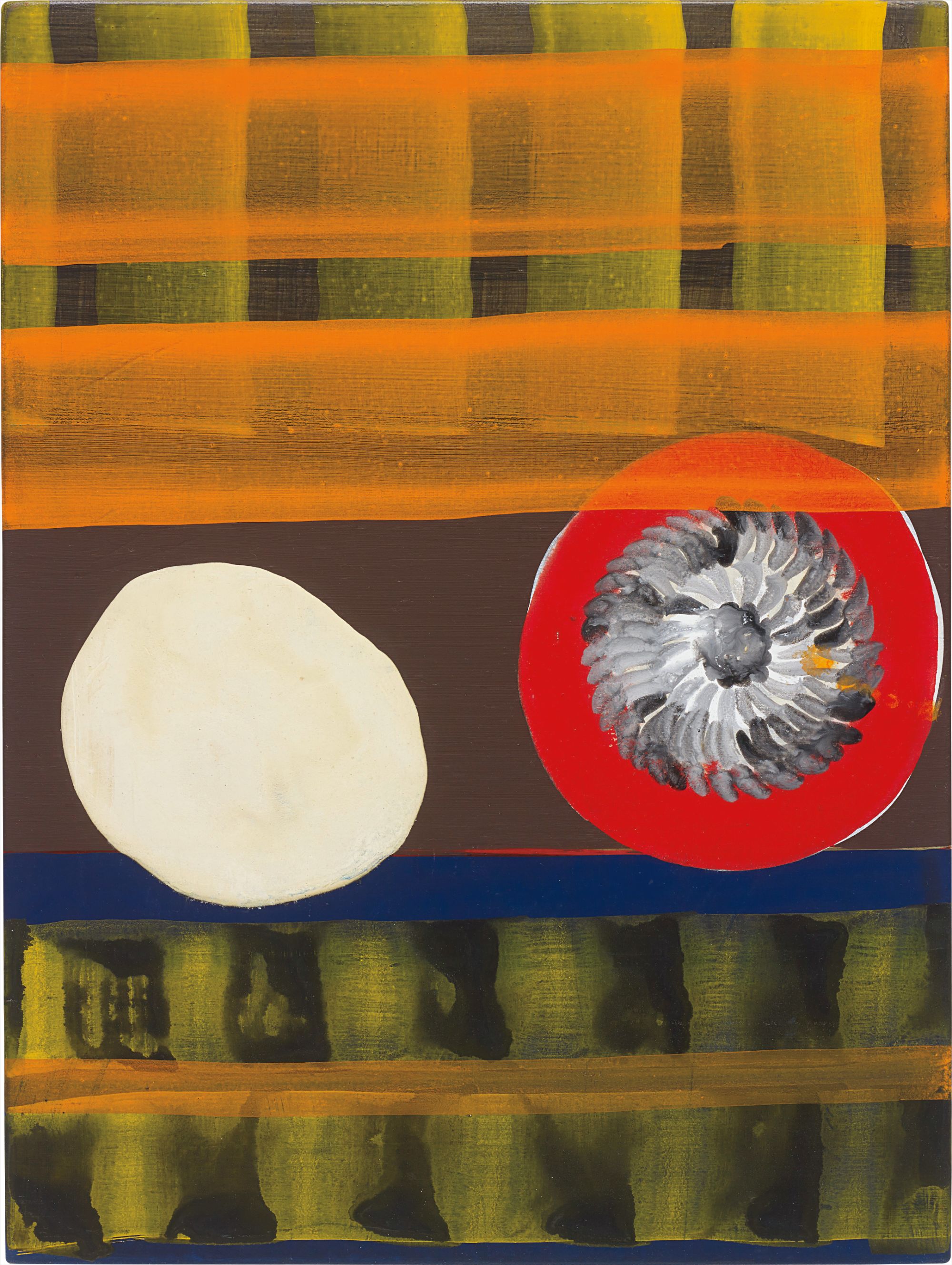
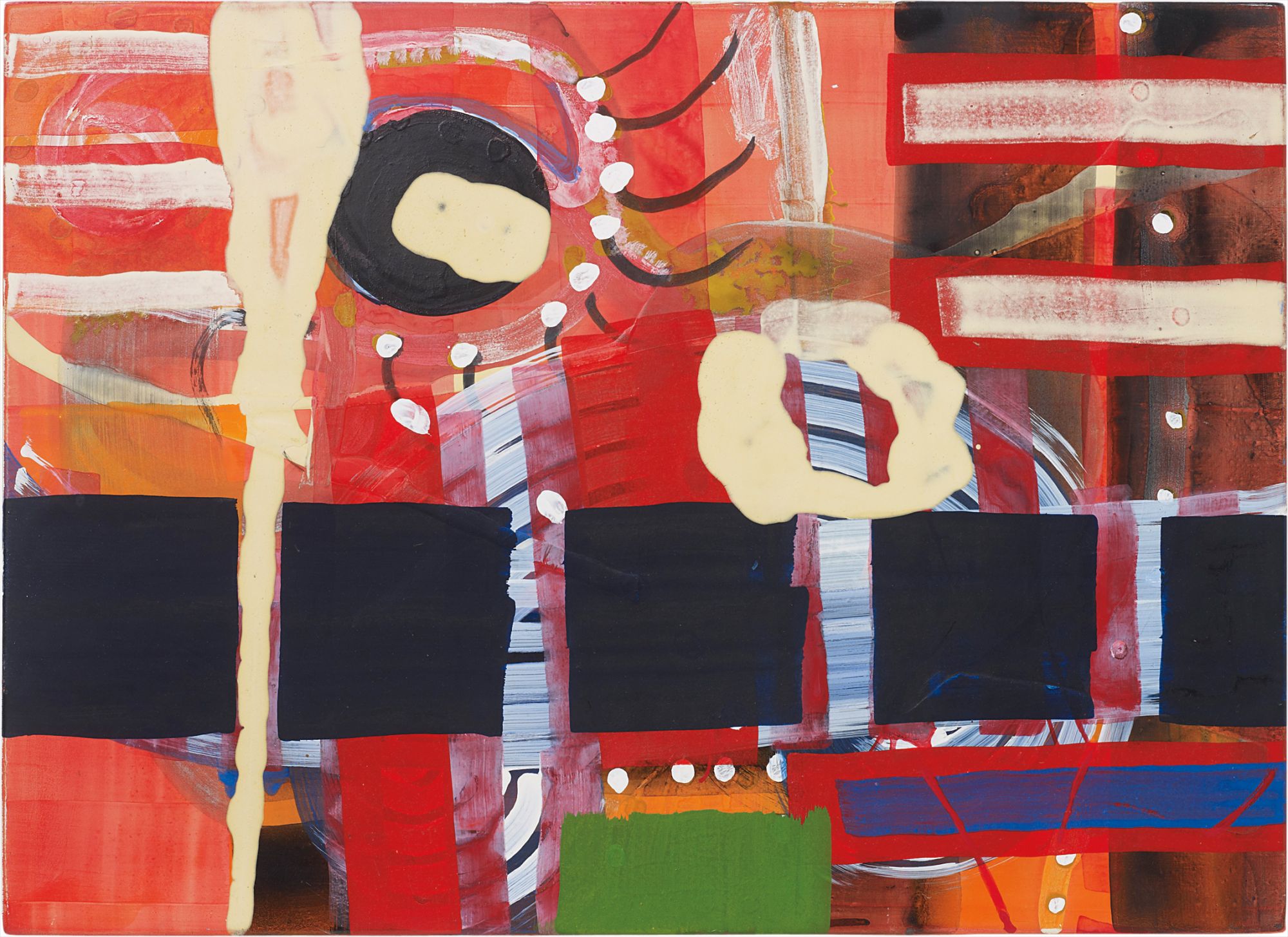
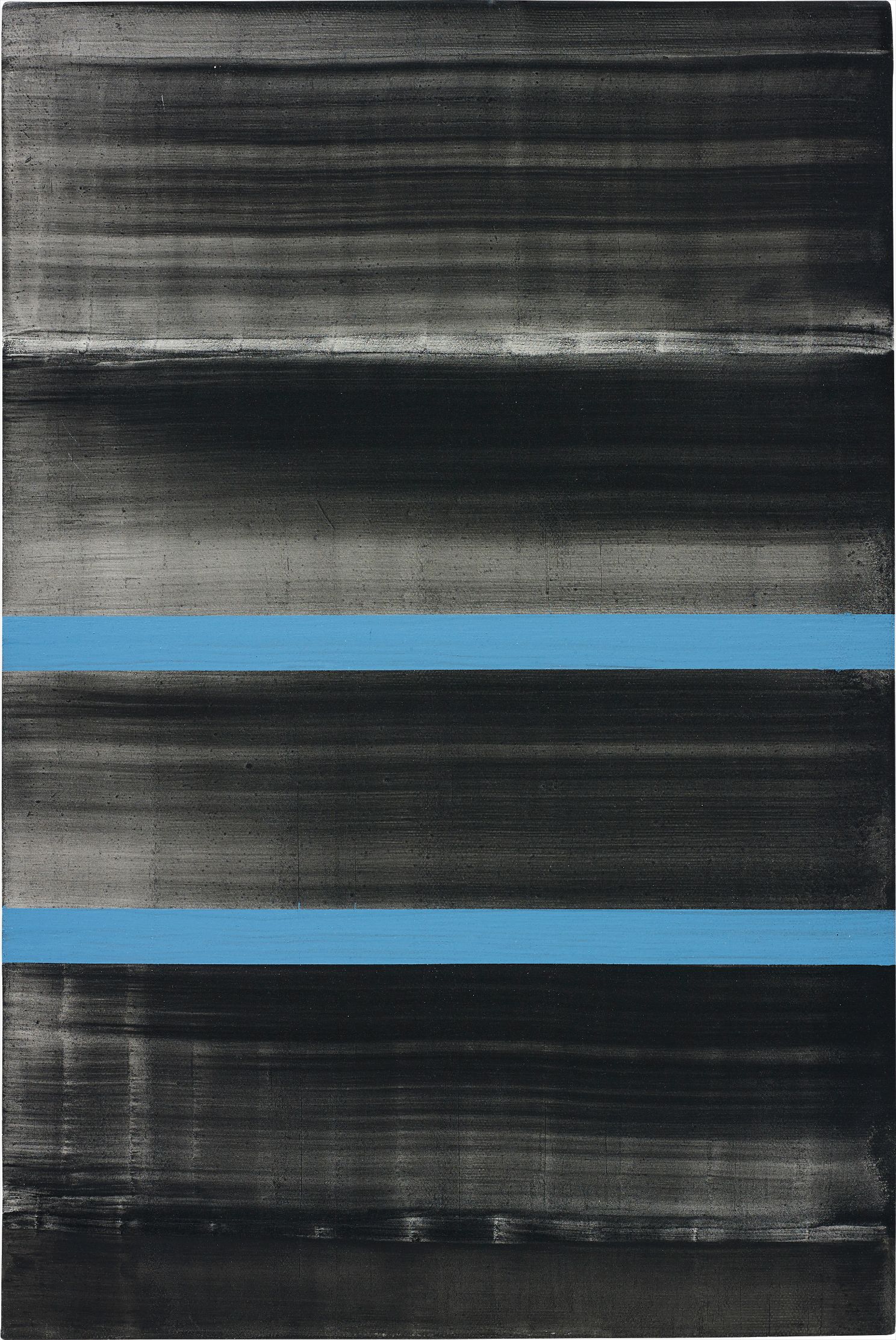
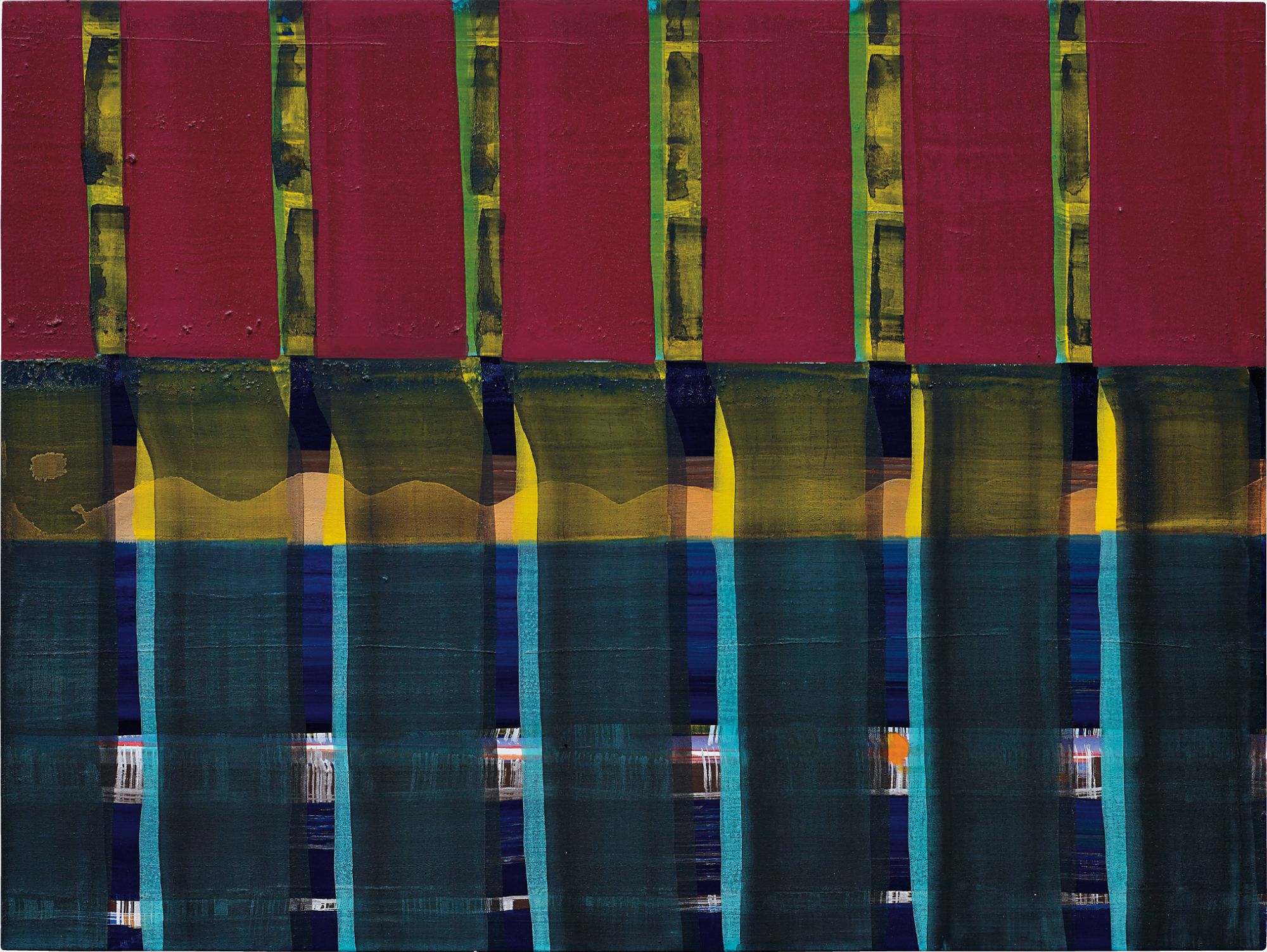
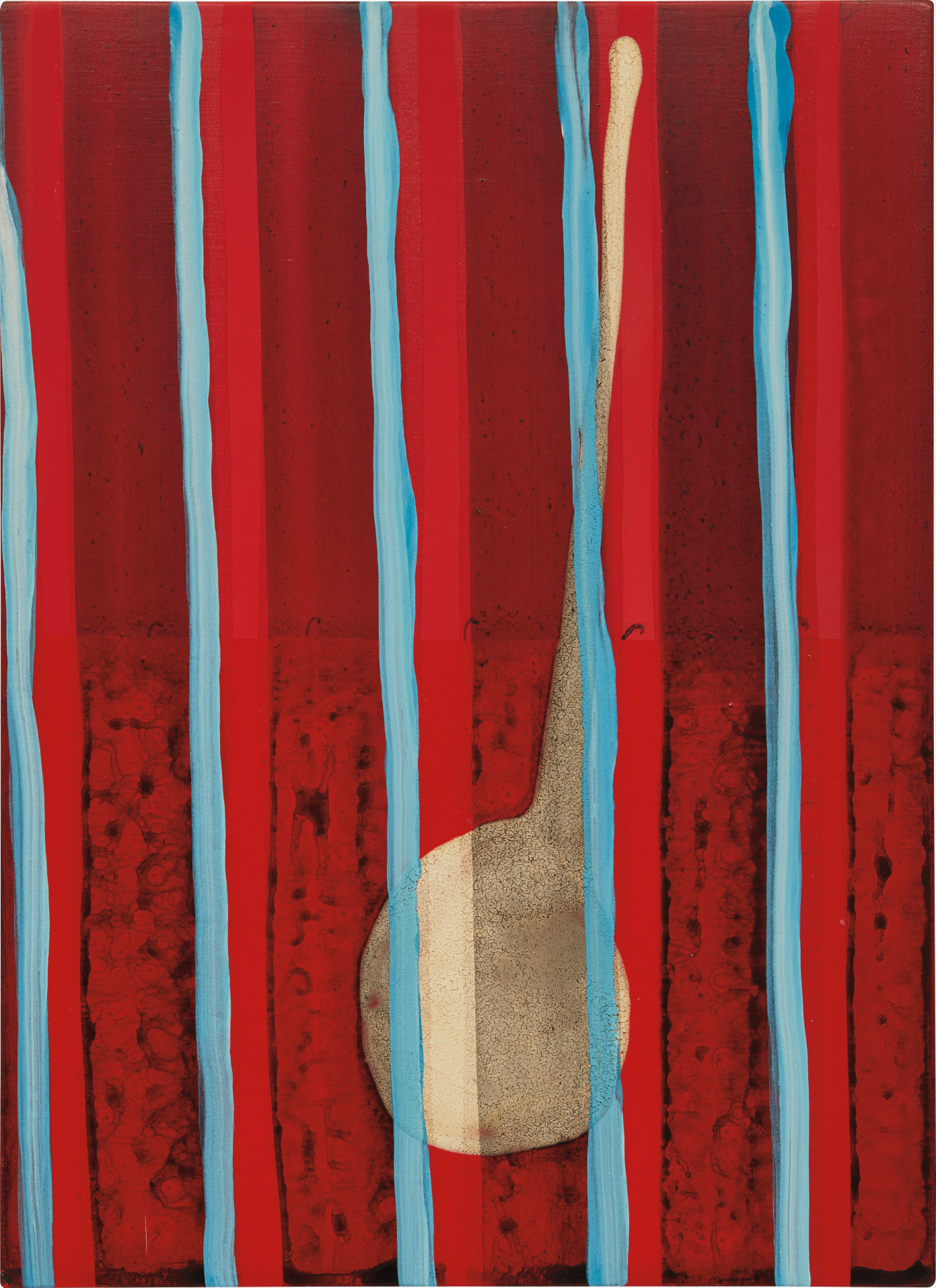
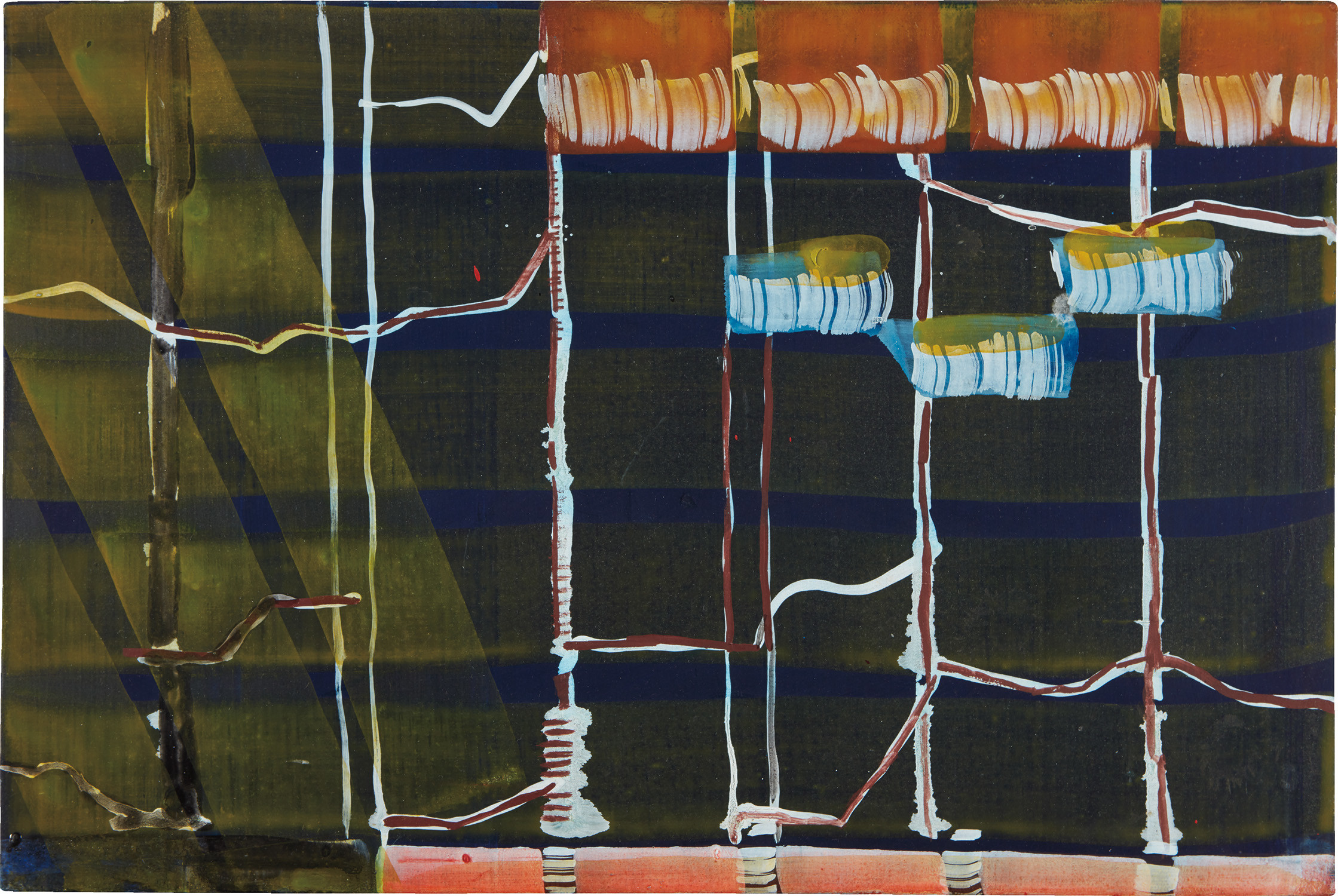
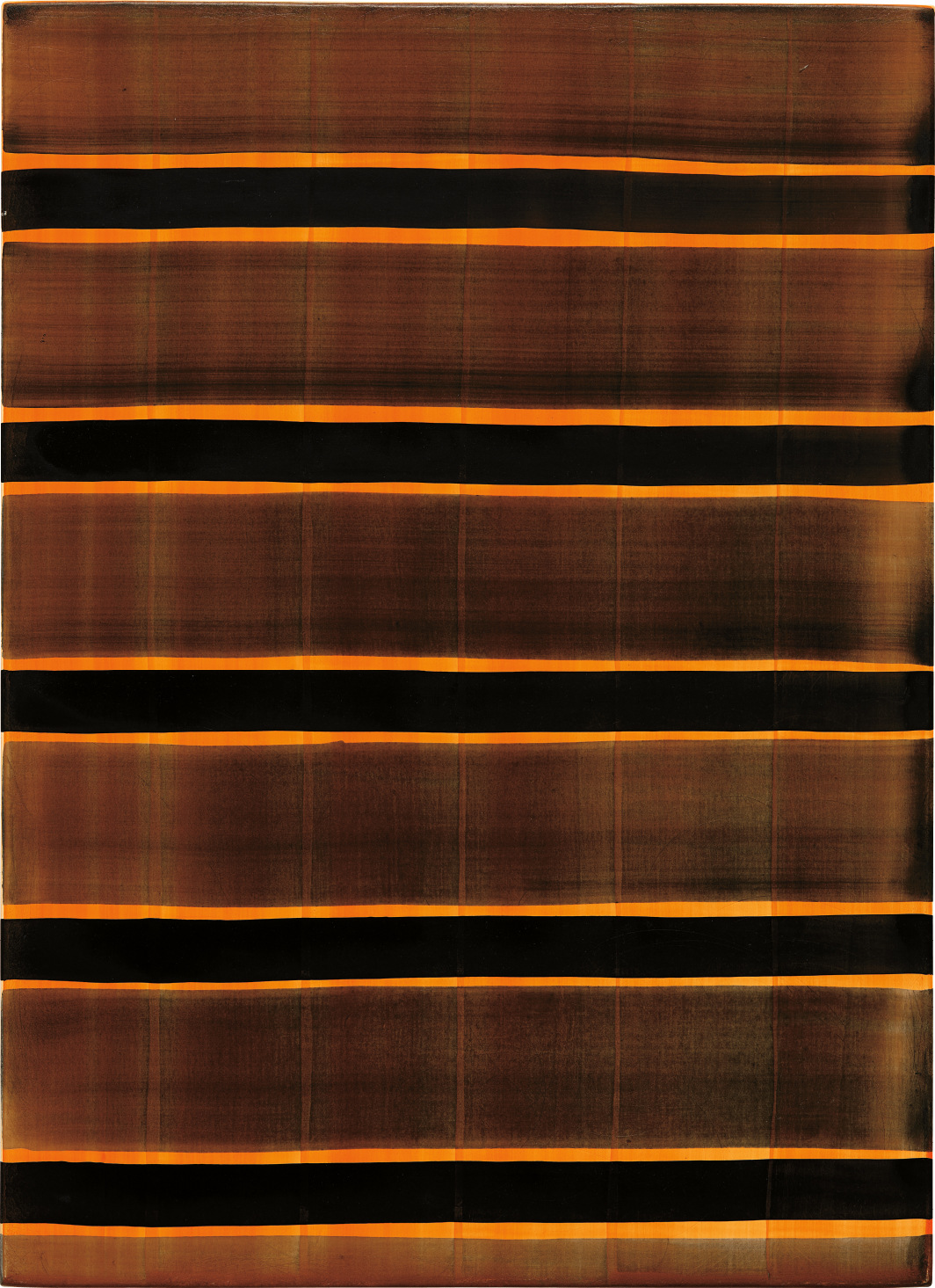
In the spring of 2023, the Galerie Vera Munro in Hamburg mounted a quietly revelatory exhibition of Juan Uslé's recent paintings, drawing collectors and curators from across Europe who had long followed the Spanish painter's restless, luminous practice. The show confirmed what many in the art world have known for decades: Uslé is one of the most genuinely original abstract painters working today, a figure whose canvases hold their own beside the greatest achievements of postwar American abstraction while remaining unmistakably, even tenderly, his own. His reputation, built across four decades of sustained work divided between New York and the Cantabrian coast of northern Spain, has only deepened with time. Uslé was born in Santander, Spain, in 1954, a city defined by the grey Atlantic light and the particular melancholy of the Cantabrian landscape. He studied at the Escuela de Bellas Artes de San Carlos in Valencia during the late 1970s, coming of age as Spain was emerging from the long shadow of Francoism into a period of extraordinary cultural ferment. The energy of that moment, the collective hunger for new forms of expression, left a permanent mark on his sensibility. He was drawn early to painting as a discipline of the body as much as the mind, something physical and improvisational, closer to music than to literature. The decisive shift in Uslé's formation came when he moved to New York in the mid 1980s, settling into the city's dense, competitive downtown art scene at a moment when painting was being declared dead and then furiously resurrected. New York gave him proximity to the legacy of Abstract Expressionism, to the monumental ambitions of Rothko, de Kooning, and Cy Twombly, but also to the cooler geometries of Brice Marden and the atmospheric color fields of Mark Rothko. Rather than choosing between gesture and structure, Uslé began developing a way of working that honored both impulses simultaneously. His studio practice became a kind of negotiation between control and surrender, between the mark that is planned and the mark that arrives unbidden. Over the 1990s, Uslé's distinctive vocabulary fully emerged. He began working with vinyl dispersion, dry pigment, and acrylic on canvas mounted to panel, materials that allowed him to build surfaces of extraordinary density and nuance. Works from this period such as Sueño de Brooklyn from 1992 and Blind Words from 1994 show a painter in full command of his means, layering thin veils of color over geometric scaffolding to produce images that feel simultaneously ancient and absolutely contemporary. Sueño de Brooklyn, its title evoking both the borough outside his studio window and the dreamlike condition of the immigrant imagination, is among the most poetic paintings of its decade. The acrylic, dispersion, and dry pigment on canvas over wooden board create a surface that seems to breathe, to hold light and release it slowly. Blind Words and the slightly later Inopia's Nho from 1995 extend this investigation, their titles suggesting a preoccupation with language at its limits, with communication that exceeds the verbal. What distinguishes Uslé from many of his contemporaries is the breadth of reference his paintings sustain without ever becoming illustrative. Landscape, music, and motion are all present in his work as felt conditions rather than depicted subjects. The undulating horizontal bands that recur across his canvases evoke the rhythm of breathing, the pulse of a heartbeat, the shimmer of light on the Cantabrian sea. Works like Two Rivers and Beirão, with its vinyl dispersion and pigment on canvas laid on board, carry a geological patience, as if the image has been deposited over time by forces larger than any single decision. Roteros and Deslenguado from 1997 demonstrate his ability to introduce a kind of nervous energy into this contemplative practice, their surfaces crackling with marks that feel simultaneously urgent and resolved. Whitney, a signed and numbered edition, shows his capacity to extend his vision across different formats and contexts while maintaining absolute consistency of purpose. For collectors, Uslé's work represents a particularly compelling proposition. His paintings are held in the permanent collections of the Guggenheim Museum, the Museo Reina Sofía in Madrid, and the Museum of Fine Arts Houston, institutional validation that reflects both the art historical seriousness of his practice and its sustained critical reception. Works from the early to mid 1990s, the period that produced Sueño de Brooklyn, Blind Words, and Inopia's Nho, are widely considered the core of his achievement and attract particular attention from serious collectors. The materiality of his canvases rewards close looking in a way that reproduction simply cannot convey: the depth of the pigment, the subtle texture of the support, the way color relationships shift in different light conditions. Collectors who acquire Uslé works often describe a process of discovery that continues for years after the initial purchase. Uslé's position within art history sits at a productive crossroads. He shares with Brice Marden a commitment to the meditative possibilities of abstract painting and a willingness to let the hand move slowly across the surface. He shares with Sean Scully an interest in rhythm and repetition as carriers of emotional content. Like his Spanish predecessor Antoni Tàpies, he invests the material surface of painting with something close to spiritual weight. Yet the comparison that perhaps captures him most accurately is to the broader tradition of painters who have understood abstraction not as a rejection of the world but as a more intimate way of inhabiting it. His work does not turn away from experience; it distills experience into its essential frequencies. Uslé remains, in his seventh decade, a painter of undiminished ambition and curiosity, still dividing his time between New York and Spain, still finding new territory within the language he has spent forty years developing. His longevity is itself a kind of argument, a demonstration that painting practiced with sufficient intelligence and devotion remains one of the most alive and necessary art forms available to us. For those encountering his work for the first time, the experience is often quietly transformative: you look at a canvas and feel, without quite being able to say why, that something true has been told about the nature of perception, of memory, of the beautiful difficulty of being present in the world.