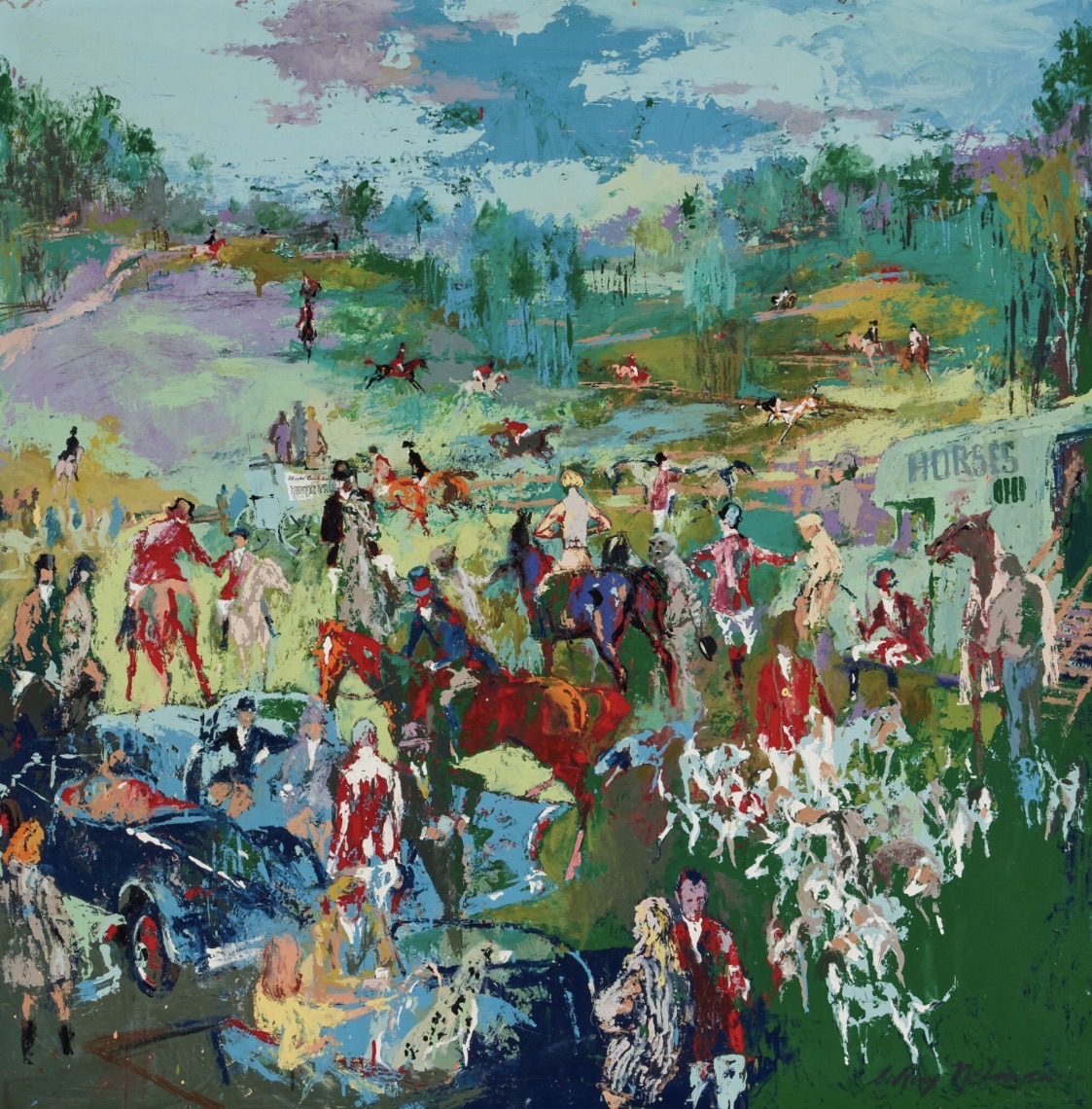
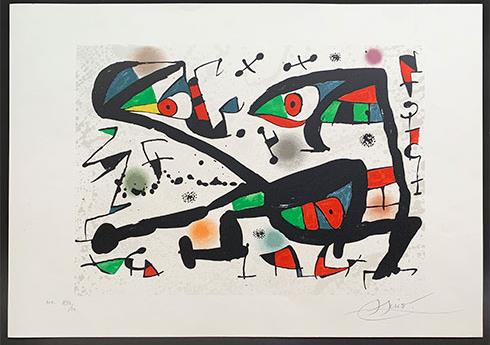
Social Scene
Susan Contreras
Cocktails
```json
{ "headline": "The Party Never Ends, But Who Is Watching?", "body": "When a Toulouse Lautrec lithograph from the Moulin Rouge series crossed the block at Sotheby's Paris in 2023 for well above its high estimate, the room understood immediately what was being purchased. It was not merely ink on paper. It was admission to a world of perpetual spectacle, to the electric charge of bodies gathered together under artificial light for purposes of pleasure, performance, and the subtle exchange of power.
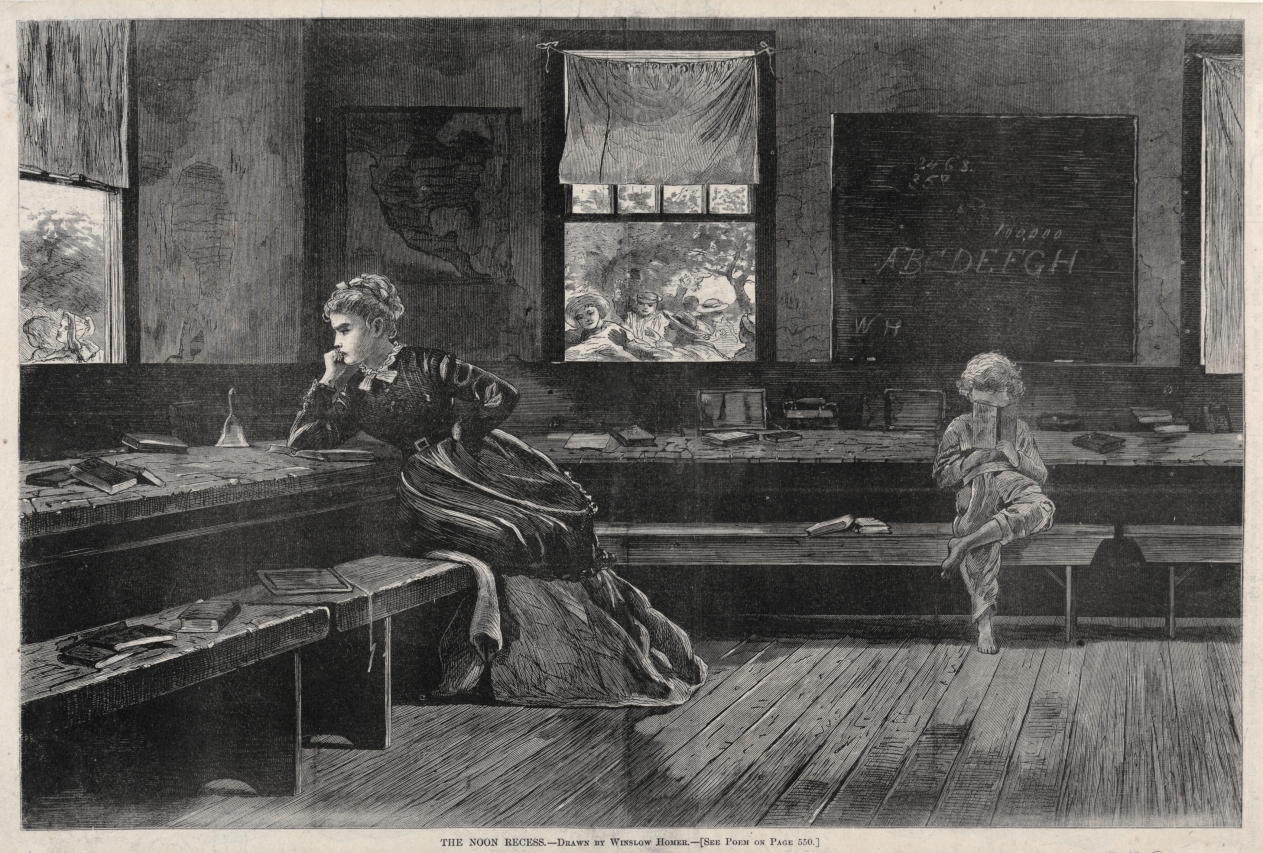
The social scene as subject has always drawn the sharpest eyes in art history, and right now the market and the museum world alike are rediscovering just how rich and how urgent that tradition remains.", "Two years ago the Clark Art Institute mounted a focused reconsideration of Winslow Homer's genre scenes, reminding visitors that before Homer turned his gaze to the sea and its dangers, he was an extraordinarily acute observer of leisure. His paintings of croquet games, resort promenades, and summer gatherings from the late 1860s and 1870s carry a social intelligence that rewards sustained looking. Homer is well represented on The Collection, and his work in this vein commands serious prices at auction.
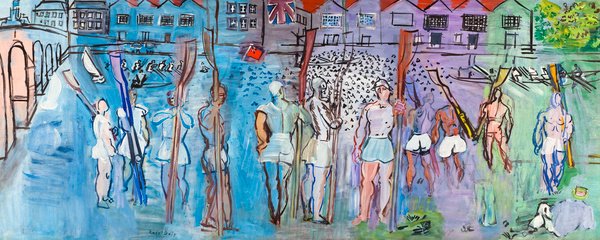
Raoul Dufy
Régates à Henley, les rameurs, 1947
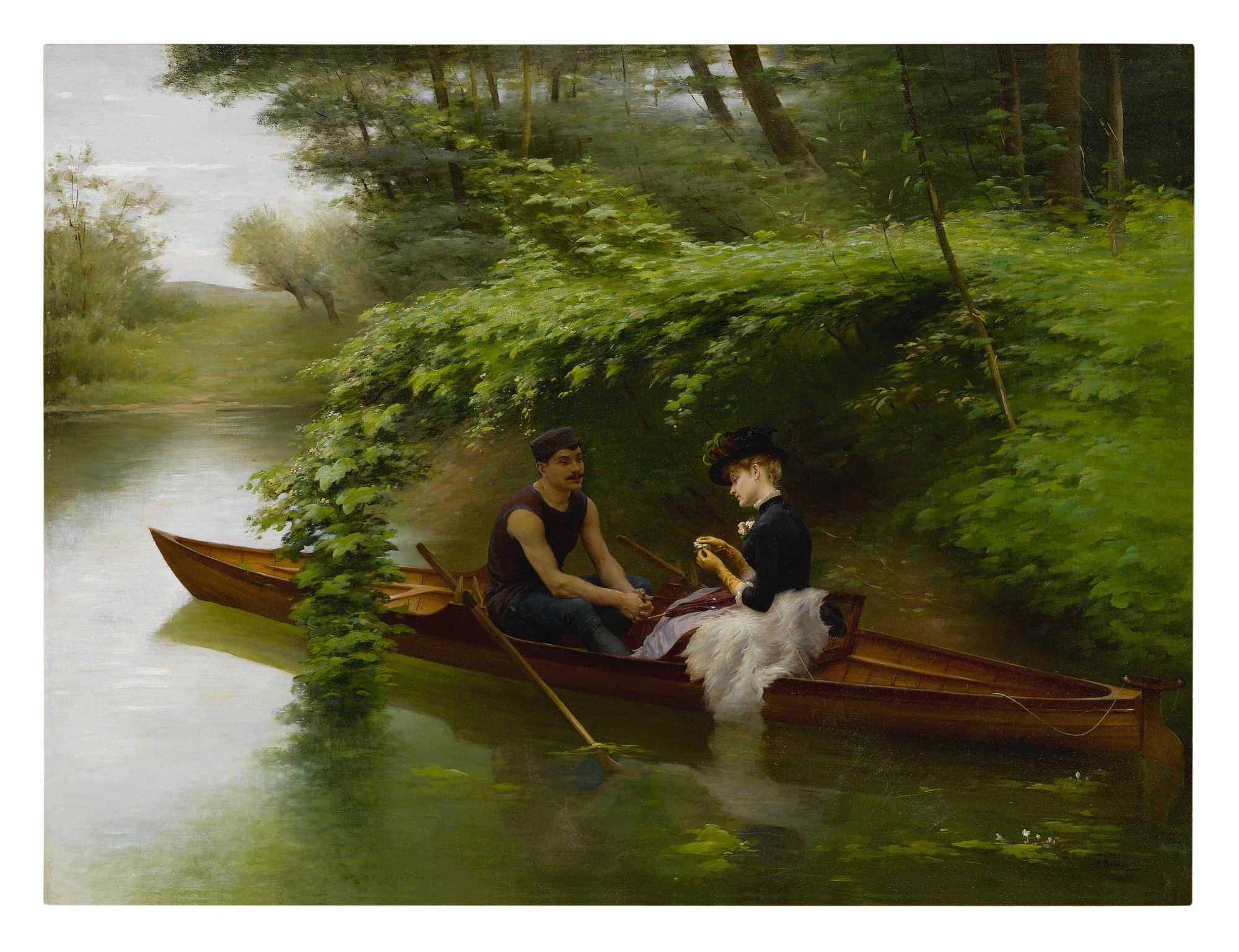
A strong example can clear the two million dollar threshold without difficulty, and the trajectory feels upward as institutions continue to reassess American genre painting with fresh curatorial energy.", "The European tradition of social observation feeds directly into that appetite. Raoul Dufy spent decades painting the racecourse at Deauville, the regattas at Henley, the seaside promenades of the Belle Époque, and his work now occupies a fascinating position in the market. Dufy's festive scenes feel genuinely joyful without being simple, and recent years have seen his prices firm considerably as collectors recognize the sophistication beneath the apparent lightness.
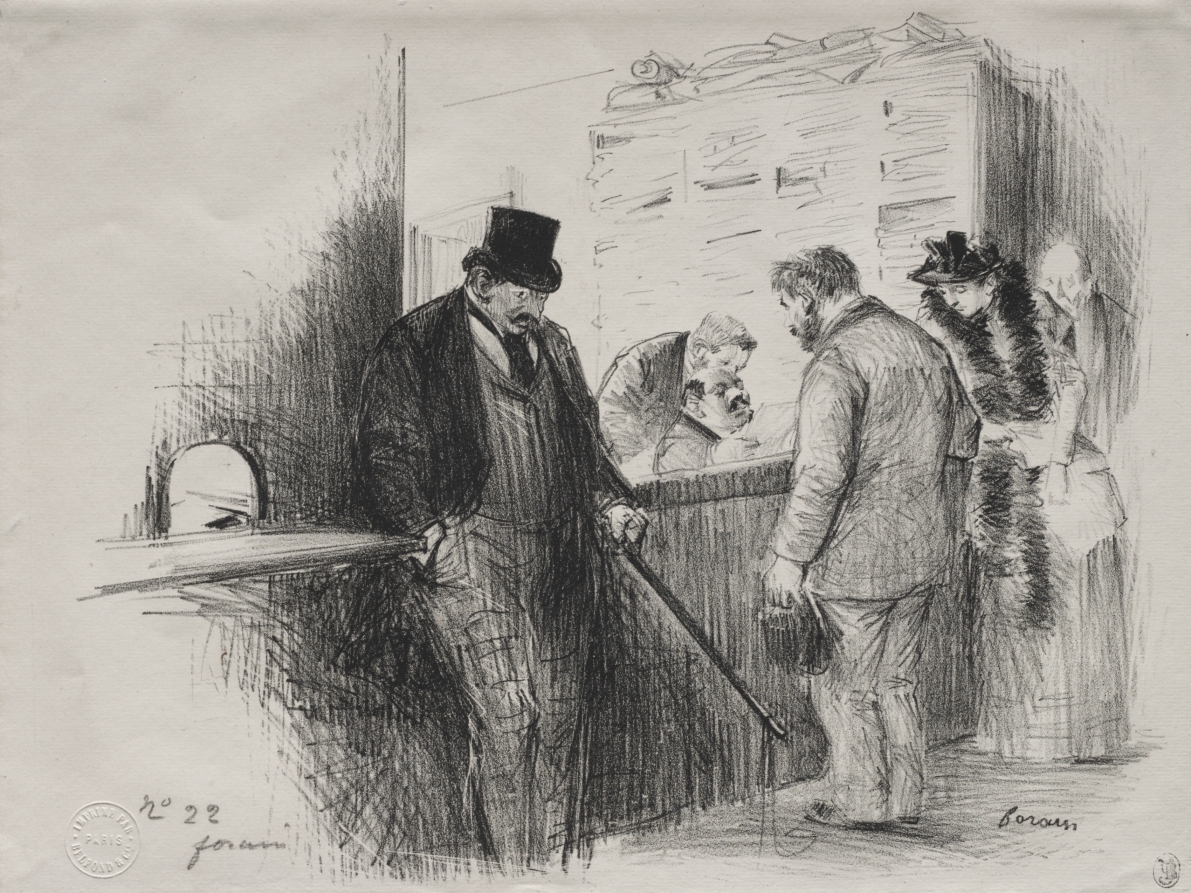
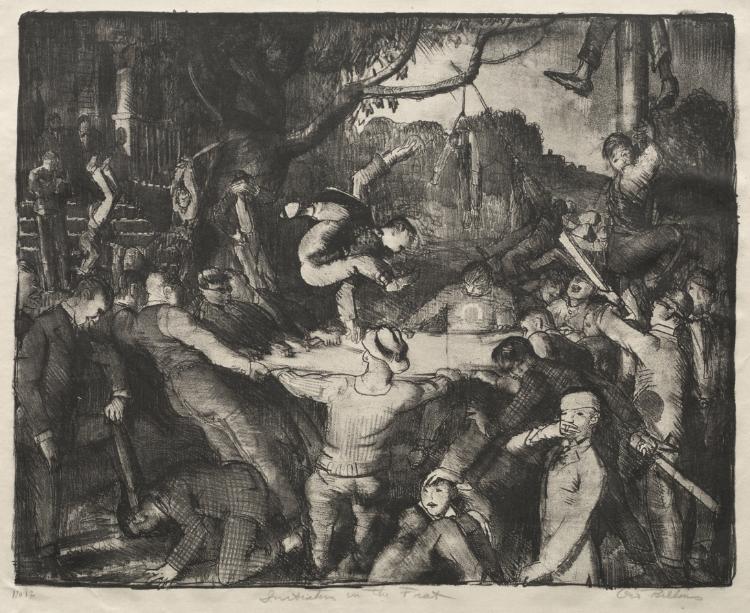
Jean Louis Forain, whose sardonic eye for Parisian café society made him a fixture at Le Figaro and Le Courrier français, sits at a different register entirely, sharper and more satirical, but equally essential to understanding how artists processed the social theater of the Third Republic.", "George Bellows occupies a singular place in American art and in this conversation. His boxing paintings are the works that draw headlines, but his social scenes carry equal force. The paintings of rooftops, riverside gatherings, and crowded urban spaces from the 1910s feel startlingly contemporary in the way they capture the texture of collective life in a city under pressure.
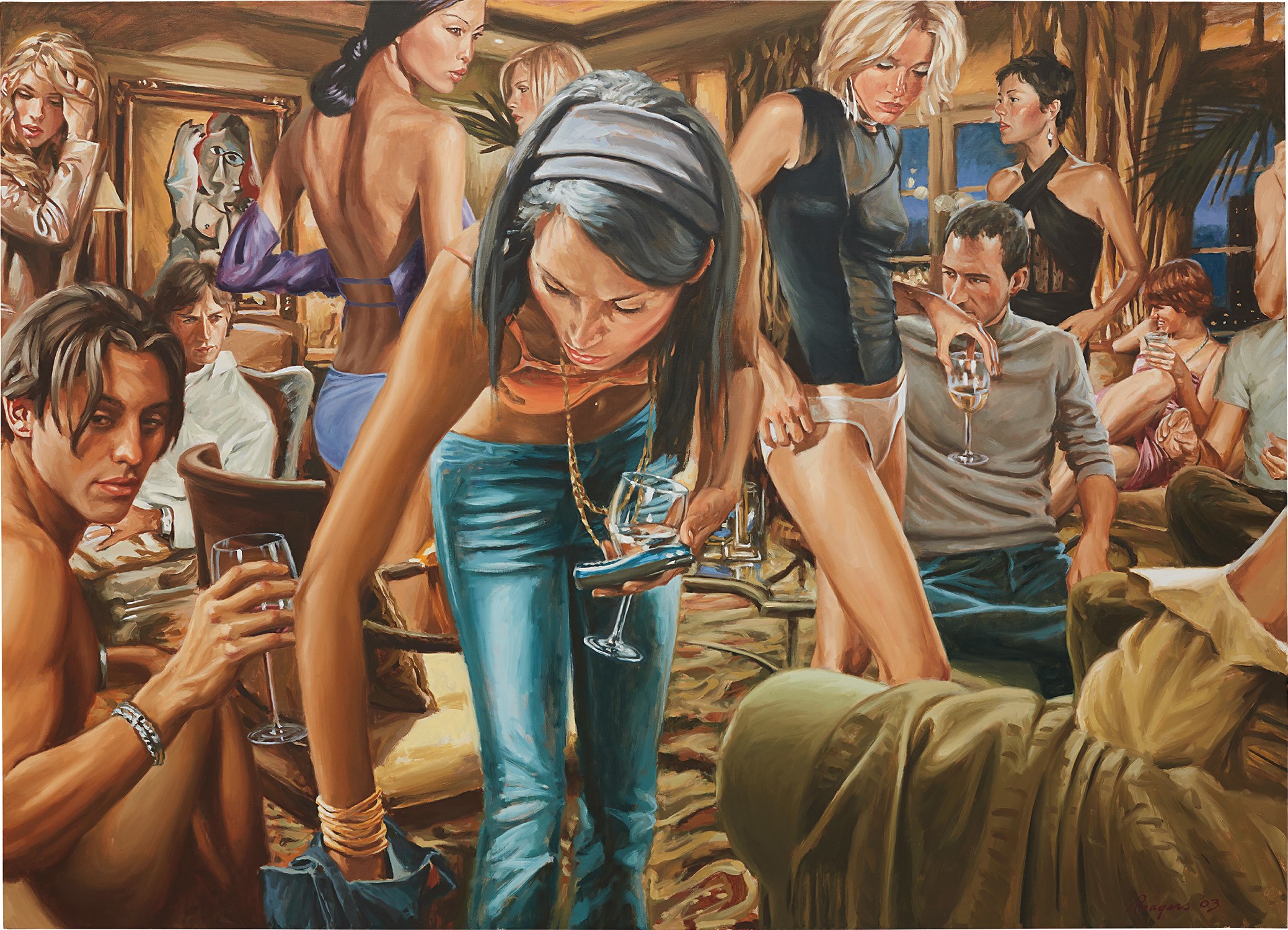
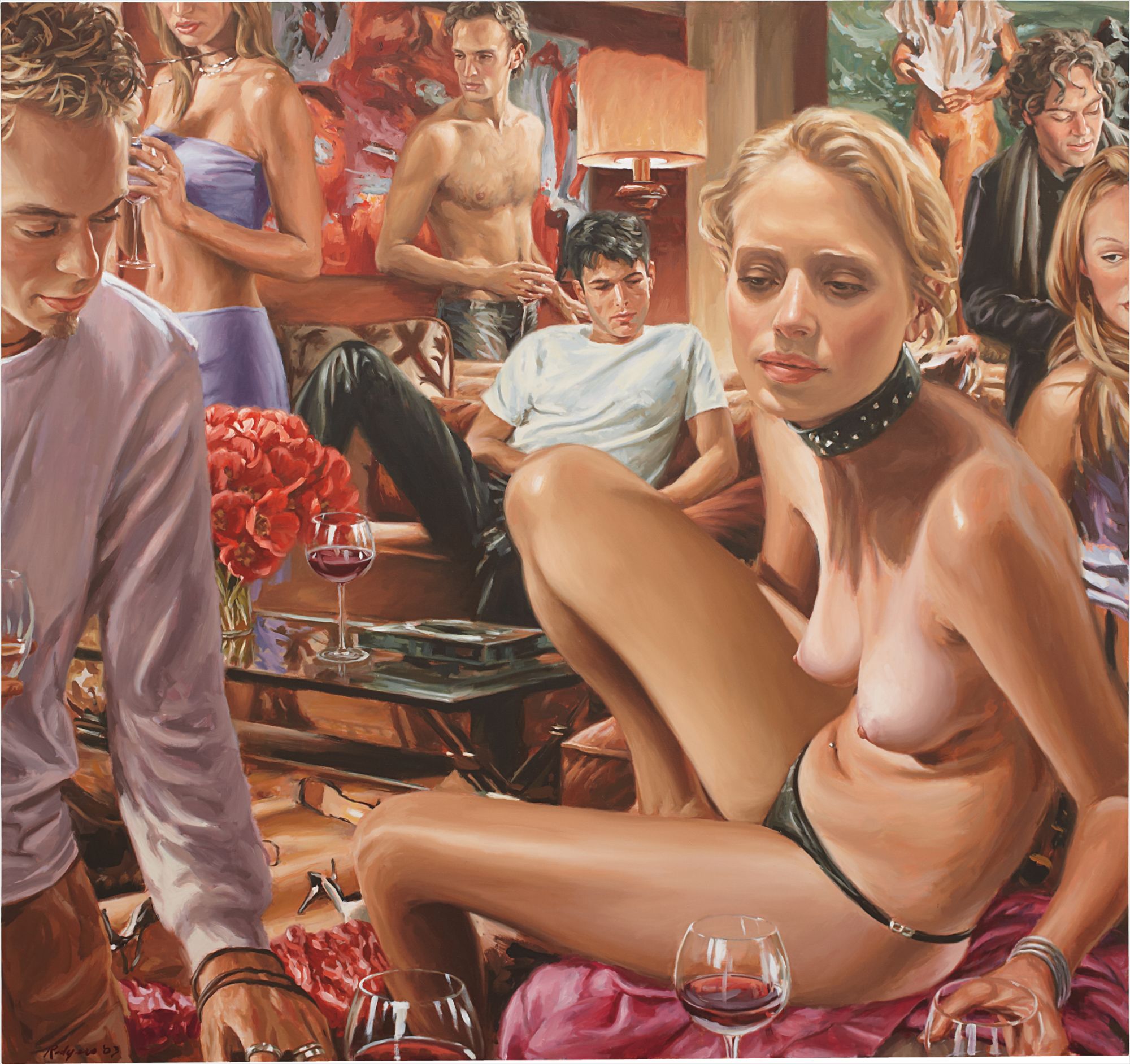
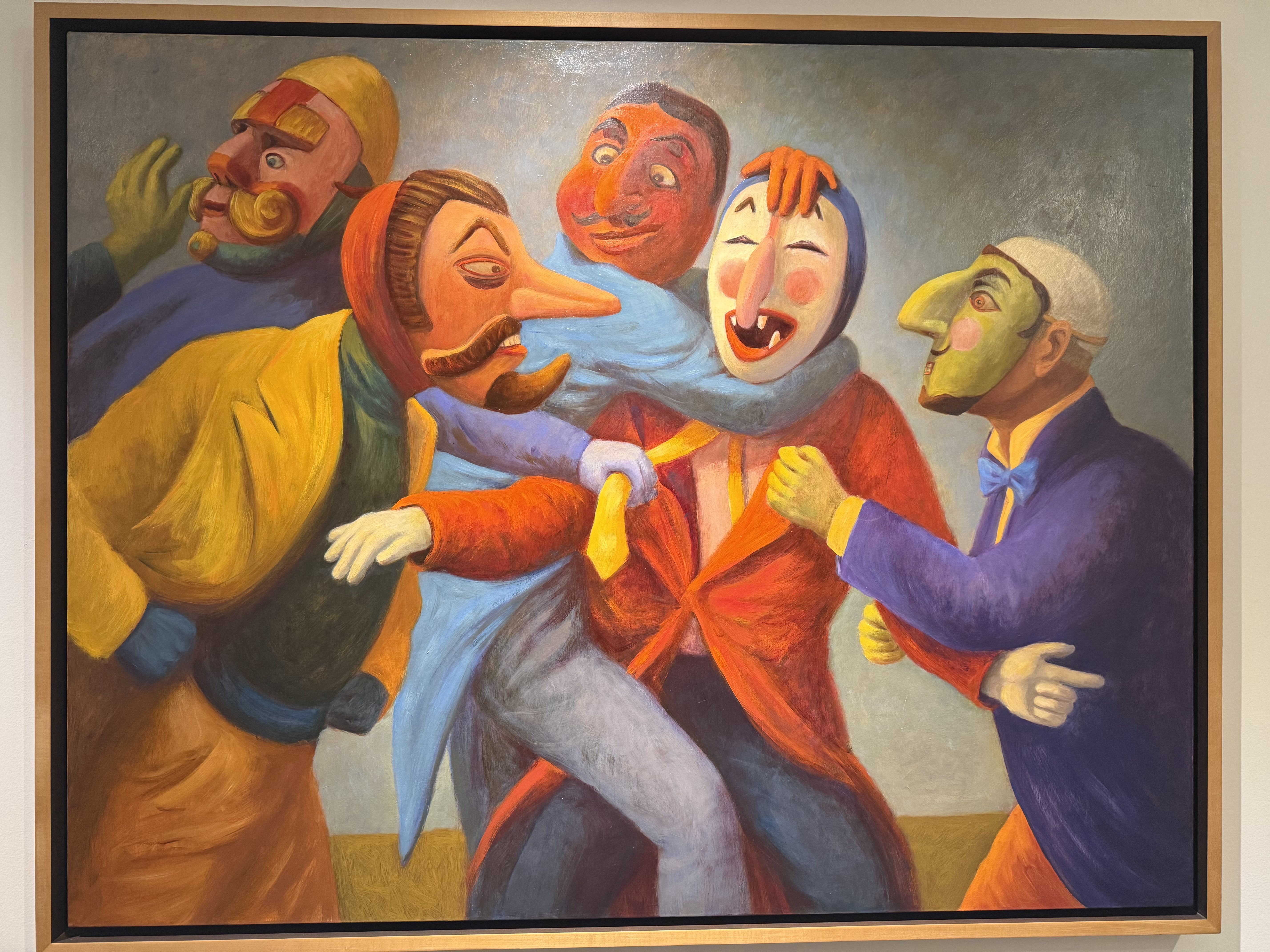
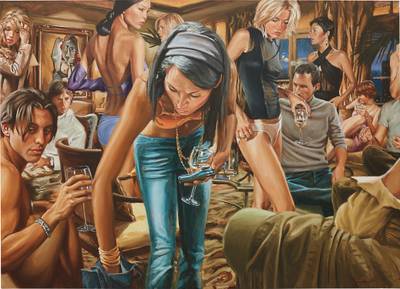
Terry Rodgers
The Uncertainty Principle, 2003
Christie's New York has handled significant Bellows works in recent sale cycles, and the sustained institutional interest, from the Metropolitan to the National Gallery of Art, keeps his reputation anchored at the highest level. When a Bellows appears at auction with strong provenance, collectors pay attention.", "Terry Rodgers approaches the social scene from a very different angle and the contrast is instructive. His large scale paintings of affluent parties frozen in a kind of gorgeous, unnerving stasis brought him genuine critical attention in the 2000s, and while his market never reached the stratospheric levels of the historical masters alongside whom he is sometimes shown, his work continues to provoke exactly the kind of conversation that keeps a painter relevant.
There is something in Rodgers that speaks directly to the anxiety running beneath contemporary leisure, the sense that the party is always slightly wrong, that the smiles are working too hard. That psychological undertow is what links him, improbably but genuinely, to Toulouse Lautrec and to Jules Pascin, whose scenes of Montparnasse café life in the 1920s were similarly unsettled beneath their surface charm.", "The museum world has been particularly active in reexamining artists whose social observation crossed cultural and geographic lines. The National Museum of Asian Art's ongoing commitment to presenting works like those of Mai Trung Thu, the Vietnamese painter whose intimate domestic and social scenes blend European training with deeply felt cultural particularity, signals a broader institutional reckoning with what social genre painting looks like outside the Western canon.
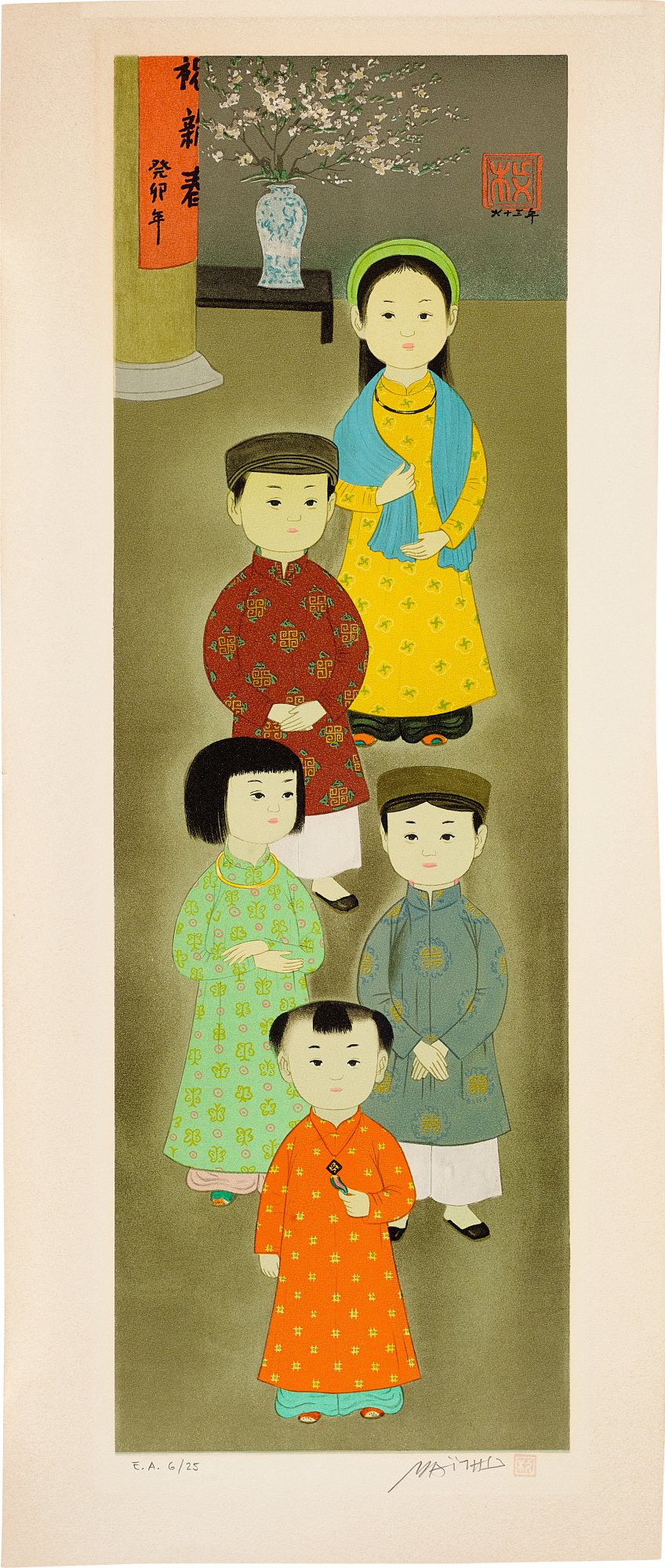
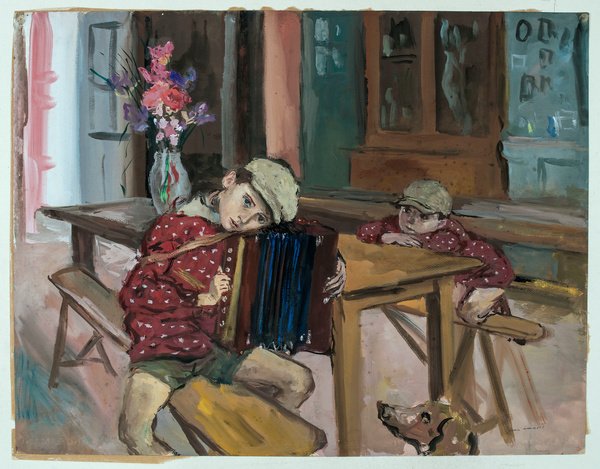
Mai Trung Thu
New year gathering 新年聚會, 1963
Similarly, the renewed attention to photographers like Lisette Model, whose unflinching images of Coney Island and the Côte d'Azur during the 1930s and 1940s put pressure on the viewer's own position in relation to the observed crowd, has refreshed critical thinking about who gets to look and what looking costs.", "The critical literature shaping this moment draws from several directions at once. T.J.
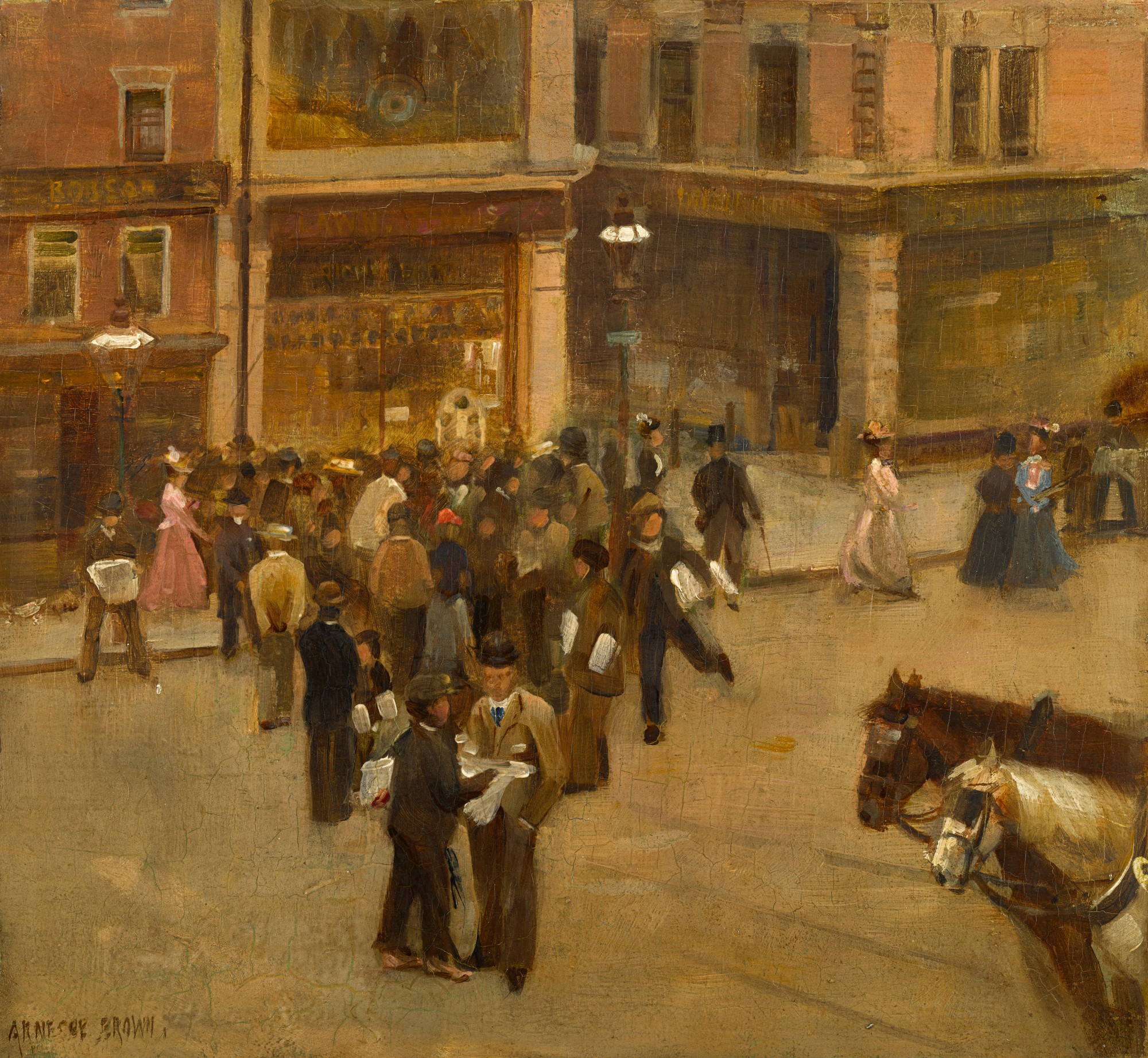
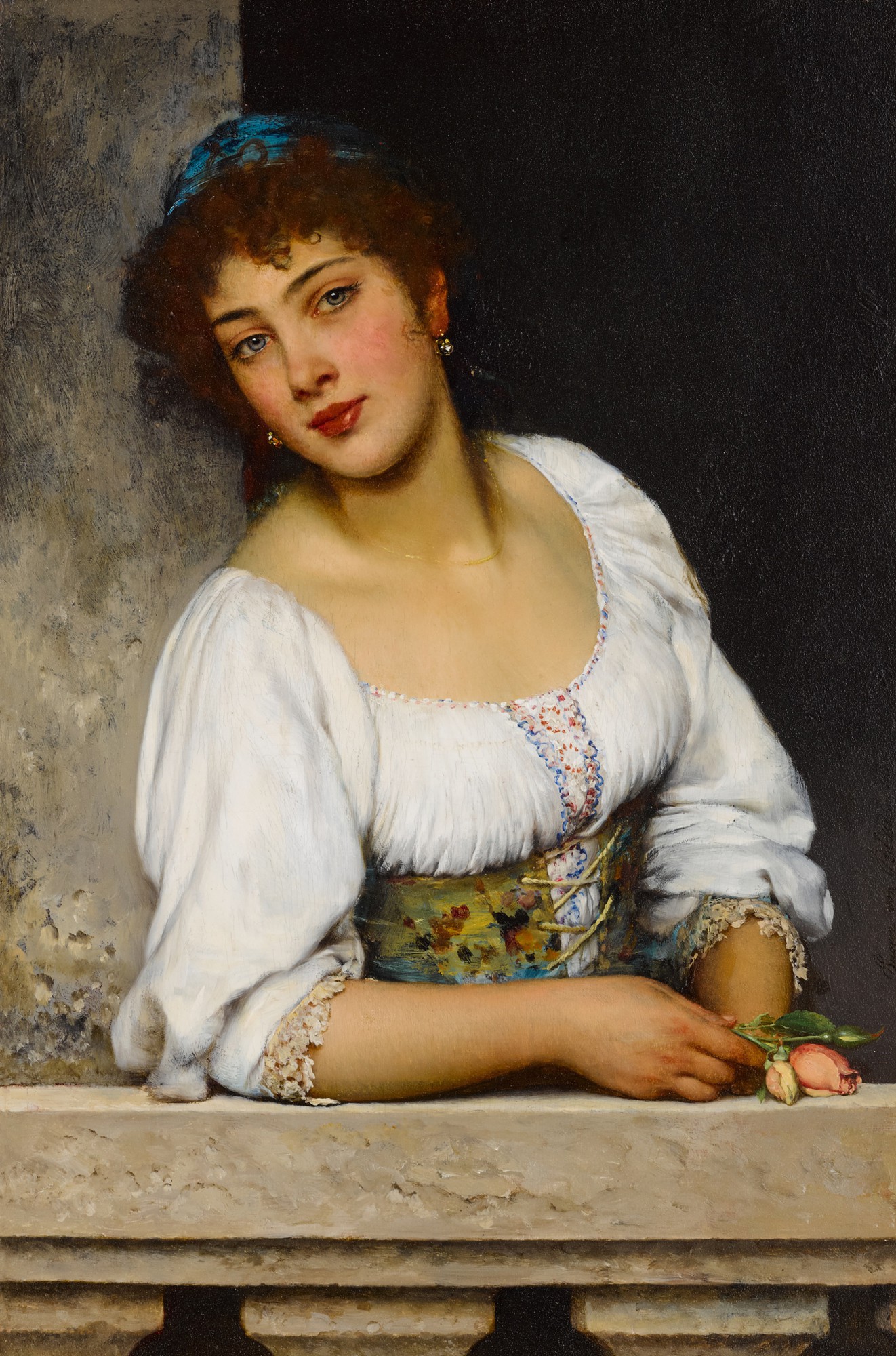
Clark's foundational writing on the painting of modern life remains the gravitational center of any serious discussion of Impressionist social scenes, but younger critics writing in Frieze, The Burlington Magazine, and Artforum have been expanding that framework considerably. Essays in recent years have pushed back against the tendency to read social genre painting as passive documentation, arguing instead for the active, often destabilizing intelligence at work in artists from Eugen von Blaas to Jules Chéret, the latter whose poster art for the Folies Bergère essentially invented a modern visual language for public festivity. The conversation now feels genuinely interdisciplinary, drawing on sociology, gender studies, and postcolonial theory without losing sight of formal analysis.", "Where the energy is heading feels clear to anyone watching closely.
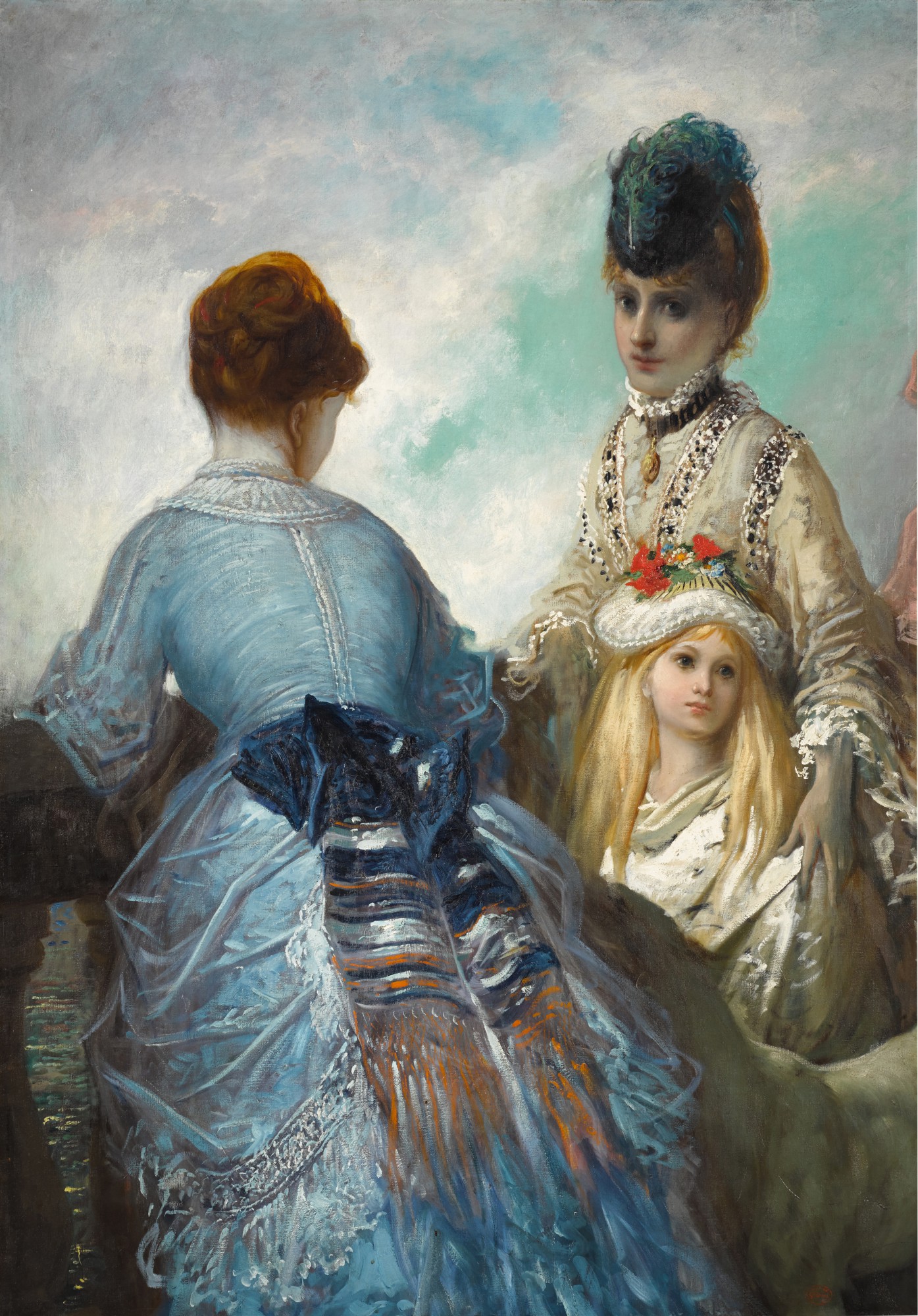
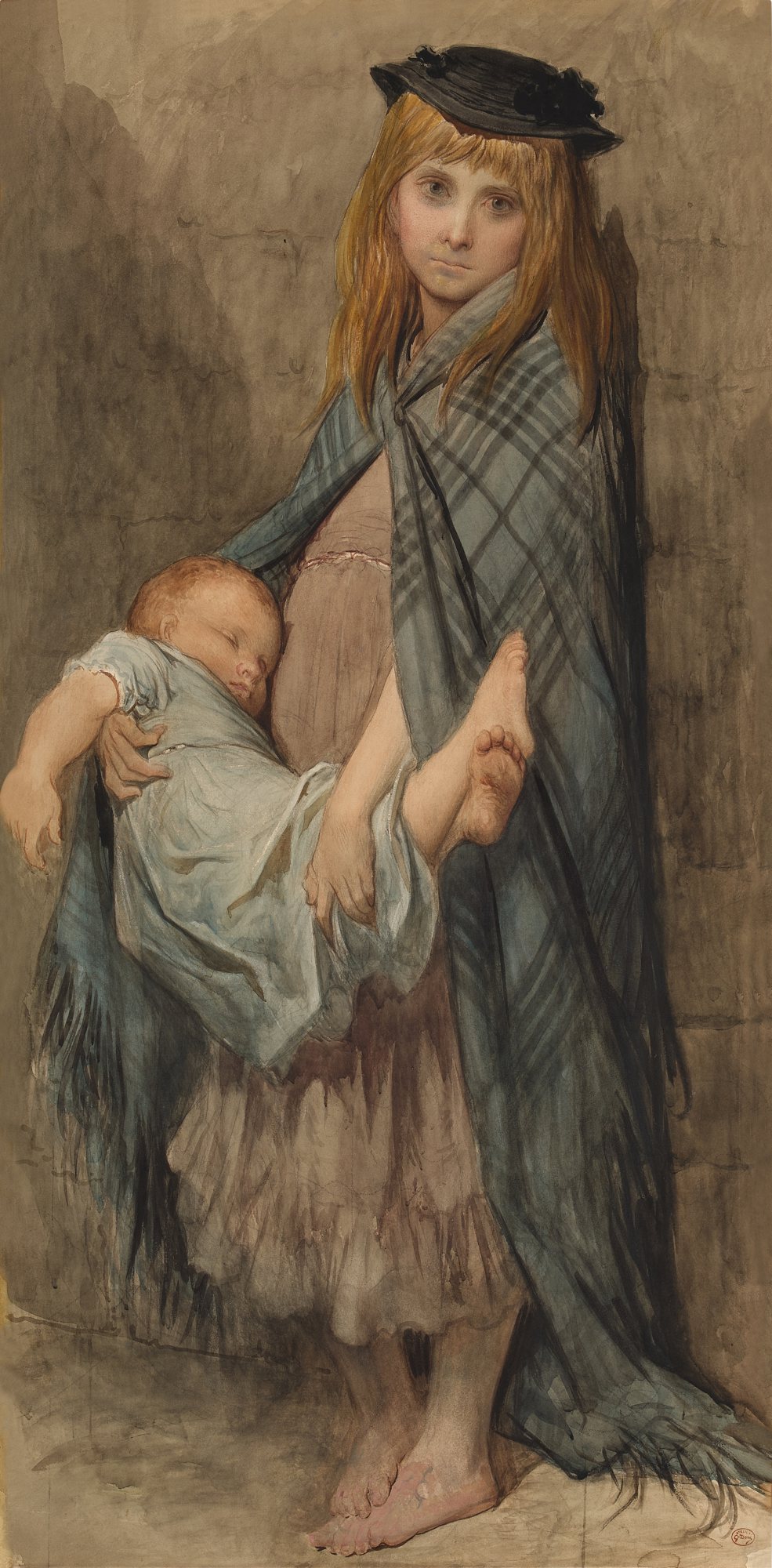
Gustave Doré
La Promenade
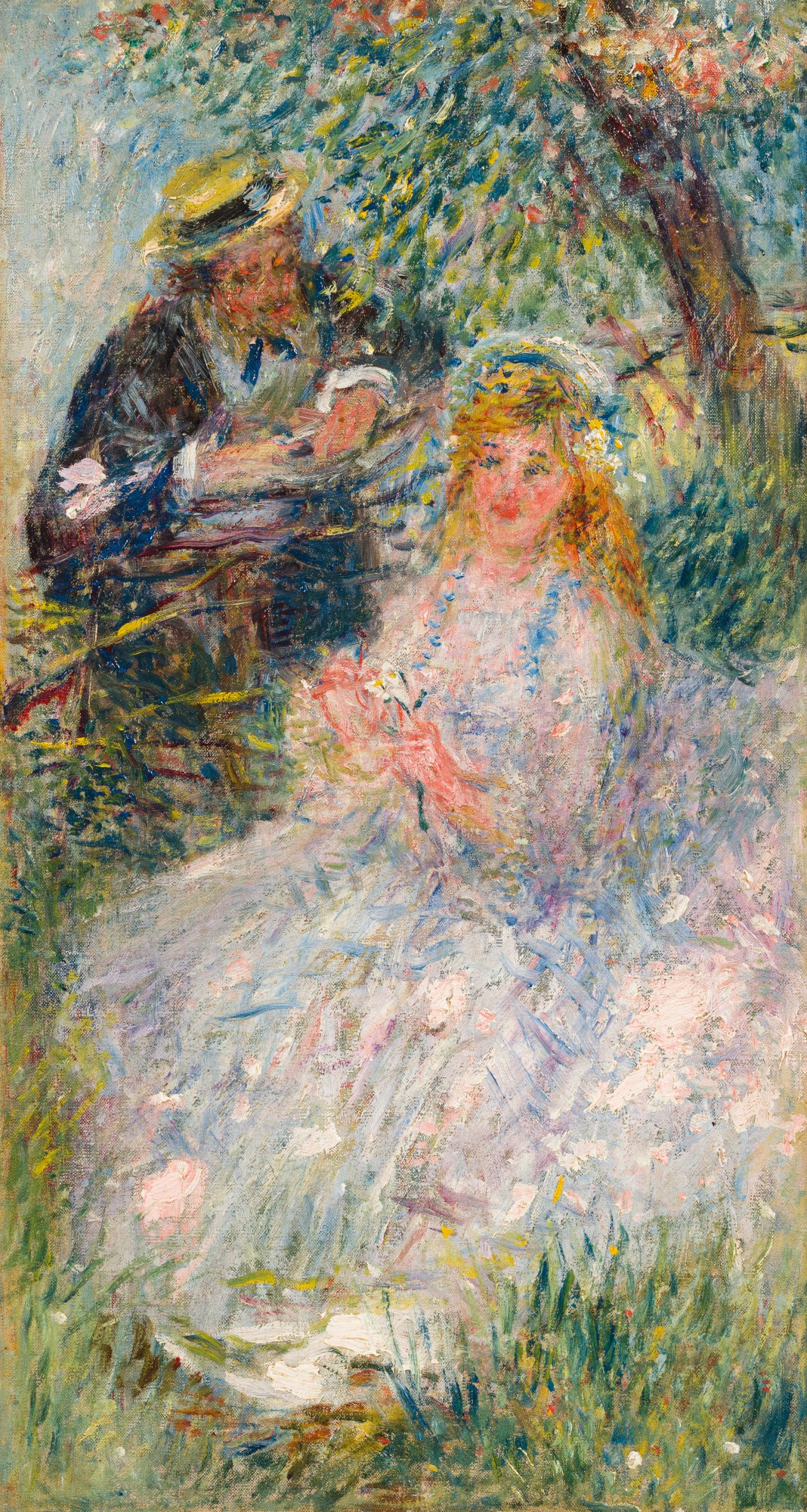
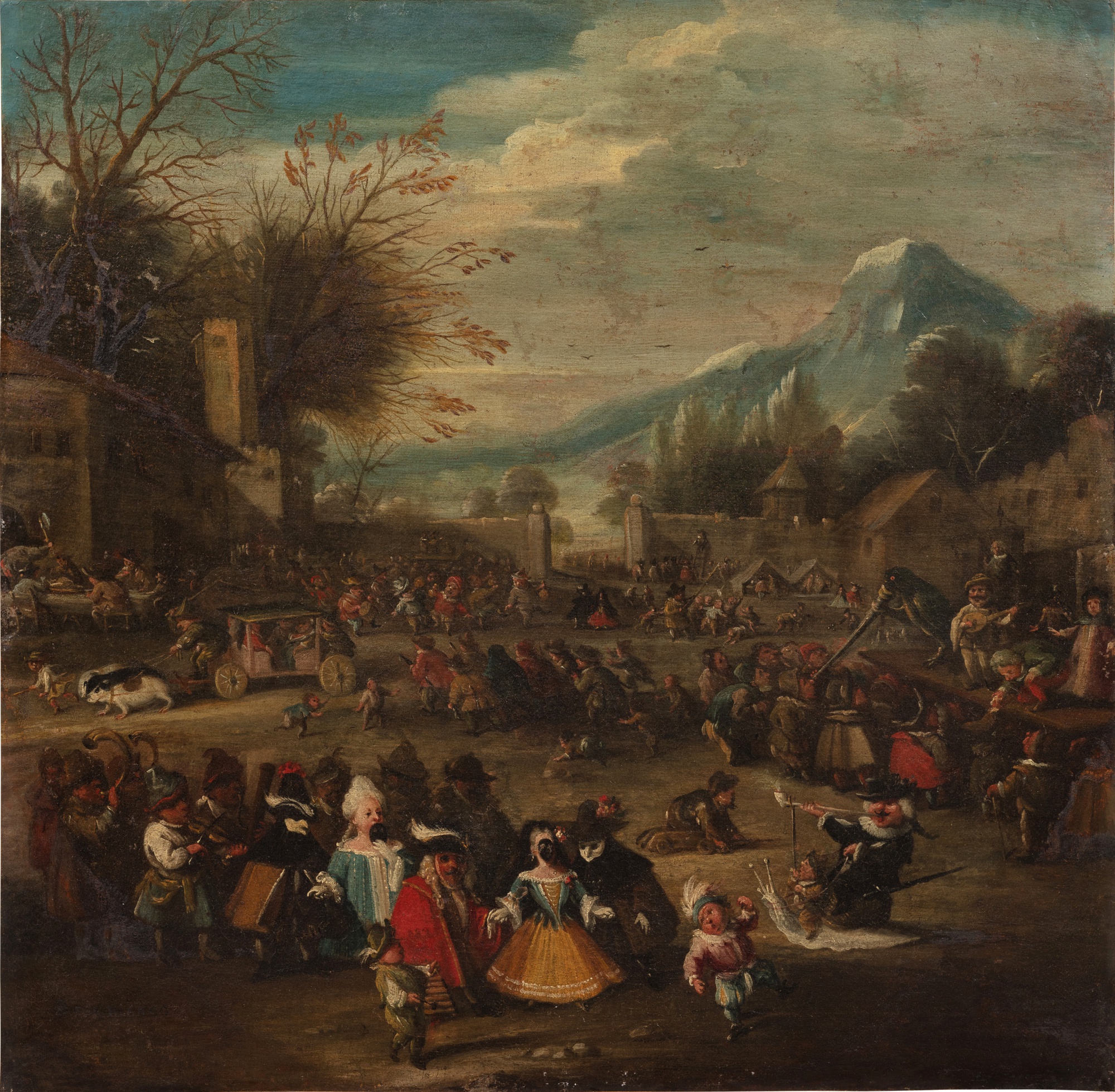
Collectors are hungry for social scene works that complicate the pleasure they offer, paintings and photographs and prints that deliver visual delight while insisting that the viewer engage with questions of class, race, gender, and the mechanics of exclusion operating within any gathering of people. The works of Jean Launois, whose Orientalist paintings of North African social life sit uneasily at the intersection of beauty and appropriation, are being reassessed with exactly that complexity in mind. Pierre Auguste Renoir's café and garden scenes, once the very definition of accessible impressionism, are being reread through more searching eyes as scholars and curators look harder at who is present, who is absent, and what the light is actually doing. The social scene as category is not settling into comfortable consensus.
It is opening up, and that is precisely what makes it so compelling to collect right now.