Lisette Model
“
14
Works
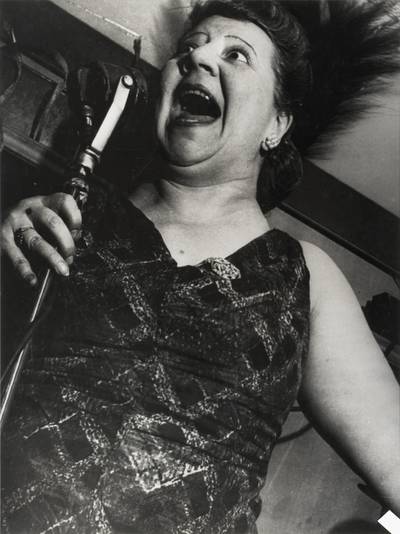
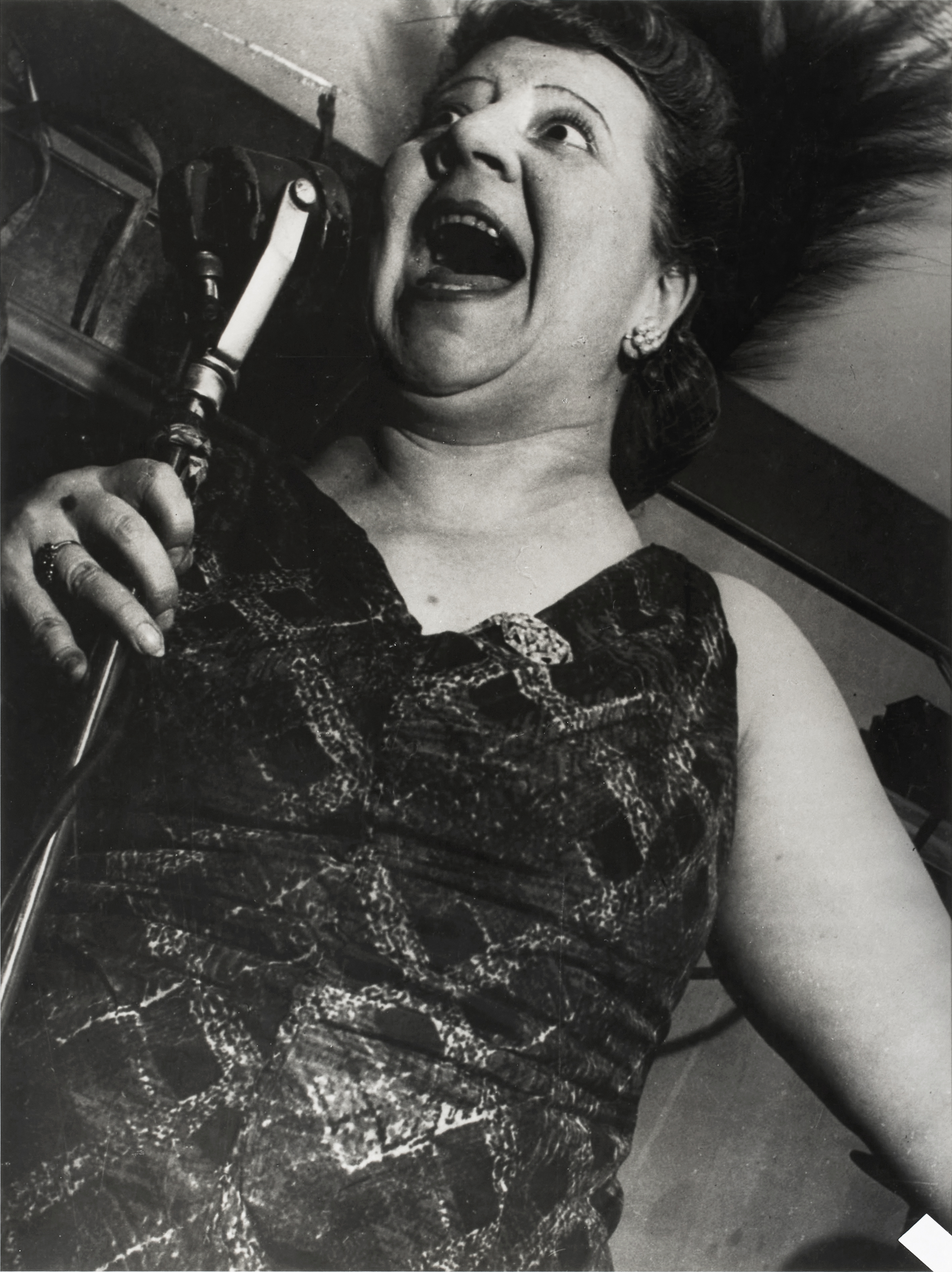
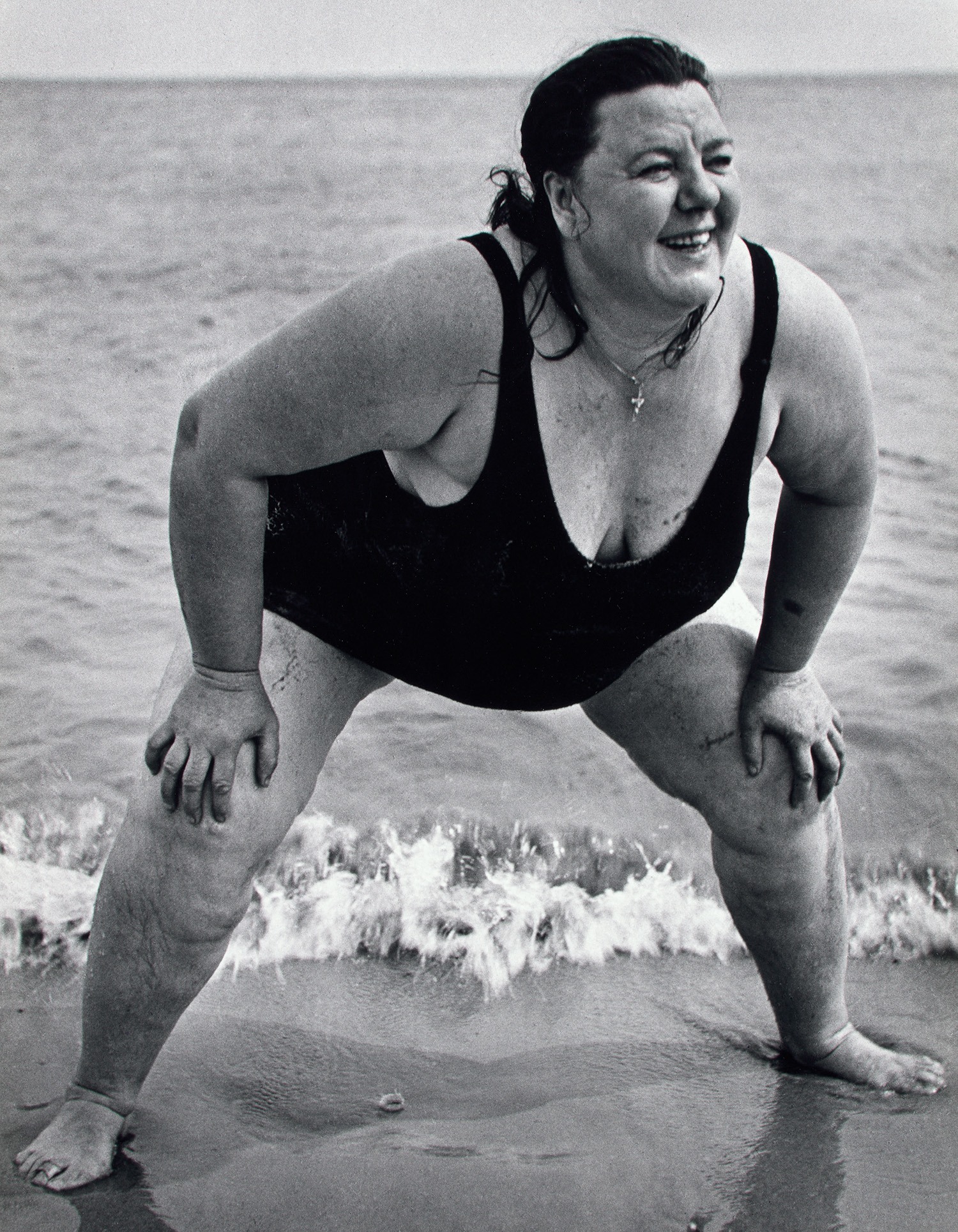
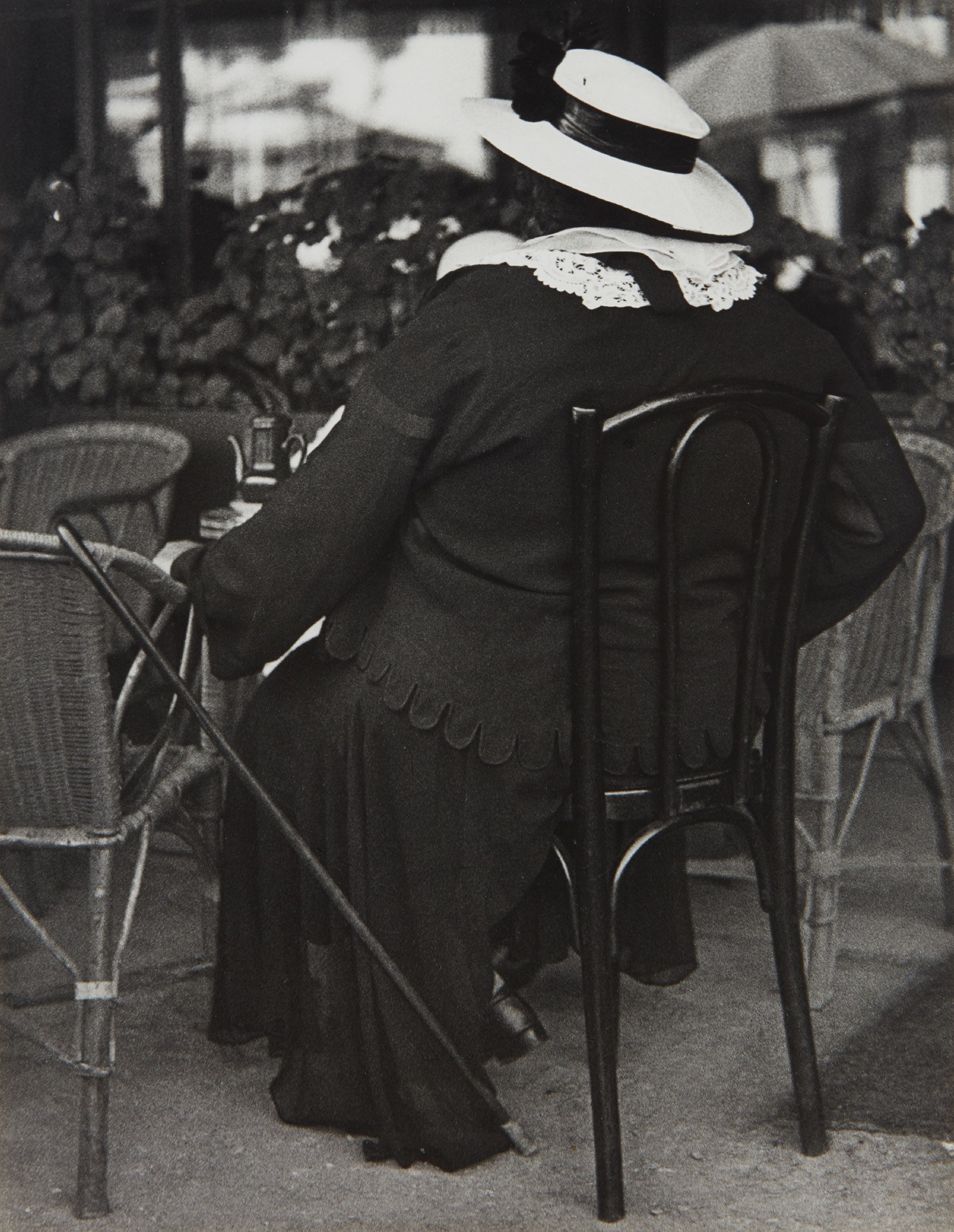
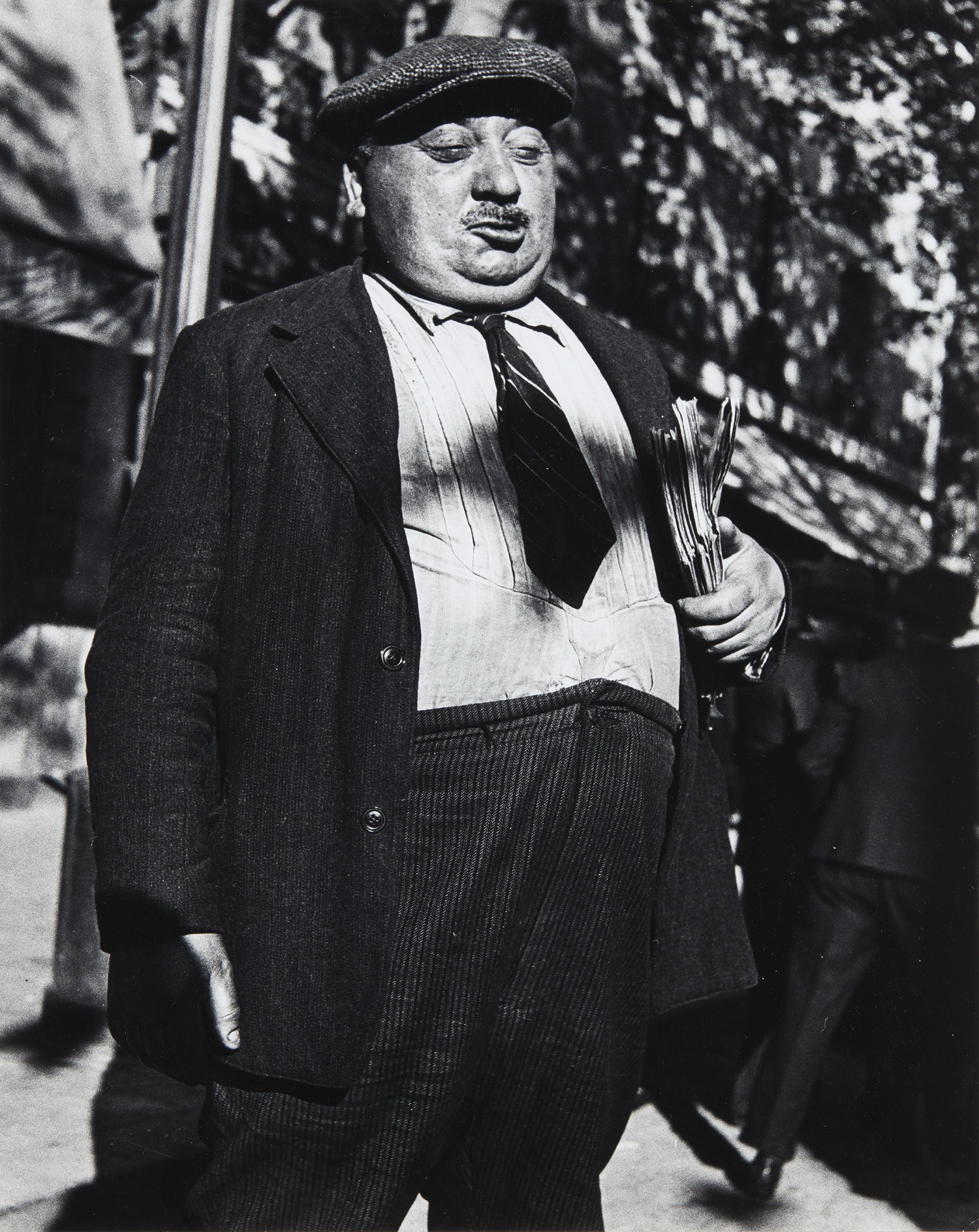
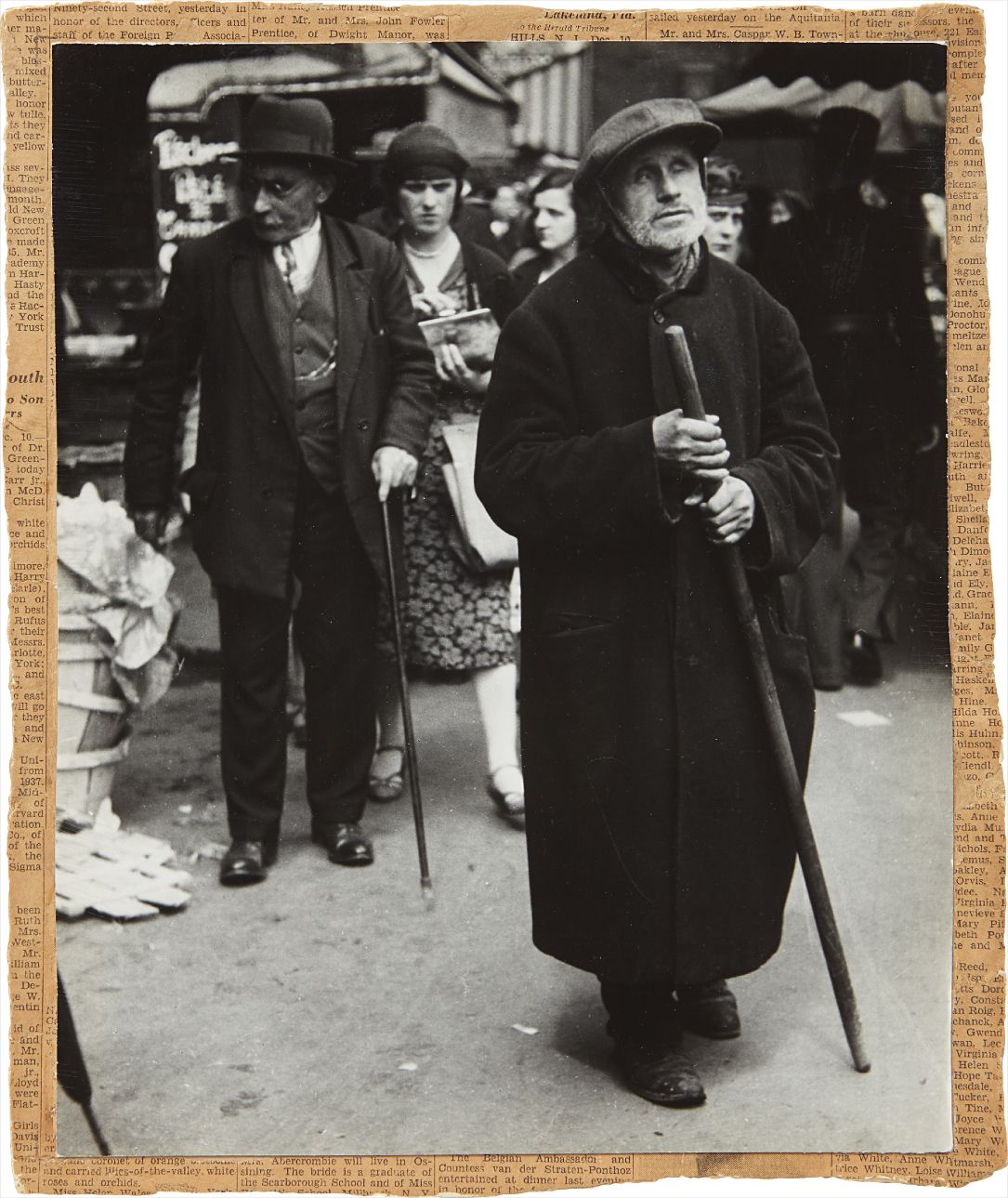
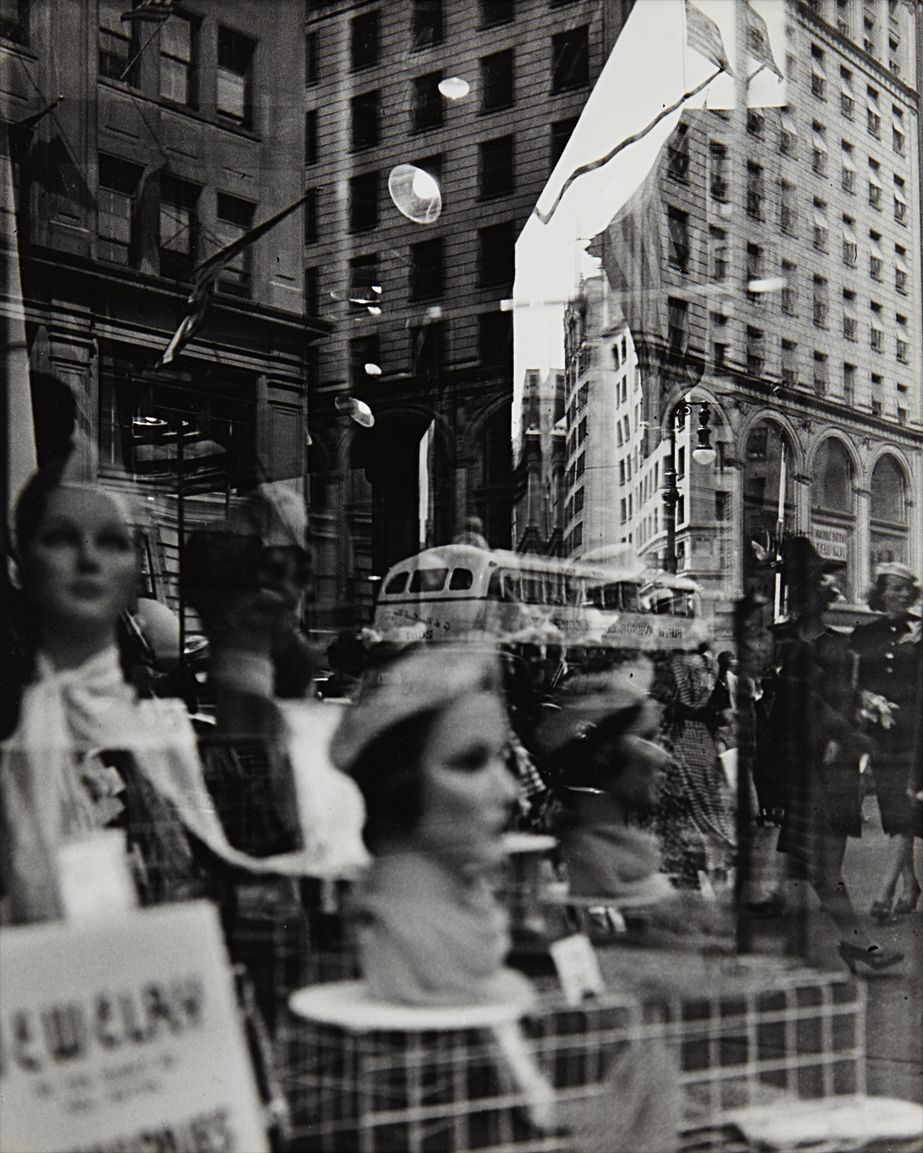
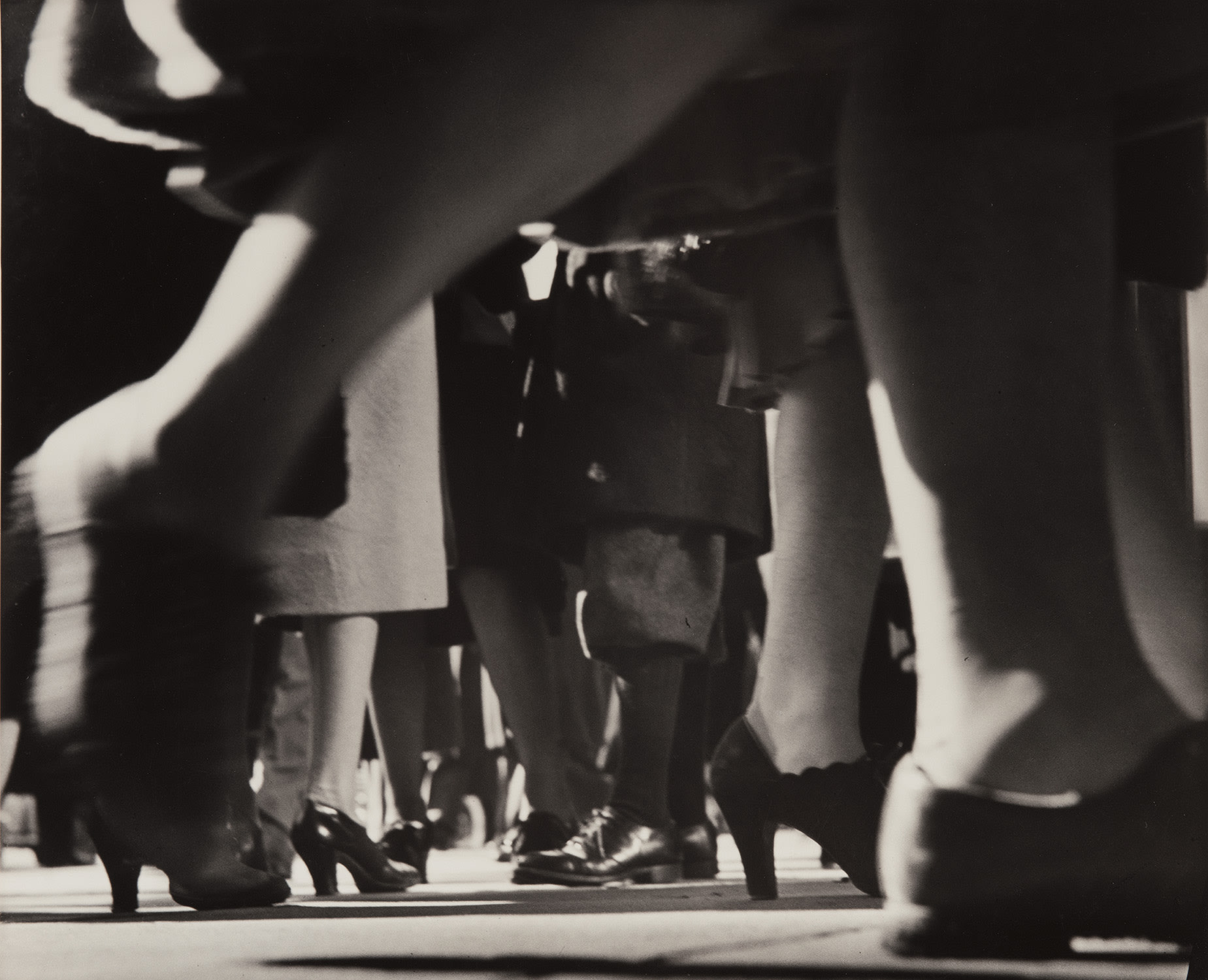
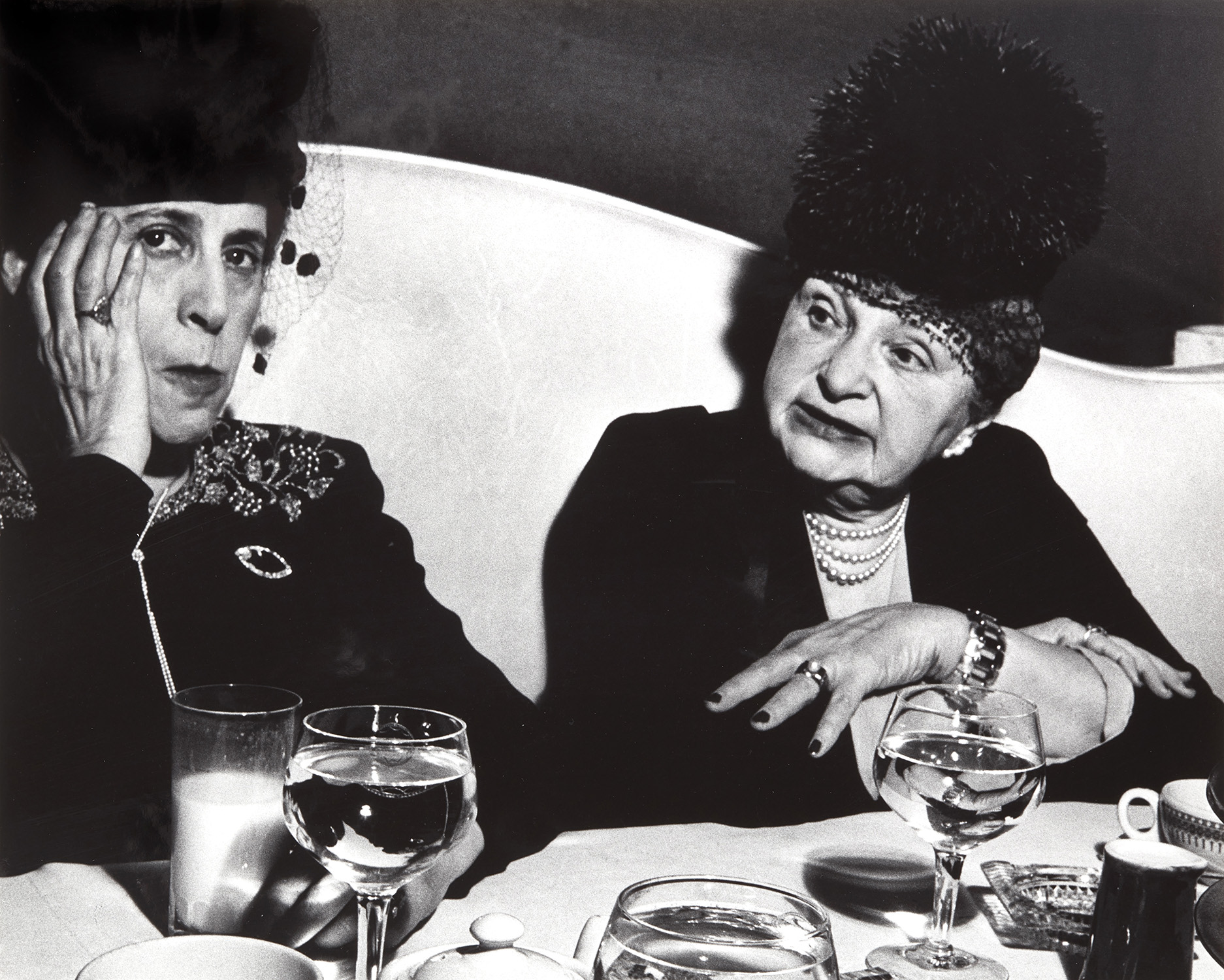
Lisette Model was an Austrian-born American photographer renowned for her bold, unflinching street photography that captured the raw essence of urban life with psychological intensity and social commentary. Born Elise Amelie Felicie Stern in Vienna to an affluent Jewish family, she initially studied music with Arnold Schoenberg before turning to photography in Paris in the 1930s. Her early work along the Promenade des Anglais in Nice, where she photographed wealthy casino-goers and beachfront society with an unsparingly direct approach, established her distinctive style: close-cropped compositions, dramatic contrasts, and an almost confrontational engagement with her subjects that revealed both vulnerability and grotesquerie in human nature. After emigrating to New York in 1938 with her husband, painter Evsa Model, she became a significant figure in American photography, working for publications like Harper's Bazaar and PM Weekly. Her photographs of New York's Lower East Side, jazz musicians, circus performers, and marginalized communities demonstrated her profound empathy for outsiders while maintaining an uncompromising aesthetic vision. Model's work anticipated and influenced street photography's development, rejecting the formal perfectionism of earlier generations in favor of emotional truth and visual immediacy. Her photographs often featured unusual angles, stark lighting, and an embrace of grain and blur that emphasized psychological presence over technical refinement. Model's legacy extends powerfully through her teaching, most notably at the New School for Social Research in New York, where she mentored Diane Arbus, Larry Fink, and numerous other influential photographers from 1951 until the late 1970s. Her pedagogical philosophy encouraged students to photograph what emotionally compelled them, emphasizing intuition and personal vision over technical rules. Her work has been exhibited at the Museum of Modern Art, the National Gallery of Canada, and major institutions worldwide, and is recognized as foundational to postwar American photography's humanist and subjective turn. Model's fearless approach to her subjects and her insistence on photography as a medium of psychological revelation rather than mere documentation secured her position as one of the twentieth century's most important photographic artists.
Artists in conversation