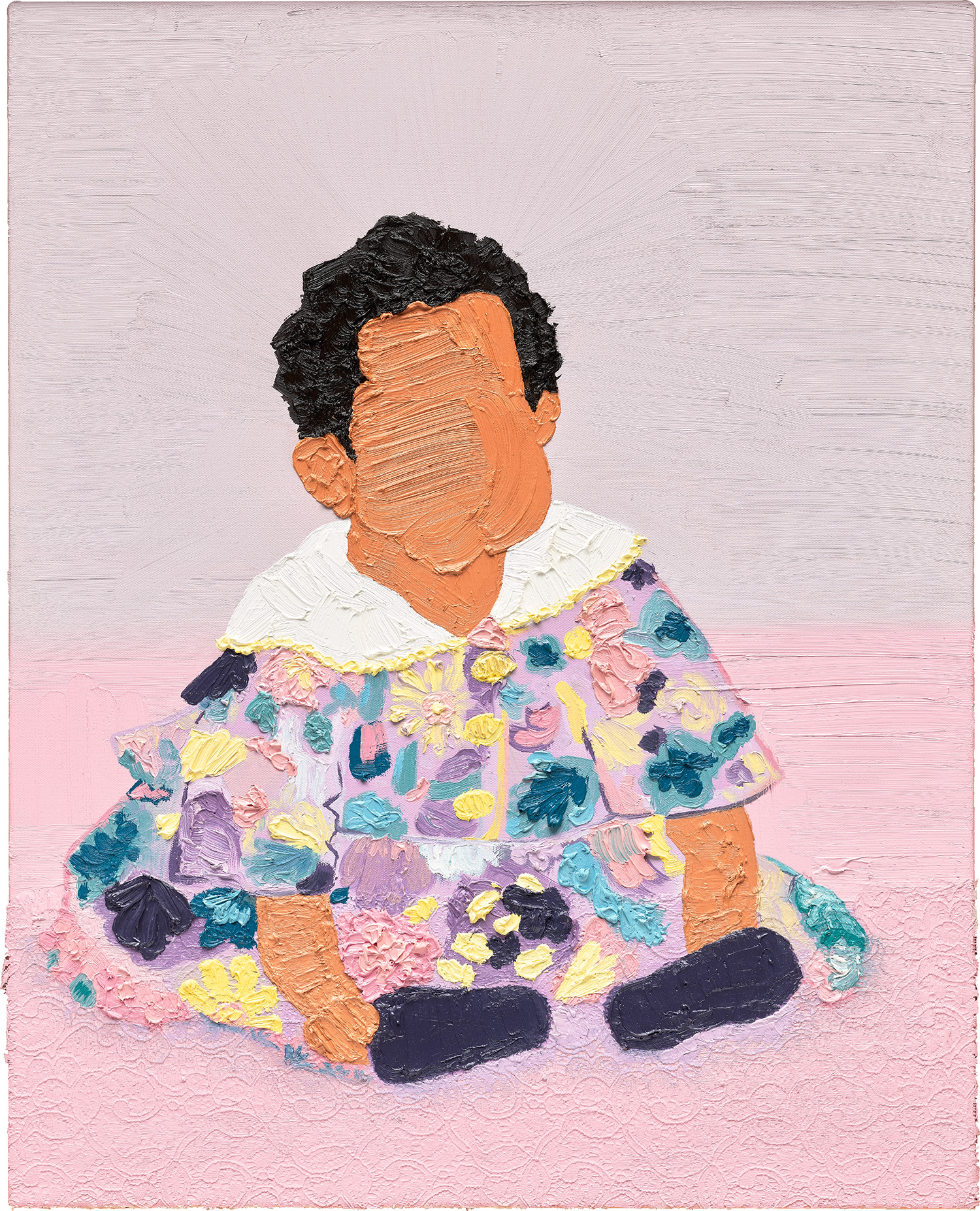
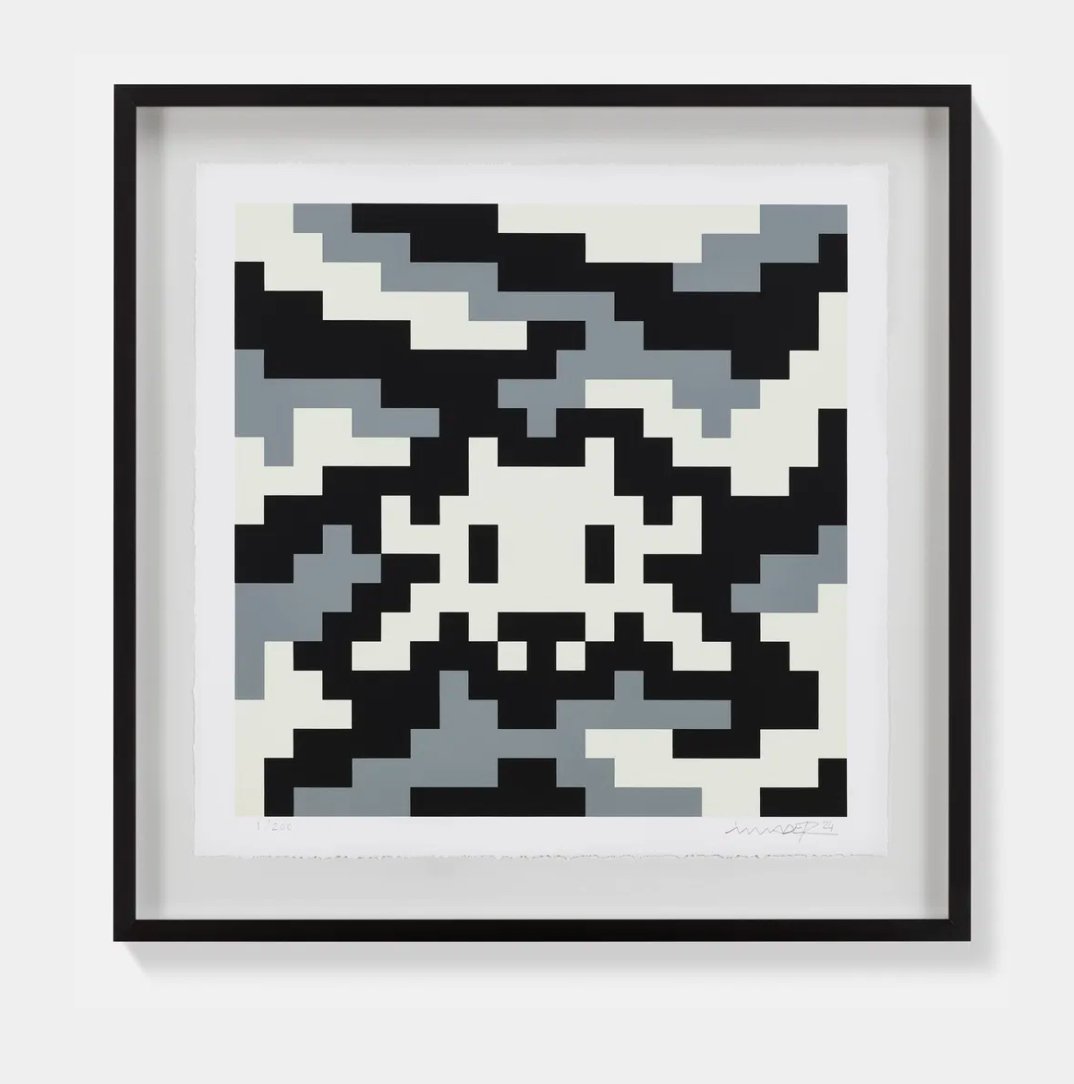
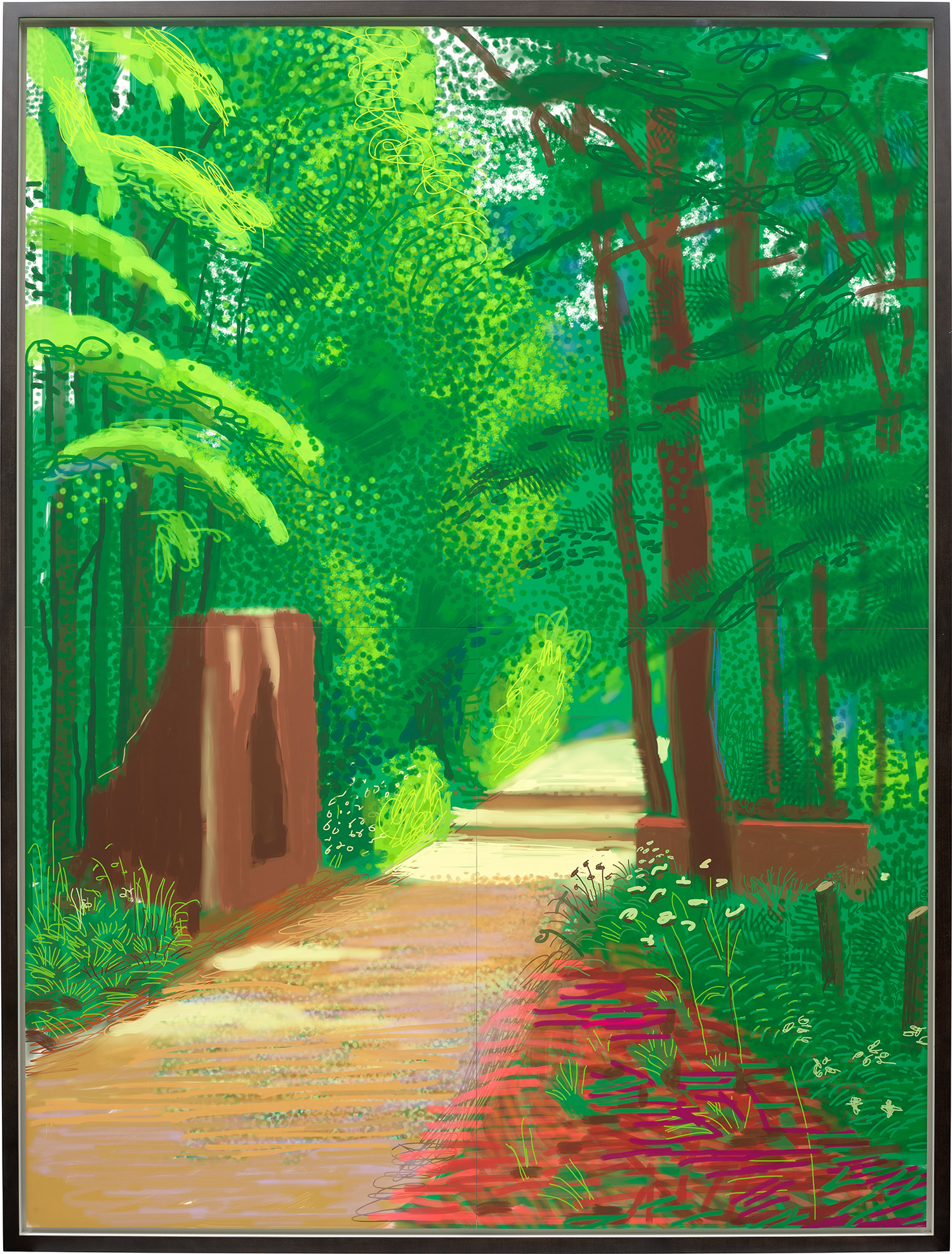
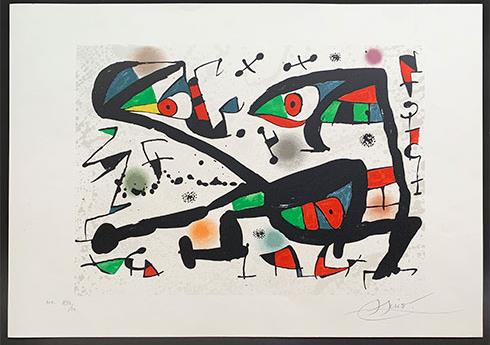
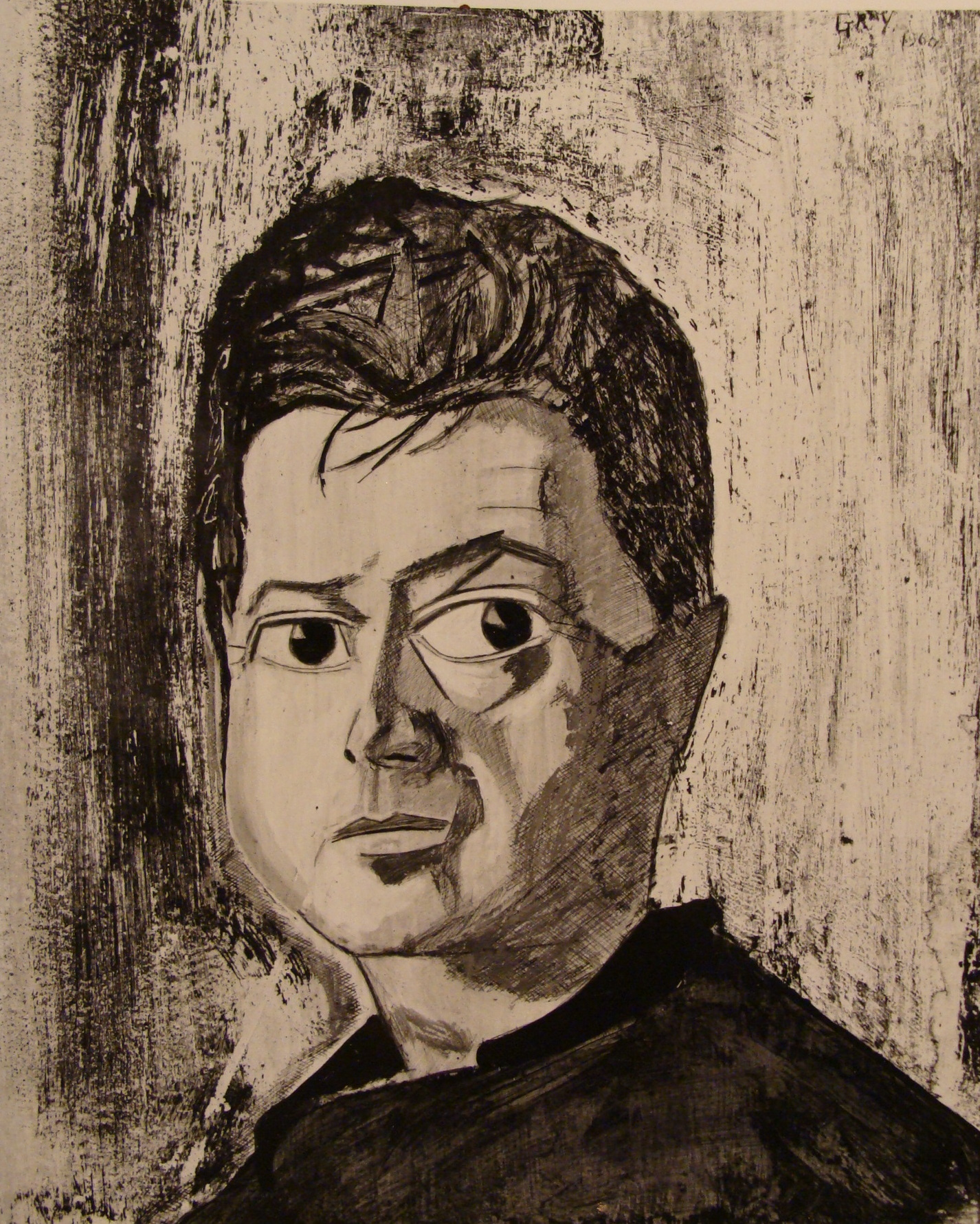
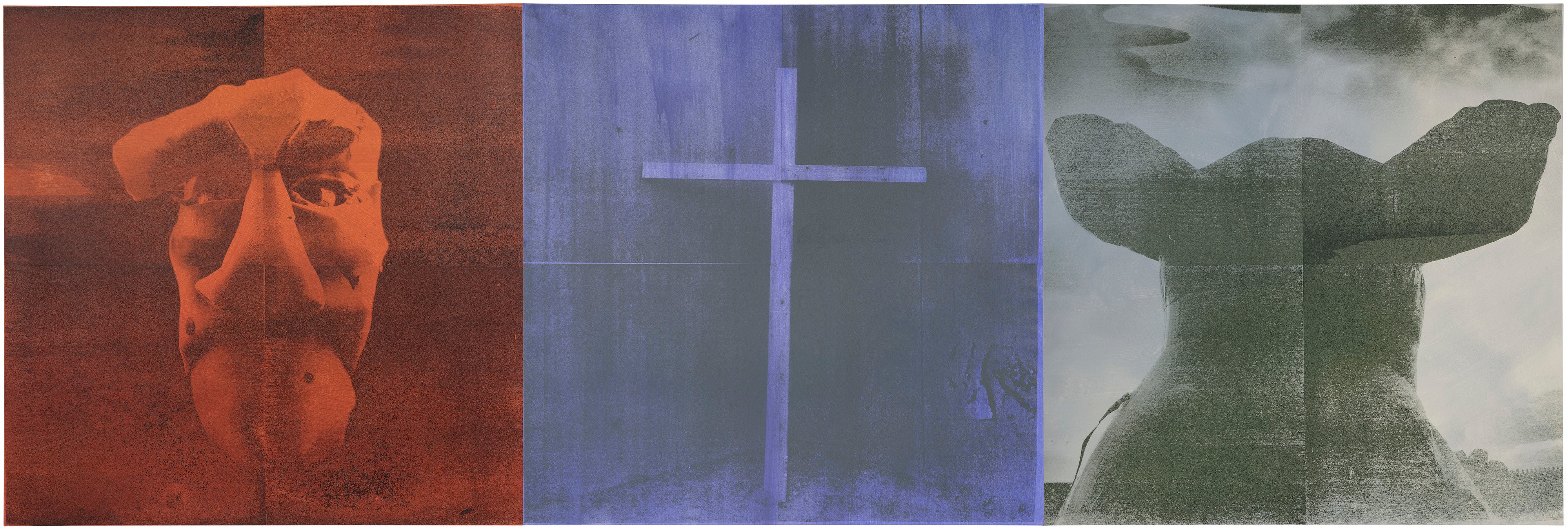
Self-Portrait
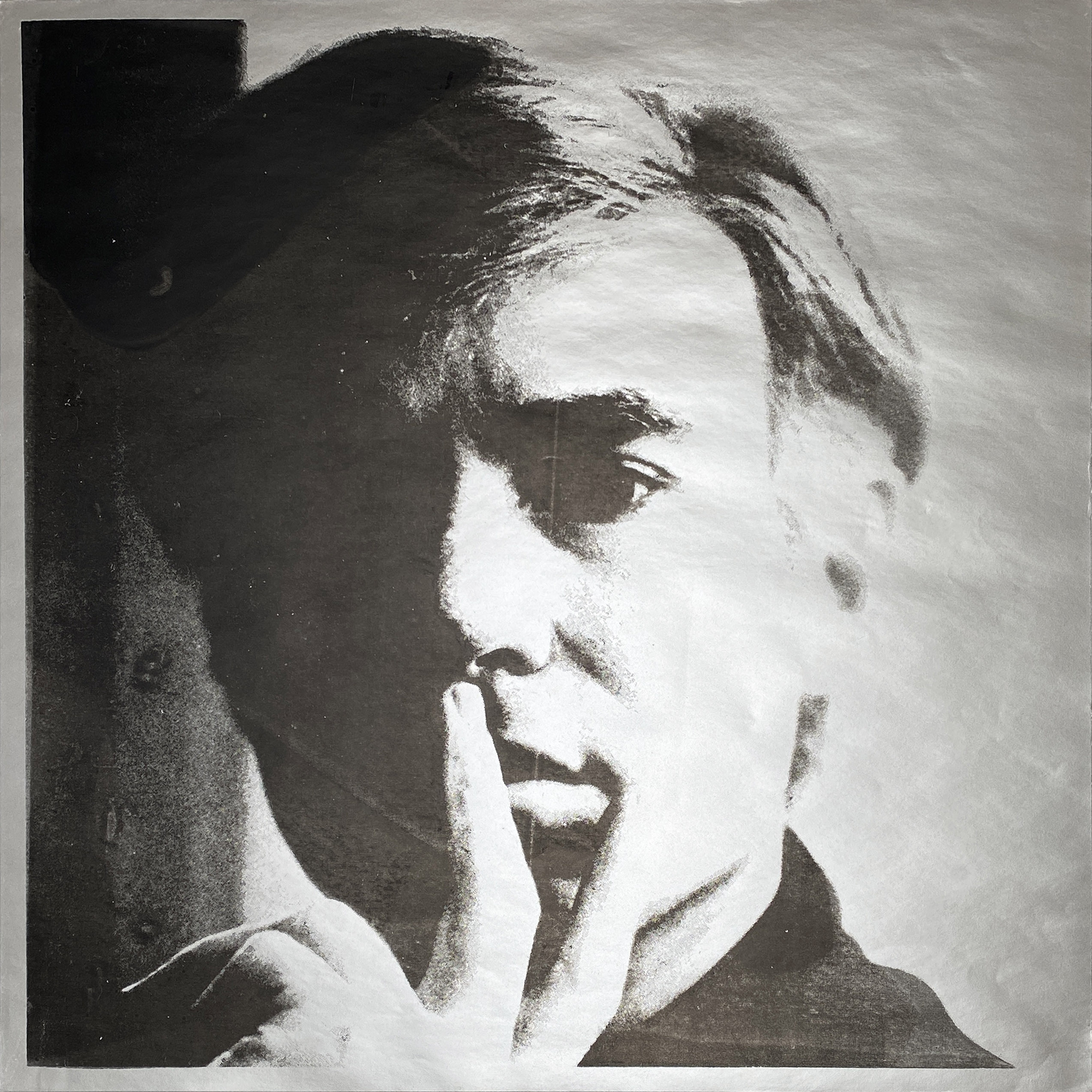
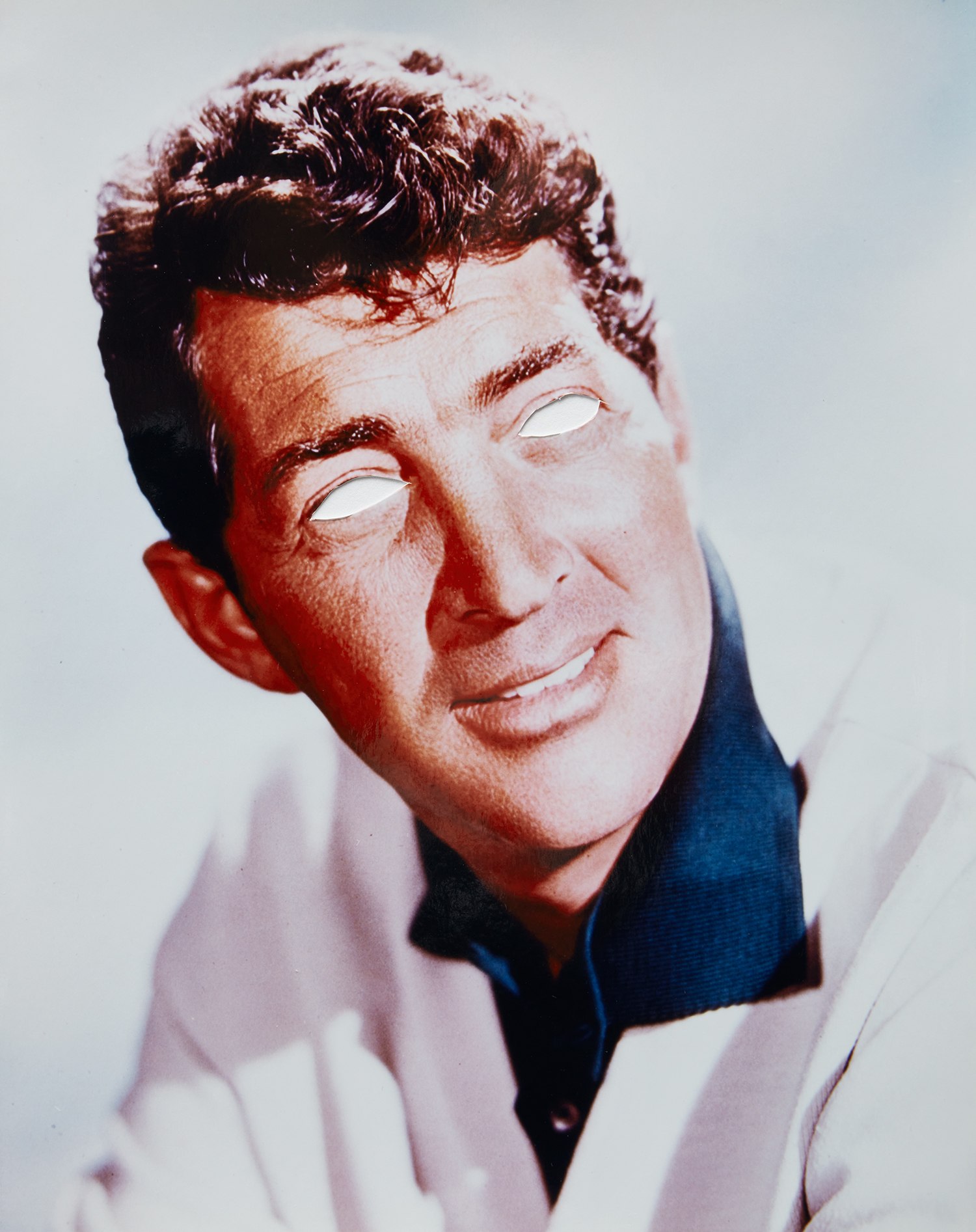
Andy Warhol
Self-Portrait II.16, 1966
The Mirror Lies: Self-Portrait Reimagined
At Christie's New York in November 2022, a Cindy Sherman Untitled Film Still sold for well above its high estimate, a reminder that the market for self portraiture, broadly understood, has never felt more urgent or more contested. It was not simply the price that arrested attention but what the room's appetite signaled: that images of the self, mediated, performed, and deliberately unstable, occupy a place at the very center of contemporary collecting. When a photograph of someone pretending to be someone else commands that kind of money, you know the cultural conversation has fundamentally shifted. The self portrait is perhaps the oldest sustained genre in Western art, but the past decade has transformed both its critical standing and its commercial heat.
Museum programs have reflected this shift with unusual consistency. The National Portrait Gallery in London mounted surveys that pushed well beyond painting into photography and video, while the Stedelijk in Amsterdam and the Pompidou in Paris have each revisited their permanent collection hangs to foreground artists who use their own bodies as the primary site of inquiry. These institutional moves are not curatorial whim. They reflect a genuine recalibration of what portraiture means when identity itself is understood as constructed, fluid, and politically charged.
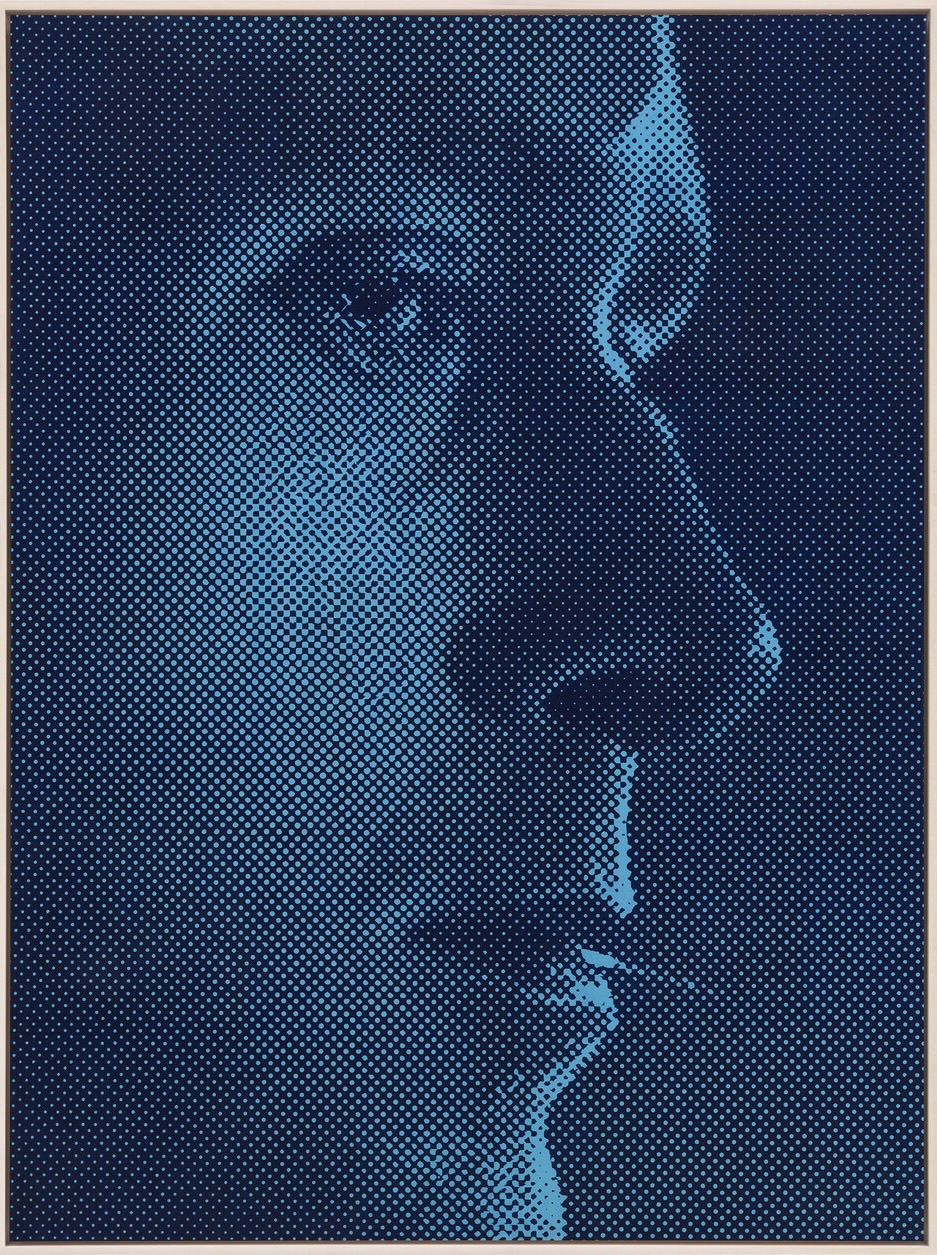
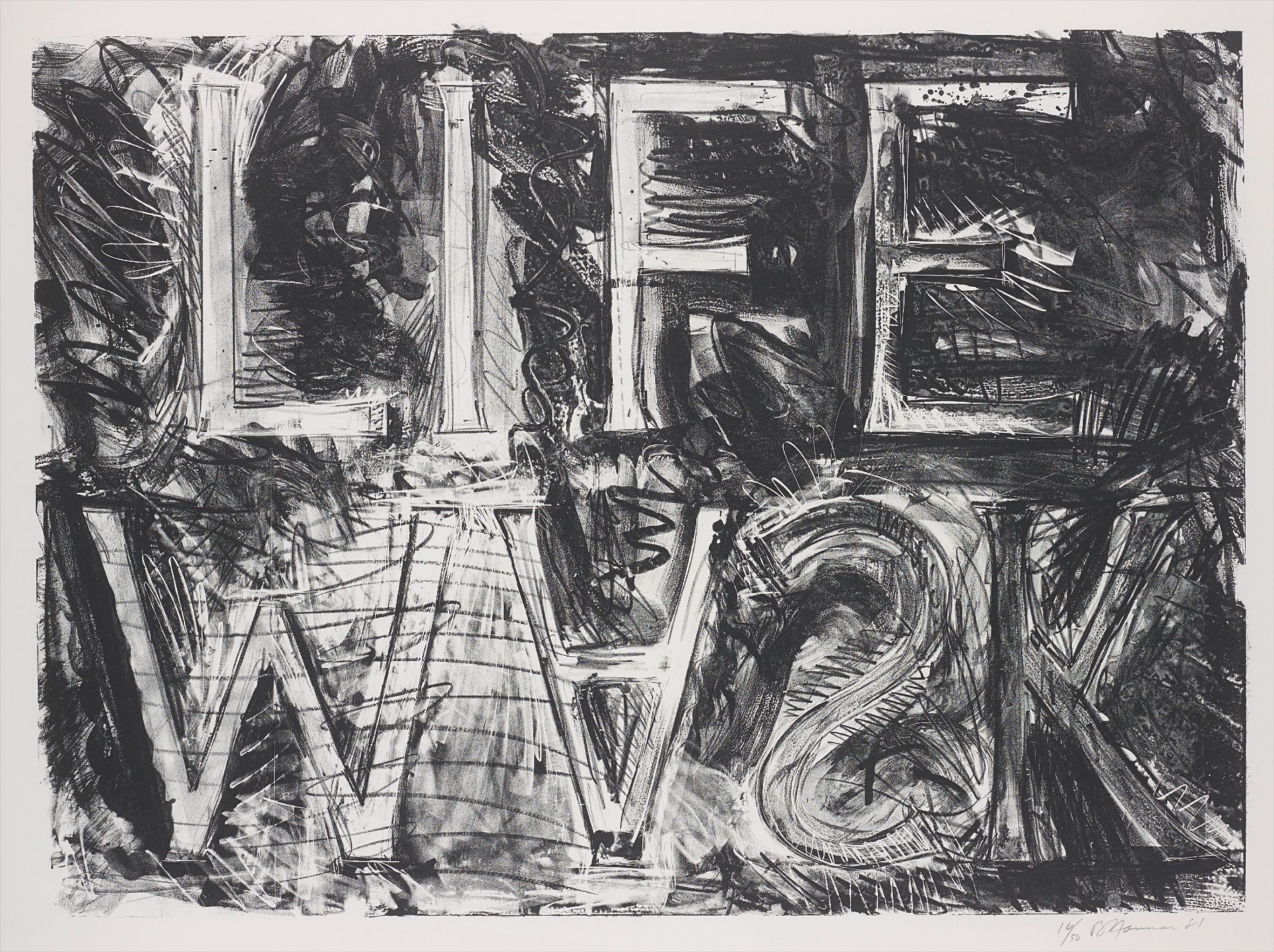
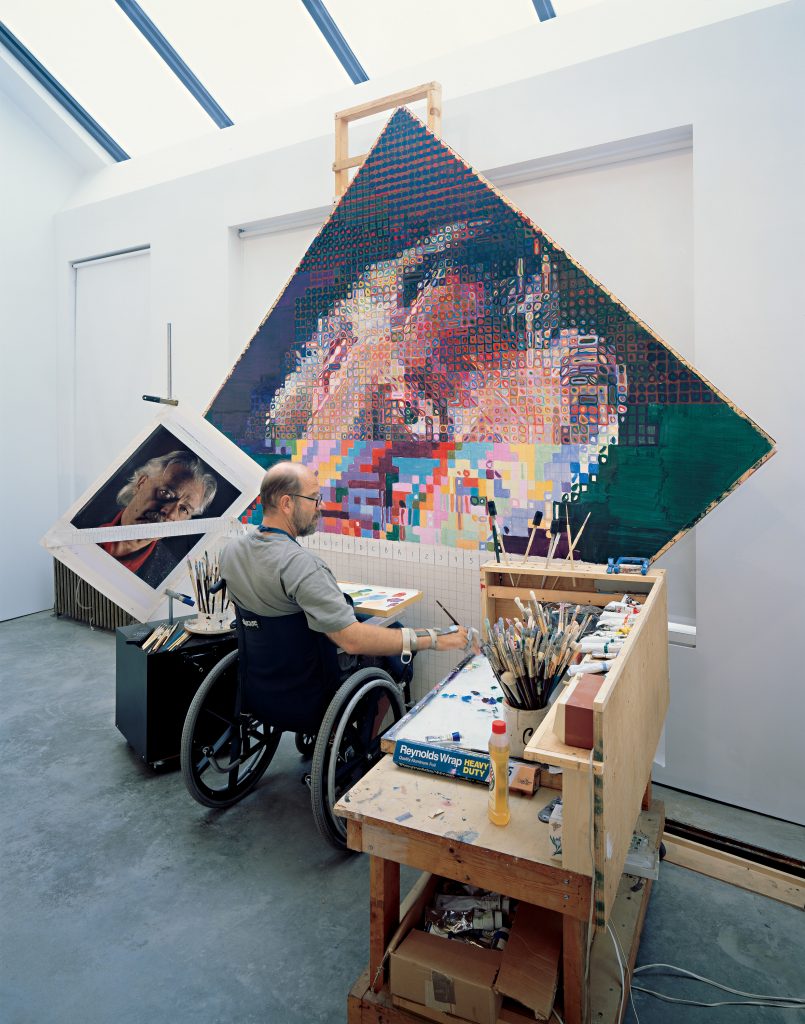
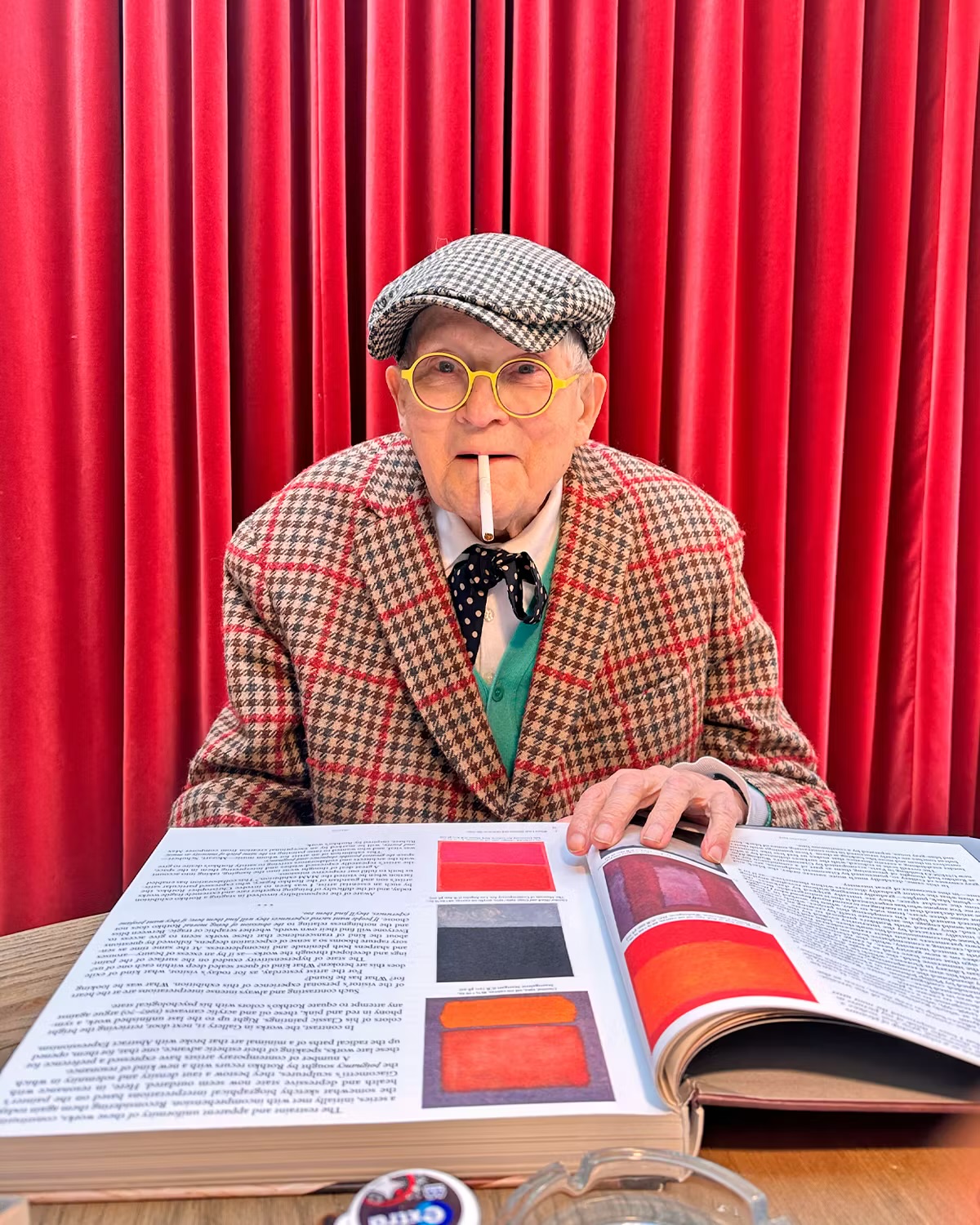
Andrew Brischler
Self Portrait (as The Driver), 2024
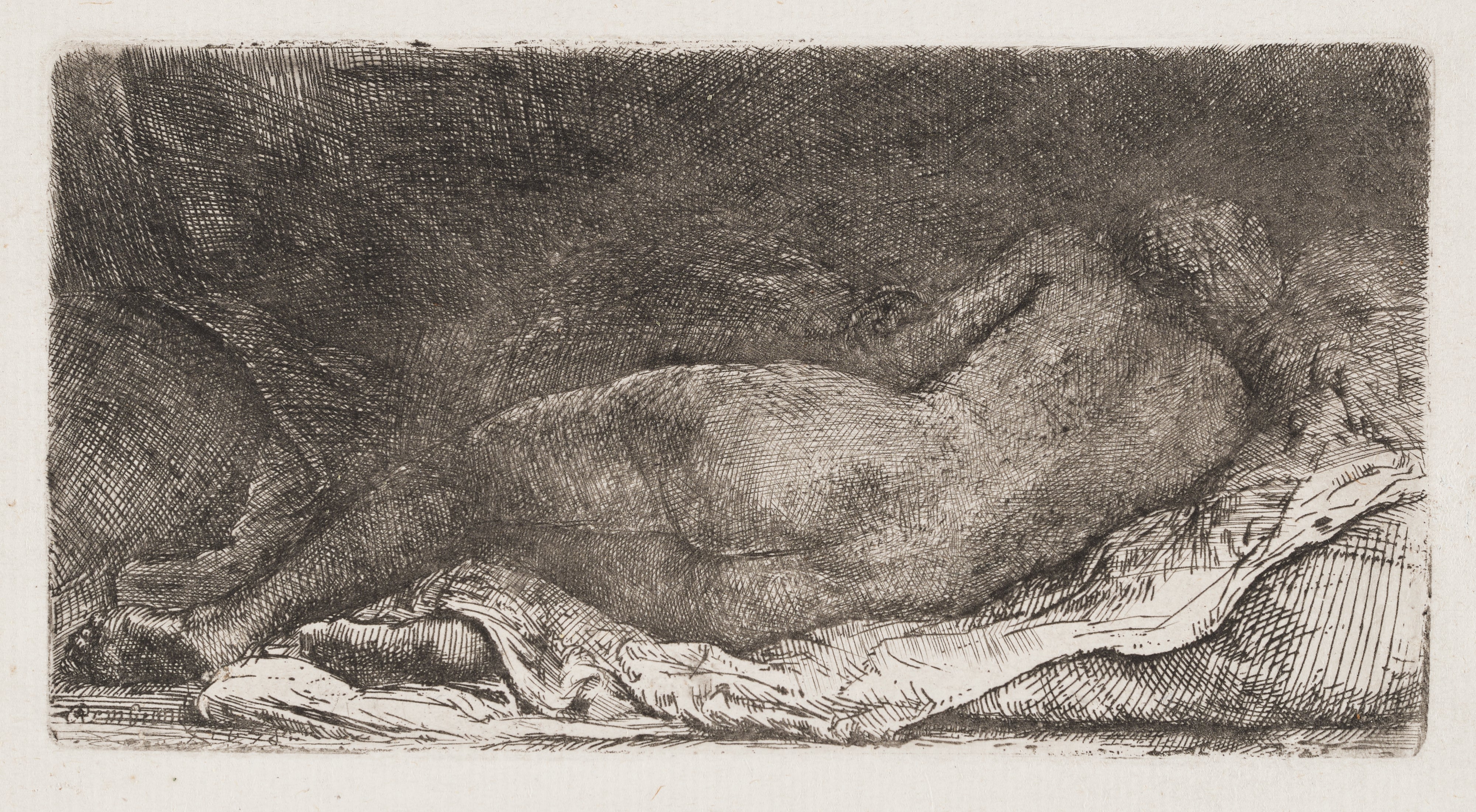
In the auction rooms, Rembrandt remains the gravitational center around which everything else orbits. His self portraits, roughly one hundred over the course of a career, set the template for what the genre could carry emotionally, and the handful that have come to market in recent decades have achieved prices that put them beyond almost any other category of old master painting. But the interesting action right now sits elsewhere. Francis Bacon's distorted, screaming, claustrophobic self examinations have found a consistently strong secondary market, with collectors drawn to the existential intensity that makes looking at them feel almost intrusive.
Egon Schiele's raw, angular confrontations with his own body continue to climb, particularly as younger collectors discover in them a frankness about desire and vulnerability that feels contemporary rather than historical. Cindy Sherman is well represented on The Collection, and for good reason. No single artist has done more to destabilize the assumptions behind the self portrait, insisting from her earliest Untitled Film Stills in 1977 onward that the self on display is always already a costume. Her market has been robust for years but recently the top end has moved with new conviction, driven partly by institutional validation and partly by how legible her project has become to collectors outside the traditional photography world.
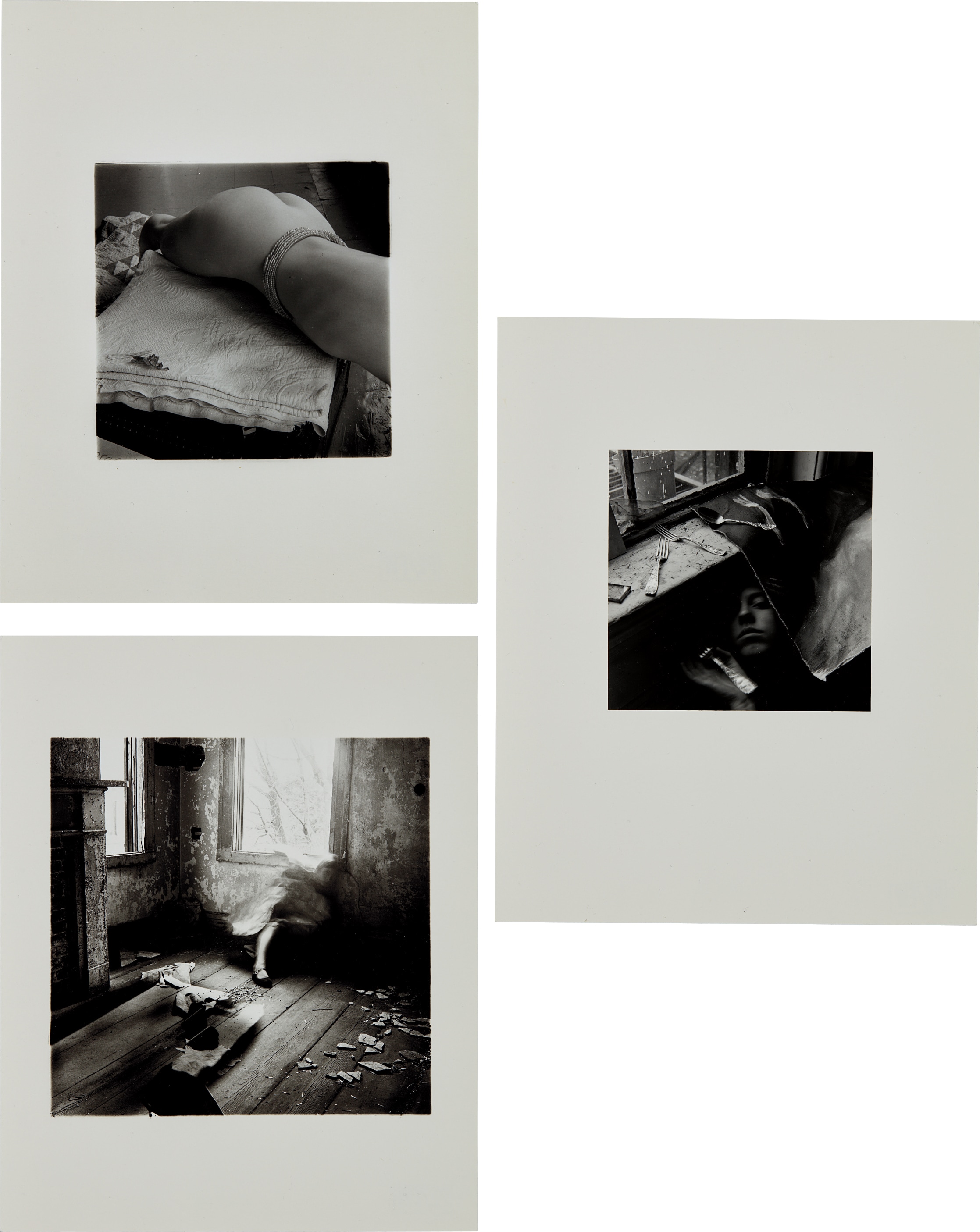
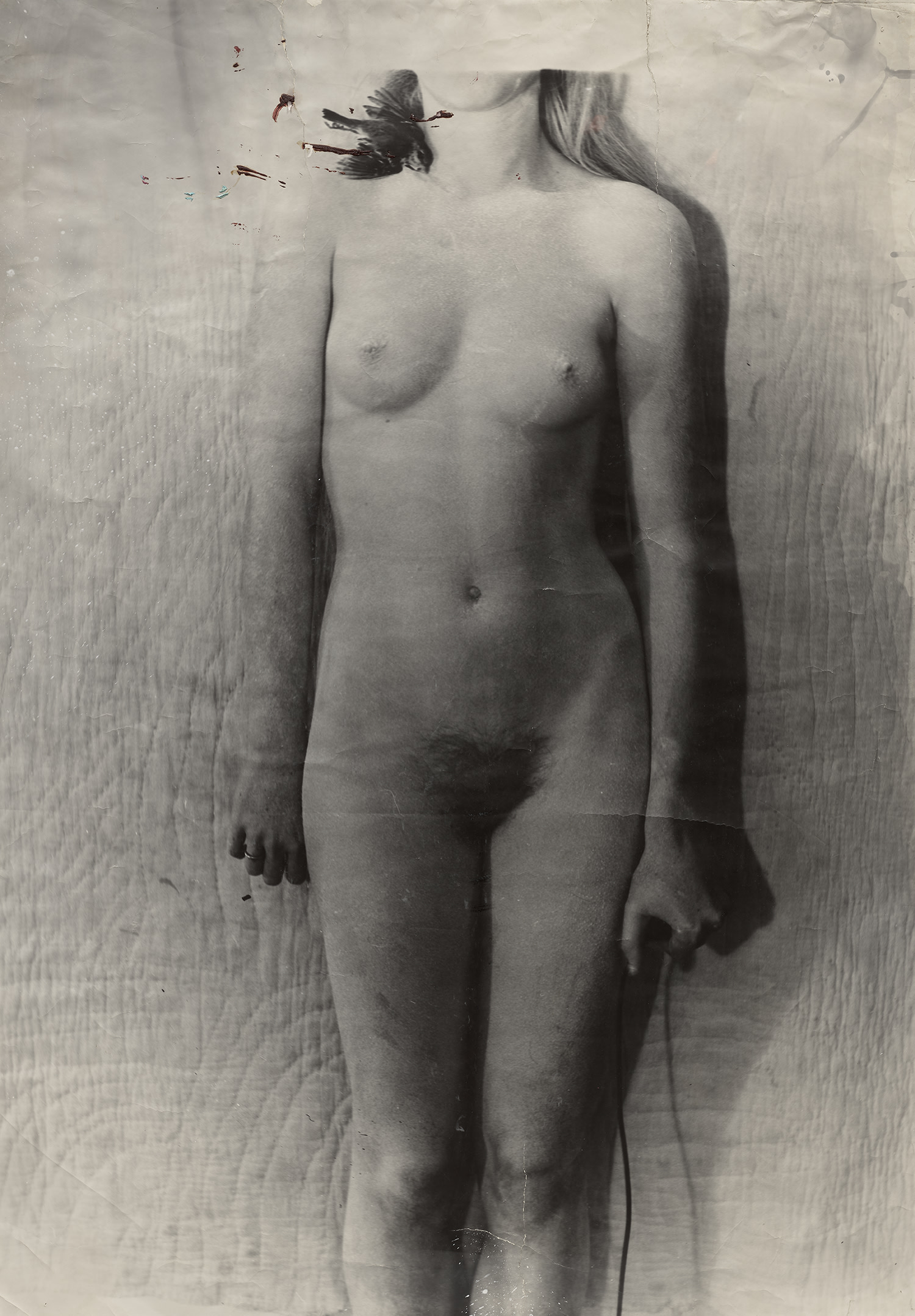
Francesca Woodman
1979-80
Alongside Sherman, the works of Francesca Woodman available on The Collection offer a striking counterpoint: where Sherman performs with cool remove, Woodman's images feel raw with searching, her body dissolving into architecture and shadow. Woodman's estate has been the subject of renewed critical attention, and her prices have responded accordingly. The critical conversation shaping how we understand self portraiture today runs through a handful of key voices. The scholar and critic Amelia Jones, whose book Body Art: Performing the Subject from 1998 remains essential reading, established a framework for understanding how artists use their own physicality as both medium and message.
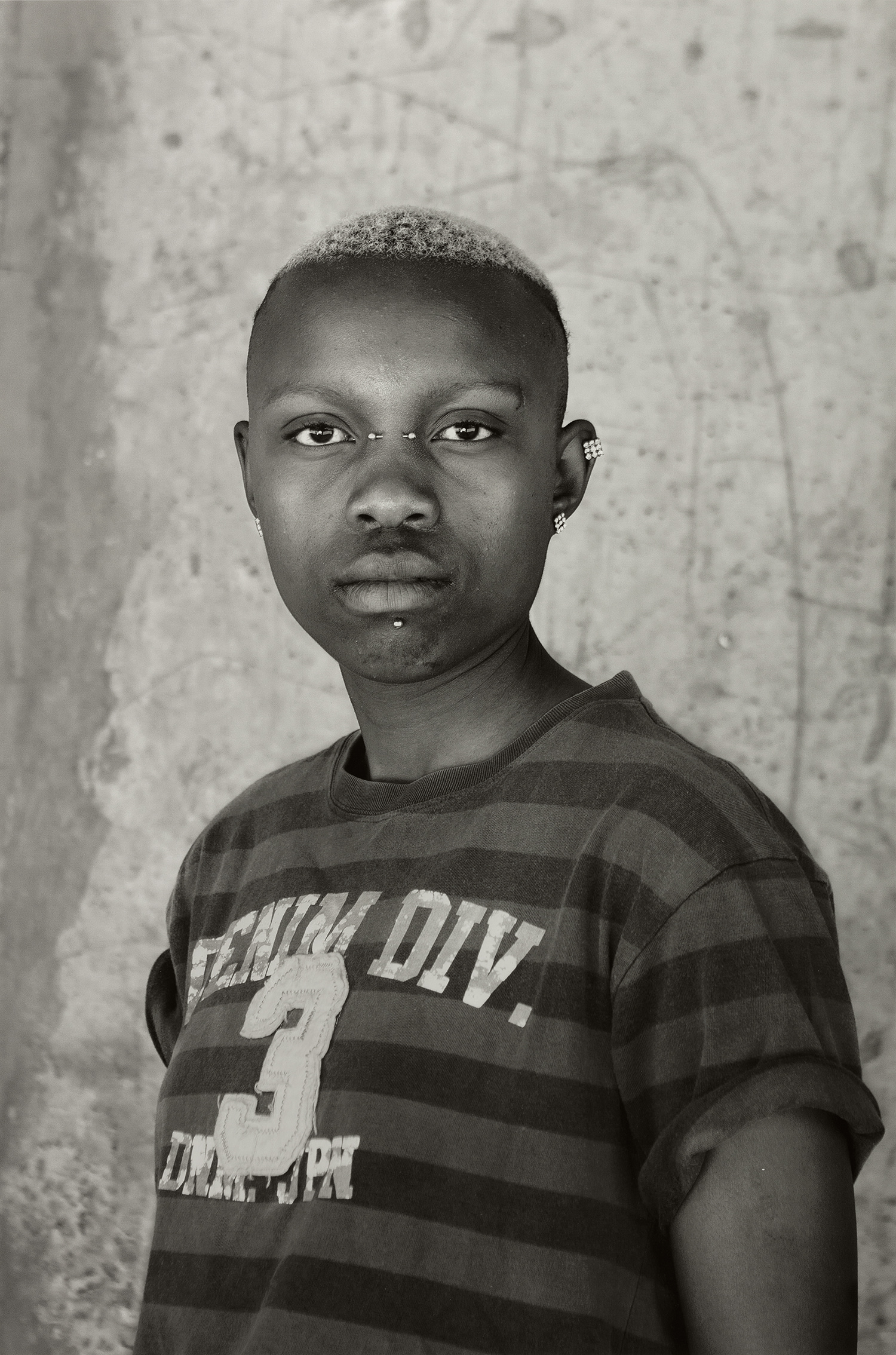
More recently, curators like Thelma Golden at the Studio Museum in Harlem have insisted on expanding whose self is considered worth portraying, a corrective that has amplified artists like Zanele Muholi, whose monumental Somnyama Ngonyama series turns self portraiture into a form of historical reckoning. Publications including Frieze, Aperture, and Art in America have tracked this expansion carefully, with writers like Hilton Als bringing particular nuance to questions of race, performance, and visibility. The energy on The Collection reflects these currents beautifully. Claude Cahun, the Surrealist photographer whose gender fluid self constructions anticipated so many subsequent conversations, sits in the collection alongside Andy Warhol, whose silk screened self portraits from the 1980s turned the genre into a meditation on fame as its own kind of death mask.
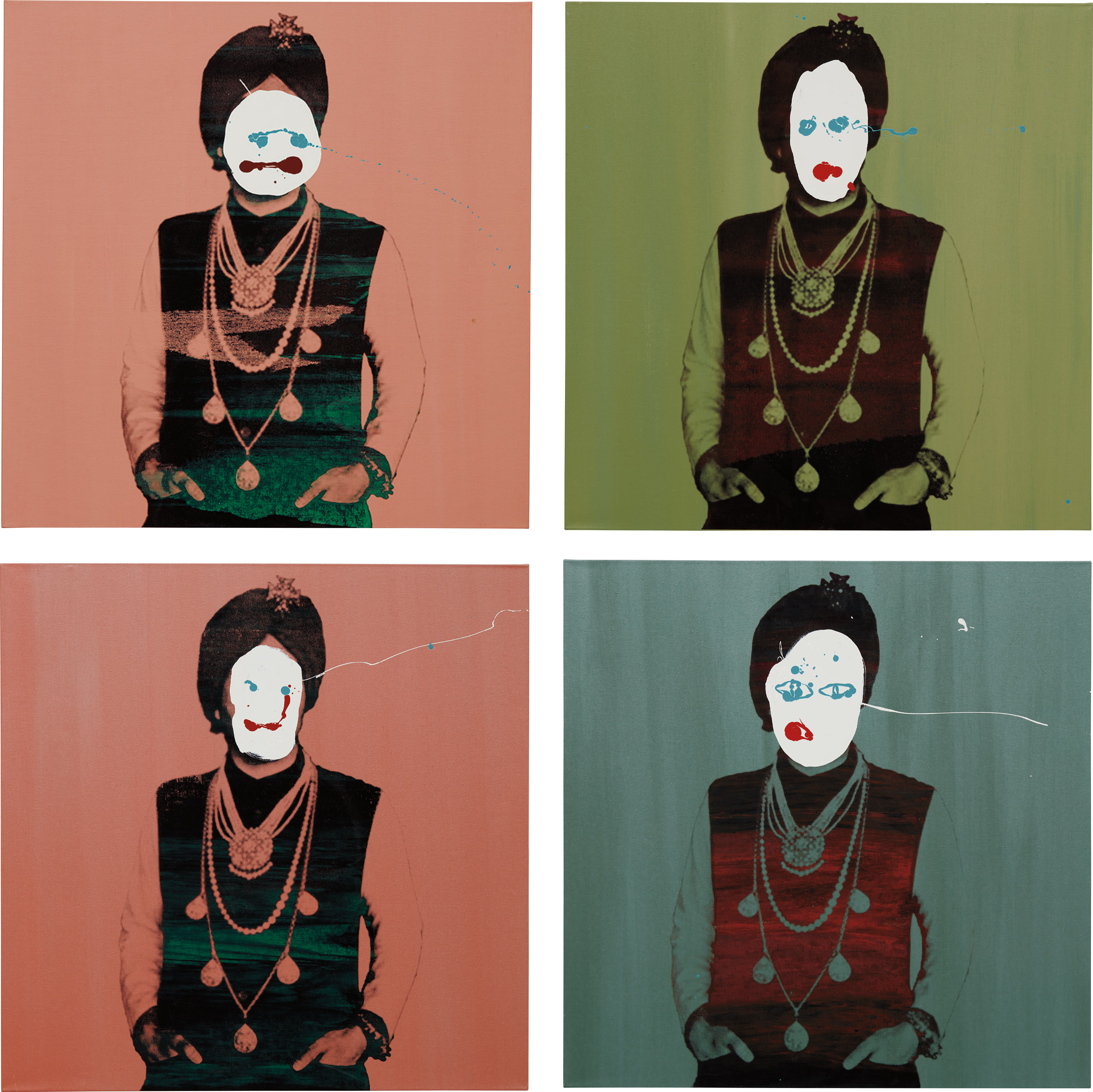
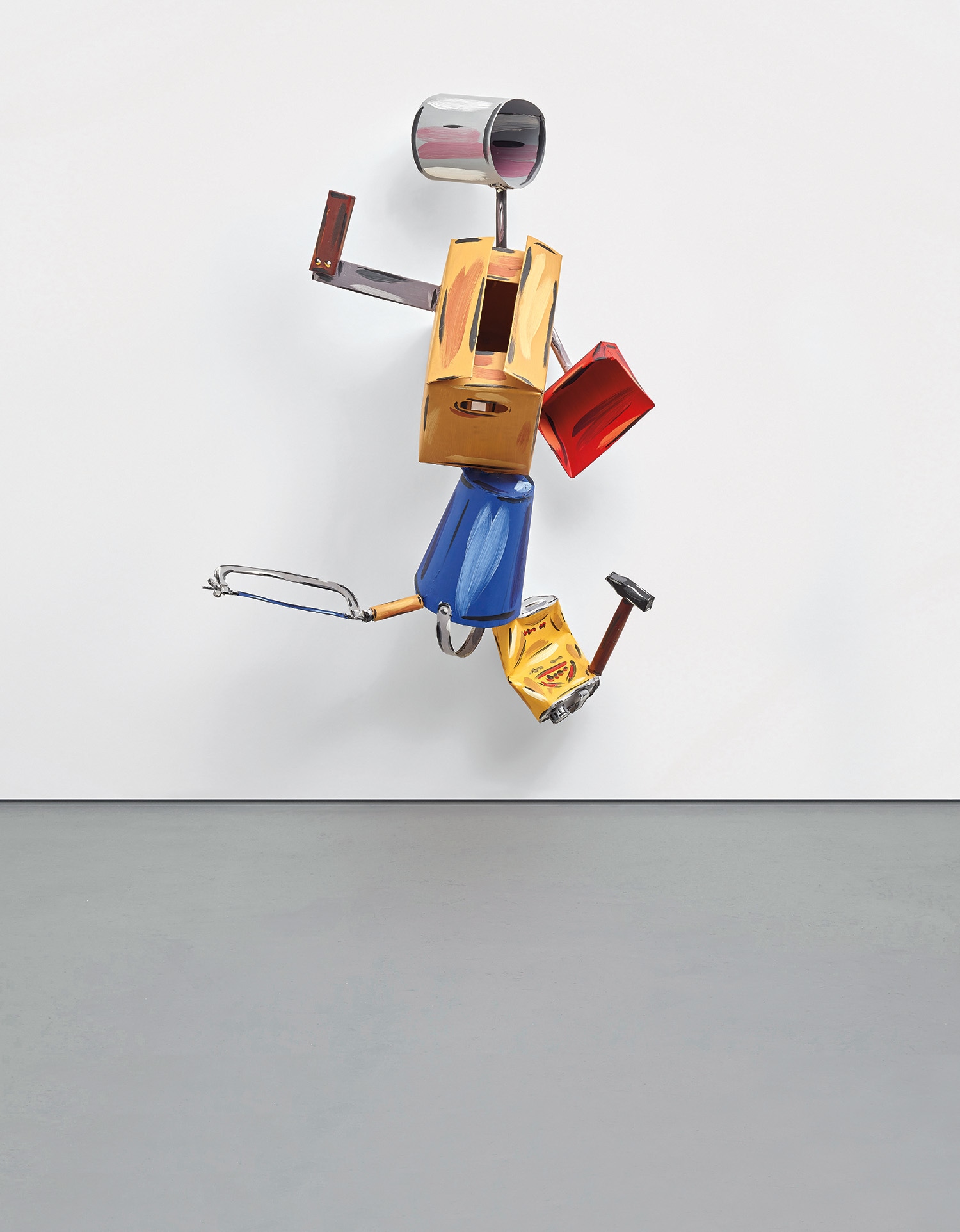
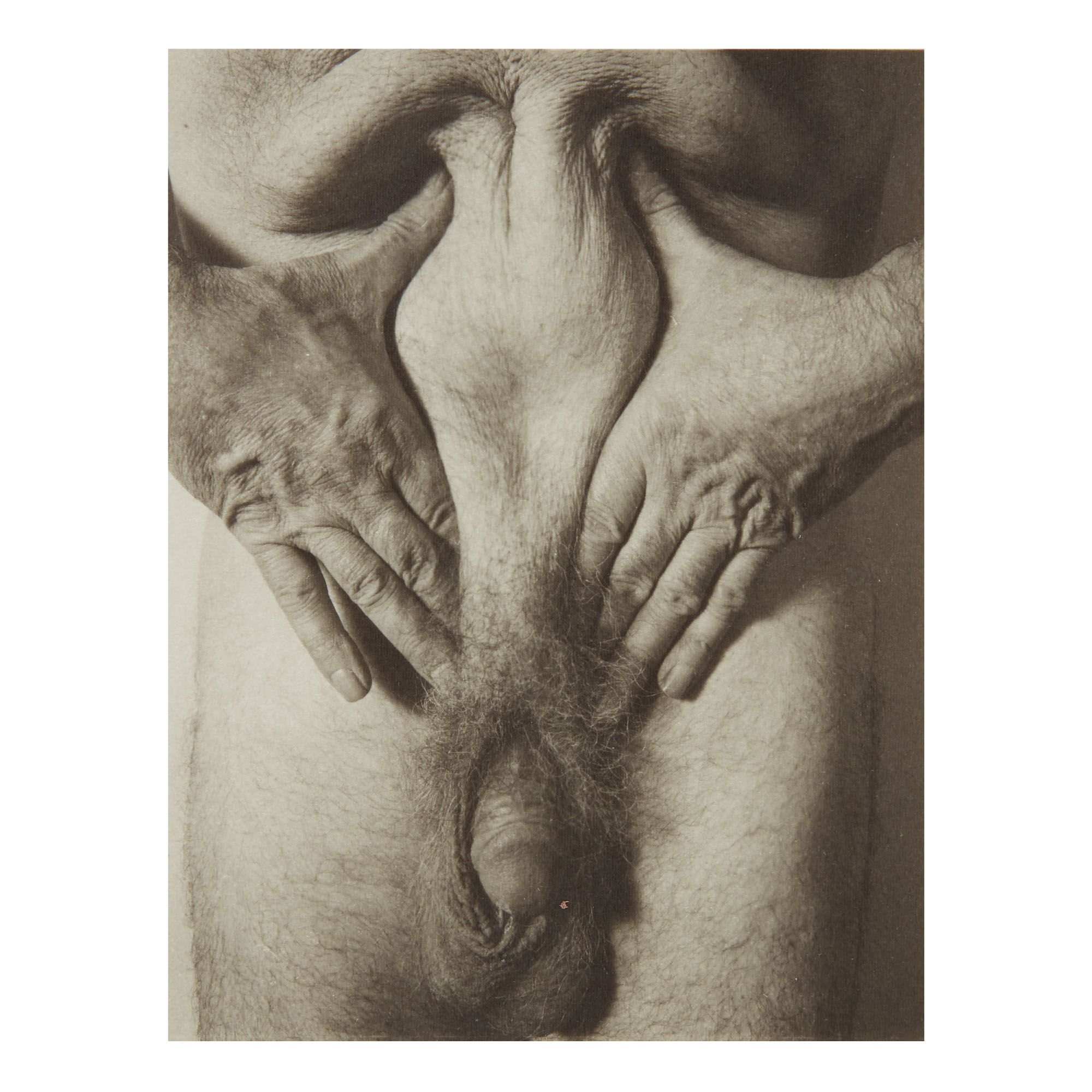
The Bruce High Quality Foundation
Self Portrait 1, Self Portrait 2, Self Portrait 3, Self Portrait 4, 2011
Yasumasa Morimura's elaborate appropriations, inserting himself into canonical Western paintings, occupy a similarly sharp conceptual register. Chuck Close's methodical, almost clinical grid based portraits, including his self portraits, represent a different ambition entirely: a confrontation with perception itself rather than identity. That all of these practices can coexist under the same genre heading tells you something about how capacious and genuinely alive this territory remains. Institutional collecting in this area has been accelerating in ways that reward close attention.
The Museum of Modern Art expanded its photography and media holdings significantly over the past decade, with self portraiture in various mediums becoming a priority area. The Tate Modern's acquisition of large scale works by Marina Abramović and her contemporaries signals that performance derived self imaging has fully arrived as a category museums take seriously. Private foundations, including the Broad in Los Angeles and the Glenstone in Maryland, have assembled significant holdings that will shape scholarly access and public presentation for generations. Where institutions go, serious collectors tend to follow, and the feedback loop between museum validation and market confidence has rarely operated more visibly than it does here.
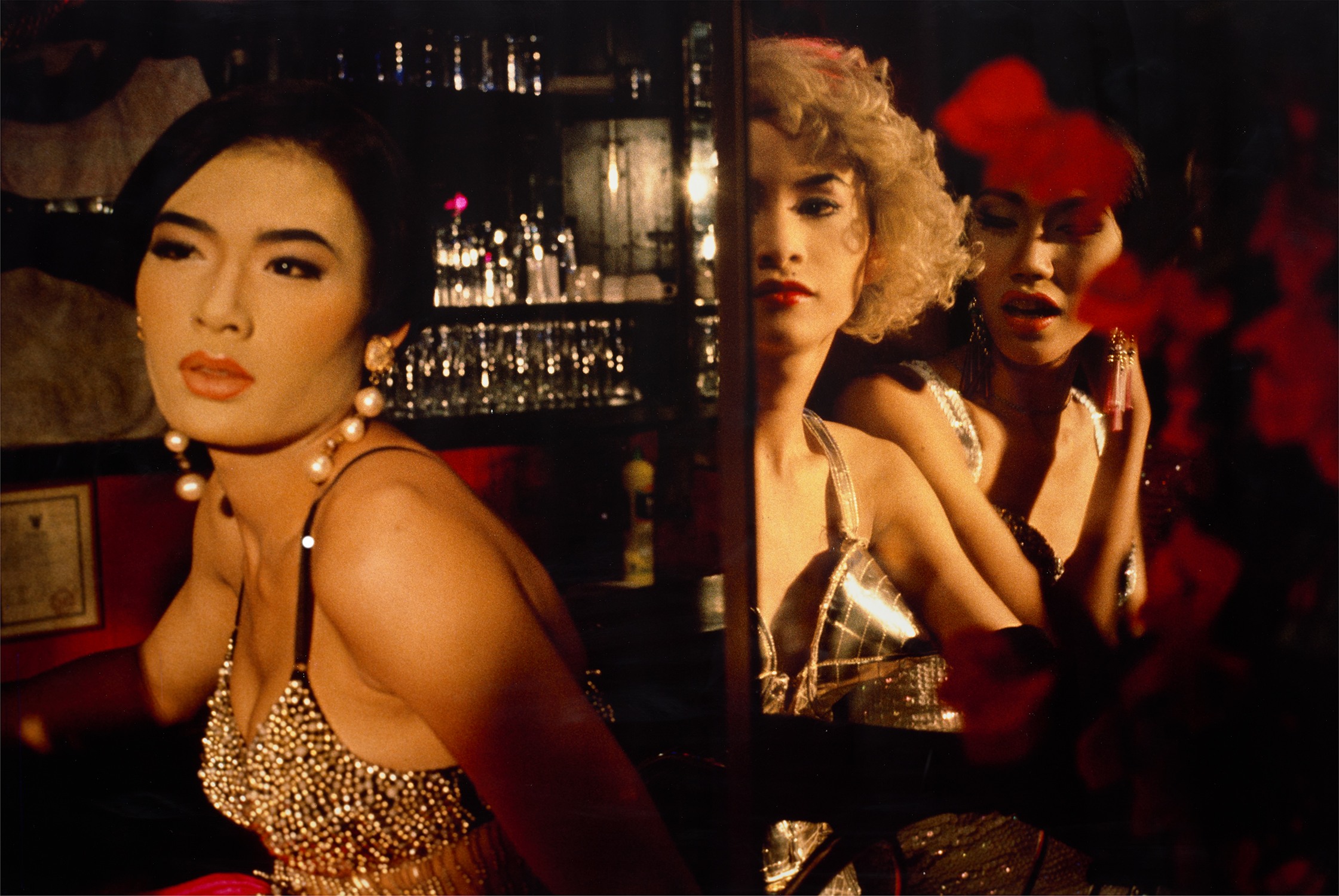
Nan Goldin
Self Portrait in Kimono with Brian, NYC, 1983
What feels settled is the canonical core: Rembrandt, Bacon, Sherman, and their immediate heirs will remain touchstones regardless of what happens at the market's edges. What feels genuinely alive is the expansion of the genre outward from its European painting origins, into photography, video, and performance, and outward from its historical whiteness and maleness, toward a much broader set of artists asking what the self portrait can be made to do. Nan Goldin's intimate, politically charged photographic diaries and Tracey Emin's confessional works in multiple mediums both point toward self portraiture as a form of testimony rather than simply representation. The surprises, when they come, will likely arrive from artists who are using the genre's conventions to interrogate the very idea of an authentic self in an age of algorithmically mediated image making.
That question feels nowhere near settled, which is precisely why the work remains so worth collecting.