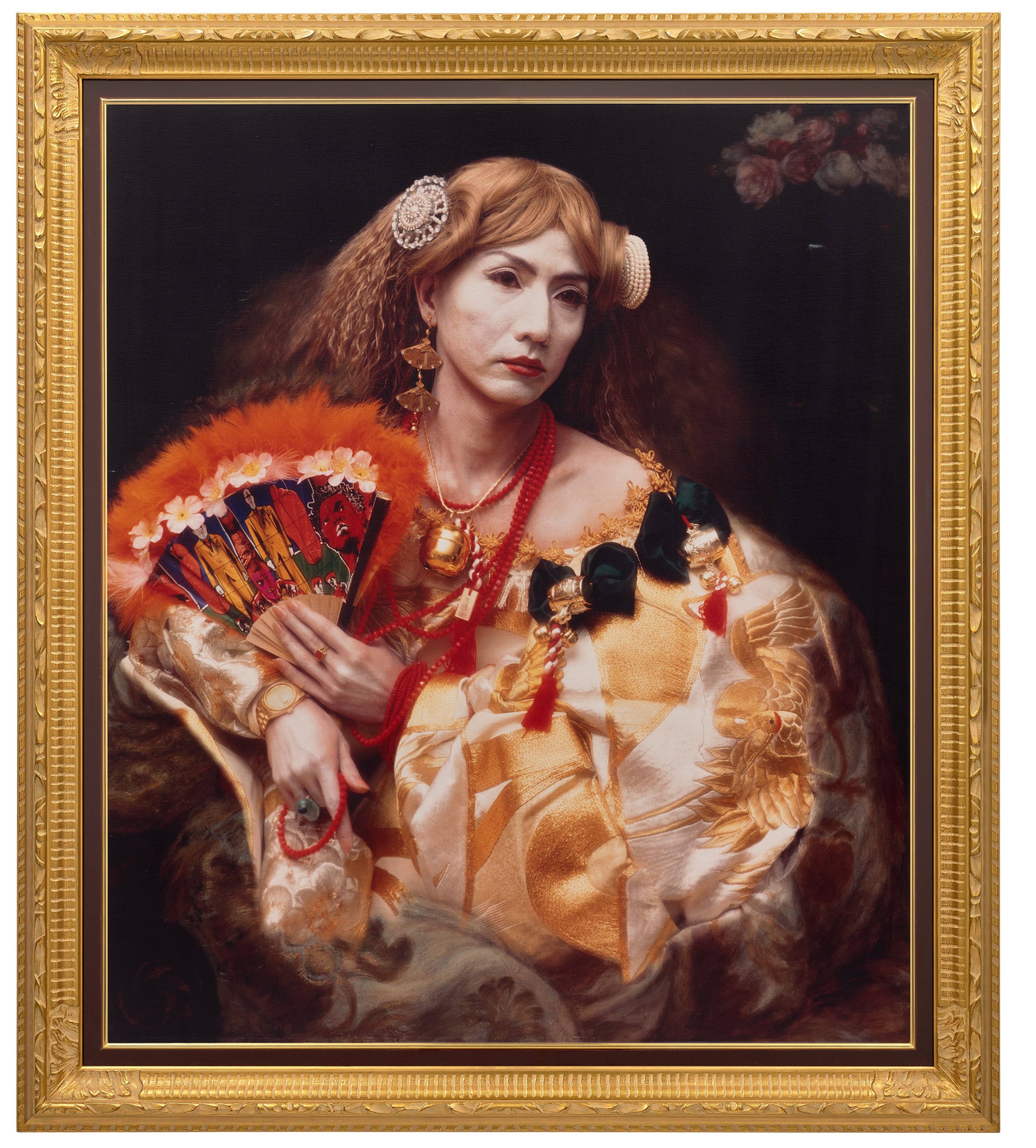
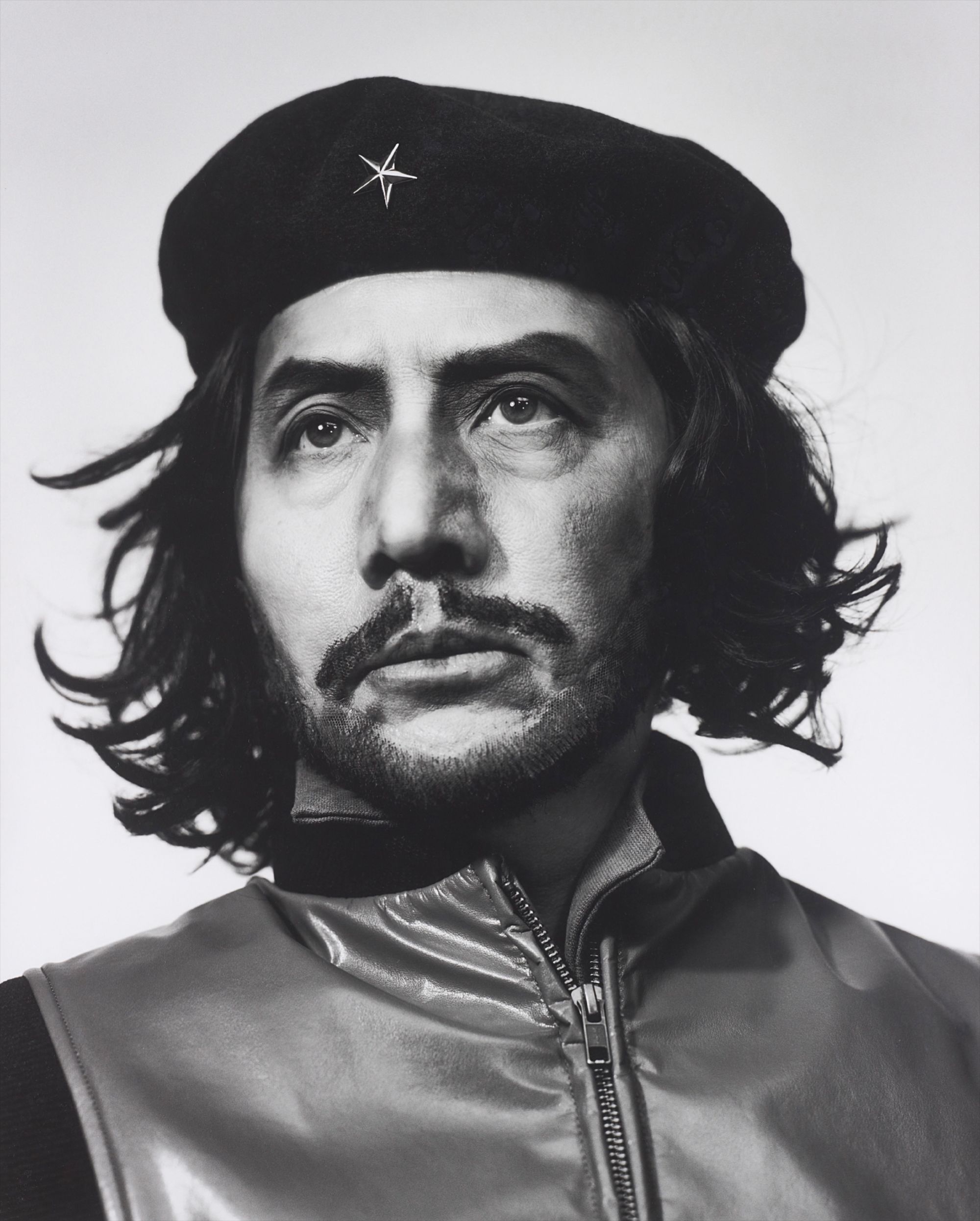
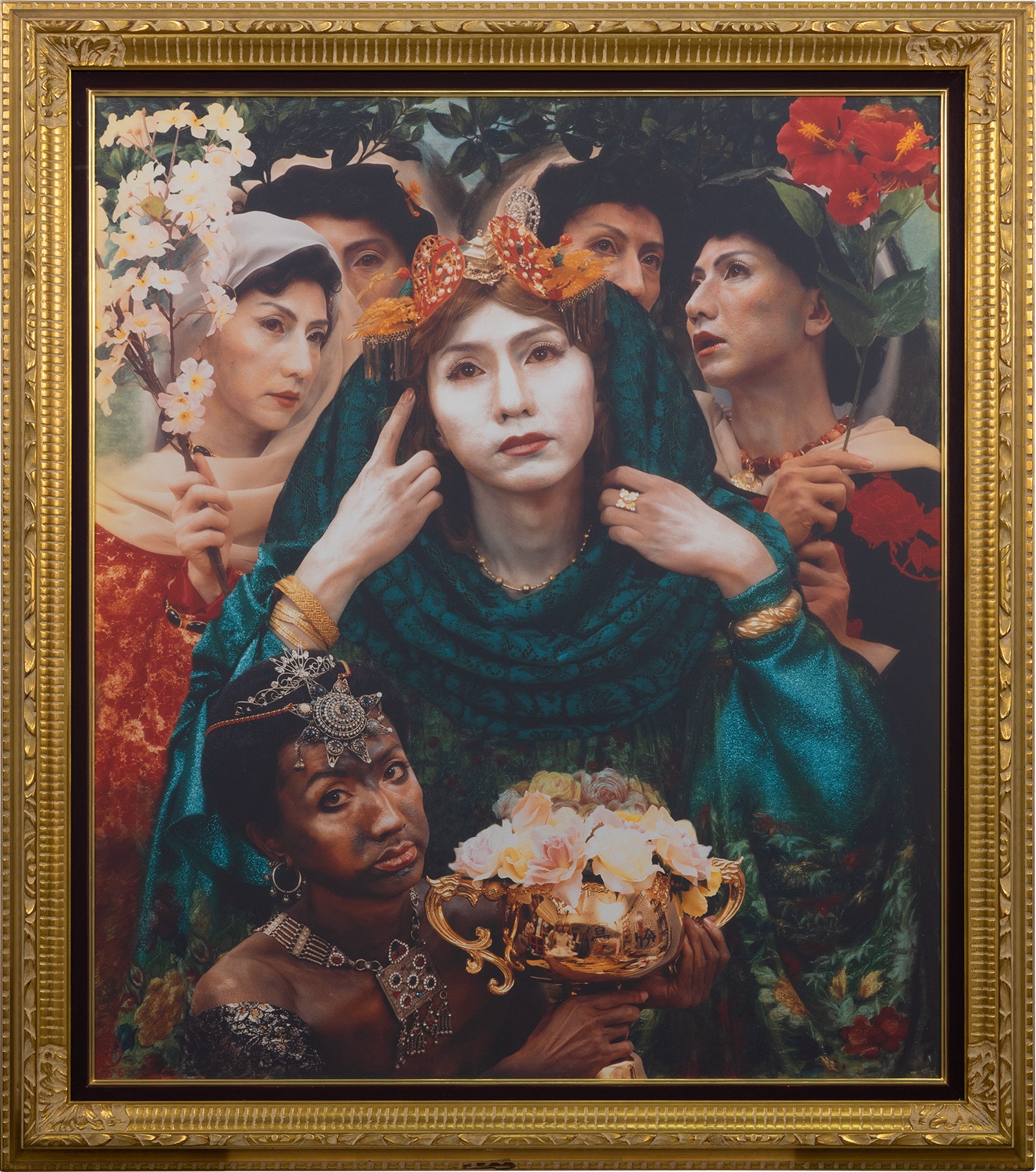
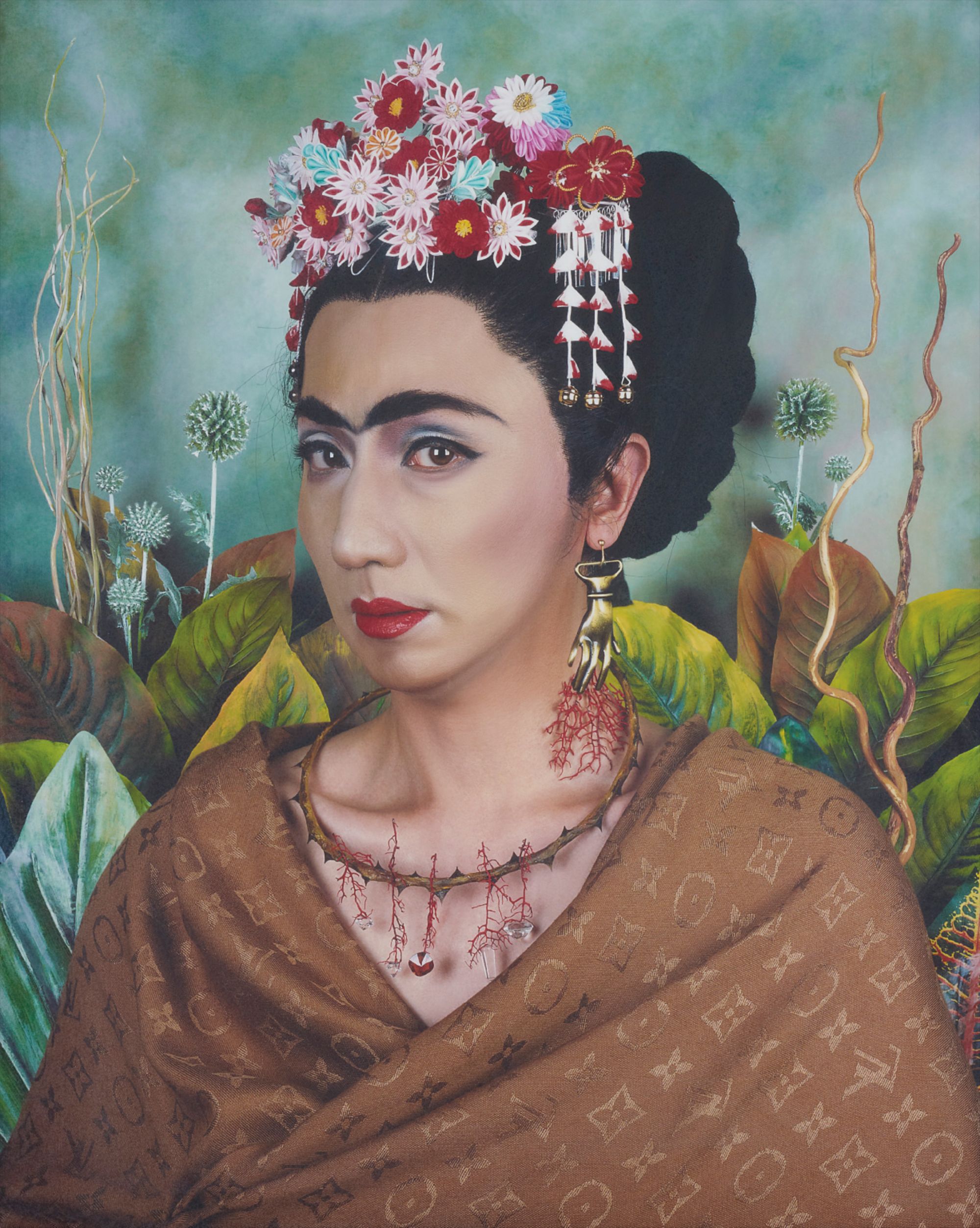
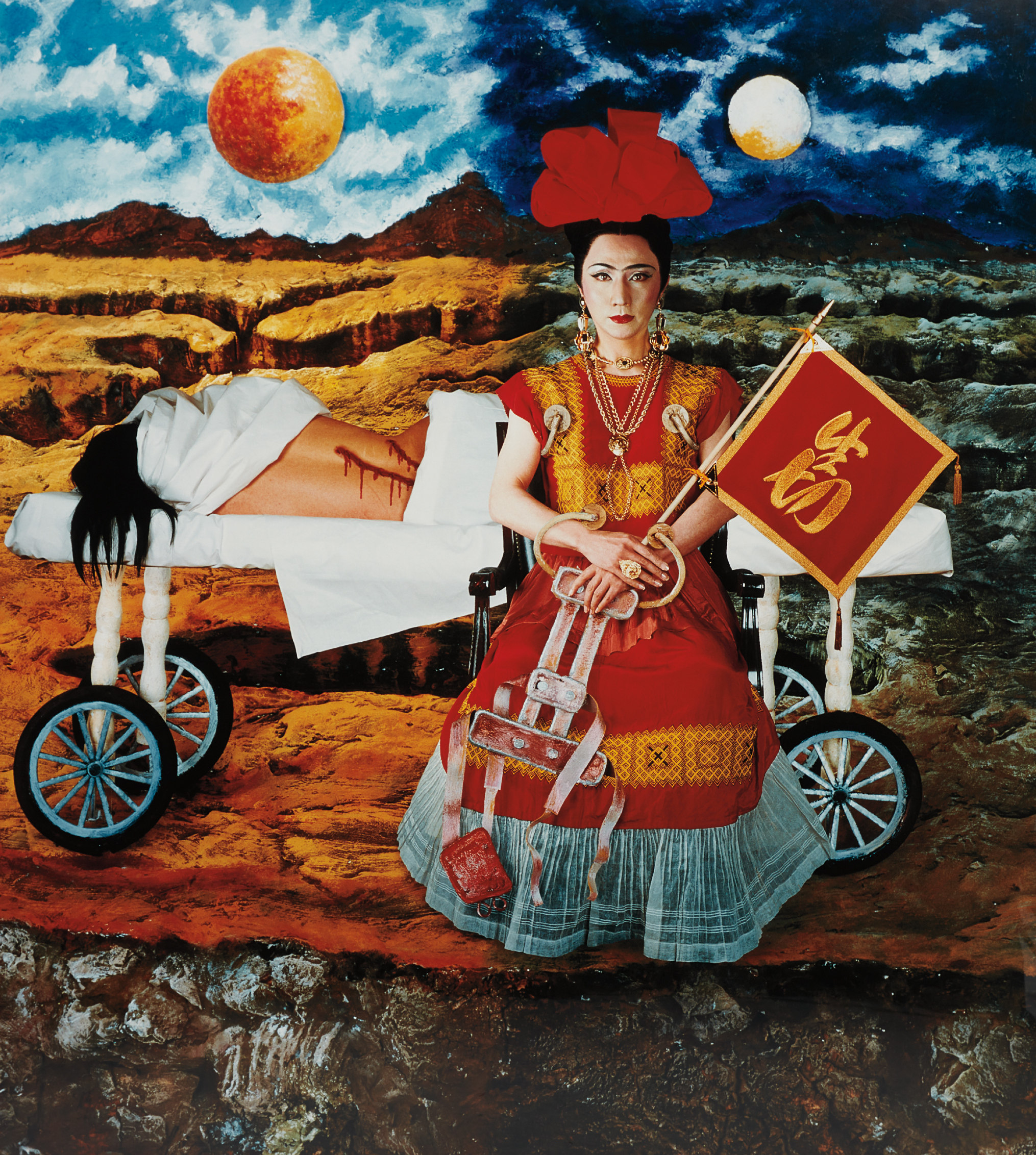
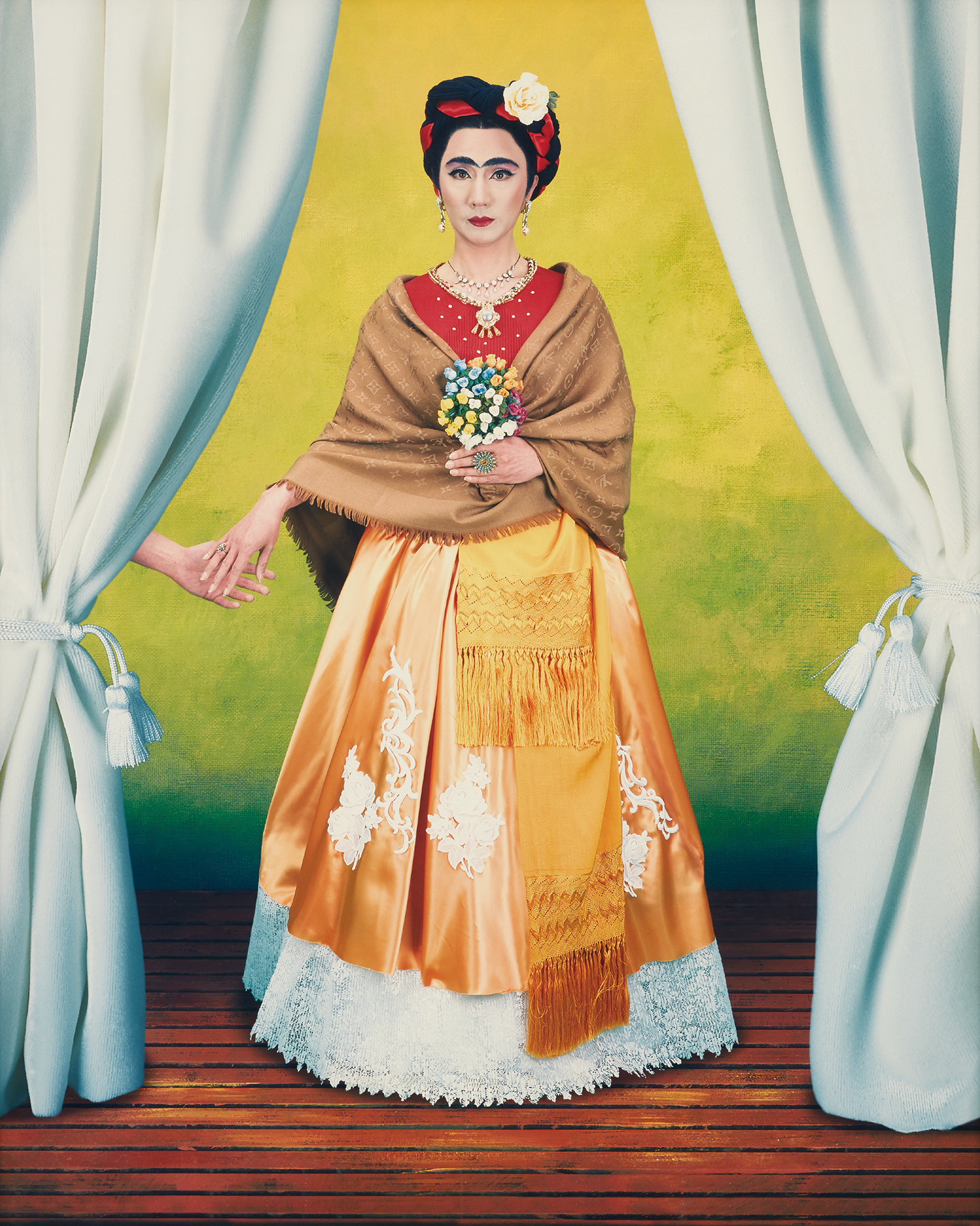
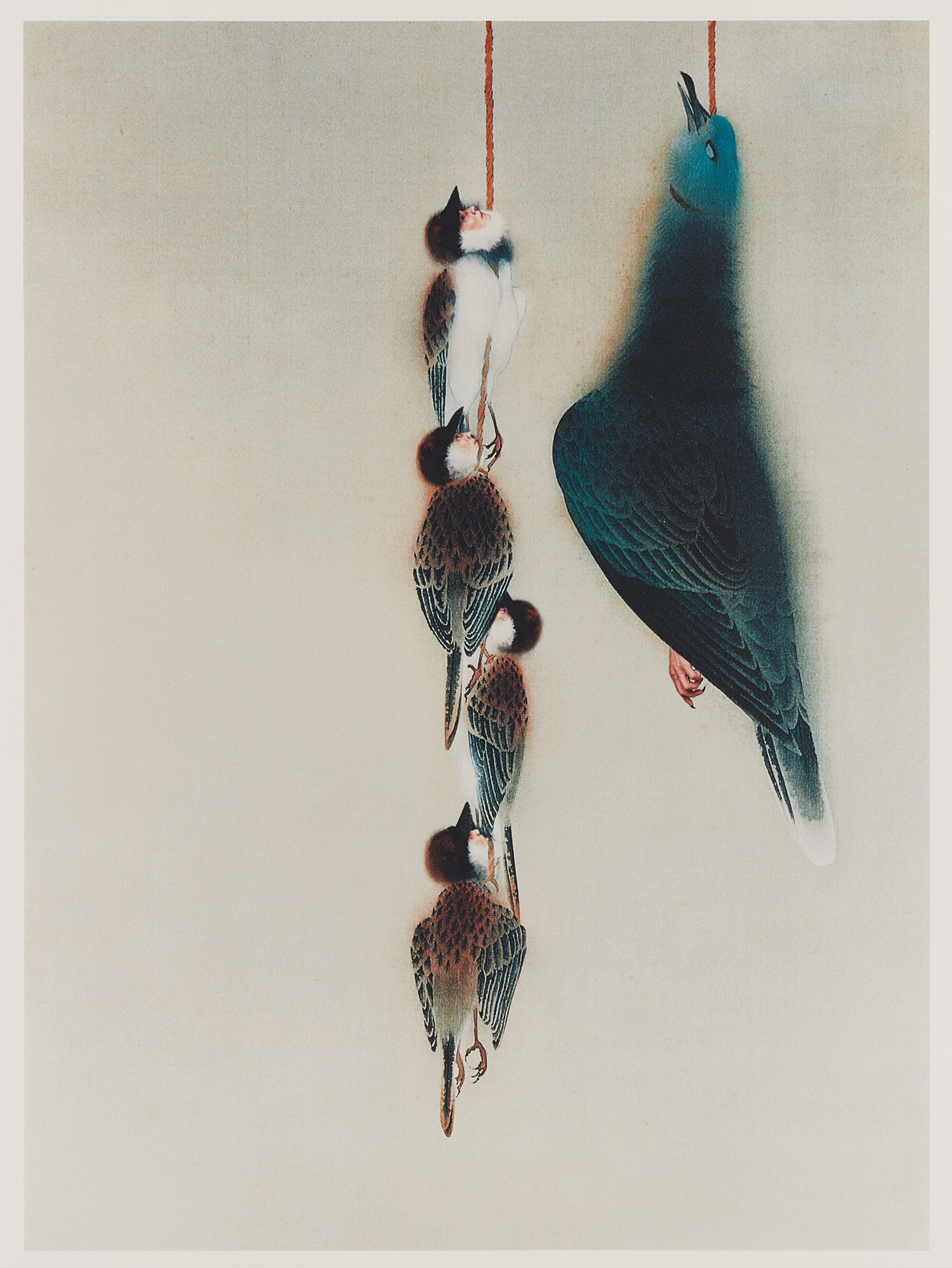
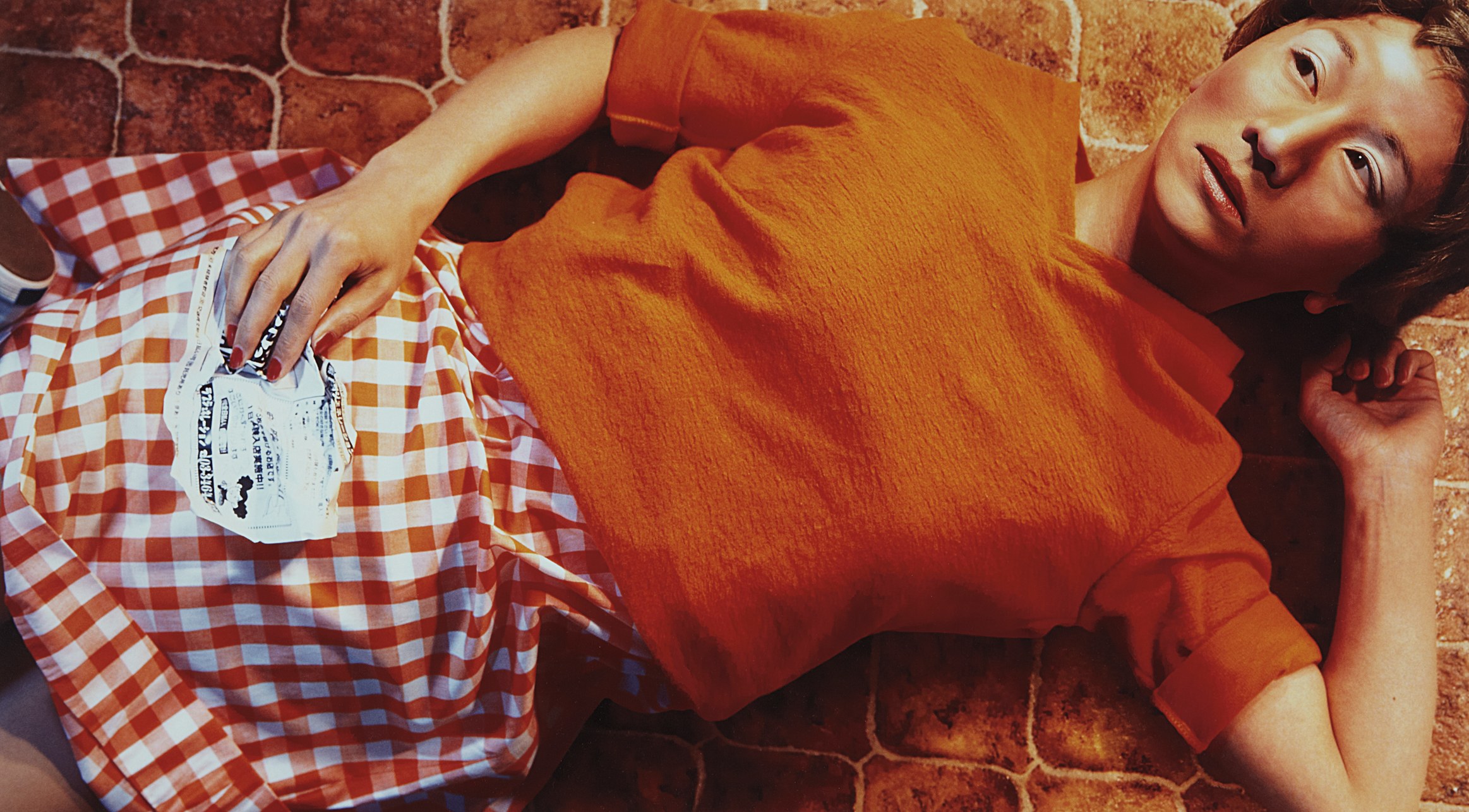
In the autumn of 2023, the Art Institute of Chicago mounted a sweeping survey of Japanese postwar and contemporary art that placed Yasumasa Morimura in precisely the company he has always deserved, alongside figures who remade the visual language of their era. It was a timely reminder that Morimura, now in his early seventies and still producing work of startling vitality, is not simply a provocateur who once had a clever idea. He is one of the most philosophically rigorous and visually inventive artists of the past four decades, a figure whose practice has only deepened with time and whose influence on younger artists working with identity, appropriation, and the politics of the gaze is immeasurable. Morimura was born in Osaka in 1951, a city that would prove formative in ways both obvious and subtle. Osaka has historically occupied a slightly eccentric position within Japanese culture, known for its merchant spirit, its theatrical traditions, and a certain irreverent appetite for spectacle. Growing up in the postwar decades, Morimura came of age in a Japan saturated with imported Western imagery, from Hollywood films to reproductions of European masterworks that circulated through museums and schoolbooks. He studied at the Kyoto City University of Arts, one of Japan's most distinguished art institutions, where he developed the conceptual foundations that would eventually crystallize into a singular and globally recognized body of work. The tension between Japanese visual culture and the overwhelming prestige of Western aesthetics was not merely an academic concern for him. It was something he experienced in his body, in the very act of looking at images that seemed to insist they had nothing to do with him. The breakthrough came in 1985 with the beginning of his Art History series, a body of work that would continue to evolve for decades. Working initially with photography, Morimura began digitally and photographically inserting his own face and body into canonical Western paintings, replacing the figures in works by Velázquez, Manet, Van Gogh, and Édouard Manet with his own likeness. The gesture was deceptively simple and almost immediately understood to be something far more complex than parody. By placing his Japanese male face into images that had long been treated as universal, Morimura exposed the assumptions buried inside that universality. These were not neutral images of humanity. They were images of a particular humanity, one that had defined itself as the default and consigned everyone else to the margins. His intervention was simultaneously an act of critique and an act of love, the work of someone who had studied these paintings with genuine devotion and chose to answer them from the inside. From that foundational series, Morimura's practice expanded outward with remarkable ambition and consistency. His Daughter of Art History works brought him international recognition through exhibitions in Japan, Europe, and the United States throughout the 1990s. He ventured into popular culture with the same methodical intensity, inserting himself into the imagery of Marilyn Monroe, Josephine Baker, and icons of cinema and advertising. One of the most celebrated chapters of his practice is the ongoing series An Inner Dialogue with Frida Kahlo, begun in the early 2000s, in which Morimura inhabits the persona and visual vocabulary of the Mexican painter with extraordinary care and complexity. Works from this series, including An Inner Dialogue with Frida Kahlo (Fairy Tale) from 2001 and An Inner Dialogue with Frida Kahlo (Hand Shaped Earring), demonstrate how deeply Morimura engages with the artists he appropriates. Kahlo, like Morimura, used self portraiture as a means of asserting an identity that dominant culture refused to accommodate. Their dialogue across time and geography is one of the most moving conversations in contemporary art. His Portrait (Fan) and Six Brides demonstrate the same capacity for theatrical transformation, using elaborate costuming, meticulous staging, and the cool precision of chromogenic printing to produce images that are simultaneously intimate and monumental. For collectors, Morimura's work presents an exceptionally compelling case. His prints, typically realized as chromogenic prints mounted to canvas or aluminum, are objects of considerable material beauty as well as intellectual weight. The large format works carry genuine presence on a wall, and the technical quality of the printing has remained consistently high across different periods of his production. Collectors drawn to postwar Japanese art, to the Pictures Generation and its legacy, or to work that engages seriously with feminist and postcolonial theory will find Morimura's practice sits at a productive intersection of all of these concerns. His market has shown steady appreciation, with institutional acquisitions reinforcing the blue chip status his work has earned across major international collections. Works from the Frida Kahlo dialogue series are among the most sought after, combining the accessibility of a well known visual source with the genuine complexity of Morimura's artistic thinking. Early works from the Art History series, when they appear, attract significant attention from collectors who understand the historical importance of that foundational gesture. Morimura belongs to a generation of artists who emerged in the 1980s and fundamentally changed how we think about appropriation and authorship. His practice invites comparison with Cindy Sherman, whose Untitled Film Stills series similarly used the artist's own body as a vehicle for exploring constructed identity. Morimura has made this connection explicit in his own work, with pieces such as To My Little Sister for Cindy Sherman functioning as an affectionate tribute and a continuation of a shared conversation. He is also productively understood alongside artists such as Glenn Ligon and Kara Walker, who deploy the imagery of canonical Western culture in order to reveal what that culture has suppressed or distorted. In the Japanese context, Morimura's work connects to the broader tradition of Mono Ha and to the conceptual investigations of the Gutai group, even as it moves in a decisively international and pop inflected direction. What makes Morimura so important today, at a moment when questions of representation, cultural ownership, and the politics of the archive have never been more urgent, is that his work refuses easy conclusions. He does not stand outside Western art history and throw stones at it. He puts on its costumes, learns its poses, inhabits its light, and in doing so reveals something true about the longing and the violence that runs through the history of images. His practice is expansive enough to accommodate humor, tenderness, grief, and analytical precision all at once. To live with a Morimura is to live with a work that continues to ask questions long after you think you have understood it, which is perhaps the most generous thing an artwork can do.