Chuck Close
58
Works
6
Followers
Artist Spotlight
Chuck Close: The Face of American Genius
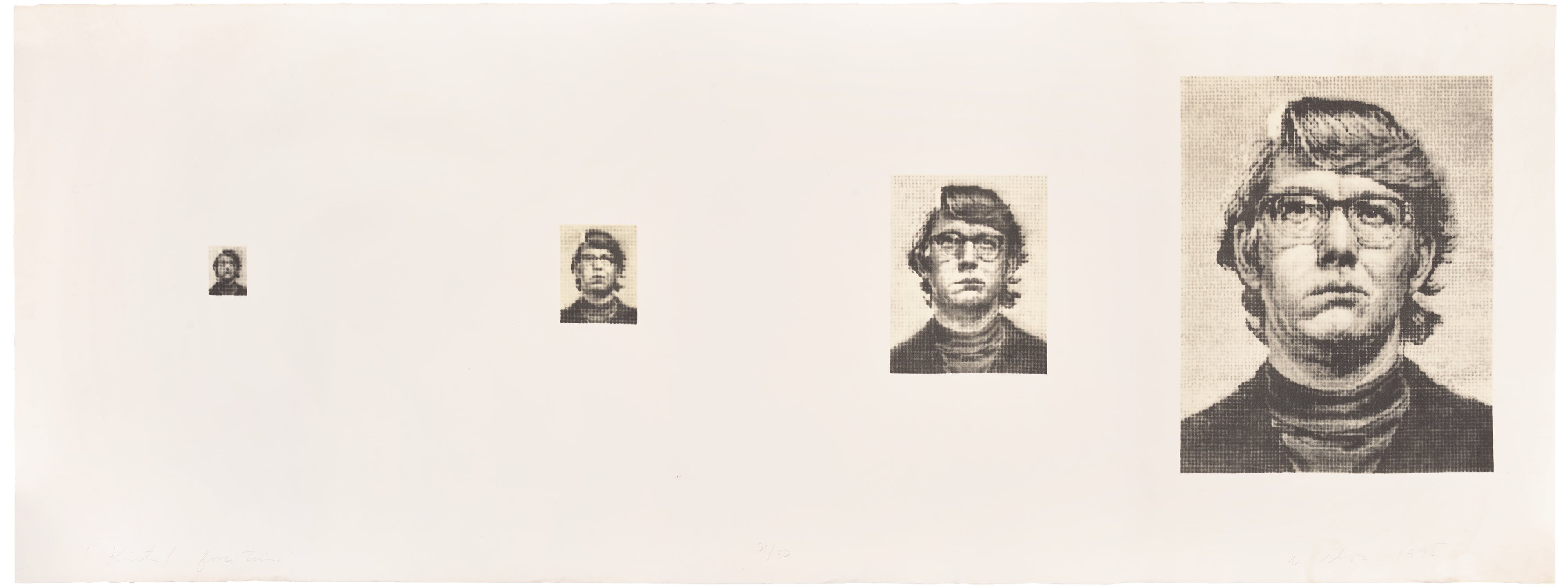
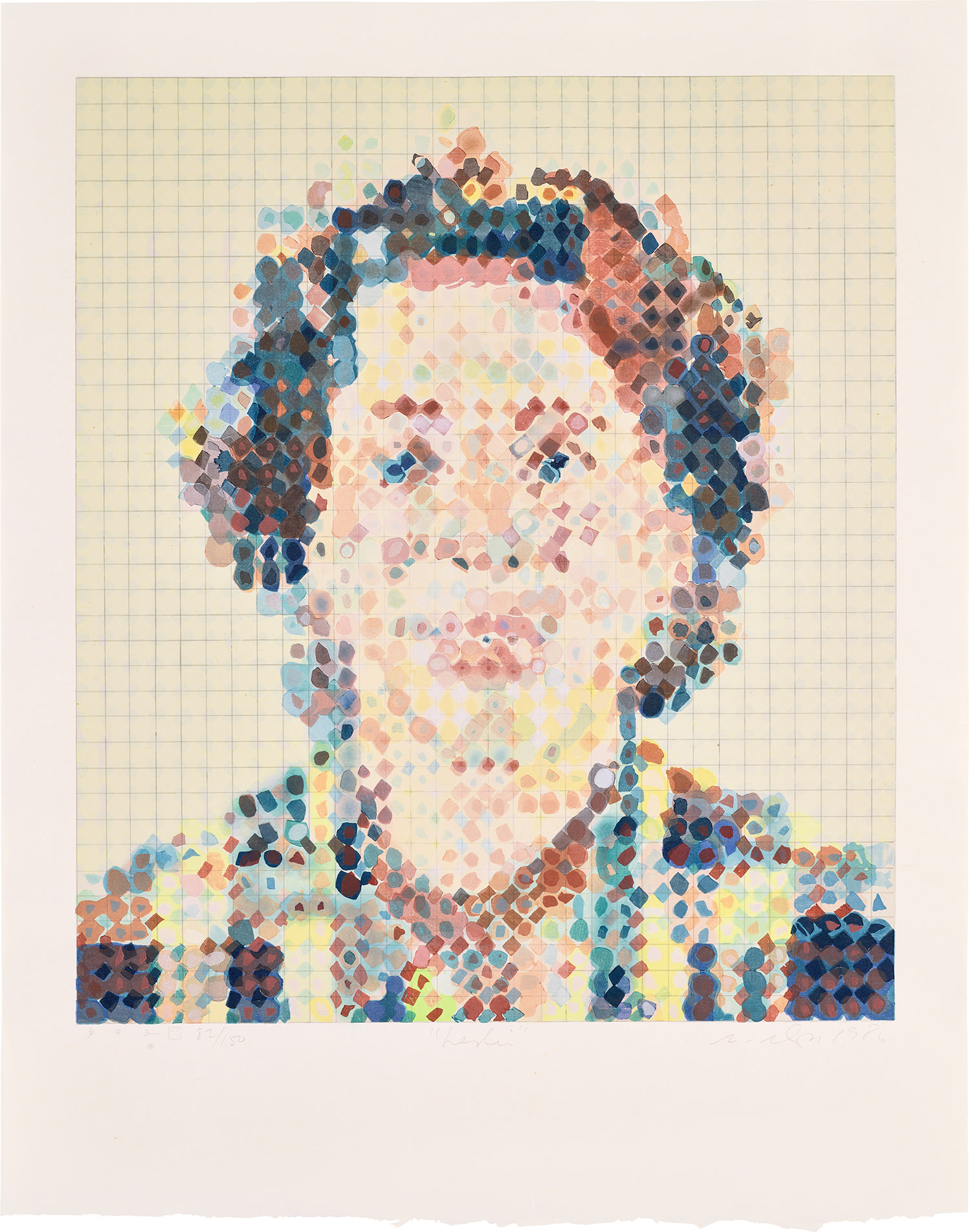
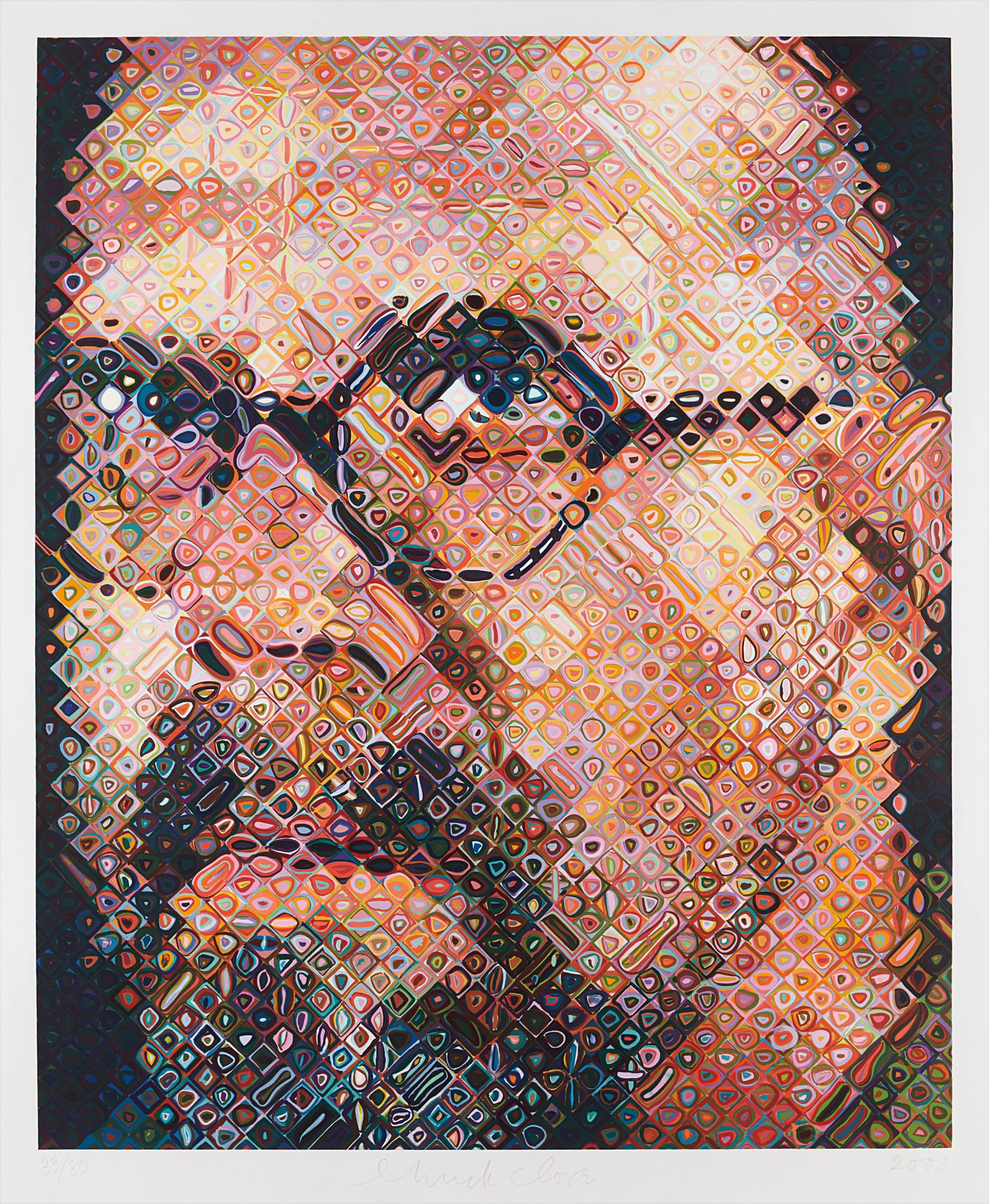
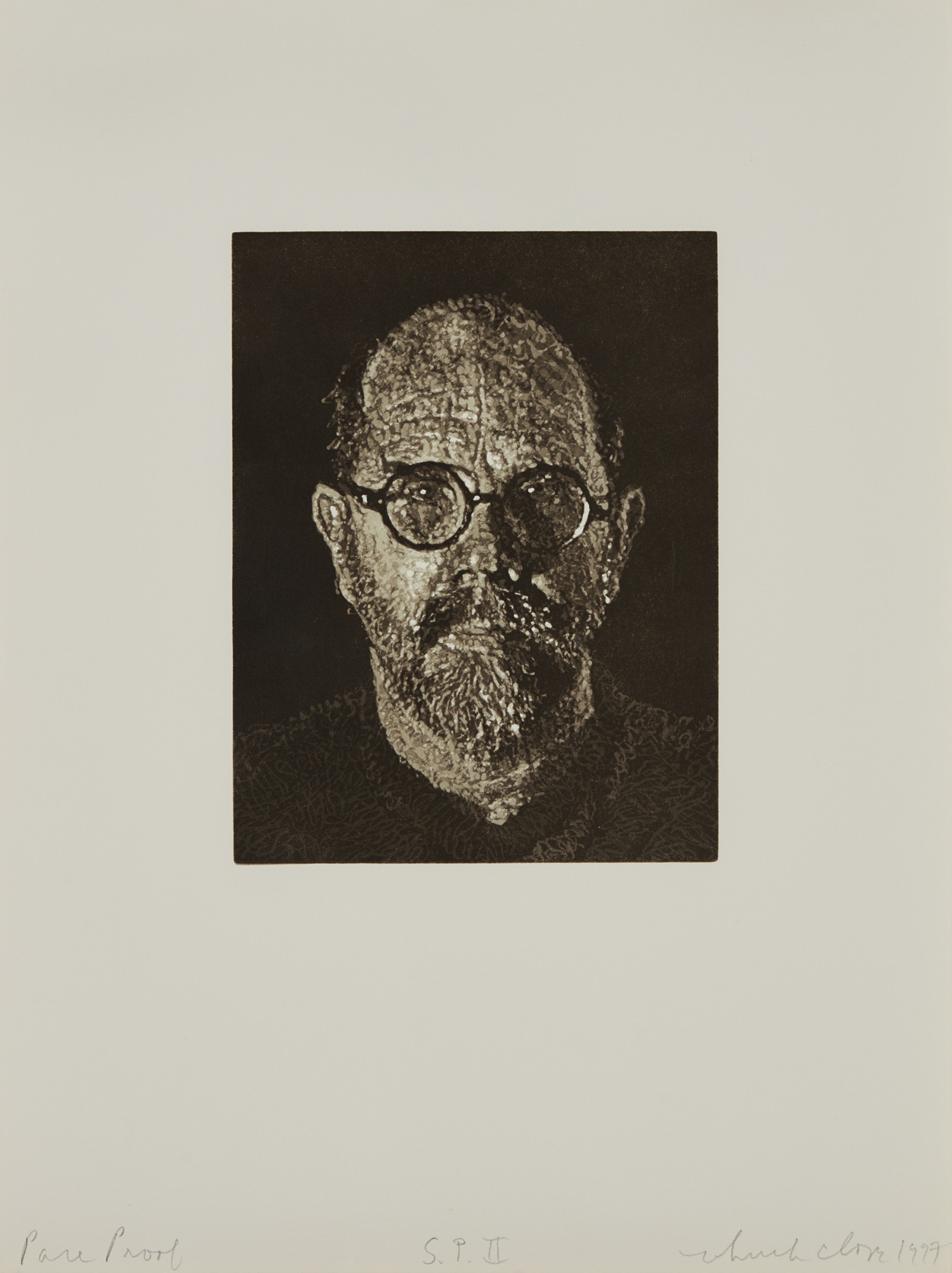
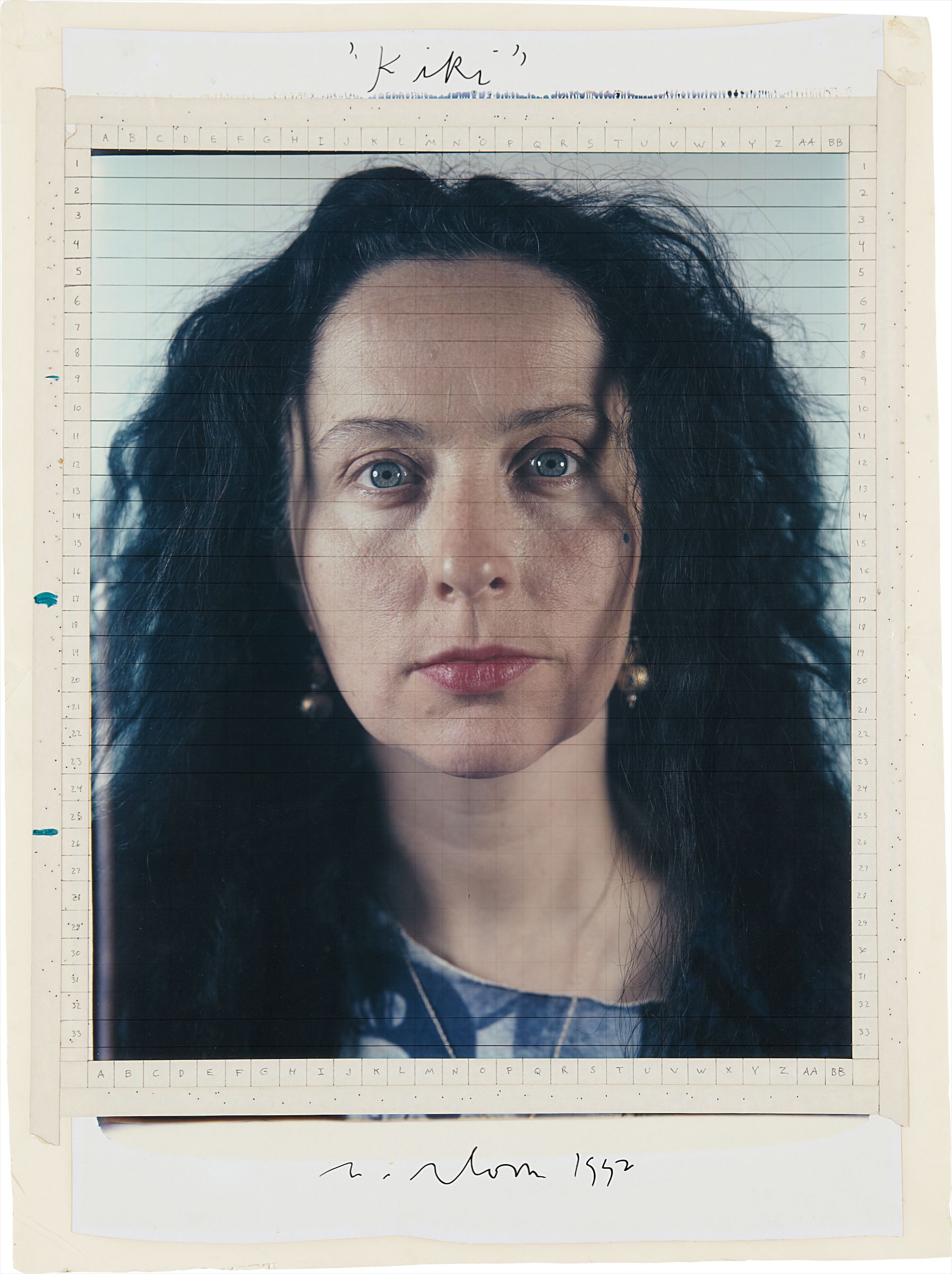
In the winter of 2022, the Metropolitan Museum of Art quietly extended its display of works from its permanent collection in tribute to Chuck Close, who had passed the previous year at the age of eighty one. Visitors paused longest in front of his enormous canvases, drawn into faces that seemed to breathe with an almost impossible vitality. That gravitational pull, the sensation of standing before a painted face and feeling genuinely seen, is perhaps the most enduring testament to what Close achieved over six extraordinary decades. His legacy is not merely that of a technical virtuoso, though… Continue reading
Collectors
Also spotted by

Artists in conversation
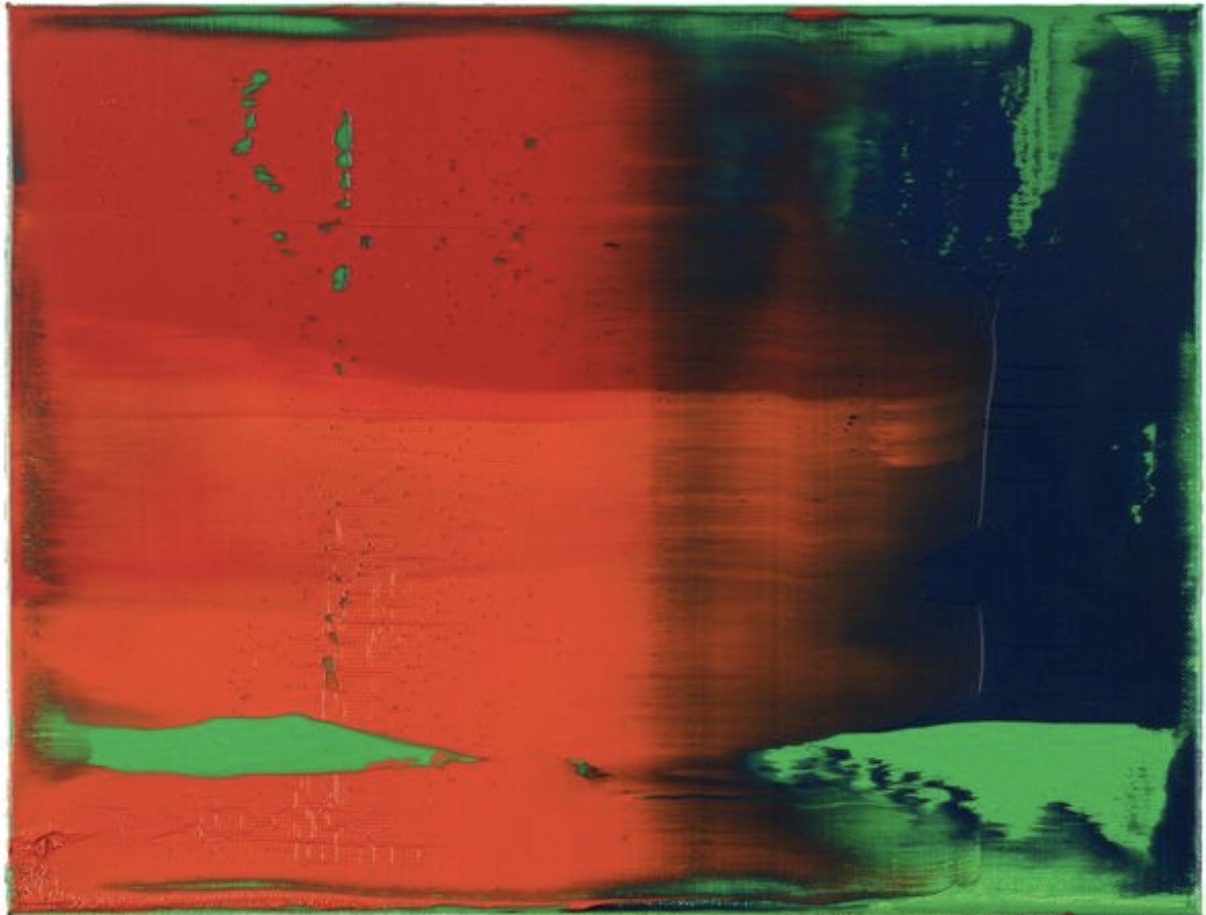
Gerhard Richter
Richter similarly works from photographs to create large scale paintings that interrogate the relationship between photographic and painted representation. Both artists use portraiture and photographic source material to examine perception and the act of seeing.
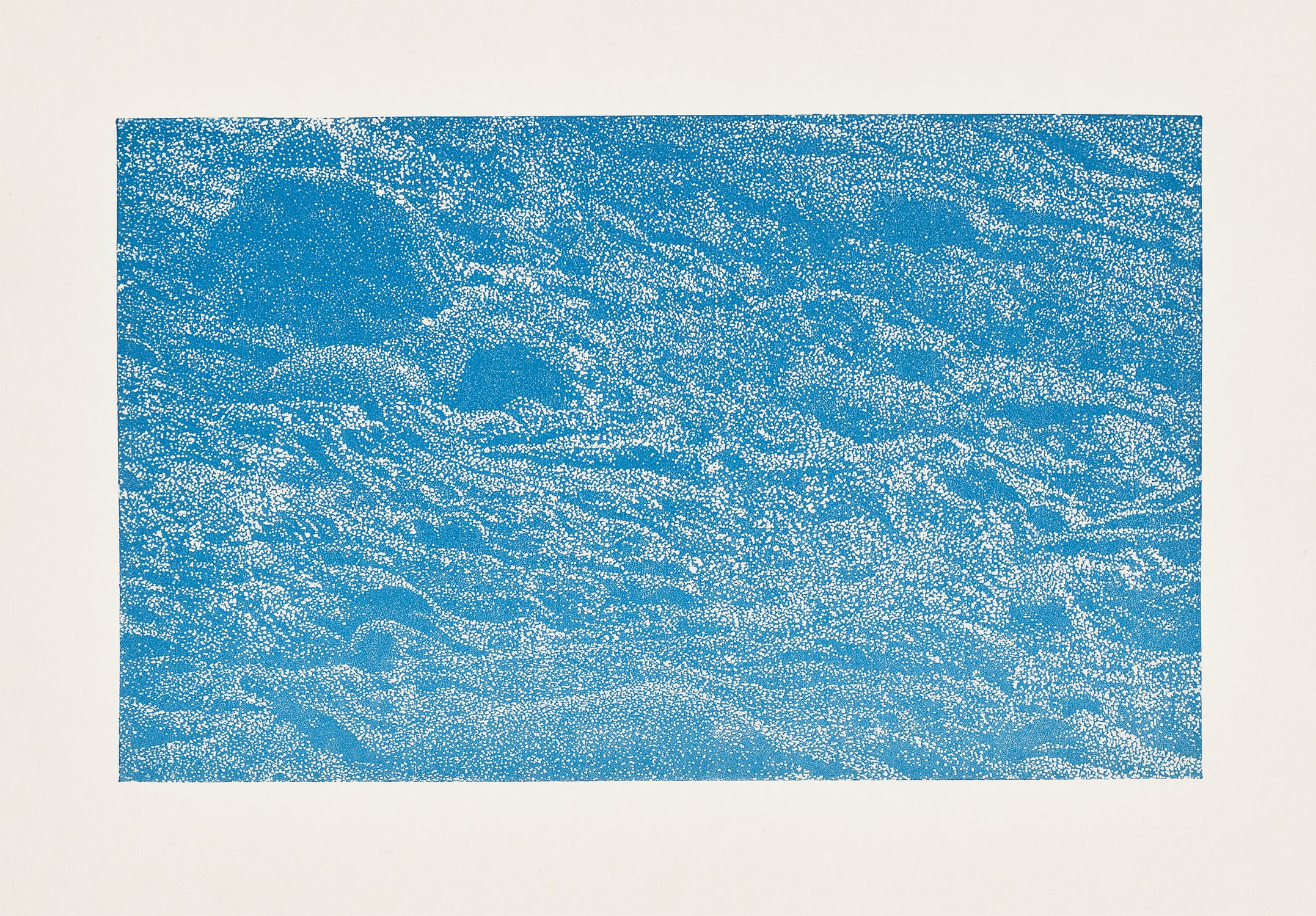
Franz Gertsch
Gertsch produces monumental photorealist paintings of faces and figures rendered with extraordinary detail and scale comparable to Close's work. Both artists share a commitment to hyperrealistic portraiture derived from photographic sources at an overwhelming physical scale.

Audrey Flack
Flack was a pioneering photorealist painter who projected photographs onto canvas to achieve precise representational detail. Her rigorous photographic methodology and place in the American photorealism movement align closely with Close's foundational practice.
Artists who inspired them
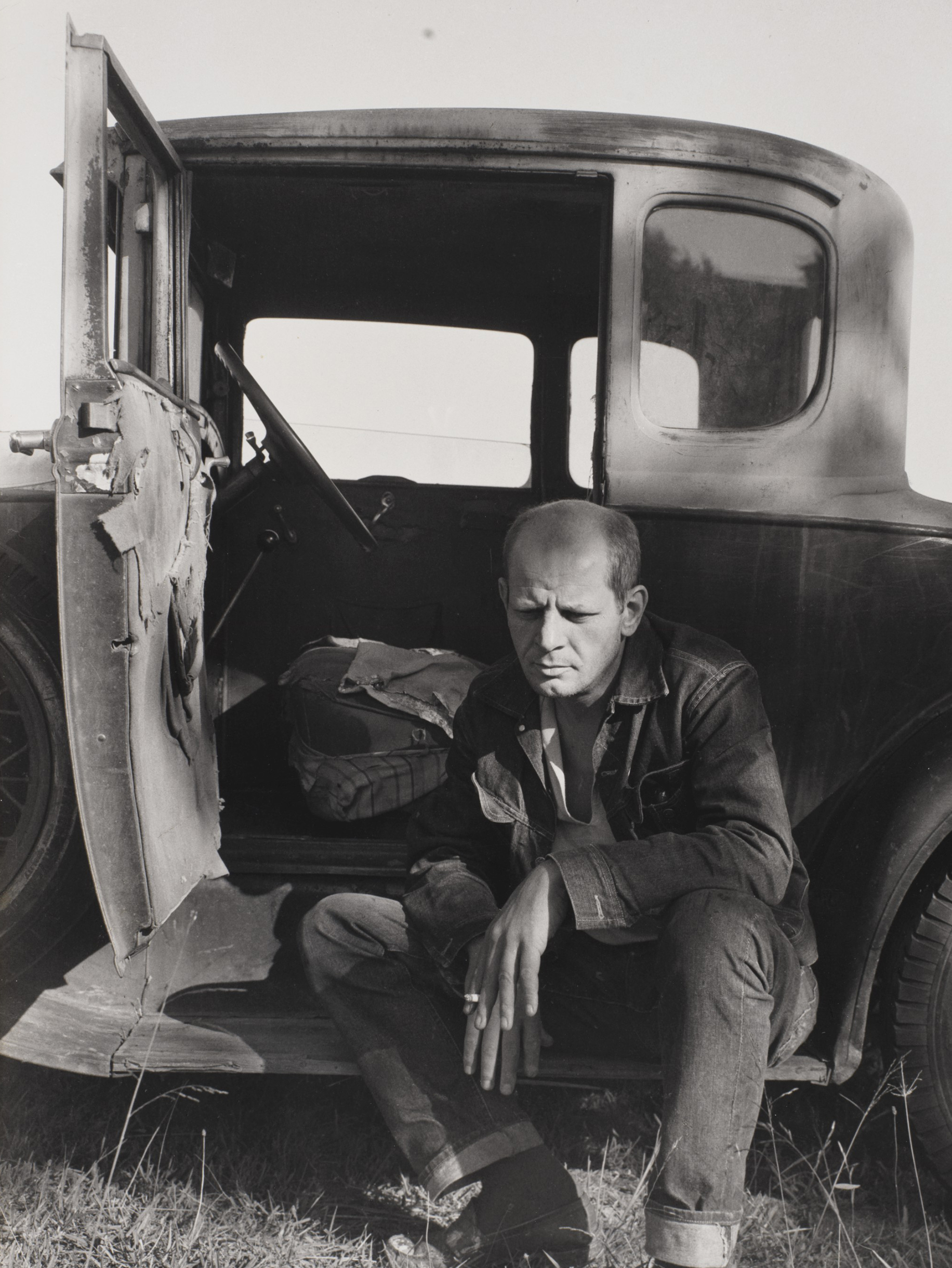
Jackson Pollock
Close cited Abstract Expressionism and Pollock's process oriented approach as formative early influences that shaped his thinking about mark making and surface. Close's grid methodology can be understood partly as a structured counterpoint to the gestural freedom he absorbed from this generation.
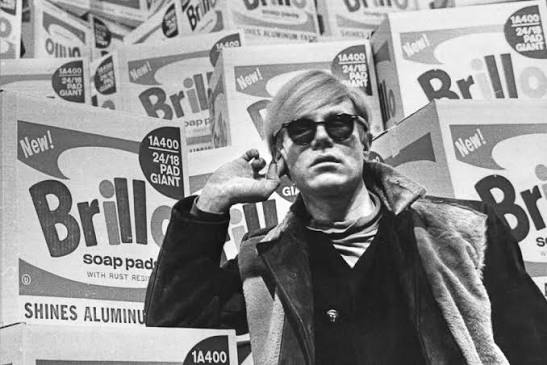
Andy Warhol
Warhol's use of photographic silkscreens to create large scale serial portraits of recognizable faces directly preceded and informed Close's own portrait practice. Close shared Warhol's interest in flattening and mechanizing the human face while also pushing against it by restoring painterly labor.
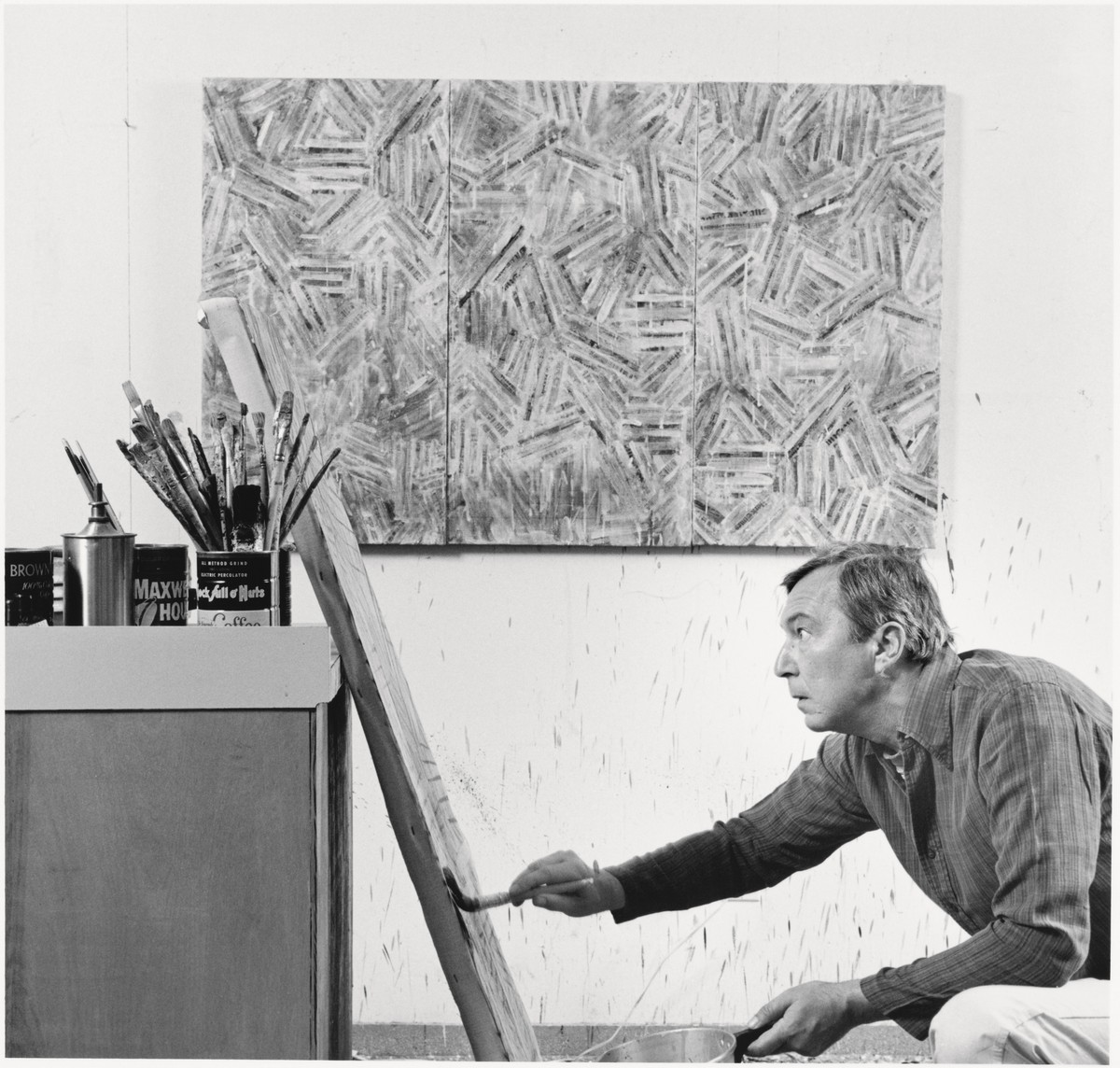
Jasper Johns
Johns's use of systematic grid structures and his blurring of conceptual and representational concerns were significant influences on Close's development. Close's grid based painting method reflects Johns's demonstration that strict systems could generate intensely physical and visually rich surfaces.
Artists they inspired
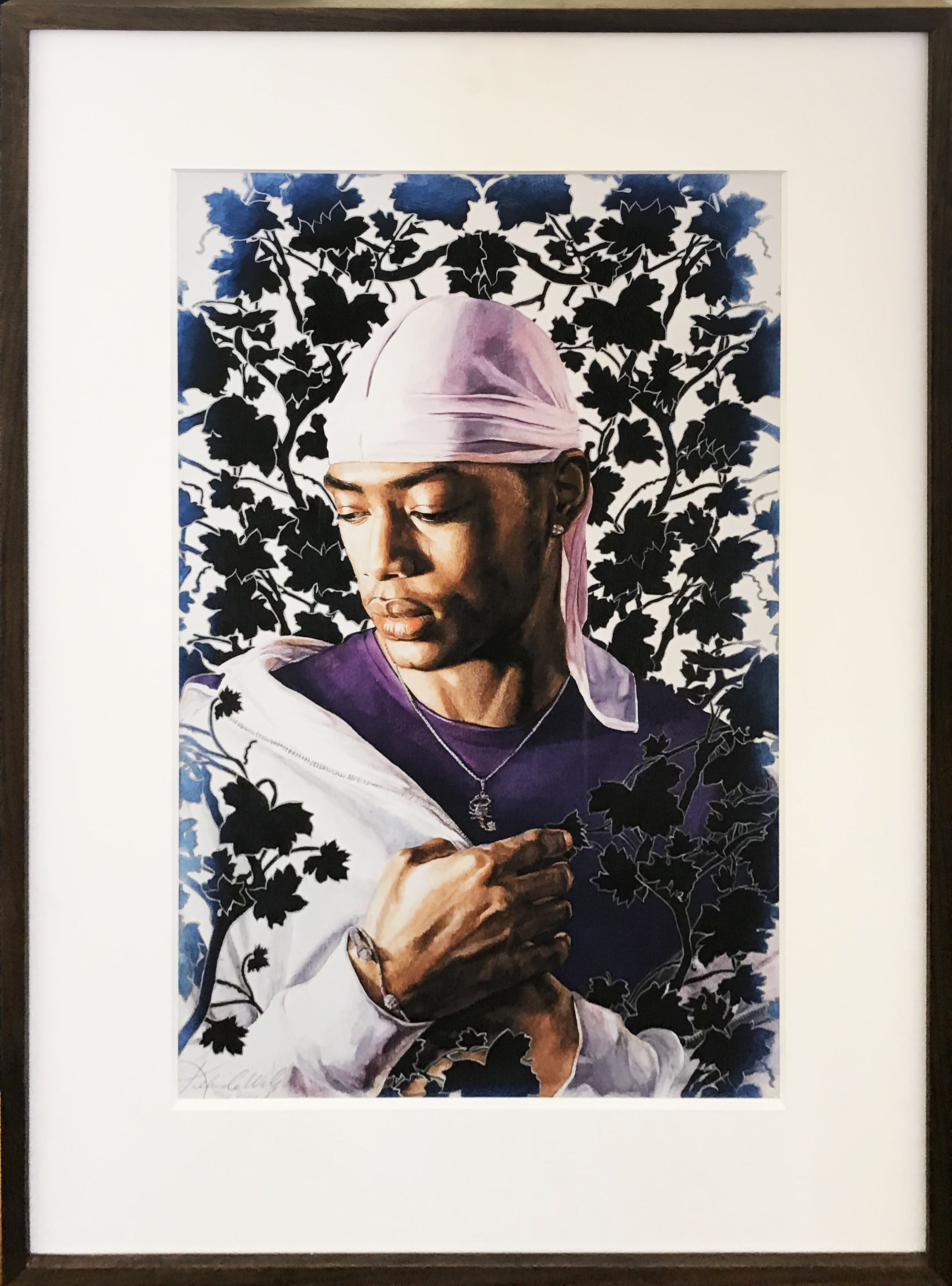
Kehinde Wiley
Wiley adopted Close's monumental scale approach to portraiture and his commitment to elevating sitters who are typically underrepresented in the canon of large scale painted portraiture. Wiley has acknowledged the tradition of photorealist monumental portraiture that Close helped define as central to his own ambitions.
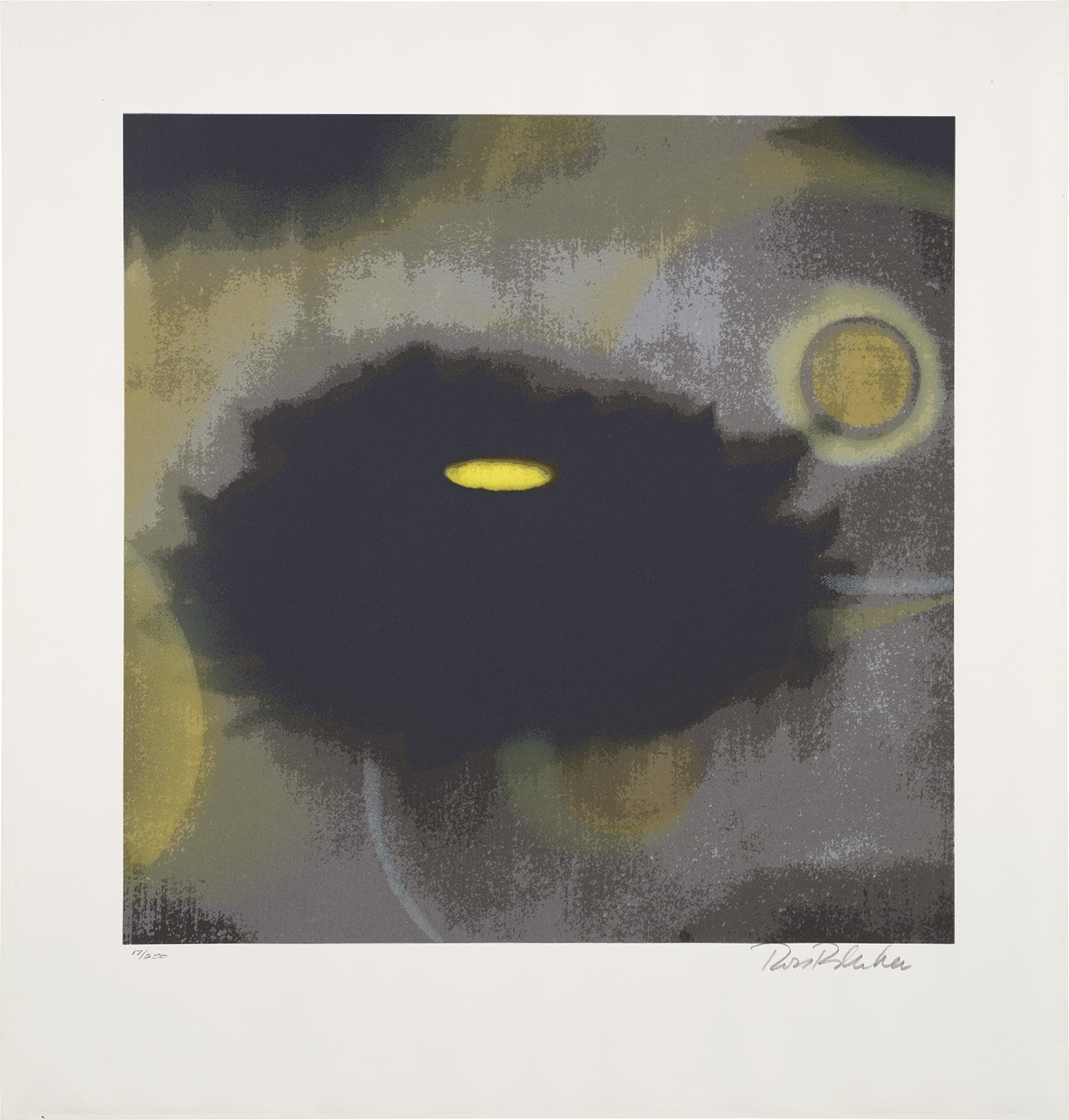
Ross Bleckner
Bleckner emerged from the New York art world in which Close was a dominant figure and absorbed Close's insistence on systematic process as a generative constraint in painting. His interest in using repetitive grid based structures to produce luminous and optically complex surfaces reflects Close's methodological legacy.