Screenprint Colors
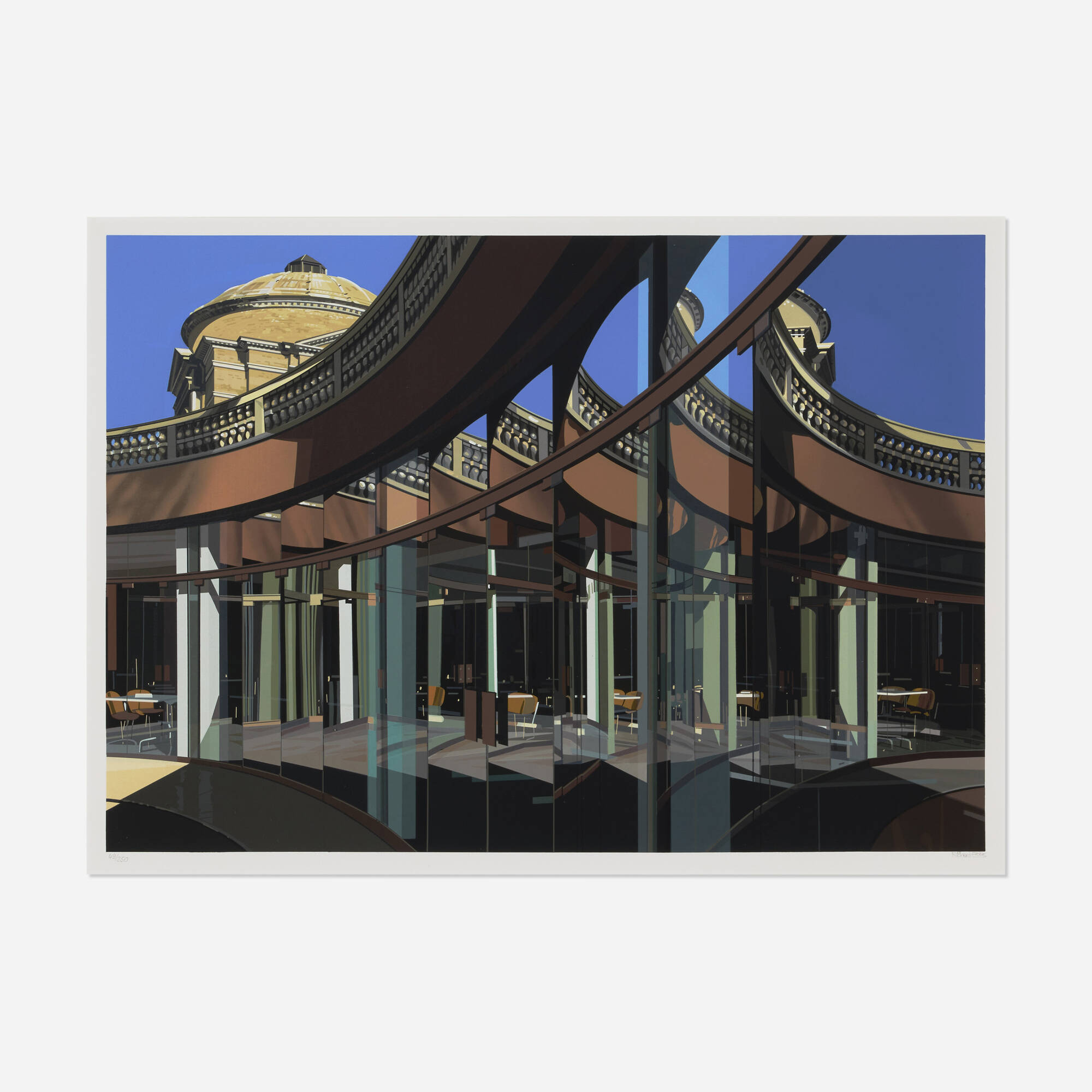
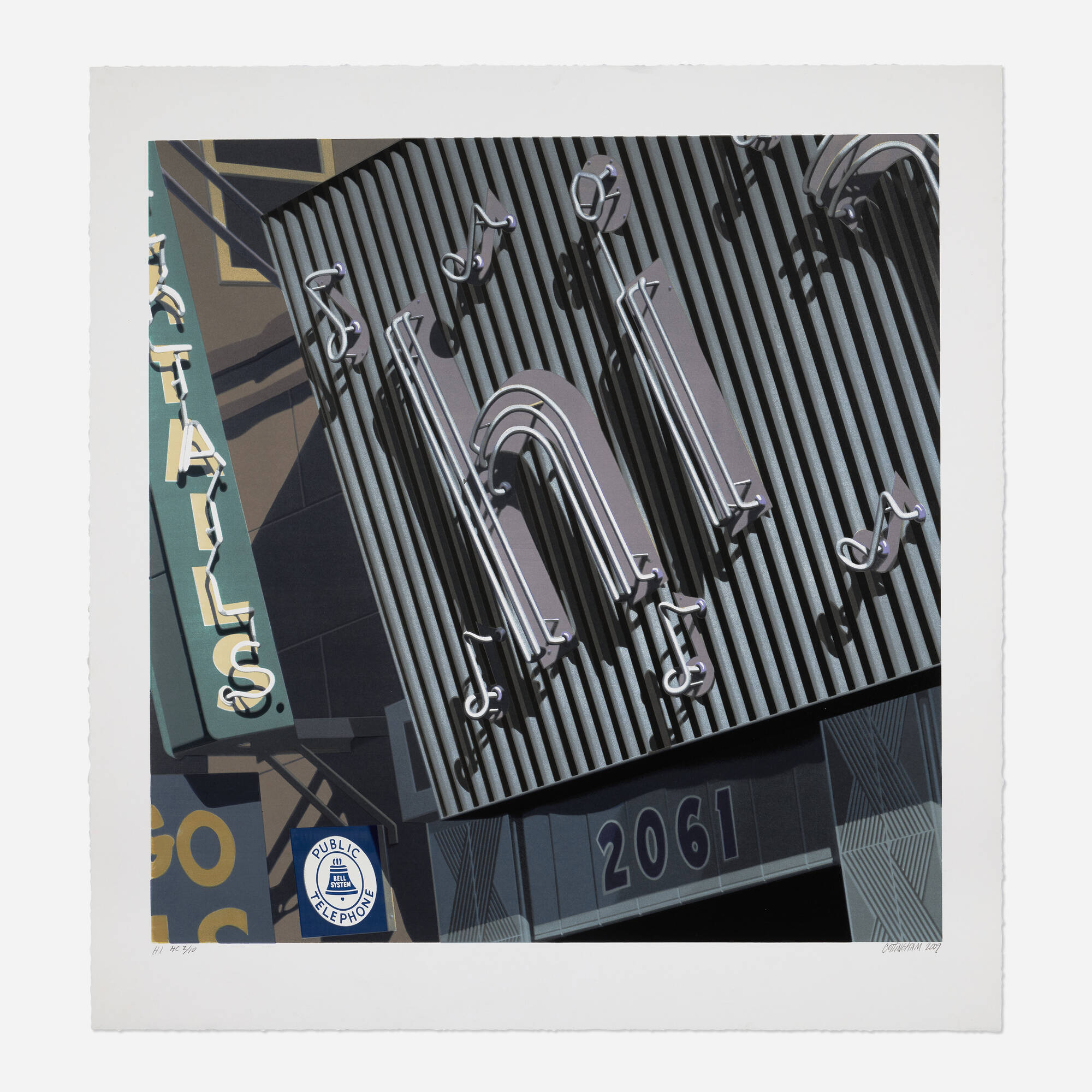
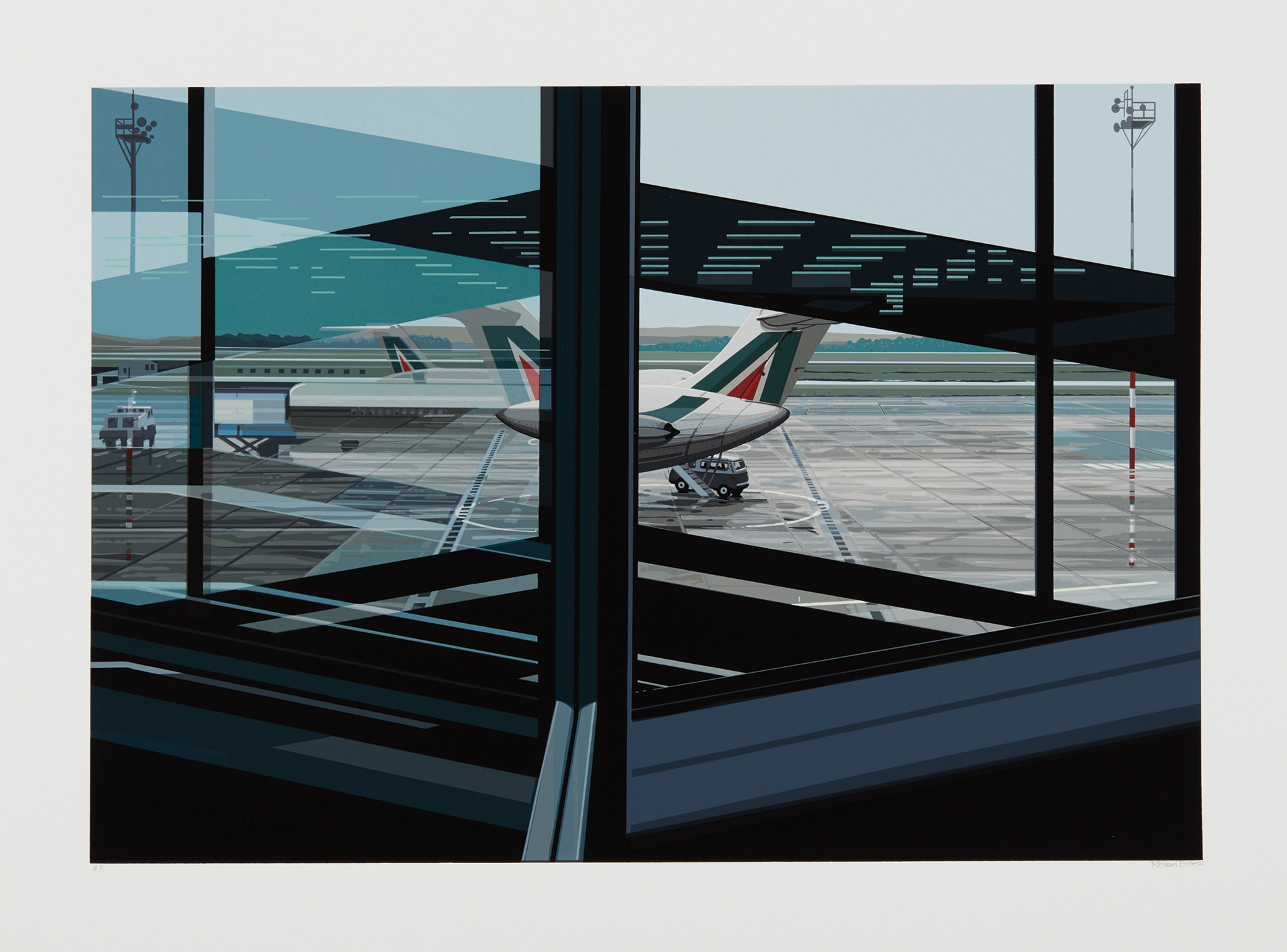
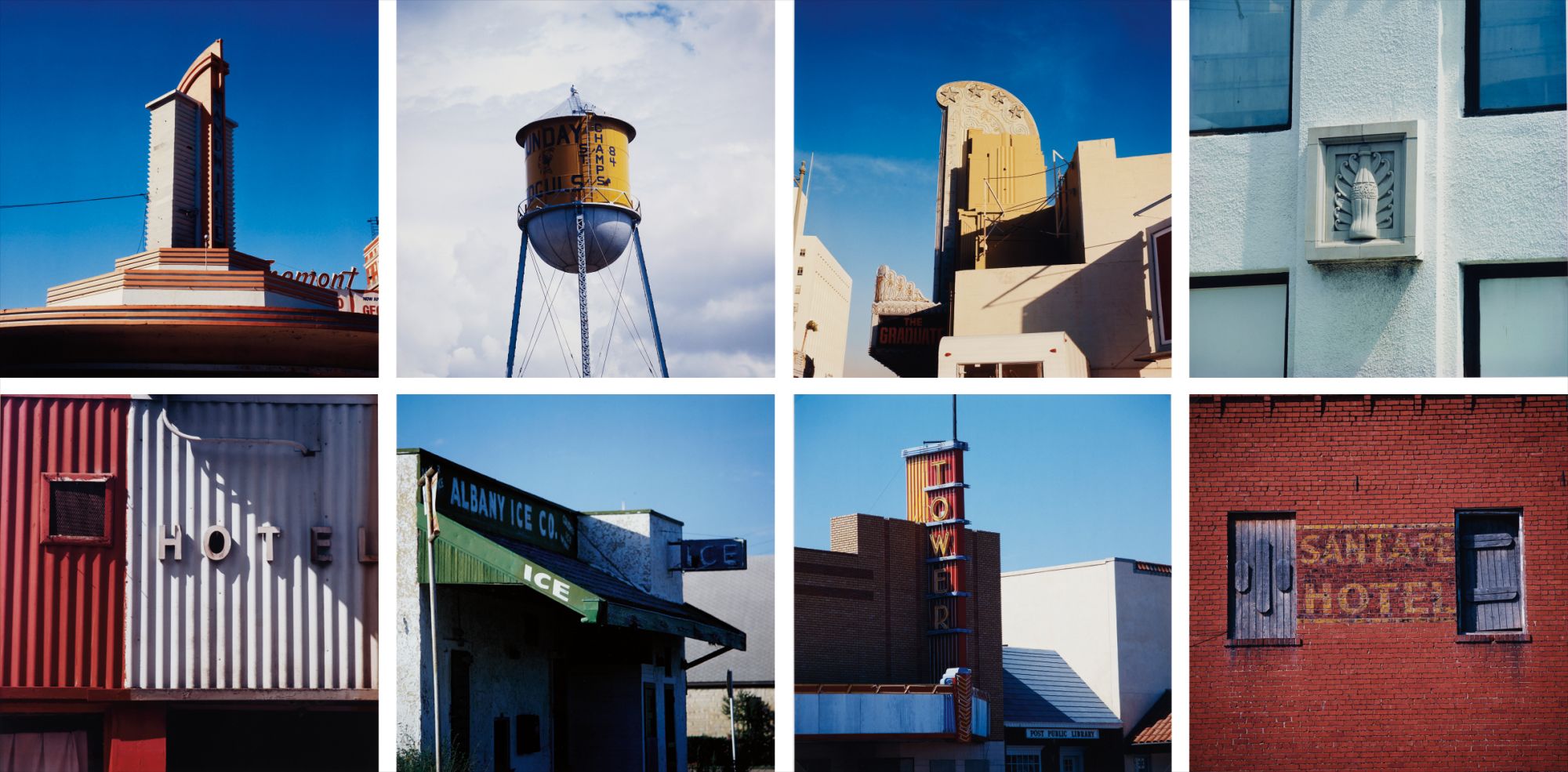
Richard Estes
Cafeteria Vatican (from the Urban Landscapes III portfolio), 1981

Ink, Mesh, and the Democratic Dream
There is something almost alchemical about the screenprint. Ink forced through a stretched mesh onto paper or canvas, leaving behind an image so flat and so vivid it seems to vibrate at its own frequency. This is not an accident of the medium. It is the point.
The screenprint arrived in the American art world at precisely the moment when artists were asking whether a work could be beautiful and abundant at the same time, whether art could belong to many people without belonging less to anyone. The answer, it turned out, was yes, and it arrived in colours that practically shouted. The technique itself has roots that stretch far earlier than the Pop moment with which it is most commonly associated. Silkscreen printing, the commercial ancestor of the fine art screenprint, was in widespread industrial use by the 1930s, applied to textiles, signage, and packaging with a directness that high art of the era conspicuously avoided.
Andy Warhol
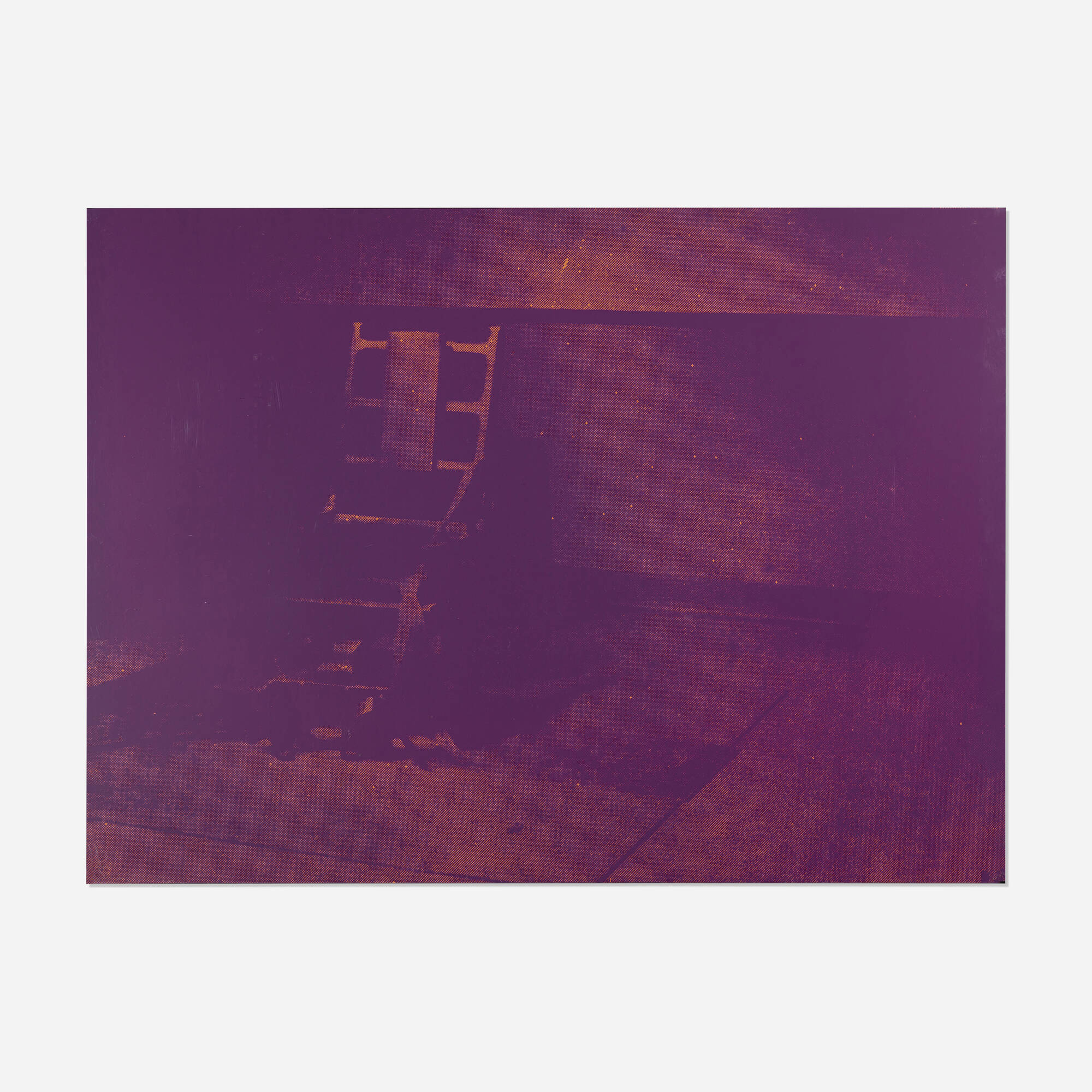
Electric Chair, 1971
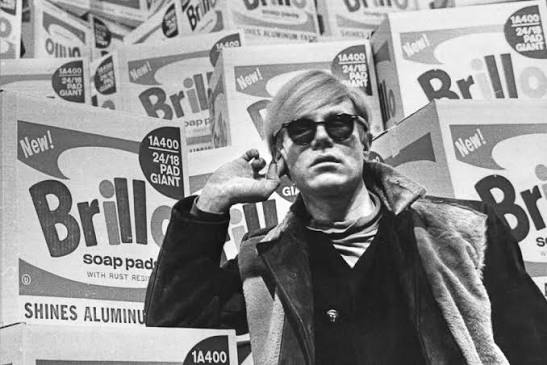
The Federal Art Project, operating under the Works Progress Administration during the Depression years, began experimenting with the medium as a way to produce affordable prints at scale, and a small circle of American artists began to sense its possibilities. But it was not until the early 1960s that the screenprint shed its commercial associations entirely and became something else, something with genuine conceptual ambition. Andy Warhol is the figure you cannot talk around. His decision in 1962 to apply the silkscreen process to painting, beginning with the Campbell's Soup Cans and accelerating rapidly into the Marilyn and Elvis series, was one of those moments in art history when a technical choice and a philosophical argument arrive as a single gesture.
Warhol understood that the slight variations produced between pulls of the squeegee, the colour registration that never quite aligned perfectly, the occasional ink bleed, were not flaws to be corrected but truths to be preserved. Repetition with variation: it was the visual logic of consumer culture turned into formal poetry. A work by Warhol on The Collection carries all of that freight, the glamour and the irony running together in the same flat plane of colour. Corita Kent, working from Immaculate Heart College in Los Angeles through the 1960s, arrived at screenprinting from an entirely different direction but with equally transformative results.
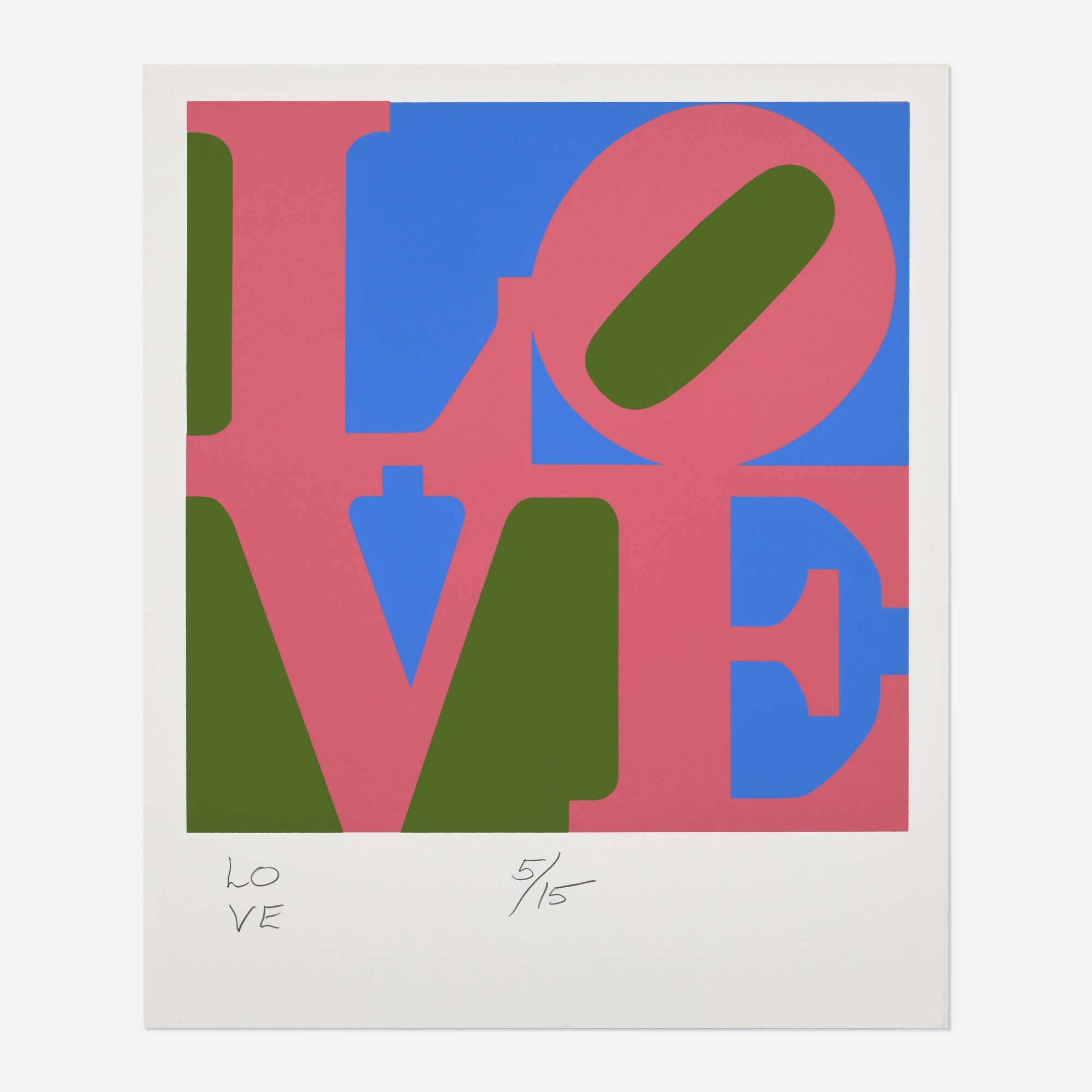
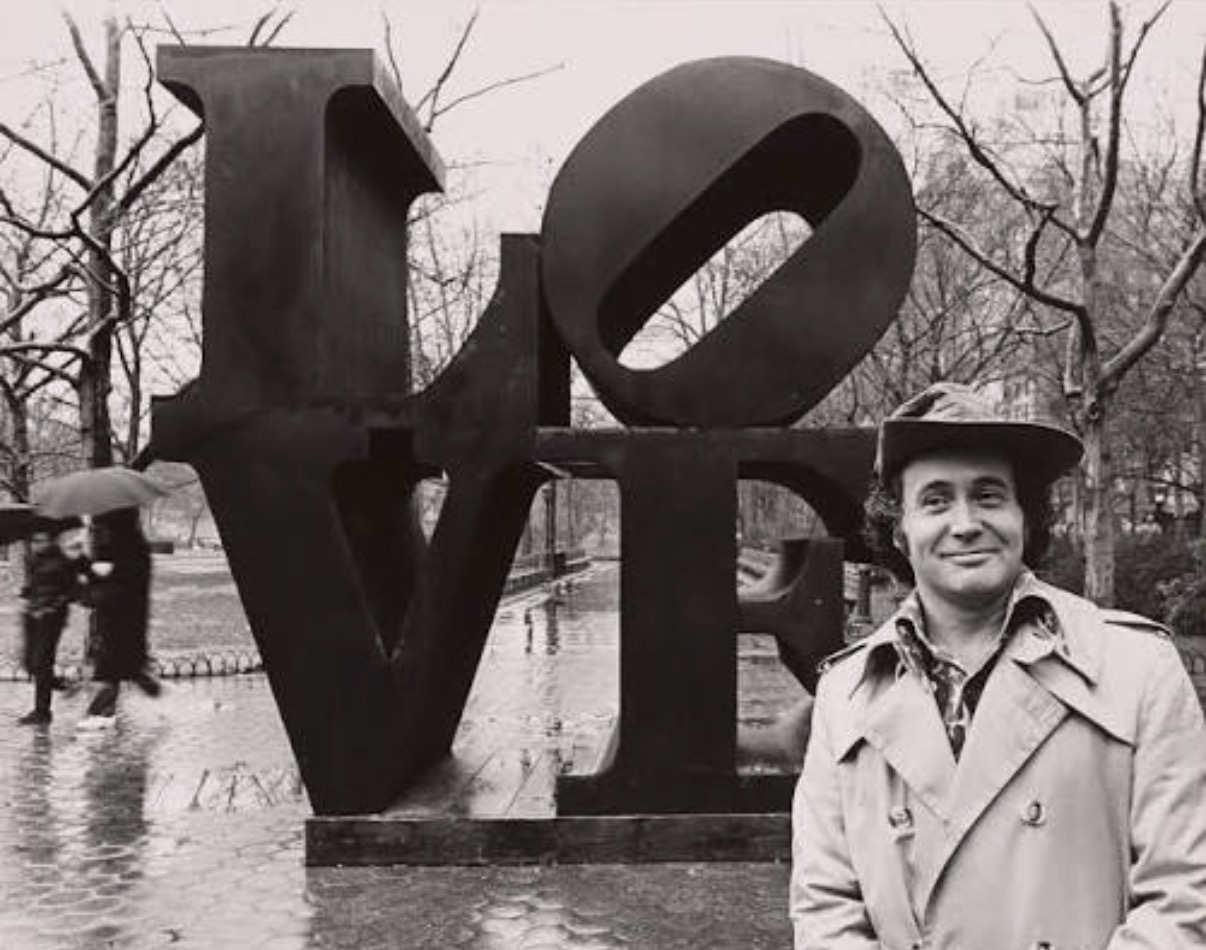
Robert Indiana
Love (from The Book of Love: Art & Poetry booklet), 1996
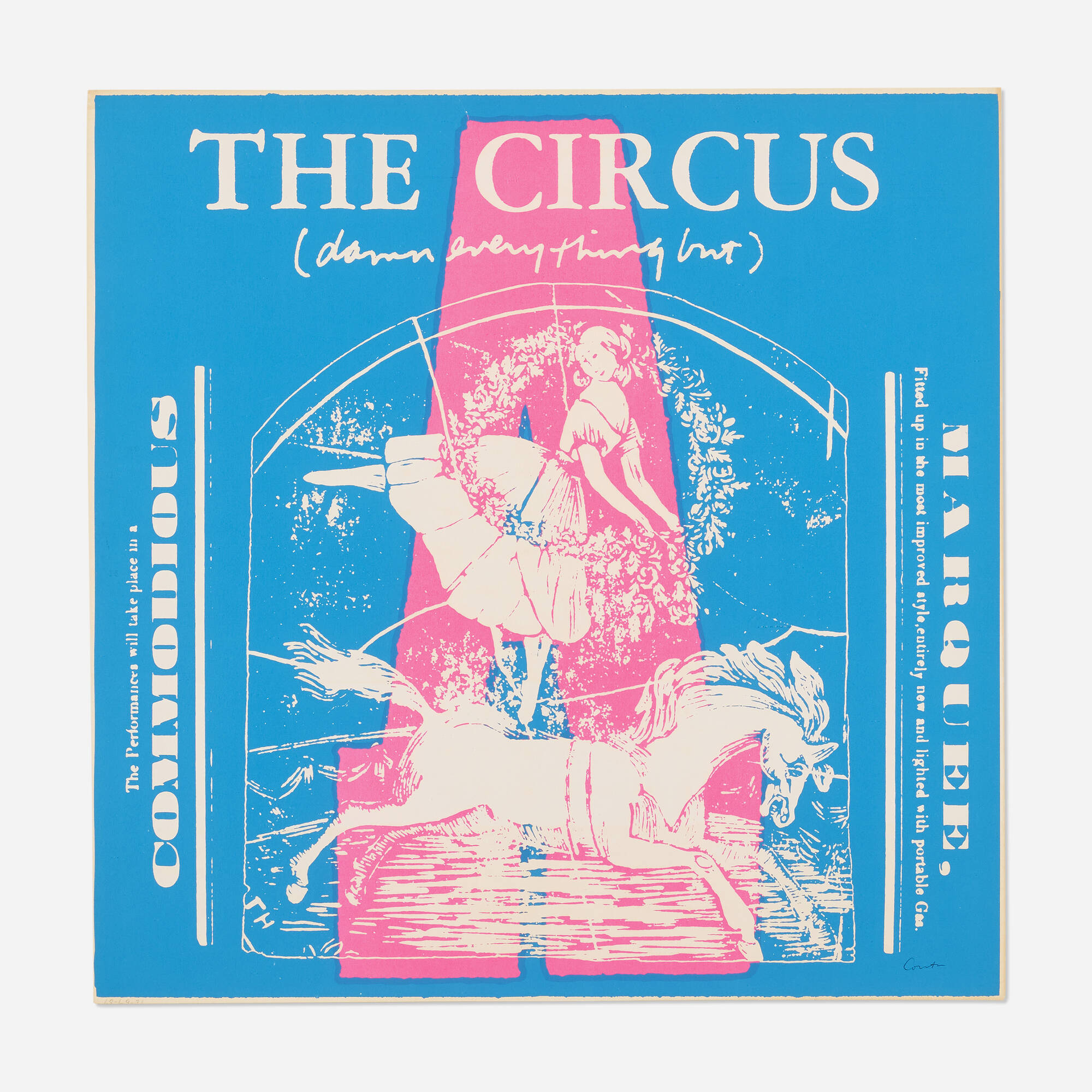
Her prints, dense with commercial imagery, scripture, and political urgency, treated the medium's capacity for bold, flat colour as a form of sermon. She pulled text and image together in ways that felt genuinely radical, and her influence on graphic design and art alike remains somewhat underacknowledged. The works by Corita on The Collection demonstrate how politically charged the medium could be, all brightness deployed as argument rather than decoration. Robert Indiana, likewise represented here, built his entire visual language around the flatness that screenprinting enables so naturally.
His use of hard edges, stencil like letterforms, and saturated fields of colour owes something to commercial printing and everything to a refusal of painterly ambiguity. The formal properties of the screenprint are worth dwelling on because they explain so much about why certain artists returned to the medium again and again. The mesh forces a separation between the act of drawing and the act of mark making. An image is prepared, a screen is coated and exposed, and then colour is applied in discrete, layered passes.
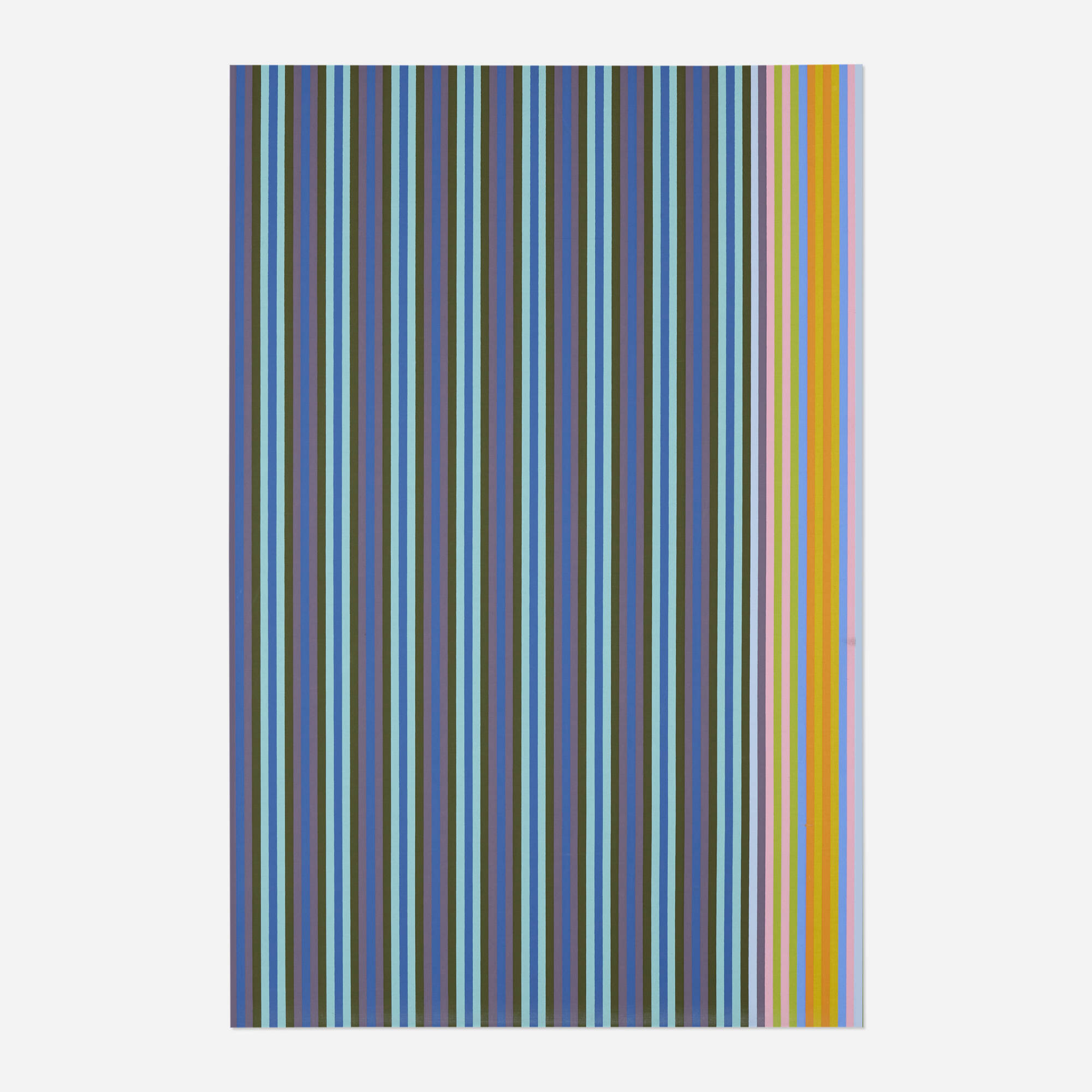
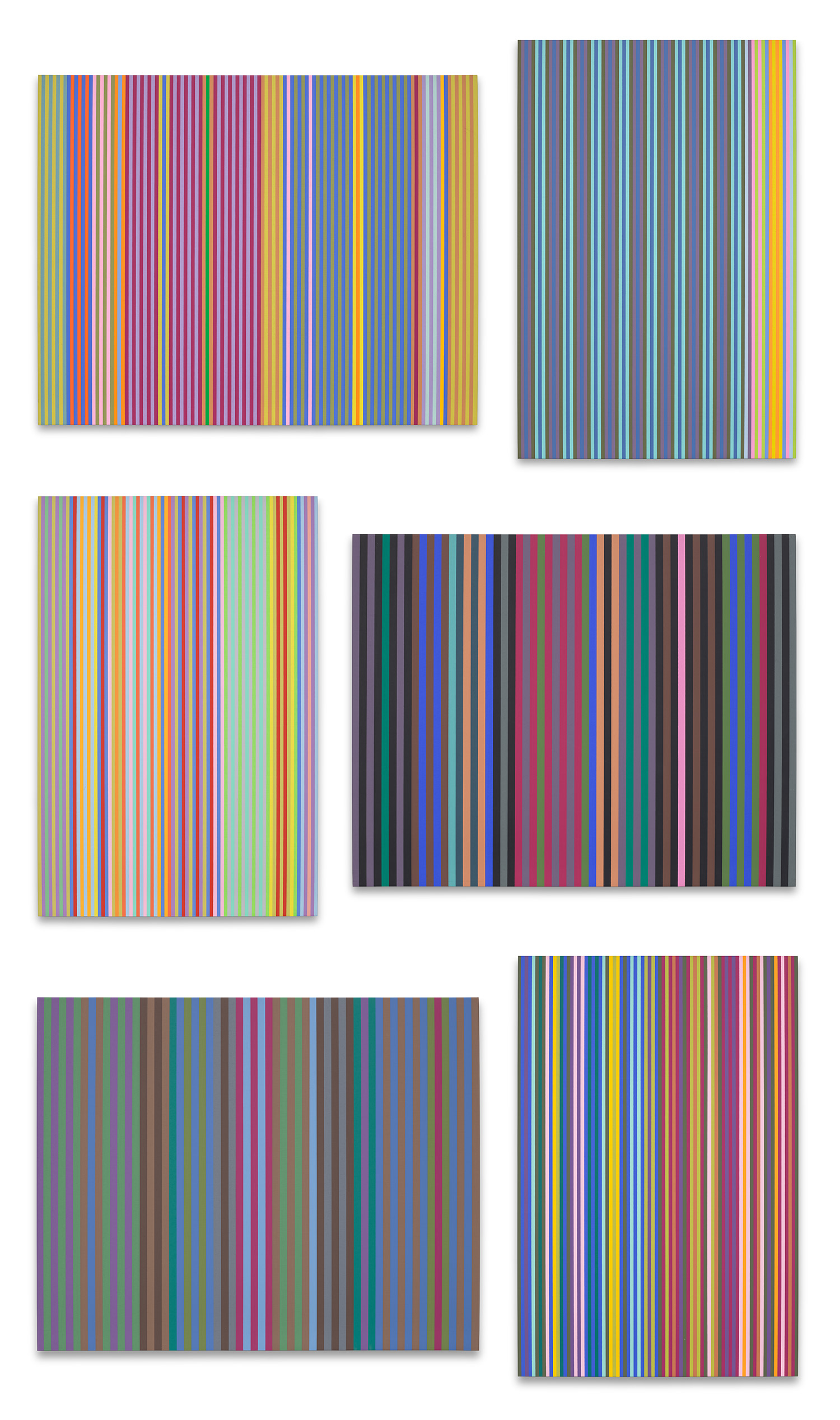
Gene Davis
Jack In The Box (from the Series I portfolio), 1969
Each colour requires its own screen, its own moment in the process. The result is an image built from decisions rather than gestures, which suits artists with strong graphic instincts. Gene Davis, whose stripe paintings earned him a central place in the Washington Color School, found the screenprint a natural extension of his thinking about colour relationships, sequence, and the way bands of hue interact when pressed up against one another without modulation. The prints carry the same systematic intelligence as the paintings but distilled into something portable, something a person could actually live with.
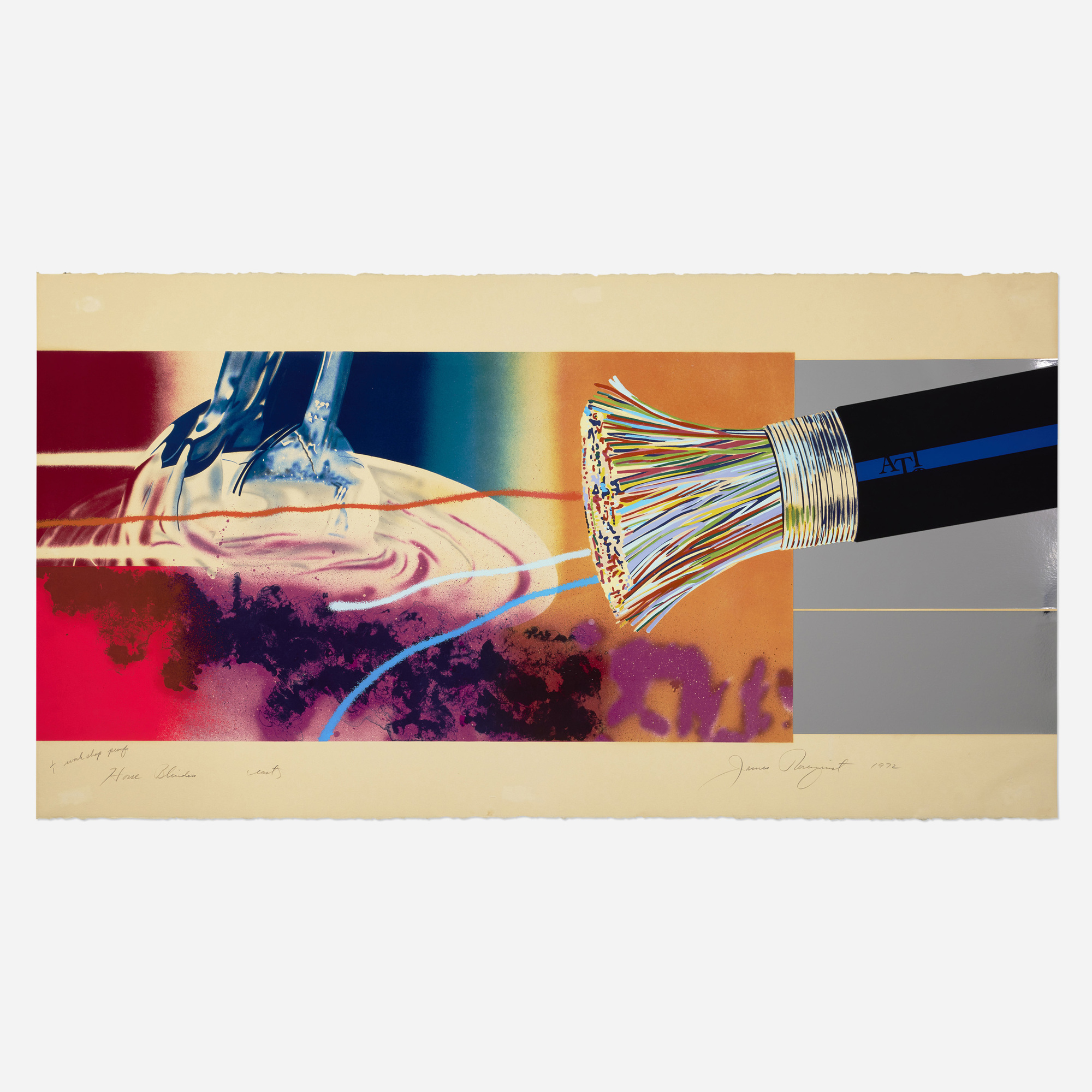
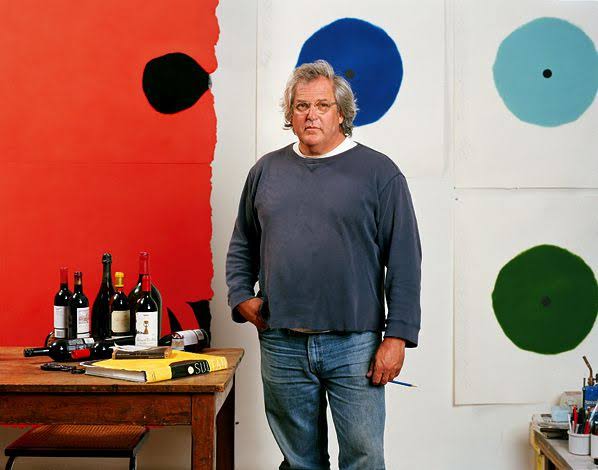
Roy Lichtenstein and James Rosenquist, both represented on The Collection, pushed the screenprint toward different ends. Lichtenstein's engagement with Ben Day dots, those small circles borrowed from cheap commercial printing, made screenprint not just a technique but a subject. The medium was commenting on itself, on mass reproduction, on the gap between the handmade and the industrial. Rosenquist brought billboard scale thinking to his prints, fragments of consumer culture cropped and collaged in ways that felt both seductive and deeply uneasy.
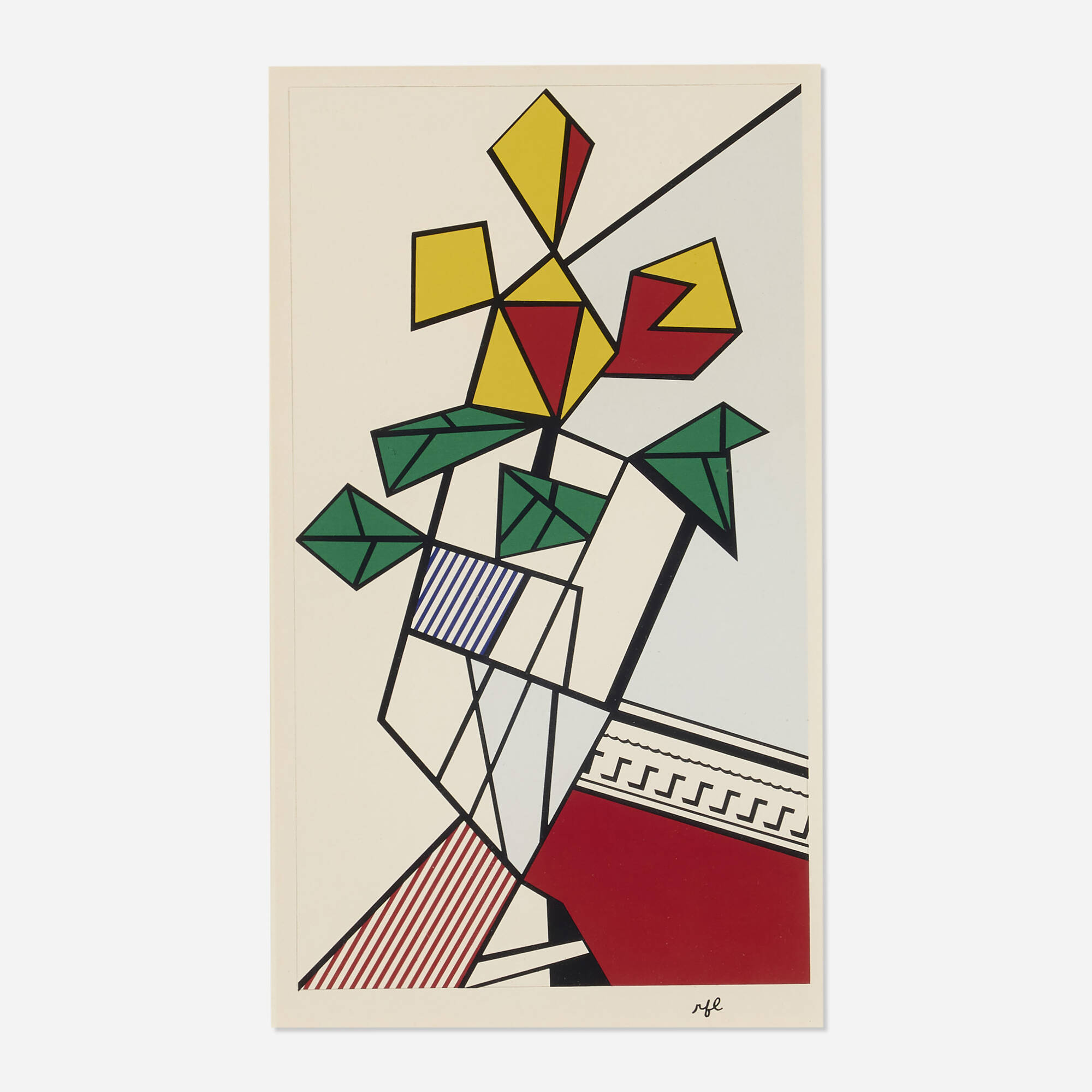
Roy Lichtenstein
Flowers, 1973
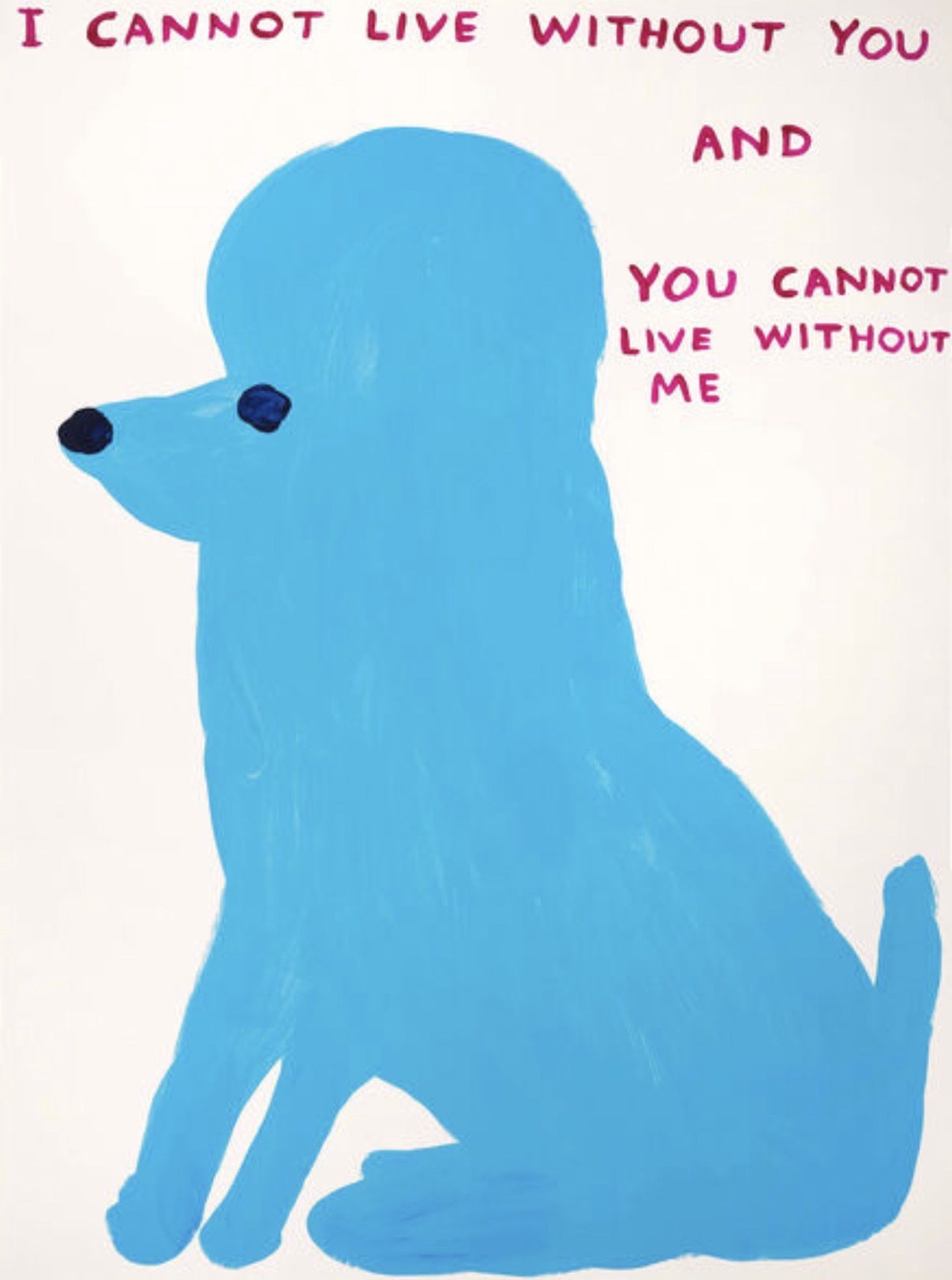
Frank Stella's screenprints extended his investigations into geometry and optical intensity, while Jasper Johns used the medium to interrogate familiar symbols, flags, targets, and maps, in ways that asked what flatness could and could not say. What is remarkable, looking at the broader span of artists who have engaged seriously with screenprinting, is how consistently the medium has attracted artists interested in the political and social dimensions of image making. Faith Ringgold's work, rooted in the civil rights movement and in a determined reclamation of the American story, found in print media a way to reach audiences that gallery walls sometimes excluded. David Shrigley's wry, deadpan screenprints use the medium's flatness as a straight face, the blankness is the joke and also the critique.
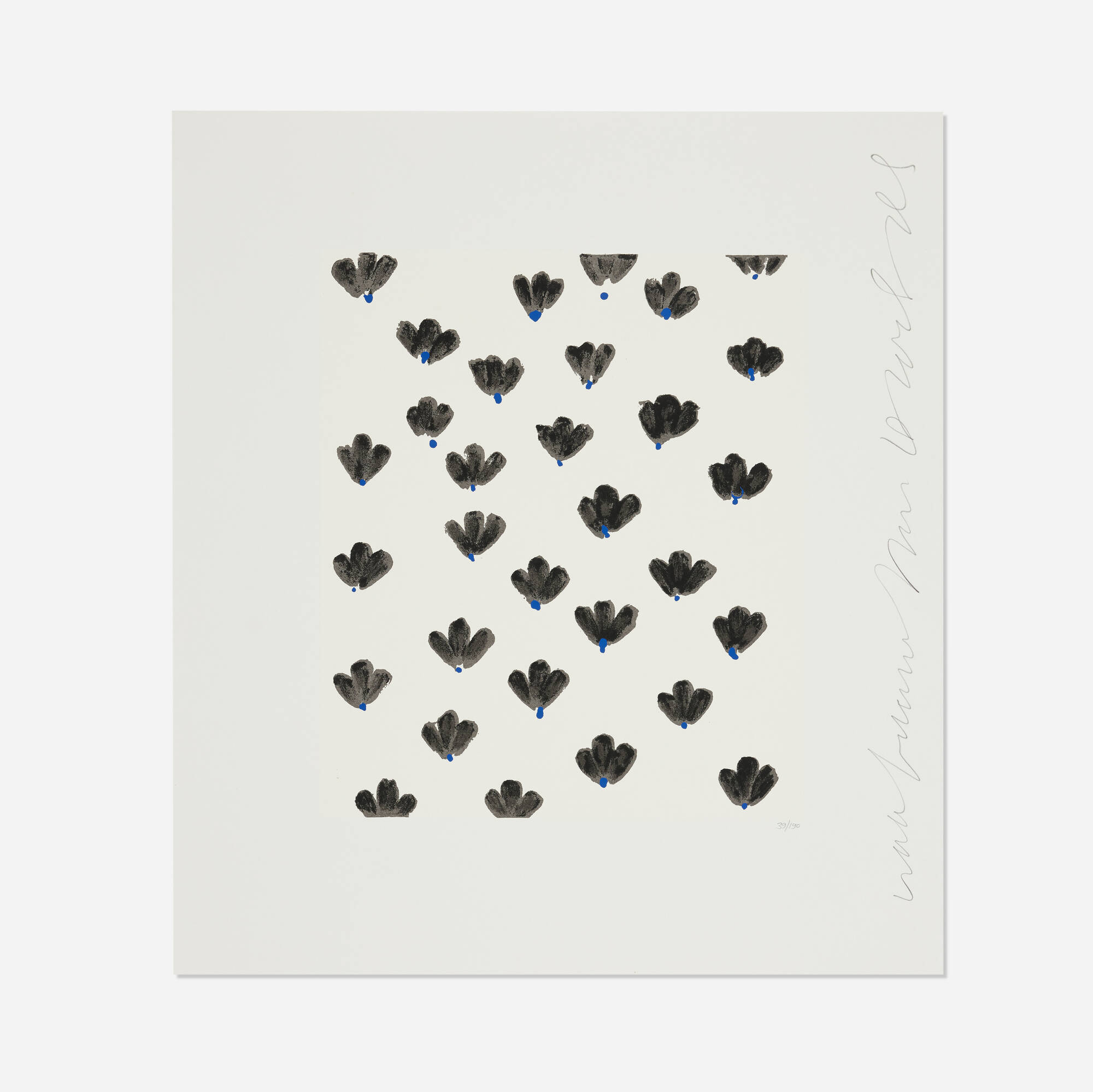
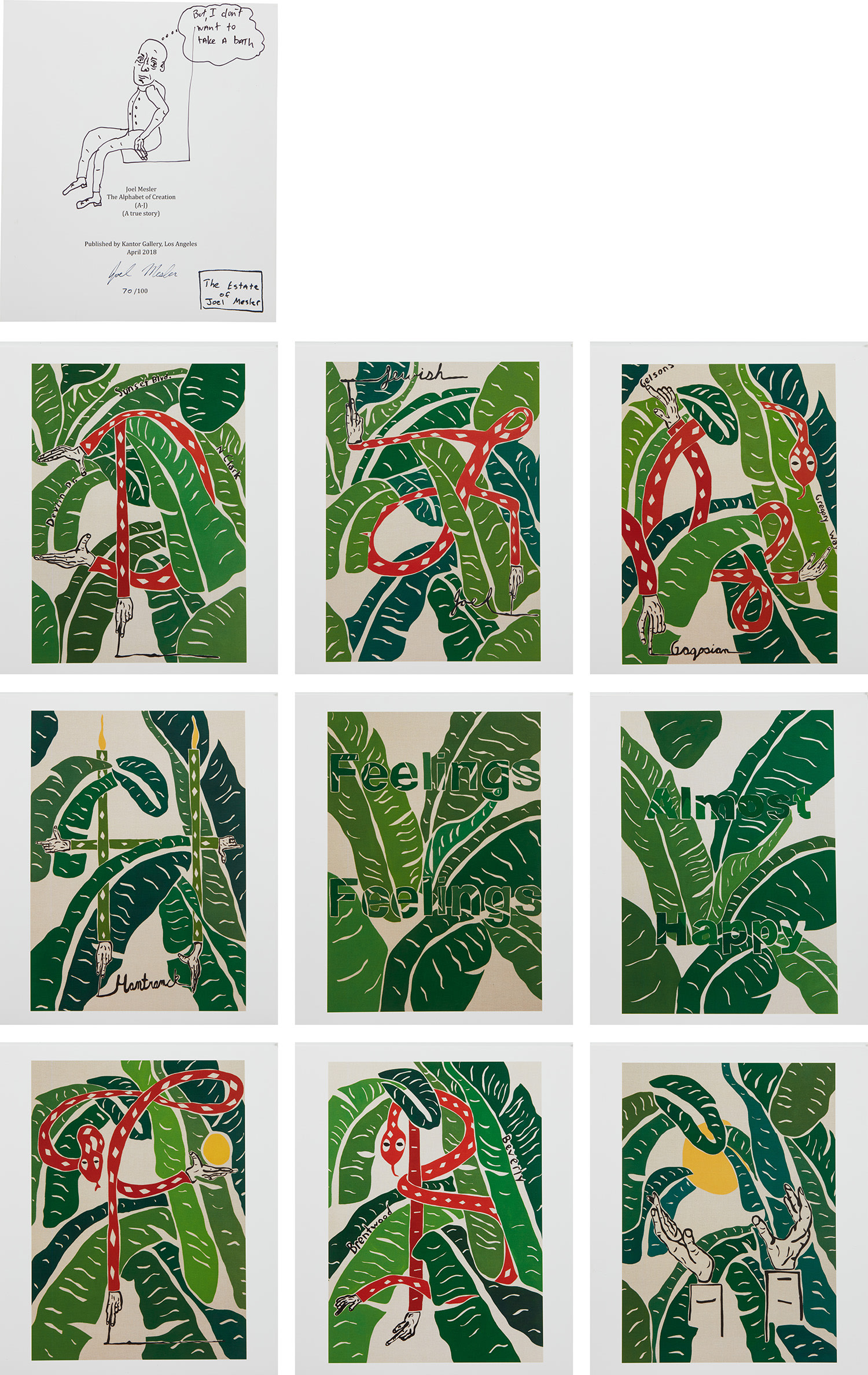
Joel Mesler and Donald Sultan arrive from quite different places but both engage with the tension between the handmade and the reproduced that screenprinting keeps alive in every pull. Today, the screenprint occupies a peculiar and genuinely interesting position in the art world. It has never been more popular with younger artists, who are drawn to its accessibility and its community, the workshop culture that still surrounds print studios in cities from New York to Glasgow to Seoul. At the same time, works by the canonical figures of the medium, Indiana, Warhol, Frankenthaler, Lichtenstein, continue to hold their ground at auction and in critical esteem.
The democratic dream of the print, art made for many rather than few, has not been entirely realised, but it has not been abandoned either. That tension, between abundance and value, between the multiple and the singular, is what makes the screenprint so enduringly alive as a category. It is still asking the same question it posed in 1962, and the colours are still loud enough to demand an answer.