Richard Estes
“
40
Works
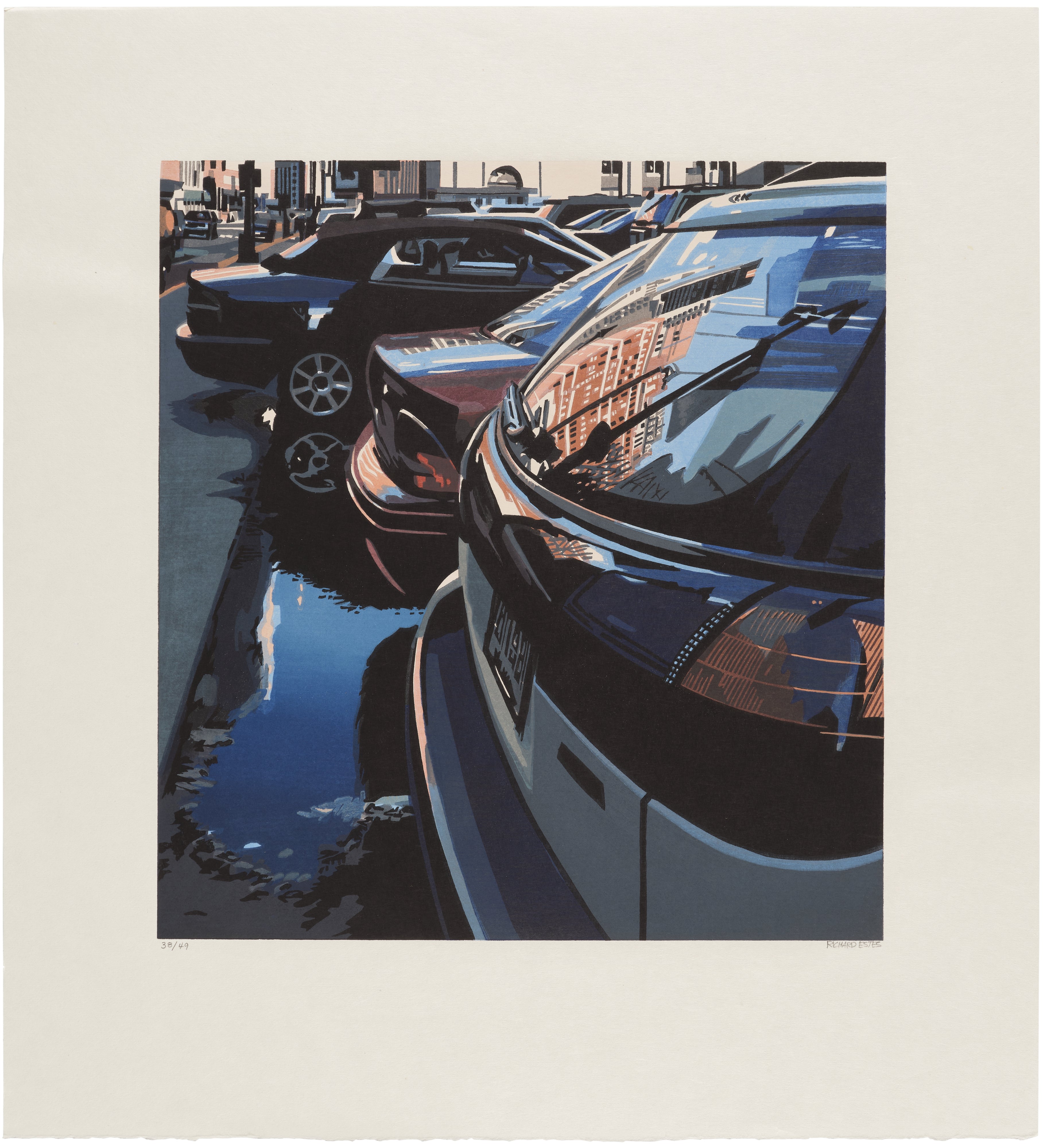
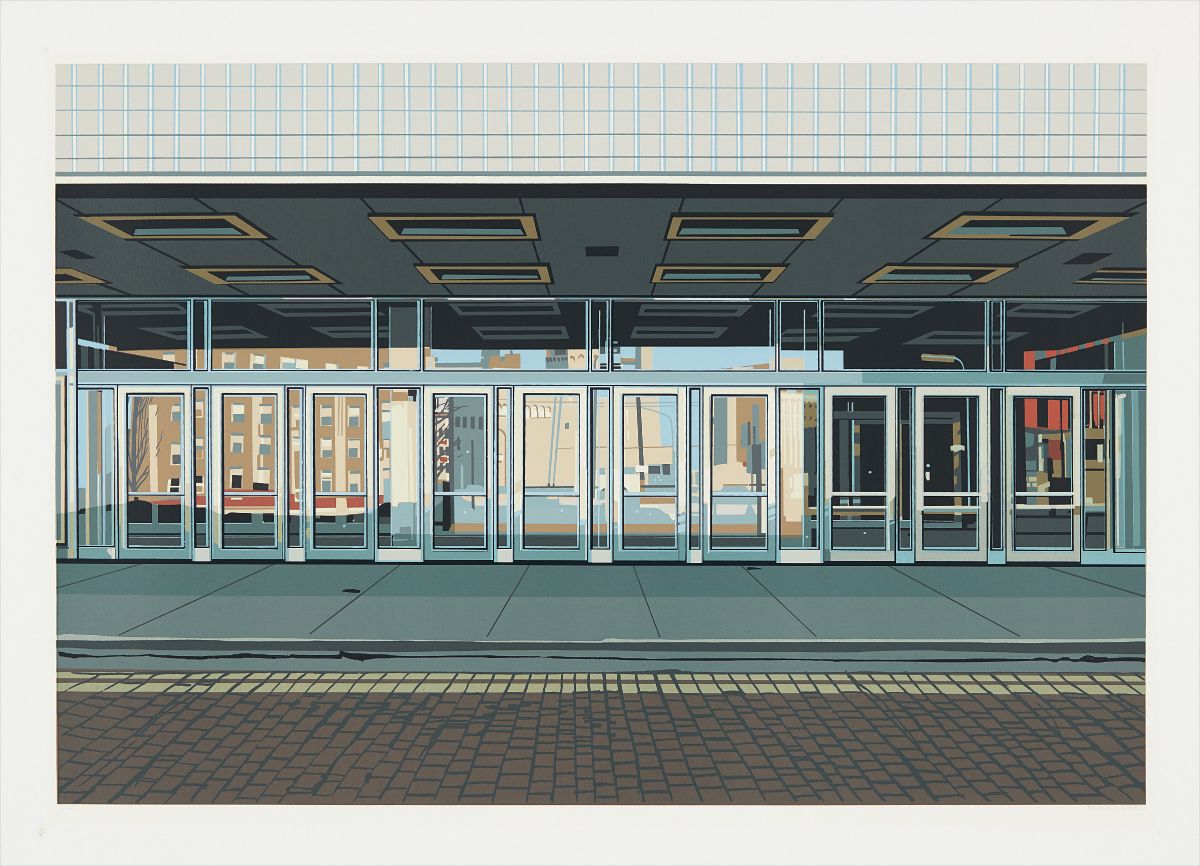
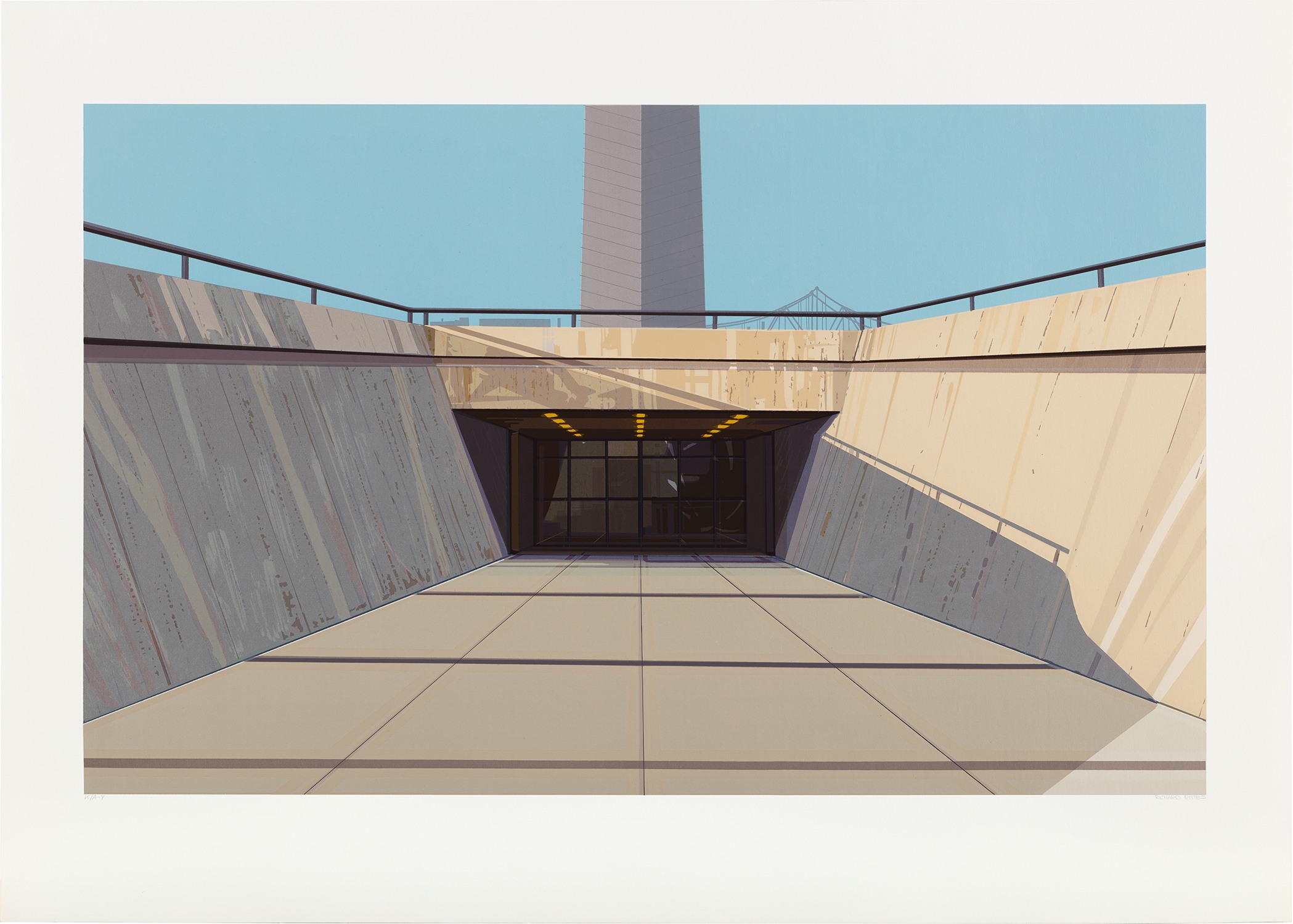
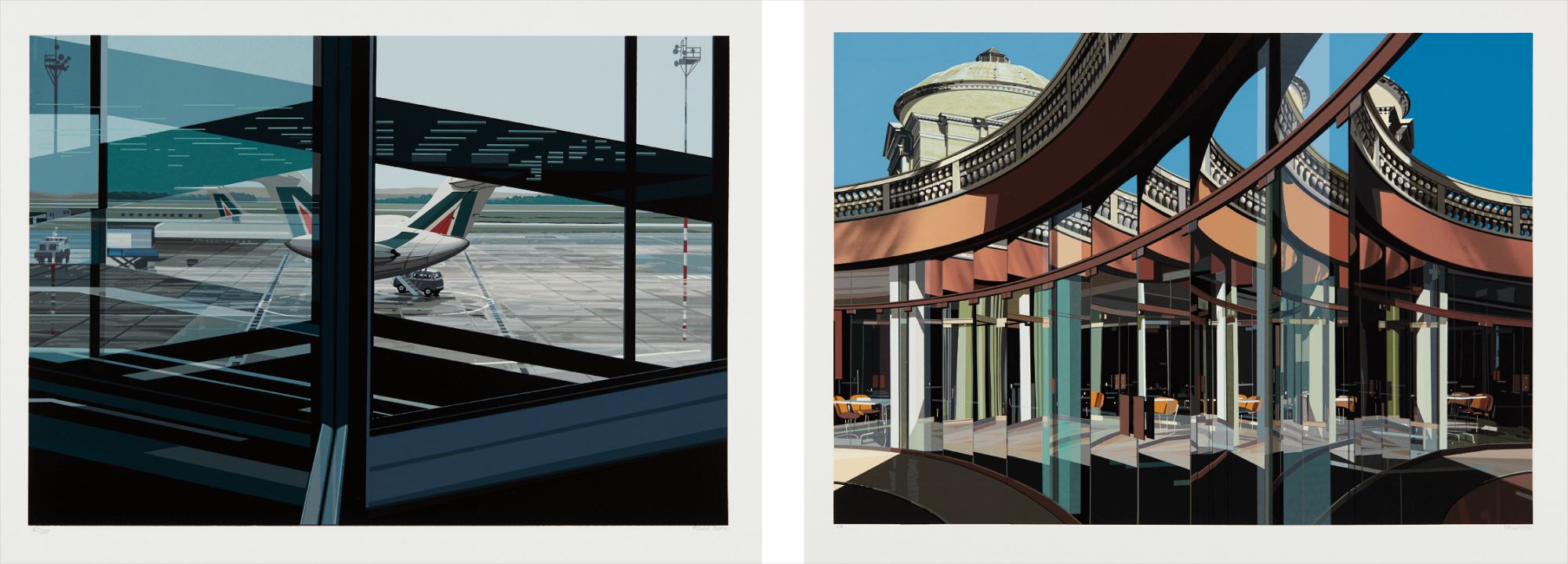
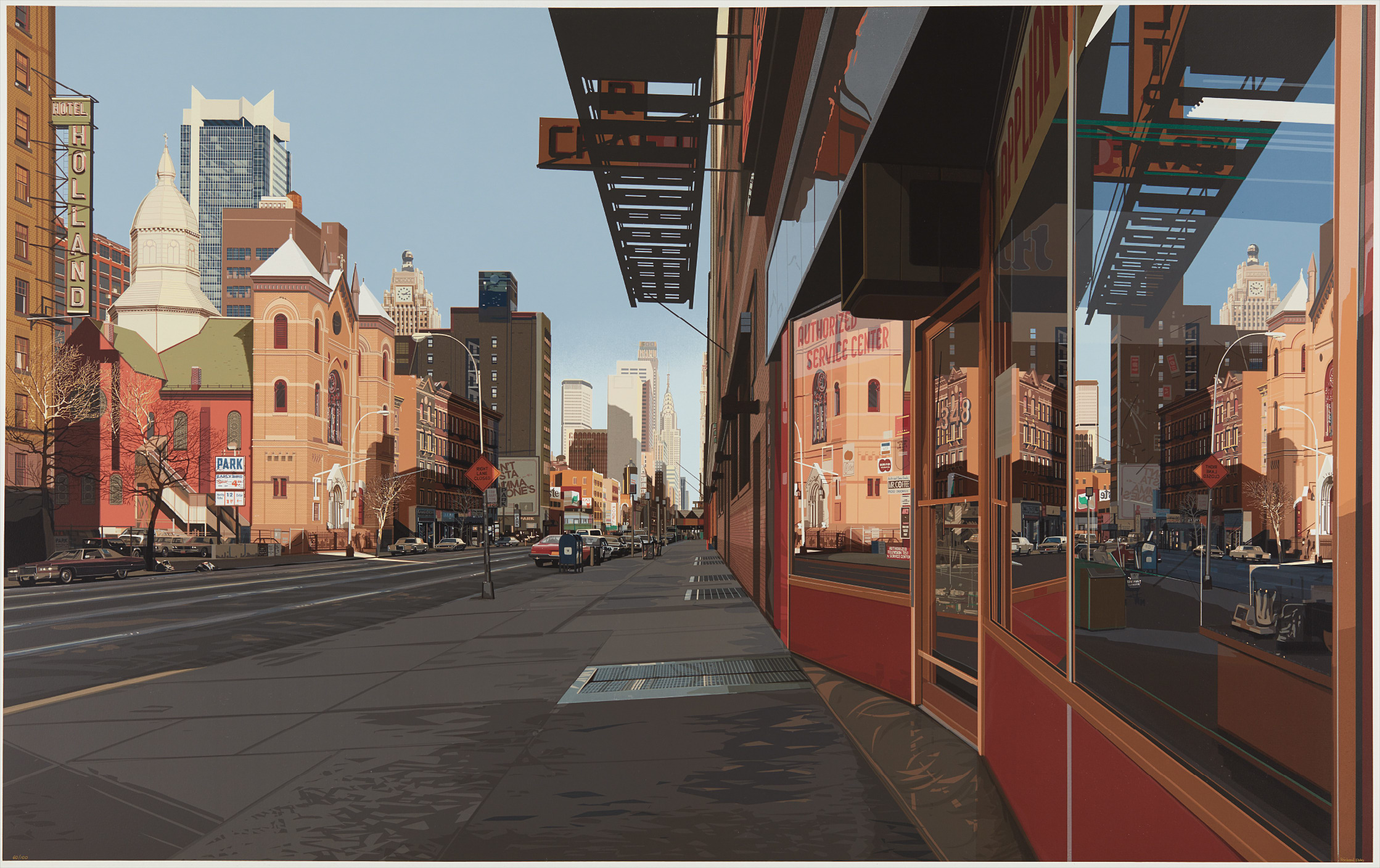
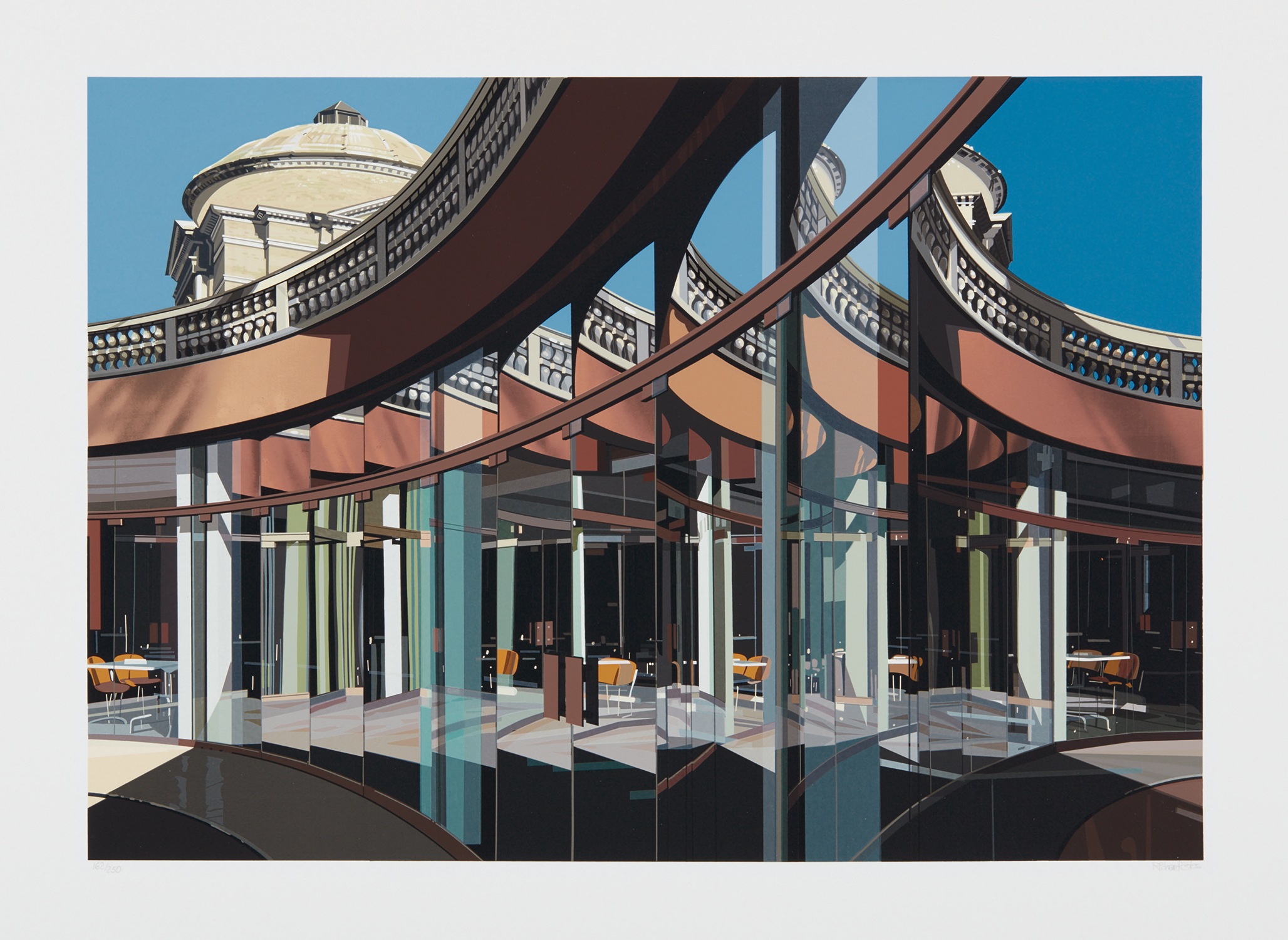
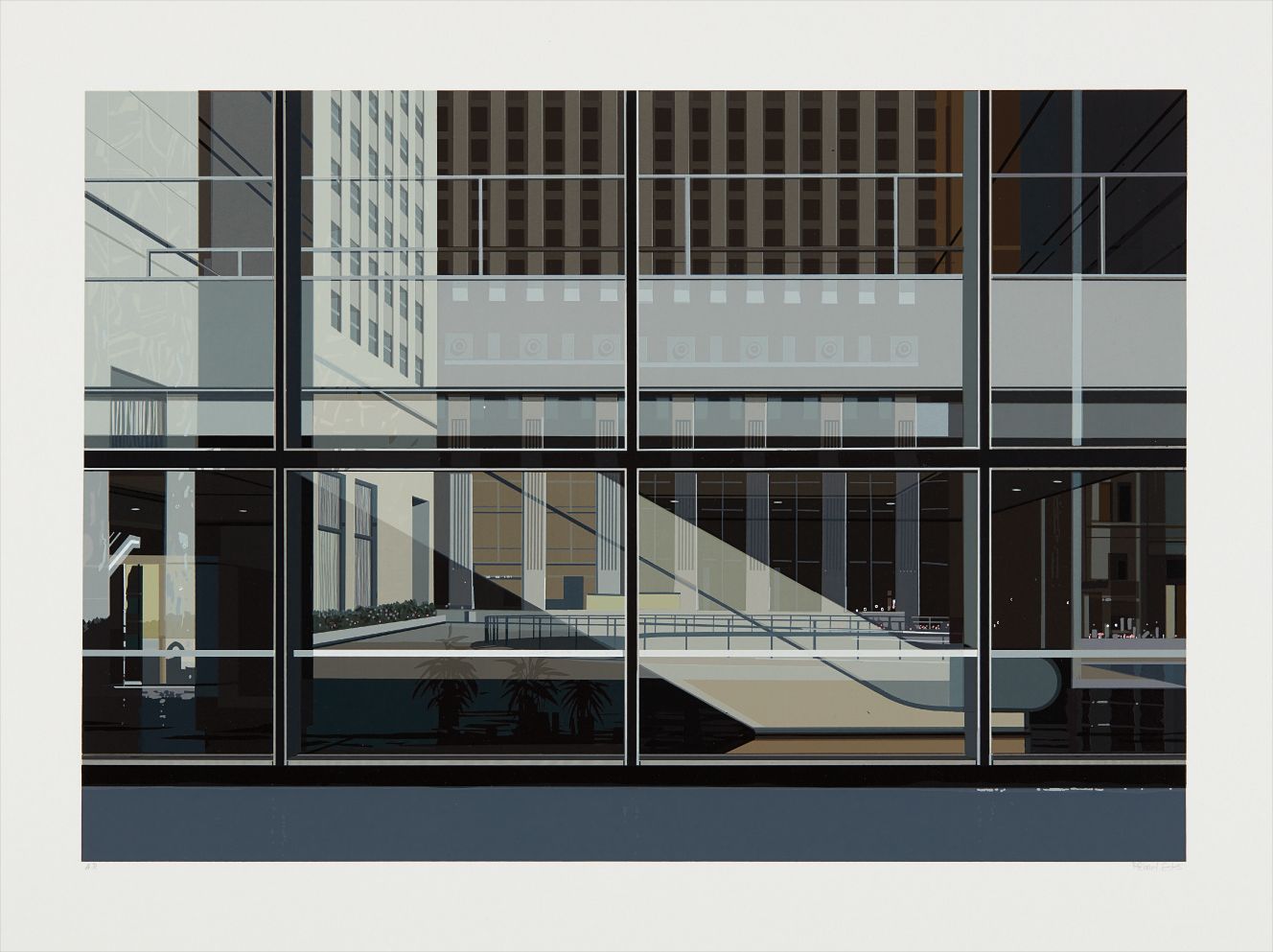
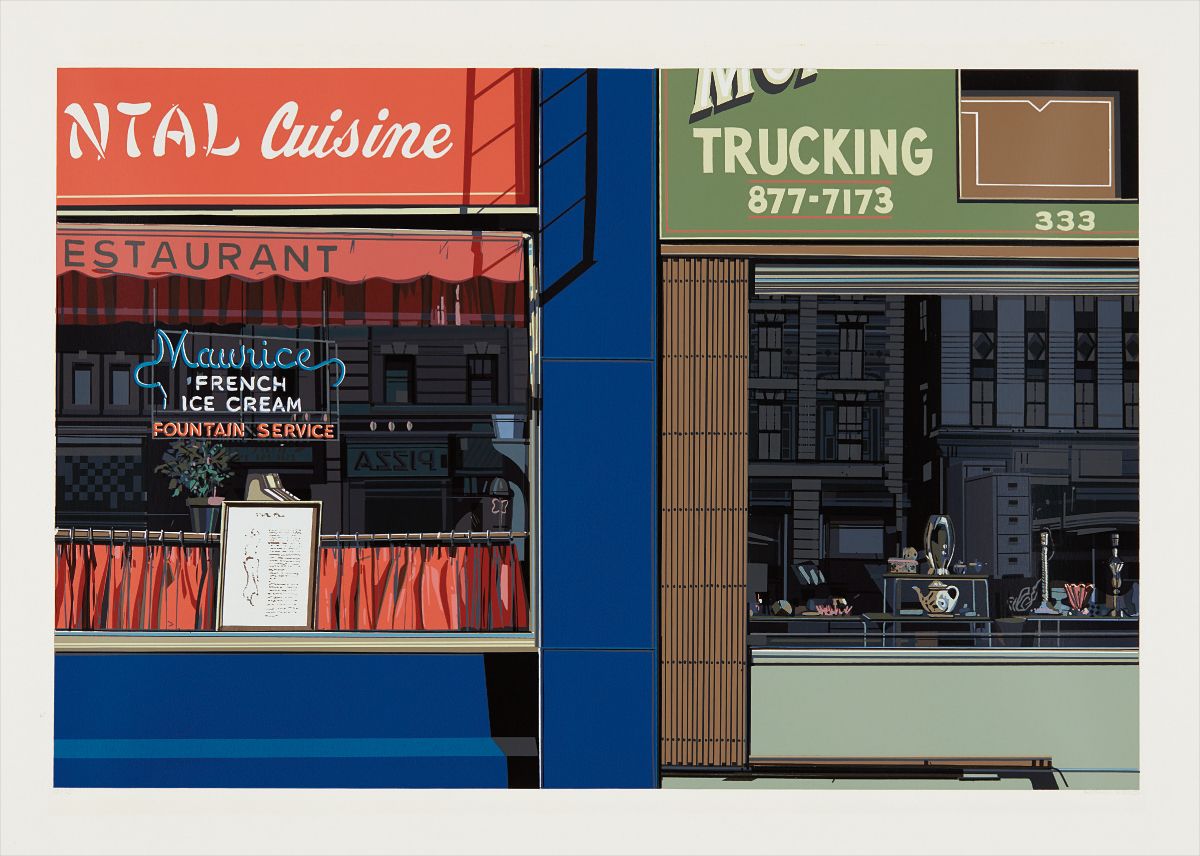
# Richard Estes Richard Estes emerged as one of the most significant figures in American photorealism during the 1960s and 1970s, a movement that challenged abstract expressionism's dominance by returning to meticulous representation of contemporary urban life. Born in 1932 in Kalamazoo, Michigan, Estes developed his distinctive style after moving to New York City, where he was captivated by the visual complexity of storefronts, street scenes, and architectural details. Working from photographs rather than direct observation, he created paintings of stunning technical precision that captured the gloss, reflections, and textures of glass, metal, and pavement with almost hyperreal clarity. His method involved careful gridding and layering of acrylic paints to achieve a luminous quality that transcended mere documentation. Among Estes's most celebrated series are his reflective storefront paintings and urban landscapes that transform ordinary commercial environments into compositions of extraordinary visual richness. Works like "Urban Landscape" and his numerous paintings of New York City diners, restaurants, and street corners demonstrate his ability to extract profound beauty from the banal surfaces of American consumer culture. The interplay of reflections in windows and polished surfaces became his signature subject matter, allowing him to create complex spatial relationships and visual puzzles that reward extended viewing. His photorealist approach influenced generations of artists and helped establish hyperrealism as a legitimate counter-movement to conceptual and abstract art. Estes's influence on contemporary art extends beyond photorealism, as his work validated the continued relevance of representational painting and technical virtuosity during an era when such values were often dismissed. His meticulous attention to the visual specificity of place anticipated later concerns with topography and the aesthetics of everyday urban experience. Through his career spanning six decades, Estes has demonstrated that careful observation and skilled execution could produce profound artistic statements about modern life, cementing his legacy as a foundational figure in late twentieth-century American art.
Artists in conversation