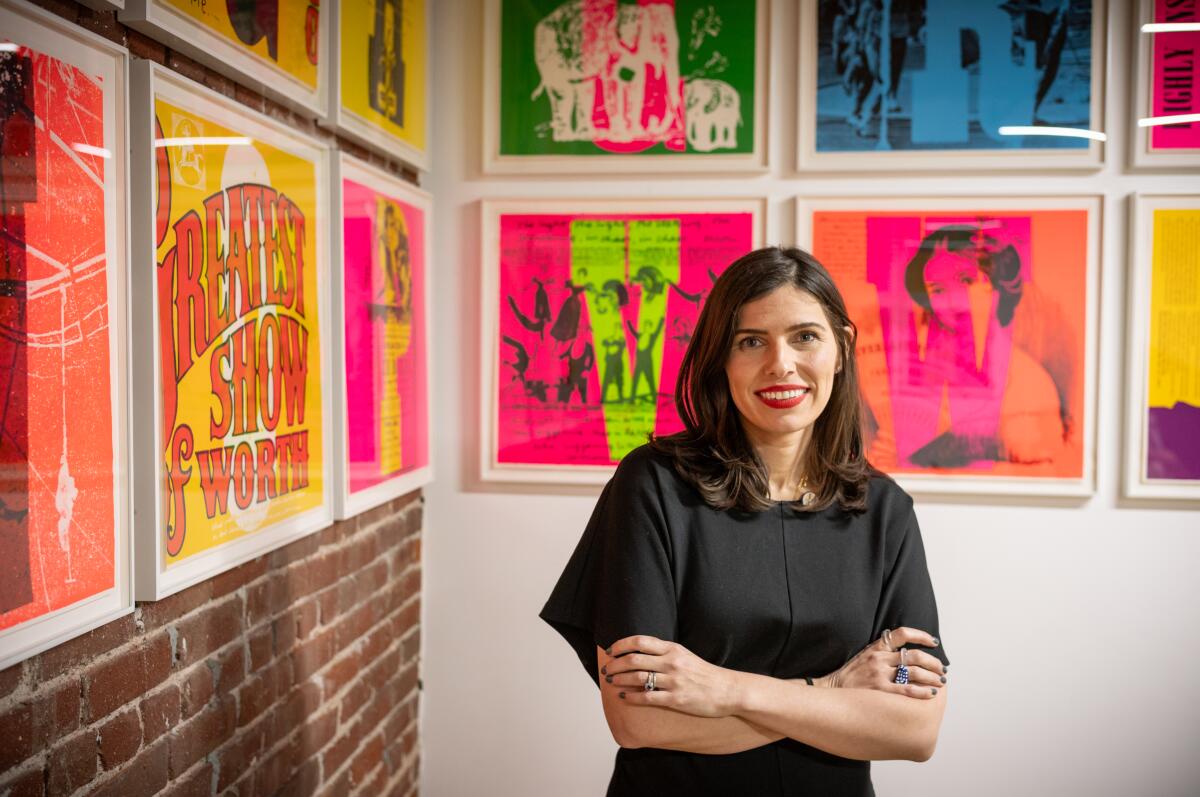
Corita Kent (Sister Mary Corita)
16
Works
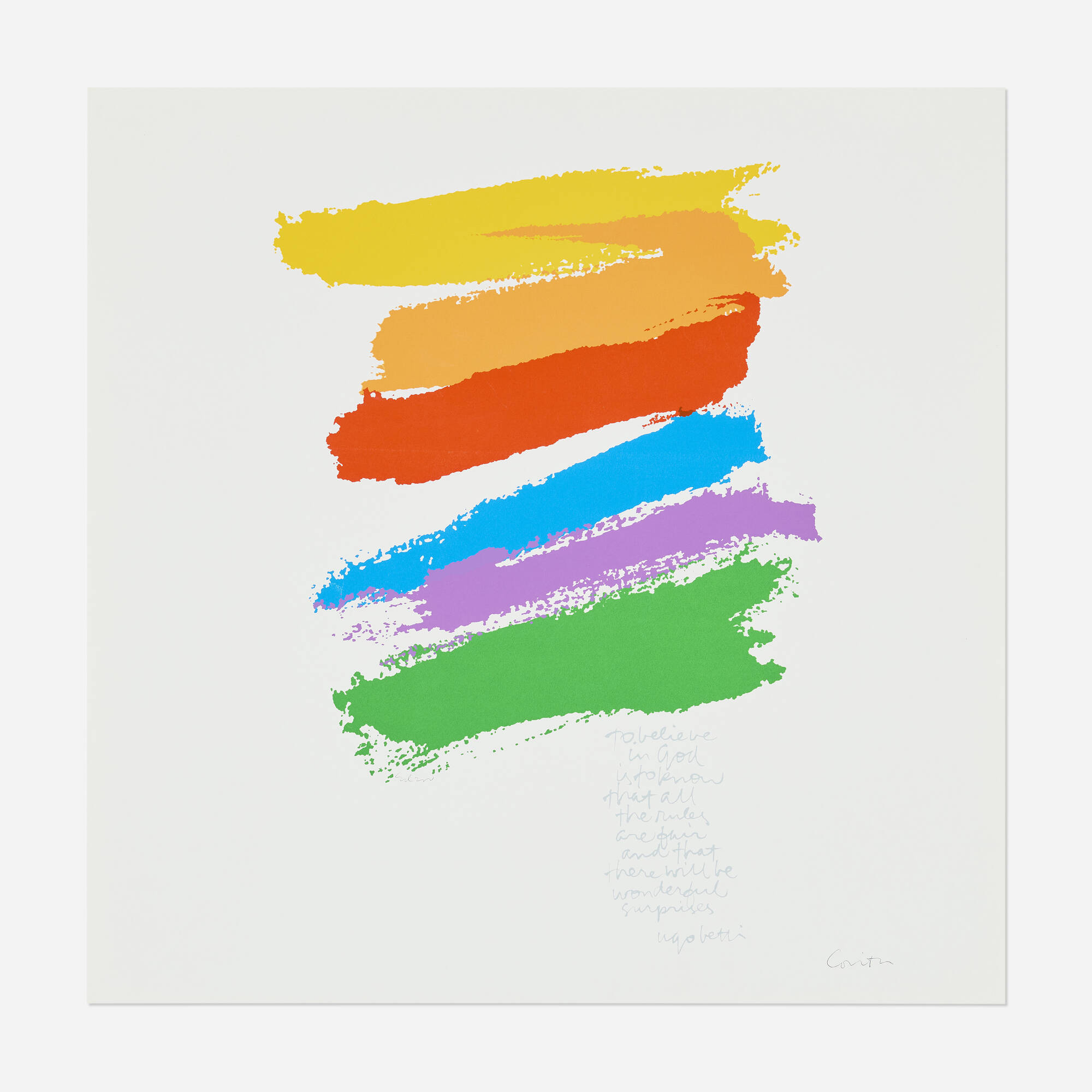
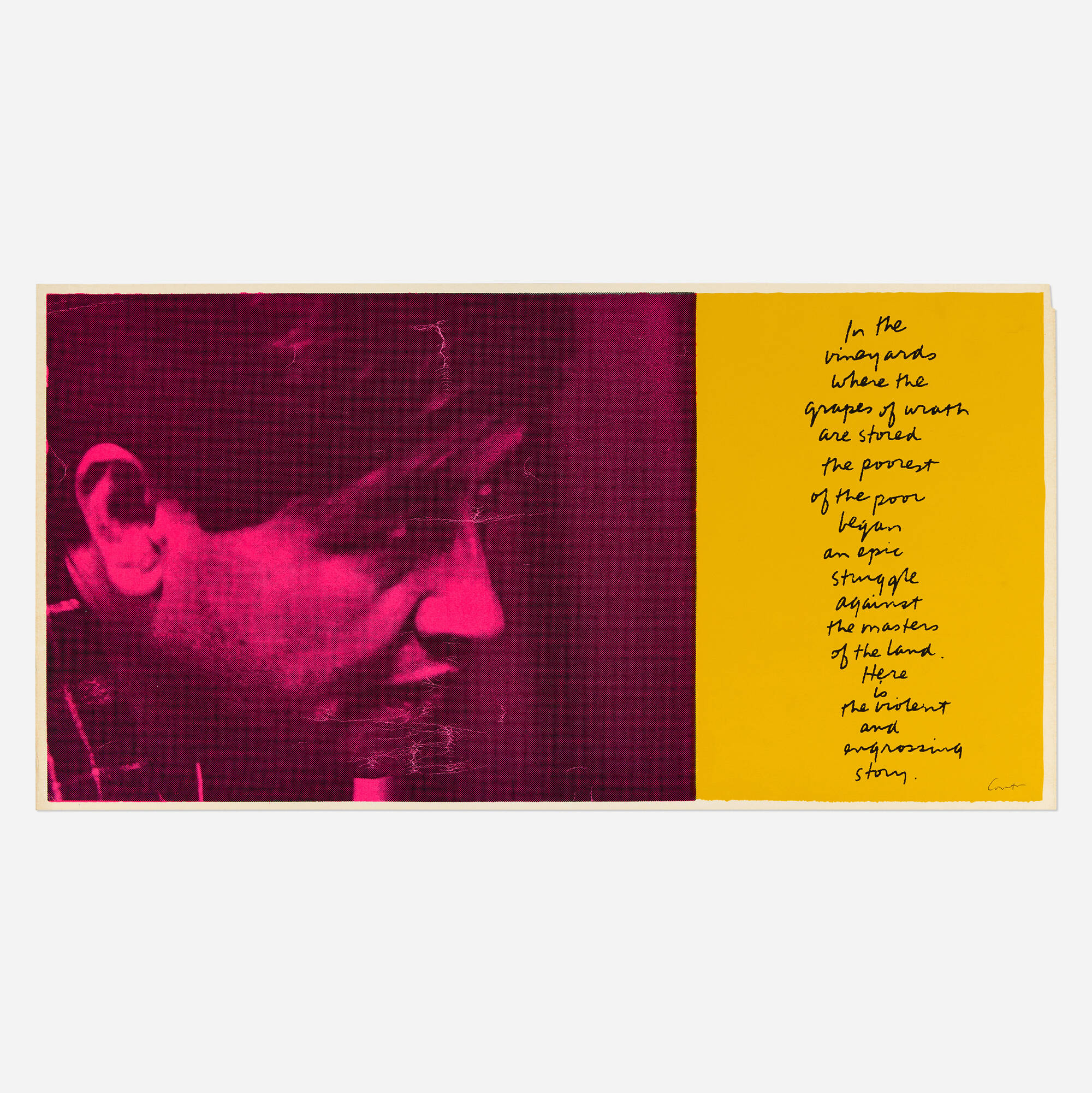
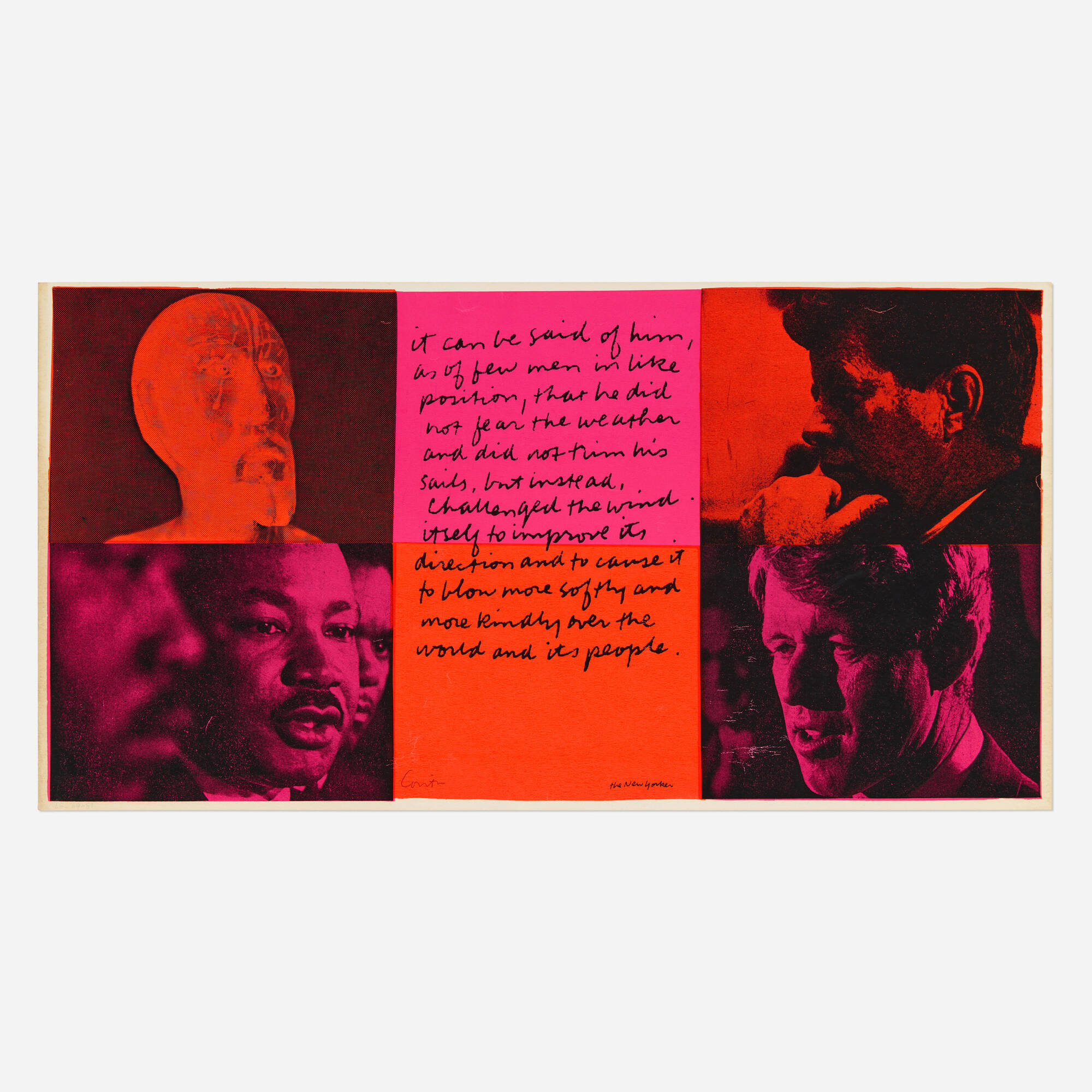
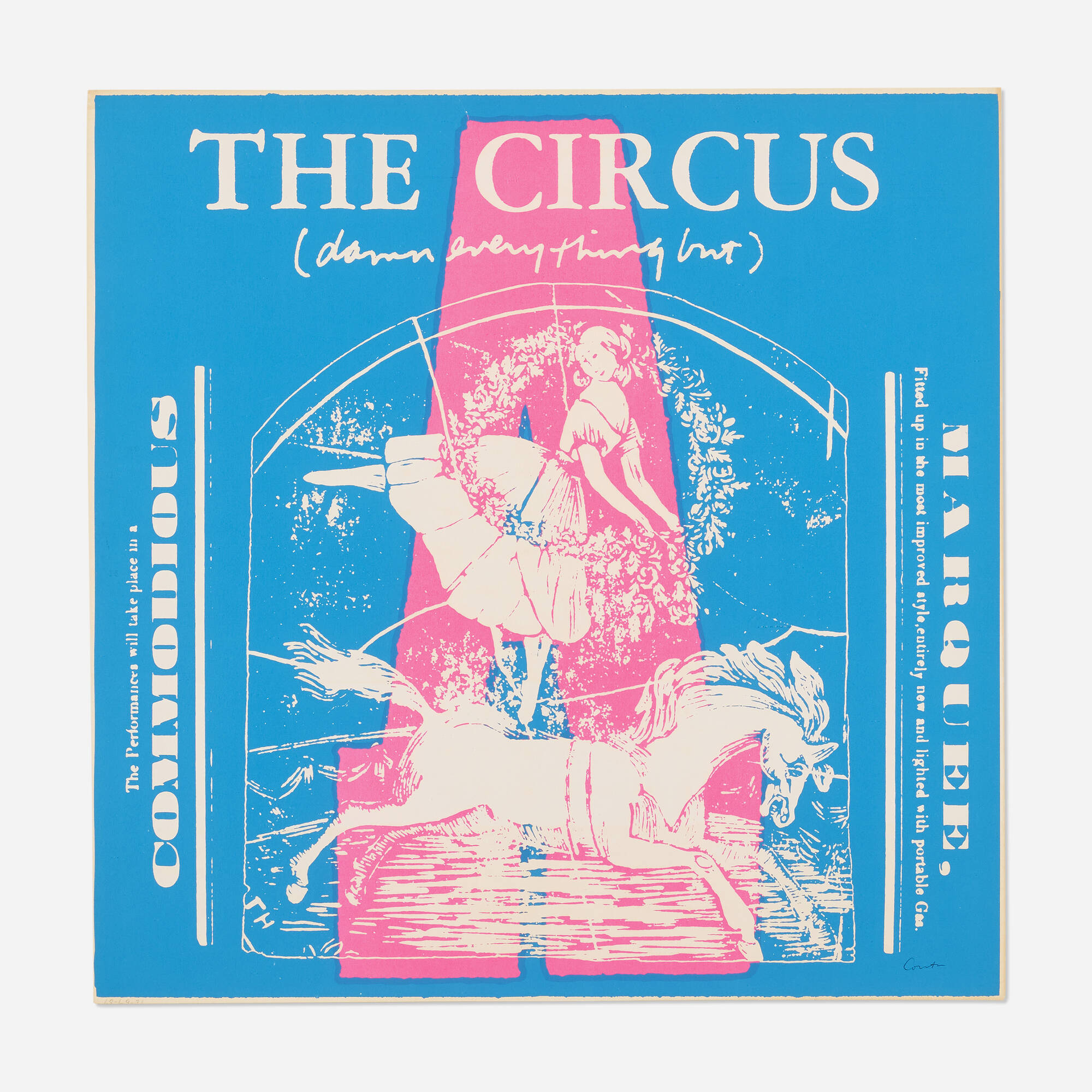
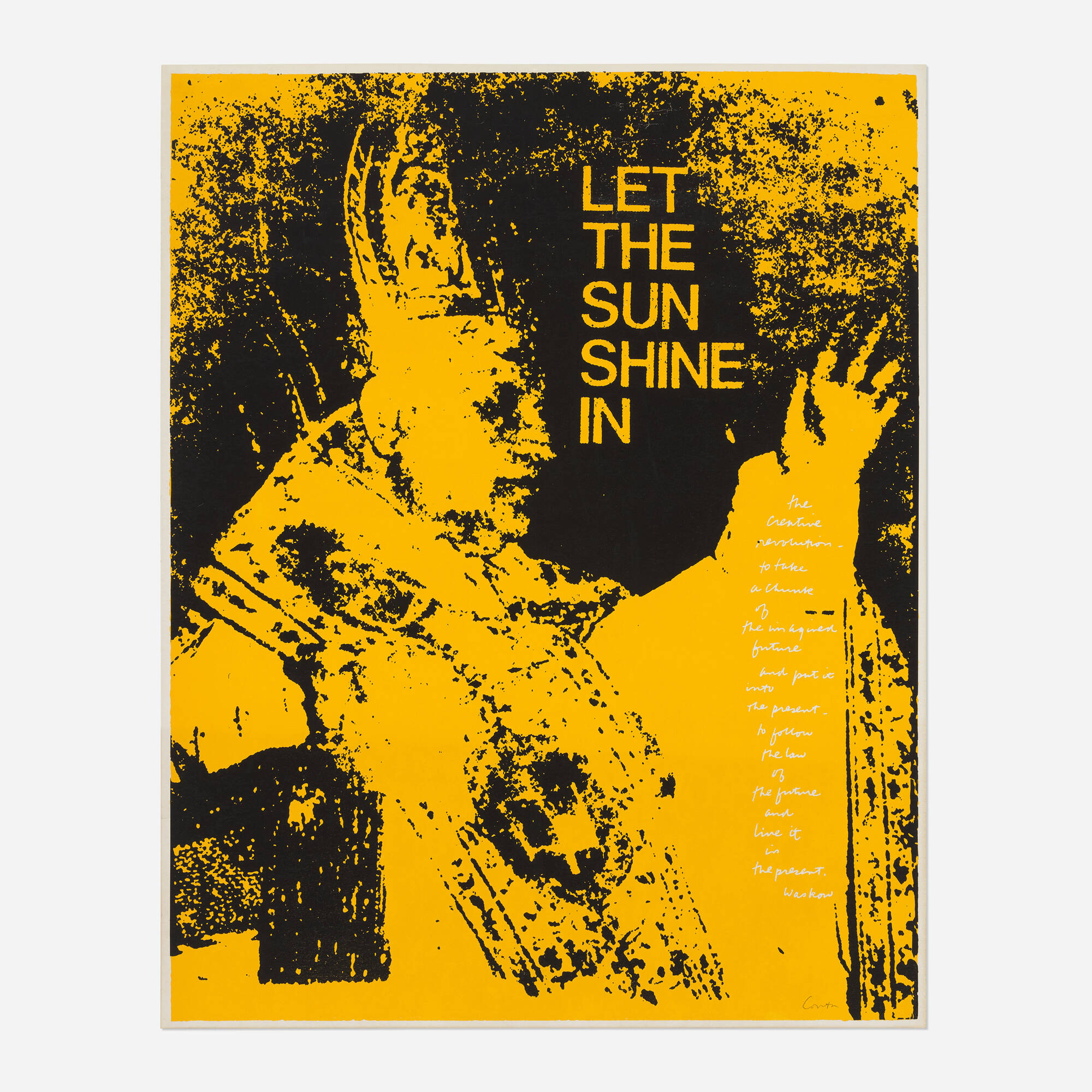
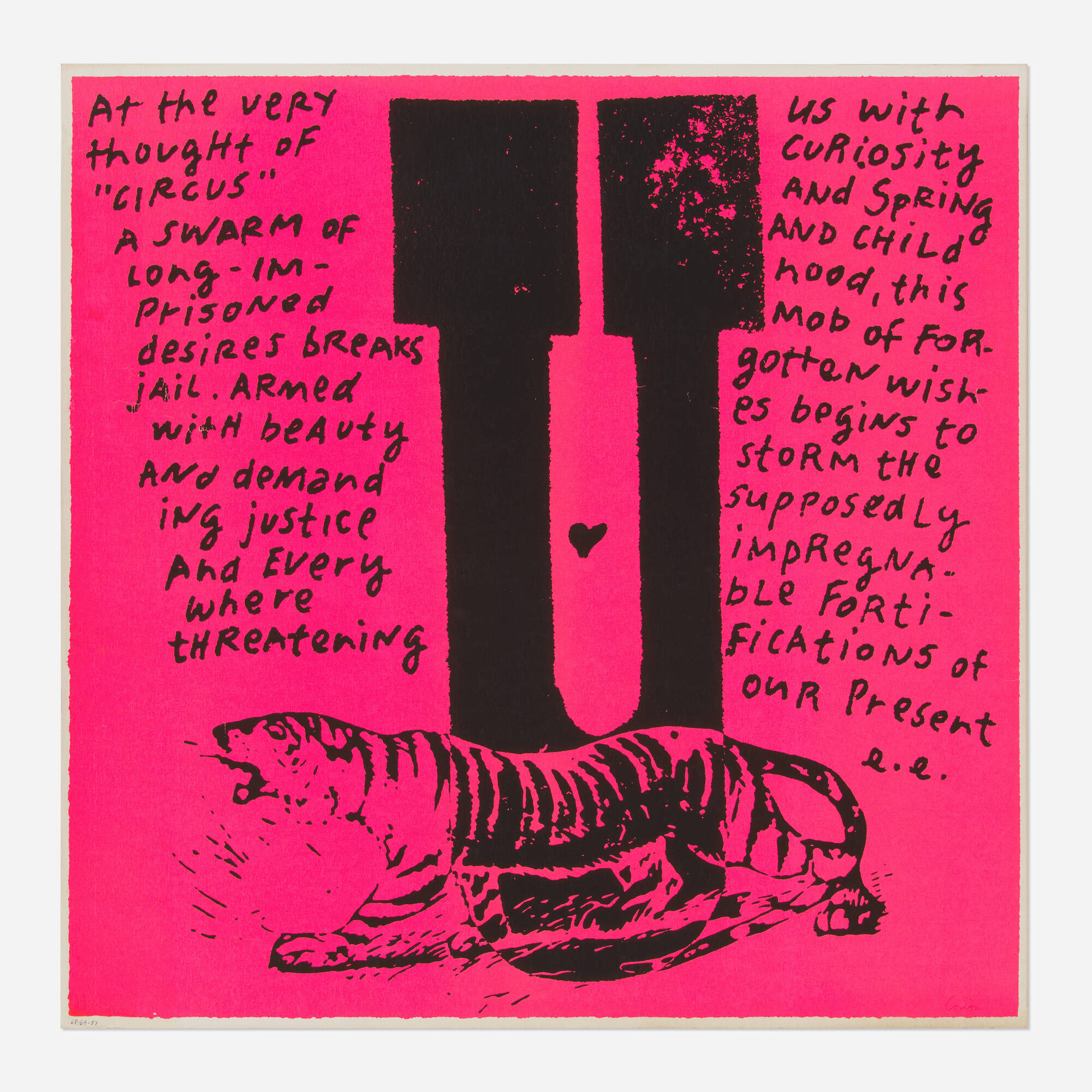
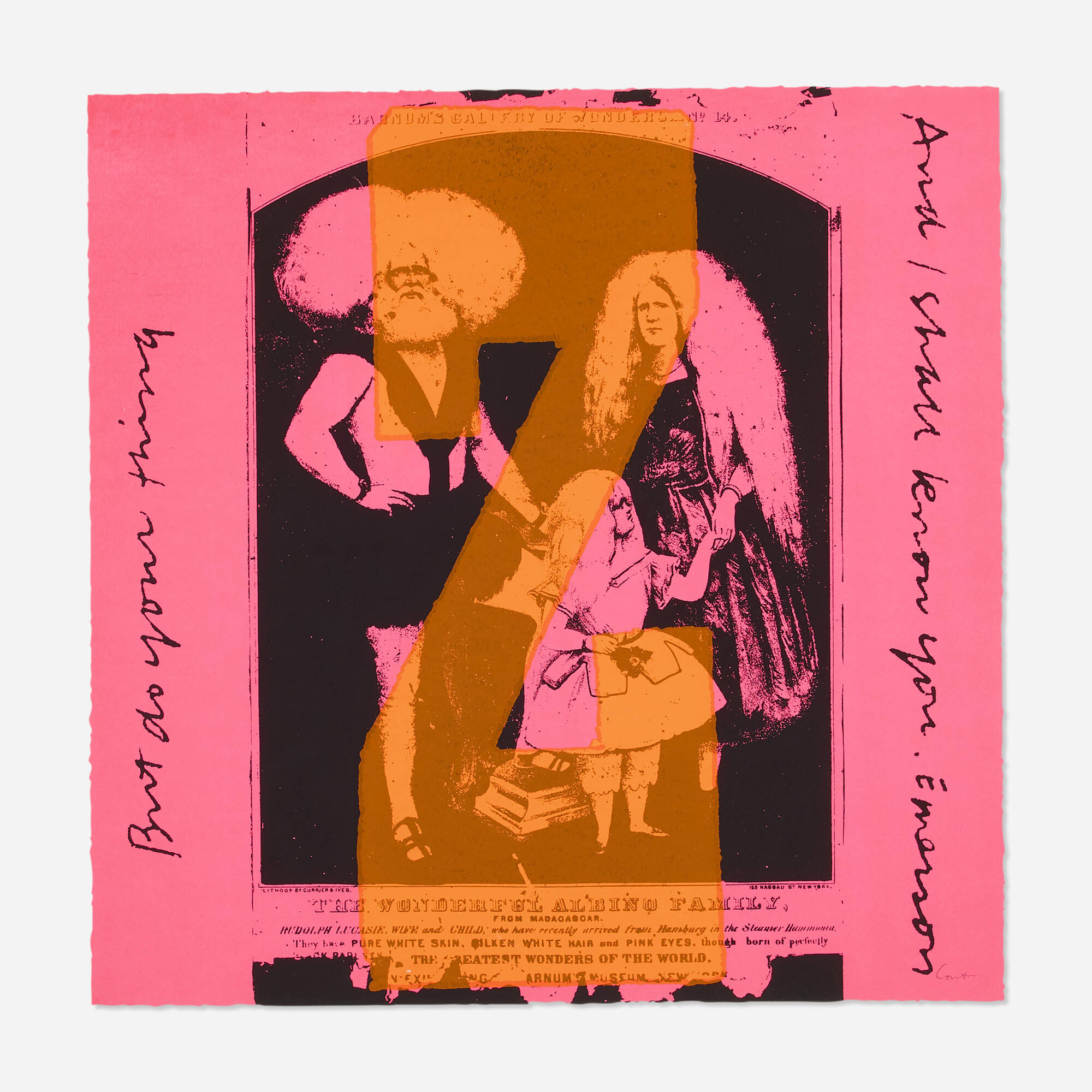
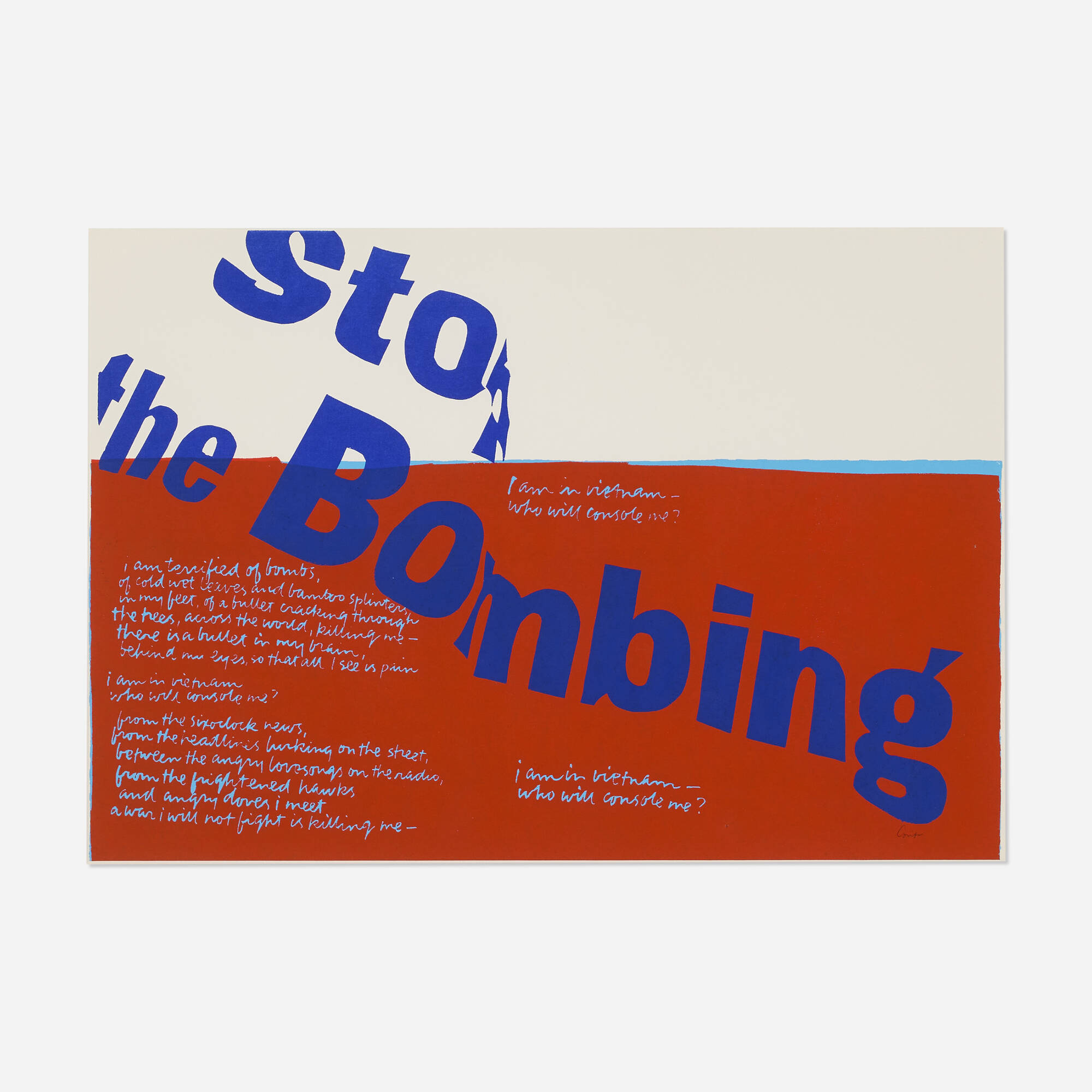
Corita Kent, born Frances Elizabeth Kent in Fort Dodge, Iowa, in 1918, was a groundbreaking American artist, educator, and activist who spent much of her career as a Roman Catholic nun in the Immaculate Heart of Mary order in Los Angeles. Working primarily in the medium of serigraph (silkscreen printing), she developed a vibrant, boldly graphic style that fused the visual language of commercial advertising, Pop Art, and religious spirituality. She began making art in earnest in the 1950s and by the 1960s had gained international recognition for her colorful, text-laden prints that drew from soup can labels, highway signage, scripture, poetry, and political slogans — often simultaneously. Her work sat at the intersection of the sacred and the secular in a way that was radical for its time. Kent rose to prominence during the height of the counterculture and anti-Vietnam War movements, and her art became an important voice of social justice and spiritual humanism. Her serigraph series included iconic works such as 'enriched bread' (1965) and the celebrated 'love' series, as well as pieces that directly addressed civil rights and anti-war sentiments. She was a popular and influential teacher at Immaculate Heart College's art department, where she chaired for many years, inspiring generations of students. In 1968, she left religious life and relocated to Boston, where she continued making art while coping with significant personal challenges, including depression and a later diagnosis of cancer. Corita Kent's significance in art history lies in her unique ability to reclaim the visual vocabulary of consumer culture for messages of love, peace, and social consciousness — anticipating and paralleling developments in Pop Art while maintaining a deeply personal, humanistic ethos distinct from the ironic detachment of artists like Andy Warhol. Her work has been exhibited widely, including retrospectives at major institutions, and her legacy was substantially bolstered by renewed critical attention in the 2000s and 2010s. The Corita Art Center in Los Angeles preserves and promotes her archive. She is also notably recognized as the designer of the iconic rainbow swash logo used by the MBTA (Massachusetts Bay Transportation Authority), created in 1971 for the Hope Gas company and later adapted. She remains a beloved and increasingly recognized figure at the intersection of art, activism, and spirituality.
Artists in conversation