The Print Is Having Its Defining Moment
When Christie's New York brought a suite of Jasper Johns prints to auction in recent years and watched bidders push well past estimate, it confirmed something many dealers had been quietly saying for a while: the market for prints has shed its reputation as the cautious collector's consolation prize. Serious money is moving through this category, serious curators are devoting serious wall space to it, and the critical conversation has finally caught up with what the best print collectors have known for decades. The multiple, it turns out, is not a lesser thing. The institutional momentum is hard to ignore.
The Museum of Modern Art has maintained one of the great print study rooms in the world, and its 2022 survey of work from the Tatyana Grosman workshop at Universal Limited Art Editions reminded visitors that the American print renaissance of the 1960s produced some of the most rigorously conceived art of the twentieth century. Artists including Jasper Johns, Jim Dine, and Frank Stella approached the lithographic stone and the etching needle not as a secondary medium but as a site of genuine formal inquiry. That show, modest in scale but precise in argument, reasserted a lineage that can sometimes get buried beneath the noise of painting markets. At auction, the names that consistently command attention span a remarkable historical range.
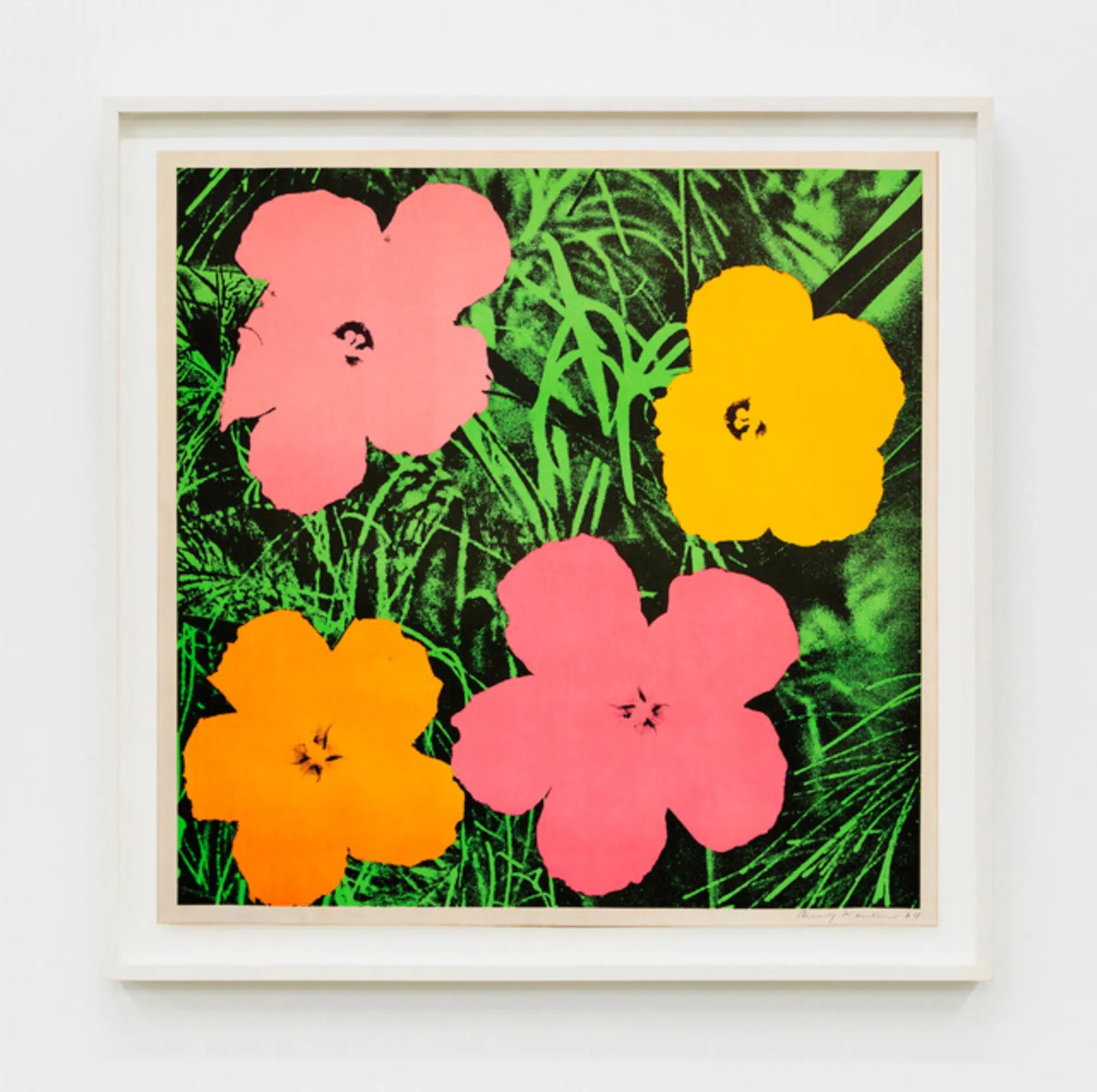
Andy Warhol
Flowers, 1964
Albrecht Dürer woodcuts, when they surface in good impressions, remain among the most keenly contested works in any sale room. Pablo Picasso's printed output is vast and uneven, but the finest examples from his Vollard Suite or his work with printer Roger Lacourière attract fierce competition from collectors who understand that these are not reproductions of ideas formed elsewhere but ideas formed in the making. Andy Warhol's screen prints sit in a curious position: ubiquitous enough that mediocre impressions circulate at accessible prices, yet rare enough in truly pristine condition that strong examples can stop a room. The gap between a good Warhol print and a great one is a lesson every collector learns eventually.
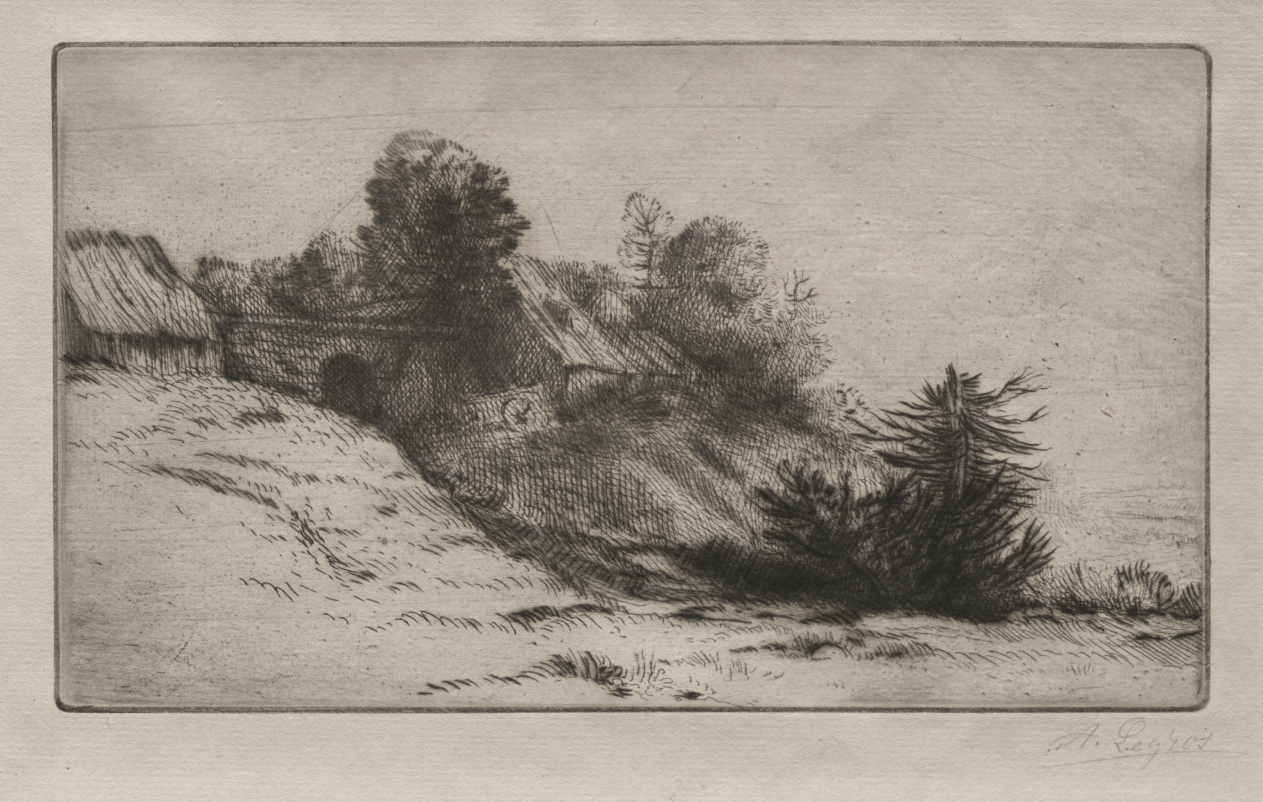
The French printmakers of the late nineteenth century have attracted renewed scholarly and market attention, and this is where some of the more interesting value conversations are happening right now. Auguste Louis Lepère, a figure who worked at the intersection of wood engraving and the Japanese influence sweeping through Parisian studios, is increasingly understood as a central figure rather than a footnote. Odilon Redon's lithographs, particularly the great noirs, have long been appreciated by collectors attuned to symbolism and the uncanny, and museum acquisitions departments in both Europe and North America have been quietly deepening their holdings. Charles Méryon's obsessive etchings of Paris, created in the 1850s and admired by Baudelaire, represent one of the most compelling and still undervalued bodies of work in the entire history of printmaking.
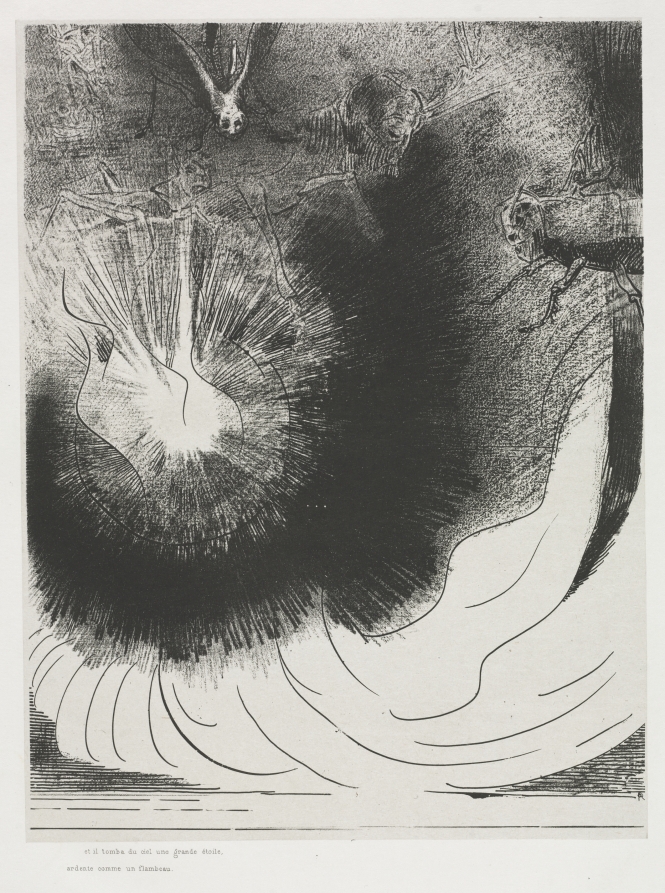
Odilon Redon
And There Fell a Great Star from Heaven, Burning as it were a Lamp, 1899
James McNeill Whistler occupies a position in this conversation that is difficult to overstate. His etchings, produced across several decades in Venice, London, and Amsterdam, essentially reinvented what the medium could do in terms of atmospheric suggestion and tonal refinement. The Venice Set alone, published in 1886, is a document of a city and an aesthetic philosophy simultaneously. Whistler's prints appear with some frequency at the major auction houses, and they reward the collector who learns to read states and impressions carefully.
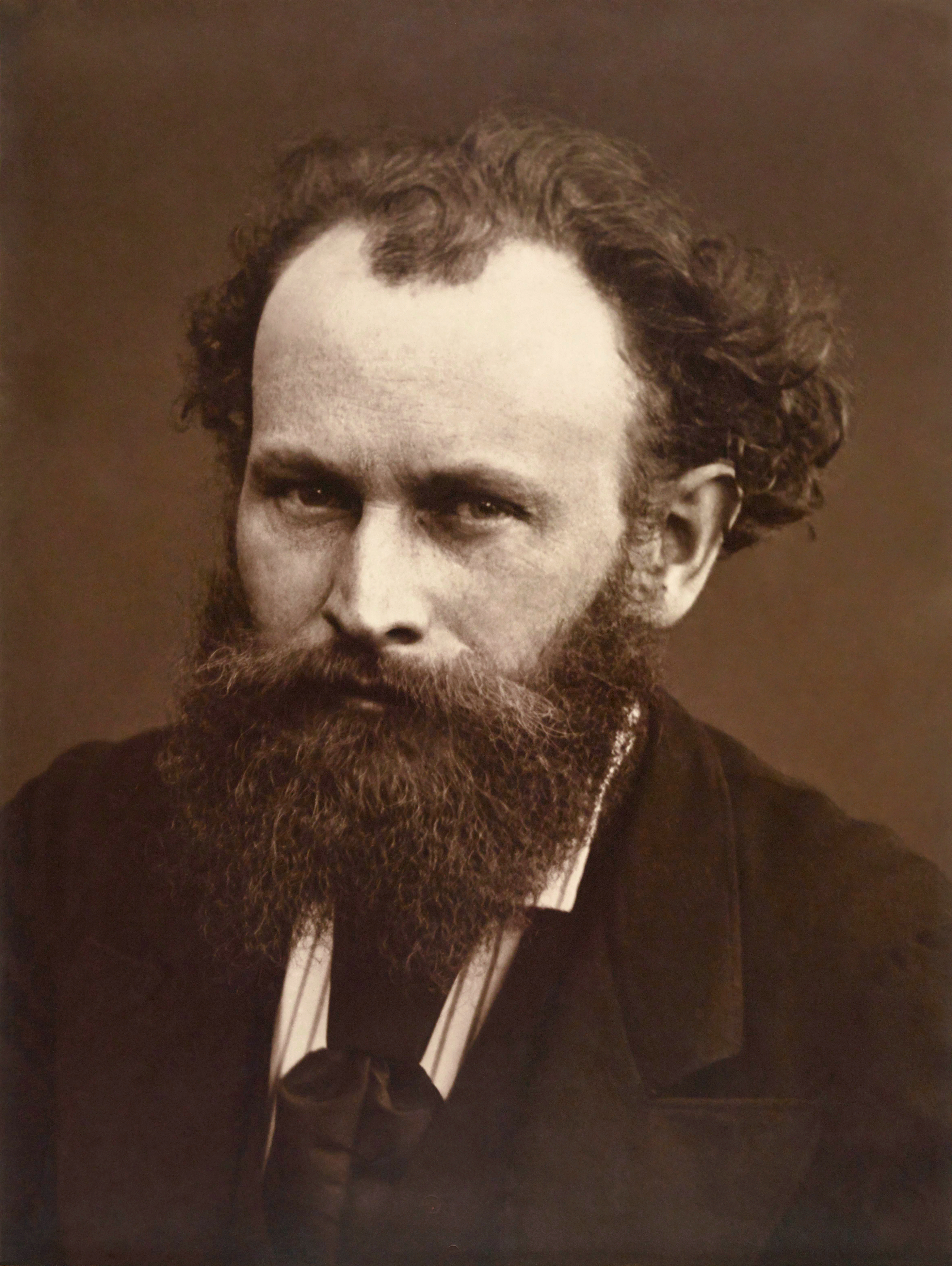
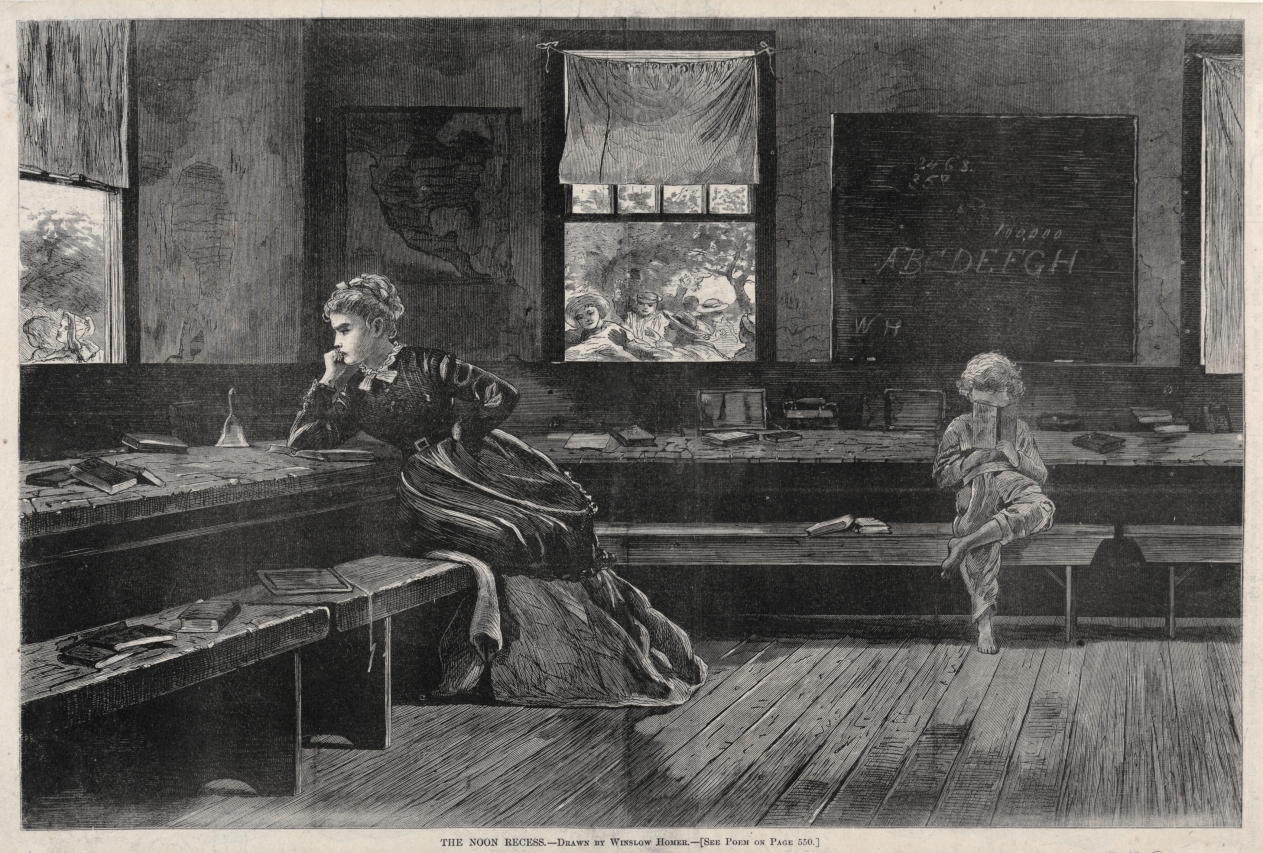
The difference between an early impression with full plate tone and a later printing is the difference between a whisper and a shout, and Whistler was always a whisperer. Winslow Homer's wood engravings, many of them made for Harper's Weekly, tell a parallel story about American printmaking developing its own vernacular voice in the same period. Henri de Toulouse Lautrec and Édouard Manet contributed to the color lithography boom of the 1890s in ways that continue to define how we think about the poster and the fine print as overlapping categories. Pierre Auguste Renoir's printed work is less celebrated than his paintings but increasingly appreciated for its intimacy.
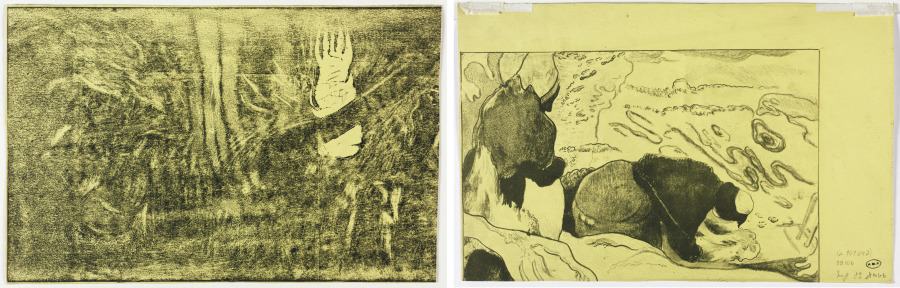
Paul Gauguin
The Devil Speaks (Mahna No Varua Ino) (recto); Women Washing Clothes (verso), 1893
Paul Gauguin's woodcuts, rough and spiritually charged, remain among the most original objects in any survey of the medium. These artists understood that print was not a vehicle for disseminating an image created elsewhere but a process that generated its own irreducible qualities. That understanding is precisely what drives serious collecting in this area. The critical framework around printmaking has been strengthened by writers and curators who resist the medium's historical marginalization.
Curator Starr Figura, formerly of MoMA's department of drawings and prints, has written and organized shows that treat the lithograph and the etching with the same analytical seriousness applied to painting. Publications including Print Quarterly have maintained rigorous scholarship for decades, providing collectors and curators with the kind of deep connoisseurship literature that only becomes more valuable as the market matures. What is happening now is a synthesis: the market is absorbing lessons the scholars taught, and the scholars are responding to renewed collector interest by deepening their research. Looking at where energy is gathering, a few threads stand out.
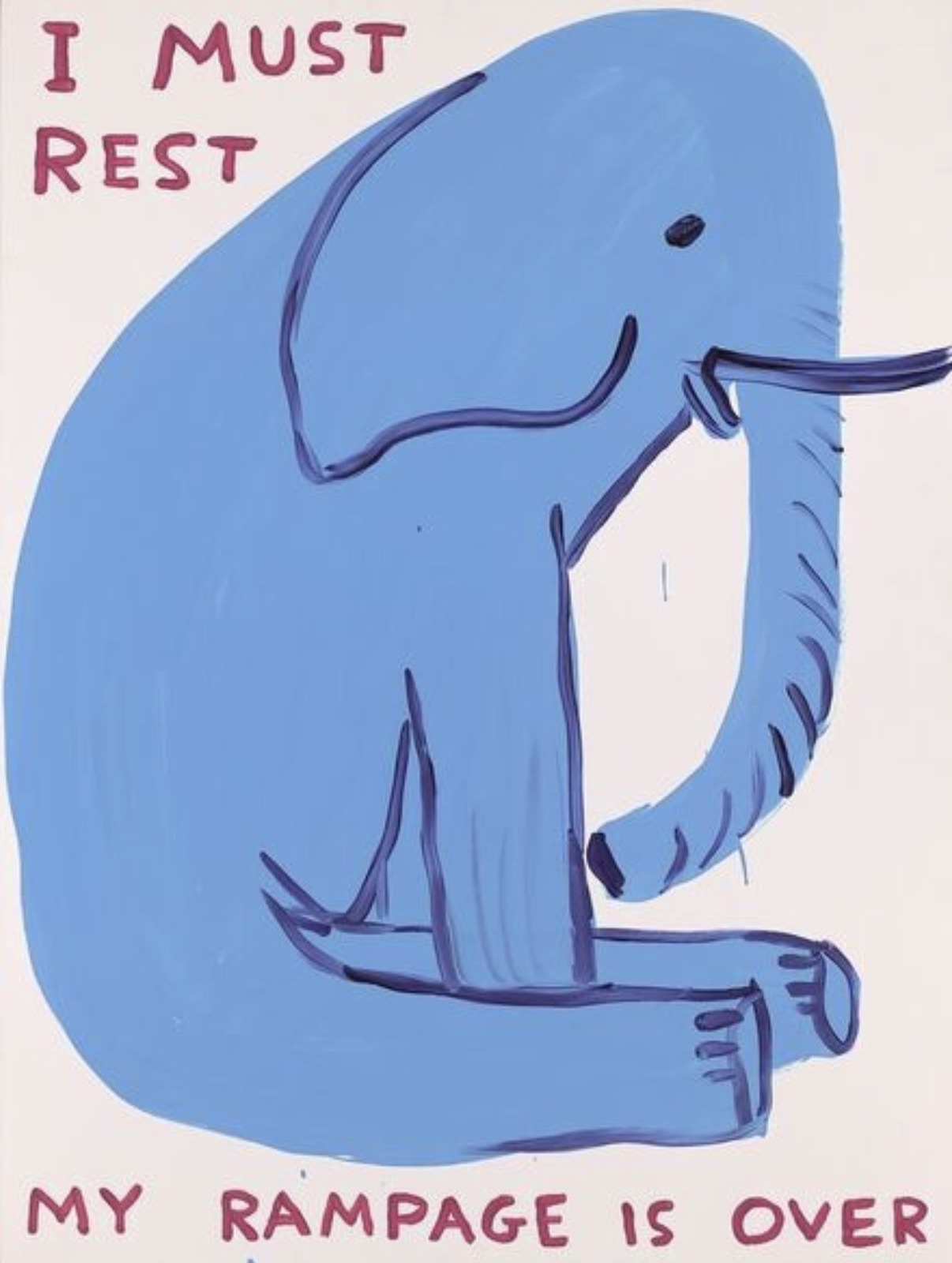
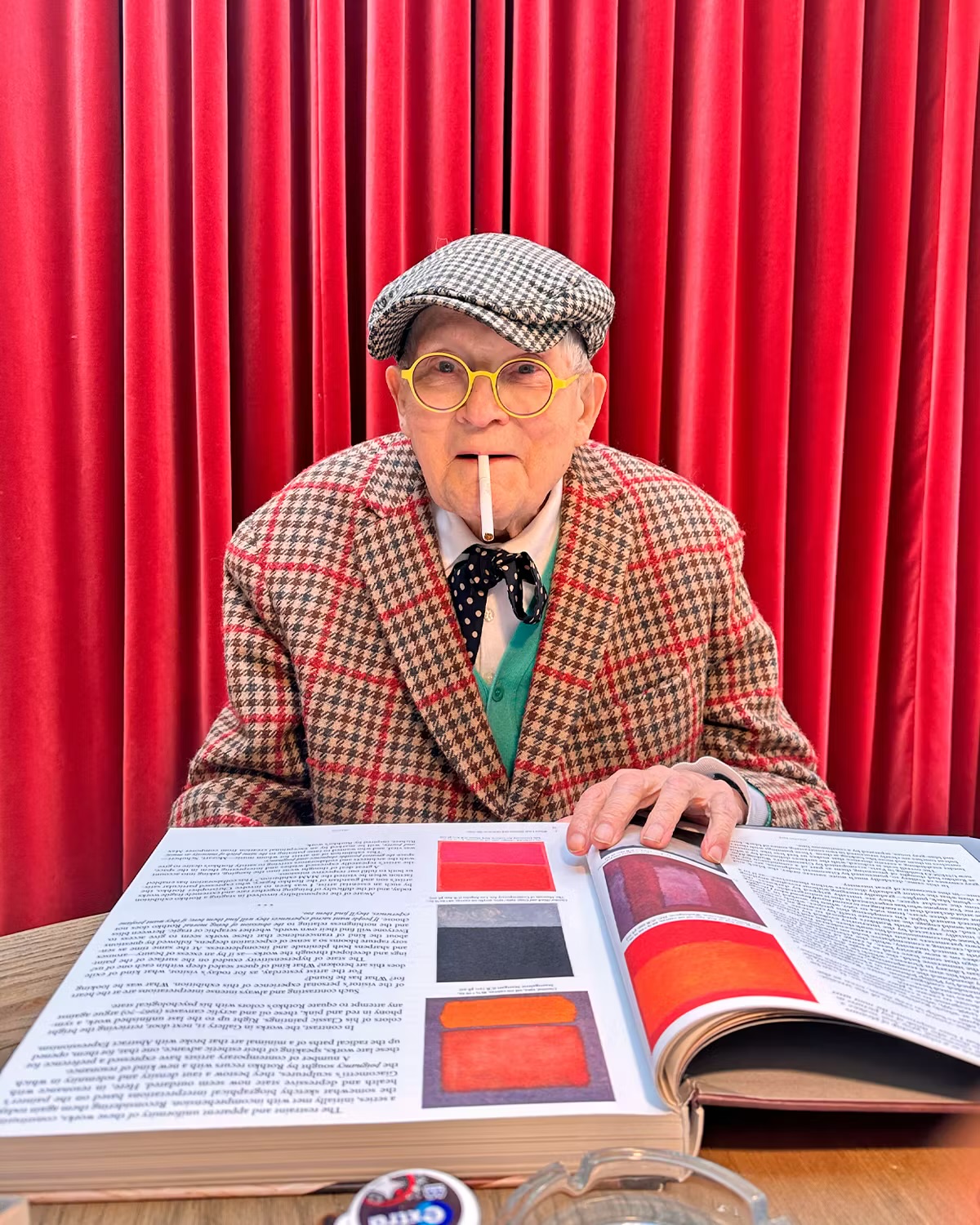
David Shrigley
My Rampage Is Over, 2019
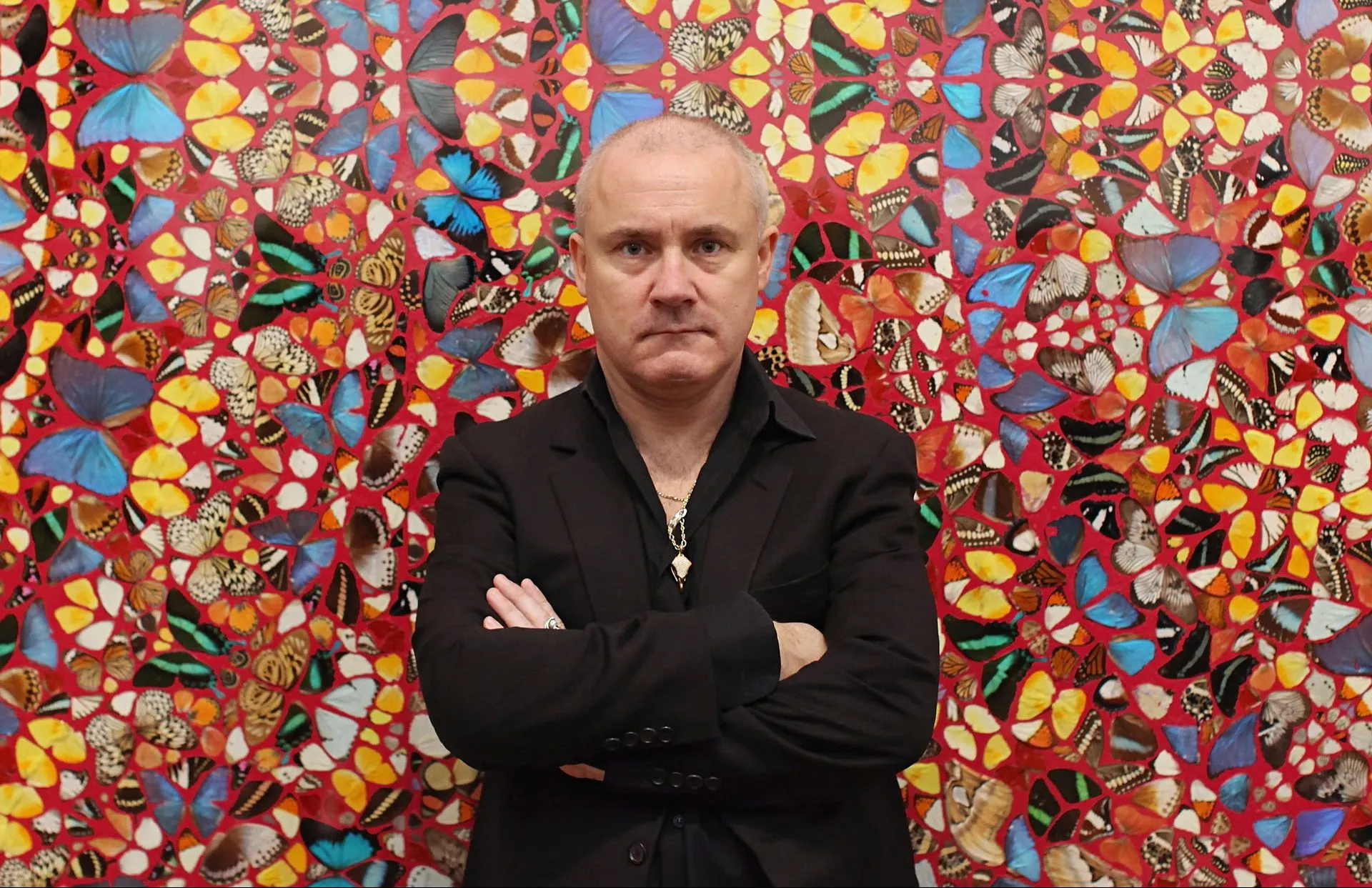
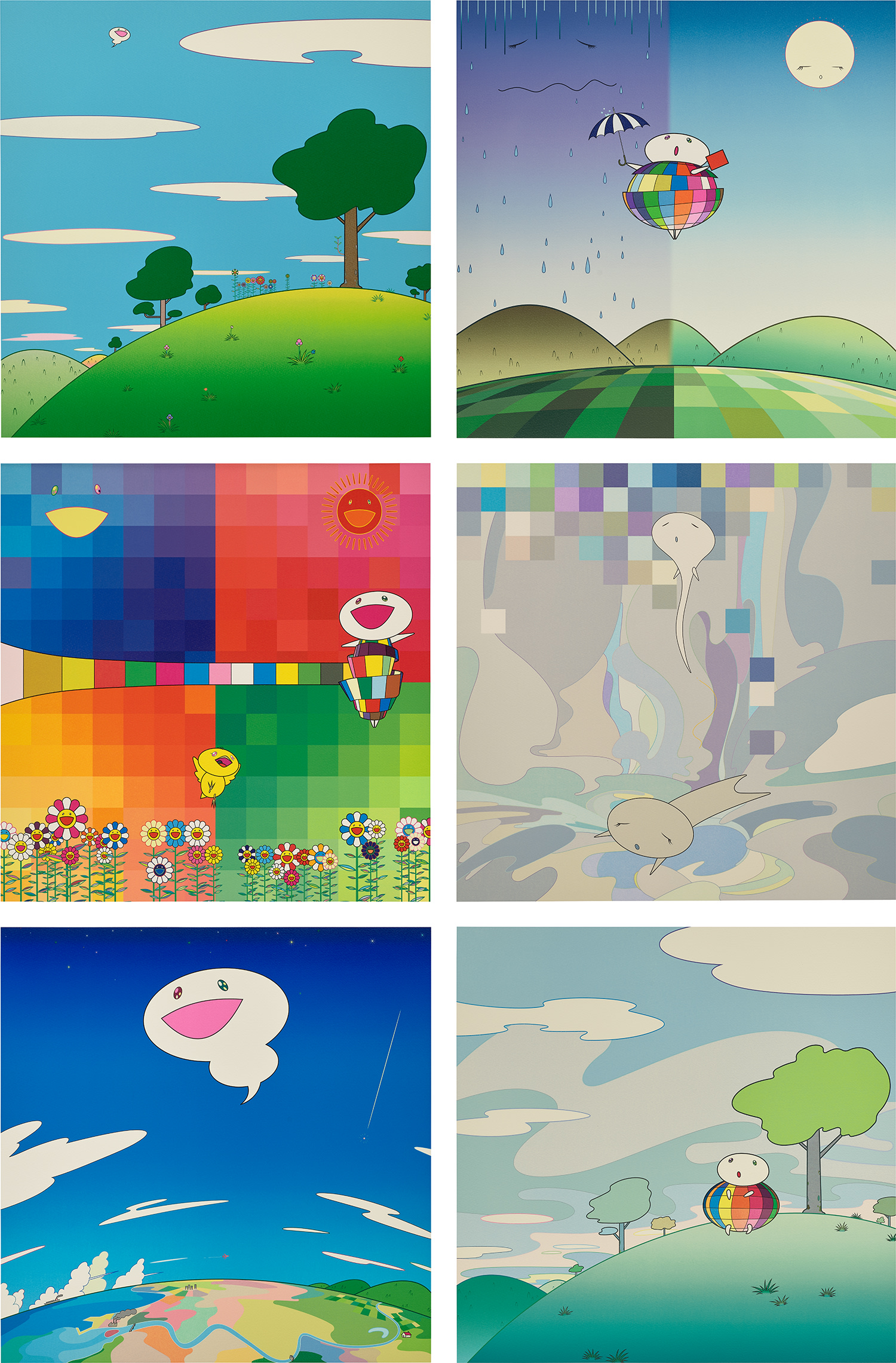
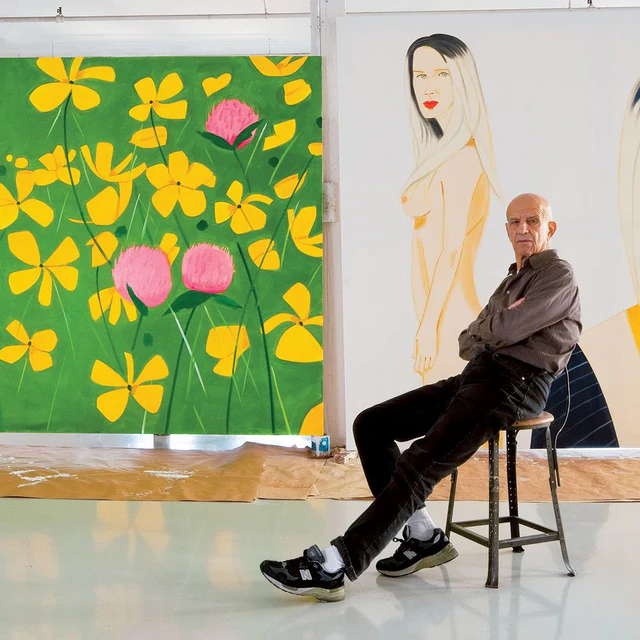
Takashi Murakami and Damien Hirst have both used print as a medium for large scale, high visibility editions that sit at the intersection of fine art and popular culture, and the collector appetite for these works has not cooled. Alex Katz's prints, deceptively simple and quietly radical in their flatness, are attracting the kind of attention that once went exclusively to his paintings. Roy Lichtenstein's prints remain blue chip in the truest sense, with provenance and impression quality mattering enormously to sophisticated buyers. Joan Miró's lithographs, exuberant and cosmologically playful, represent some of the most joyful objects the twentieth century produced, and joy turns out to be surprisingly durable in the market.
The print is not arriving at a moment of consolidation but at a moment of genuine expansion, and for the collector paying attention, the field has rarely felt more alive.