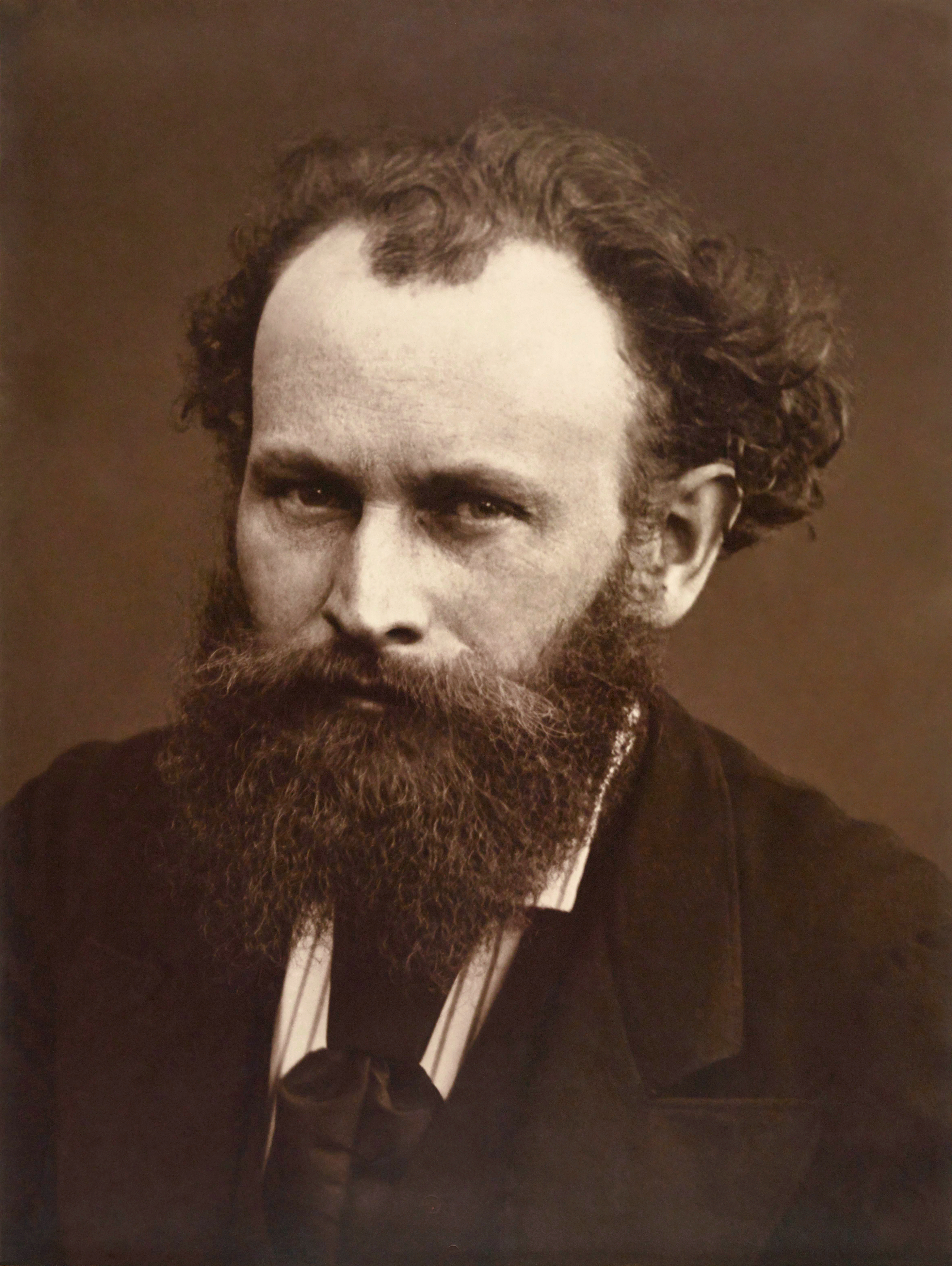
Édouard Manet
4
Followers
Artist Spotlight
Manet: The Rebel Who Made Modern Beauty
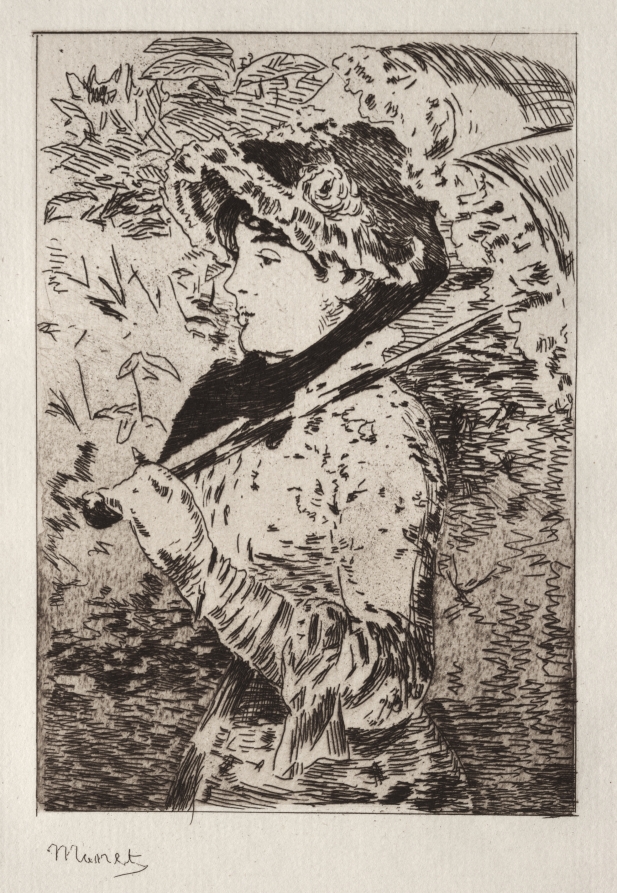
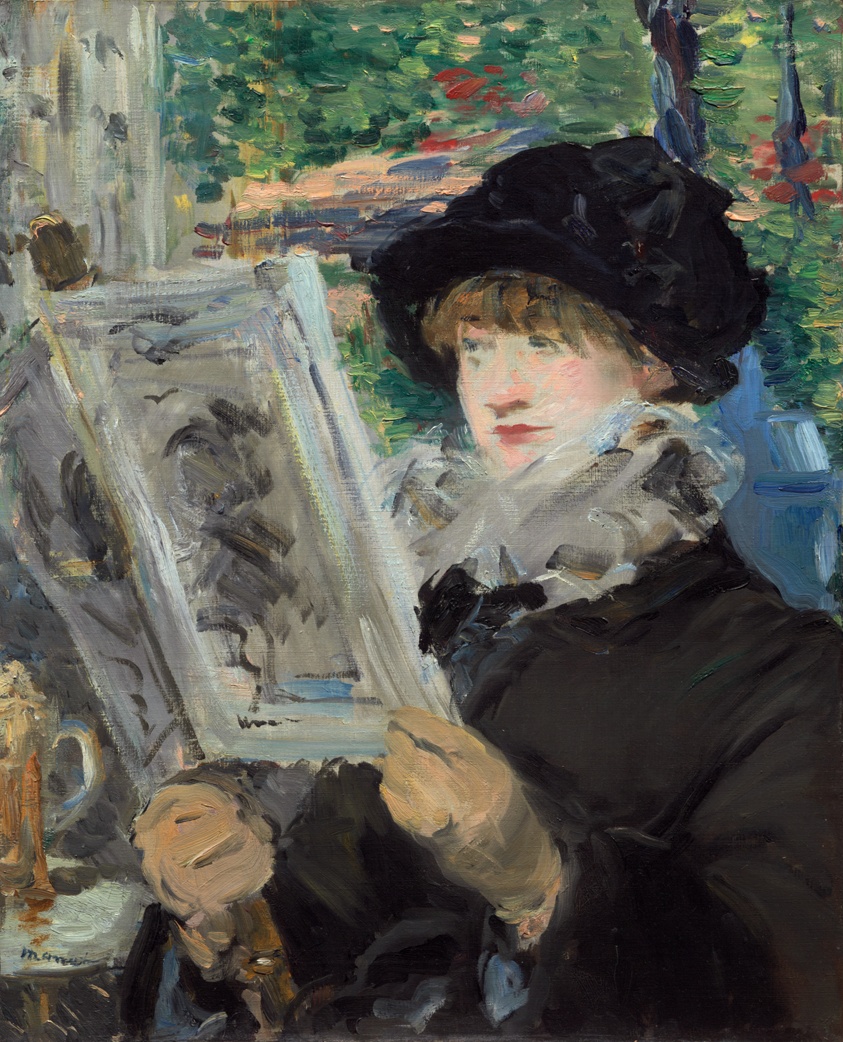
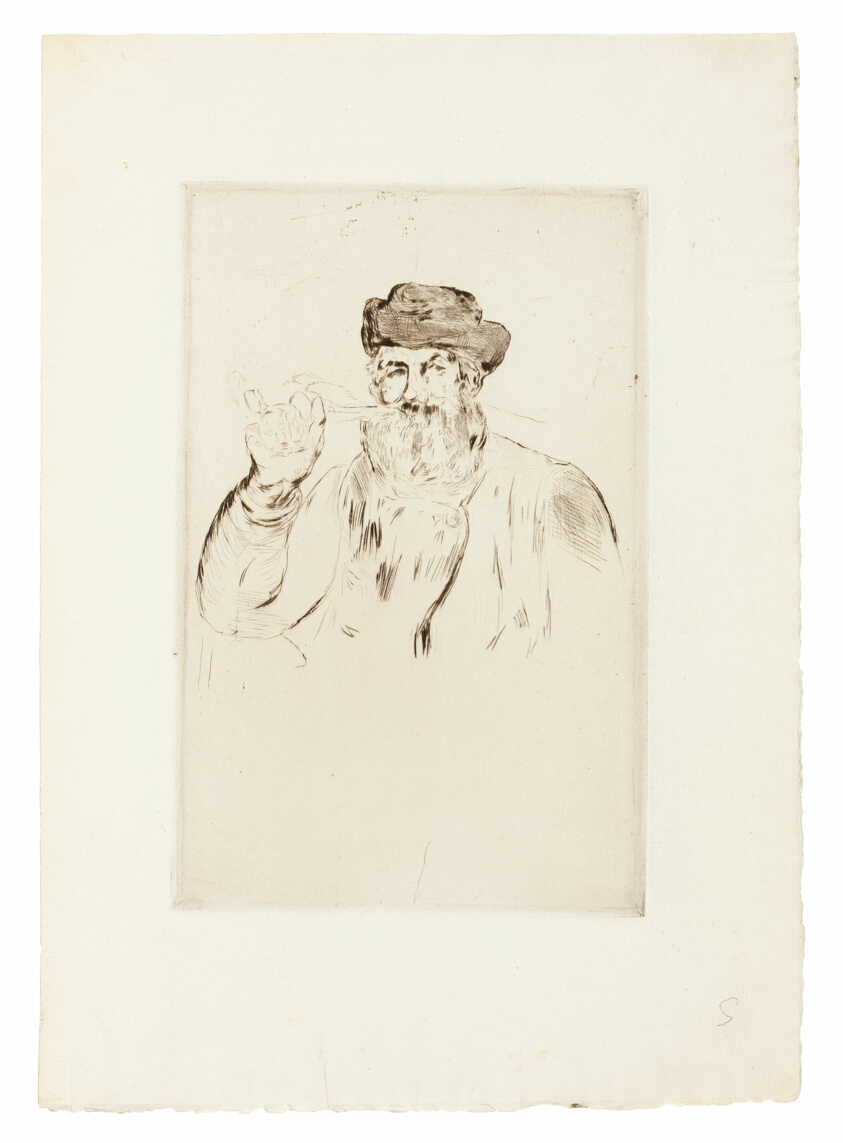
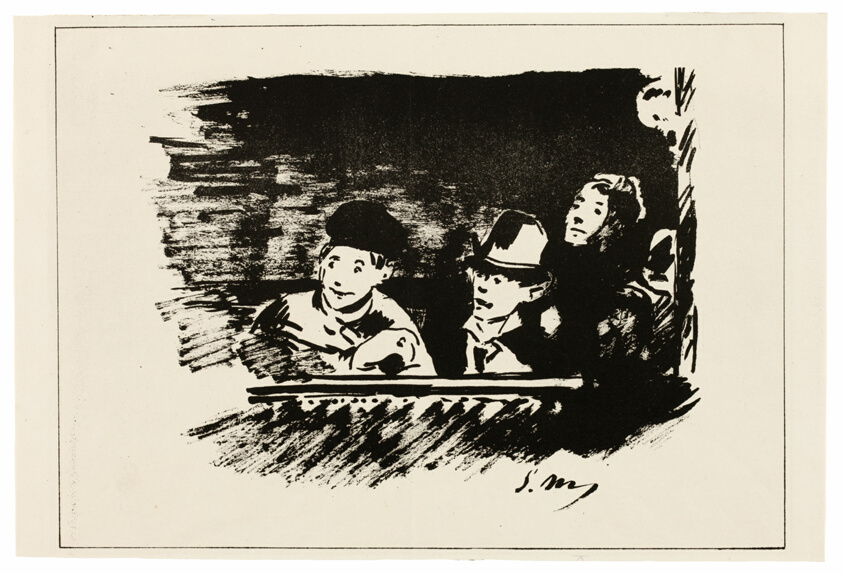
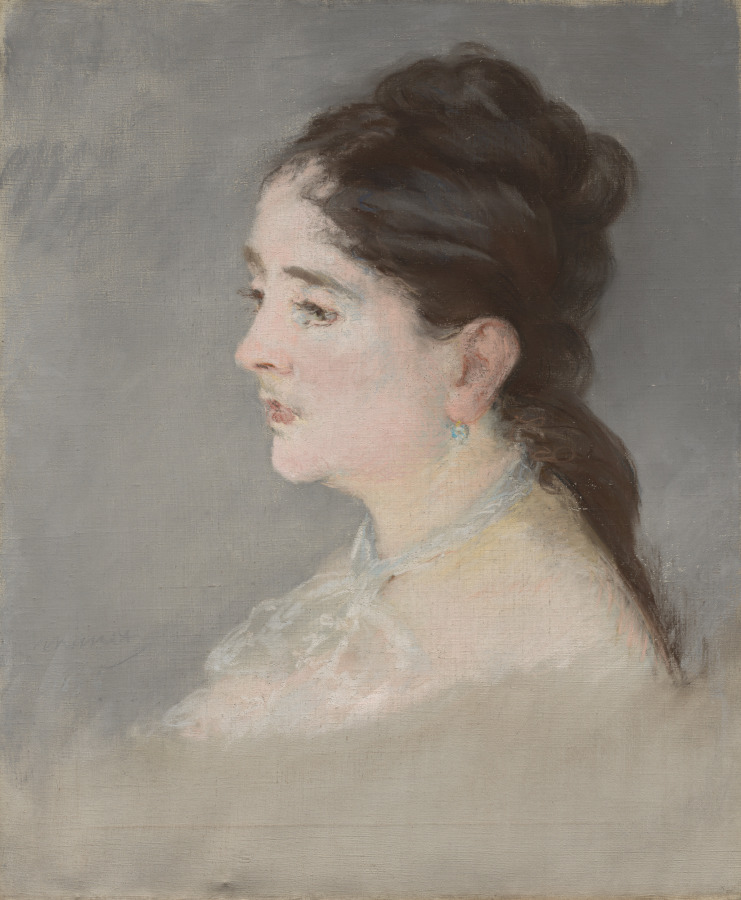
There are painters who work within the world as they find it, and there are painters who remake it entirely. Édouard Manet belongs unambiguously to the second category. When the Musée d'Orsay in Paris gathers visitors before his monumental canvases, the effect is still electric: figures rendered with startling directness, light falling in ways that feel observed rather than arranged, and a sense of human presence so immediate it crosses the century and a half between painter and viewer without losing a single degree of warmth. To stand before a Manet is to understand, viscerally, why so many… Continue reading
Artists in conversation
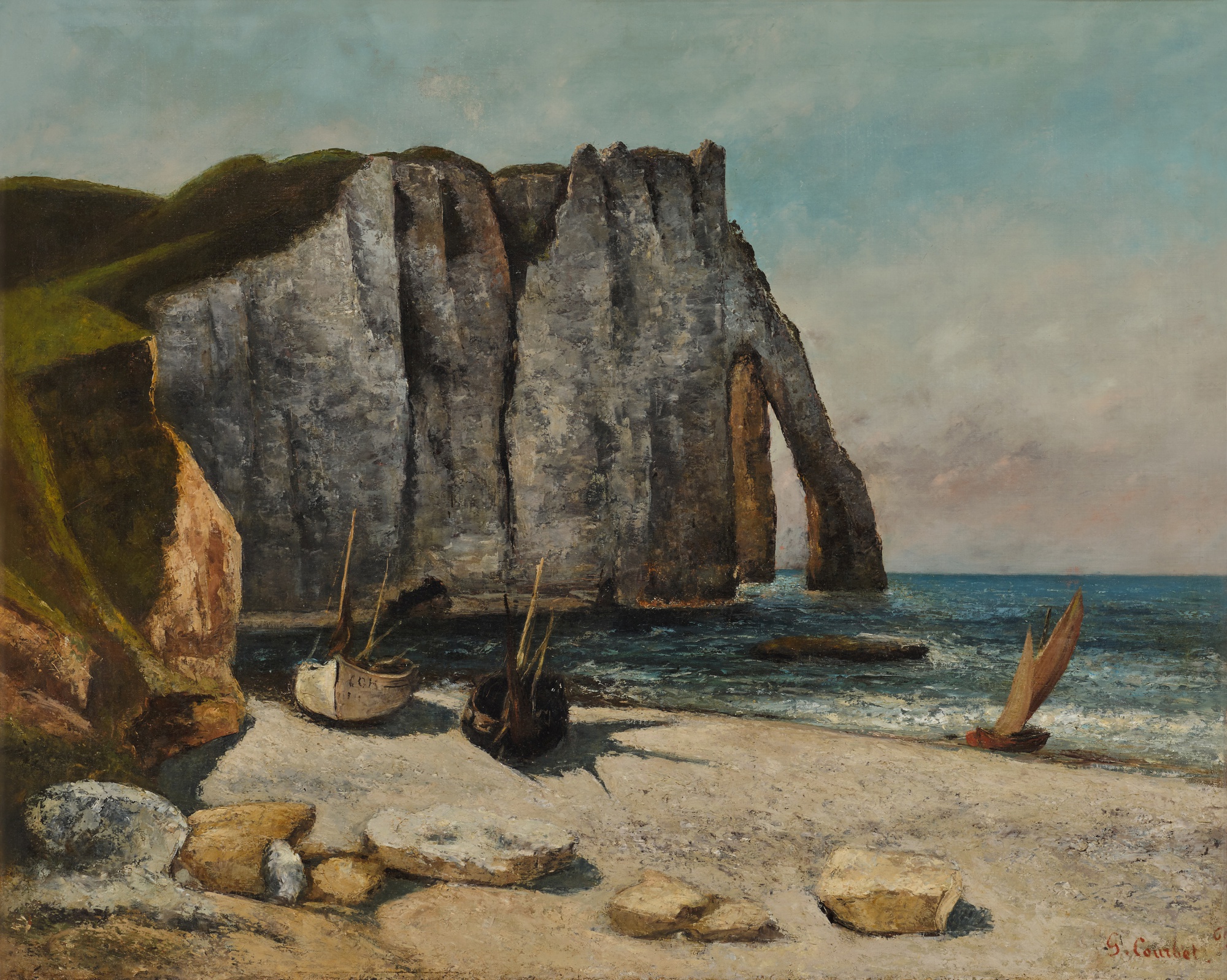
Gustave Courbet
Courbet shared Manet's commitment to Realist depictions of modern life and contemporary figures, rejecting idealized academic painting in favor of bold, direct representations. Both artists provoked public controversy by presenting ordinary subjects with unflinching honesty and strong compositional presence.
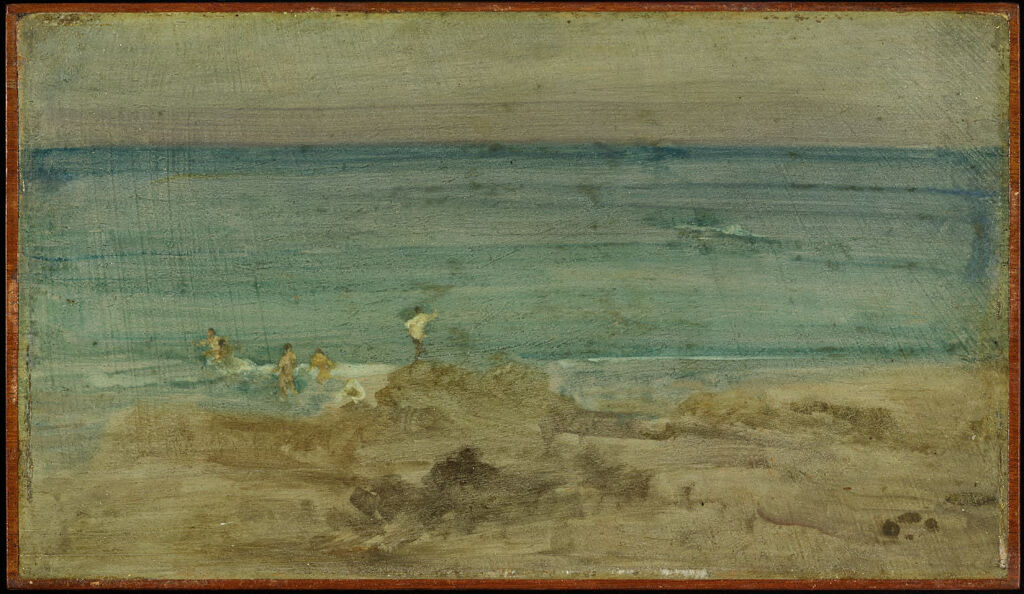
James Abbott McNeill Whistler
Whistler and Manet were contemporaries who shared an appreciation for flattened forms, tonal harmony, and the influence of Japanese printmaking and Old Master portraiture. Both worked in etching and painting with a modernist sensibility that challenged Victorian and Salon conventions.
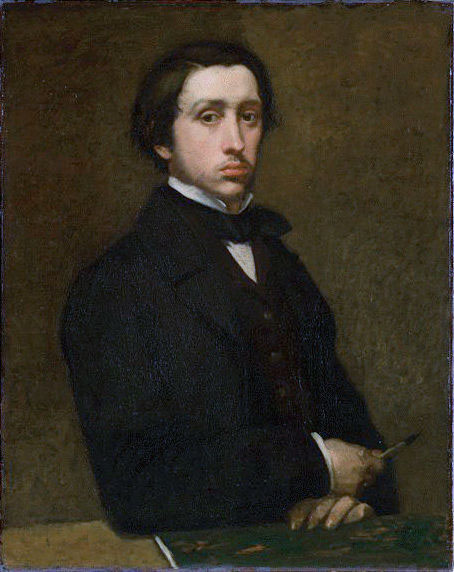
Edgar Degas
Degas and Manet were close friends who similarly focused on modern Parisian life, figures in contemporary costume, and unconventional cropping influenced by photography and Japanese prints. Both used loose yet deliberate mark making to capture spontaneity in figure studies and portraits.
Artists who inspired them
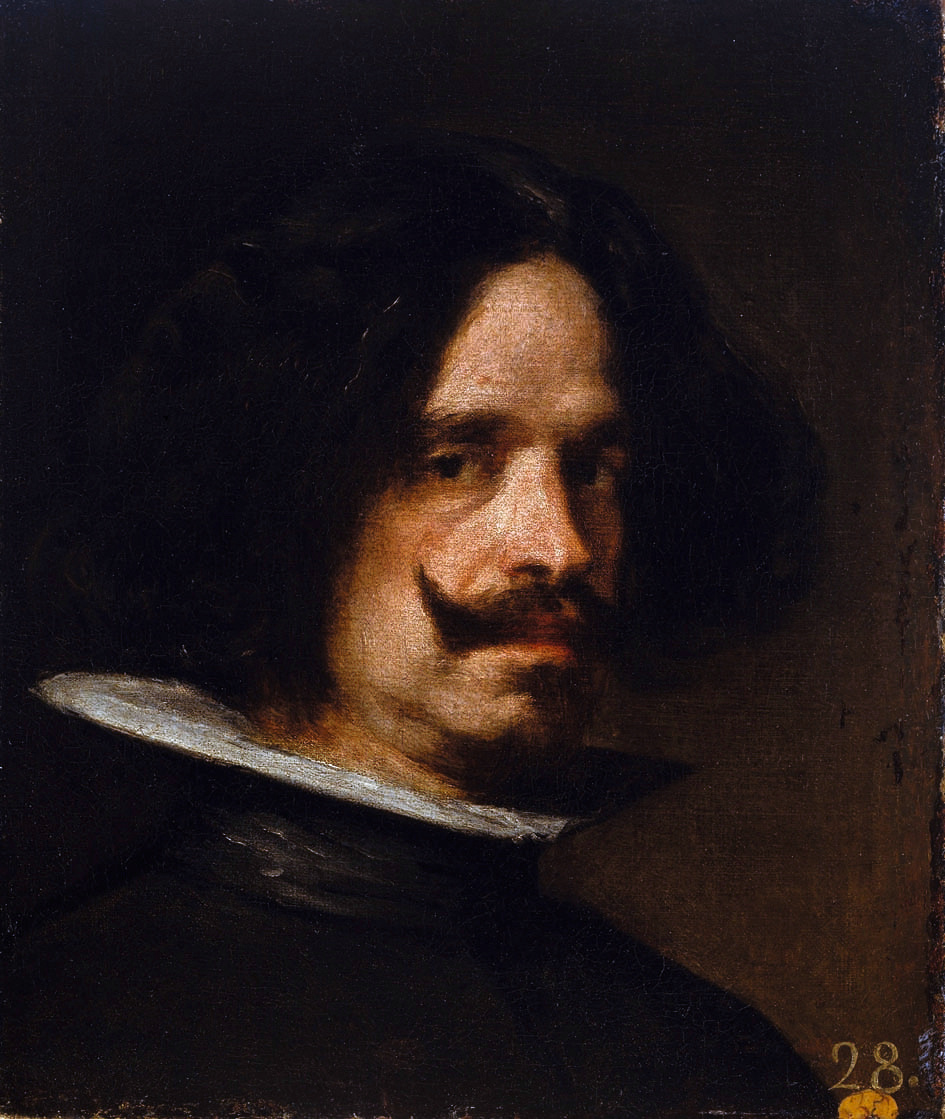
Diego Velázquez
Manet deeply admired Velázquez and studied his work during a visit to Spain, absorbing his loose yet confident brushwork and his ability to render figures with psychological directness. The influence is especially visible in Manet's portraits and his treatment of dark tonal backgrounds against boldly lit figures.
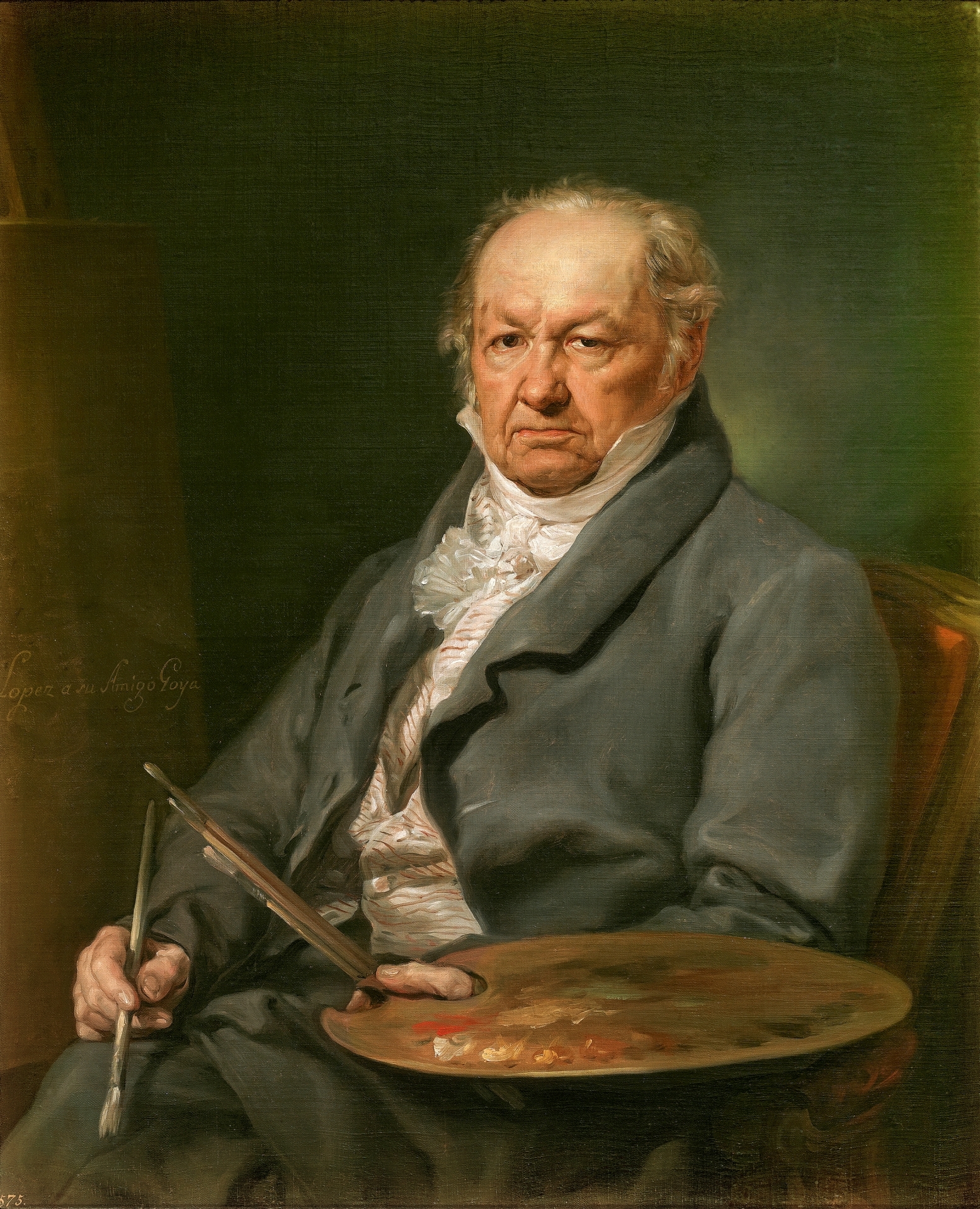
Francisco Goya
Goya's dramatic contrasts, unflinching realism, and printmaking techniques were a significant source of inspiration for Manet, who referenced Goya's compositions in several of his own major works. Manet's interest in etching and aquatint as serious artistic mediums also reflects Goya's innovative approach to works on paper.
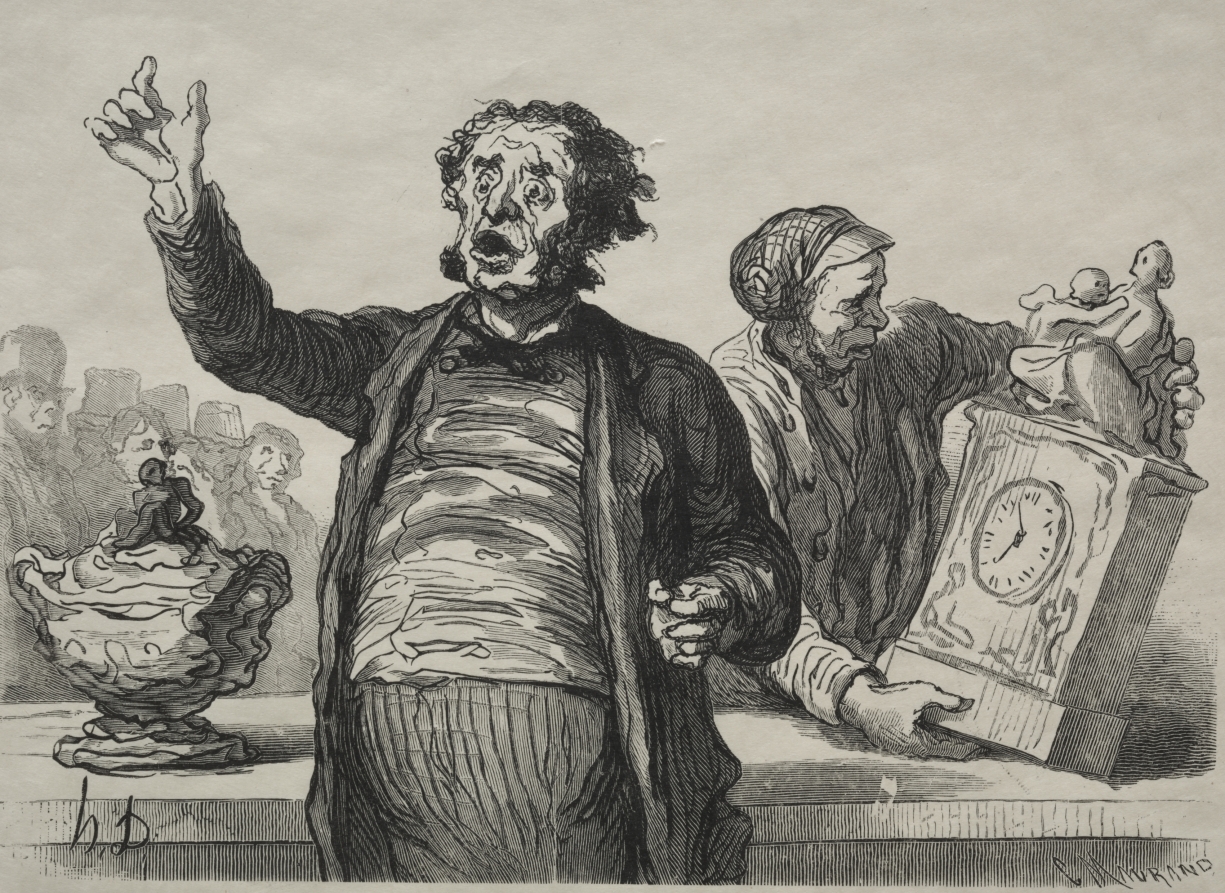
Honoré Daumier
Daumier's satirical prints and bold graphic style depicting modern Parisian social life provided Manet with a framework for engaging critically and directly with contemporary subjects. His expressive use of line and monochrome tonal work in prints informed Manet's own graphic and realist sensibilities.
Artists they inspired
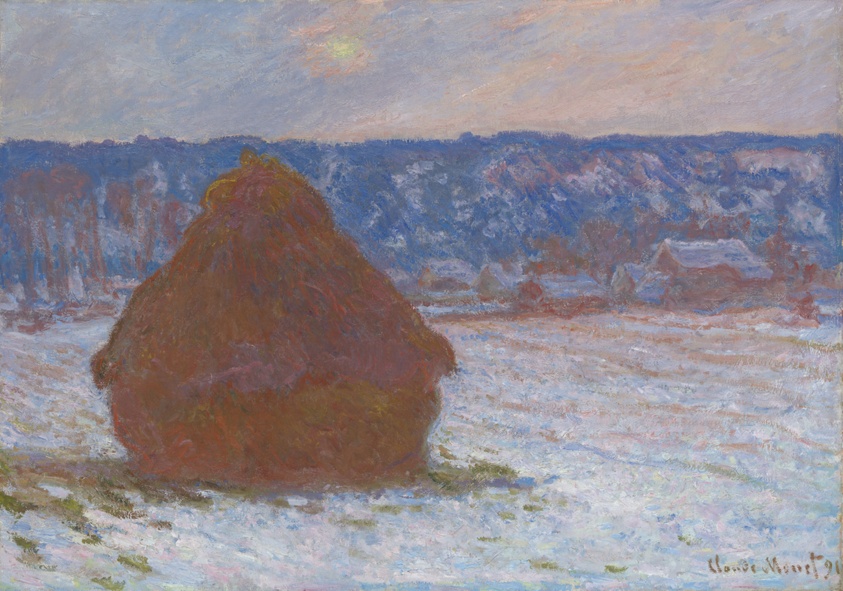
Claude Monet
Monet was directly inspired by Manet's loose brushwork and commitment to painting modern life, and the two men had a close personal and artistic relationship that helped Monet develop his Impressionist approach. Manet's willingness to break with academic convention gave younger painters like Monet permission to pursue radical experimentation.
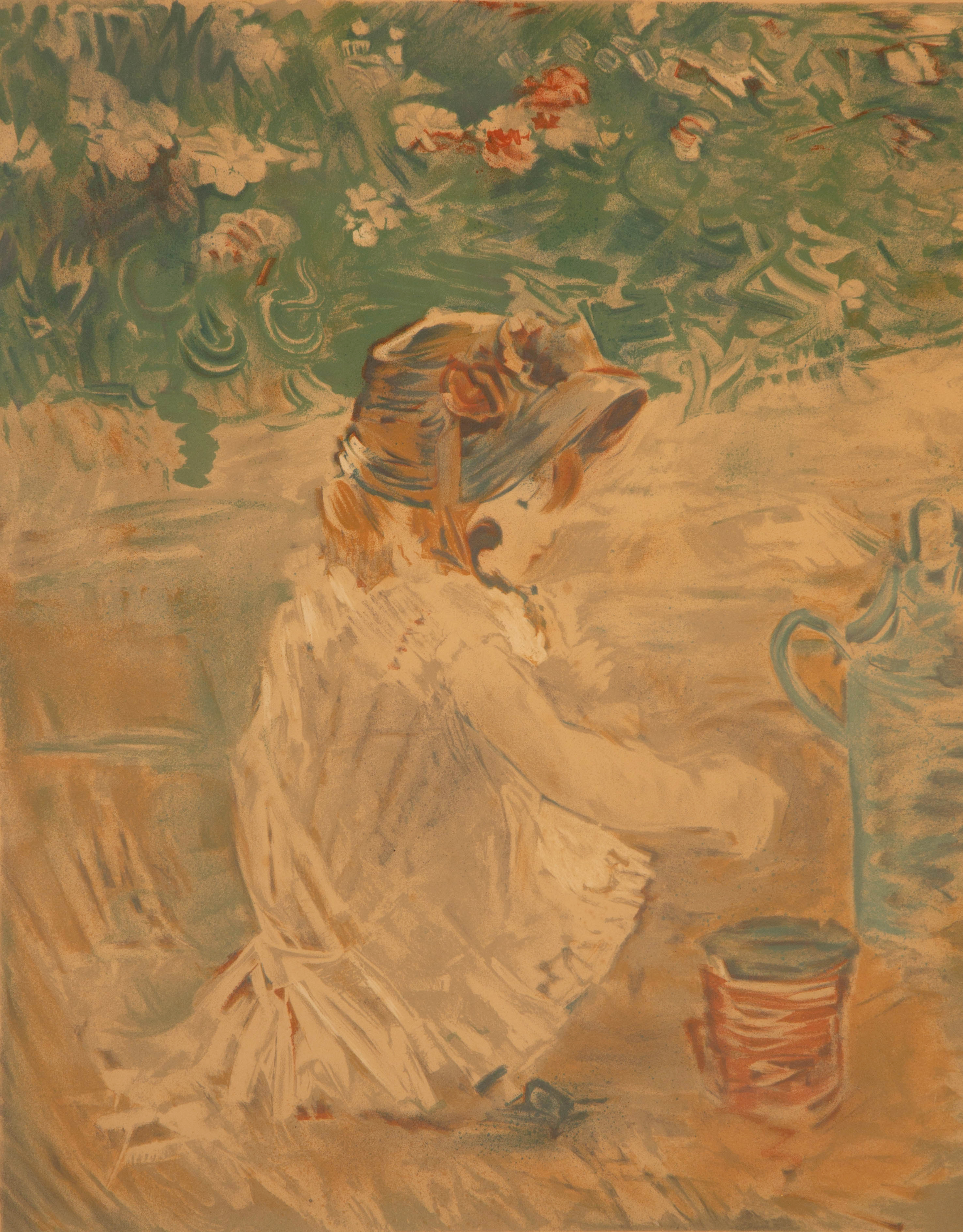
Berthe Morisot
Morisot had a sustained personal and professional relationship with Manet and absorbed his fluid brushwork and modern subject matter into her own Impressionist practice. Manet's direct influence is visible in her figure studies and her confident, spontaneous handling of paint.
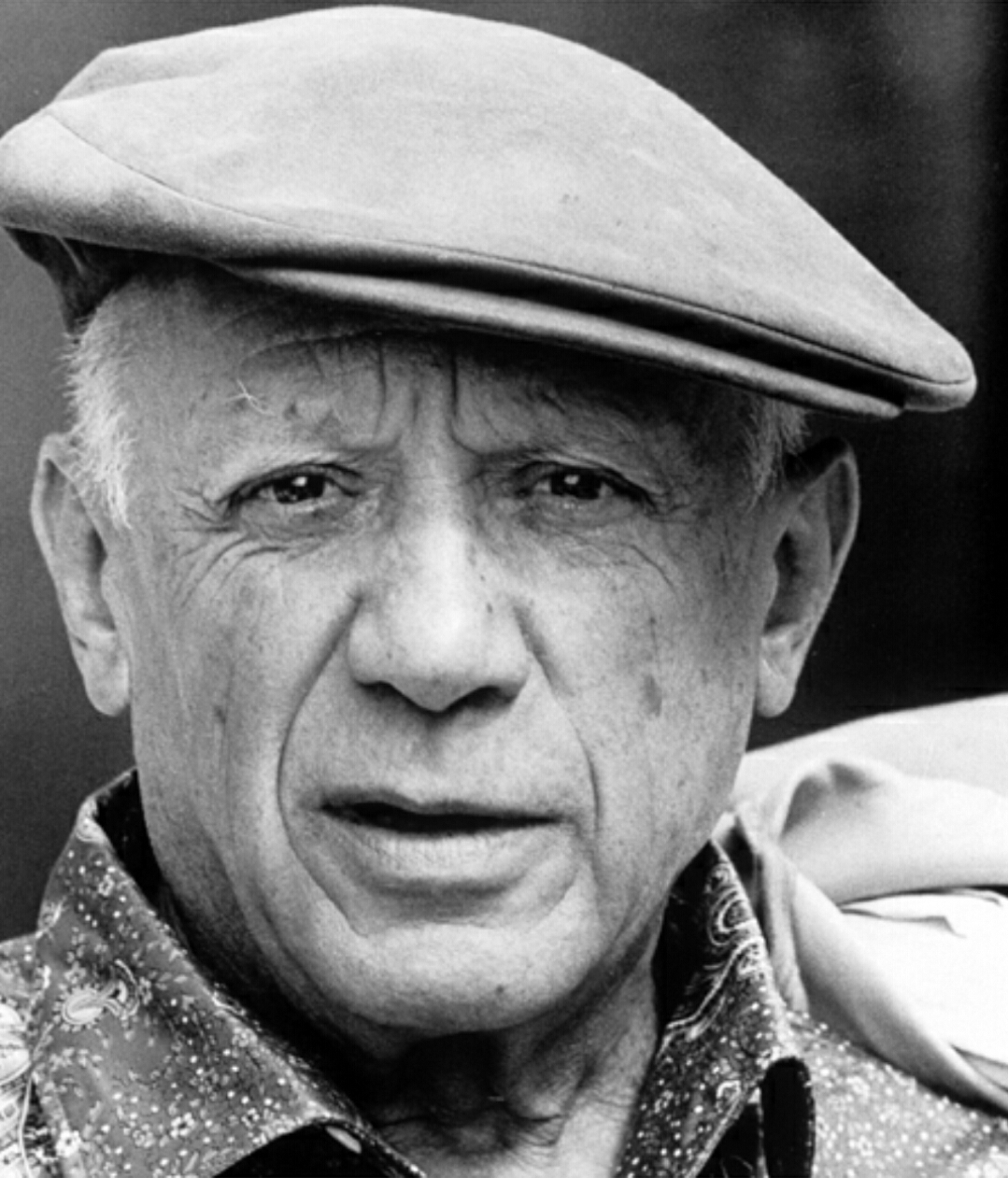
Pablo Picasso
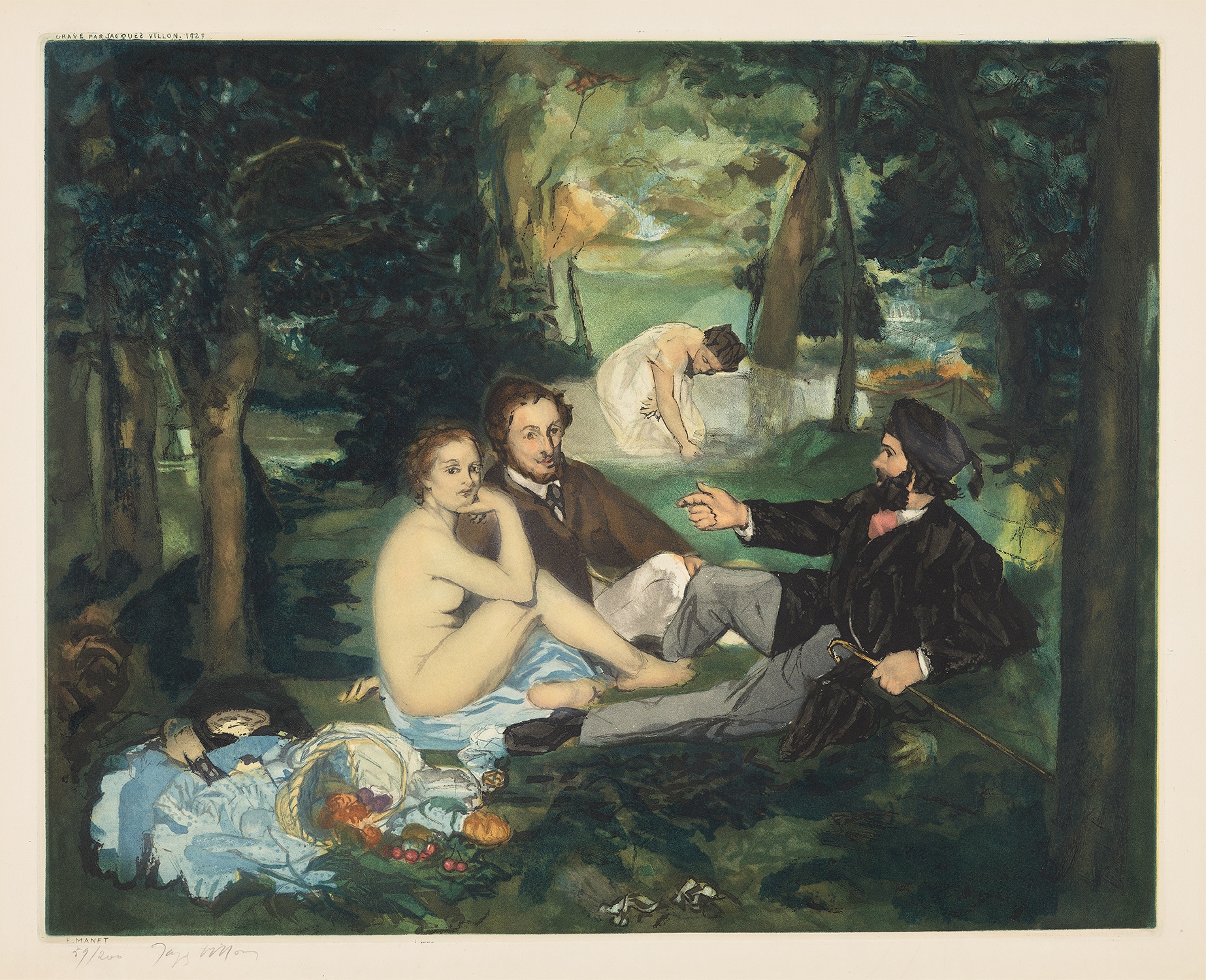
Picasso explicitly engaged with Manet's legacy by reinterpreting Le Déjeuner sur l'herbe multiple times, acknowledging Manet as a foundational figure in the rupture from academic tradition that made modern art possible. Manet's flattening of pictorial space and challenge to conventional representation were key precursors to Picasso's own radical formal innovations.