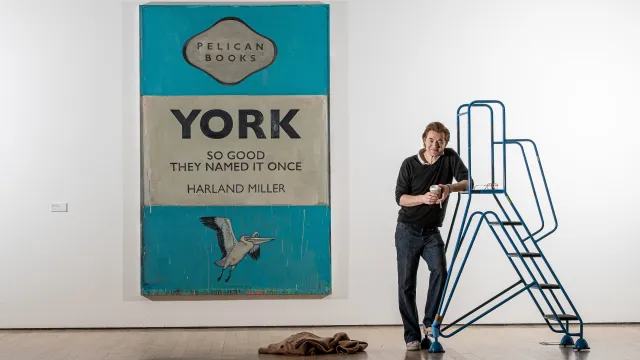
Harland Miller
89
Works
7
Followers
Artist Spotlight
Harland Miller, Where Words Become Pure Poetry
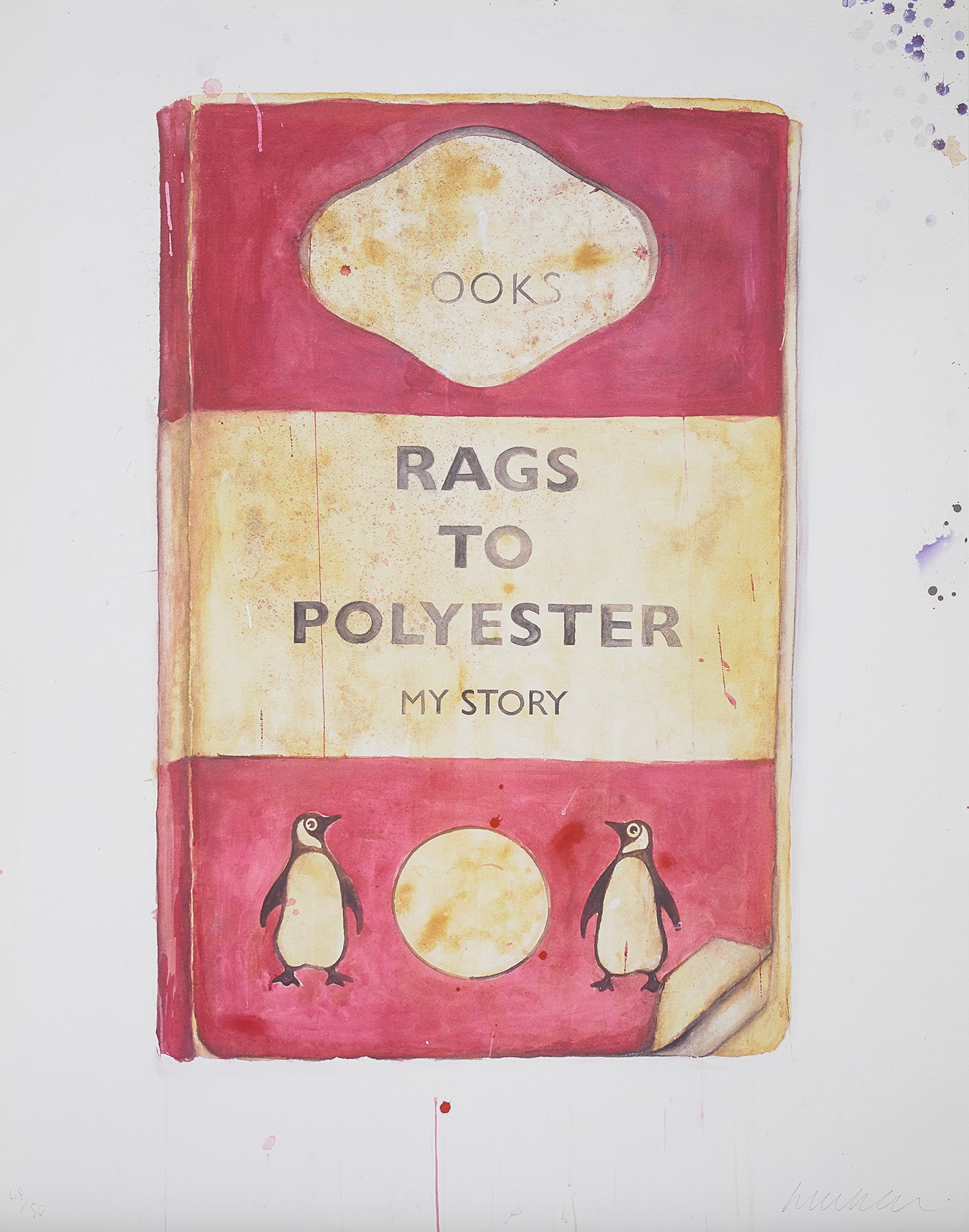
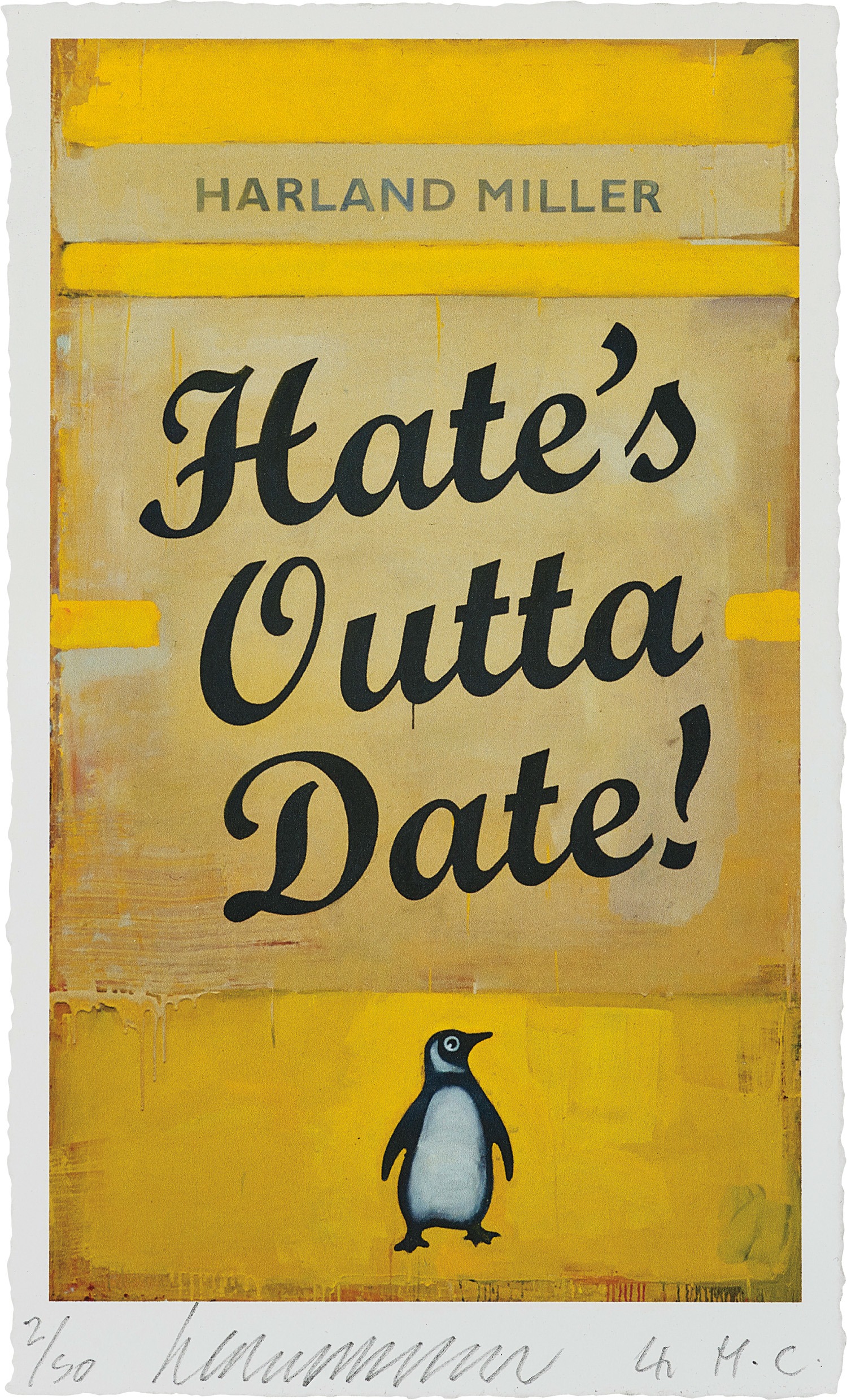
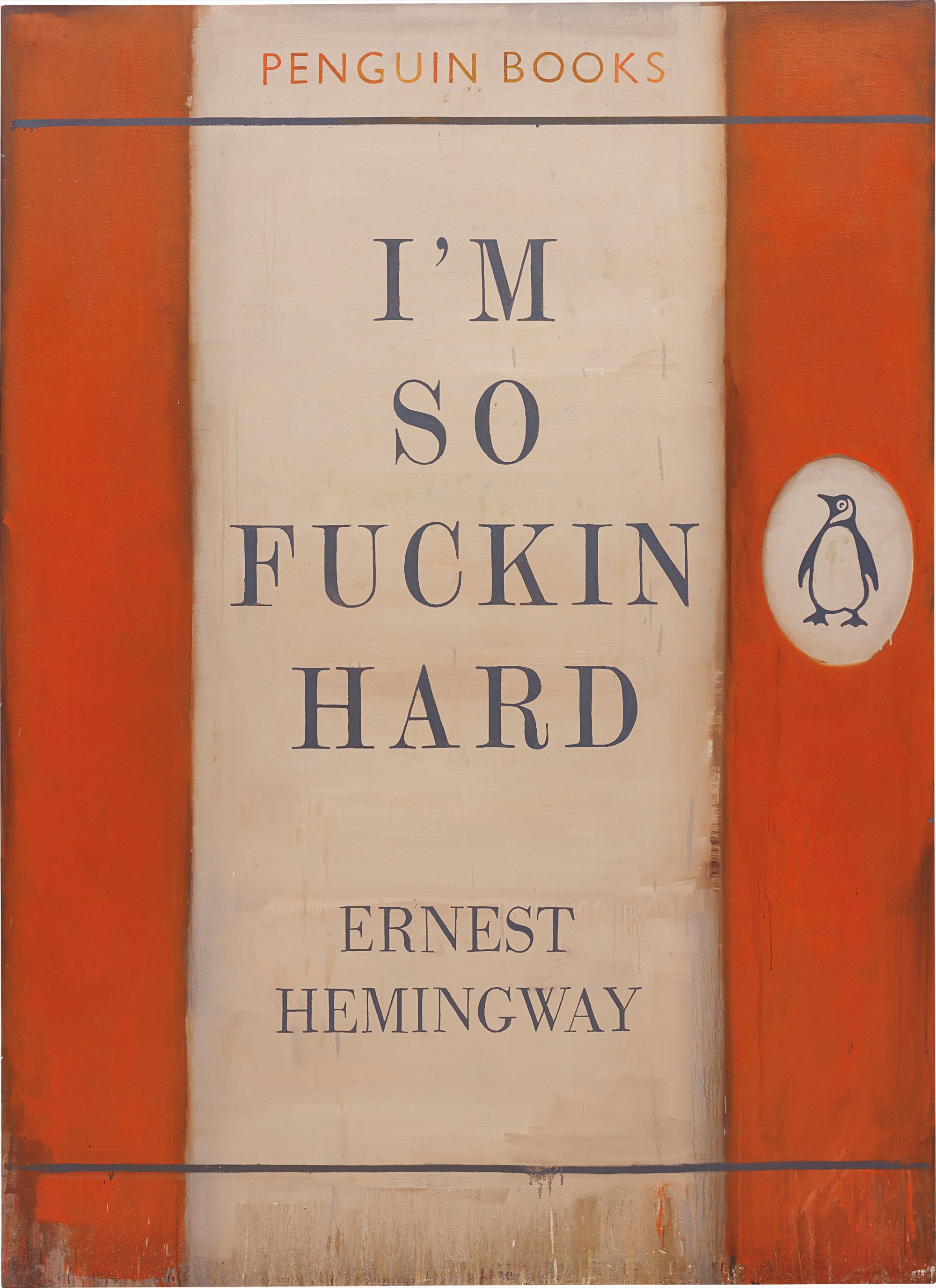
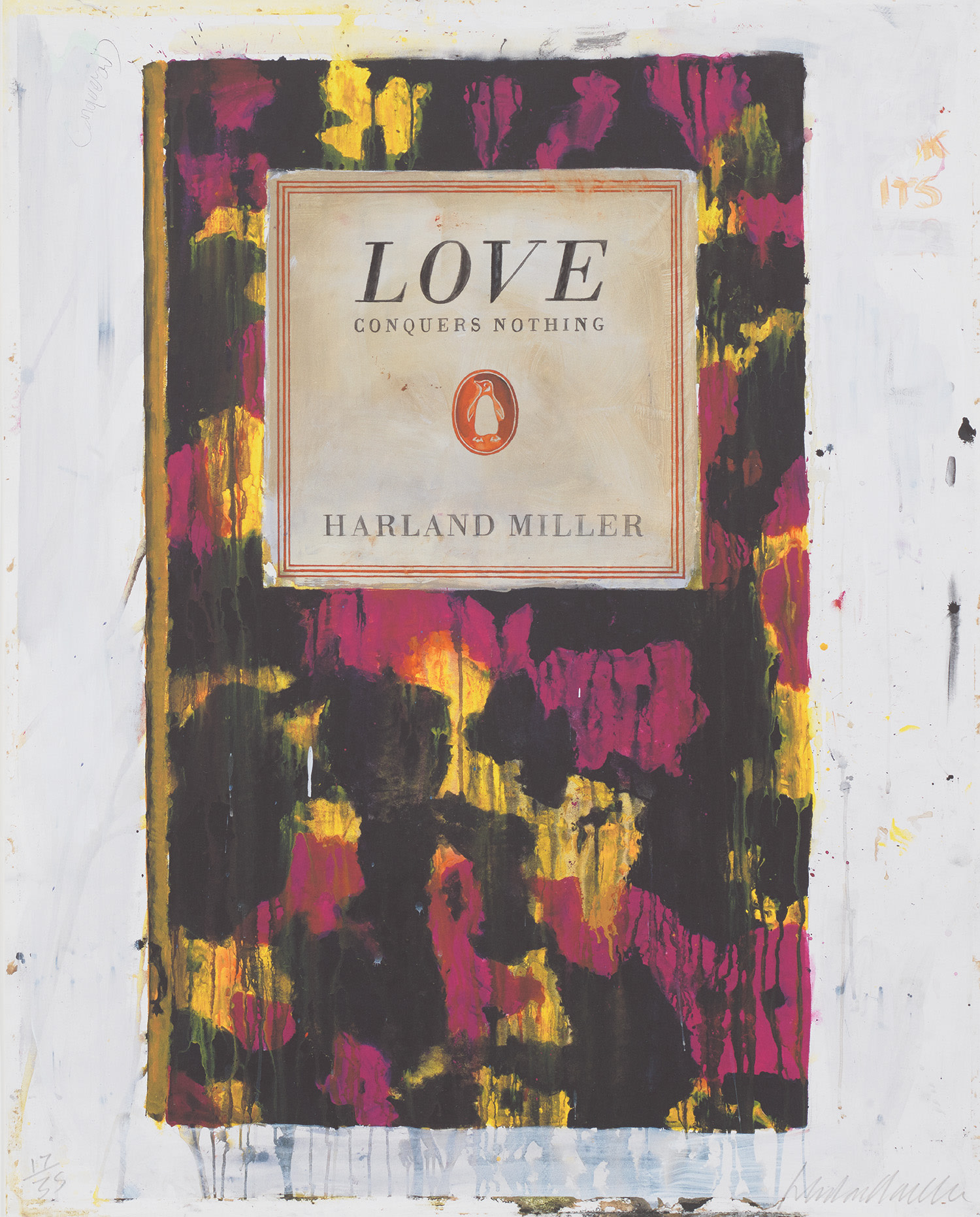
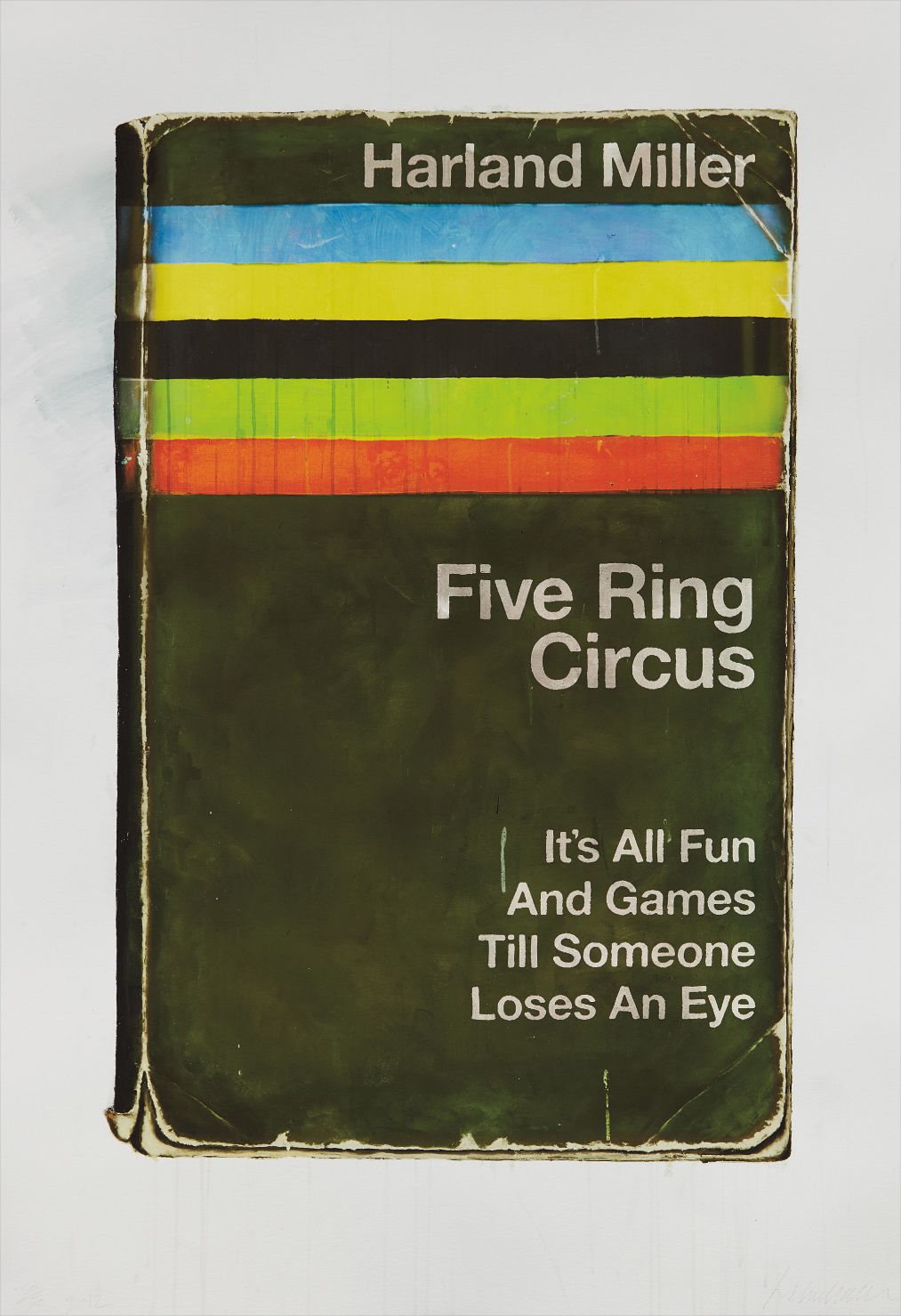
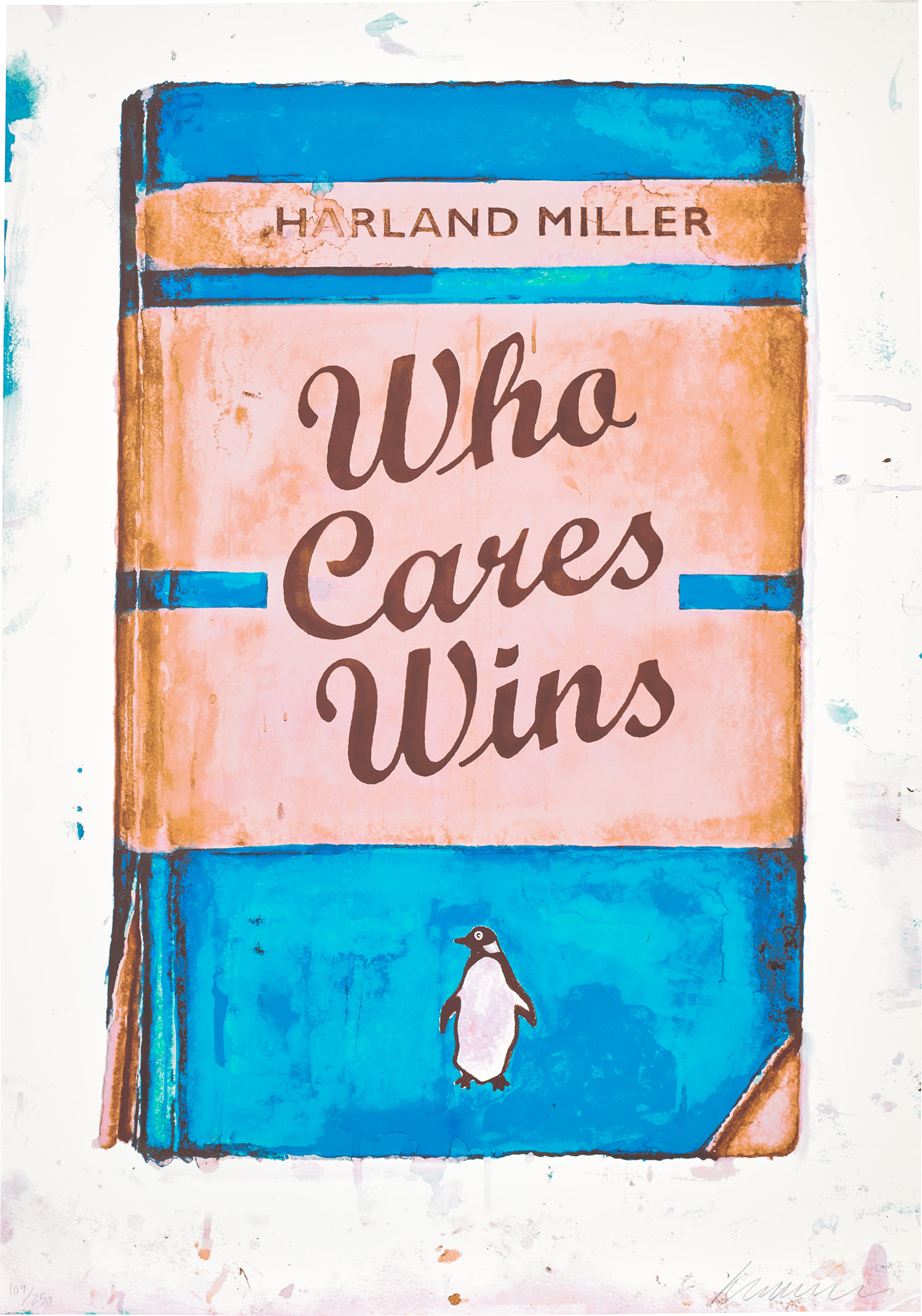
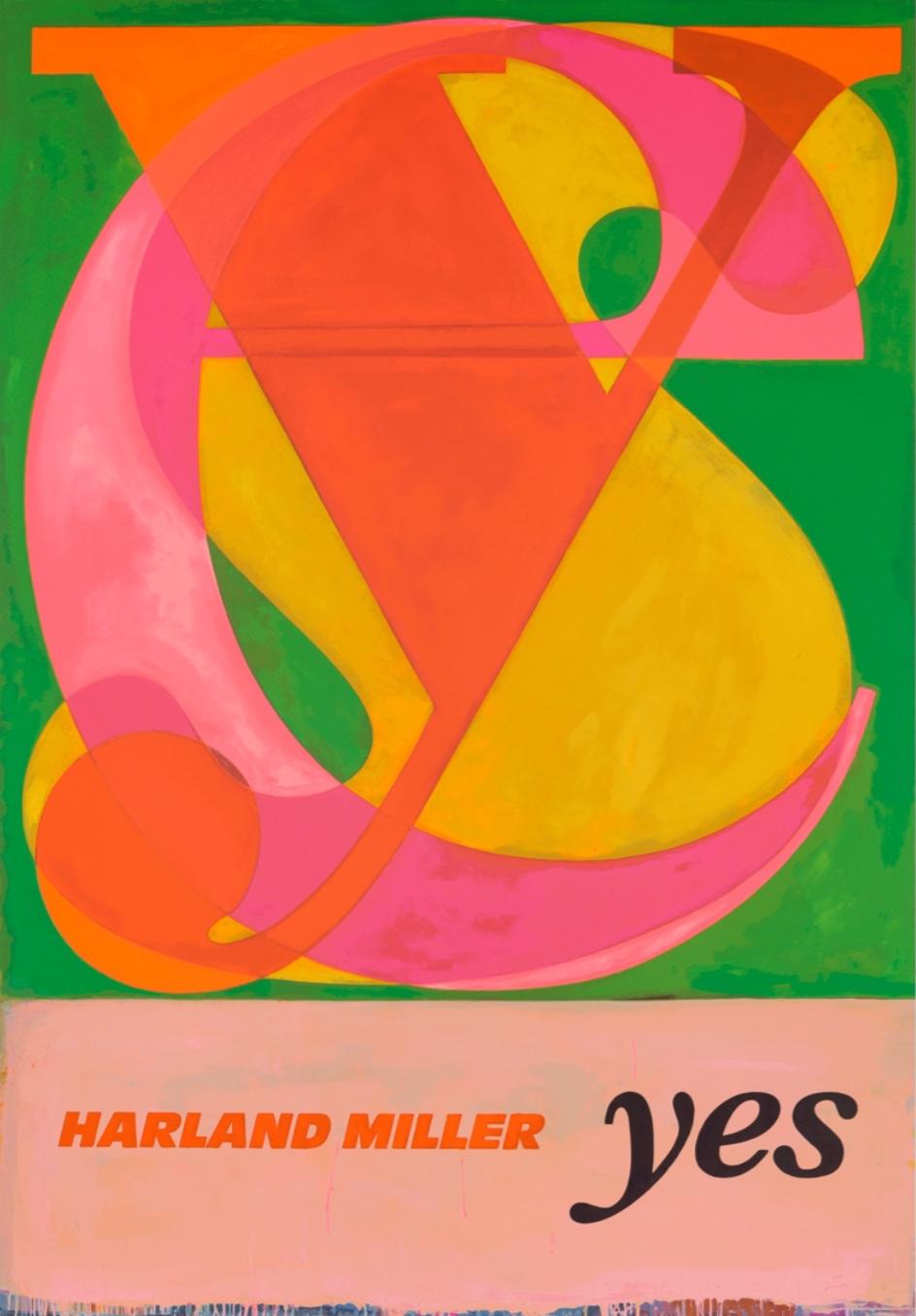
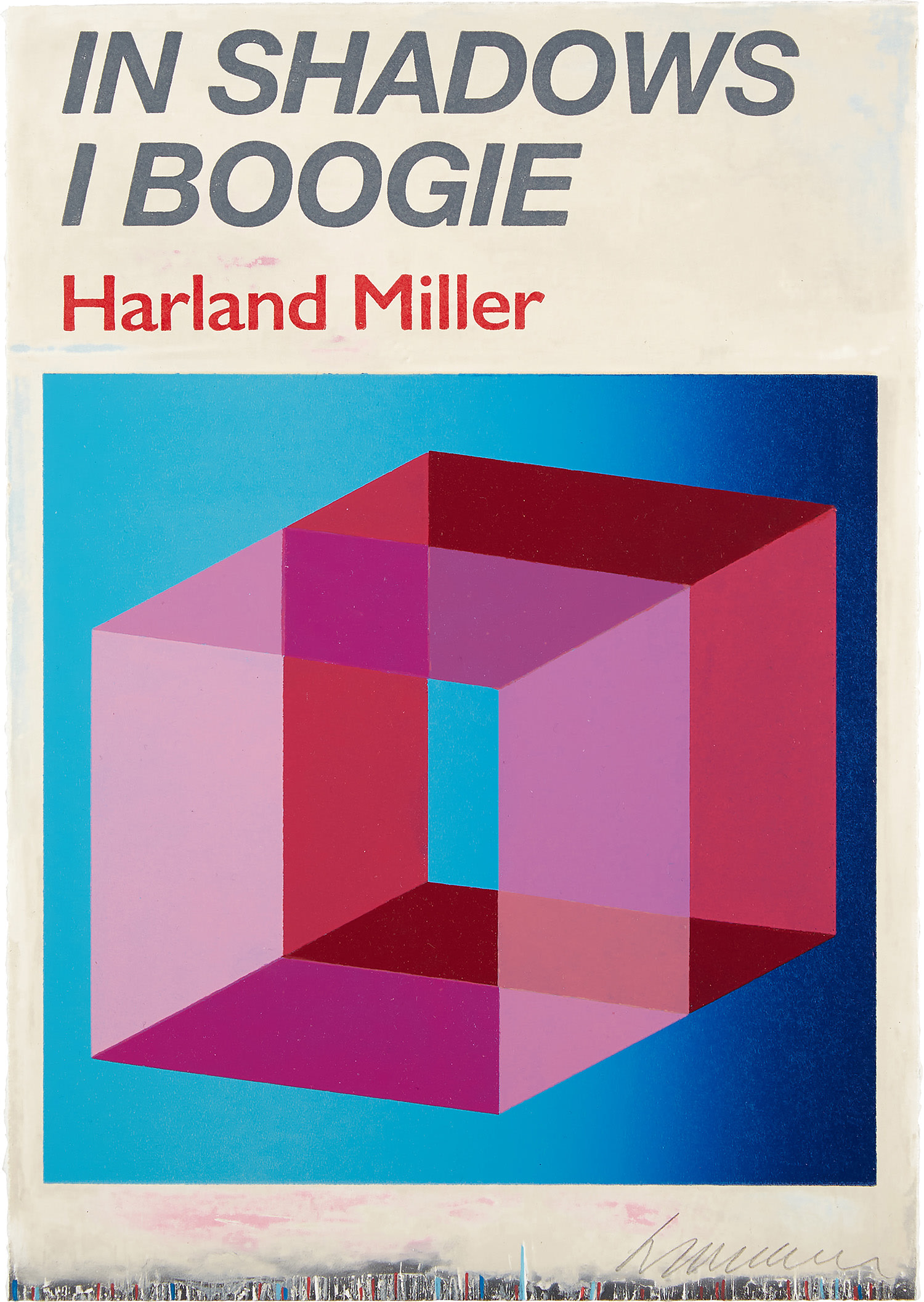
There is a moment, standing before a Harland Miller canvas, when something unexpected happens. The familiarity of the form pulls you in, that unmistakable Penguin paperback silhouette, the banded colour fields, the serif lettering, and then the title lands like a perfectly timed punchline at the end of a long, earnest joke. In 2025, Miller released a luminous new silkscreen, 'I Am The One I've Been Waiting For,' a work that captures everything that has made him one of the most beloved and genuinely original voices in British contemporary art. Rendered across 24 colours on Somerset Tub Sized… Continue reading
Collectors
Also spotted by

Artists in conversation
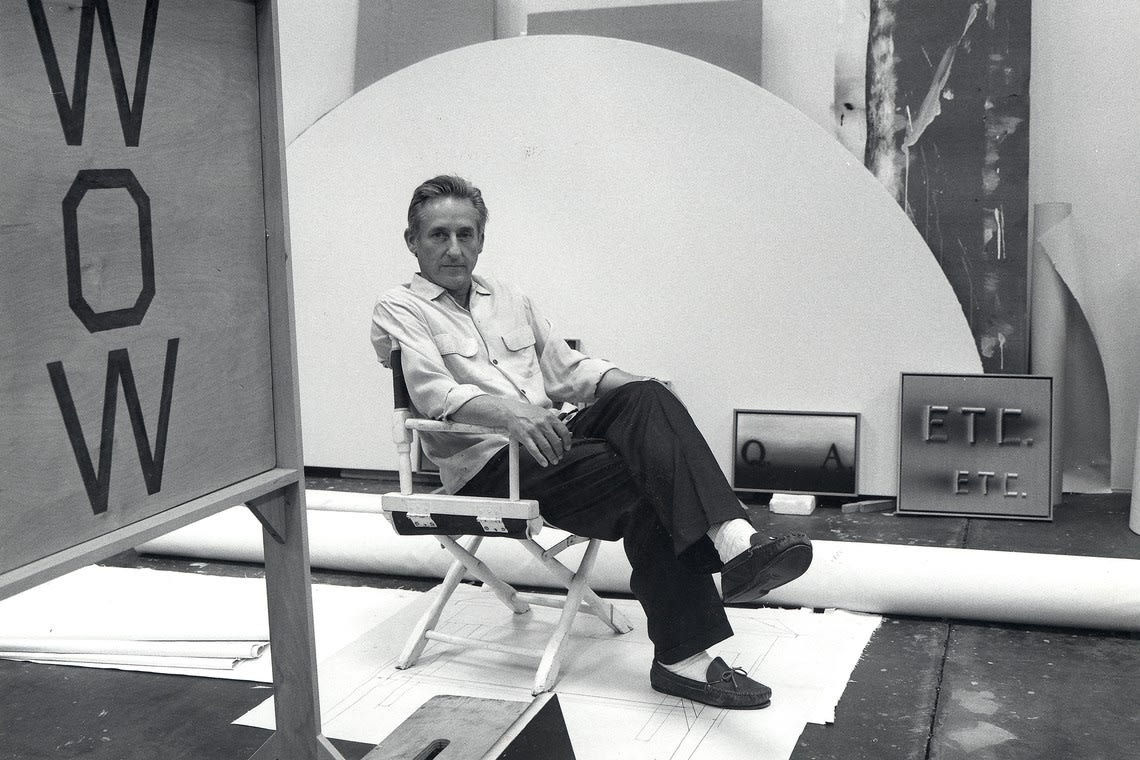
Ed Ruscha
Ruscha similarly combines text and image in large scale paintings that carry deadpan wit and cultural commentary, blurring the line between graphic design and fine art in a way that closely parallels Miller's approach.
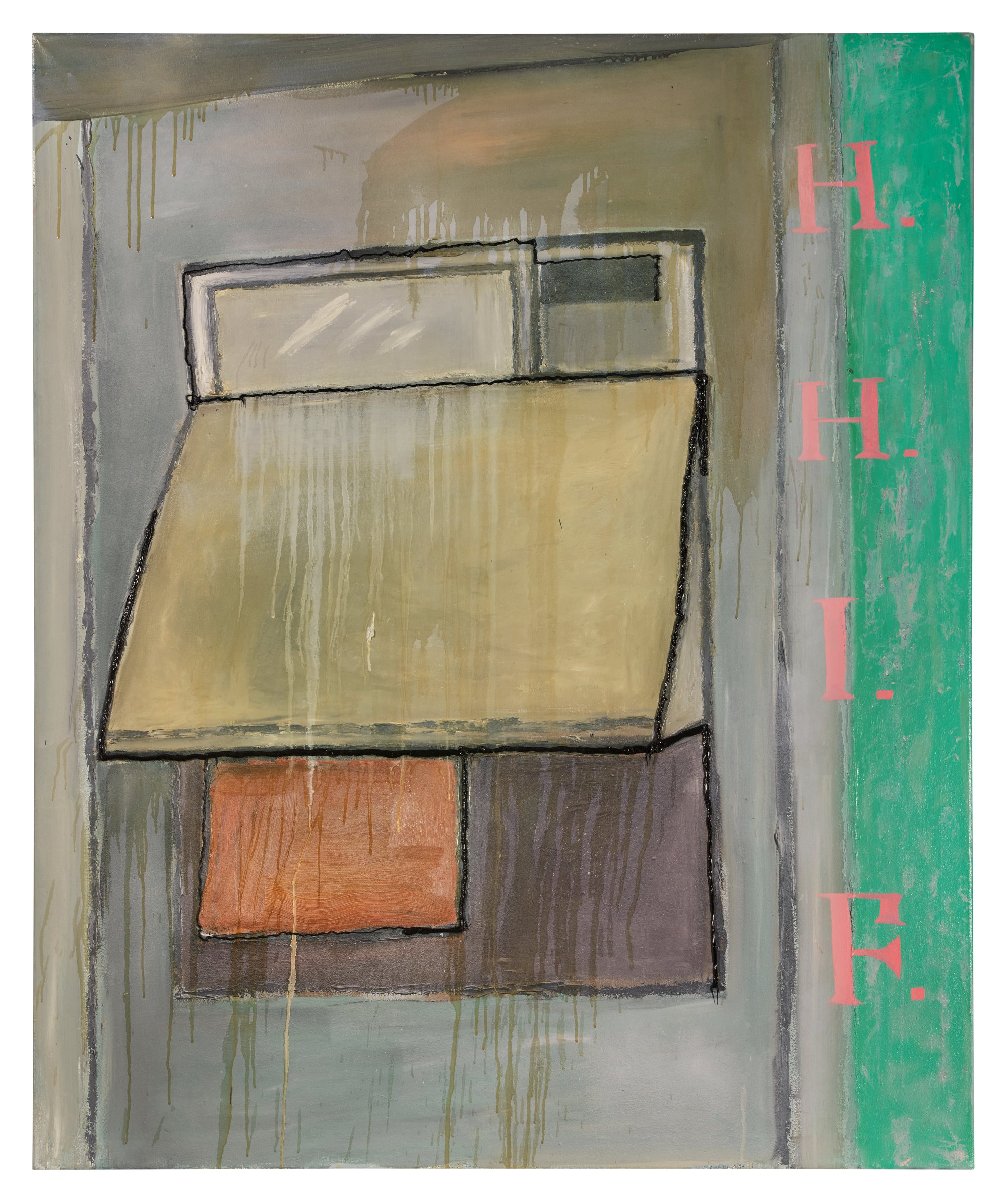
Martin Kippenberger
Kippenberger used dark humor, self deprecation, and existential provocation as central artistic strategies, producing work that shares Miller's tone of sardonic melancholy wrapped in accessible visual language.
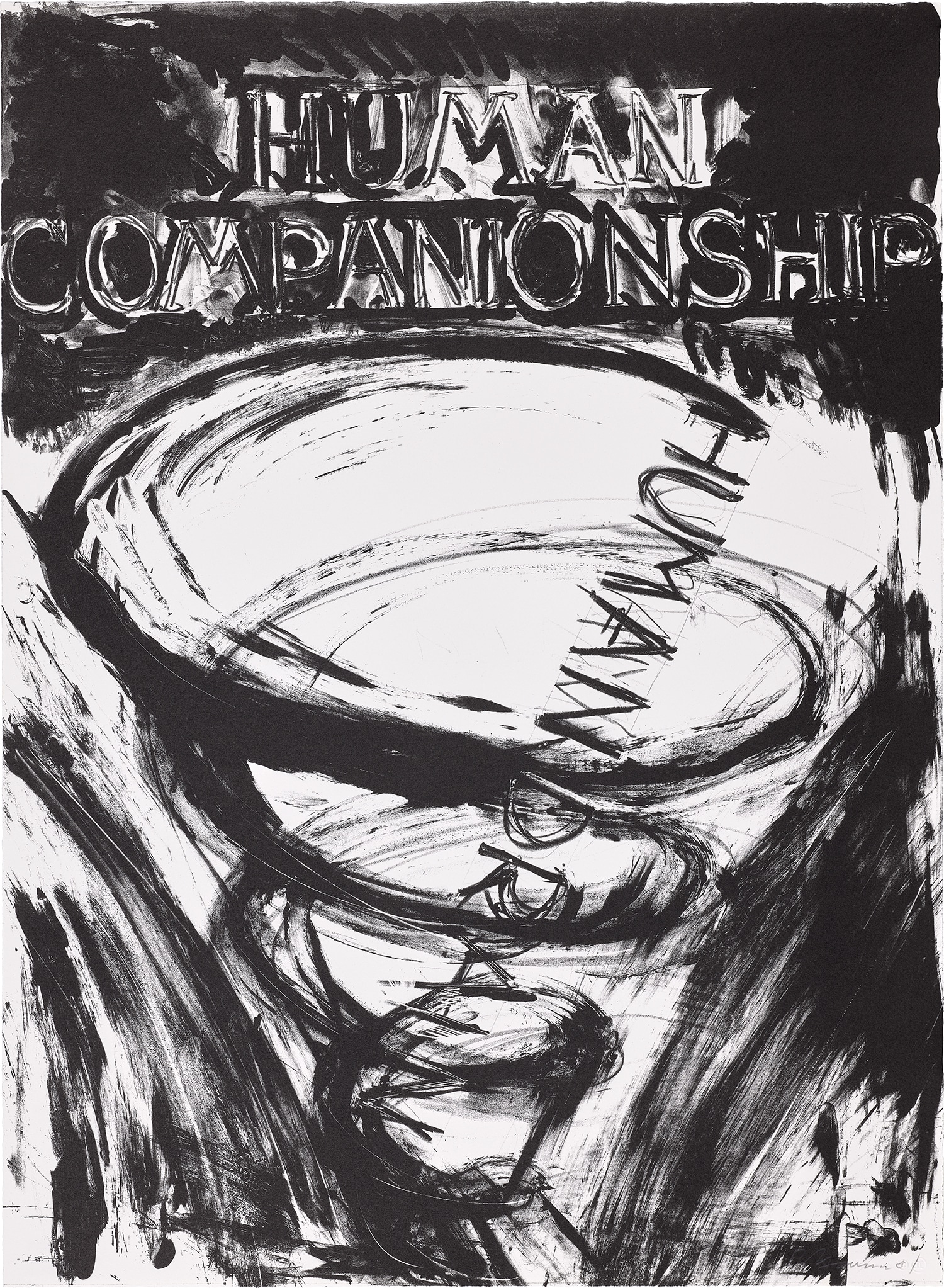
Bruce Nauman
Nauman's text based works use language as a primary visual and conceptual tool to generate psychological unease and philosophical inquiry, resonating with Miller's use of written words to carry existential weight.
Artists who inspired them
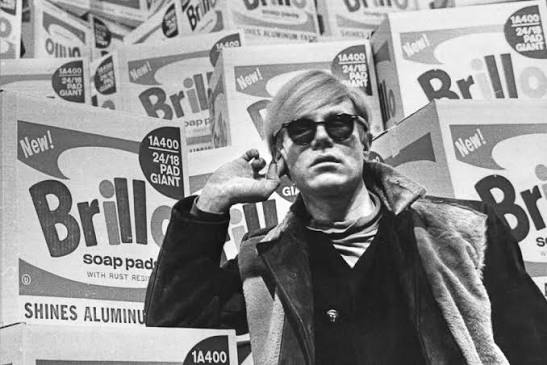
Andy Warhol
Warhol's appropriation of commercial and popular imagery as fine art directly informs Miller's transformation of the Penguin paperback into monumental painted canvases that elevate everyday graphic objects.
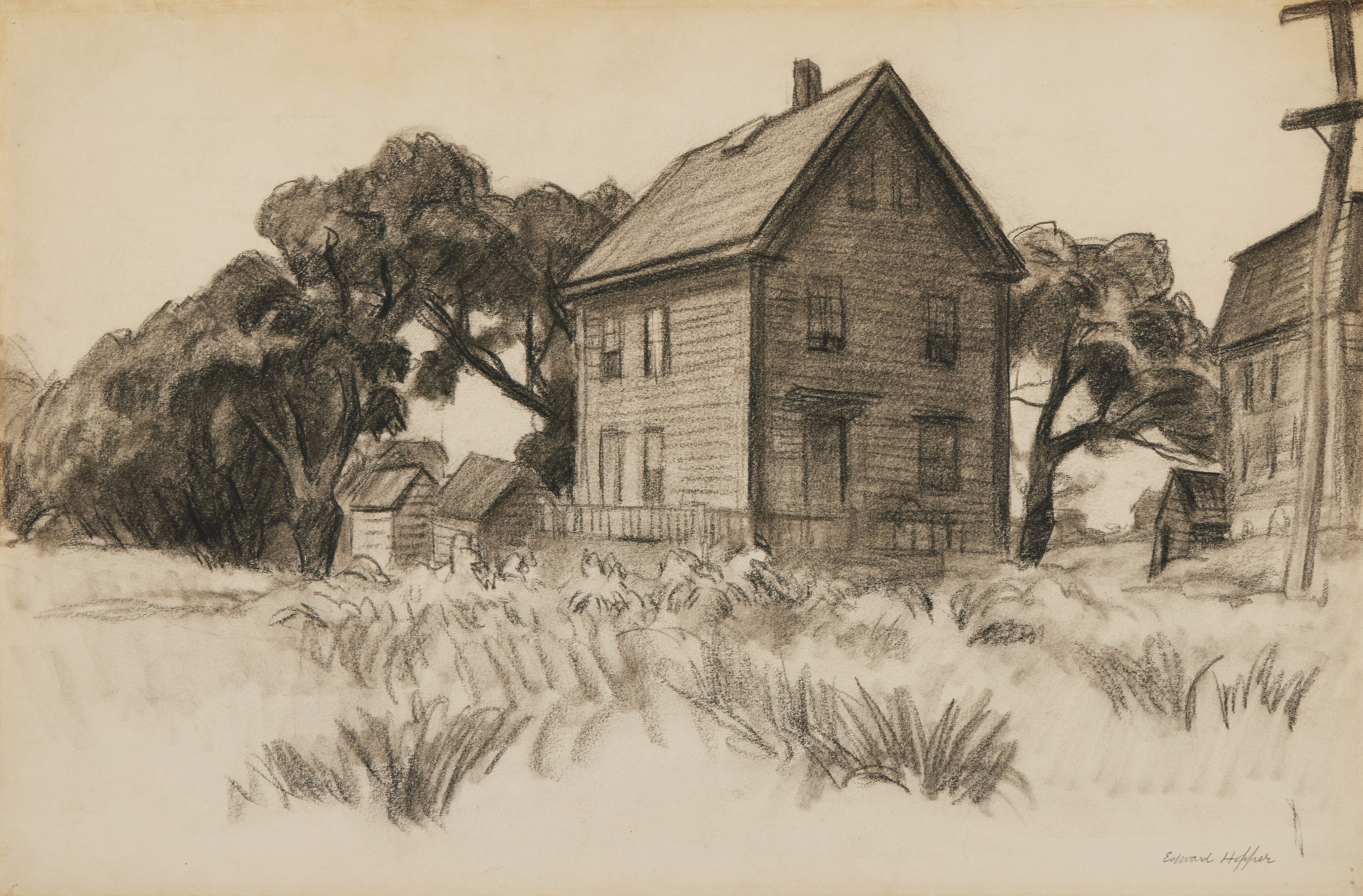
Edward Hopper
Hopper's atmosphere of quiet isolation and emotional melancholy within recognizable American scenes resonates deeply in Miller's coastal and motel imagery that frames loneliness with dry poetic humor.
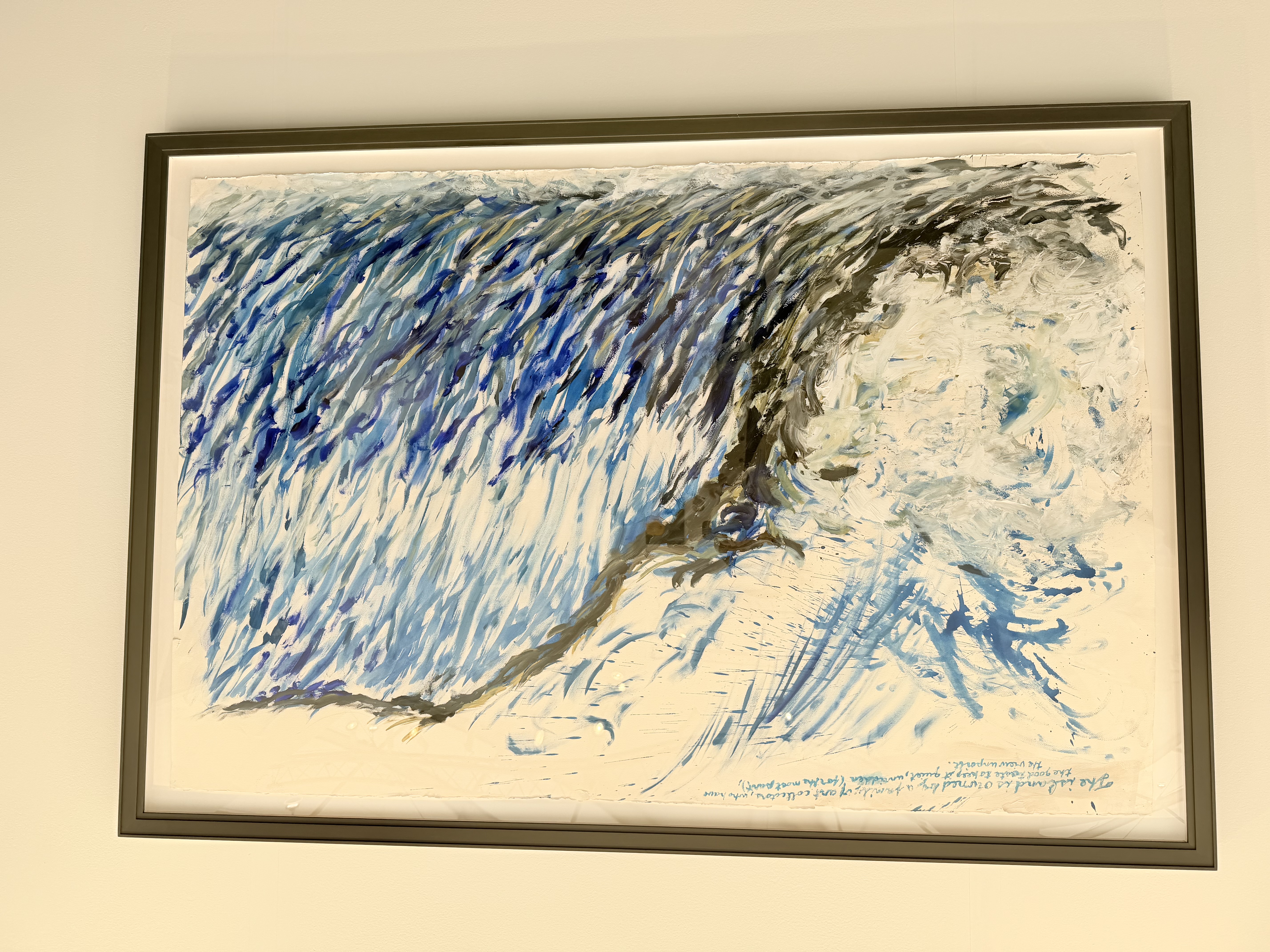
Raymond Pettibon
Pettibon's integration of handwritten text and literary or poetic language directly into visual compositions offered Miller a model for treating words as emotionally loaded pictorial elements rather than mere captions.