Narrative Painting
Eric Fischl
Dogs in Garage (or similar — exact title unconfirmed)

The Picture That Won't Stop Talking Back
There is a particular kind of collector who gravitates toward narrative painting, and they tend to share a quality that sets them apart: they are not content to simply look. They want to be implicated. A painting that tells a story, or withholds one, or suggests that something happened just before and something else is about to happen just after, creates a relationship with the viewer that is fundamentally different from the experience of standing before an abstract field of color. You carry the thing with you.
It occupies a room in your mind long after you have left the room it hangs in. This is partly what makes narrative painting such a compelling area for collectors who live seriously with their acquisitions. The work evolves in a way that purely formal painting rarely does. You return to it with new knowledge, new grief, a new relationship, and the picture reshuffles itself accordingly.
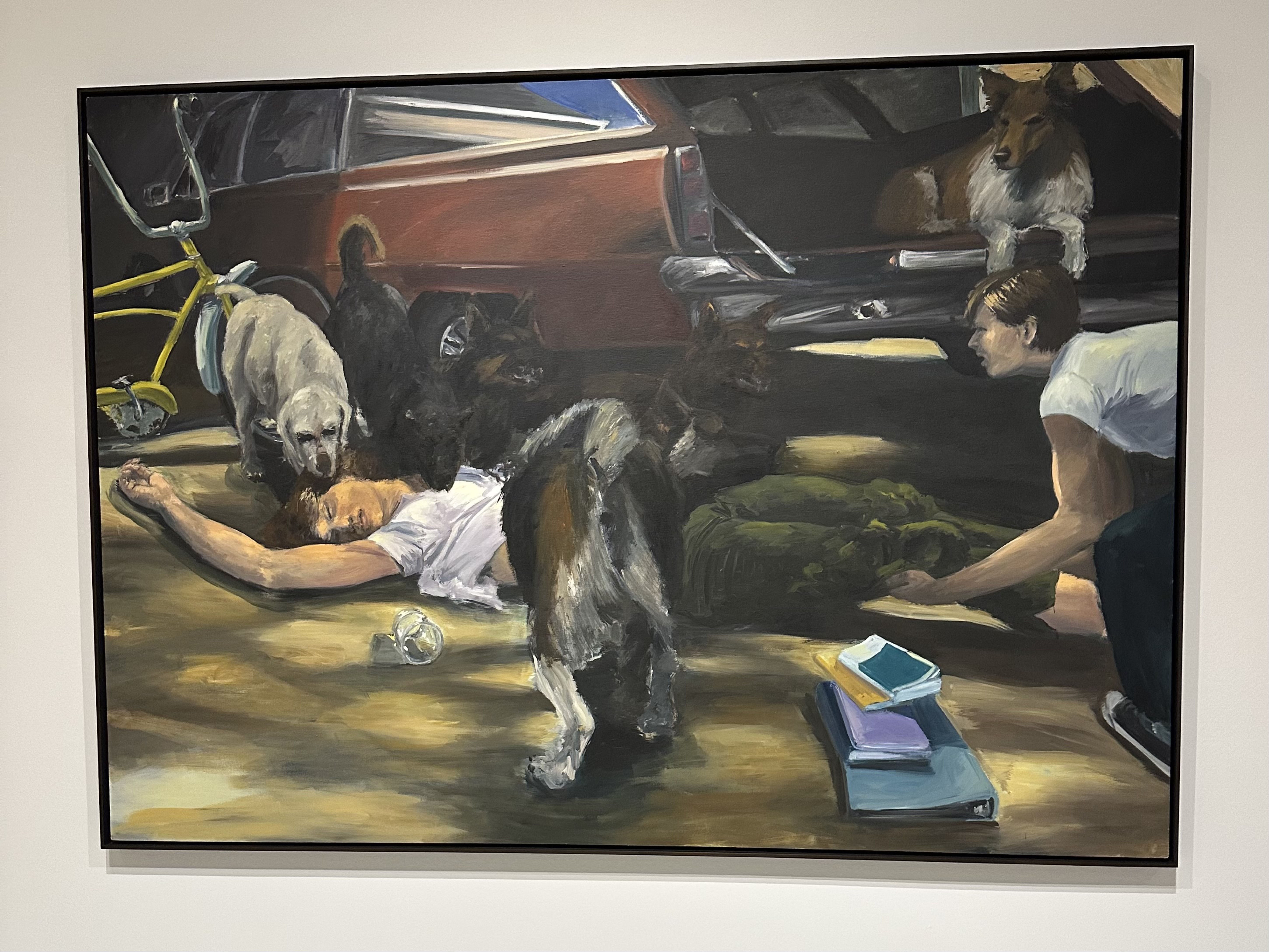
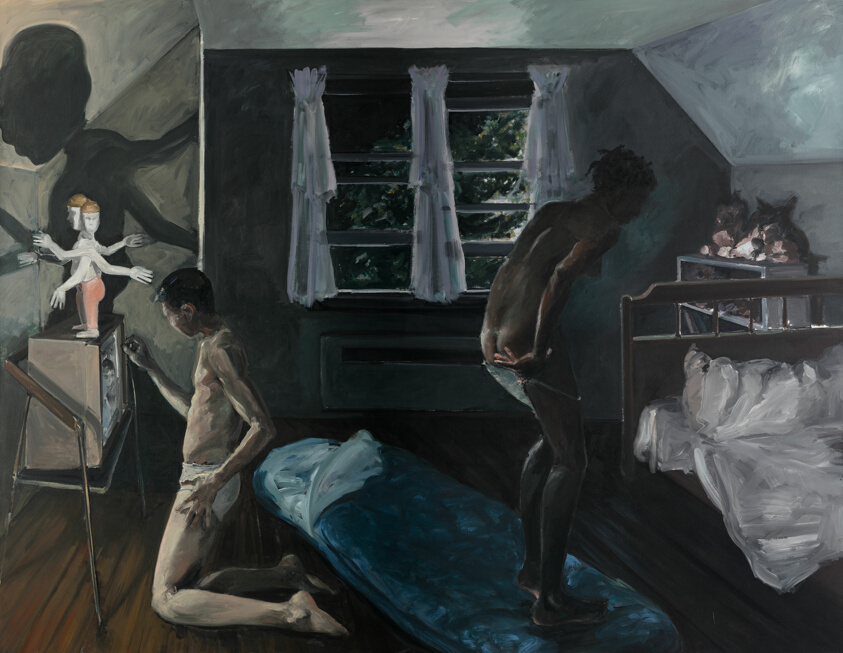
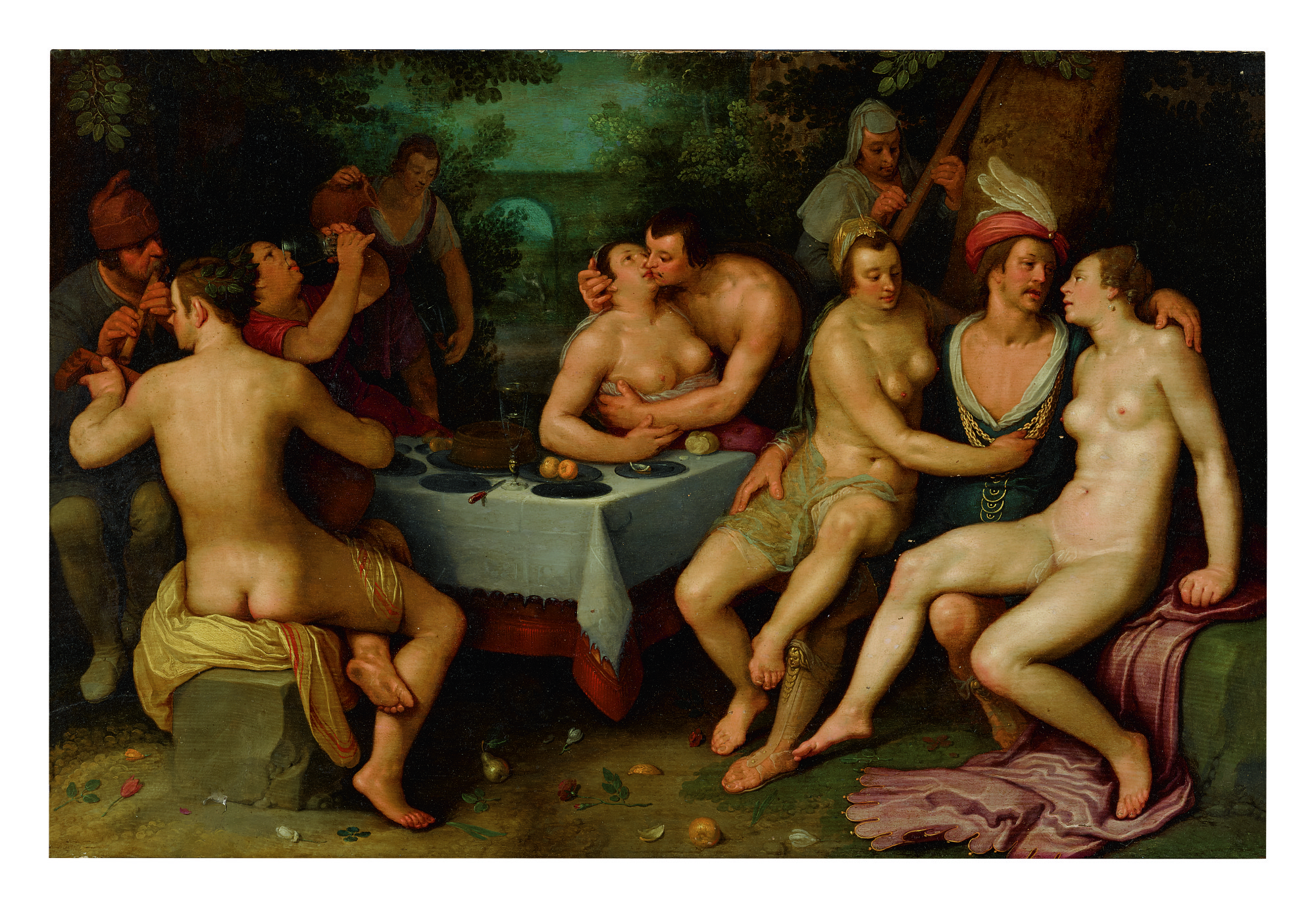
Eric Fischl
Dogs in Garage (or similar — exact title unconfirmed)
Eric Fischl has spoken about wanting his paintings to create a feeling of trespass, of stumbling onto something private, and collectors of his work often describe exactly that sensation: the discomfort never quite resolves, and that unresolved quality keeps the work alive on the wall for decades. The question of what separates a good narrative painting from a great one is worth sitting with. Technical mastery matters, of course, but it is almost never sufficient on its own. The most powerful examples in this genre hold something in reserve.
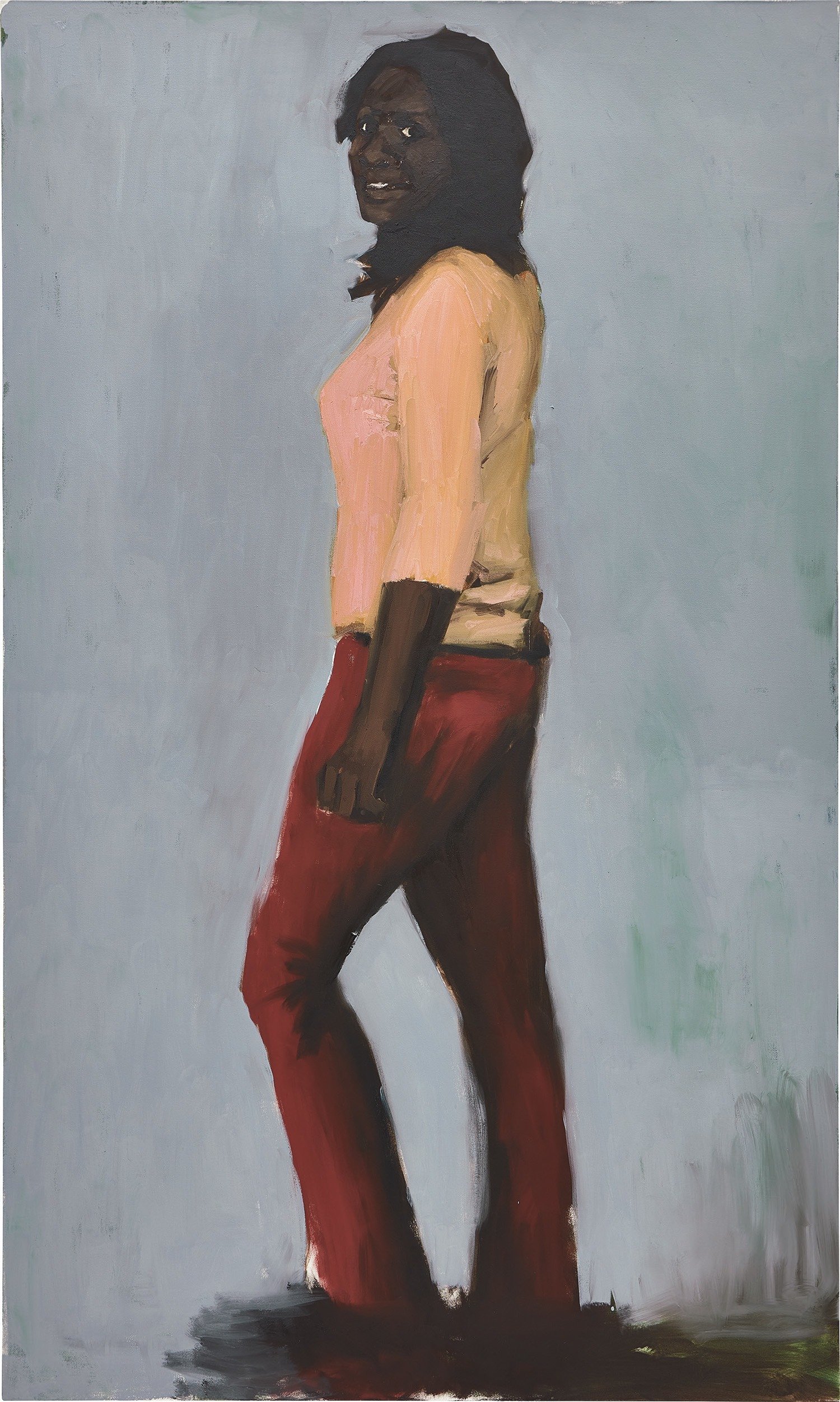
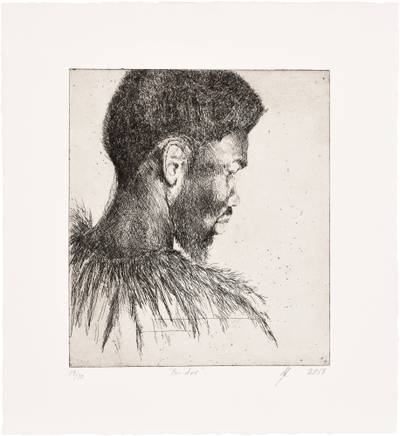
They establish a mood or a situation with enough specificity to feel real and enough ambiguity to remain open. Lynette Yiadom Boakye's figures are the canonical contemporary example of this balance. Her imagined subjects occupy a persuasive psychological space even though they never existed, and the restraint of her storytelling is precisely what gives her paintings their staying power. The collector who understands this distinction, between a painting that illustrates and one that genuinely opens, will acquire very differently than one who is simply responding to subject matter.
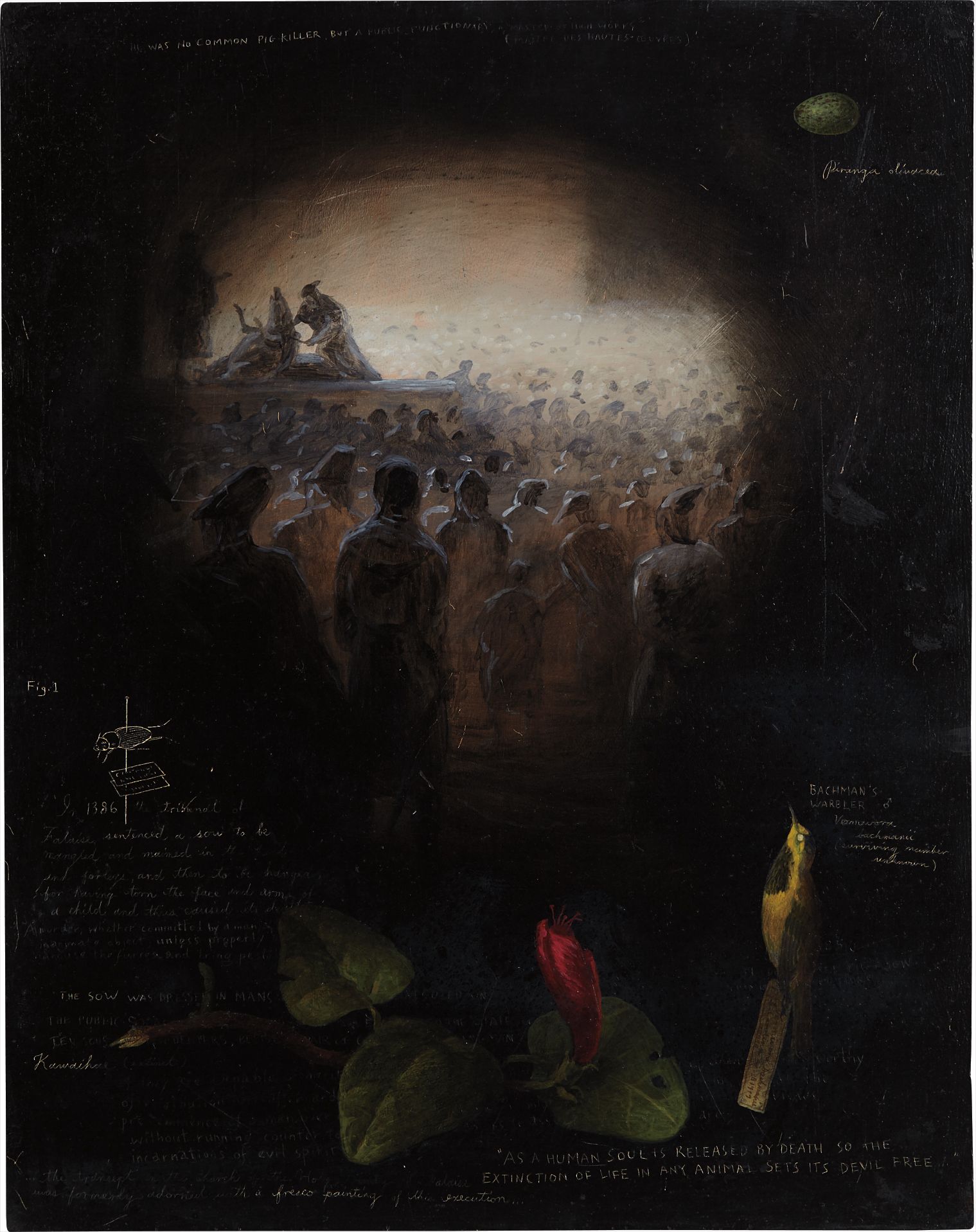
Walton Ford
Guilty Sow, 1994
Look also at the internal logic of a picture. The best narrative painters construct their images with a kind of inevitability, so that the arrangement of figures, the fall of light, and the depth of field all contribute to a single emotional argument. Walton Ford does this in a register that draws on natural history illustration while smuggling in postcolonial critique and literary reference. His images reward exactly the kind of sustained looking that serious collectors bring to their walls.
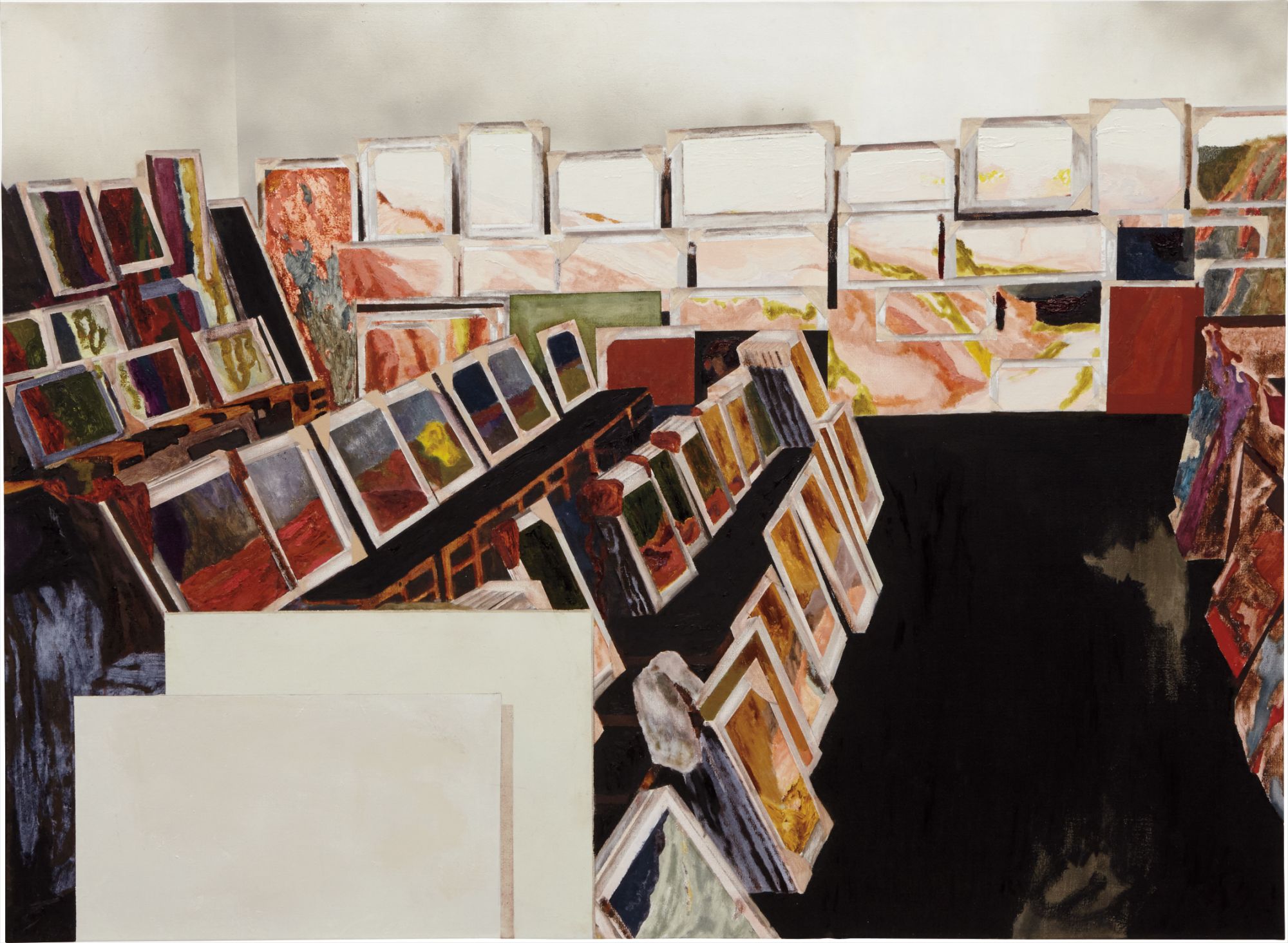
Similarly, Dexter Dalwood has built an entire practice around the archaeology of cultural memory, staging imagined interiors that belong to historical figures who are never themselves depicted. The absence becomes the subject. That is a sophisticated narrative move, and works that execute it successfully tend to hold their position in collections across generations. In terms of market positioning, several artists on The Collection represent genuinely strong value at this moment.
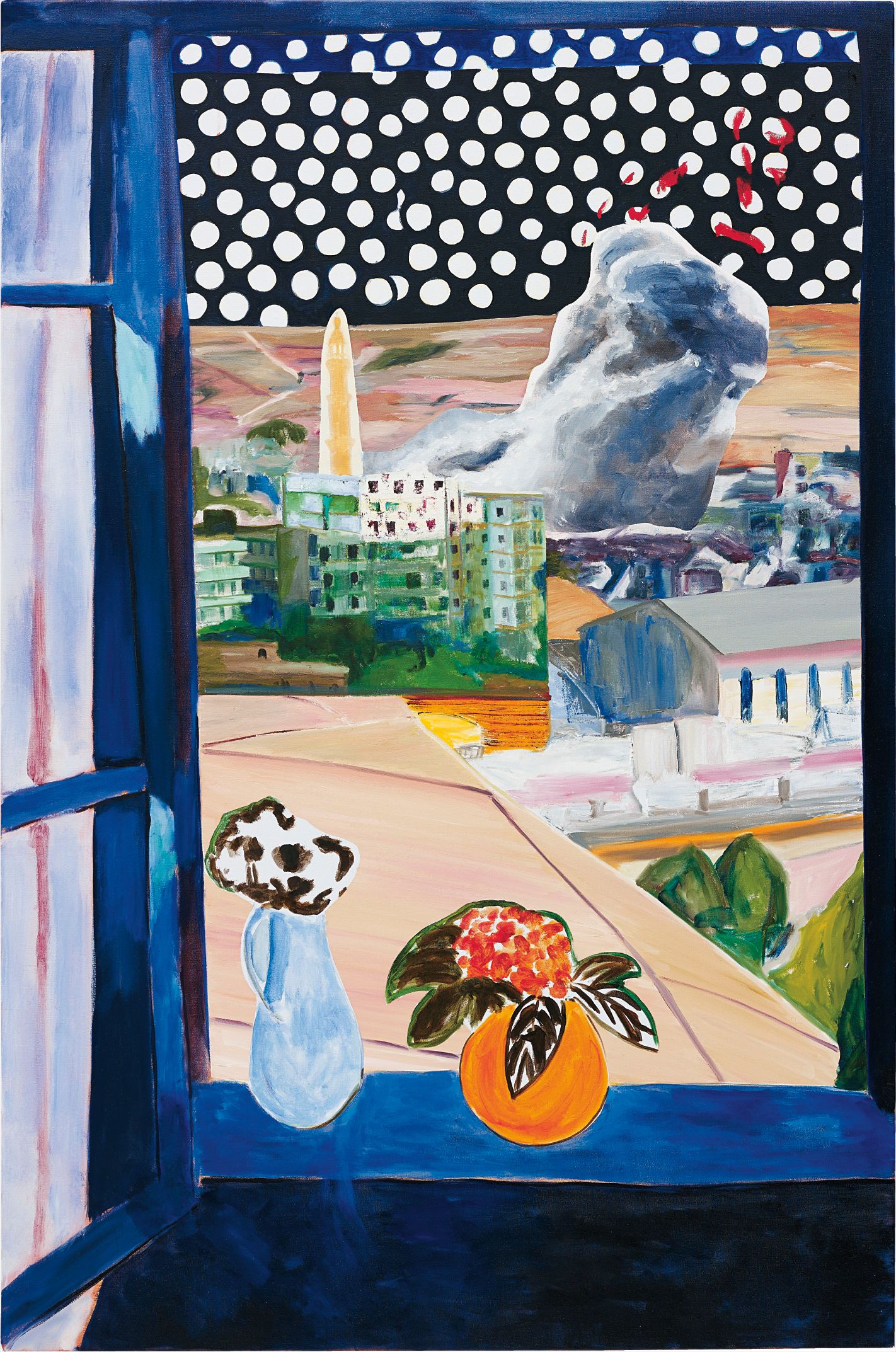
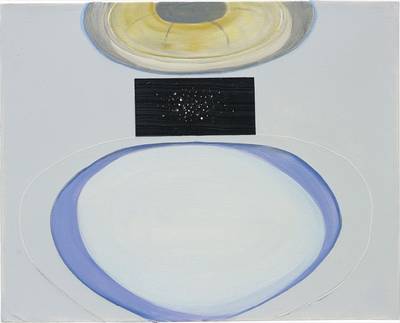
Dexter Dalwood
A View from a Window
Celeste Dupuy Spencer is among the most intellectually serious painters working in America right now, and her prices have not yet caught up with her critical standing. Her paintings operate simultaneously as portraiture, social documentary, and moral inquiry, which is a rare combination. Hernan Bas, who has long been interested in the literary and subcultural margins of American experience, has built a body of work with real depth, and collectors who acquired early have seen that depth reflected in secondary market performance. Karin Mamma Andersson, the Swedish painter whose work moves between the psychological and the folkloric with remarkable ease, remains somewhat underpriced relative to her peers in Northern European painting.
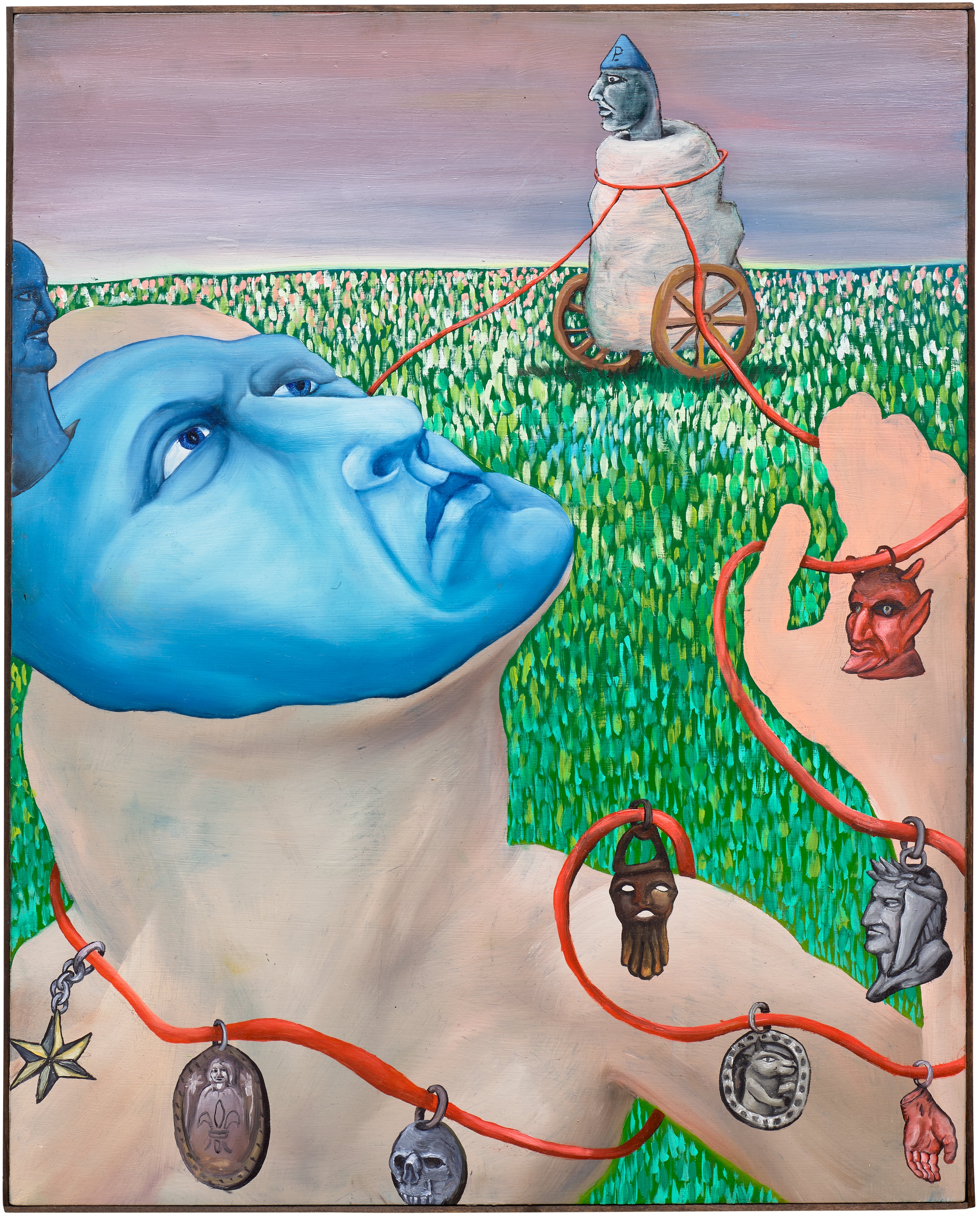
She is the kind of artist whose retrospective, when it comes, tends to reshape the market quickly. For collectors paying attention to emerging and underrecognized work, several names deserve serious consideration. Emma Talbot makes paintings that weave text and image into something that feels genuinely new while remaining rooted in the long tradition of allegory. Her work addresses urgency, time, and the body in ways that feel specific to this moment without being didactic.
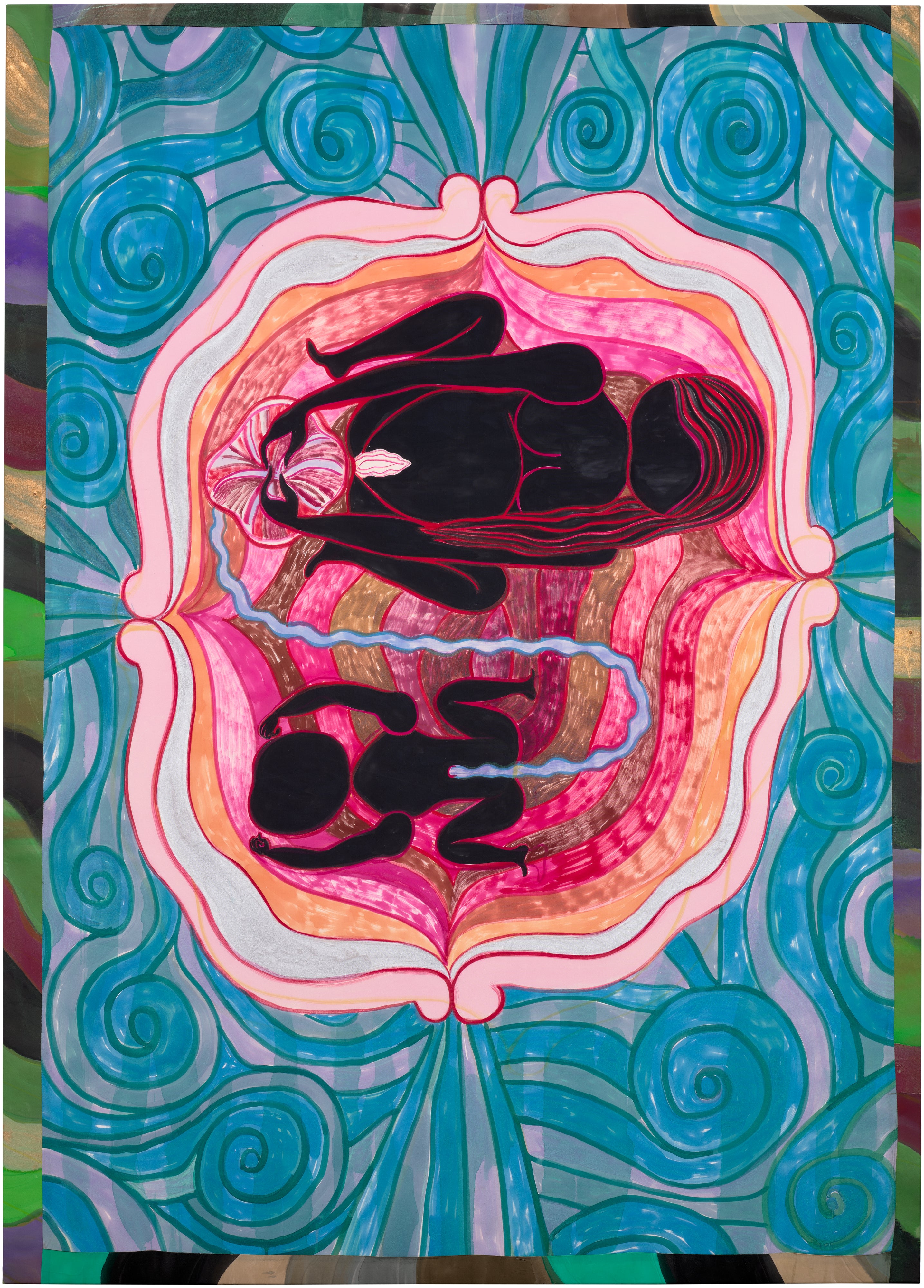
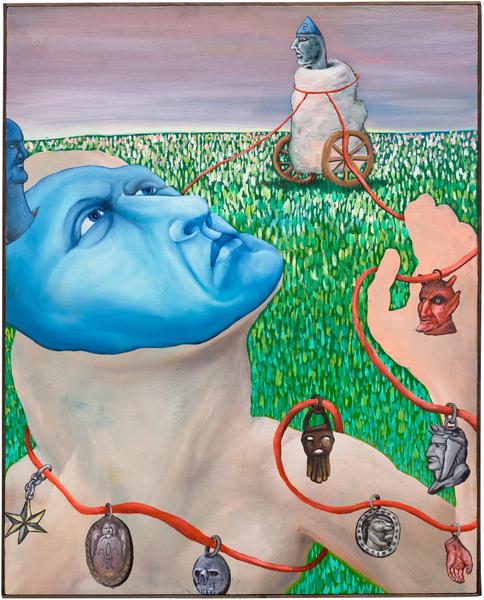
Emma Talbot
Unbroken Bond, 2023
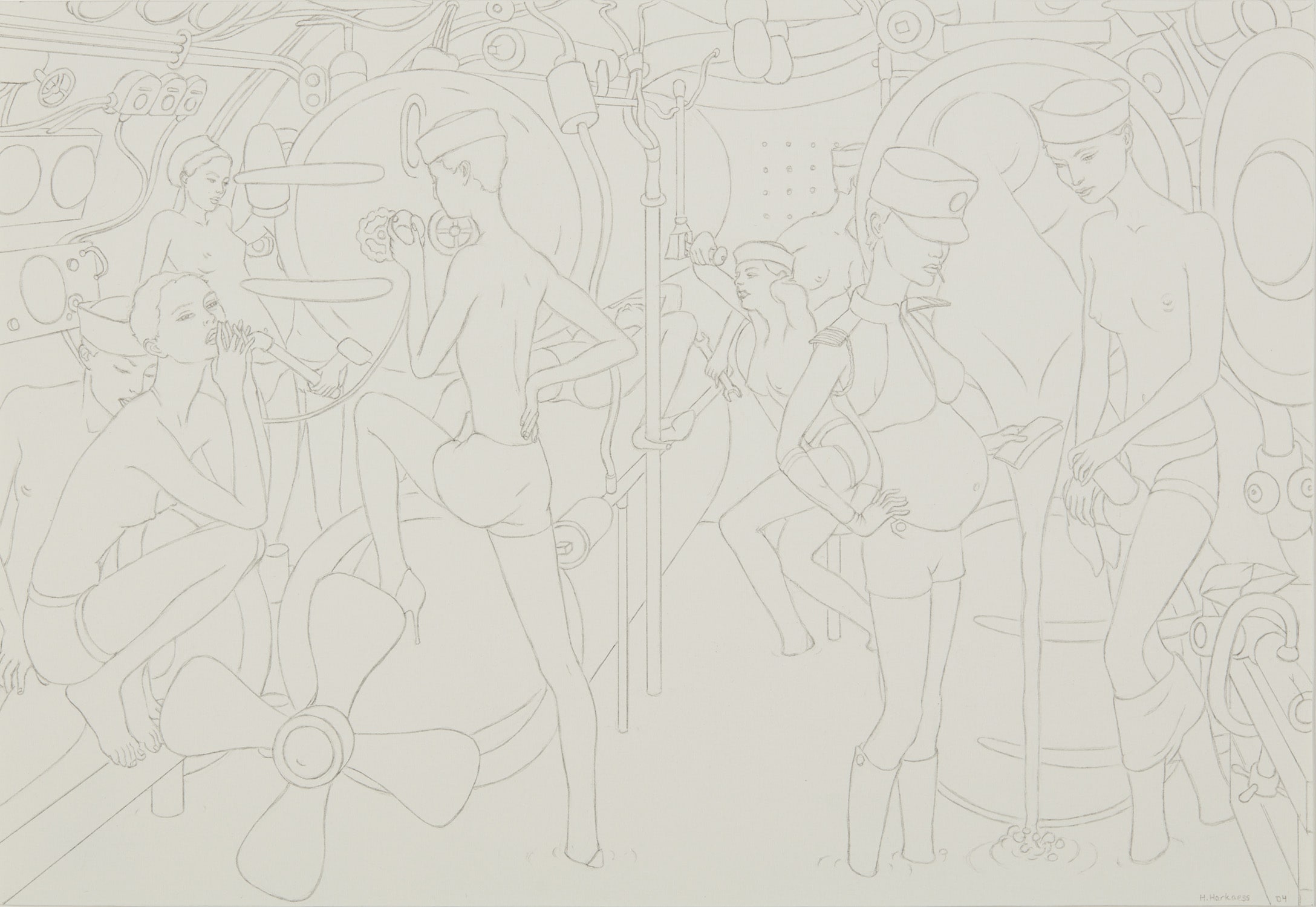
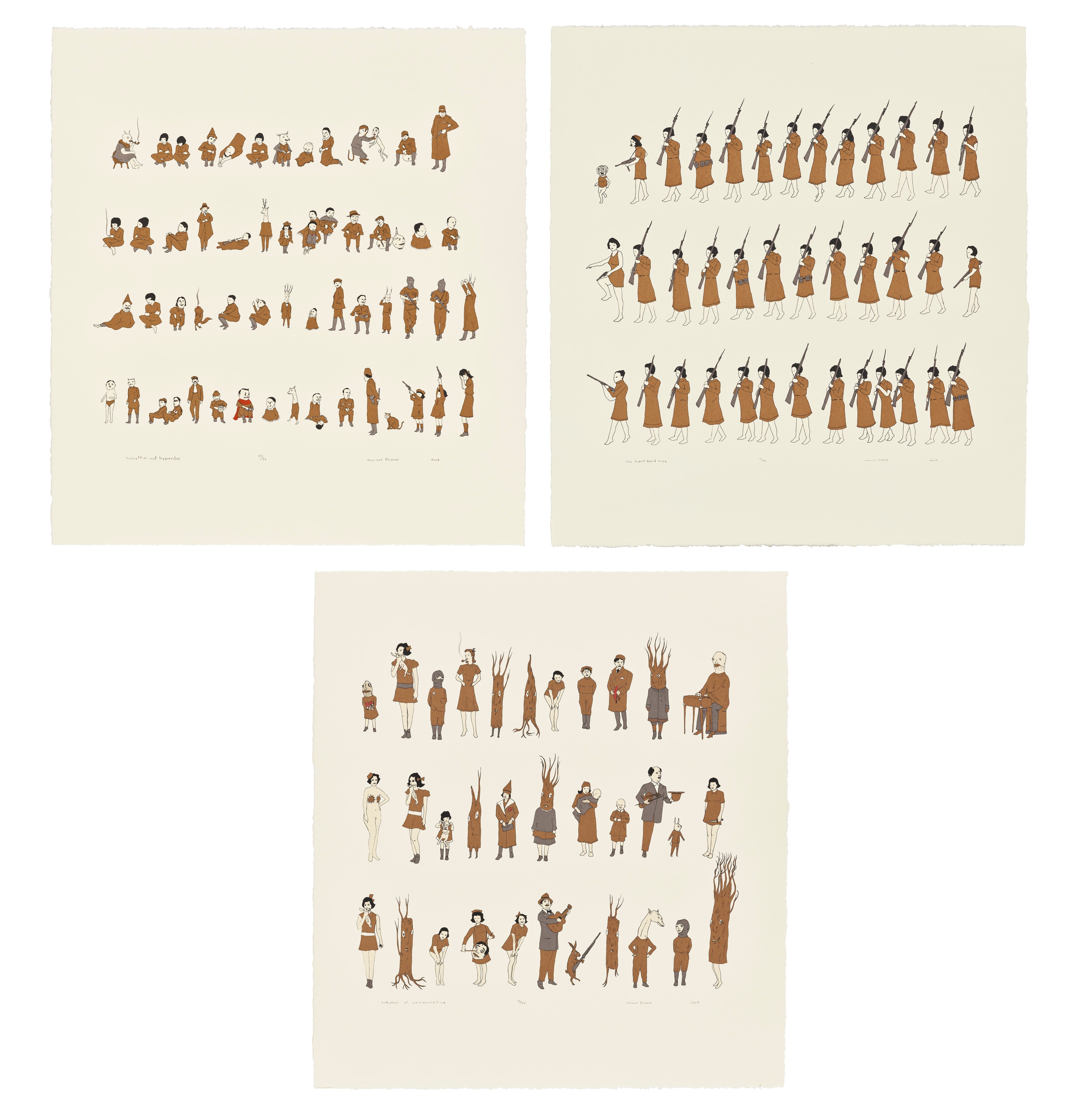
Marcel Dzama has a singular visual vocabulary that draws on folk art, chess, performance, and surrealism, and his narrative impulse is strong enough that the work communicates even to viewers who have no prior relationship with his references. Jack Lavender and Sophie Bueno Boutellier are both worth watching as painters who are finding increasingly assured ways to carry psychological weight in small or intimate formats, which is where narrative painting often does its most interesting work. At auction, narrative painting has historically outperformed in contexts where the storytelling is legible without being literal. Works by George Condo and Lisa Yuskavage have demonstrated that psychologically charged figuration commands serious premiums when the condition is excellent and the provenance is clean.
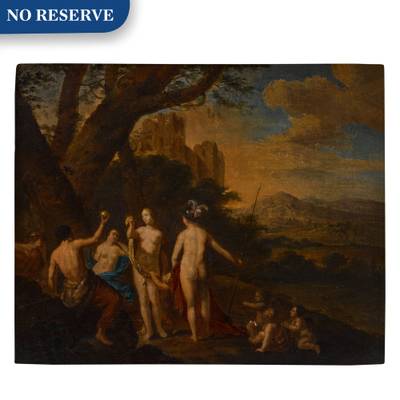
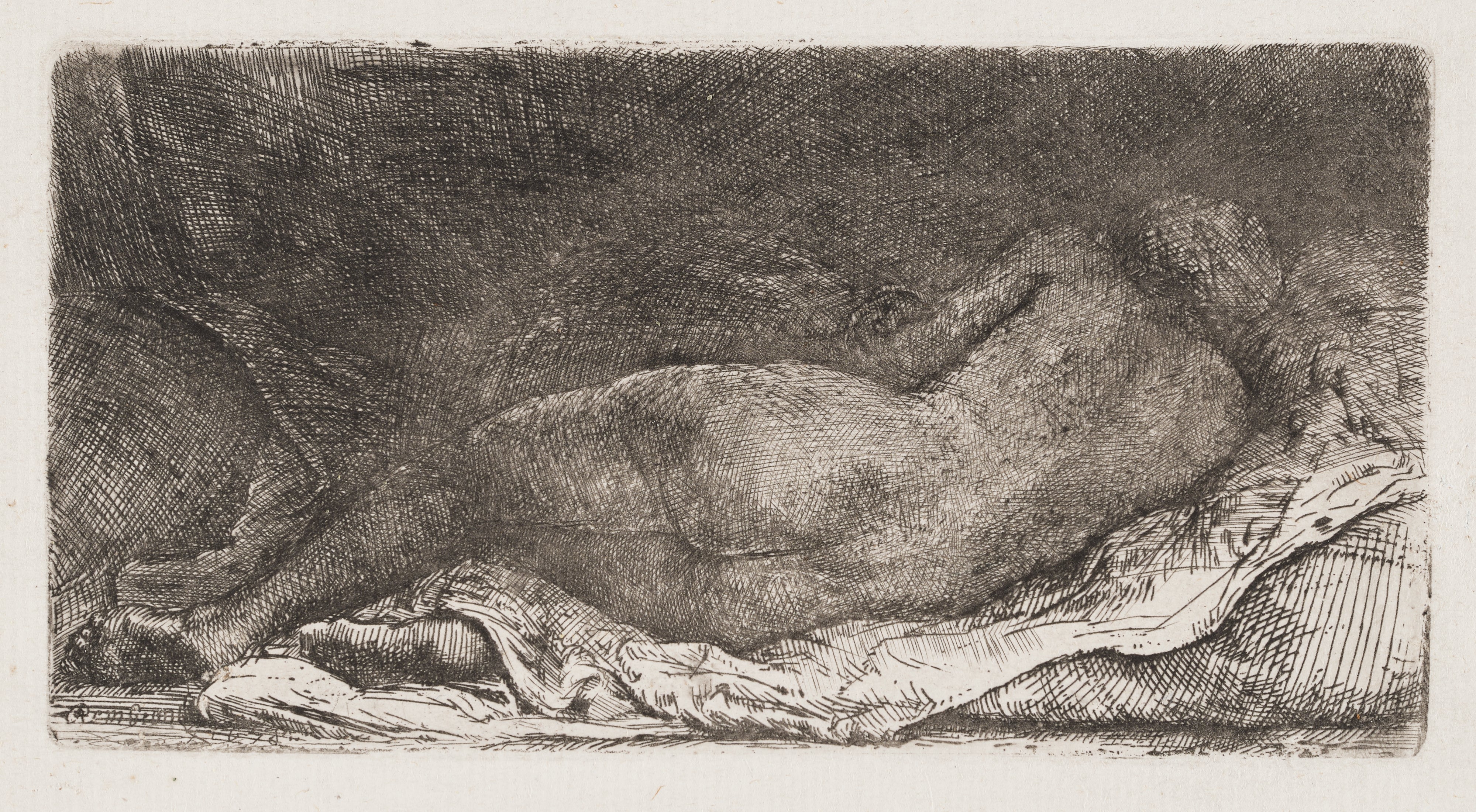
Condition is a point that cannot be overstated in this category. Narrative paintings often contain areas of dense impasto or layered glazing that are vulnerable to cracking or cleavage over time, and any work from the nineteenth or early twentieth century, such as those attributed to the Dutch tradition or works by Winslow Homer, should be examined with serious attention to the stability of the paint layer before acquisition. Ask for condition reports that go beyond cosmetic description and address structural integrity. When speaking with a gallery about a narrative work, the questions that tend to yield the most useful information are not about subject matter but about process and intent.
Ask how the artist develops the image: whether it begins with a specific literary or personal source, whether the narrative is predetermined or discovered through making. Ask whether the work is unique or part of a series, since series works can trade at a discount relative to standalone paintings even when they are among the strongest examples. Ask about exhibition history, because a painting that has been shown extensively has a public record that supports valuation. And ask, honestly, whether the gallery believes this is a work the artist considers resolved, because even experienced painters occasionally allow works to leave the studio before they are truly finished.
The answer to that last question tells you a great deal about the relationship between the gallery and its artists, which is itself a form of due diligence worth performing.