Mohn Art Collective
Mohn Art Collective
Selected Works from the Collection

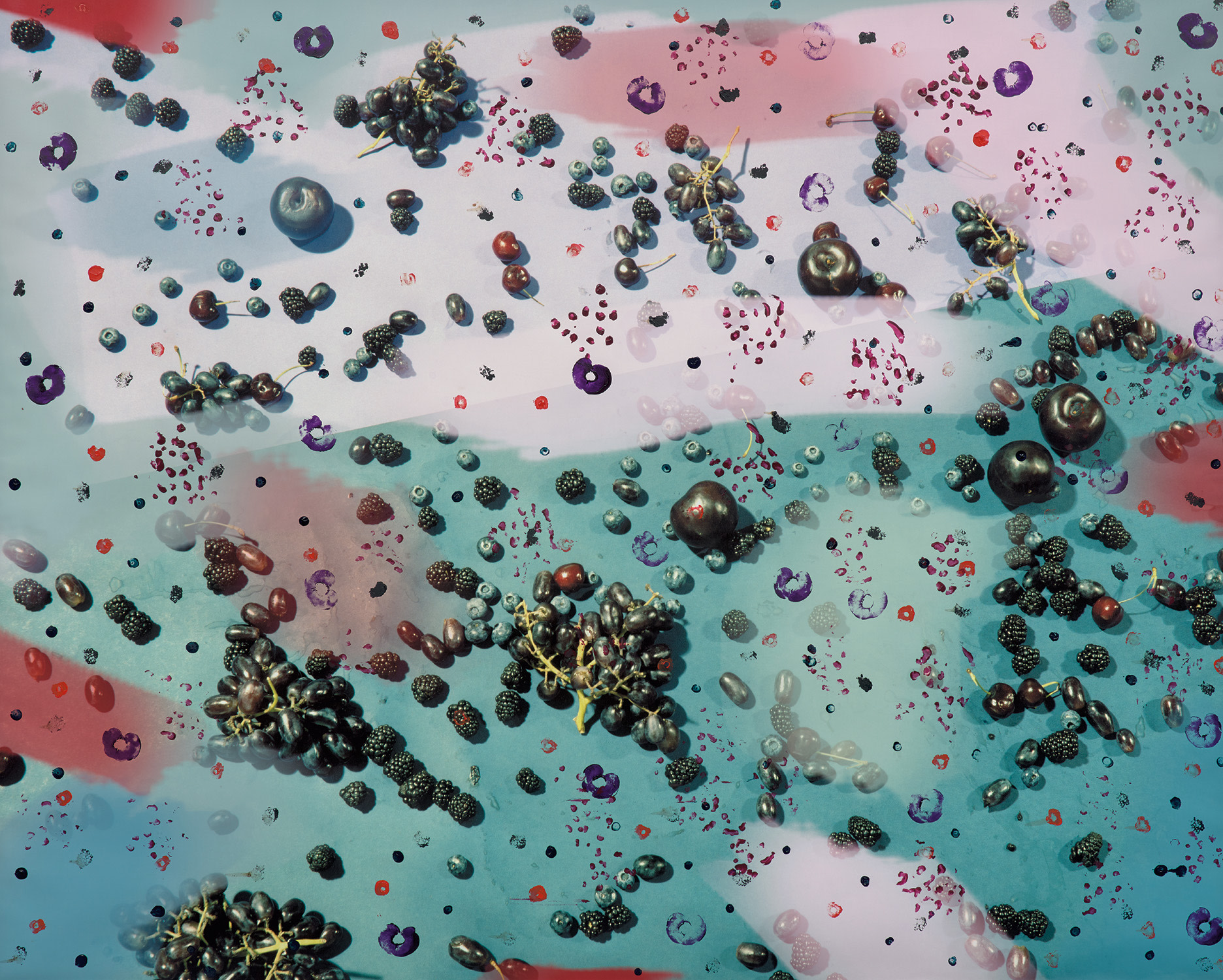
MAC3 Is Rewriting How Museums Share an Art Collection
It is rare for three rival museums to agree on anything. The UCLA Hammer Museum, the Los Angeles County Museum of Art, and the Museum of Contemporary Art occupy different points on Los Angeles' cultural map, with different audiences, different curatorial DNA, and different ideas about what a museum is for. So when these three institutions announced that they would jointly own and govern a single contemporary collection, it represented a meaningful shift in how American museums imagine their futures. That collection is the Mohn Art Collective, or MAC3, and it launched in 2024 as a permanent, co-owned, co-managed body of work by artists living and working in Los Angeles.
The premise is straightforward in description and unusual in practice. MAC3 was established by Jarl and Pamela Mohn, the Los Angeles collectors and philanthropists, through a gift of art and an accompanying endowment. The gift seeded the collection with nearly 280 works that the Mohns had assembled over roughly two decades. The Hammer Museum then contributed 80 additional works it had acquired through its Made in L.A. biennial since 2012, bringing the founding count to more than 340 pieces. The endowment funds both the ongoing care of the collection and a stream of annual acquisitions selected jointly by all three museums. Any of the three can put the work on view at any time, and the collection is available for loan to museums anywhere in the world.
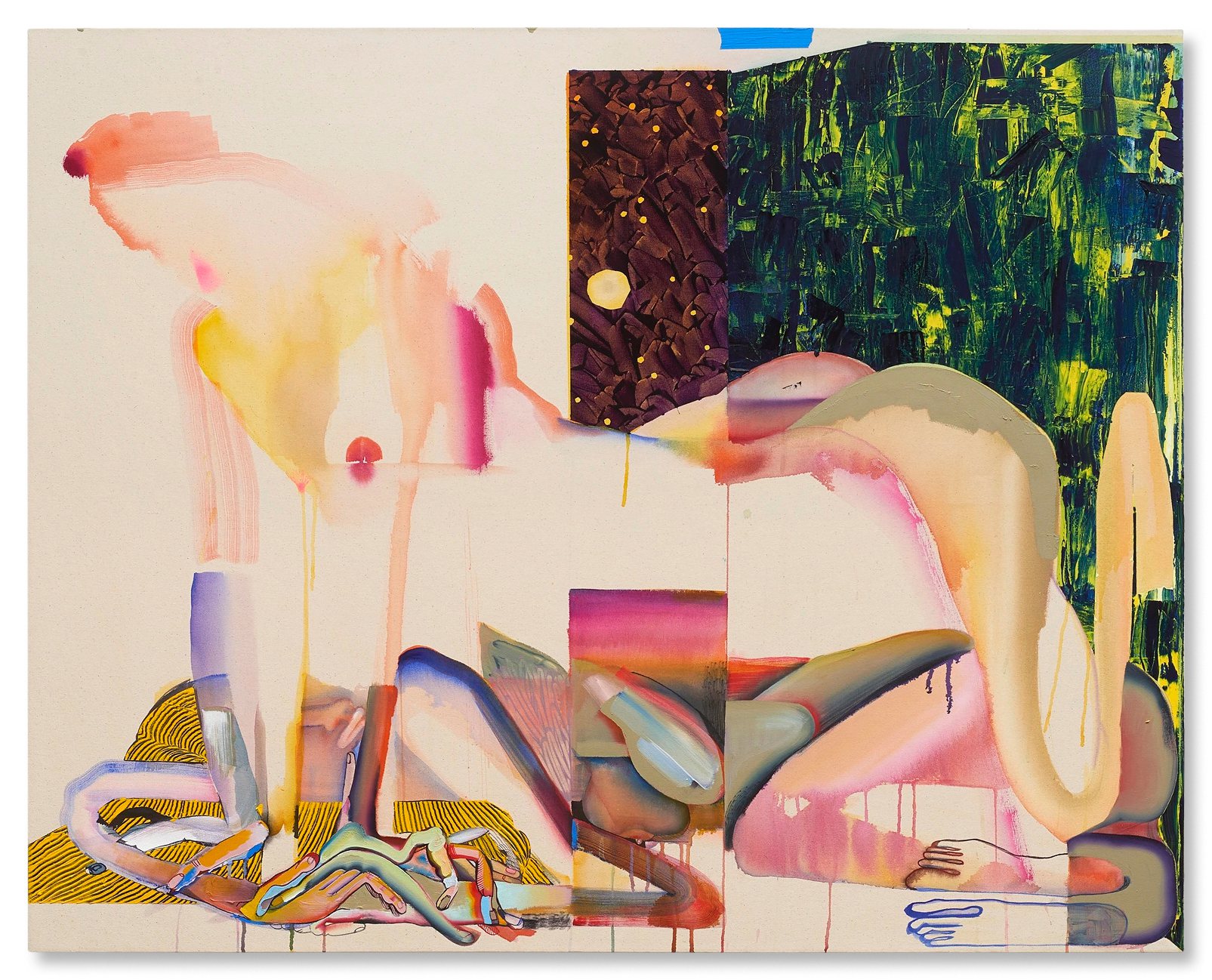
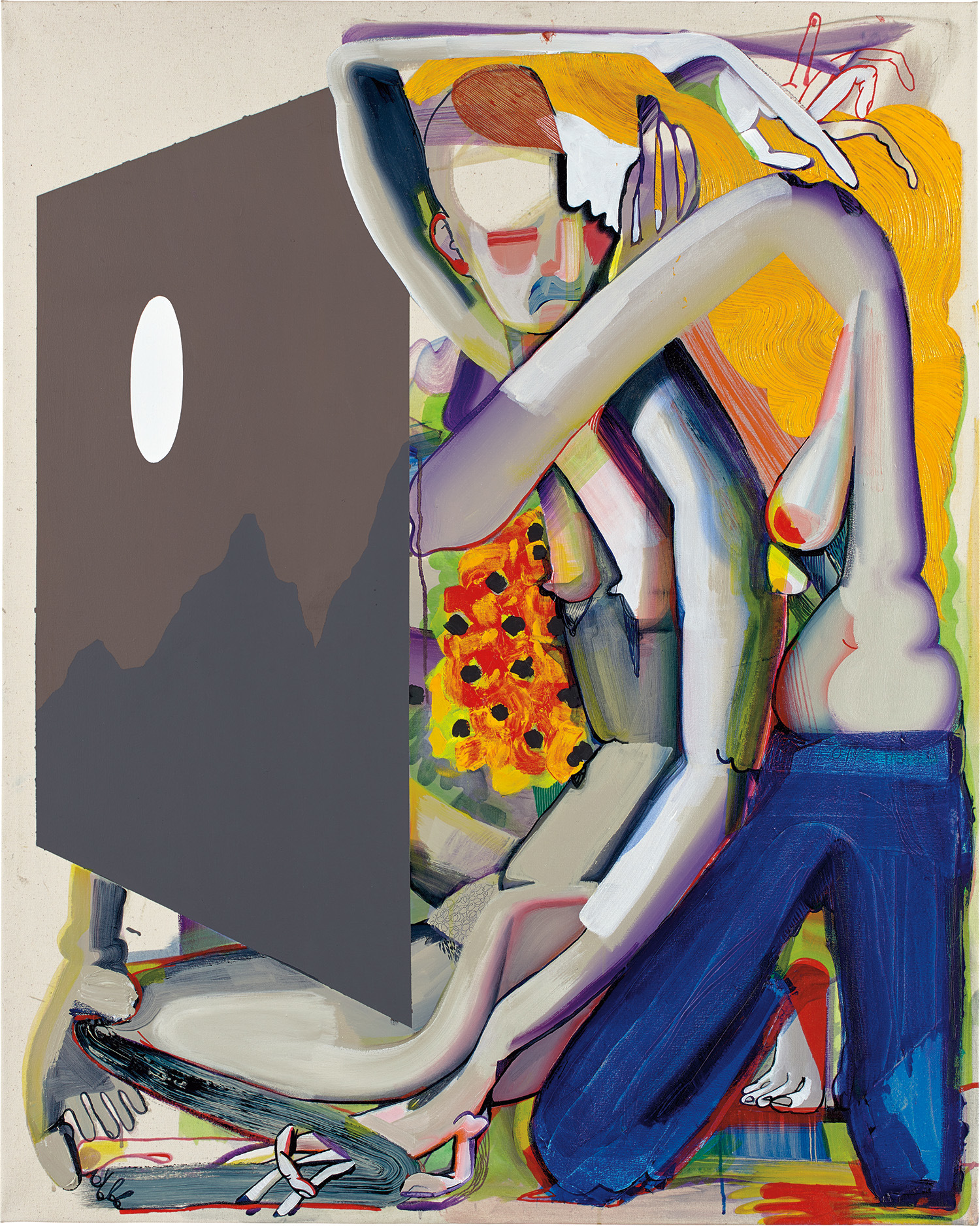
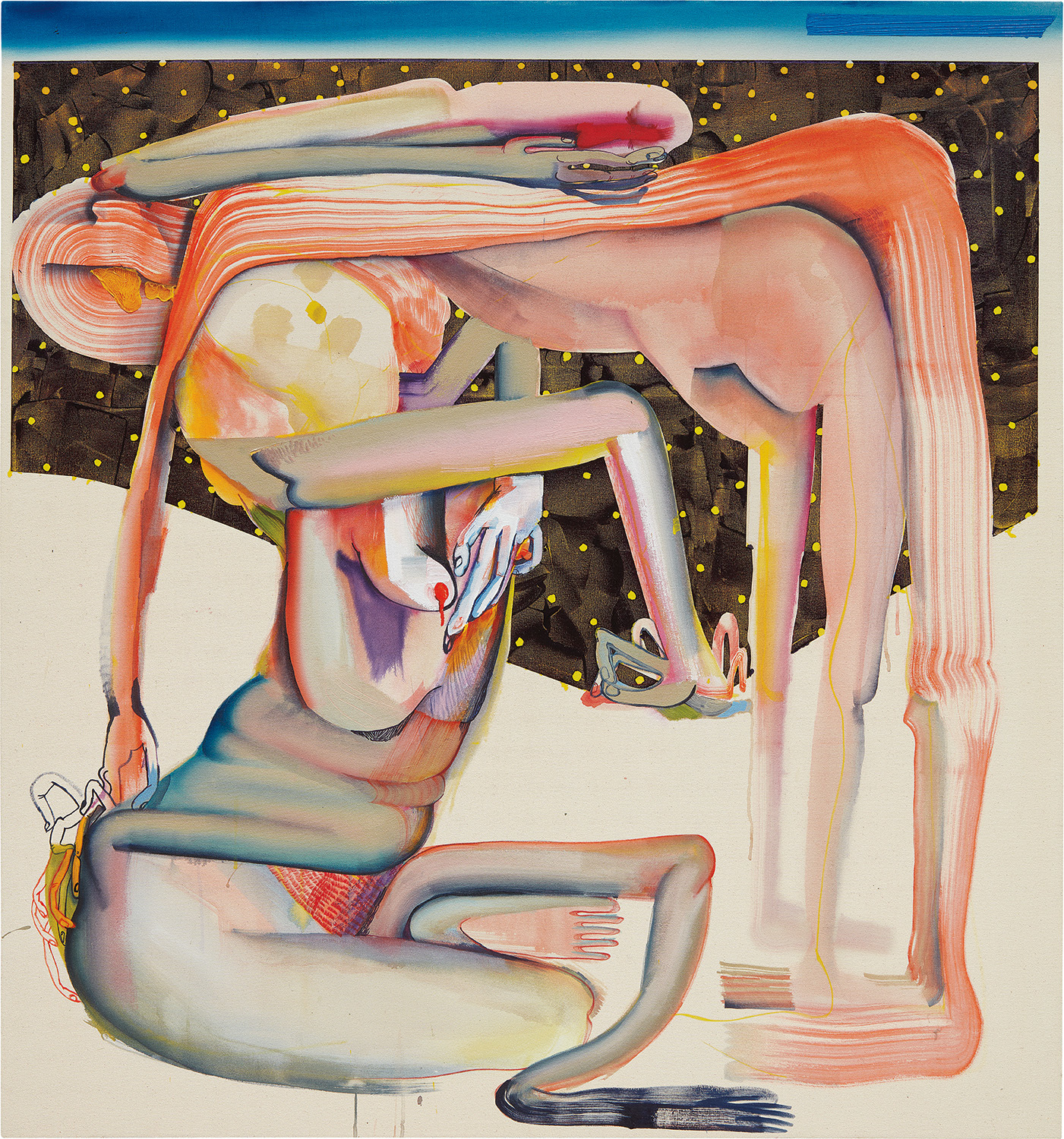
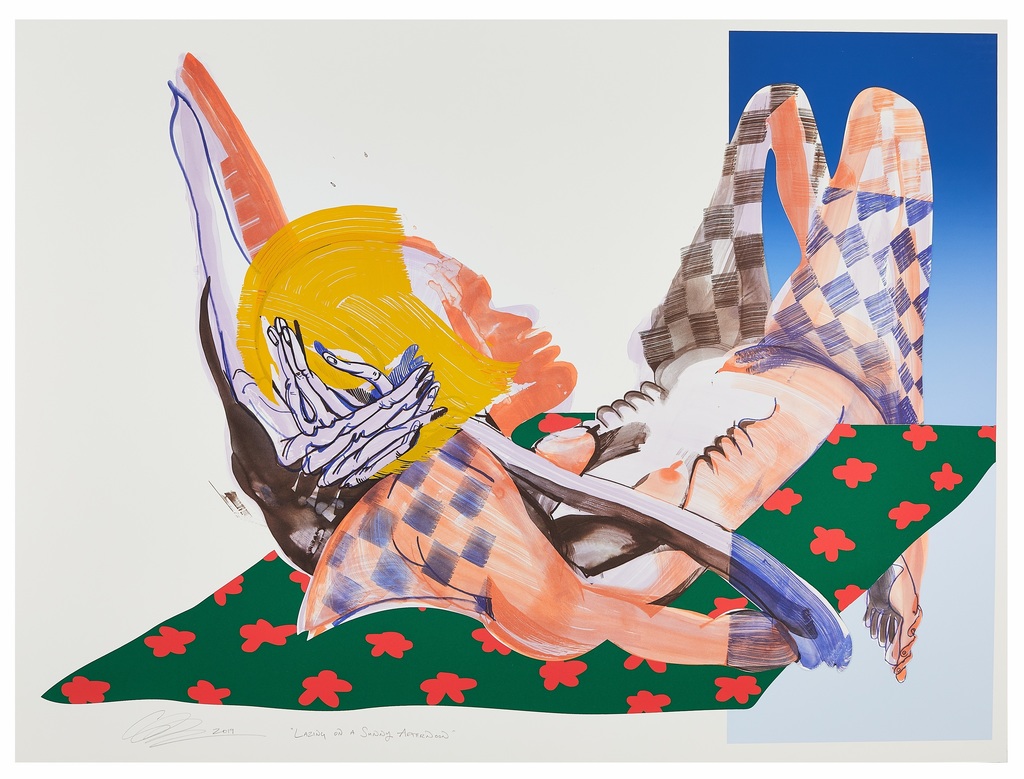
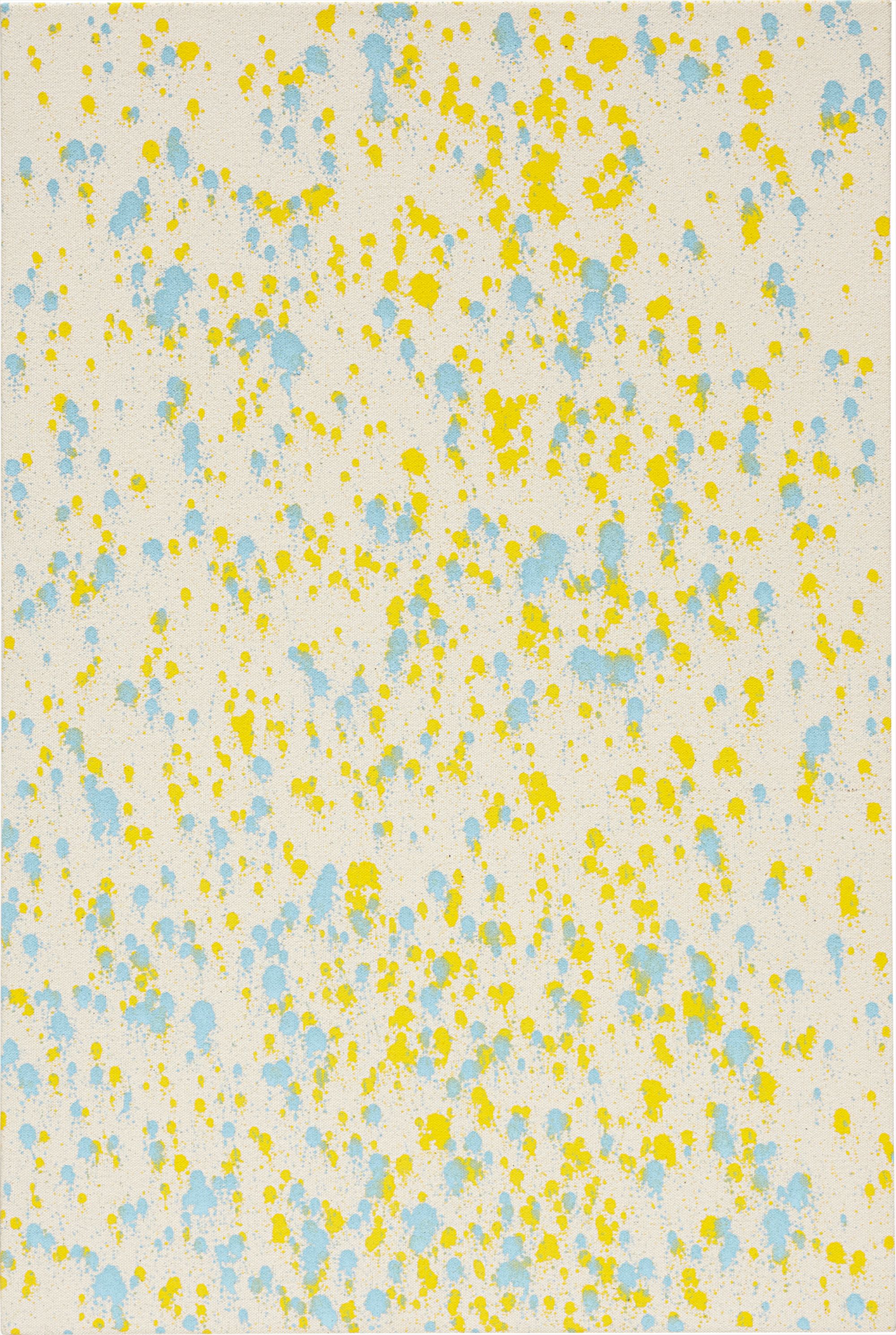
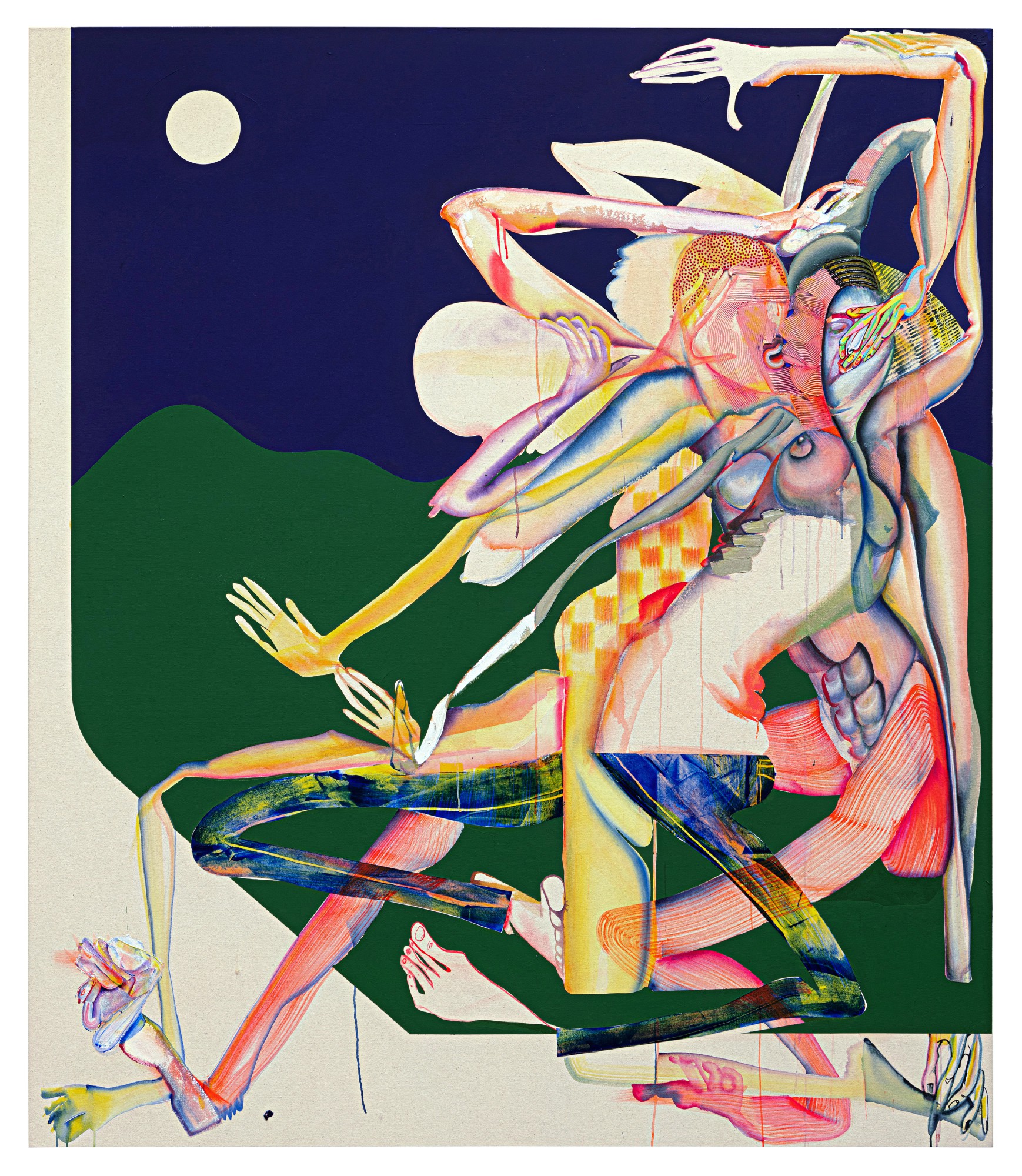
Christina Quarles
It's Only Night Twice a Day 僅於晚上,一日兩回
What makes this arrangement unusual is not the size of the gift or the prominence of the donors. It is the governance. American museums famously guard their holdings. Wall labels, accession numbers, deaccession debates, and the politics of who borrows from whom are all part of the texture of how institutions assert ownership. A collection that belongs to three museums at once, with shared decision-making on what it acquires next, runs against that grain. It is closer in spirit to a public utility than a museum vault, and that may be the point.
A Collection Made of Los Angeles
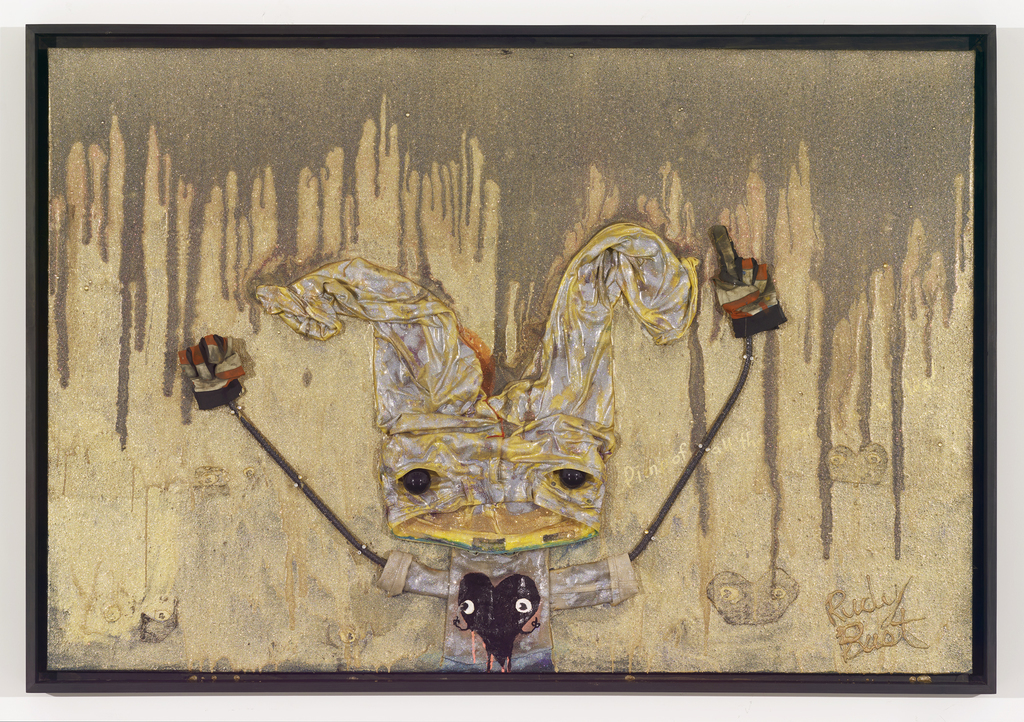
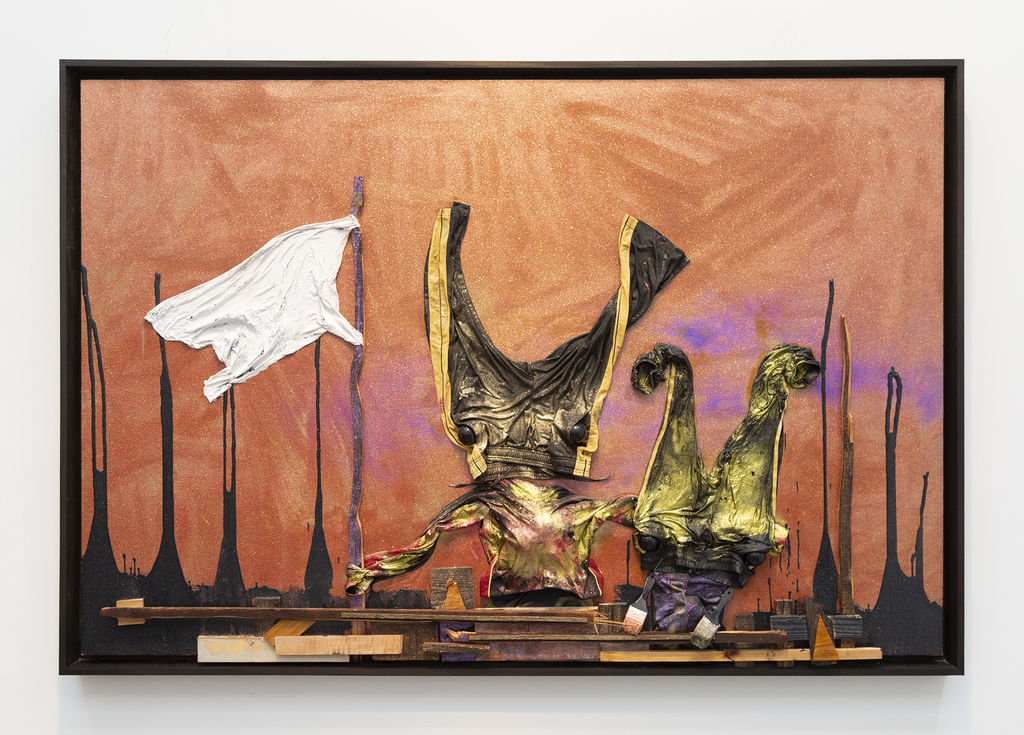
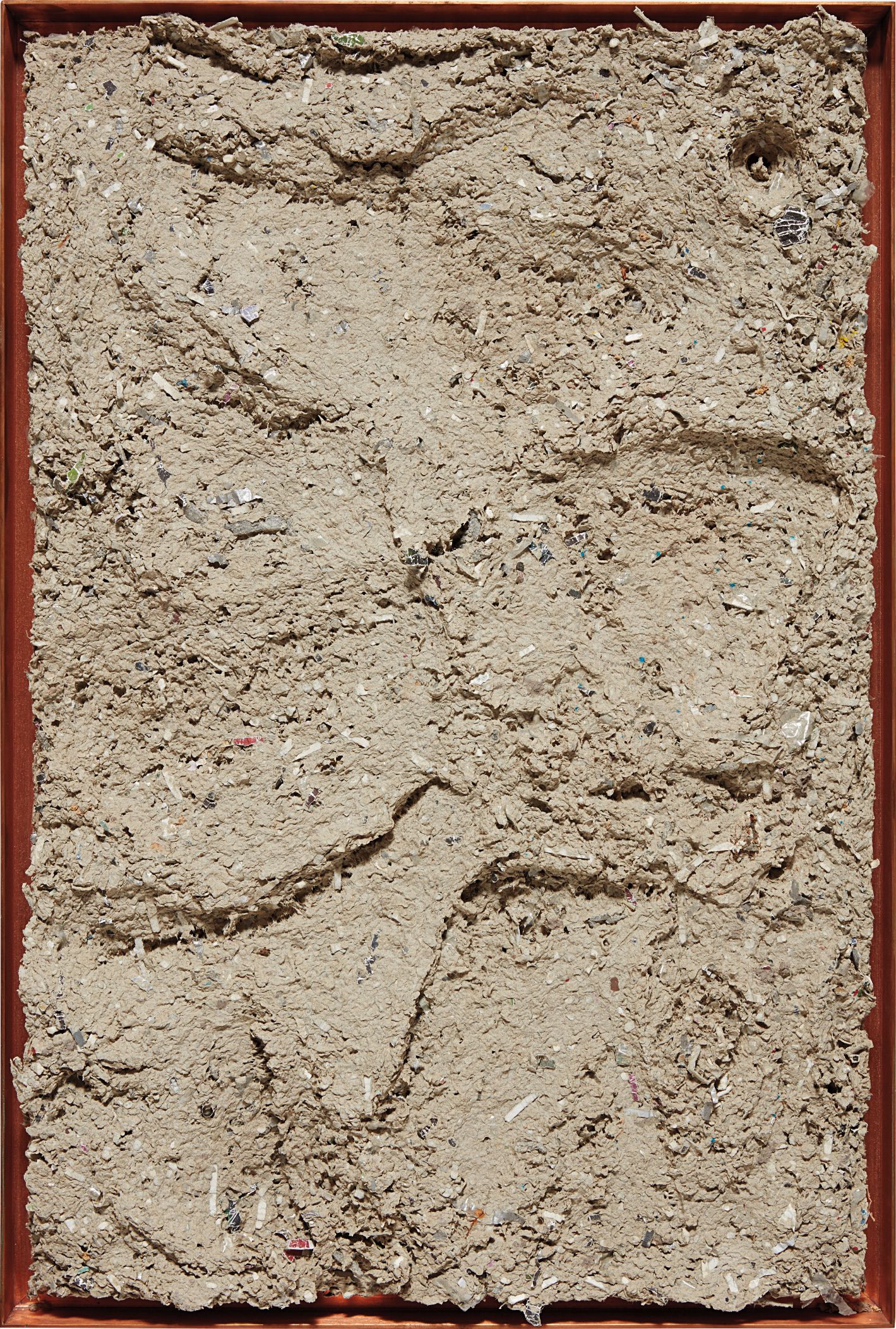
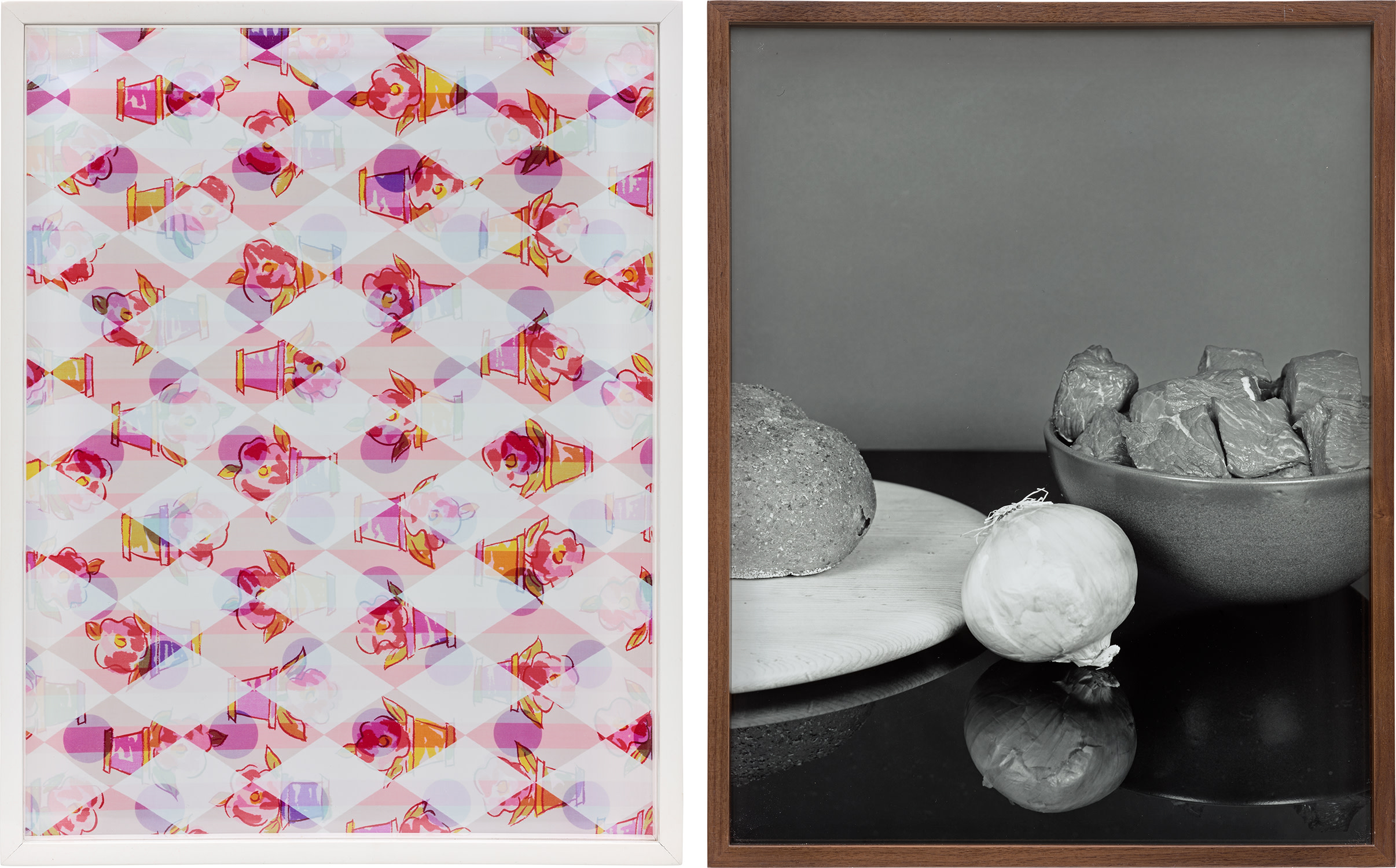
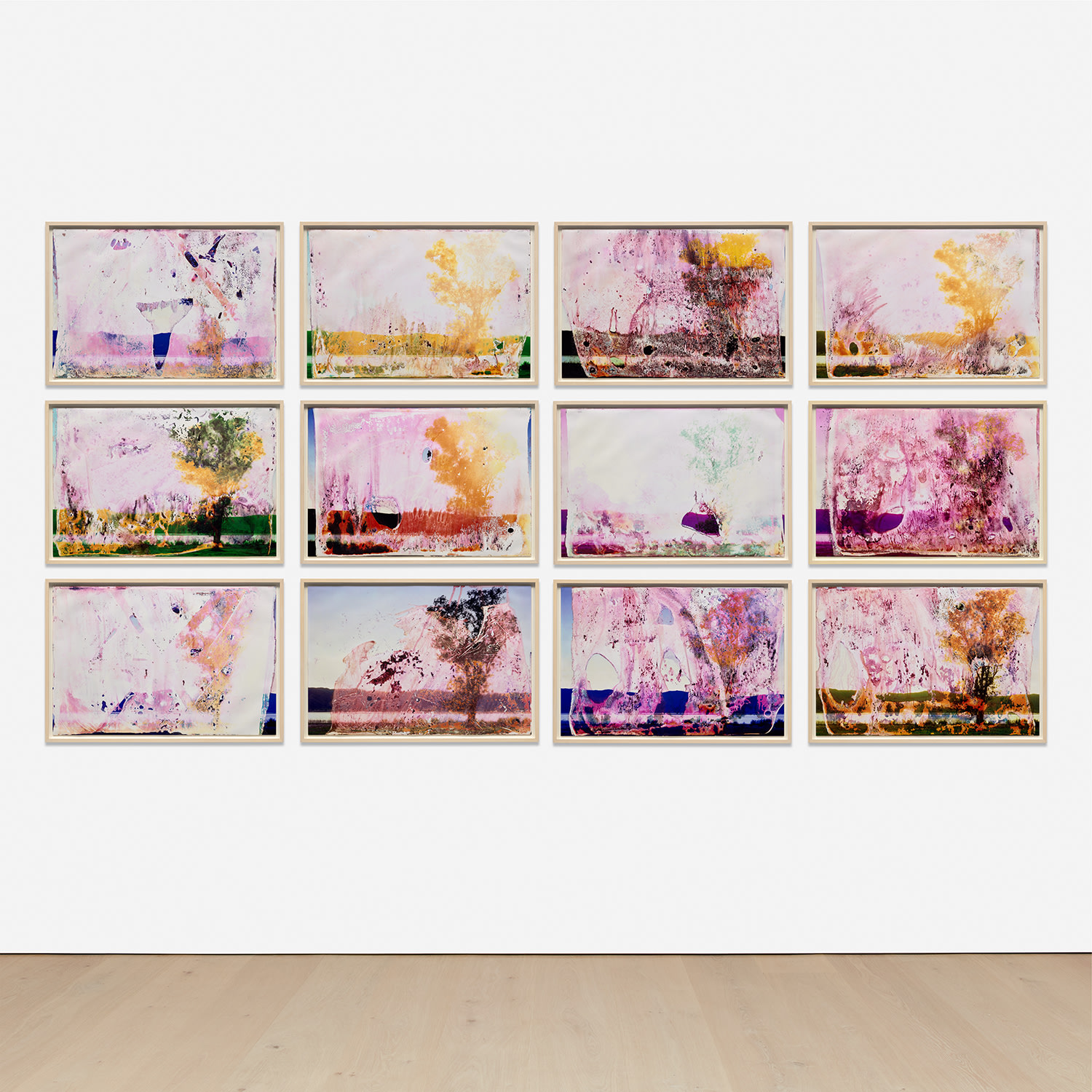
Jon Pylypchuk
I don't need flowers, I just need you, 2019
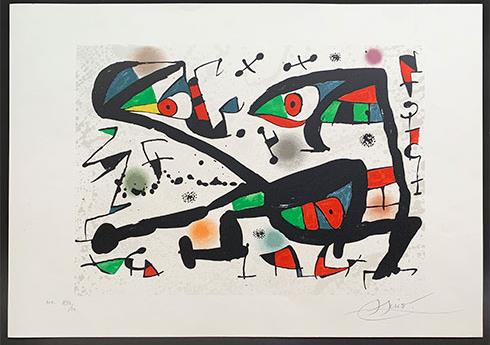
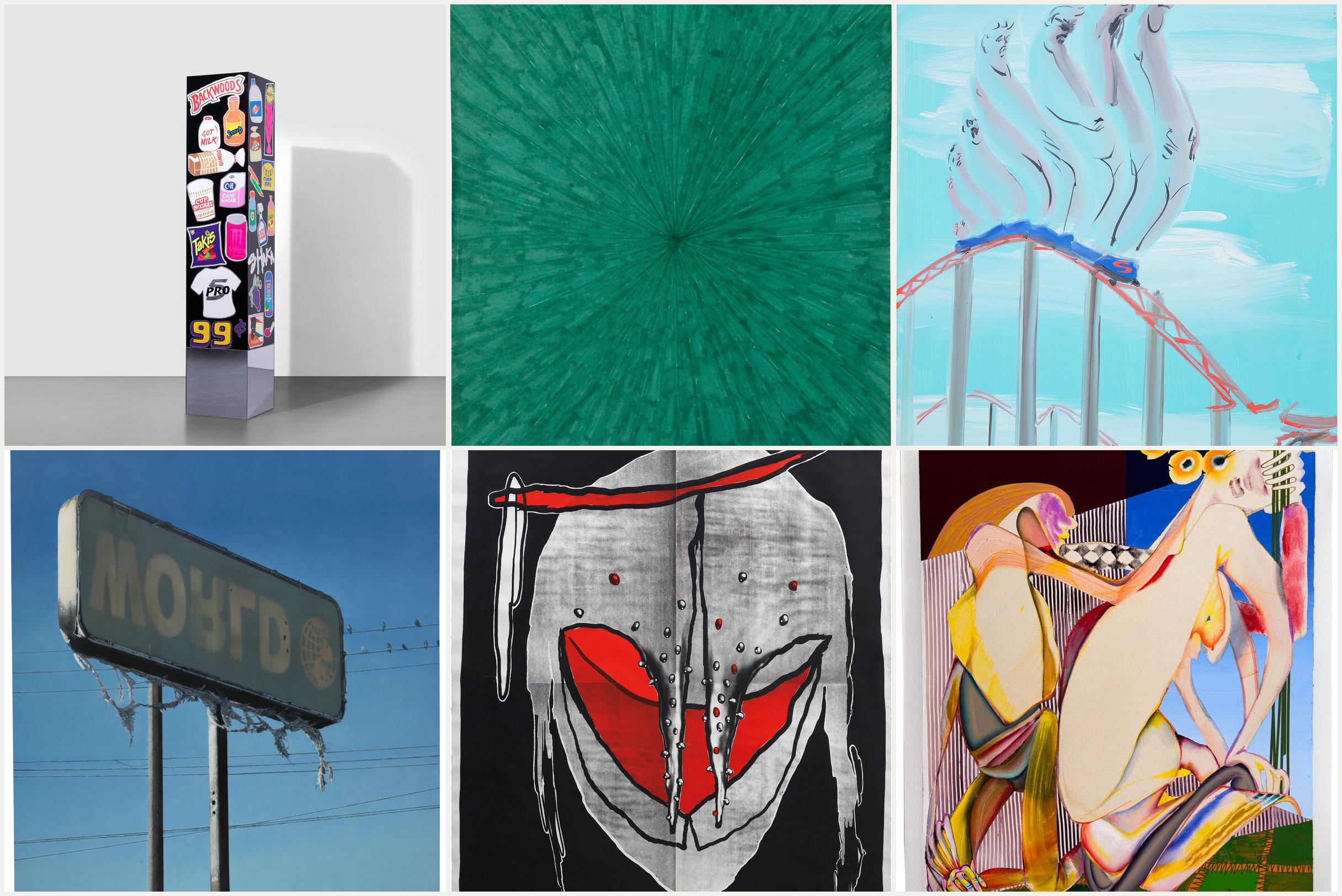
Los Angeles has spent the last twenty years becoming an art capital in a way that older capitals struggle to recognize. The city's artists do not cluster the way artists once did in SoHo or Berlin Mitte. They work across vast distances, in studios that range from Boyle Heights warehouses to Inglewood live-work lofts to garage spaces in Highland Park, and they connect through a different texture of relationships. MAC3 is the first major institutional collection that takes that geographic and demographic reality as a premise rather than a complication. Every artist in the founding 340 is based in L.A., and the roster spans more than 190 names ranging from Marwa Abdul-Rahman to Brenna Youngblood, from Lauren Halsey to Mark Grotjahn, from Kelly Akashi to Walead Beshty.
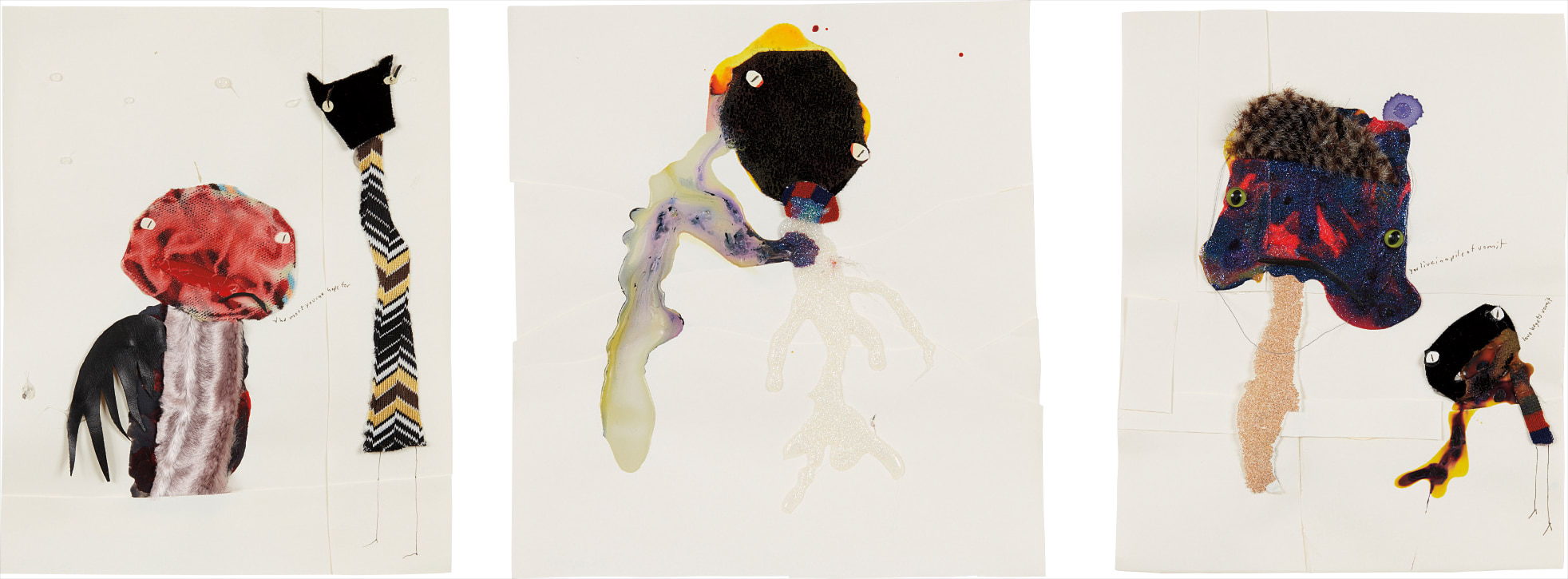
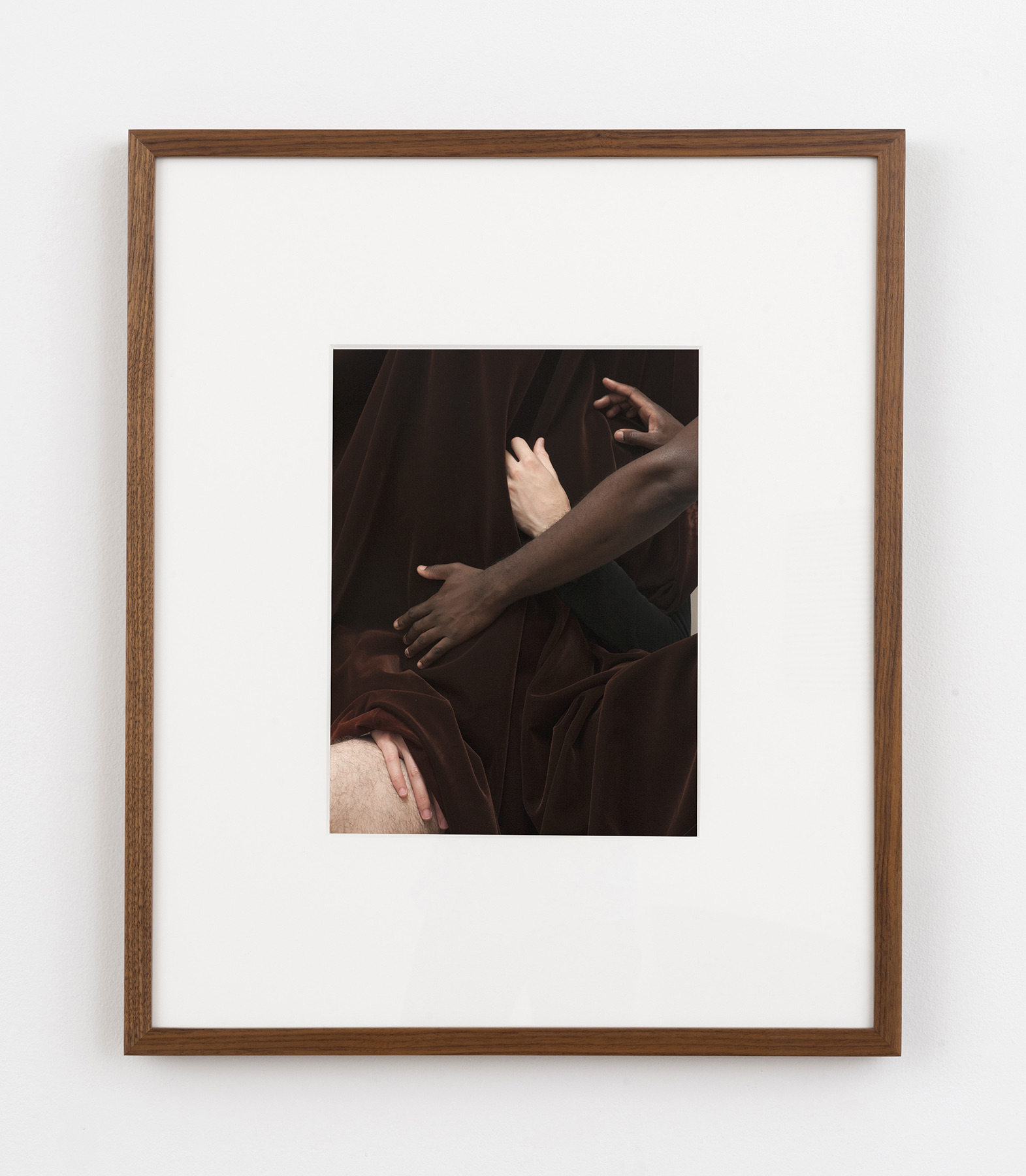
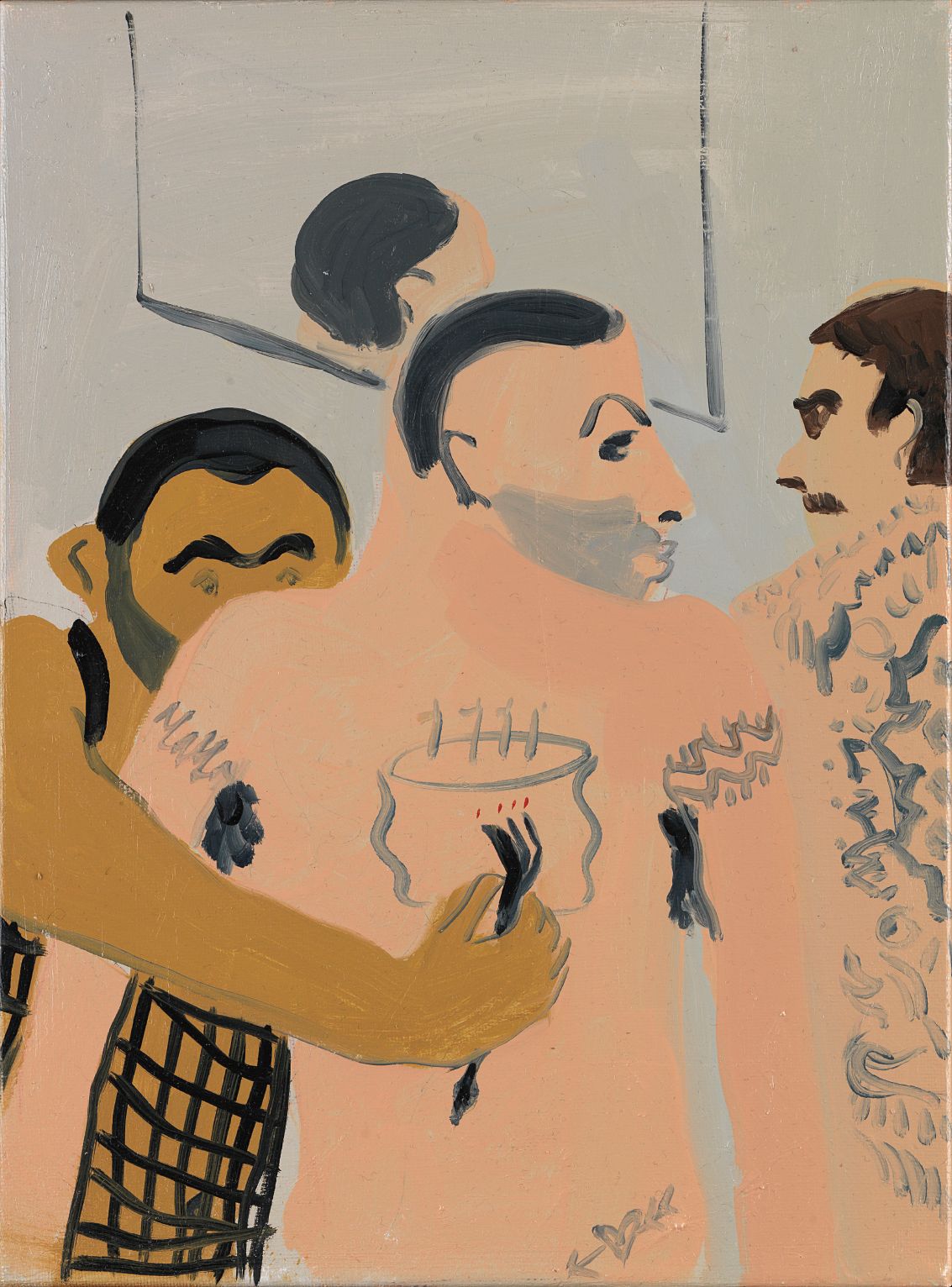
The roster reads like a map of the city's contemporary scene at a particular moment. Painters like Aaron Curry, Sayre Gomez, Mario Ayala, Carmen Argote, and Aaron Fowler appear alongside sculptors and installation artists such as Liz Glynn, Samara Golden, Beatriz Cortez, and Nikita Gale. Photographers like Deana Lawson and Paul Mpagi Sepuya are represented, as are painters working in deeply intimate registers like Salomon Huerta and Karon Davis, Christina Quarles and Tala Madani, and artists whose practices defy easy categorization, from Pippa Garner to Awol Erizku to rafa esparza. The collection acknowledges that contemporary Los Angeles is not a single art world but several overlapping ones, and it makes a deliberate point of holding works from all of them inside a single institutional frame.
That breadth was made possible in part by the Mohns' long-running support of the Hammer Museum's Made in L.A. biennial, which they have underwritten since its inaugural edition in 2012. The biennial functions as the city's most consistent organized survey of what is happening in L.A. studios at any given moment. Each edition introduces a new generation of artists to a national audience, and the Mohns have layered onto that scaffolding by establishing the Mohn Awards, a trio of recognitions given to participating artists. A further gift from the Mohns in 2021 endowed future editions of the biennial. The 80 works contributed by the Hammer to MAC3 emerged from this same stream, meaning a significant portion of the founding collection has already been vetted by the most rigorous curatorial process the city offers.
How Three Museums Govern One Collection
The three founding partners bring distinct registers to the shared collection. The Hammer Museum, located in Westwood and operated by UCLA, has built its identity around contemporary art and the biennial format. LACMA, the largest art museum in the western United States, holds collections spanning thousands of years and is in the middle of a sweeping campus redesign by Peter Zumthor. MOCA, founded in 1979 and split across two campuses on Grand Avenue and at the Geffen Contemporary in Little Tokyo, has long been the anchor for post-1940 contemporary practice in Los Angeles. Each museum has its own director, its own board, its own audience, and its own programming rhythm. MAC3 makes them collaborators on a single set of artworks without dissolving any of those identities.
In practical terms, the model gives the city a kind of redundancy that contemporary collections rarely have. A work that is acquired into MAC3 has three potential homes for display, three potential curators thinking about how it might enter a conversation with other works, and three different audiences who might encounter it in different contexts. A sculpture purchased this year might appear in a MOCA group show, then a thematic LACMA exhibition, then a Hammer mid-career survey of the same artist five years later. Loans to other institutions, both domestically and internationally, are also part of the design. The collection moves rather than sits.
That mobility is what the structure of joint ownership is built to enable. It also means that the kinds of decisions that often produce friction at single-institution museums, including which works to deaccession, which to lend, and which to display, are now subject to a shared deliberative process. The endowment funds the operational and storage costs that make this kind of stewardship possible at scale.
Jarl Mohn the Collector
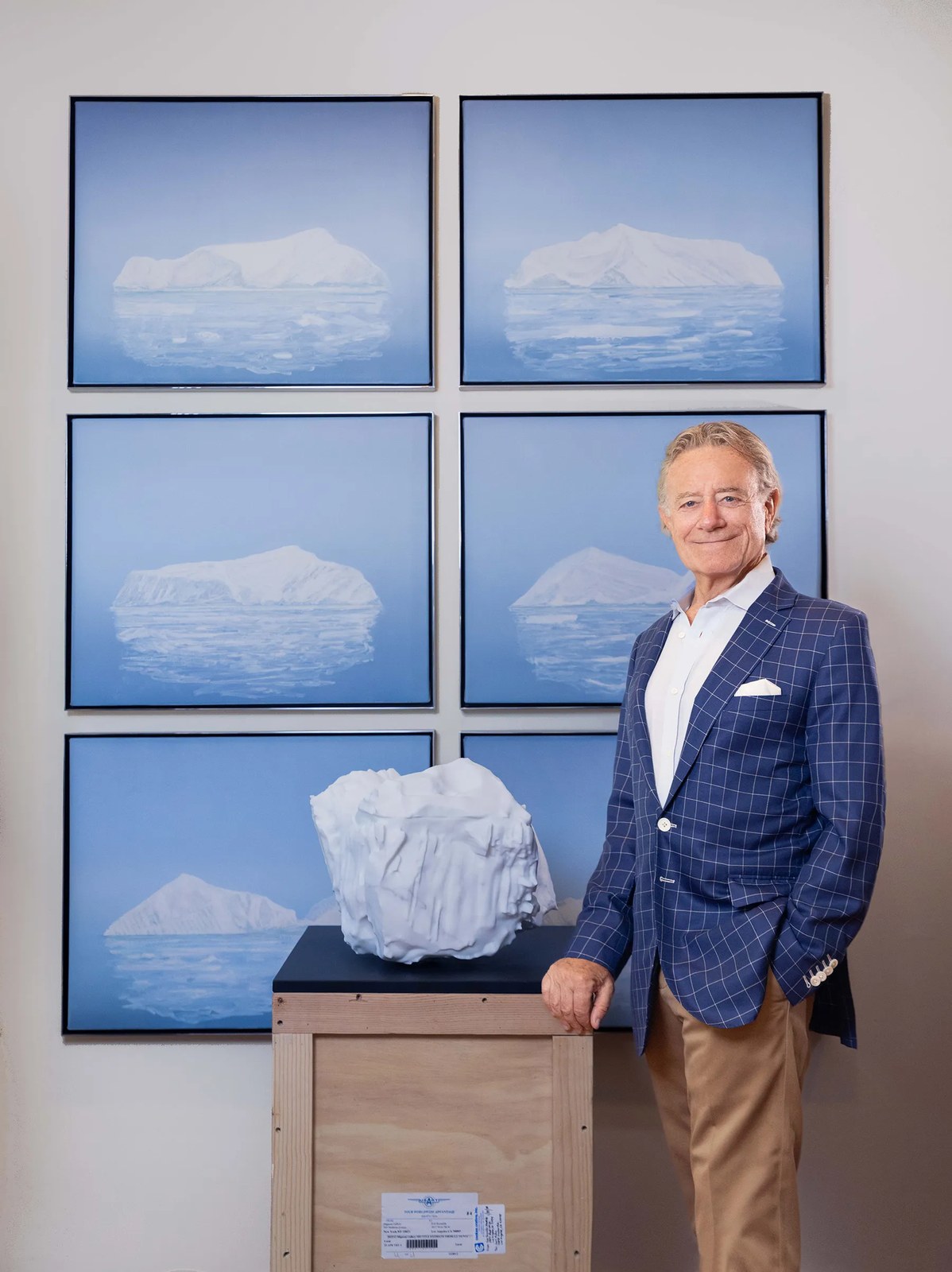
Jarl Mohn's collection has a specific character that shapes everything about MAC3. He has spent roughly two decades building it, and the founding gift of nearly 280 works represents the bulk of that effort condensed into a single transfer. The Mohns describe themselves as longtime advocates for emerging and underrecognized L.A. artists, and the collection reflects that orientation. It is not a trophy collection of established names, although it includes some of them. It is a working collection assembled by a collector who chose to follow a particular geography and a particular moment, and who bought consistently across painting, sculpture, and mixed-media practice rather than narrowing to a single medium.
What Mohn collected was the texture of Los Angeles studio life over a twenty-year window. The works in MAC3 came from artists at different career stages, including some who were barely known when Mohn first bought them and some who have since become defining figures in American contemporary art. That kind of breadth is unusual. Most collectors of his scale concentrate on already-established artists or move tightly within one art-historical category. Mohn collected horizontally across the city, accepting that some of the artists he bet on would not break through, and trusting that the cumulative weight of the collection would say something the individual works could not.
The Made in L.A. biennial is the institutional analogue of that approach. The Mohns underwrote its inaugural 2012 edition and have funded every subsequent one. They created the Mohn Awards, a trio of recognitions given to participating artists, and added a 2021 gift that endowed the biennial in perpetuity. The biennial's curatorial mandate is to survey artists who live and work in Los Angeles, with emphasis on artists who have not yet had a comprehensive museum showing. The Mohn collection moves along similar lines. Several artists now in MAC3 first received their major institutional attention through Made in L.A., a fact reflected in the eighty works the Hammer transferred into MAC3 from its own biennial-driven acquisitions.
The hand-off from a personal collection into a permanent shared institutional one is also a statement about what Mohn thinks collecting is for. By placing 280 works into co-ownership with three museums, rather than selling them, gifting them to a single institution, or leaving them to heirs, Mohn made a decision that subordinates personal possession to public access. The works will spend the rest of their lives moving between the Hammer, LACMA, and MOCA, with occasional loans to other institutions. He gave up the option of ever seeing them again on his own walls in order to make sure they would be seen on many other walls.
The Mohns' Wider Pattern of Giving
To understand MAC3, it helps to see it in the context of how Jarl and Pamela Mohn have approached philanthropy more broadly. Beyond the three founding MAC3 partners, the Mohns have made transformative gifts to the Institute of Contemporary Art, Los Angeles, to the artist-run space The Brick, and to Los Angeles Nomadic Division, known as LAND, which produces public art projects across the city. After the catastrophic Los Angeles fires of 2025, the Mohns were major supporters of the J. Paul Getty Trust-led L.A. Arts Community Fire Relief Fund, an emergency fund built to help artists and arts workers who lost studios, archives, and work in the disaster.
The Mohns' giving has also extended beyond the visual arts. Jarl Mohn is president emeritus of NPR, where he served as president and chief executive from 2014 to 2019. Before NPR he founded E! Entertainment Television in 1990 and led it for eight years, and before that he was executive vice president and general manager of MTV and VH1 from 1986 to 1990, where he oversaw the transformation of those channels from music video outlets into long-form programmers. He started in radio, working his way up over nineteen years from disc jockey to programmer to general manager to station owner. The Mohn Family Foundation, established with Pamela in 2000, supported KPCC, now LAist, with a gift that enabled the Mohn Broadcast Center and a significant expansion of one of Southern California's two news-focused public radio stations.
Mohn has also chaired the ACLU Foundation of Southern California and the USC Annenberg School for Communication and Journalism. He grew up in Doylestown, Pennsylvania, and studied mathematics and philosophy at Temple University before moving into broadcasting. Pamela and Jarl now live in Los Angeles and have made the city's civic infrastructure, particularly its cultural and journalistic life, the focus of their continued work.
What MAC3 represents within that larger pattern is the most institutional and the most permanent of the Mohns' contributions to the arts. A grant to an artist or a biennial supports a moment. A jointly endowed collection that lives across three museums supports a long arc of curatorial work, an arc the Mohns will not personally direct and that will outlast their tenure as donors.
Why Joint Ownership Matters
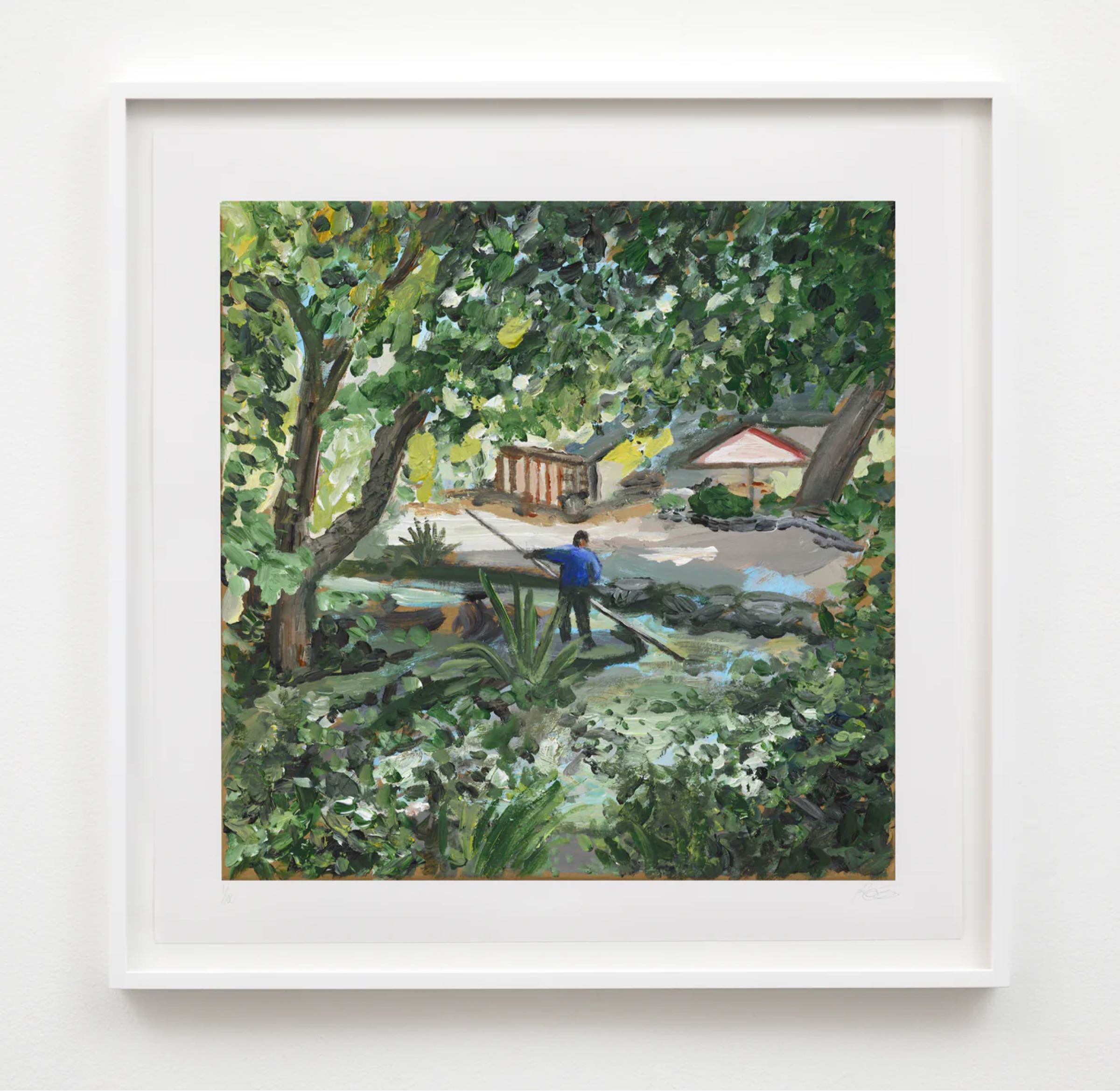
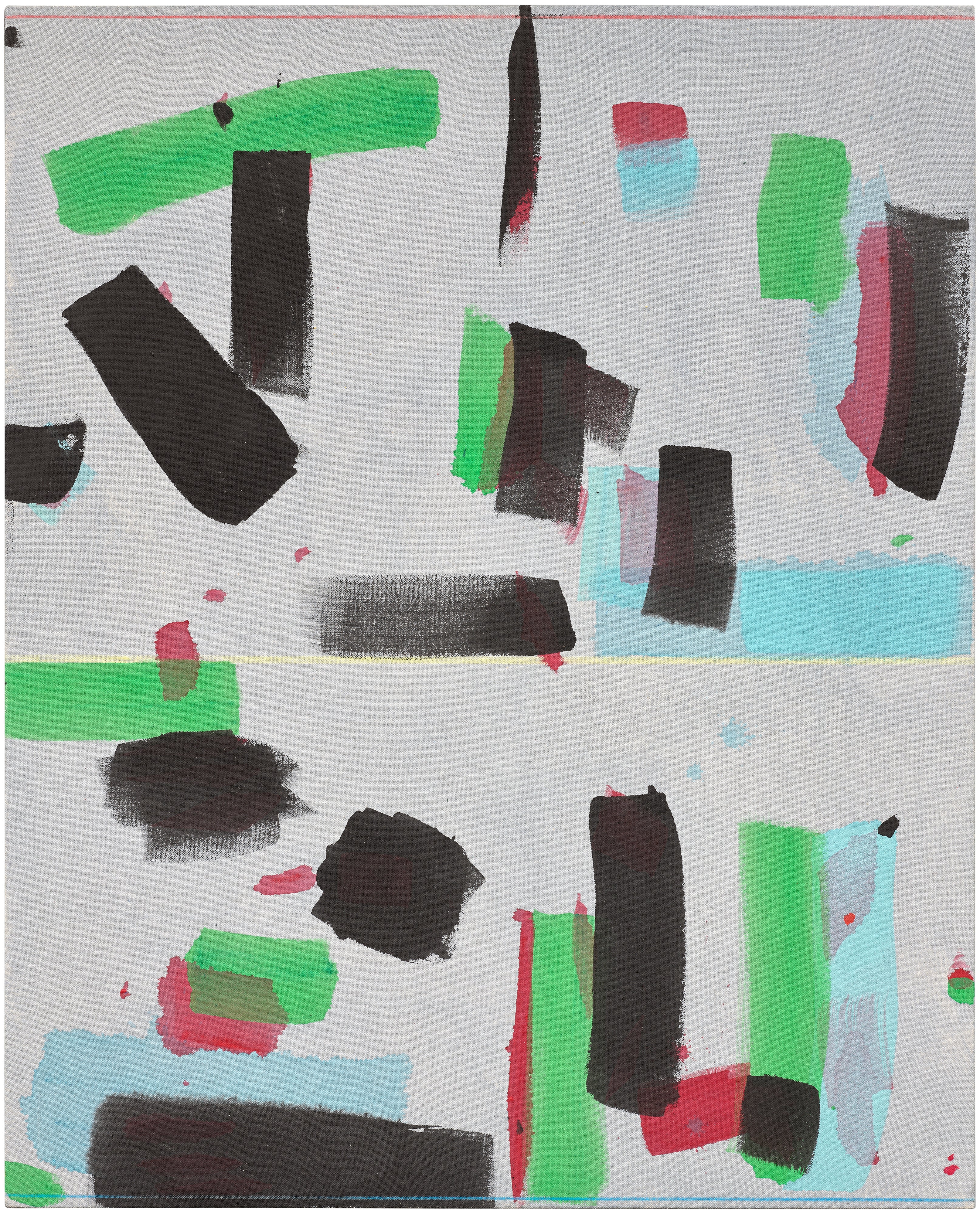
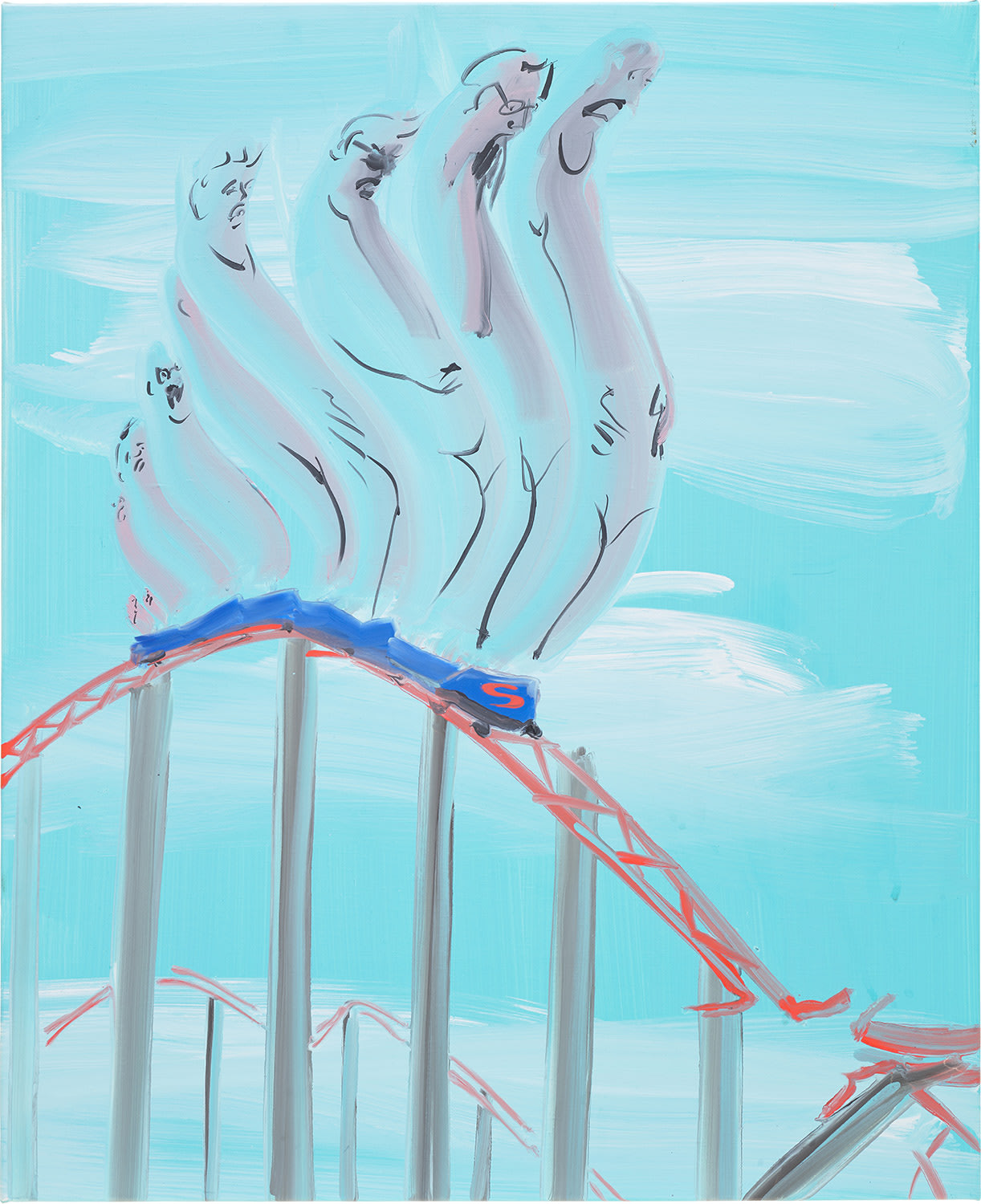 Tala Madani, Roller Coaster. Among the L.A.-based artists whose work entered MAC3 through the founding gift.
The model that MAC3 puts forward is not unprecedented in concept. Museums have long shared works through long-term loans, traveling exhibitions, and consortium arrangements. What is new is the permanence and the depth. Joint ownership of a contemporary art collection of this scale, with co-governance written into the architecture, is unusual in American museum practice and may become a template that other cities study closely.
The advantages are practical and ideological in roughly equal measure. Practically, the three museums share the operating costs that any large contemporary collection generates, from climate-controlled storage to insurance to conservation, while each gets full access to the artworks for programming and scholarship. Ideologically, the model treats art as a civic resource rather than an institutional asset. The collection belongs to the city's museum infrastructure as a whole, not to any single building, and the artists in it benefit from being introduced through three institutional channels rather than one.
There is also a quieter argument inside the structure. Los Angeles has historically been described as a city that loses its artists to New York, Berlin, or London once they reach a certain level of recognition. MAC3 is a counter-statement. By collecting deeply from artists who currently live and work in the city, and by housing that collection in the city's three flagship contemporary museums, the institution makes the claim that the L.A. art world is no longer a stepping stone. The work that is being made here is being held here, by the institutions that already hold the city's larger cultural memory.
What Comes Next
MAC3 is designed to grow. The endowment funds annual acquisitions, jointly selected by the three museums, which means the collection's character will evolve as the city's art scene evolves. The website notes that a full presentation of the collection is forthcoming, and that the homepage's preview of selected works is only a partial view of what the institution holds. New acquisitions will enter the collection each year through a shared curatorial process, and the city should expect to see MAC3 works circulating across the Hammer, LACMA, and MOCA programs with increasing frequency over the next several seasons.
The model will be watched closely by other museum systems. The combination of permanent joint ownership, a focused geographic commitment to a single city's artists, and shared governance across multiple flagship institutions has not been attempted at this scale before. If it works, it offers a template that cities with comparable concentrations of contemporary practice, including Berlin, Mexico City, Lagos, and Seoul, could adapt to their own institutional landscapes. If it struggles, the lessons will be just as valuable.
Either way, the act of starting MAC3 is itself a contribution to the conversation. It says that contemporary art collecting at the museum level can be a collaborative practice. It says that an artist's primary institutional support does not have to come from a single building. And it says, with the specificity that only a real collection can, that Los Angeles' contemporary art scene is worth holding together in one place, even if that place is actually three places at once.