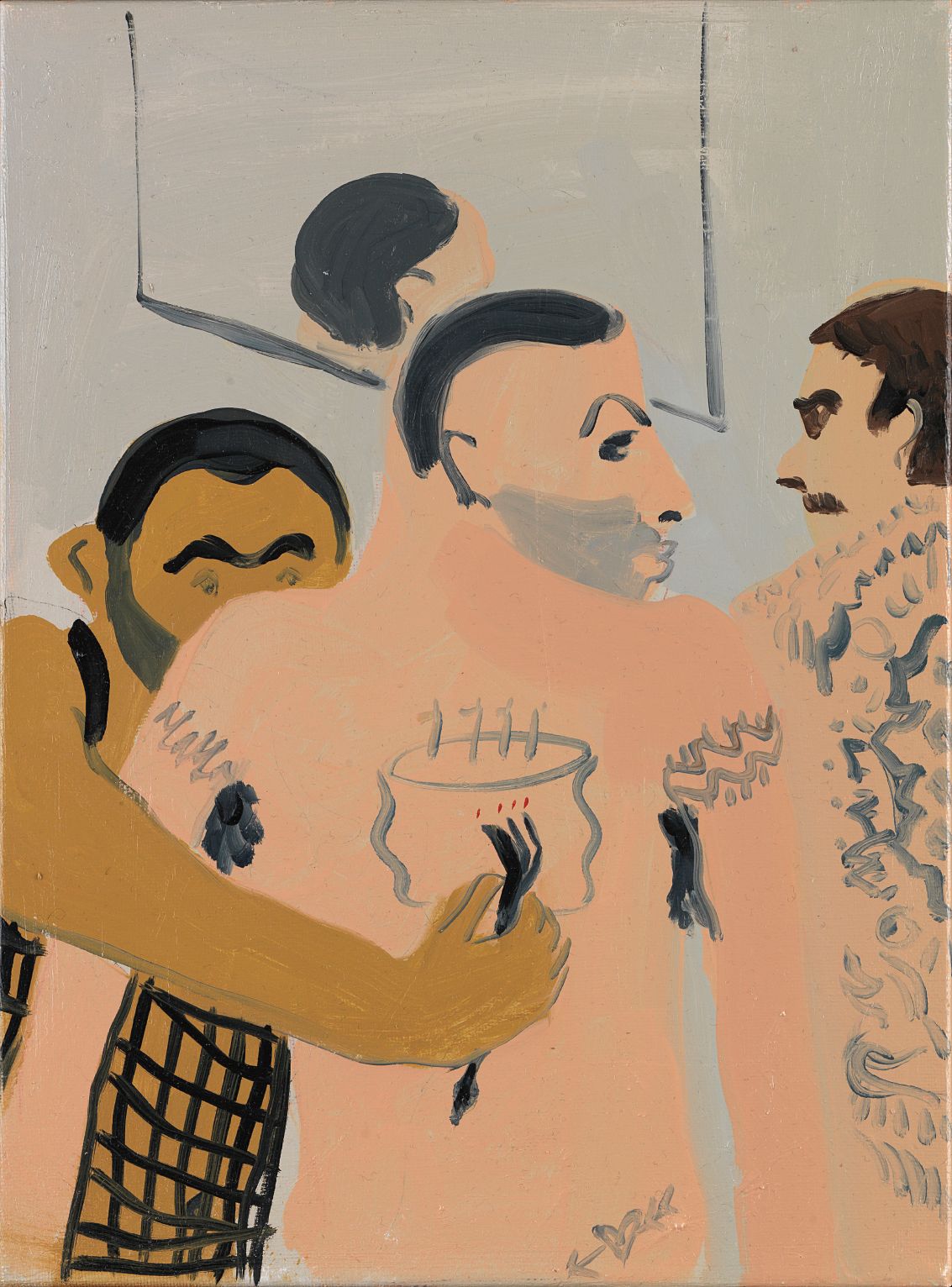
Tala Madani
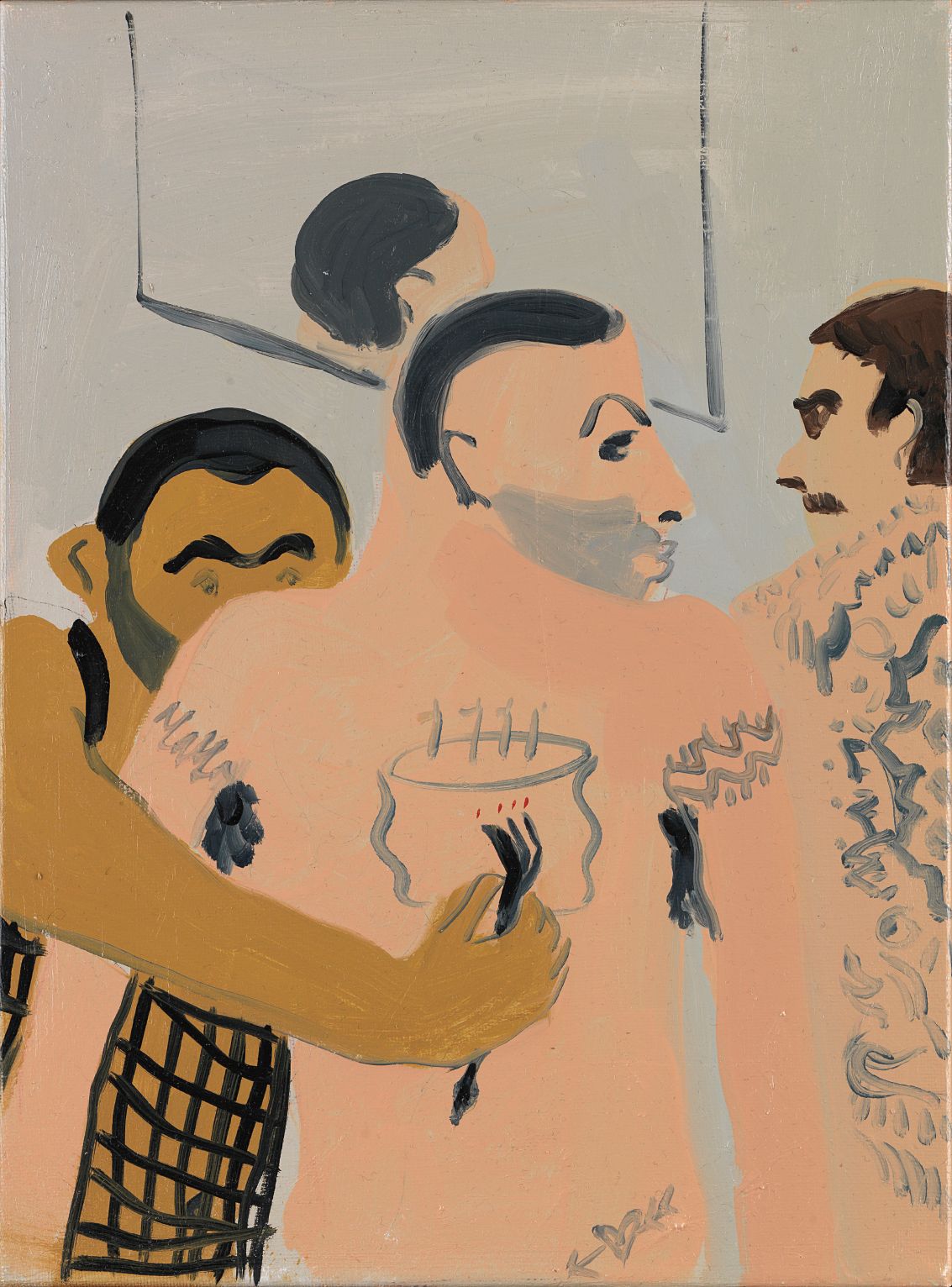
Artist Spotlight
Tala Madani Lights Up Every Room
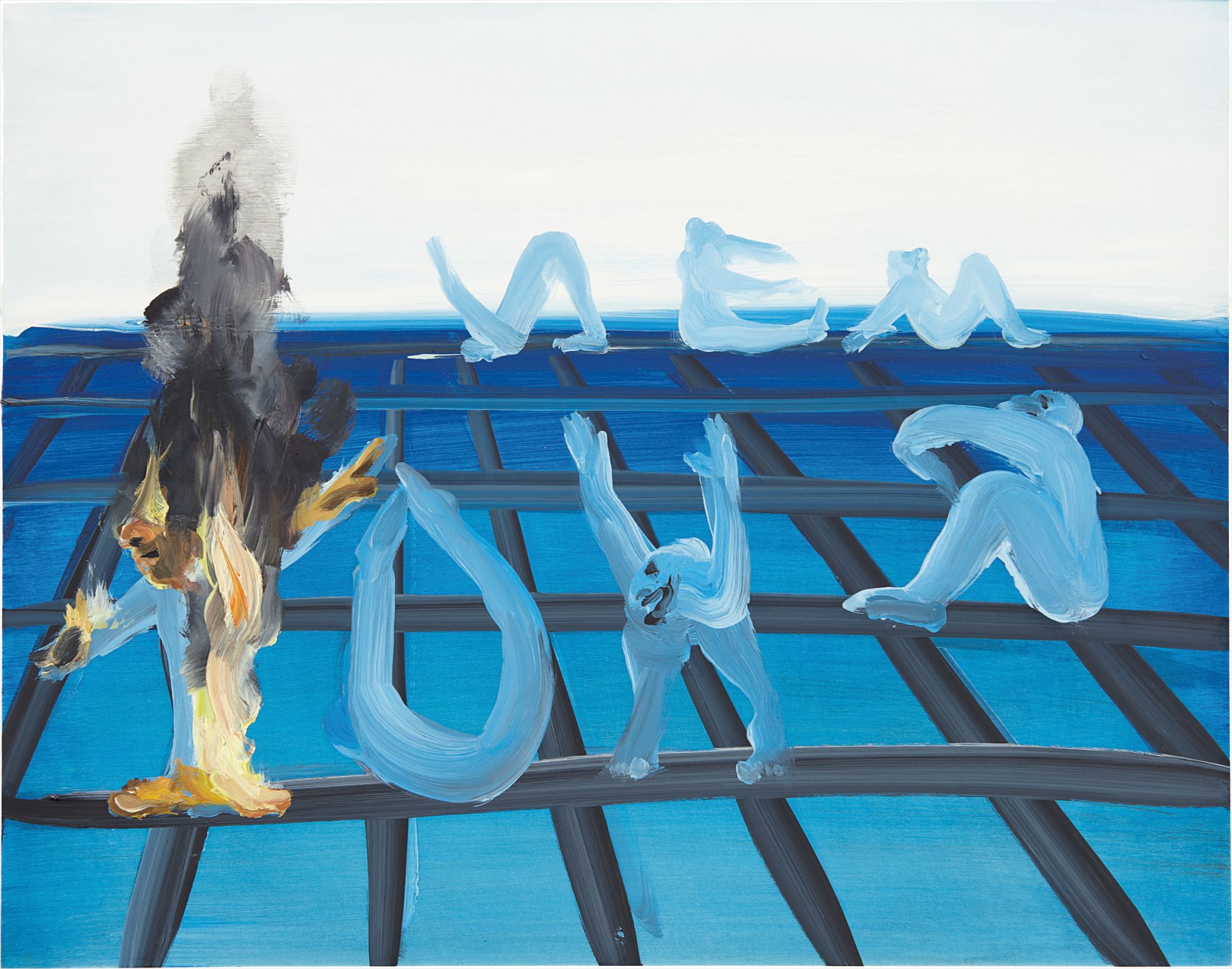
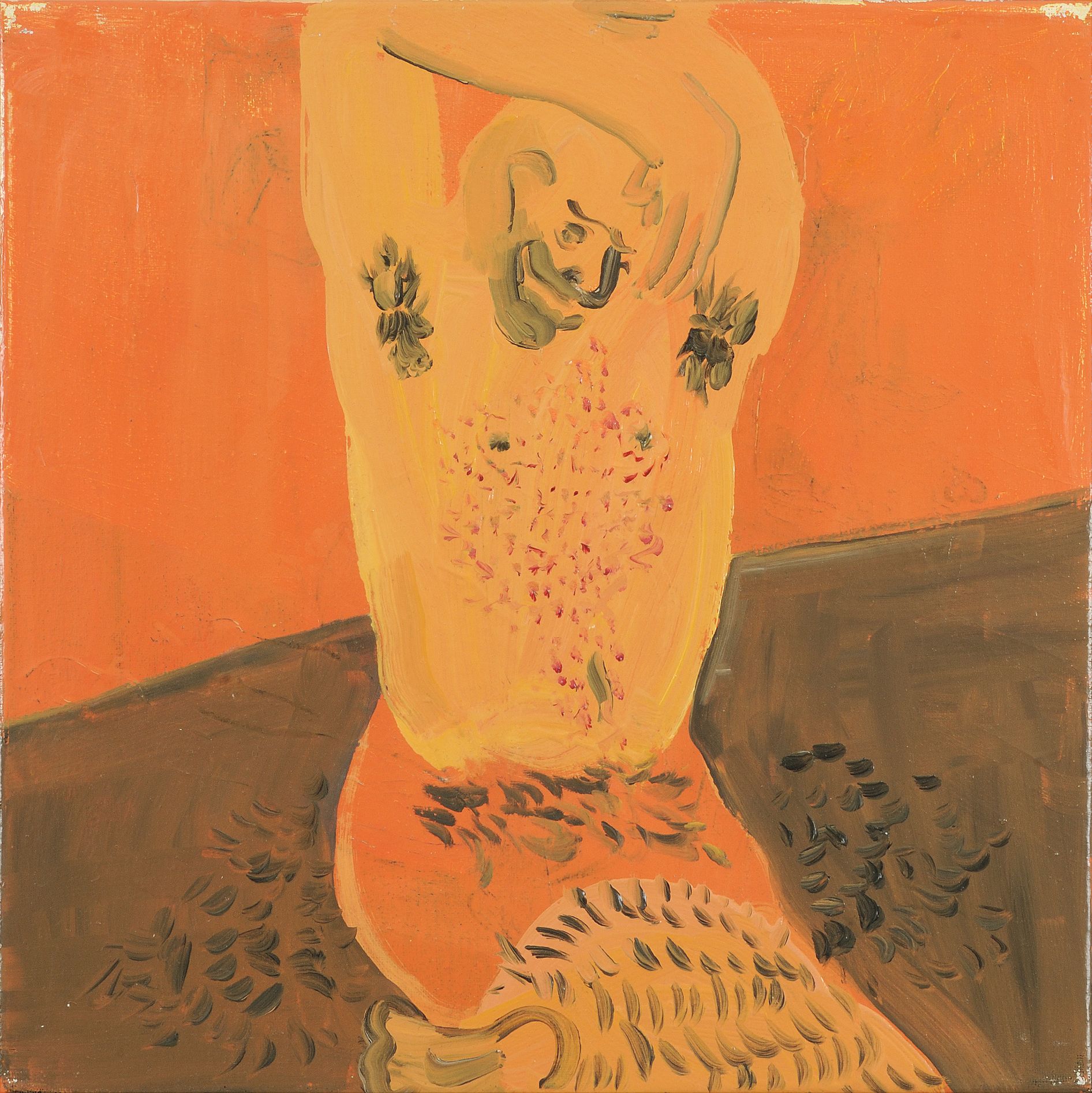
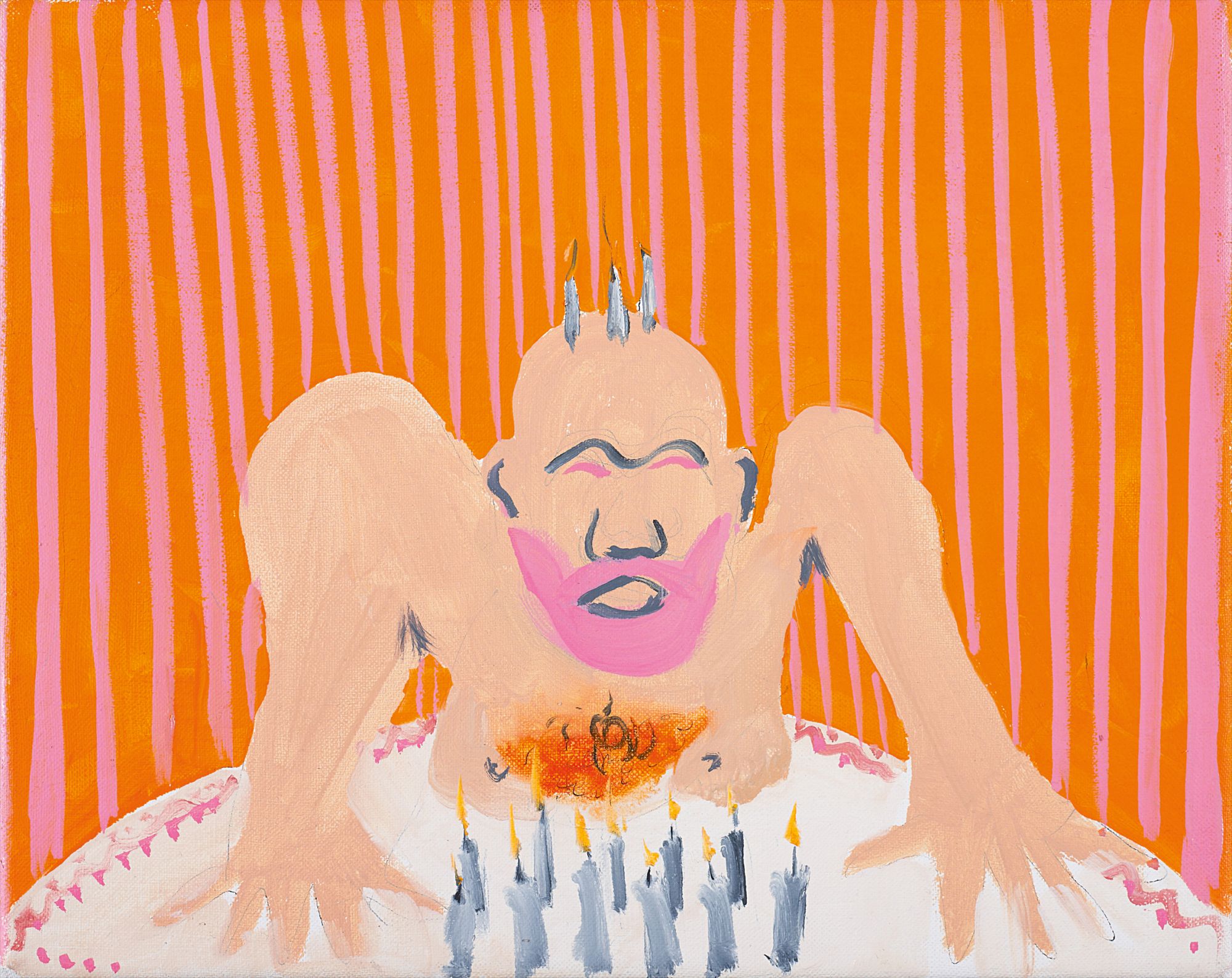
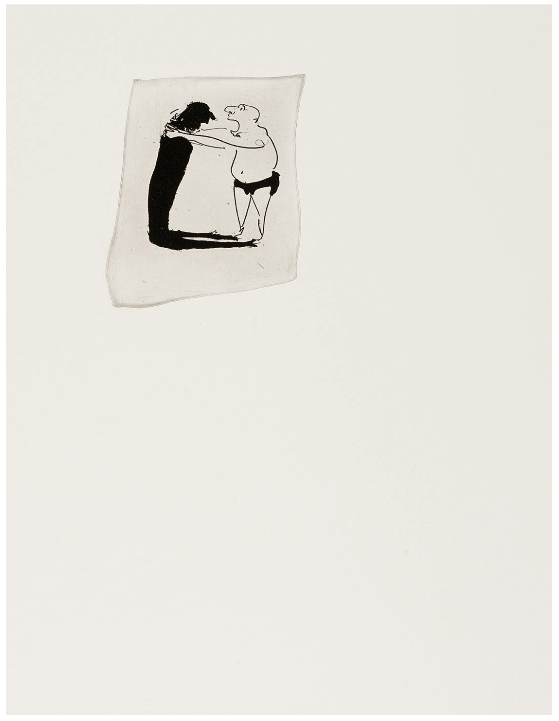
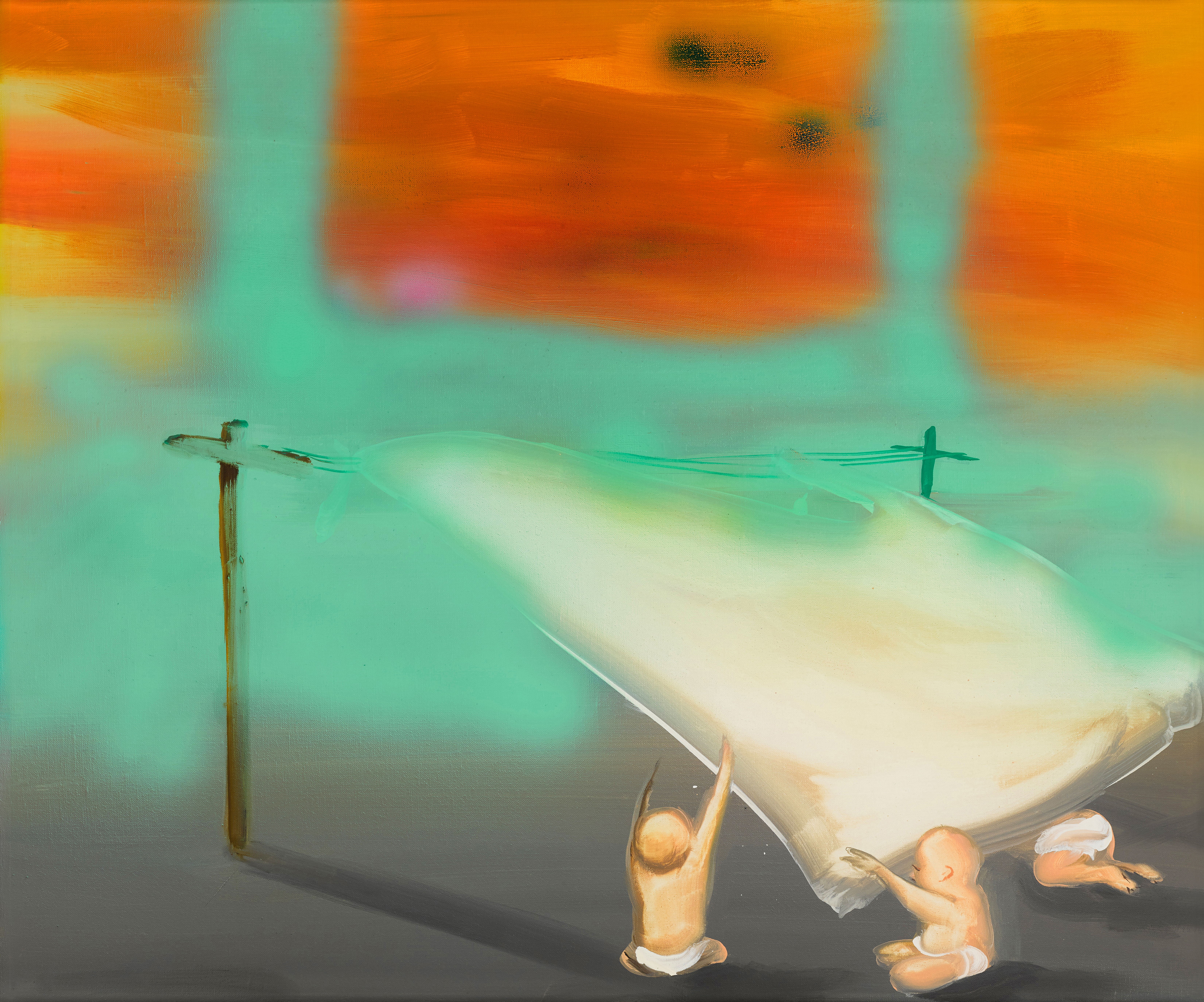
When Tala Madani was included in the 2019 Venice Biennale, the art world took collective notice of something that sharp eyed collectors had understood for years: here was a painter operating at the absolute center of contemporary discourse, making work that was simultaneously hilarious, unsettling, and profoundly intelligent. Her paintings arrived in Venice with the confidence of an artist who had long since mastered her language and was now dictating the terms of the conversation. That international recognition cemented a reputation built steadily over nearly two decades of rigorous,… Continue reading
Artists in conversation
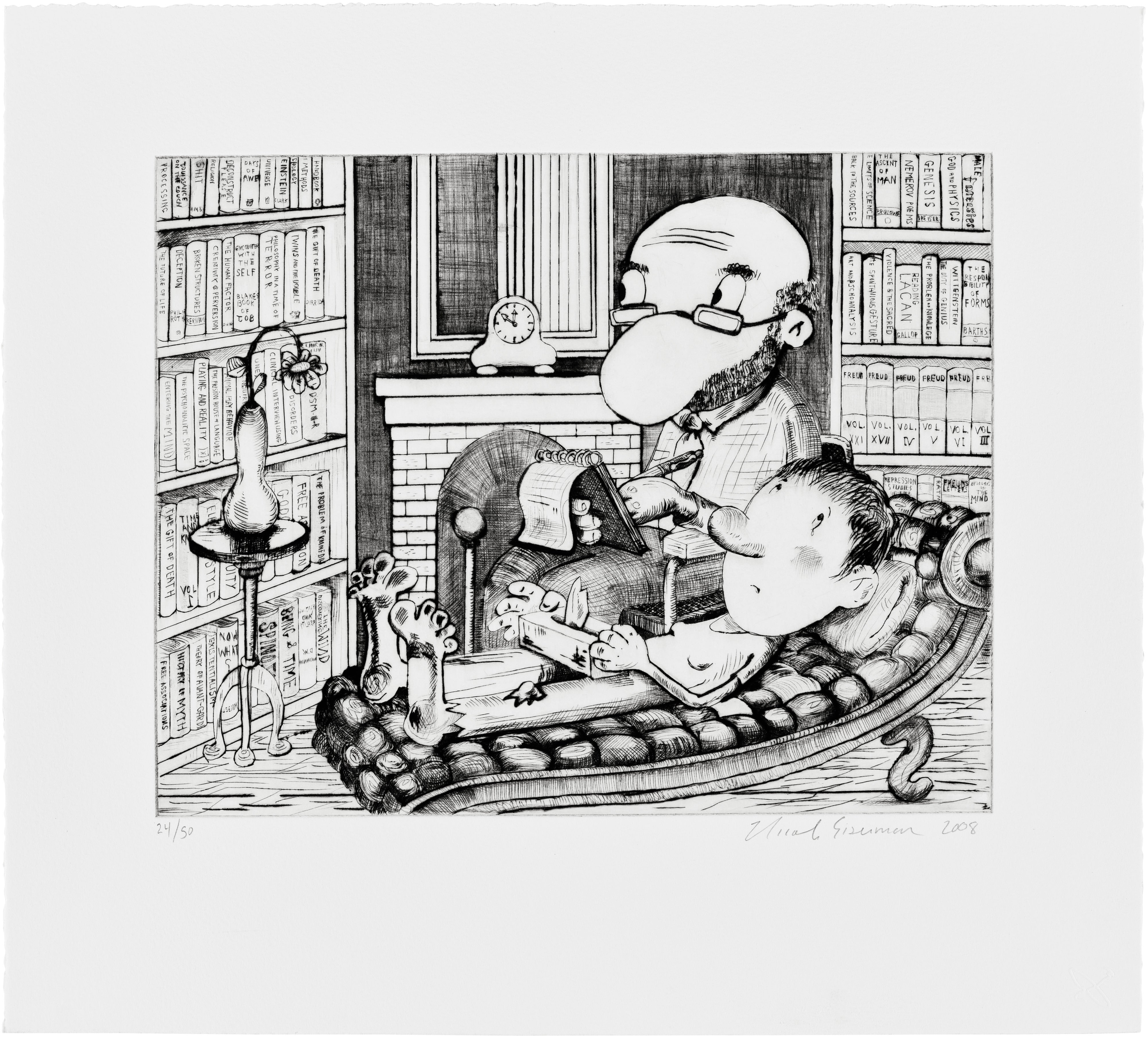
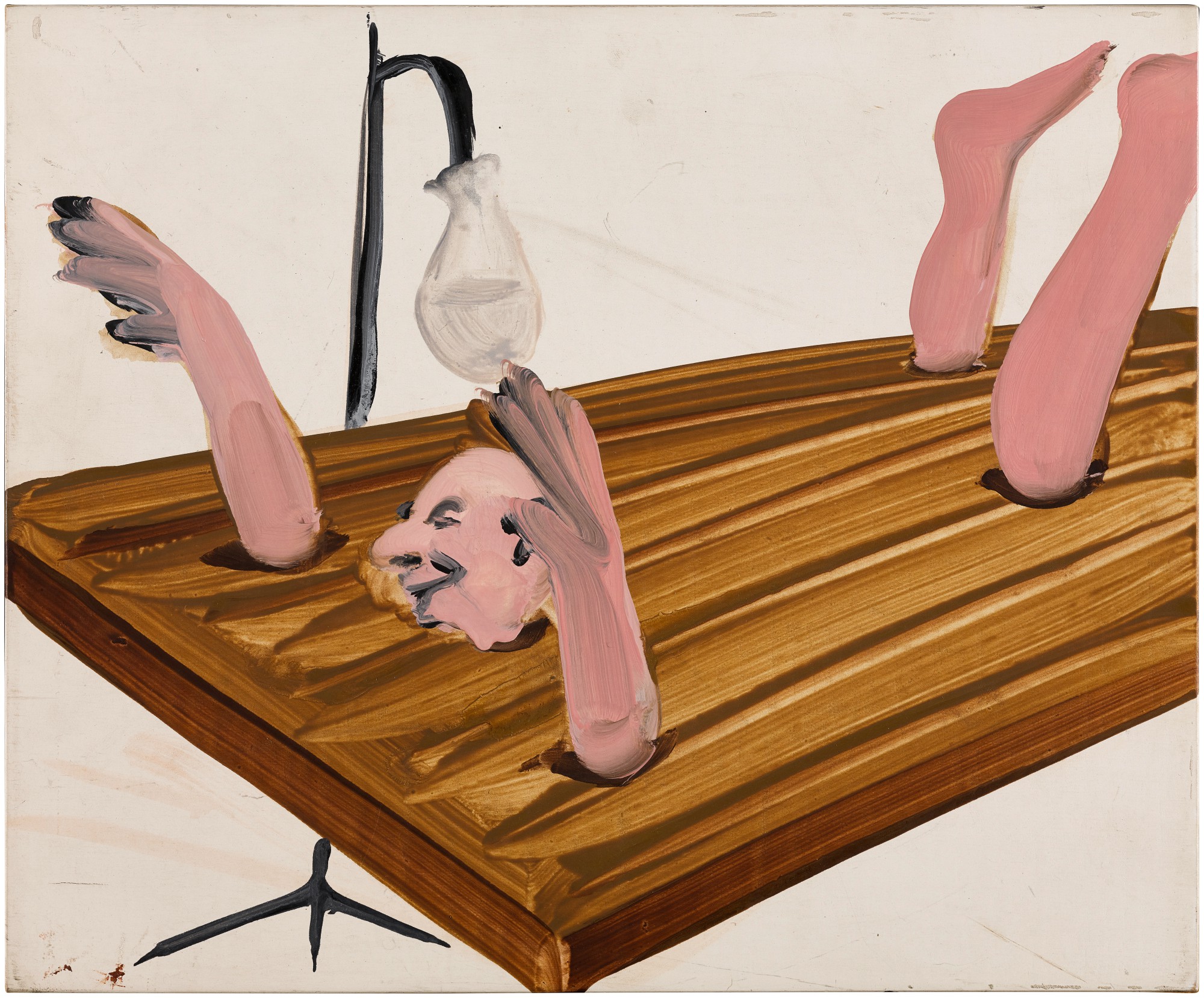
Nicole Eisenman
Eisenman shares Madani's use of darkly humorous figurative painting to interrogate gender, power, and social absurdity with a deliberately crude yet expressive painterly style.
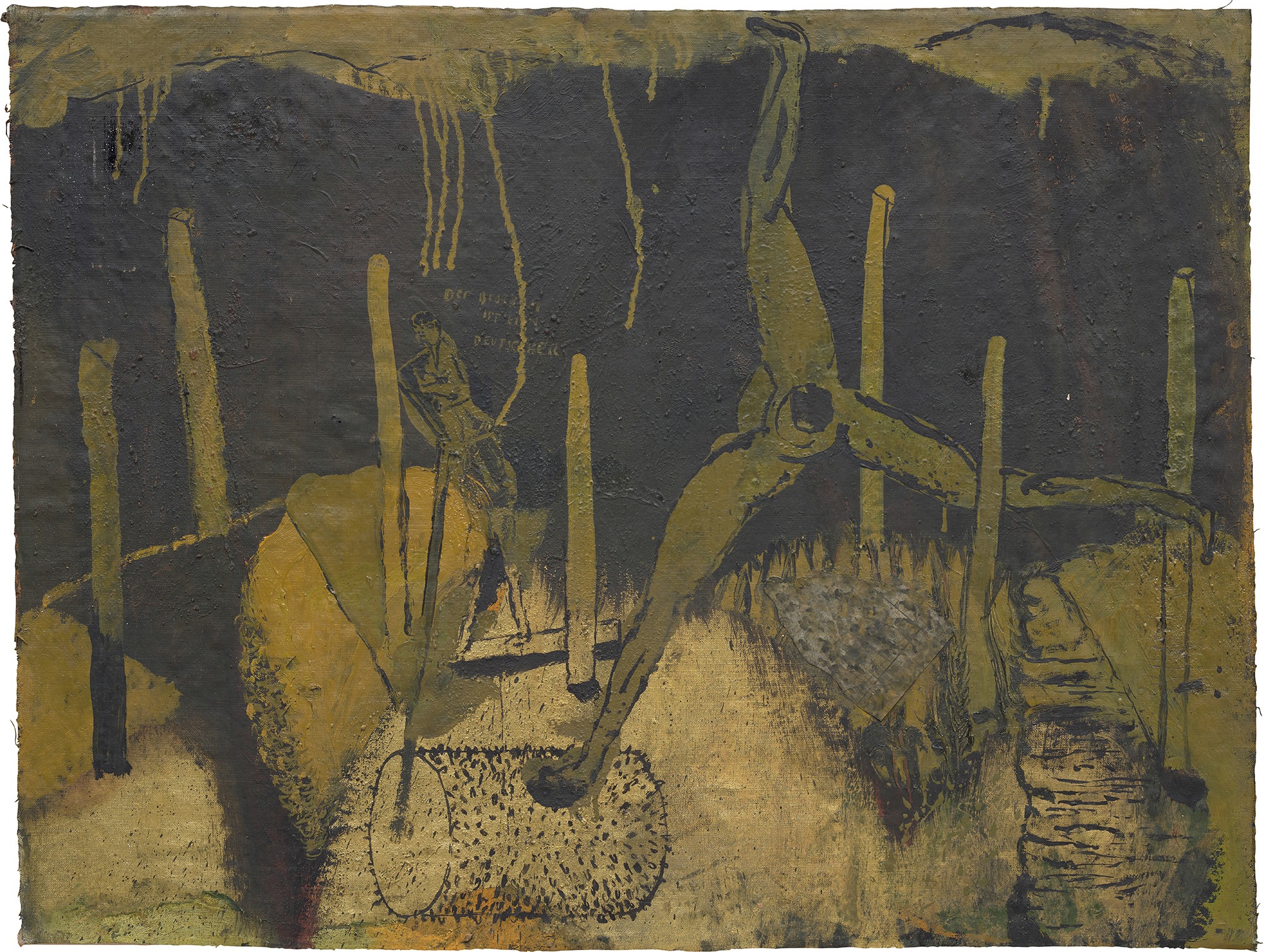
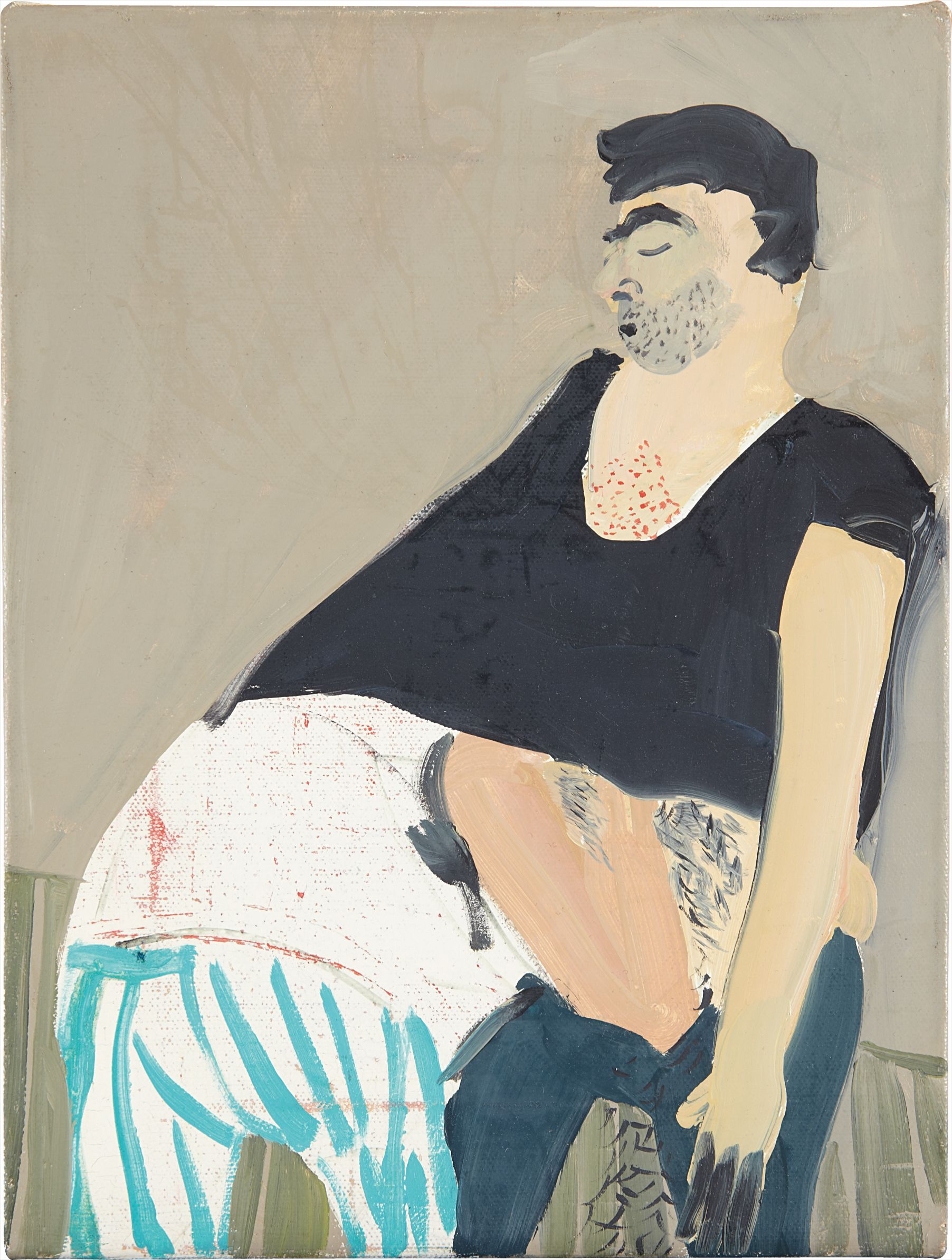
Neo Rauch
Rauch similarly deploys surreal figurative scenes populated by ambiguous male figures engaged in cryptic rituals that evoke anxiety, authority, and collective social dysfunction.
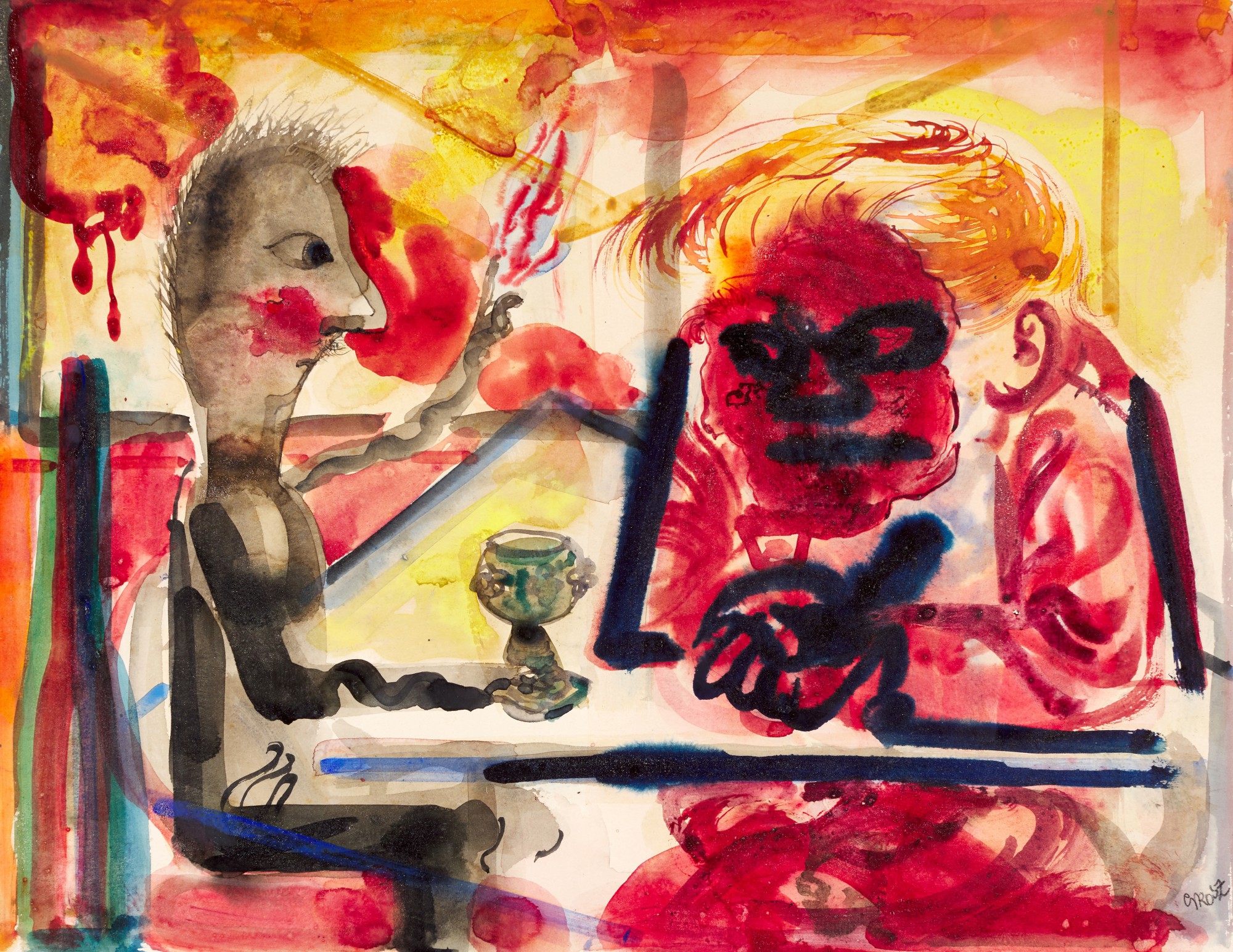
George Grosz
Grosz used caricatured grotesque imagery and biting satire to expose the corrupt masculine power structures of Weimar society, a thematic and visual sensibility closely aligned with Madani's project.
Artists who inspired them
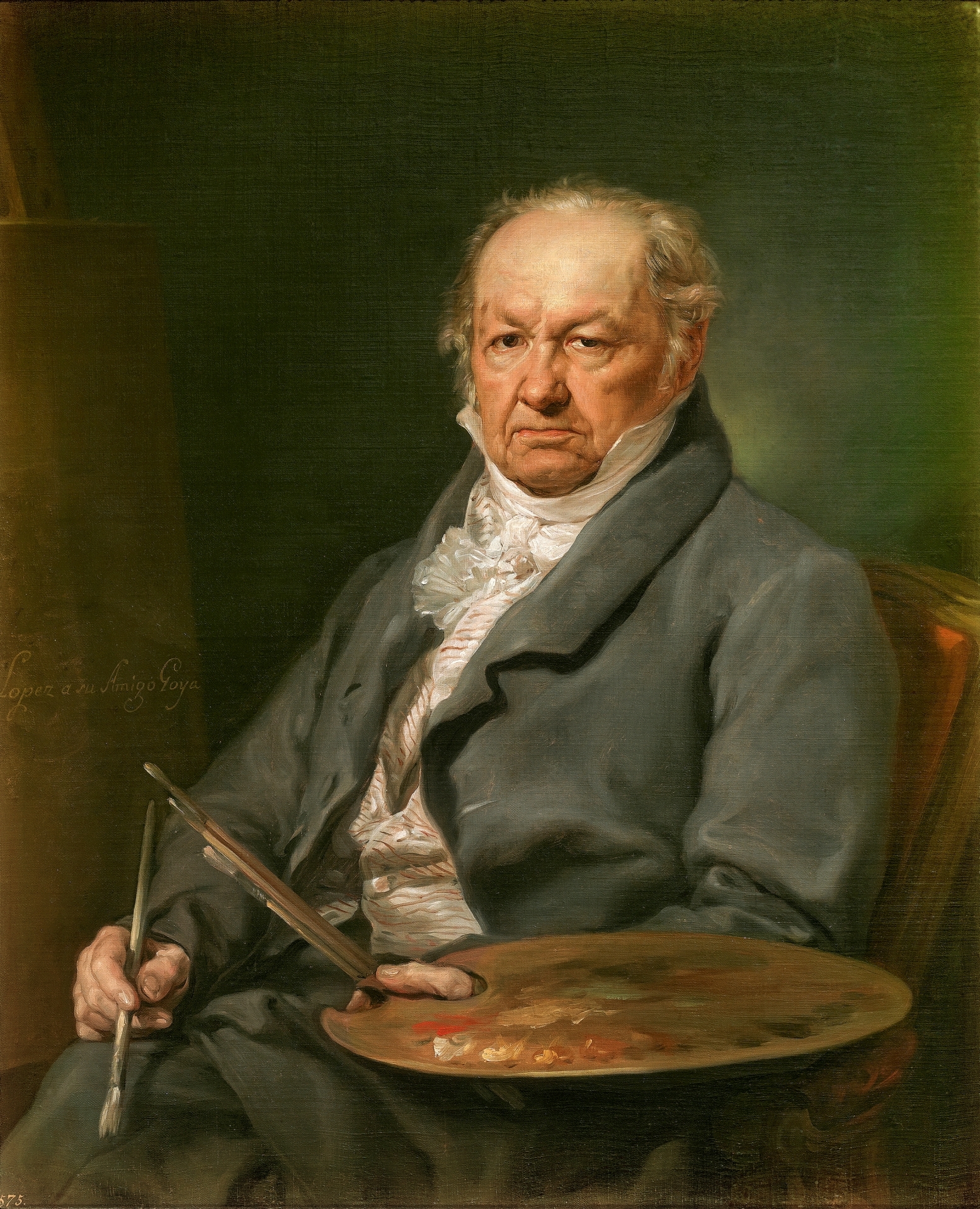
Francisco Goya
Goya's unflinching depictions of violence, folly, and institutional power in works like the Disasters of War provided a foundational model for Madani's willingness to render darkness and absurdity with expressive painterly directness.
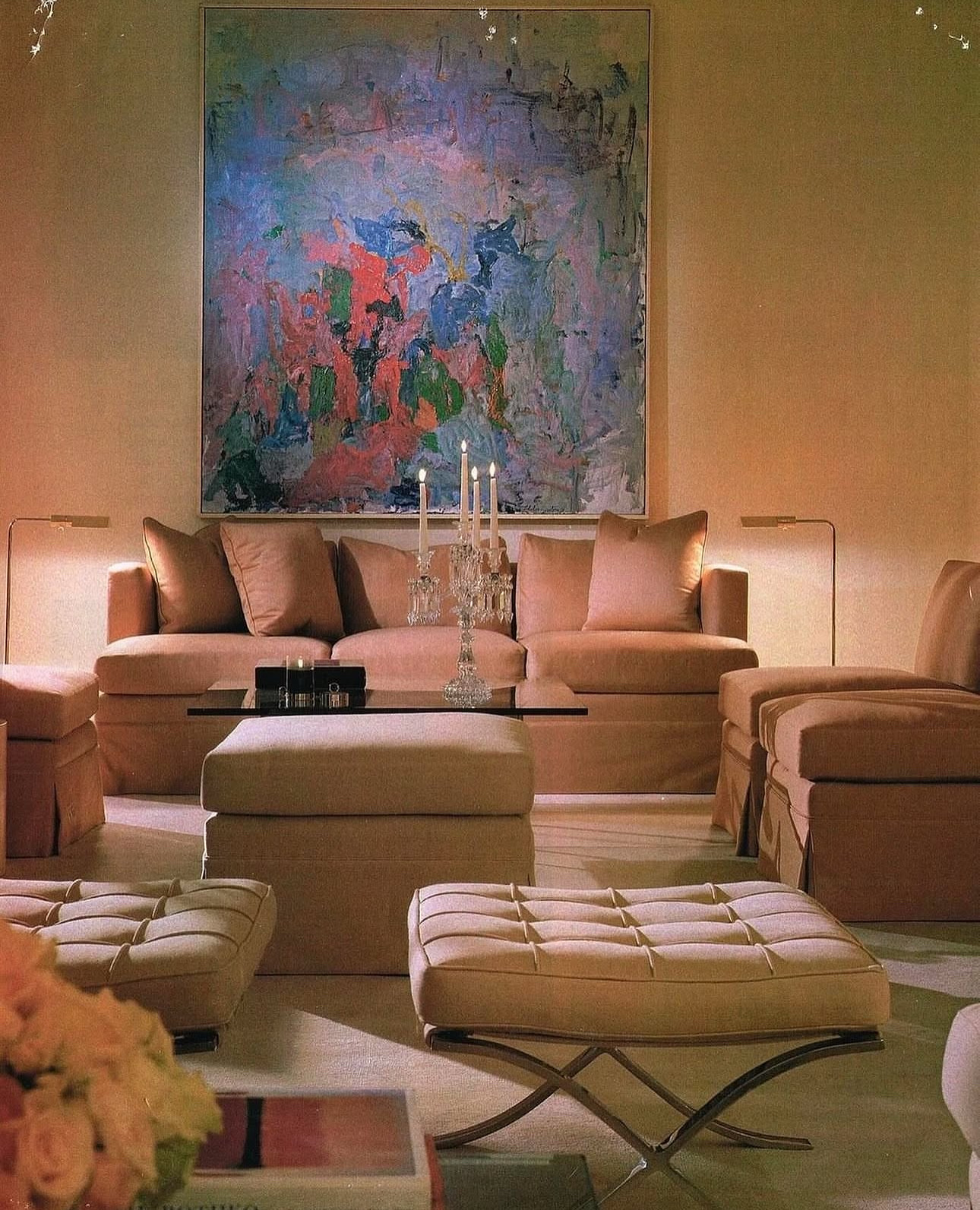
Philip Guston
Guston's late figurative paintings featuring hooded figures and crude cartoonish forms as vehicles for moral and political critique are a clear precedent for Madani's grotesque yet painterly approach to power and shame.
William Hogarth
Hogarth's satirical pictorial narratives exposing the moral corruption and absurdity of male dominated social institutions directly anticipate the critical comedic energy running through Madani's work.