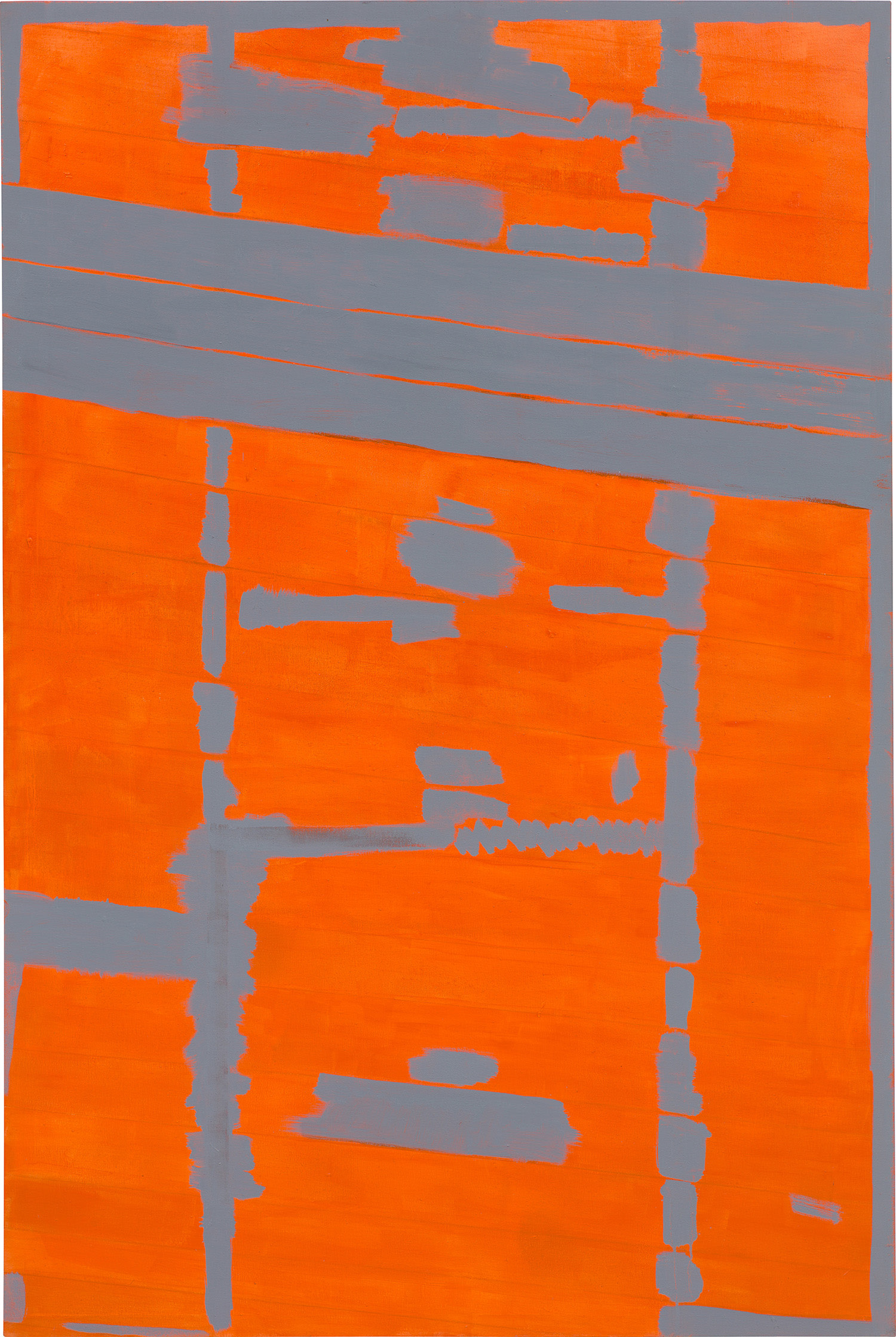
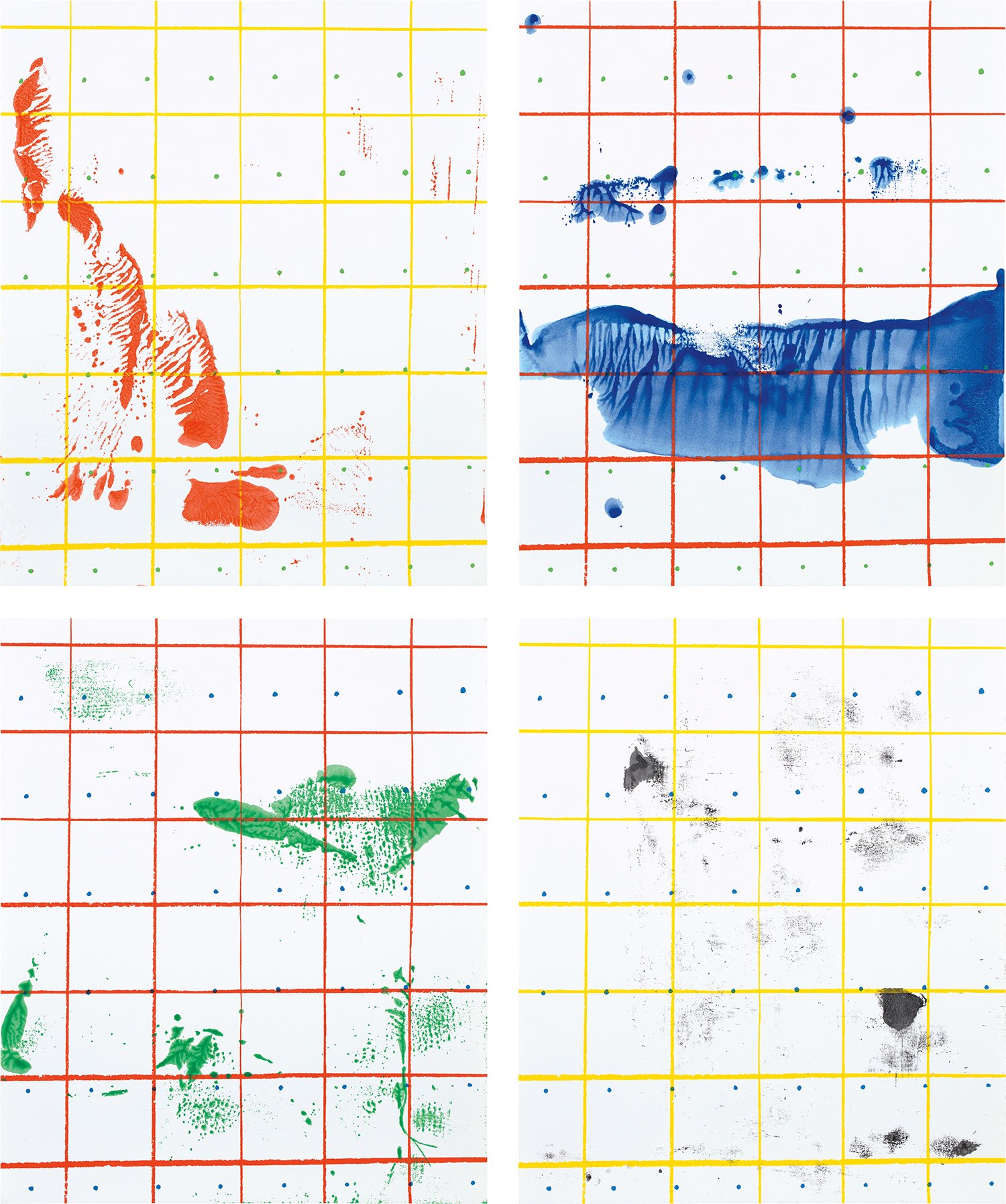
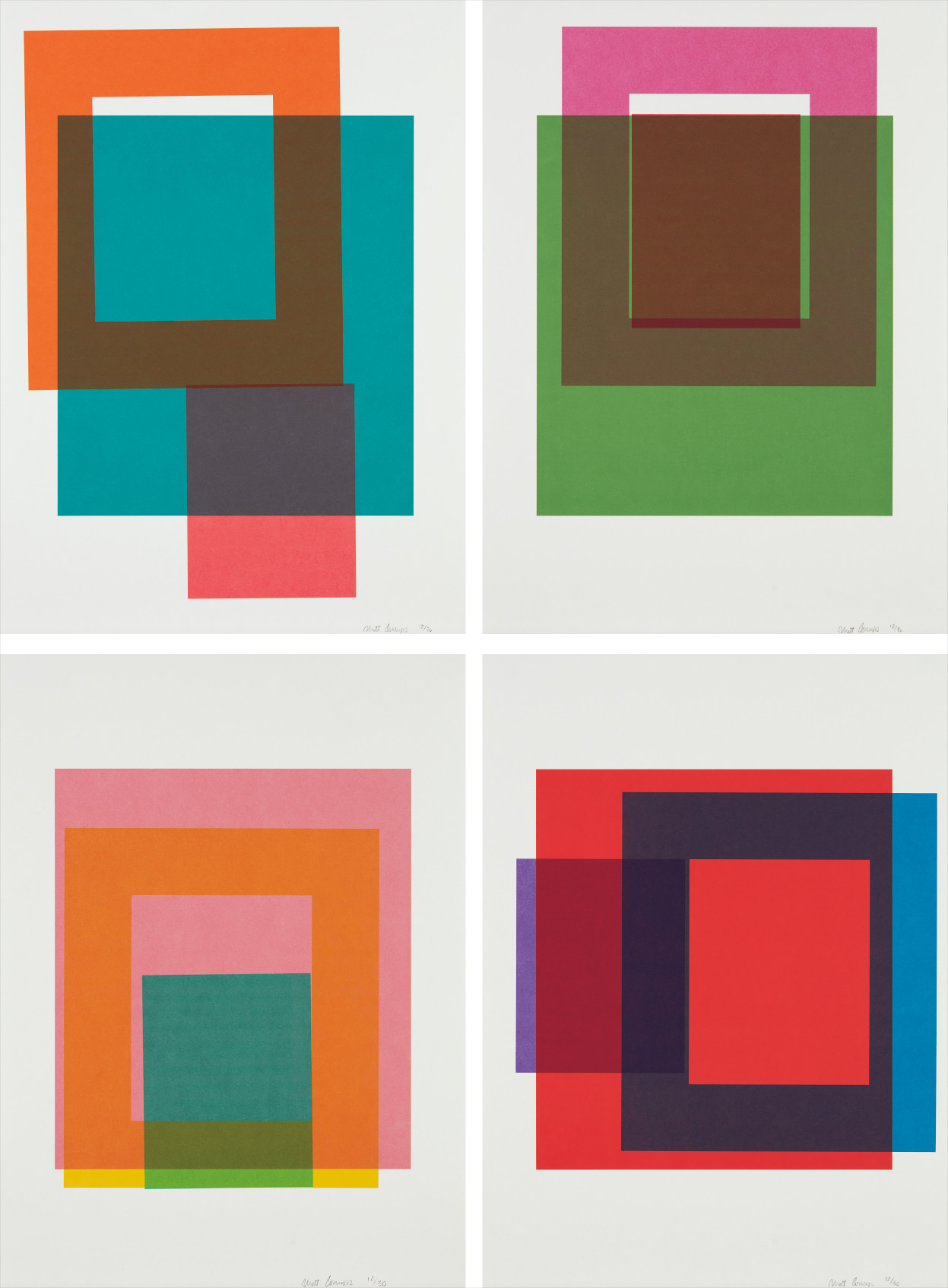
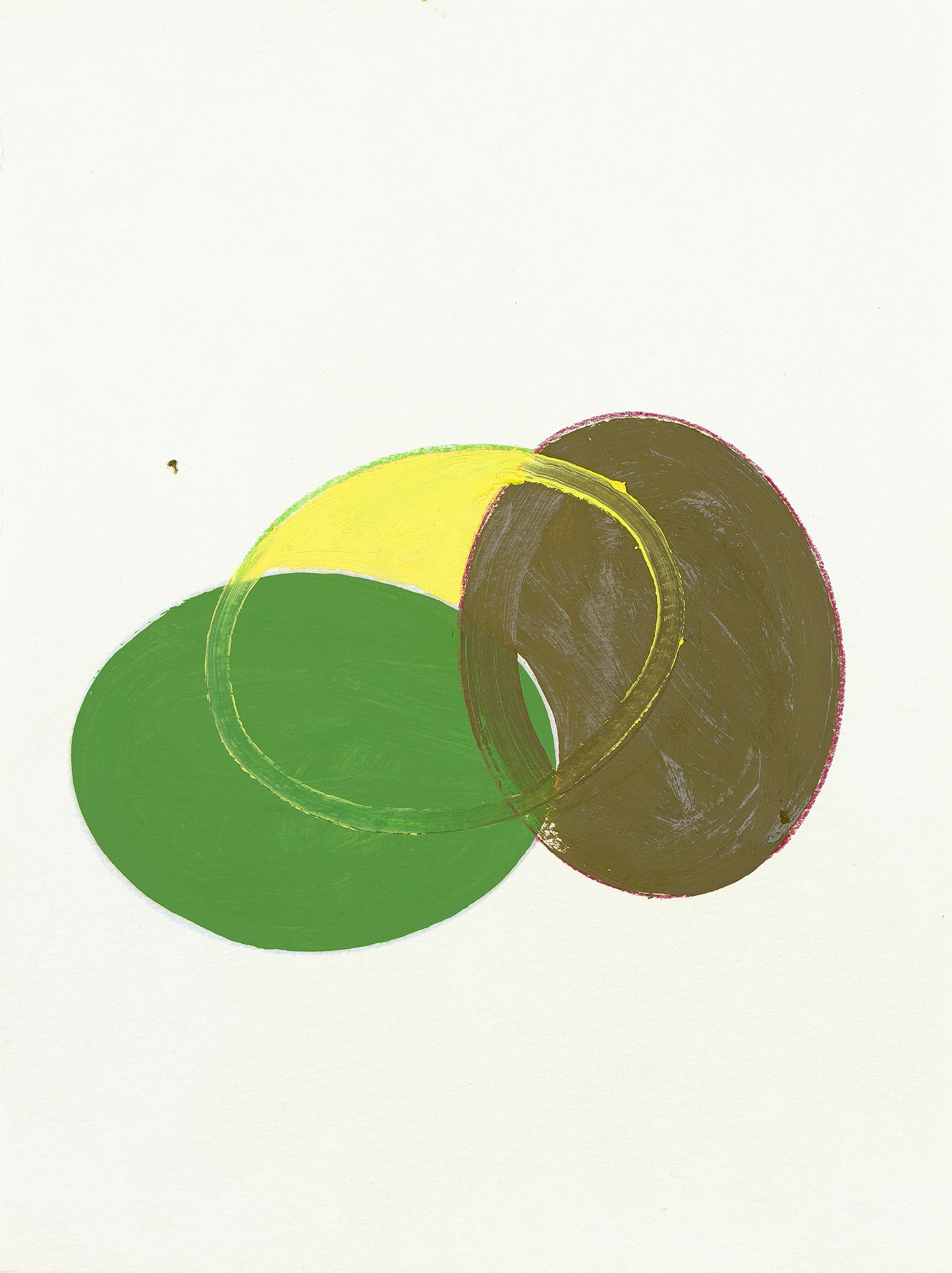
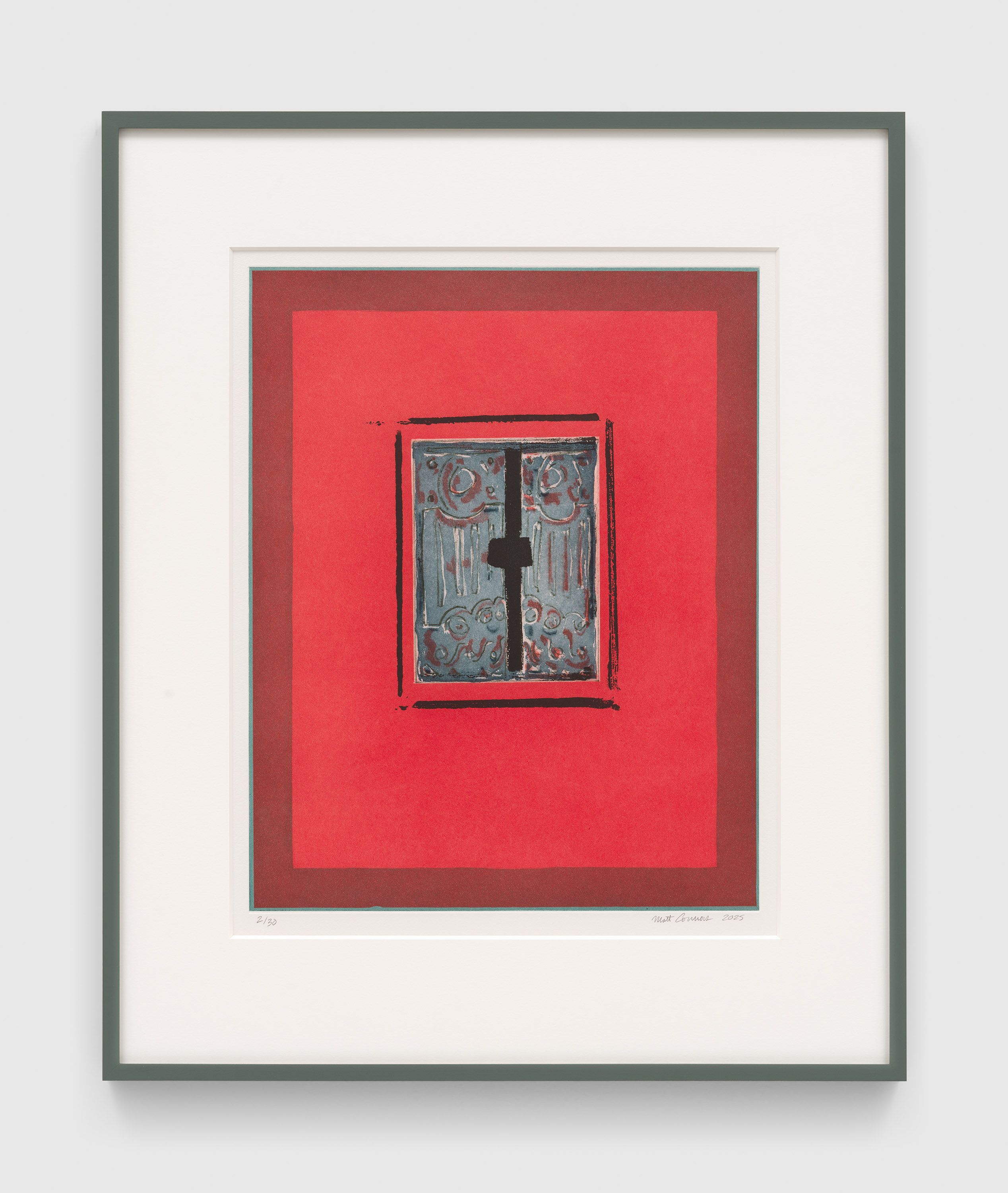
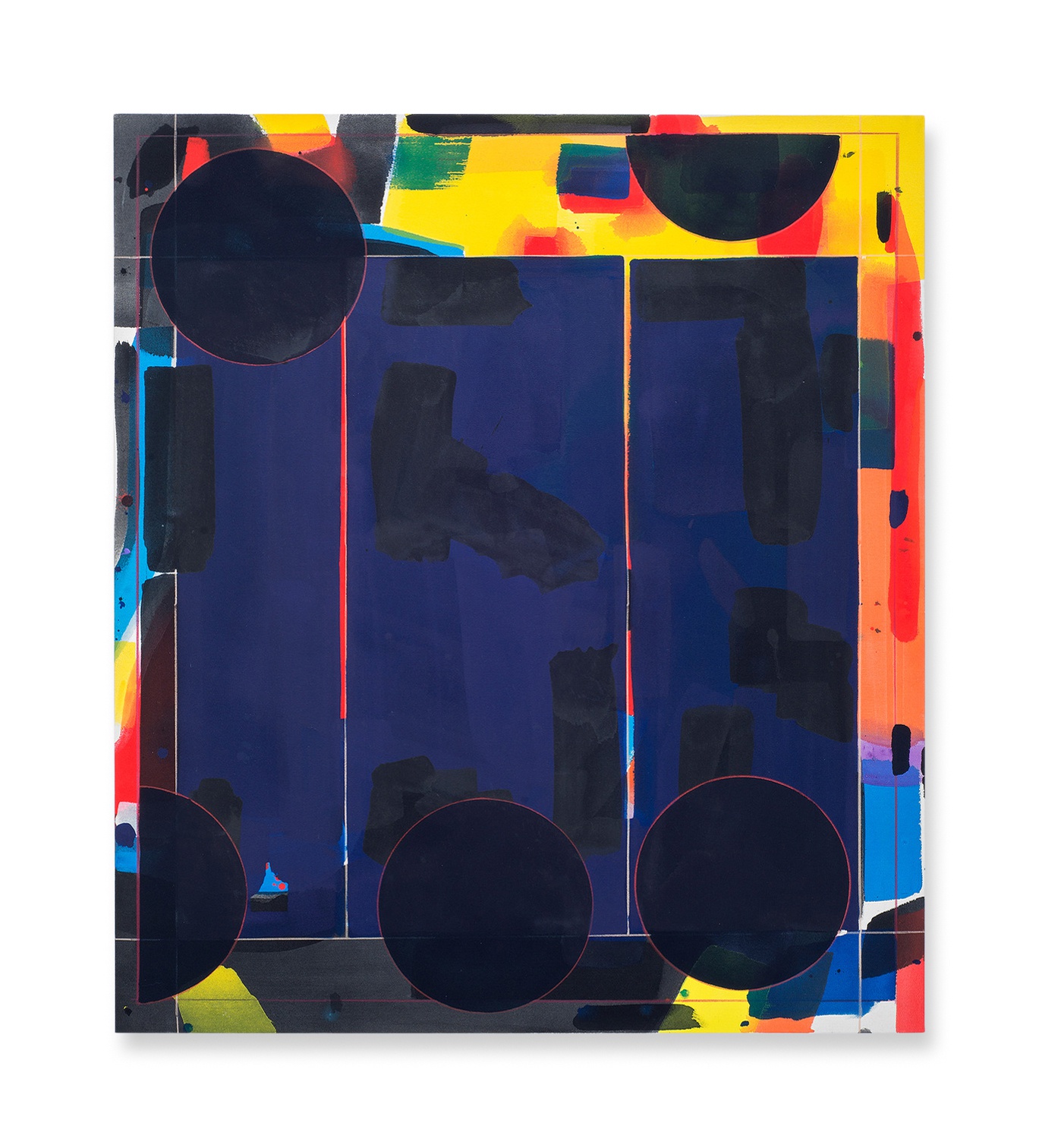
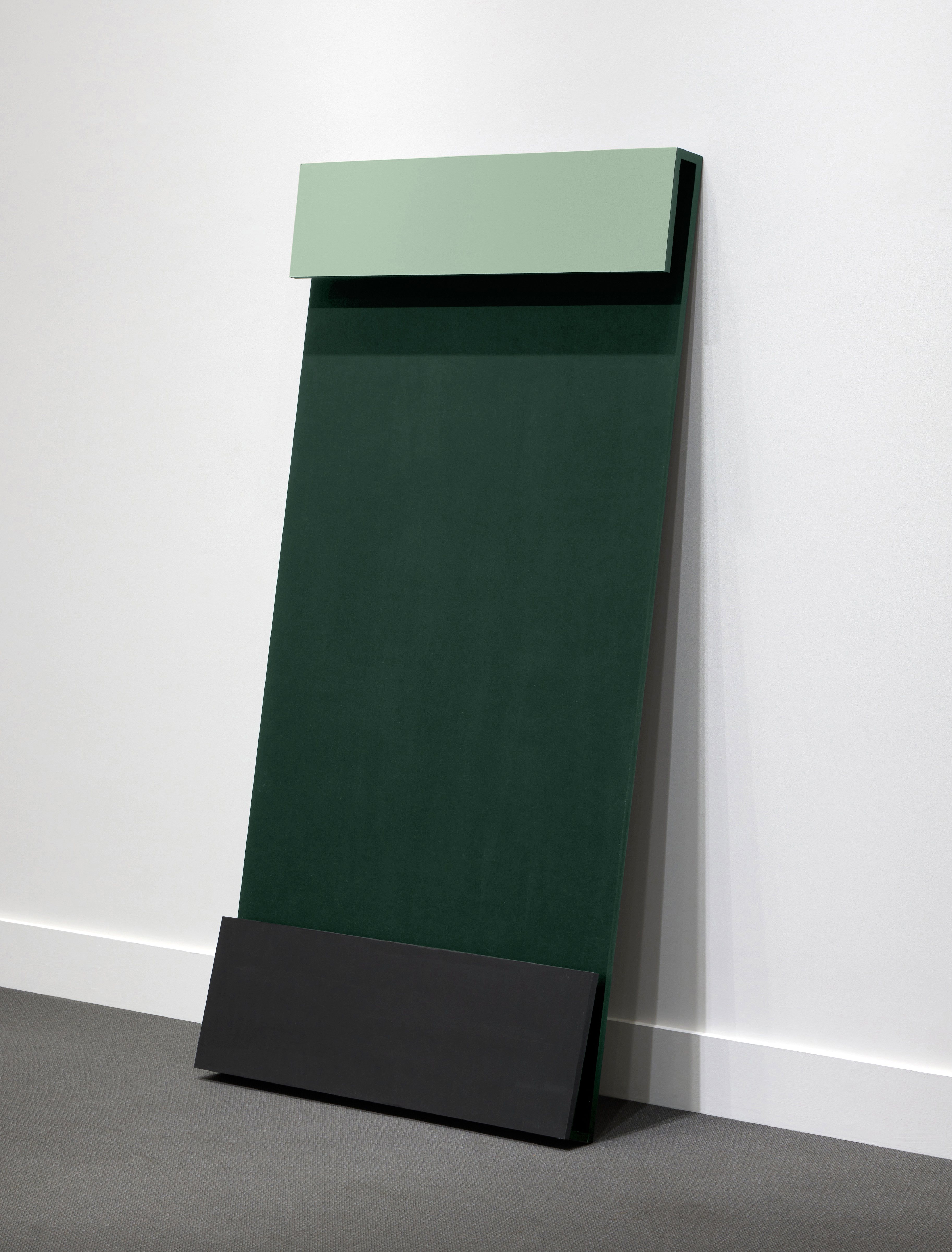
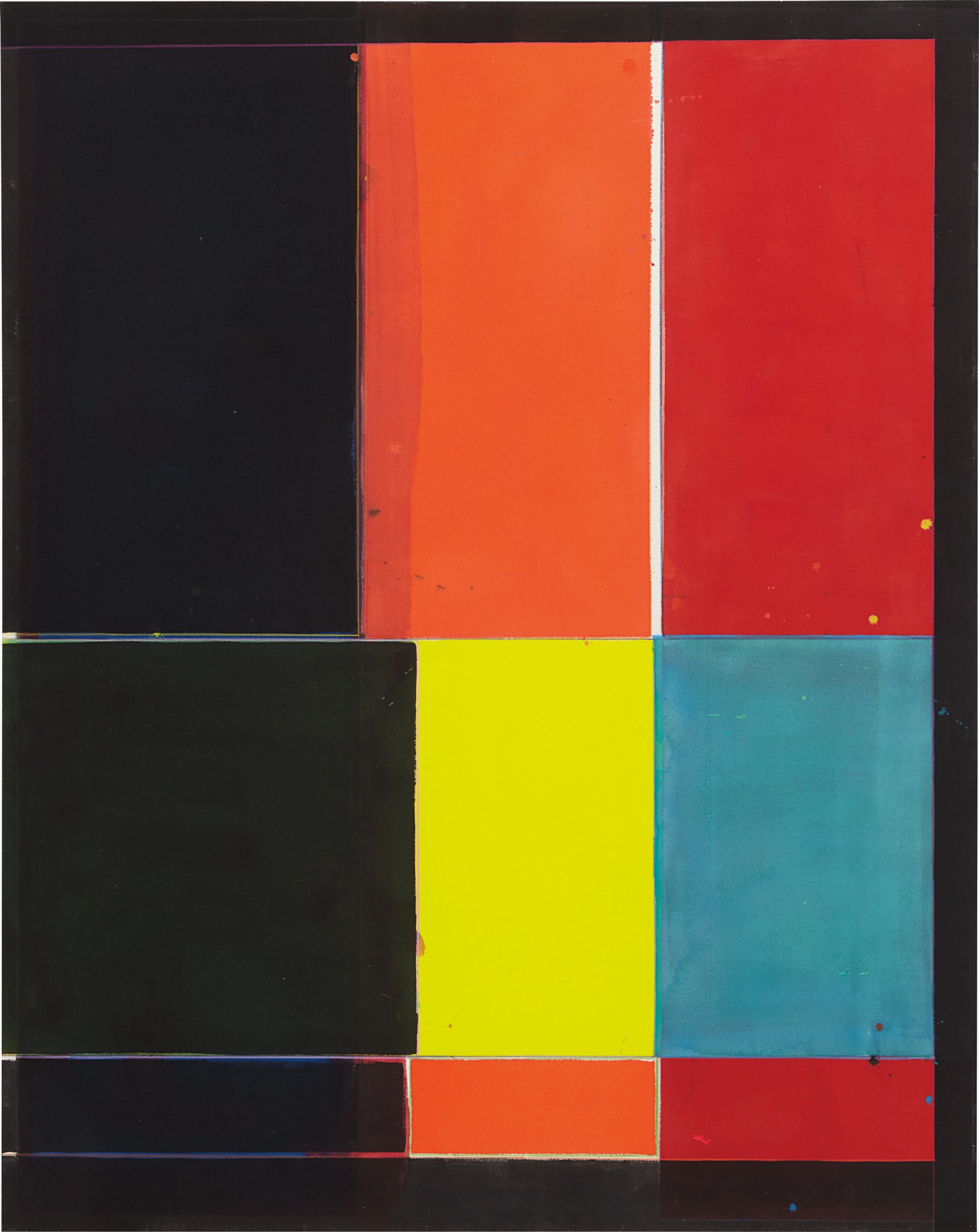
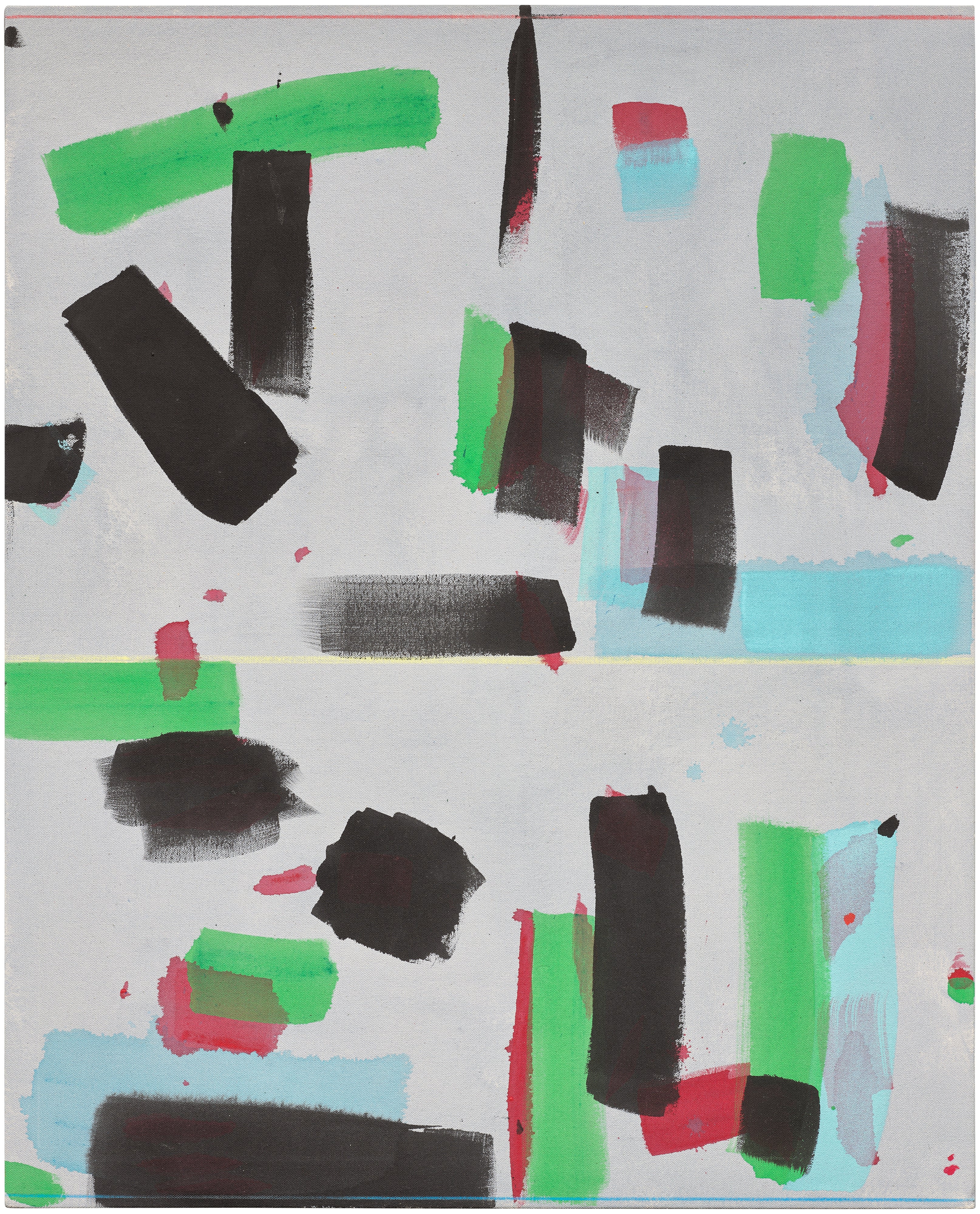
Something is shifting in the conversation around painting, and Matt Connors is at its center. In recent years, his work has appeared with increasing frequency in the kind of museum and institutional contexts that signal a maturing critical consensus, with exhibitions at venues including the Museum of Contemporary Art in Los Angeles and sustained representation through Cherry and Martin in Los Angeles and Canada gallery in New York. His prints, paintings, and works on paper have earned devoted followings among collectors who appreciate the rare combination of intellectual seriousness and genuine visual pleasure. At a moment when painting is being reconsidered from the ground up, Connors offers something that feels both timely and enduring. Born in 1973, Matt Connors grew up in the United States and went on to develop a practice rooted in a deep and restless engagement with the history of abstract painting. His formation as an artist was shaped by close looking and rigorous thinking, the kind of education that happens as much in studios and museums as in classrooms. New York, where he is based, has long been the gravitational center of his world, a city whose layered art historical inheritance provides both context and productive resistance for a painter who is never content to simply repeat what has come before. That sense of inheritance, felt but not deferred to, runs through everything he makes. Connors began building a distinctive body of work in the early 2000s, and his early canvases already demonstrated a painter who was thinking carefully about what a painting is, not just what it depicts or expresses. His 2005 work King Diamond, acrylic on canvas, shows an artist already comfortable with geometric form as a vehicle for something more slippery and poetic than pure formalism. Through the following decade, his practice deepened and expanded, incorporating colored pencil, graphite, and mixed media approaches that complicated the clean lines of abstraction without abandoning its core ambitions. Works like The Lining and The Understudy from 2012, a diptych in acrylic and colored pencil, demonstrate his interest in structure as a kind of conversation, two parts in dialogue rather than a single resolved statement. Among the works that best reveal what makes Connors essential is Open Thirds, from 2015, a painting in acrylic and colored pencil that takes the musical logic implied in its title and translates it into a visual experience of interval and relationship. The colors, black, green, red, blue, and grey, are named in the title as if to insist on their literalness, and yet in the painting they refuse to be merely literal, becoming instead a study in how color changes in the presence of other color. Deep IV from 2016, acrylic and graphite on canvas, continues this investigation with a different quality of attention, the graphite lending a dusty, contemplative atmosphere to forms that might otherwise read as purely optical. Chakra Chart Redress from 2011 is another touchstone, a painting that balances esoteric reference with formal discipline in a way that is characteristic of Connors at his most confident. Connors has also invested seriously in printmaking, and this dimension of his practice deserves particular attention from collectors. His collaborations with publishers including Karma in New York and EN/OF Editions in Germany have produced editions of real distinction. The Portfolio of Four Prints, published by Karma and issued in an edition of thirty with five artist's proofs, exemplifies the care he brings to the printed medium, treating it not as a secondary or commercial enterprise but as a genuine extension of his painting concerns. More recently, Dry Heater from 2025, an etching with aquatint, soft ground, sugar lift, and drypoint on Hahnemuhle Copperplate paper, demonstrates a continuing commitment to technical exploration and material richness in the print medium. These works offer collectors an accessible entry point into a practice that resonates strongly at every scale. The collecting case for Connors rests on several foundations. His work is held in collections of genuine seriousness, and his institutional exhibition history spans international venues that speak to a sustained level of critical recognition. For collectors who have followed American abstraction through its many recent conversations, from the legacy of Ellsworth Kelly and Frank Stella to the more playful and referential approaches of a younger generation, Connors occupies a particularly interesting position. He is rigorous without being cold, conceptual without being arid, and his color relationships reward extended looking in ways that many more visually assertive painters do not. Works on paper and prints represent especially thoughtful acquisitions for those entering the practice for the first time. In terms of art historical context, Connors belongs to a generation of American painters who inherited the formal legacy of mid century abstraction and chose to engage it with both affection and skepticism. His concerns are legible in relation to painters like Charline von Heyl, Michael Krebber, and Amy Sillman, artists who share a commitment to painting as a thinking practice rather than a purely expressive or decorative one. References to language, perception theory, and music run through his titles and conceptual premises without ever overwhelming the visual experience of the work itself. This balance, between idea and sensation, between rigor and pleasure, is one of the things that makes his practice so rewarding to live with over time. Matt Connors matters today because he insists that painting still has questions to ask and that those questions are worth asking carefully. At a moment when image culture moves fast and attention is under constant pressure, his canvases and works on paper ask you to slow down, to look again, to notice the difference a single color relationship makes. That is not a modest ambition. It is, in fact, one of the most ambitious things a painter can attempt, and Connors pursues it with a consistency and intelligence that grows more impressive with every new body of work. For collectors, institutions, and simply devoted lookers, he is an artist whose importance will only become clearer with time.