Mexican Artist

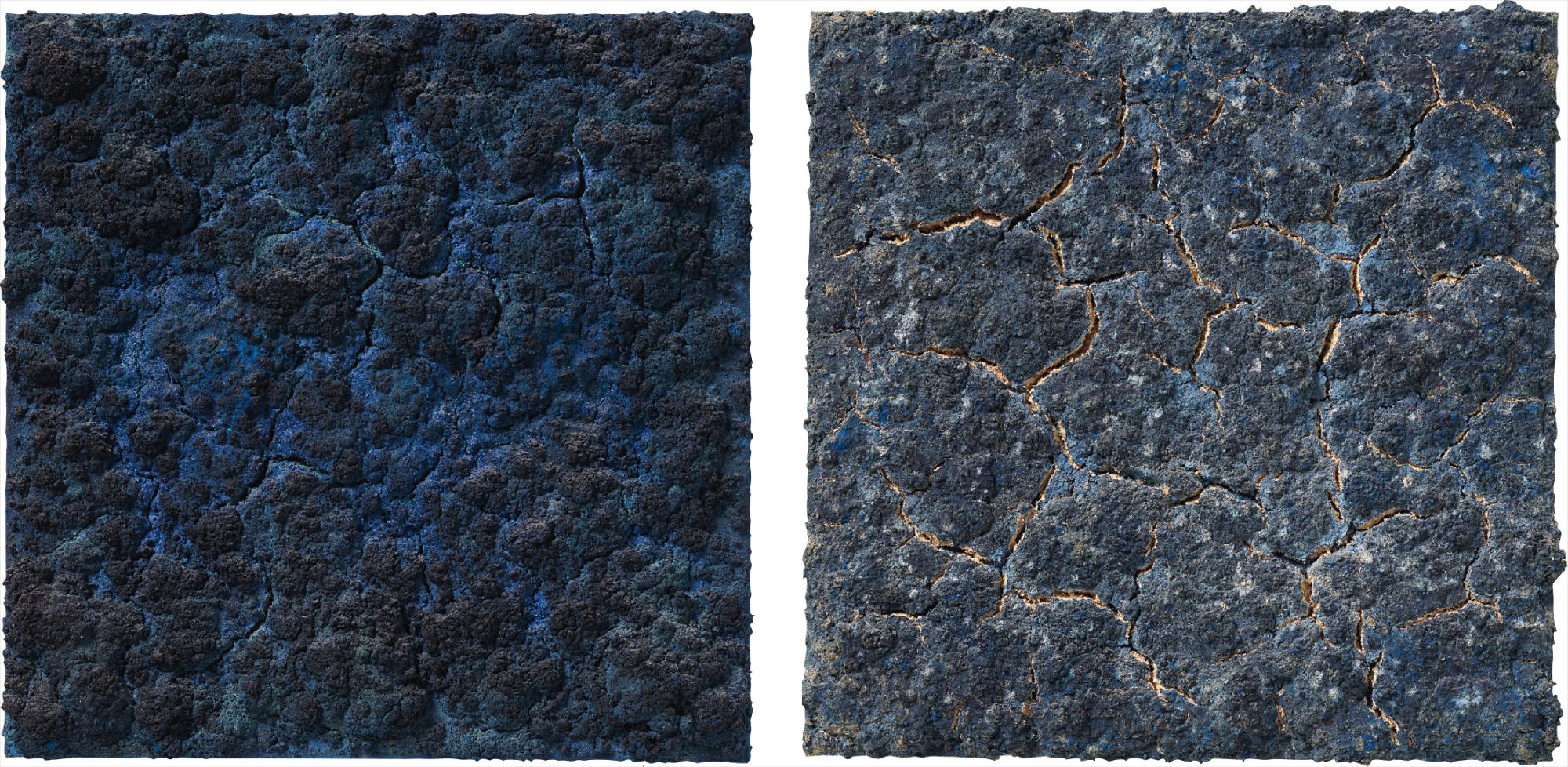
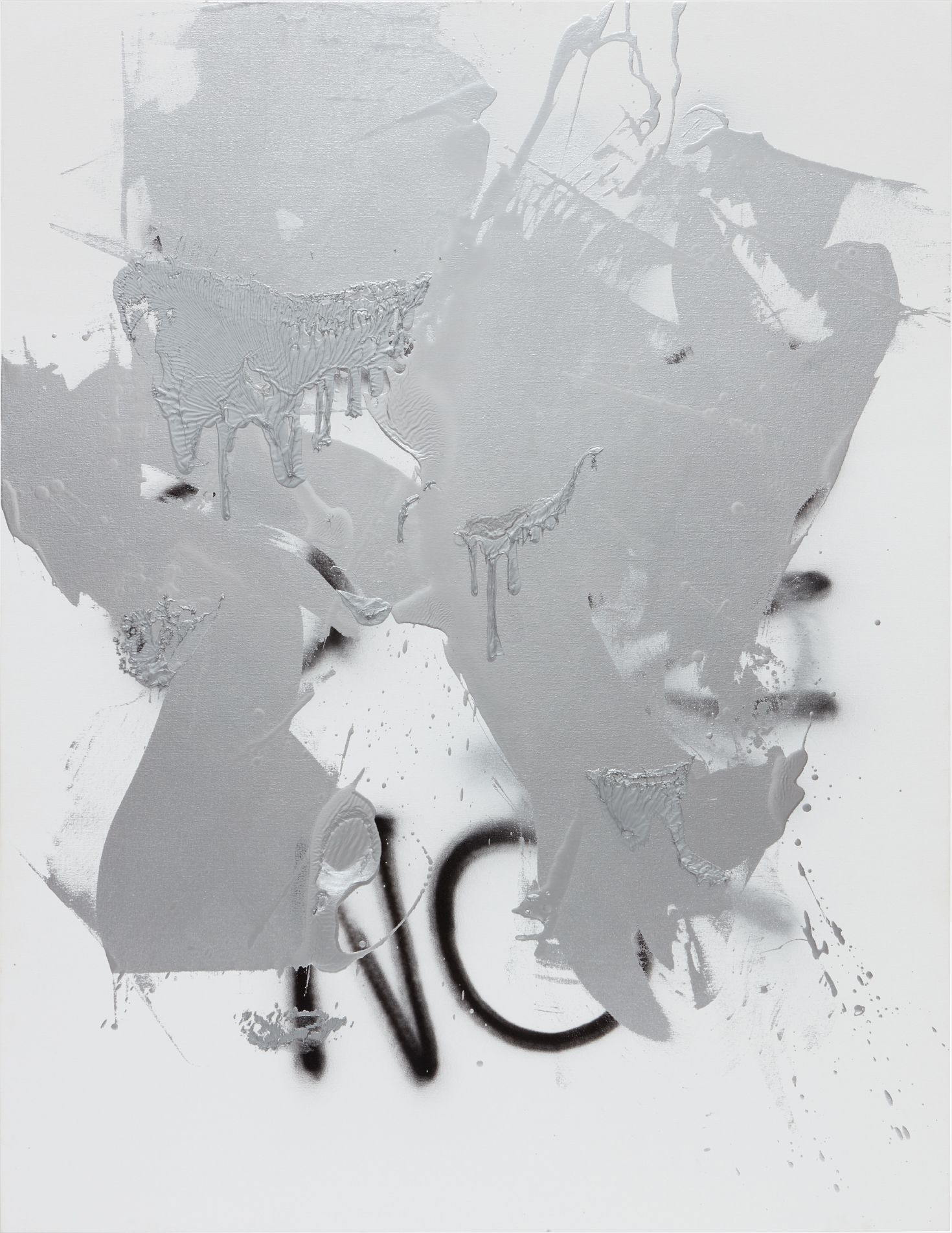
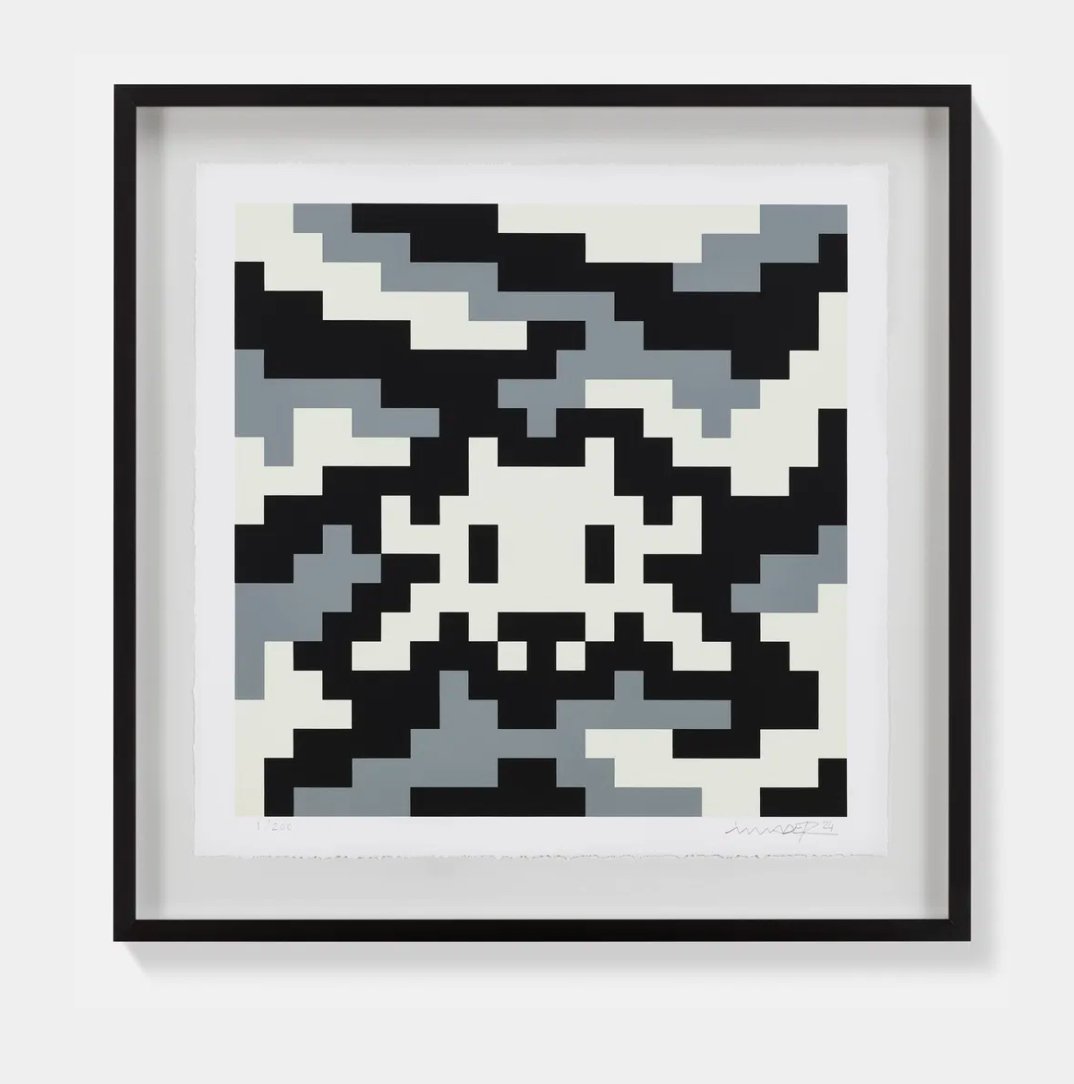
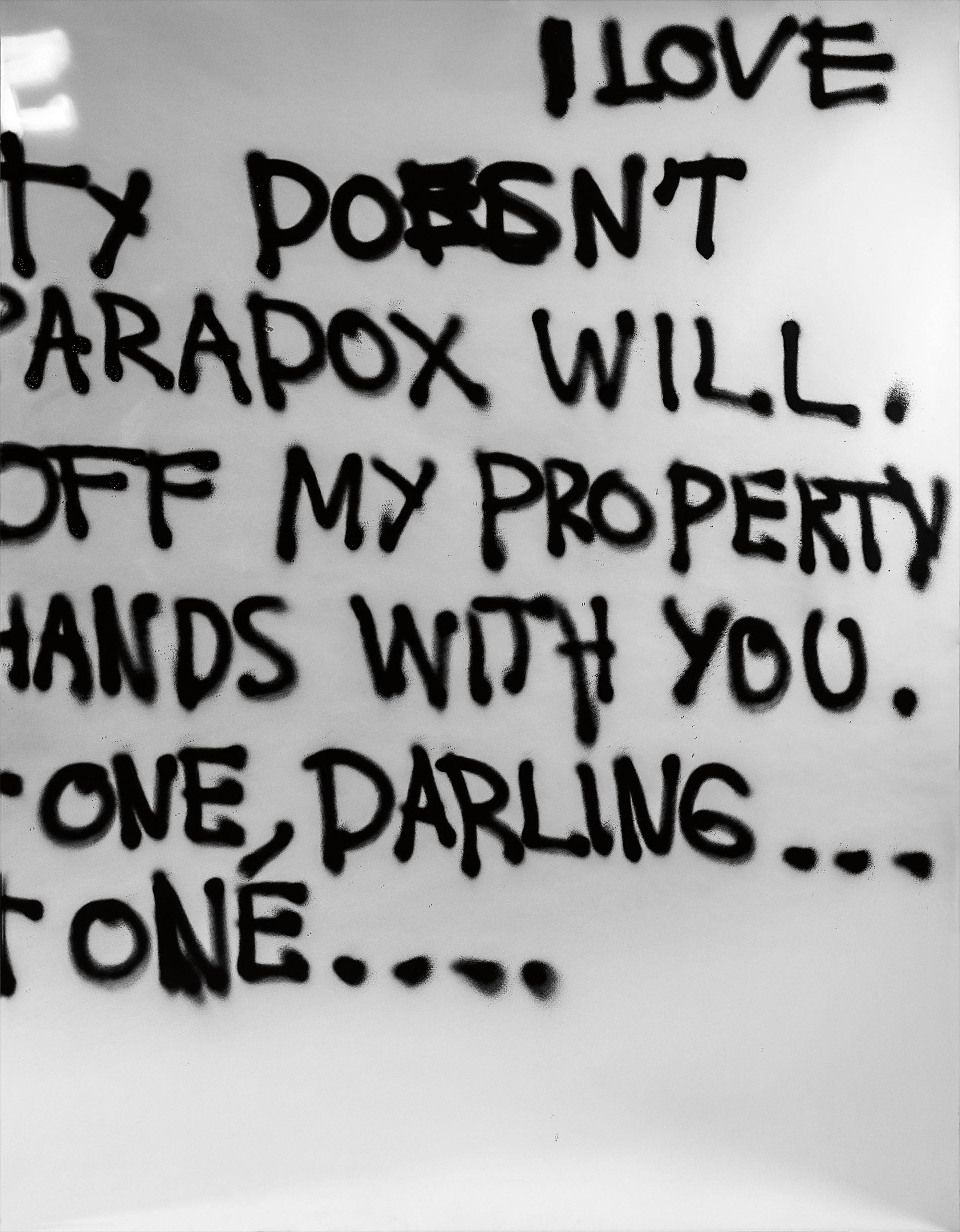
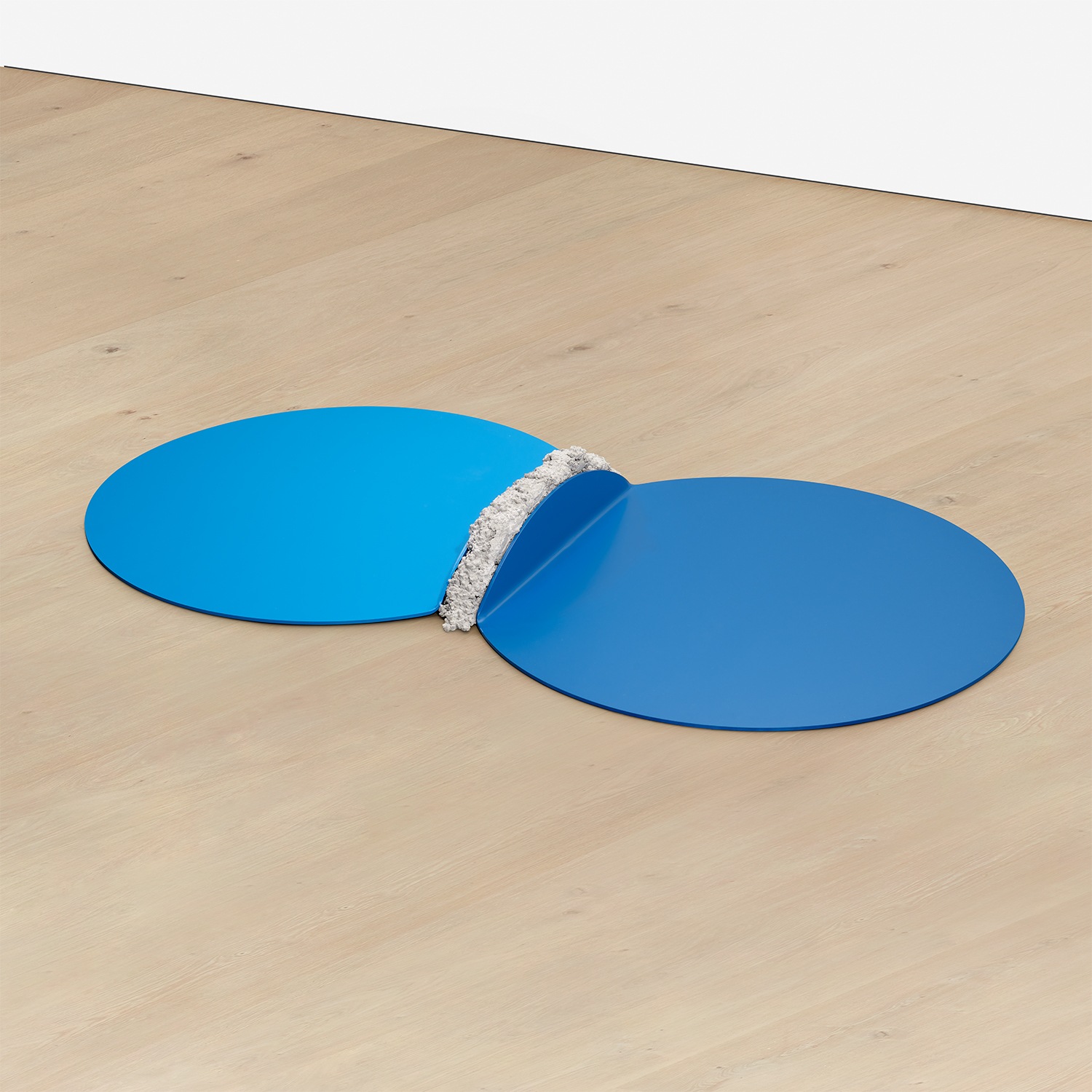
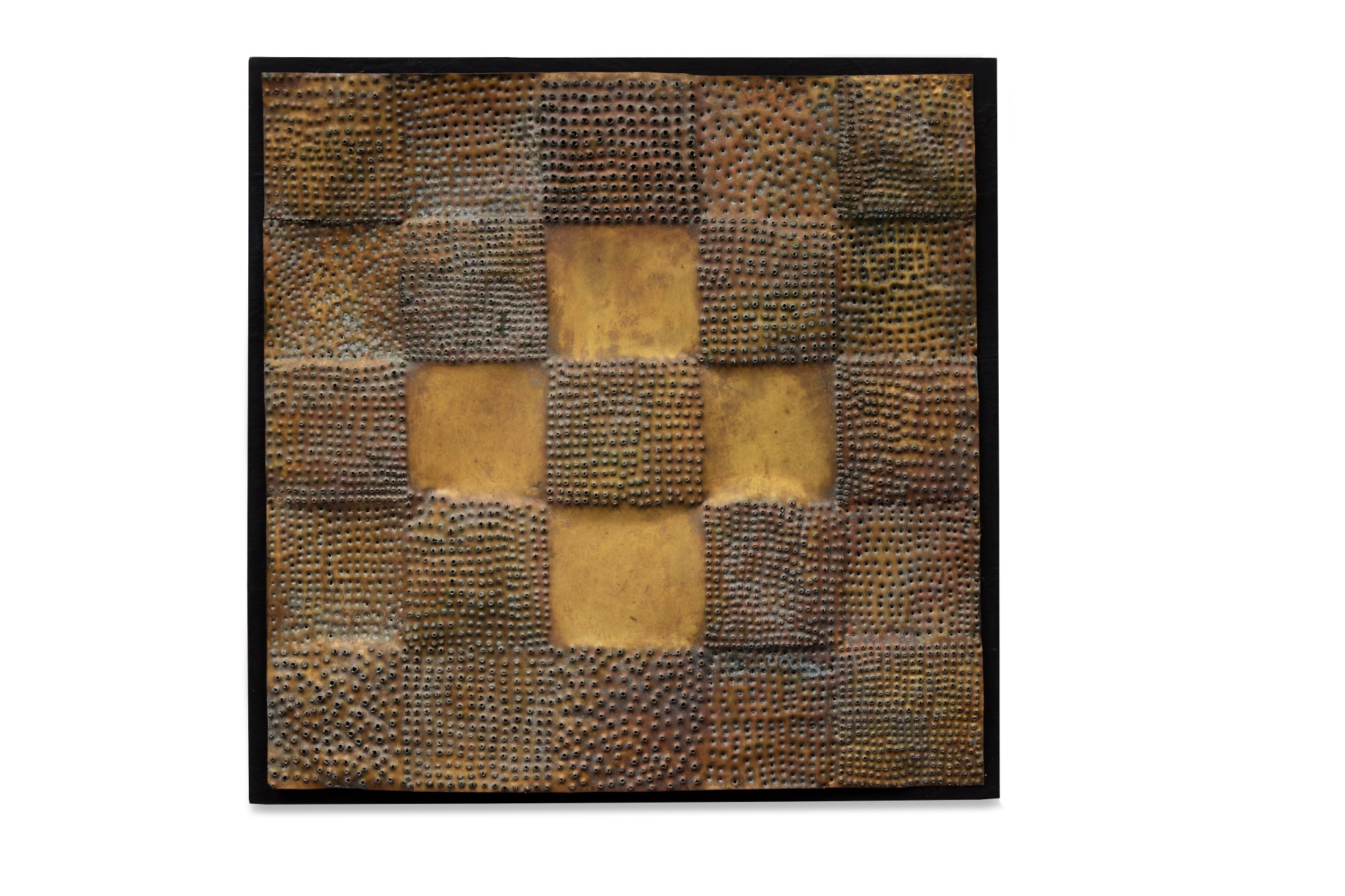
Bosco Sodi
Untitled, 2024
```json
{ "headline": "The Infinite Reinvention of Mexican Art", "body": "There is a particular kind of cultural gravity that draws the eye toward Mexican art, a field so layered with contradiction and invention that it resists easy summary. It has been mythologized and misread in equal measure, claimed by nationalism and rejected by the avant garde, rooted in pre Columbian ceremony and simultaneously restless with contemporary ideas. To collect in this space is to engage with one of the most sustained and genuinely transformative traditions in the history of modern art. The works on The Collection offer a compelling cross section of that tradition, from towering canonical figures to artists who are quietly reshaping what Mexican art even means today.
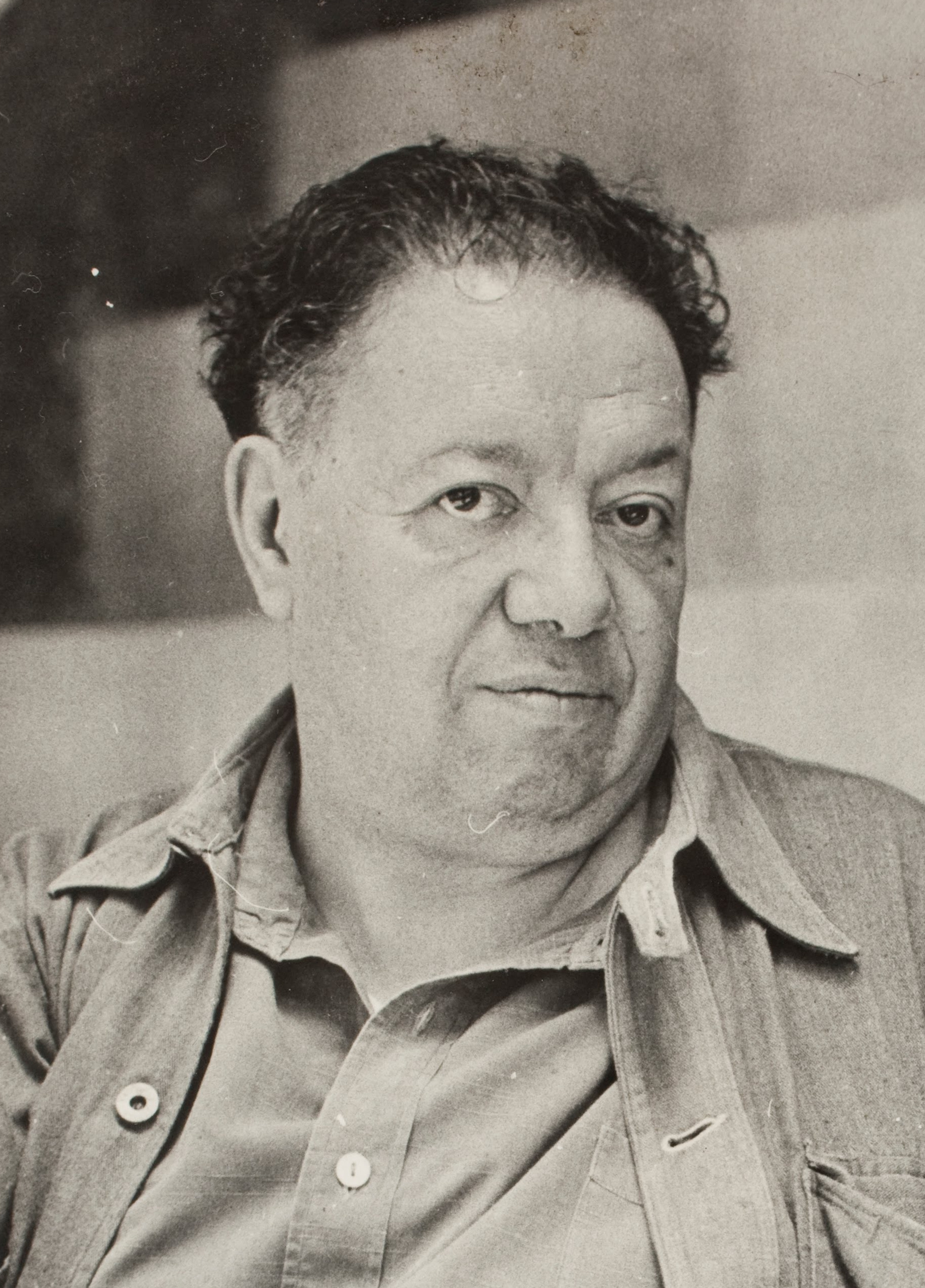
", "The story often begins, for Western audiences, with the muralists. In the 1920s, following the Mexican Revolution, Diego Rivera, José Clemente Orozco, and David Alfaro Siqueiros were commissioned to transform public walls into national monuments. Rivera's work at the National Palace in Mexico City, begun in 1929, fused Aztec iconography with Marxist politics and Renaissance compositional grandeur. These were not decorative gestures.
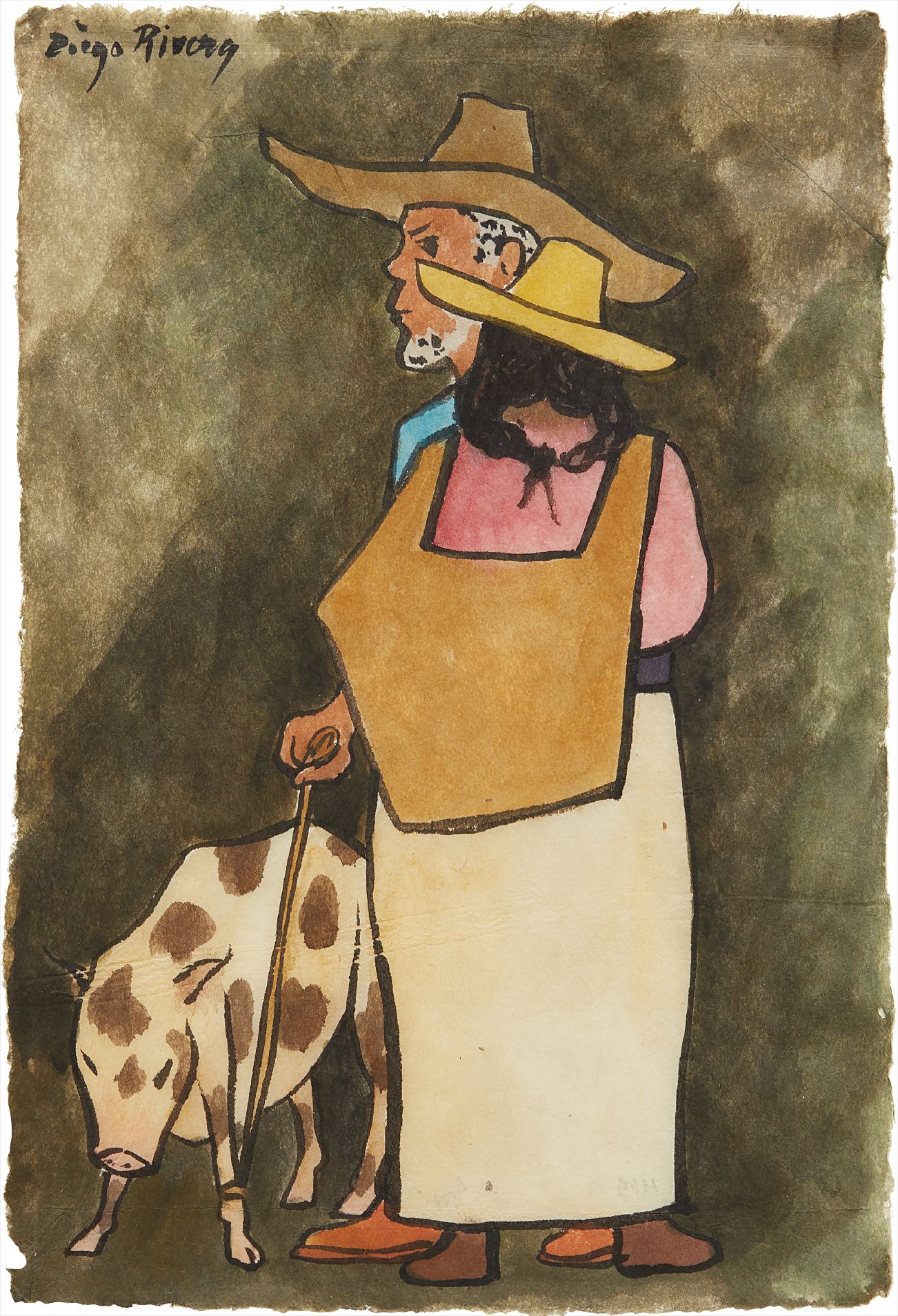
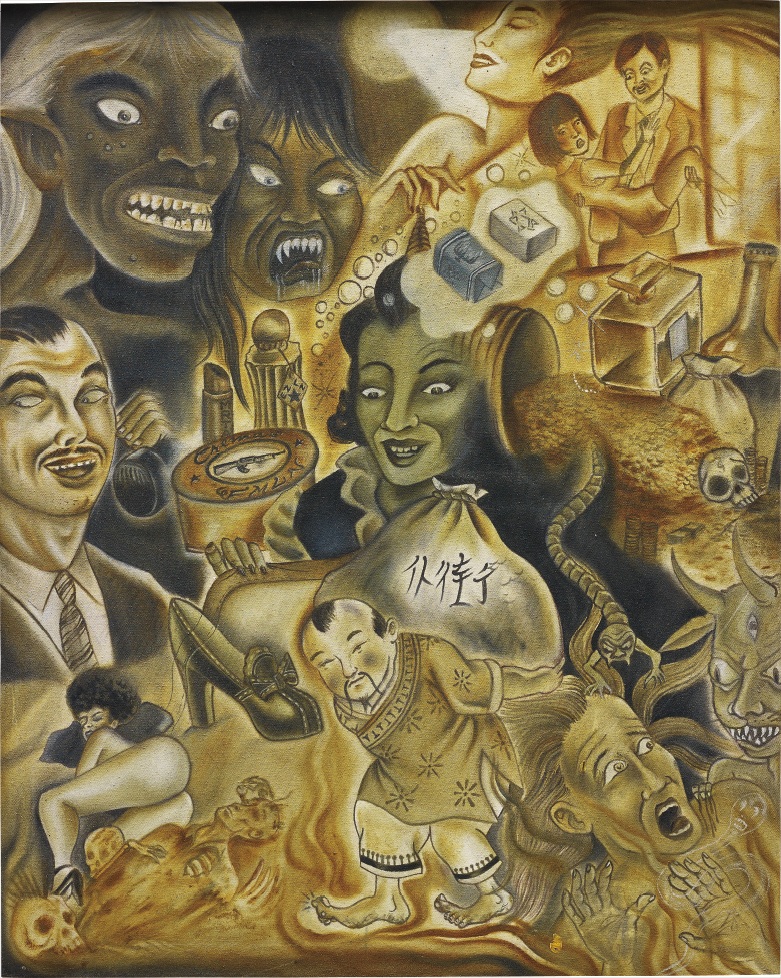
Diego Rivera
Pareja con marrano, 1944
They were arguments about history, identity, and who gets to tell the story of a civilization. Rivera is represented on The Collection, and even a single work carries the weight of that ambition, the sense that painting can be a form of civic reckoning.", "Running parallel to the muralist project, and sometimes in tension with it, was a quieter but equally powerful current of surrealism and the metaphysical. Leonora Carrington, the British born artist who made Mexico City her permanent home after 1943, brought a European surrealist vocabulary into contact with indigenous myth, alchemy, and feminine mysticism.
Her paintings are not illustrations of the unconscious so much as fully inhabited alternate cosmologies. Gunther Gerzso, whose geometric abstraction has only recently received the sustained critical attention it deserves, was another figure operating at the edge of surrealism, stripping imagery down to pure chromatic tension and spatial ambiguity. Both artists appear in The Collection, and both reward the kind of slow looking that contemporary life rarely permits.", "Rufino Tamayo occupies a singular position in this genealogy.
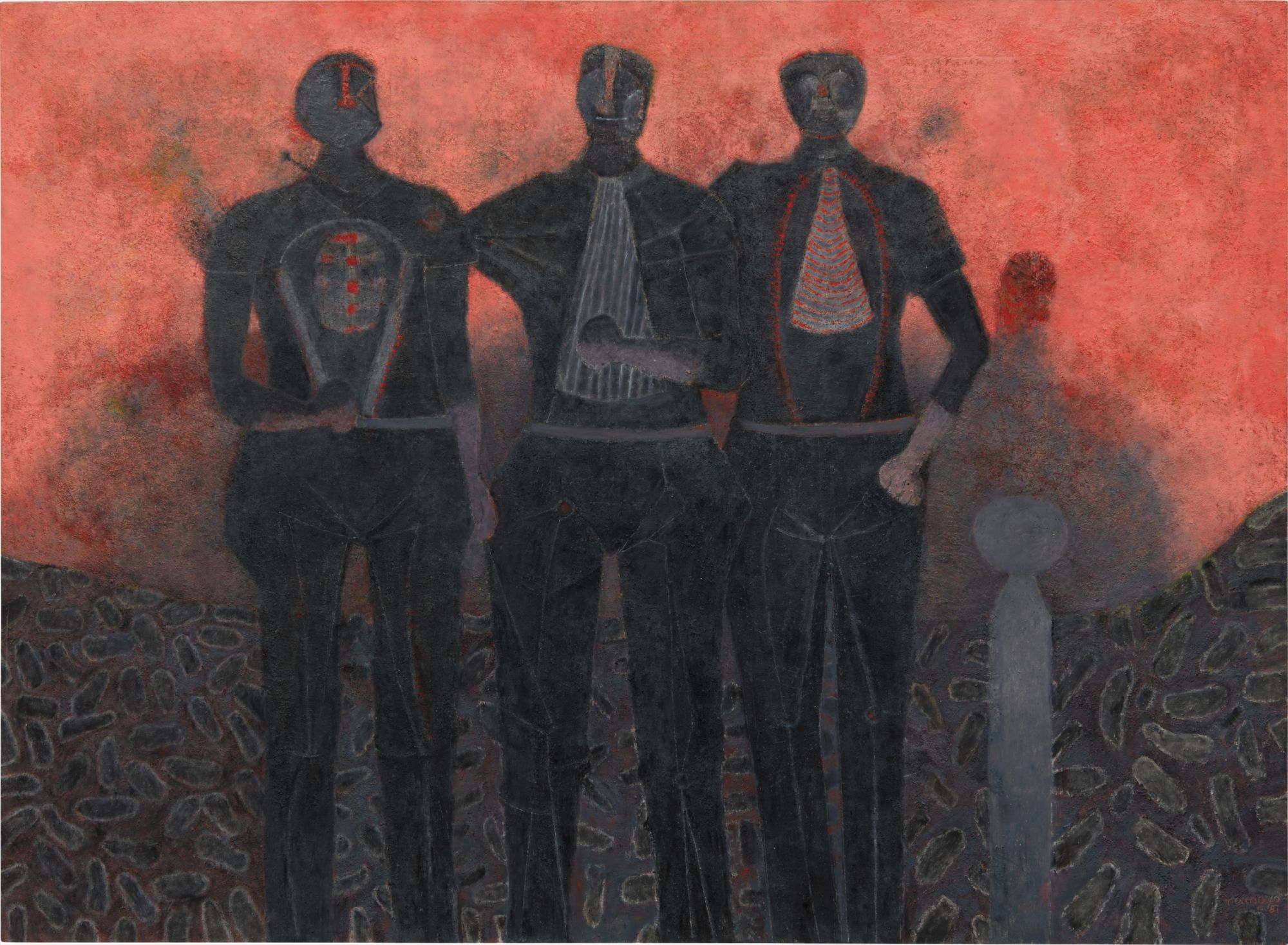
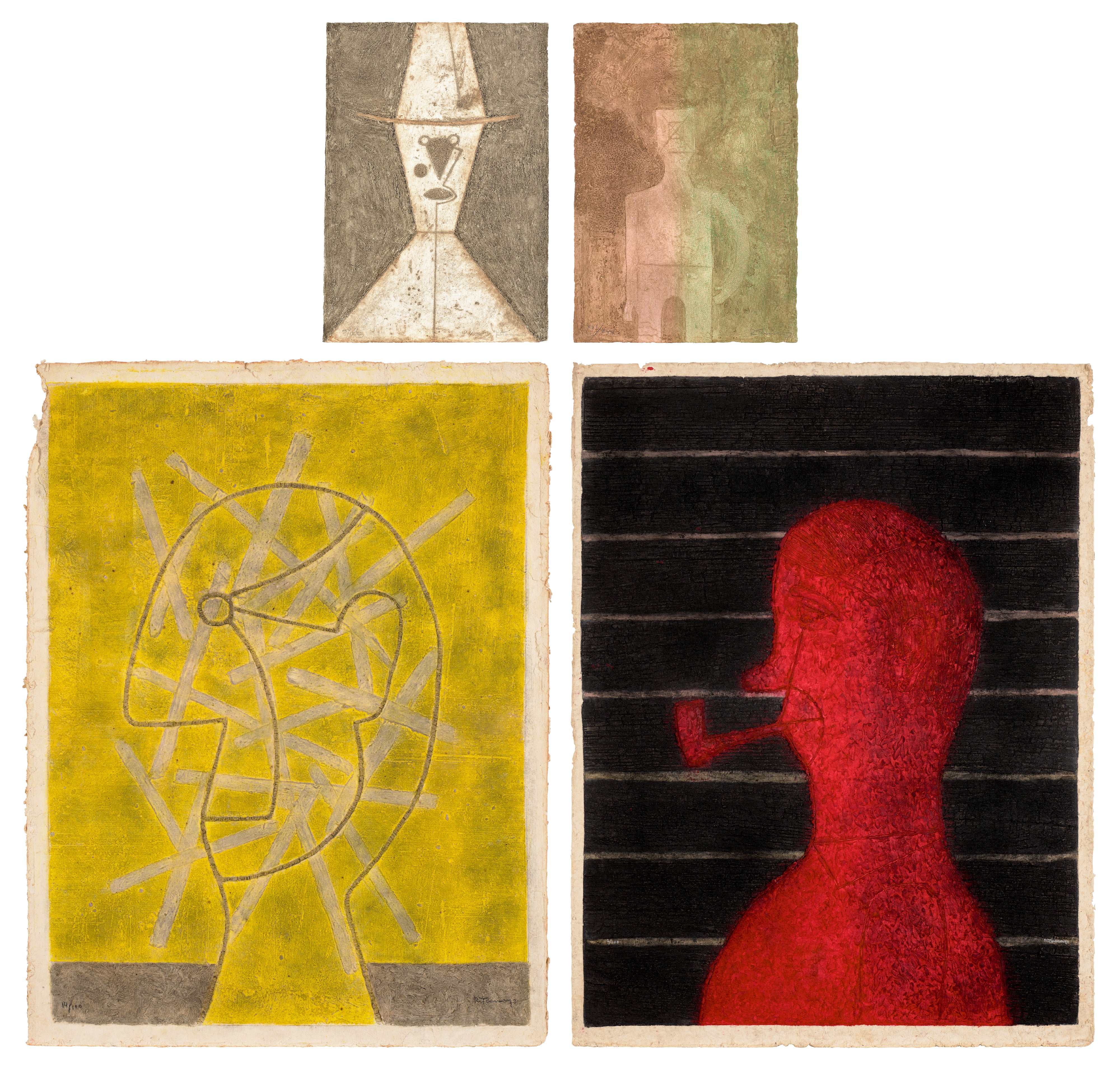
Rufino Tamayo
Tres amigos, 1987
He was born in Oaxaca in 1899, trained in Mexico City, and spent formative years in New York, where he absorbed modernist painting without being subsumed by it. His refusal to subordinate aesthetic concerns to political messaging put him at odds with Rivera and Siqueiros for decades, yet his work never abandoned its deep connection to Mexican color, texture, and symbolic life. Watermelons, moons, dogs, the night sky, these recurring motifs are not quaint or folkloric but charged with something ancient and bodily. He is among the most richly represented artists on The Collection, and for good reason.
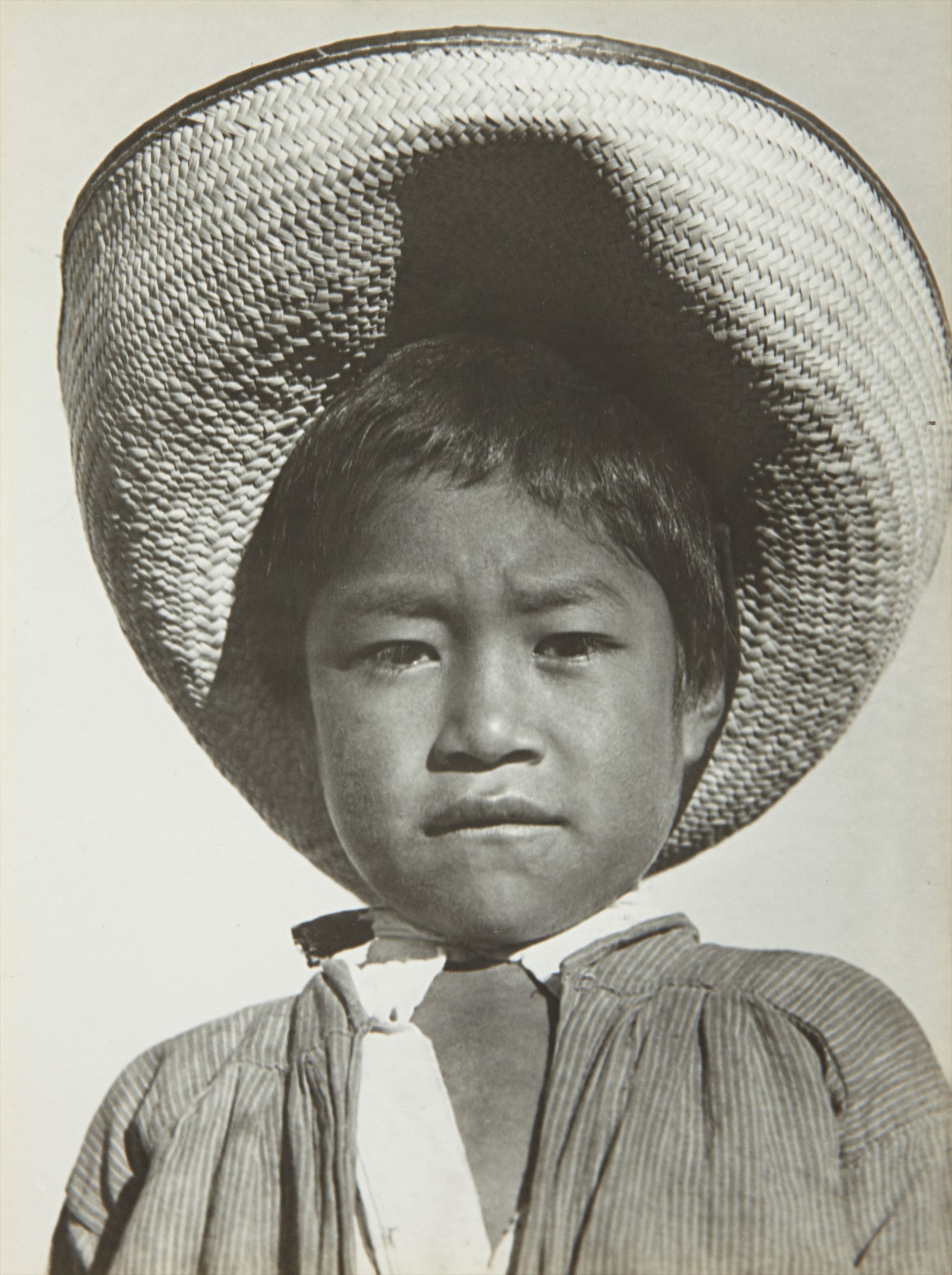
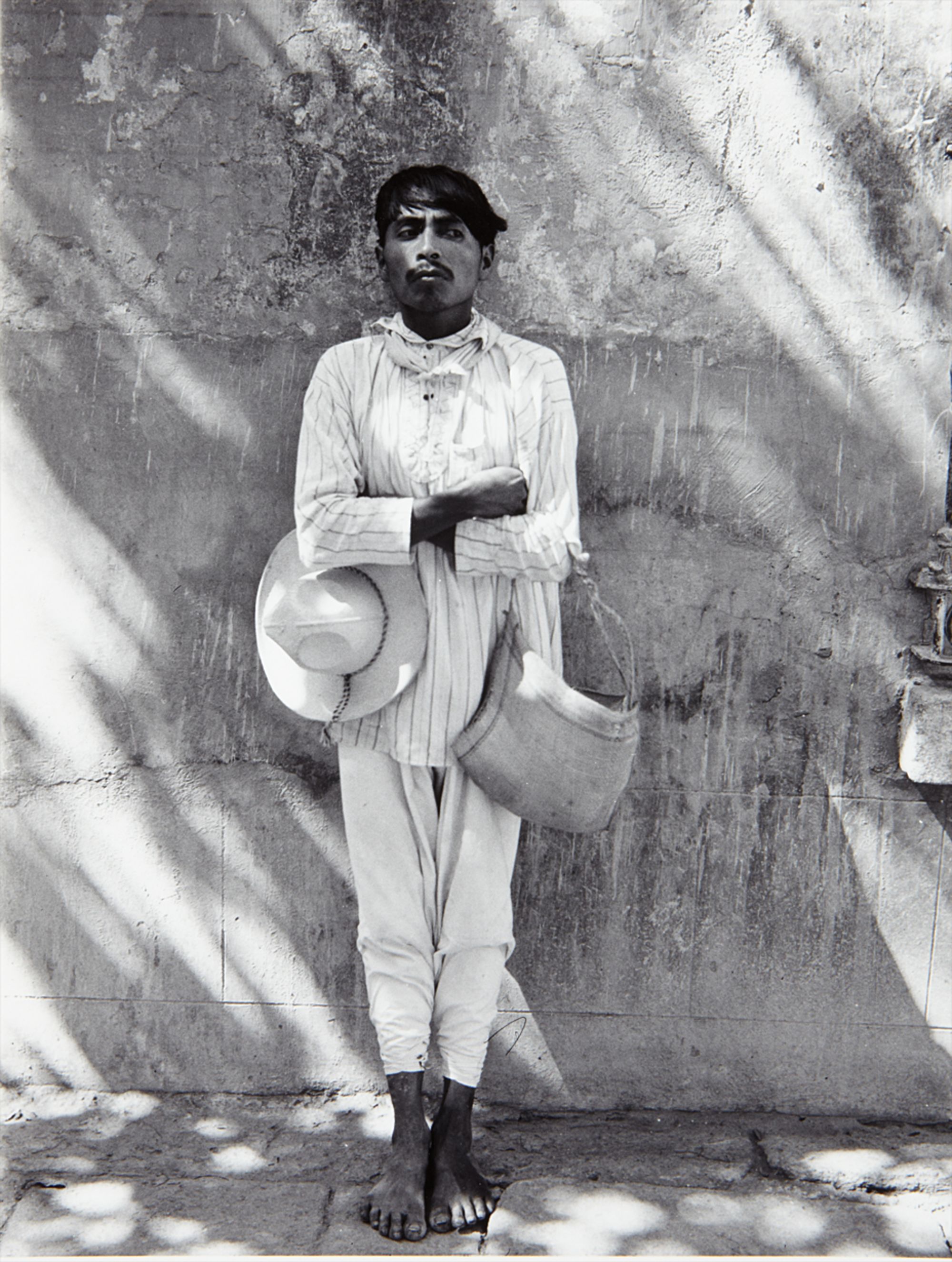
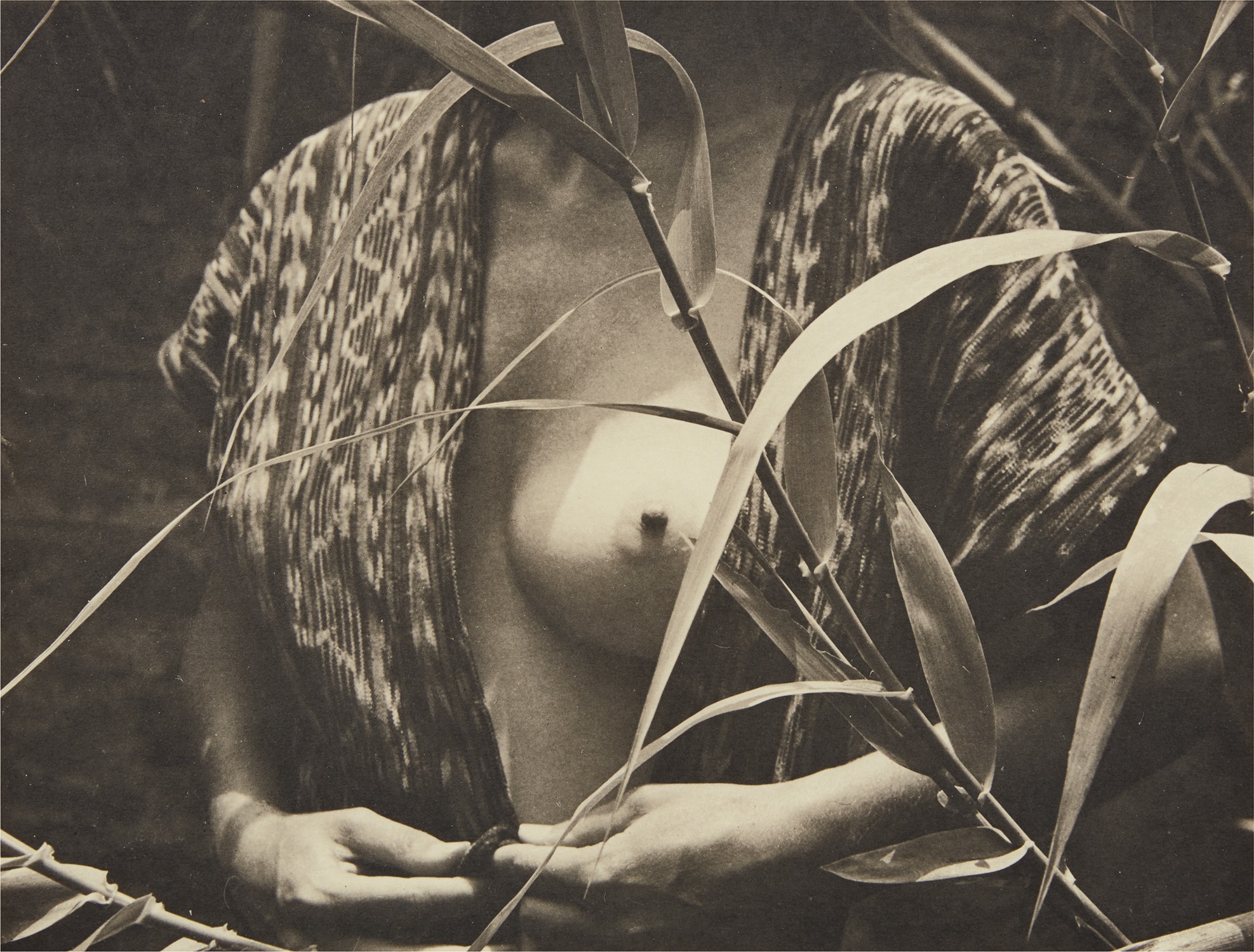
His paintings carry an authority that holds the wall completely.", "Manuel Álvarez Bravo, whose photographs are also well represented on The Collection, extended the conversation into a different medium entirely. Working from the 1920s onward, he made images of Mexican daily life that were simultaneously documentary and deeply strange, full of shadow and suppressed meaning. His 1938 photograph Obrero en Huelga Asesinado, made during a period of labor unrest, brought the precision of surrealism to bear on political tragedy without aestheticizing it into abstraction.
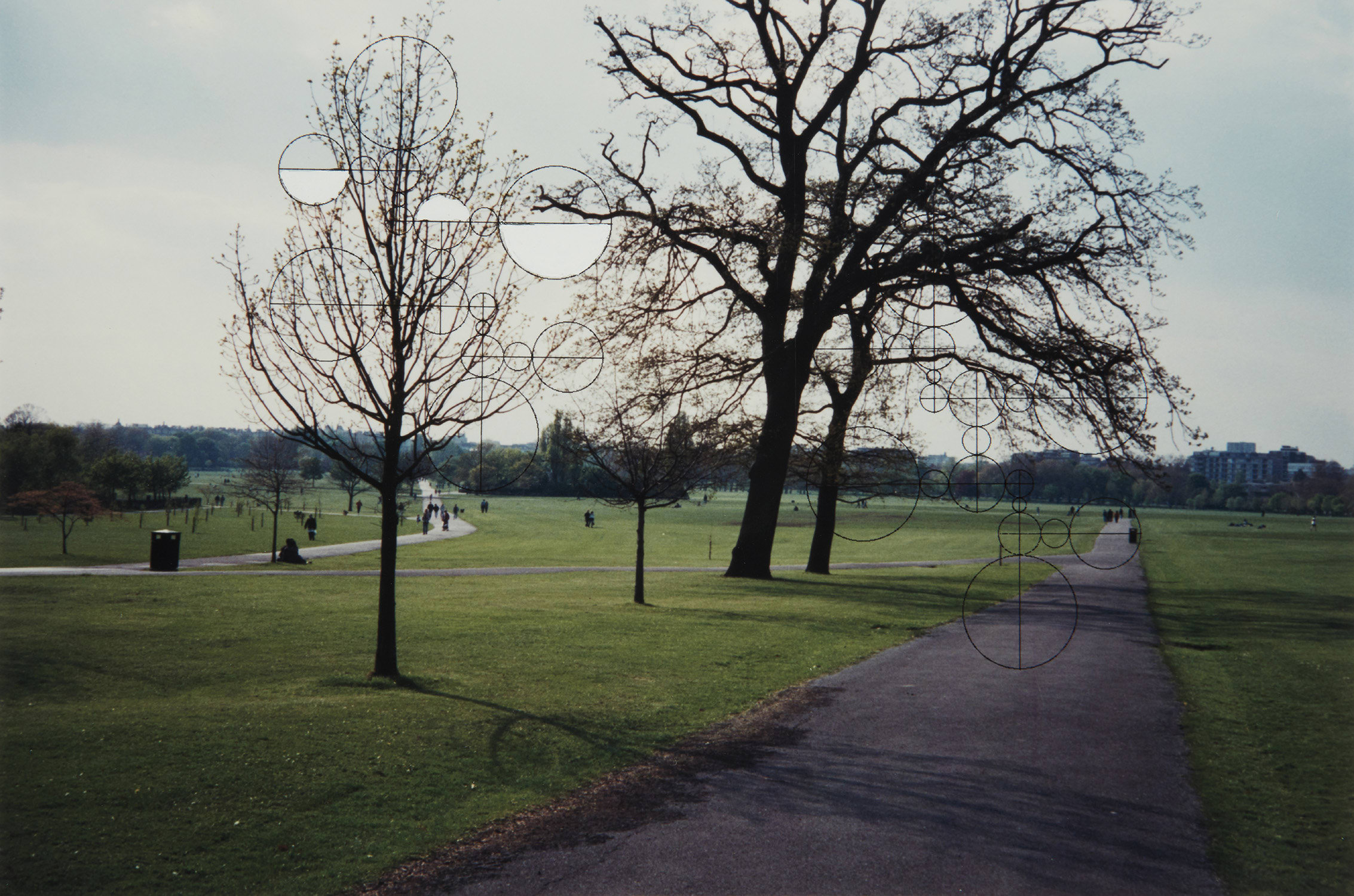
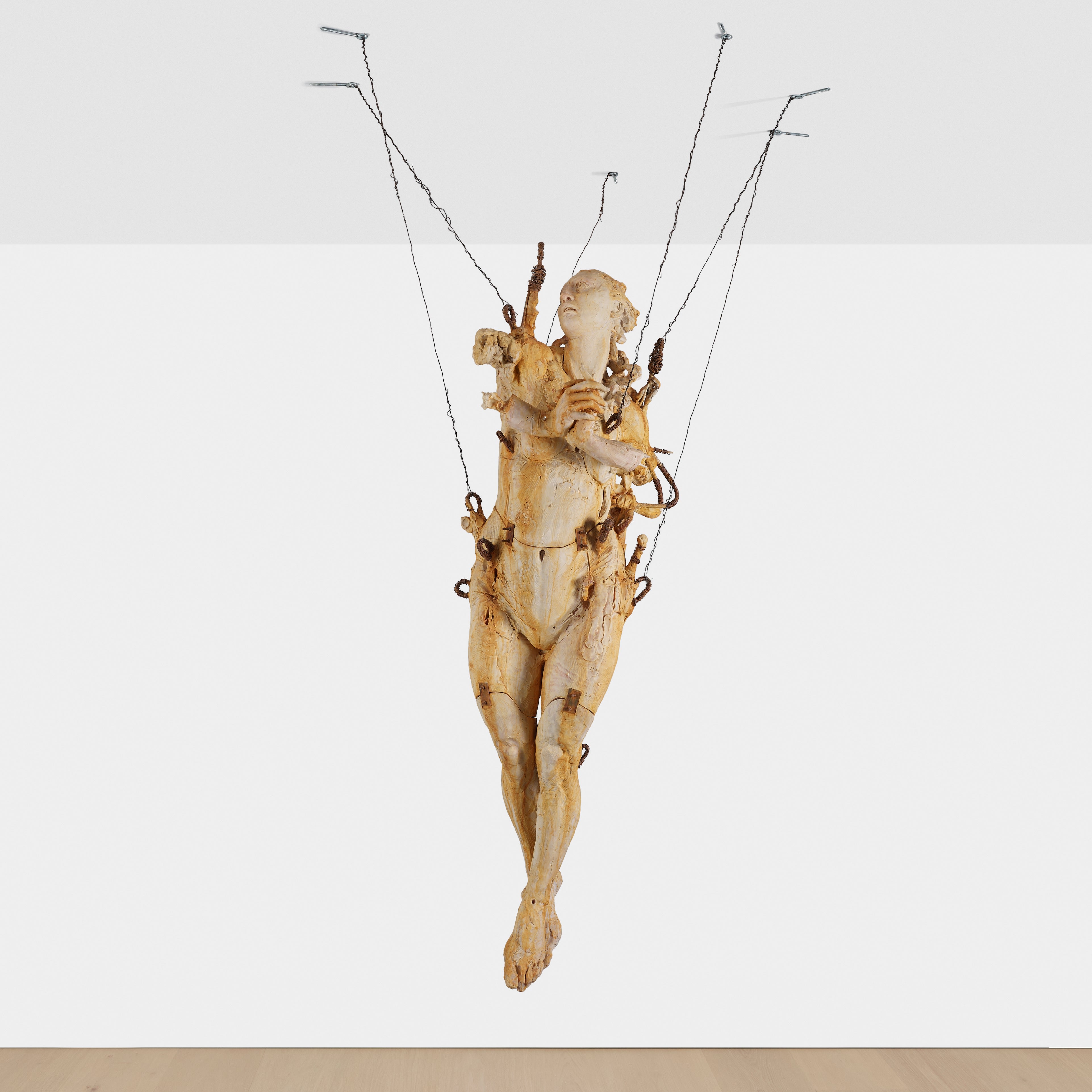
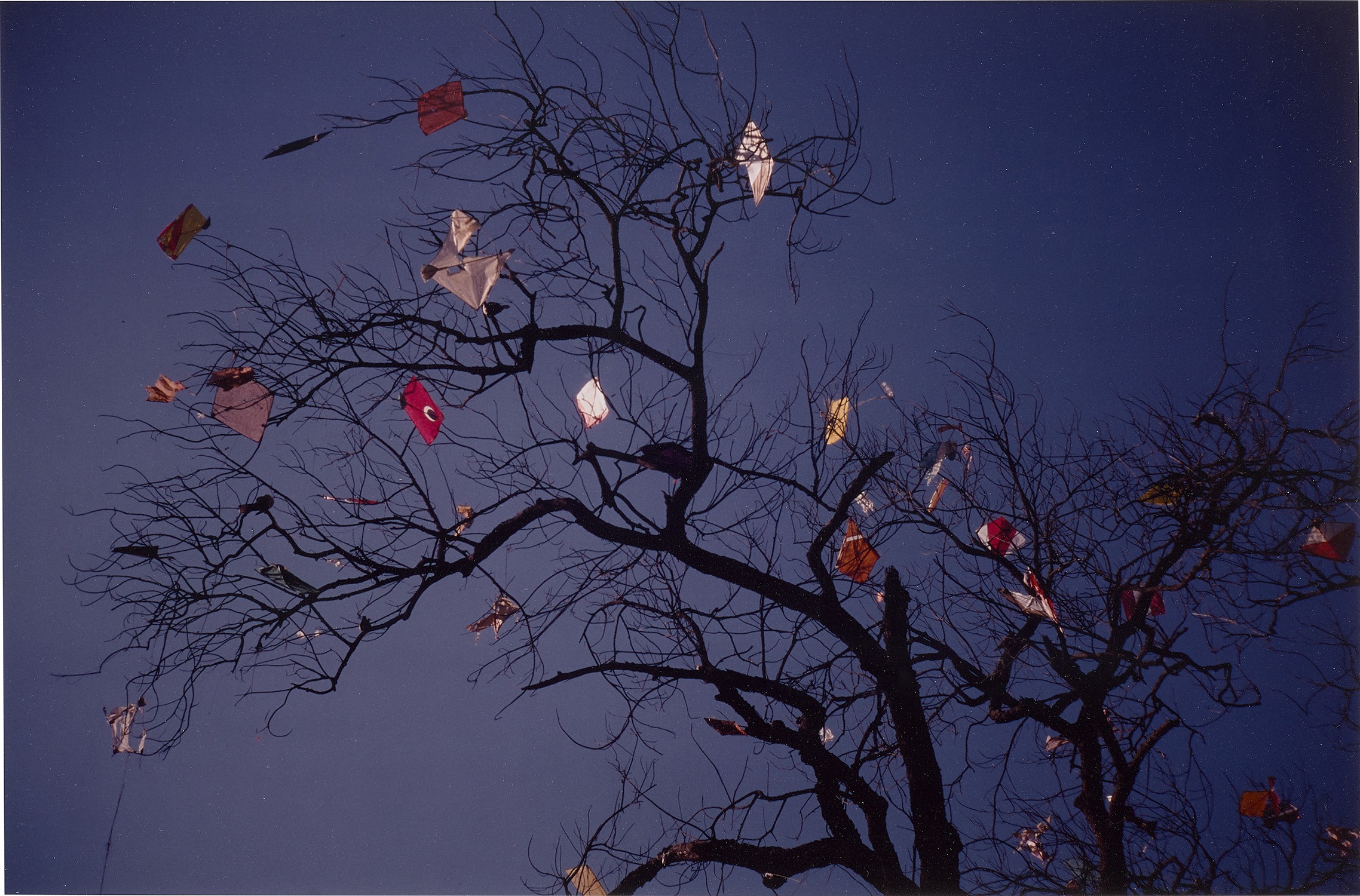
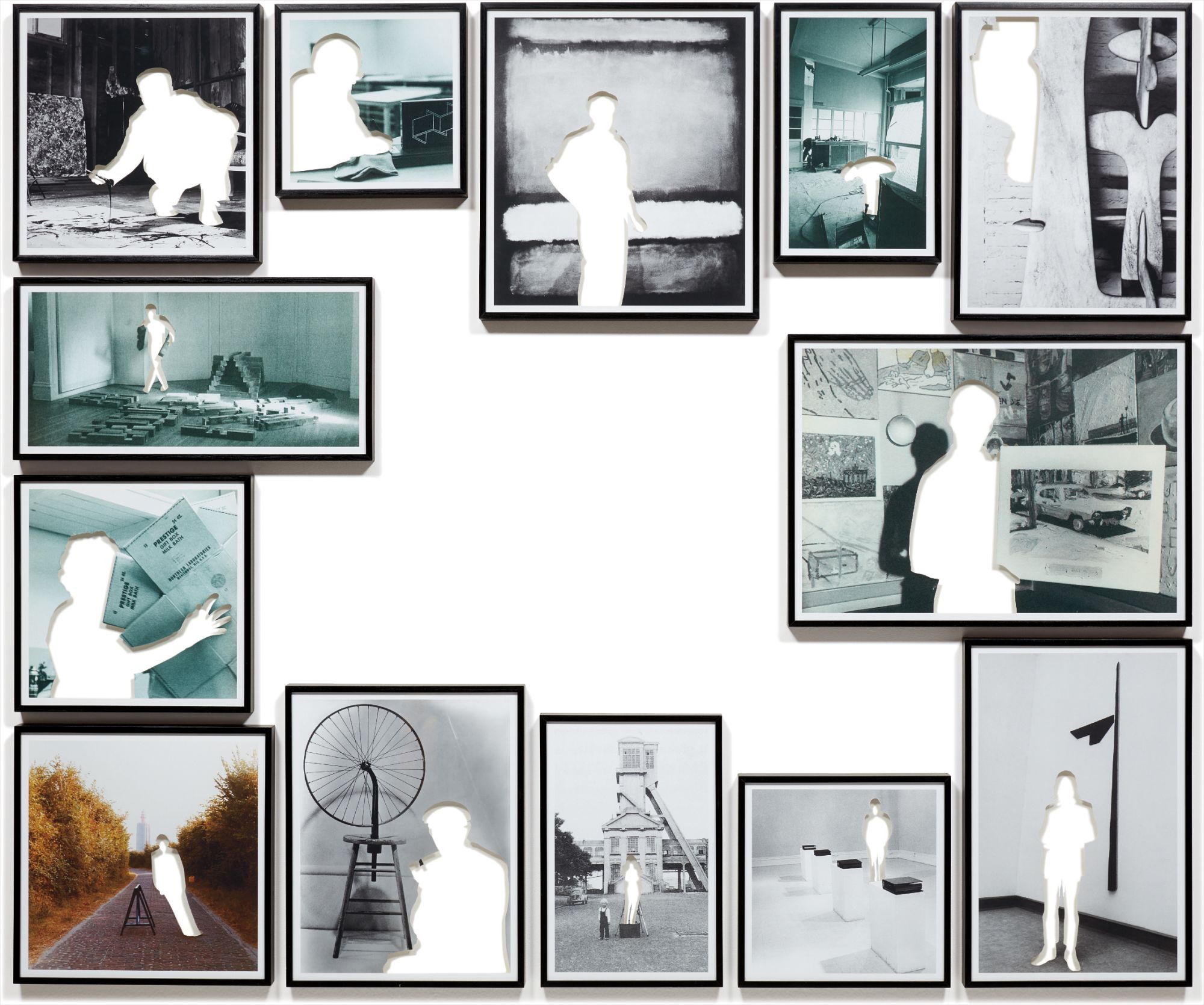
Gabriel Orozco
Nodnol Park
Tina Modotti, his contemporary and collaborator, brought a similar seriousness to questions of labor, feminism, and revolutionary politics through the photographic frame. The presence of both photographers in The Collection situates Mexican photography as a practice with genuine intellectual ambitions, not merely a document of a picturesque culture.", "The generation that emerged in the 1990s transformed the conversation again. Gabriel Orozco, who rose to international prominence after his inclusion in the 1993 Venice Biennale, made work that was resolutely dematerialized and conceptually rigorous, attentive to found objects, entropy, and the traces left by daily life.
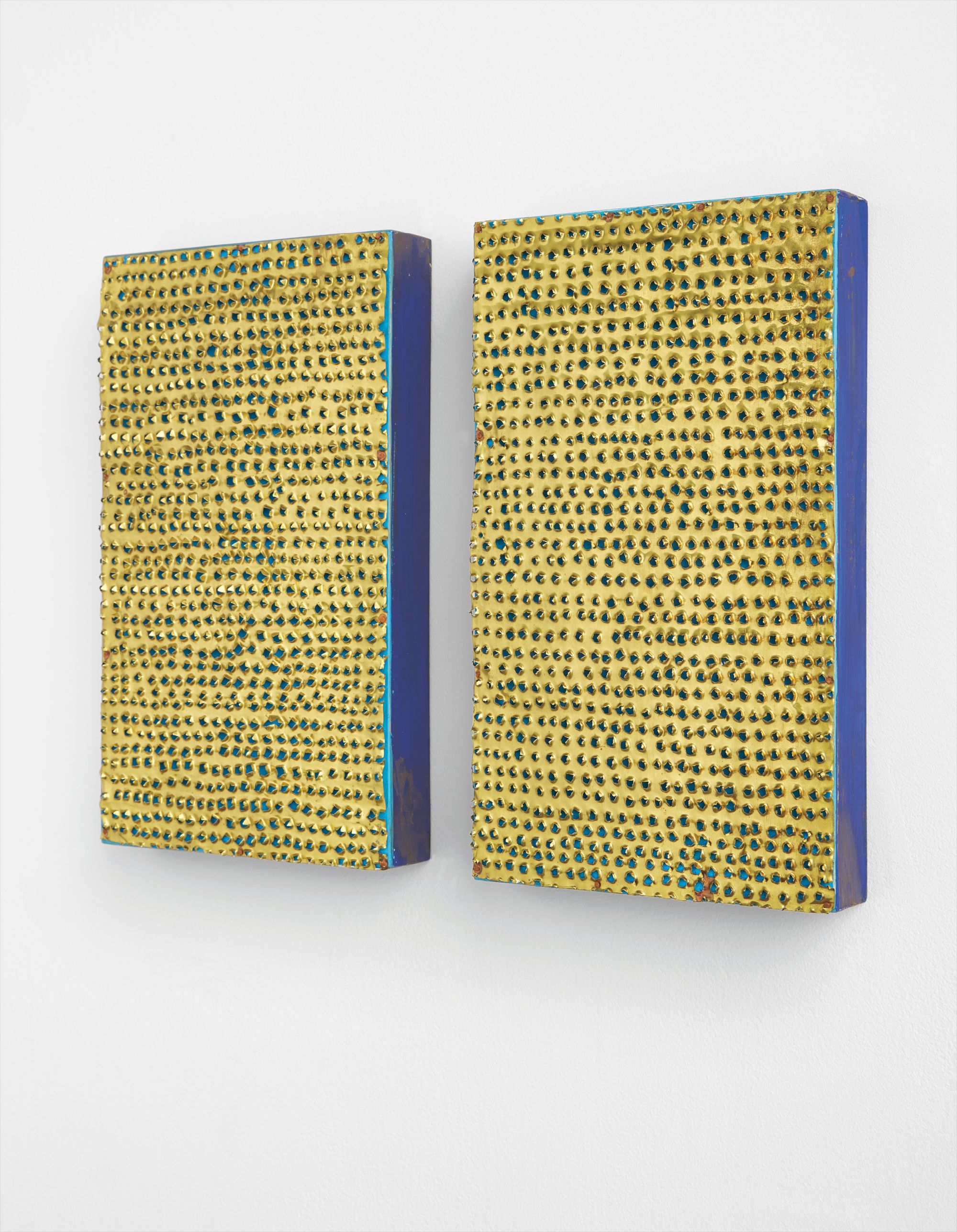
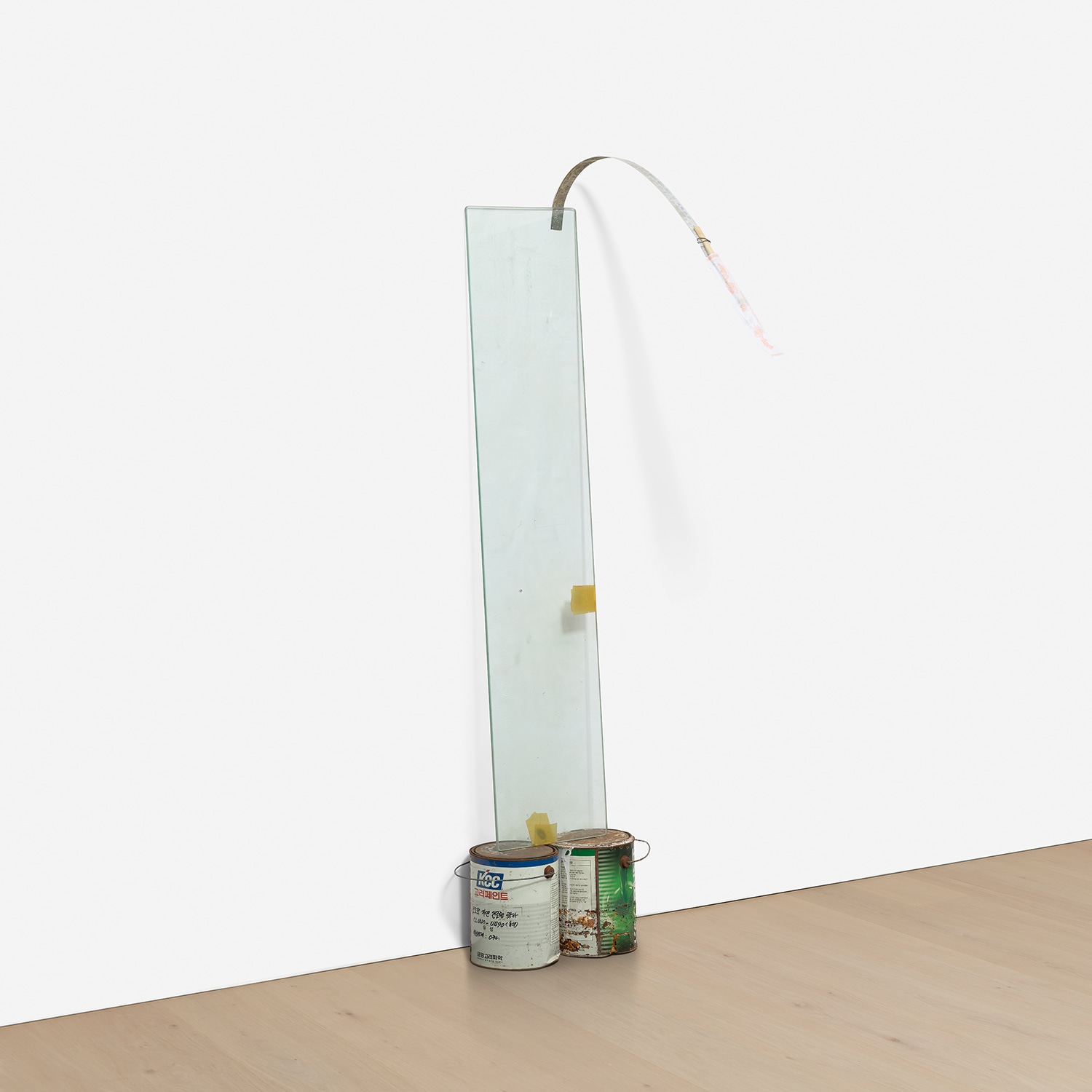
His Empty Shoe Box, presented at Marian Goodman Gallery in New York in 1993, became a kind of landmark statement about presence and absence, the poetics of the ordinary. Orozco is one of the most substantive presences on The Collection, and his work represents the moment when Mexican contemporary art fully entered the international canon on its own conceptual terms rather than as a regional curiosity.", "Around the same time, a cluster of artists based in Mexico City and connected to galleries like kurimanzutto, which Orozco co founded in 1999, began producing work that was formally diverse but united by a shared skepticism toward received forms. Abraham Cruzvillegas builds sculptural assemblages from the materials of his own neighborhood in a practice he calls autoconstrucción, referencing the improvised architecture of working class Mexico City.
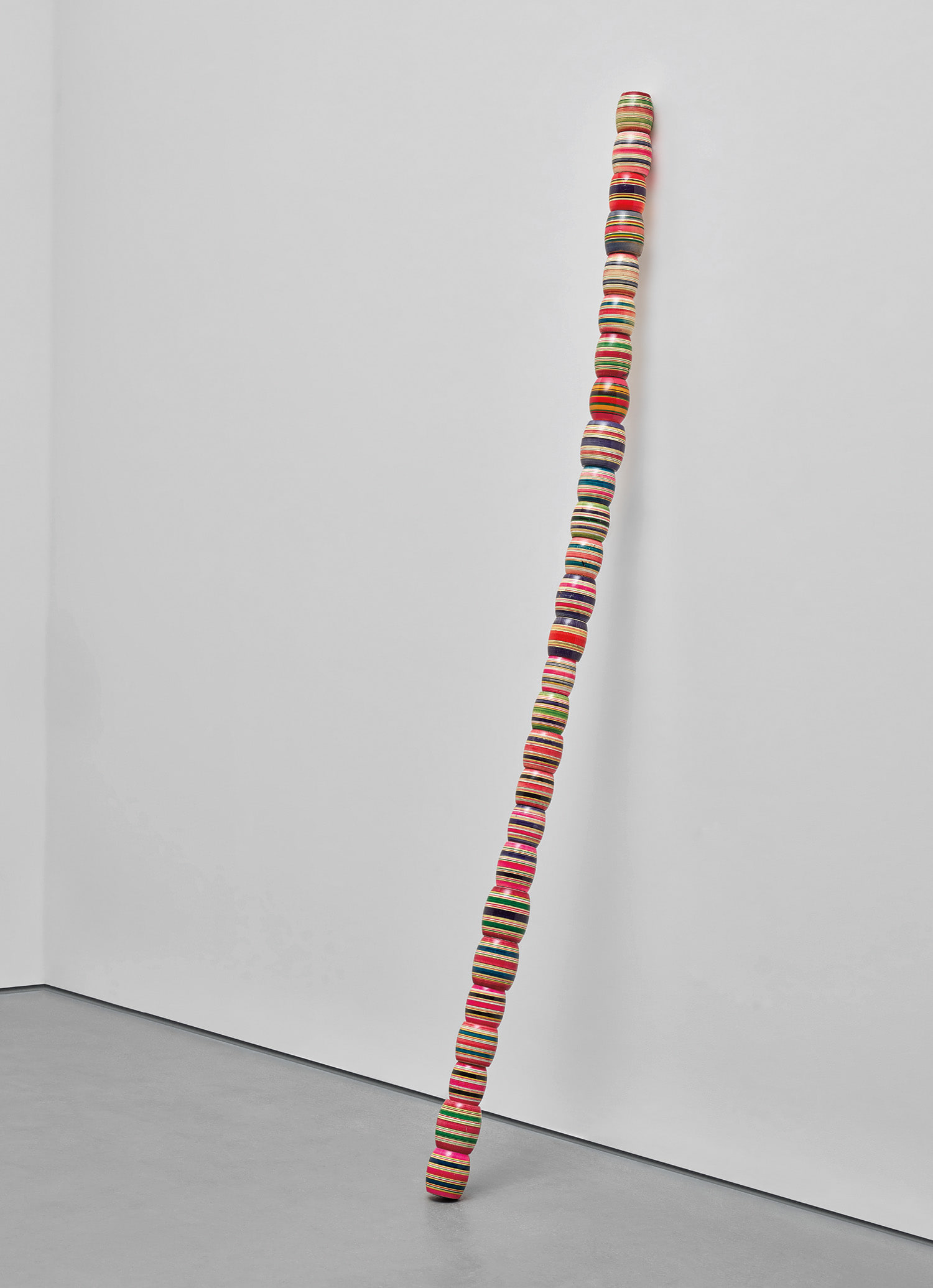
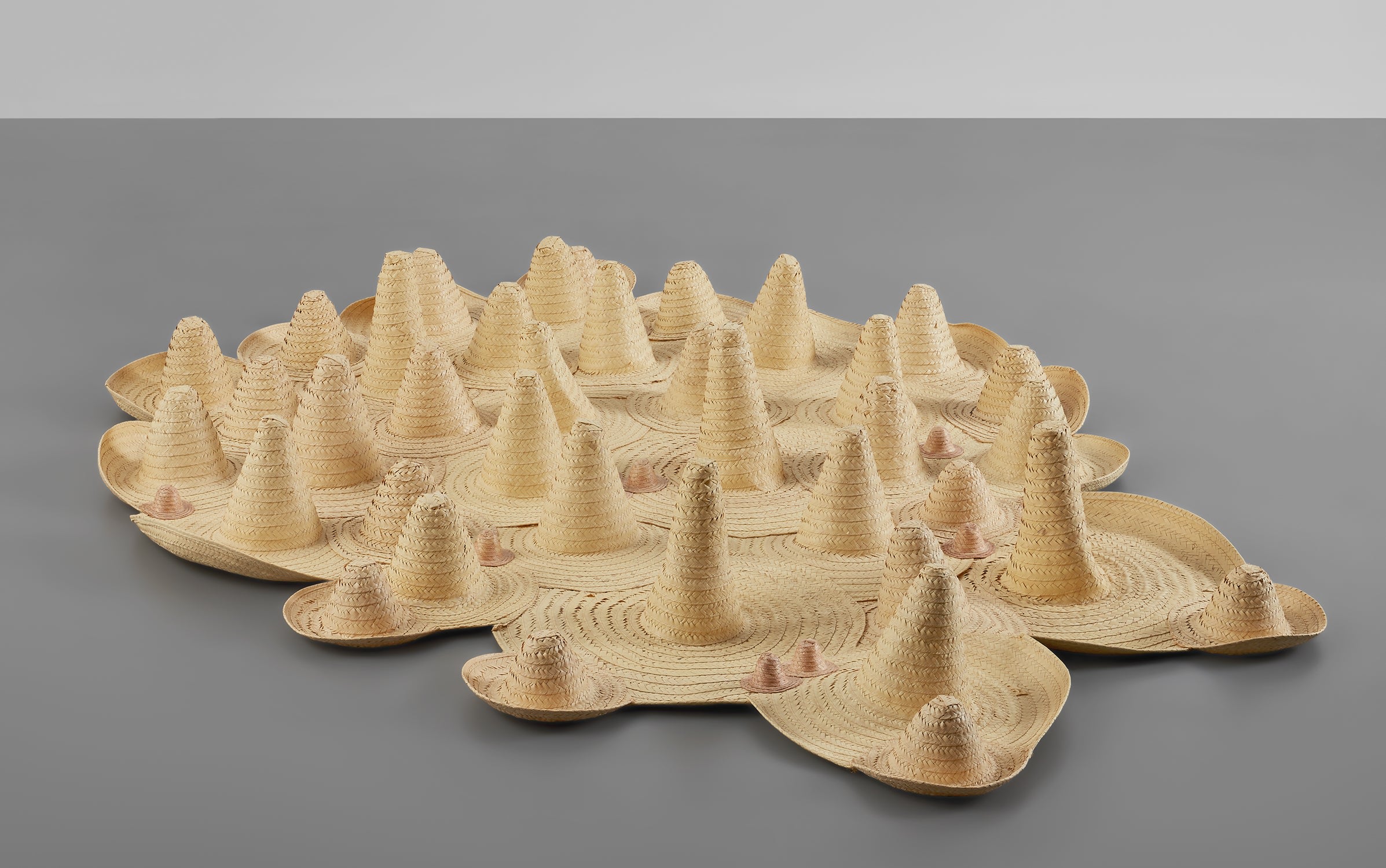
Abraham Cruzvillegas
Apropiacion Microtonal Equivocada IV (Confused Microtonal Appropriation IV), 2005
Gabriel Kuri works with receipts, aggregate materials, and systems of value in ways that feel both deadpan and genuinely political. Damián Ortega, a former editorial cartoonist, brings a kind of structural wit to his dissections of manufactured objects, most famously in his 2003 Cosmic Thing at the White Cube in London, where he suspended a disassembled Volkswagen Beetle in mid air. All three artists are represented on The Collection, and together they suggest the breadth of a generation that refused to share a single aesthetic platform.", "What makes the Mexican art tradition so durable is precisely this refusal to cohere into a single story.
Bosco Sodi's heavily textured, unpredictable surfaces seem to belong to a different universe than Stefan Brüggemann's cool conceptual ironies, yet both are part of the same cultural moment. Dr. Lakra's tattoo influenced drawings on found ephemera speak to popular culture and subcultural identity in ways that feel entirely their own. Graciela Iturbide, whose photographs of the Juchitán women in Oaxaca across the 1970s and 1980s are among the most important documents in Latin American photography, brings an anthropological patience to images that are also formally ravishing.
The breadth on The Collection reflects not curatorial eclecticism but the actual texture of a tradition that has always generated its energy from internal argument.", "To collect Mexican art seriously is to accept that you are not collecting a style or a period but a conversation that has been ongoing for more than a century and shows no sign of resolving. It is a conversation about colonialism and resistance, about form and politics, about what indigenous knowledge looks like when it enters the frame of Western modernism and what modernism looks like when that encounter genuinely transforms it. The artists gathered on The Collection, from Rivera to Pedro Reyes to Francisco Toledo to Jose Dávila, are not illustrations of a thesis.
They are the argument itself, still unfolding.