Maritime Subject
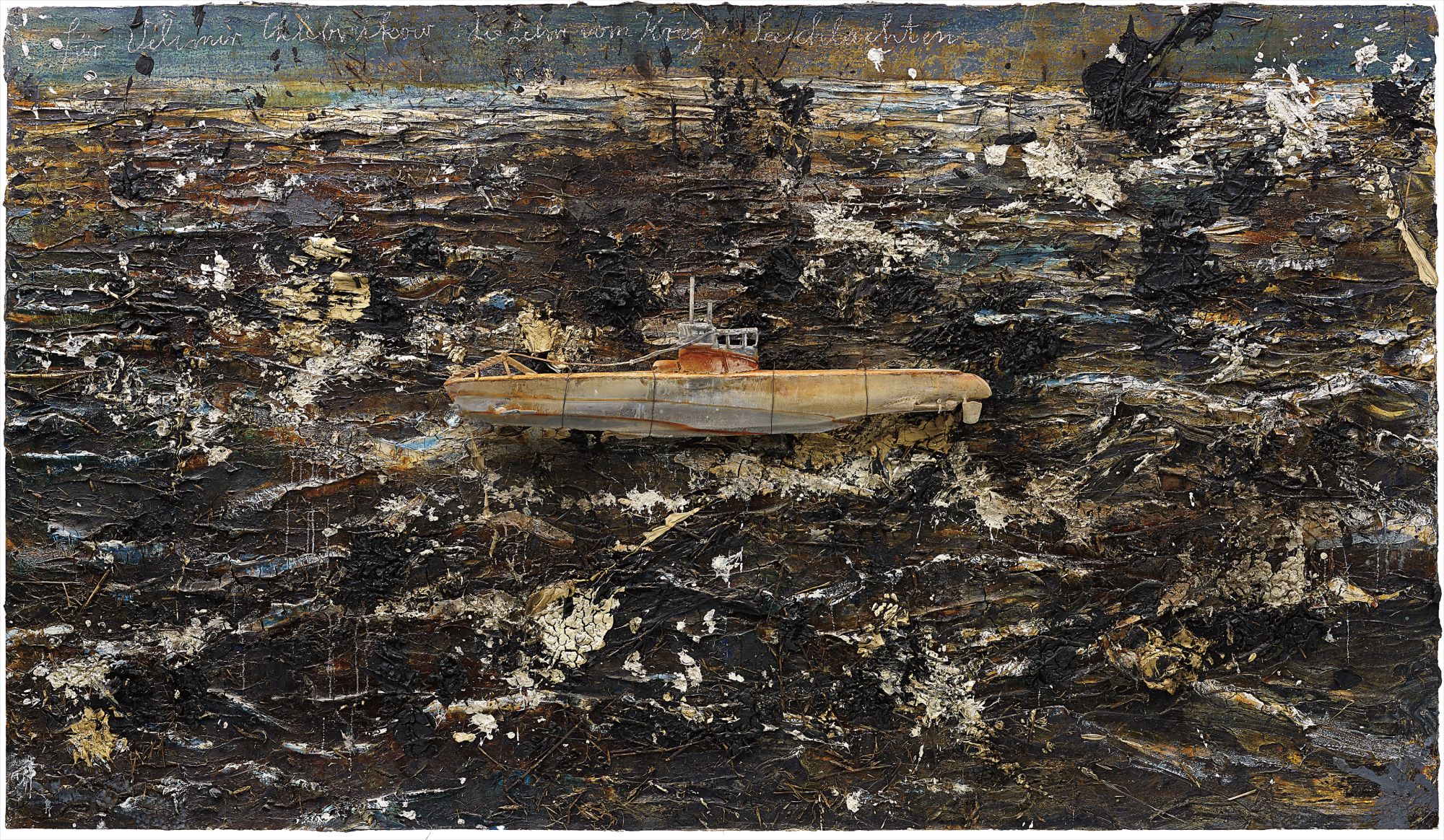
Anselm Kiefer
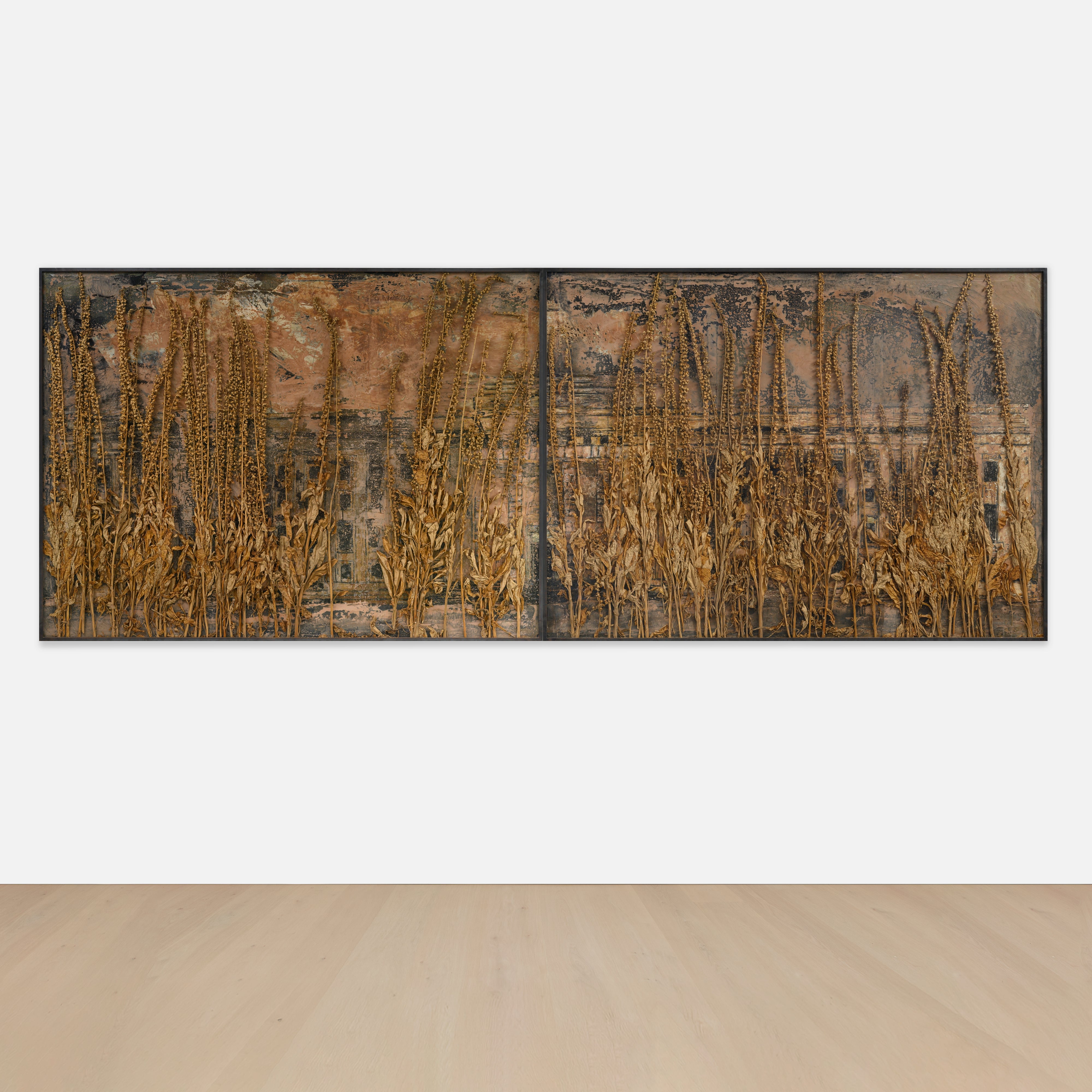
Für Velimir Khlebnikov: Die Lehre vom Krieg: Seeschlachten



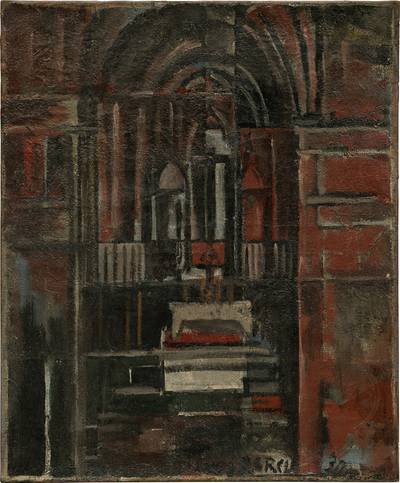

The Sea Never Lies to Collectors
There is something about water that makes people want to live with it. Not just the visual pleasure of reflected light or the suggestion of open space, but the way maritime subject matter carries emotional weight without demanding explanation. Collectors are drawn to it because the sea is one of the few subjects in Western art that can hold abstraction and representation in the same frame, sometimes within the same brushstroke. A wave is a wave, and it is also everything else you need it to be.
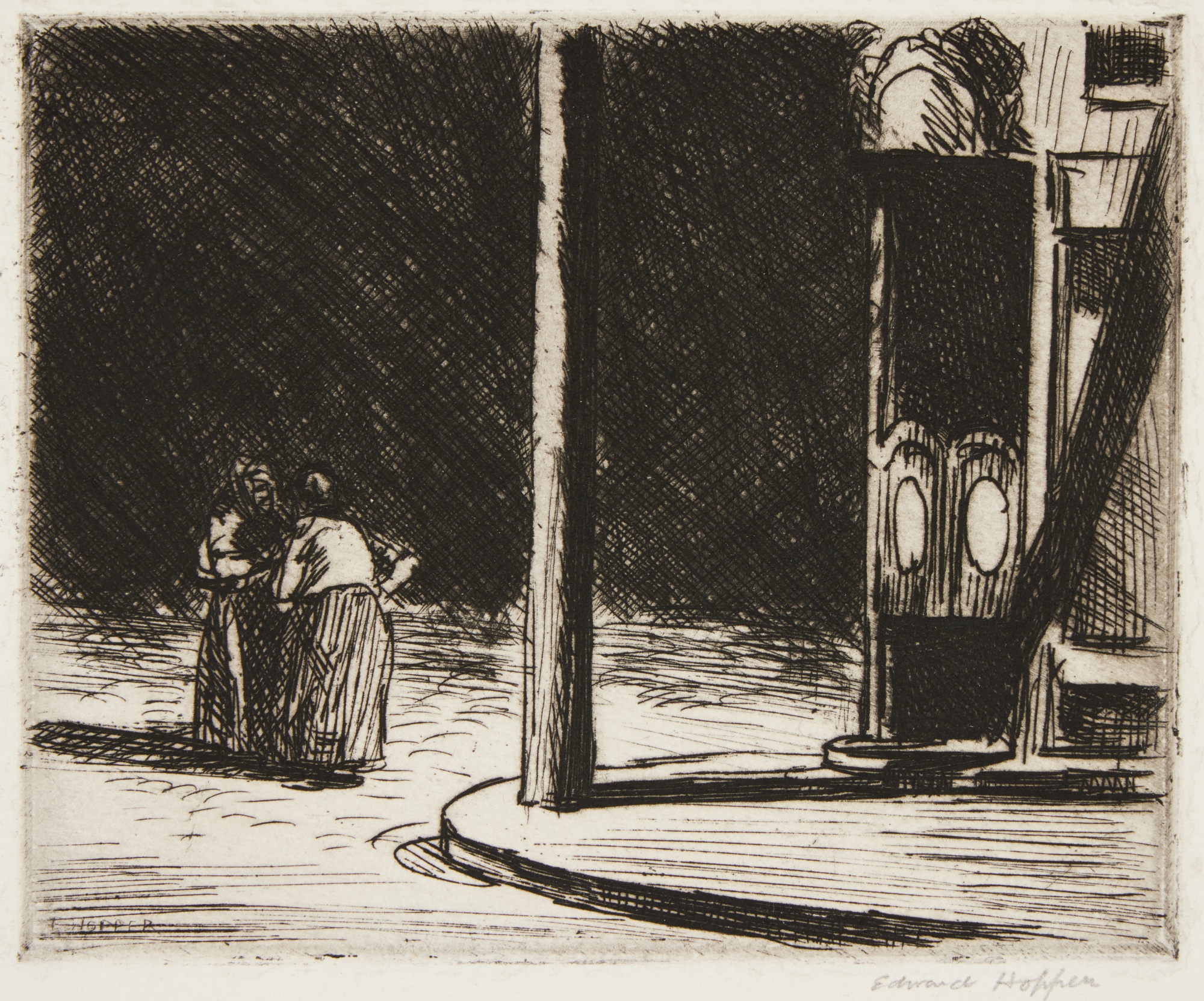
What separates a good maritime work from a truly great one is rarely the technical execution of the water itself. Any competent painter can render a convincing swell. The works that endure in collections are those where the sea functions as a psychological condition rather than a descriptive backdrop. Think about how Edward Hopper understood this: his coastal scenes are drenched in a particular American solitude, the ocean present not as spectacle but as pressure.
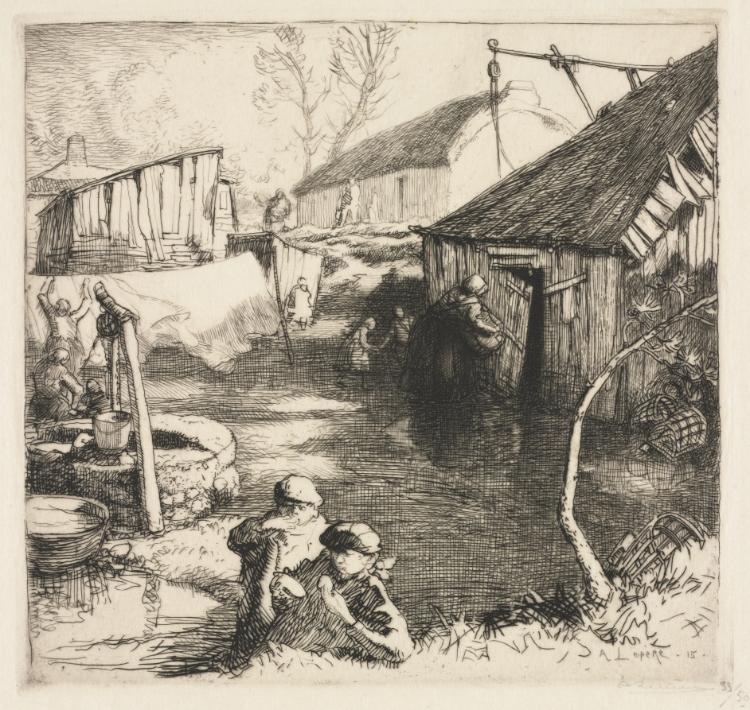
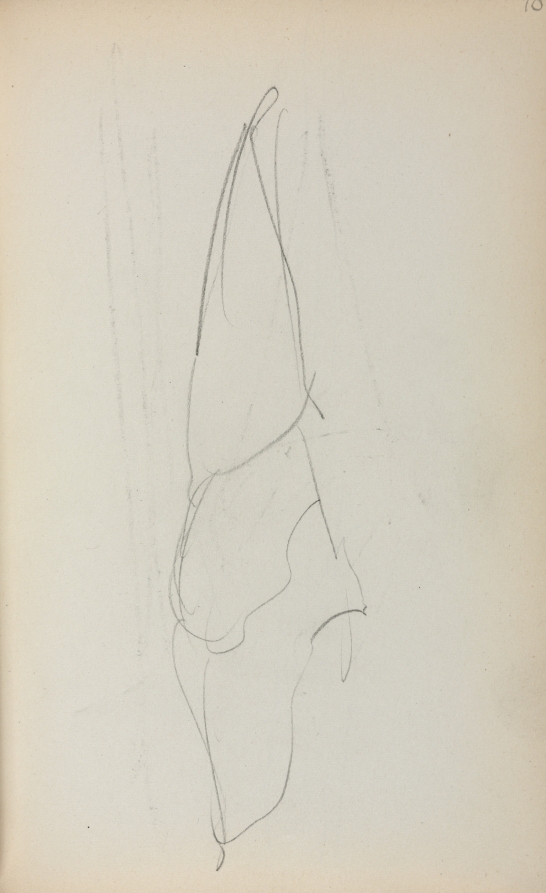
Auguste Louis Lepère
Fishermen's Quarters (Saint-Jean-de-Monts), 1915
When a maritime work achieves that kind of interior resonance, it transcends genre entirely and enters the conversation about what painting is actually for. Collectors should also pay close attention to the relationship between foreground activity and the water itself. The best works create tension between human presence or its absence and the indifferent scale of the sea. Arthur John Trevor Briscoe, the British etcher who spent serious time aboard working vessels in the early twentieth century, brought an authenticity to rigging and hull weight that collectors of printmaking have long recognized.
His work rewards the person who looks slowly, who notices what it actually feels like to be at the mercy of wind and tide rather than merely observing from the shore. For collectors building a serious maritime holding, the question of which artists represent lasting value is worth thinking through carefully. Maurice Prendergast, whose work is well represented on The Collection, occupies a fascinating position. His mosaic like treatment of figures at the water's edge sits at the intersection of Post Impressionism and early American modernism, and his prices have remained remarkably stable while comparable American figures have seen more volatility.
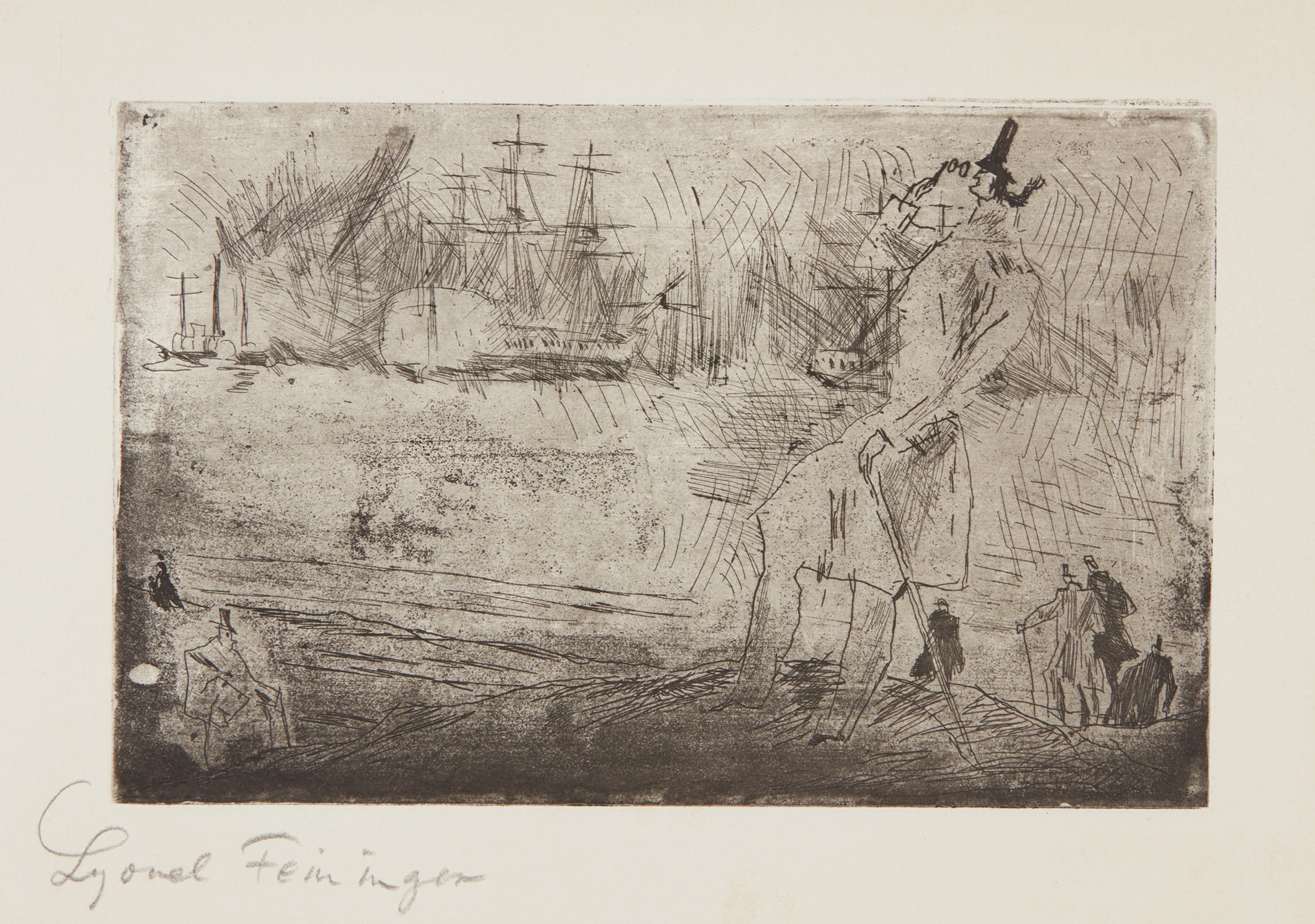
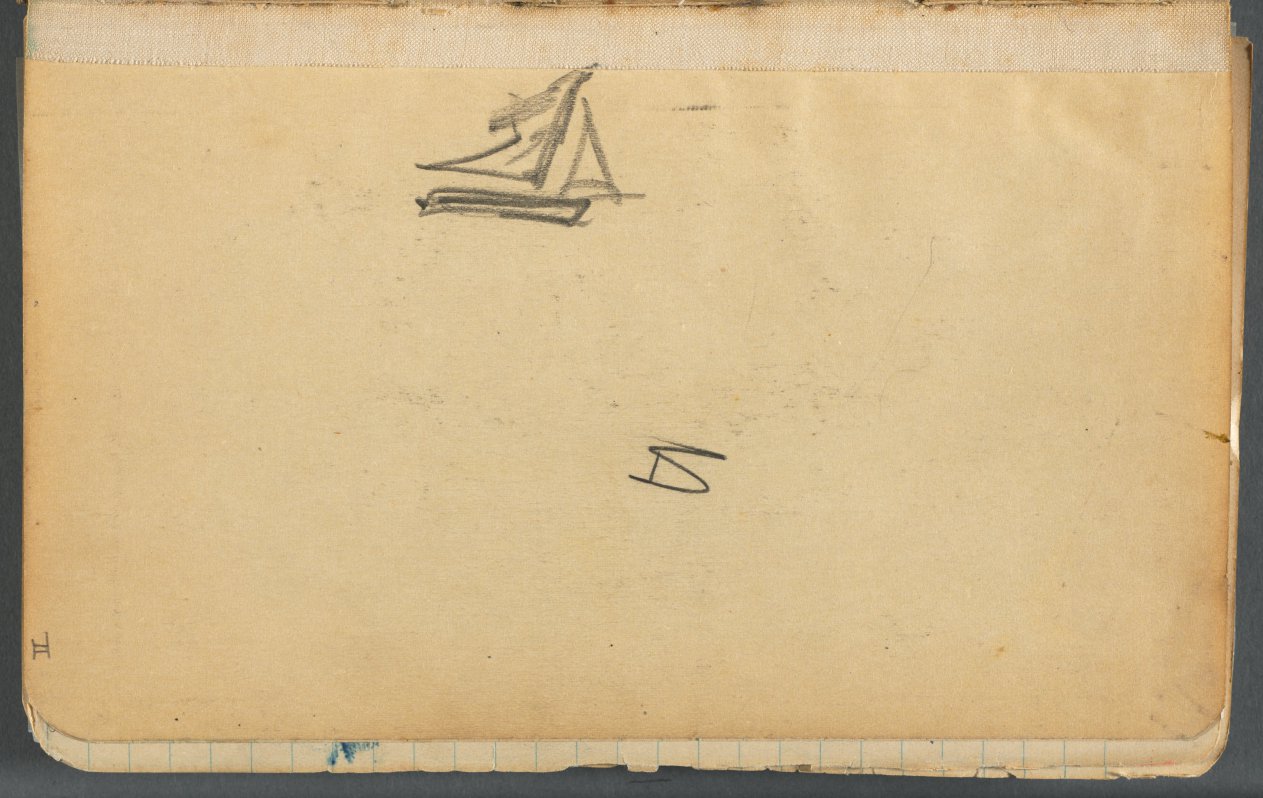
Lyonel Feininger
Der Reeder (The Privateer)
His scenes from Venice and the New England coast from the late 1890s through the 1910s are consistently sought by institutional buyers, which is always a healthy sign for private collectors watching the long game. Lyonel Feininger is another name worth serious consideration. His crystalline fragmented sailboats and Baltic coast compositions are among the most architecturally rigorous maritime images produced in the twentieth century, and his association with the Bauhaus gives collectors a dual art historical anchor that tends to hold value across market cycles. The broader modernist canon offers its own maritime surprises.
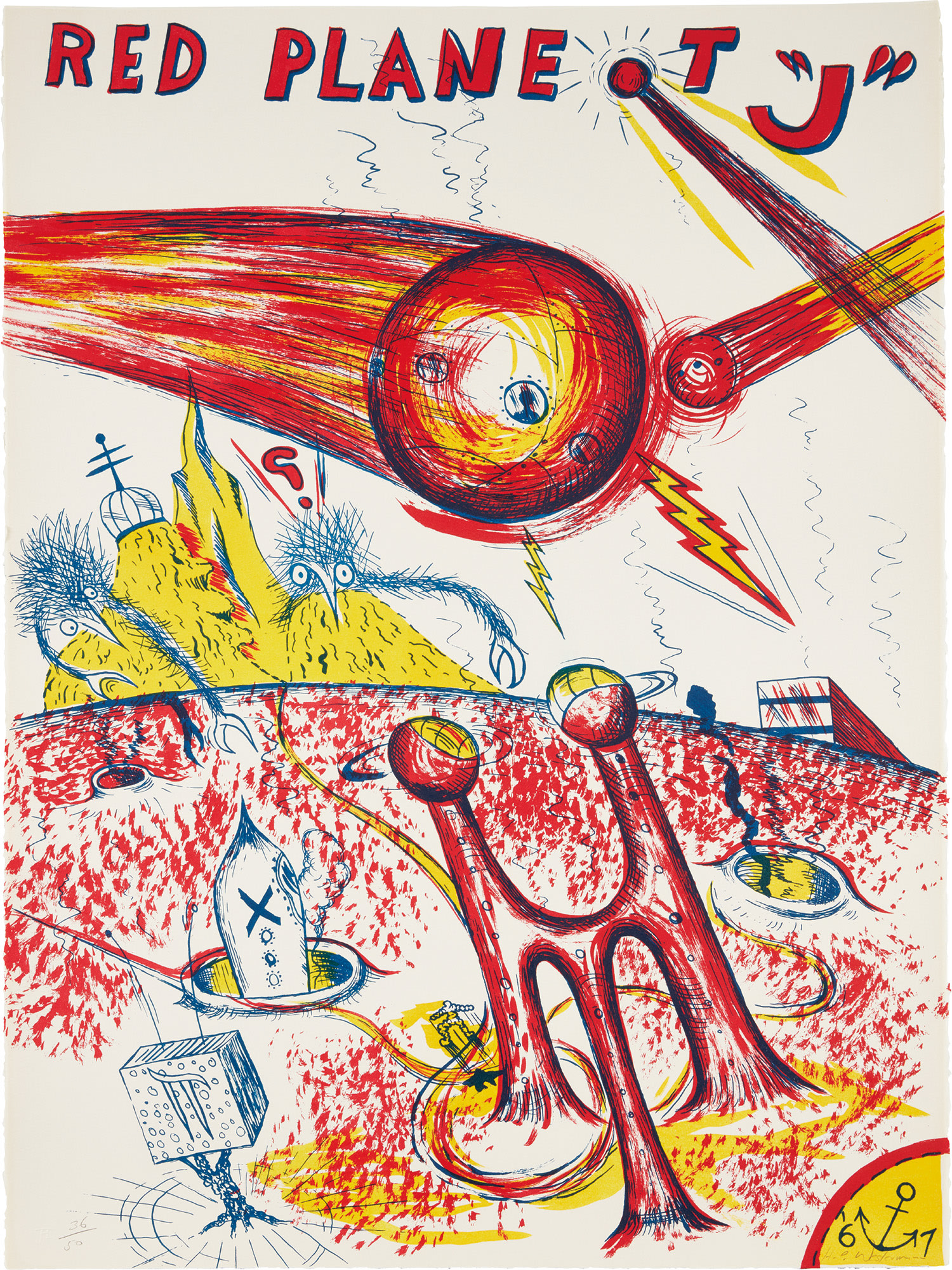
Joan Miró and Salvador Dalí both engaged with coastal Mediterranean experience in ways that sit outside what collectors typically think of as maritime art, which is precisely what makes those works interesting. When surrealist or biomorphic imagery intersects with the sea, the result is often deeply personal and genuinely scarce. Similarly, Joaquín Torres García brought a constructivist sensibility to South American coastal life that remains undervalued relative to his influence, particularly outside the Anglo American market. Henri Rivière, the French printmaker who worked closely with Japanese woodblock traditions to depict Breton coastal life in the 1890s, offers exceptional quality at prices that still feel accessible for what you are acquiring.

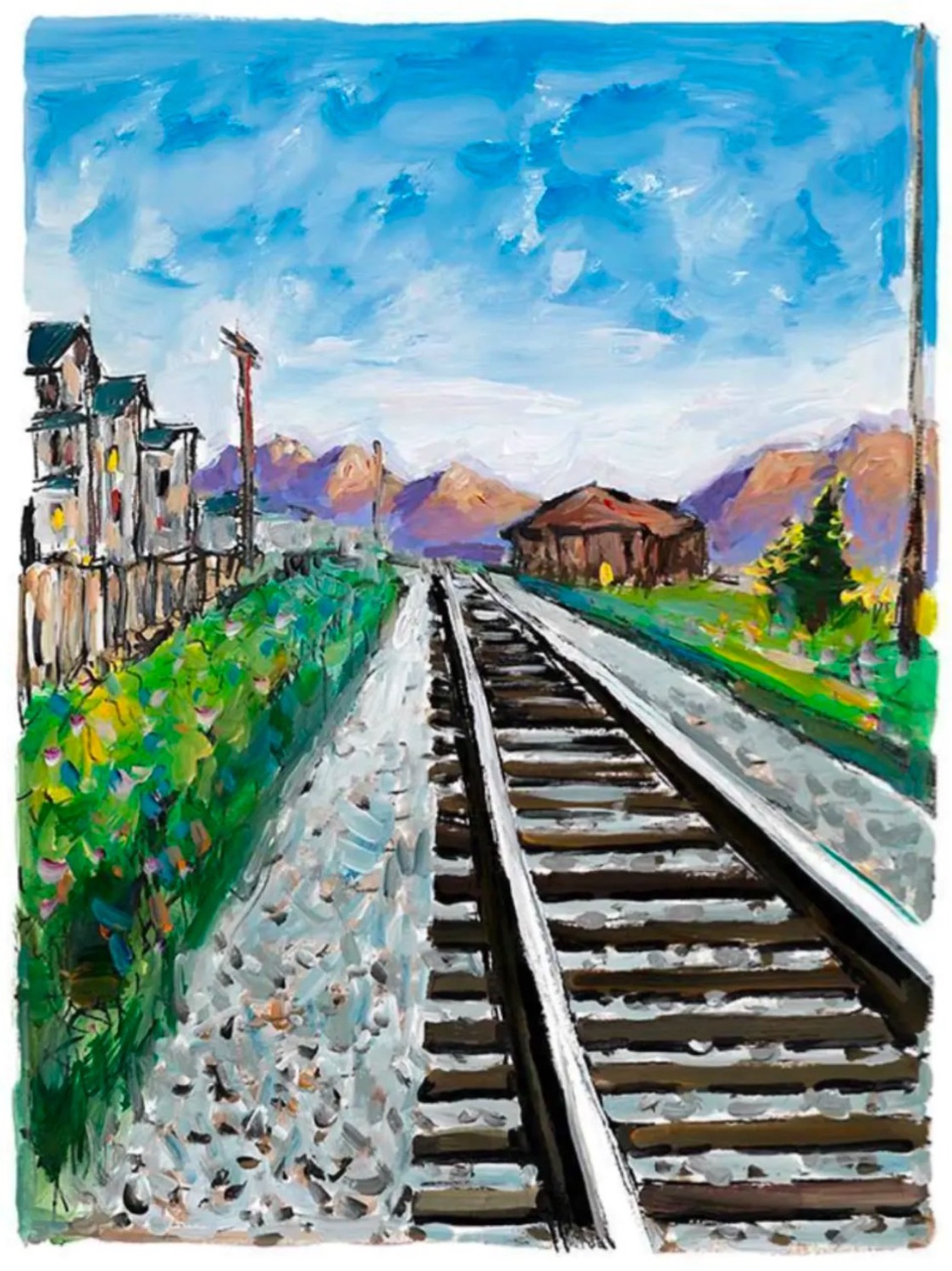
Lydia Blakeley
Newfoundland, 2020
Emerging opportunities in maritime subject matter tend to cluster around artists working in printmaking and works on paper, where the tradition feels both alive and genuinely in conversation with its past. Lydia Blakeley is a name appearing with increasing frequency in conversations about contemporary British works on paper, and her engagement with coastal and nautical themes carries a freshness that distinguishes it from mere revival. Collectors who positioned themselves early in works that bridge historical maritime vocabulary and contemporary concerns have generally done well, particularly as institutional appetite for this crossover has grown over the past decade. At auction, maritime works perform with unusual consistency compared to other subject categories, partly because the buyer pool is wide and geographically diverse.
Coastal regions in Europe, North America, and increasingly East Asia produce collectors with strong personal connections to the sea who are willing to pay premiums for quality. Charles Méryon, the nineteenth century French printmaker whose views of Paris included his remarkable etchings of the Seine with almost supernatural atmosphere, appears regularly in print sales and reliably exceeds estimate when condition is strong. Condition is the operative word. Works on paper with maritime subjects are especially vulnerable to foxing and tide line damage from historical storage in damp coastal environments.
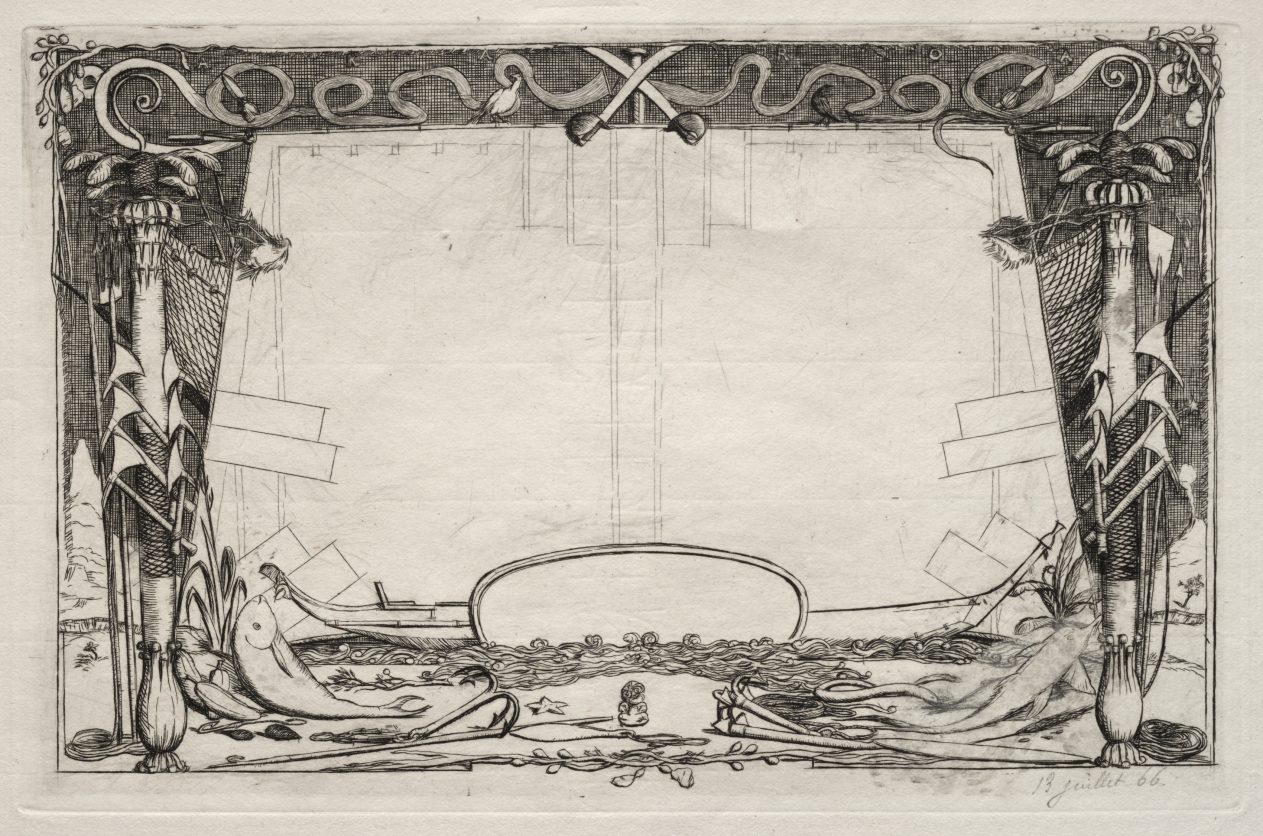
Charles Méryon
A Voyage to New Zealand (1842-1846): Cover, 1866
Before acquiring any work on paper in this category, ask specifically about any prior water exposure, and examine the margins carefully under raking light. Practically speaking, maritime works in oil or acrylic tend to be forgiving in display, but the same cannot be said for works on paper or delicate prints. Avoid hanging near exterior walls in climates with significant temperature variation. Framing behind UV filtering glazing is not optional here given how often maritime works feature the kind of pale, luminous skies that are among the first casualties of light damage.
When approaching a gallery about a maritime print or etching, ask directly whether the work has been backed or whether any restoration work has been done to the plate tone or margins. For editions specifically, ask for the full edition size and the position of the particular impression you are considering. An early pull from a steel engraving like those produced by Frank Short after Turner carries meaningfully different tonal quality than a later one, and that difference shows in both the visual experience and the resale price. The sea remains one of the few subjects where a collector can build a genuinely coherent holding that spans centuries, media, and movements without the collection feeling arbitrary or merely thematic.
The best maritime collections feel like a sustained argument about perception, about how humans have positioned themselves against something larger than themselves and tried to make meaning of the encounter. That argument never really closes, which is precisely why the works that participate in it remain so alive on the wall.