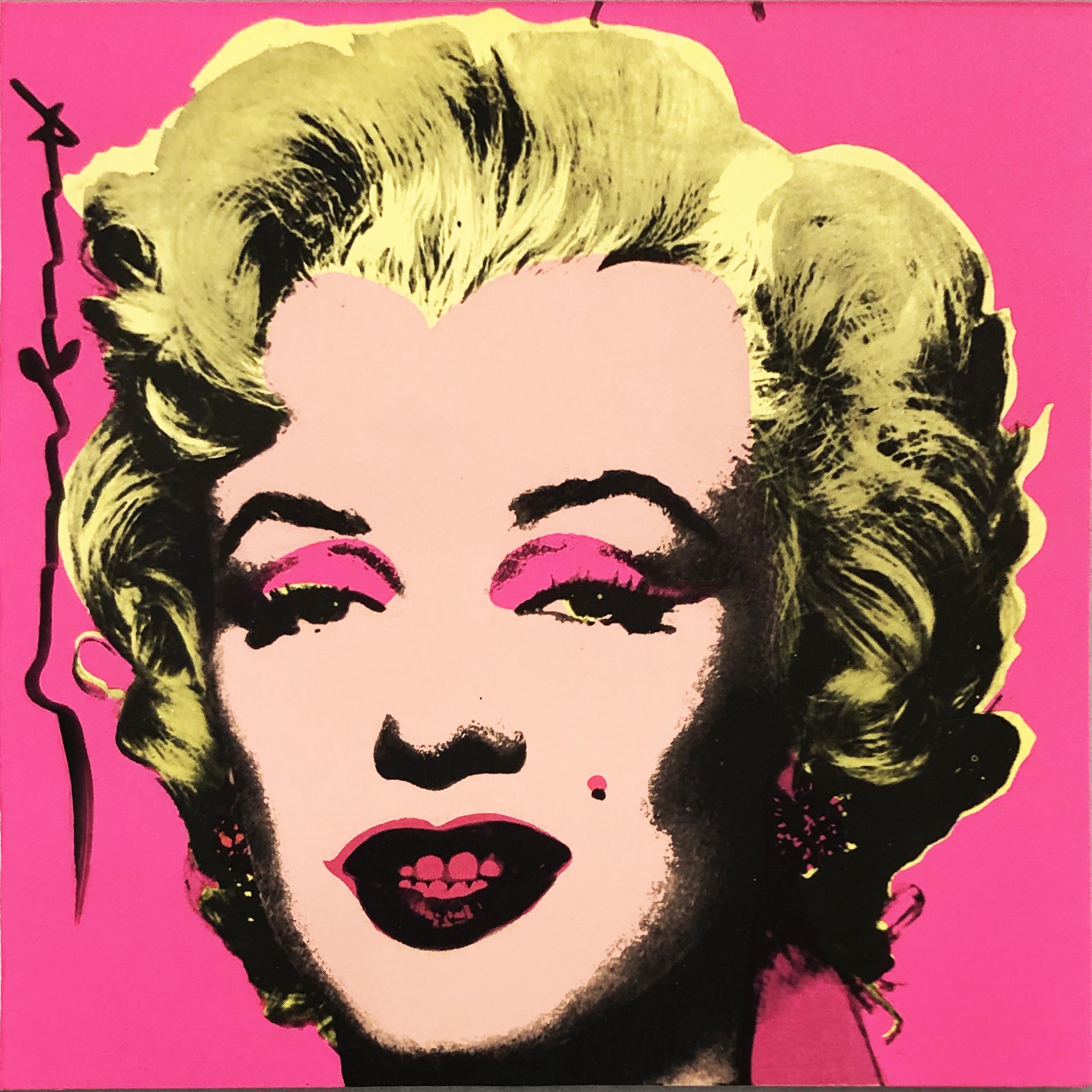
Marilyn Monroe
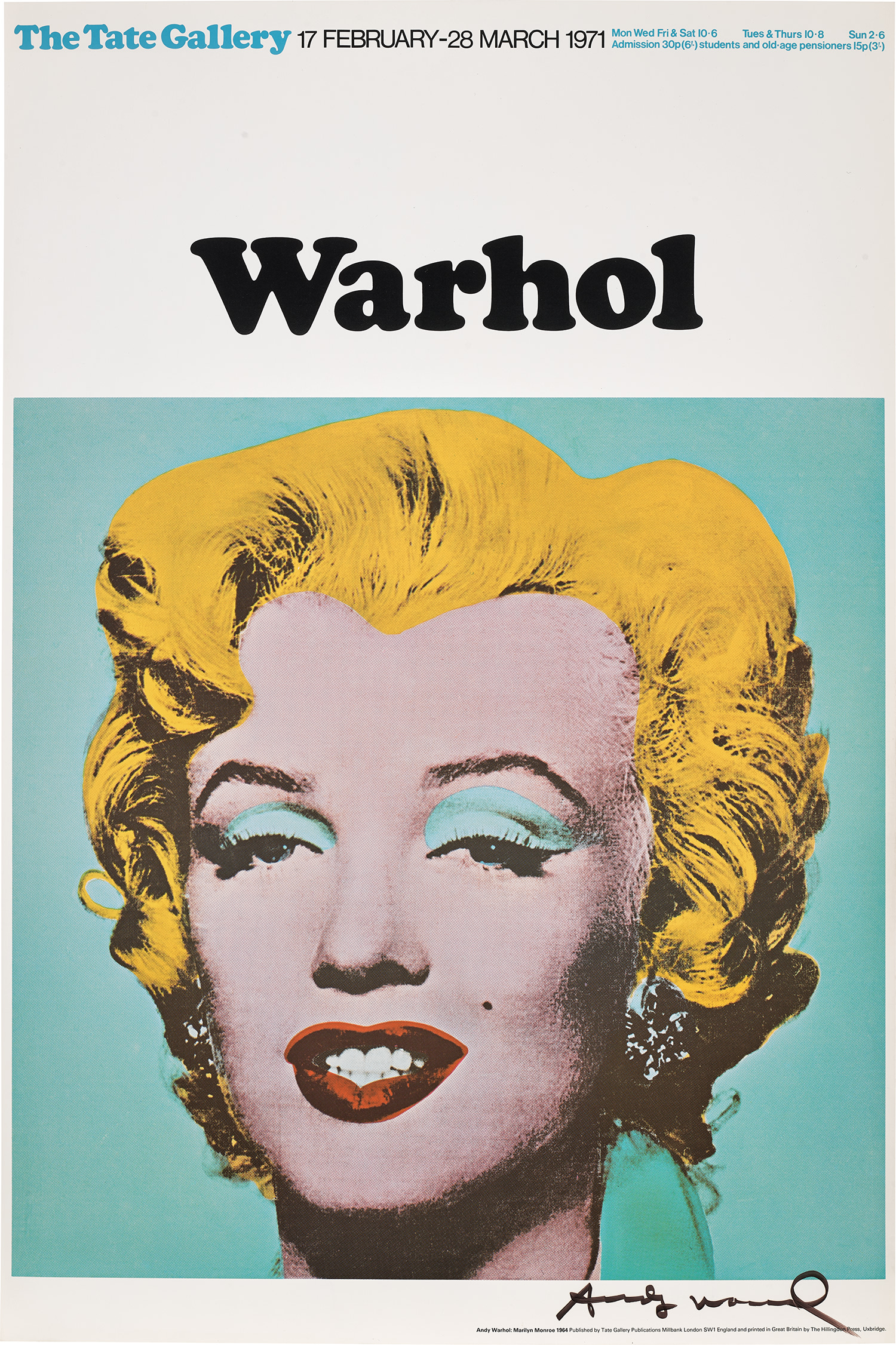
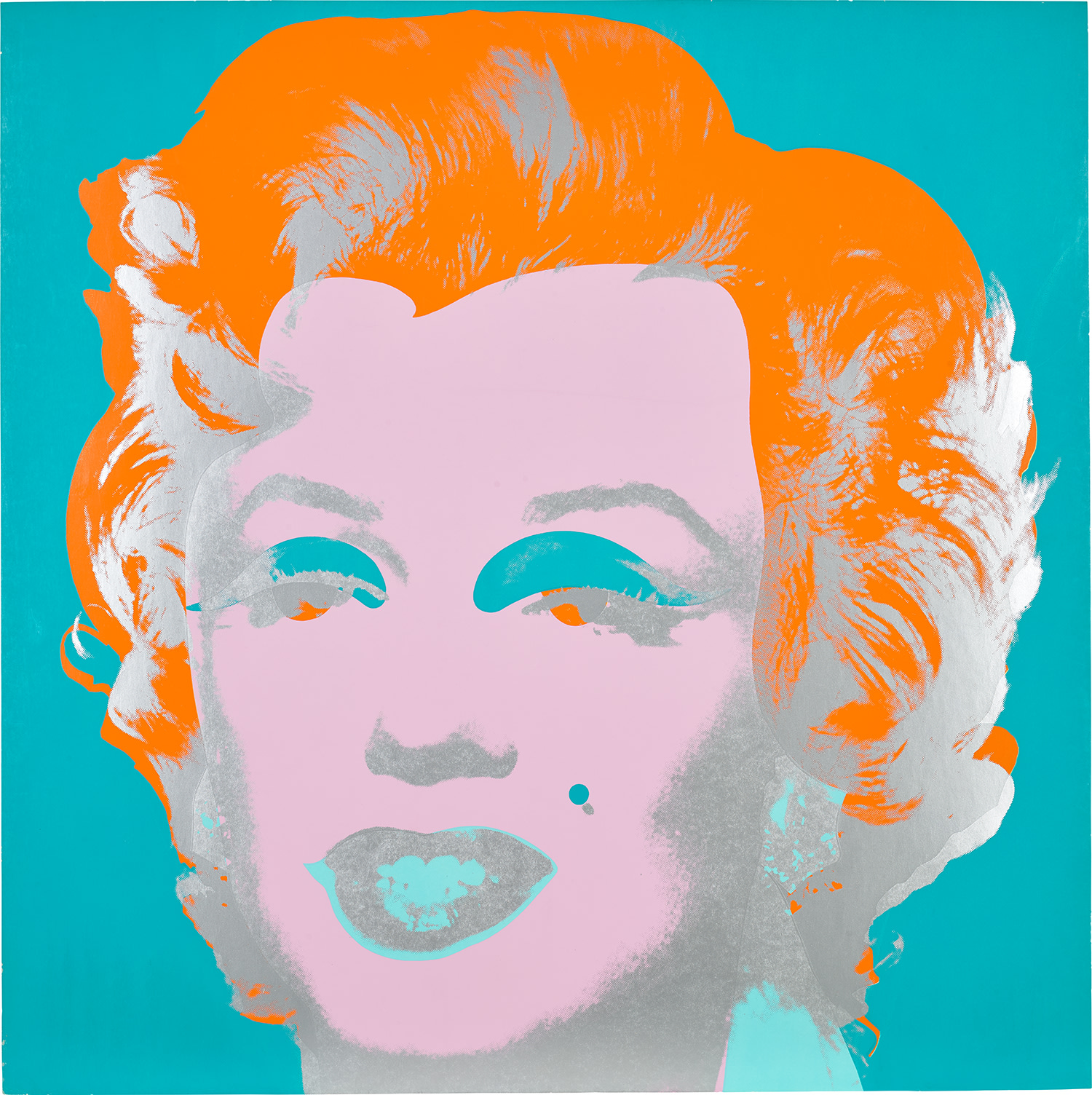
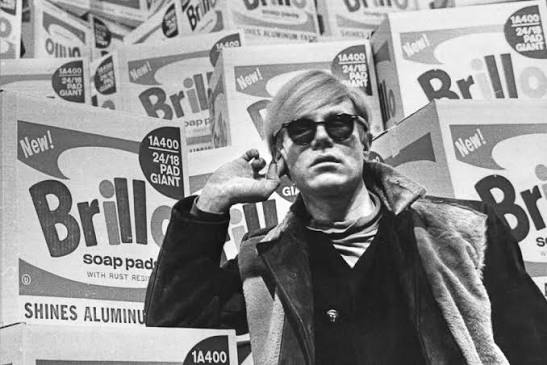
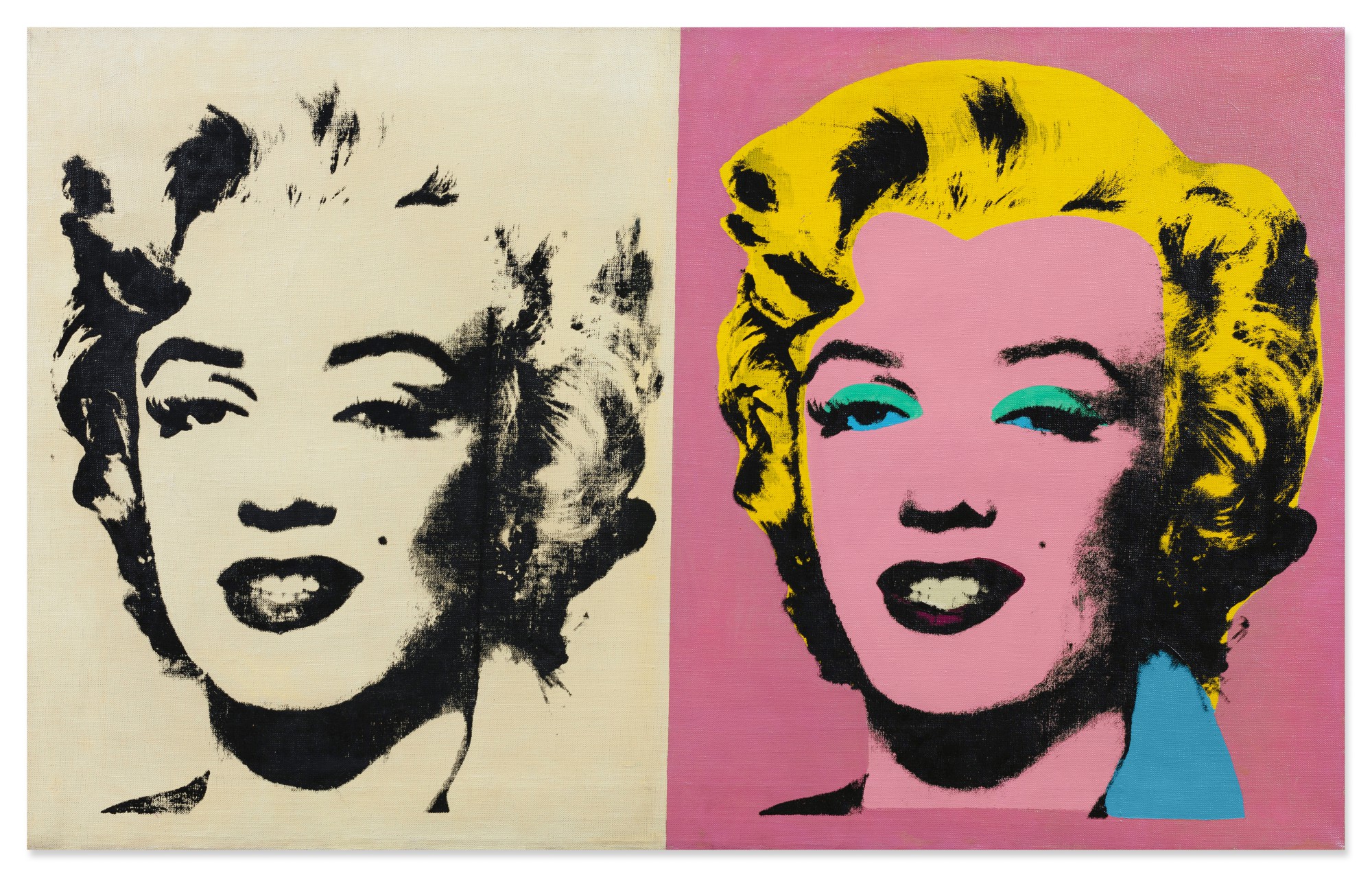
Andy Warhol
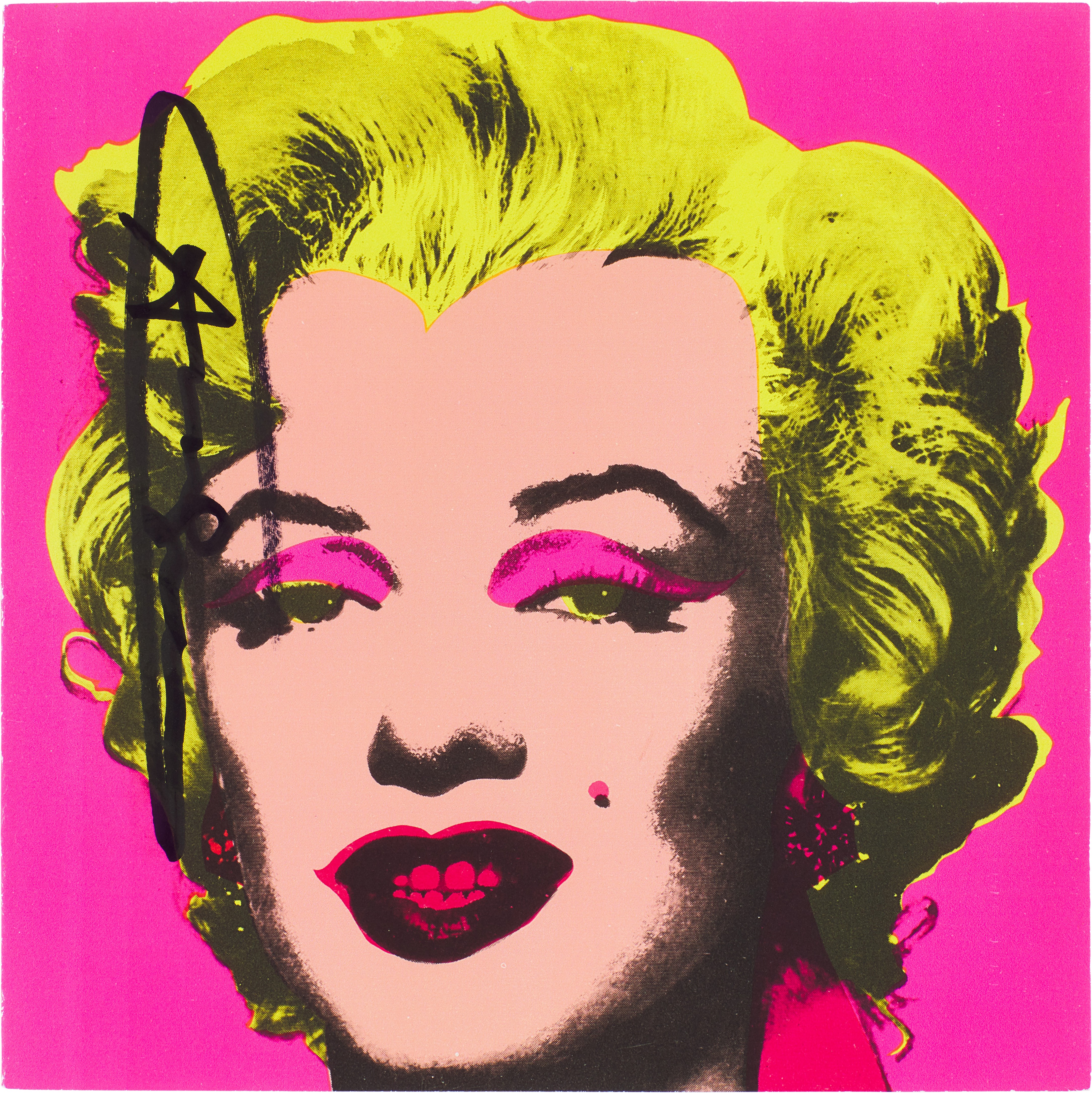
Marilyn (Announcement), 1981

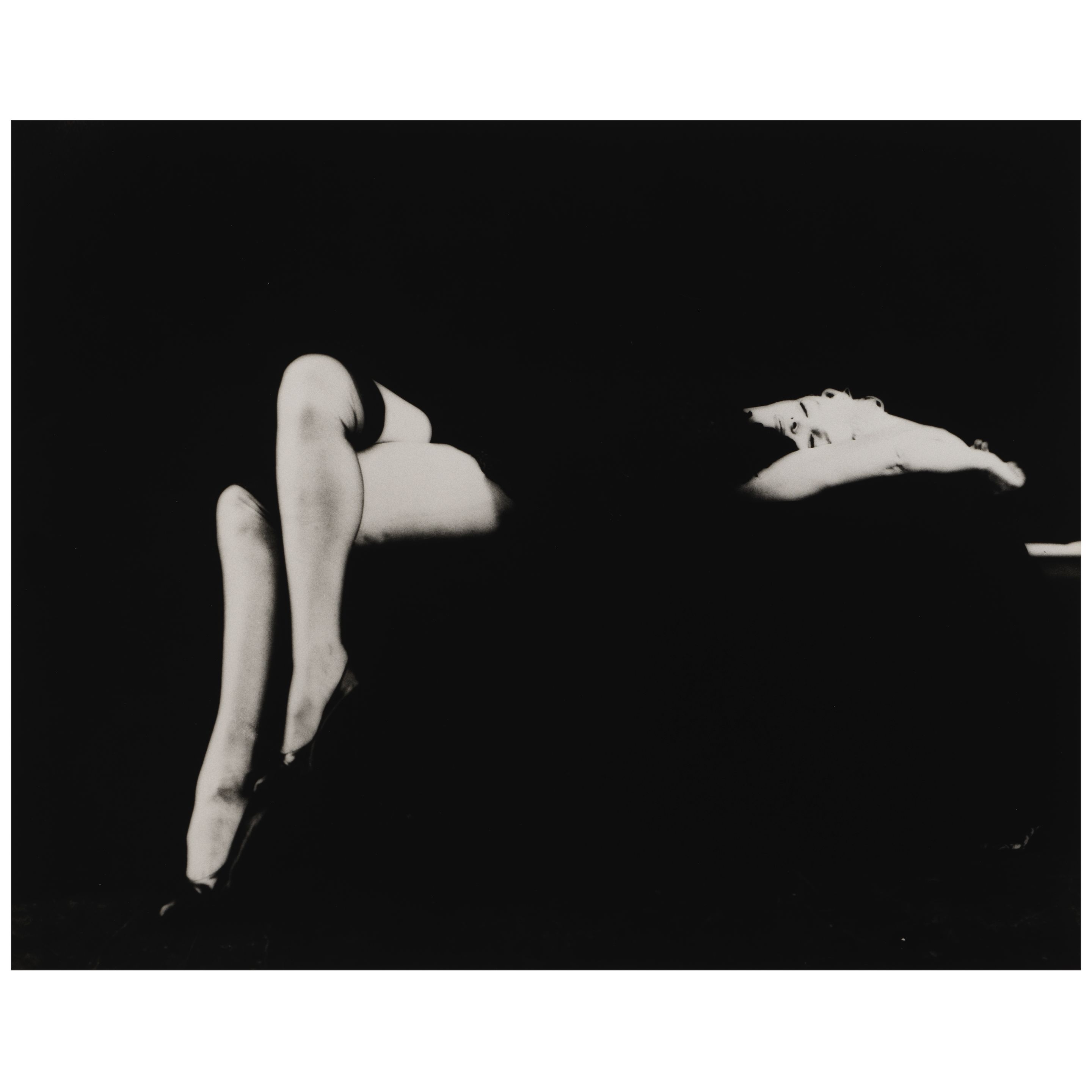
The Face That Refused to Stay Still
There is no image in twentieth century art more reproduced, more reimagined, and more contested than the face of Marilyn Monroe. She died in August 1962, and within weeks Andy Warhol had already begun transforming her likeness into something that would outlast both of them. What followed was not simply a cultural obsession but one of the great ongoing conversations in postwar art, a dialogue between desire and distance, between the person and the symbol, between what photography captures and what it inevitably destroys. To understand why Monroe became such fertile ground for artists, you have to understand what she represented at the precise moment American culture was beginning to fracture.
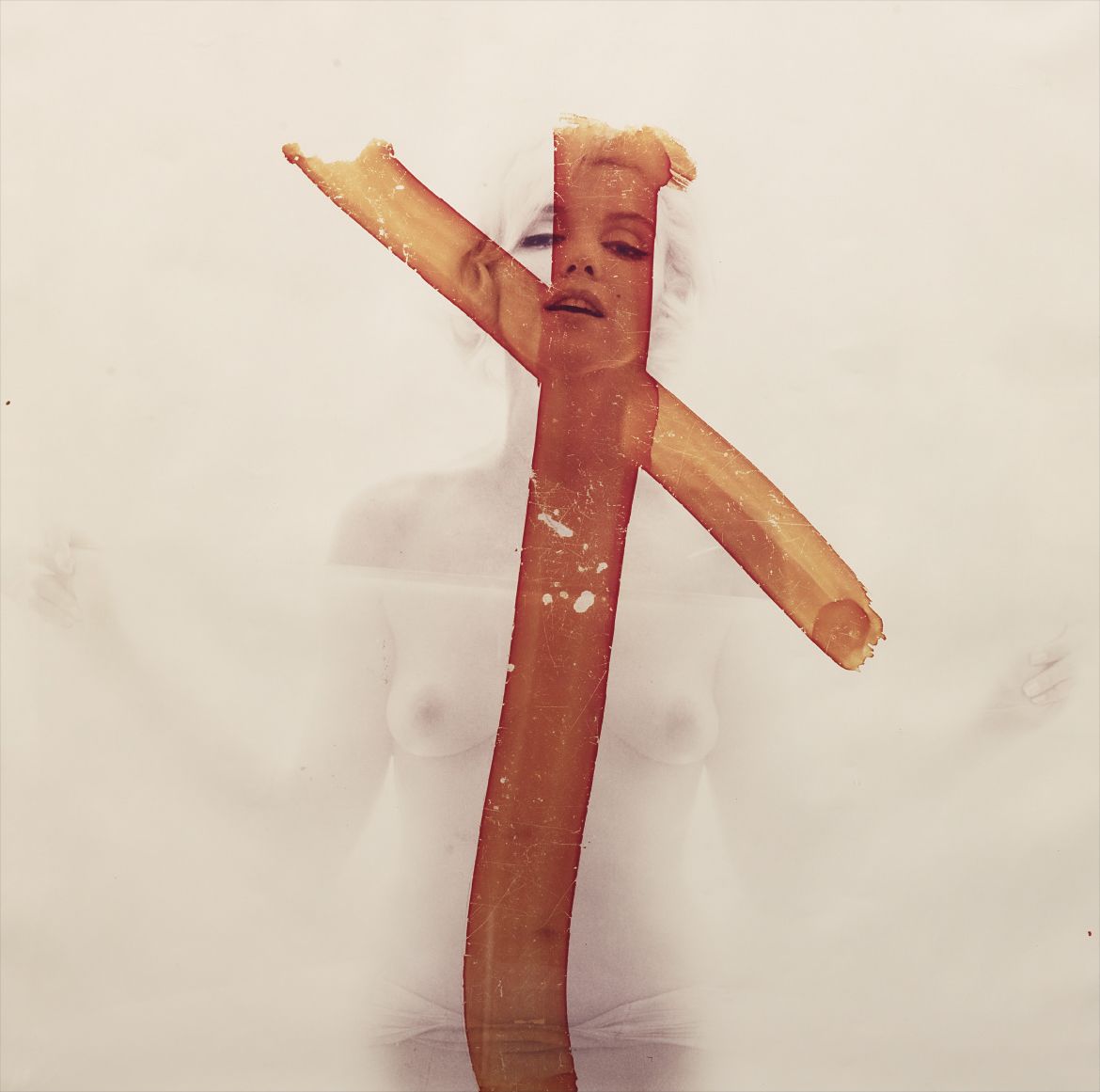
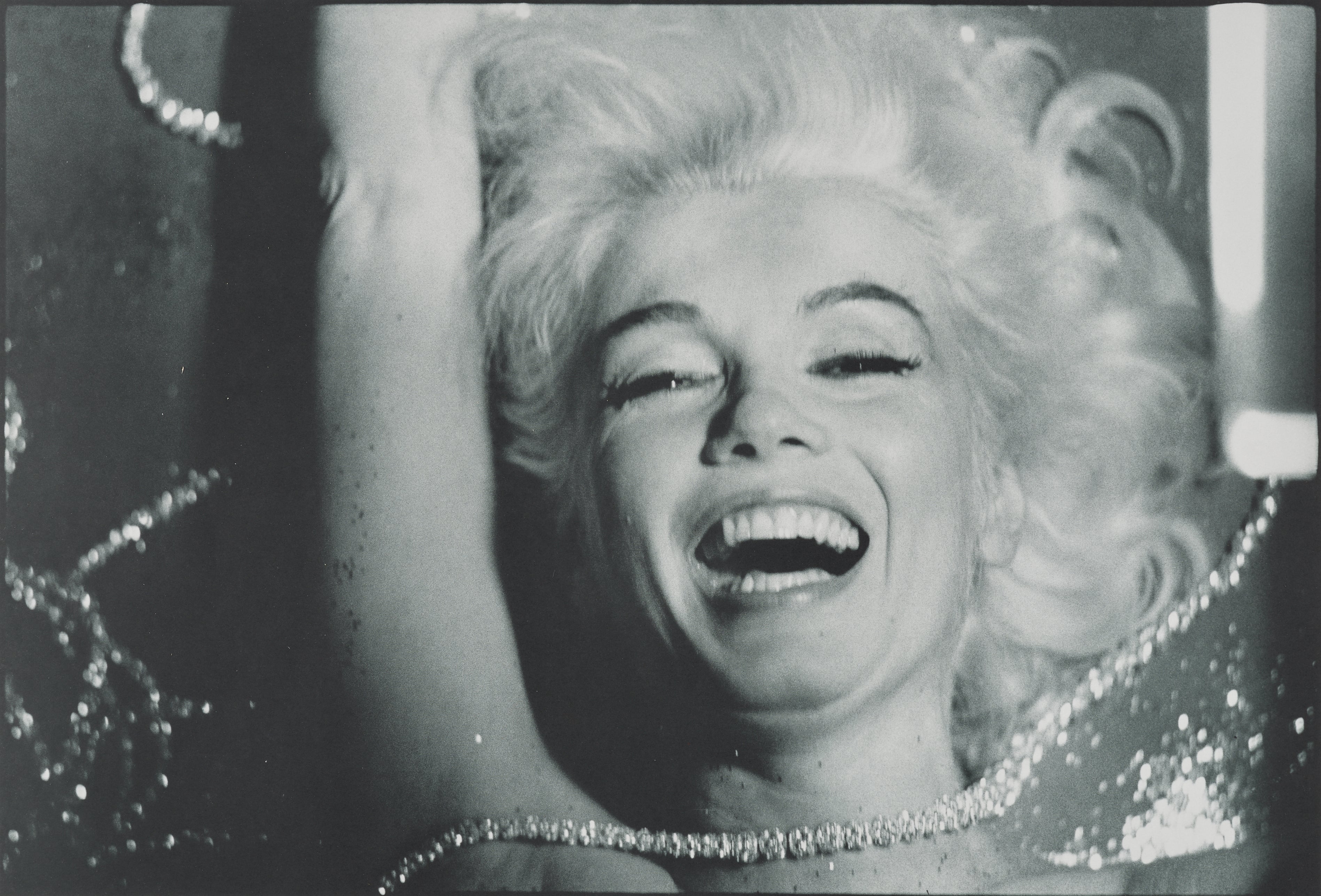
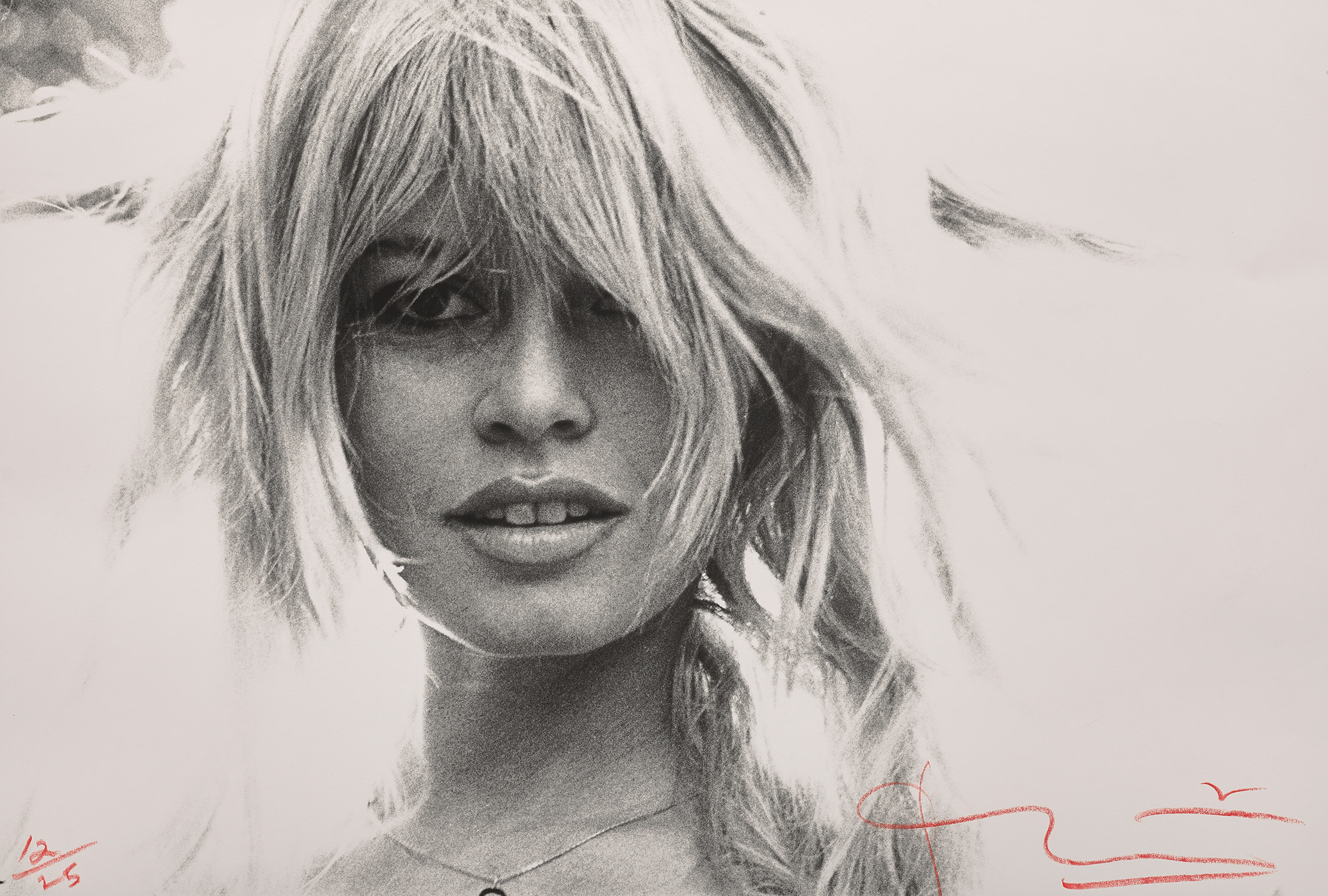
She was simultaneously the most desired and most exposed woman in the world, a figure who existed at the intersection of Hollywood mythology, mass media reproduction, and genuine human vulnerability. For artists paying attention in the late 1950s and early 1960s, she was a kind of living readymade, an image so saturated with meaning that working with her face became a way of working through the culture itself. The photographers who had actual access to Monroe were among the finest of their generation, and their work forms the documentary foundation upon which so much subsequent art rests. Bert Stern shot what became known as The Last Sitting in June and July of 1962, just weeks before her death, producing a series of images of startling intimacy and melancholy.
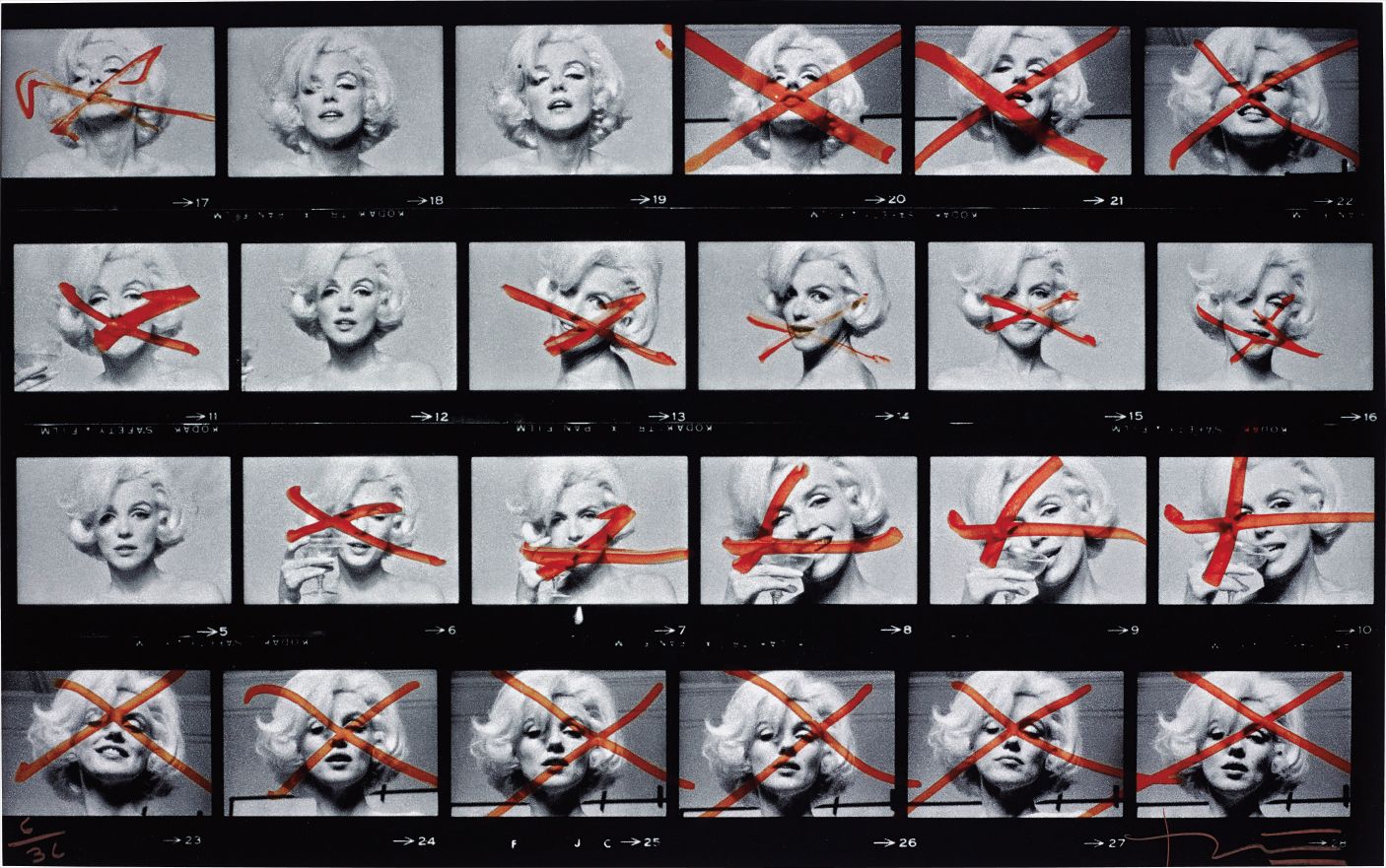
Bert Stern
Marilyn Monroe from The Last Sitting (Contact Sheet)
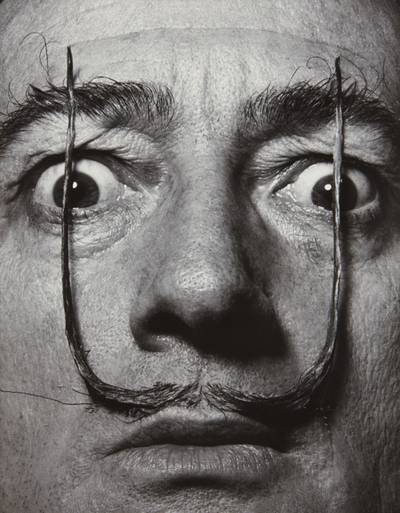
Philippe Halsman, who collaborated with Salvador Dali and photographed virtually every major figure of the mid century, also captured Monroe with a particular psychological acuity, understanding that her gift was the ability to perform vulnerability as though it were entirely unposed. Milton H. Greene, who was not just a photographer but a genuine friend and business partner, documented her across years rather than a single session, giving us something closer to a portrait of a life in progress. Richard Avedon brought his signature theatrical intelligence to his sessions with her, understanding Monroe as both subject and collaborator.
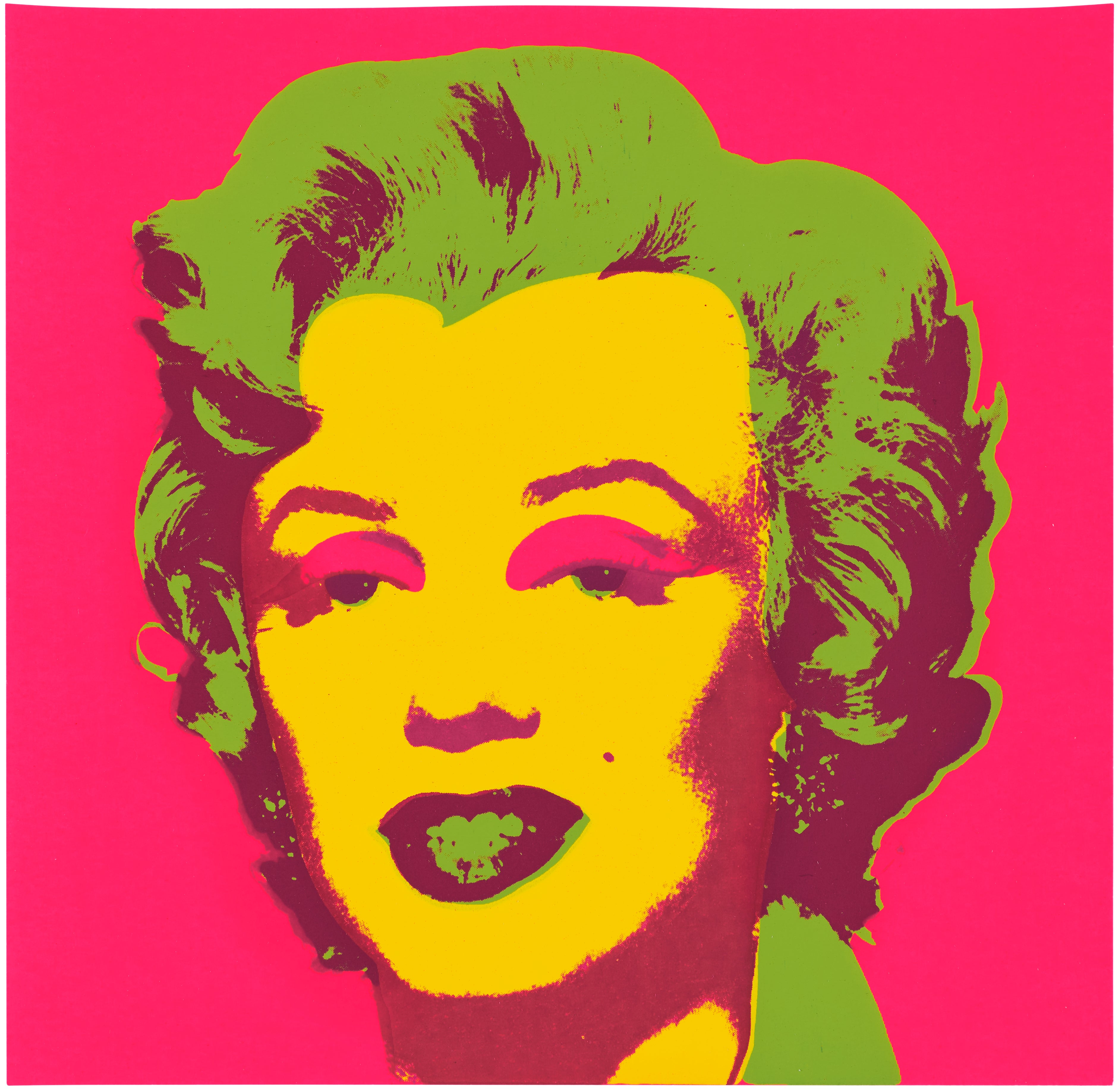
These photographers were not simply documenting a celebrity. They were, often without knowing it, creating the raw material for half a century of art historical inquiry. Warhol's intervention was the decisive one. In the days following Monroe's death, he began working with a publicity still from her 1953 film Niagara, running it through silkscreen processes that emphasized the artificial, the repeated, the slightly off register.
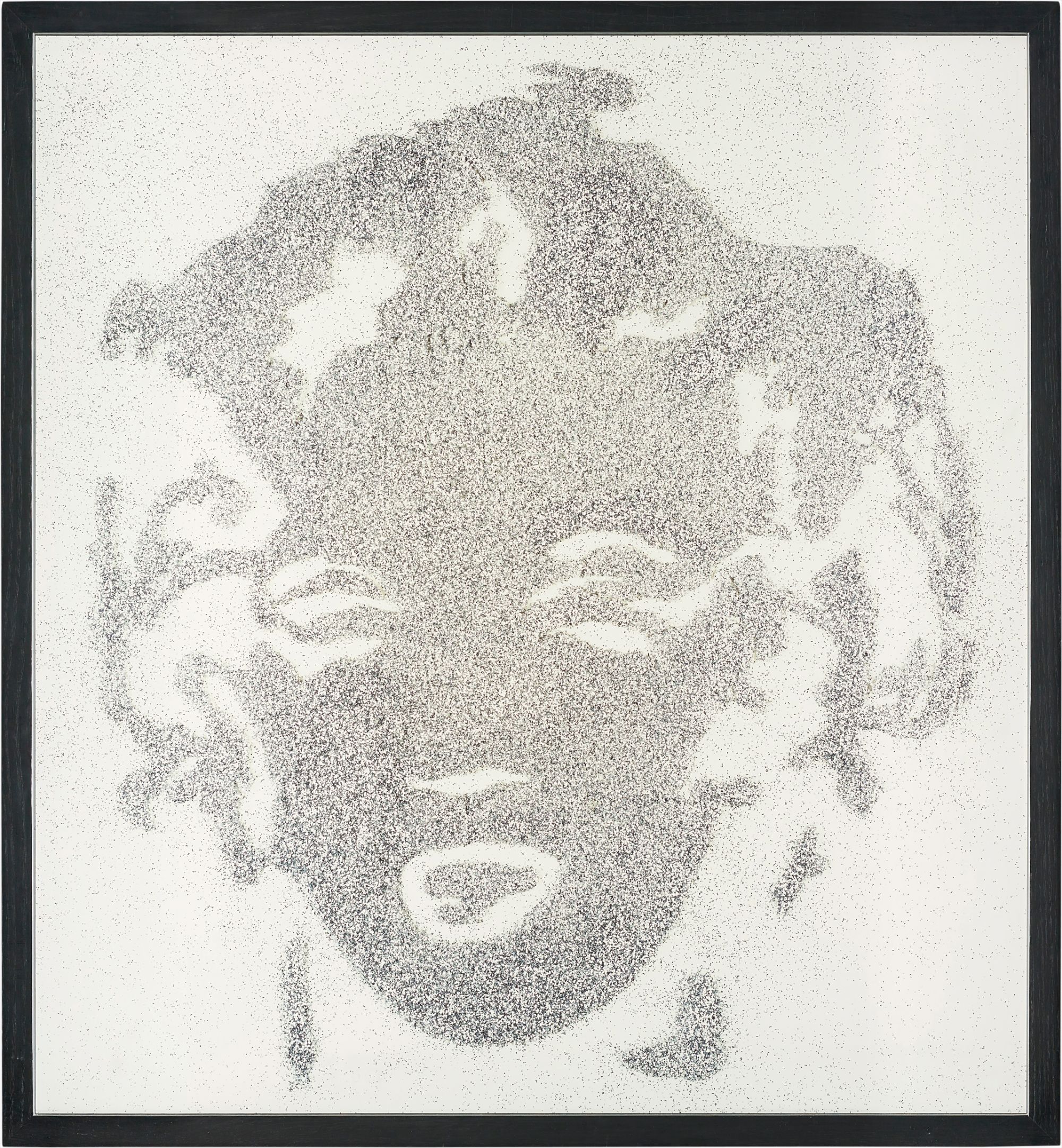
Vik Muniz
Reversal Grey Marilyn from Pictures of Diamond Dust
The resulting works, including the famous Marilyn Diptych of 1962, now in the Tate Modern, transformed grief into formal inquiry. The repetition was not callous. It was a diagnosis. Warhol understood that celebrity in the age of mass media meant existing as an image reproduced until meaning drained away, and Monroe had lived that condition more completely than anyone.
Warhol is extraordinarily well represented on The Collection, and spending time with those works is to feel that original shock of recognition still operating, still unsettling. What makes the Monroe subject so durable is that it invites so many different kinds of responses. Sturtevant, the deeply underrated American artist who built her practice around the replication of canonical works, turned her attention to Warhol's Monroe pieces and in doing so asked genuinely difficult questions about authorship, originality, and the art market's dependence on the myth of the singular gesture. Richard Pettibone worked in a similar territory of appropriation and miniaturization, distilling iconic images into something that forces you to reconsider what you think you already know.
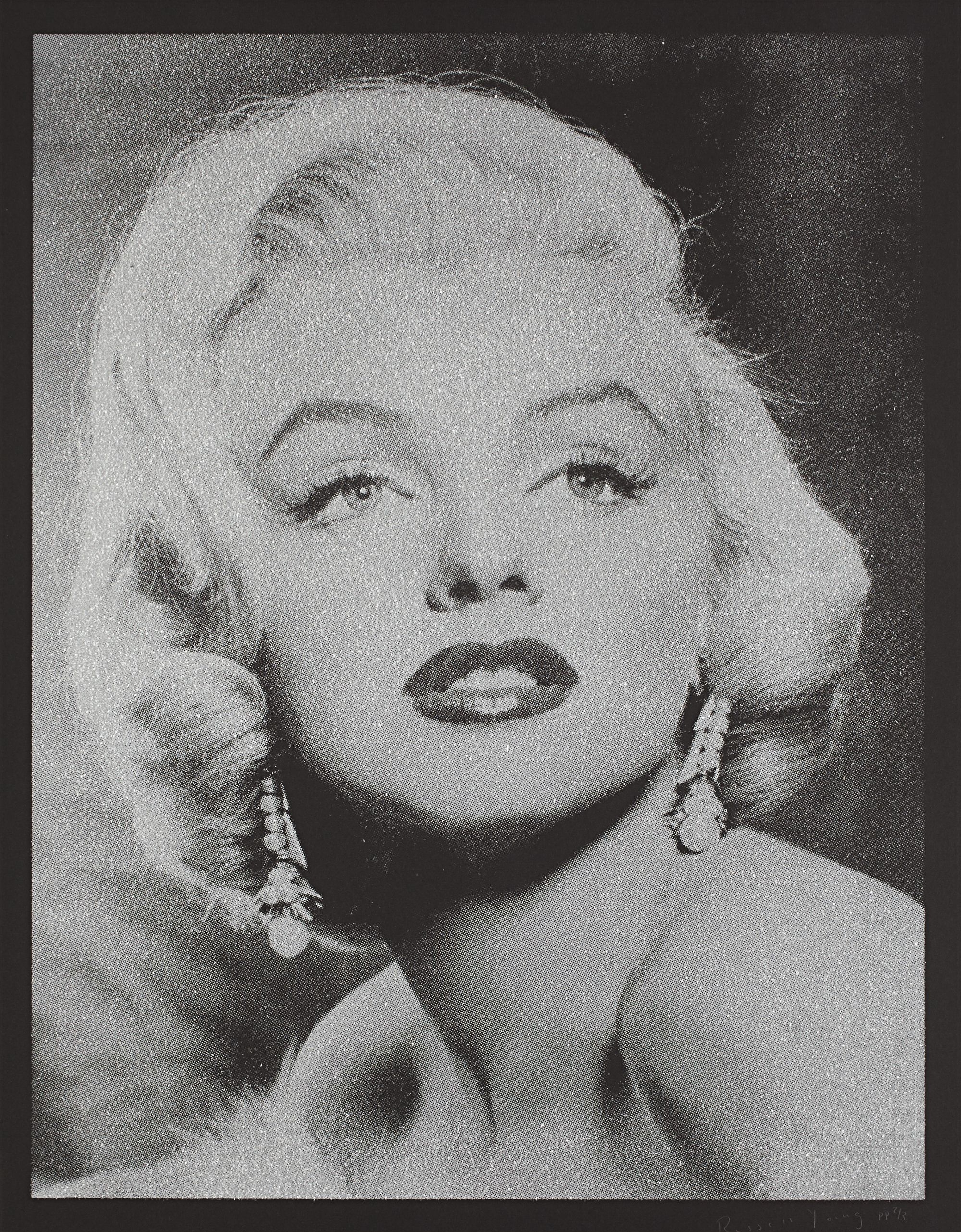
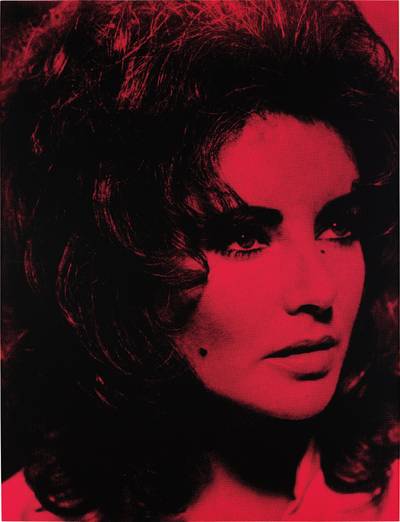
Russell Young
Marilyn Goddess
Russell Young, working in a more recent register, uses silkscreen and pigment inks to return to the Monroe image with a rawness that acknowledges the Warhol precedent while insisting on its own emotional weight. Richard Hamilton, the British pop pioneer who was asking the same questions as Warhol but from a different cultural position, also engaged with the iconography of American celebrity in ways that speak directly to what Monroe represented as a transatlantic projection of desire and anxious modernity. Vik Muniz brings an entirely different sensibility to the question of iconic imagery. His work, which reconstructs famous images from unexpected materials including sugar, wire, and magazine clippings, treats the photograph not as a transparent window but as a construction, something built rather than found.
That sensibility is entirely relevant to how we should understand the Monroe image more broadly, as something assembled from desire, commerce, photographic technology, and cultural need rather than simply discovered in front of a camera. Sir Peter Blake, whose career has always moved fluidly between high art and popular culture, brings a British tenderness to the American celebrity landscape that gives his engagements with Monroe imagery a quality of genuine affection rather than cool detachment. Mimmo Rotella, the Italian decollage artist who tore and layered posters found on Roman walls, also worked with Monroe's image, treating celebrity culture as a kind of urban archaeology, something to be excavated rather than simply consumed. What is perhaps most striking, looking at the full range of artistic responses to Monroe across more than six decades, is how consistently she resists being fixed.
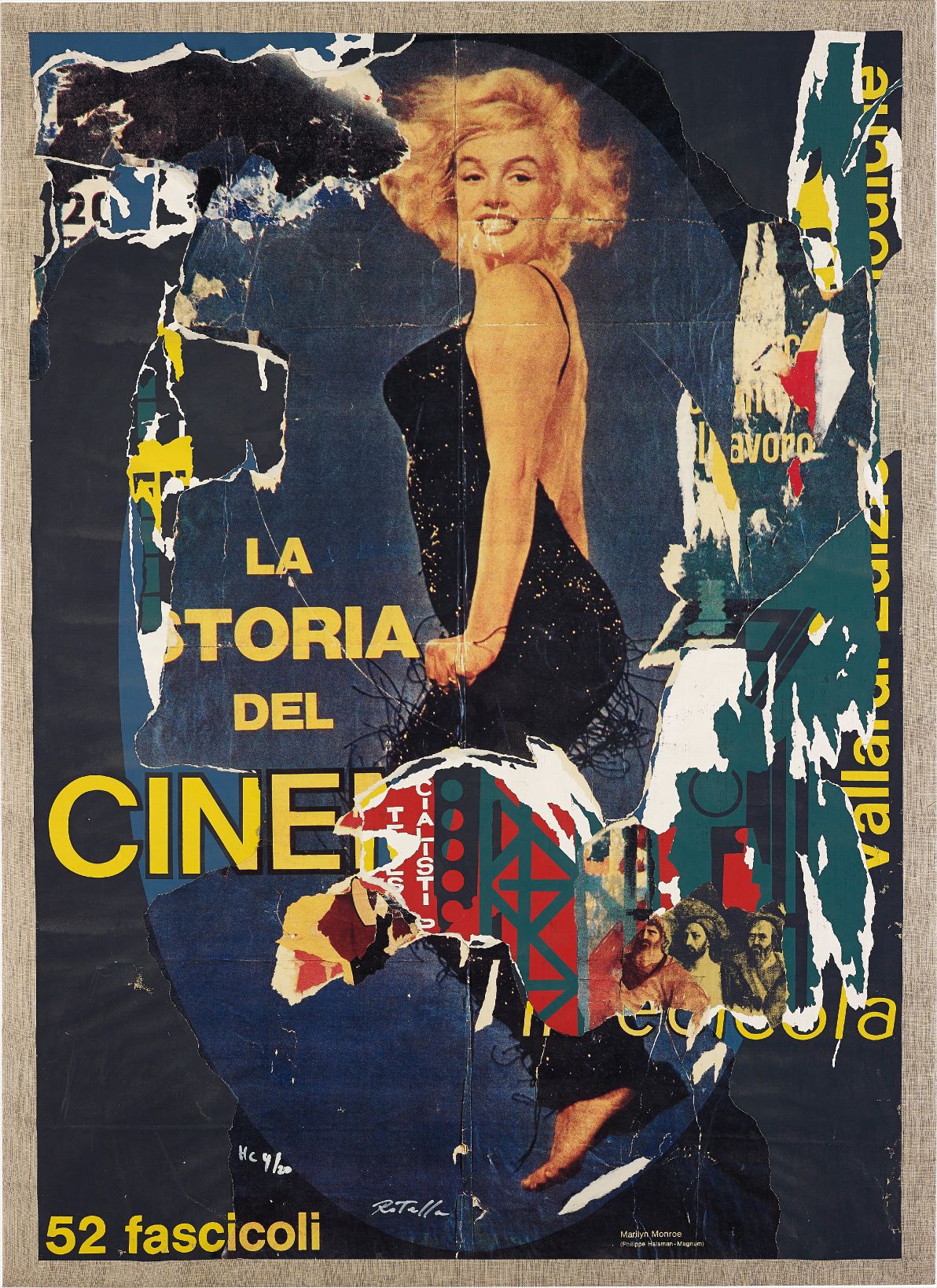
Mimmo Rotella
Marilyn bellezza eterna
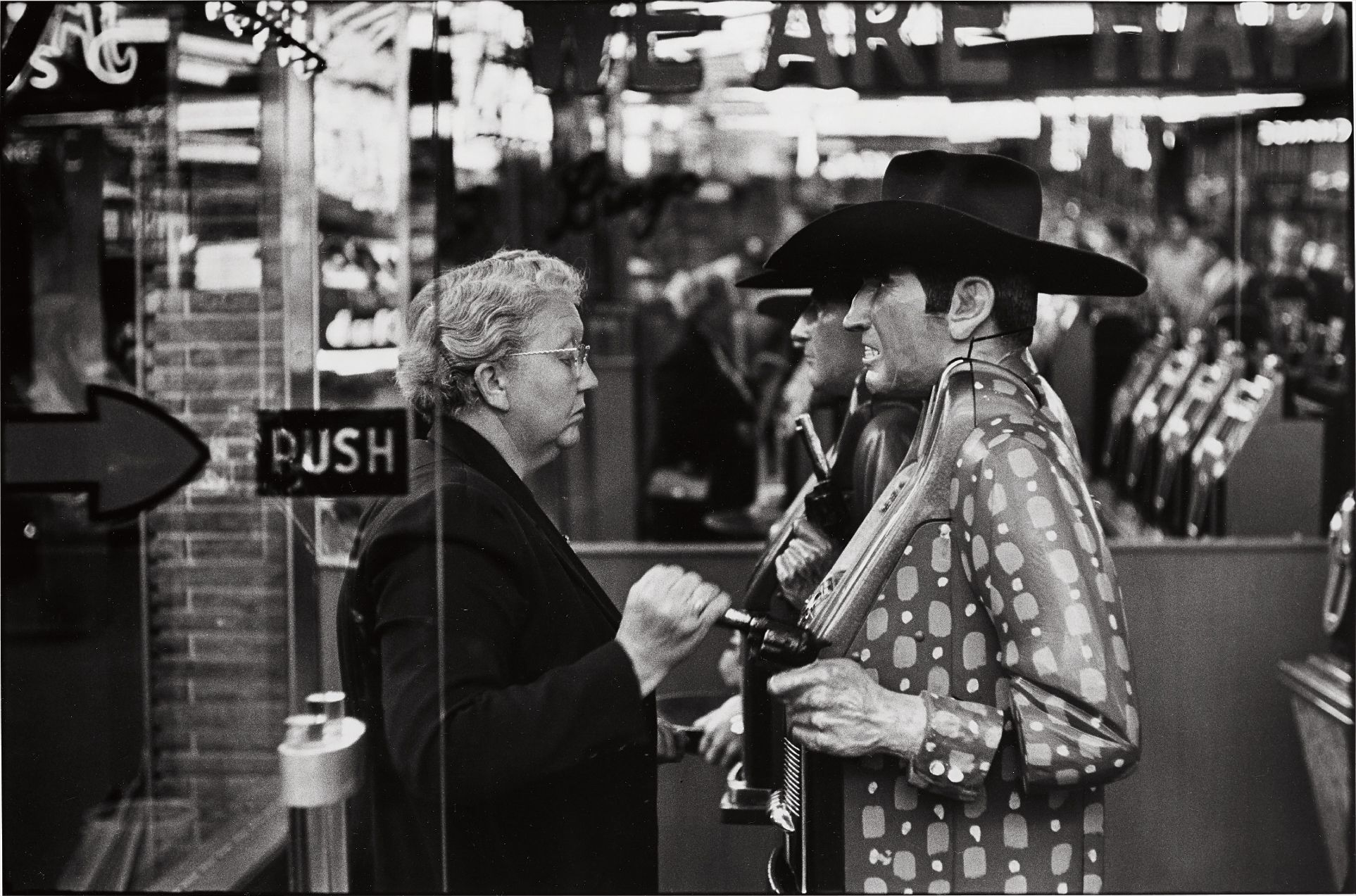
Each new work seems to open the question again rather than close it. Elliott Erwitt's work, rooted in street photography and an eye for the absurd and the tender simultaneously, reminds us that there is also a documentary tradition running alongside the conceptual one, artists committed to what it means to look carefully at a real person in a real moment. Leonid Sokov brought the perspective of Soviet unofficial art to the iconography of American celebrity, creating encounters between Monroe and figures like Lenin that were both darkly comic and genuinely philosophical about the nature of cultural mythology across political systems. The Collection gathers an extraordinary range of artists who have engaged with Monroe's image, and what that range reveals is not simply the power of her face but the power of the question she continues to pose.
What do we do with someone we loved as an image and failed as a person. What does it mean to look at a photograph. Where does the subject end and the symbol begin. These are not questions with answers.
They are questions that keep generating art, which may be the most honest measure of an image's significance.