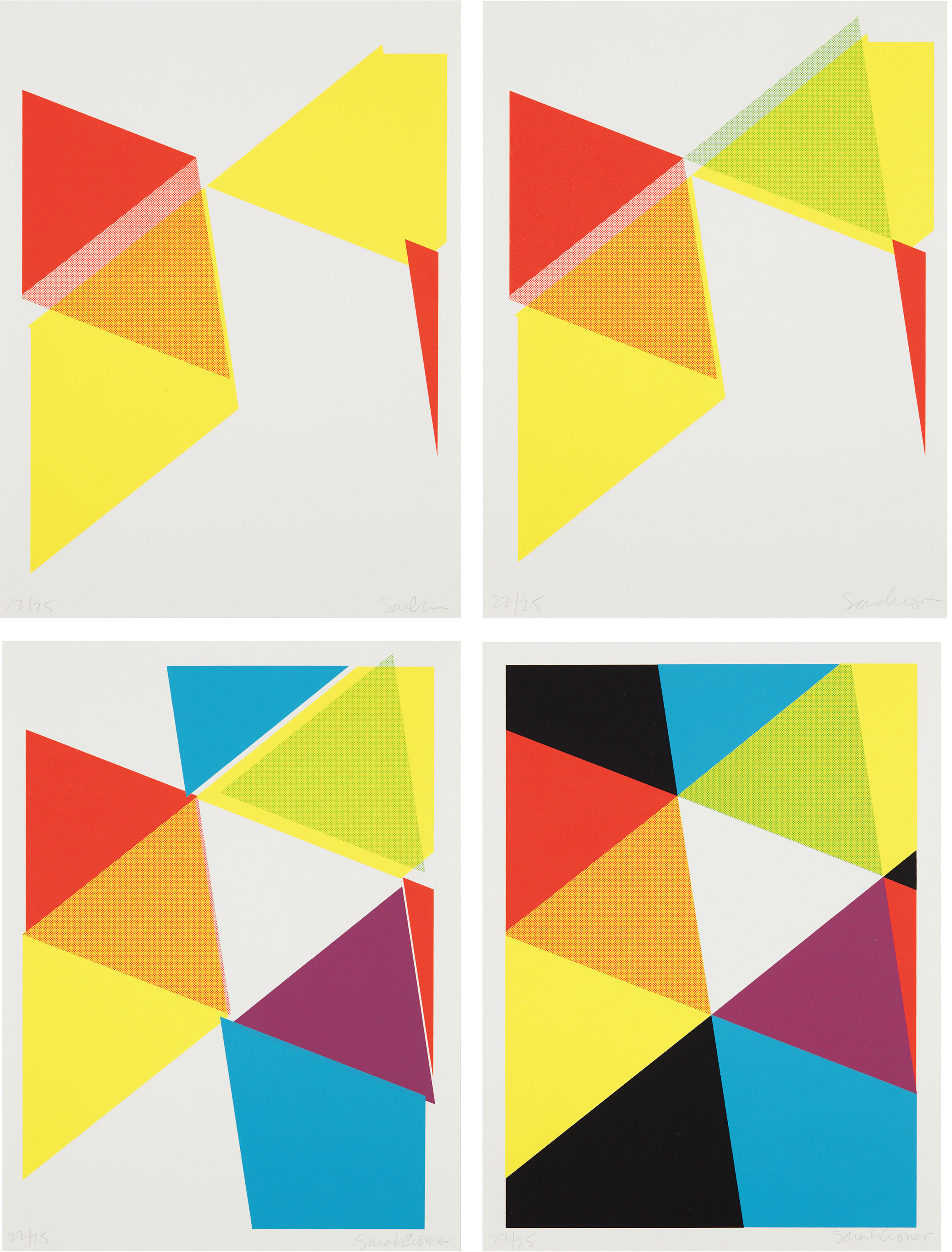
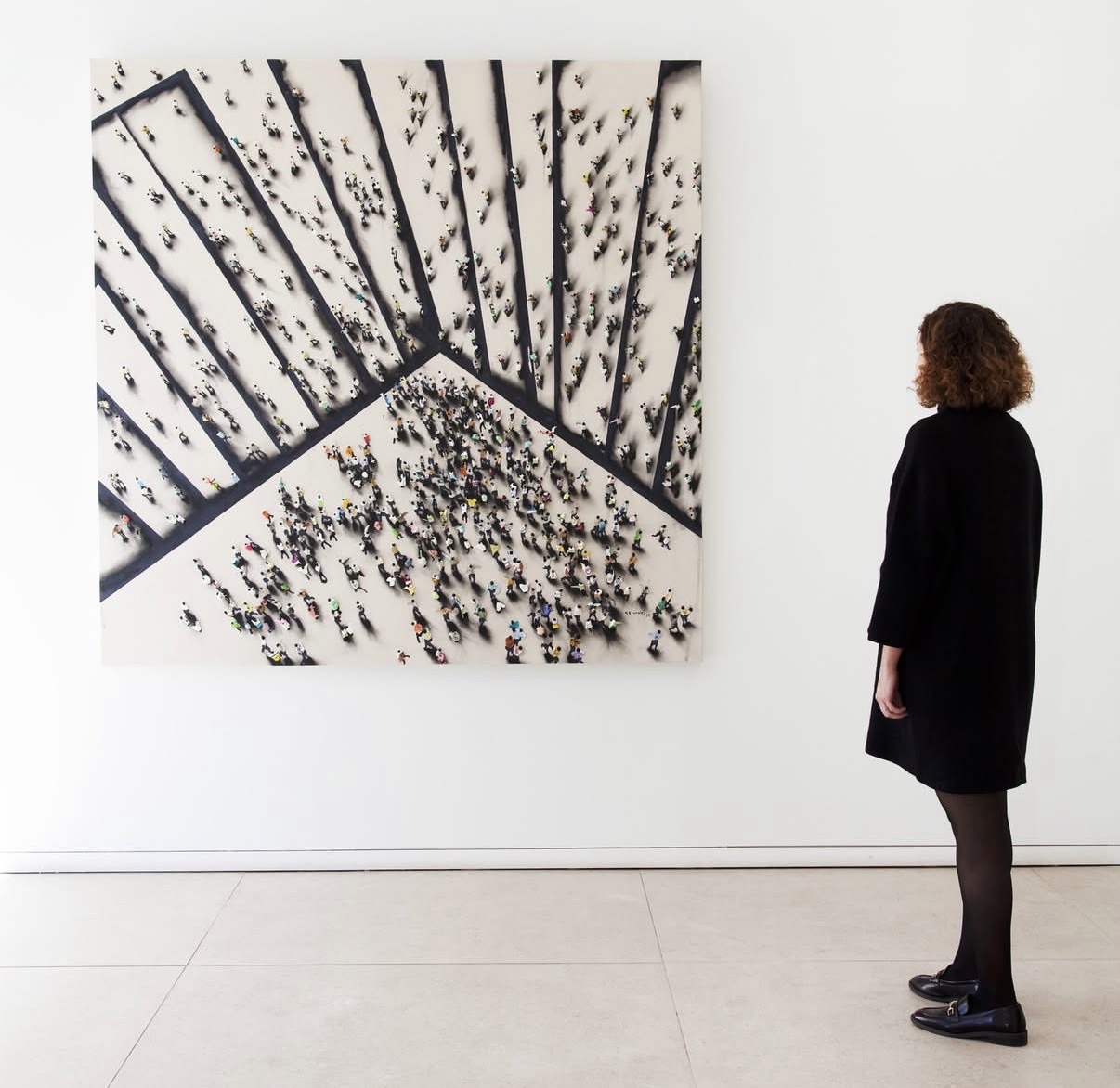
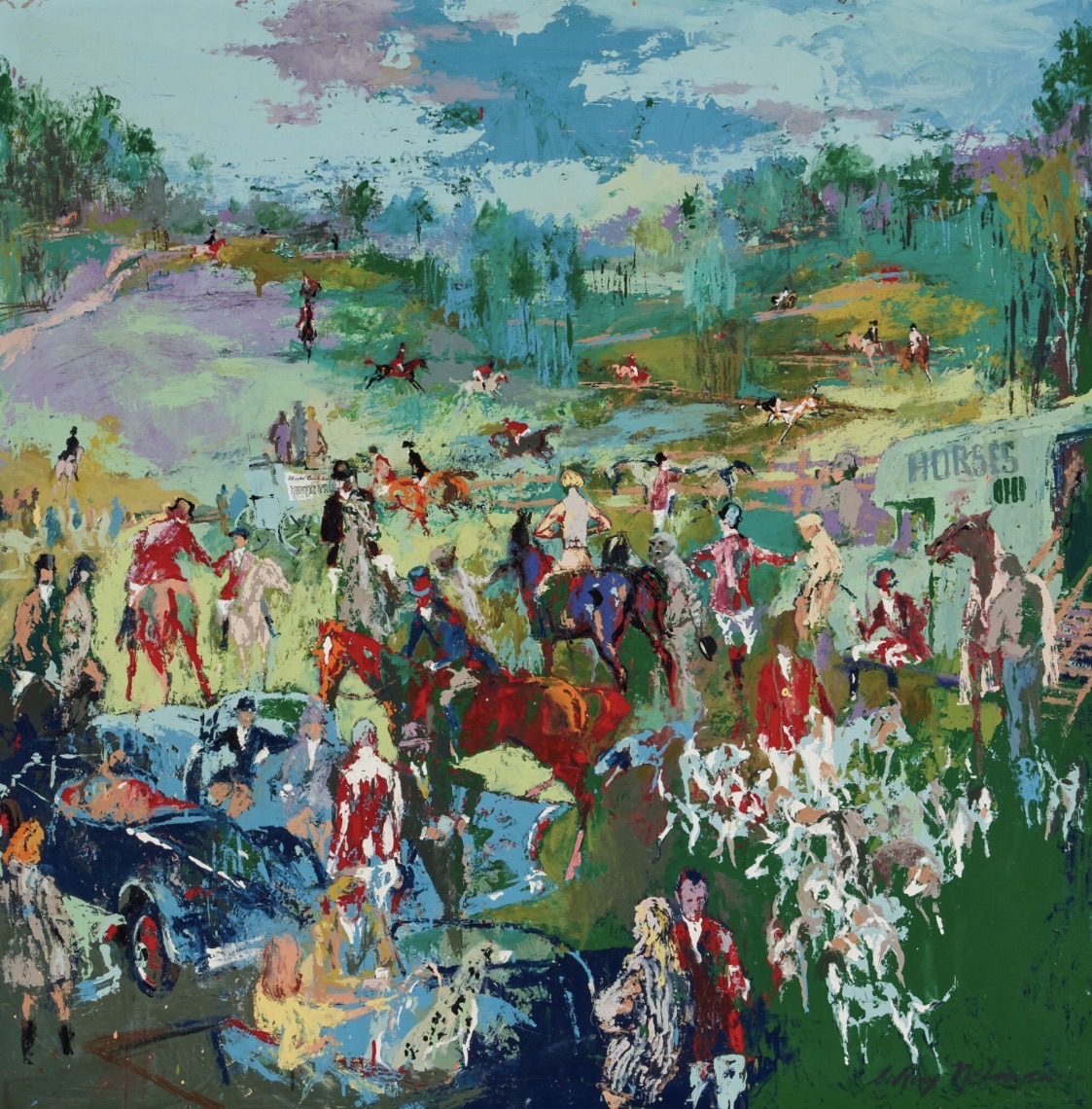
Limited Edition Print
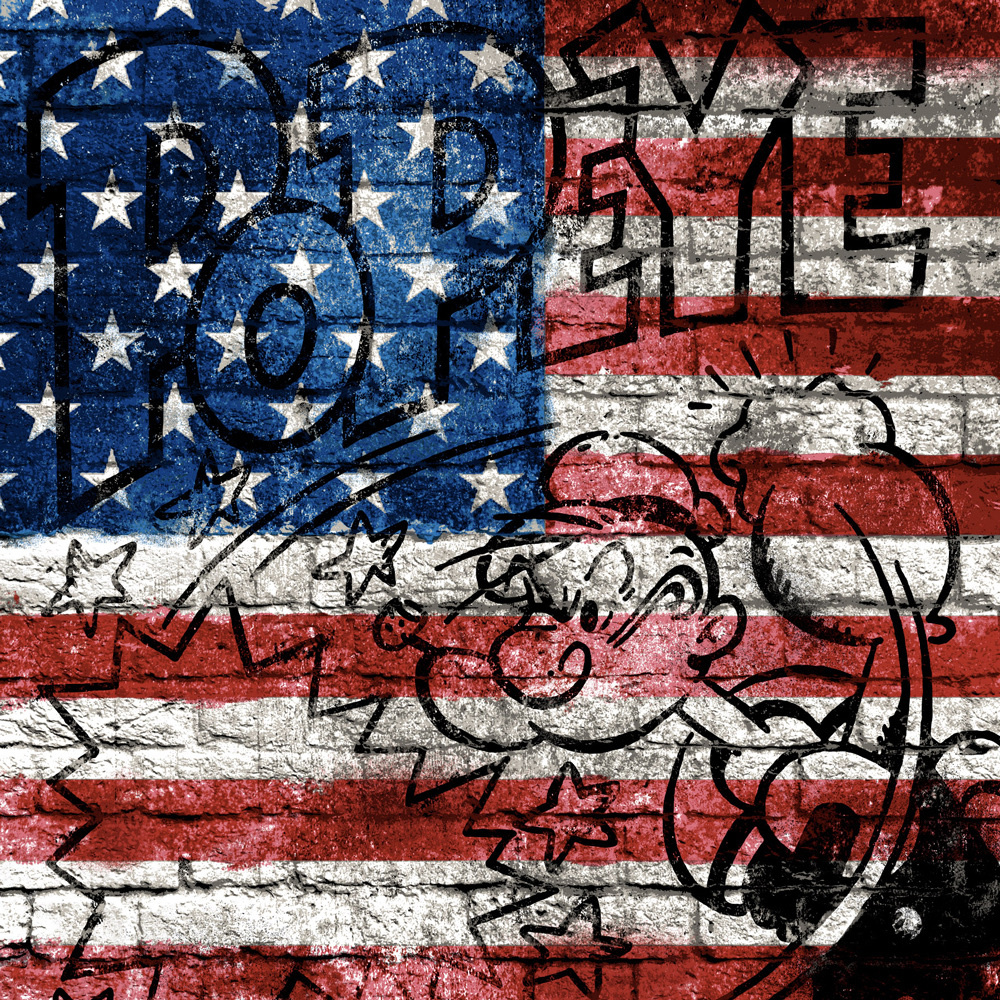
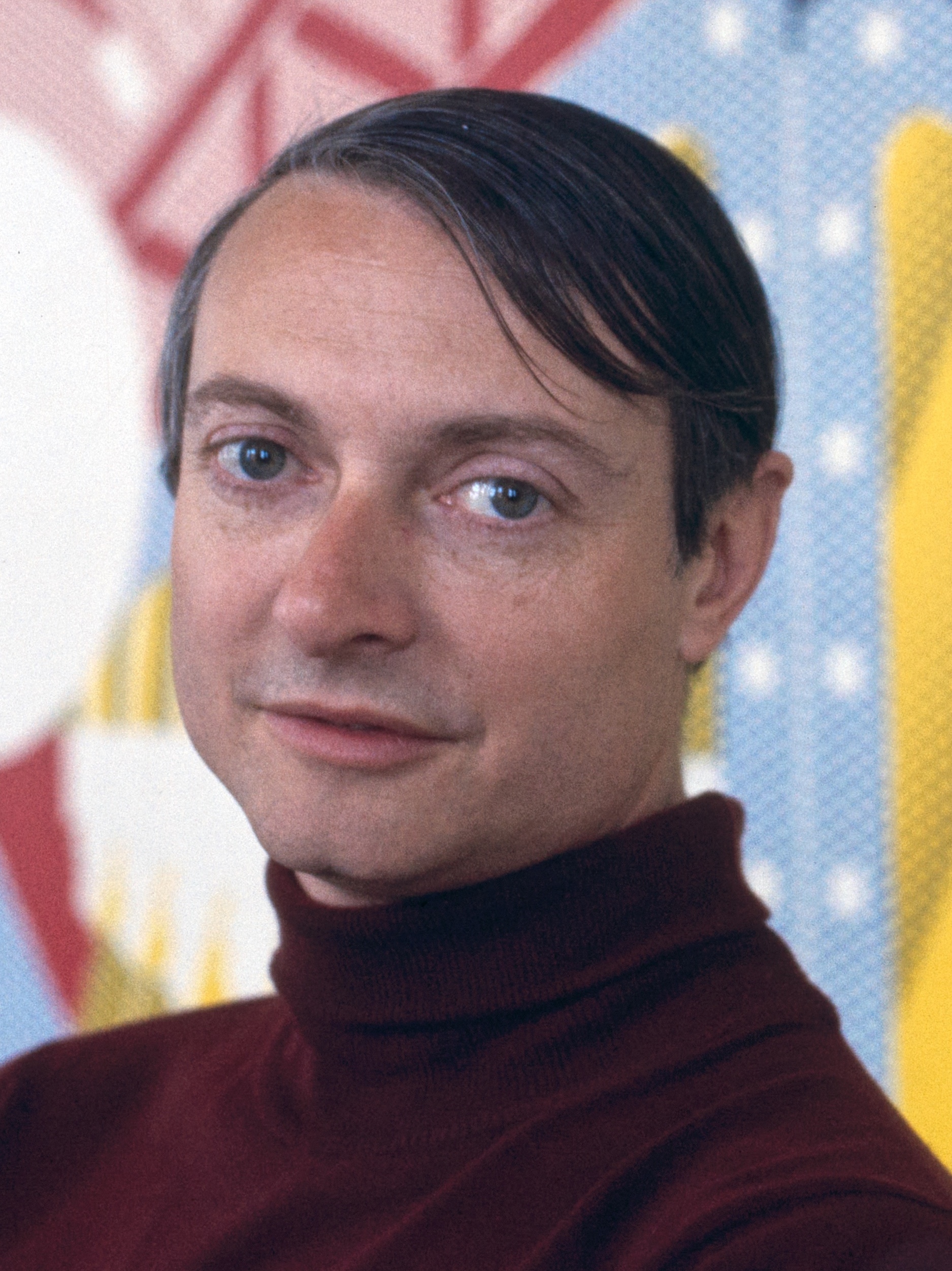
Mr. Brainwash
Popeye, 2019


The Edition That Changed Everything About Ownership
There is something almost philosophical about the limited edition print. It sits at the intersection of access and exclusivity, of the singular and the multiple, of the artist's hand and the mechanical process. Unlike a unique painting, a print exists in deliberate plurality, yet each impression carries the same authority, the same intention, the same market weight as its siblings. This tension has driven collectors, dealers, and artists into passionate debate for centuries, and it shows no sign of resolving itself anytime soon.
The story of printmaking as a serious artistic pursuit begins long before the modern art market gave it a framework. Albrecht Dürer was essentially running an edition business in early sixteenth century Germany, understanding intuitively that reproductive works could spread an artist's reputation far beyond any single patron's walls. But the concept of the truly limited edition, where scarcity is engineered rather than incidental, belongs largely to the twentieth century. The Post Impressionists and their dealers began to formalize the practice, and by the 1960s the print had become one of the defining cultural objects of its era.
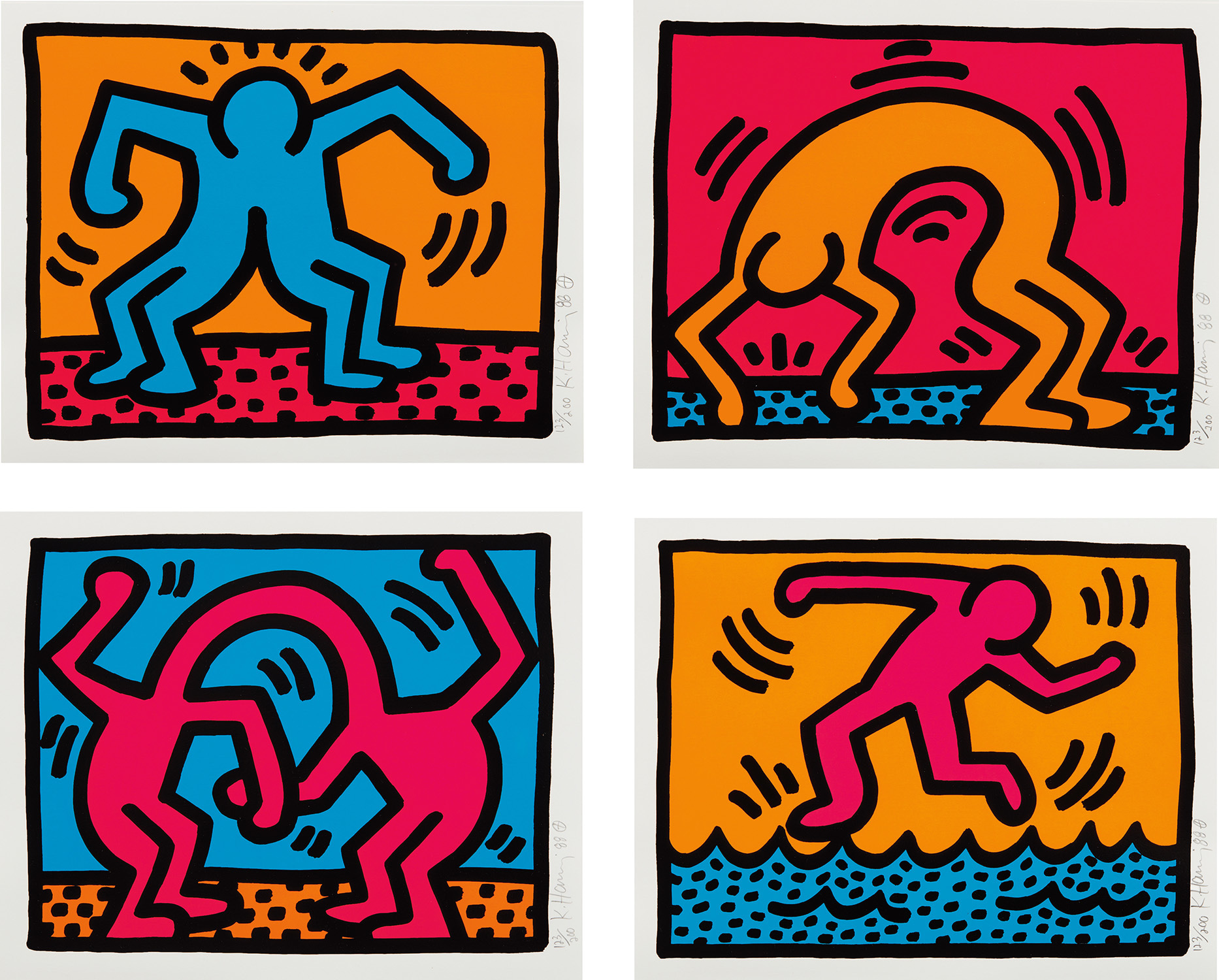
Keith Haring
Pop Shop II
Publishers like Gemini G.E.L. in Los Angeles and Petersburg Press in London created infrastructure that allowed major artists to produce editions with the same seriousness they brought to any other medium.
The 1960s and 1970s were genuinely transformative decades. Pop Art's embrace of mass media imagery made printmaking feel not just acceptable but conceptually necessary. Andy Warhol turned the silkscreen into his signature, and in doing so made the question of multiples central to how we think about art and commerce. Roy Lichtenstein's screenprints and lithographs extended the visual language of his paintings into an entirely new register, and works from that period remain among the most sought after editions in the market today.
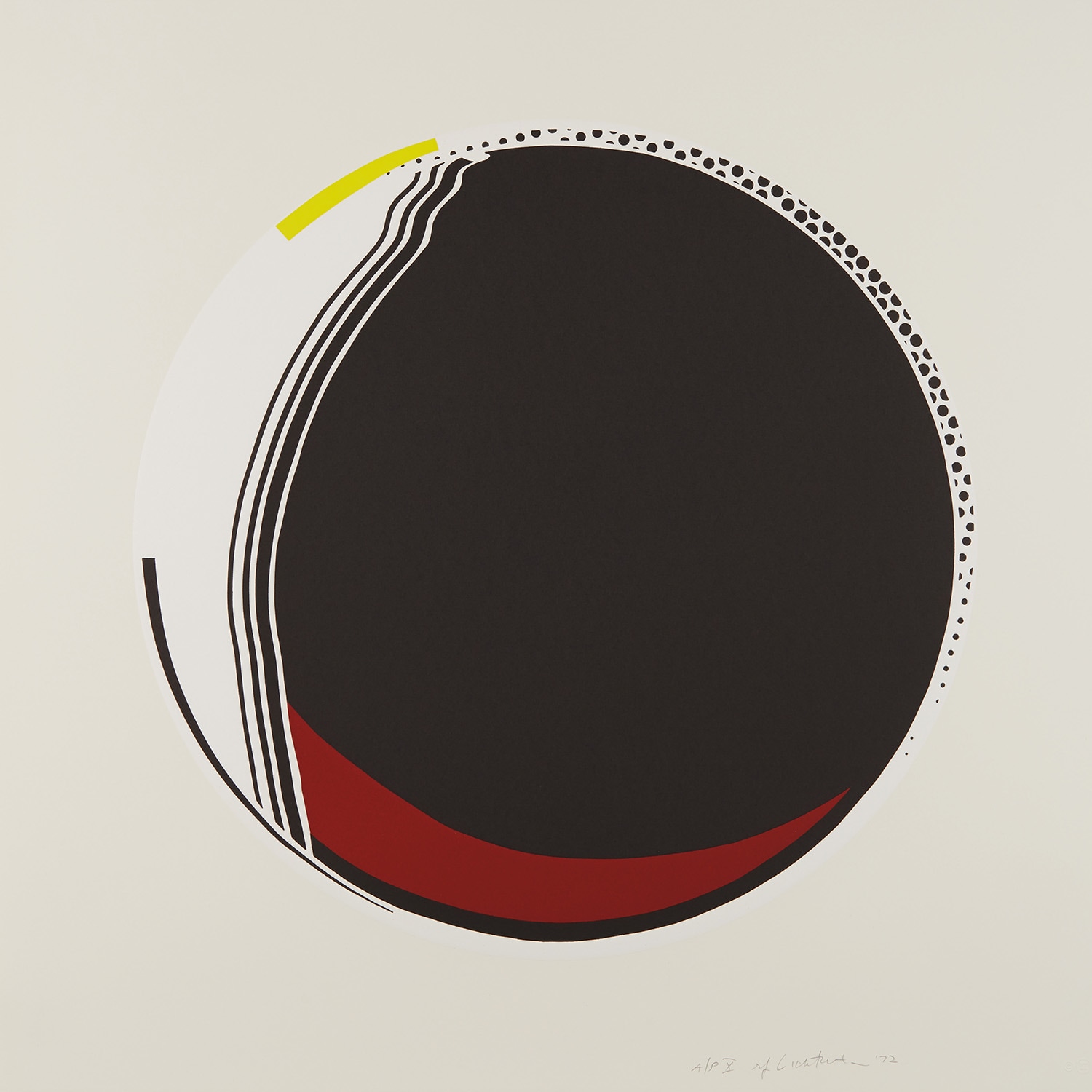
Roy Lichtenstein
Mirror #4, from Mirror Series
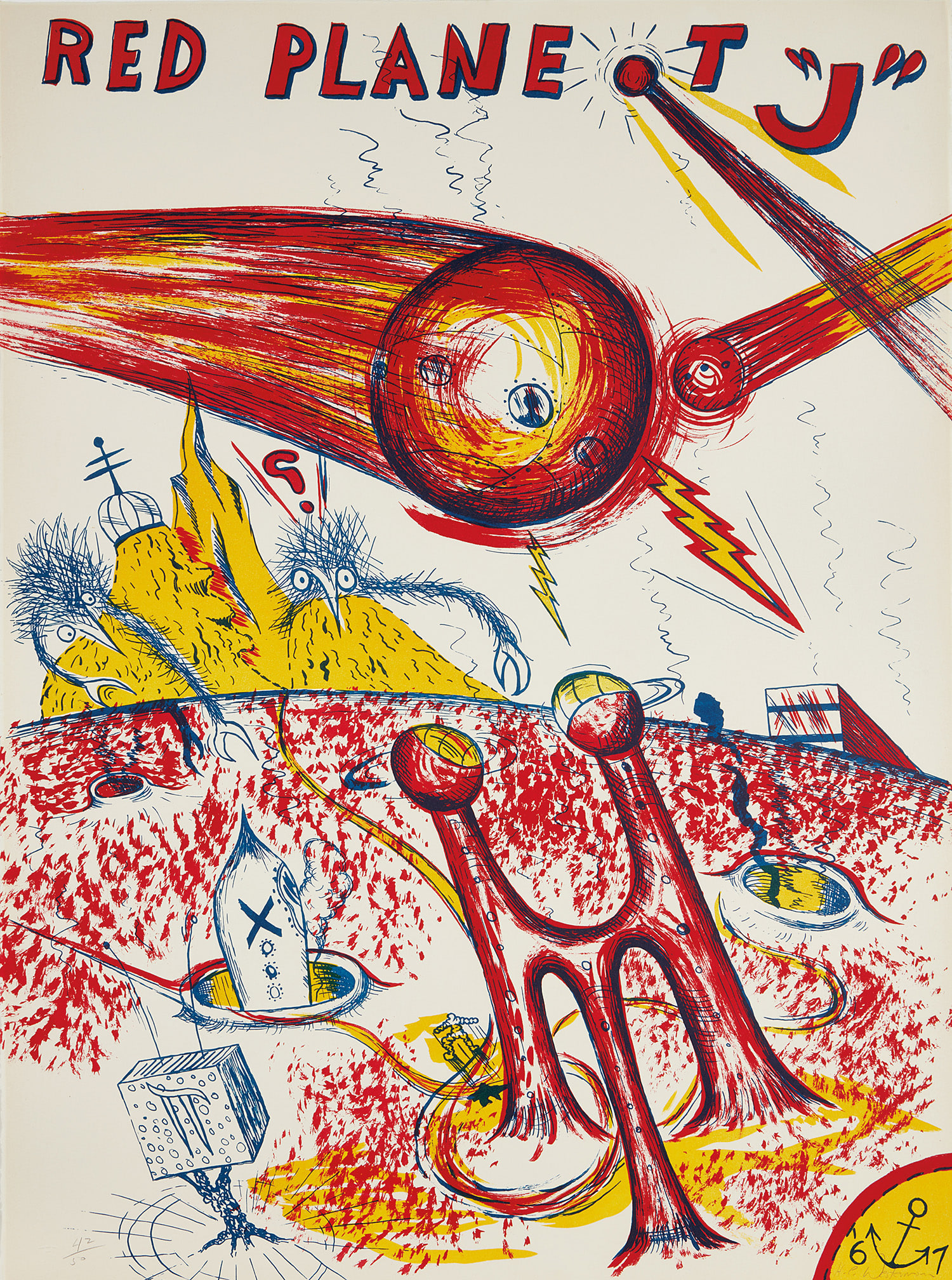
Richard Hamilton, widely credited as one of the founding figures of British Pop, used printmaking to interrogate consumer culture with a precision that the medium seemed almost designed to carry. These artists did not treat the print as a lesser form. They treated it as an argument. The technical vocabulary of limited edition prints rewards attention.
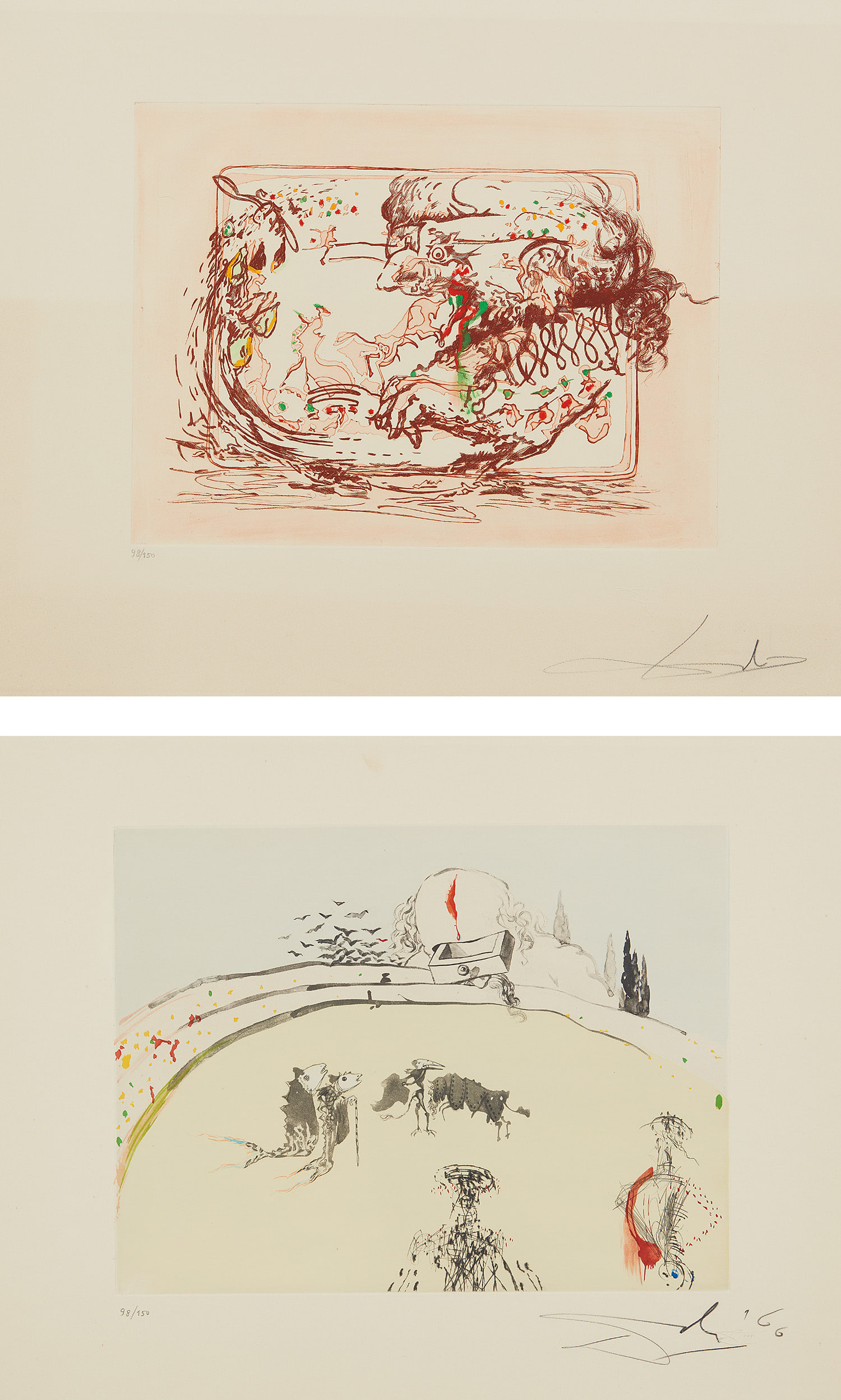
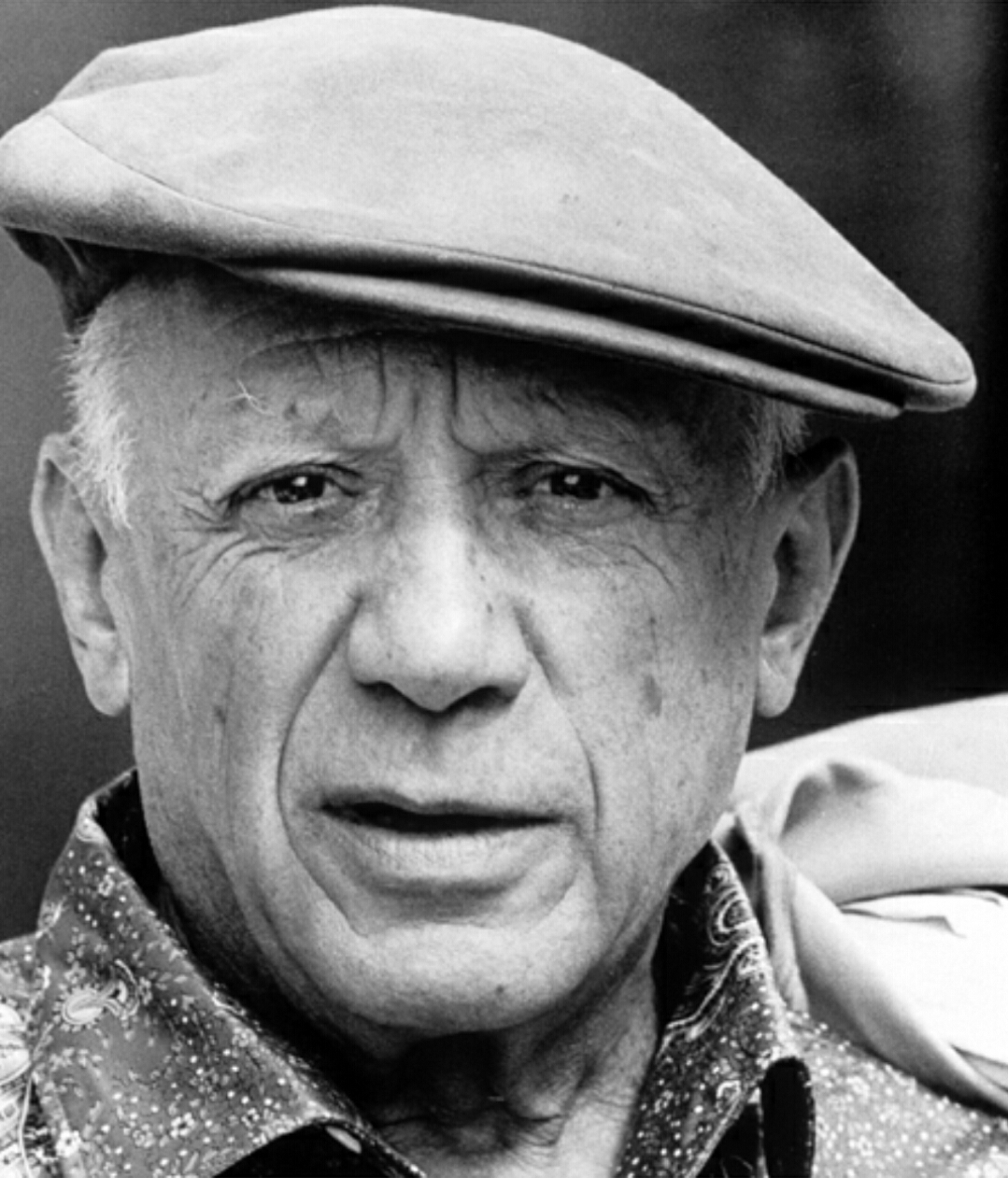
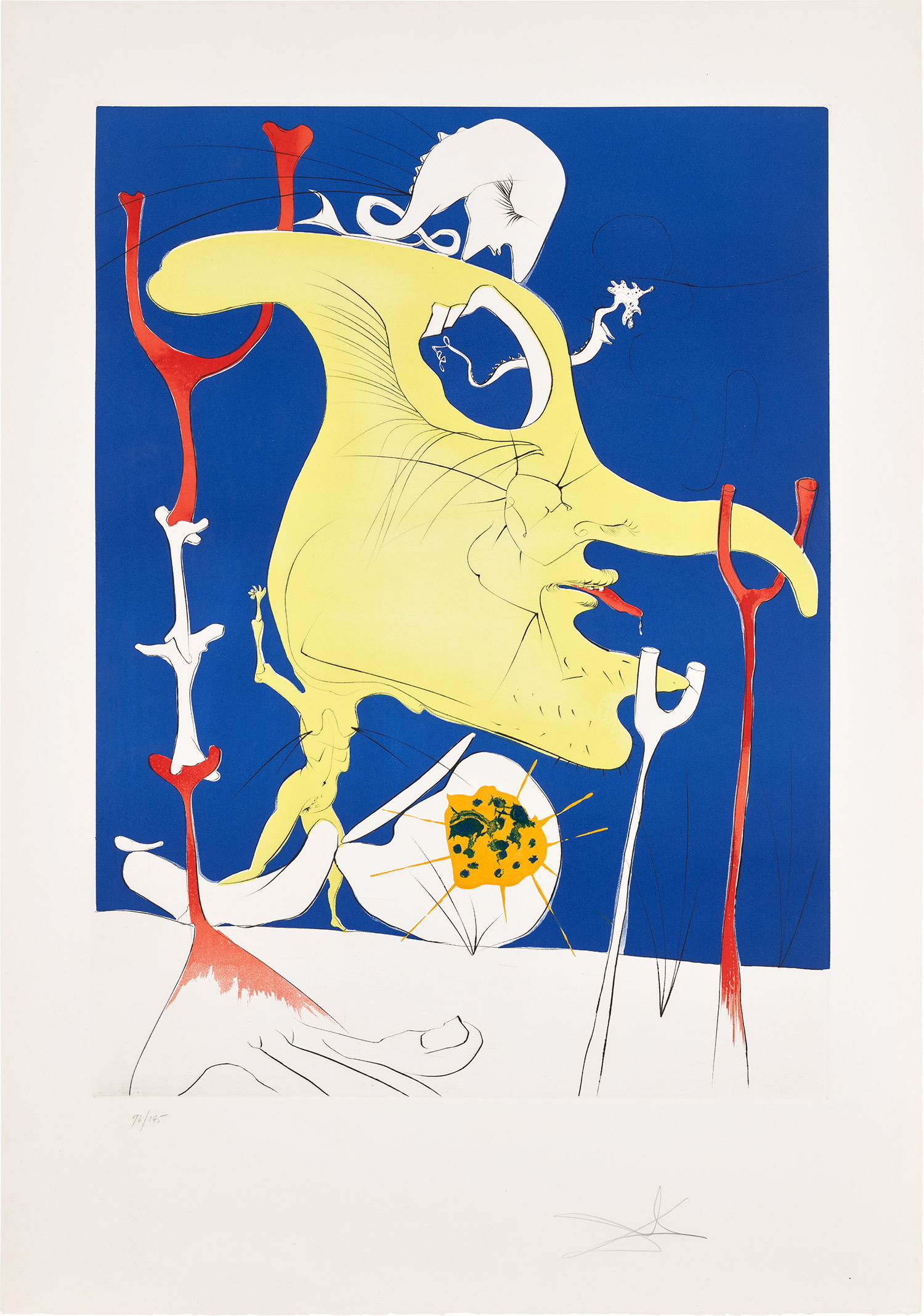
Lithography, etching, aquatint, screenprint, woodcut, each process produces a different surface quality, a different relationship between intention and accident. Pablo Picasso worked across nearly all of them with characteristic restlessness, collaborating with master printers like Fernand Mourlot in Paris to produce lithographs of extraordinary energy. Salvador Dalí brought his surrealist theatricality to printmaking throughout his career, and Marc Chagall made color lithography feel as lyrical and painterly as anything he produced on canvas. The edition number and the printer's stamp at the bottom of a sheet are not bureaucratic details.
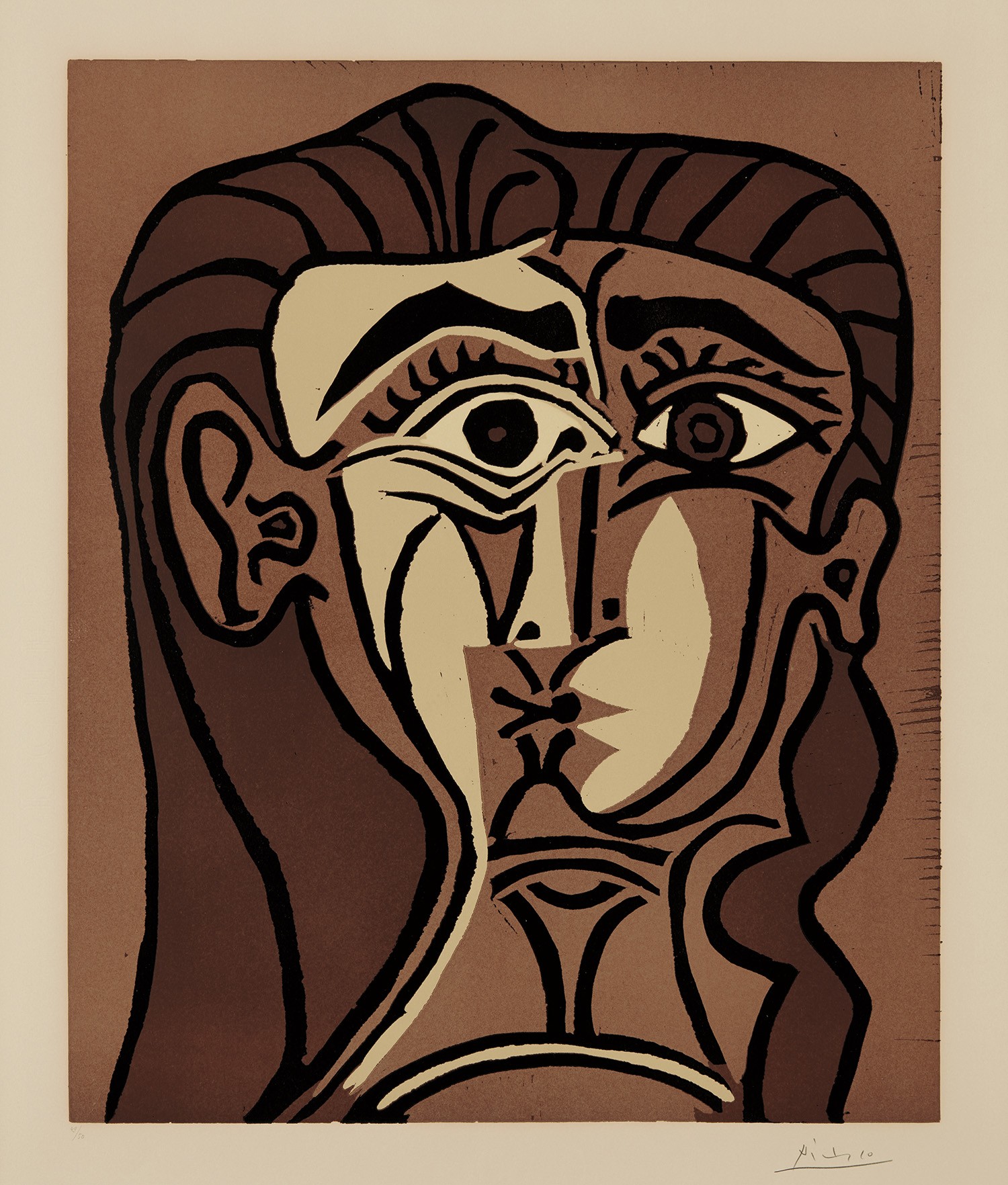
Pablo Picasso
Portrait de Jacqueline de Face II (Portrait of Jacqueline, Face II)
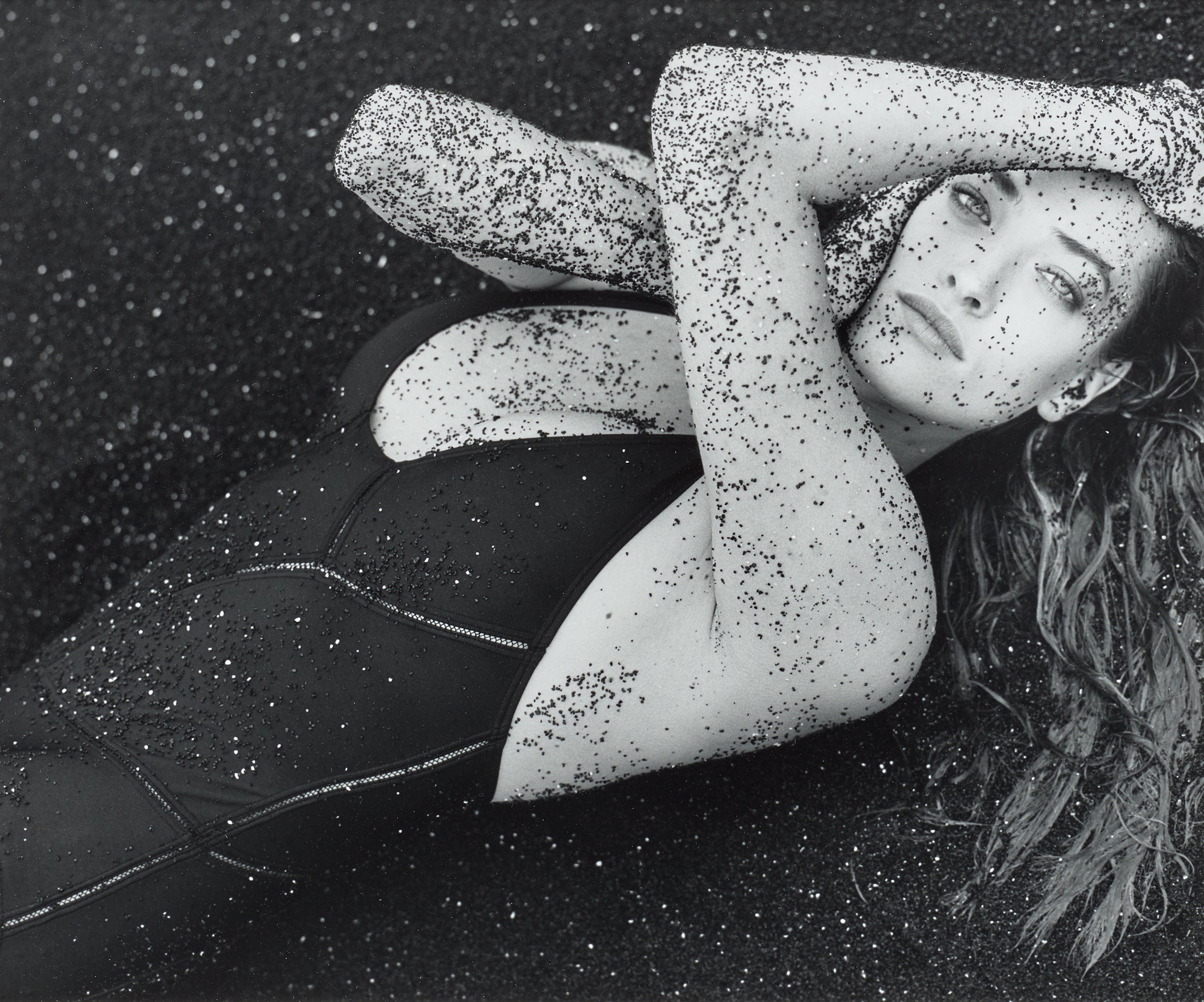
They are part of the work's biography. What separates a good edition from a great one is often a question of involvement. The prints that matter most are those where the artist was genuinely engaged in the process rather than simply licensing an image. David Hockney's relationship with printmaking has been a lifelong conversation, from his early etchings at the Royal College of Art in the early 1960s through his later investigations into the expressive possibilities of color.
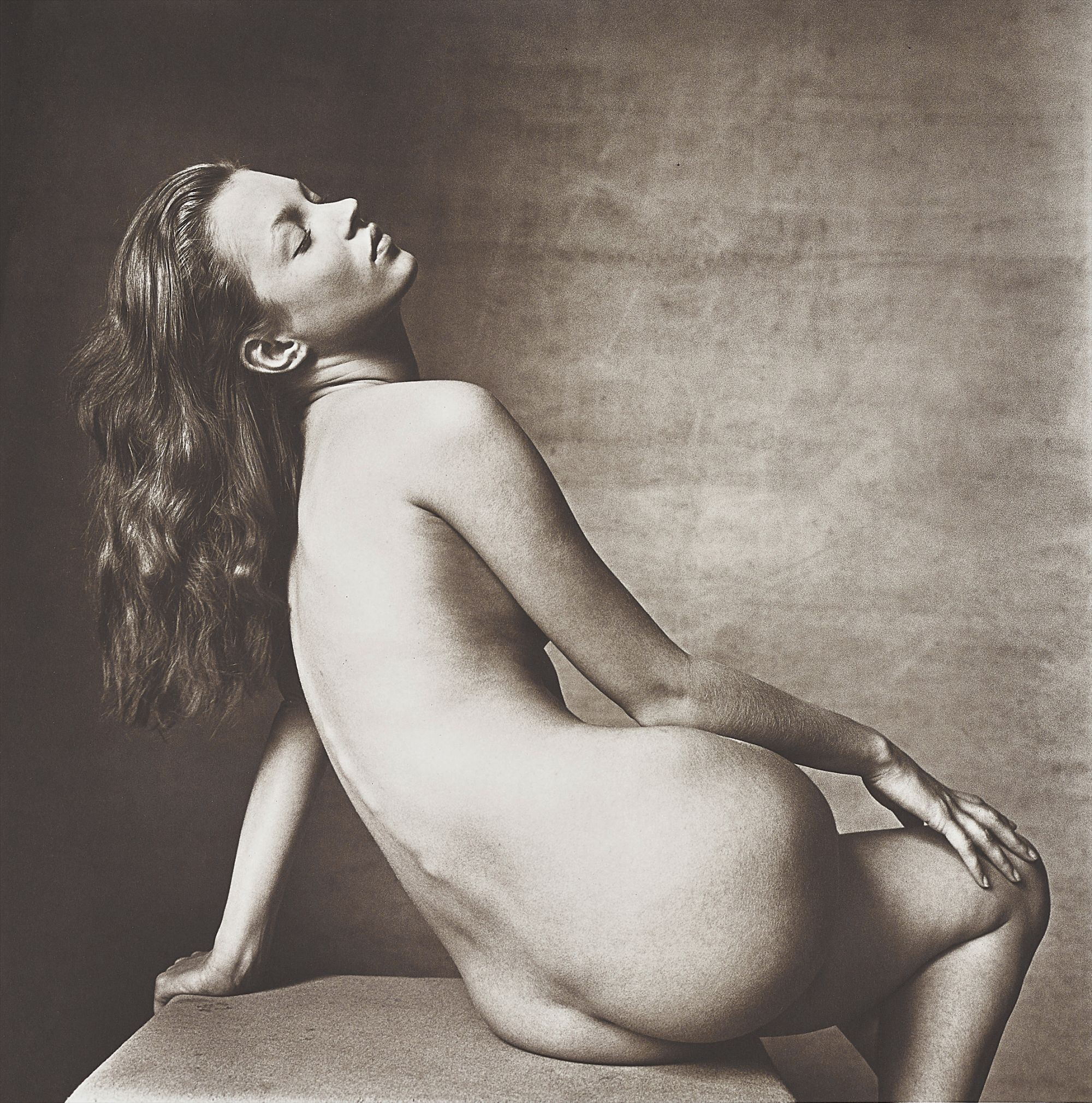
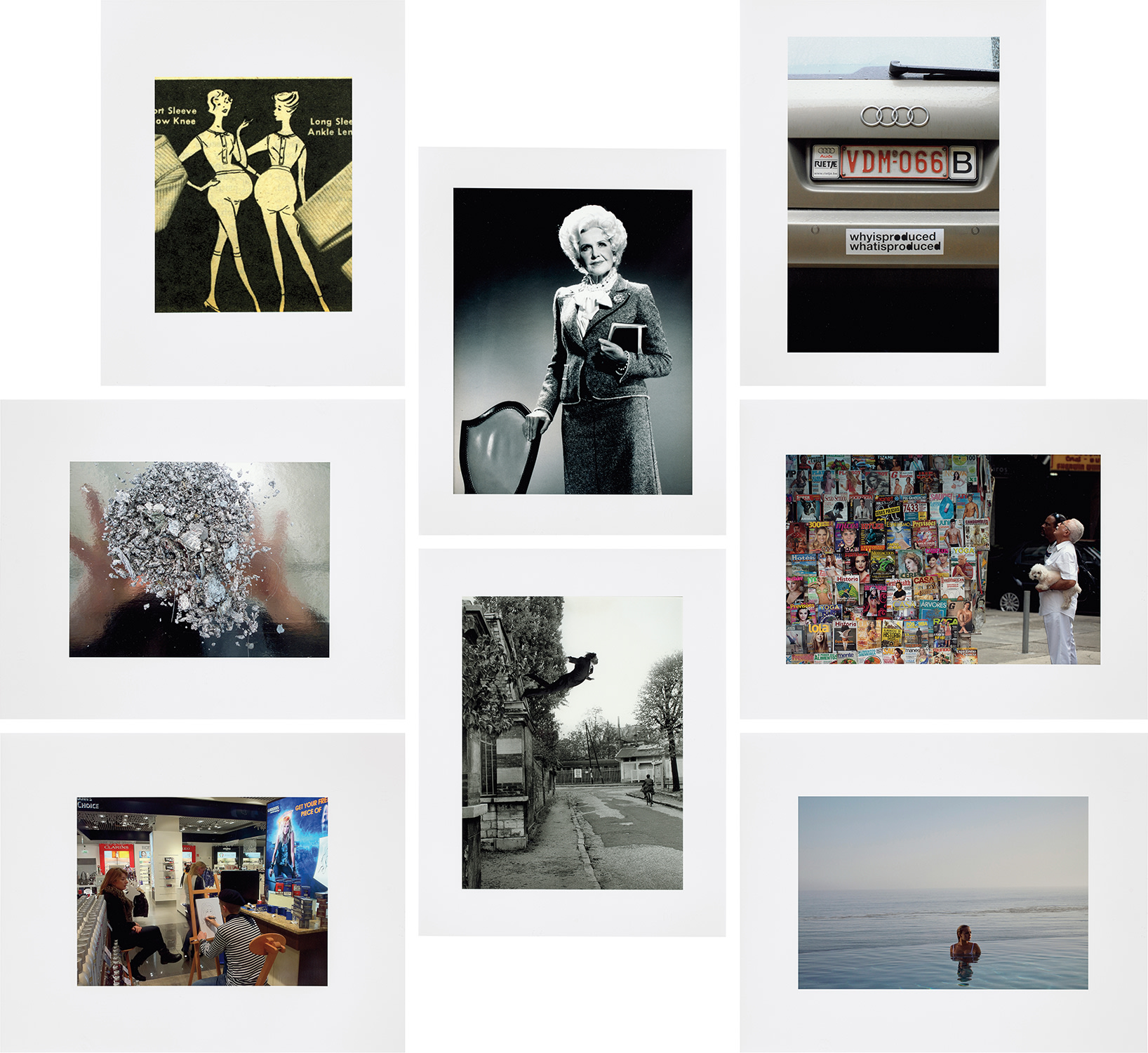
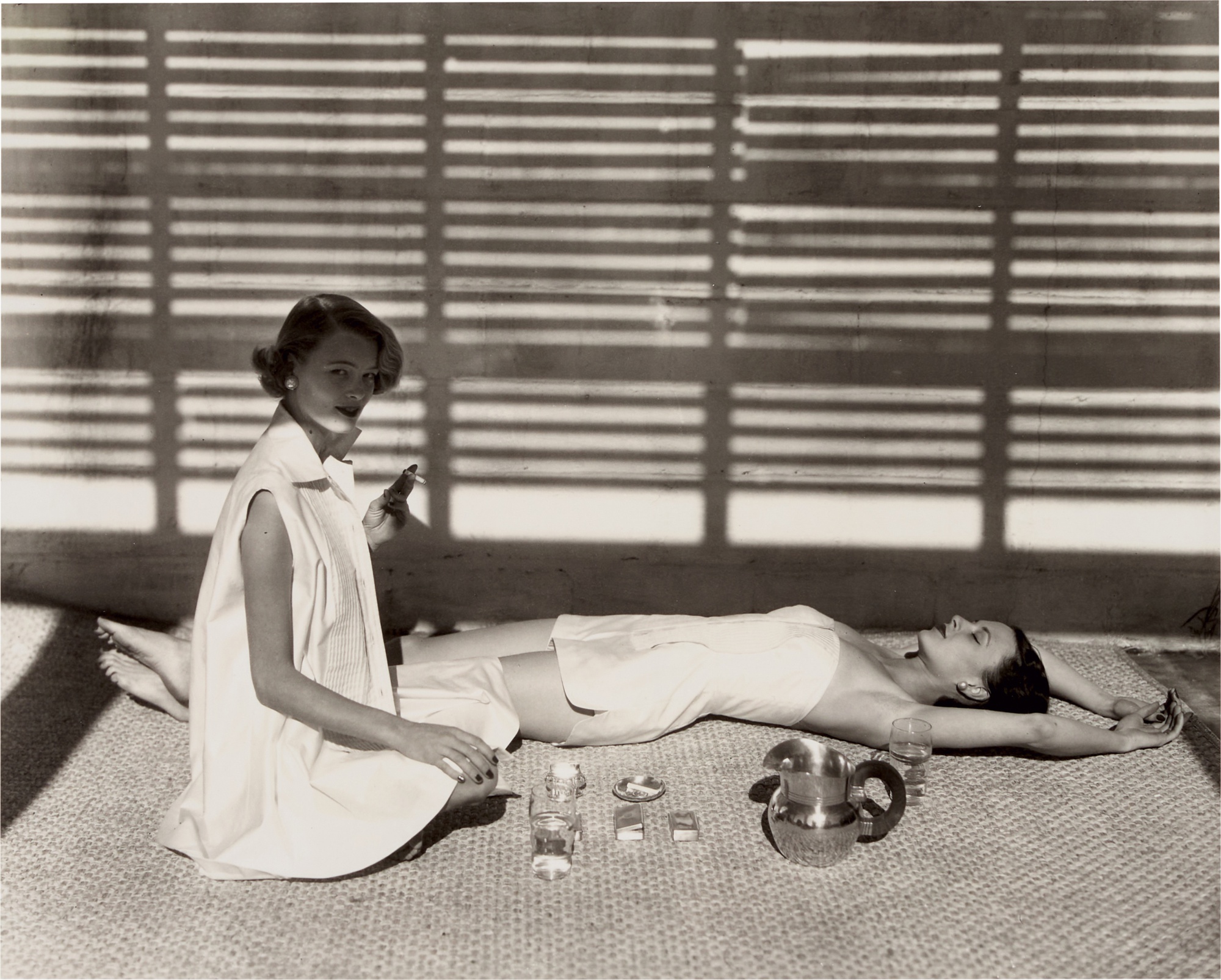
Irving Penn brought the same exacting standards he applied to photography into his prints, treating each impression as a considered object. When an artist of that caliber treats a multiple as something worth their full attention, the collector can sense it immediately. The conceptual end of the print world has its own particular rigor. Sol LeWitt's prints are inseparable from his broader investigation into systems, instructions, and the dematerialization of authorship.
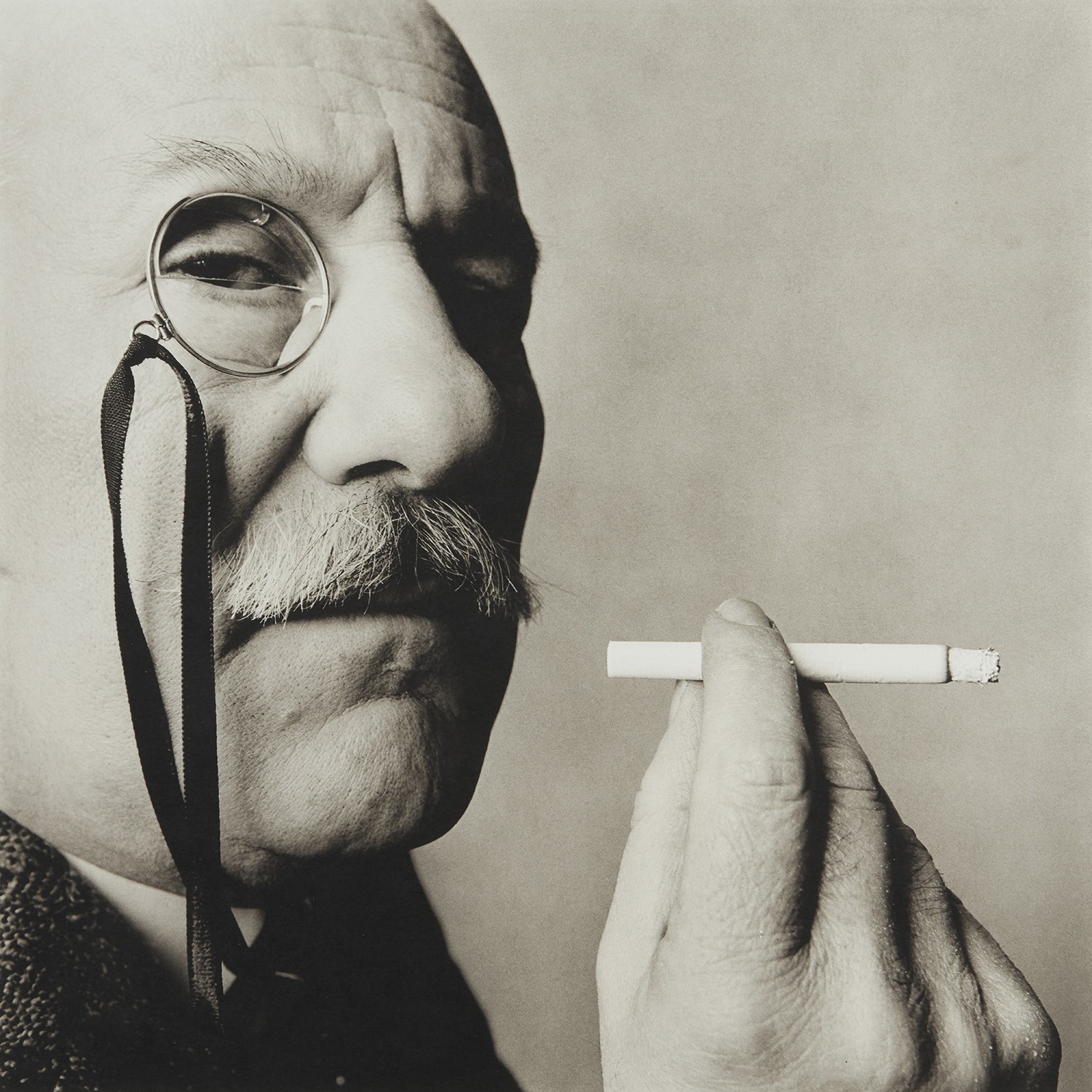
Irving Penn
Barnett Newman, New York, 1966
Robert Motherwell's series of prints connected to the Elegy to the Spanish Republic extended one of the great sustained projects in postwar American art into the edition format without any loss of weight or ambition. Gerhard Richter has used printmaking to explore the same preoccupations with representation, abstraction, and photographic imagery that run through his entire practice. In each case the edition is not a reproduction of an idea but an instantiation of it. More recent generations have approached the limited edition with equal seriousness and significantly broader audiences in mind.
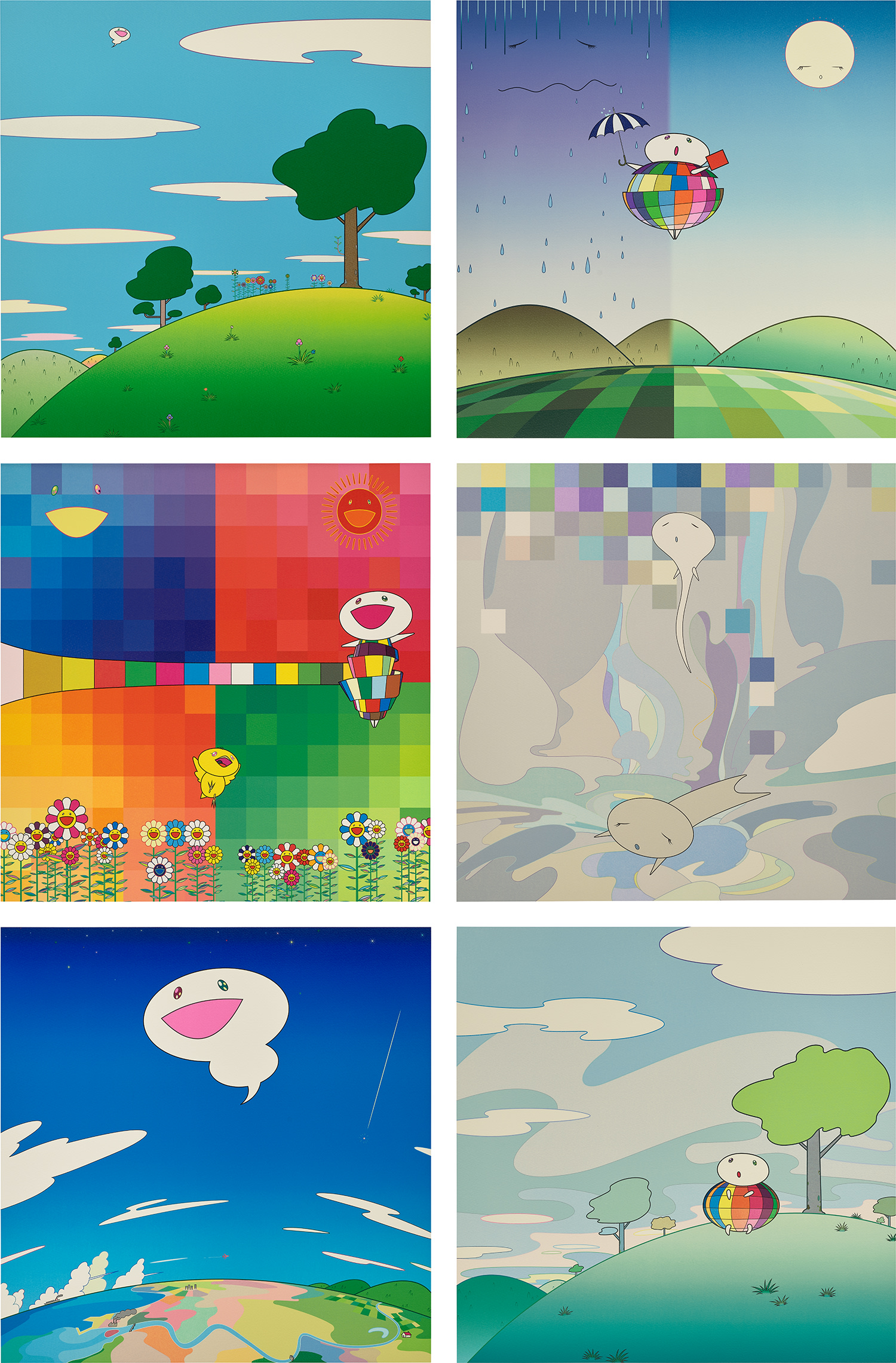
Keith Haring understood from the beginning of his career that editions could carry his imagery into communities that galleries might never reach, and his prints retain a vitality that goes well beyond nostalgia. Takashi Murakami has built an entire economy around the edition, bringing Japanese craft traditions and contemporary pop iconography into a body of work that operates simultaneously as art and cultural phenomenon. KAWS has done something similar, creating a collector base whose enthusiasm for editions rivals anything seen in the traditional art market. The cultural conversation around what counts as legitimate collecting has shifted considerably as a result.
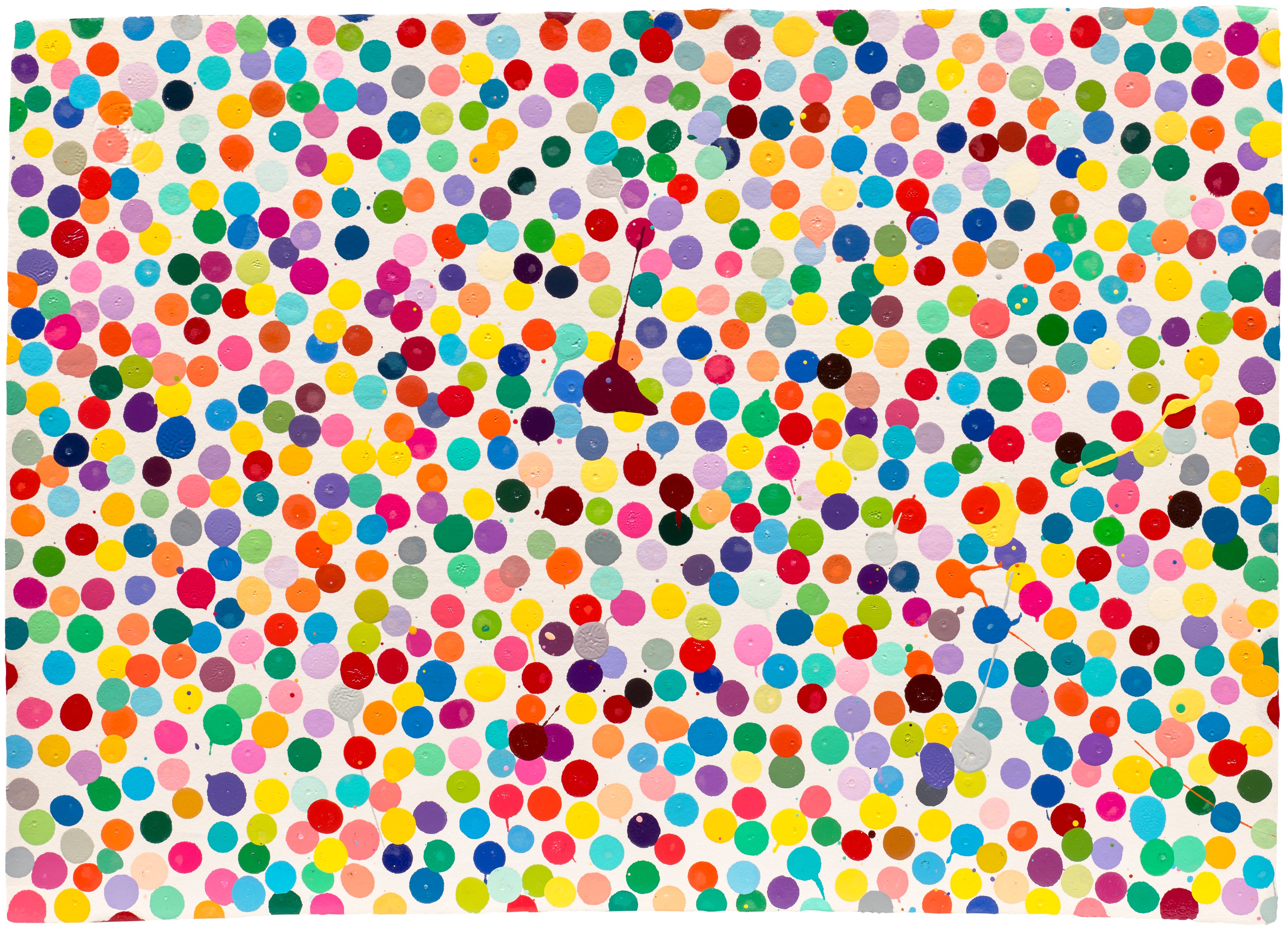
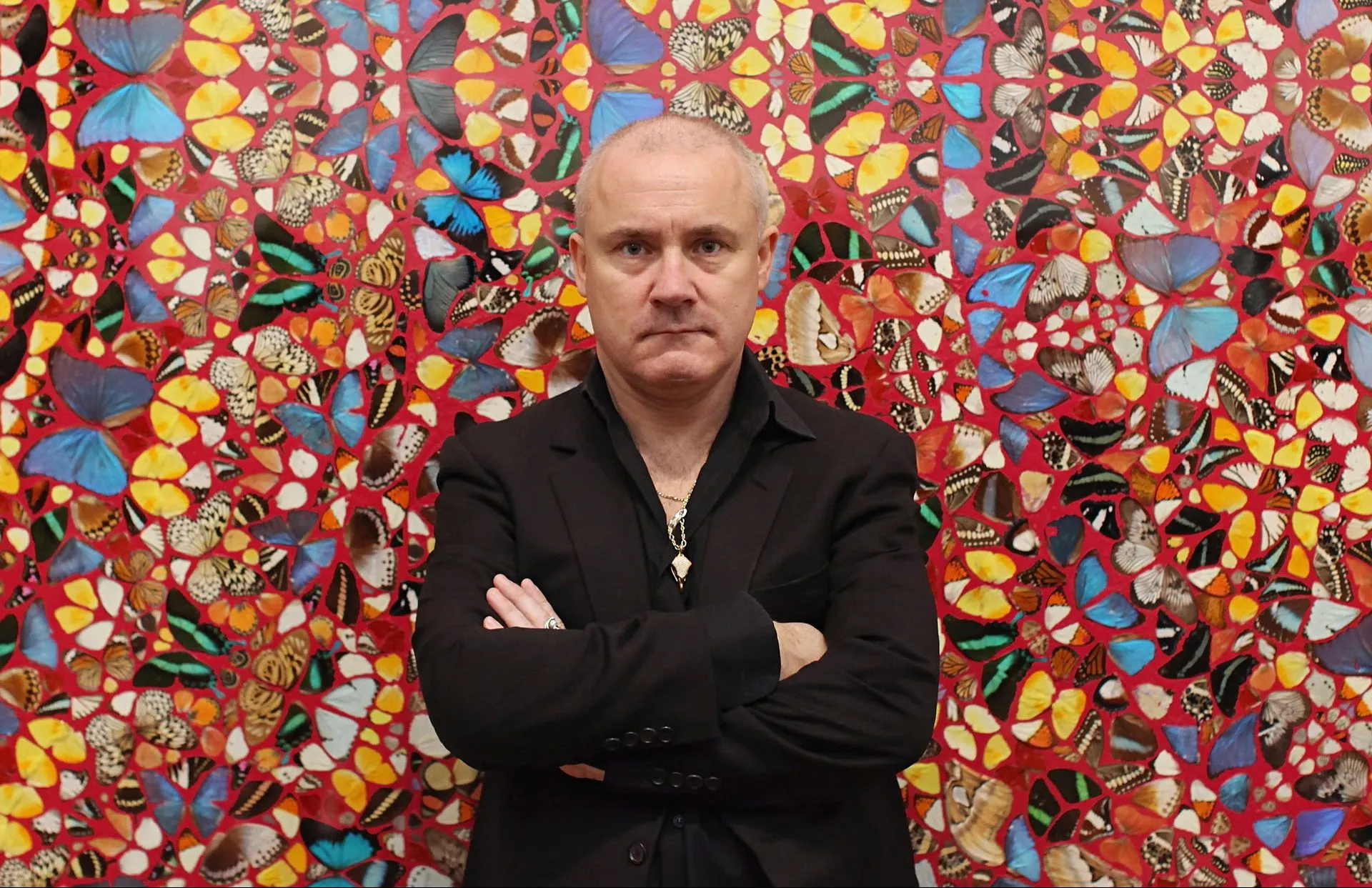
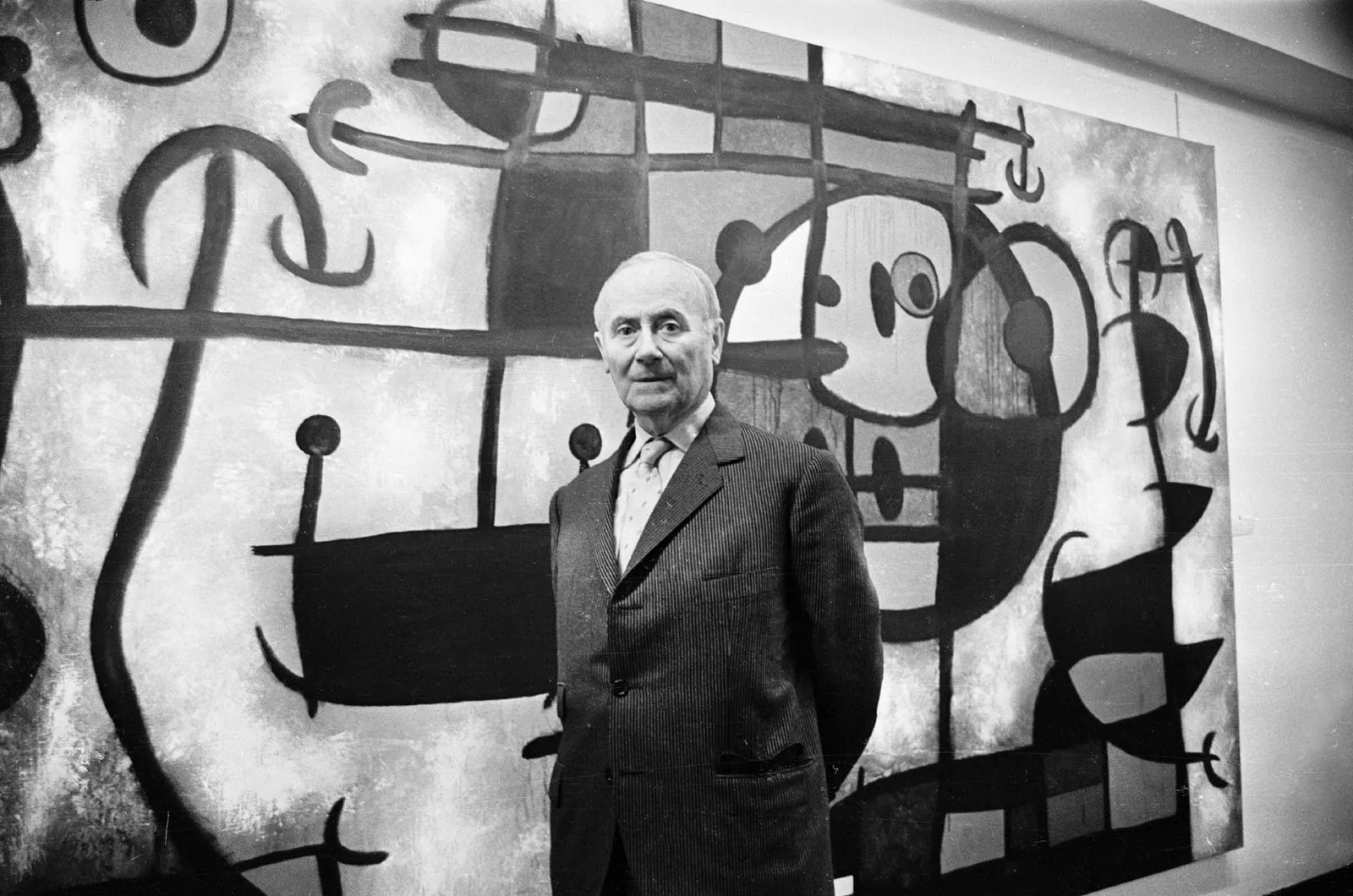
The works available on The Collection reflect how central the edition has become to serious collecting. Artists from Picasso and Miró to Julian Opie and Robert Longo are represented through prints that span the full range of what the medium can do, from intimate etchings to large scale screenprints of real presence. A Joan Miró lithograph and a Damien Hirst spot print may look very different, but they share the same underlying premise: that an artist's vision, properly translated into a multiple, retains its authority across every impression in the edition. For the collector who understands this, the limited edition print is not a compromise.
It is a distinct form with its own history, its own standards, and its own pleasures, which are considerable.