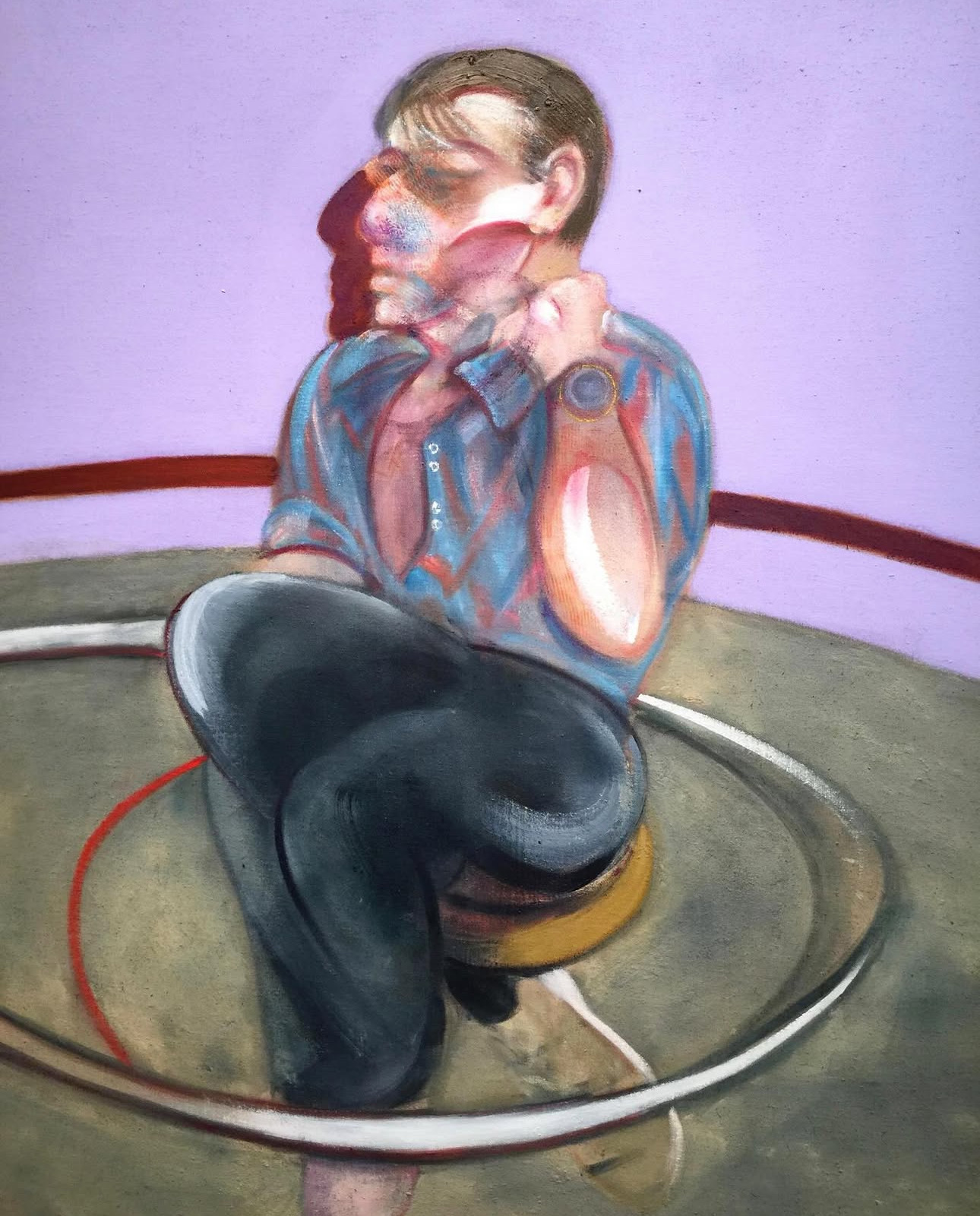
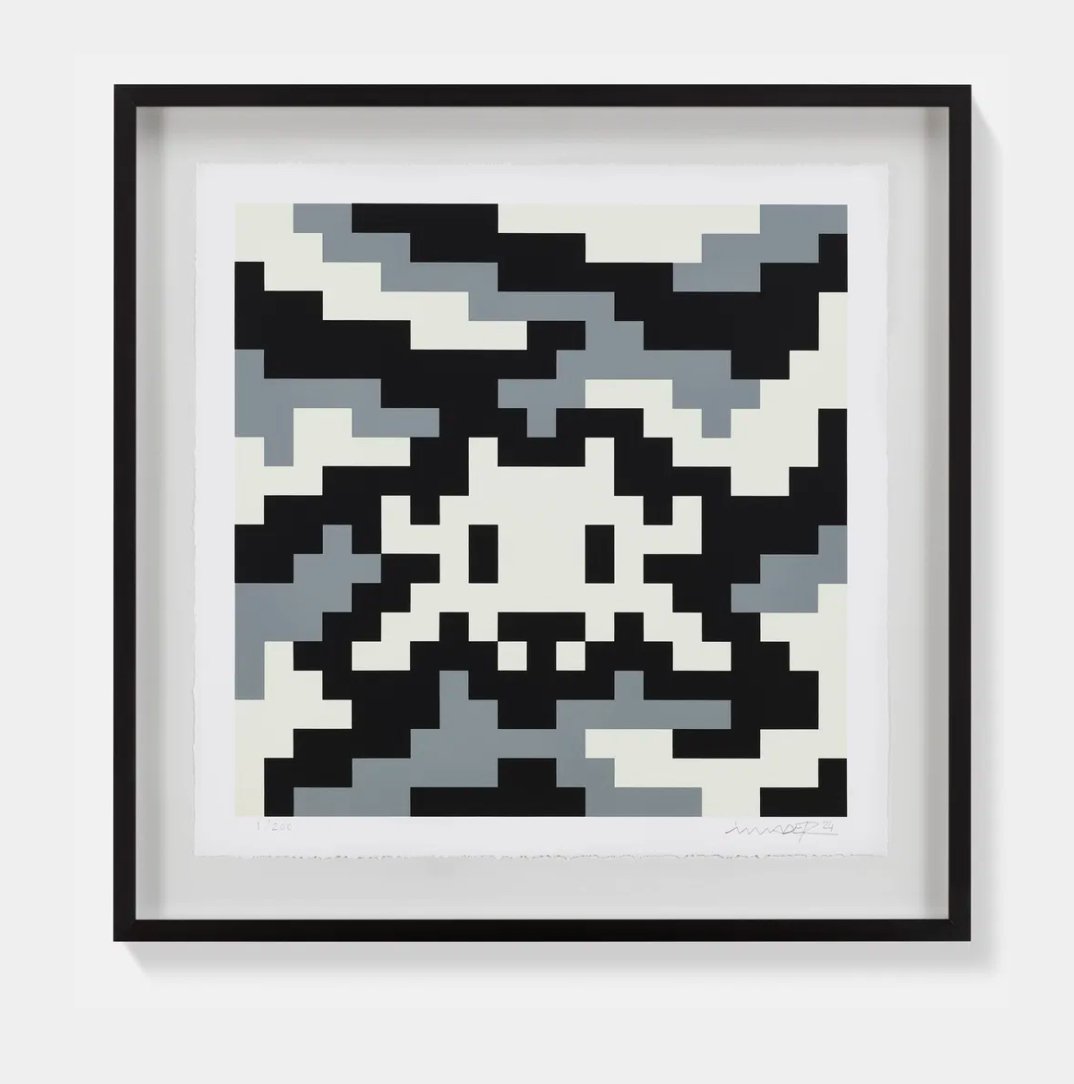
Large Scale
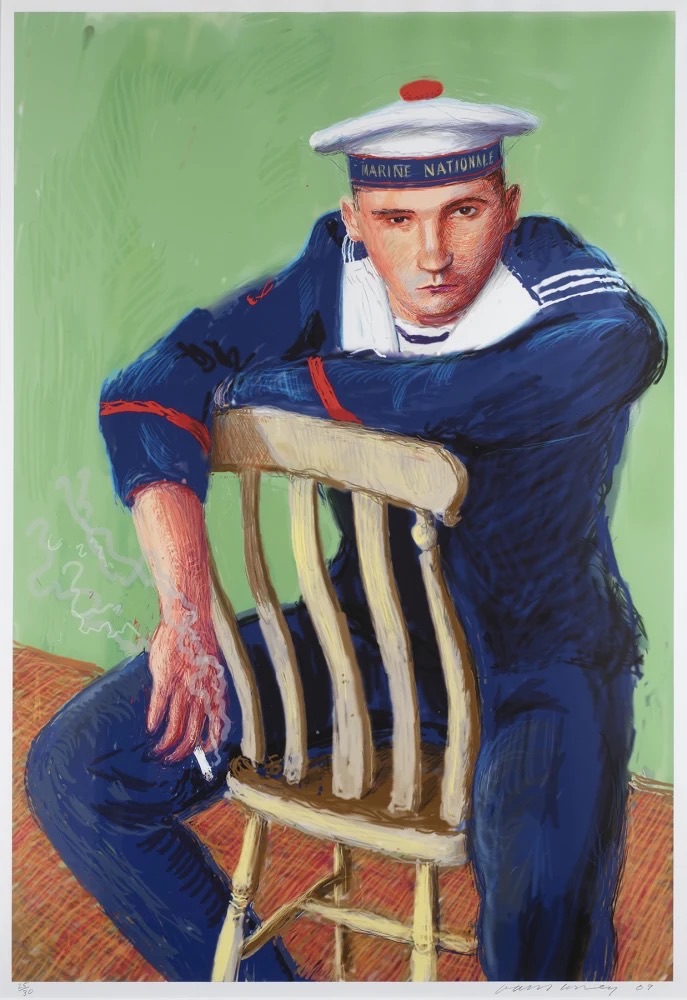
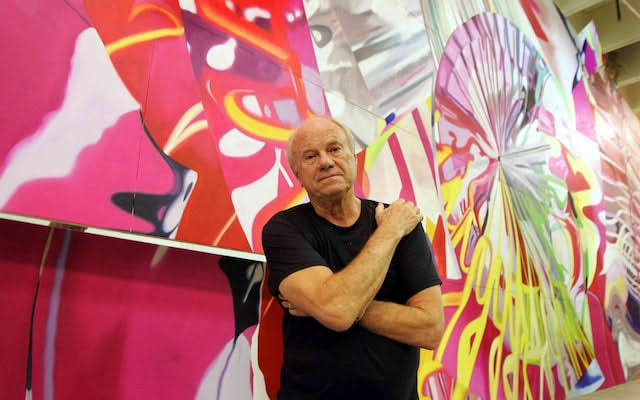
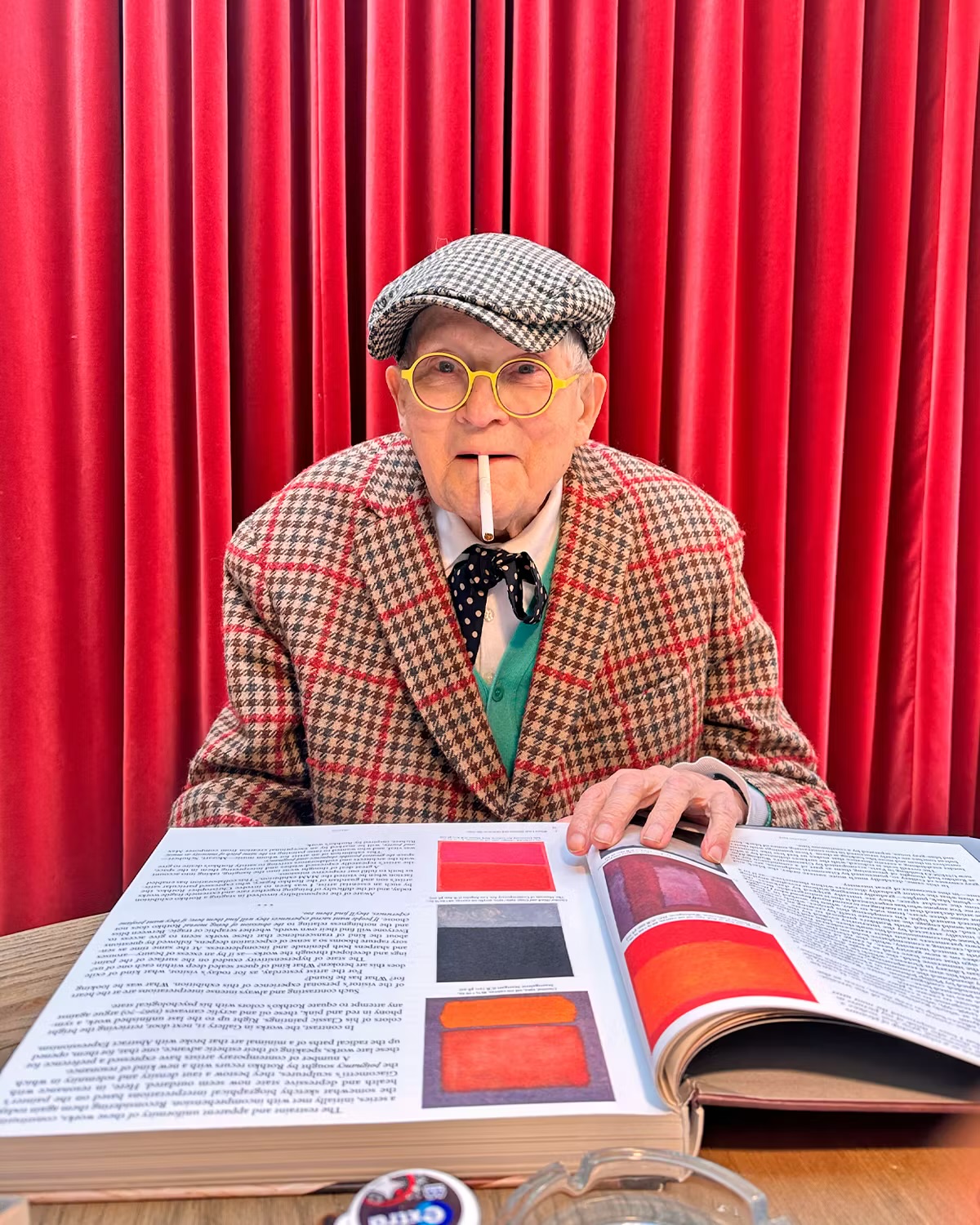
David Hockney
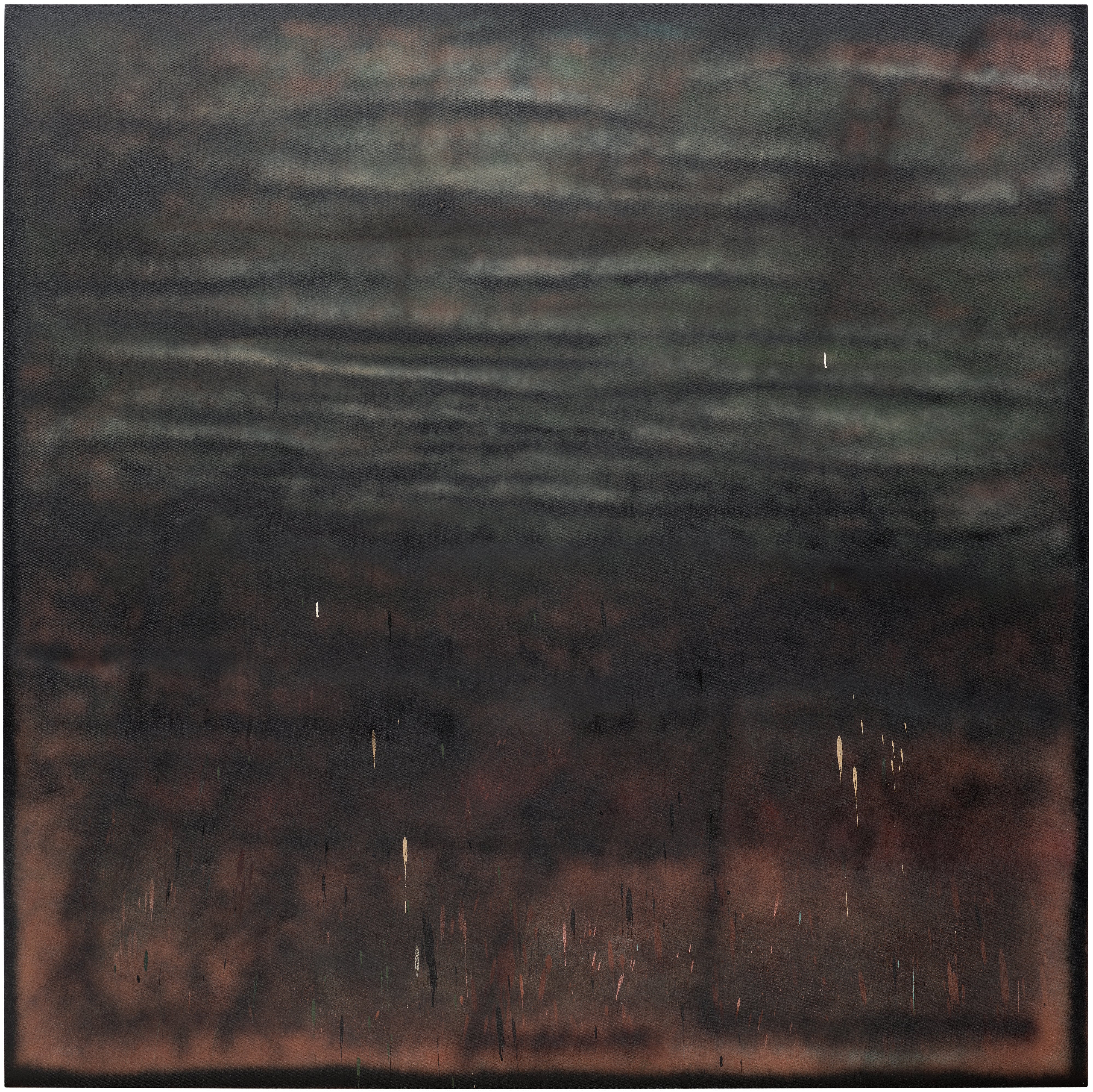
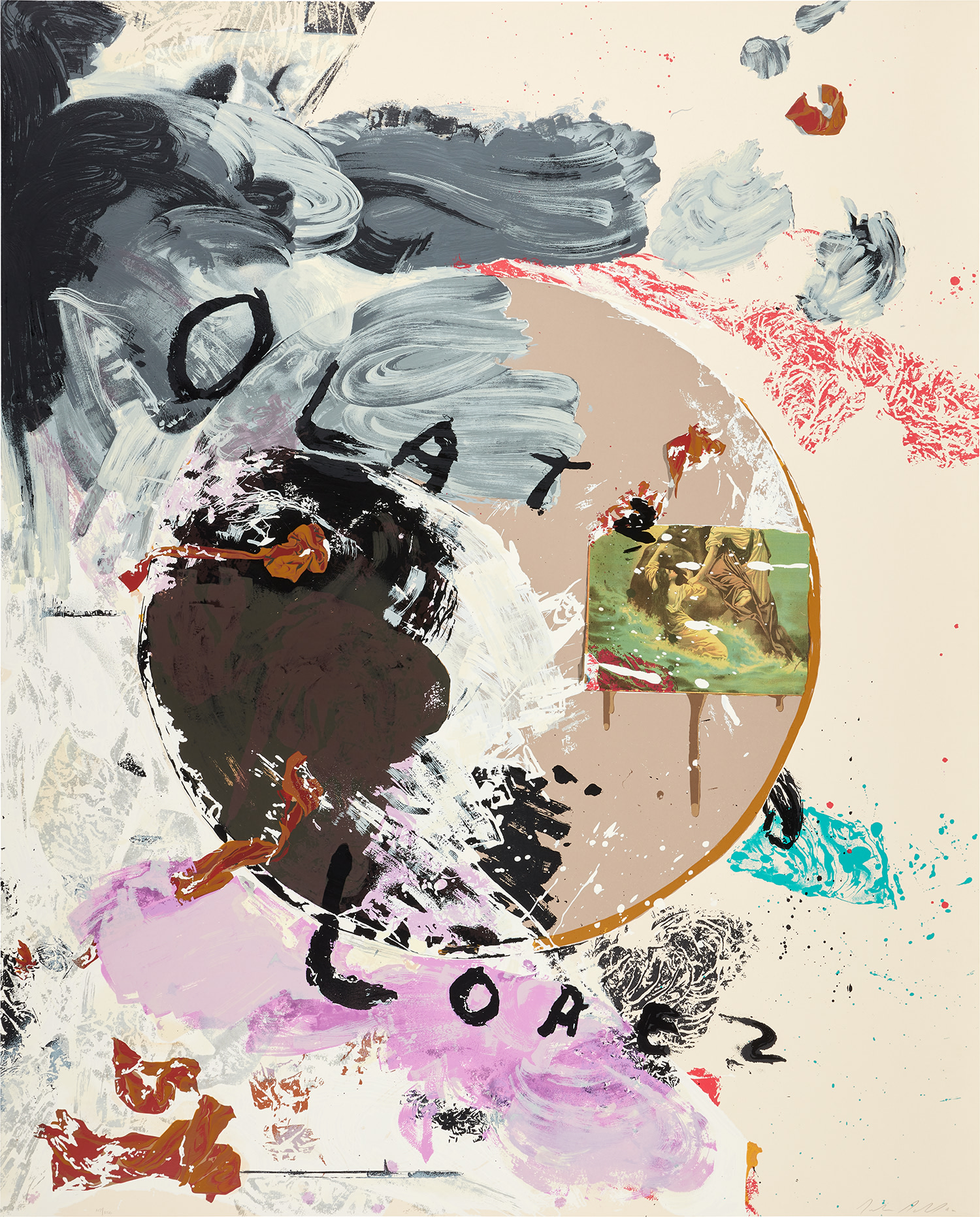
Mate lot Kevin Druez 2, 2009
```json
{ "headline": "When Art Refuses to Stay Small", "body": "There is a particular moment when standing before a genuinely large work of art when the body registers something the mind has not yet processed. Scale does something that content alone cannot. It relocates you. It reorders your sense of proportion and presence.
The wall becomes a world, the floor a threshold. This is not simply a matter of ambition or spectacle. Large scale work represents one of the most sustained and serious conversations in the history of modern and contemporary art, a conversation about what painting, photography, sculpture, and installation can do when they refuse the confines of the domestic and the portable.", "The story of large scale art in the twentieth century begins, in many ways, with the ambitions of the New York School.

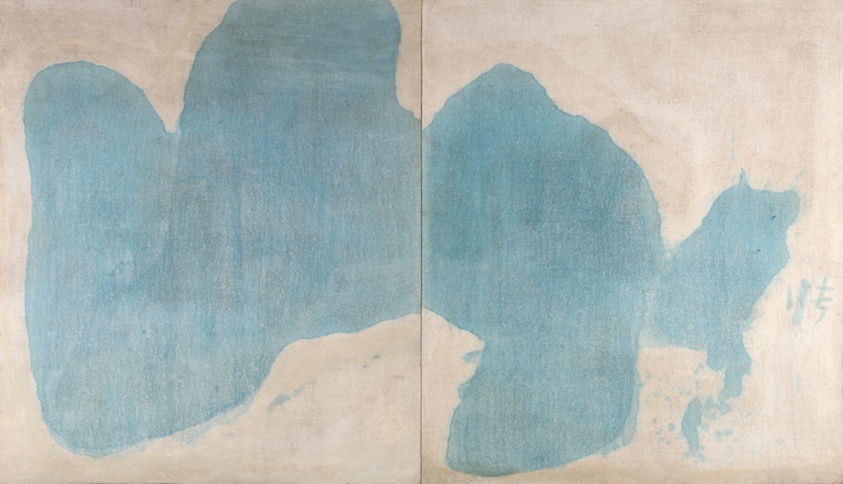
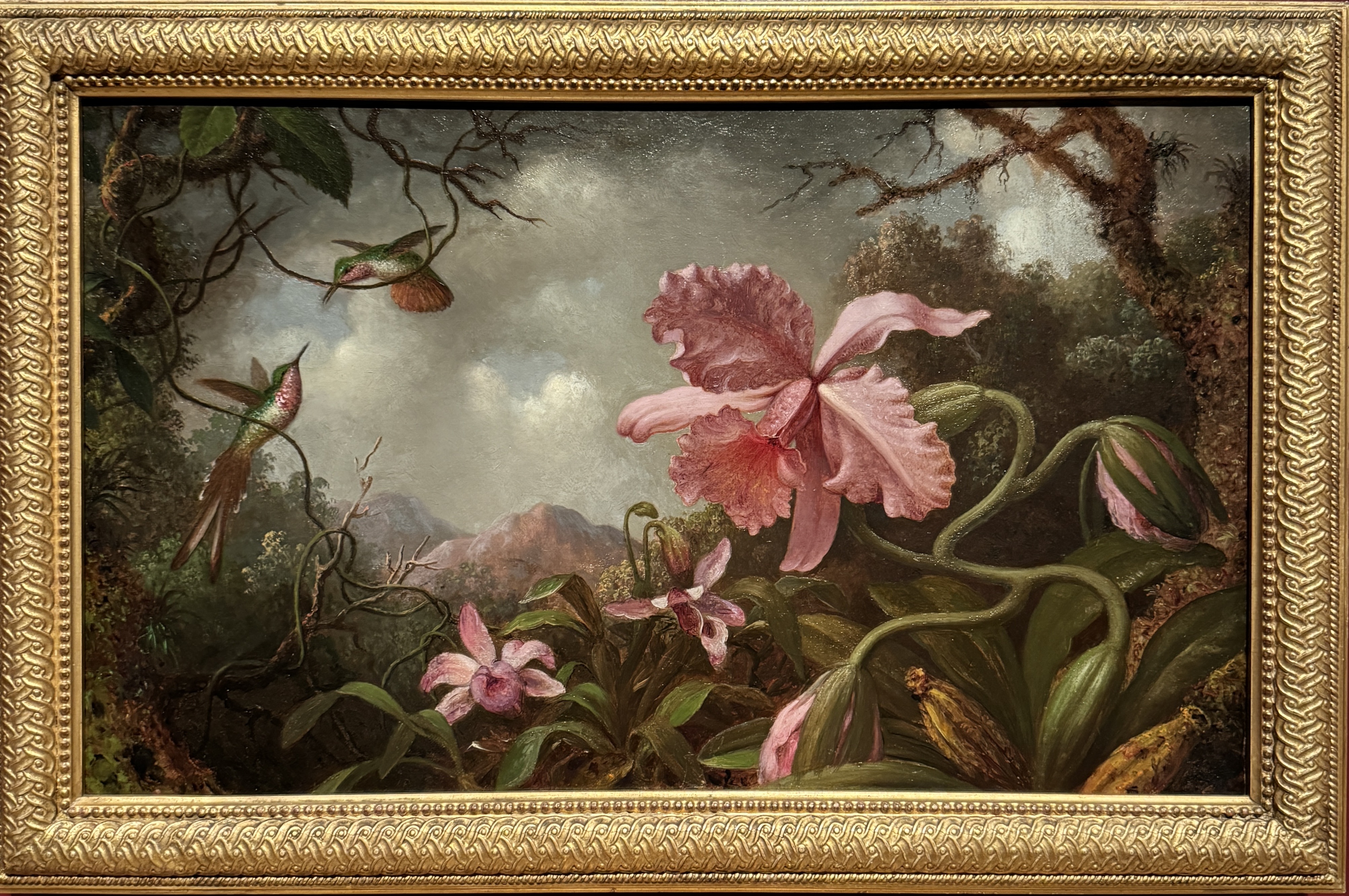
Tosa Mitsuoki
Autumn Maples with Poem Slips
By the late 1940s, artists like Barnett Newman and Mark Rothko had arrived at a radical proposition: that a canvas could become an environment rather than an object. Newman's \"zip\" paintings, many of them standing well over two meters tall, were not meant to be viewed from across a room. They were meant to surround you, to press against your peripheral vision until the edge of the canvas became the edge of perception itself. Newman spoke of scale as a form of intimacy, which sounds paradoxical until you have stood before one of his works and felt it.
The collection includes examples of Newman's work that carry exactly this quality, the sense of being addressed rather than observed.", "Abstract Expressionism opened a door, and the artists who followed walked through it with increasing confidence and ambition. By the 1960s, scale had become inseparable from statement. James Rosenquist, whose work appears with real presence in The Collection, trained as a billboard painter before channeling that vernacular enormity into paintings like F 111, completed in 1965, which stretched across all four walls of the Leo Castelli Gallery in New York.
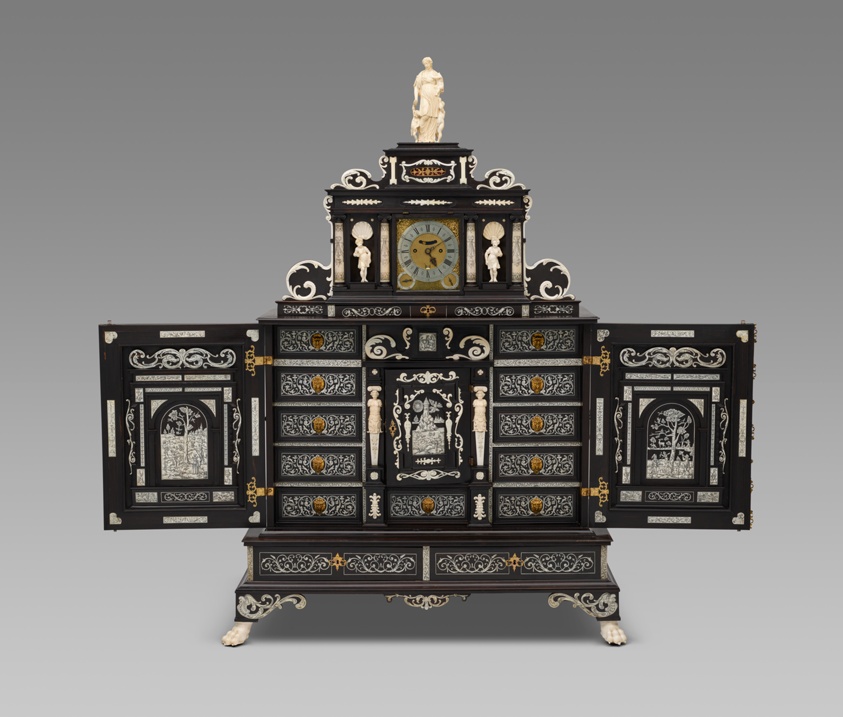
Unknown Artist
Cabinet, 1640
The work was not simply large. It was architectural. It forced the viewer into a relationship with imagery that was fragmented, consuming, and deliberately overwhelming. Rosenquist understood that the scale of consumer culture required a commensurate scale of response.
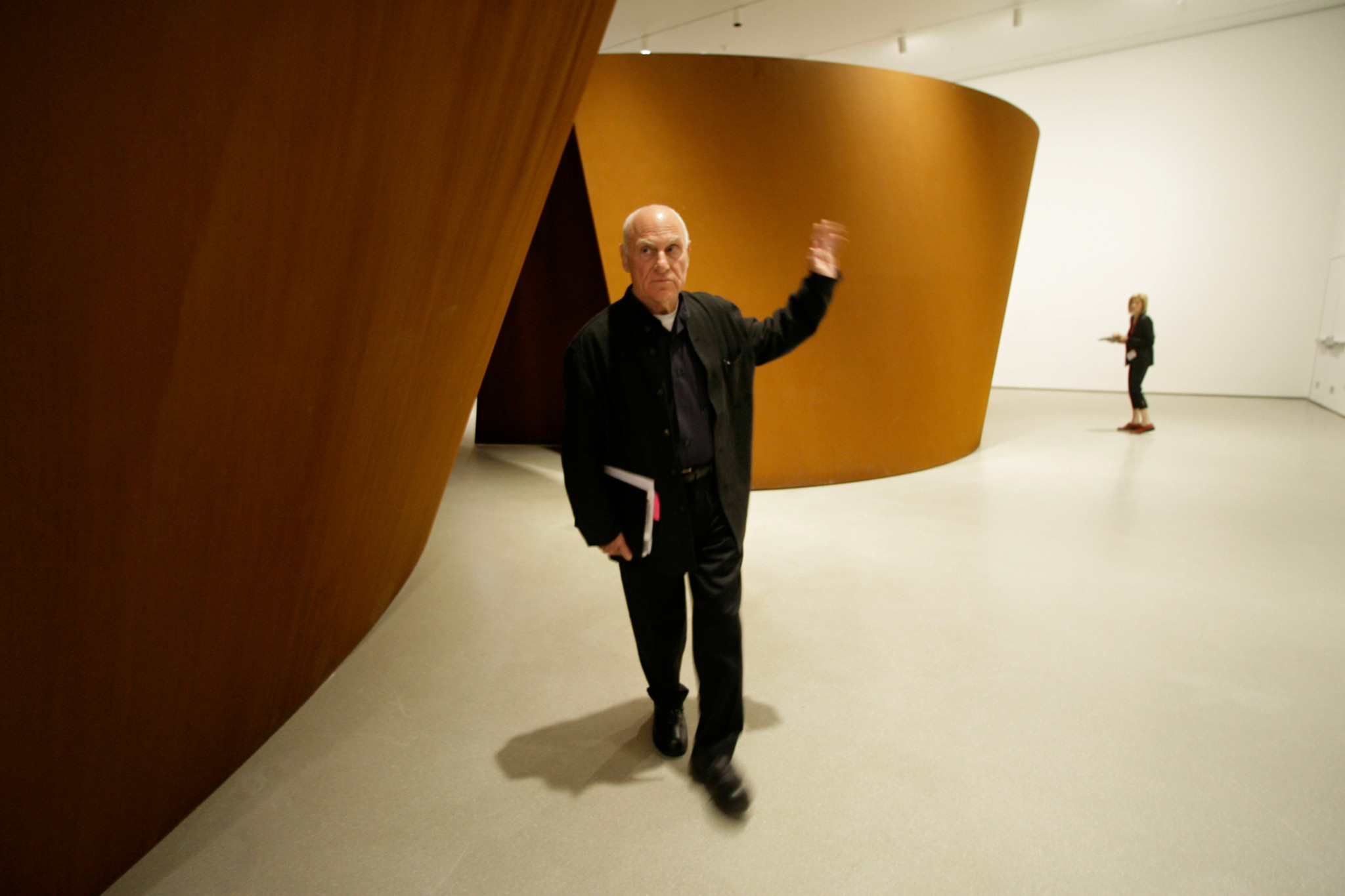
", "Sculpture, of course, had its own parallel evolution. Richard Serra began developing his signature large scale steel works in the late 1960s and early 1970s, pushing fabricated metal into spaces that challenged both institutions and audiences. His Tilted Arc, installed in Federal Plaza in New York in 1981 and controversially removed in 1989, remains one of the defining episodes in the history of public large scale work, a flashpoint about who art is for and what it is permitted to demand. Serra's insistence that the work and its site were inseparable, that to move the piece was to destroy it, elevated a legal and civic dispute into a genuinely philosophical one.
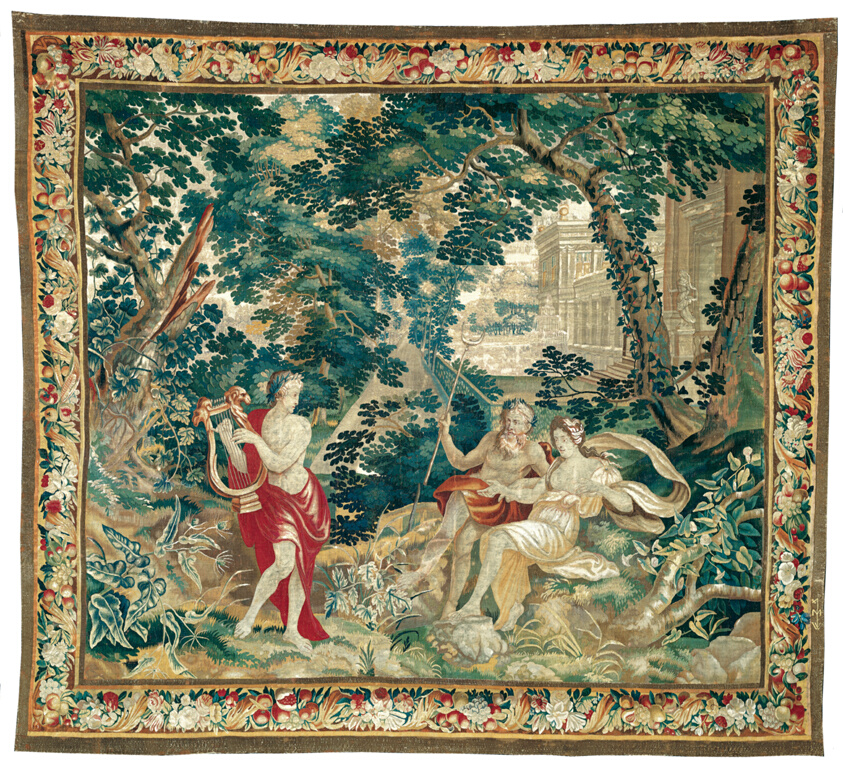
Wauters Workshop
Orpheus Playing the Lyre to Hades and Persephone, from Orpheus and Eurydice or The Metamorphoses, 1675
His work in The Collection reflects that same uncompromising relationship between mass, space, and the viewer's body.", "Photography's entry into large scale is a more recent but equally significant chapter. Andreas Gursky, whose work is extensively represented on The Collection, almost single handedly redefined what a photograph could be in spatial terms. His panoramic prints, often exceeding three meters in width, transform documentary subject matter into something approaching the sublime.
Works like his images of stock exchanges, factories, and hotel atriums are read simultaneously as records and as abstractions. The scale is not incidental. It is what allows the eye to move through layers of information that would collapse into illegibility at a smaller size. Edward Burtynsky and Thomas Struth have pursued related strategies, using large format prints to give industrial landscapes and museum interiors the weight and gravitas traditionally reserved for painting.
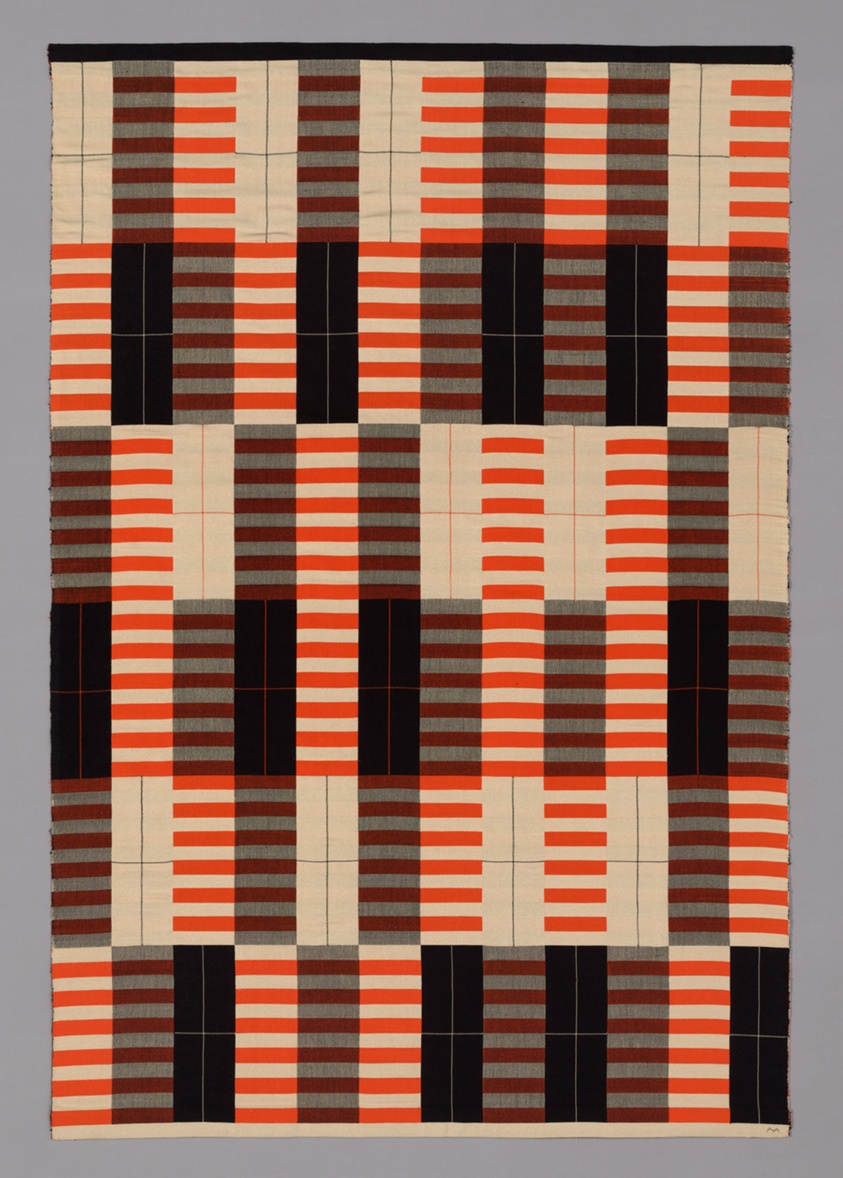
Anni Albers
Black-White-Red, 1926
", "The conceptual stakes of large scale work shifted again in the 1990s and into the 2000s, as artists began using scale not just to overwhelm but to implicate. Mark Bradford builds his layered, excavated canvases at a size that feels commensurate with the social forces he is examining, redlining, urban displacement, the palimpsest of communities written over and erased. Katharina Grosse uses spray paint at architectural scale, colonizing entire rooms and outdoor sites with fields of color that dissolve the boundary between painting and environment. Sterling Ruby works across mediums but consistently returns to scale as a means of disrupting the gallery's polite neutrality.
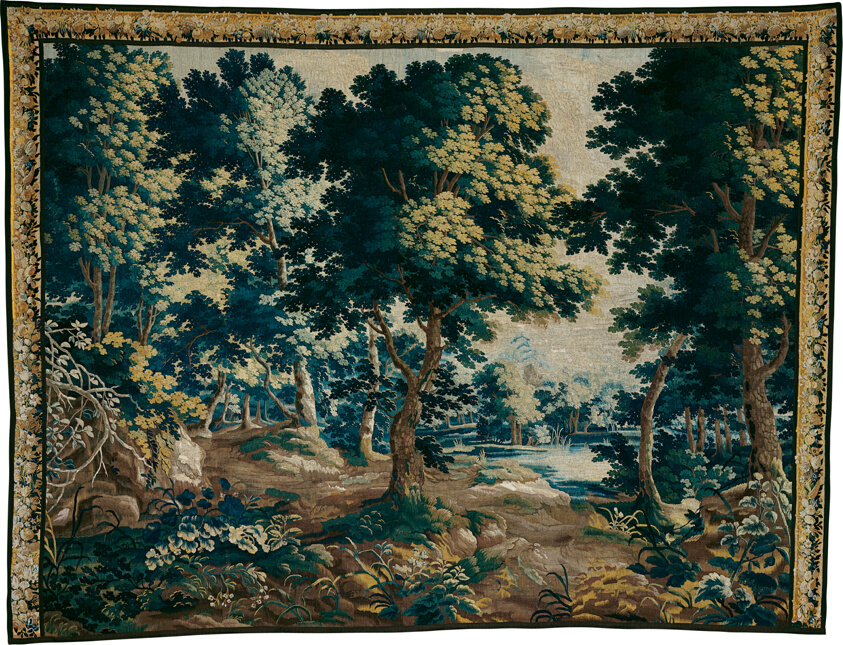
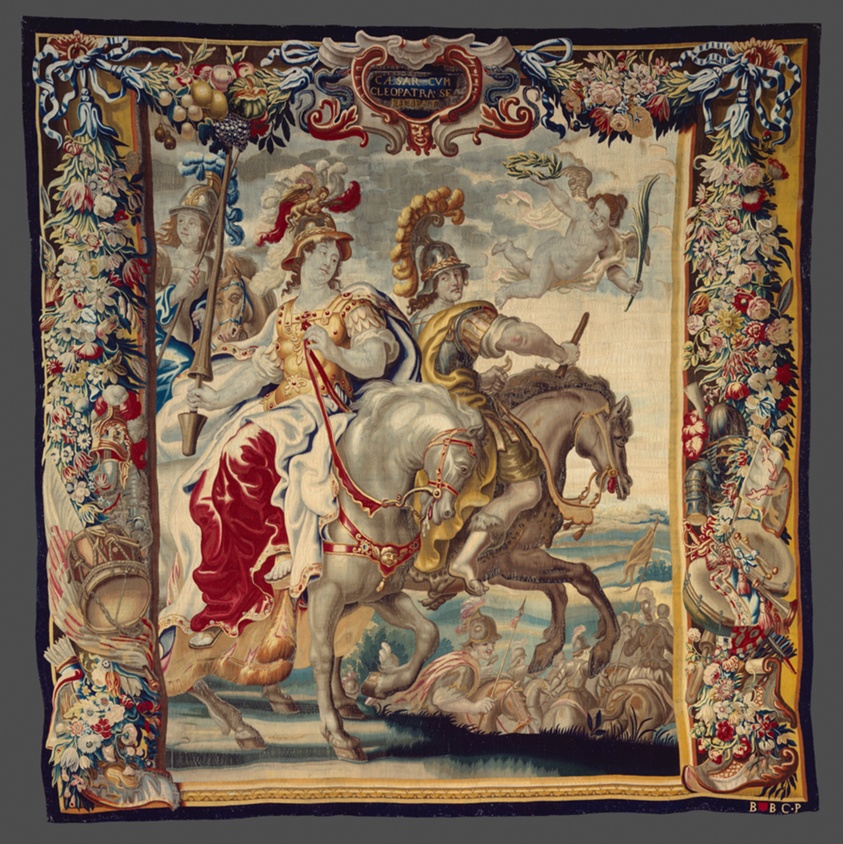
These artists are not making large work because they have a lot to say. They are making large work because certain things can only be said at that size.", "There is also a long tradition of large scale work that predates modernism entirely, and it would be wrong to ignore it. The tapestry workshops of the Flemish tradition, represented on The Collection through works from the Workshop of Gerard Peemans and the Workshop of Willem van Leefdael, produced objects of extraordinary physical presence.
These were never modest domestic furnishings. They were political instruments, diplomatic gifts, and theatrical backdrops for the ceremonies of power. A full set of narrative tapestries could cover an entire hall, transforming stone walls into scenes of mythology or dynastic triumph. The ambition to fill a room with image is not a modern invention.
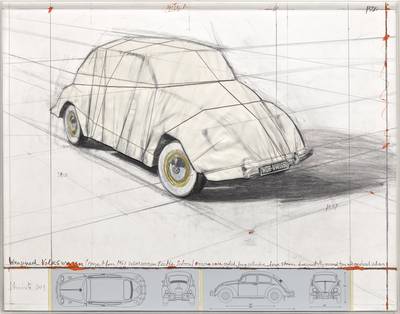
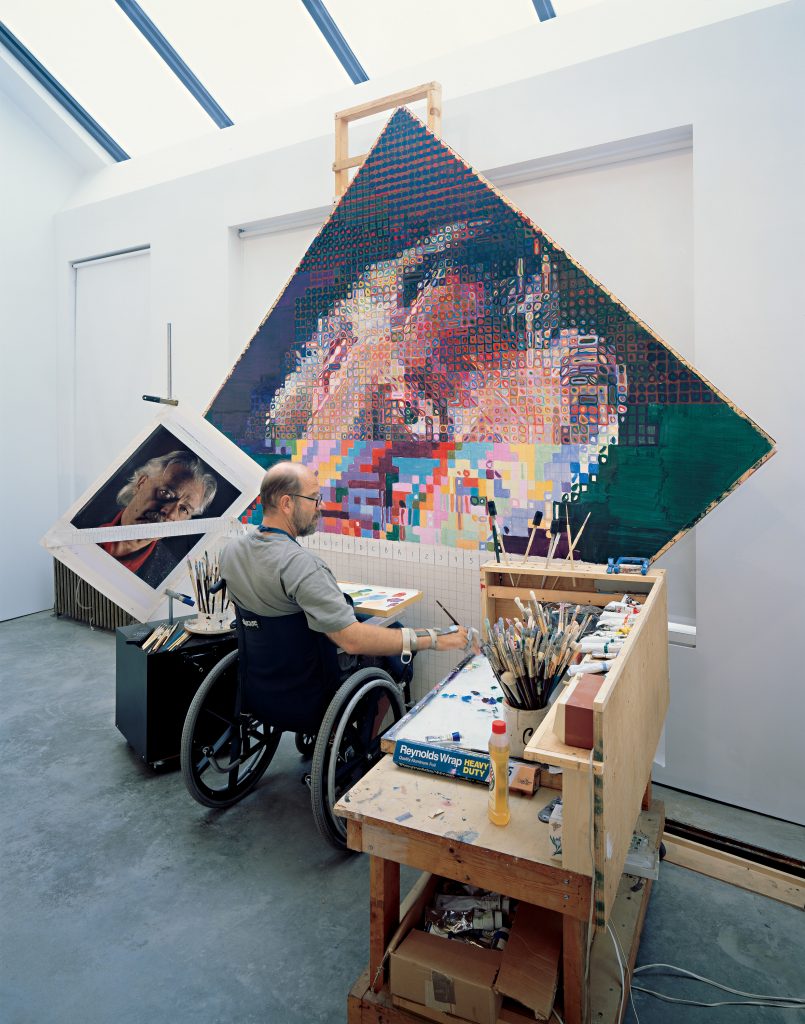
", "What unites all of this work across centuries and mediums is a shared conviction that scale is meaning, not merely dimension. Christo wrapped coastlines and buildings not because the gesture was visible from far away, but because the physical labor and temporal presence of the work changed how people experienced familiar spaces. Mark di Suvero plants his steel beams in outdoor settings with the confidence of someone rearranging the horizon. Julian Schnabel and Chuck Close, in their very different ways, both understood that the monumental portrait or the fragmented surface operates differently when it towers above you, when you must move to take it in, when your eye cannot rest.
", "For collectors, large scale work presents obvious practical challenges, and those challenges are part of what makes it meaningful to live with. A work that requires planning, space, and commitment asks something of its owner. It is not a painting you hang and forget. It is a presence that changes rooms, changes light, changes how you move through a home or a building.
The works in this category on The Collection reflect the full range of what that commitment can look like, from the photographic grandeur of Gursky to the textured monumentality of Bosco Sodi, from the industrial weight of Serra to the chromatic force of Katharina Grosse. Together they make the case that the decision to go large has never been about ego alone. It has always been about what becomes possible when art takes up space without apology.