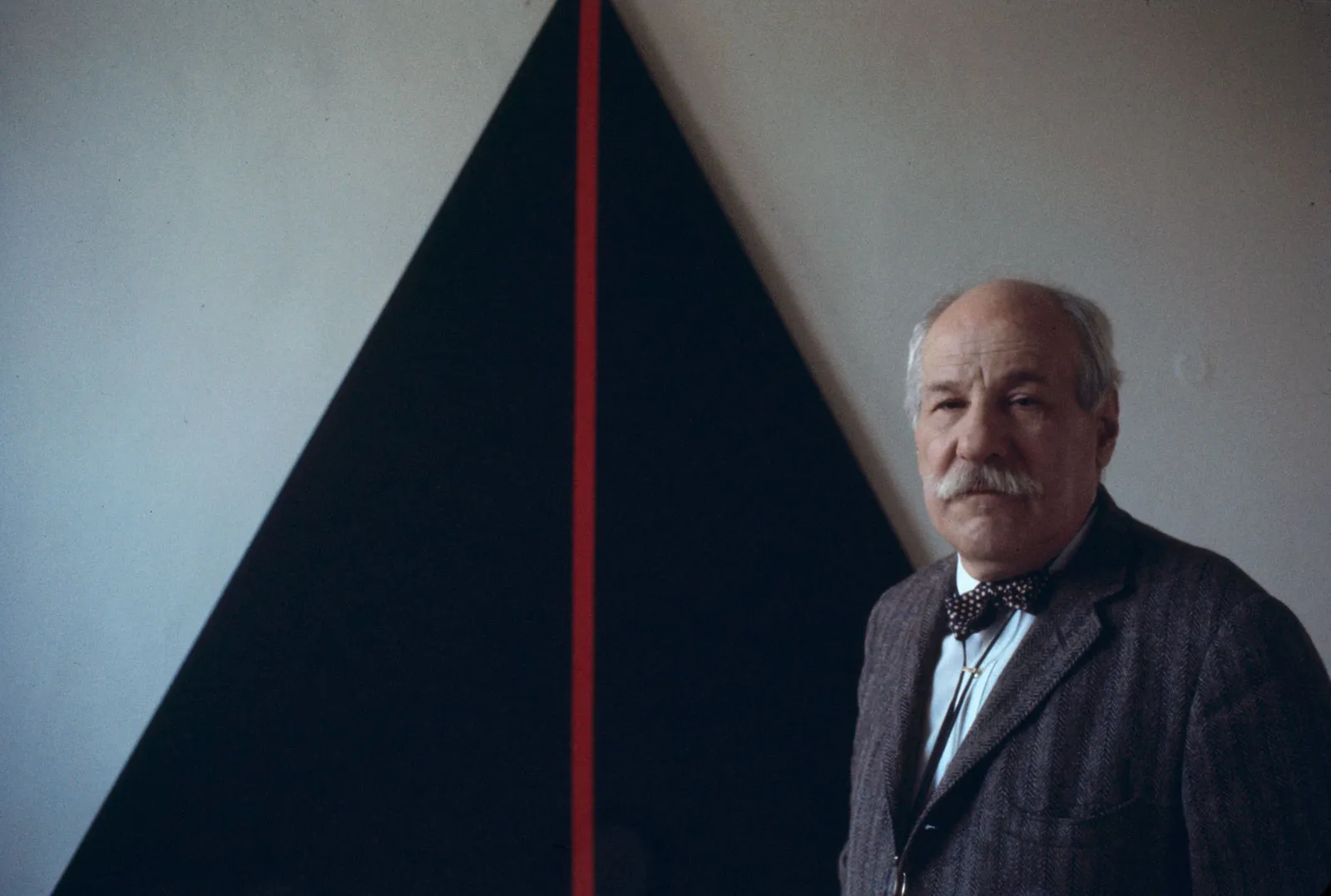
Barnett Newman
14
Works
2
Followers
Artist Spotlight
Barnett Newman and the Infinite Line
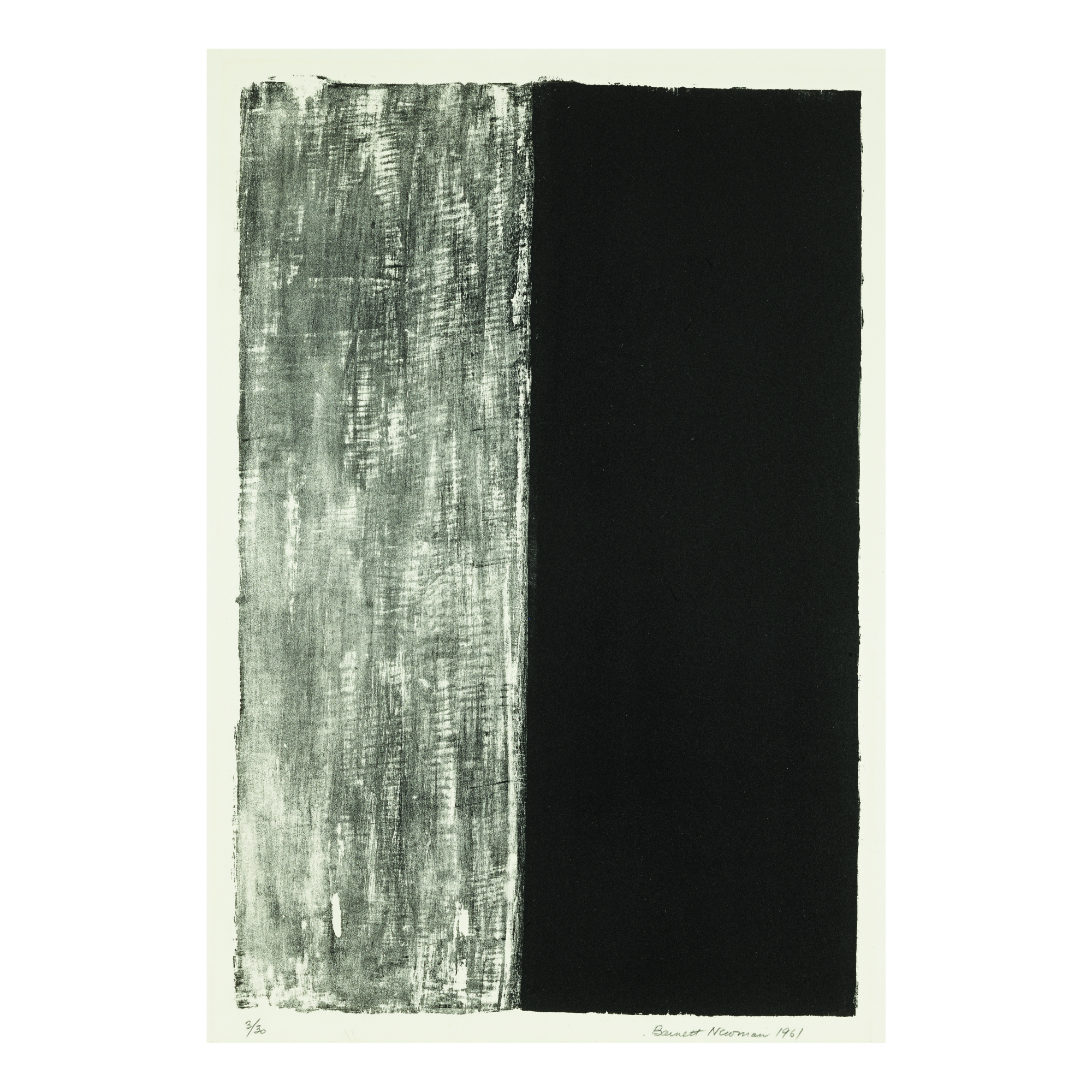
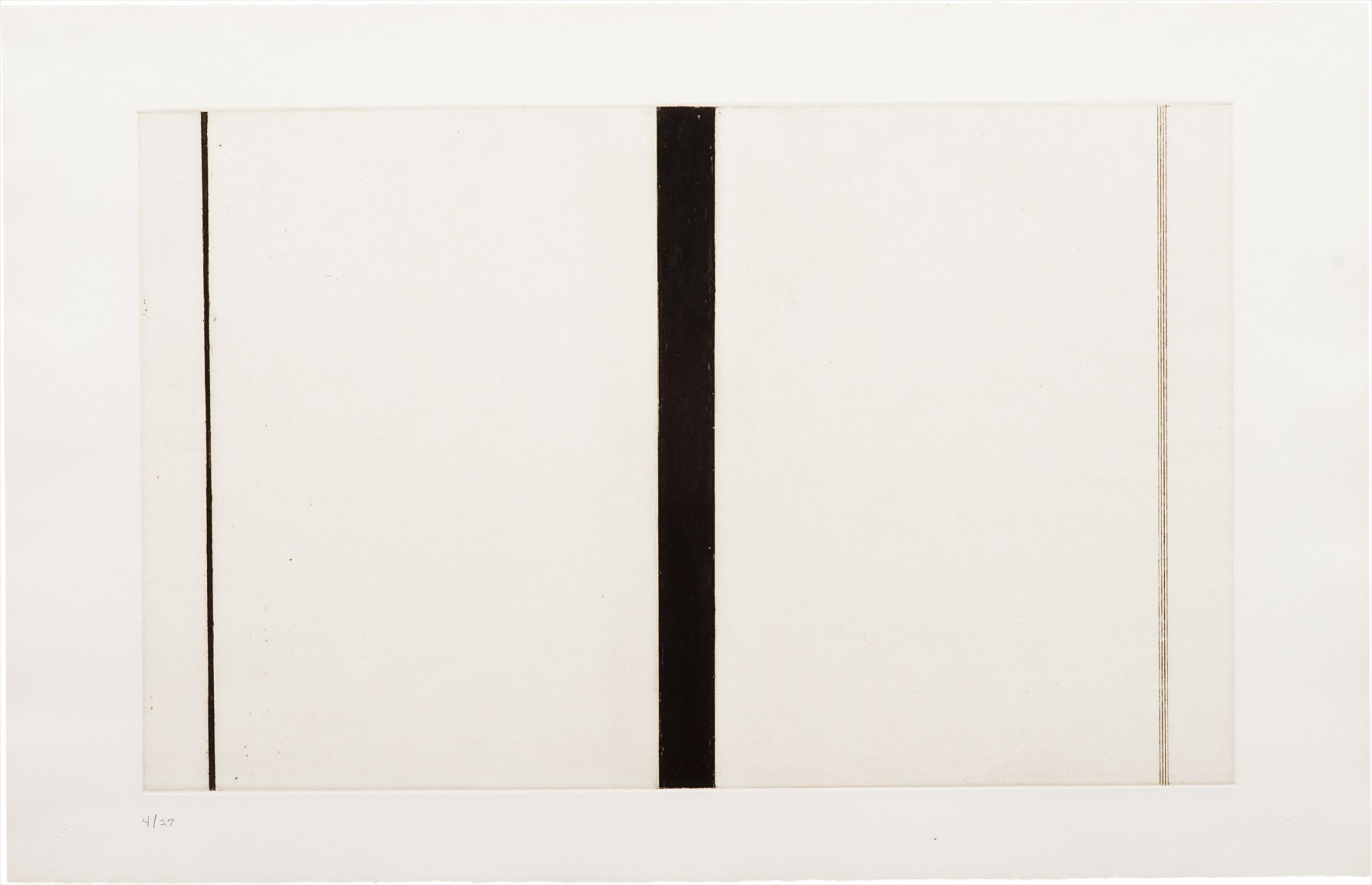
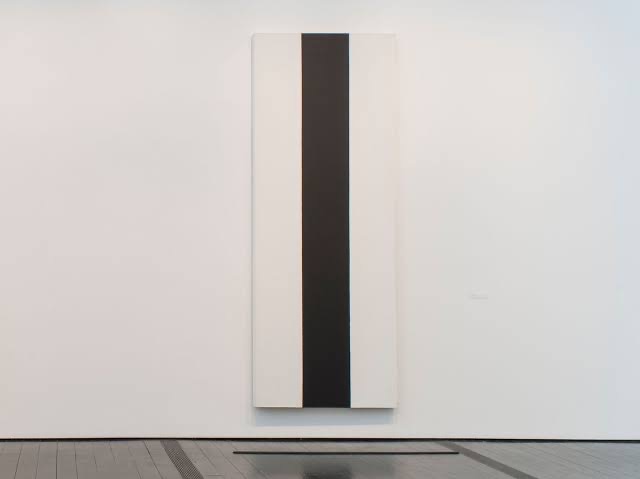
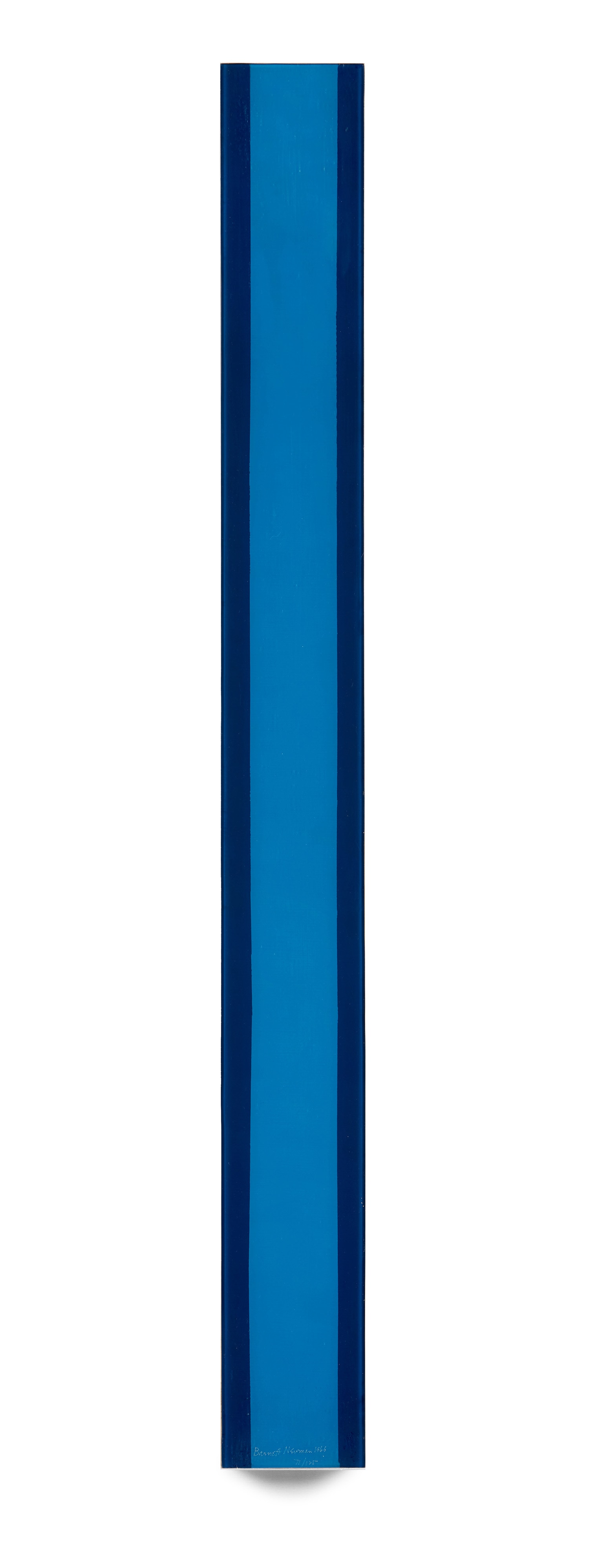
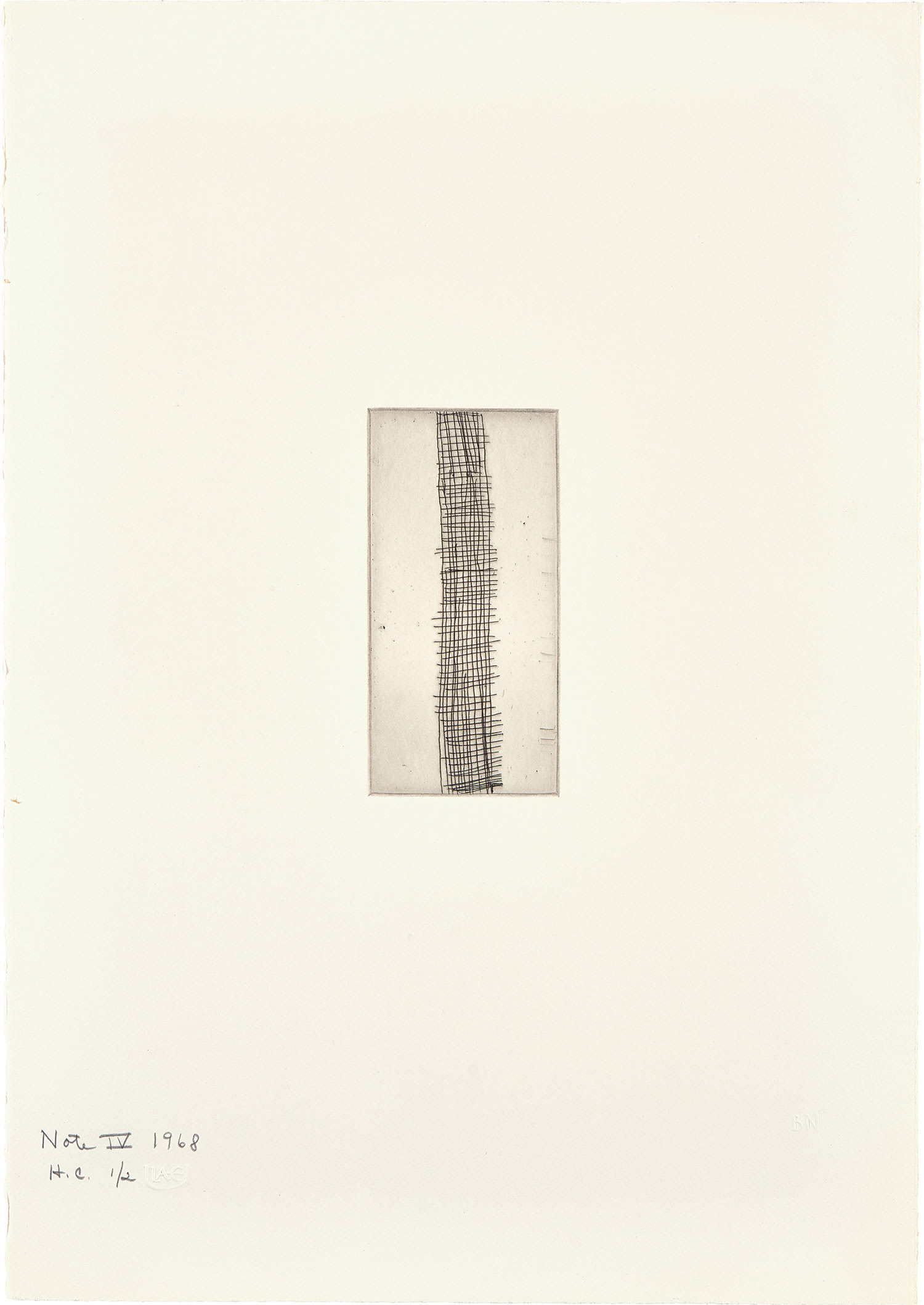
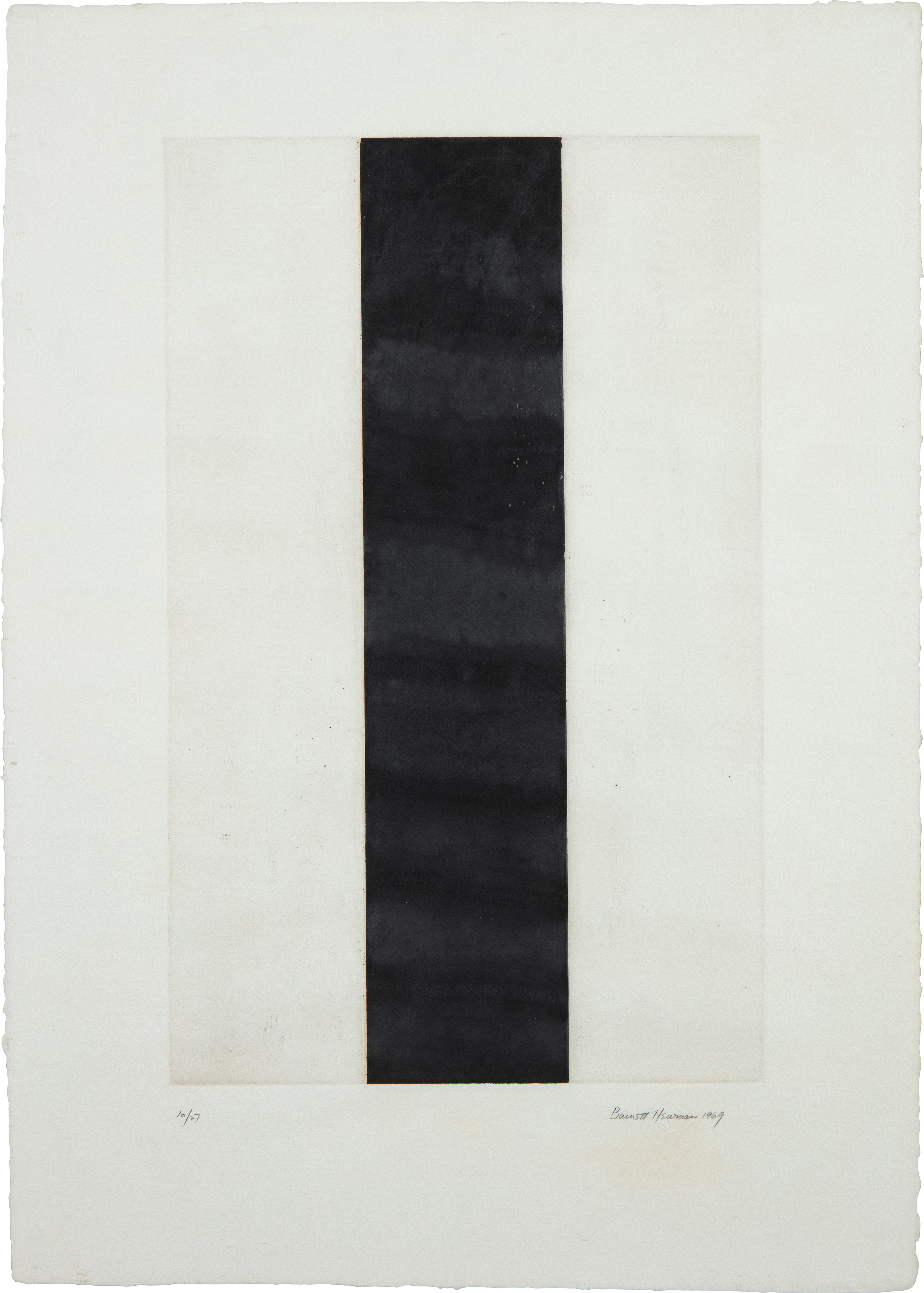
Stand before one of Barnett Newman's monumental canvases and something extraordinary happens. The sheer scale of the work pulls you in, the color surrounds you, and then the zip, that narrow vertical band cutting through fields of pure hue, arrests your gaze entirely. It is not merely a painting you are looking at. It is, as Newman always insisted, an experience of the sublime. Decades after his death in 1970, institutions and collectors alike continue to rediscover the radical depth of his contribution, and his canvases remain among the most emotionally commanding works in any room they… Continue reading


Also spotted by
Artists in conversation
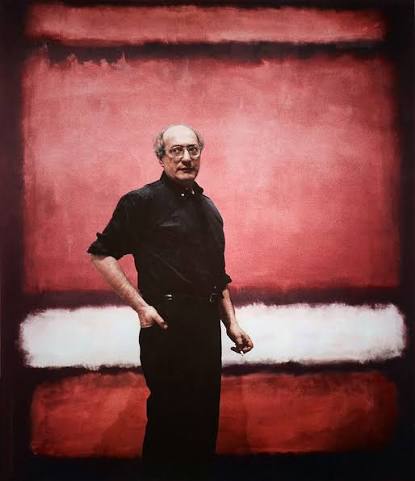
Mark Rothko
Rothko shared Newman's commitment to large scale color field painting designed to produce profound spiritual and emotional responses in viewers. Both artists rejected representational imagery in favor of luminous expanses of color intended to create transcendent experiences.
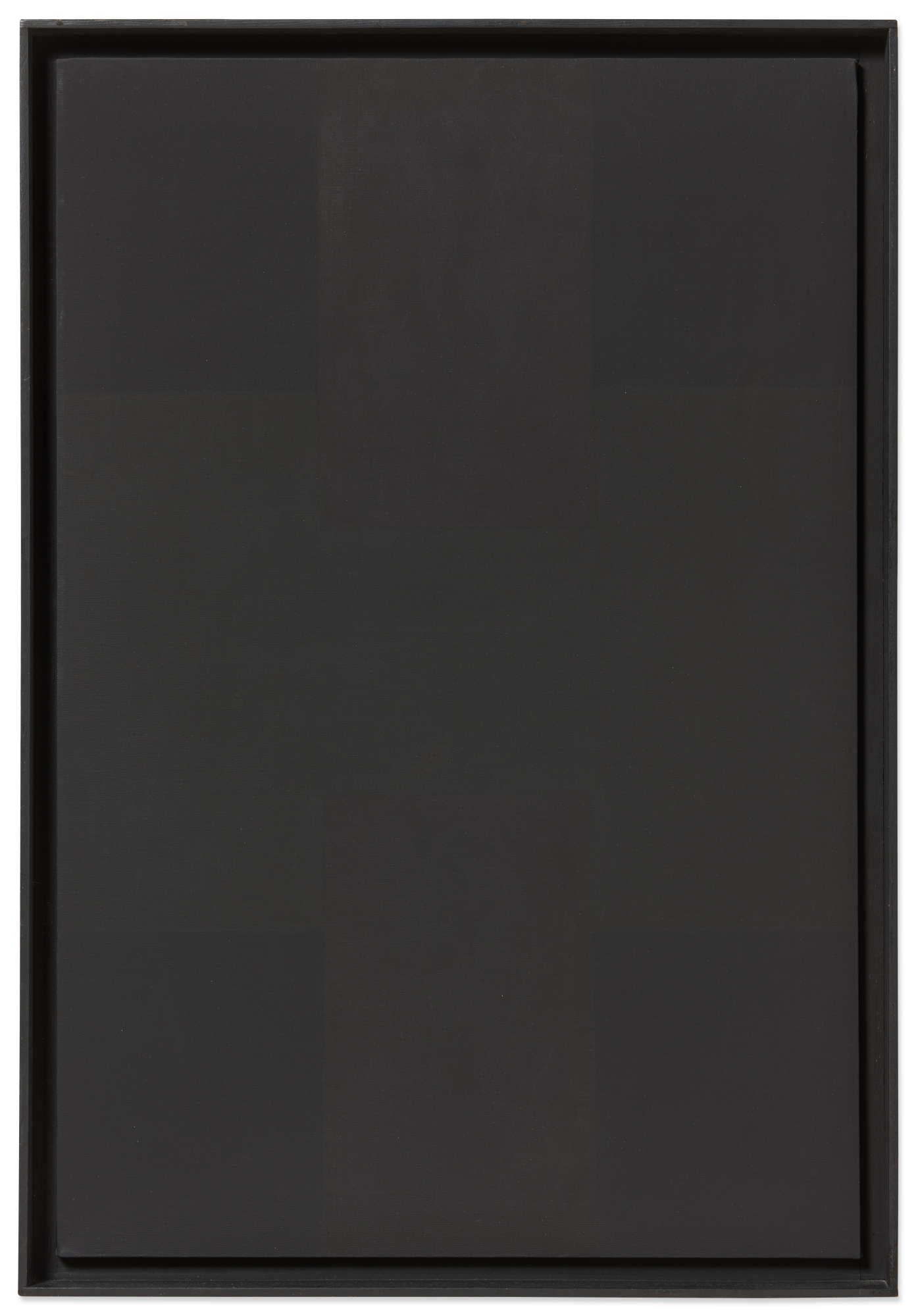
Ad Reinhardt
Reinhardt pursued a similarly reductive and spiritually charged approach to abstract painting, distilling composition to near monochromatic dark canvases with barely perceptible geometric divisions. Both artists shared a philosophical seriousness about the metaphysical possibilities of pure abstraction.
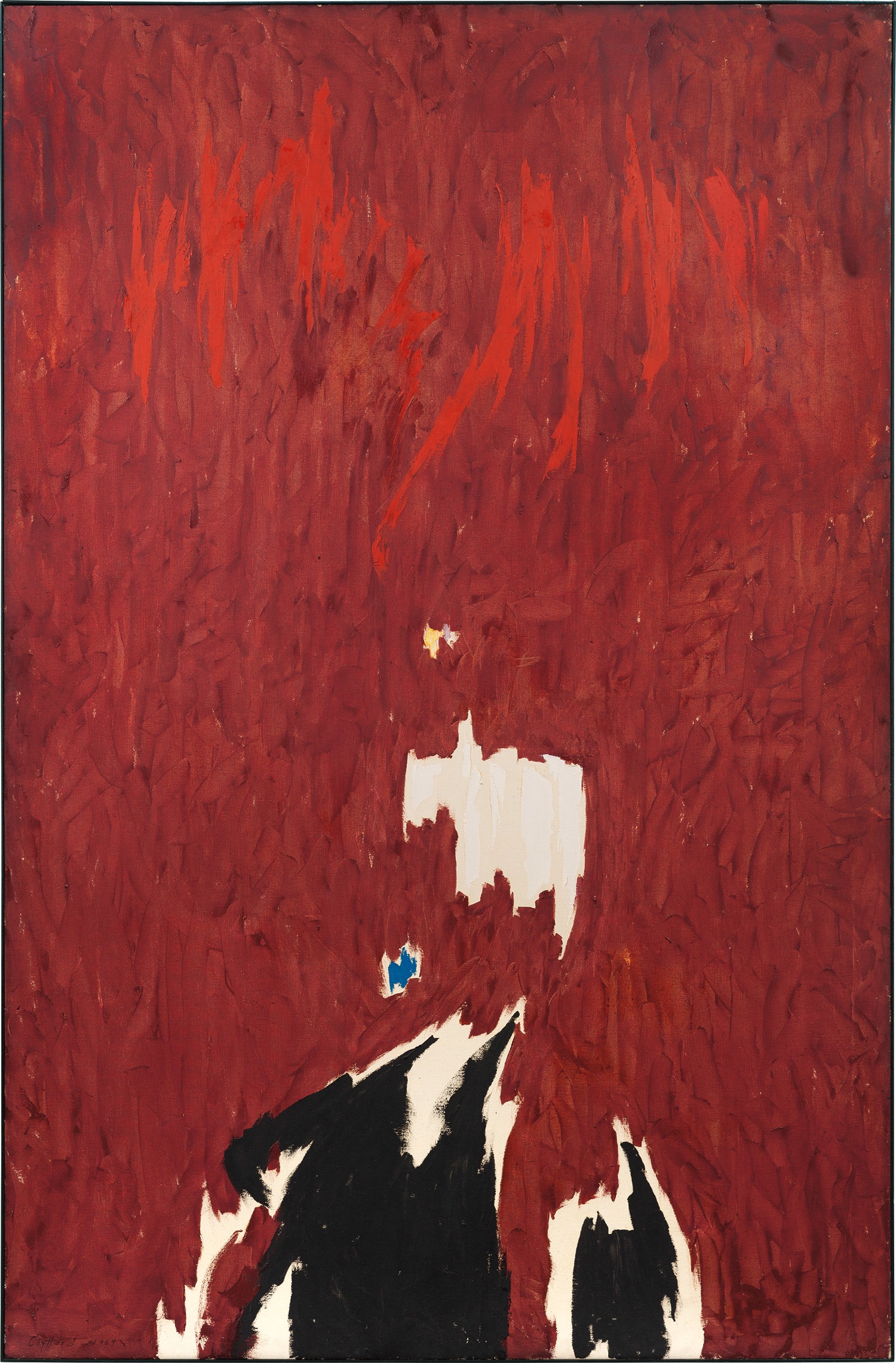
Clyfford Still
Still produced monumental abstract canvases featuring bold vertical passages of color that carry strong spiritual and primordial resonances closely aligned with Newman's visual language. Both artists were deeply committed to creating work that conveyed the sublime and rejected conventional compositional hierarchies.
Artists who inspired them
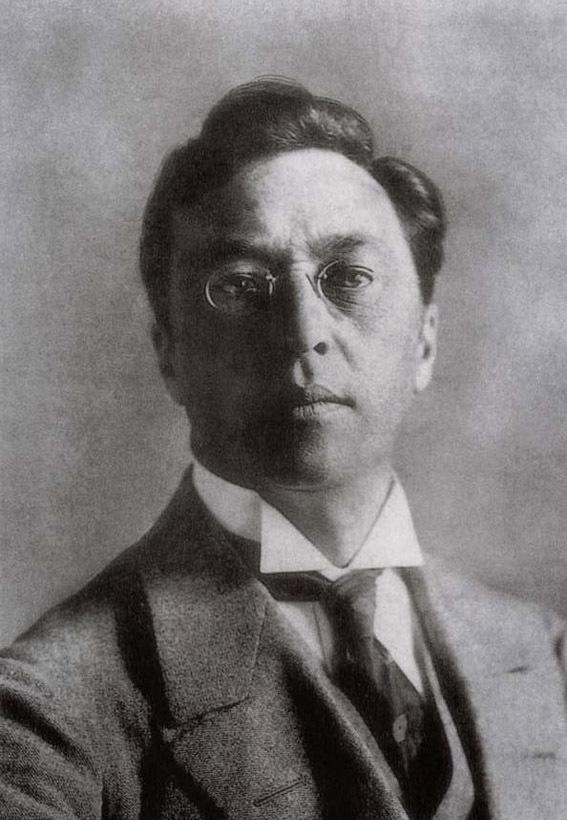
Wassily Kandinsky
Kandinsky's foundational writings and paintings on the spiritual dimensions of pure abstraction provided Newman with a theoretical framework for believing that non objective art could access higher emotional and metaphysical truths. His ideas about color and form as carriers of inner necessity deeply informed Newman's own theoretical outlook.
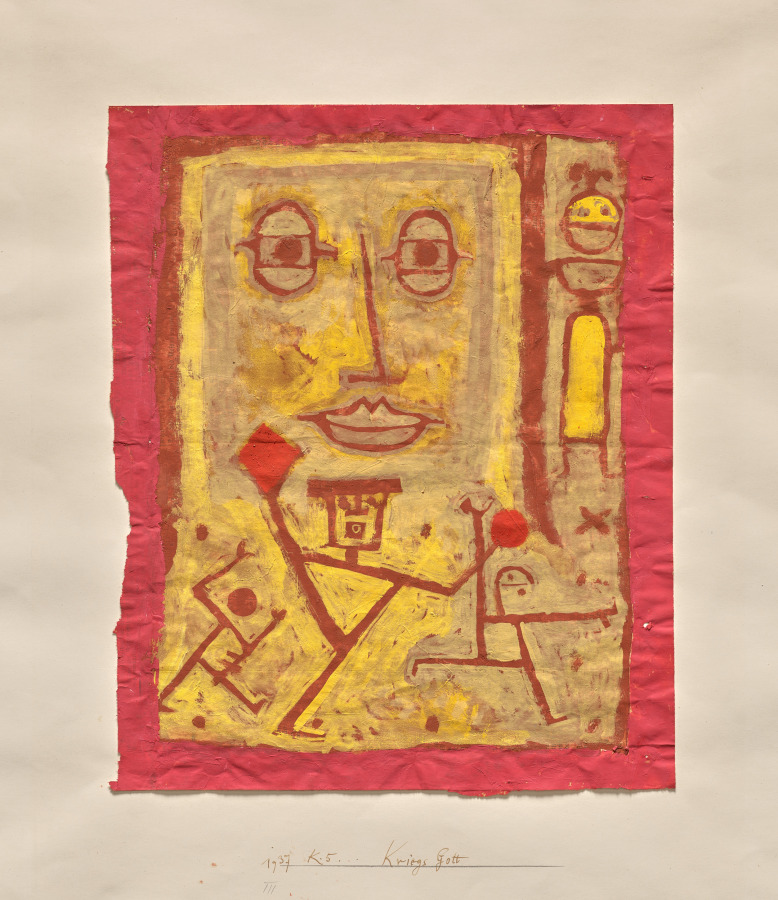
Paul Klee
Klee's integration of symbolic imagery, mythology, and intuitive mark making into abstract work influenced Newman's early explorations of primordial and totemic themes in the 1940s. Newman admired how Klee used simple pictorial elements to evoke deep psychological and spiritual states.
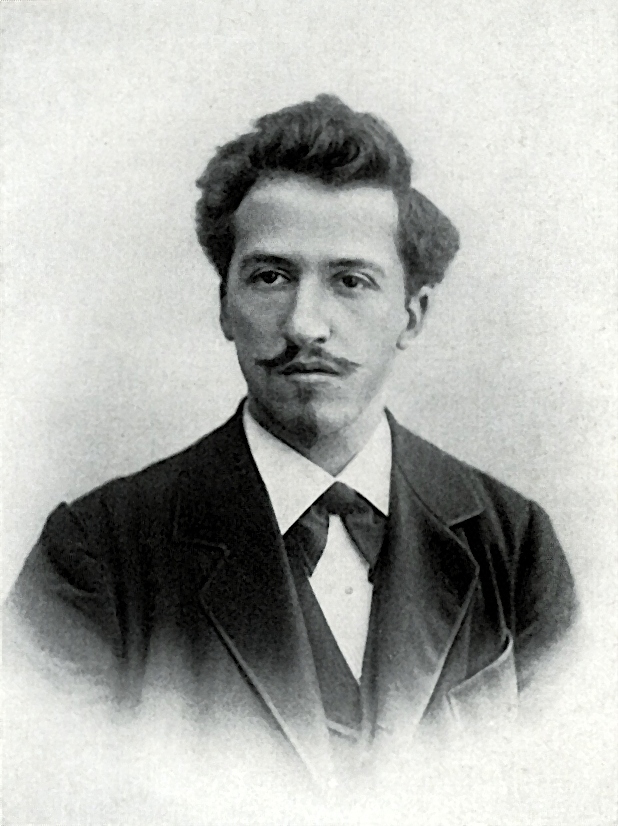
Piet Mondrian
Mondrian's radical reduction of painting to vertical and horizontal elements and his belief in the universal spiritual power of pure form were direct precursors to Newman's own reductive compositional strategy. Newman engaged seriously with Mondrian's Neo Plastic principles even as he sought to push abstraction toward a more emotionally raw and sublime register.
Artists they inspired
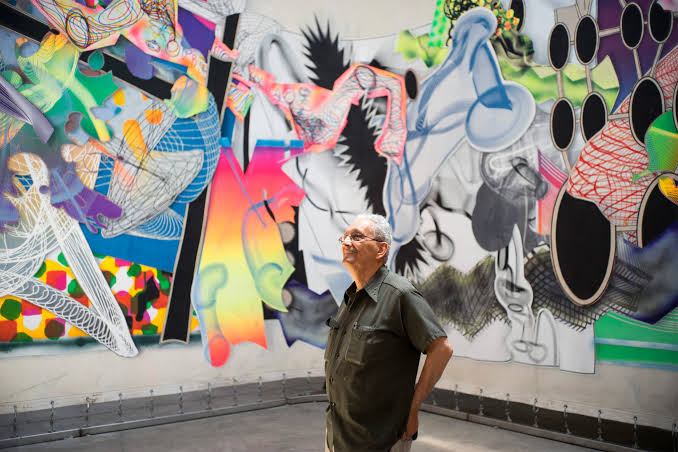
Frank Stella
Stella's early stripe paintings owe a clear formal debt to Newman's zip compositions, sharing the use of repeated linear elements that declare the flatness and literalness of the canvas surface. Newman's insistence on the painting as an object rather than an illusion was a key catalyst for Stella's minimalist approach.
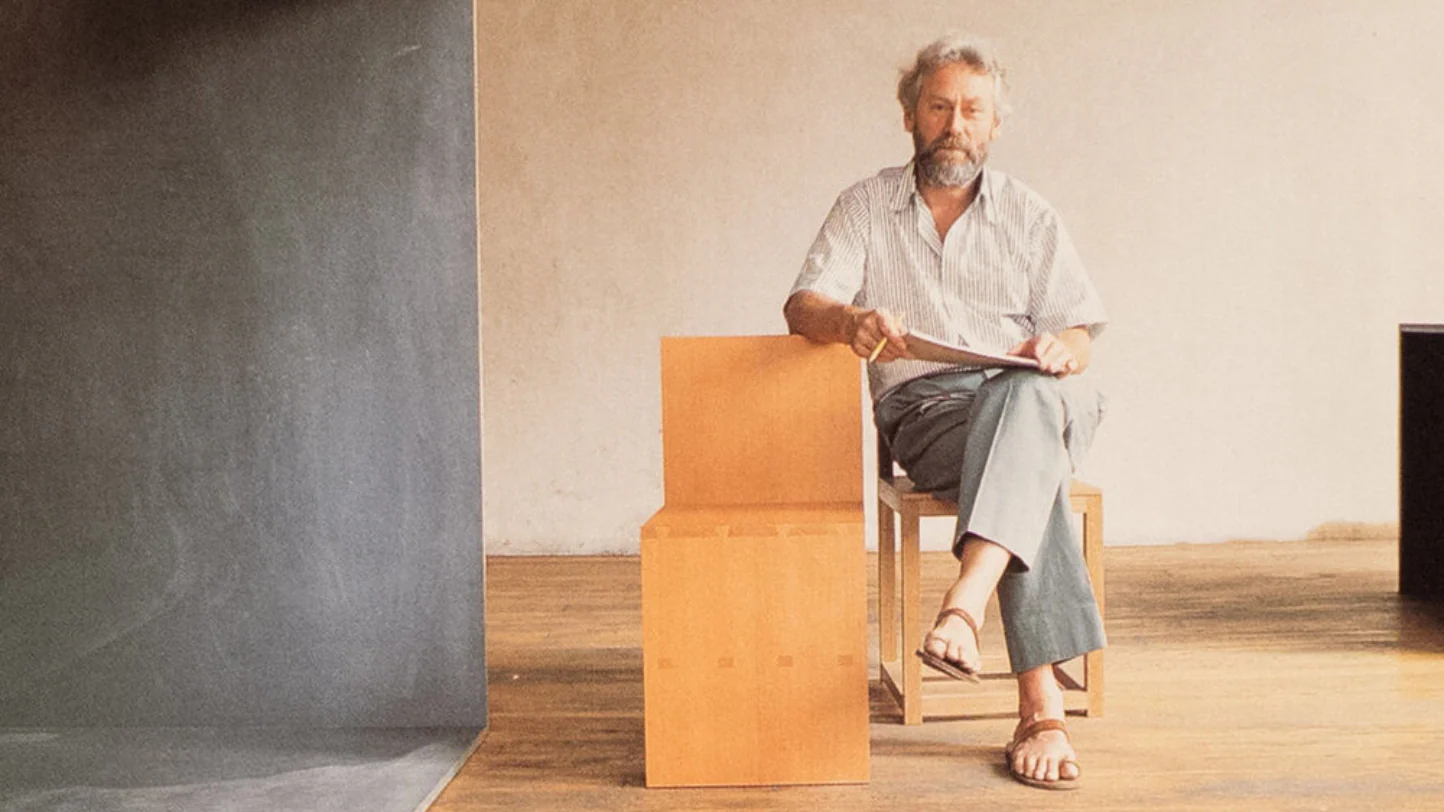
Donald Judd
Judd credited Newman's work as a crucial precedent for Minimalism, particularly Newman's use of scale, wholeness, and the confrontational presence of the art object. Newman's radical simplicity and commitment to direct perceptual experience helped Judd articulate the principles of his own three dimensional specific objects.
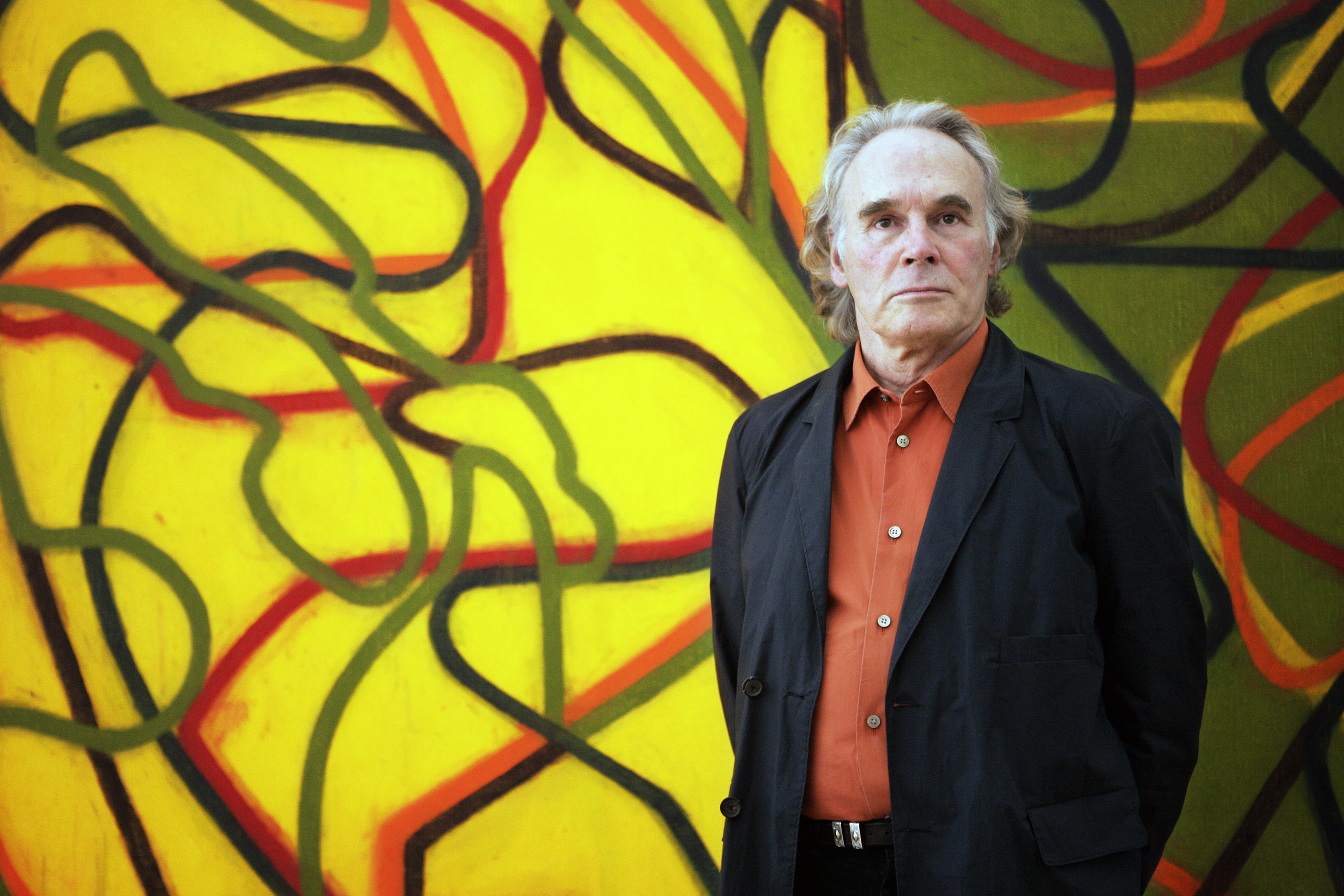
Brice Marden
Marden's meditative monochromatic and multi panel paintings draw on Newman's legacy of investing large expanses of color with spiritual gravitas and emotional intensity. Newman's demonstration that restrained means could generate profound contemplative experiences was foundational to Marden's own reductive painterly practice.