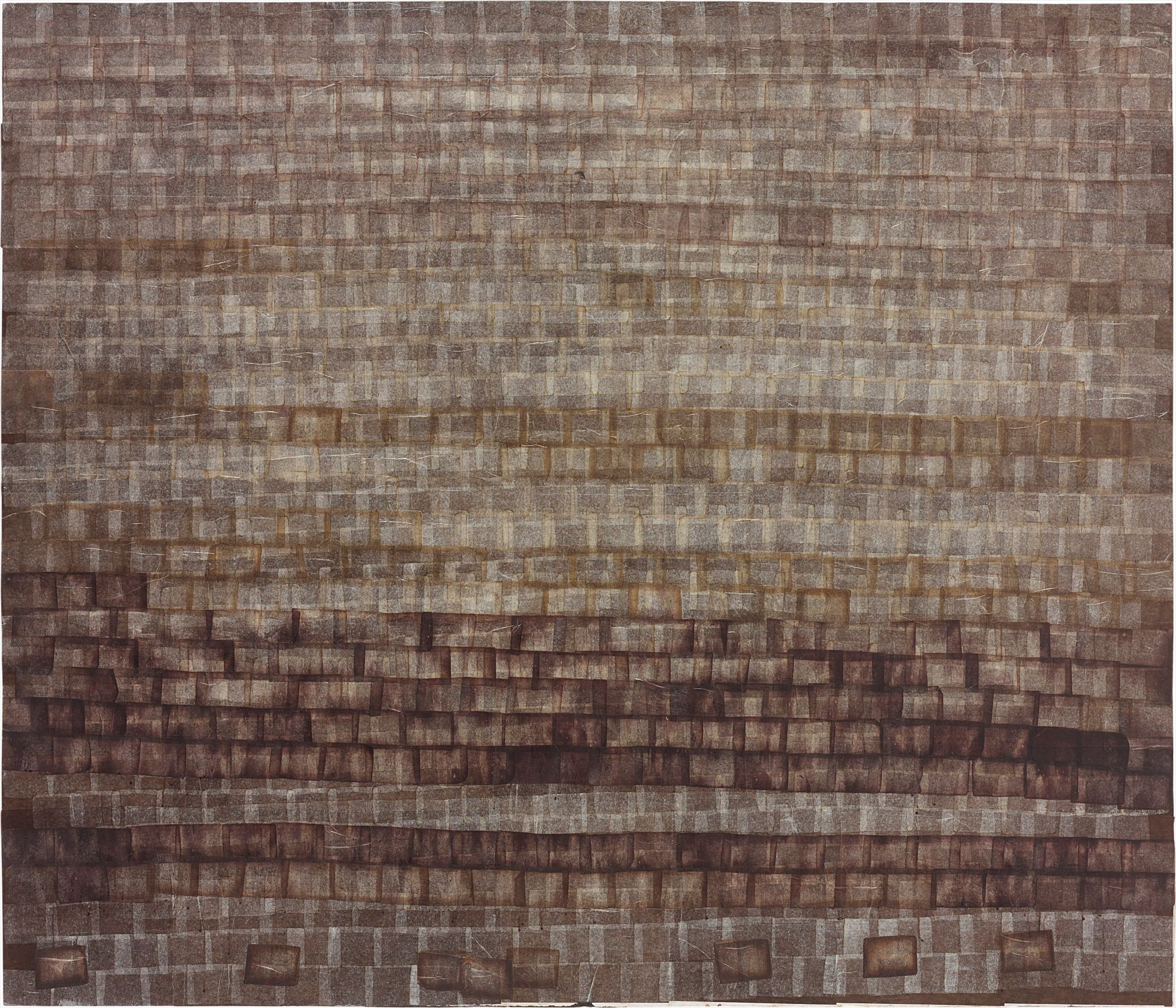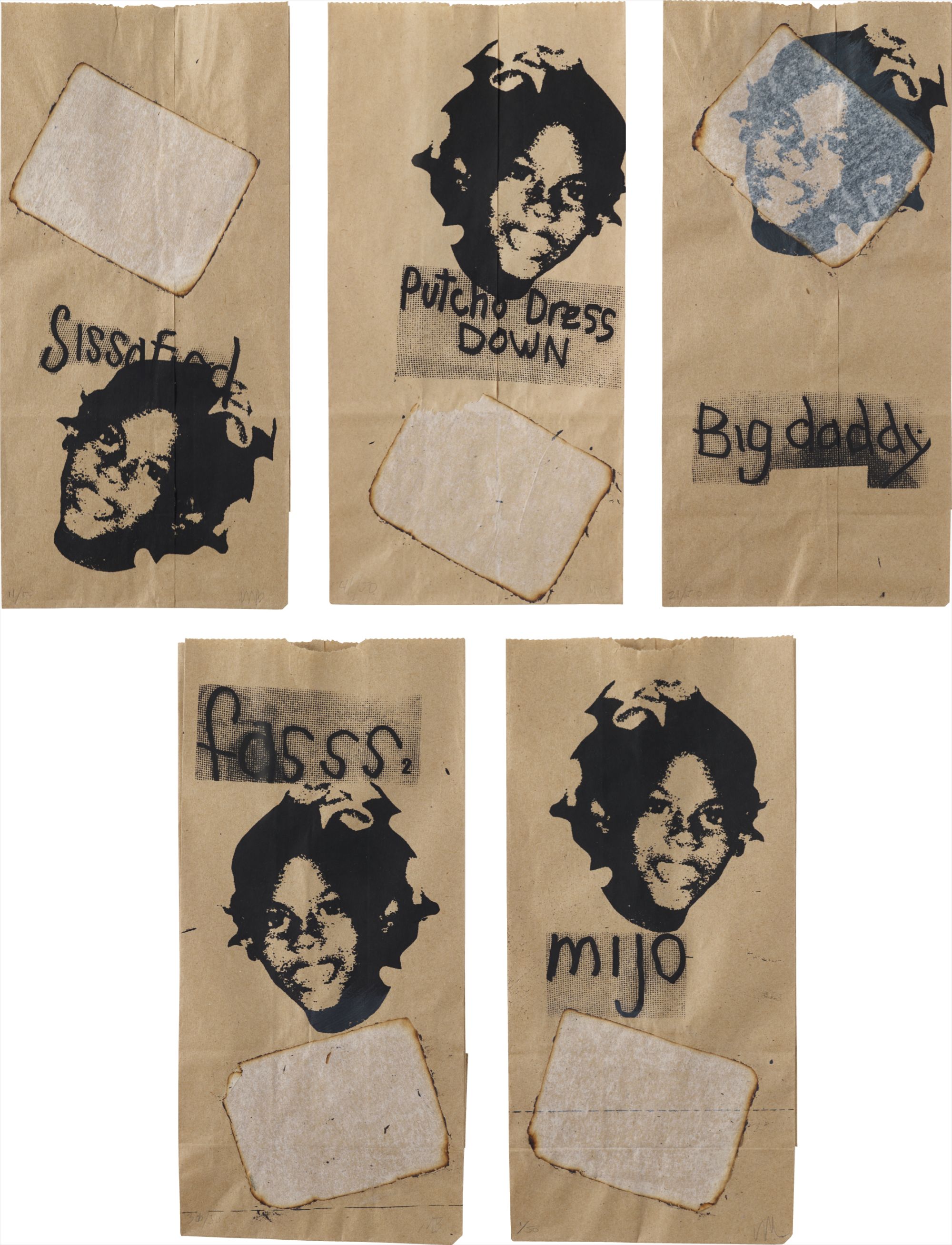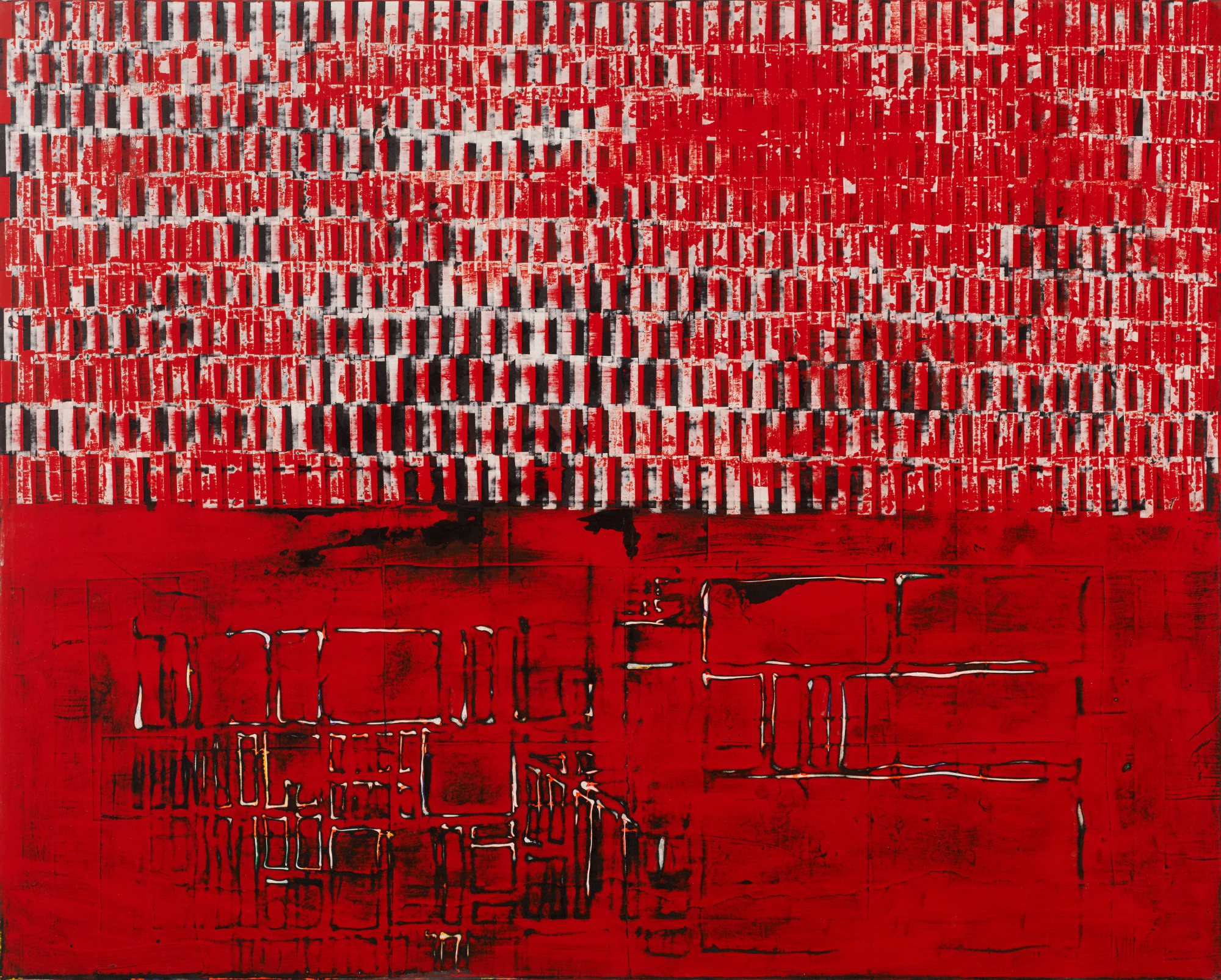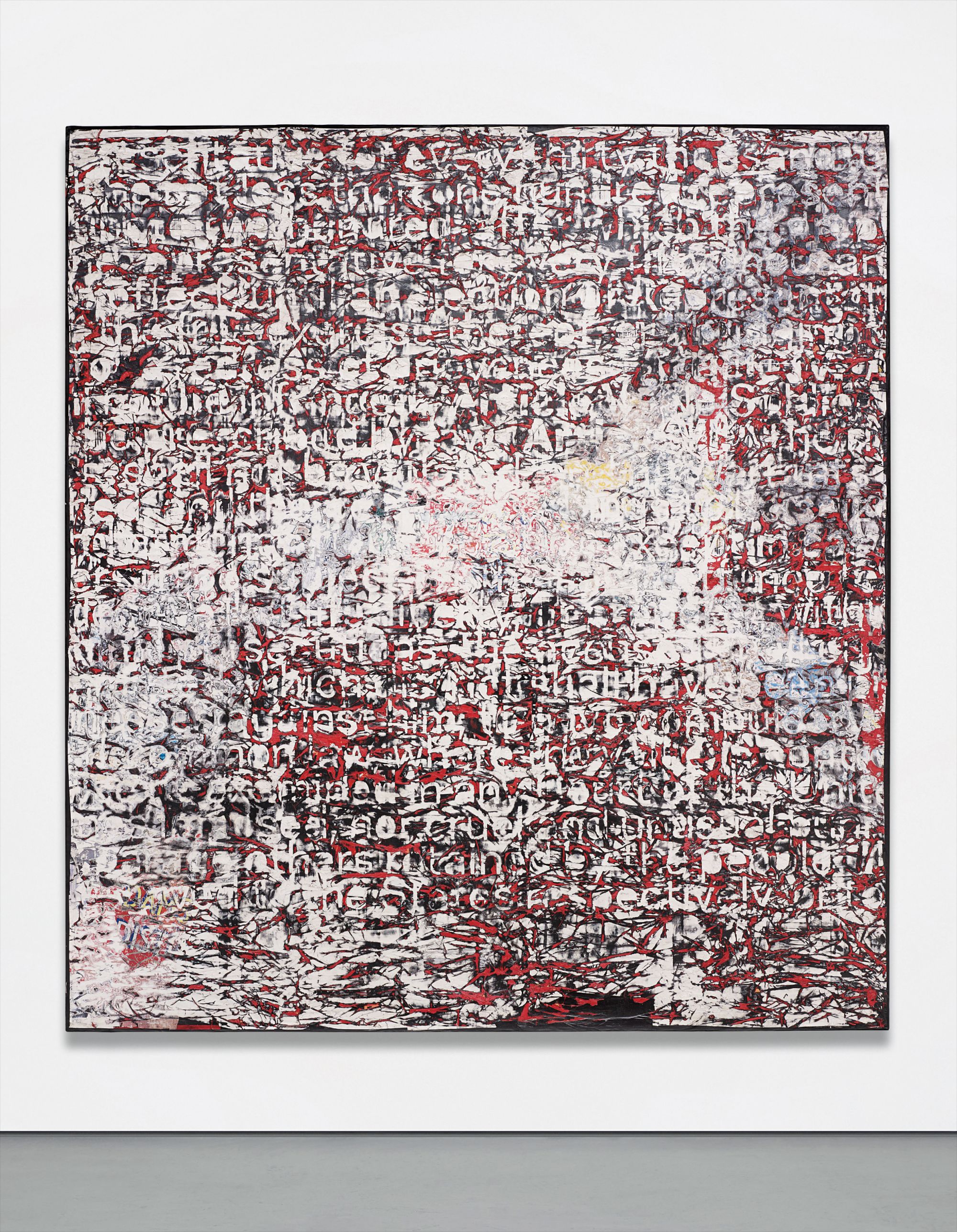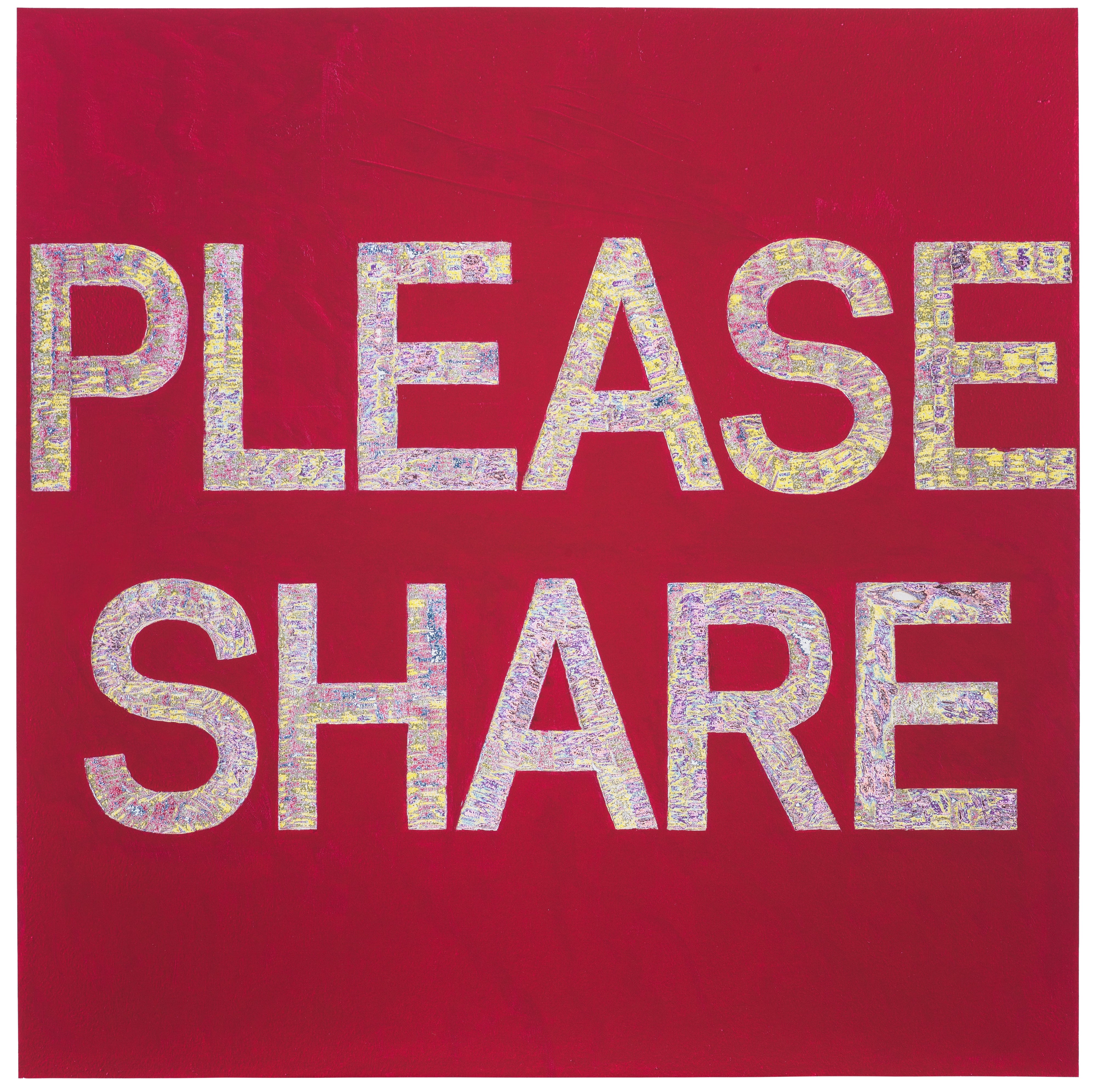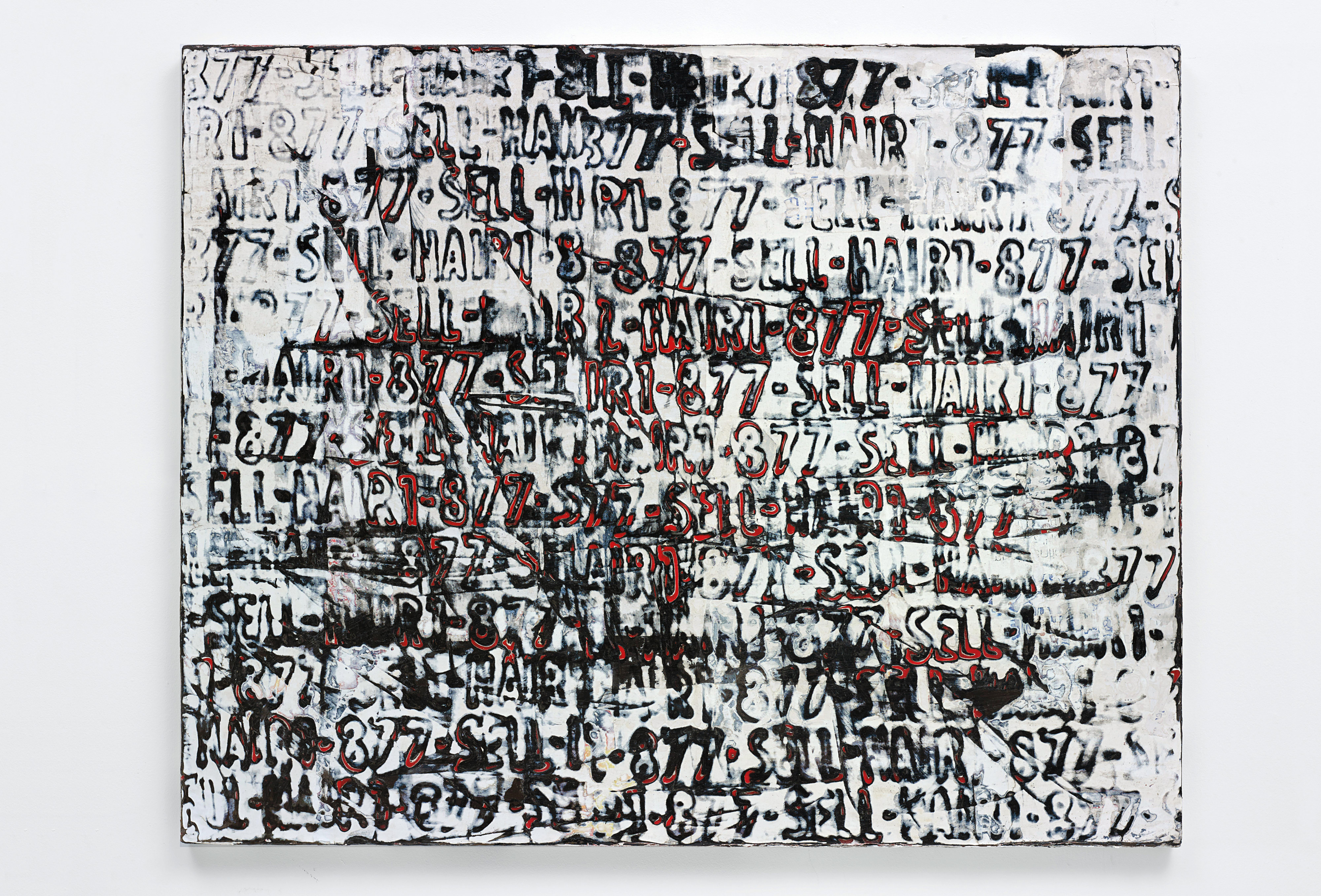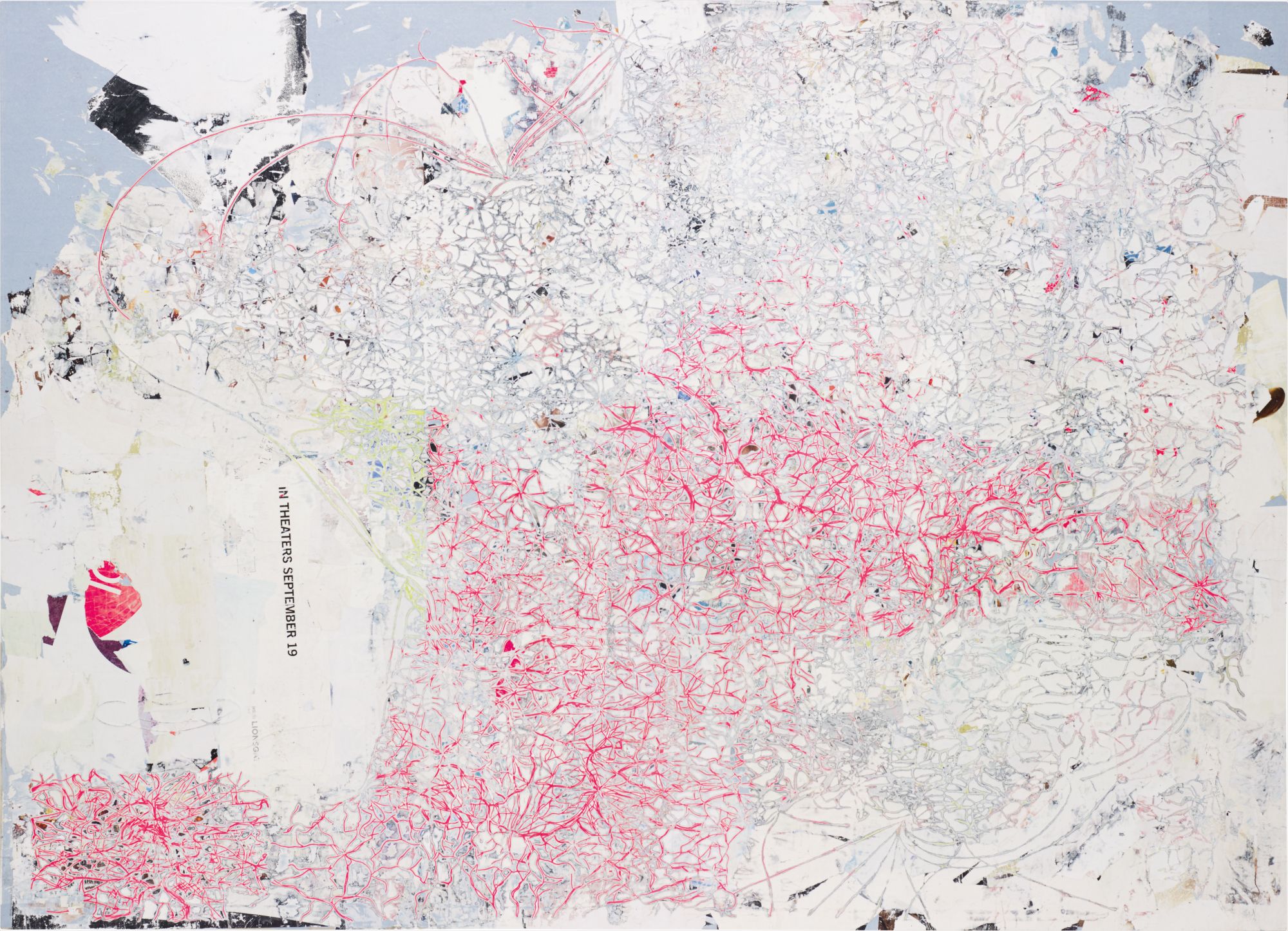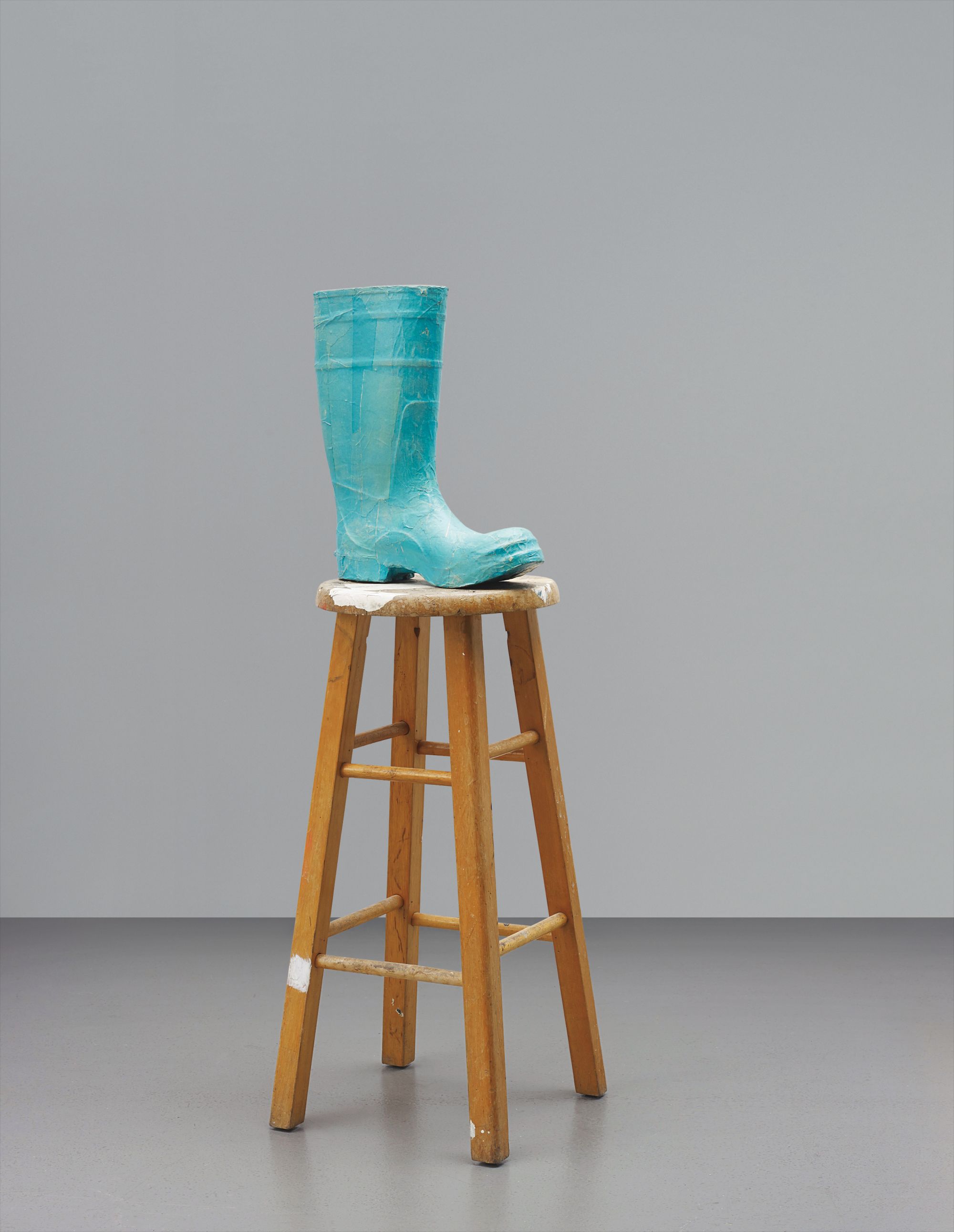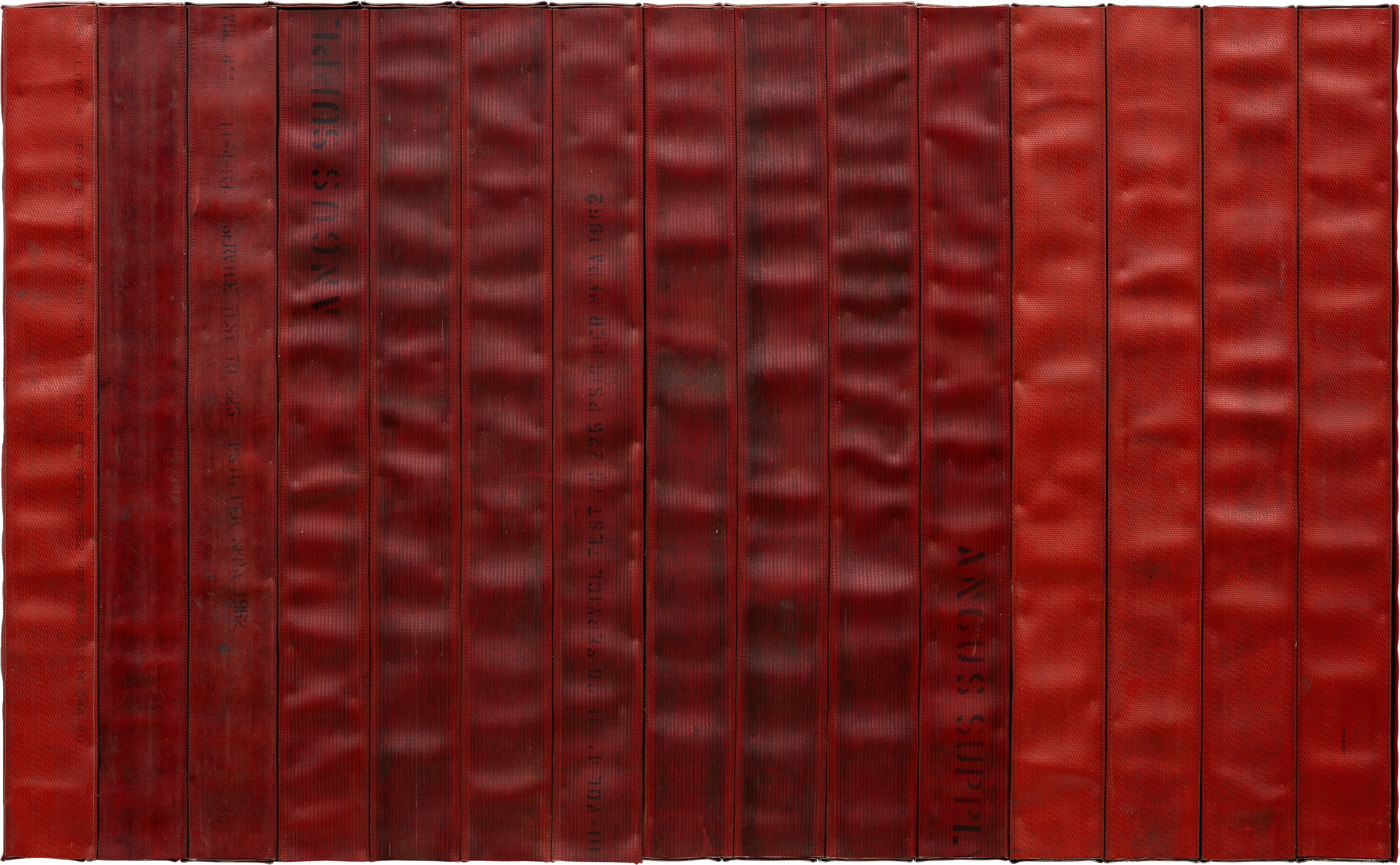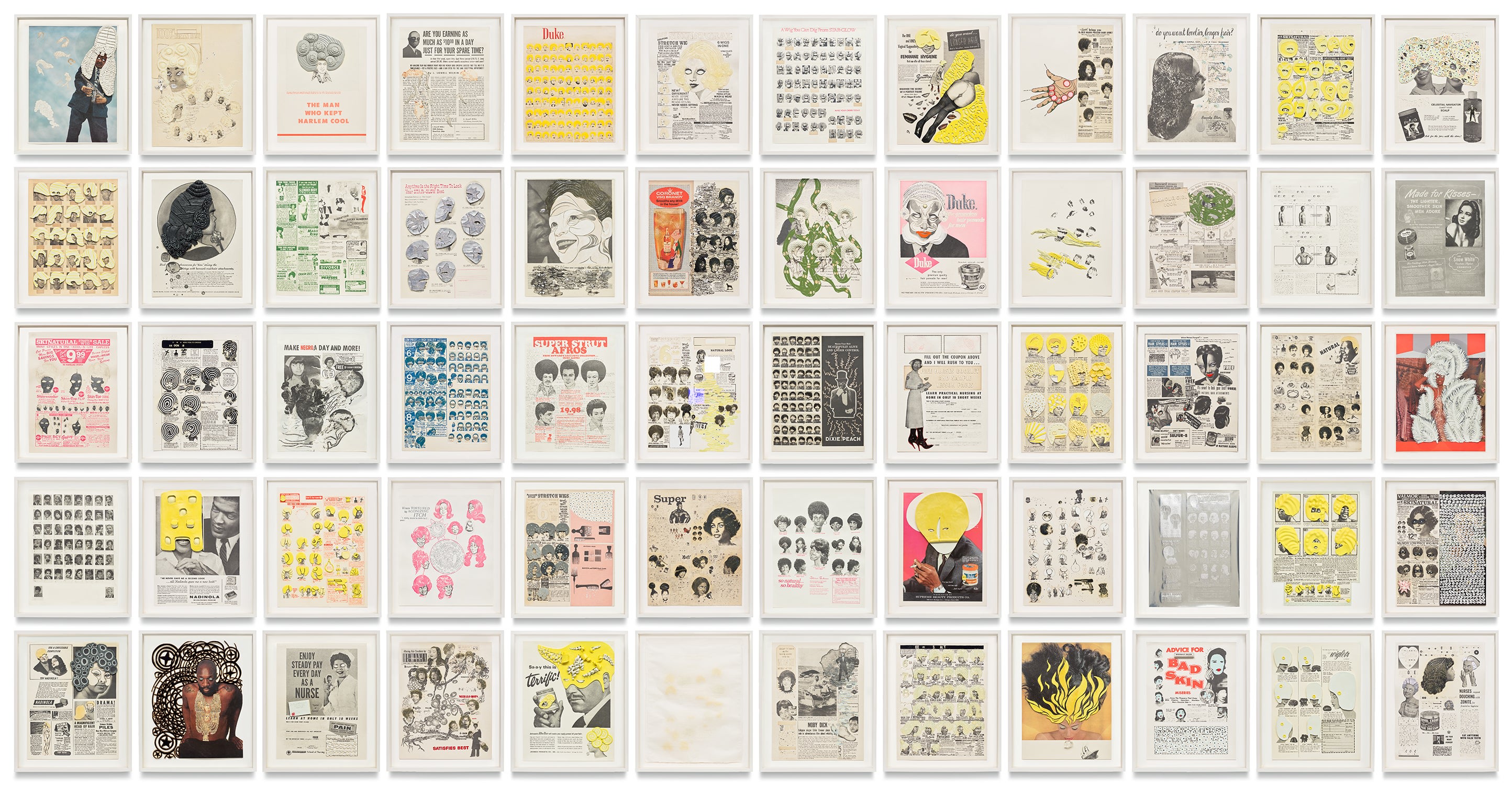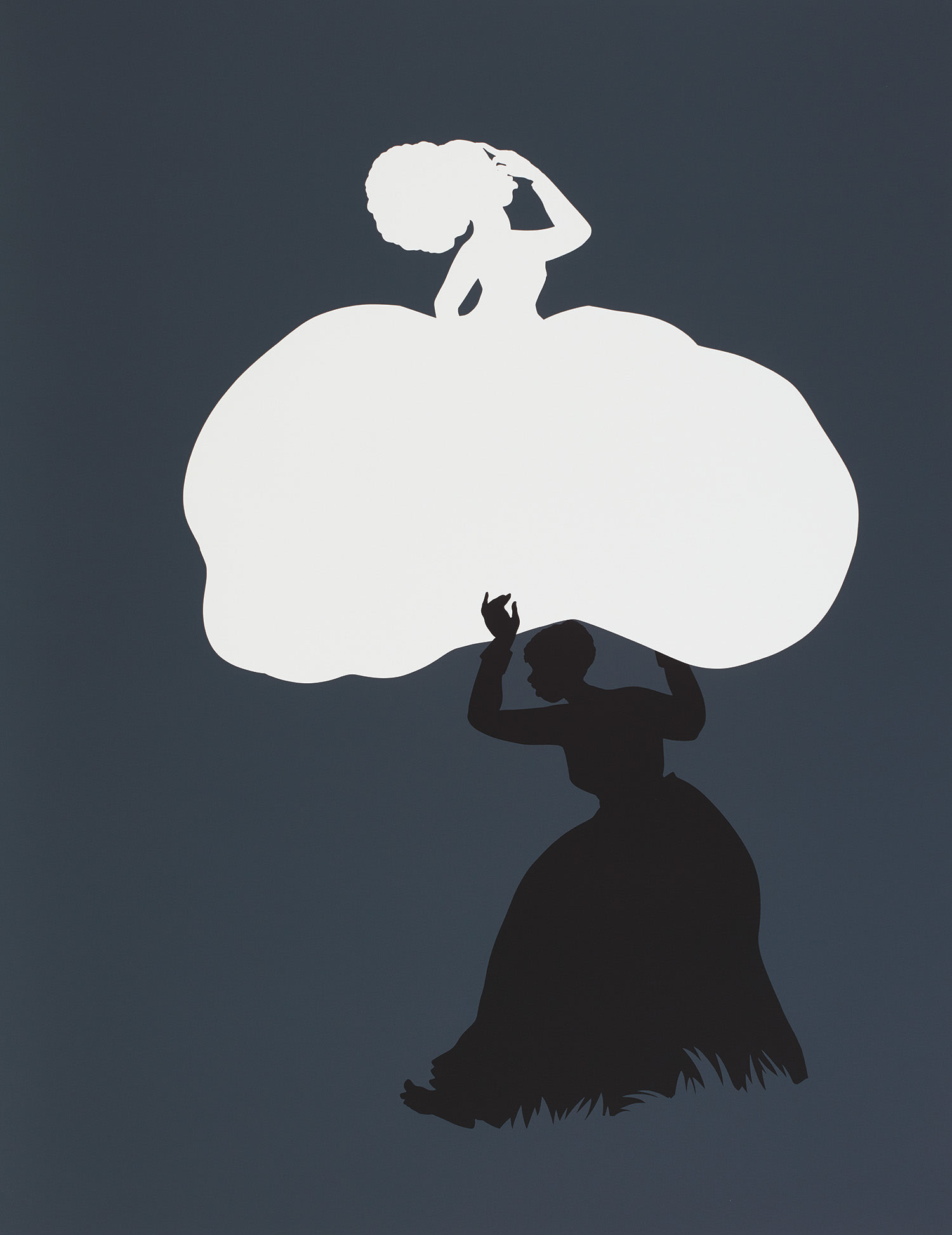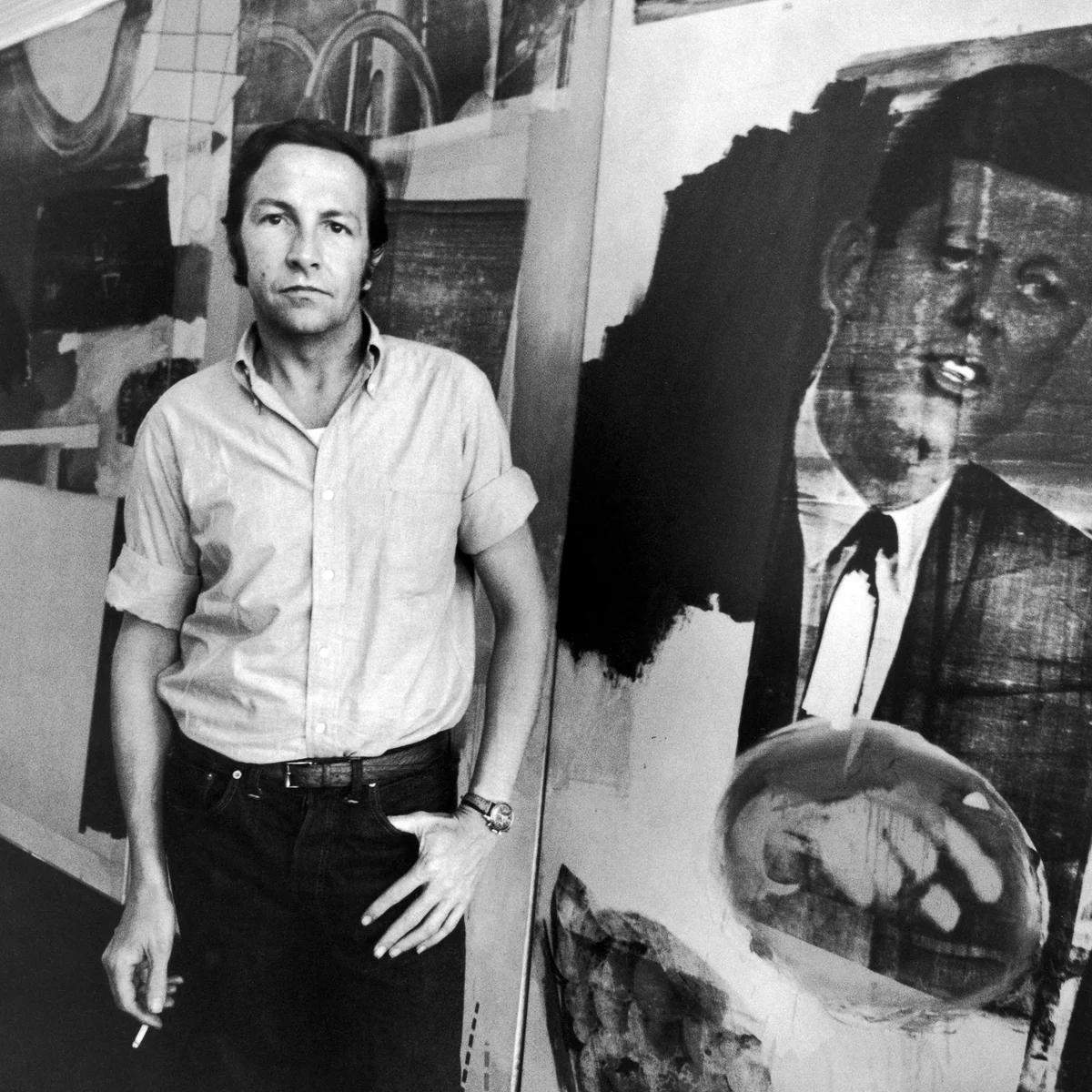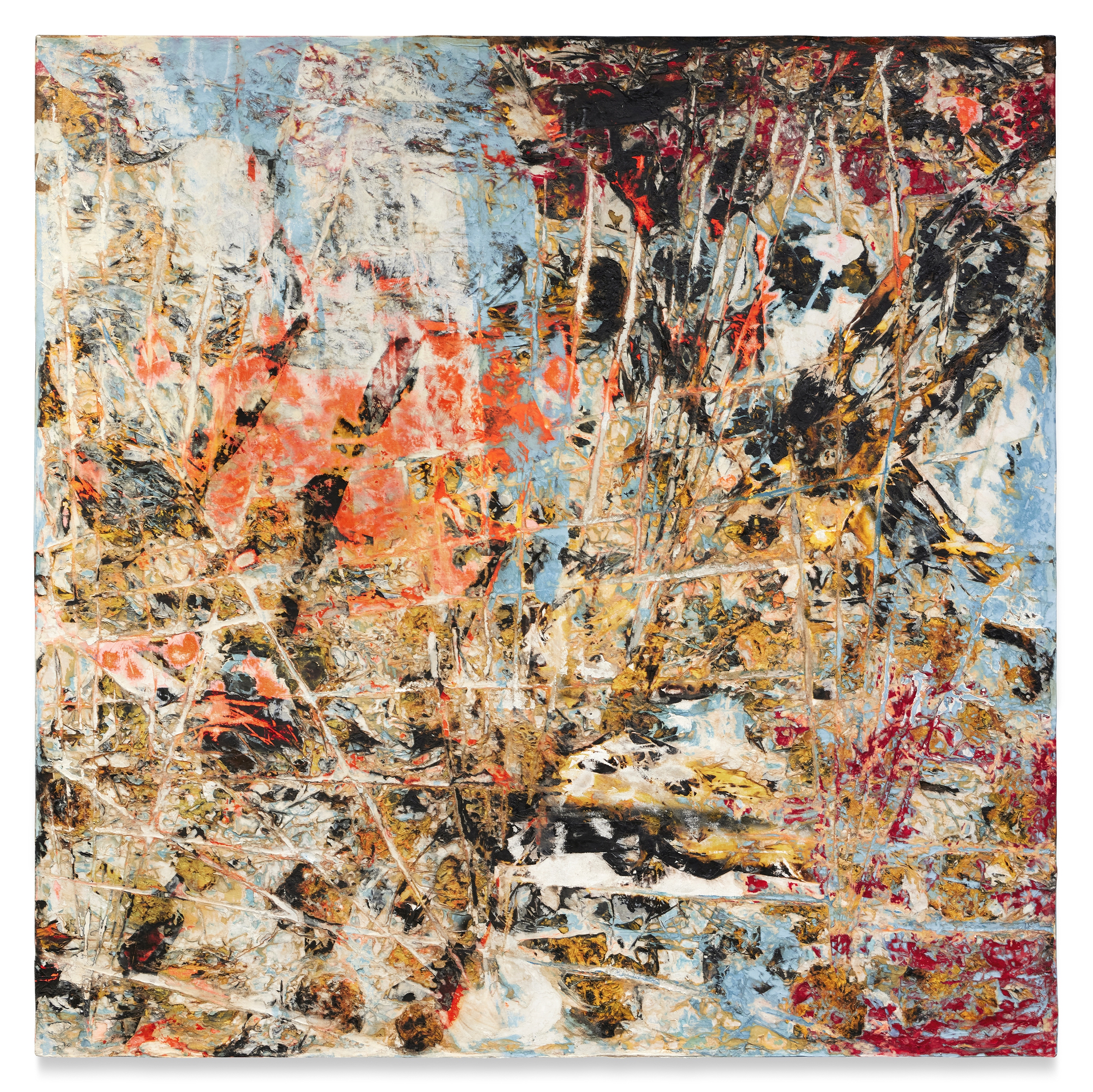
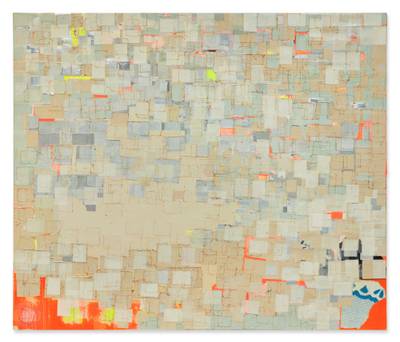
When Mark Bradford represented the United States at the 2017 Venice Biennale, he arrived not with a quiet, contemplative installation but with "Tomorrow Is Another Day," a thunderous, immersive transformation of the American Pavilion that stopped visitors in their tracks. Bradford stripped the building's interior walls down to bare plaster, hung monumental abstract canvases alive with torn paper and layered pigment, and embedded the entire project within a partnership with the social justice organization Prison Policy Initiative. It was a statement of rare ambition: that art could be simultaneously beautiful, structurally rigorous, politically urgent, and genuinely moving. Critics on every continent took notice. That Venice presentation crystallized what collectors and curators had been recognizing for years, that Bradford is among the most significant painters working anywhere in the world today. Bradford was born in Los Angeles in 1961 and grew up in the city's Santa Monica neighborhood, the son of a mother who ran a beauty salon. That salon would prove formative in ways that went far beyond the sentimental. Bradford spent years working in the shop, absorbing the textures, the conversations, the social choreography of a Black neighborhood business. He also moved through the streets of a city whose visual language was dominated by merchant posters, billboard advertisements, and the accumulated paper residue of commercial life. These materials, cheap, overlooked, and saturated with the social codes of working communities, would eventually become the core vocabulary of his practice. Bradford did not enter formal art education until his thirties, studying at the California Institute of the Arts, where he earned both his BFA and MFA. That late arrival gave him a perspective that was already lived in and specific, and it shows in every square inch of his work. His artistic development through the late 1990s and early 2000s was a process of discovering what his materials could actually do. Bradford became fascinated by the end papers used in hair perms, thin sheets that he began incorporating into paintings alongside merchant posters and billboard paper. His method was never simply additive. He layers materials onto large canvases and then excavates them, sanding, scraping, pulling back surface to reveal what lies beneath. The resulting works look abstract but carry within their strata the traces of specific places and specific economies. He was deeply engaged with the lineage of American abstract painting, with the gestural ambition of Abstract Expressionism and the formal rigor of Color Field work, but he was also in constant dialogue with the social geography of Los Angeles. The tension between those two registers, pure form and social document, is what gives his paintings their extraordinary charge. The works on view across The Collection represent the breadth and depth of his practice across two decades. "Burn Baby Burn" from 2002 takes its title from a phrase that echoed through the 1965 Watts Rebellion, and the painting's churning, layered surface carries that history like sediment. "Helter Skelter I" from 2007 is one of the most celebrated works of his mature period, a monumental canvas whose violent excavations and dense material buildup read simultaneously as landscape, map, and psychological terrain. "Starin' Through My Rear View" from 2006 brings a tenderness to his formal language, the surface opened up and breathing in ways that reward slow, sustained looking. "Drag Her to the Path" from 2011 demonstrates how his political consciousness sharpened as his reputation grew, the title pointing toward the experiences of queer Black men navigating a world that has not always made space for them. Each work repays extended attention, offering new information as the eye adjusts to the layering. From a collecting perspective, Bradford represents one of the most compelling cases in contemporary art. His market has grown steadily and with substance, driven not by speculation but by genuine institutional and private demand. Works by Bradford are held by the Museum of Modern Art in New York, the Tate in London, and the Broad in Los Angeles, among many others, and that level of institutional validation speaks directly to the confidence collectors can feel in acquiring his work. His paintings have achieved significant results at auction, with major canvases commanding prices that reflect both their scale and their art historical importance. What collectors respond to, beyond the evident quality, is the coherence of his vision. There are no throwaway periods, no years of marking time. Every work connects to a larger, sustained inquiry, and that consistency of purpose is among the rarest qualities in any artist's career. The prints and works on paper, including the "Can You Feel It" series published by Artists Space in New York, offer an accessible point of entry for collectors building a relationship with his practice. Bradford occupies a specific and important position within the history of abstract painting. His work is in genuine conversation with artists like David Hammons, whose use of found and culturally charged materials transformed what sculpture could mean, and with Kara Walker, whose equally uncompromising engagement with American racial history has reshaped contemporary art. He also belongs to a lineage of painters, including Frank Stella and Cy Twombly, who understood that abstraction was not a retreat from the world but a way of engaging with it at a deeper structural level. Bradford synthesizes these traditions without being beholden to any of them. He has made something entirely his own, a practice rooted in a specific American place and experience that nevertheless speaks with universality. What Bradford has built over the course of his career is a body of work that will be studied and celebrated for generations. His insistence on using materials that come from communities rather than from the art supply store is not a stylistic choice but an ethical one, a way of insisting that the people and places that shaped him remain present in work that hangs in the world's greatest museums. His partnership with Art + Practice, the foundation he cofounded in the Leimert Park neighborhood of Los Angeles to support foster youth and communities in need, confirms that his social commitments are structural rather than decorative. He is an artist whose integrity is absolute and whose formal achievement matches his moral seriousness. To collect Mark Bradford is to bring into your home a piece of American history, processed through one of the most gifted hands working in painting today.