Language Based Art
Jenny Holzer
Living Series: There's the Sensation of a lot of Flesh..., 1989
When the Word Becomes the Work
There is something quietly radical about an artwork that demands you read it. Not glance at it, not absorb it through color or form or texture, but actually stop and read, letting language do what language does: mean something. Language based art has always operated at this strange intersection of the literary and the visual, the conceptual and the visceral, and it remains one of the most philosophically rich traditions in contemporary practice. To collect it is to collect ideas as much as objects.
The roots of language in visual art run deep, but the movement as we know it crystallized in the 1960s alongside Conceptualism's broader challenge to the primacy of the art object. If an idea could constitute a work, then words, as the most direct carriers of ideas, were natural material. Joseph Kosuth's 1965 piece One and Three Chairs, which presented a physical chair alongside a photograph of it and a dictionary definition of the word "chair," announced the territory plainly: language was not illustration, it was substance. Lawrence Weiner's 1968 Declaration of Intent formalized the idea further, proposing that an artwork need not be built at all, that the statement describing it was sufficient.
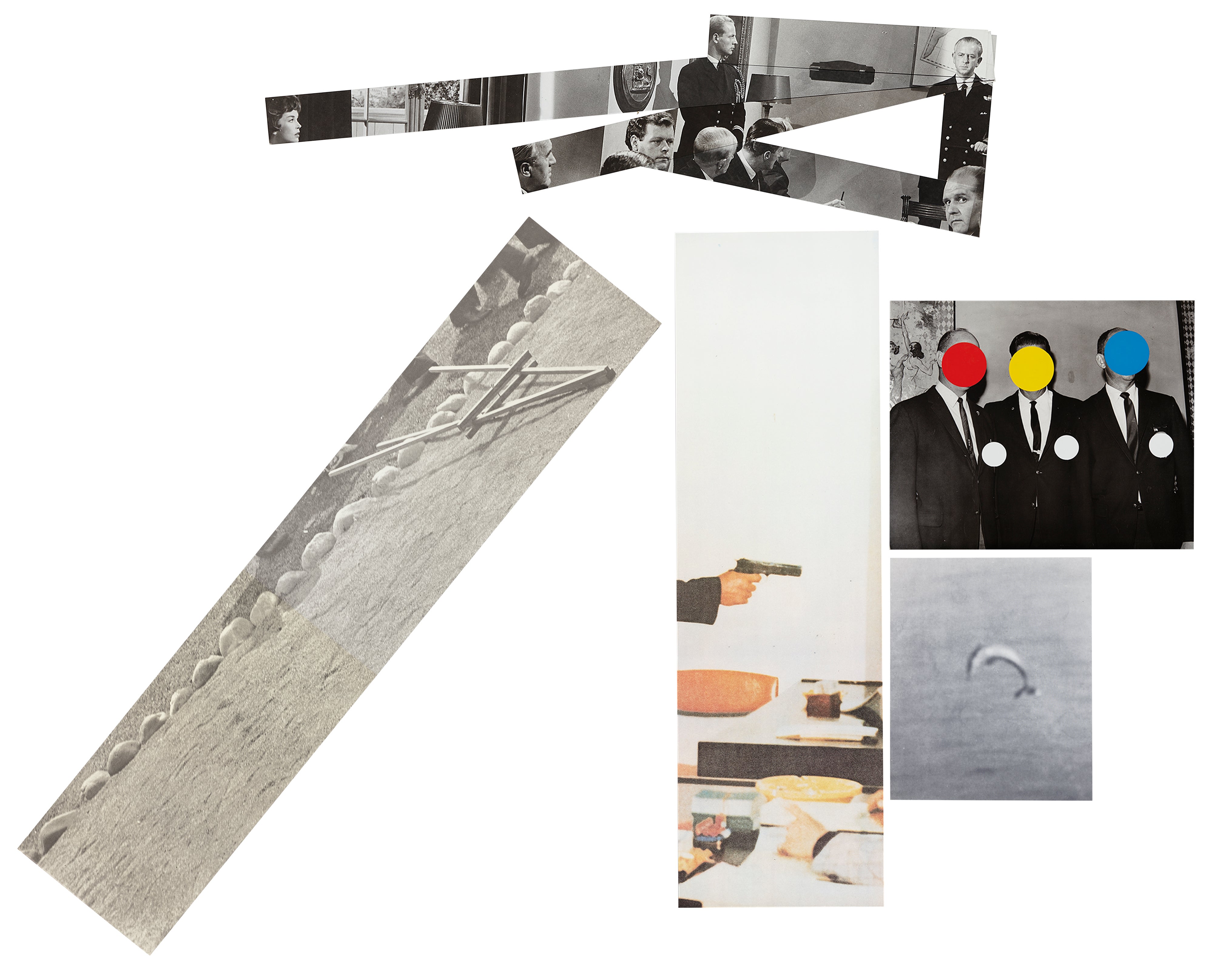
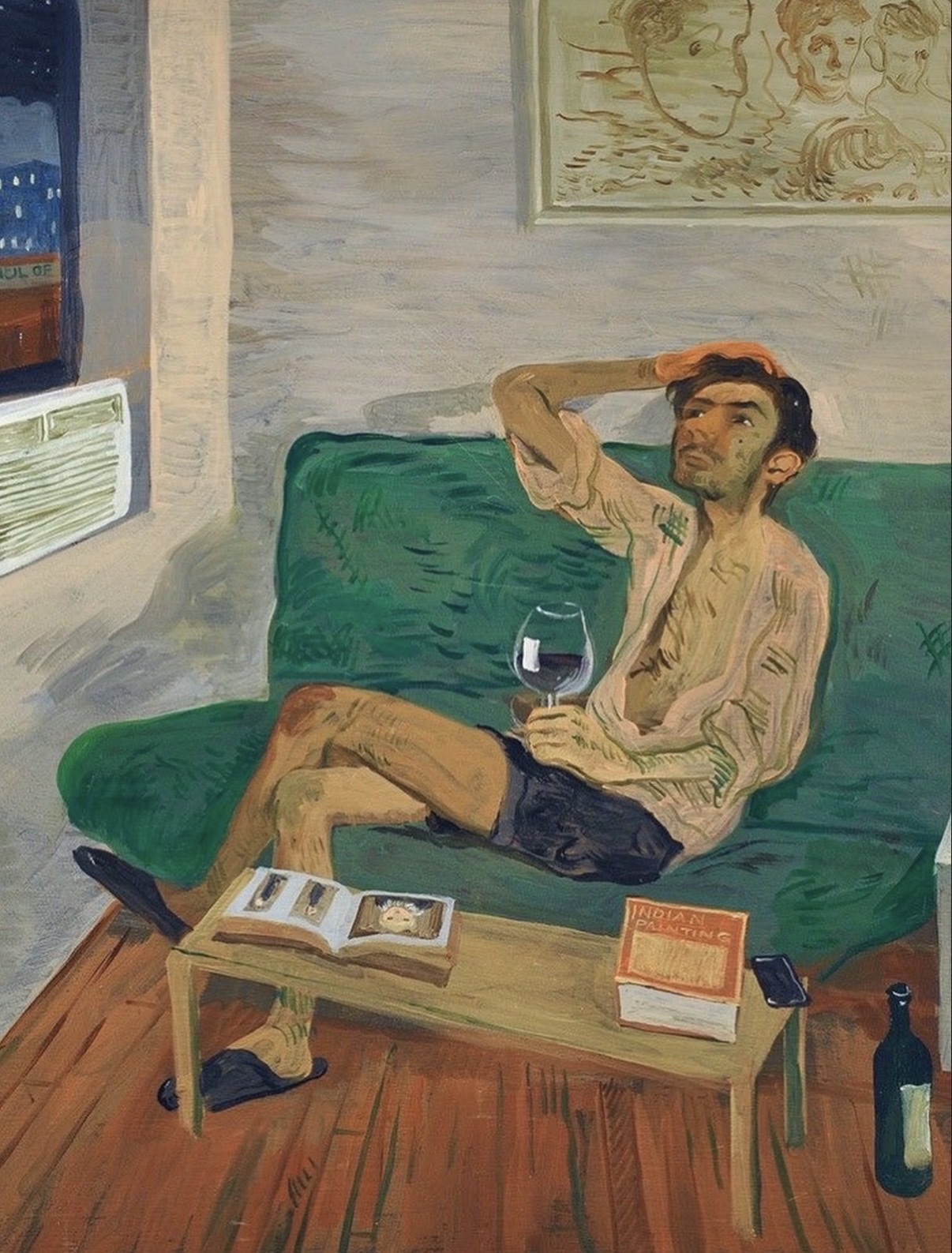
John Baldessari
The Fallen Easel
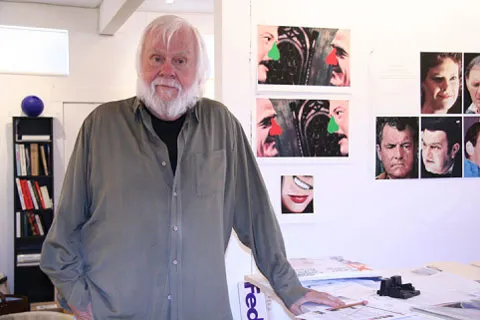
The artwork could exist entirely in the reading. By the early 1970s, a generation of artists had fully claimed text as their primary medium. John Baldessari, whose work is held on The Collection, was among the most playful and destabilizing figures of this moment. Working in Los Angeles rather than the New York epicenter, Baldessari brought a wry, almost deadpan humor to the enterprise, combining found images with captions and instructions that undermined easy interpretation.
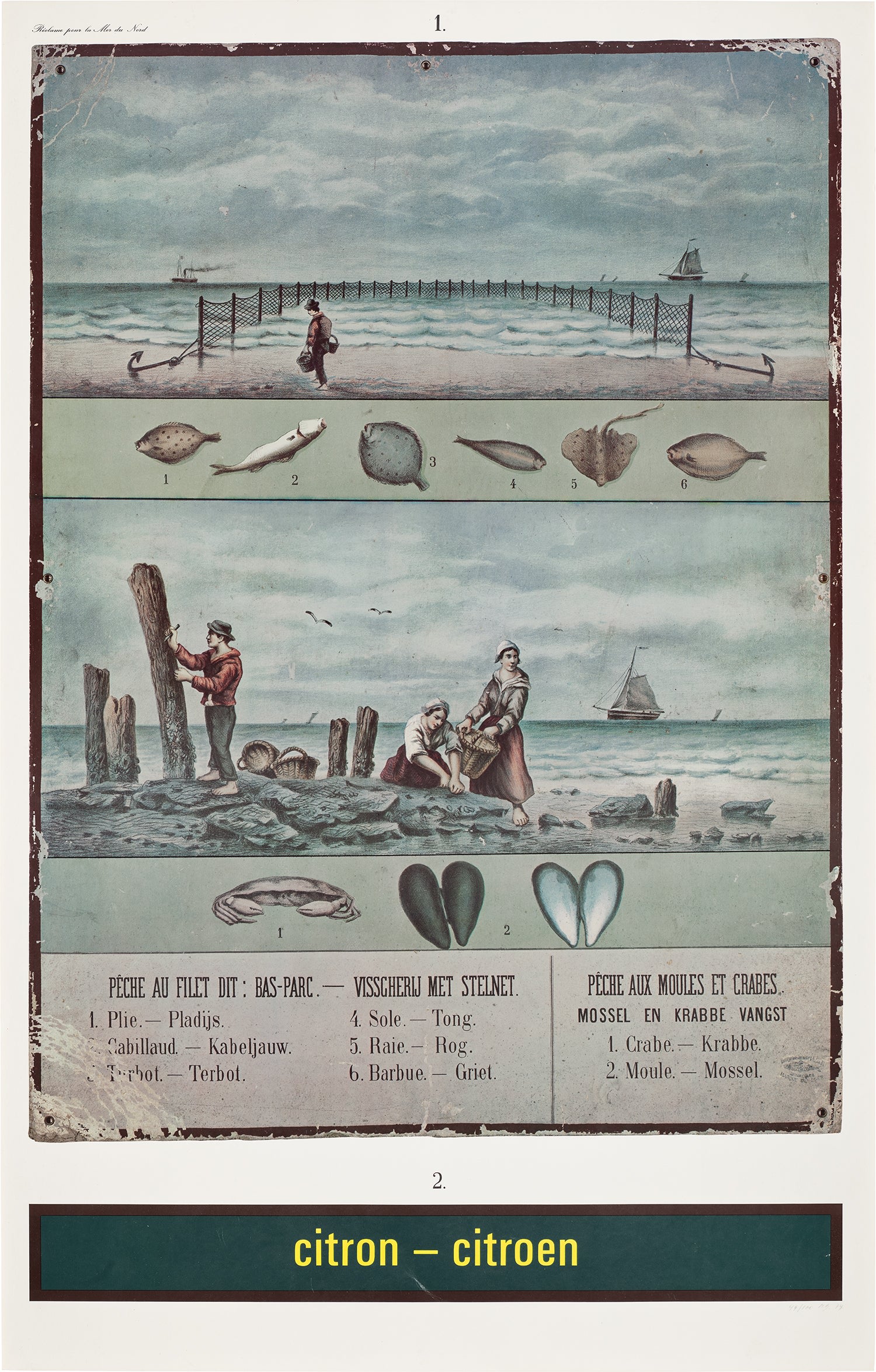
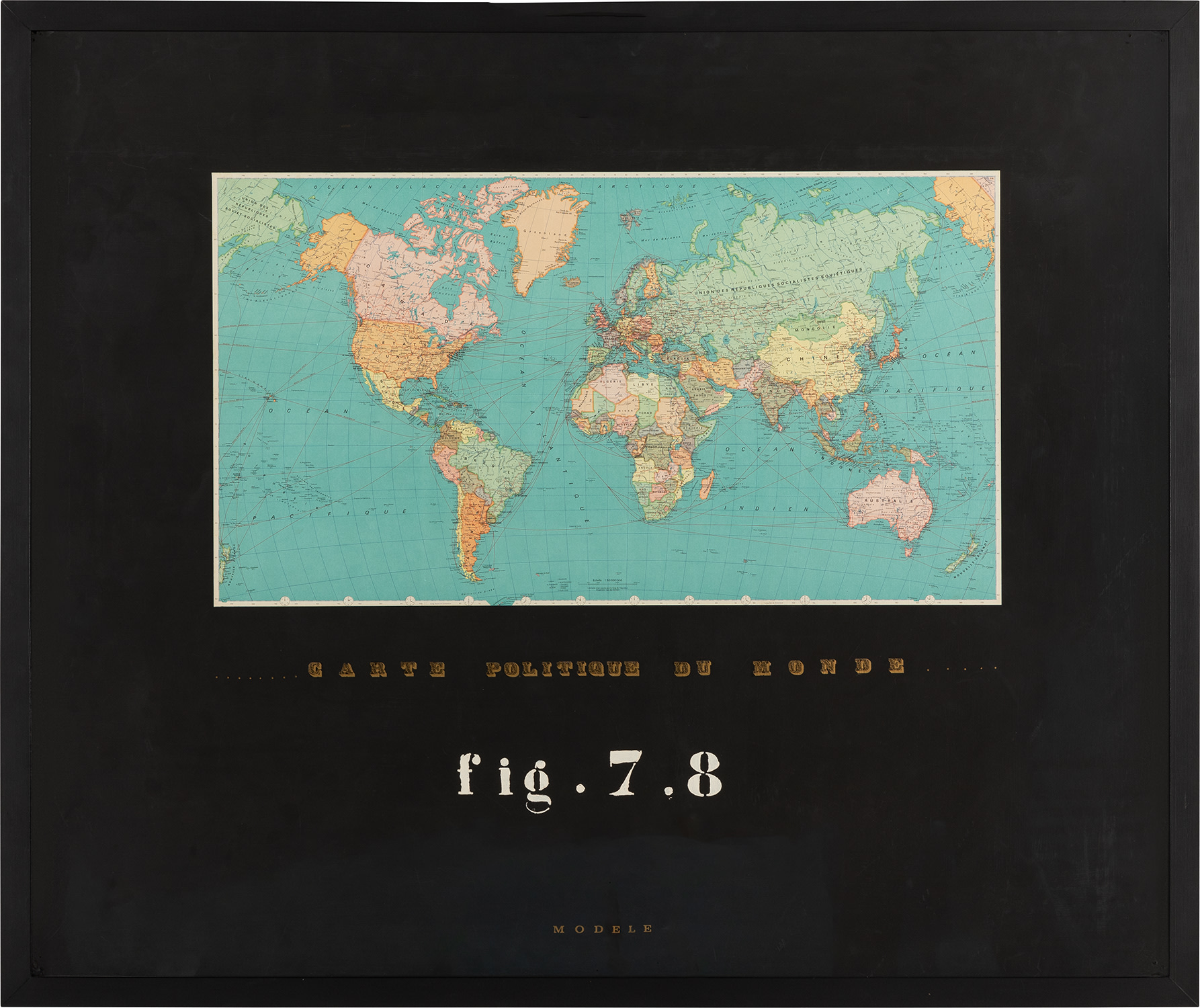
His famous Cremation Project of 1970, in which he incinerated all the paintings he had made between 1953 and 1966, was itself a kind of language act: a declaration that redrew the terms of his practice entirely. His subsequent work insisted that words and images were never innocent partners. In Europe, Marcel Broodthaers was pursuing a parallel and deeply poetic investigation. The Belgian artist, represented on The Collection, moved fluidly between poetry and visual art, treating institutional language and the conventions of the museum with elegant suspicion.
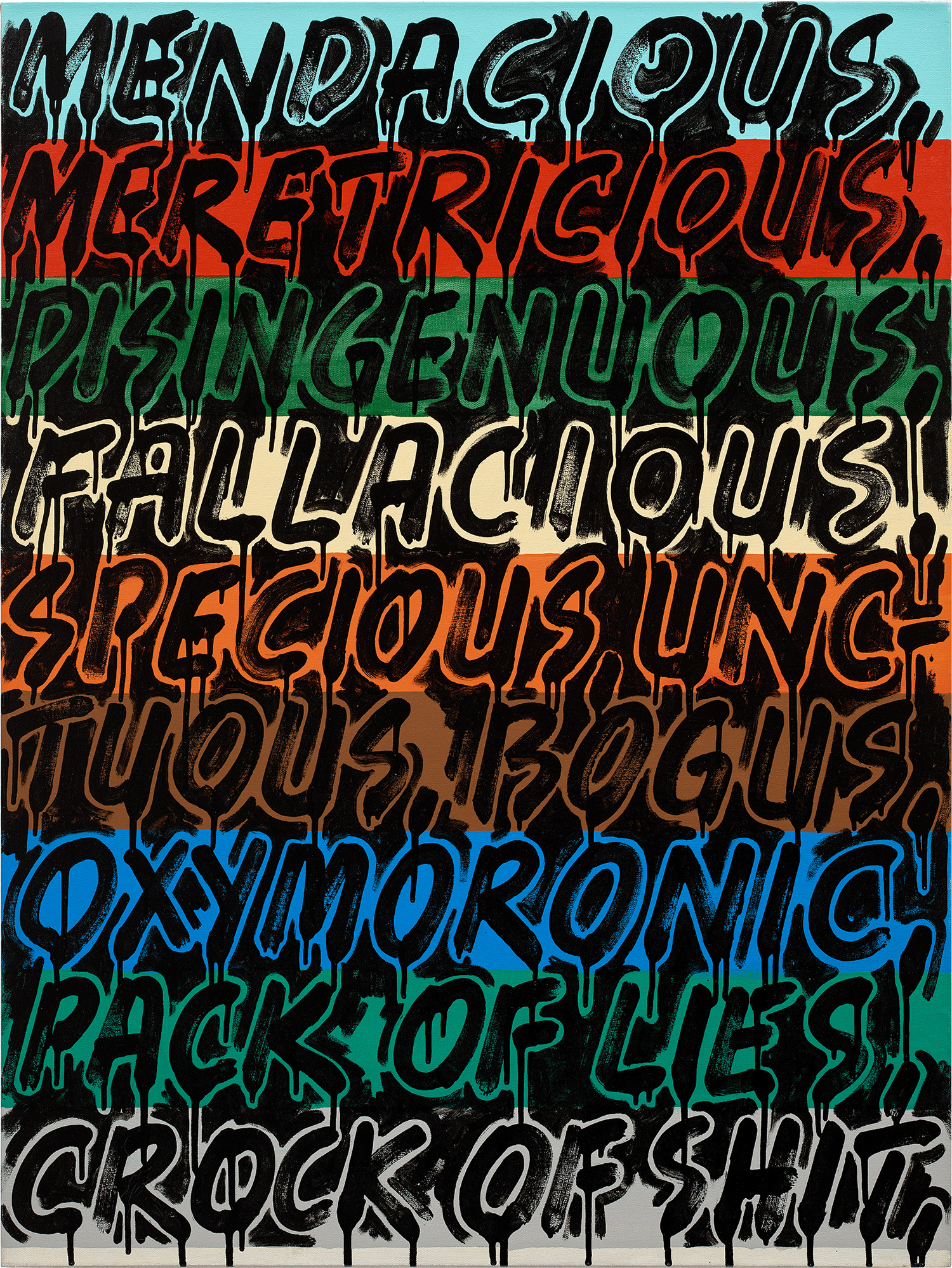
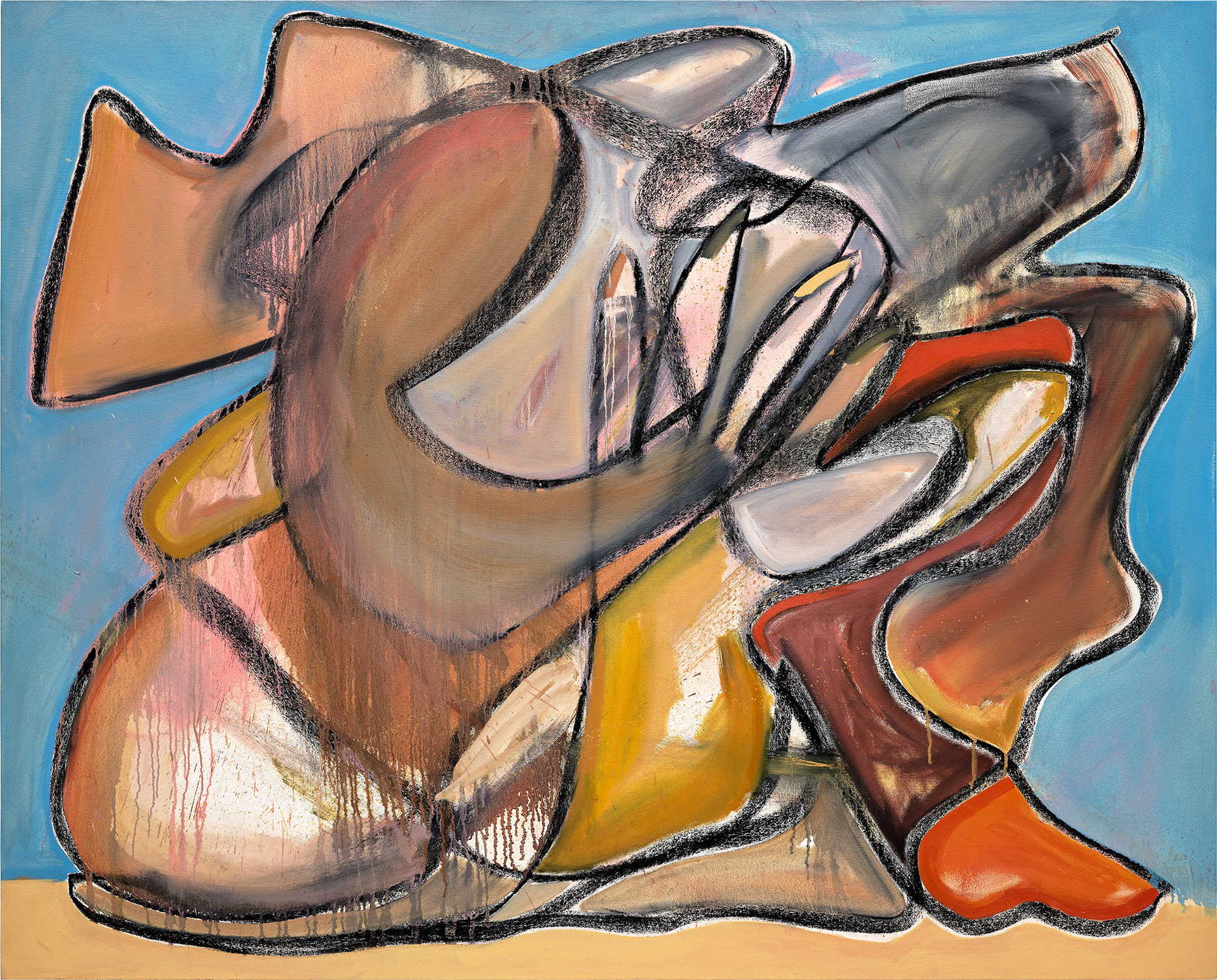
Mel Bochner
Mendacious, 2012
His fictitious Musée d'Art Moderne, Département des Aigles, which he inaugurated in his Brussels home in 1968, was an act of institutional critique conducted almost entirely through labels, announcements, and the bureaucratic grammar of display. Broodthaers understood that museums speak in language before they speak in images, and his work exposed the power embedded in that speech. Mel Bochner, whose work features prominently on The Collection, brought a different sensibility to the question: one rooted in measurement, systems, and the slippage between linguistic precision and perceptual reality. His Thesaurus paintings, which began in the 2000s and expanded through subsequent decades, pile synonyms for a single concept across the canvas in bold, declarative lettering, and the effect is genuinely disorienting.
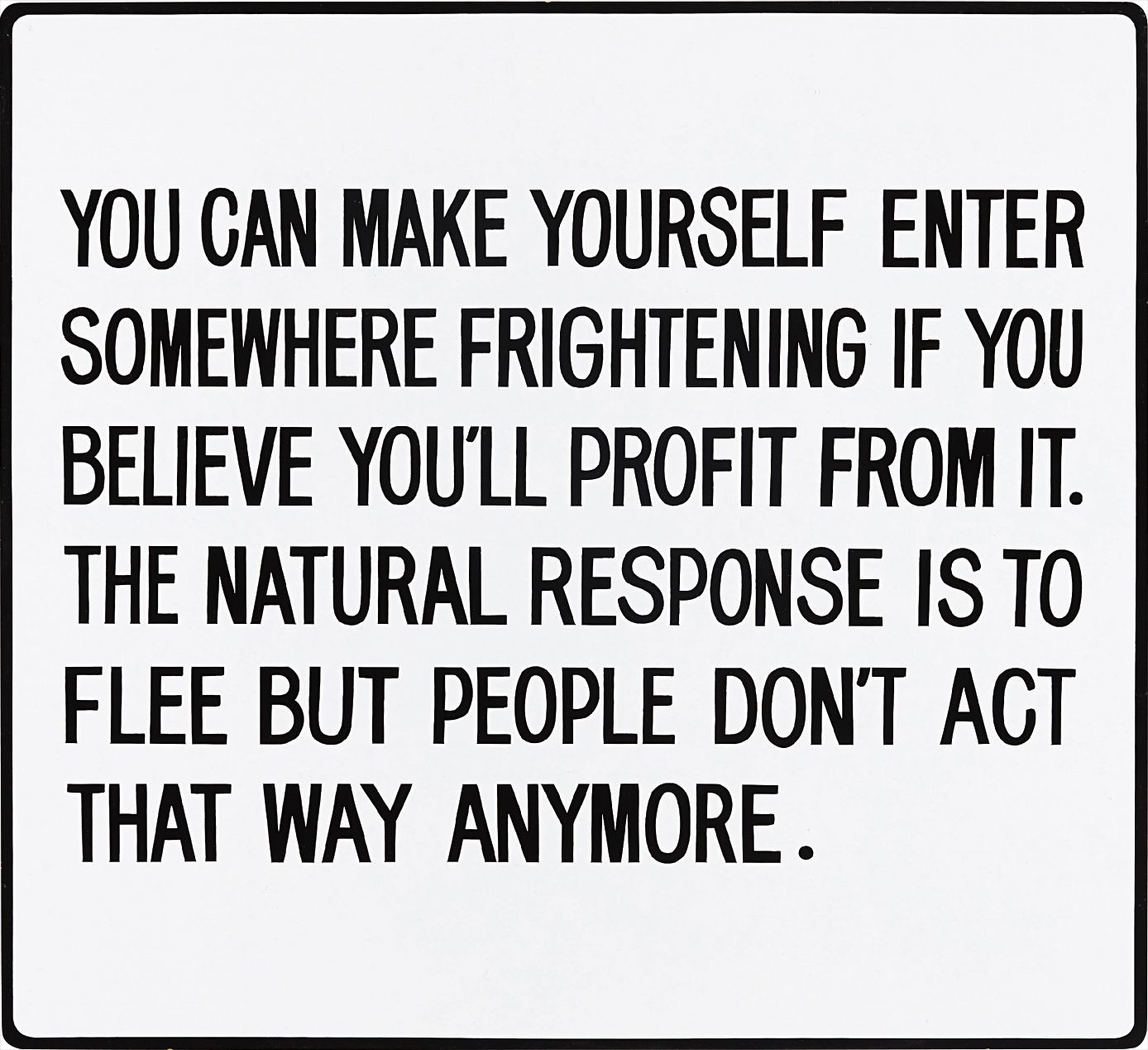
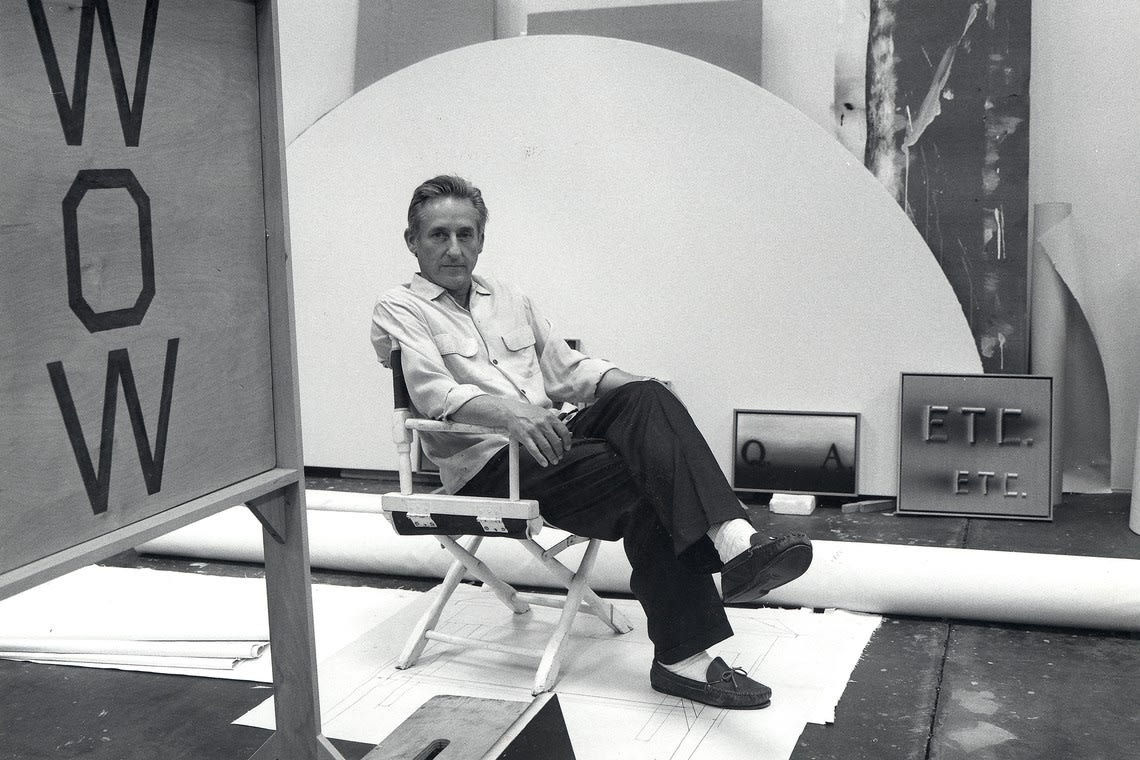
Words like "blah," "boring," and "dull" accumulate until meaning collapses under its own weight. Bochner is interested in the moment language fails, and in that failure he finds something both funny and profound. Ed Ruscha, also represented on The Collection, was working in this territory decades earlier, embedding words into cinematic landscapes in ways that made them feel monumental and slightly absurd at the same time. Jenny Holzer brought language into public space with a force that changed what civic art could be.
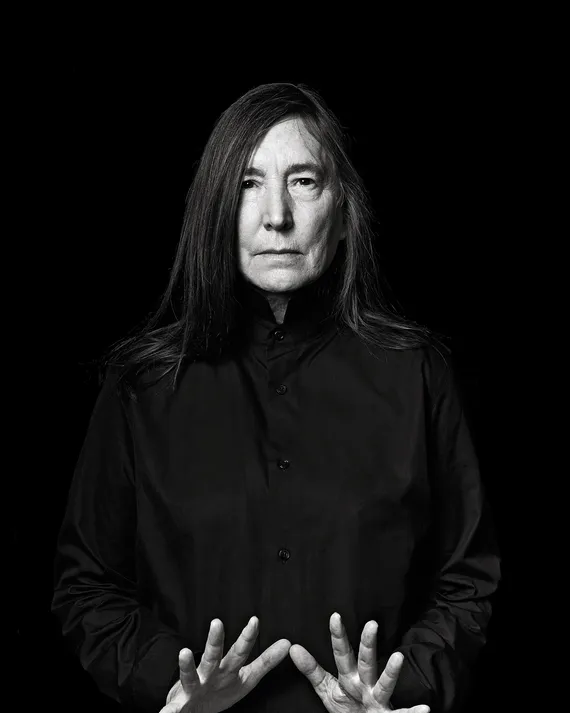
Jenny Holzer
Living Series: There's the Sensation of a lot of Flesh..., 1989
Her Truisms, which she began wheat pasting around Lower Manhattan in 1977, were deliberately aphoristic and deliberately contradictory: statements that sounded authoritative but cancelled each other out when read together. By the 1980s, Holzer was projecting text onto government buildings and displaying it on LED boards in Times Square, and the work had acquired an urgency that felt impossible to ignore. Her Inflammatory Essays, her Survival series, her installations in the late 1980s and 1990s that placed text on sarcophagi and stone benches, all of them understood that language carries the residue of power, and that restating it in an art context does not neutralize that charge but amplifies it. Her works on The Collection carry that same electric quality.
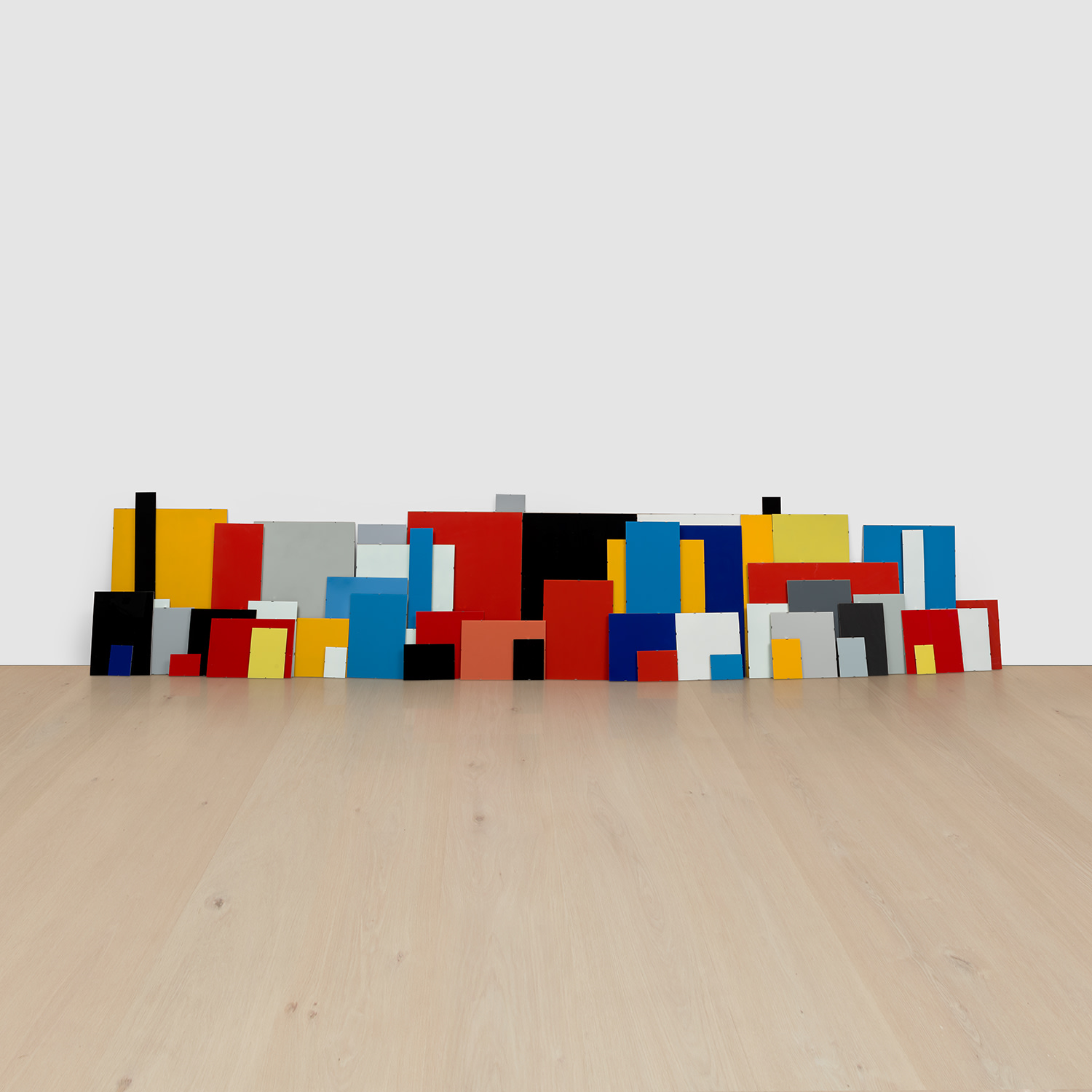
Ryan Gander, one of the most intellectually mischievous figures working today and represented on The Collection, extends the tradition in directions that are consistently surprising. Gander treats language as one system among many to be examined, prodded, and occasionally dismantled. His work often circles around questions of authorship, storytelling, and the gap between what is said and what is meant. Where earlier figures in this tradition often wore their rigor visibly, Gander tends toward the oblique, the anecdotal, and the warmly human.
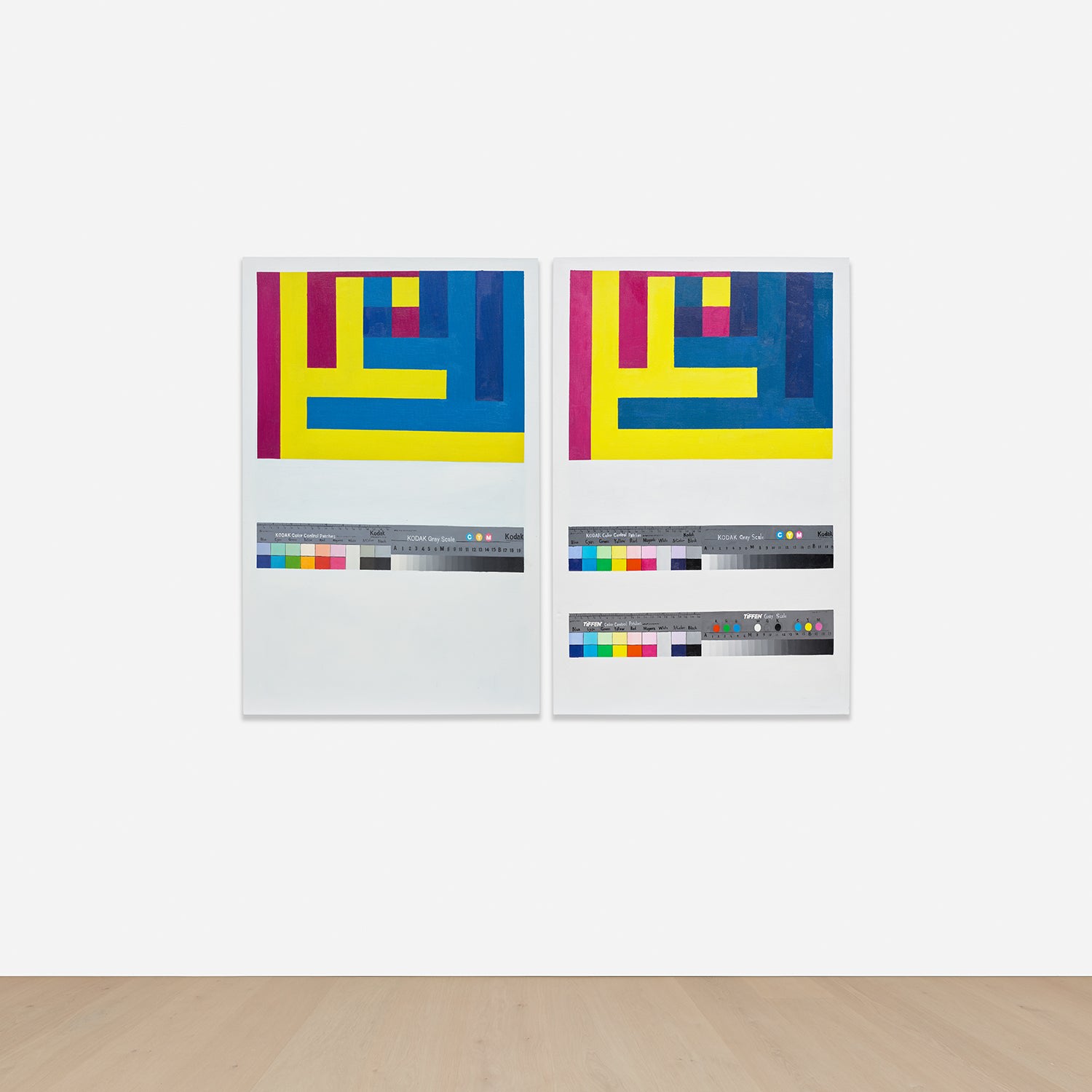
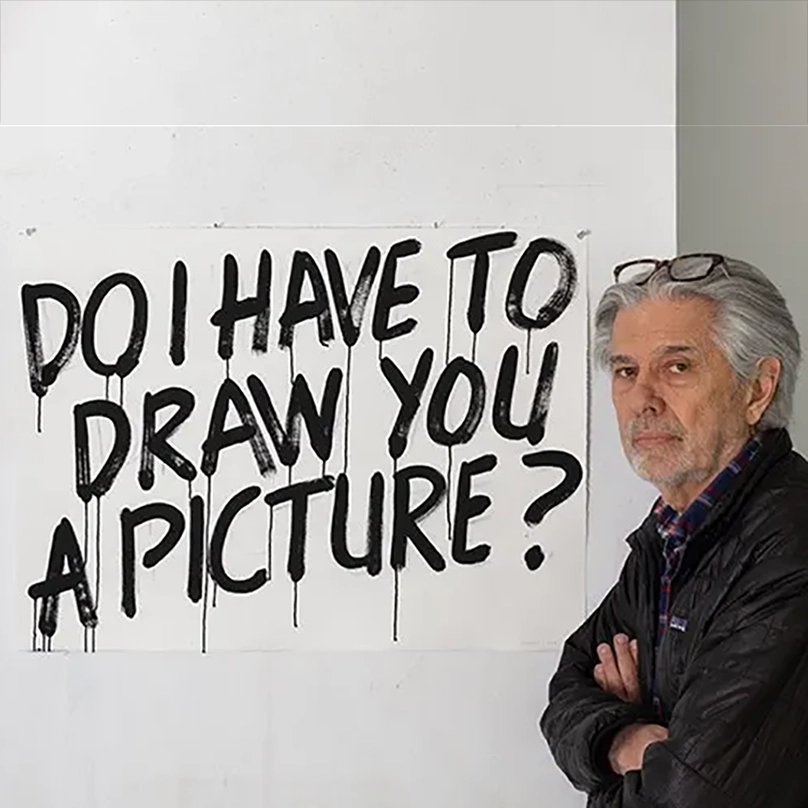
Ryan Gander
Remember me, mistakenly - Although you've given me everything, 2011
He reminds us that language based art has never been simply about ideas in the abstract: it has always been about how people communicate, misunderstand, and reach toward one another through words. What makes this tradition so durable is its fundamental refusal to let the viewer remain passive. A painting can wash over you. A sculpture can be admired from a respectful distance.
But a work that consists of language demands your participation in a way that is almost confrontational. You have to do the reading. And in doing the reading, you become implicated in the meaning. The text is not complete until you process it, and what you bring to that processing, your politics, your associations, your habits of reading, becomes part of the work itself.
This is why language based art has attracted so many artists interested in power: it puts the mechanics of communication on display. For collectors, works in this category offer something particular: they tend to age in ways that are fascinating rather than simply historical. A Holzer Truism reads differently in 2025 than it did in 1985, not because the words have changed but because the world around them has. The same is true of Bochner's collapsing synonyms, of Ruscha's laconic declarations, of Broodthaers's institutional theater.
Language holds time differently than pigment does. To live with these works is to have a conversation that never quite ends.