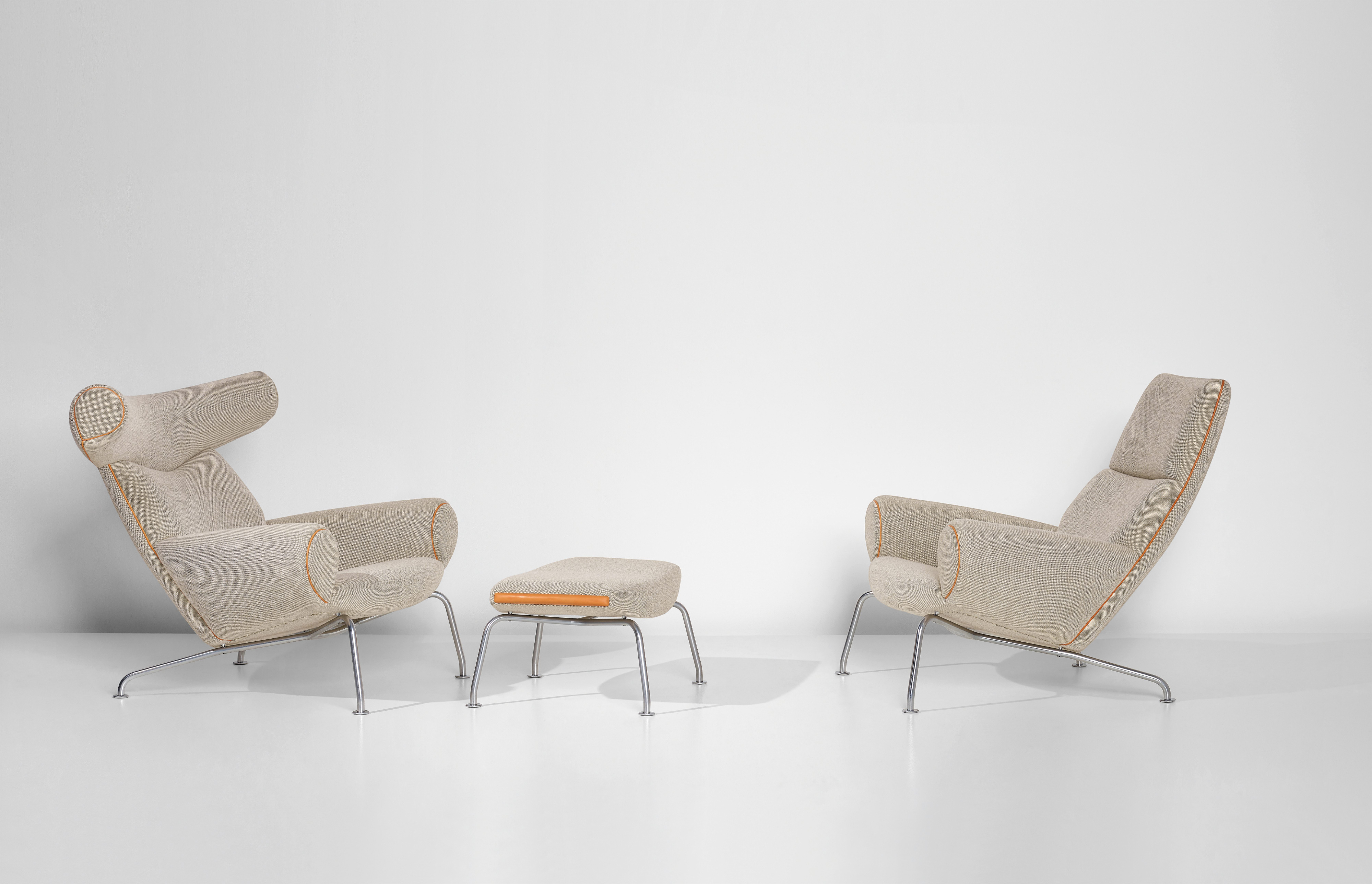
Industrial Design

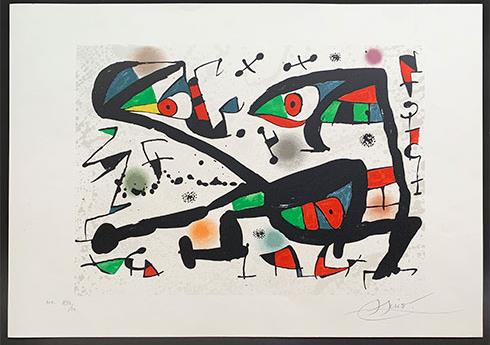
Heiner Meyer
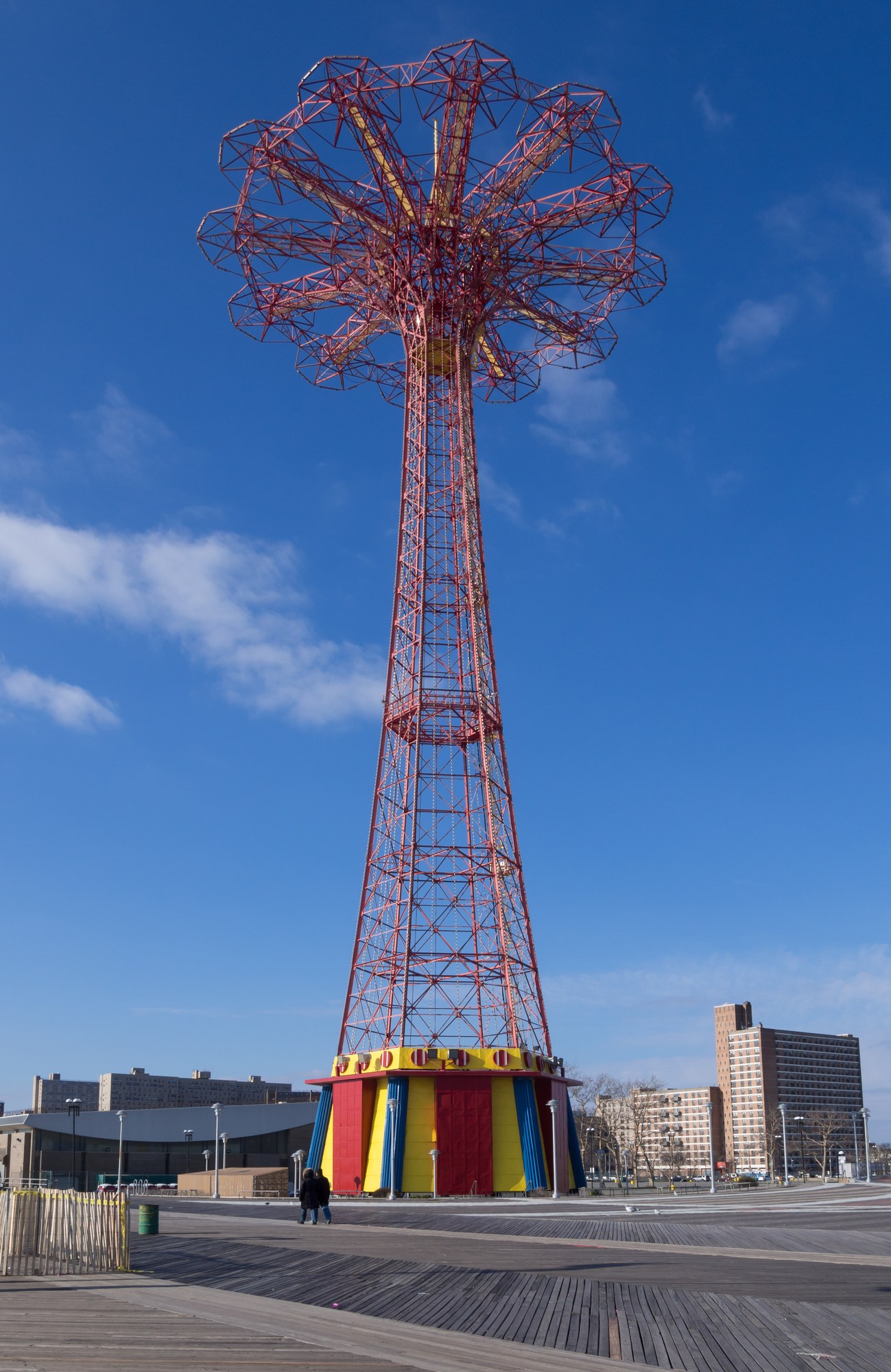
Veedol Motor Oil, 2016

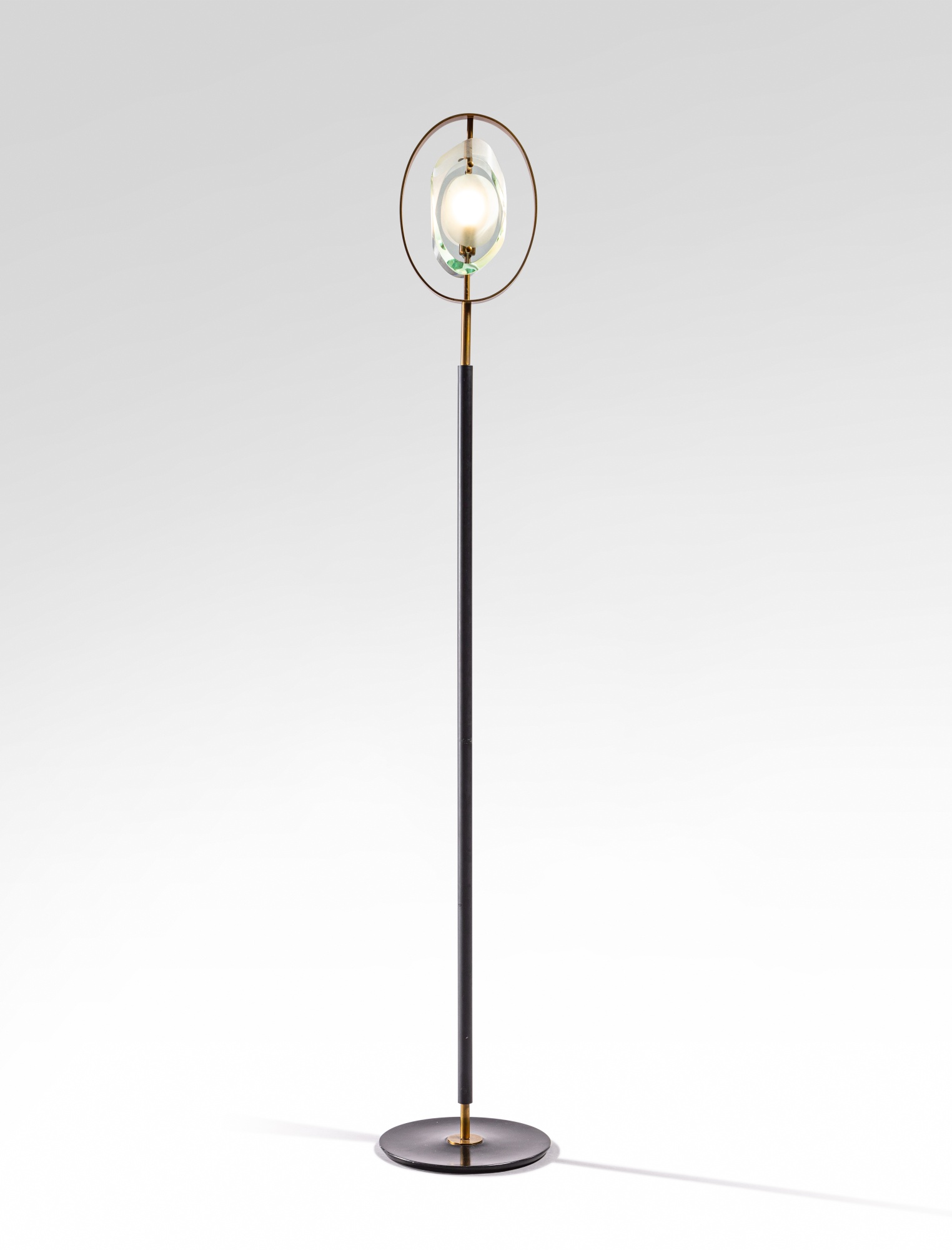
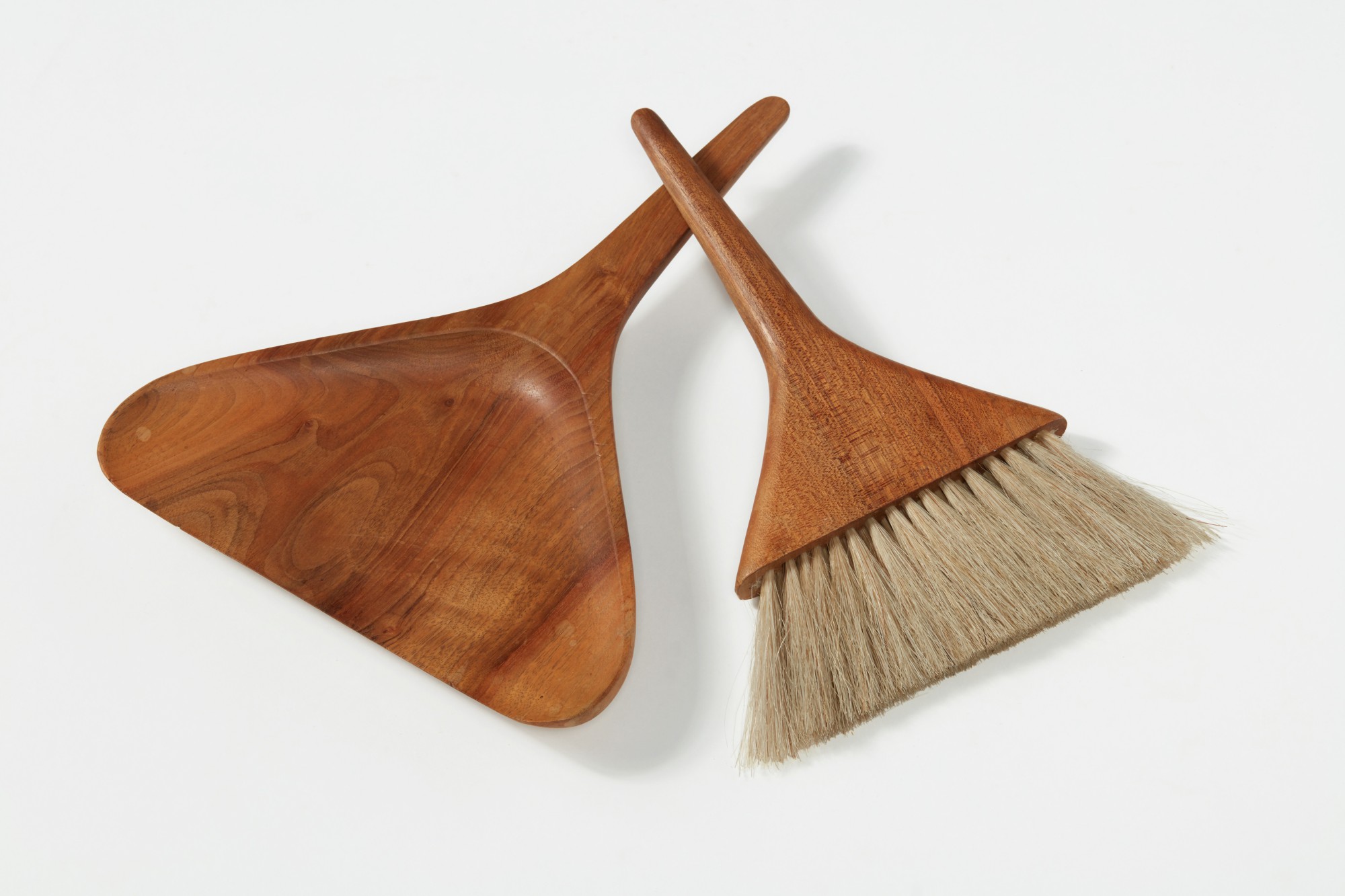
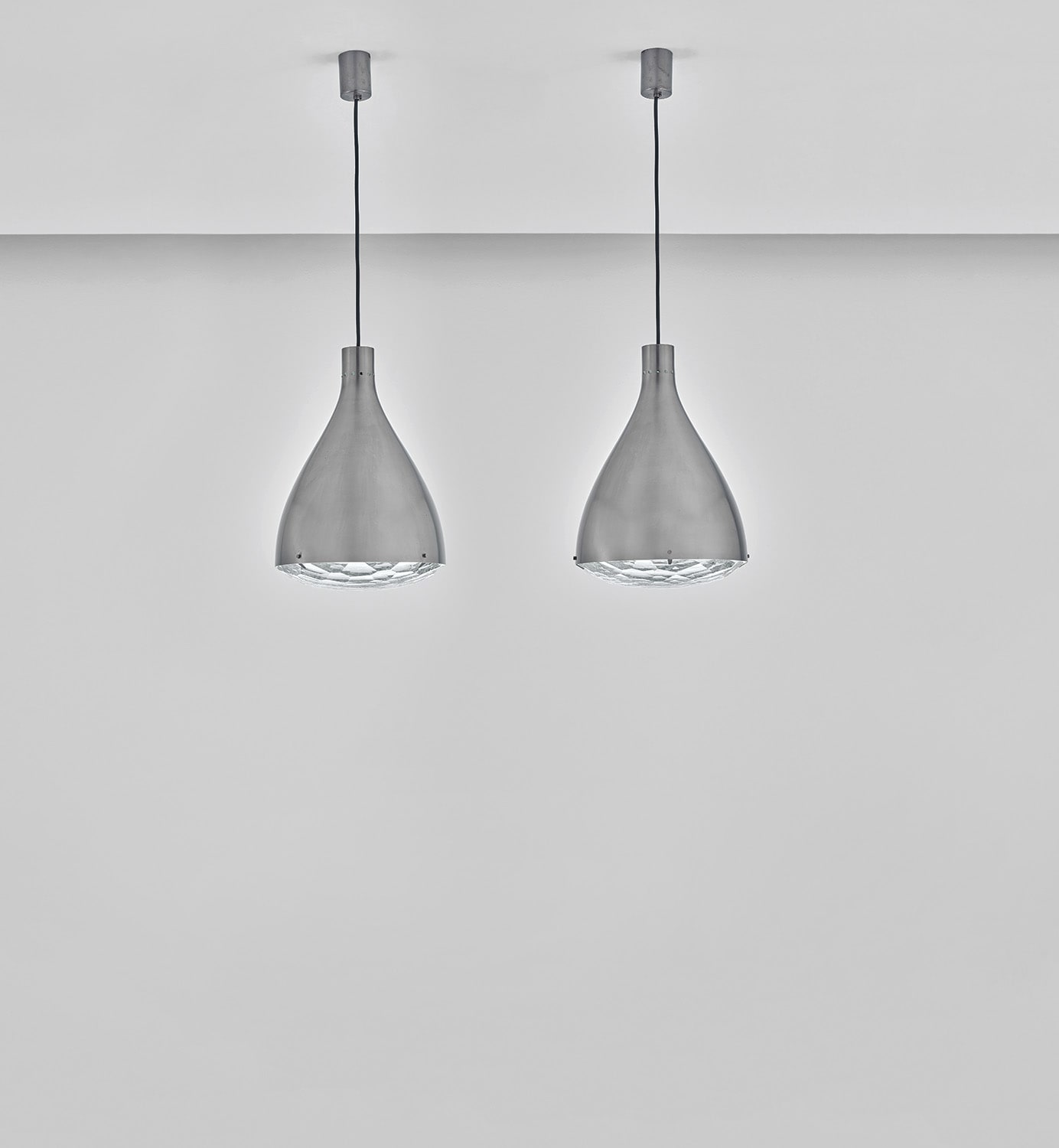
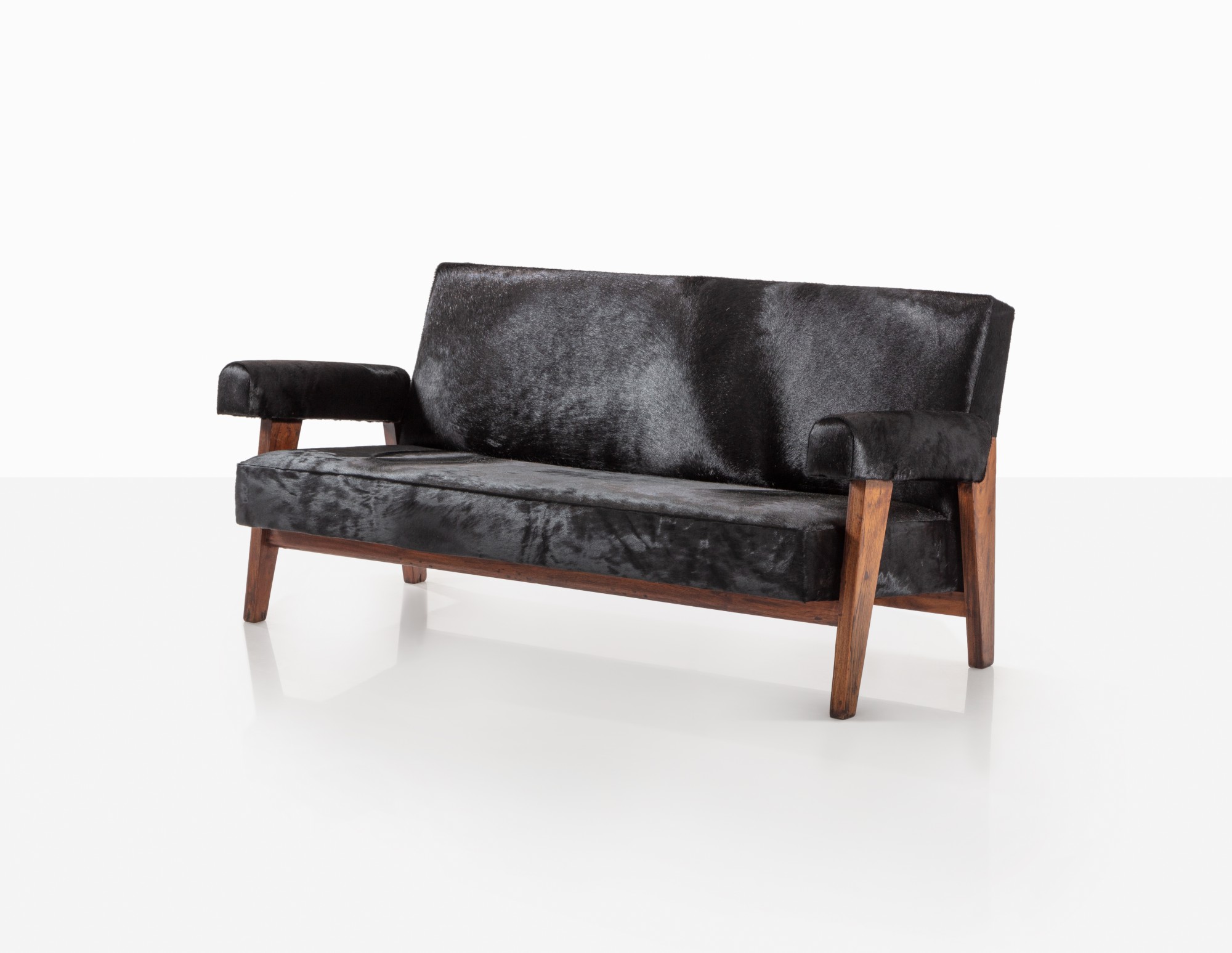
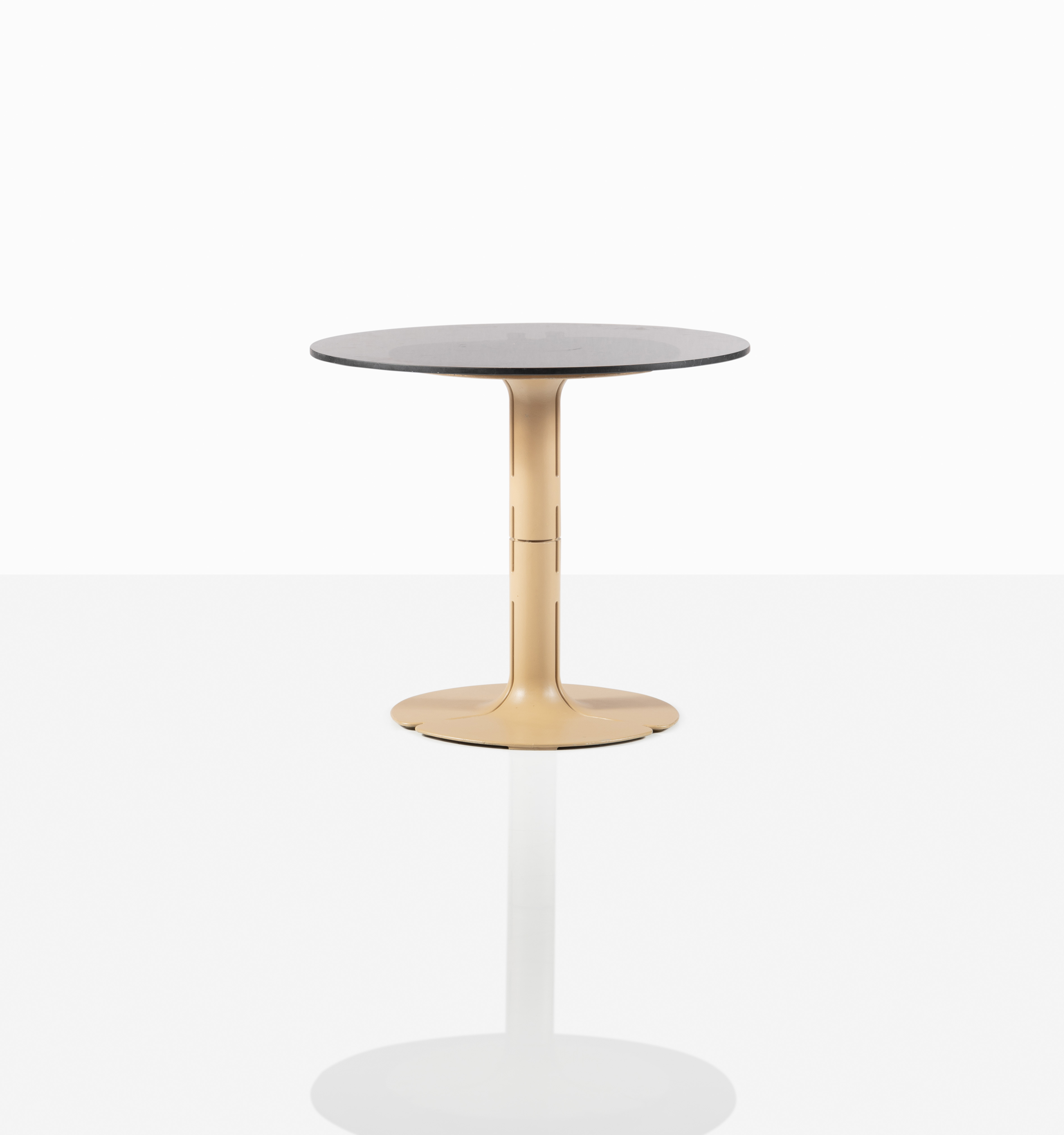
Objects That Think: Collecting Industrial Design
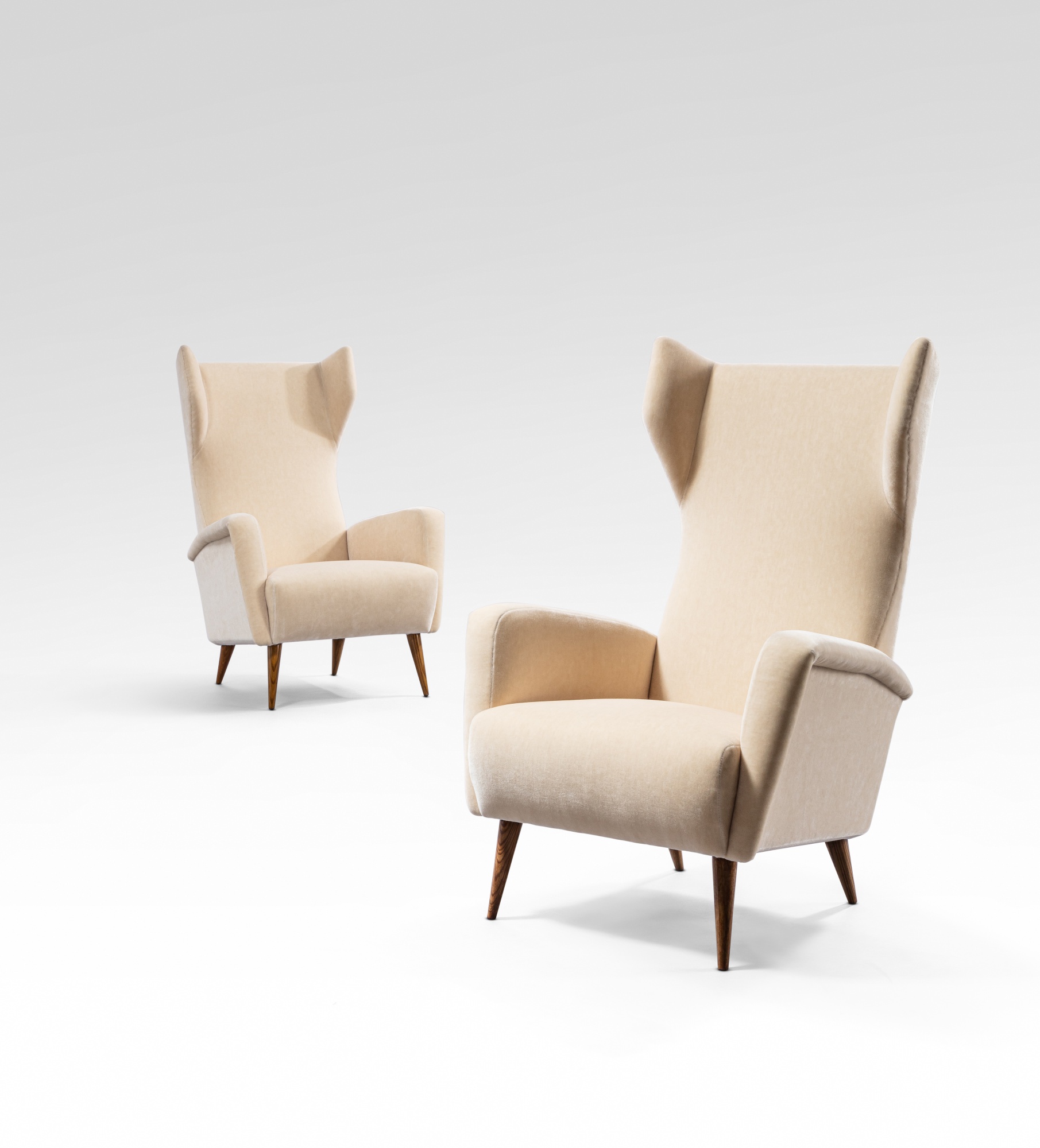
There is a particular kind of collector who walks into a room and notices the chair before the painting. Not because the painting is unworthy, but because something about a well resolved object pulls at a different part of the brain. Industrial design collecting operates at the intersection of function, material intelligence, and aesthetic conviction. The works you live with daily, the lamp that pools light across a desk, the chair that holds a body just so, accumulate meaning in a way that art hung on a wall simply cannot.
That intimacy is part of the appeal, but it is also part of what makes collecting in this space so demanding. The question collectors ask most often is also the most important one: what separates a good piece from a truly great one? In this category, the answer almost always comes down to the quality of the problem being solved. The finest works in the canon are not decorative objects that happen to be useful.
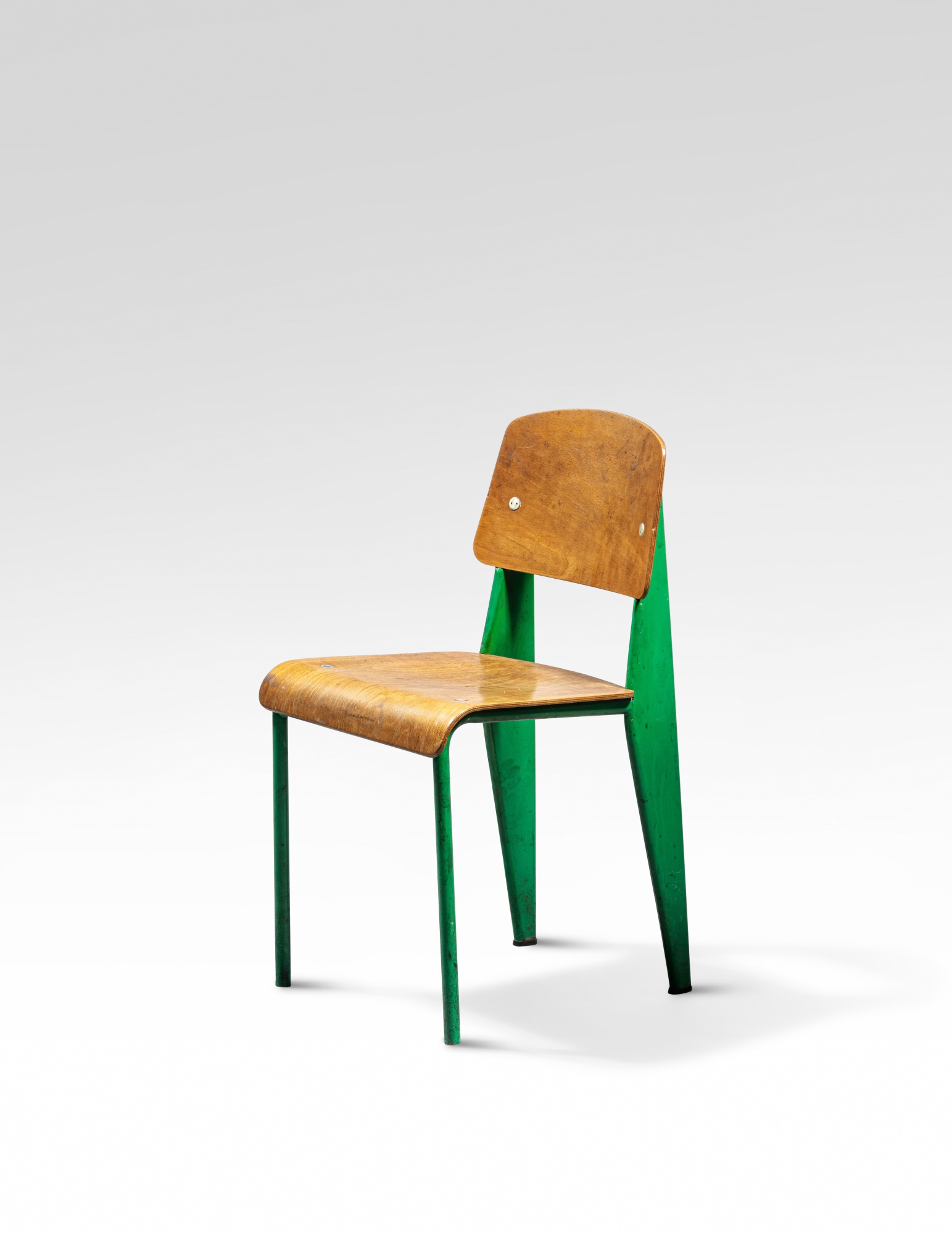
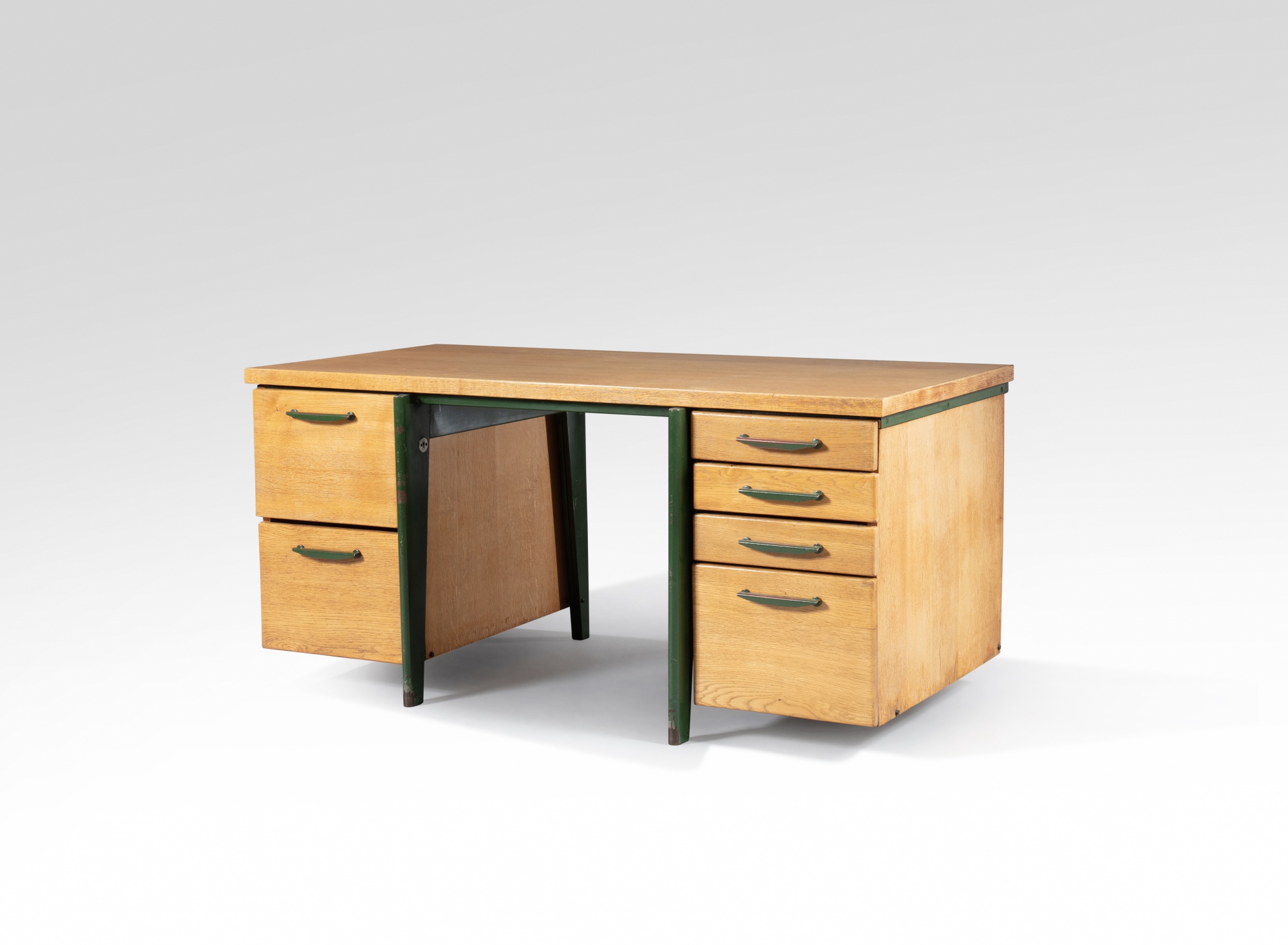
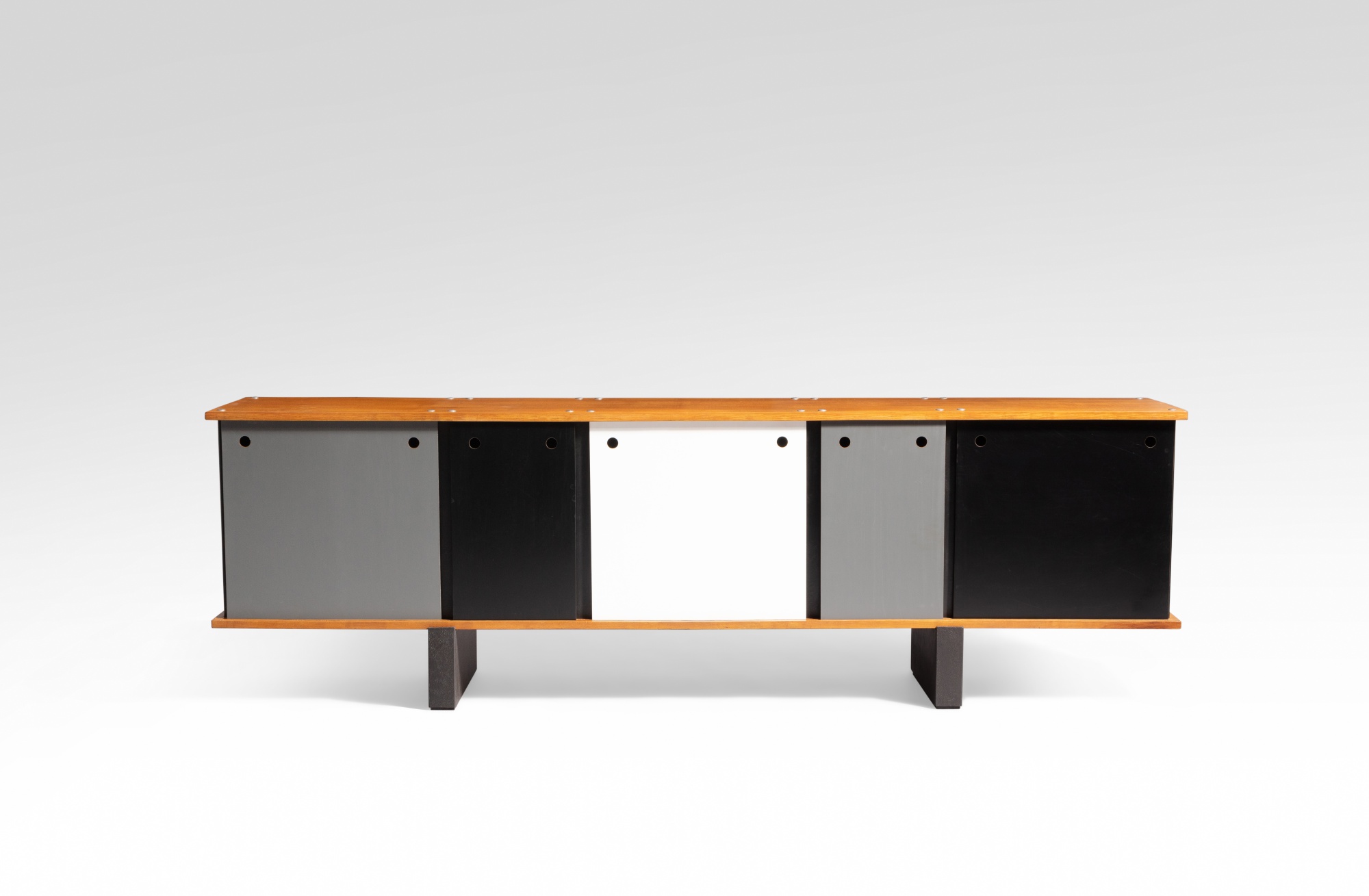
Jean Prouvé
Chaise standard, version Métropole n°305
They are responses to specific challenges, whether structural, material, or social, and the resolution of those challenges is visible in every joint, every weld, every curve. A great piece by Jean Prouvé, for instance, is inseparable from his understanding of sheet metal and his genuine belief that good design could serve democratic ideals. The thinking is embedded in the form. When you lose that intellectual core, you are left with styling, which dates badly and collects dust in every sense.
Among the figures whose work represents both cultural significance and serious market strength, Prouvé stands as perhaps the defining case. His furniture, developed largely through his Nancy workshop during the 1930s and 1940s, has appreciated dramatically over the past two decades and continues to command strong prices at the major houses. Charlotte Perriand occupies a similarly elevated position. Her collaborations with Le Corbusier and Pierre Jeanneret produced some of the twentieth century's most influential furniture, but her independent body of work, particularly the pieces informed by Japanese craft traditions and her postwar Alpine commissions, reveals a designer whose sensibility was entirely her own.
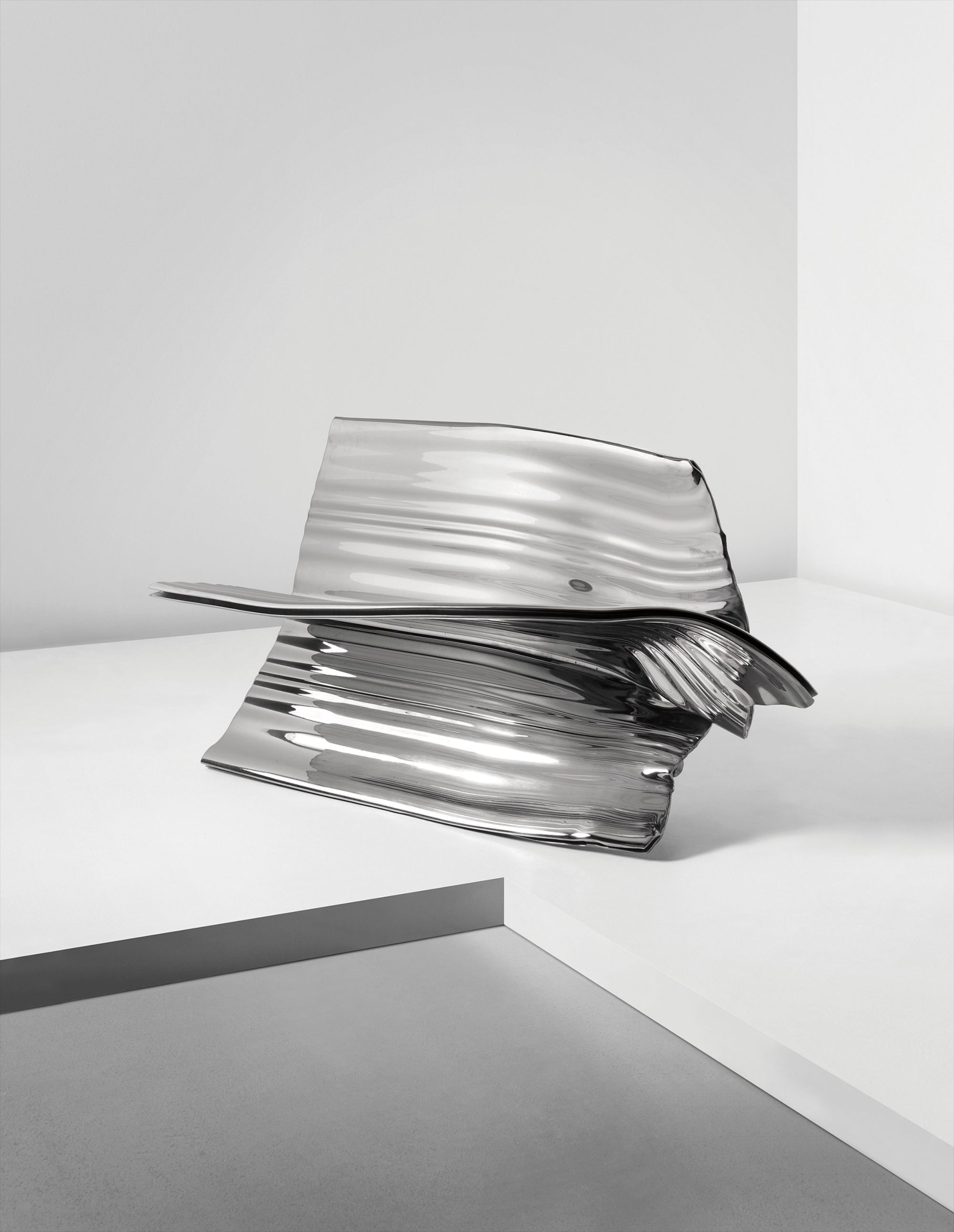
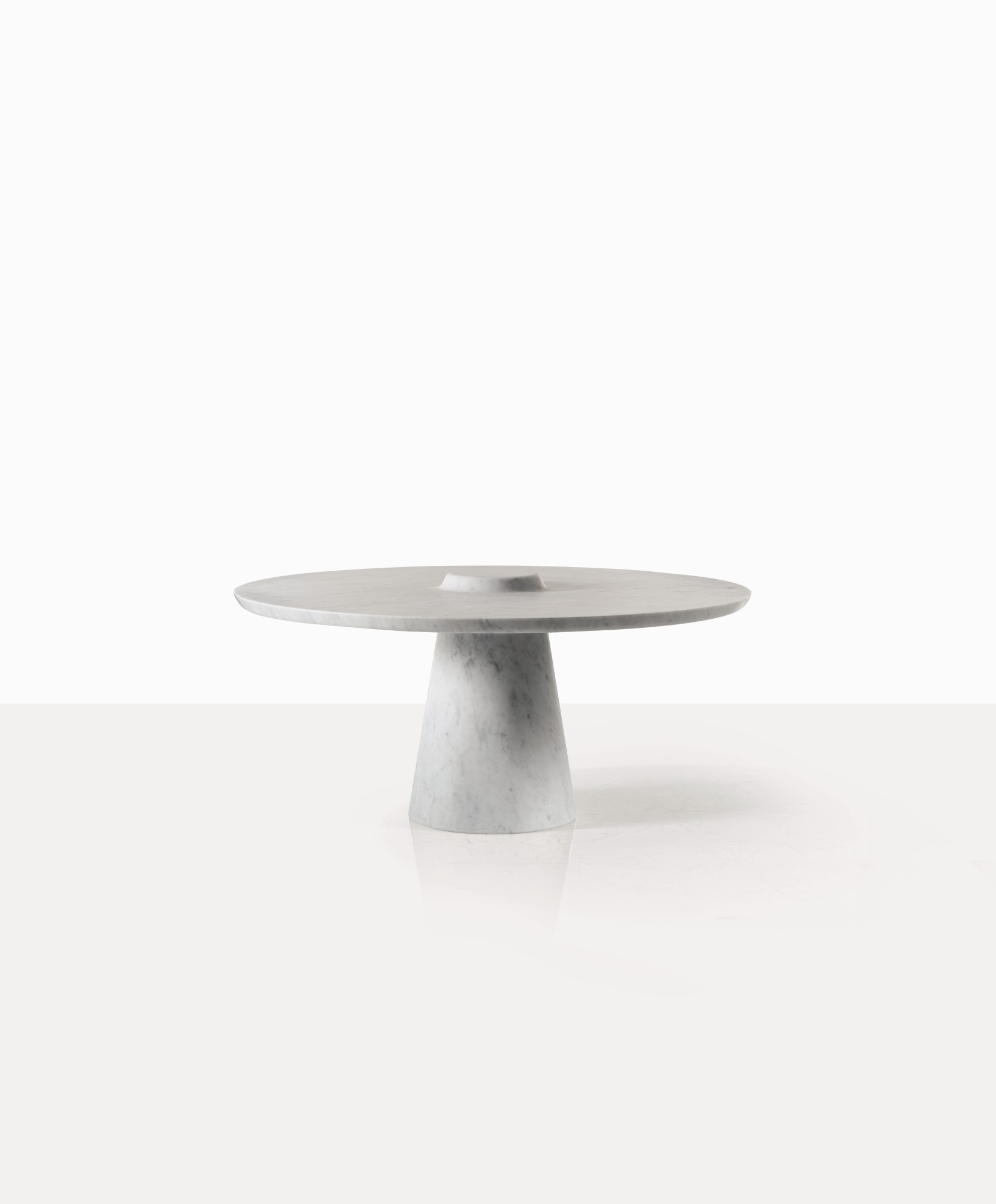
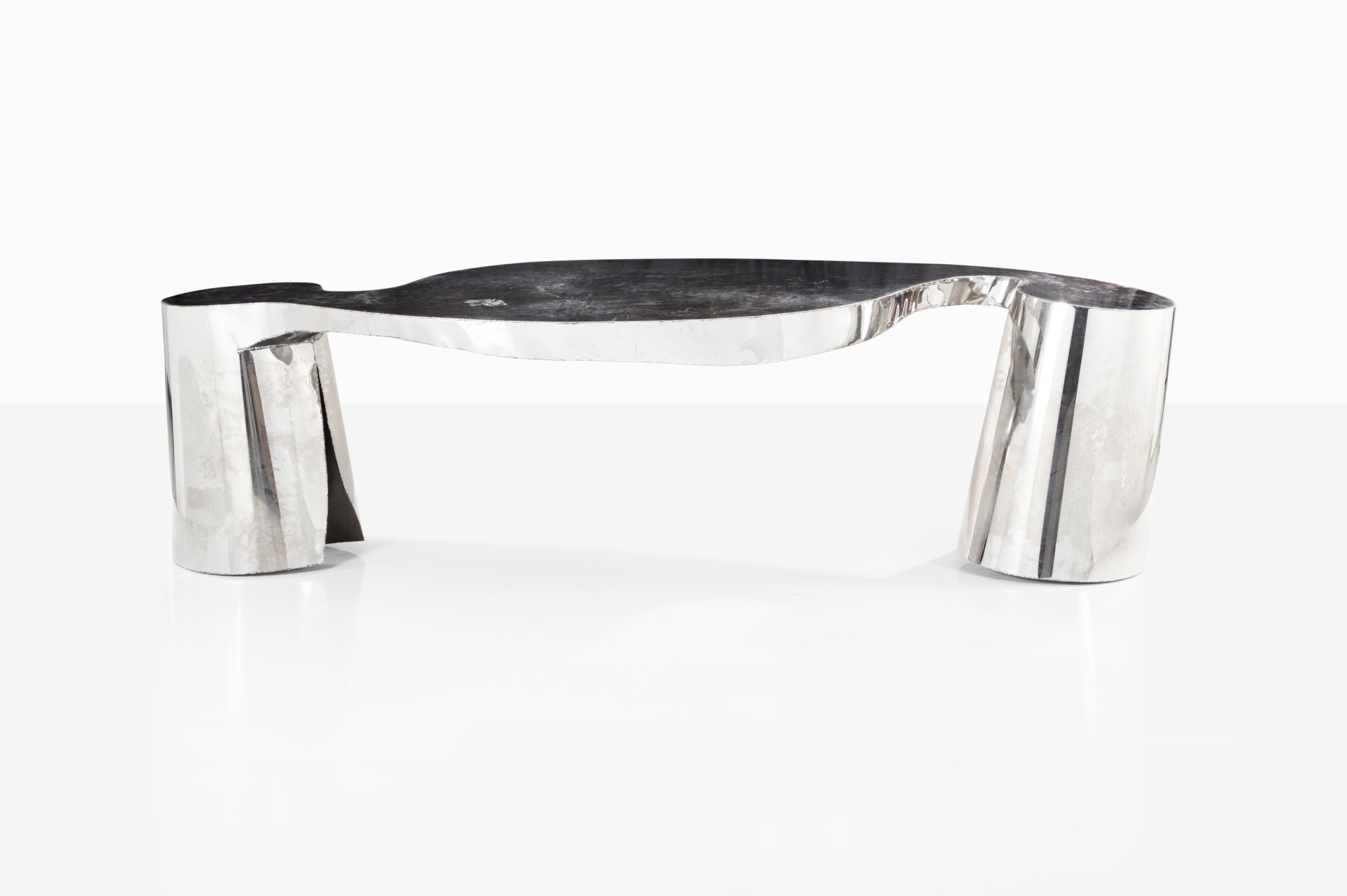
Thomas Heatherwick
"Extrusion" bench
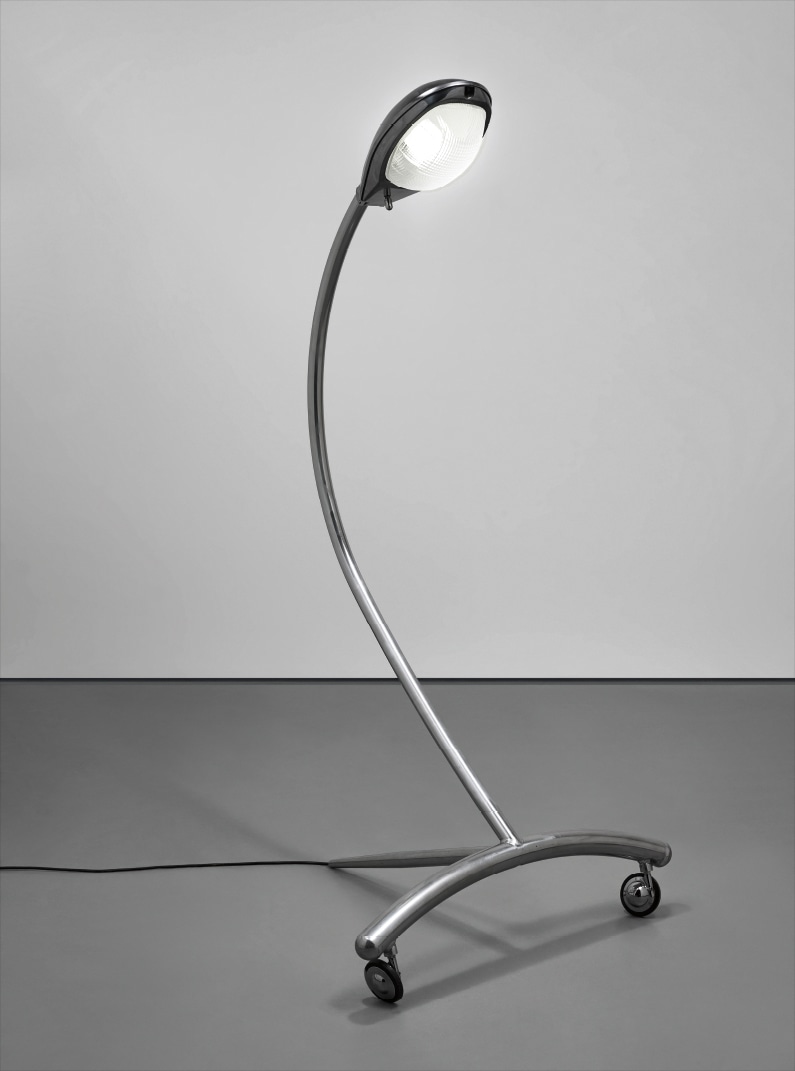
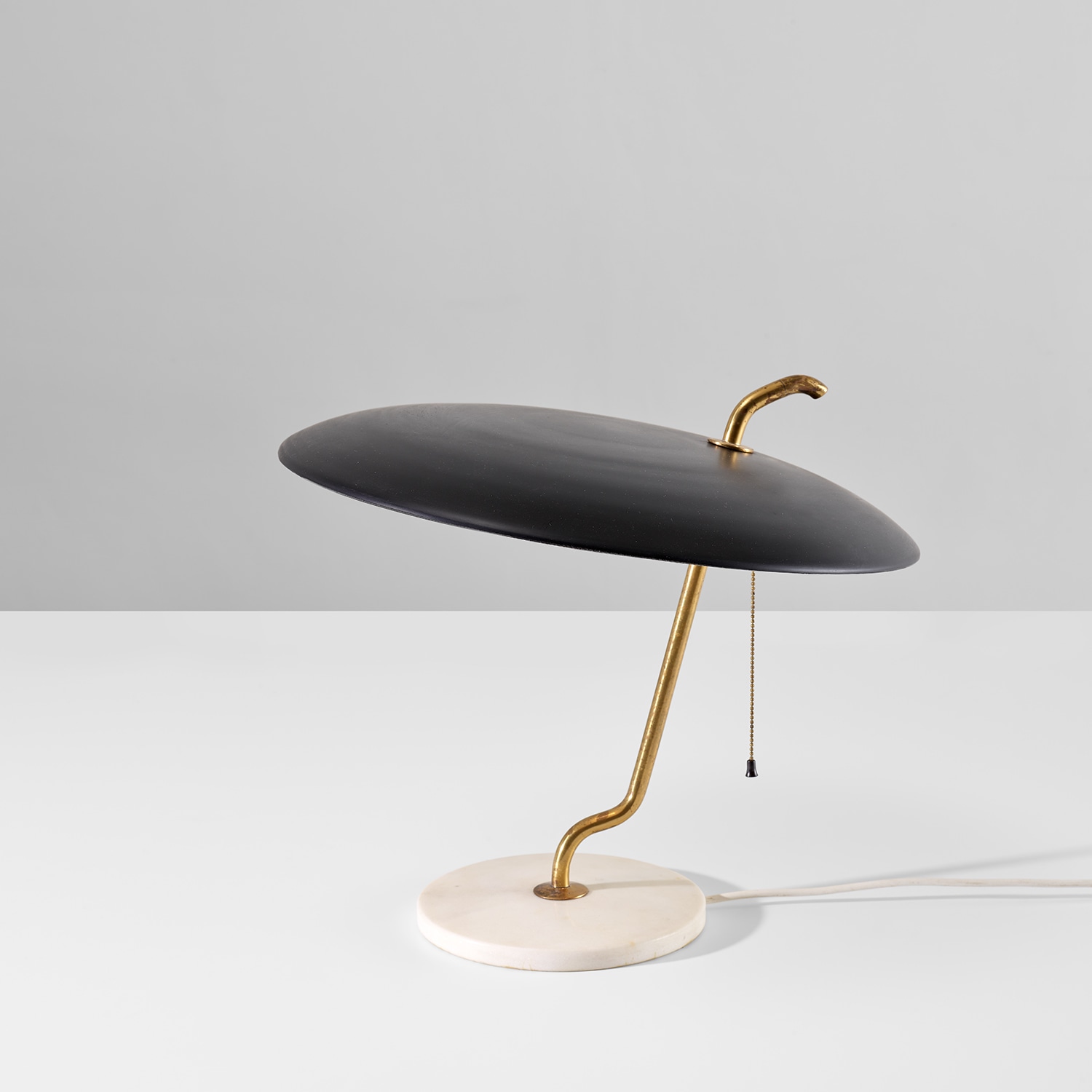
Collecting Perriand means engaging with a thinker, not just a stylist. Eileen Gray presents another compelling case, a figure whose reputation took decades to catch up with her actual achievement, and whose prices reflect how thoroughly the market has corrected that oversight. Lighting represents one of the most rewarding subcategories for collectors willing to do the research. Gino Sarfatti built Arteluce into one of the great Italian lighting manufacturers of the postwar period, and his individual lamp designs combine engineering rigor with a sculptural presence that reads beautifully in contemporary interiors.
Serge Mouille, working in France during the 1950s, produced work of extraordinary formal clarity that has become genuinely difficult to find in good condition. The Danish tradition offers its own rewards: a Poul Henningsen lamp is not simply an icon of Scandinavian design but a remarkably sophisticated study in diffusion and shade geometry. Paavo Tynell's brass fixtures from his Taito workshop are among the most poetic objects the twentieth century produced in any medium, and they remain somewhat underpriced relative to their quality when set beside French and Italian contemporaries. For collectors with an eye on emerging value and underrecognized territory, a few directions deserve attention.
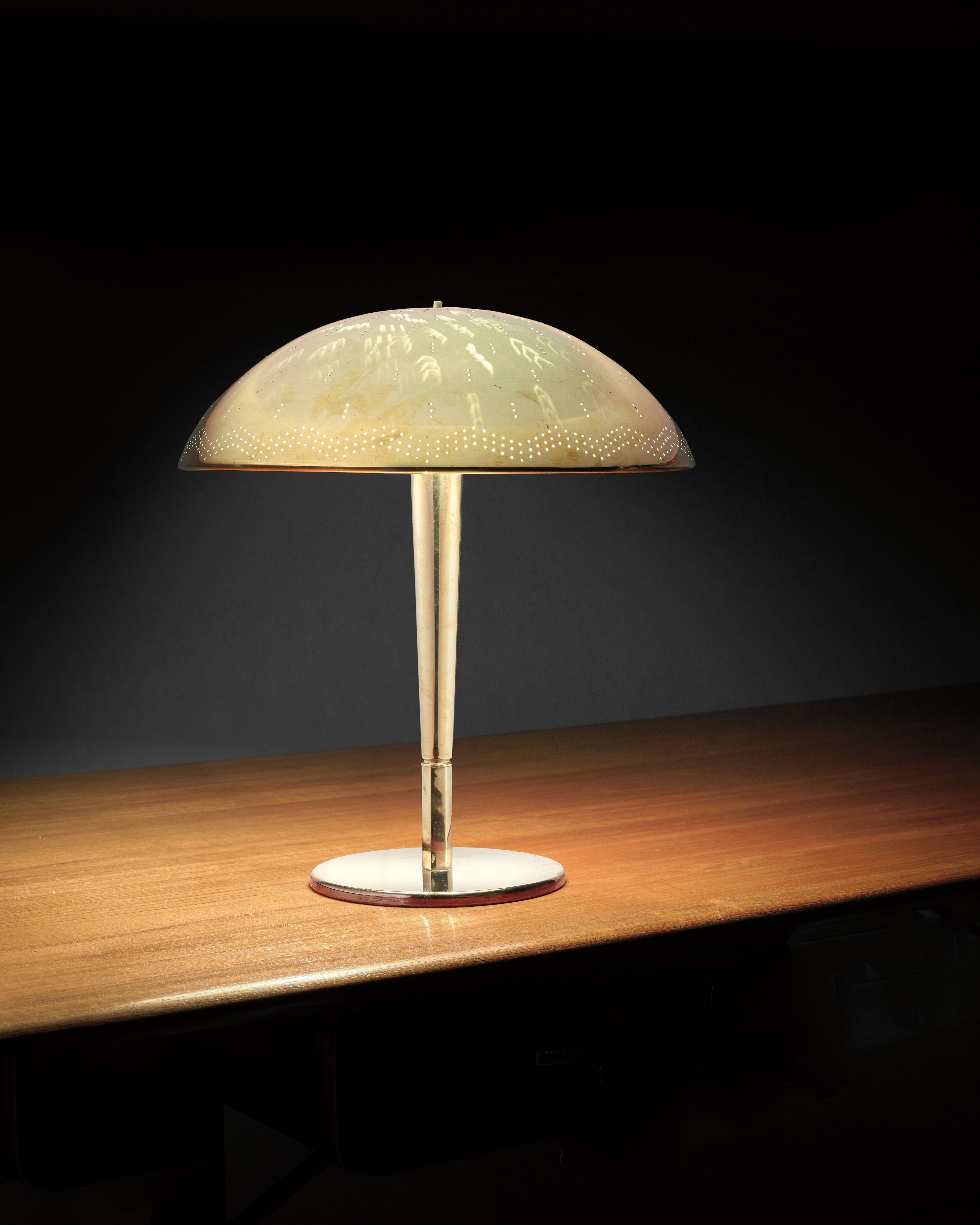
Paavo Tynell
Early table lamp, model no. 5061
Martin Szekely, the French designer whose reductive approach has been compared to both Minimalist sculpture and Shaker craft, has built a body of work that straddles the line between design and fine art with unusual conviction. His edition works and unique pieces are collected by serious institutions and deserve wider recognition in the private market. Thomas Heatherwick represents a different kind of opportunity: a designer whose public profile is enormous but whose collectible objects remain relatively accessible. Shiro Kuramata, the Japanese designer whose furniture and interiors from the 1970s through the 1990s achieved something genuinely strange and beautiful, is well documented in museum collections but still undervalued compared to his European peers, particularly outside Japan.
Any collector paying attention to the longer arc of design history should be looking seriously at his work. At auction, industrial design has matured into a category with its own dedicated sales at Christie's, Phillips, and Sotheby's, as well as specialist houses like Piasa in Paris and Wright in Chicago. The market for canonical figures is competitive and well documented, which means that condition and provenance matter more than ever. A piece with clear workshop provenance and original surface will significantly outperform an otherwise identical example with restoration or unclear history.
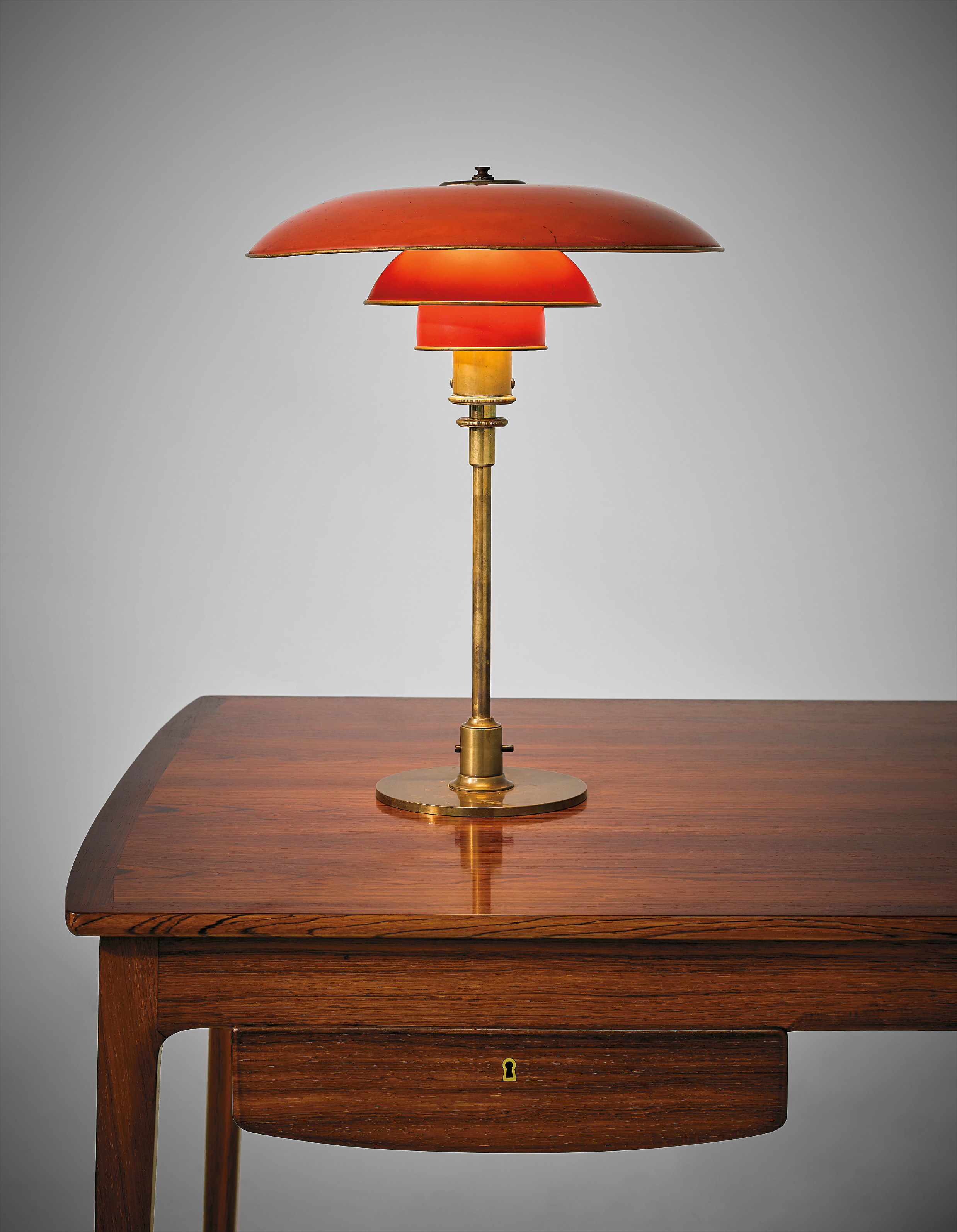
Poul Henningsen
Early desk lamp, type 4/3 shades
Edition works require particular scrutiny: many iconic designs have been reissued by licensed manufacturers, and while these reissues are legitimate products, they are not the same as original production pieces, and the price differential can be substantial. When approaching a gallery or dealer, always ask directly whether you are looking at an original production example, a licensed reissue, or an unauthorized reproduction. The answer will tell you a great deal about the dealer as well as the object. Living with these works is its own education.
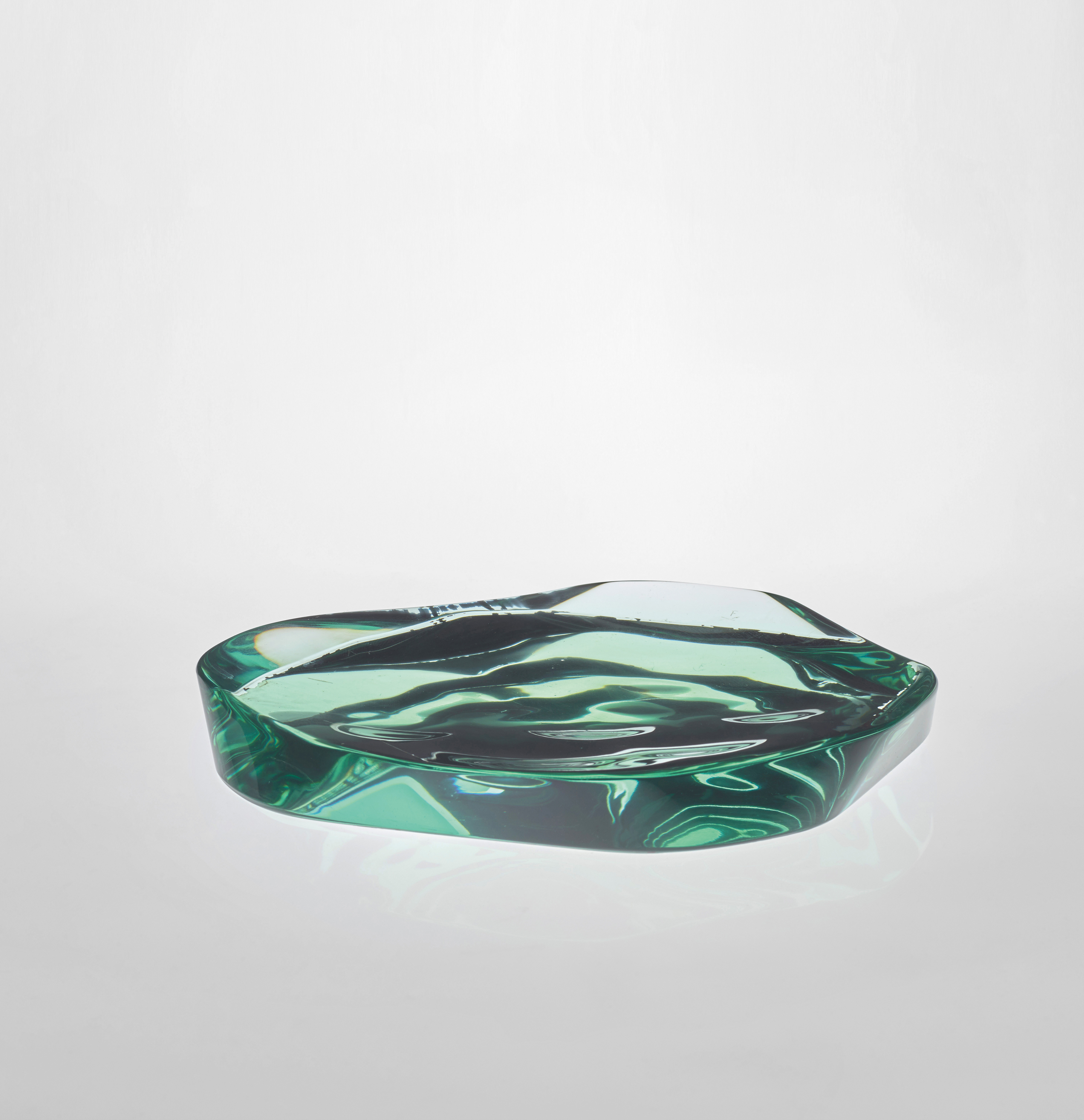
The collector who installs a Sarfatti floor lamp in a reading corner will understand within a week what makes it exceptional in a way that no catalog essay can convey. The same is true of a Prouvé chair, a Wirkkala glass object, a Carl Auböck bronze. These things were made to be used and handled and reconsidered over time. That durability, both physical and intellectual, is ultimately what the strongest works in this category share.
The design objects that have held their cultural value across decades are the ones that keep yielding new information the longer you spend with them. For a collector, that is as good a definition of a worthwhile acquisition as any.