Identity And Persona
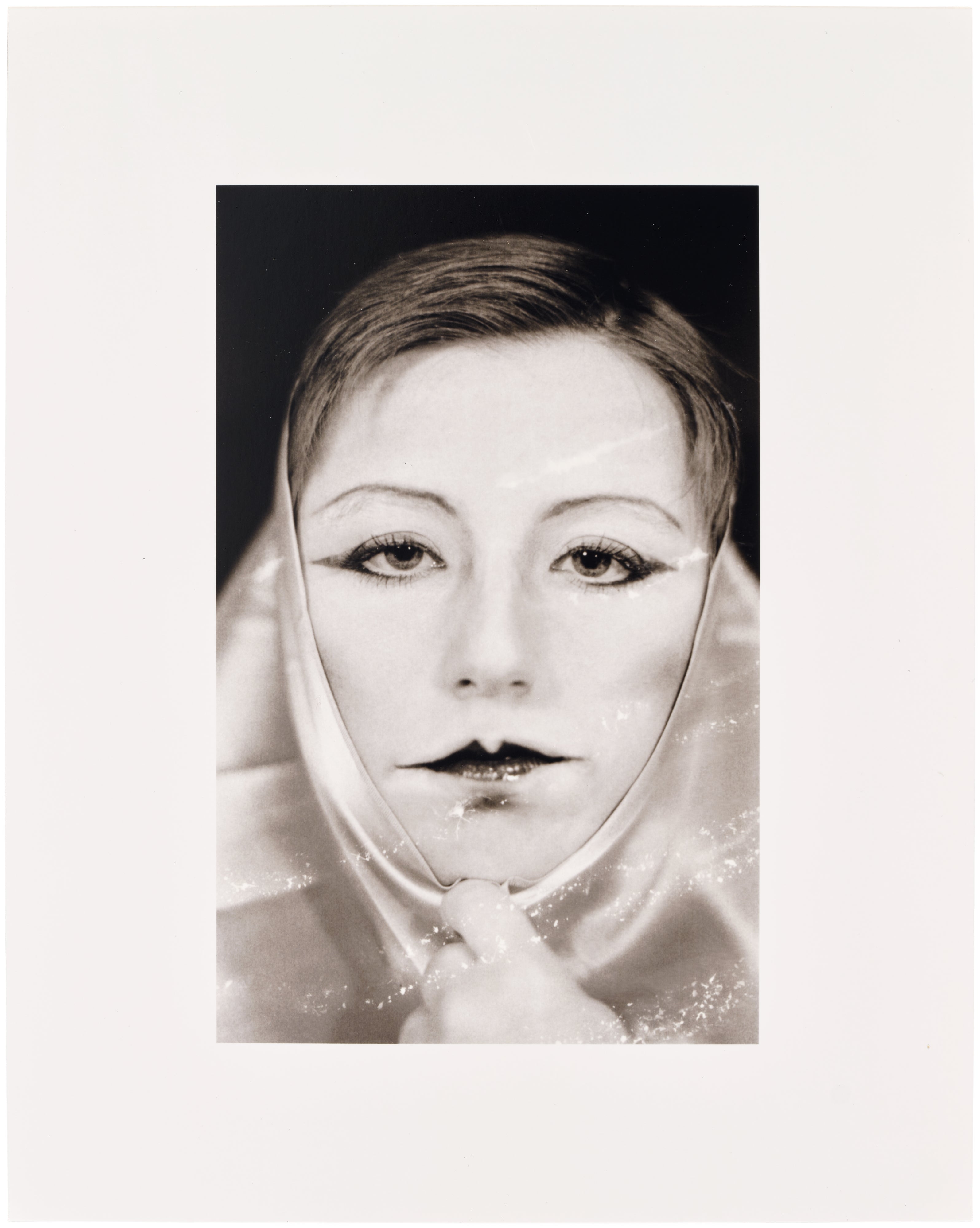
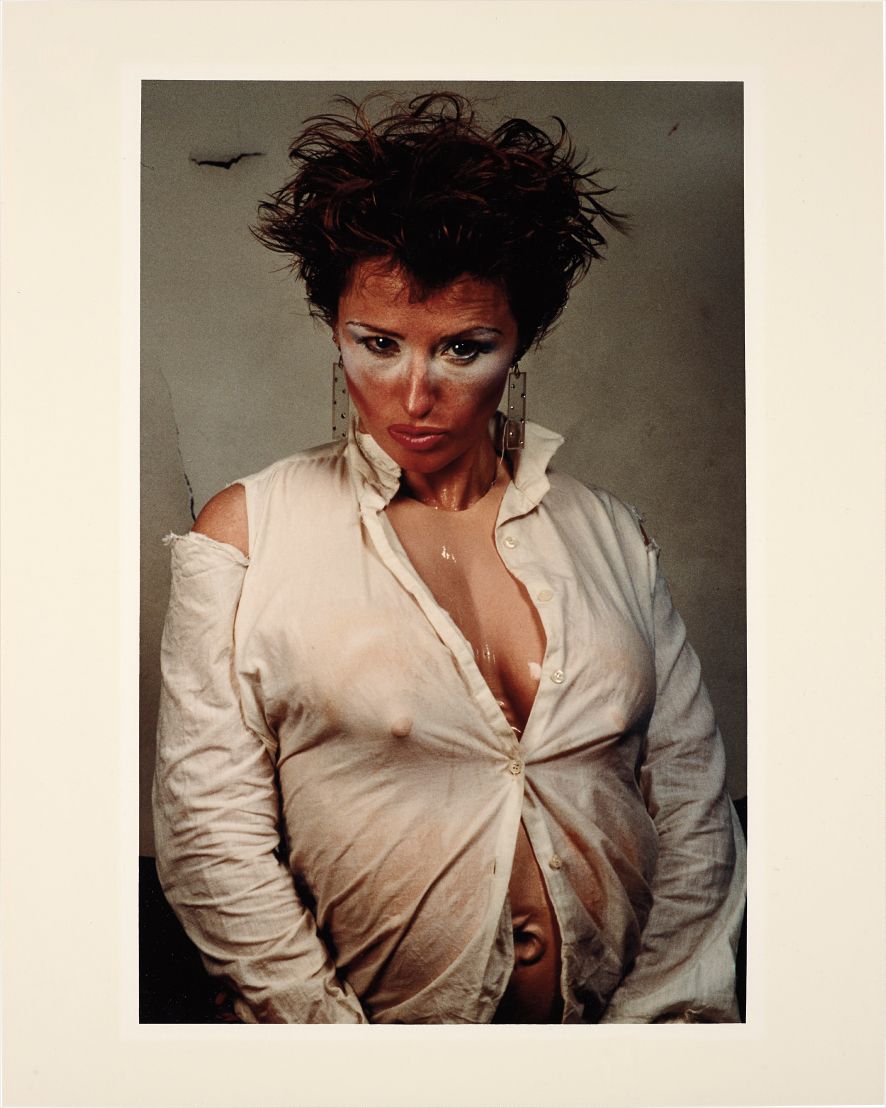
Cindy Sherman
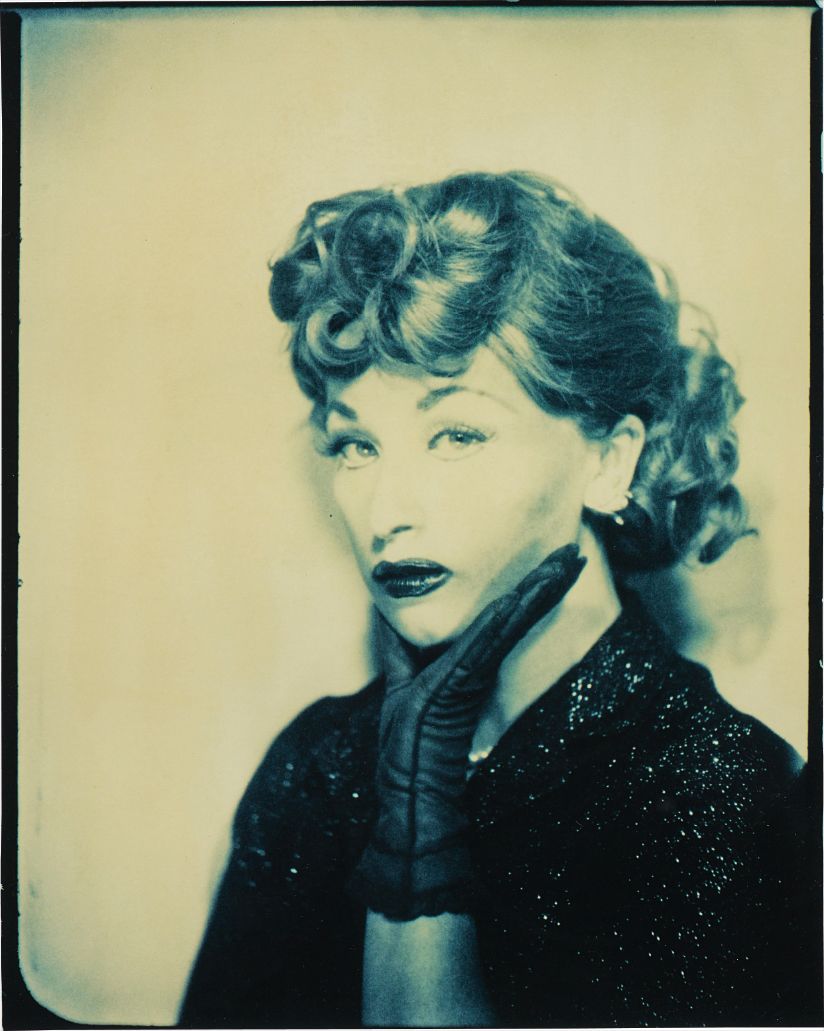
Untitled (Homage to Claude Cahun)

The Mask Is the Message, Always
There is something deeply unsettling about looking at a portrait and not knowing who you are looking at. Not because the face is obscured, but because the face is entirely, deliberately constructed. The question of who we are, and more precisely who we perform ourselves to be, has been at the center of some of the most charged and consequential art of the past century. Identity and persona, as themes, sit at a crossroads where philosophy meets theater, where psychology meets the public gaze.
And the artists who have worked most seriously in this territory have often produced work that feels less like representation and more like confession. The roots of this preoccupation stretch back further than modernism, though modernism gave it new urgency. The Symbolists and later the Surrealists were fascinated by the mask as both literal object and psychological metaphor. James Ensor, painting in Belgium at the close of the nineteenth century, filled his canvases with grotesque masks that stood in for social performance and moral duplicity.
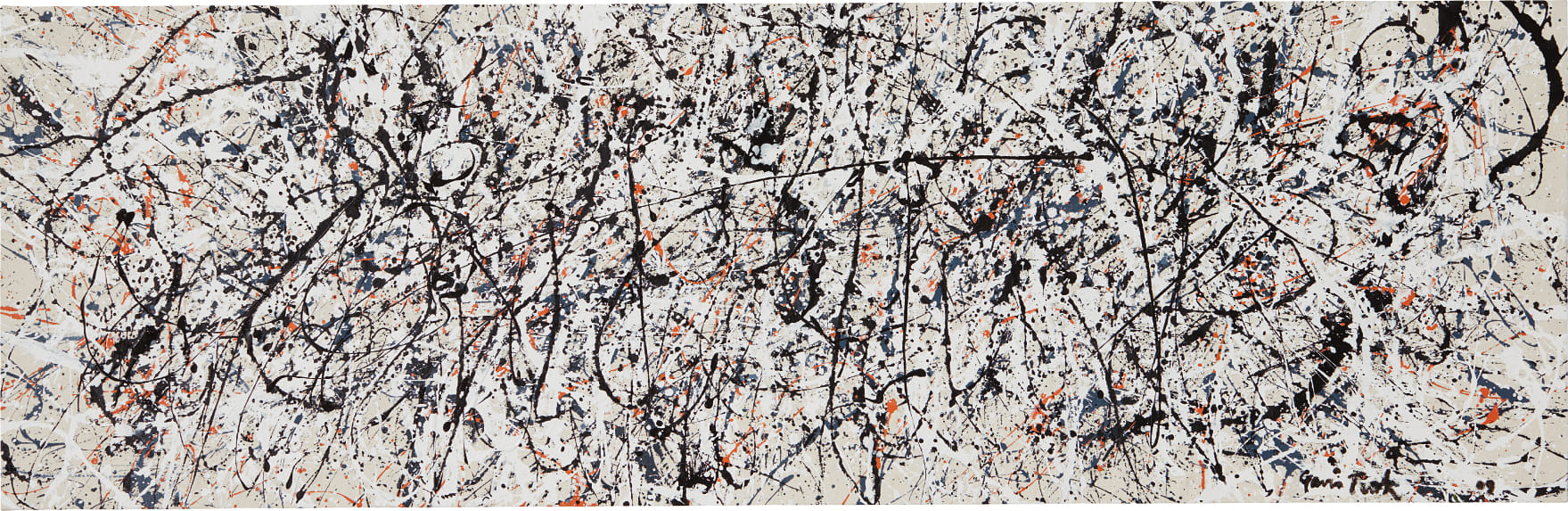
Gavin Turk
The Black Saint and the Sinner Lady, 2009
By the time Marcel Duchamp invented Rrose Sélavy, his female alter ego documented in photographs by Man Ray beginning around 1920, the idea that the self was a construction rather than a fixed truth had moved from metaphor into practice. Duchamp did not just write about identity; he wore it, photographed it, and signed things with it. The conceptual groundwork laid by Duchamp and the Surrealists became enormously generative for artists working in the postwar period, and especially for the generation that came of age in the 1970s and 1980s alongside second wave feminism and poststructuralist theory. It was in this moment that the question of identity became not just philosophical but explicitly political.
If the self was performed rather than innate, then who controlled the performance? Who set the terms? These were questions with real stakes, particularly for women, for queer people, and for those whose identities had been defined by others rather than themselves. Cindy Sherman is perhaps the single most consequential figure in this territory, and her presence on The Collection reflects just how central her work remains to any serious engagement with the theme.
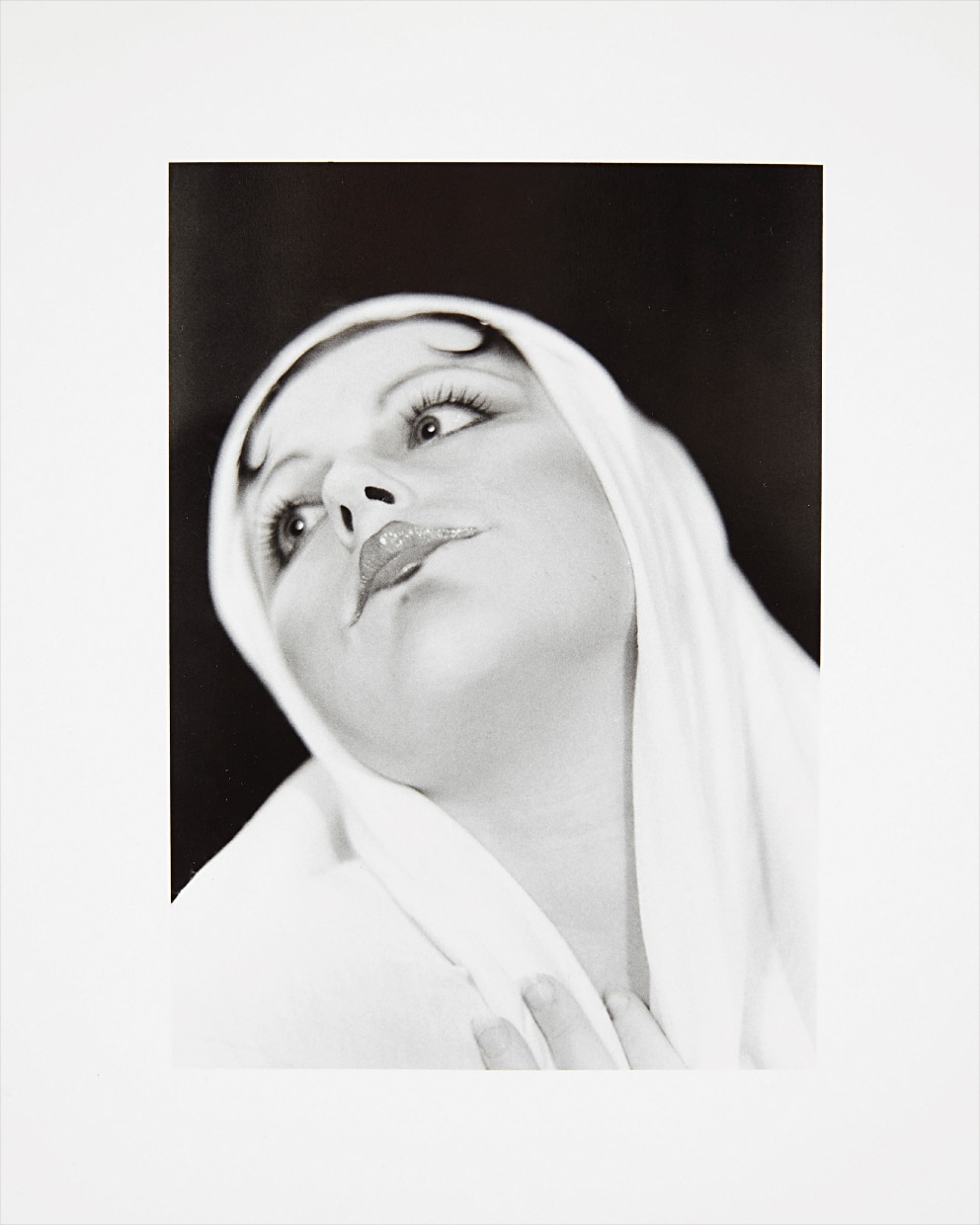
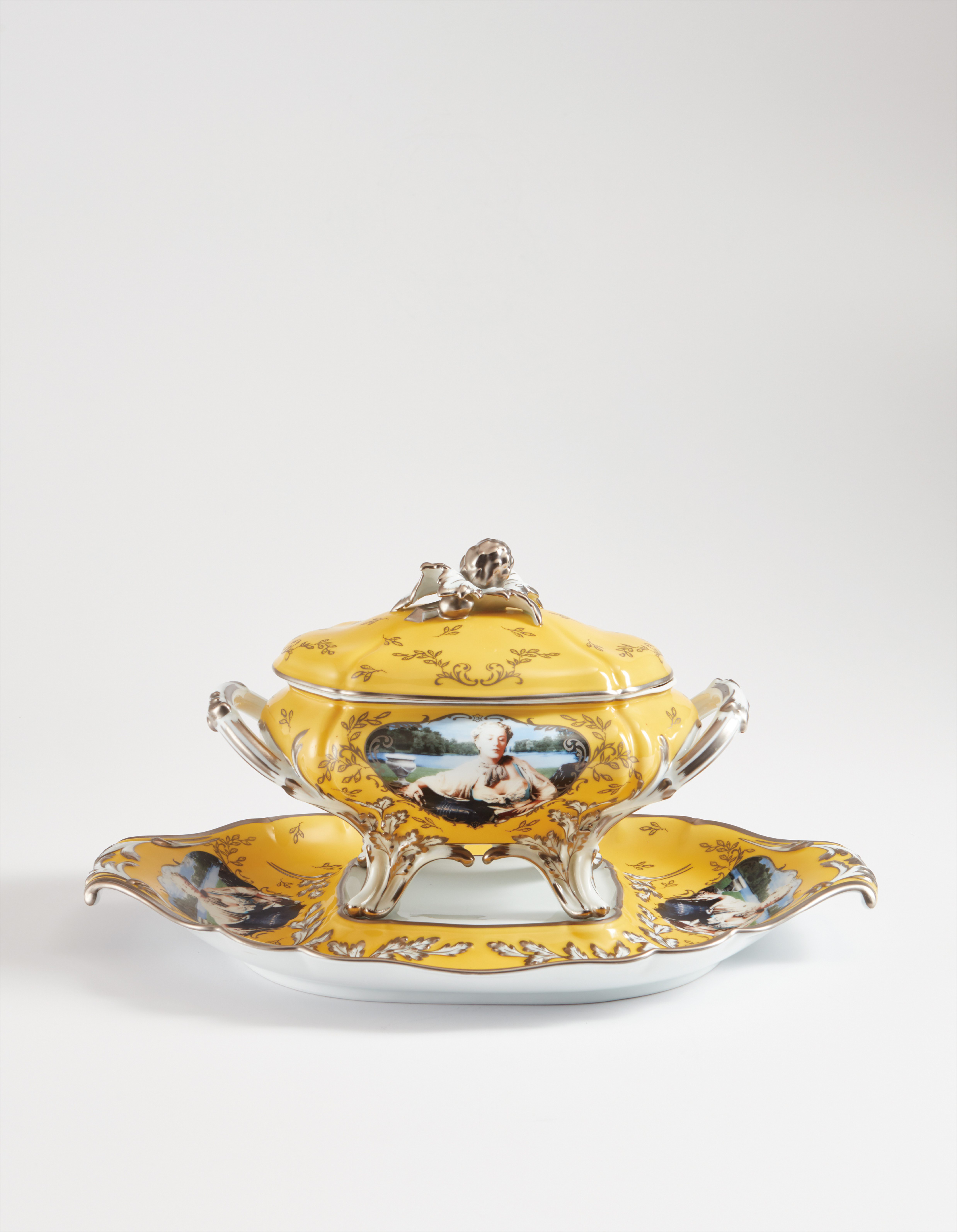
Cindy Sherman
1975-97
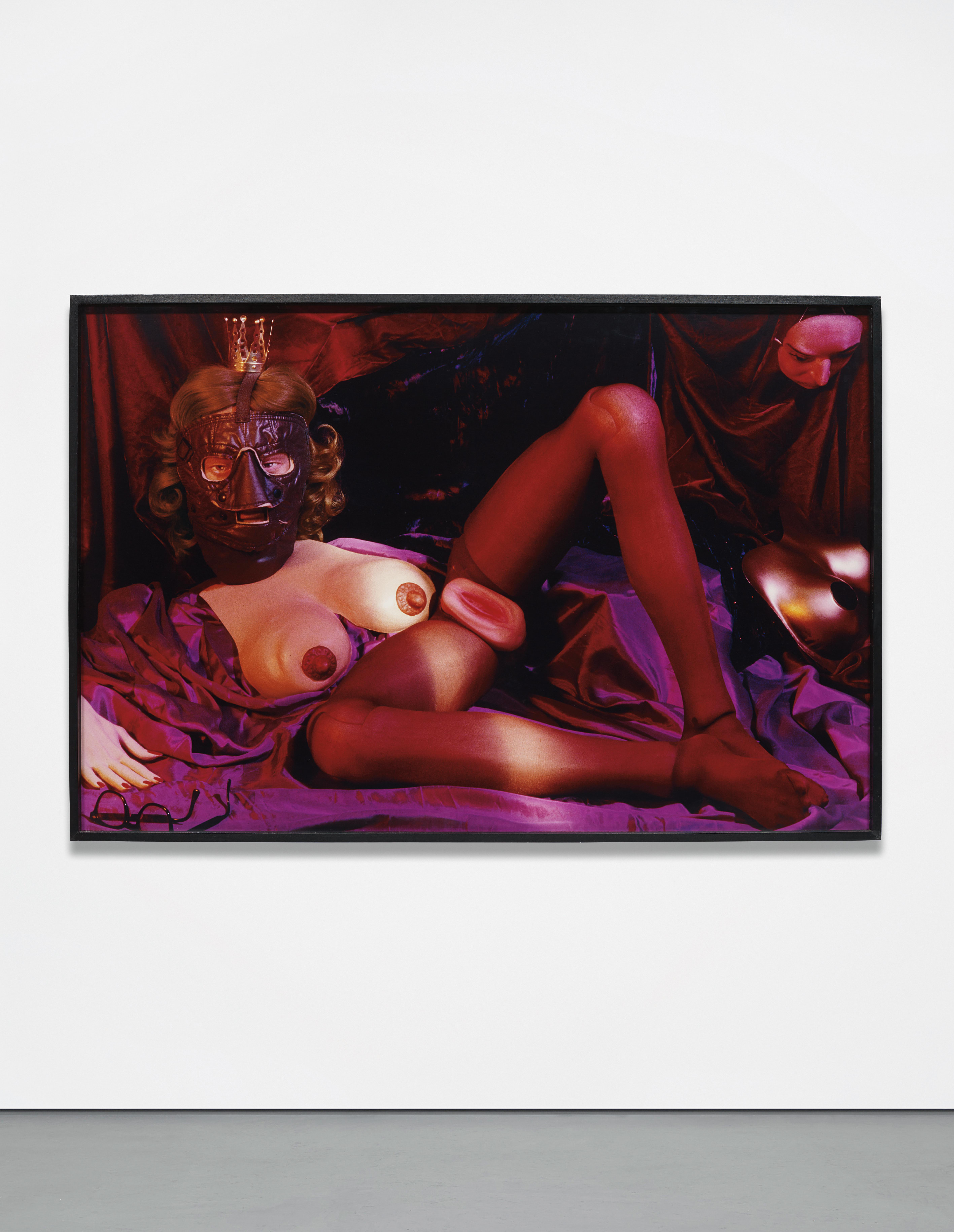
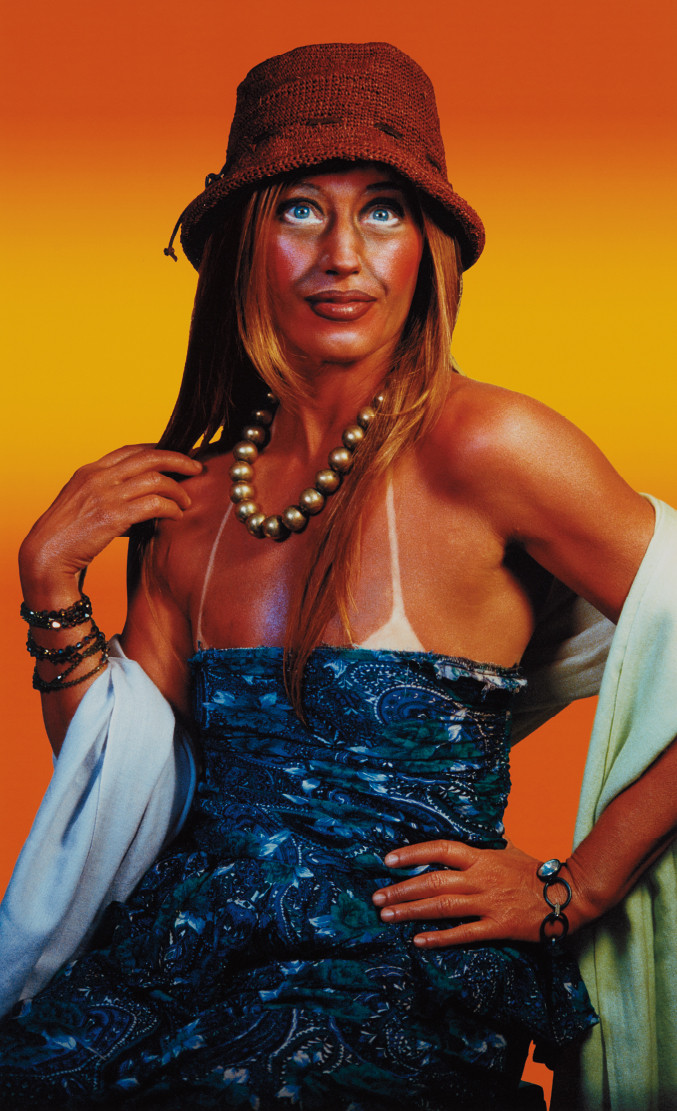
Beginning with the Untitled Film Stills series, produced between 1977 and 1980, Sherman embarked on what would become a lifelong investigation into the construction of femininity, celebrity, and the photographic gaze. In those early black and white images, she cast herself as unnamed actresses in unnamed B movies, inhabiting archetypes so familiar they felt like memories. The genius of the work was its refusal to let the viewer settle. You could not locate the original, because there was no original.
Sherman was not imitating a specific woman; she was exposing the grammar of how women were imagined and consumed by visual culture. The series was first exhibited at Metro Pictures in New York in 1980 and helped define an entire generation of image based practice. What Sherman established as a primarily photographic and feminist inquiry found fascinating echoes in other registers. Gavin Turk, the British artist associated with the Young British Artists movement of the 1990s, brought a similarly sharp intelligence to questions of authorship and artistic identity.
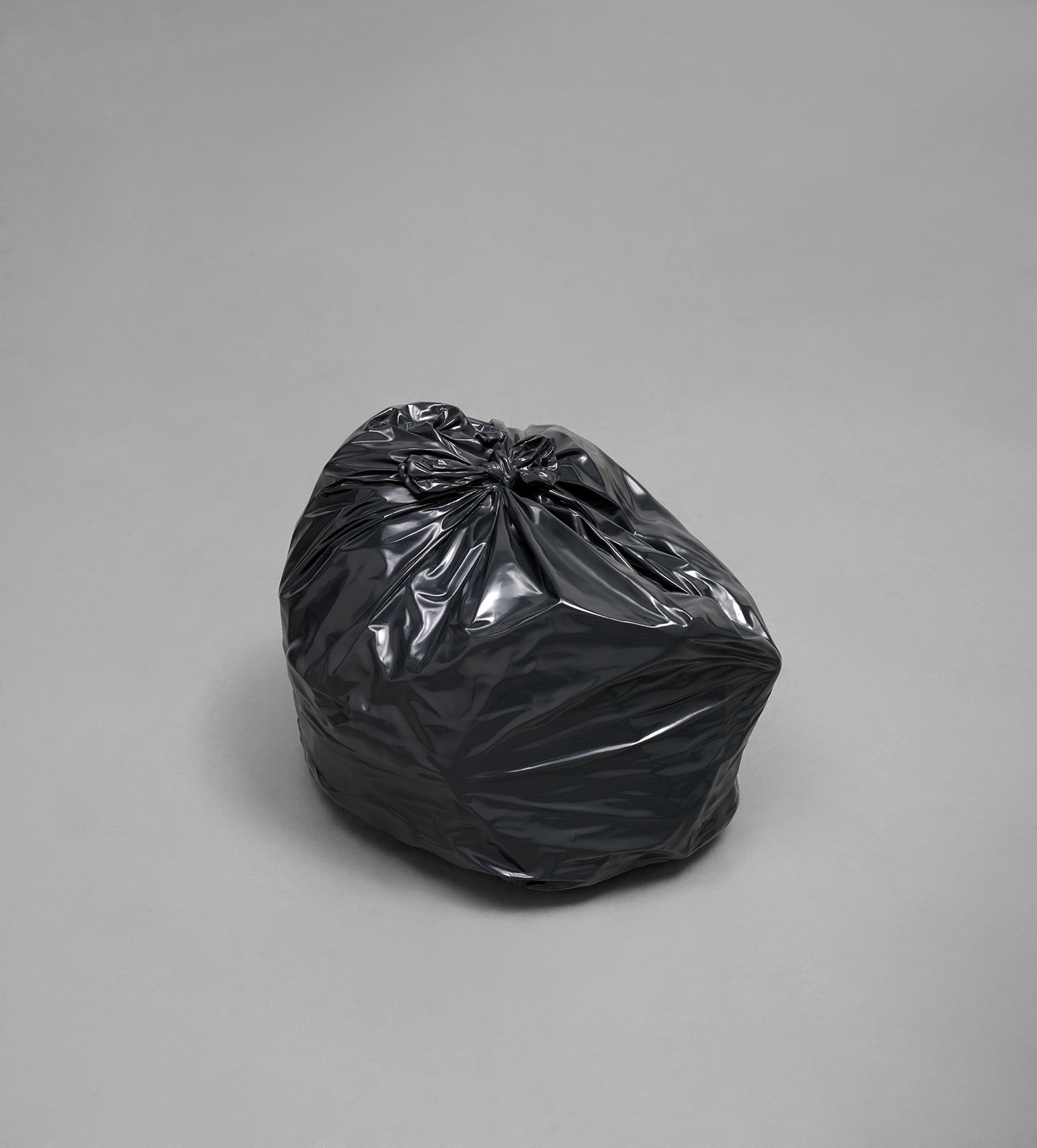
His work engages with the mythology that accumulates around the figure of the artist, and he has consistently used his own body and persona as material. His 1991 degree show at the Royal College of Art, famously rejected by the institution, consisted of a single work: a blue heritage plaque mounted on a white wall, reading that Gavin Turk had worked there. The gesture was deadpan and devastating. By imitating the language of official cultural commemoration, Turk raised questions about who gets to be remembered, and what the difference is between being an artist and being declared one.
His work, represented on The Collection, carries that same wit and conceptual precision. The techniques and materials artists use in this space are as varied as the identities they examine. Sherman's reliance on prosthetics, makeup, wigs, and elaborate costume sits alongside Turk's use of institutional language, replica objects, and the iconography of rock and roll mythology. Andy Warhol, a shadow presence over so much of this territory, used silkscreen and repetition to transform both himself and others into brand images, flattening the distance between person and persona until they became indistinguishable.
More recently, artists like Yasumasa Morimura have taken the logic of appropriation even further, inserting themselves bodily into canonical Western art history. The formal strategies differ enormously, but the underlying question is always the same: what does it mean to look like someone, or something, and is that looking a kind of becoming. Culturally, the significance of this body of work is difficult to overstate. At a moment when social media has made self presentation a daily and often anxious practice for billions of people, the investigations Sherman and her contemporaries began in the late 1970s feel less like art historical chapter headings and more like instructions for understanding contemporary life.
The filtered selfie, the carefully curated public persona, the performance of authenticity that is itself a performance: all of it was anticipated, and anatomized, by artists working decades before the smartphone existed. For collectors, work in this category offers something beyond aesthetic pleasure, though the best of it delivers that in abundance. It offers a framework for thinking about the most pressing questions of the present. Who are we when we present ourselves to be seen?
What does a face owe to the culture that trained it to look a certain way? These are not comfortable questions, and the greatest works in this tradition are not comfortable objects. They are demanding, occasionally uncanny, and entirely necessary. That is precisely what makes them worth living with.