Gouache
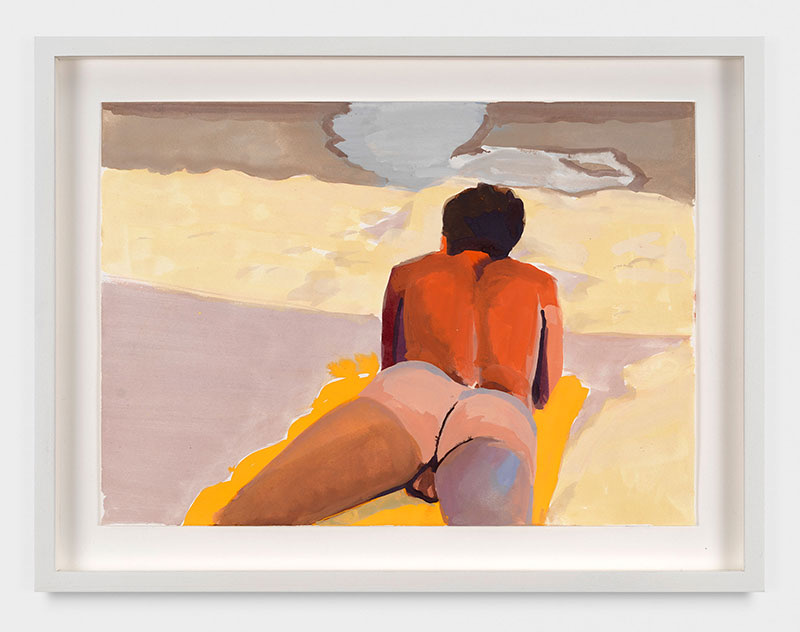
Stephen Truax
Thomas on a Yellow Towel, 2022
Gouache: The Medium That Never Stopped Mattering
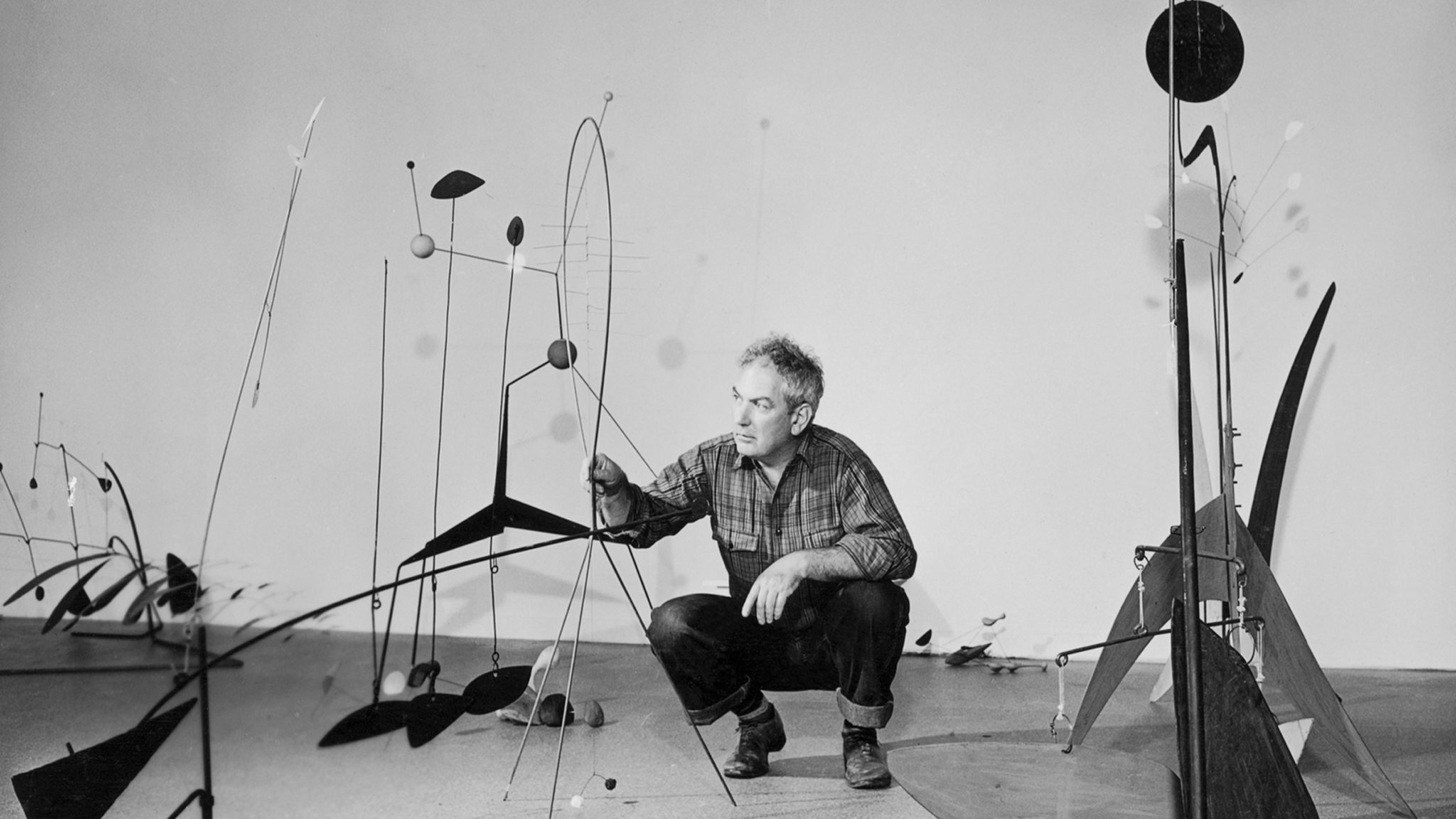
When a small gouache by Alexander Calder sold at Christie's for well above its high estimate a few years ago, the room barely blinked. That is how normalized Calder's works on paper have become, and how thoroughly the market has absorbed the idea that gouache is not a secondary medium but a primary one. What those results keep confirming is that some of the twentieth century's most important artists thought in gouache, not just sketched in it. The bids reflect that understanding.
Gouache occupies a strange and wonderful position in the collecting world. It is too present to be called underappreciated, yet it still carries a slight underdog reputation when placed beside oil on canvas. That reputation is dissolving. Over the past decade, major auction houses have separated their works on paper sales into increasingly refined categories, and gouache lots consistently outperform expectations.
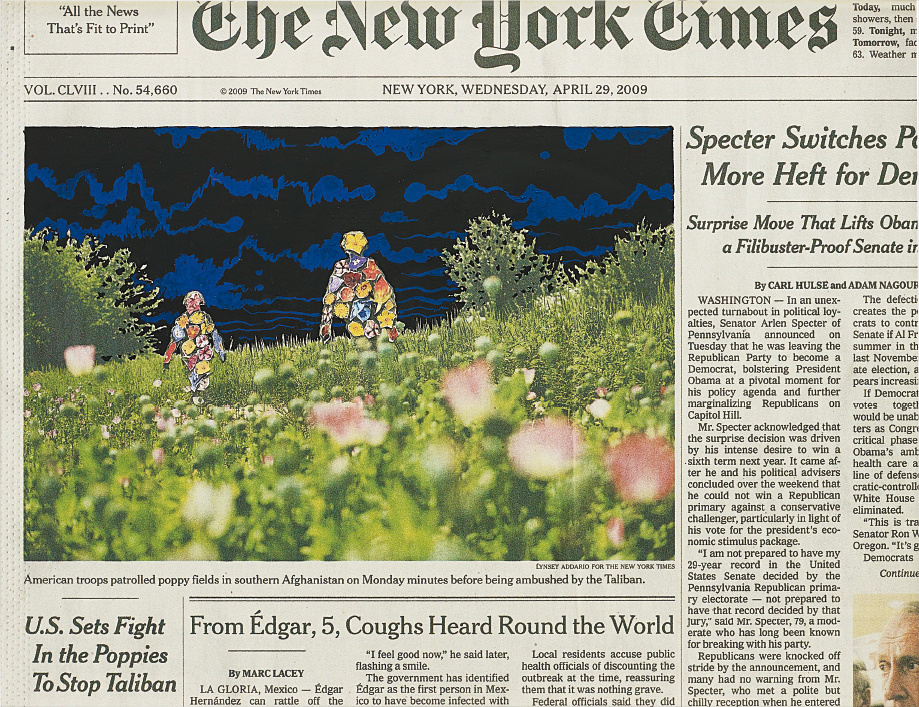
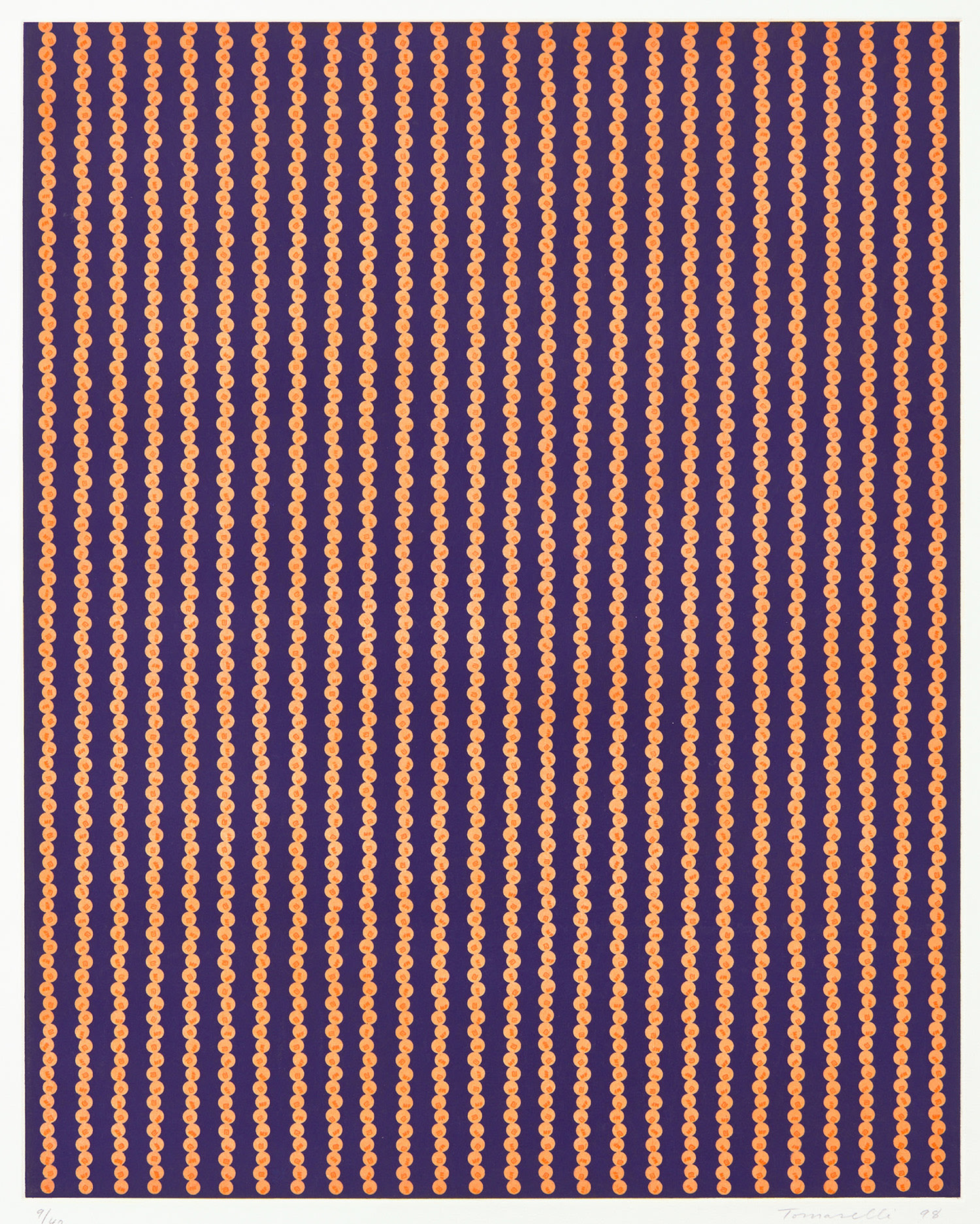
Fred Tomaselli
Apr. 29, 2009, 2010
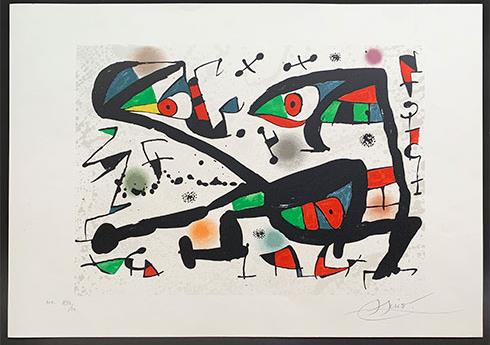
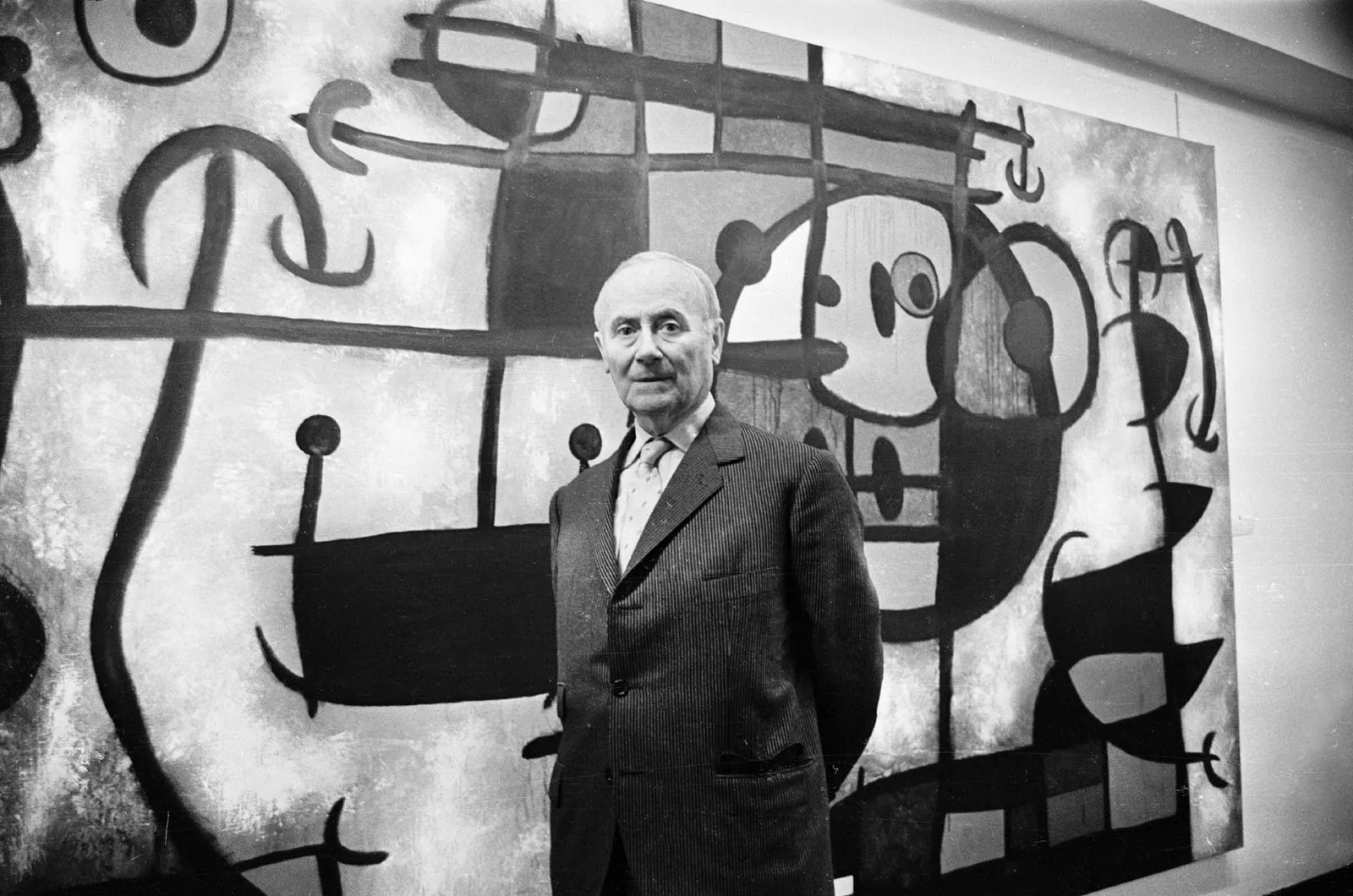
The medium rewards close looking in ways that photography rarely captures, which means the experience of owning one is genuinely different from owning a painting that you already know from books and screens. The exhibitions that have done the most to reframe gouache as a serious collecting category have tended to focus on individual artists rather than the medium itself. The Centre Pompidou's sustained attention to Joan Miró's works on paper over many years, and the Fundació Joan Miró in Barcelona's permanent commitment to showing his gouaches alongside his major canvases, have made it impossible to treat his works on paper as secondary. Miró used gouache to think, to play, and sometimes to arrive at his most concentrated imagery.
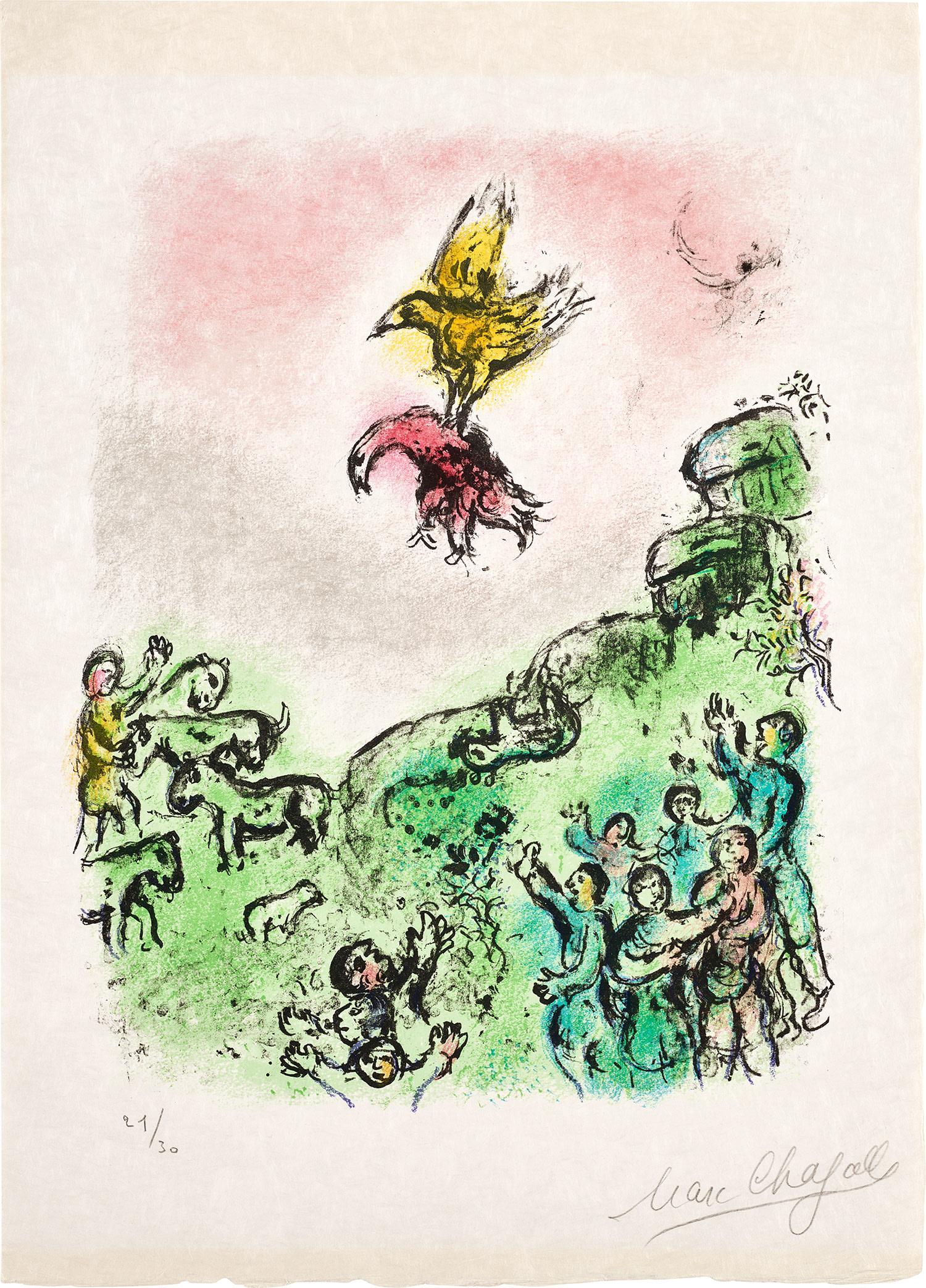
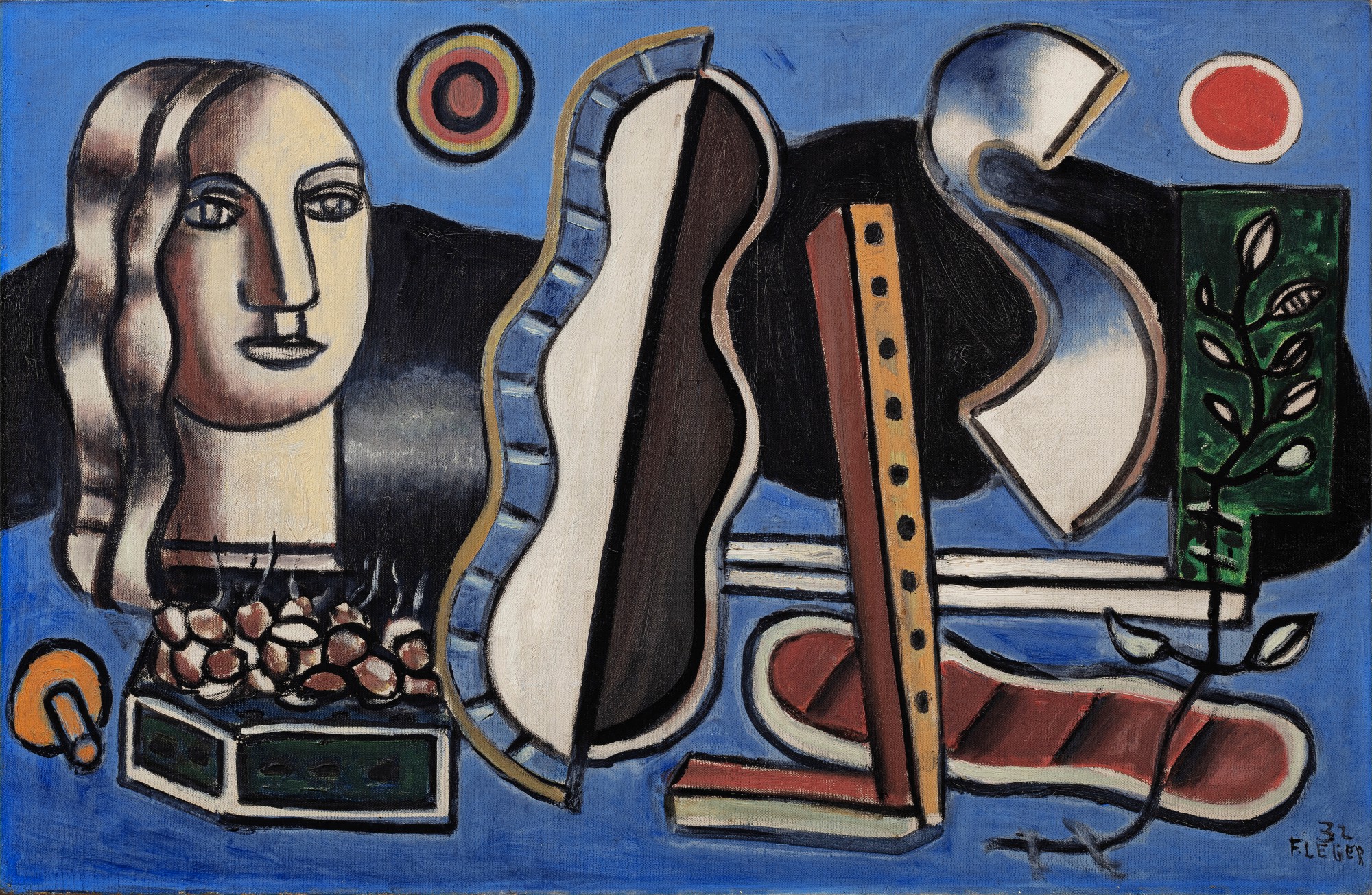
The works on The Collection reflect that range, from the lyrical to the almost violent in their economy of mark. Similar arguments have been made for Marc Chagall, whose gouaches from the 1920s and 1930s are among the most tender and direct objects he ever made, and whose market remains robust precisely because collectors understand they are not settling for something lesser. At auction, the names that command the most serious attention in gouache tend to cluster around the European modernists who came of age between the wars. Calder, Chagall, Miró, Fernand Léger, and Sonia Delaunay have all seen strong results at the major houses in recent years.
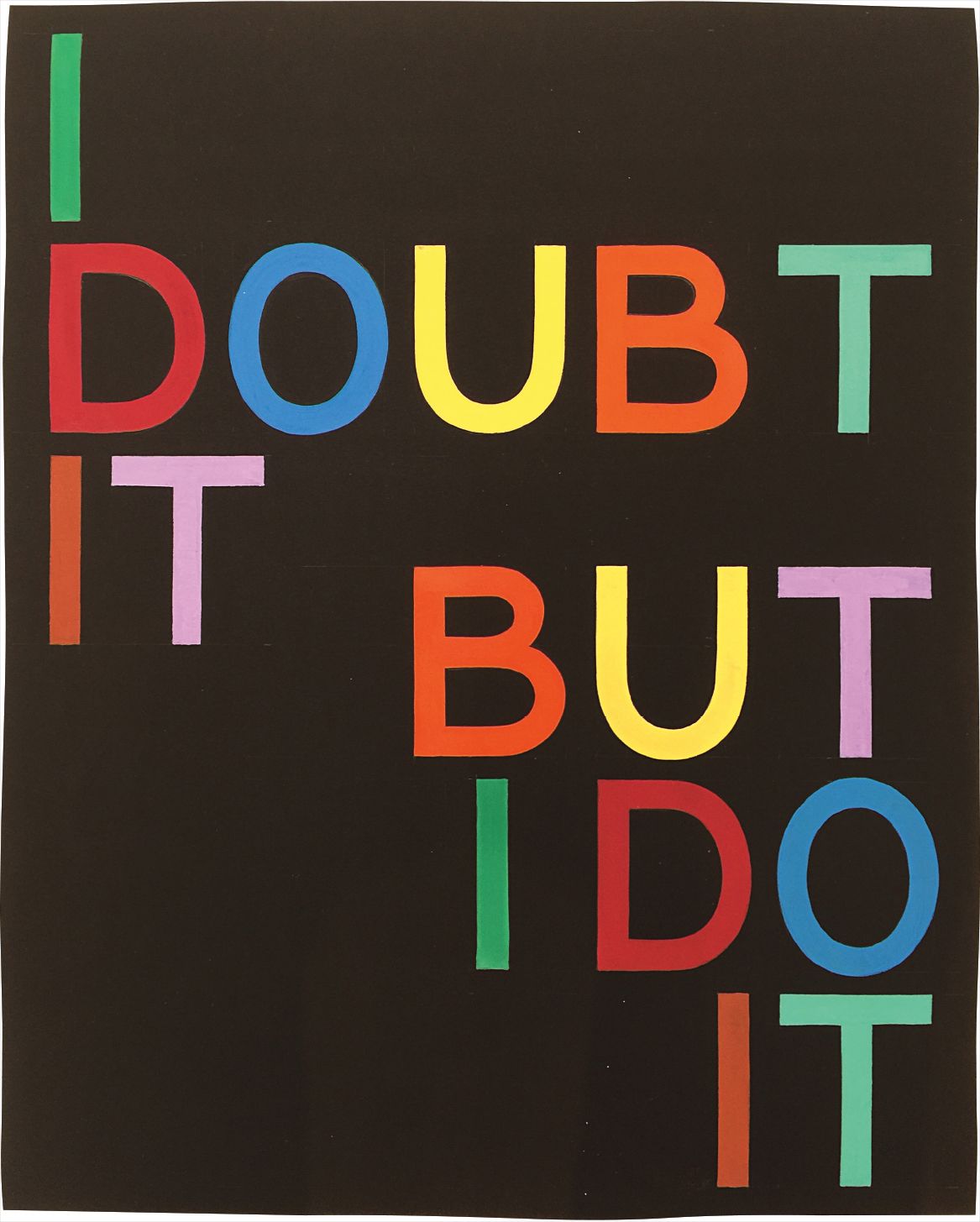
Tauba Auerbach
I Doubt It/But I Do It I, 2008
Léger's gouaches carry the same structural confidence as his paintings, and Delaunay's colour studies in the medium have become objects of genuine desire for collectors who follow the expanding critical conversation around her place in the modernist canon. Raoul Dufy is another name worth watching: his gouaches of the Côte d'Azur and of racing scenes have a spontaneity that his larger canvases sometimes suppress, and prices for strong examples have been climbing steadily. What institutions are collecting tells you a great deal about where the critical energy is moving. The Museum of Modern Art has long held significant gouache holdings, but the more telling signal comes from institutions that are expanding their works on paper departments with contemporary acquisitions.
The Hammer Museum in Los Angeles, for instance, has shown consistent interest in artists who work fluidly across print, drawing, and gouache. Fred Tomaselli, whose practice involves obsessive layering and a kind of hallucinatory precision, has been the subject of serious institutional attention, and his gouaches carry the same conceptual weight as his resin works. The Brooklyn Museum and the Whitney have both staged exhibitions in recent years that treat works on paper not as studies but as finished statements. The critical conversation around gouache has been shaped in part by a broader reassessment of what counts as major work.
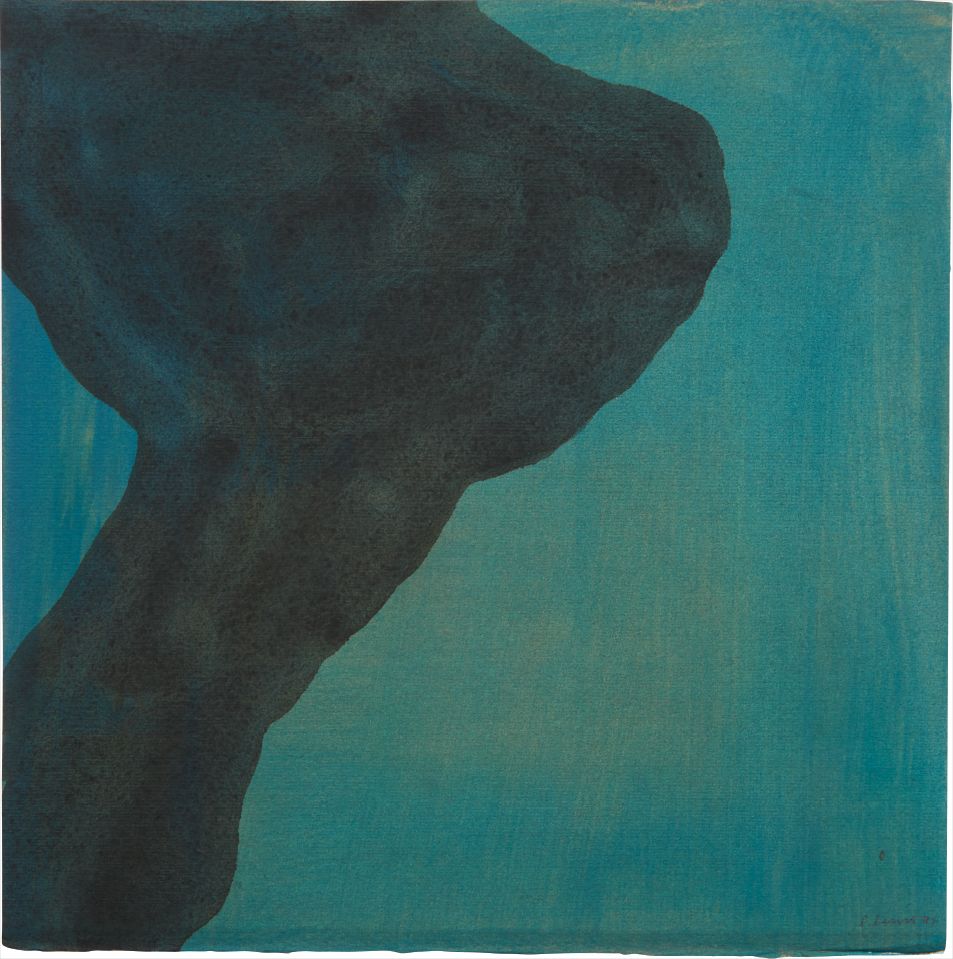
Sol LeWitt
Irregular Form (blue and teal), 1999
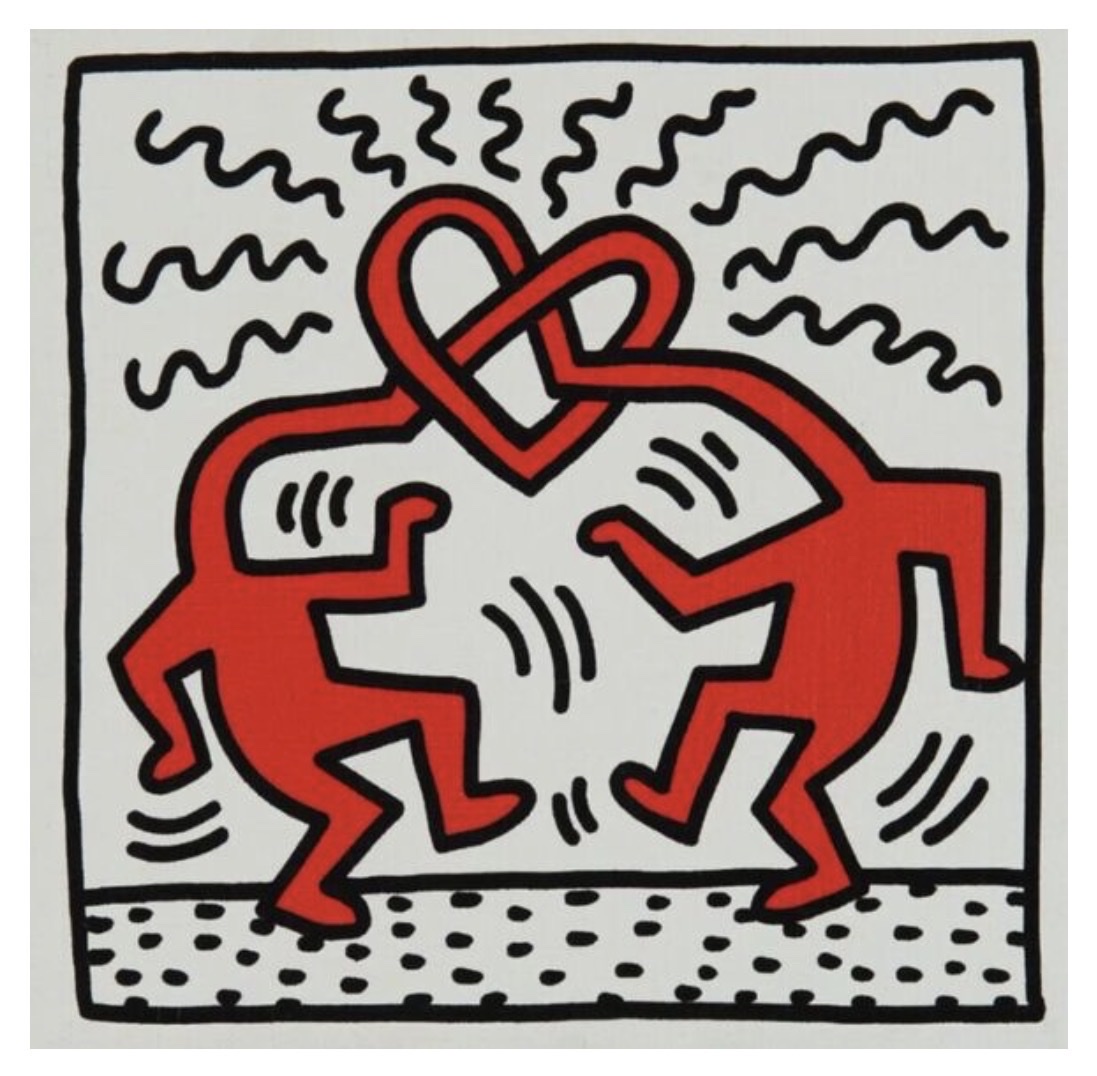
Writers like Roberta Smith at the New York Times spent decades arguing that scale is not the same as ambition, and that argument has now largely been won. Publications including The Burlington Magazine and Print Quarterly have run thoughtful pieces on specific artists' engagement with the medium. More recently, curators at institutions including the Tate Modern have used their catalogue essays to push back against hierarchies that position works on paper as preparatory rather than complete. Sol LeWitt is an interesting case here: his gouaches operate within the same systematic logic as his wall drawings and structures, and the critical literature around him has always treated them as fully realised works rather than documentation.
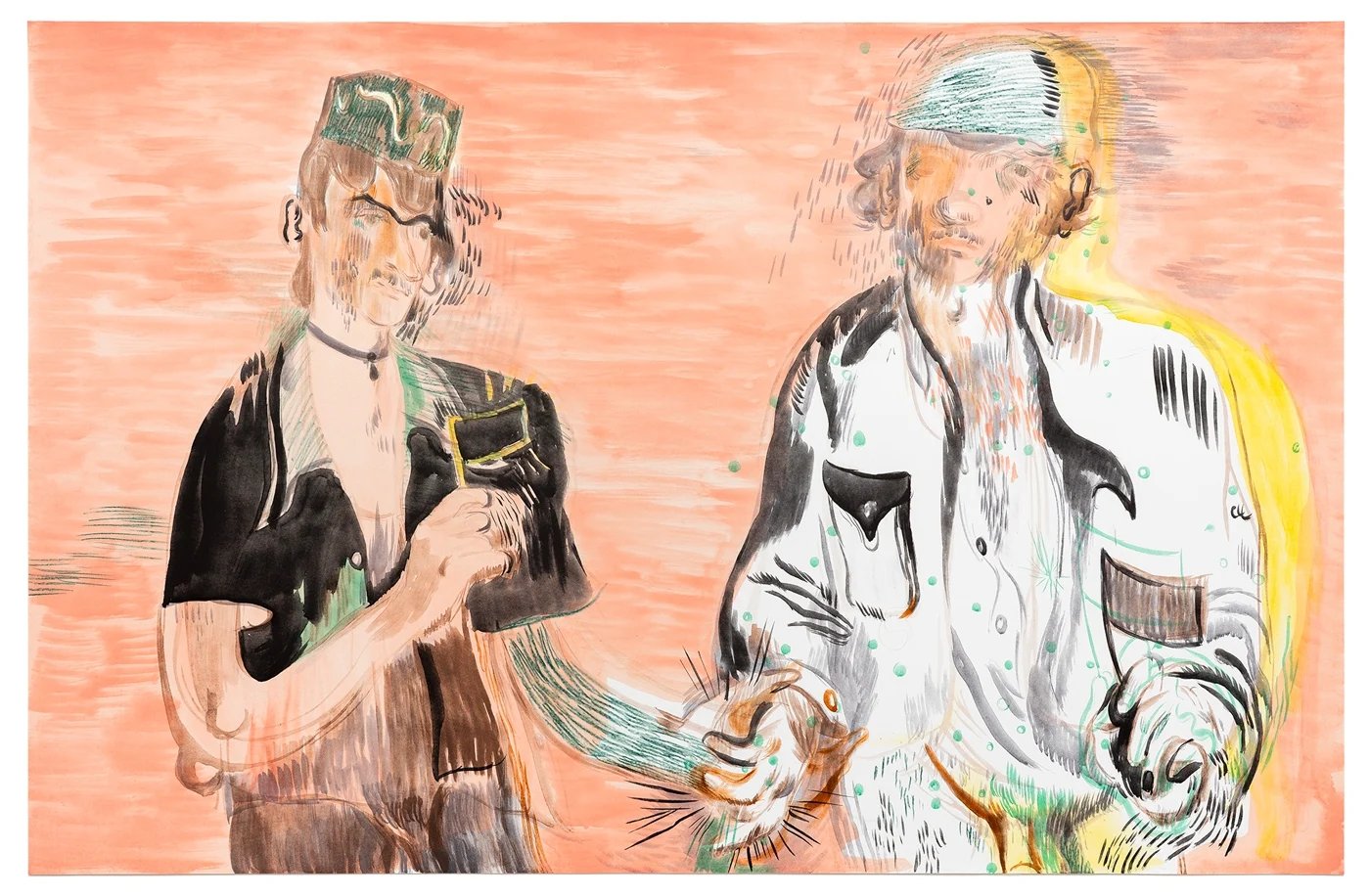
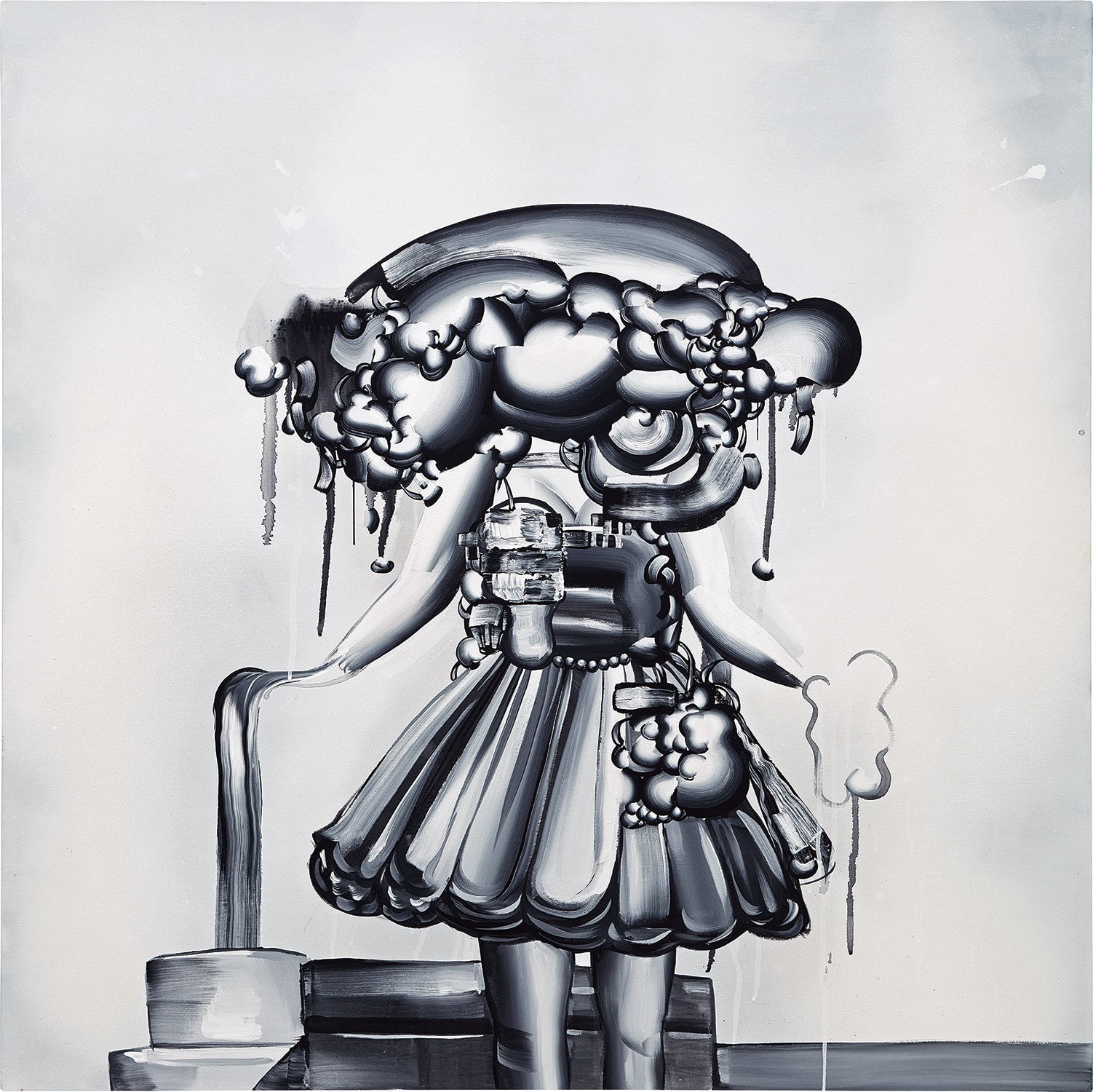
The energy right now feels most alive around artists who came to prominence in the 1980s and 1990s and whose works on paper are only beginning to receive the sustained attention they deserve. Tomoo Gokita's gouaches have attracted serious collector interest in recent years, and rightly so: he uses the medium's opacity and its particular surface quality to create images that feel genuinely strange, suspended between illustration and fine art in ways that feel entirely contemporary. Nathaniel Mary Quinn's gouaches are similarly hard to categorise, and that difficulty is exactly what makes them compelling. Both artists are well represented on The Collection, and both seem positioned for continued critical and market momentum.
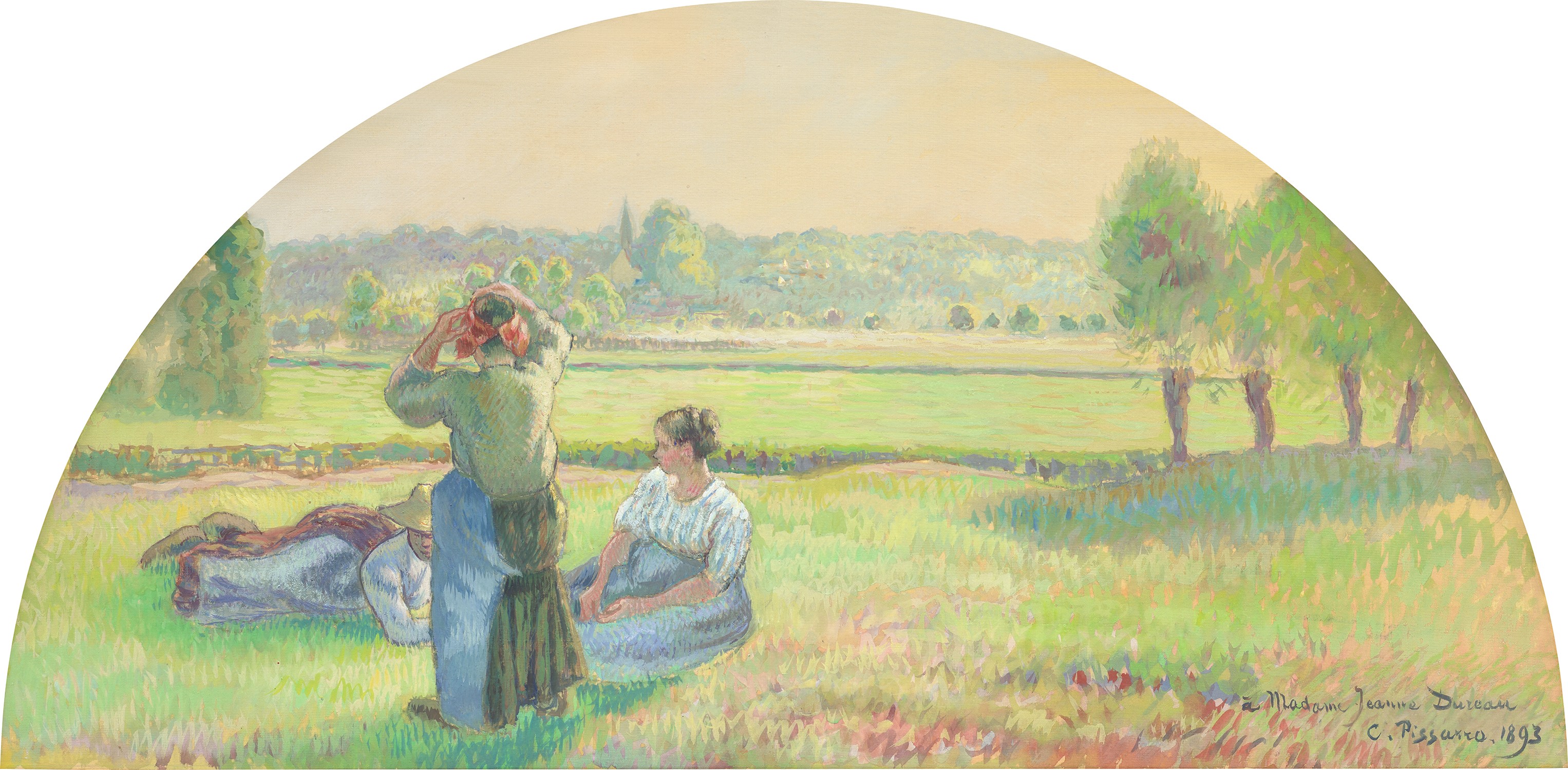
Camille Pissarro
La Sieste aux champs, 1893
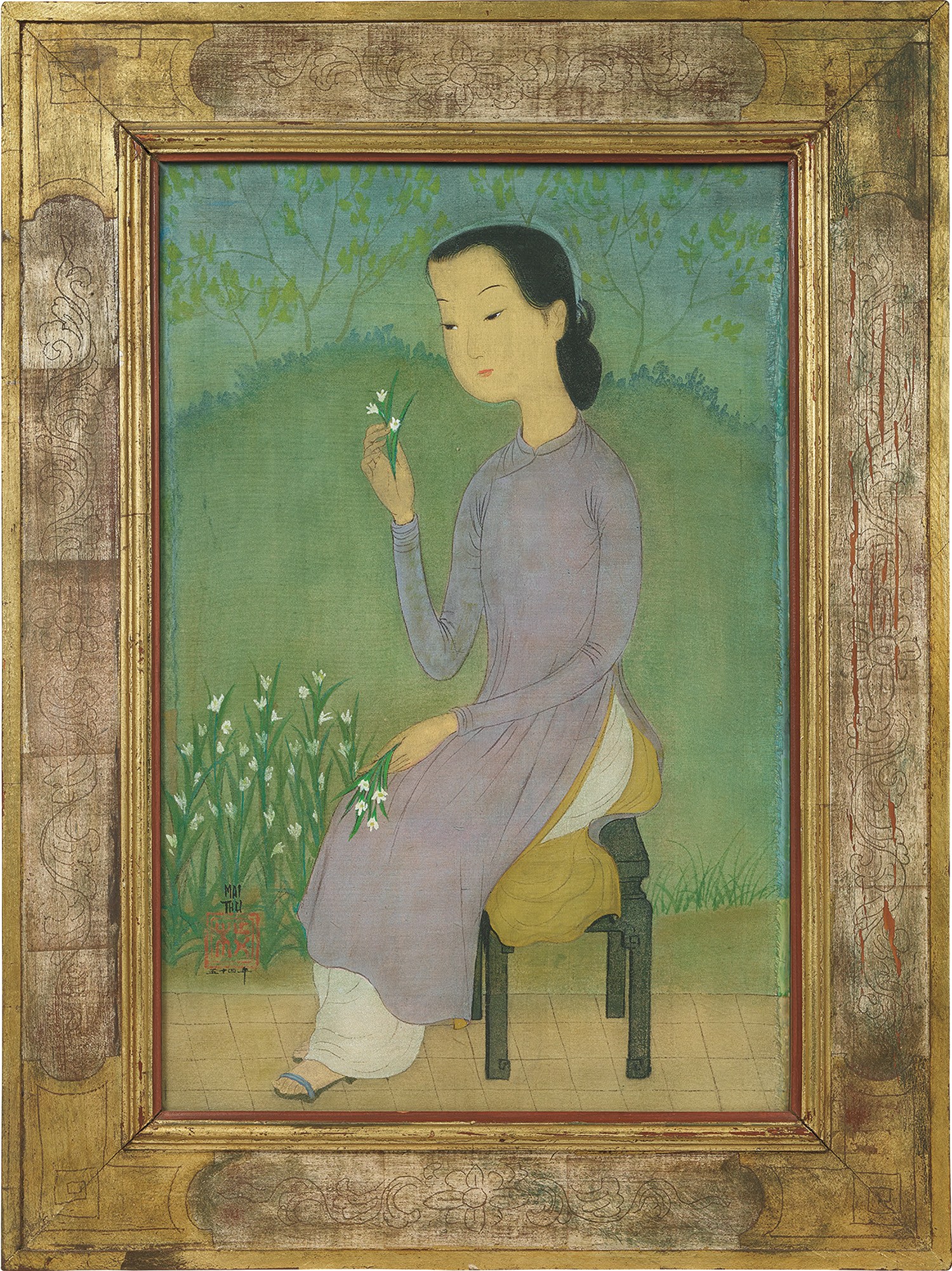
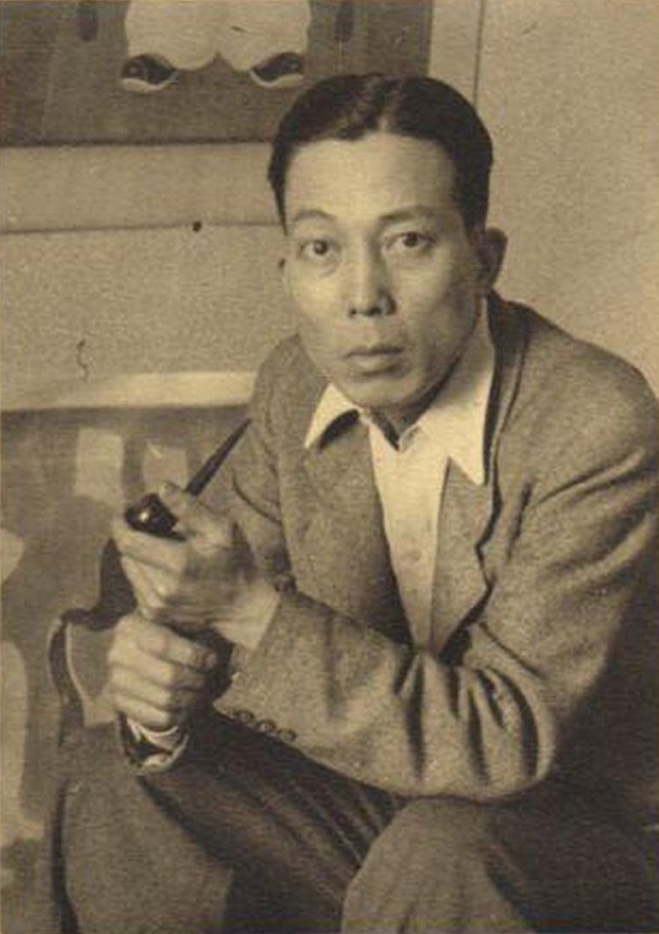
The surprise that most collectors have not fully processed yet is how strong the Vietnamese modernist market has become for works on paper. Mai Trung Thu, who spent most of his career in France and who worked extensively in gouache and ink on silk, has seen prices rise significantly at auction over the past five years. The increased attention to artists from outside the traditional Western modernist canon is reshaping which gouaches are being sought, and institutions in Asia and Europe are both paying attention. The Musée Cernuschi in Paris has done important work in this area.
If there is one thing that the current market and the current critical conversation agree on, it is that gouache rewards collectors who look carefully and act decisively. The works that will matter in twenty years are not the ones that photograph well but the ones that hold you in the room. That is a very old truth about art, and gouache, more than almost any other medium, insists on it.