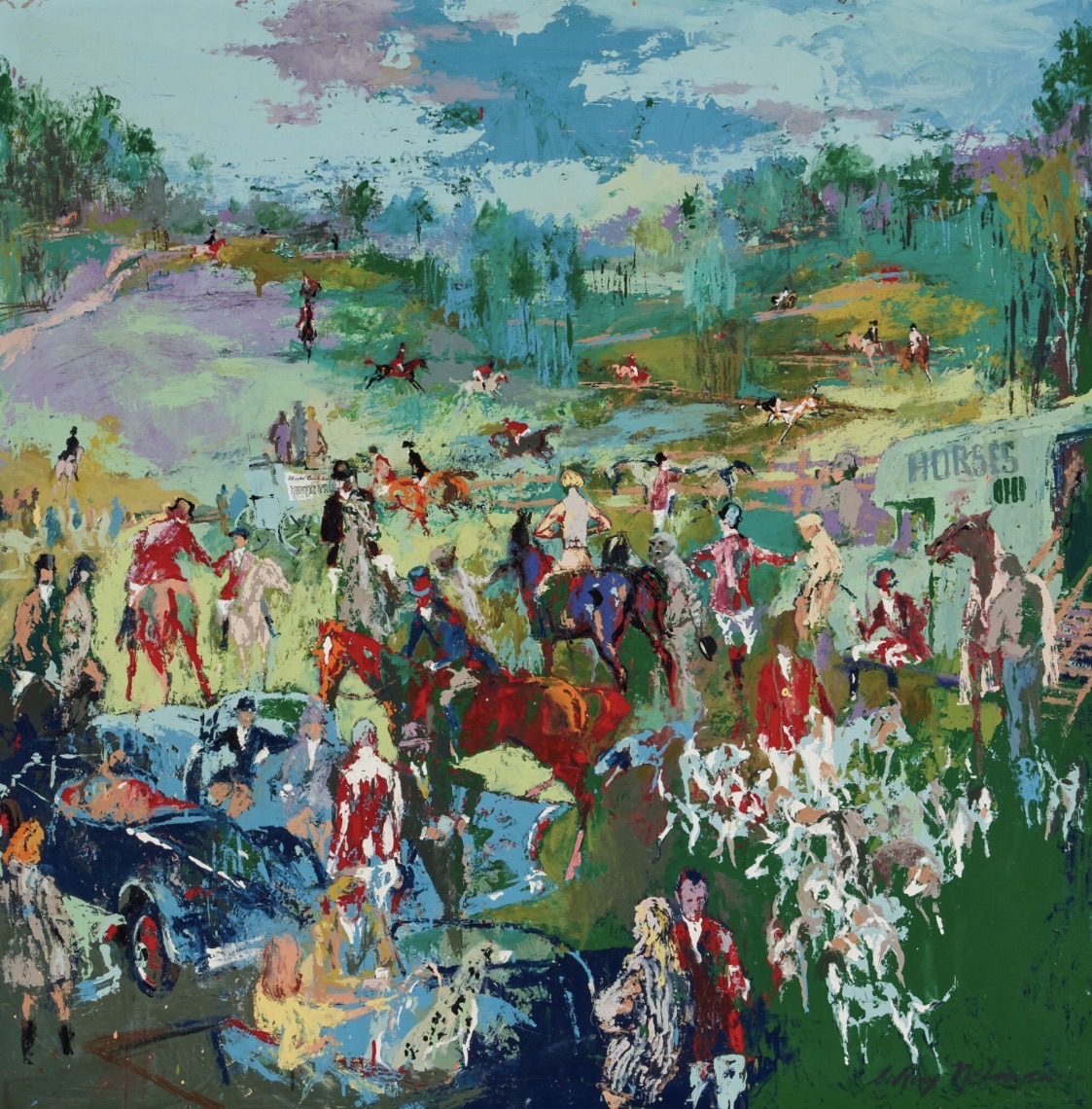
Gestural Painting
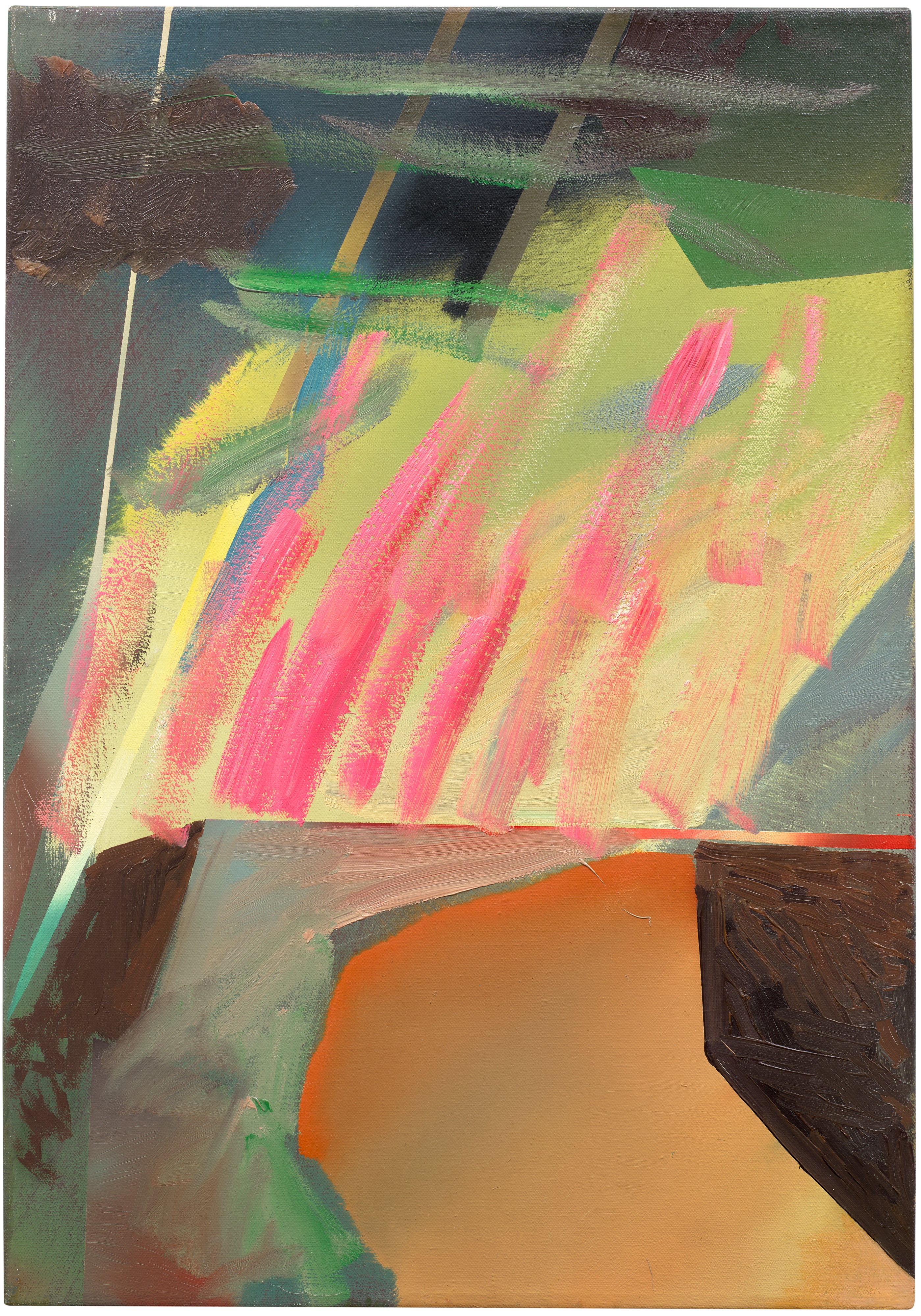
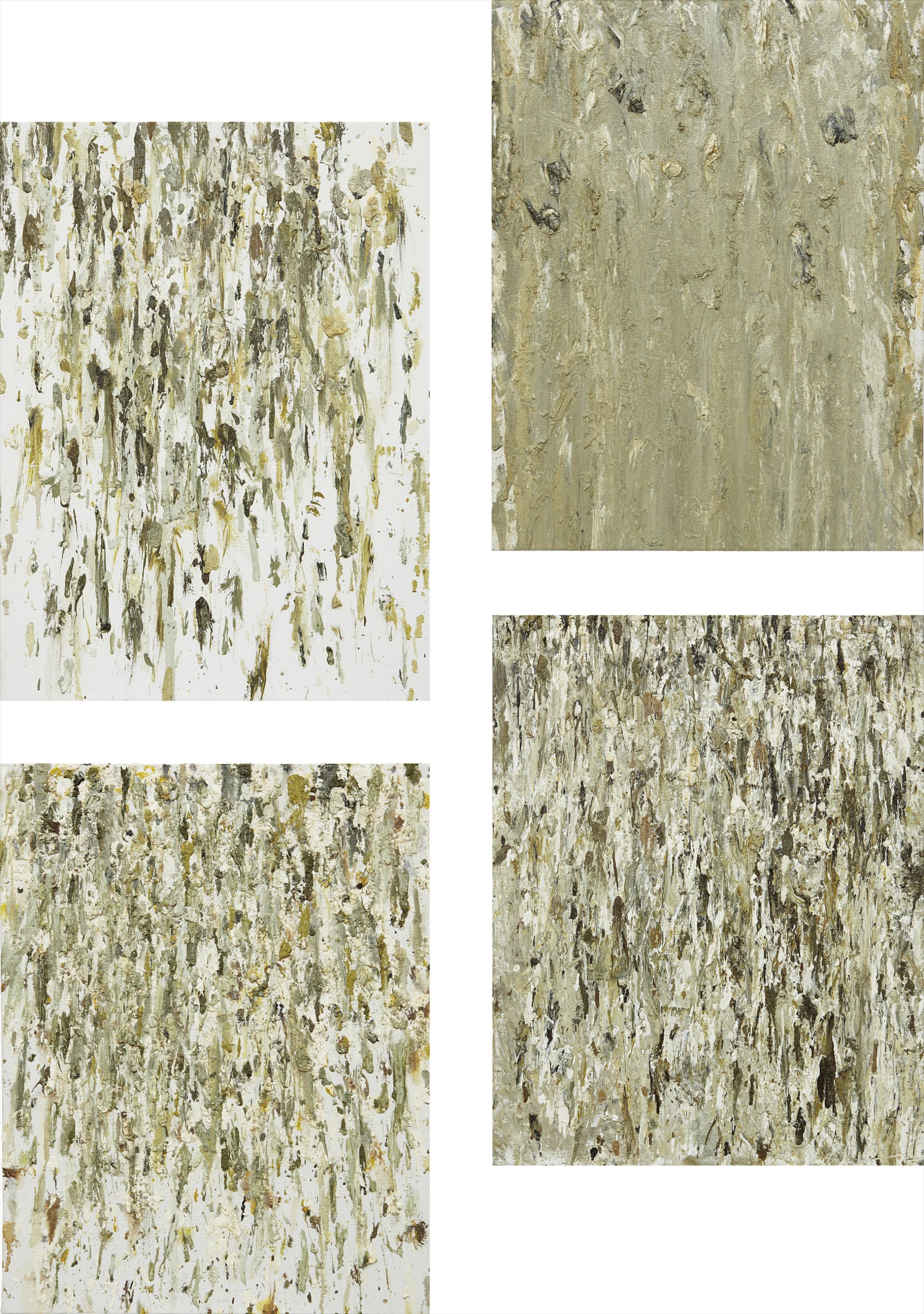
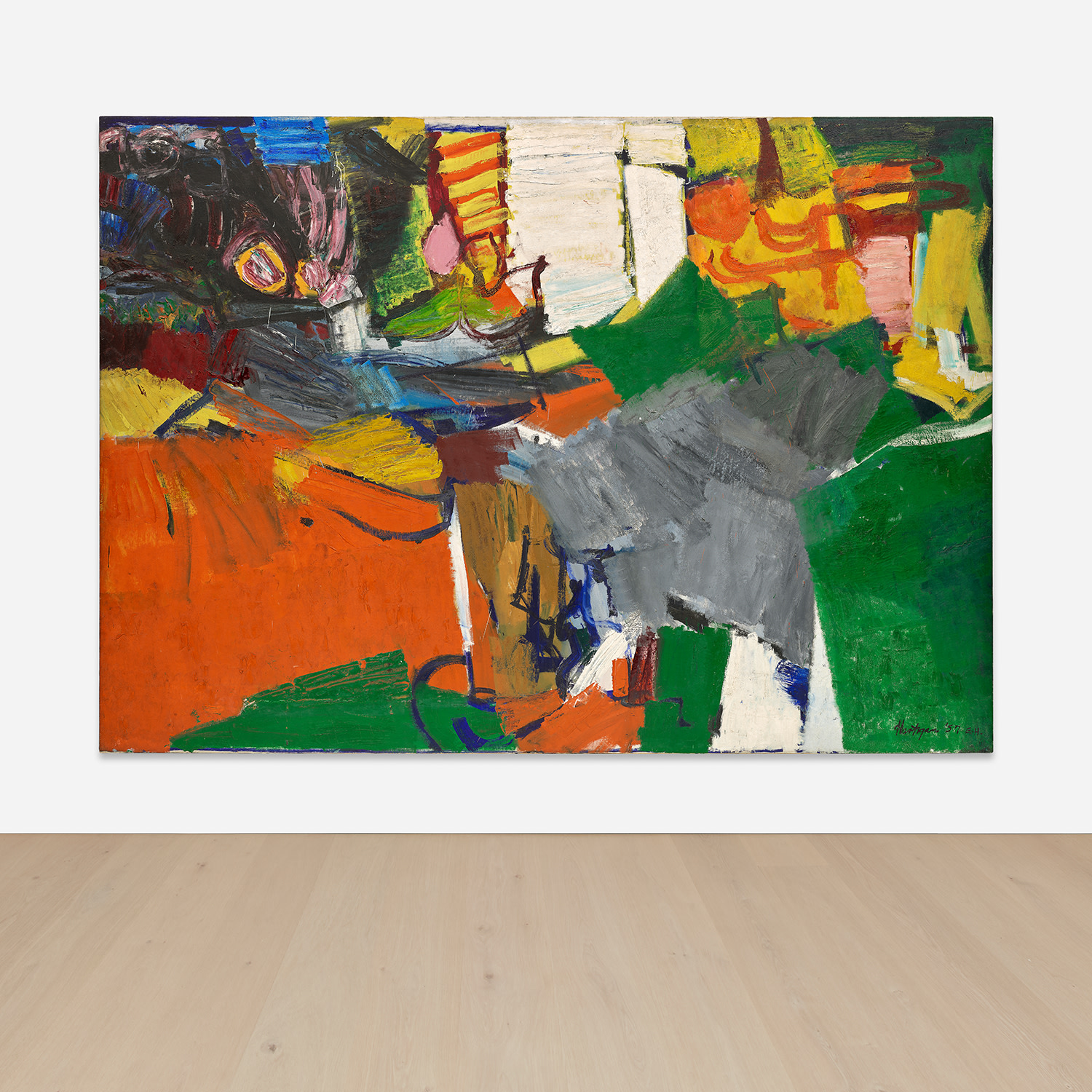
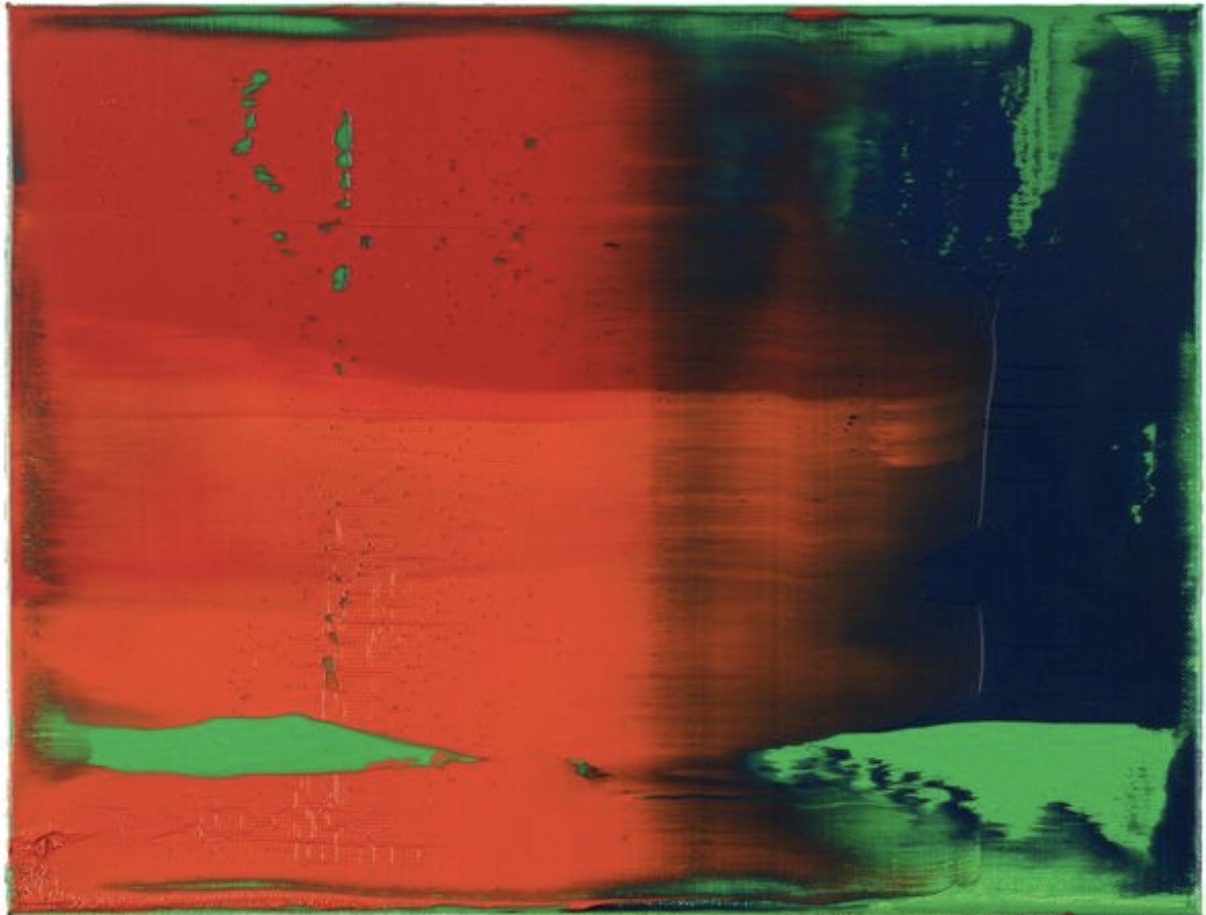
Gerhard Richter
Abstraktes Bild (431-8), 1977
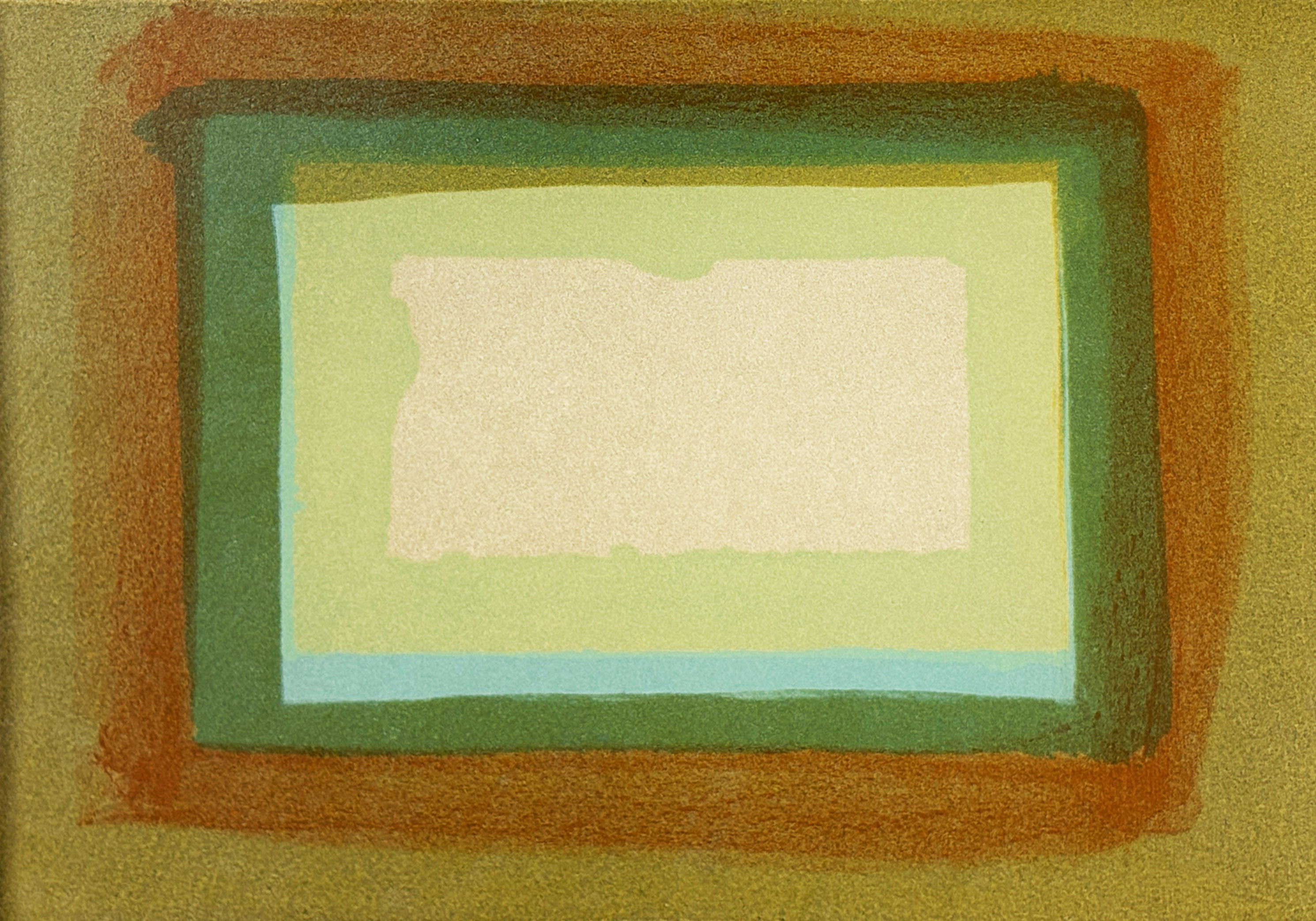
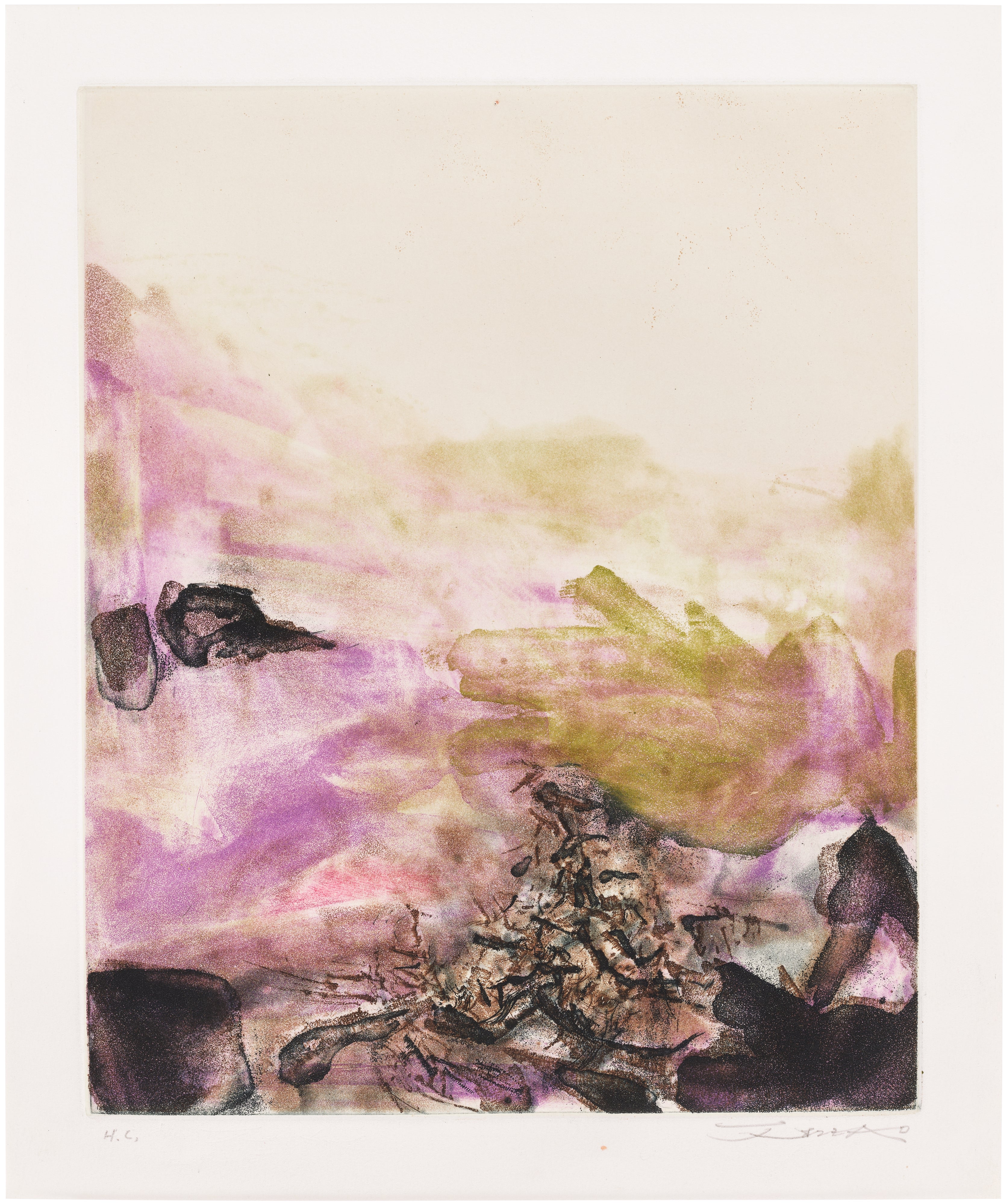
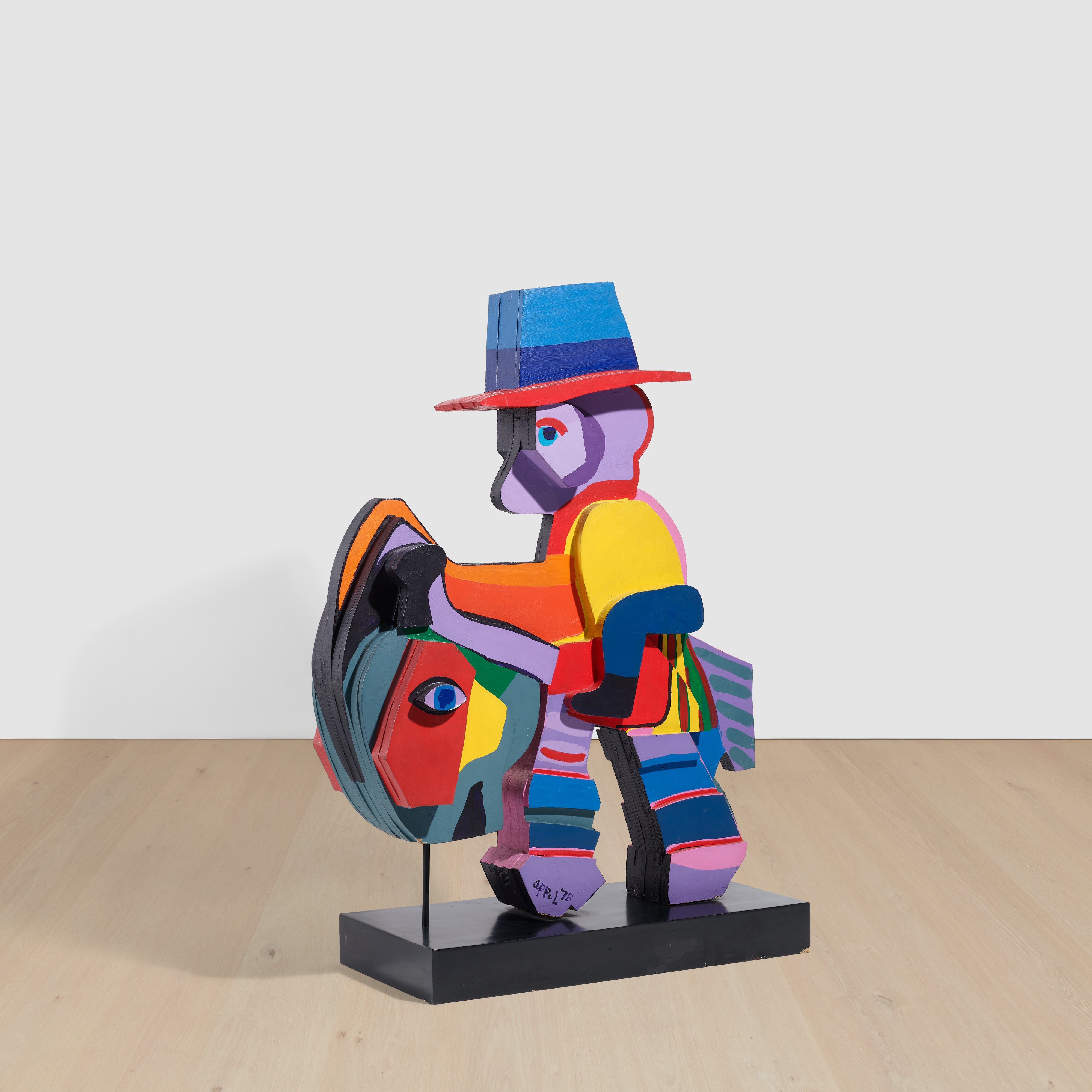
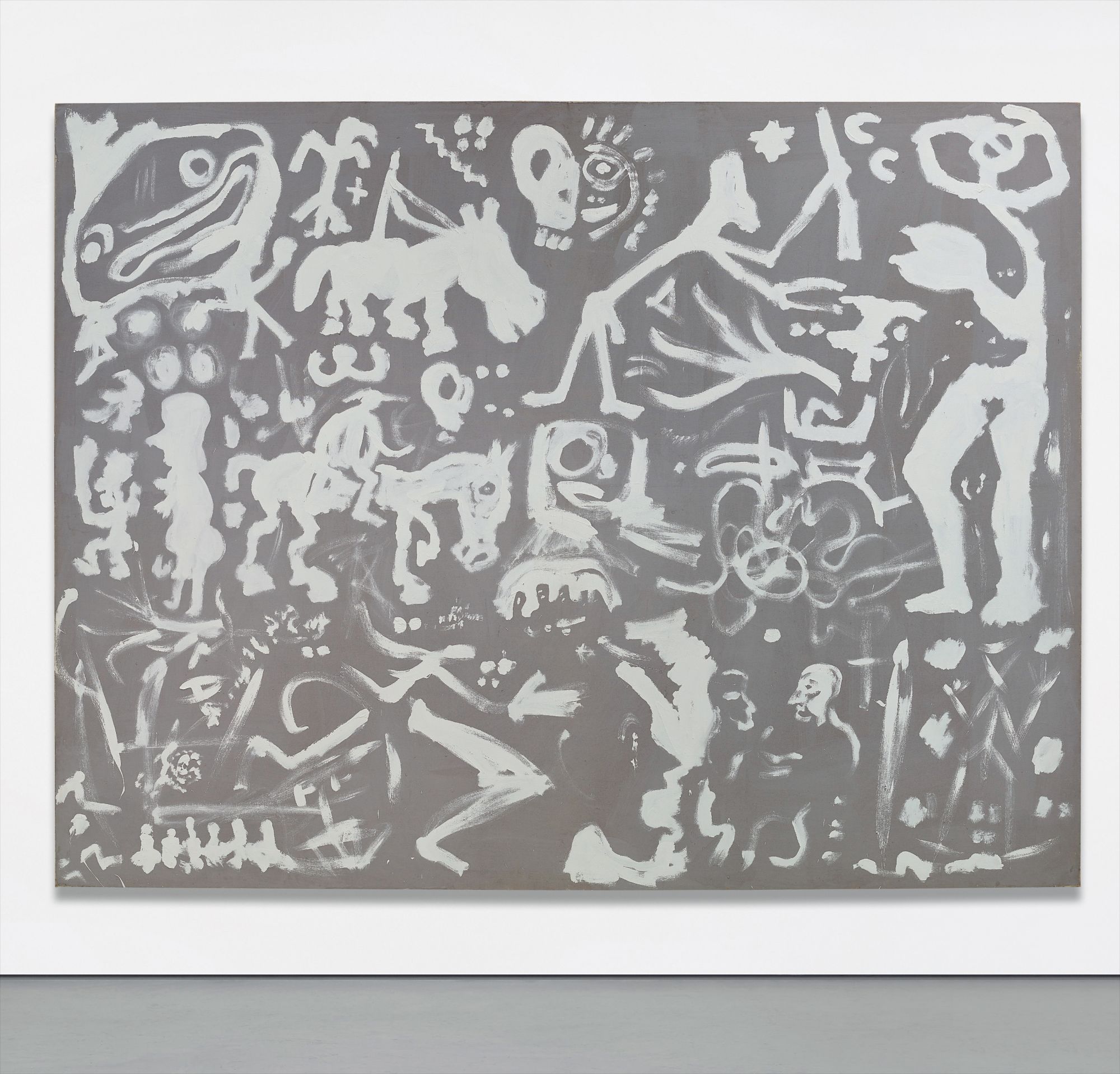
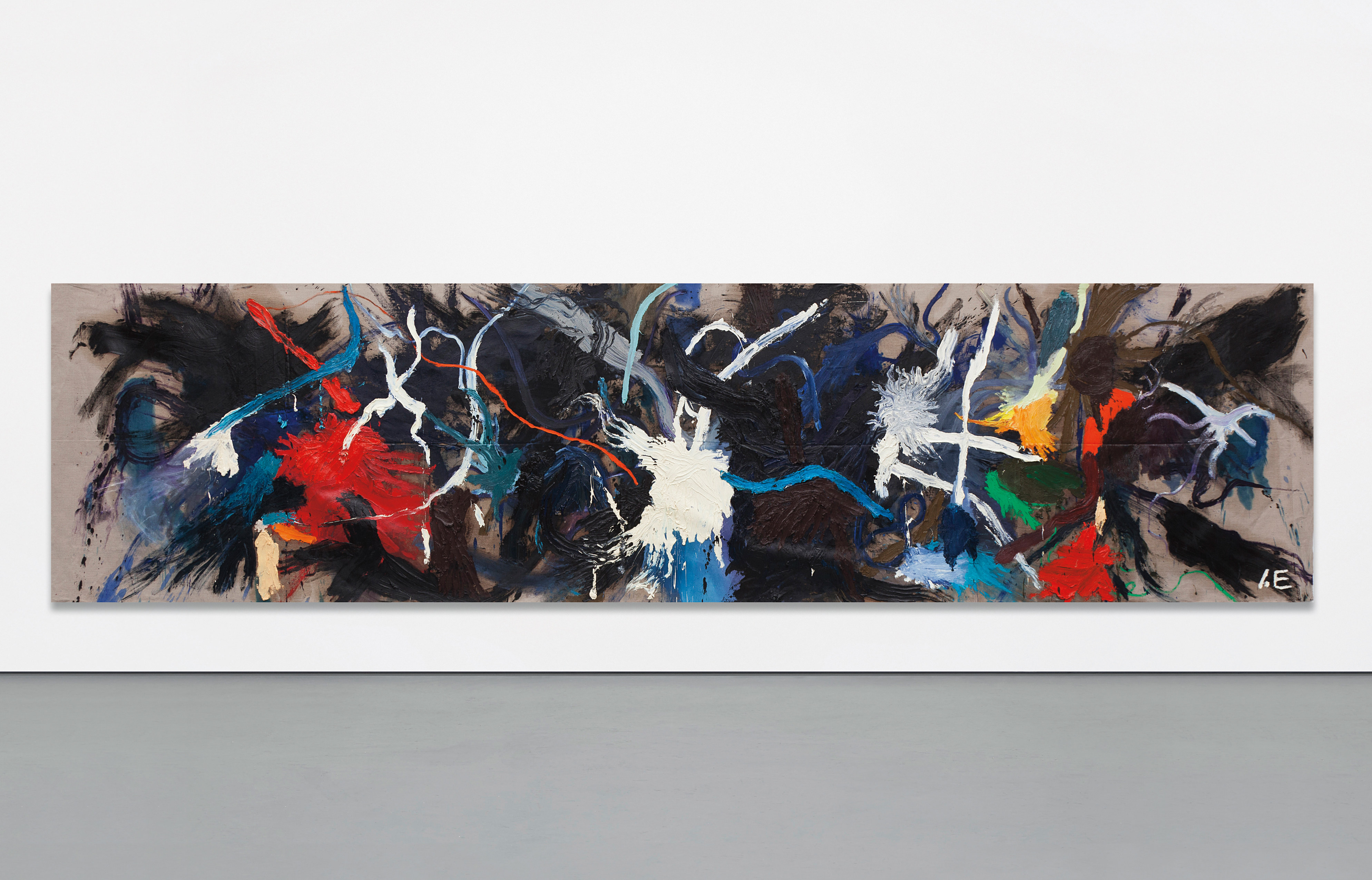
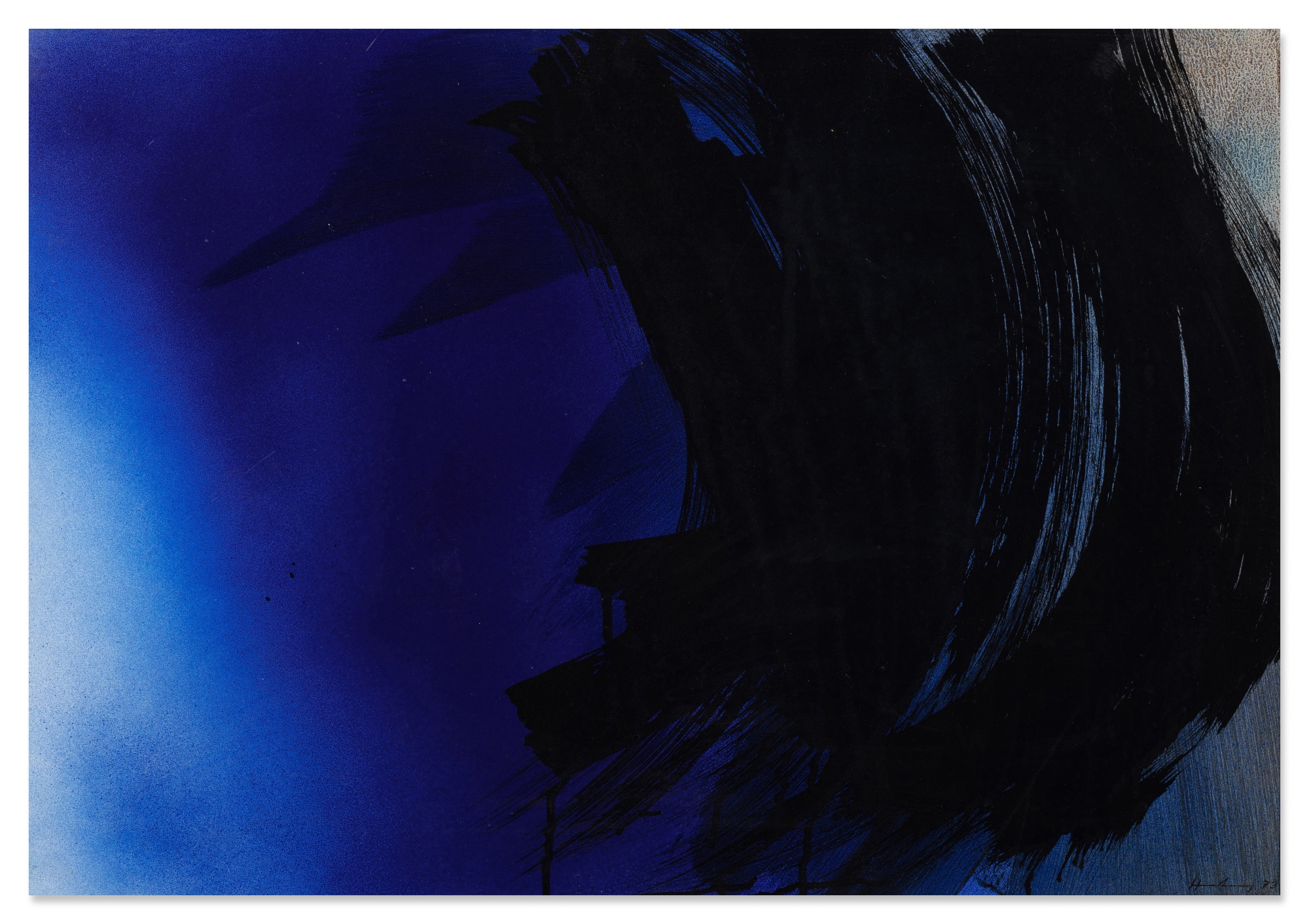
The Gesture Returns, Wilder Than Ever
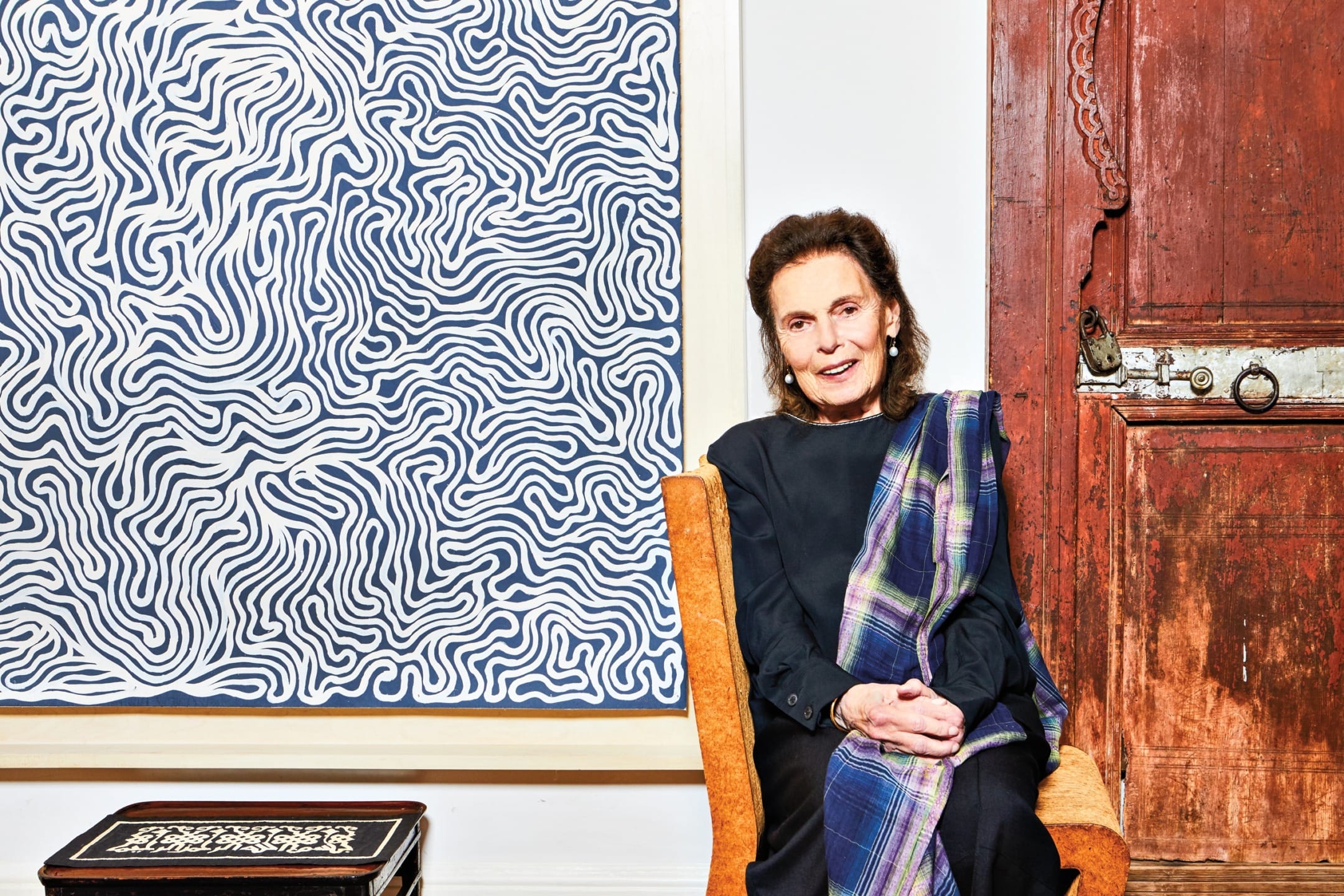
When a Pat Steir canvas sold at Christie's for well over a million dollars in recent years, the bidding room held its breath not because of surprise but because of recognition. Something has shifted in how the market thinks about gestural painting, and that shift has accelerated in ways that even veteran collectors did not fully anticipate. The physical mark, the drip, the smear, the poured veil of paint, these are no longer being read as relics of a heroic postwar moment. They are being understood as a living language, one that feels more urgent now than it did even a decade ago.
The critical rehabilitation of gestural abstraction has been building for some time, but several landmark exhibitions crystallized the momentum. The Joan Mitchell retrospective that opened at SFMOMA in 2021 before traveling to the Baltimore Museum of Art was a watershed. It reframed Mitchell not as a footnote to Abstract Expressionism but as one of the most emotionally precise painters of the twentieth century, an artist whose surfaces reward the kind of sustained attention that our current screen culture makes feel almost transgressive. The show drew enormous crowds and generated a critical response that was less about art history and more about painting as a felt experience, which is exactly where the conversation needed to go.
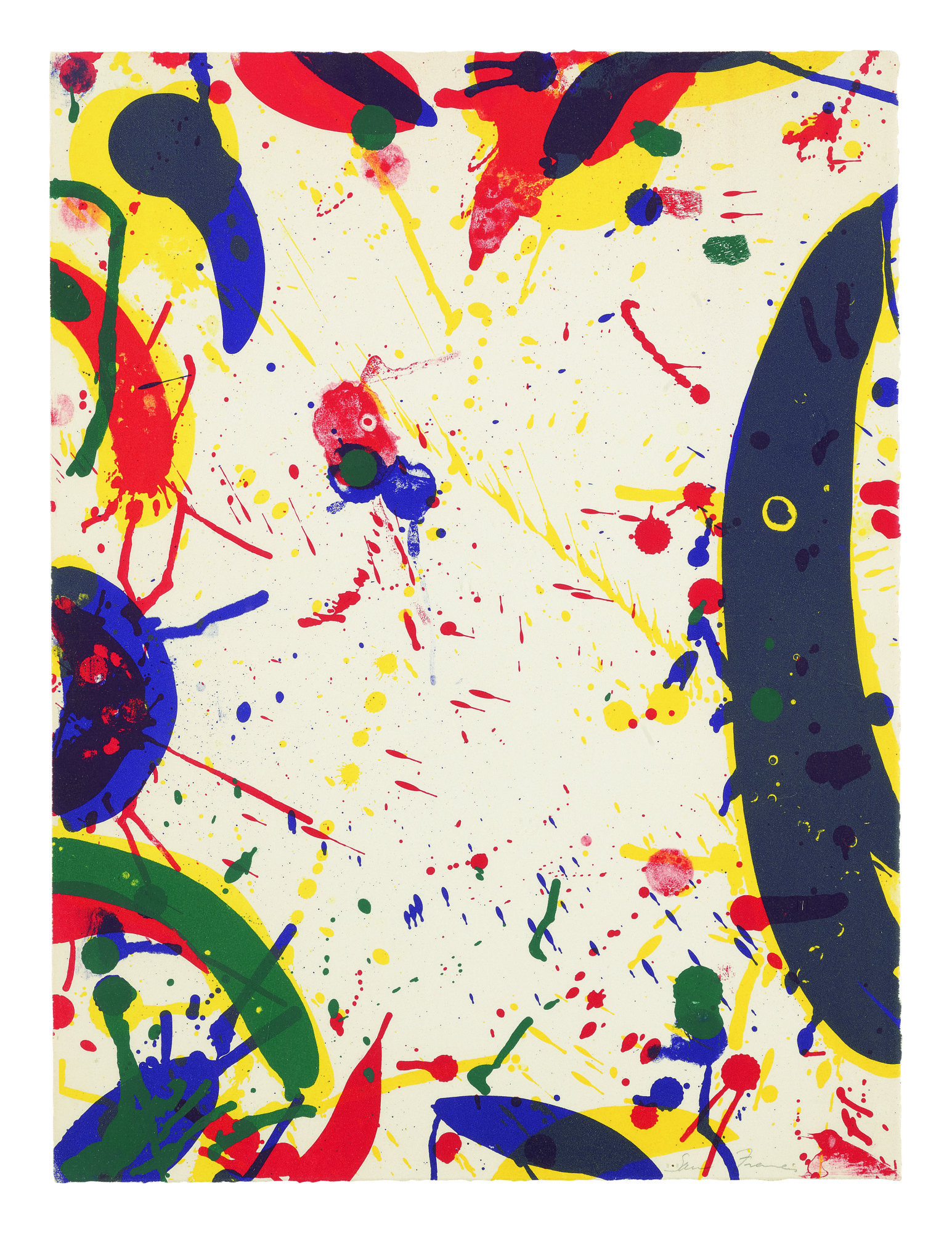
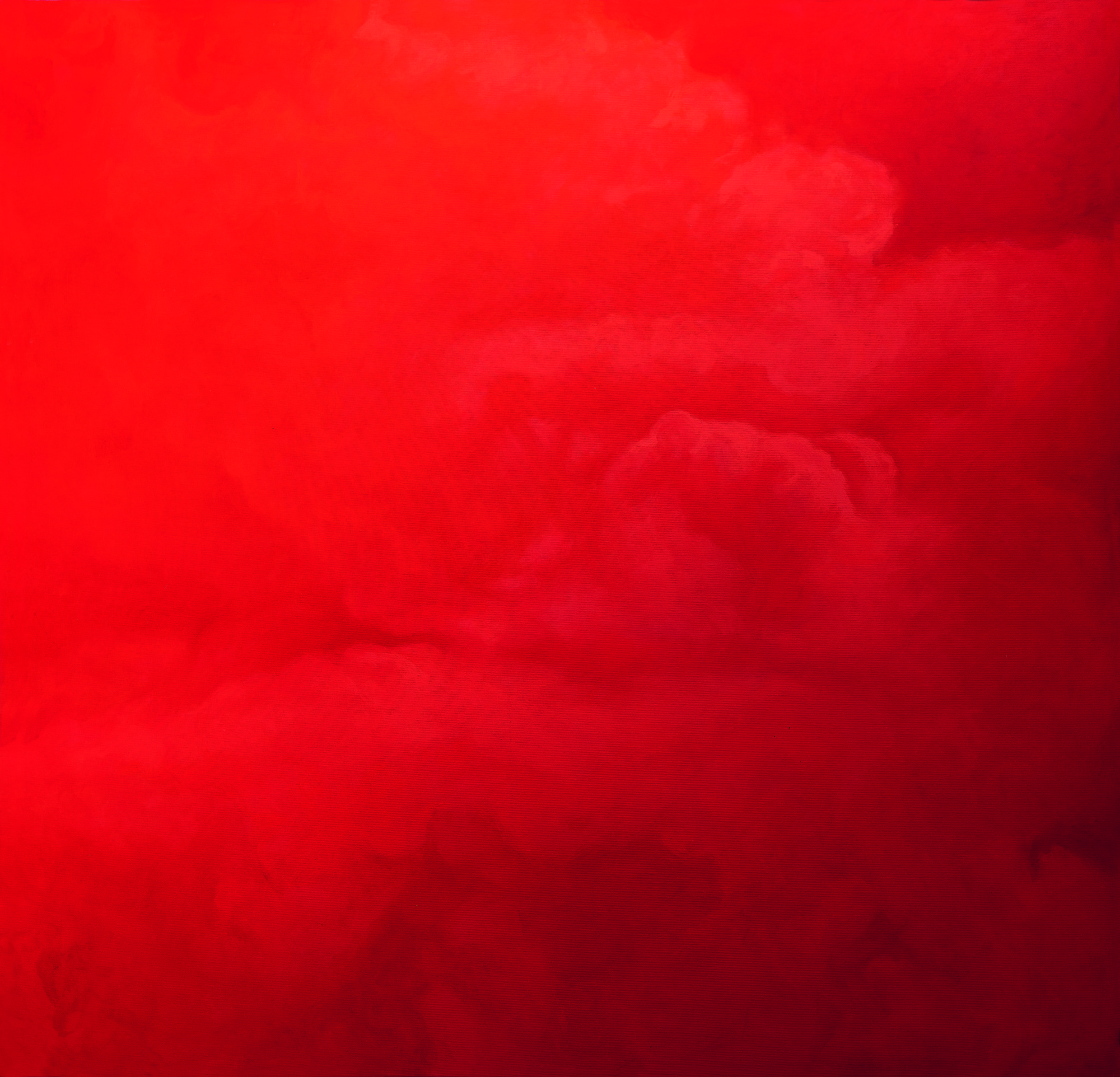
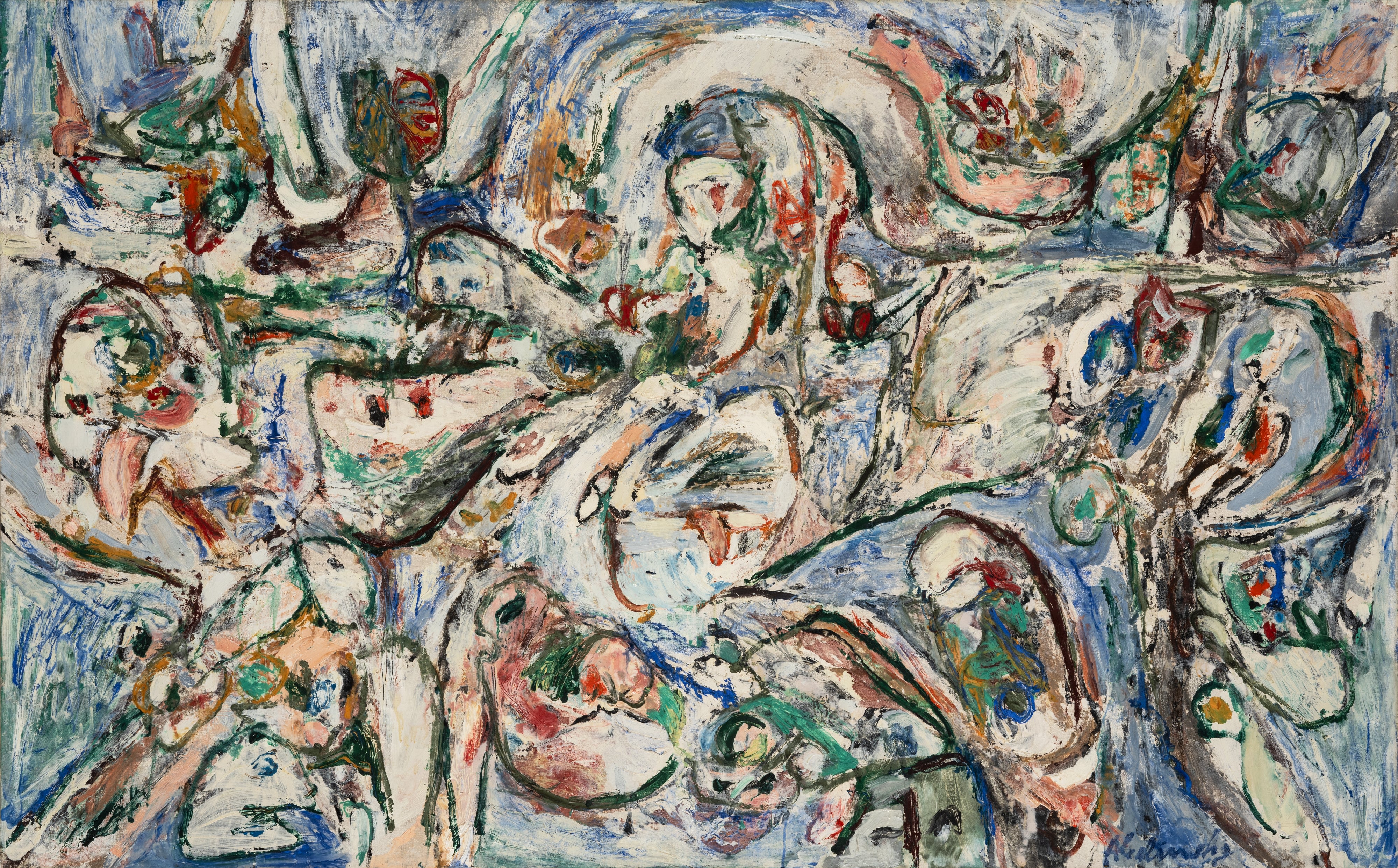
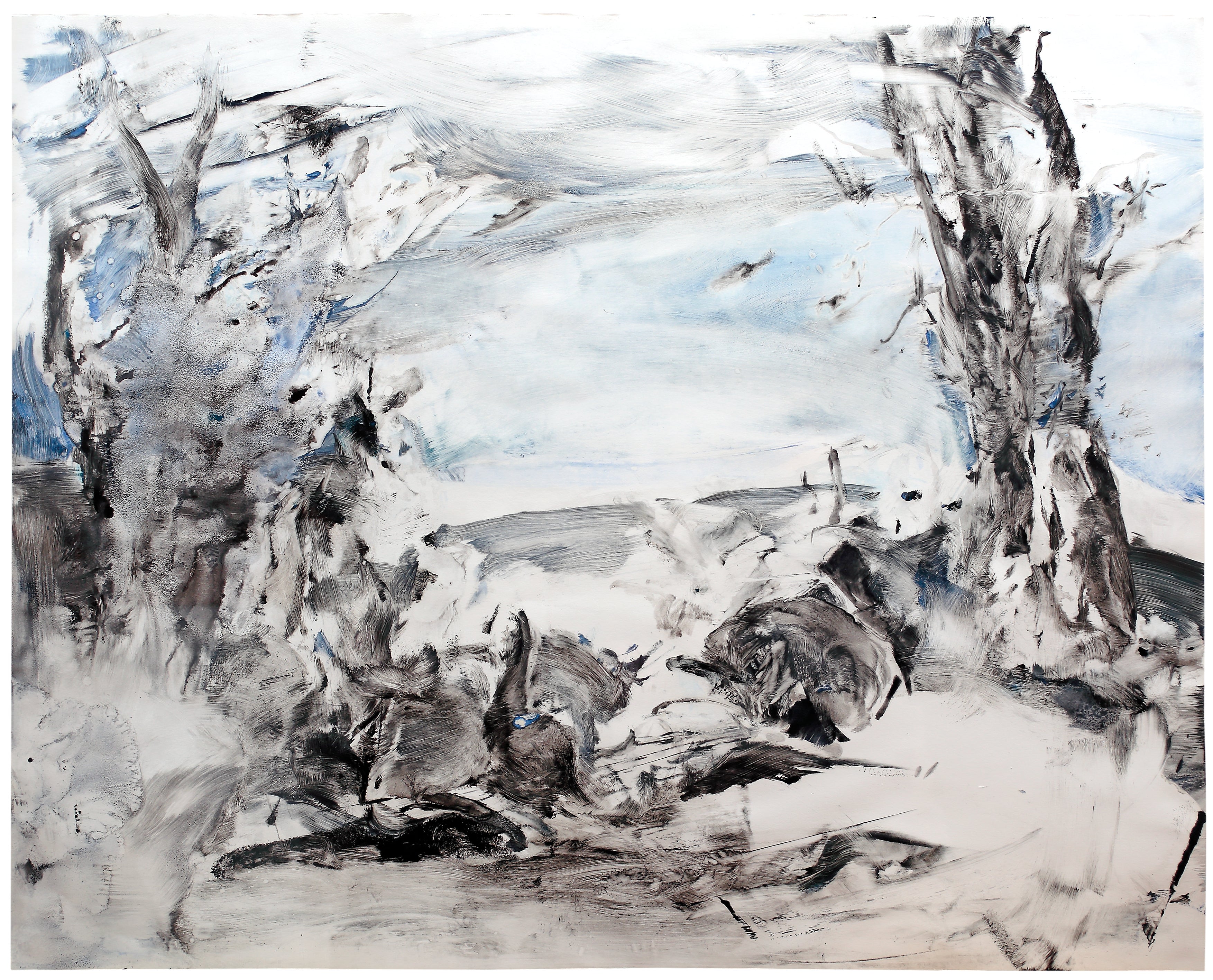
Sam Francis
Blue Bones (sf-64) (lembark L.77)
The auction market has responded accordingly. Sam Francis, whose luminous color fields occupy a singular place between American abstraction and the lyrical traditions he absorbed during his years in Paris and Japan, has seen sustained institutional and private demand. His works on The Collection represent some of the most compelling entry points into postwar gestural work available to collectors right now. Similarly, Zao Wou Ki, the Paris based Chinese painter whose reputation was somewhat unevenly distributed between Eastern and Western markets for decades, has become one of the most aggressively collected names in the world.
His triptychs and large format works have repeatedly broken records at Sotheby's and Christie's Hong Kong, with several pieces crossing the ten million dollar threshold. What those results tell us is that the market has finally caught up with what certain curators understood for years: that Zao's synthesis of landscape memory, calligraphic gesture, and Western painterly tradition produced something genuinely unrepeatable. Hans Hartung, long respected in Europe but undervalued in the Anglo American market, has also seen a recalibration. His late works in particular, made with pneumatic spray tools and squeegees in the final years before his death in 1989, have attracted serious museum attention.
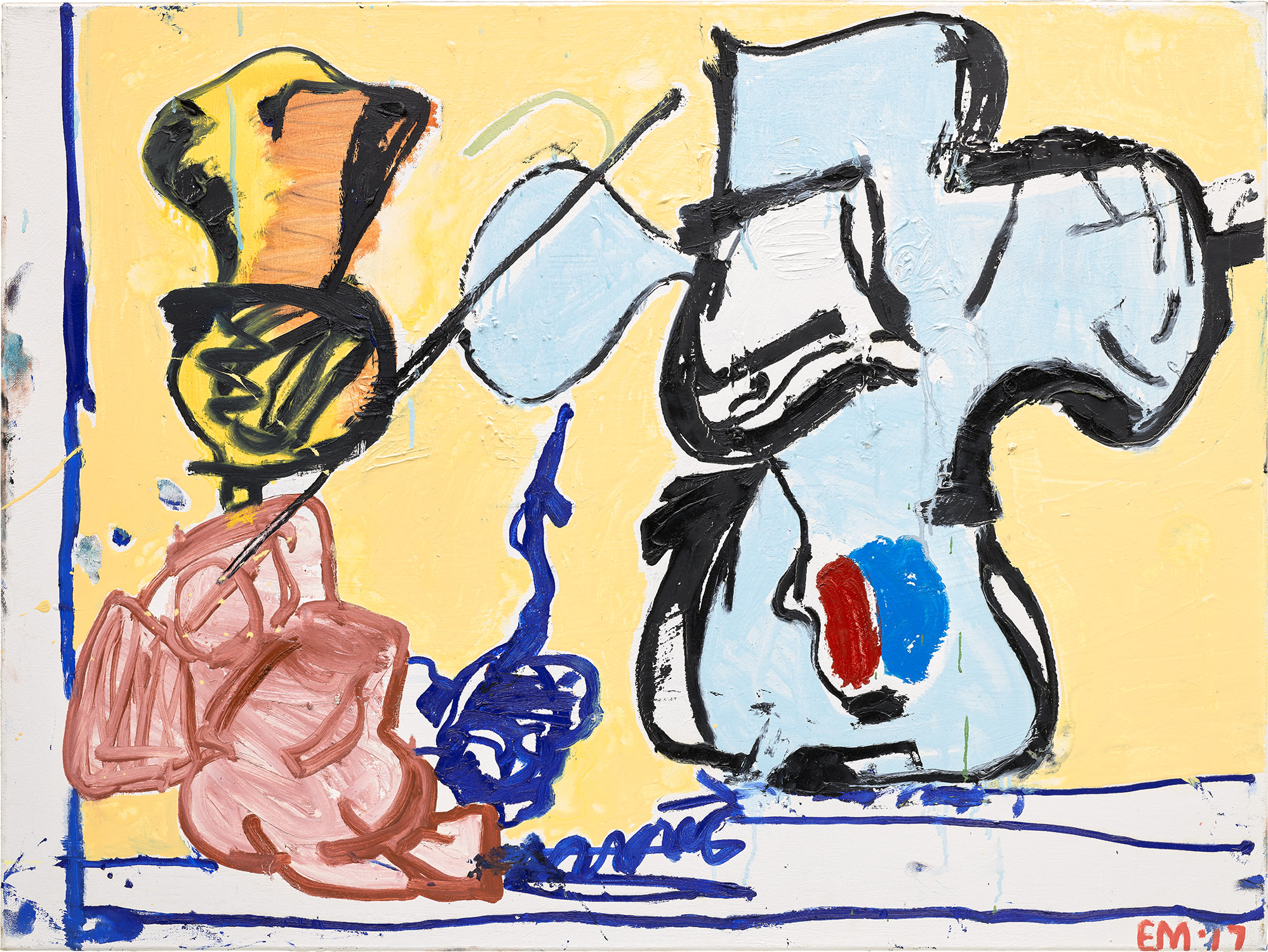
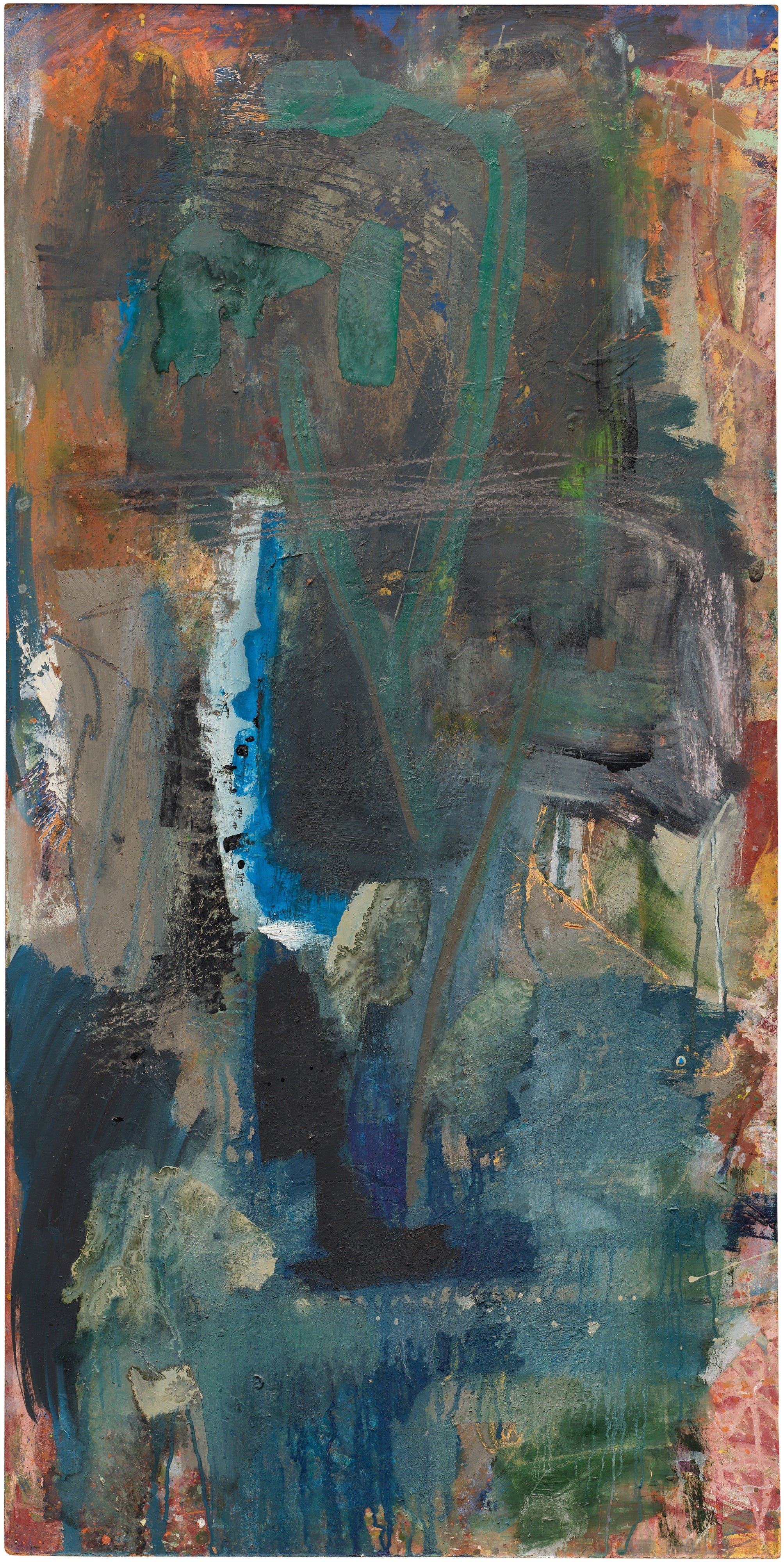
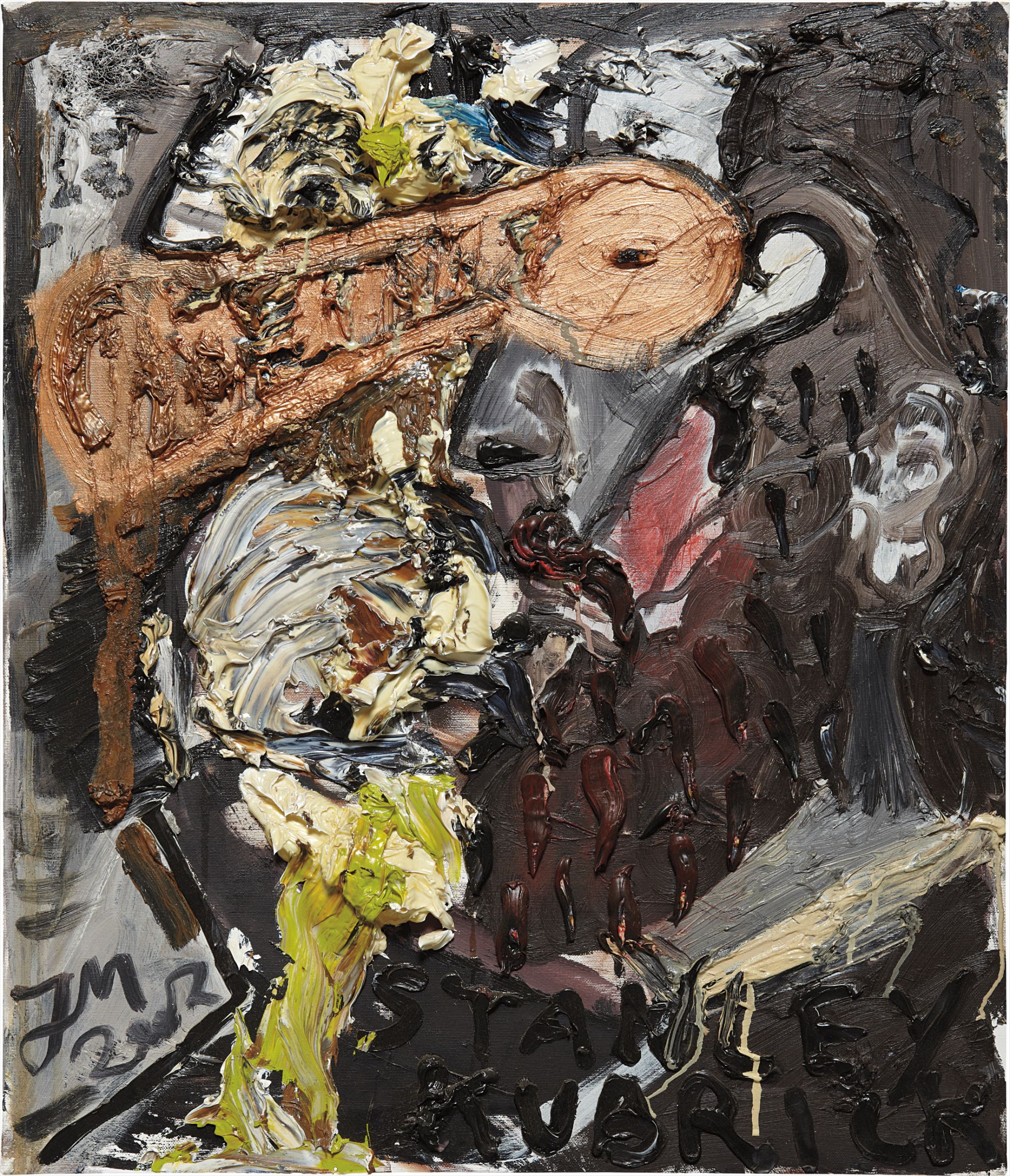
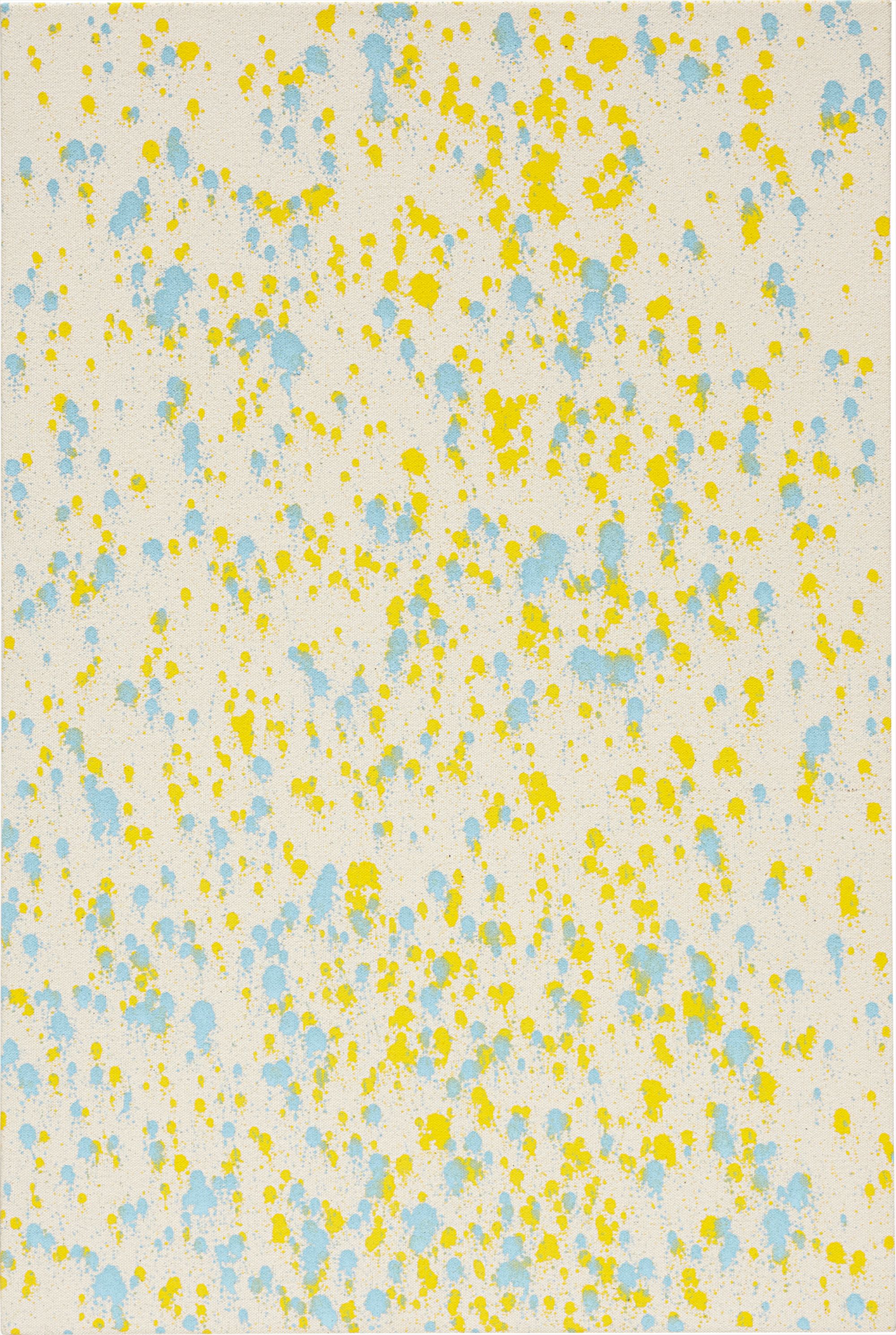
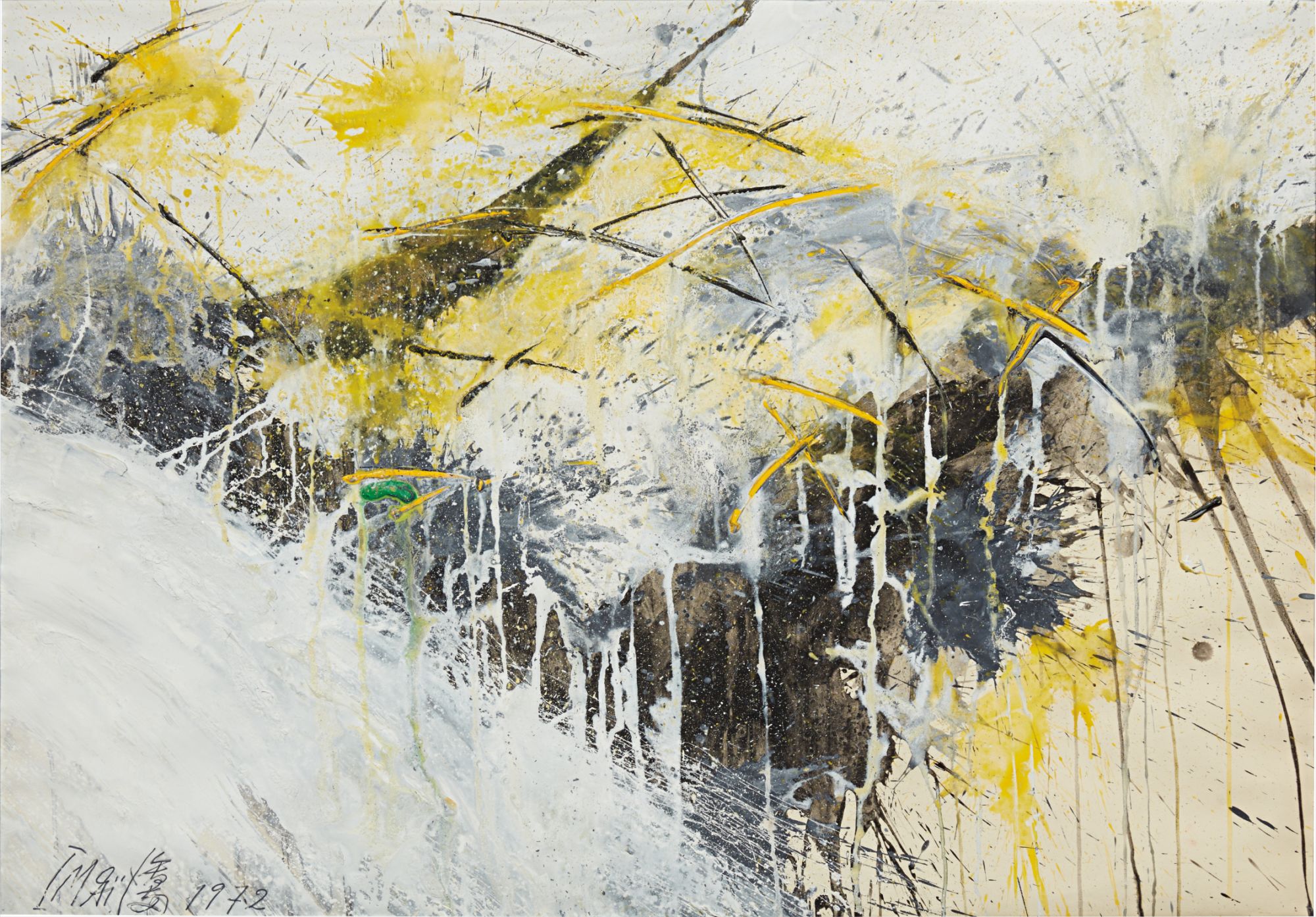
Eddie Martinez
Stump Study #1 (Year Yellow), 2017
The Fondation Hartung Bergman in Antibes has done significant work in expanding access to his archive, and several European institutions have incorporated his paintings into permanent collection rehang projects that position him alongside younger painters in ways that feel genuinely illuminating rather than merely archival. Karel Appel, whose raw CoBrA energy always had admirers but whose market remained inconsistent, is another name generating renewed energy, particularly among collectors who came to abstraction through the Neo Expressionist revival and are now moving backward through the genealogy. The younger end of the gestural spectrum is where things get genuinely exciting. Cecily Brown, whose debt to de Kooning and Rubens she has never tried to conceal, has moved firmly into the top tier of living painters by any measure.
Her retrospective at the Metropolitan Museum of Art in 2023 was one of the most talked about painting shows in recent memory, not only because of the quality of the work but because of how the Met chose to situate it: not as a contemporary interlude but as a continuation of a centuries long conversation about flesh, surface, and the limits of figuration. Lucien Smith, whose rain paintings made with fire extinguishers generated considerable art world debate when they first appeared, has matured into an artist whose relationship to gesture feels more considered and less gimmicky with each passing year. His work on The Collection reflects that evolution. Albert Oehlen and Georg Baselitz, both represented here, continue to anchor serious collections across Europe and North America, with Oehlen in particular having achieved the kind of critical consensus that makes his market essentially bulletproof.
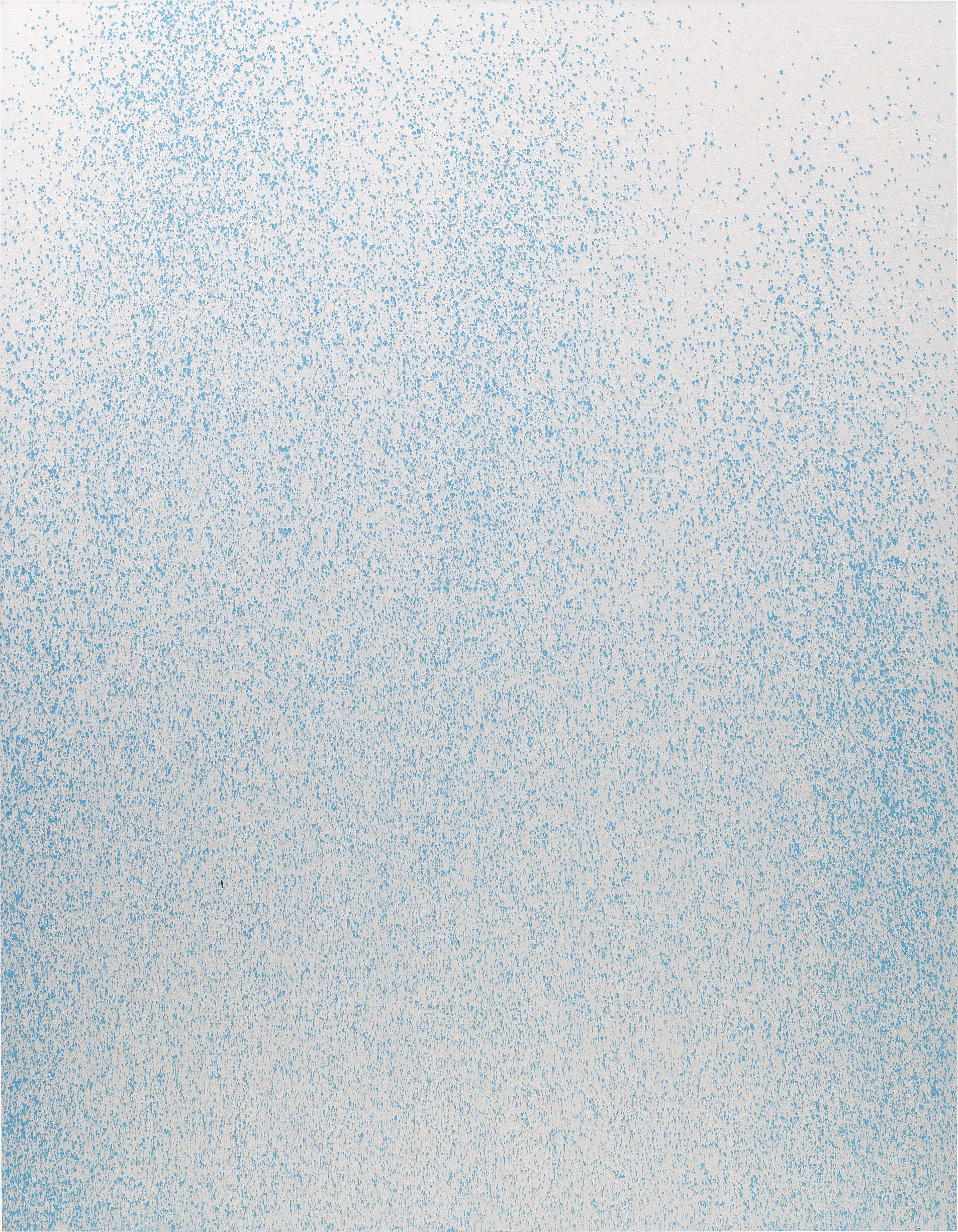
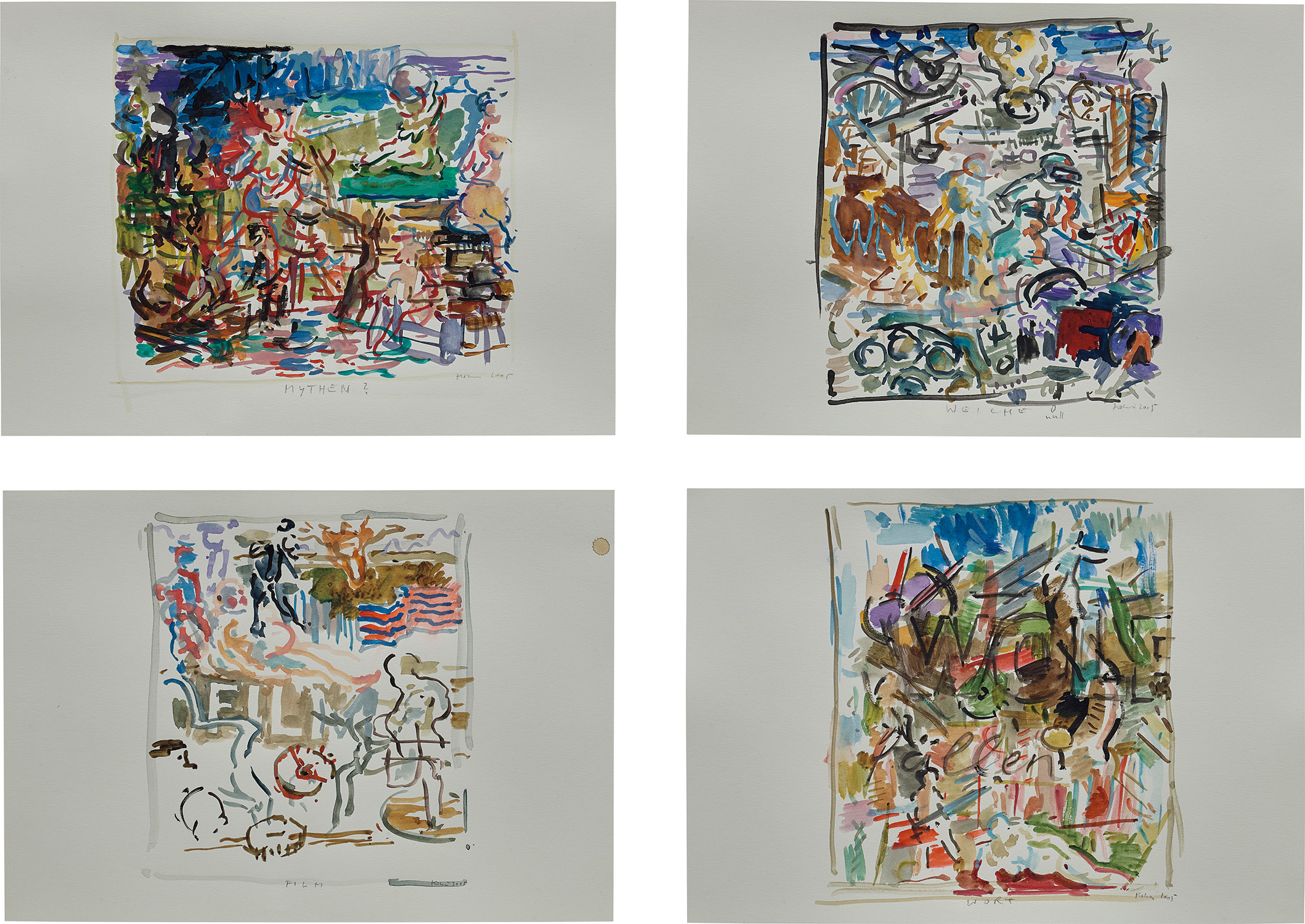
Lucien Smith
Mystic Pizza, 2012
Institutions collecting aggressively in this space include the Broad in Los Angeles, the Pinault Collection across its Venice venues, and the Glenstone Museum in Maryland, whose approach to acquiring gestural work is notable for its patience and its willingness to collect deeply rather than broadly. Tate Modern has been quietly building its holdings of mid career gestural painters from outside the traditional Euro American axis, which is where artists like Oscar Murillo and Ida Ekblad become particularly interesting to watch. Murillo's canvases, which drag the gesture into contexts of labor and migration, and Ekblad's wild collisions of found material and painterly mark, both suggest where the language is going as it absorbs new pressures. The critical voices shaping this conversation are worth paying attention to.
Critics like Barry Schwabsky, whose writing on painting for The Nation has been quietly indispensable for years, and curators like Katy Siegel, who has written extensively on Abstract Expressionism and its afterlives, are providing the intellectual scaffolding that helps collectors understand why certain bets make sense. Publications like Artforum and Frieze have both run major features reconsidering figures like Howard Hodgkin, whose intimate yet explosive surfaces feel more contemporary now than they did when he was alive, and Jean Fautrier, whose matière paintings from the 1940s are finally being read with the seriousness they deserve. What feels settled is the canonical tier: Mitchell, Francis, Hartung, Zao. The market has priced that consensus in.
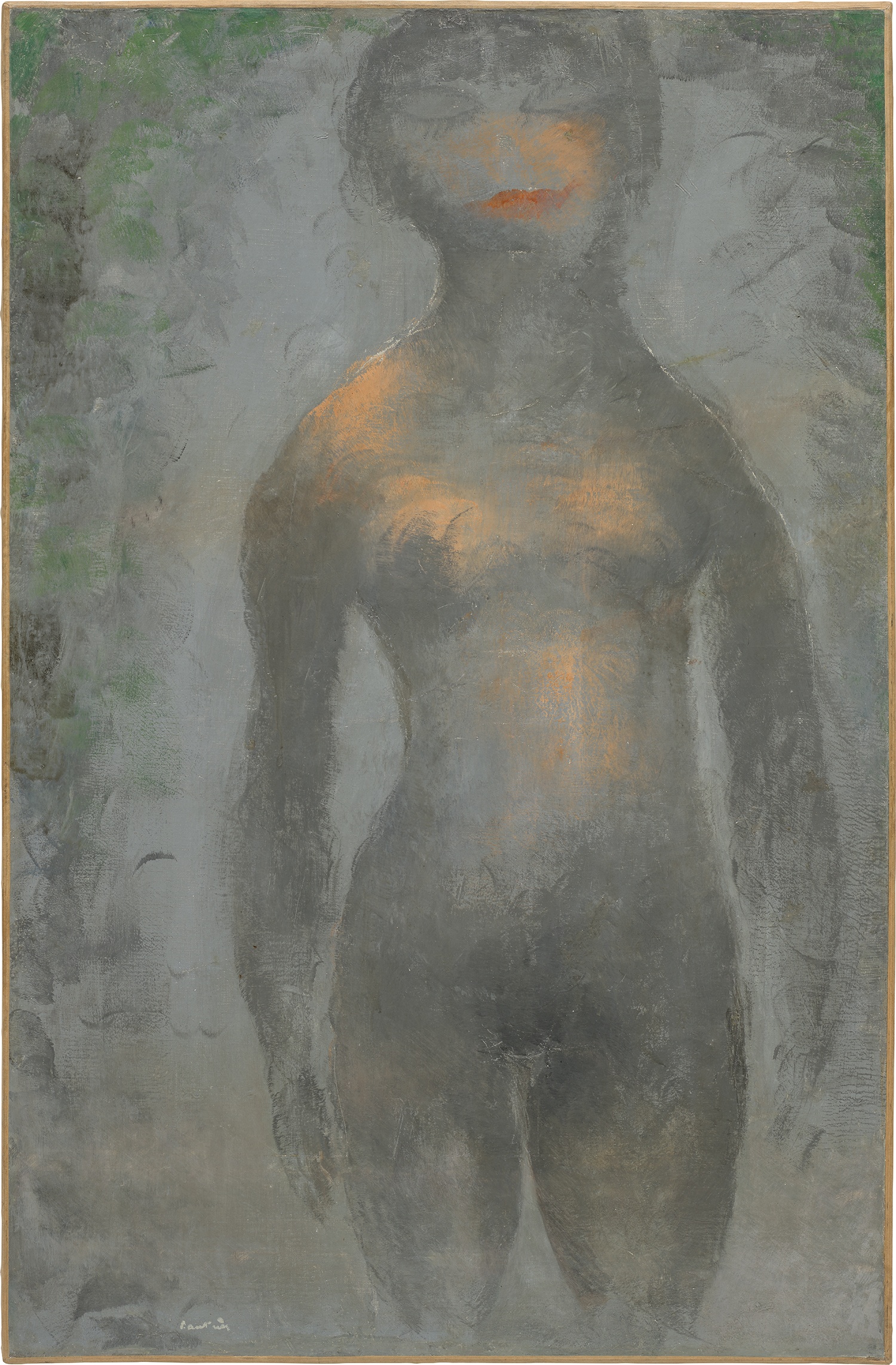
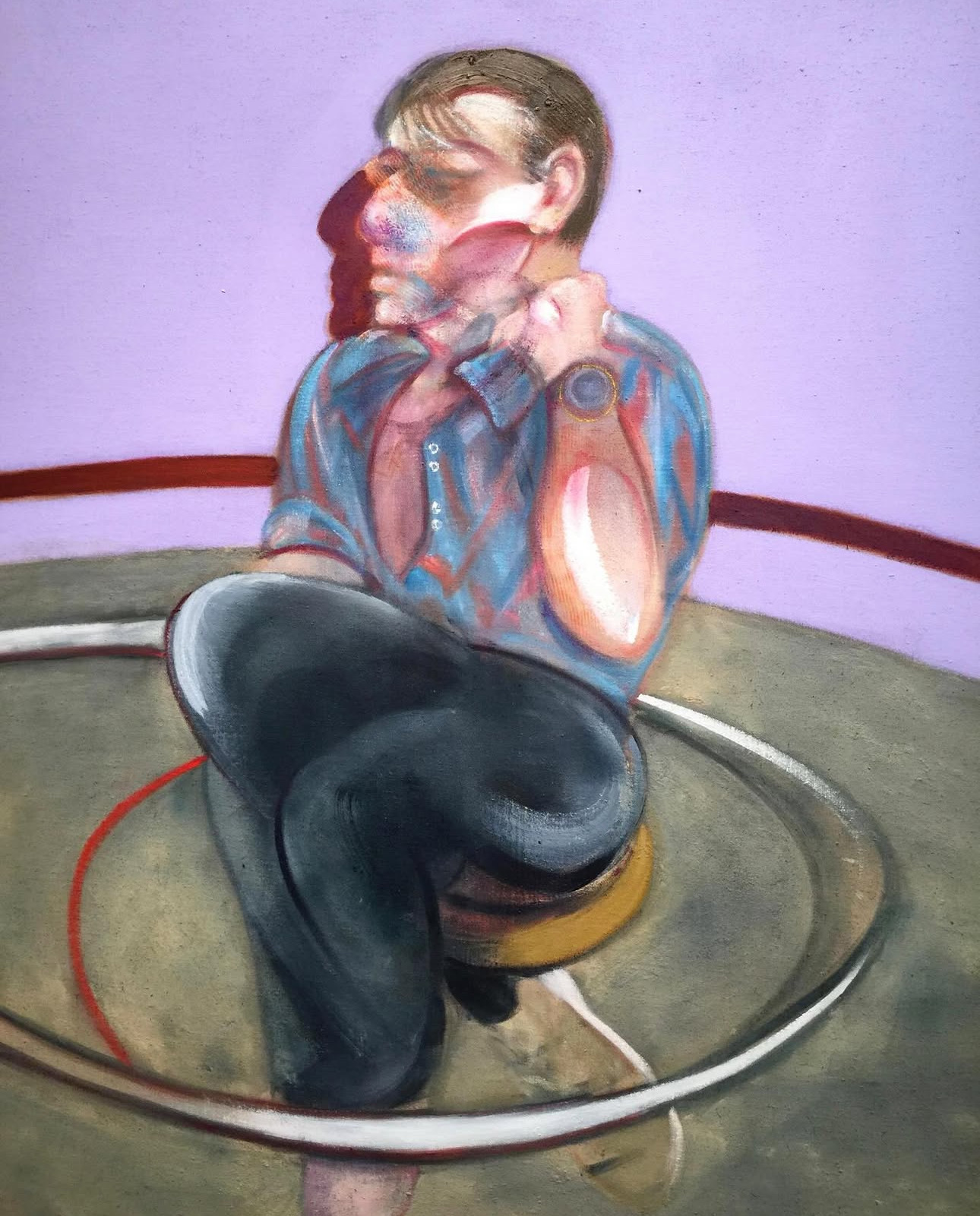
Jean Fautrier
Nu debout, 1928
What feels alive is the middle distance, artists like Sue Williams, Sterling Ruby, and Eddie Martinez, painters whose gestural commitments are inflected by very different cultural contexts and who remain genuinely undervalued relative to their historical importance. The surprise may come from geography and from painters working outside the usual gallery infrastructure, artists whose work appears on platforms like The Collection before the institutional machinery catches up. The gesture has always been about the present tense, about what the body knows before the mind can explain it. That is why it keeps returning, and why it always feels new.