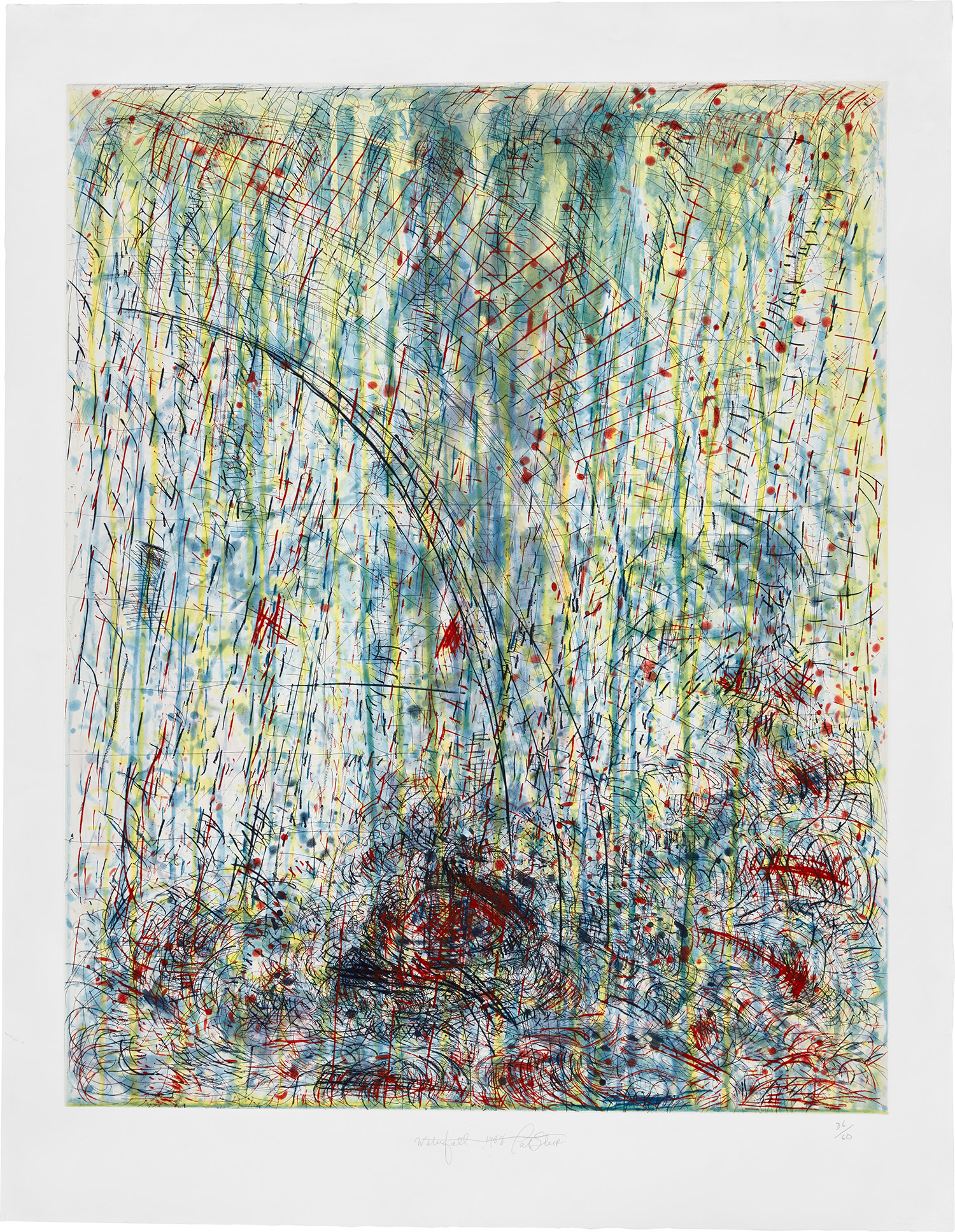
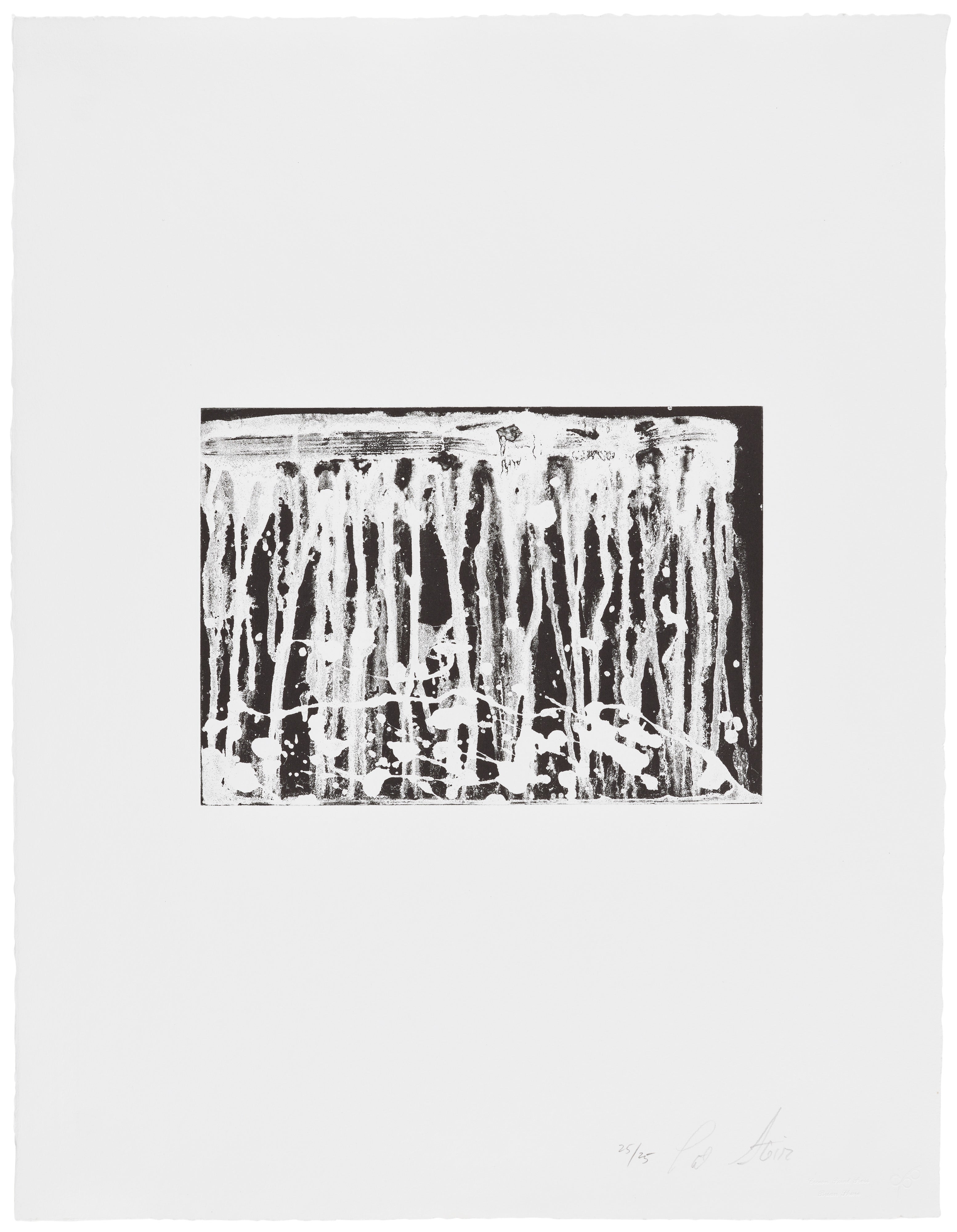
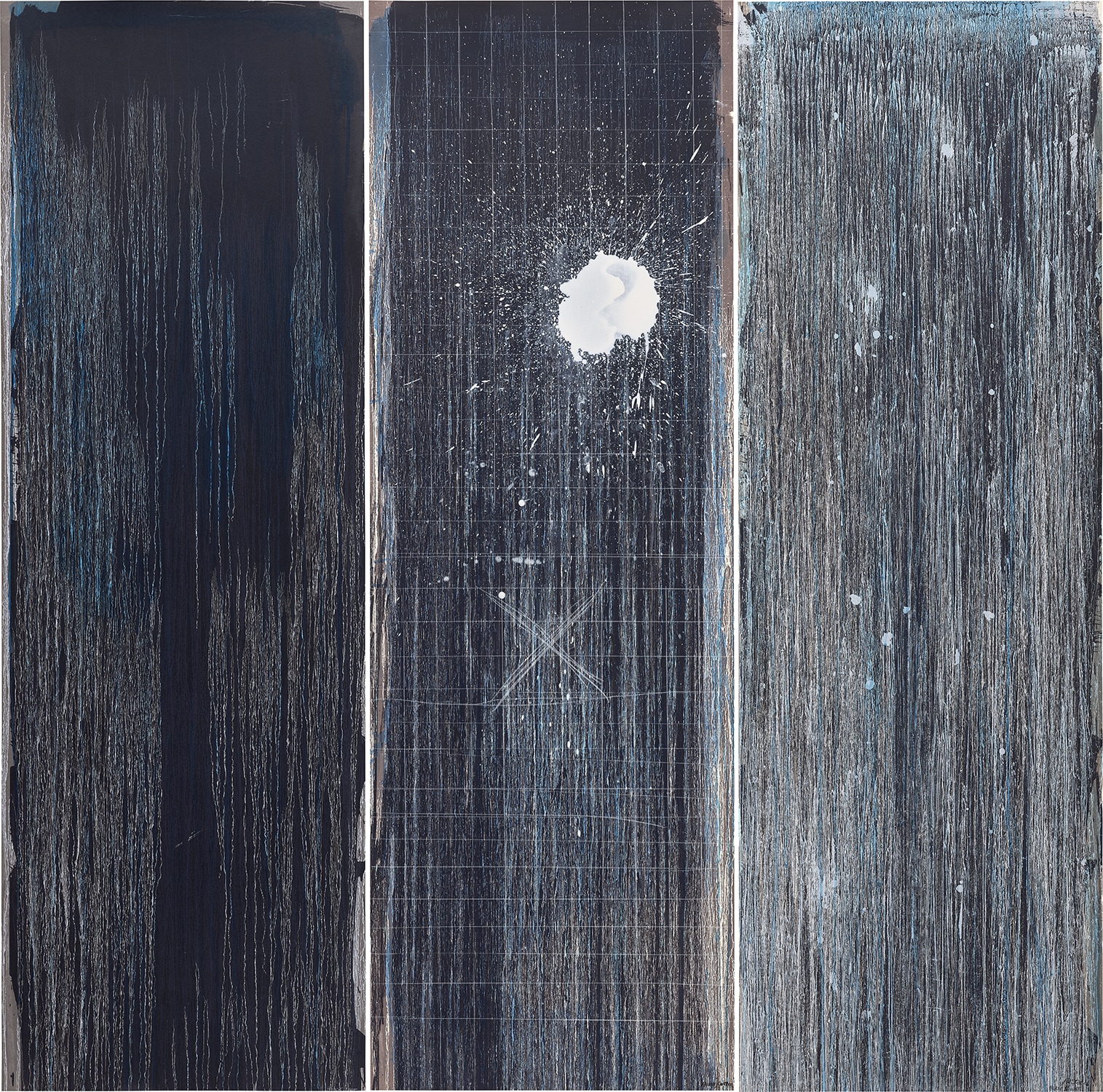
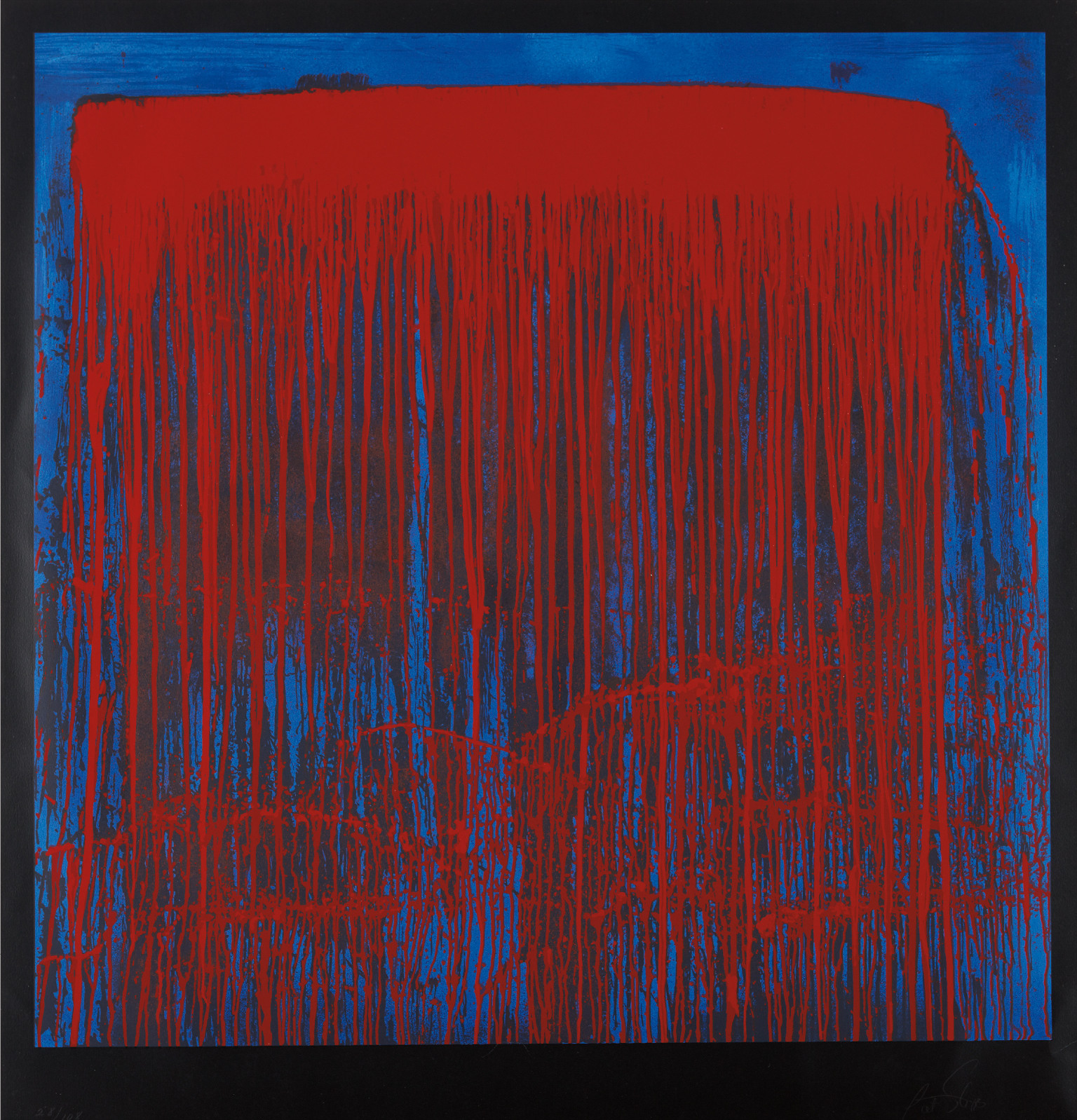
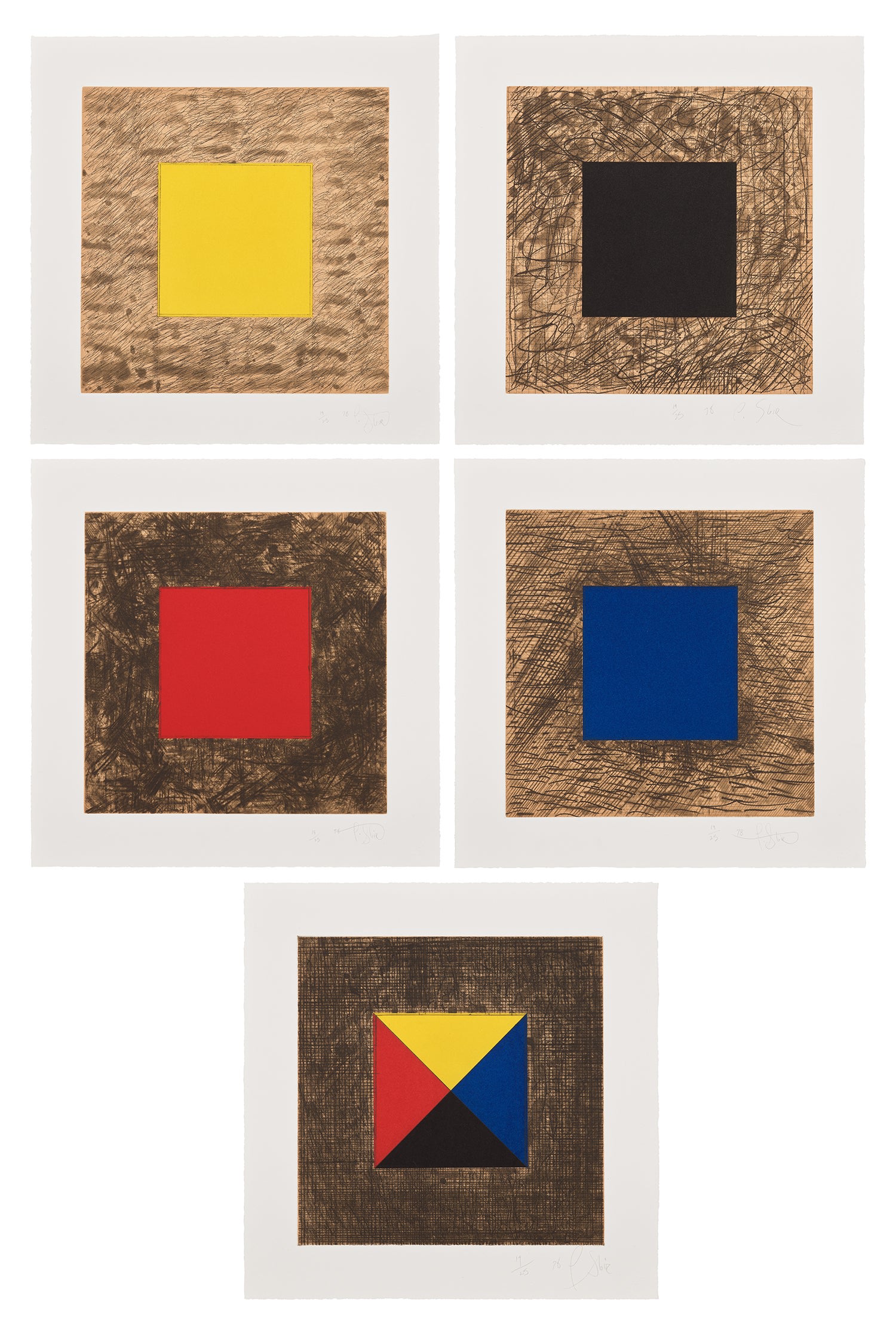
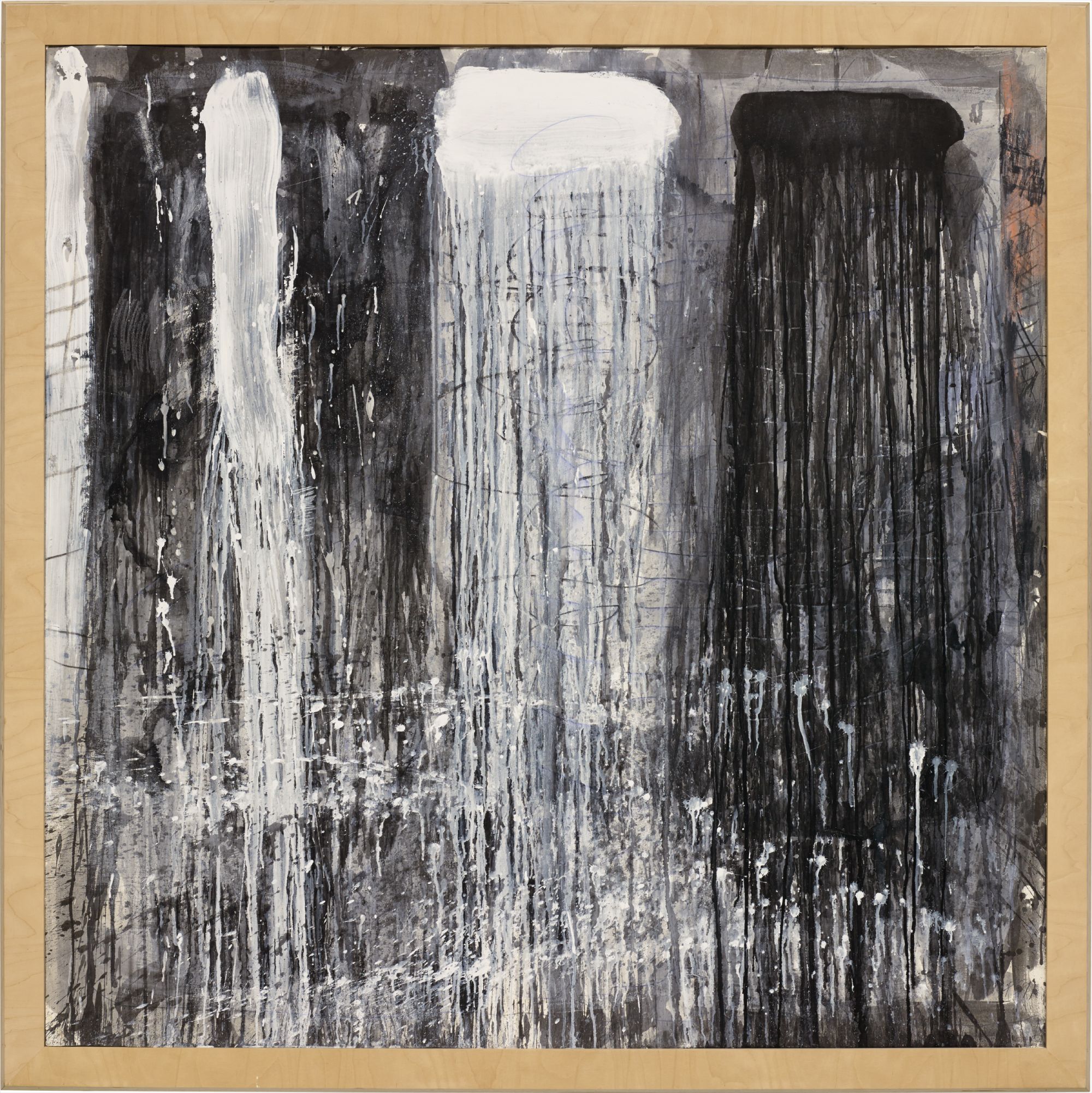
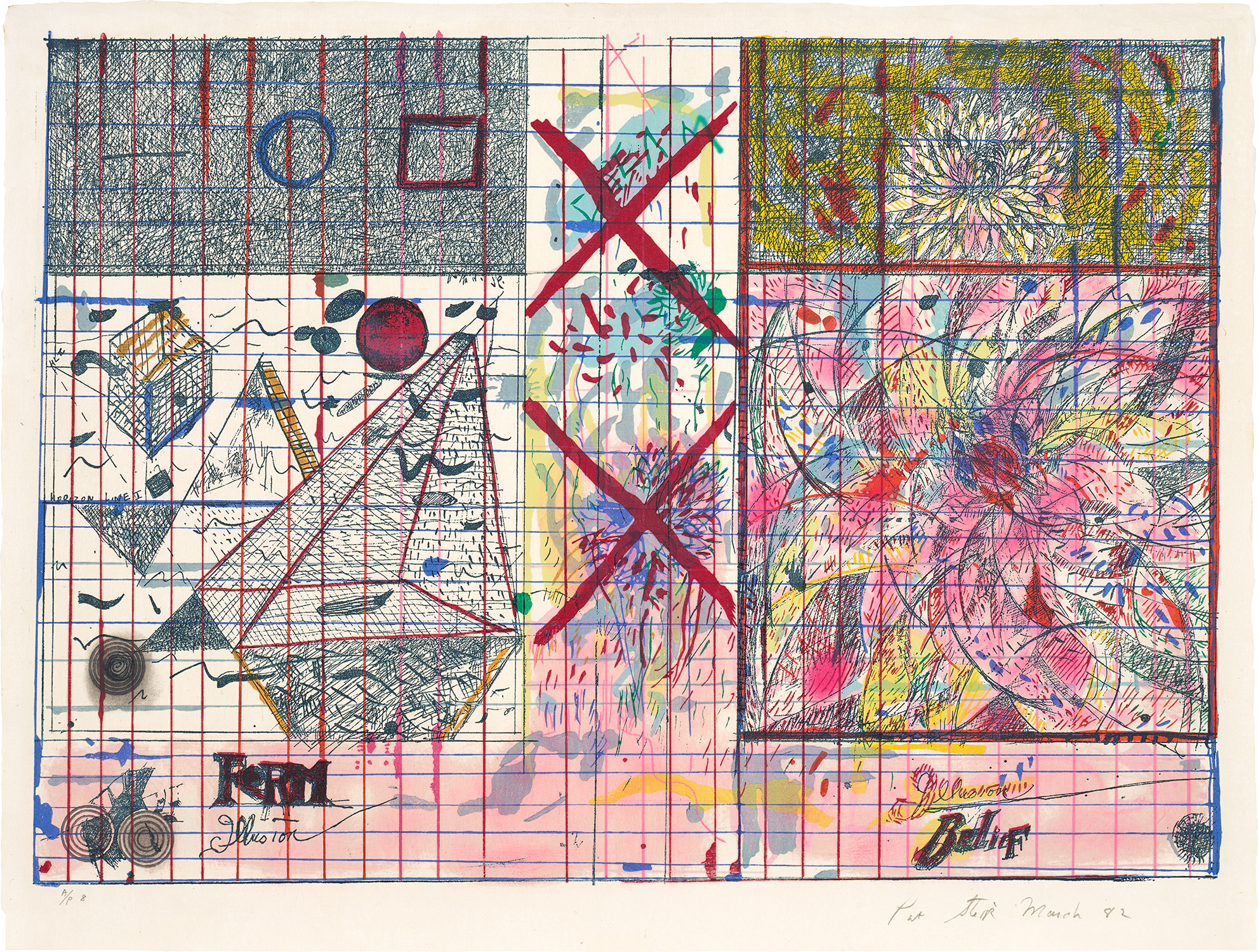
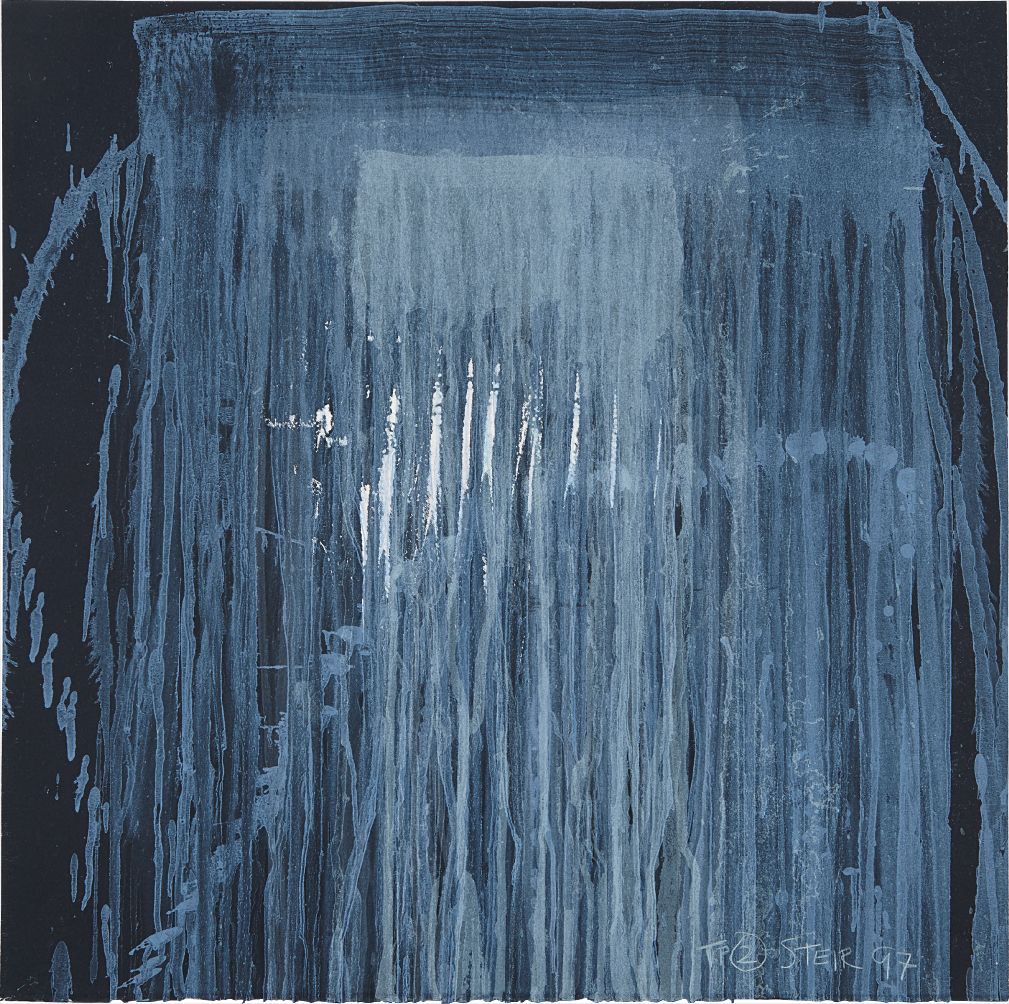
There are artists who impose their will on a canvas, and then there is Pat Steir, who has spent decades learning how to step aside. At eighty four, Steir remains one of the most quietly radical figures in American painting, a living testament to the idea that relinquishing control can be its own form of mastery. Her most recent major institutional recognition has continued to affirm what collectors and curators have known for years: the Waterfall paintings, those shimmering, cascading monuments to gravity and pigment, are among the most significant bodies of work produced by any American artist in the late twentieth and early twenty first centuries. Steir's presence in major museum collections and her ongoing engagement with printmaking and large scale painting keep her work vital, continuously entering new conversations about process, nature, and the philosophical stakes of abstraction. Steir was born in Newark, New Jersey in 1940, and came of age in an era when Abstract Expressionism was not a historical movement but a living, breathing force in the culture of New York. She studied at the Pratt Institute and later at the Boston Museum School, absorbing the lessons of a generation defined by bold gesture and existential urgency. But even early on, Steir was drawn to questions that ran alongside rather than directly through the dominant currents of her time. She was curious about language, symbols, and the weight of art history itself, influences that would eventually push her toward a practice as philosophical as it was painterly. Her friendships and intellectual exchanges with figures like Brice Marden, Agnes Martin, and Sol LeWitt proved formative, connecting her to the precise, meditative edge of Minimalism even as she remained committed to painting. Throughout the 1970s, Steir developed a body of work that engaged directly with art historical quotation and conceptual layering. Her series of paintings referencing Jan van Eyck, Pieter Bruegel, and other Old Masters showed an artist who was not interested in nostalgia but in the archaeology of image making. She seemed to be asking: what does a mark mean when it has been made a thousand times before? What does a flower mean when it has been painted across five centuries? These were not merely academic questions for Steir. They were the ground from which her later, more purely abstract practice would eventually erupt. The turning point came in the late 1980s, when Steir began pouring paint directly onto large canvases propped upright in her studio, allowing streams of diluted pigment to travel downward under the force of gravity alone. The Waterfall paintings that emerged from this revelation are the works for which Steir is best known and most deeply admired. Canvases like "Calming Waterfall" from 1989 exemplify what makes this body of work so extraordinary: the artist sets the conditions but does not dictate the outcome. Paint is poured from the top edge of the canvas and descends in rivulets that spread, merge, and thin as they fall, producing forms of breathtaking complexity and serenity. The reference to Chinese landscape painting and ink wash tradition is unmistakable, and Steir has spoken openly about her deep engagement with East Asian aesthetics. Yet these works are equally rooted in Western abstraction, in the gestural urgency of Abstract Expressionism transformed into something slower, more contemplative, and ultimately more surrendered. The result occupies a rare territory, simultaneously ancient and utterly contemporary. Steir's commitment to printmaking is an equally essential dimension of her practice and one that collectors have increasingly come to appreciate. Works like "Small Horizontal Falls" in aquatint, "Peony" from 1993 with its soap ground reversal and spitbite techniques, and the luminous "Kyoto Chrysanthemum" woodcut on Japan paper demonstrate her fluency across a wide range of printmaking processes. These are not reproductions of paintings but independent investigations, each print medium presenting its own set of resistances and gifts. The "Red and Blue Berlin Waterfall" screenprint and the richly worked "From the Boat: Constellation" etching and aquatint show how consistently Steir uses printmaking to extend the emotional and conceptual reach of her studio practice. For collectors who want to enter her world at a range of price points and scales, the prints represent an exceptional opportunity: they carry the full weight of her vision in forms that are both intimate and historically significant. Within the context of art history, Steir occupies a position that is both singular and deeply connected. Her work invites comparison with Helen Frankenthaler, whose own process driven approach to paint on canvas redefined the possibilities of Color Field painting. There are also meaningful affinities with Agnes Martin's meditative restraint and with the Conceptual rigor of LeWitt, though Steir's paintings breathe with a warmth and natural energy that set them apart. She is sometimes grouped with the Pattern and Decoration movement, but her ambitions have always exceeded any single category. What distinguishes Steir above all is the way she holds apparent opposites in tension: control and chance, tradition and invention, the personal and the impersonal. Collectors drawn to any of these poles tend to find something irreplaceable in her work. The market for Steir's paintings and prints has grown steadily as institutions and collectors alike have reassessed the achievements of her generation with fresh eyes. Major survey exhibitions at the Hirshhorn Museum and Sculpture Garden in Washington, D.C. , the Neuberger Museum of Art, and the Parrish Art Museum on Long Island have each reinforced her standing as a Blue Chip artist whose work rewards serious engagement. For collectors building a collection with historical depth and aesthetic coherence, a Steir print or painting functions as both a statement and an anchor, something that speaks fluently to works made centuries before and to the most rigorous abstraction being made today. The variety of scale, medium, and price in her available works makes entry into her practice genuinely accessible. Pat Steir matters today for the same reasons she has always mattered, though the world has finally caught up to her. She understood before most that the deepest kind of artistic authority comes not from domination but from attention, from setting the conditions for beauty and then having the discipline to watch what happens. In an era increasingly attentive to the contributions of women artists who were underrecognized for decades, Steir's singular achievement stands out with particular clarity. Her paintings and prints are records of a philosophy as much as a practice, and they age in the way that only genuinely original work can: they keep revealing more.