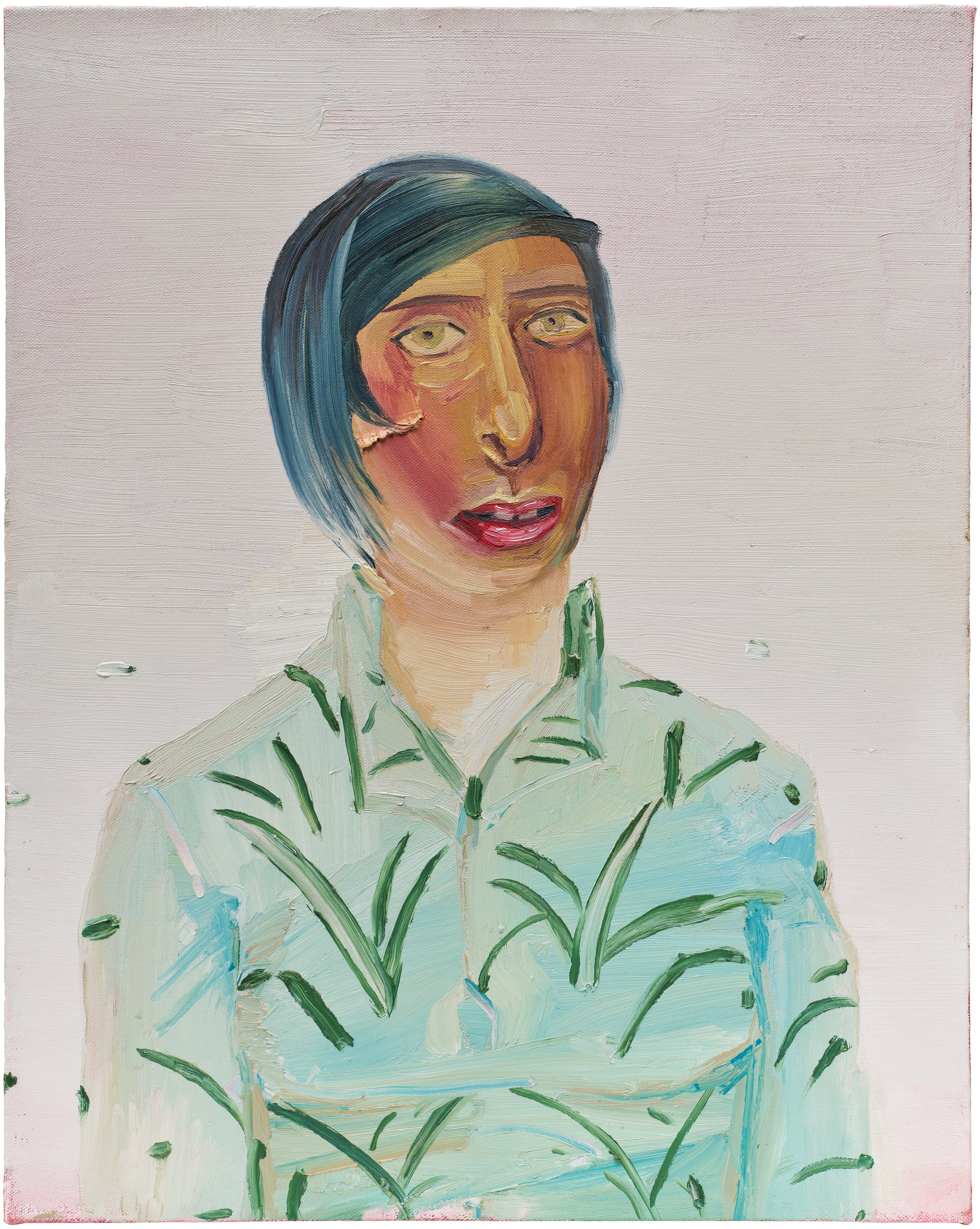
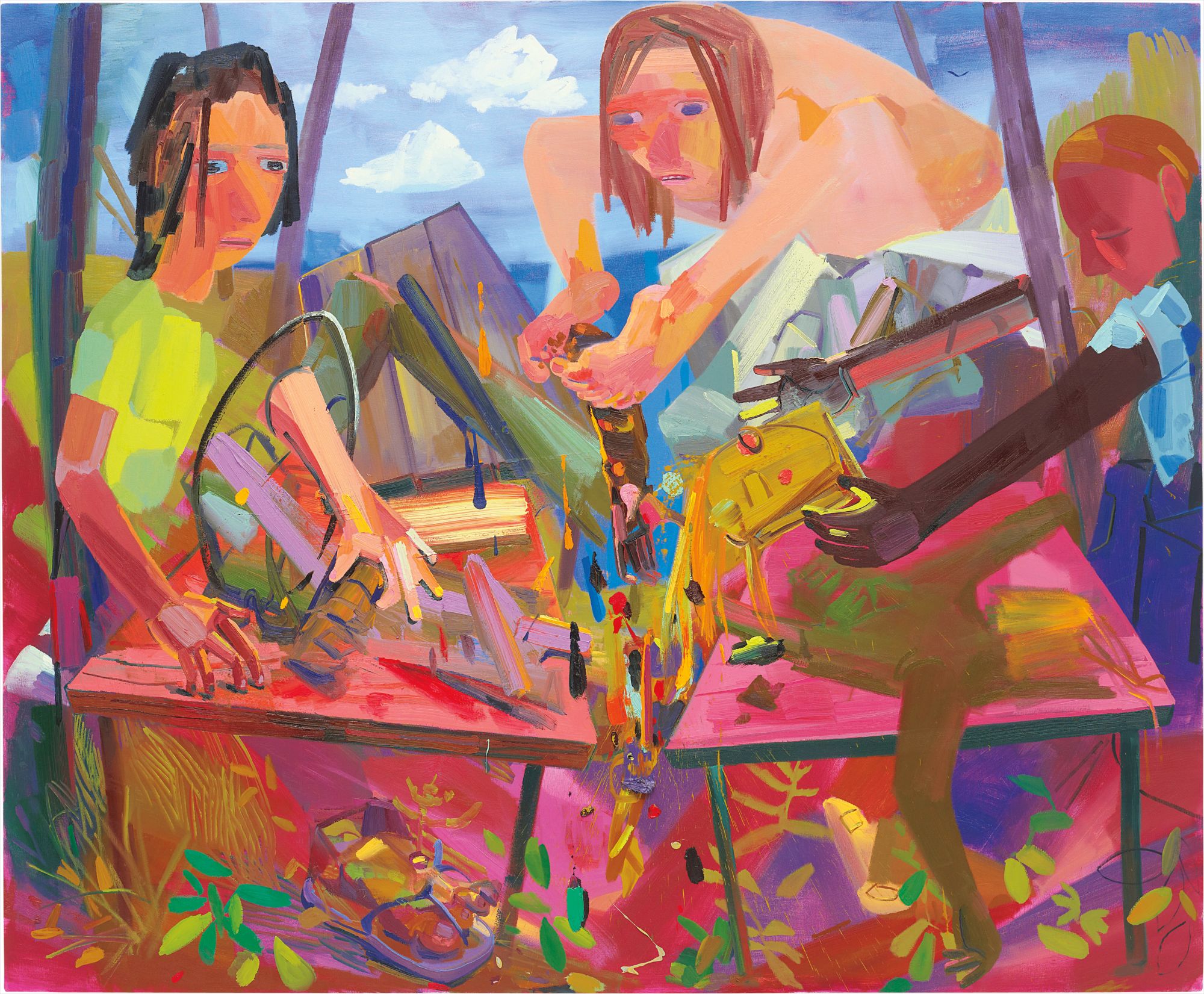
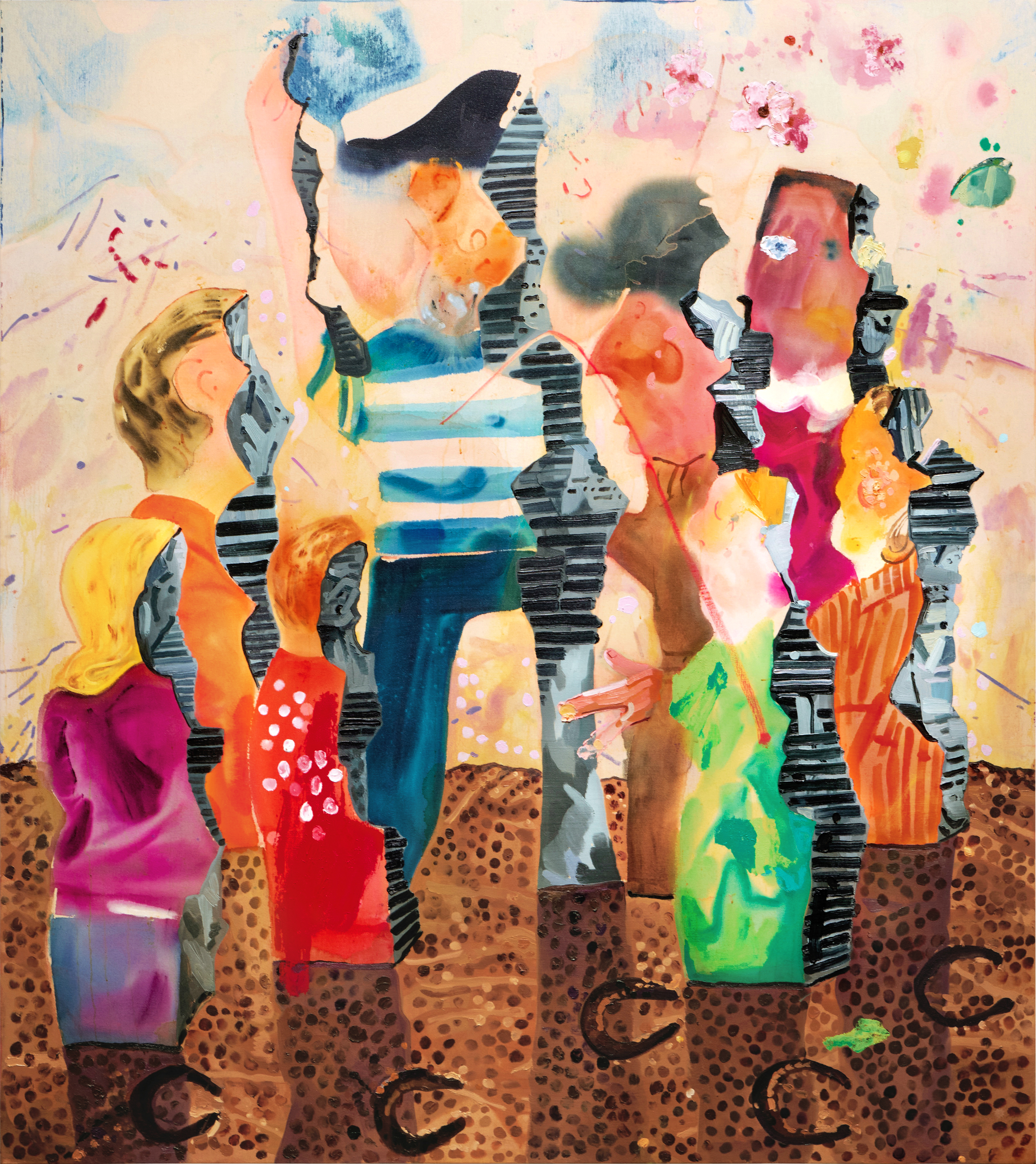
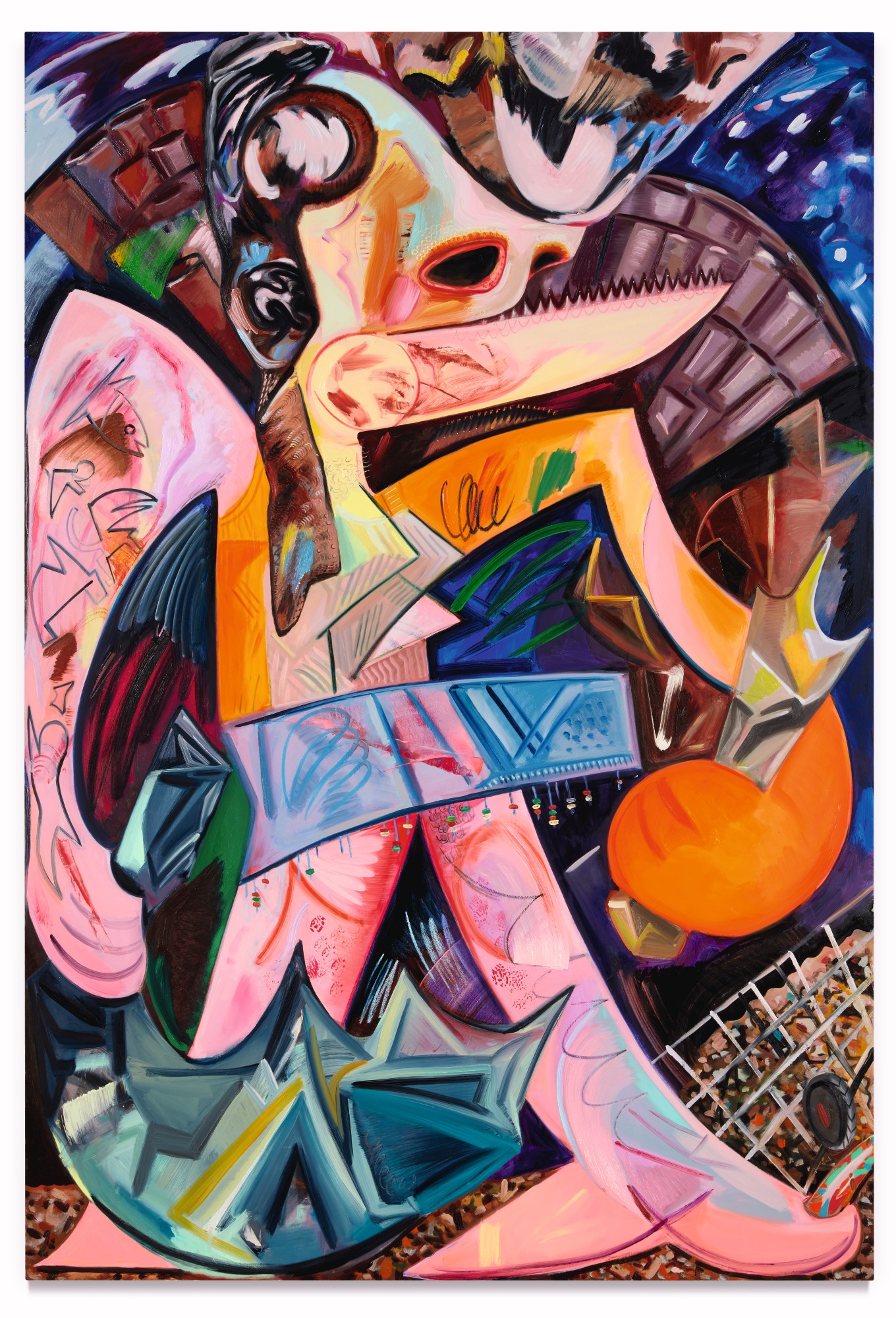
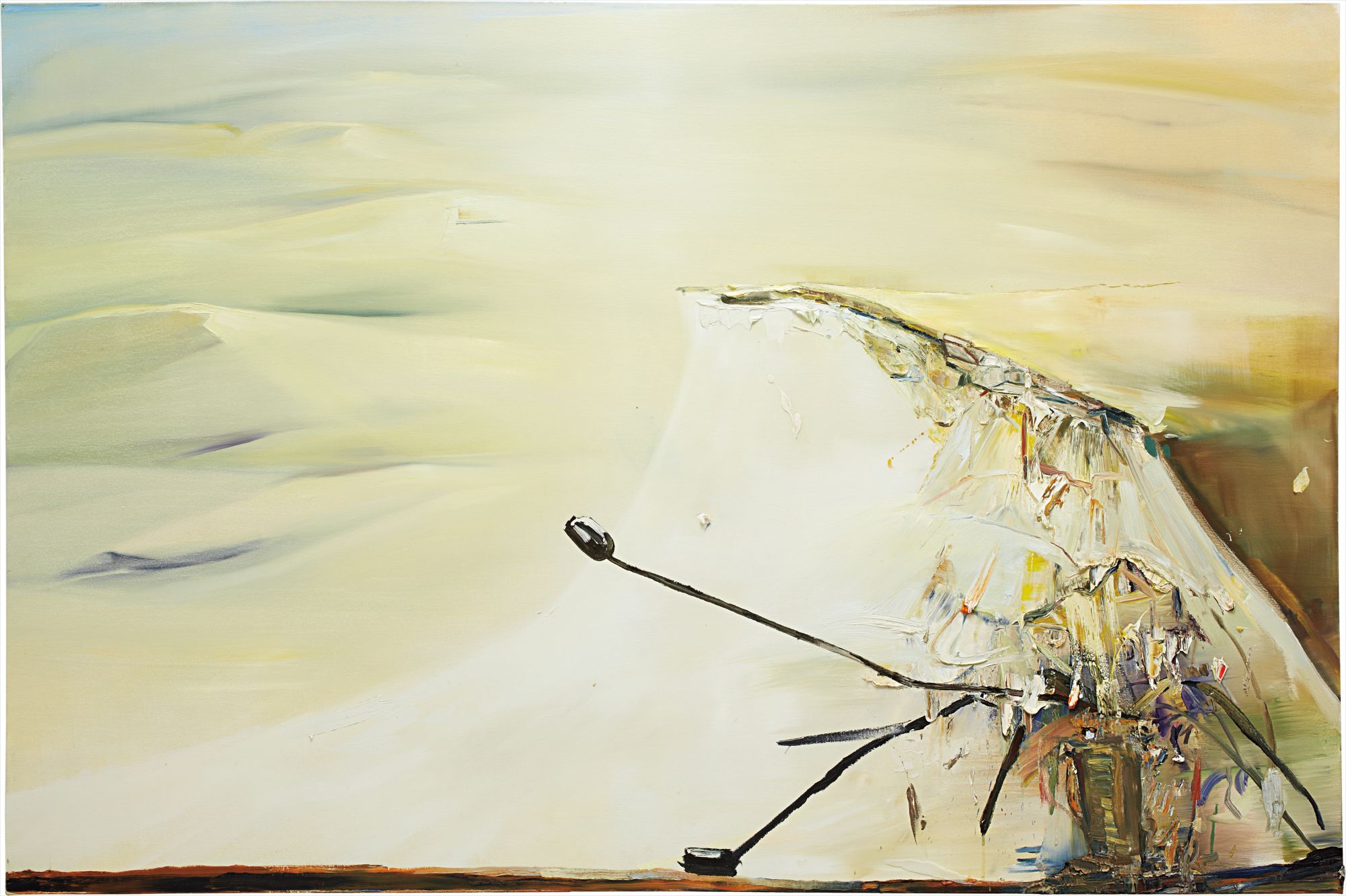
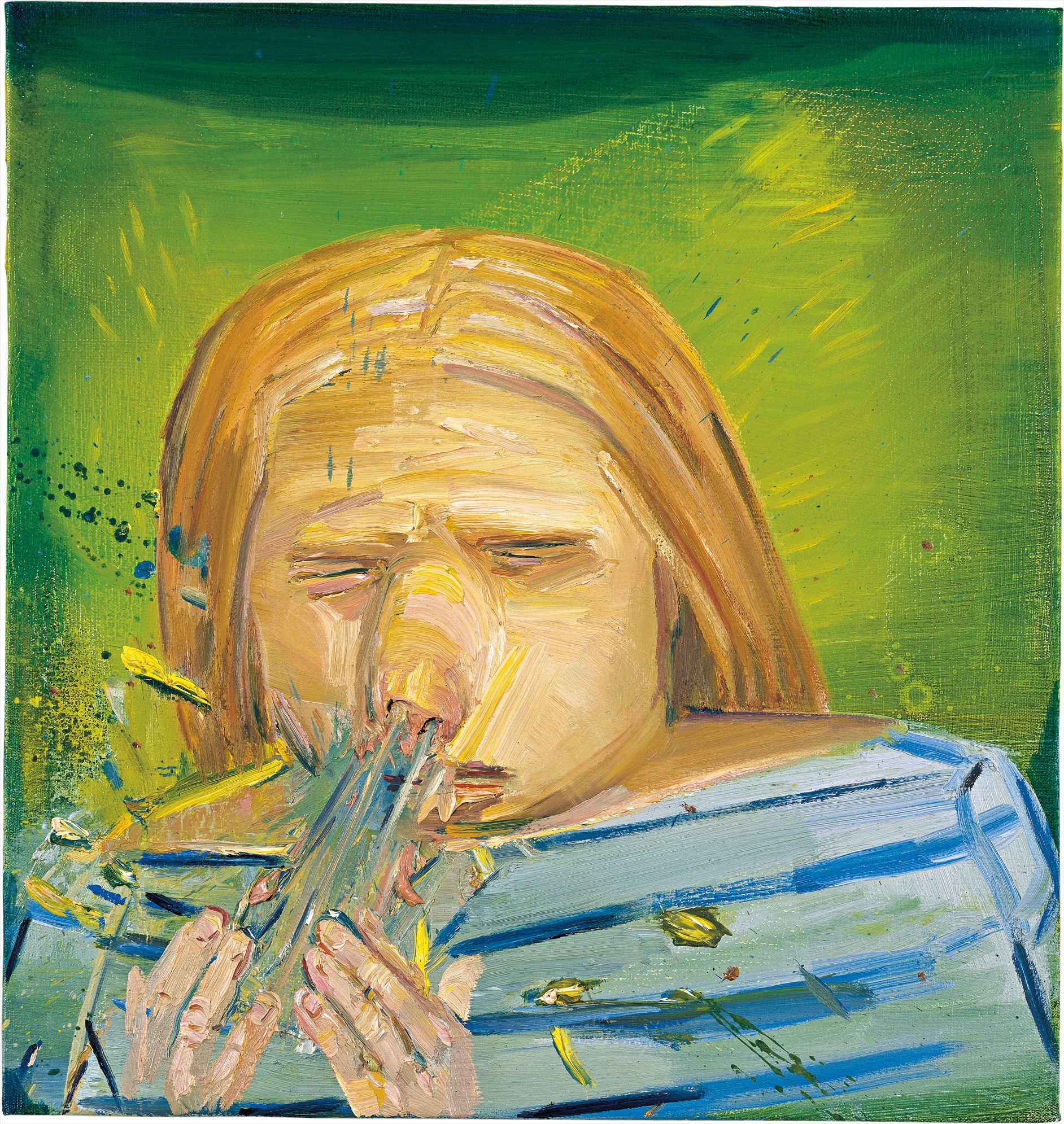
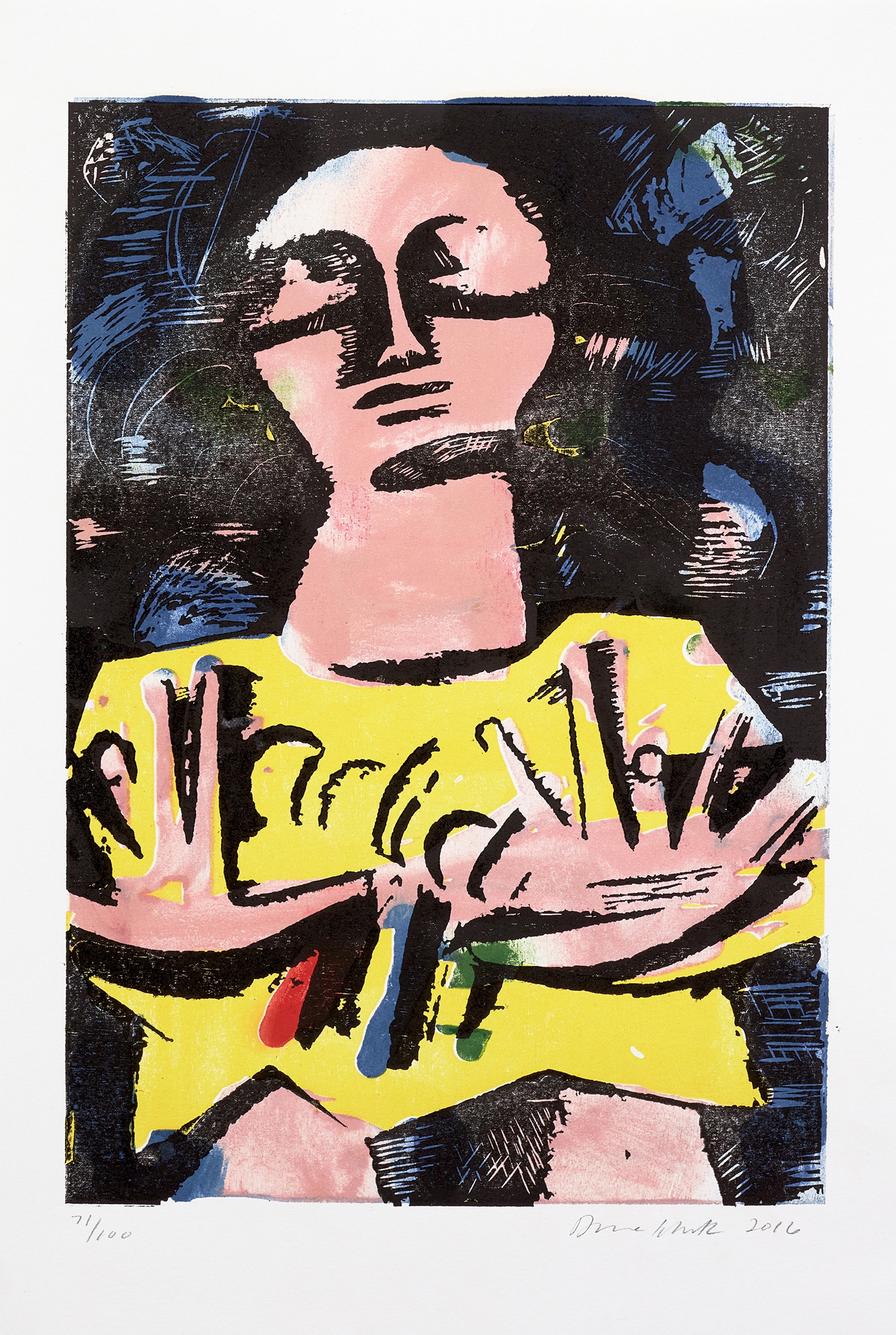
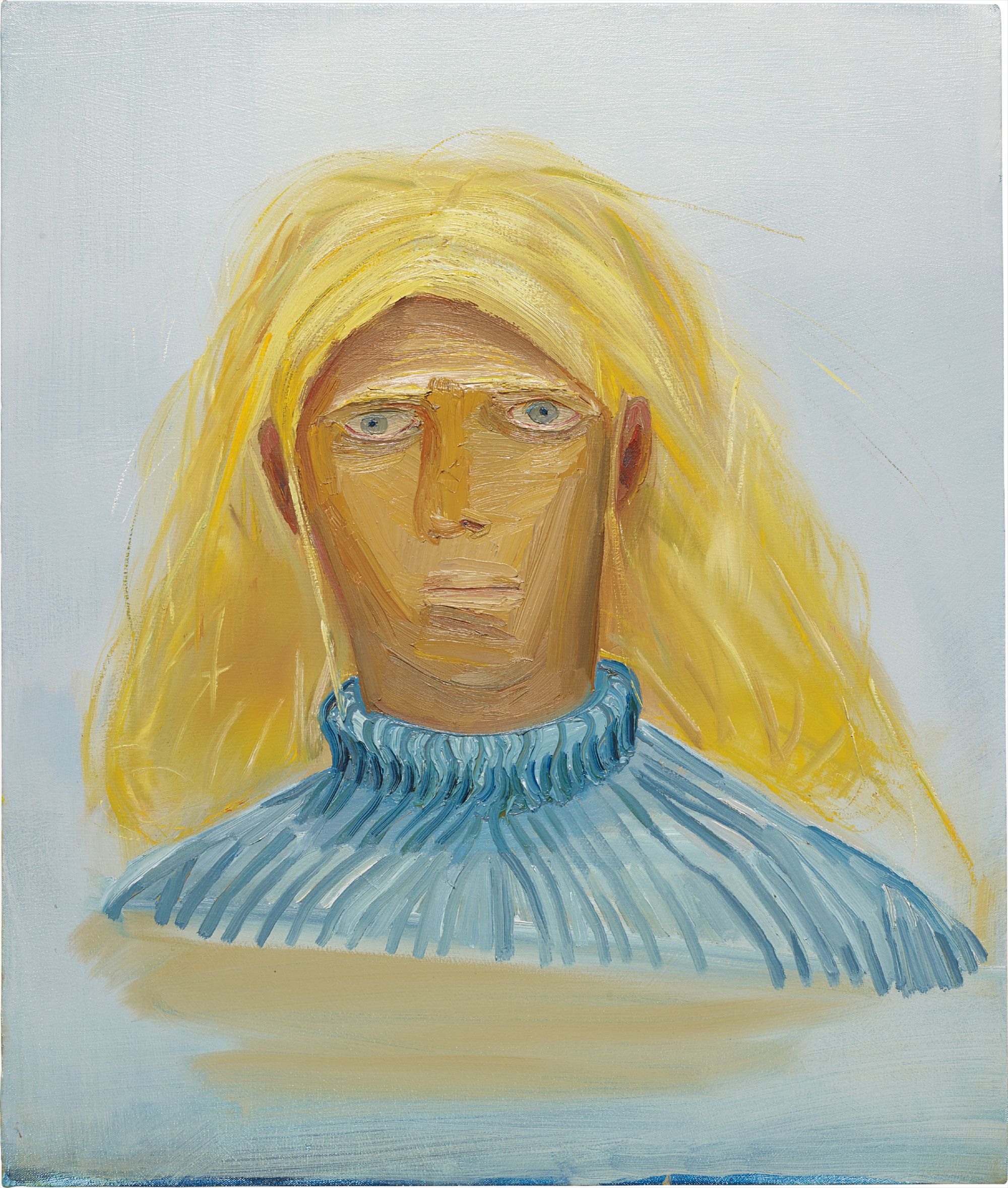
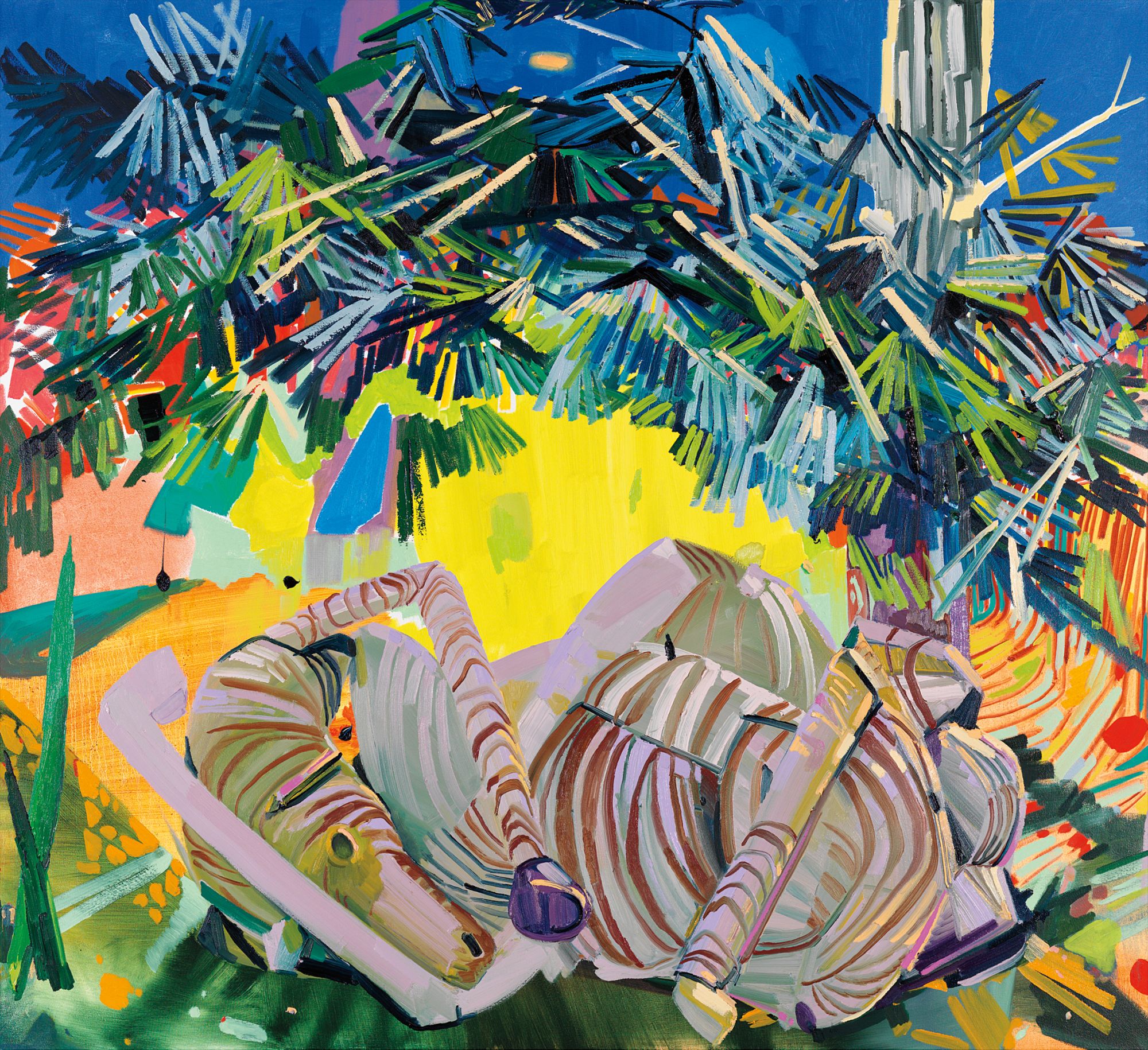
Few painters working today generate the kind of electric, room stopping presence that Dana Schutz brings to a canvas. Her 2022 solo exhibition at Petzel Gallery in New York reaffirmed what collectors and curators have known for more than two decades: Schutz is one of the most vital and inventive figurative painters of her generation. With canvases that seem to vibrate with psychological energy, she has carved out a singular space in contemporary art, one where the absurd and the tender, the grotesque and the beautiful, coexist in a state of perpetual, generative tension. Schutz was born in 1976 in Plainsboro, New Jersey, and grew up in a household that encouraged creative curiosity. She studied at the Cleveland Institute of Art before completing her MFA at Columbia University in New York in 2002, a program that produced many of the most talked about painters of her era. The rigorous intellectual environment of Columbia, combined with her own restless imagination, gave Schutz the tools to develop a practice that was both technically ambitious and conceptually daring from its earliest moments. Her breakthrough came almost immediately after graduation. In 2003, while still in her mid twenties, she mounted her first solo exhibition at LFL Gallery in New York, presenting a body of work centered on a fictional character called Frank, the last man on earth. The conceit was brilliantly simple and philosophically rich: if no one else exists, why make art? What does portraiture mean without an audience? Those early works announced an artist deeply preoccupied with the existential dimensions of painting itself, using invented scenarios not as escape from reality but as a way of boring directly into its heart. Over the following decade, Schutz developed what can only be described as a fully original visual language. Her figures twist and dissolve, faces collapse into themselves, bodies merge with their surroundings in ways that feel less like distortion for its own sake and more like an honest accounting of how experience actually feels from the inside. Works like Self Eater, in which a figure consumes its own flesh in a grimly comic loop, operate simultaneously as psychological portraits, art historical provocations, and darkly funny meditations on creative consumption and self destruction. Her painting Paris from 2003, rendered in watercolour, shows her range and her ability to conjure entire emotional worlds across different media. The woodcut and monotype Sleepwalker demonstrates that her vision translates powerfully into printmaking, where her instinct for compressed drama finds a different but equally compelling form of expression. The work that brought Schutz to the widest public attention was also the most contested. Open Casket, painted in 2016 and exhibited at the 2017 Whitney Biennial, depicted the open casket funeral of Emmett Till, the fourteen year old Black teenager murdered in Mississippi in 1955. The painting provoked a fierce and necessary national debate about who has the right to depict Black trauma, who can claim empathy across the boundaries of race, and what responsibilities painters carry when they enter territory that is not their own. Whatever one's position in that debate, and it remains genuinely unresolved, the controversy confirmed Schutz as an artist whose work operates at the pressure points of culture, never retreating to the safe and decorative. Her ambition is moral as well as aesthetic. For collectors, Schutz presents a compelling and multifaceted opportunity. Her market has strengthened considerably over the past decade, with major paintings achieving significant results at auction at Christie's, Sotheby's, and Phillips. Institutions including the Whitney Museum of American Art, the Museum of Contemporary Art Los Angeles, and the Museum of Modern Art hold her work in their permanent collections, a level of institutional endorsement that speaks to her standing within the broader art historical canon. Works on paper and prints such as Sleepwalker and the self portrait woodcut and lithograph offer more accessible entry points into her practice, combining her signature visual vocabulary with the intimacy and collectibility of works on paper. Collectors drawn to painters like Neo Rauch, Lisa Yuskavage, or the late great Philip Guston will find in Schutz a natural companion, an artist who shares their commitment to figuration as a vehicle for psychological depth and genuine strangeness. Schutz fits within a lineage of American painters who refused to accept the premise that figuration had exhausted itself. In the same way that Guston abandoned abstraction to return to the figure with devastating emotional force, or that Eric Fischl built psychologically loaded domestic scenes that implicated the viewer, Schutz uses the human body as a site of inquiry rather than mere representation. Her influences range visibly from Expressionism, from the distortions of Max Beckmann and the raw energy of de Kooning, to the more recent legacies of Kippenberger and Carroll Dunham. Yet her voice is entirely her own, shaped by a sensibility that is at once funny, tender, anxious, and profoundly alive to the strangeness of being human. The works available through The Collection span the full range of her practice, from early oils like Claire from 2001 and Paris from 2003, which document the emergence of her vision in its freshest form, to later large scale paintings such as Swiss Family Traveling from 2015 and Speech, which show her command expanding with each passing year. Signing from 2009 exemplifies her ability to extract ceremonial gravity from invented social rituals. God 2, in oil on canvas, carries the grandeur and irreverence that defines her engagement with myth and meaning. Taken together, these works offer a portrait of one of painting's true originals across more than two decades of sustained invention. Dana Schutz matters today for the same reasons she has always mattered: she takes painting seriously as a form of thinking, and she refuses to let it become comfortable. In an art world that sometimes prizes legibility and market friendliness above genuine risk, she continues to make work that unsettles, provokes, and rewards repeated looking. Her legacy is still being written, and that is precisely what makes this moment such a rewarding time to live with her work.