Found Objects
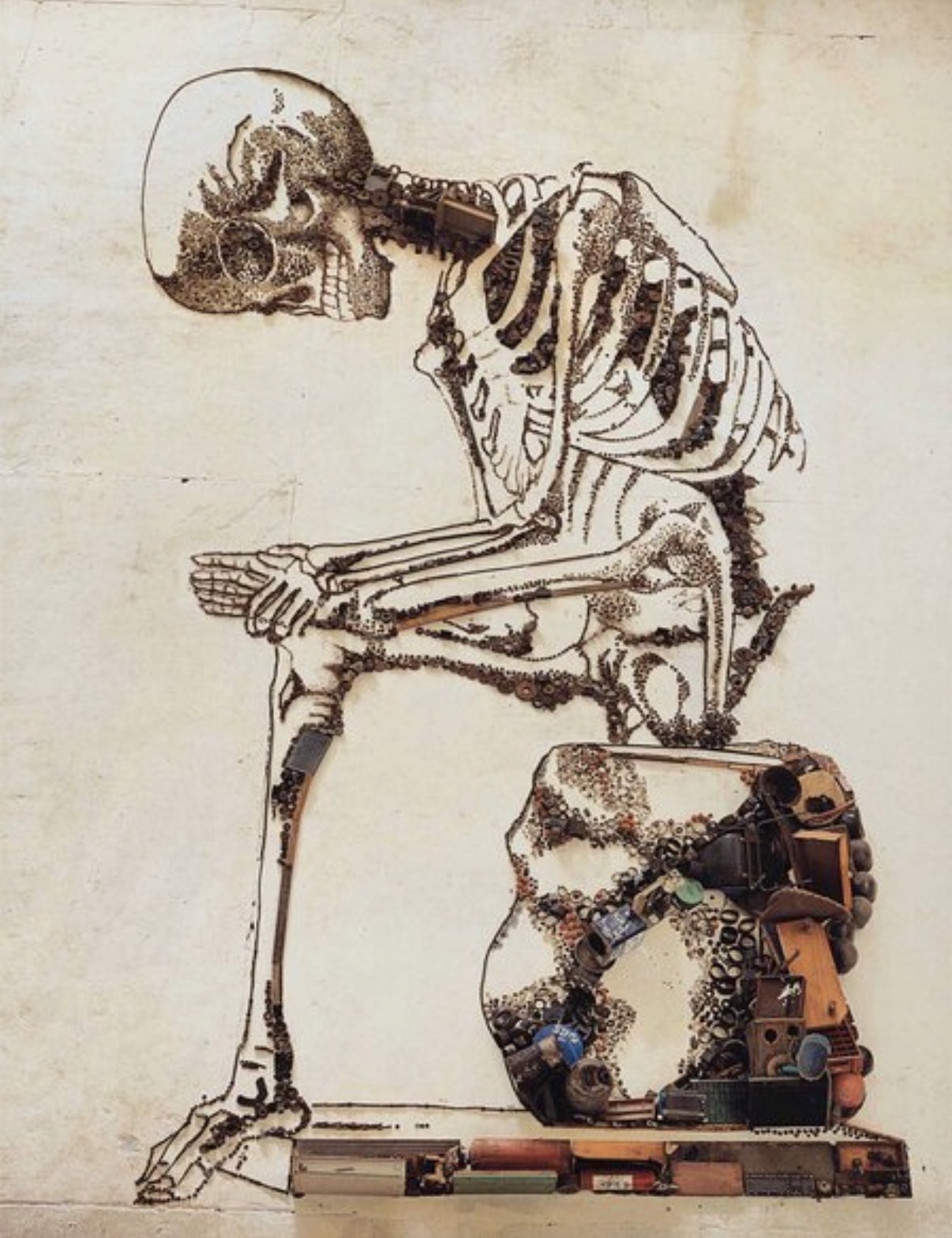
Vik Muniz
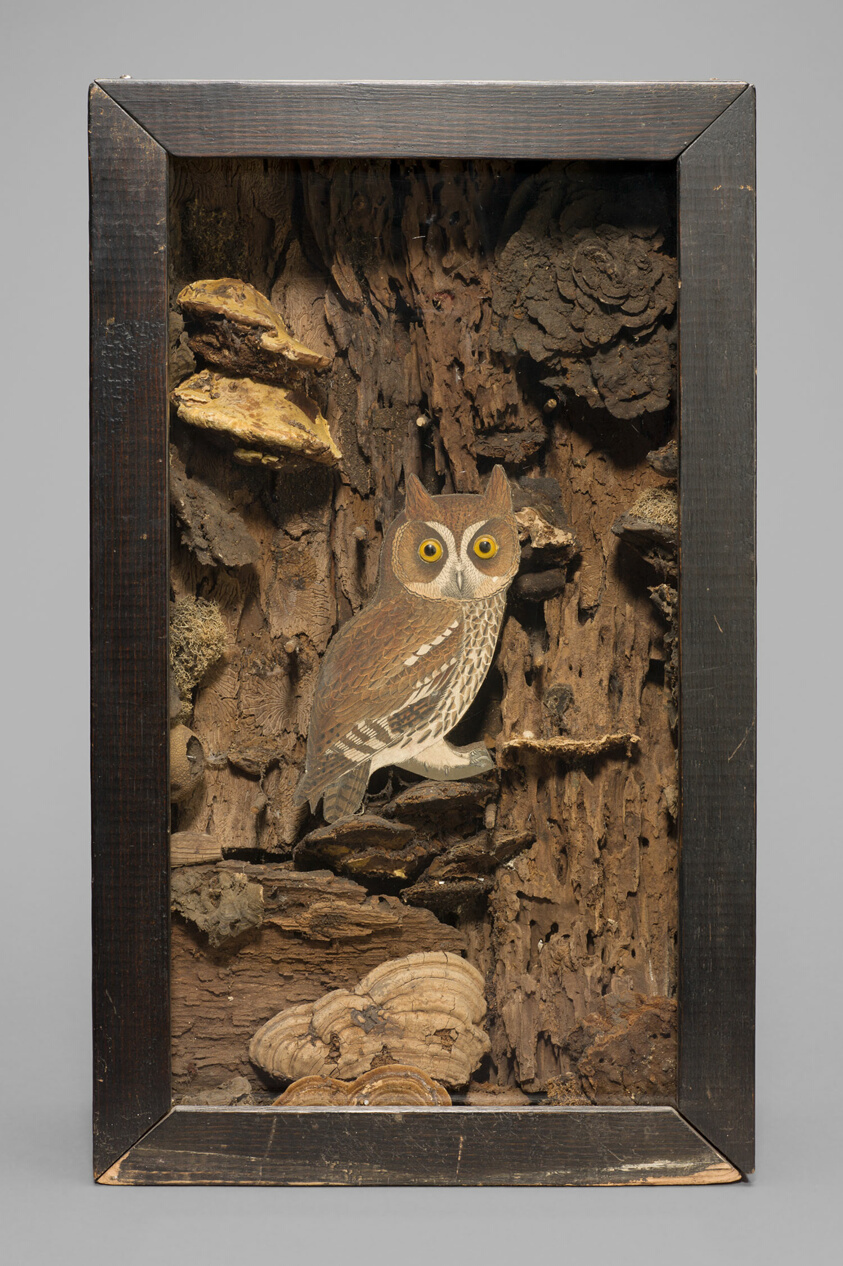
Anatomy, after Francesco Bertinatti (Pictures of Junk), 2009
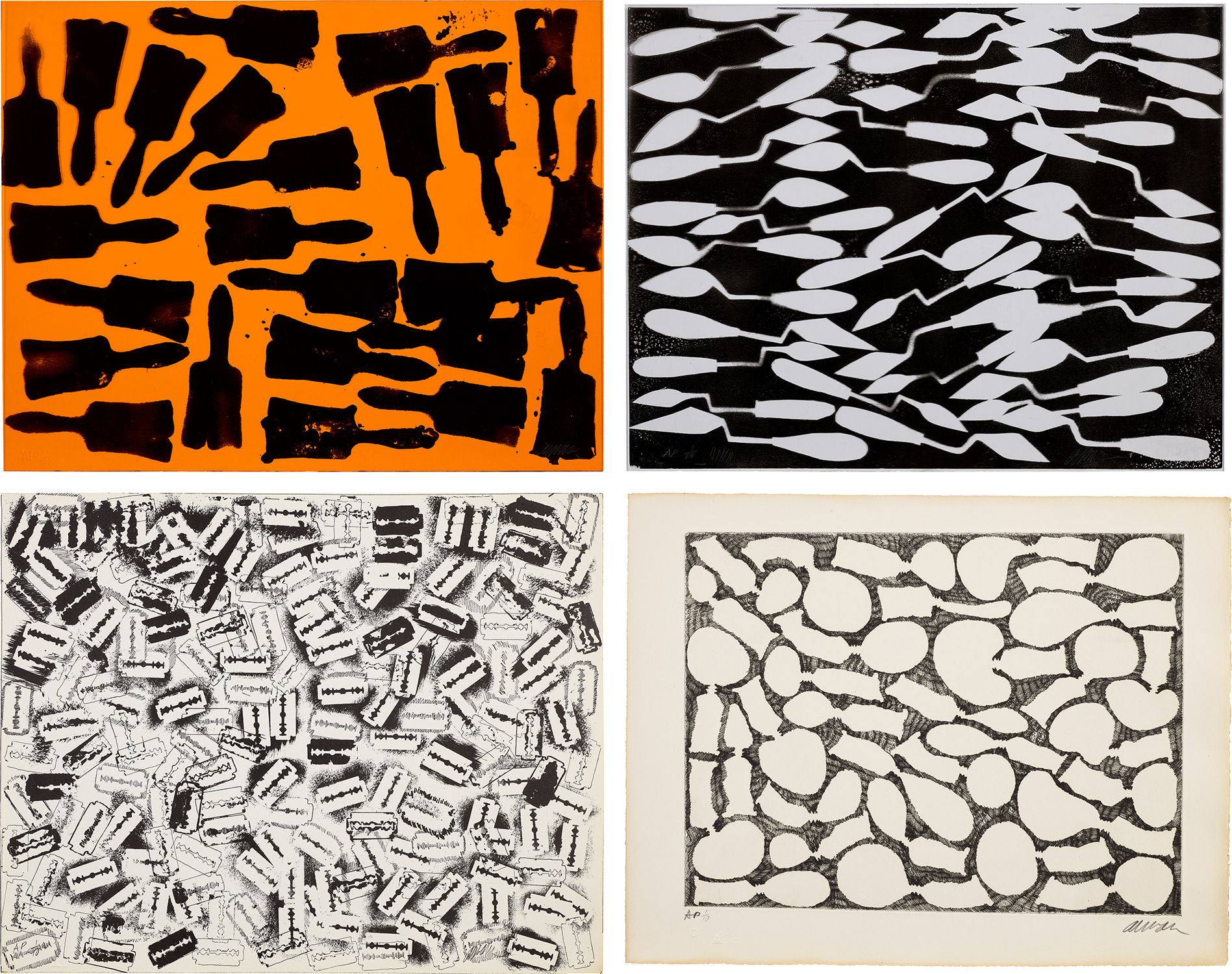

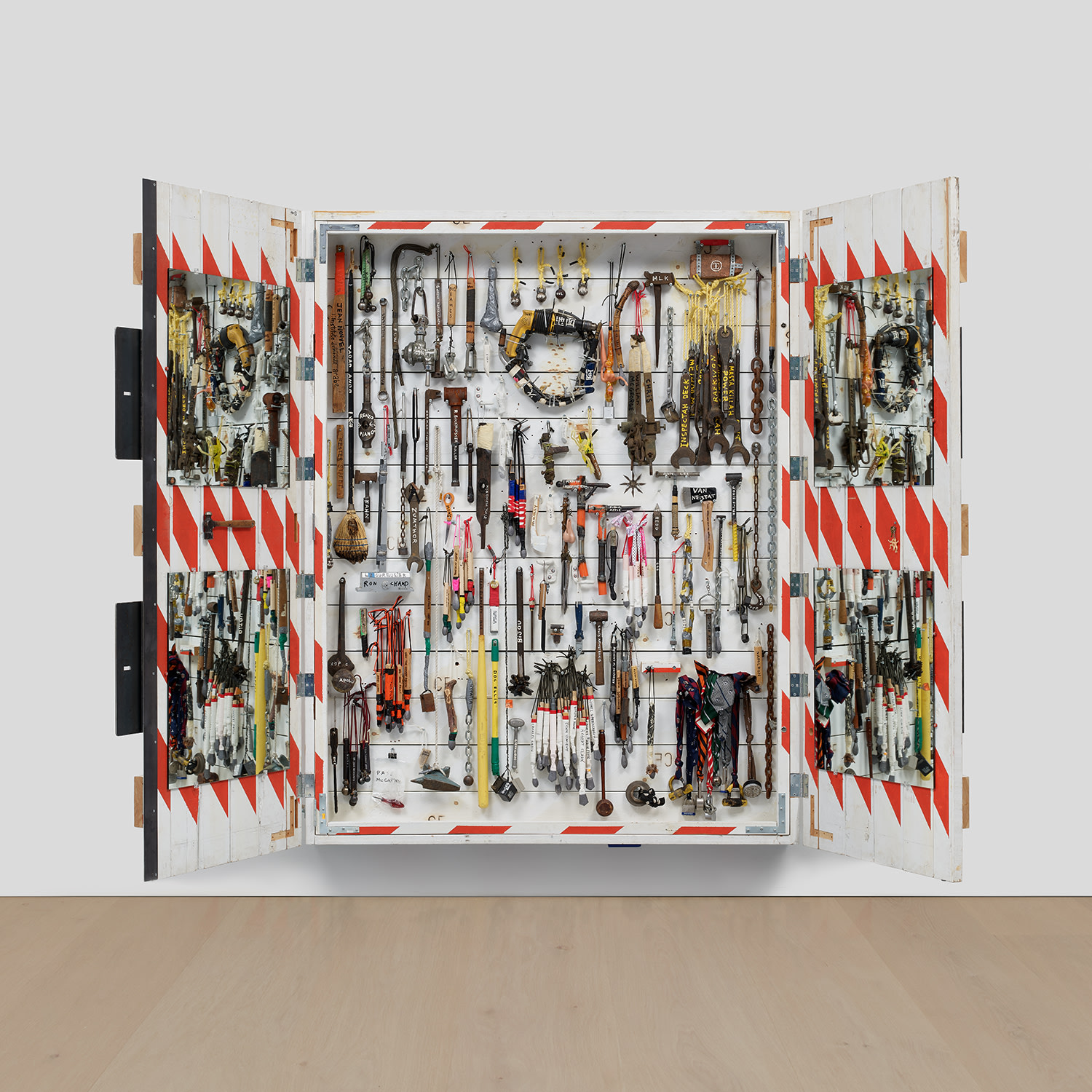
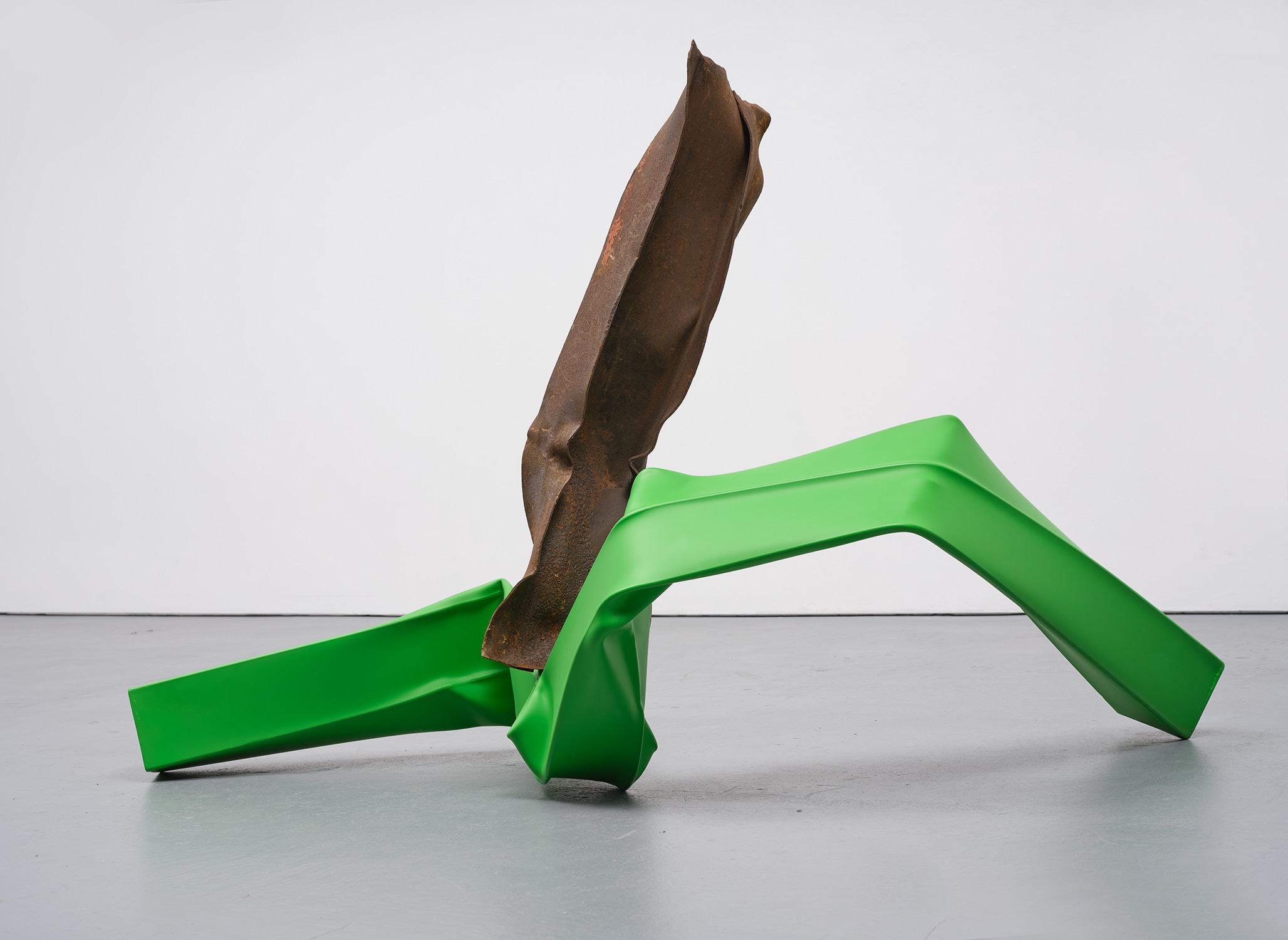
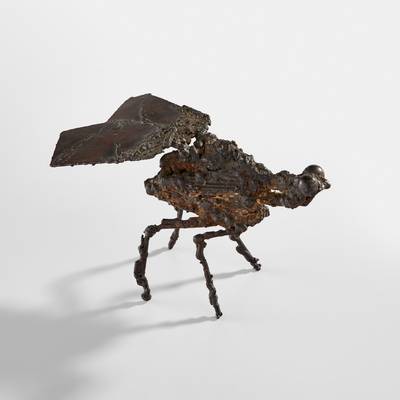
Trash, Treasure, and the Art of Looking
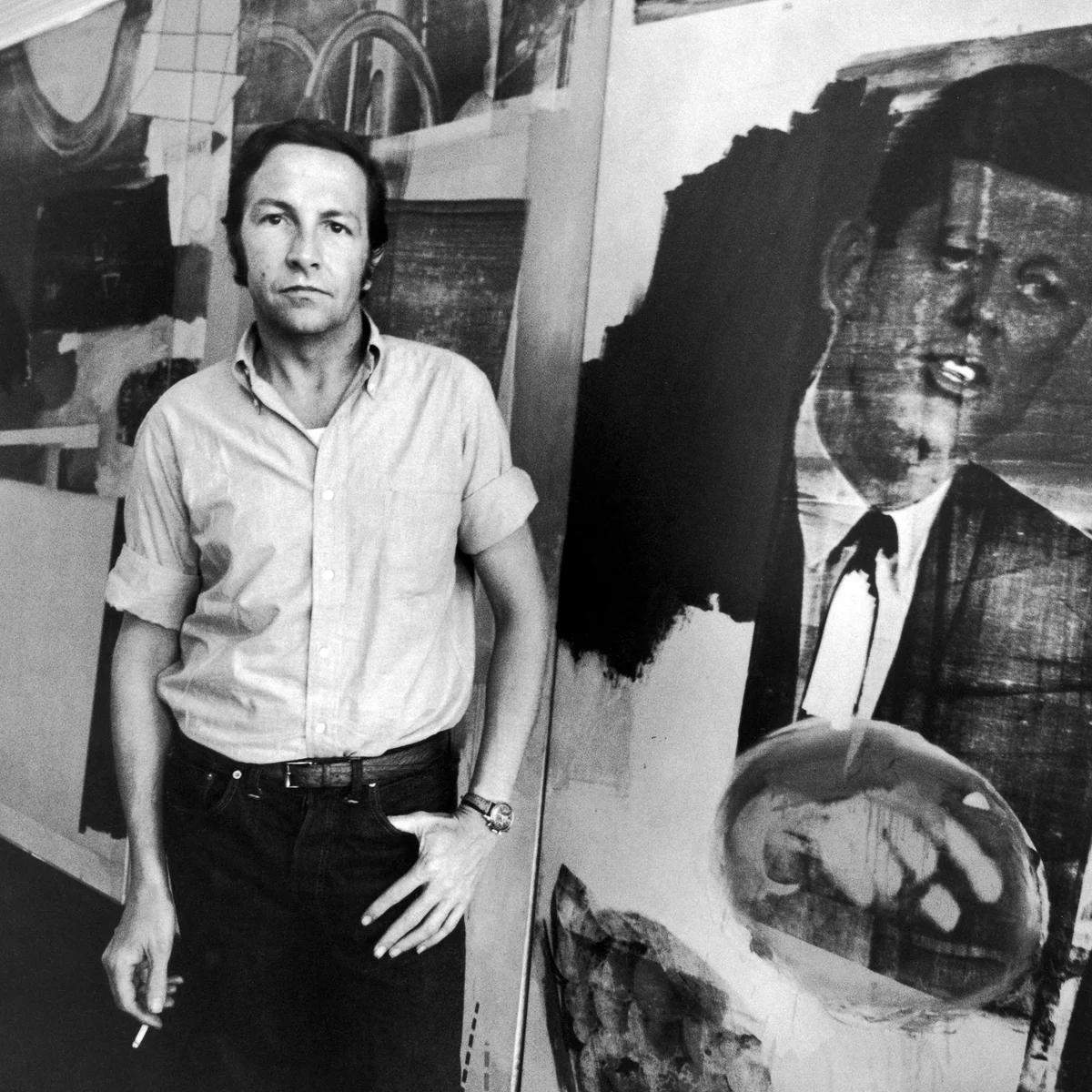
When a battered assemblage by Robert Rauschenberg sold at Christie's New York for over 10 million dollars in recent years, the room understood something that had been quietly true for decades: the art of the found object is not a footnote to twentieth century art history, it is one of its primary chapters. That result was not an anomaly. It was confirmation that collectors and institutions have fully absorbed the radical proposition these artists made, that meaning lives in ordinary things, that the street and the studio are not separate territories. The market has voted, repeatedly and with conviction.
The found object tradition draws a long arc from Kurt Schwitters assembling his Merz constructions in Hanover during the 1920s through to artists working today who are still interrogating what it means to lift an object from its context and ask it to carry aesthetic and emotional weight. But what makes this conversation so alive right now is not nostalgia. It is the sense that the questions these artists raised, about consumption, memory, identity, and value, feel more urgent in the present moment than they did when many of these works were first made. Arman, whose accumulations of broken violins and crushed automobiles were once read as provocation, now read as something closer to prophecy.
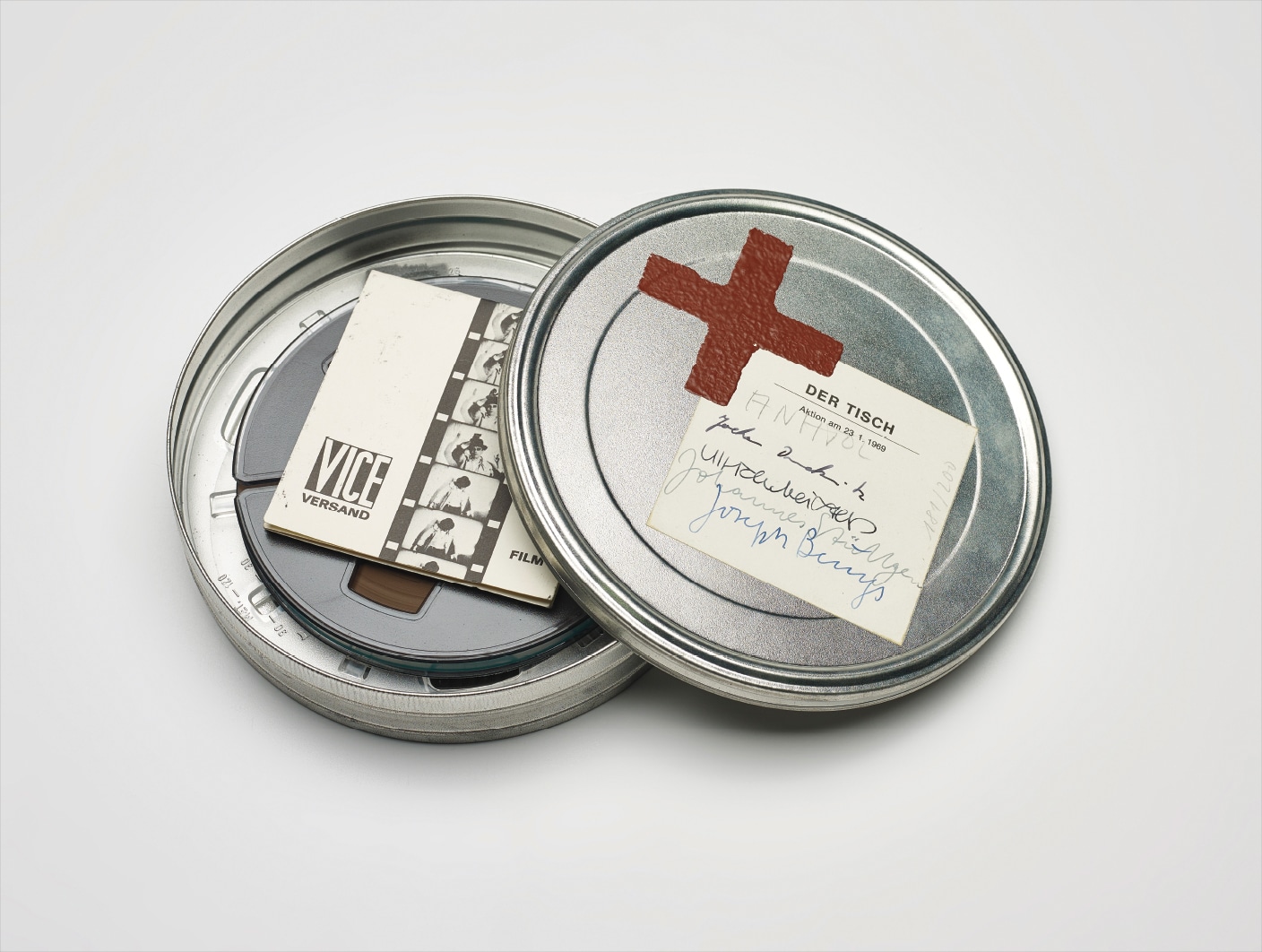
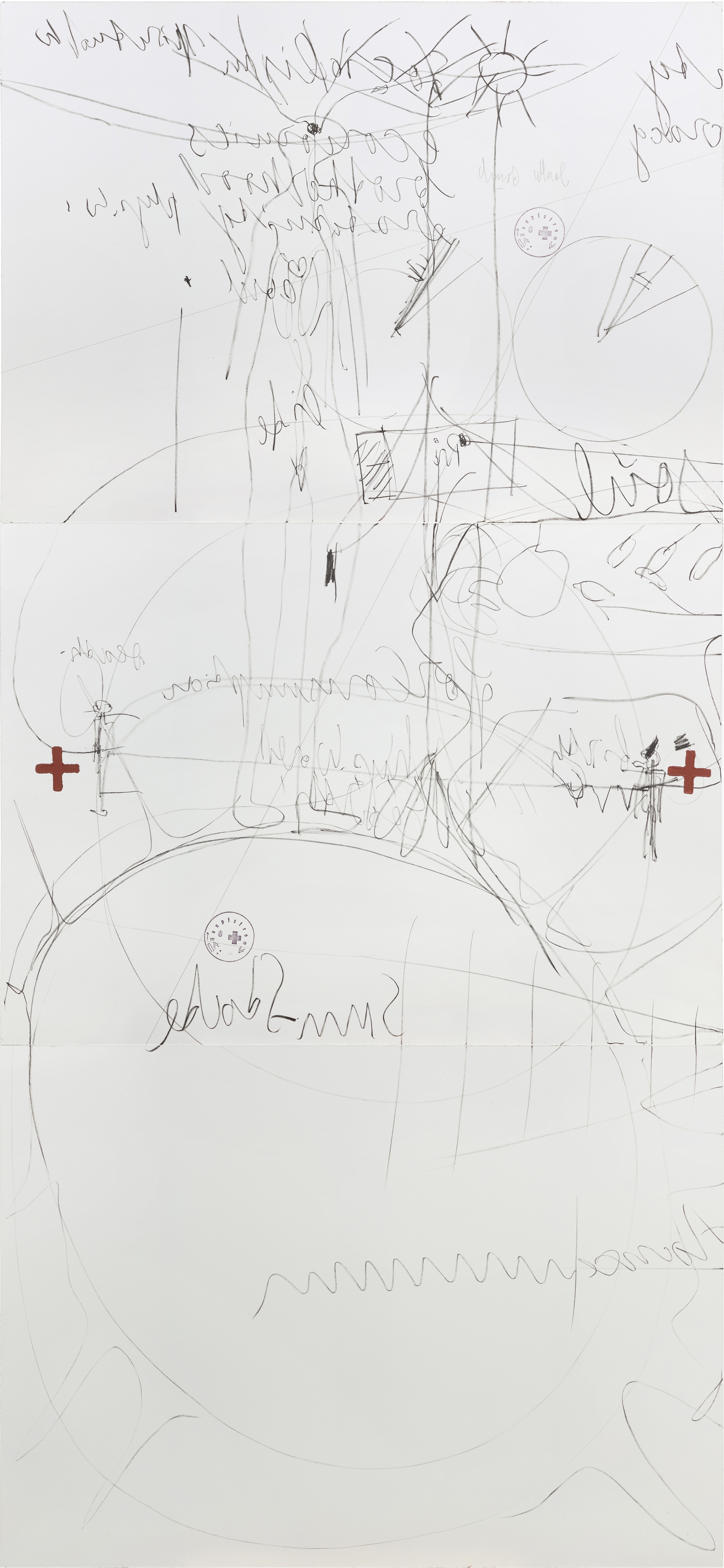
Joseph Beuys
Der Tisch
Recent museum programming has reflected this urgency. The Centre Pompidou has mounted significant surveys of Nouveau Réalisme in recent years, giving fresh attention to artists like Arman, Daniel Spoerri, and César, whose compressed auto sculptures feel almost gentle compared to the actual conditions of global material excess. The Museum of Arts and Design in New York has continued to explore assemblage in contemporary practice, while Tate Modern has revisited Joseph Beuys with exhibitions that draw in new audiences who find his material symbolism, the fat, the felt, the detritus of postwar Europe, newly resonant. These are not archival exercises.
Curators are making arguments about the present through these shows. At auction, the hierarchy of this category is becoming clearer. Rauschenberg remains the benchmark, with his Combines consistently achieving results that place him among the most important American artists of any genre. Joseph Cornell boxes, intimate and almost impossibly tender, have held their value with impressive stability, drawing bidders who respond to their emotional precision as much as their art historical significance.
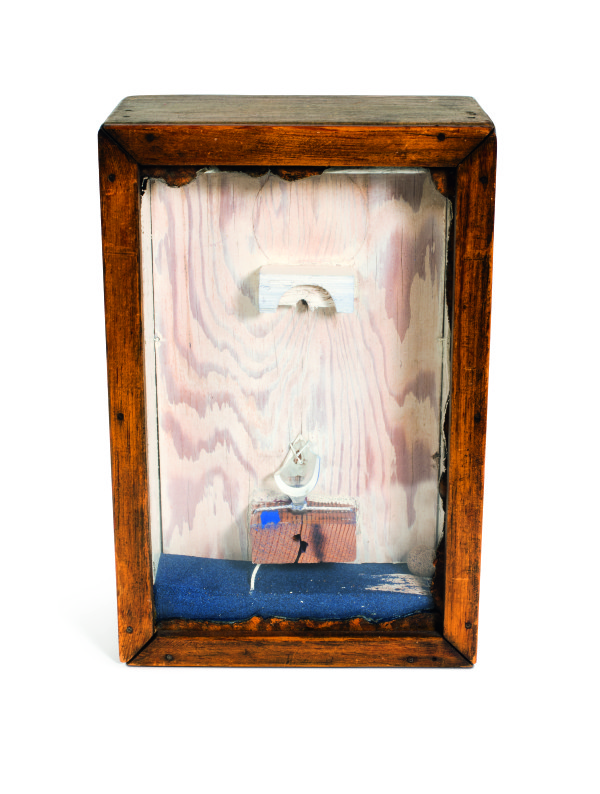
Joseph Cornell
Untitled (blue Sand Fountain), 1950
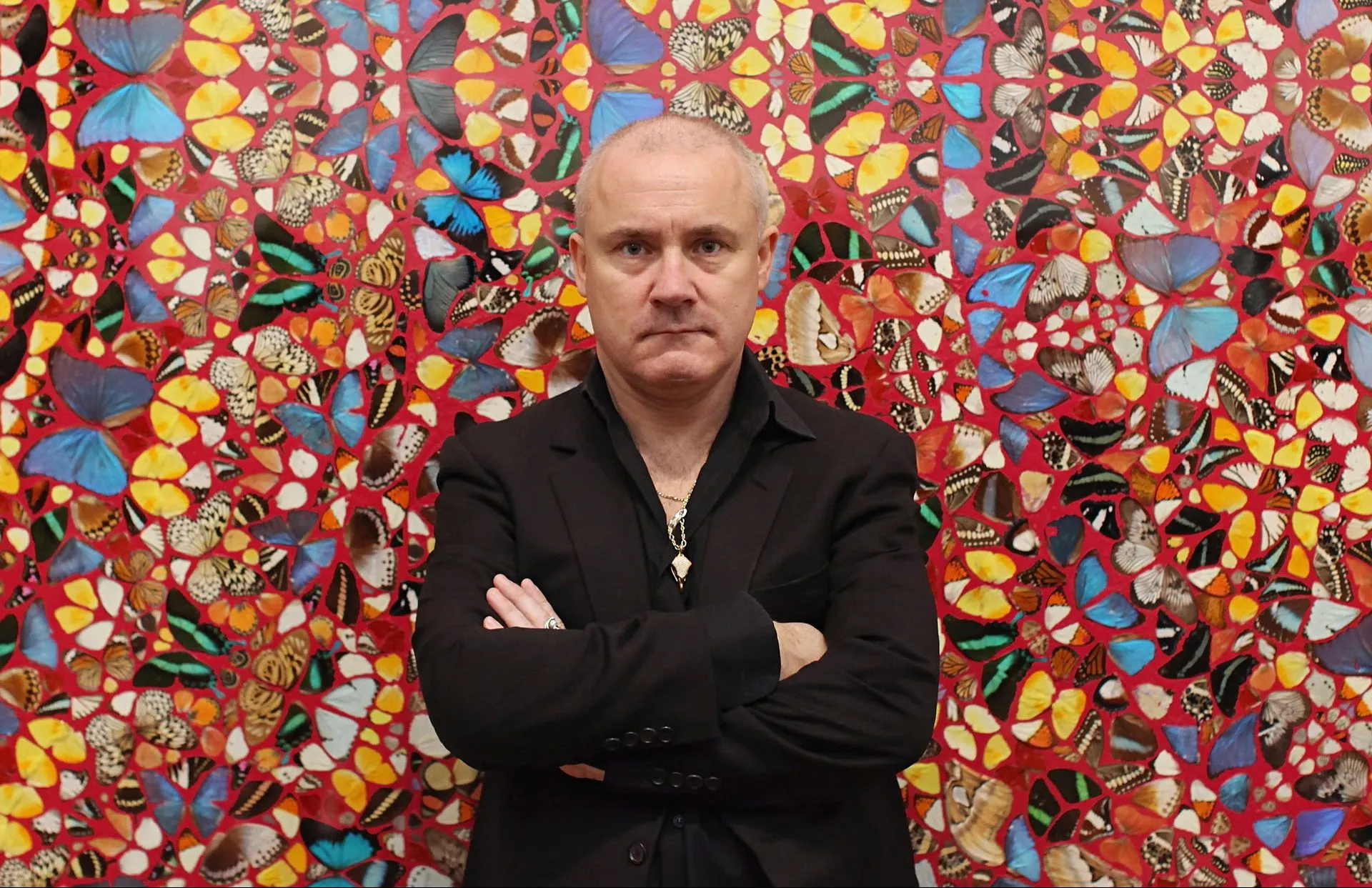
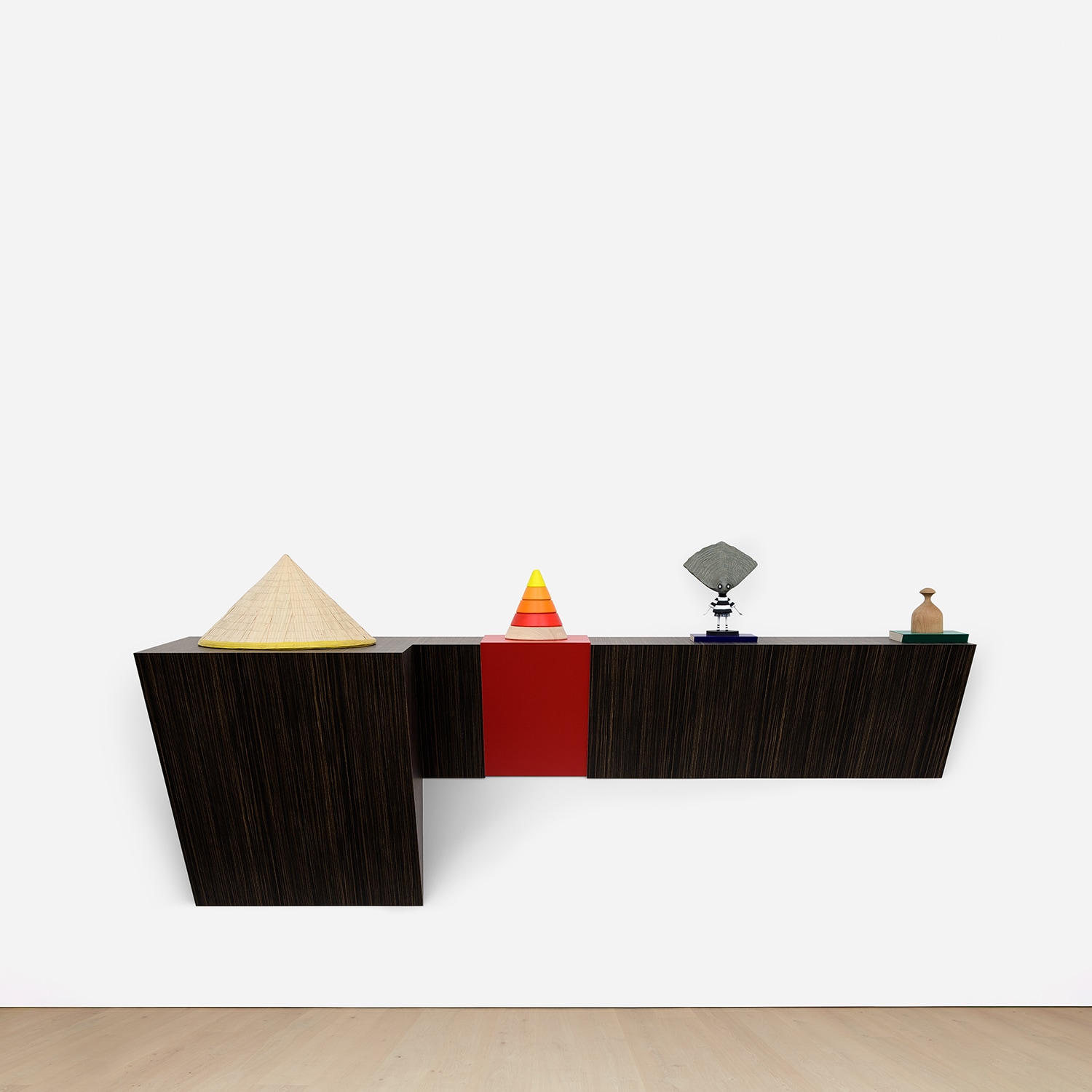
Damien Hirst commands sustained attention across his career, and his spot paintings and vitrine works, which owe a clear debt to the display logics established by earlier found object artists, continue to perform at the highest levels. Haim Steinbach, whose shelved consumer objects feel prescient in the age of the algorithm, has seen growing institutional and collector interest as his work is understood as foundational to the discourse around commodity and desire. Institutional collecting in this space tells its own story. MoMA holds major works by Rauschenberg and Cornell that effectively anchor the museum's understanding of postwar American art.
The Museum Ludwig in Cologne remains one of the great repositories of Fluxus and related material, with deep holdings of Beuys that continue to shape scholarship. The Menil Collection in Houston has long championed assemblage across its programming. What is interesting more recently is the entry of younger private foundations into this territory. Foundations attached to tech and finance wealth have been acquiring works by artists like Danh Vō, whose tender use of found materials including letters, flags, and inherited objects carries an almost anthropological intimacy, and Carol Bove, whose arrangements of natural and manufactured objects carry a philosophical charge that suits collectors who want rigor alongside beauty.
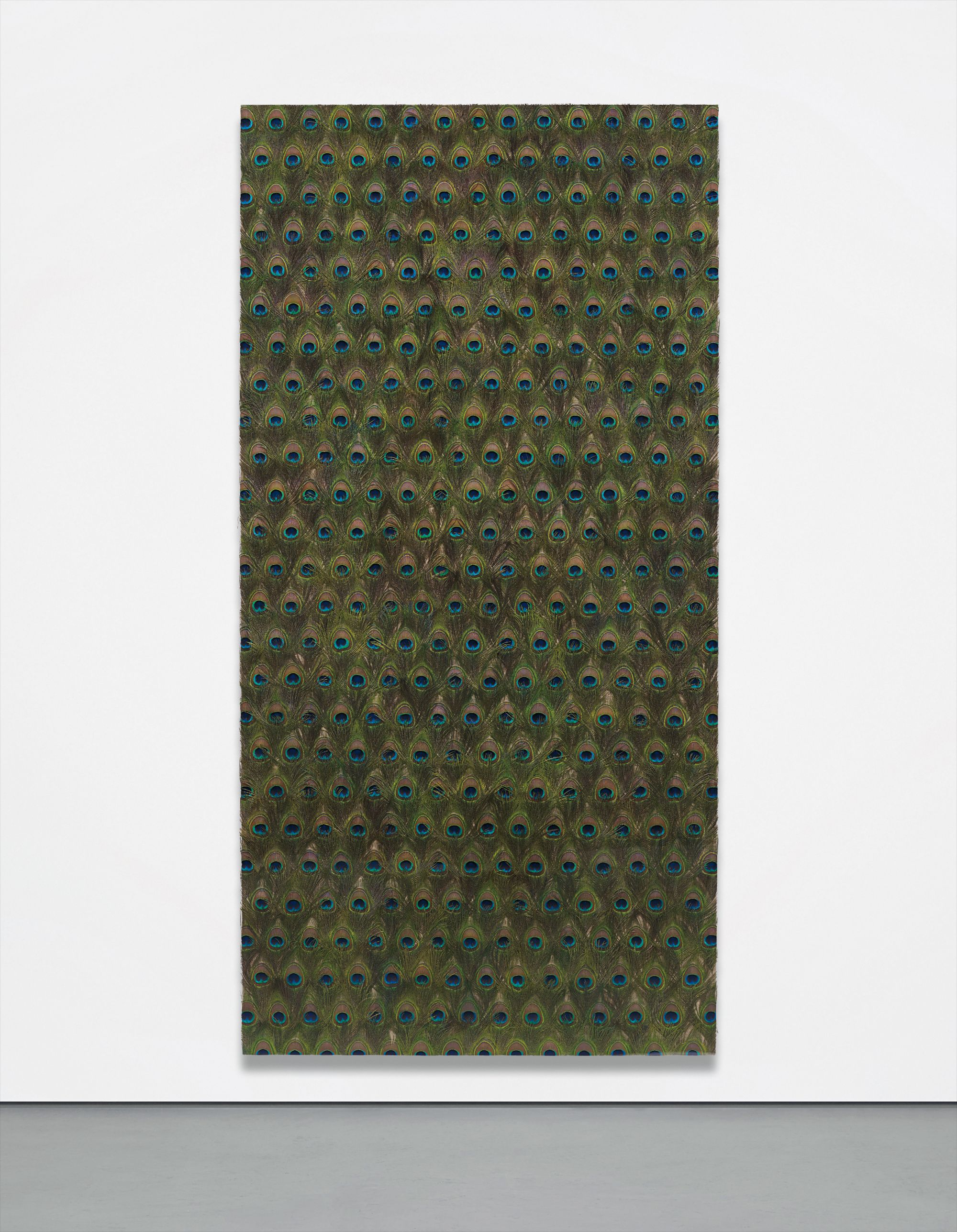
Carol Bove
peacock feathers on linen, laid on board in artist's Plexiglas frame
The critical conversation around found objects has been shaped in recent decades by writers who are willing to take seriously the political dimensions of material choice. Hal Foster's work on the abject and on the culture of the readymade provided a vocabulary that curators have used productively. More recently, writers in publications like October, Artforum, and Frieze have turned to artists like Mike Kelley, whose use of stuffed animals and institutional refuse was always as much about class and trauma as it was about aesthetics, and Sarah Lucas, whose arrangements of domestic objects carry a fierce, funny critique of gender and bodily identity. The discourse has broadened to include postcolonial readings of found object practice, with scholars asking whose objects get elevated and whose get ignored.
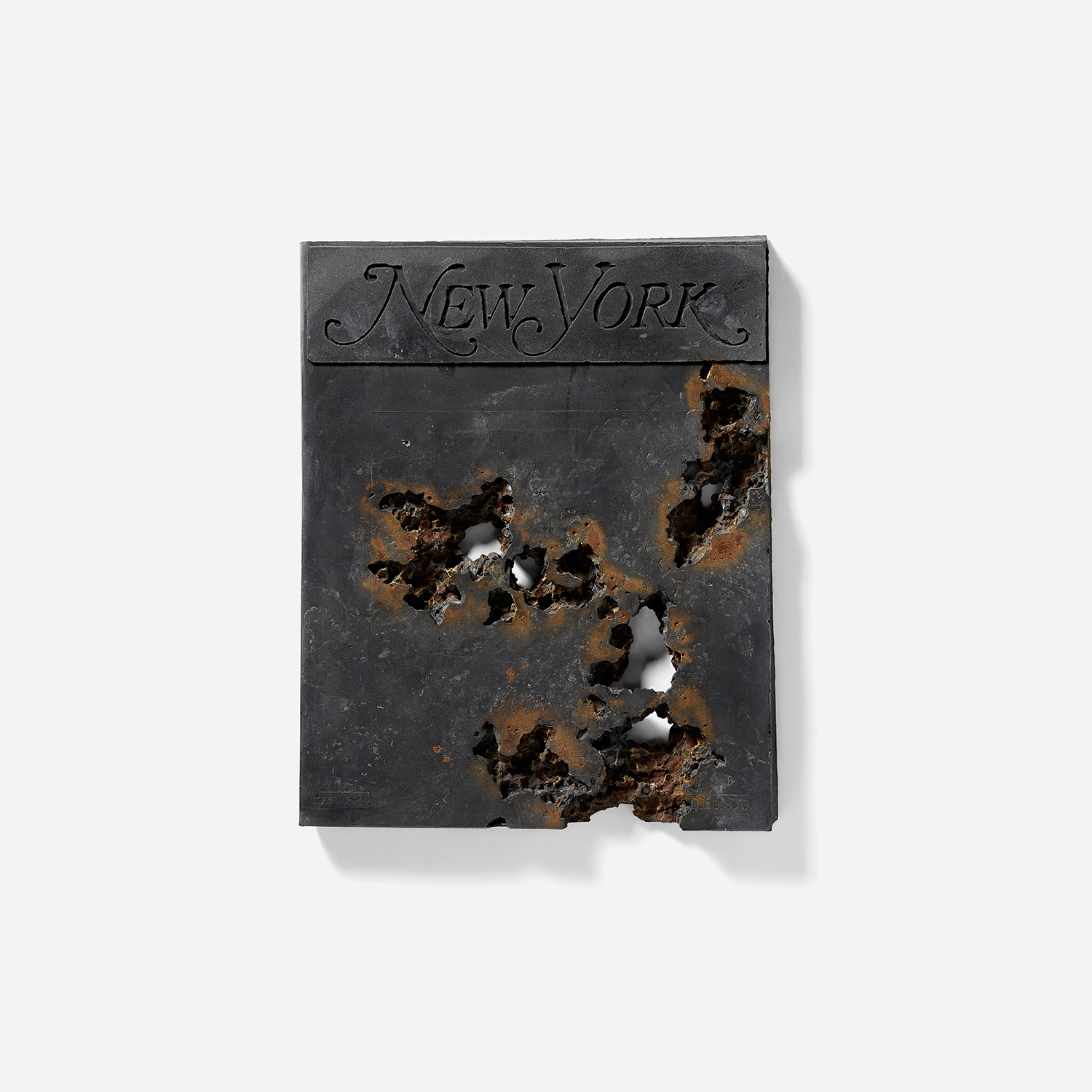
There is genuine energy at the emerging end of this category, and it is worth paying attention to where younger artists are taking the tradition. Tom Sachs continues to build a devoted following for his bricolage practice, which applies the aesthetics of found and fabricated materials to consumer mythology with a kind of obsessive sincerity. Invader, working at the intersection of street culture and fine art with his pixelated ceramic installations, is drawing collectors who came through contemporary and street art but are finding their way toward the broader assemblage conversation. Daniel Arsham, with his fictionalized archaeological objects and eroded cultural artifacts, is asking questions about time and material that connect directly to the found object tradition even as they operate through a very different visual language.
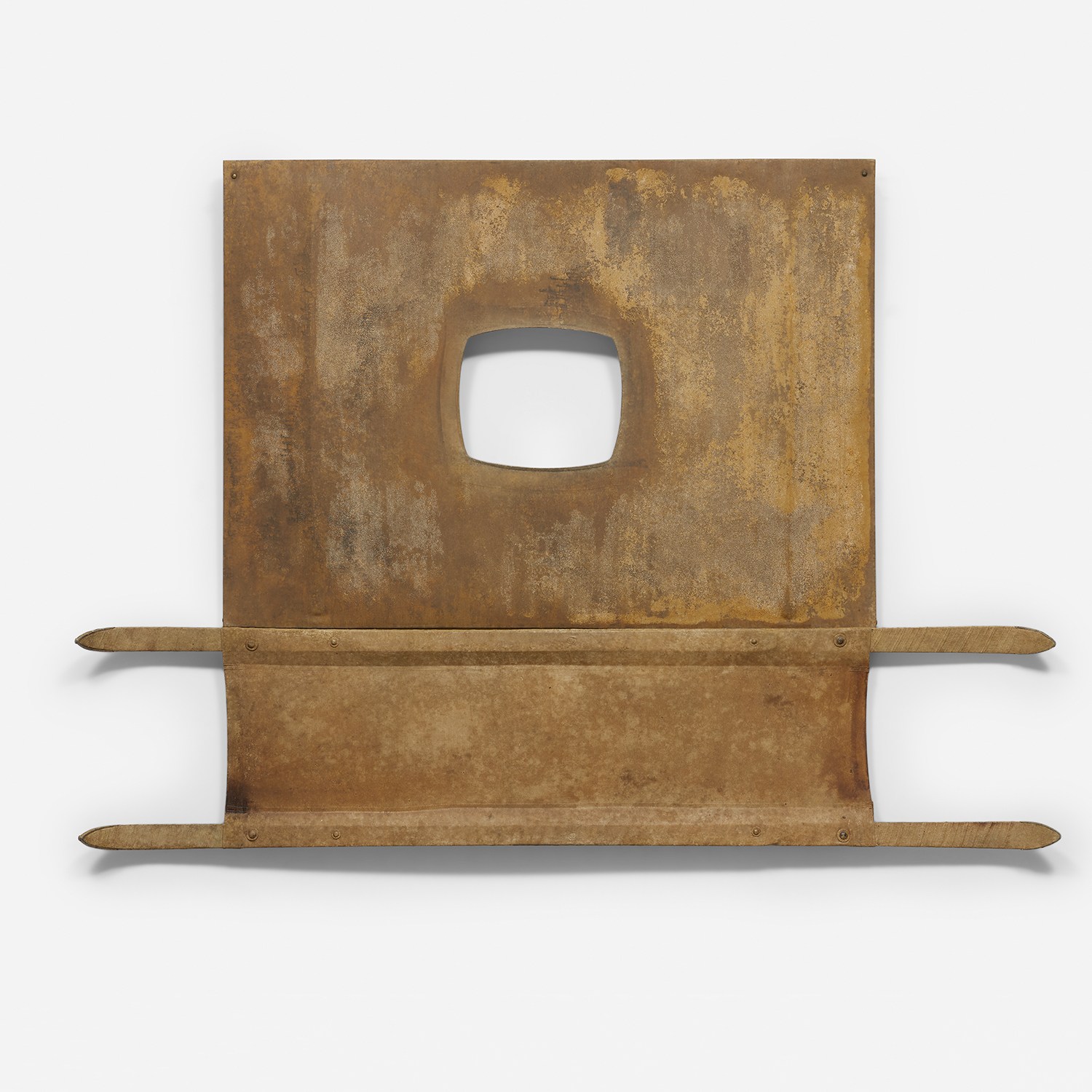
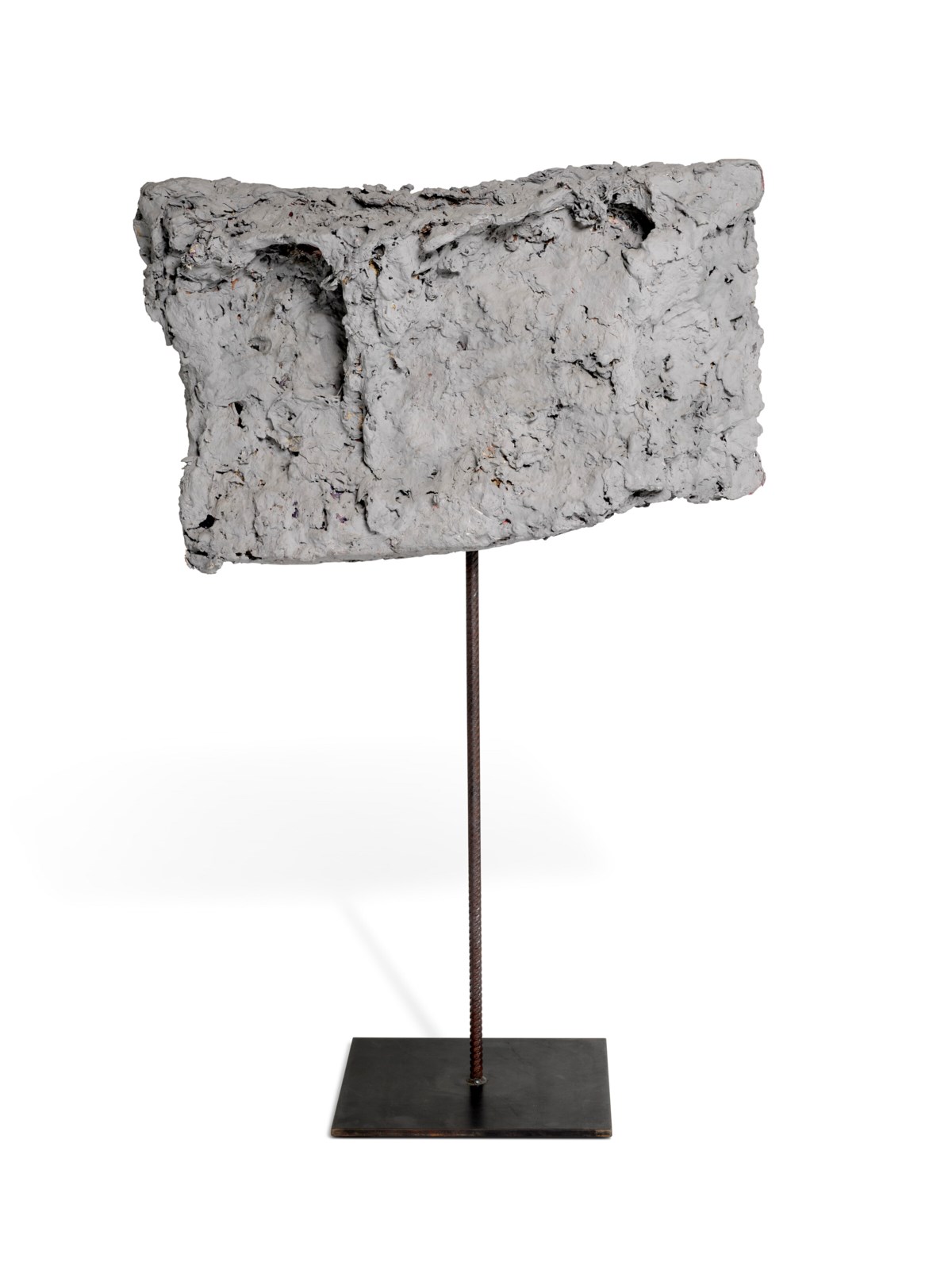
Salvatore Scarpitta
Cow Catcher Sled and Canvas, 1989
What feels settled in this space is the canonical value of the major postwar figures. Rauschenberg, Cornell, Beuys, Oldenburg, and Schwitters are not going to surprise anyone with their institutional standing. What feels genuinely alive is the recontextualization happening around artists who were always important but perhaps not always understood at full depth. Spoerri's snare pictures, those frozen tableaux of leftover meals, are being revisited with fresh appetite.
Marcel Broodthaers, whose use of eggshells and mussels and institutional language constructed one of the most biting critiques of the museum ever made, is attracting a new generation of collectors who read him through the lens of institutional critique and find him as sharp as ever. The found object, it turns out, never stops finding new meaning. That may be its most radical quality of all.